







Fortified Castles of Alsace Association
The Fortified Castles of Alsace Association (Châteaux forts d'Alsace) is a community-driven heritage initiative established in 2013 to safeguard, promote and revitalise the medieval castle ruins of the Alsace region in northeastern France. More than 100 fortified castle ruins ...
Read more
Project details
Description:
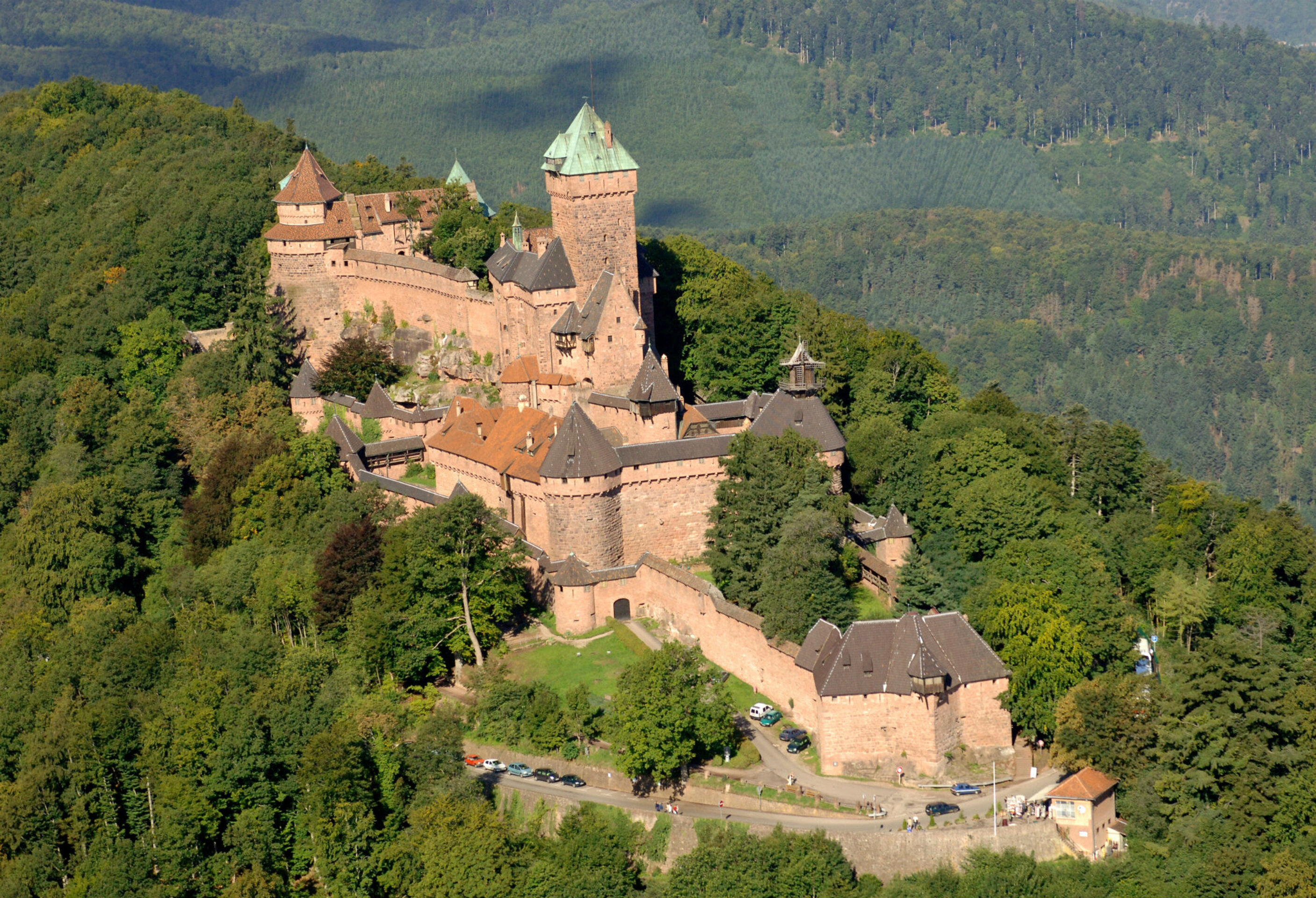
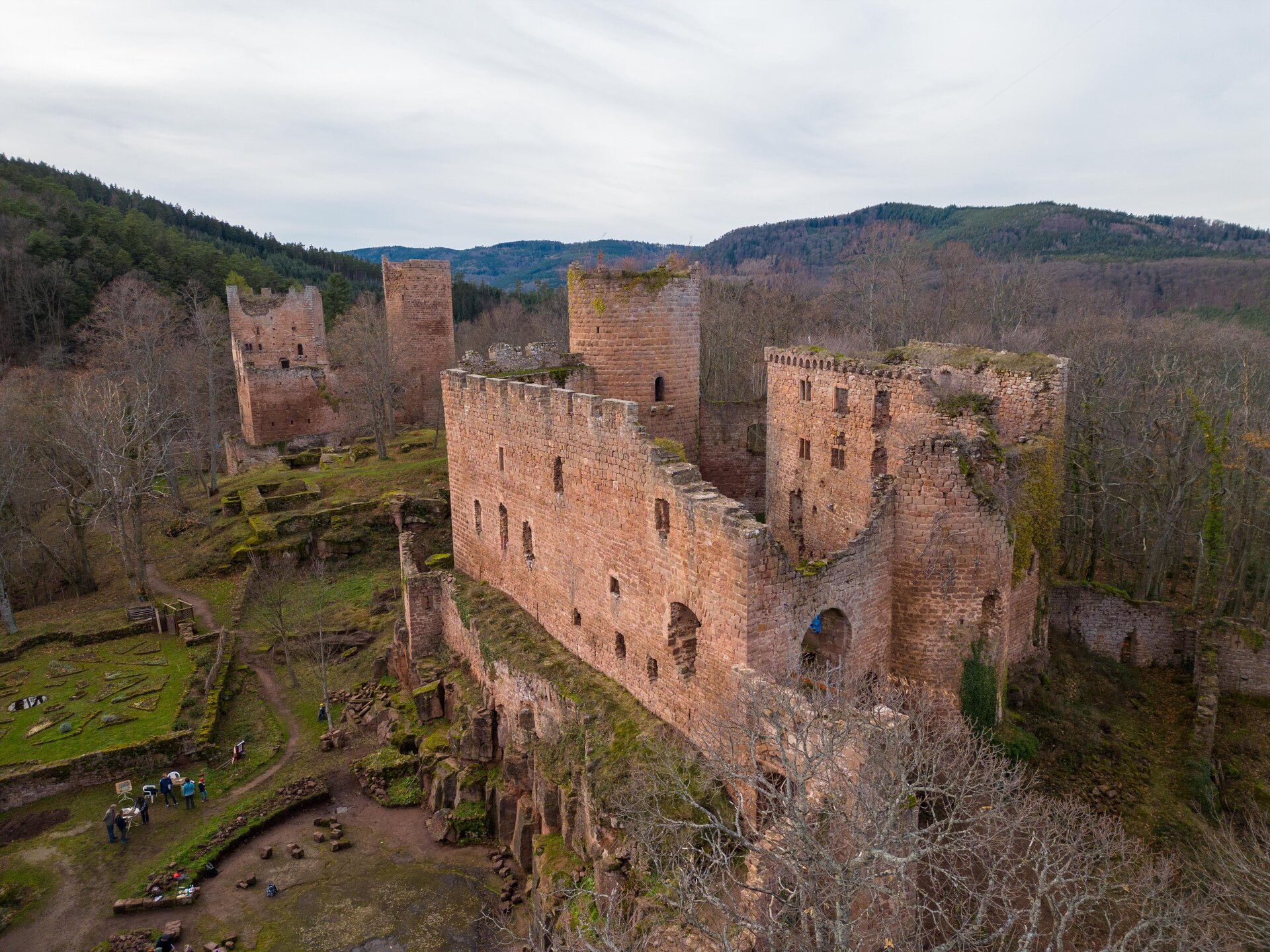
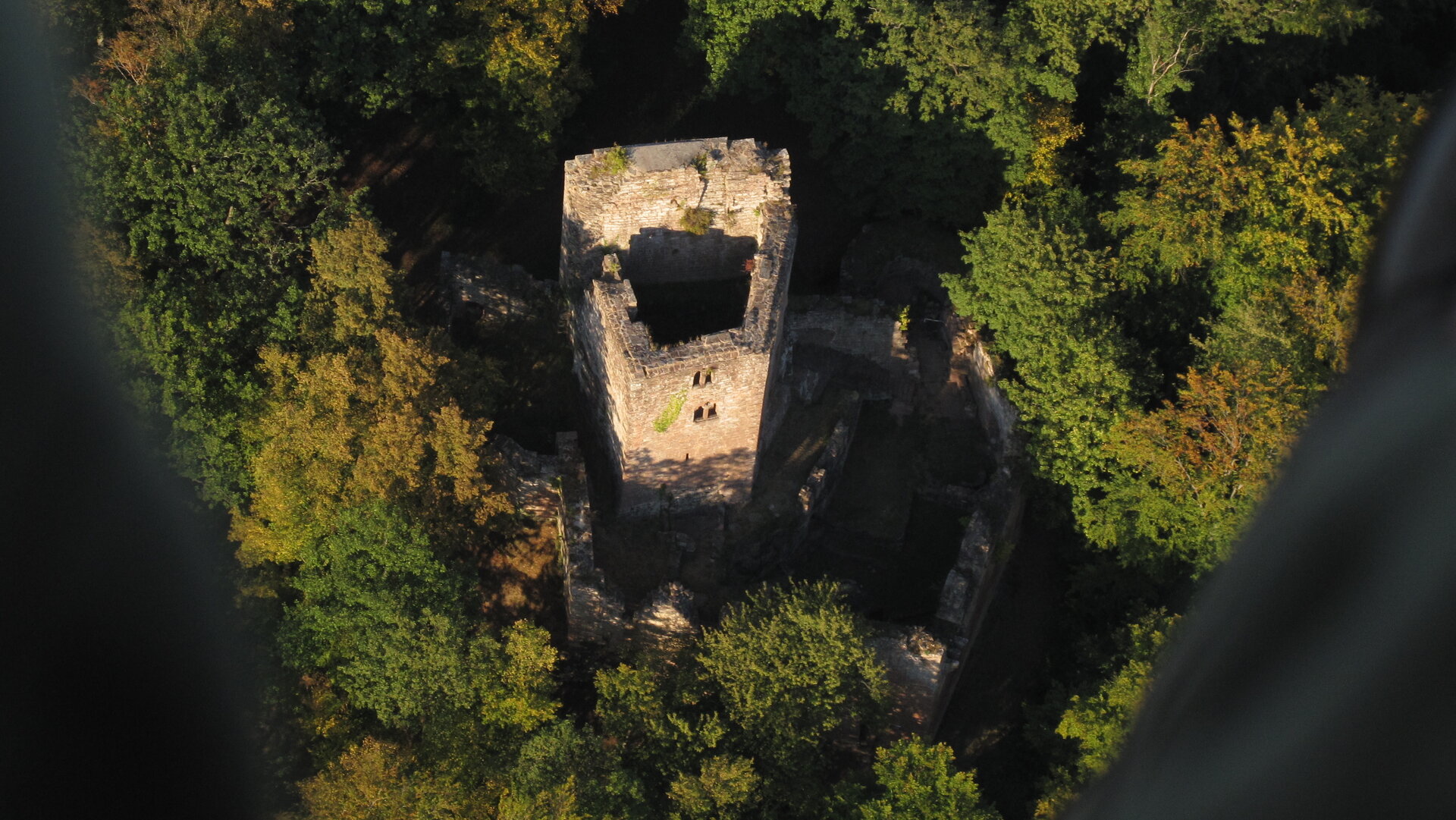
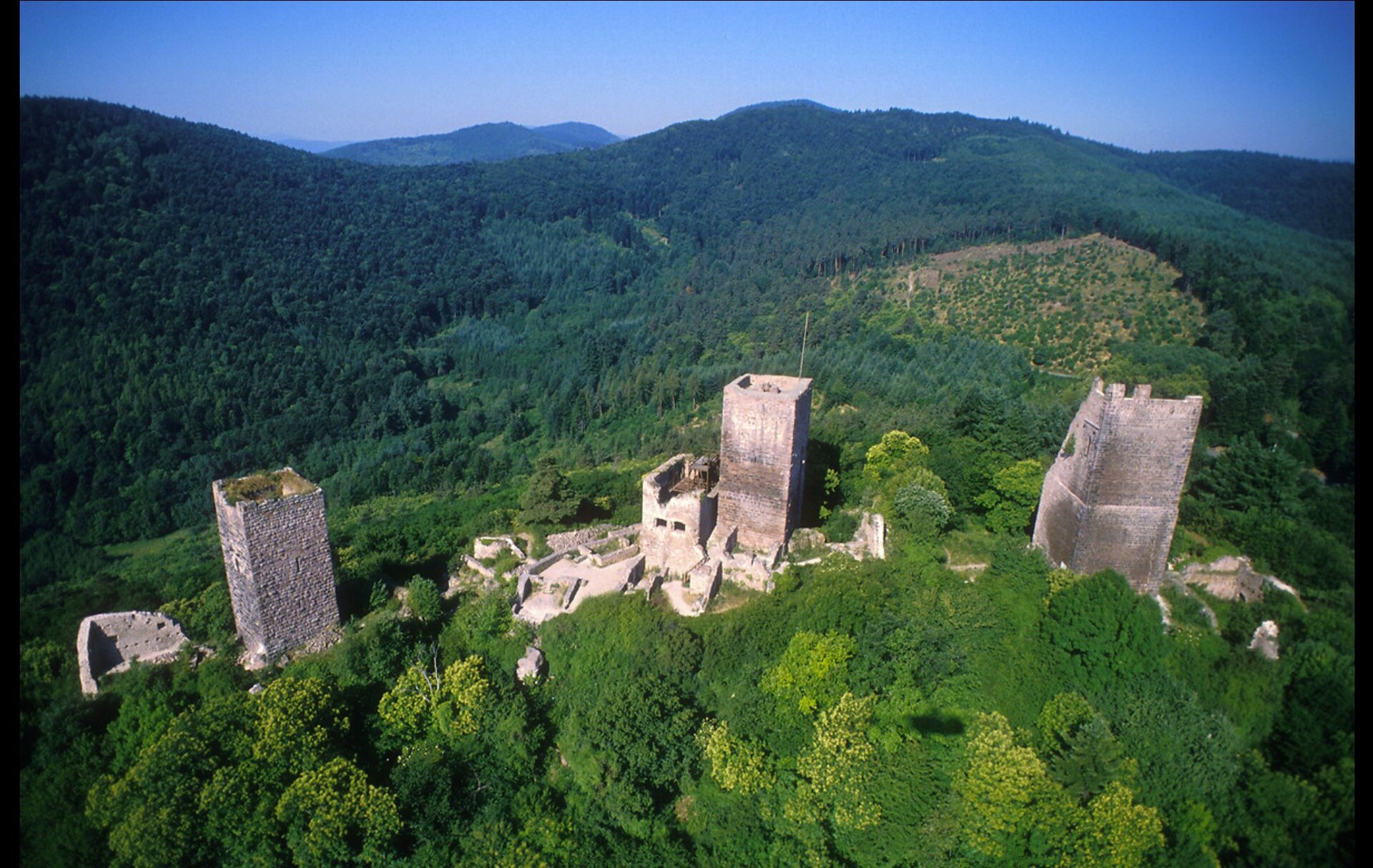
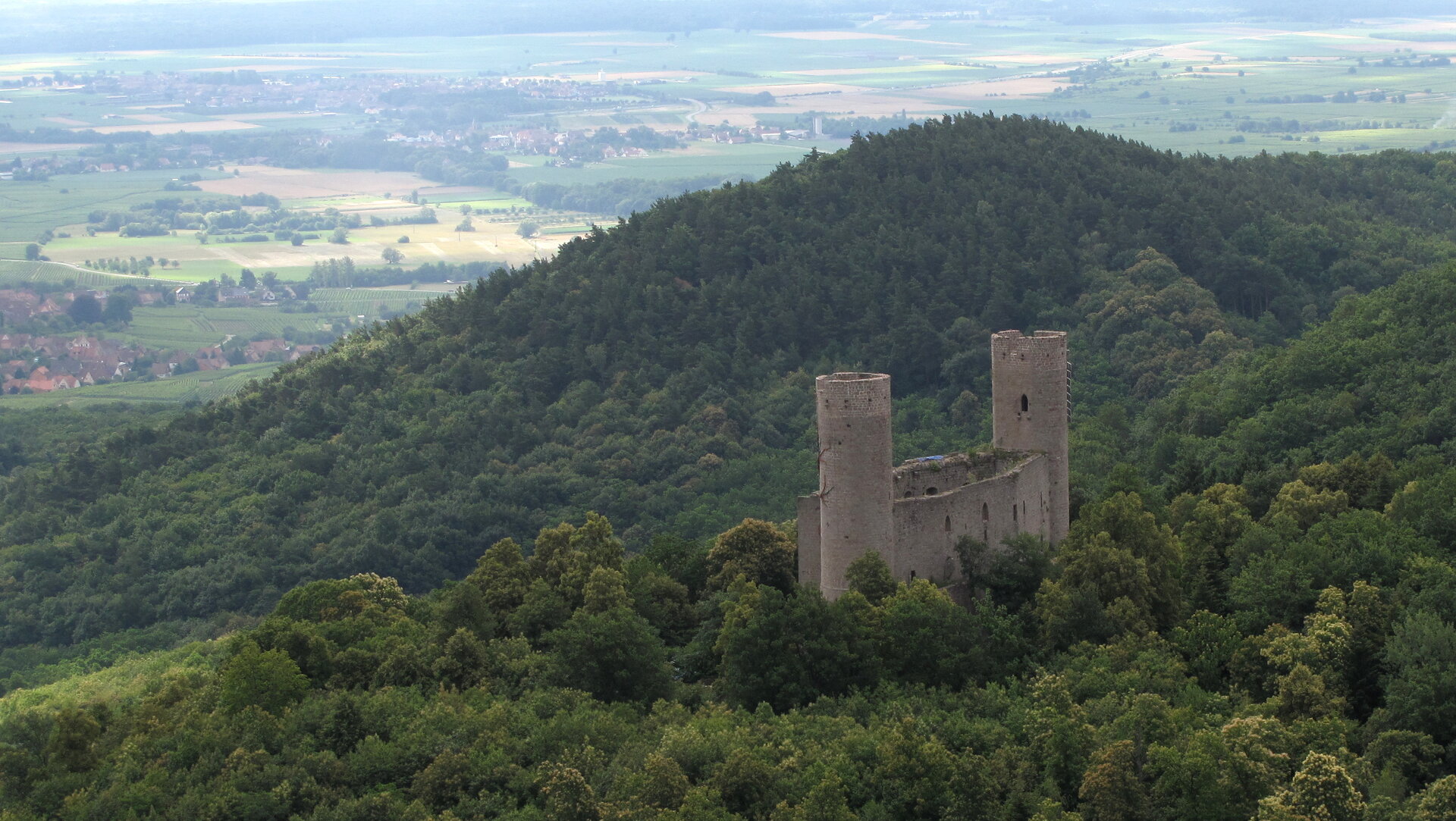
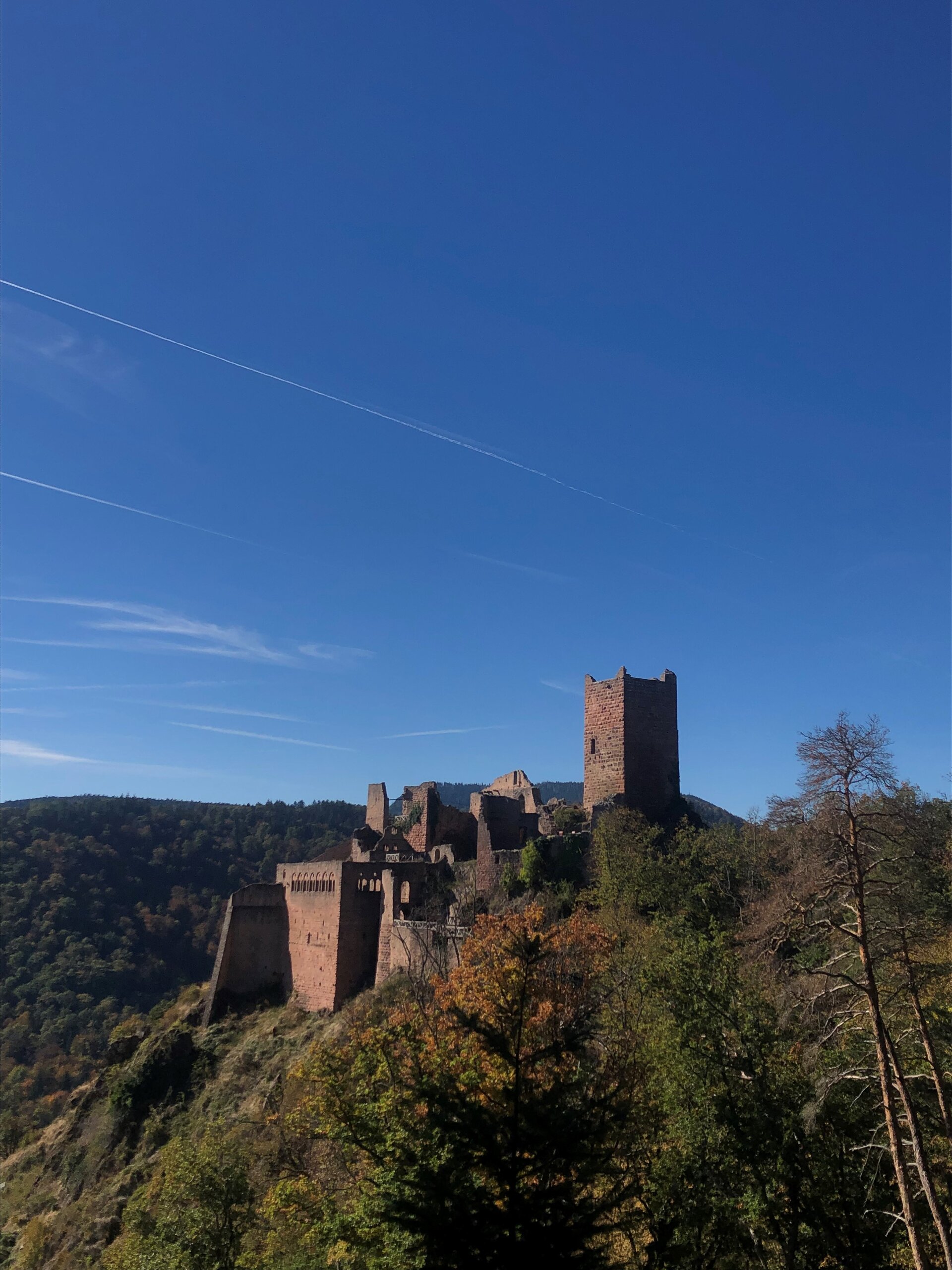
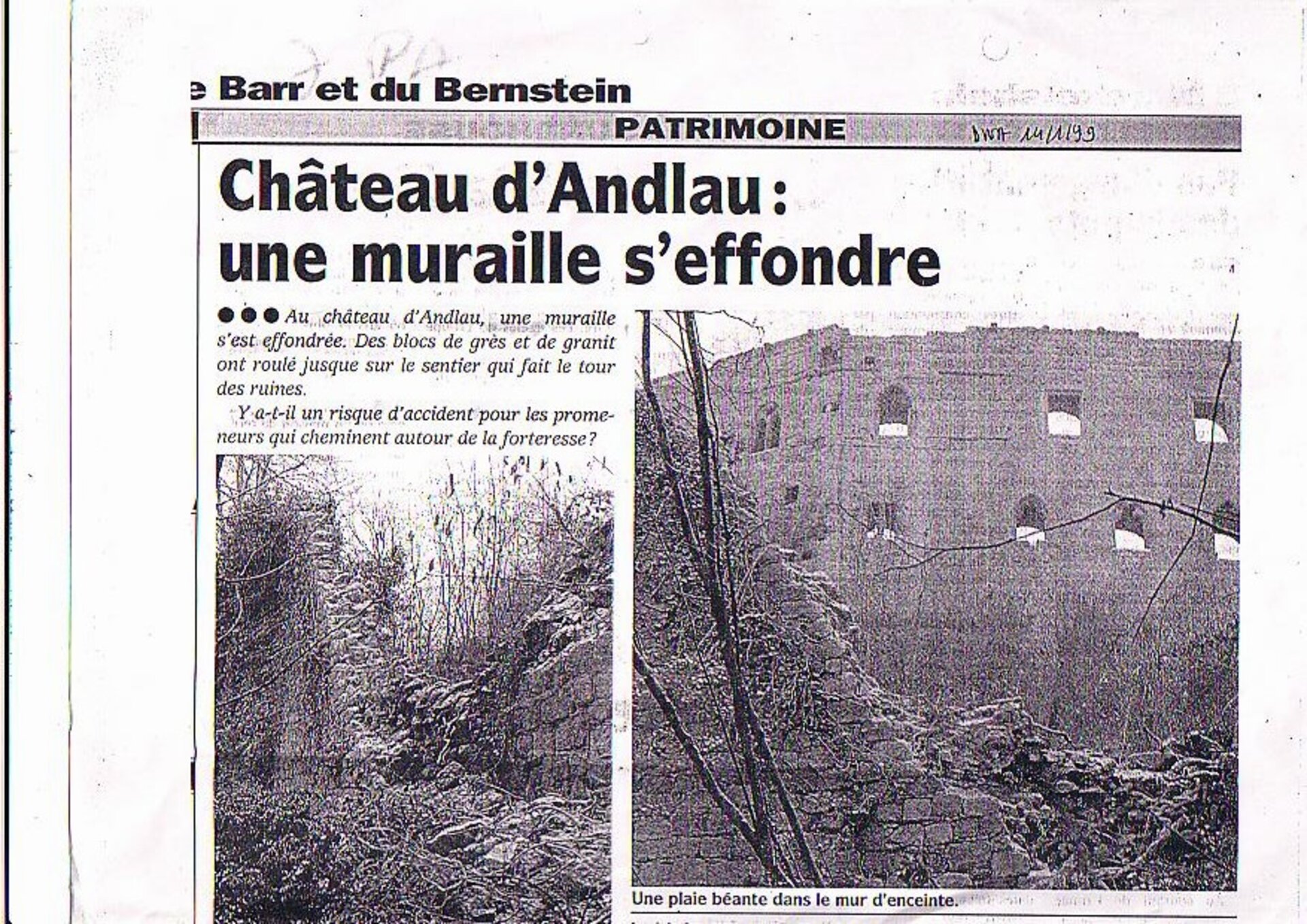
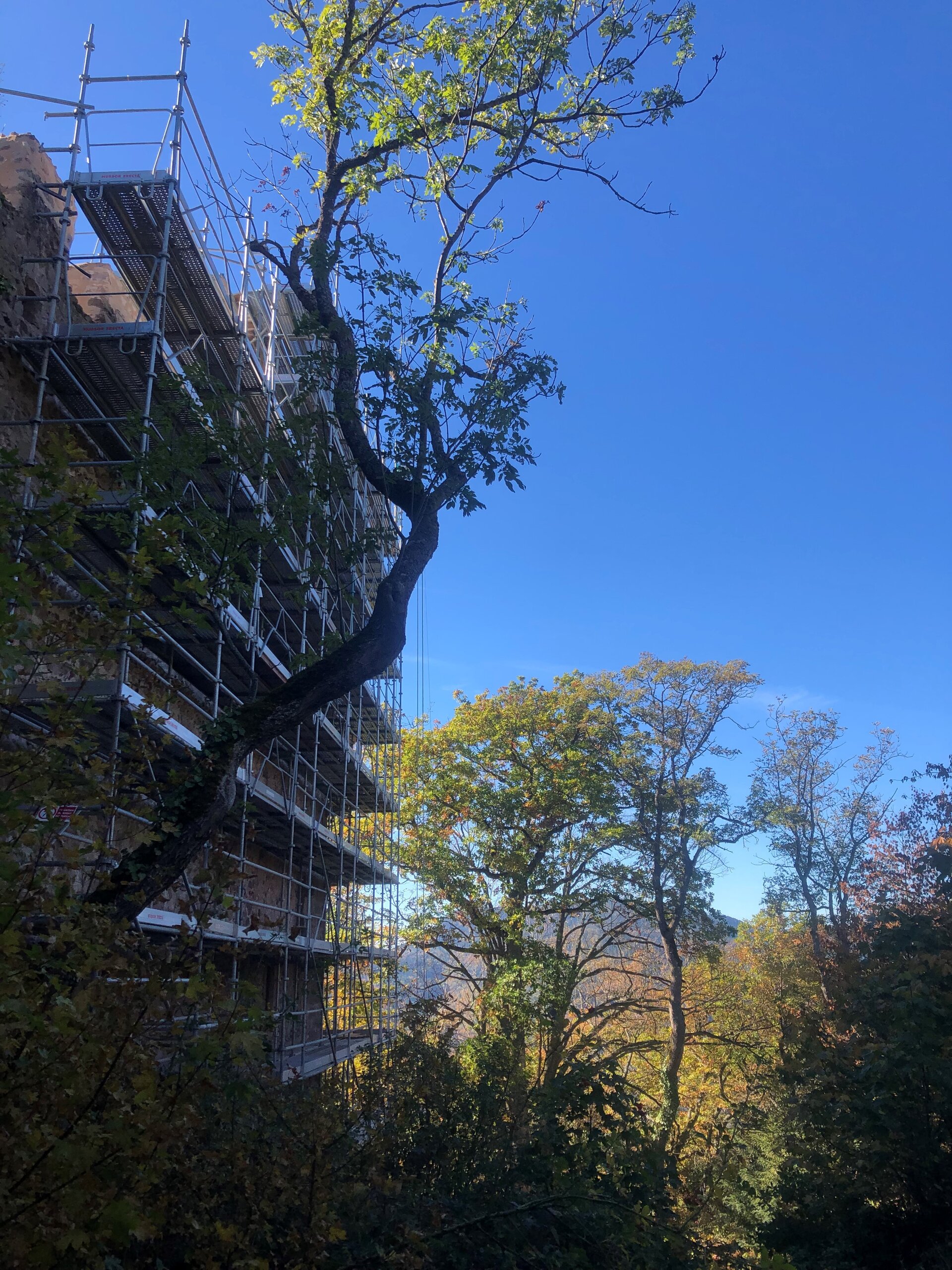
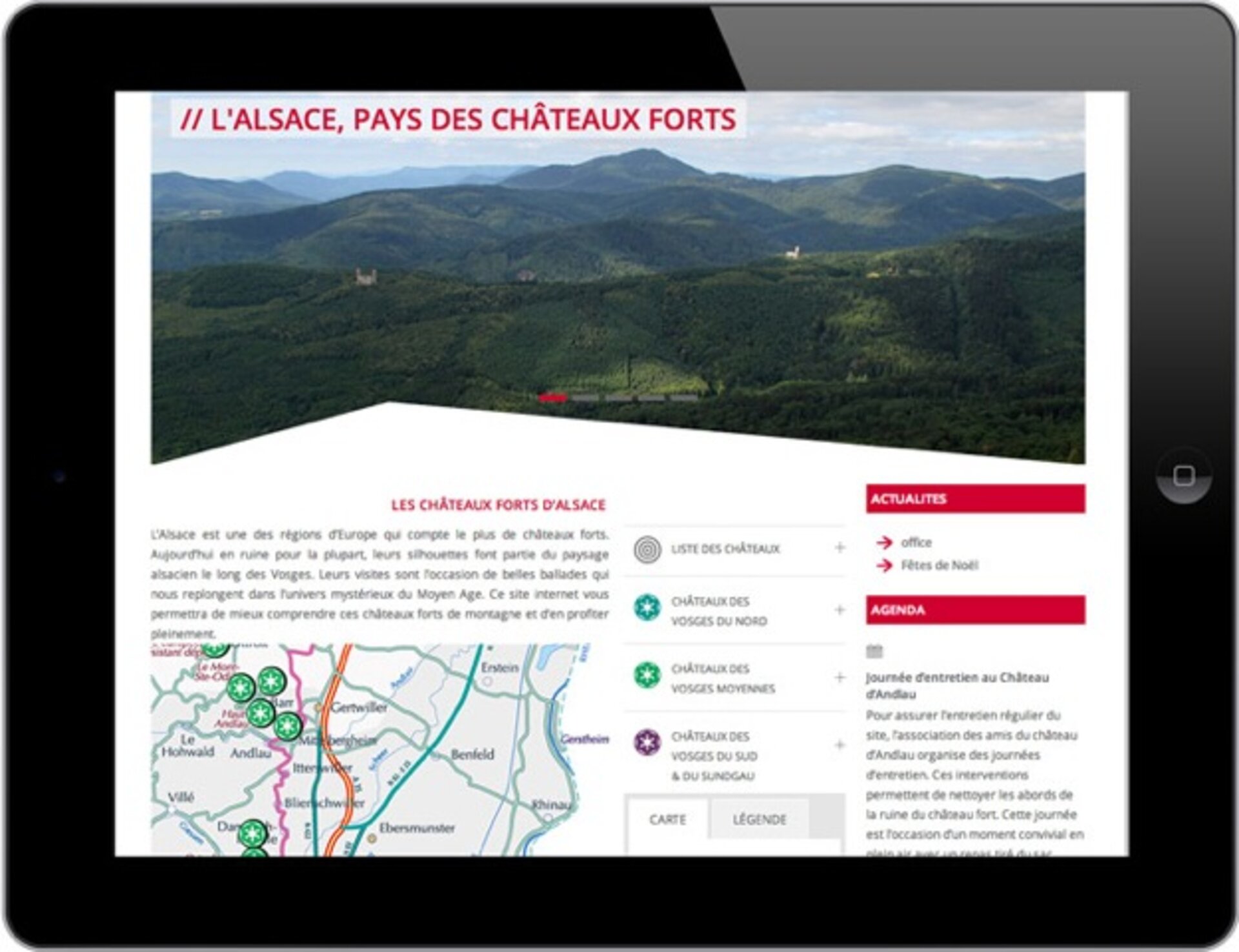
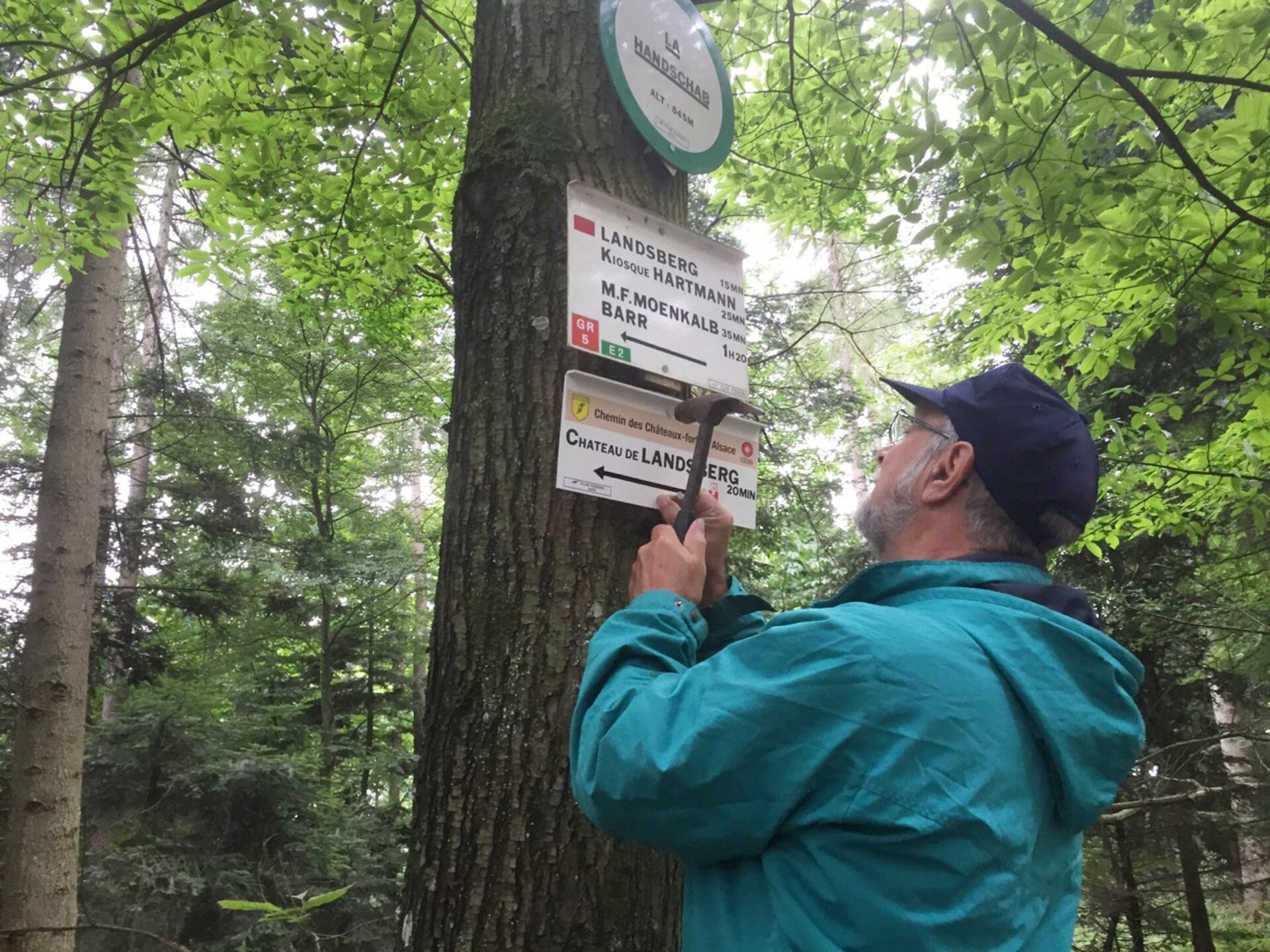
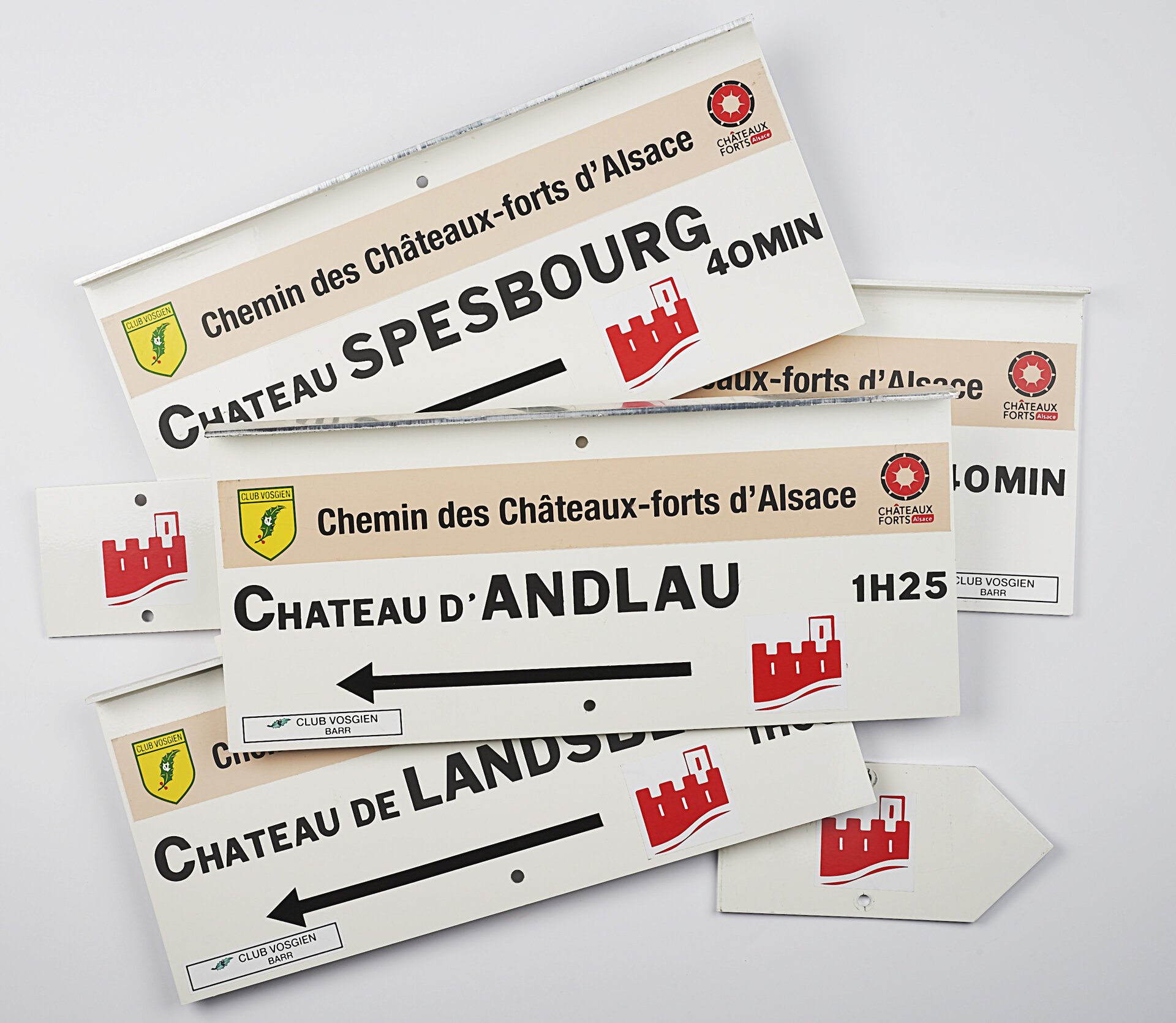
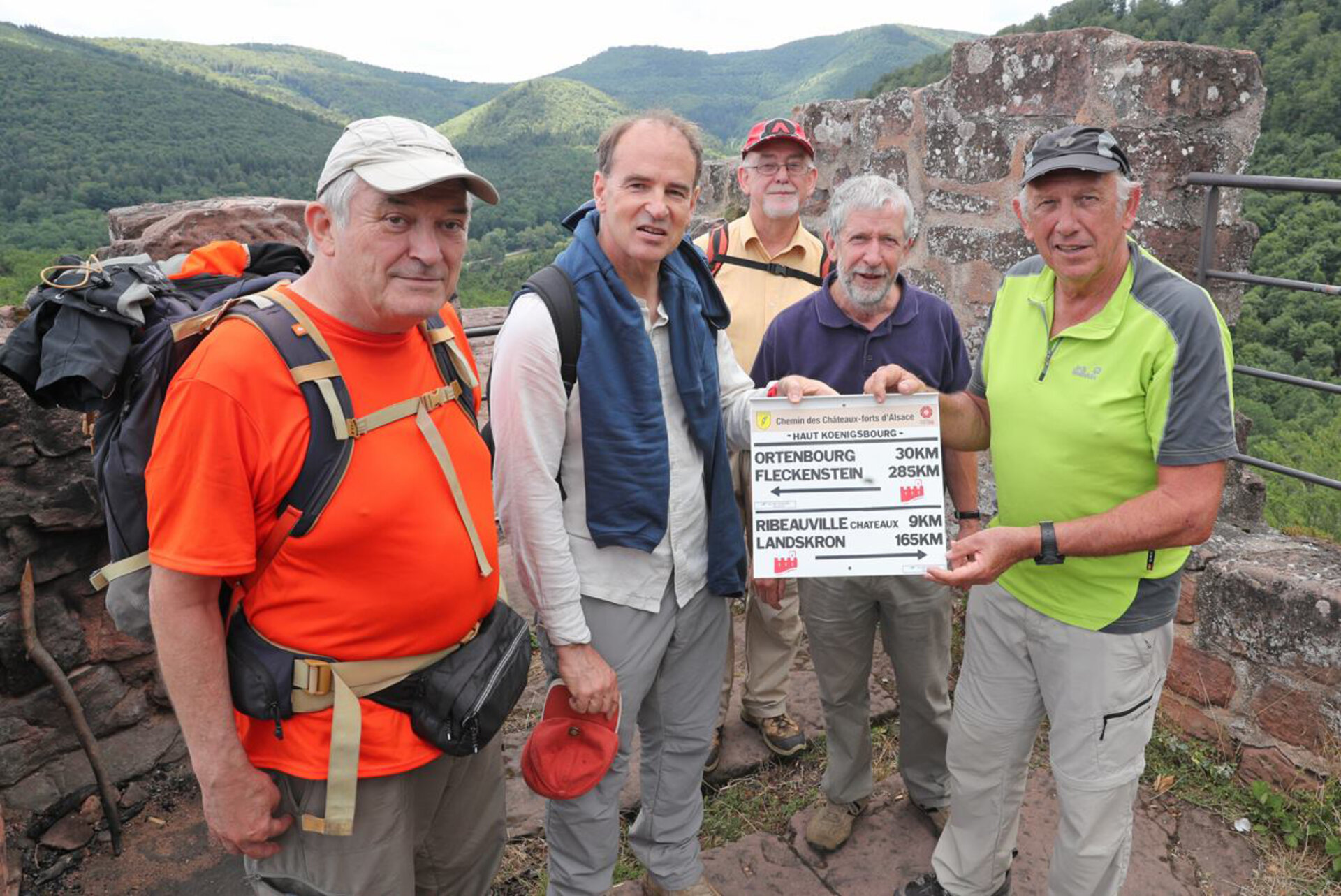
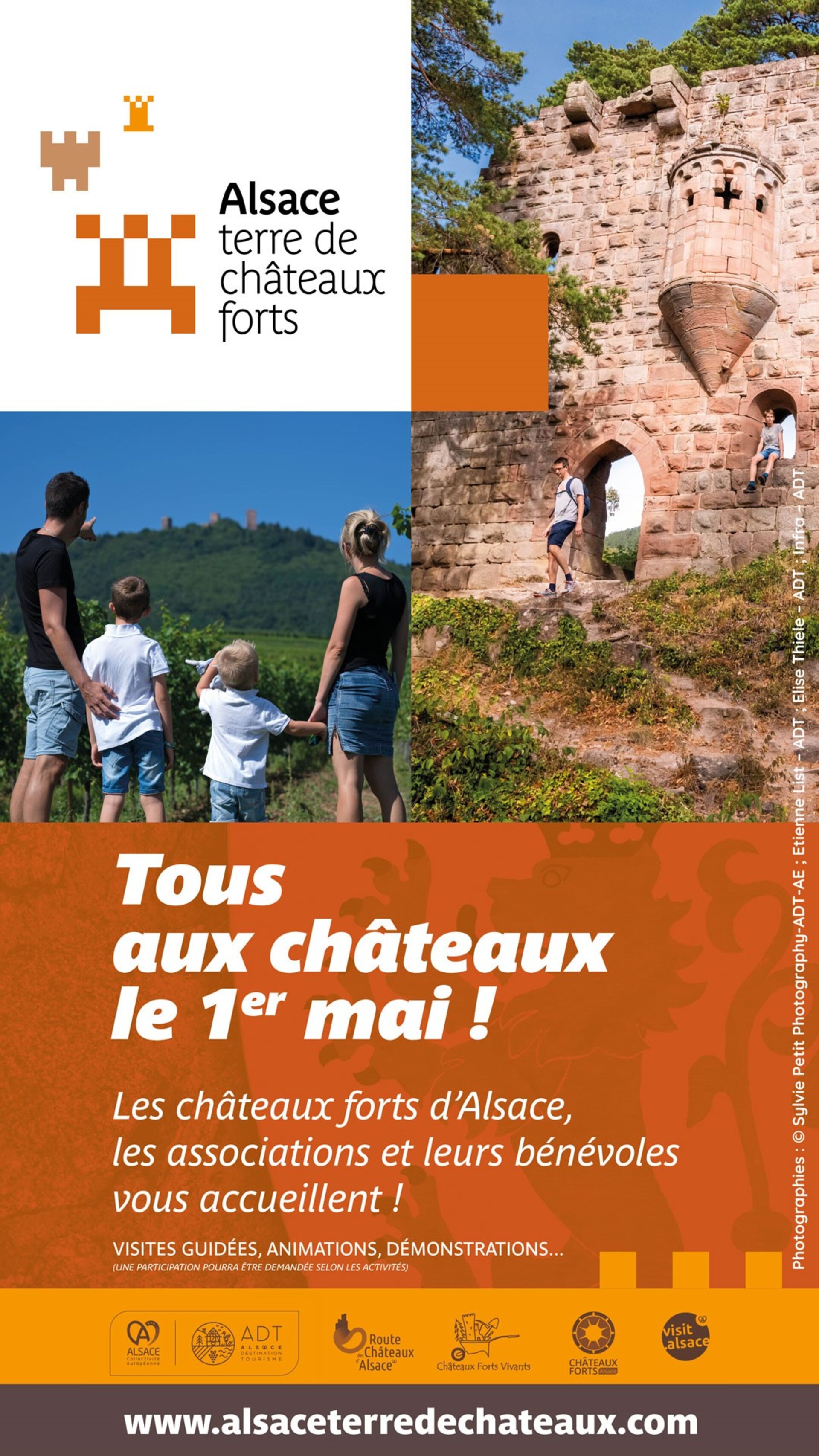
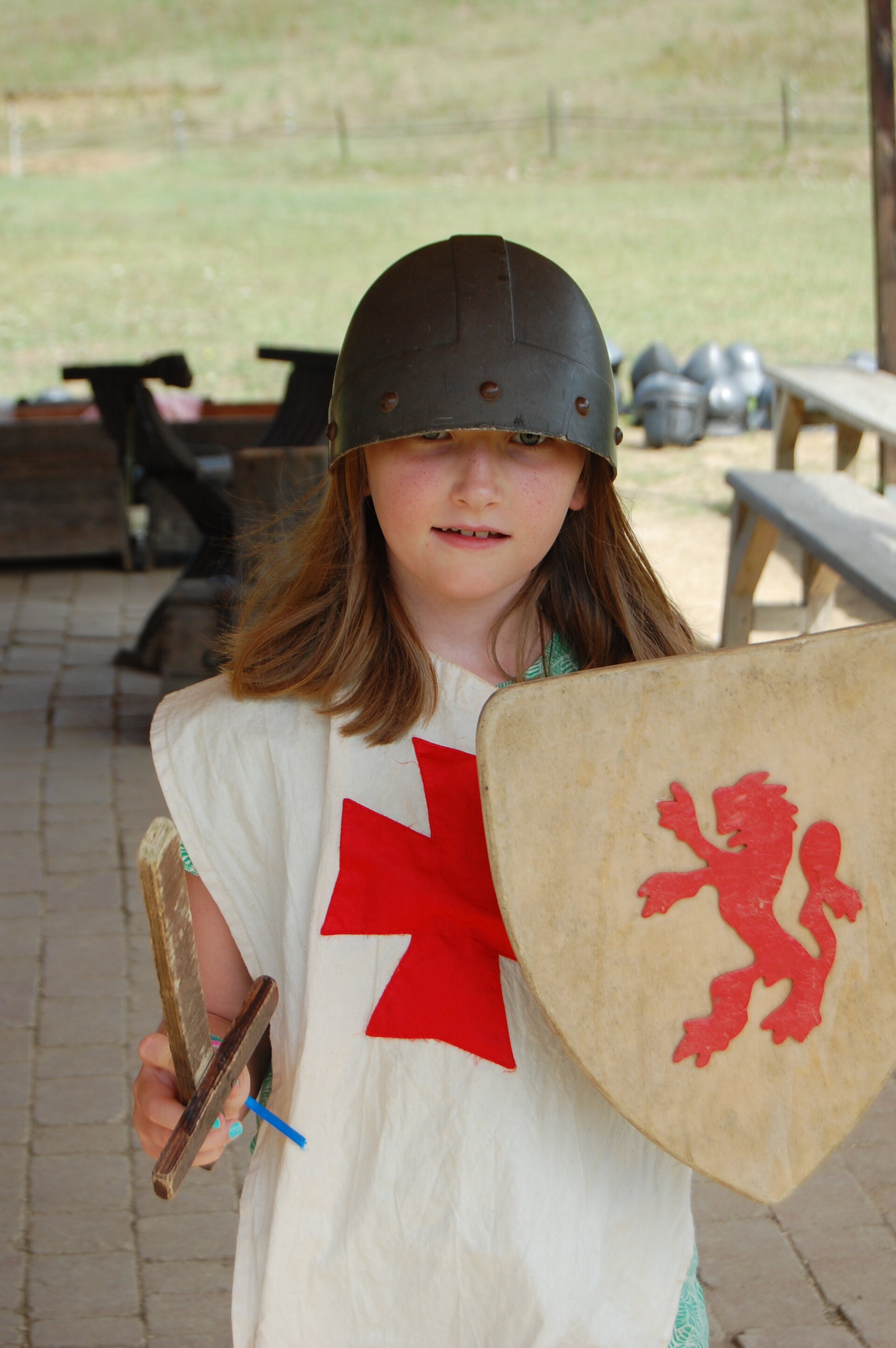
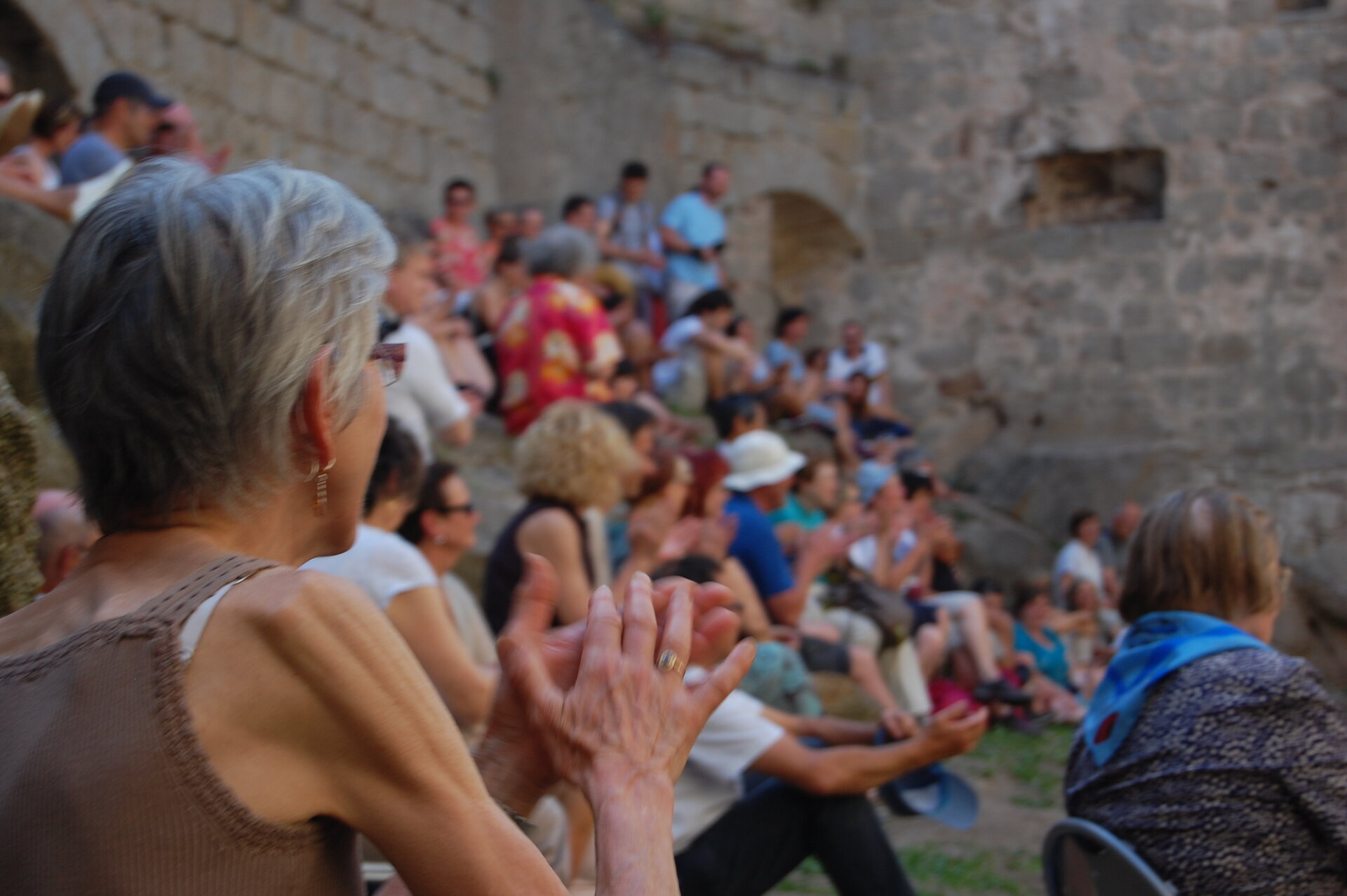
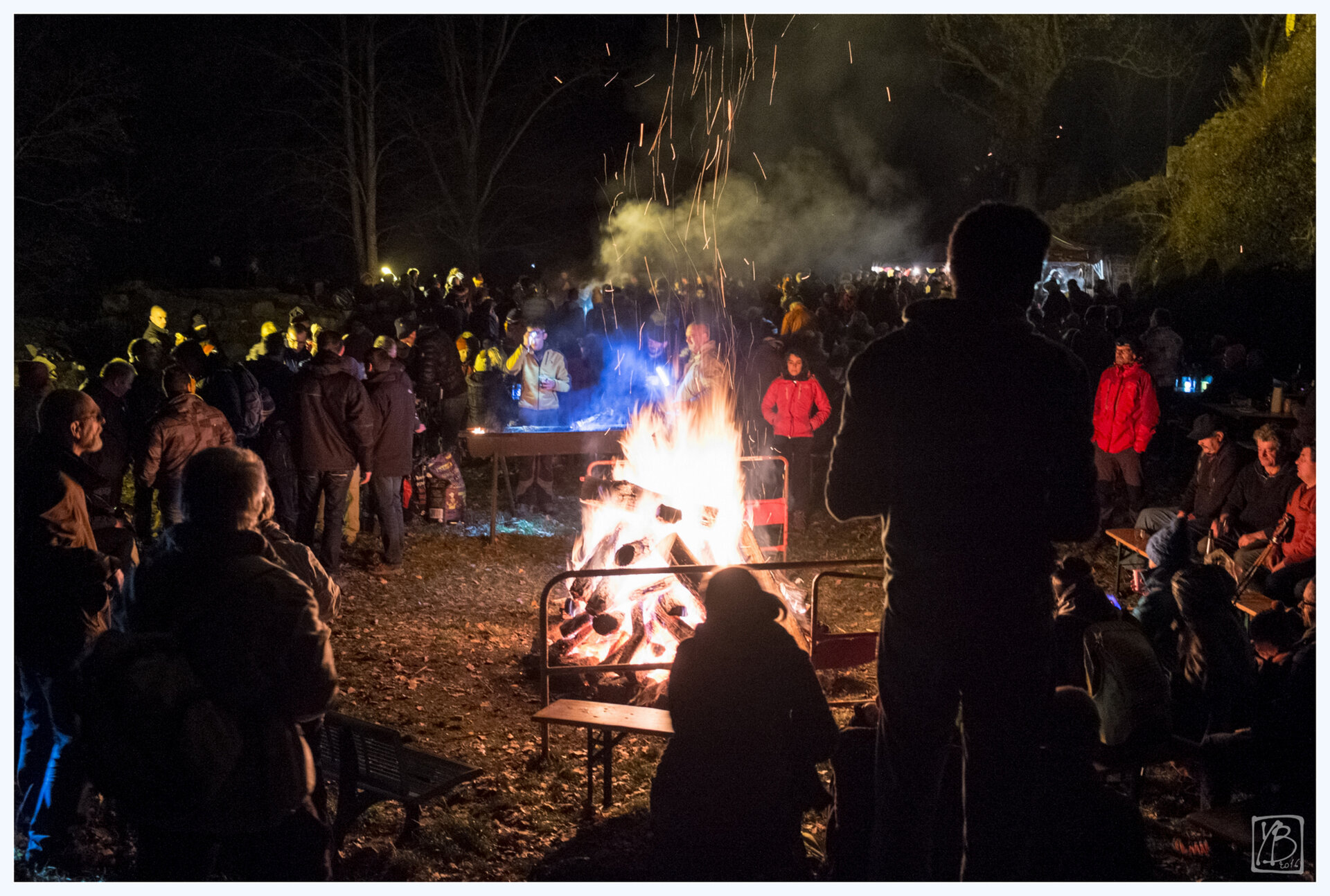
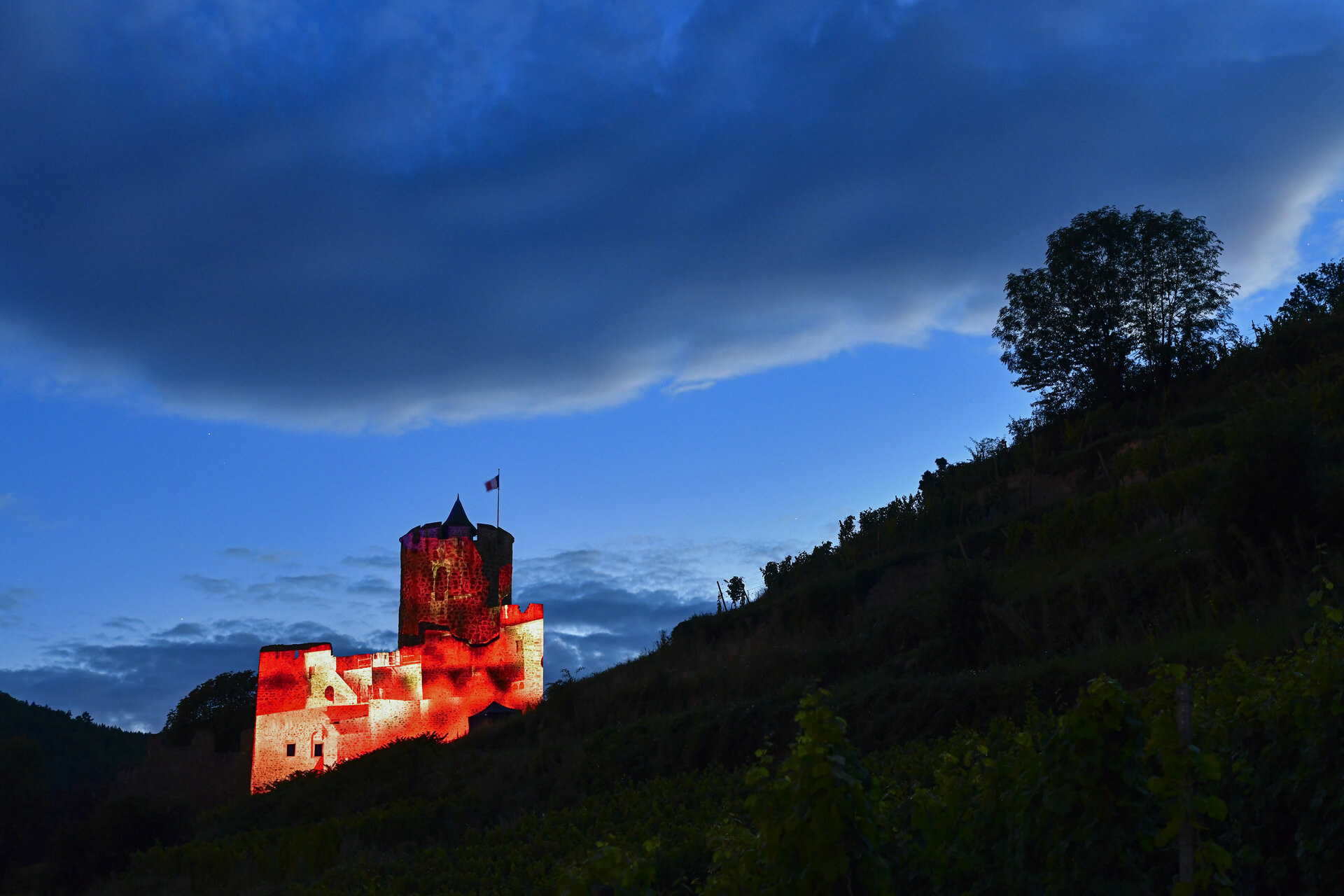
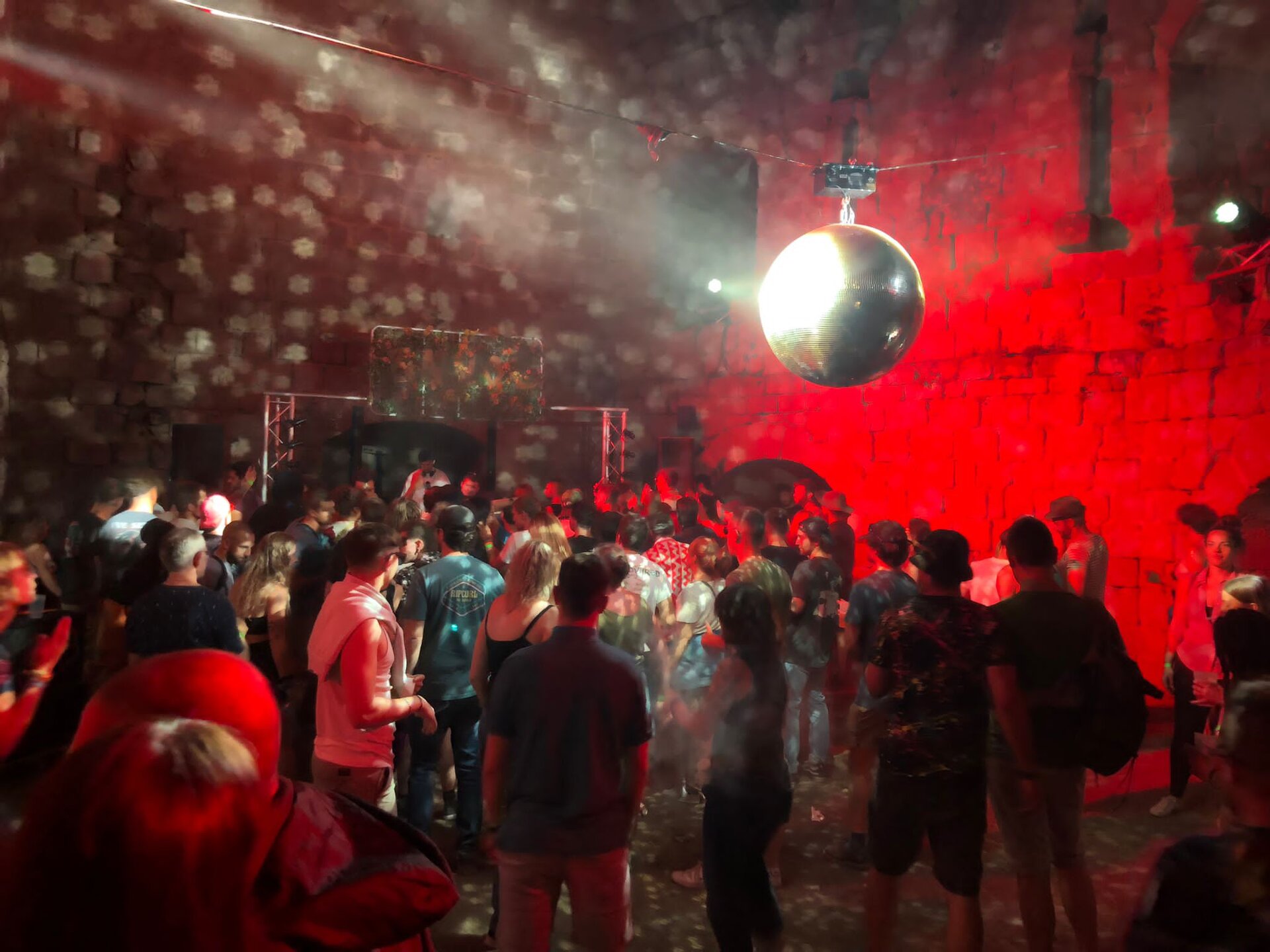
The Fortified Castles of Alsace Association (Châteaux forts d'Alsace) is a community-driven heritage initiative established in 2013 to safeguard, promote and revitalise the medieval castle ruins of the Alsace region in northeastern France. More than 100 fortified castle ruins survive on the Alsatian side of the Vosges mountains, most of them freely accessible and maintained through the dedication of local volunteer associations. Many of these castles were abandoned centuries ago and gradually fell into ruin. Although they form an important part of the region's historical landscape, the smaller sites often lack the financial and professional resources needed for substantial conservation works. The association was founded to bring volunteer groups together, strengthen public awareness and demonstrate the cultural, social and economic value of this heritage to local authorities and the wider public. One of its major achievements is the Alsace Fortified Castles' Trail (Chemin des châteaux forts d'Alsace), a 450-kilometre heritage route connecting 80 castles across 26 stages between Wissembourg and Thann. The trail encourages sustainable cultural tourism and enables visitors to discover medieval architecture, local history and the natural landscapes of the Vosges mountains. The association also organises the annual Alsace Castles Day on 1 May, bringing together volunteer organisations to offer guided visits, historical activities, concerts and educational events. Historians from the University of Strasbourg and local historical societies have contributed to the creation of reliable historical resources and educational materials, including resources for schoolchildren. The initiative has significantly increased public participation and strengthened recognition of the region's fortified heritage. In 2023, the annual castles day attracted approximately 20,000 participants. Visitor counters installed at 18 castle sites recorded more than 770,000 visits between July 2022 and June 2023. The association has also contributed to cross-border cooperation through the Rhine Castles INTERREG project, launched in October 2022, which connects partners from France, Germany and Switzerland in the promotion, research and interpretation of the shared heritage of the Upper Rhine region. Recognised with a European Heritage Award / Europa Nostra Award in 2024 in the category Citizens' Engagement and Awareness-raising, the Fortified Castles of Alsace Association demonstrates how volunteer-led collaboration, cultural tourism and public engagement can strengthen the long-term preservation of historic sites and reinforce regional identity.
