



Odeuropa
Odeuropa: Negotiating Olfactory and Sensory Experiences in Cultural Heritage Practice and Research was a pioneering European research and innovation project dedicated to recognising, documenting and interpreting smell as an essential dimension of cultural heritage. Coordinated by ...
Read more
Project details
Description:
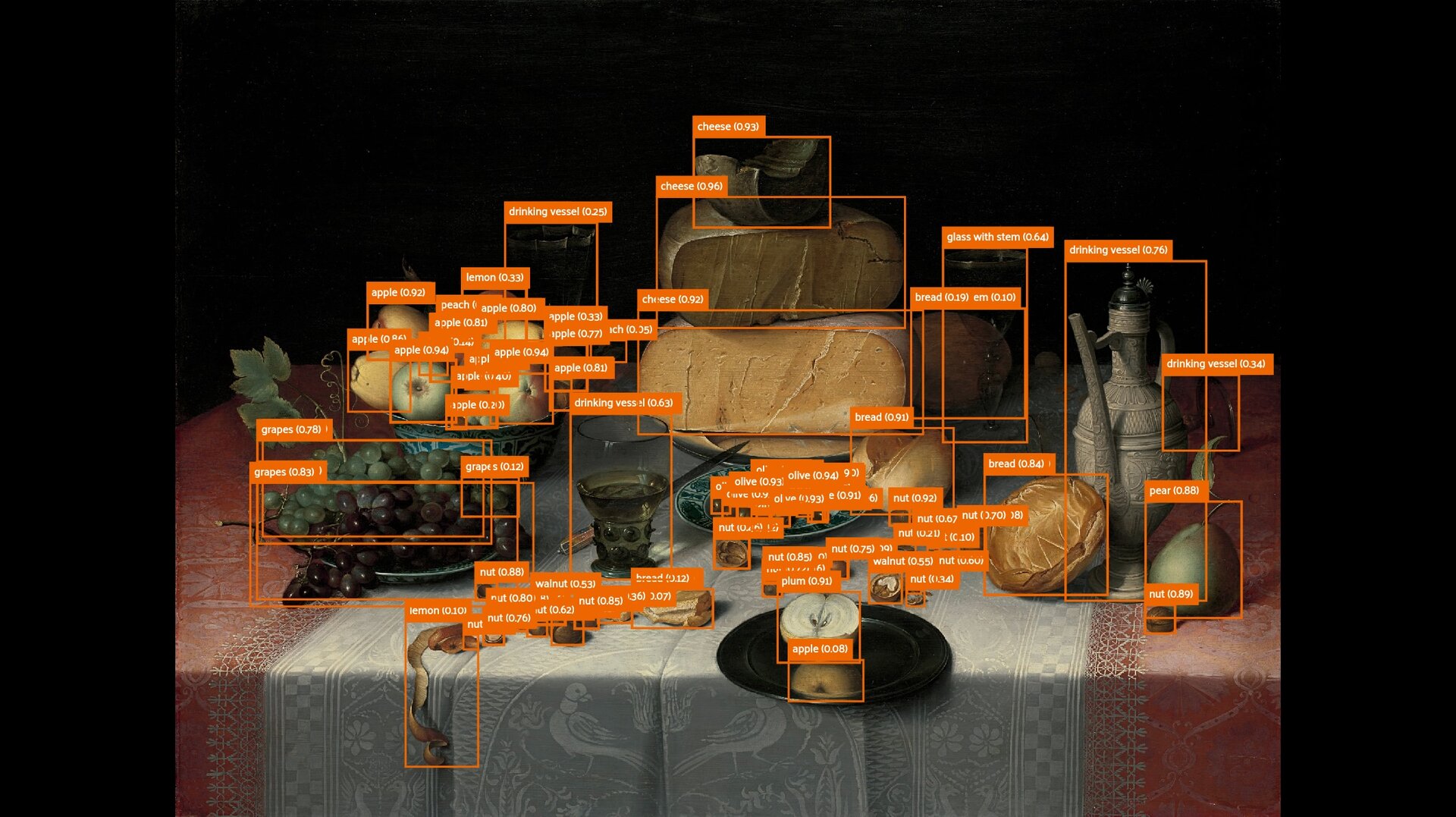
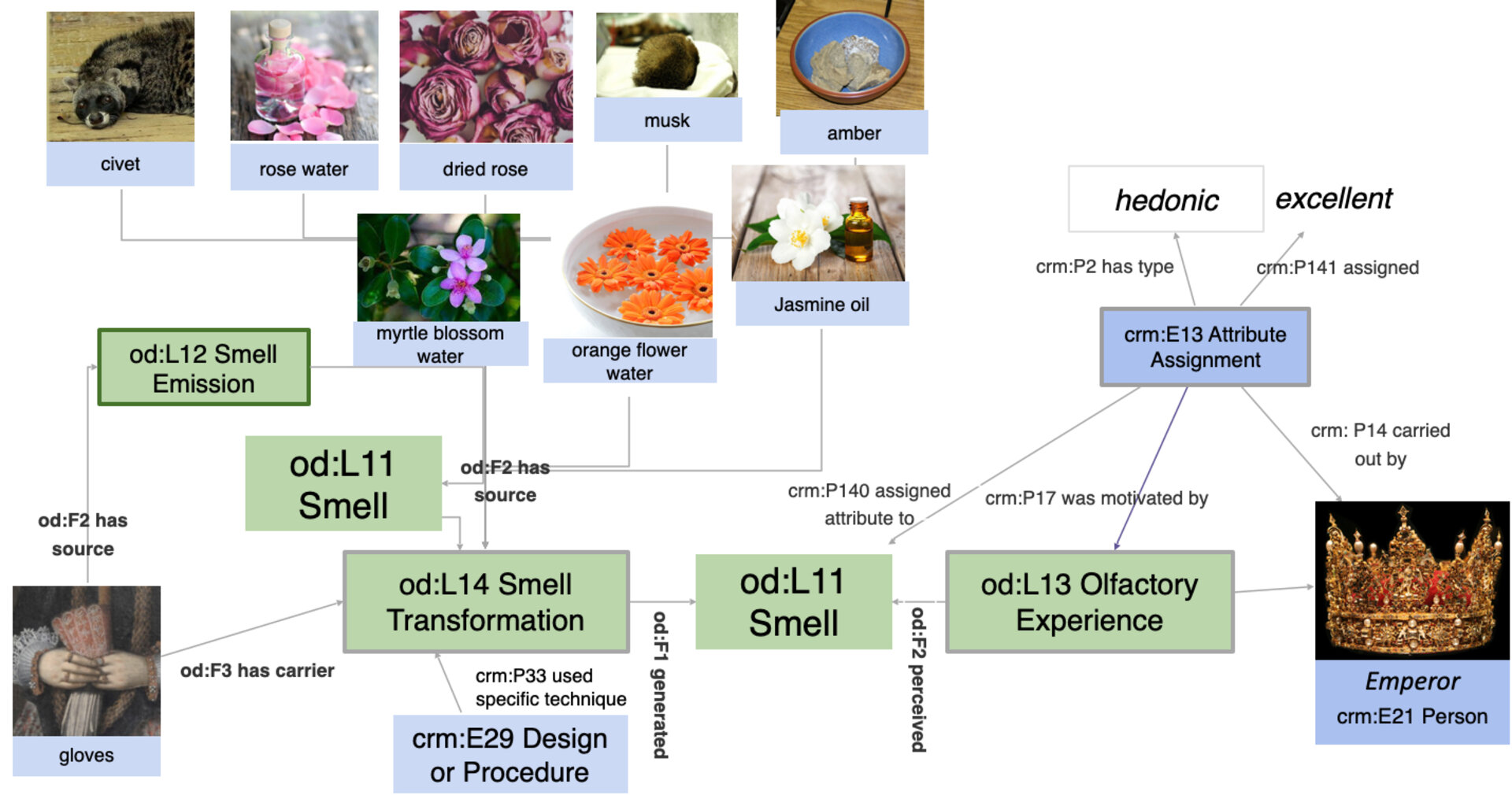
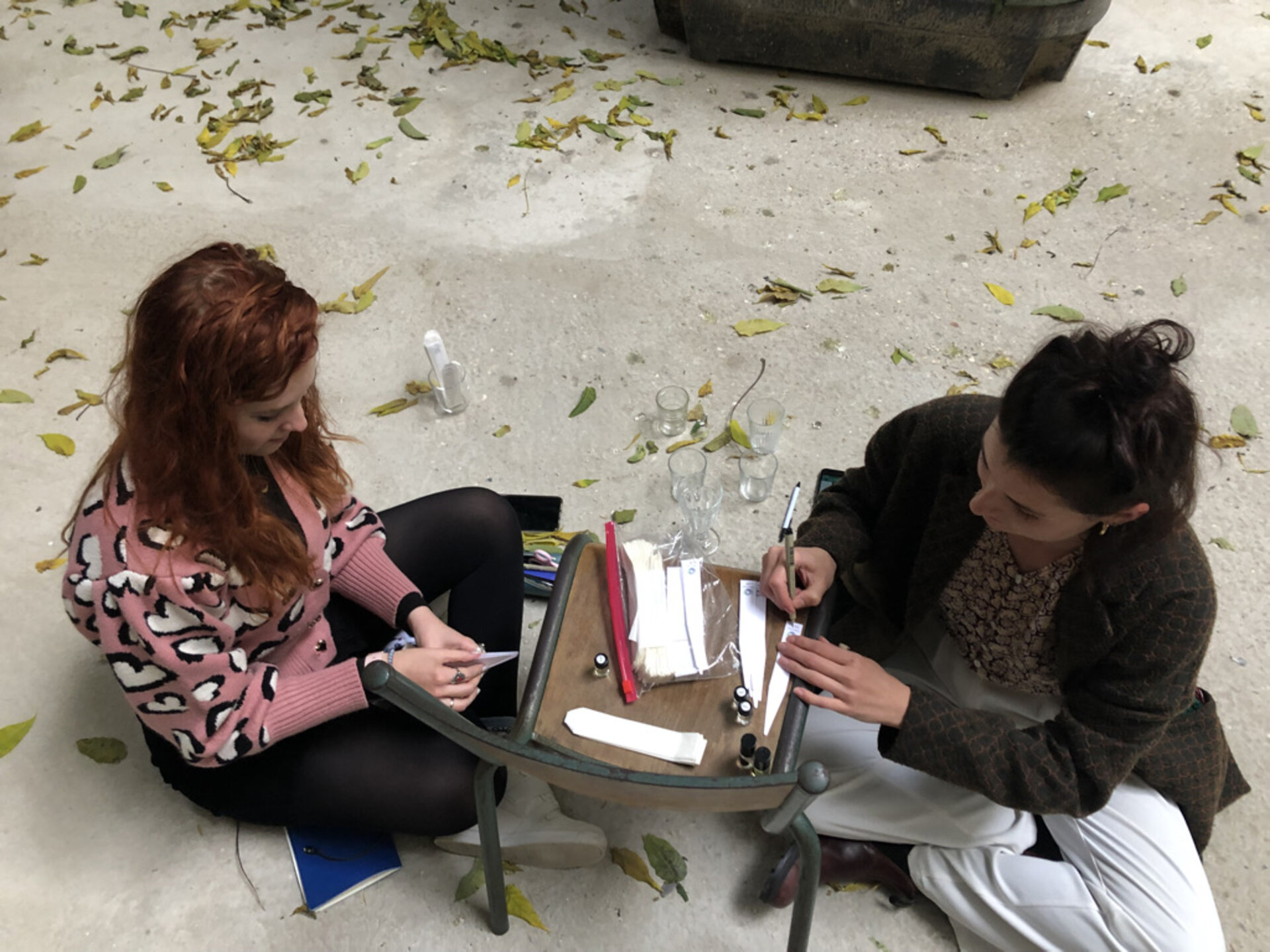
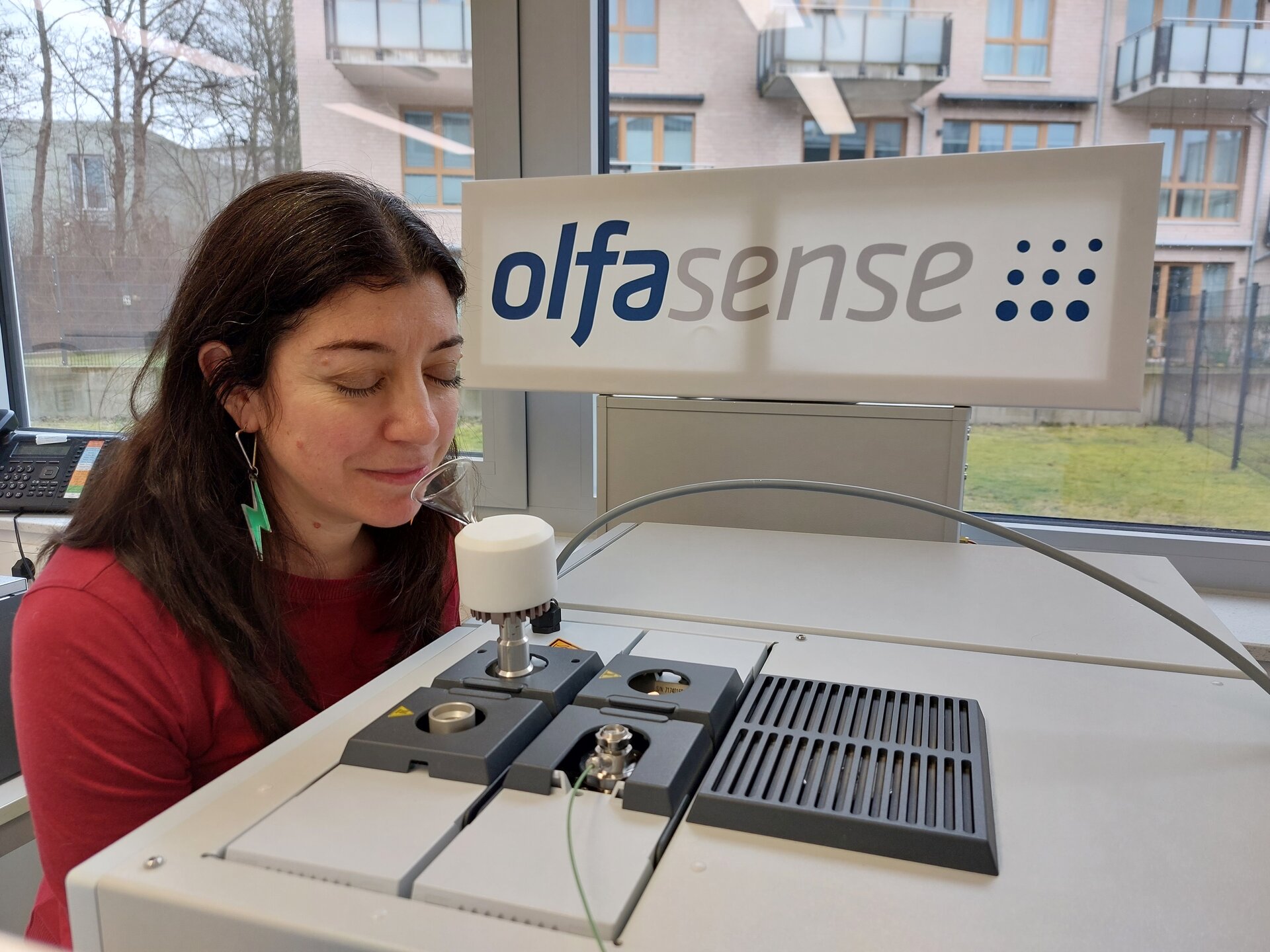
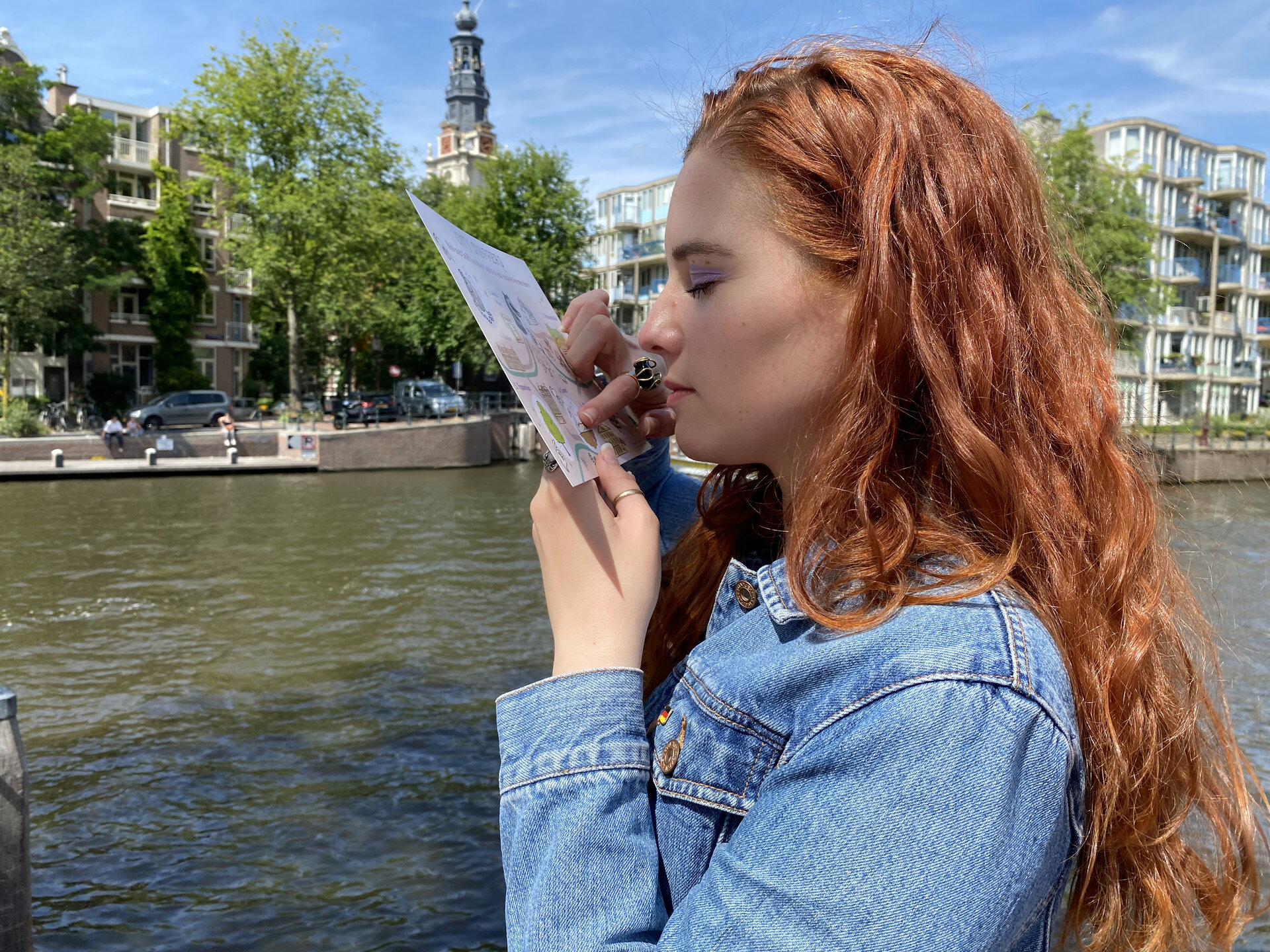
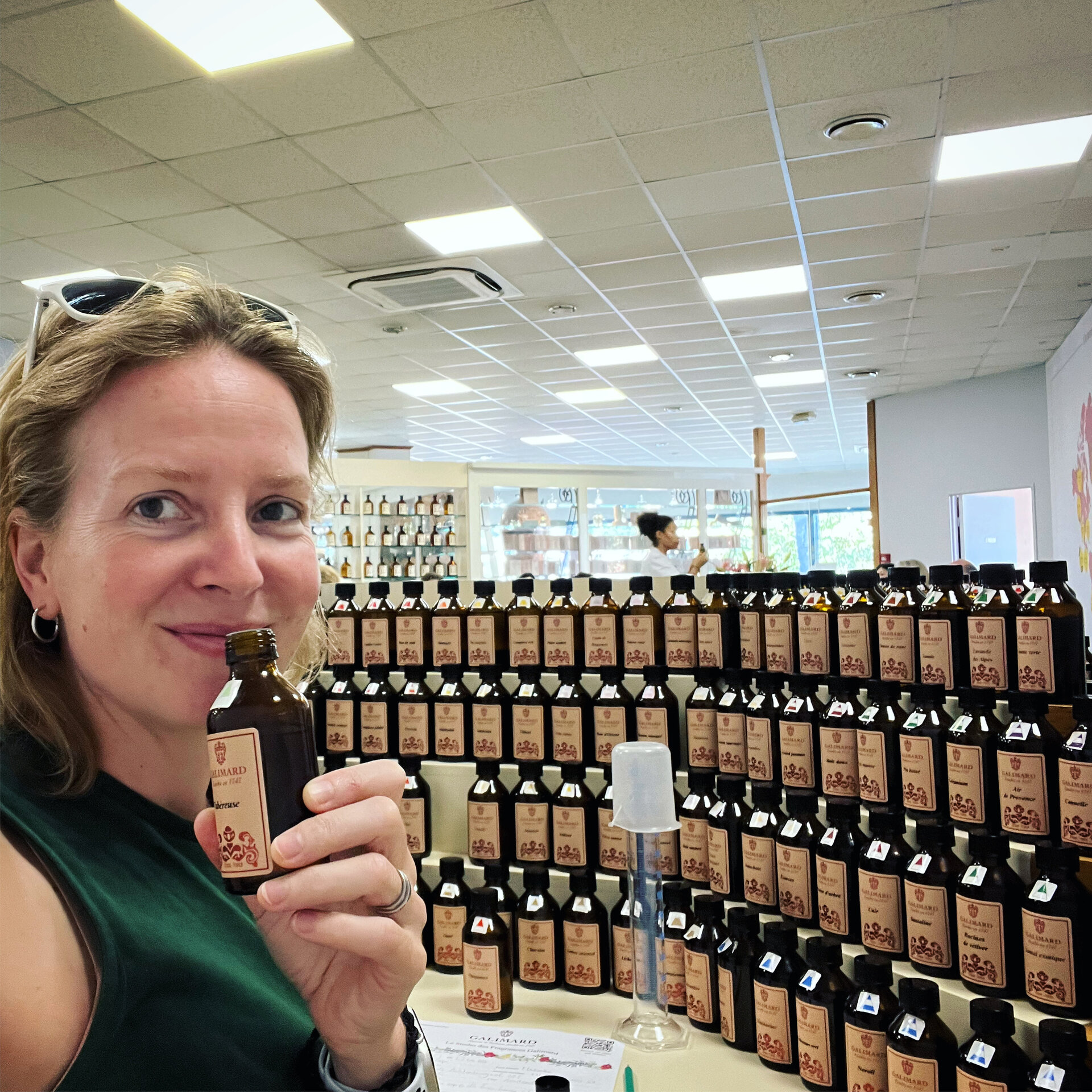
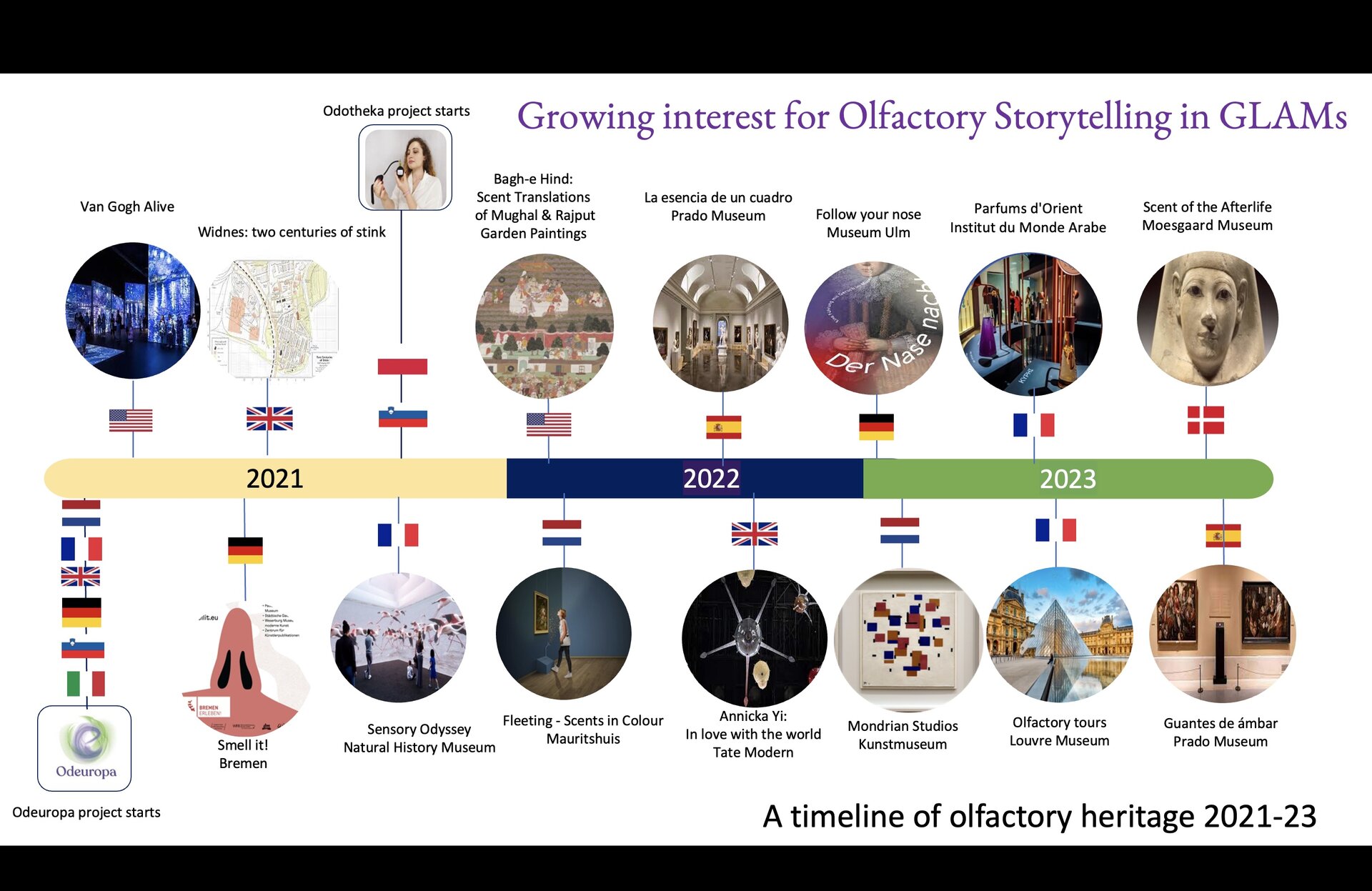
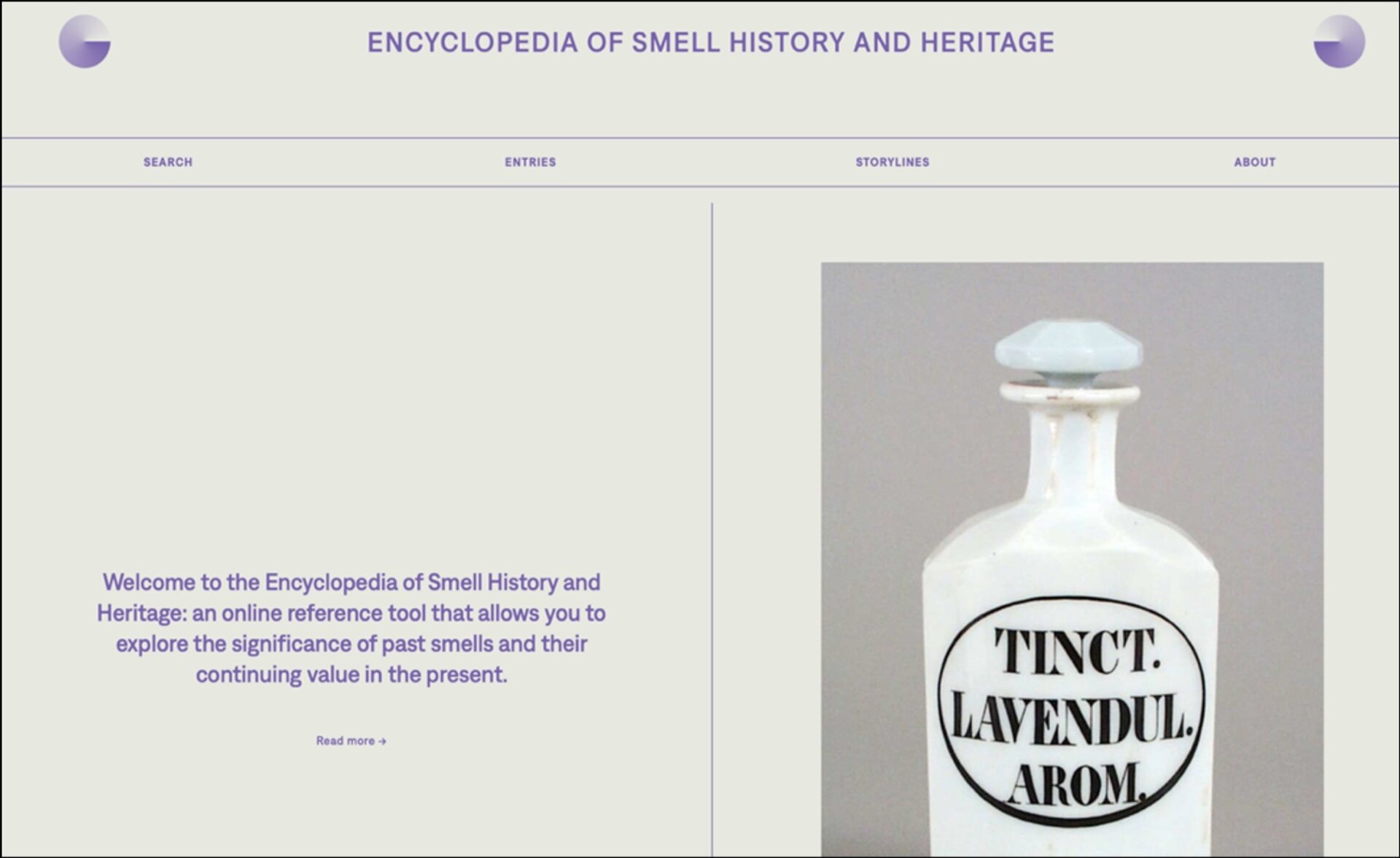
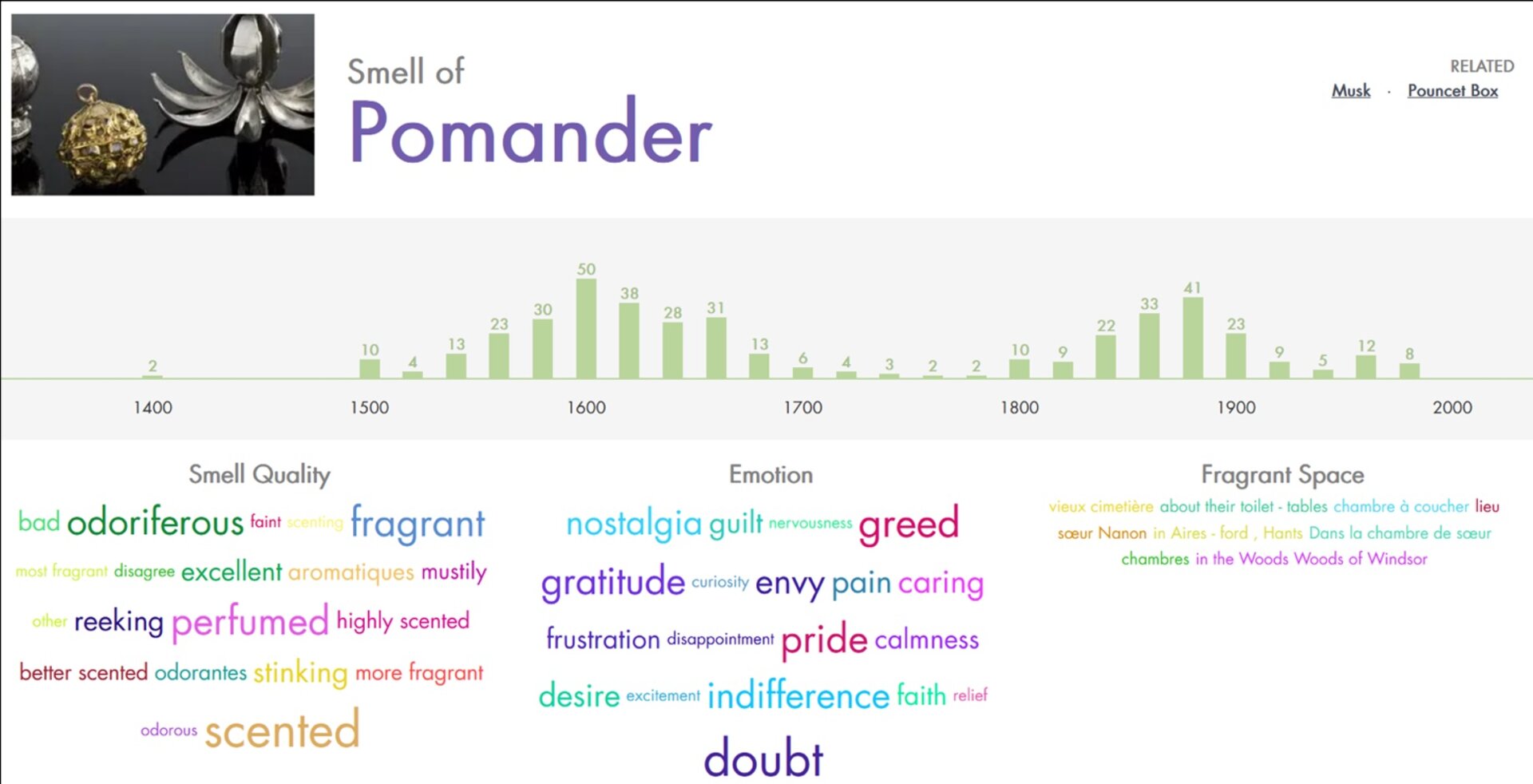
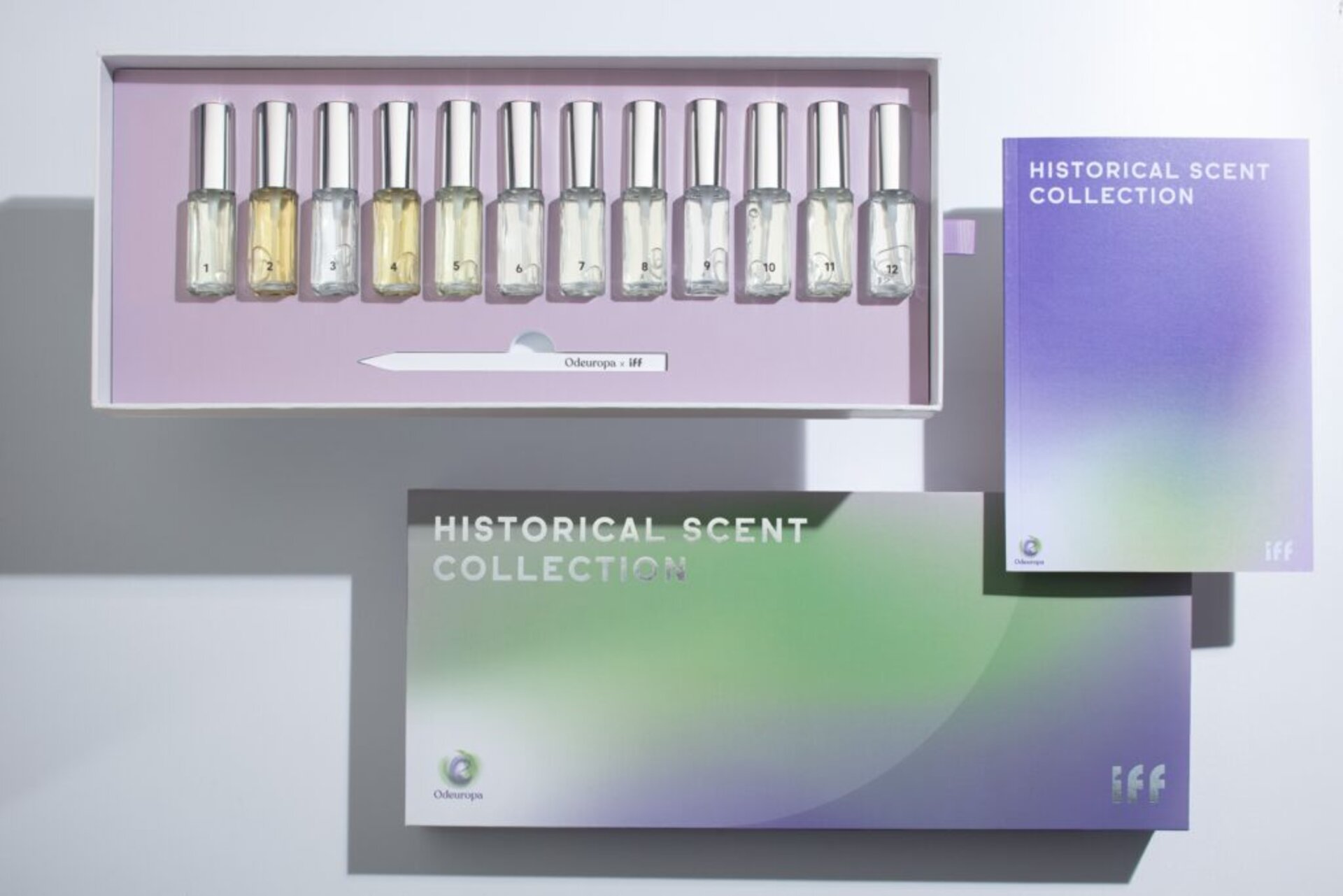
Odeuropa: Negotiating Olfactory and Sensory Experiences in Cultural Heritage Practice and Research was a pioneering European research and innovation project dedicated to recognising, documenting and interpreting smell as an essential dimension of cultural heritage. Coordinated by the Humanities Cluster of the Royal Netherlands Academy of Arts and Sciences (KNAW) under the leadership of Professor Inger Leemans, the project brought together researchers from the Netherlands, France, Germany, Italy, Slovenia and the United Kingdom. Conducted from 1 January 2021 to 31 December 2023, Odeuropa received EUR 2,807,780 in funding from the European Union's Horizon 2020 research and innovation programme under grant agreement No. 101004469. Its interdisciplinary team combined expertise in cultural history, computer vision, computational linguistics, semantic web technologies, heritage science and museum studies. The project investigated the significance of smells and olfactory experiences in European culture between 1600 and 1920. Although scents have historically shaped everyday life, social identities, collective memories and cultural practices, their role has often been overlooked in heritage documentation and interpretation. Odeuropa sought to address this gap by developing scientific methods, digital tools and professional standards for identifying and safeguarding olfactory heritage. A major innovation was the application of artificial intelligence to historical images and texts. Using computer vision and natural language processing, researchers analysed approximately 43,000 images and 167,000 textual resources in six European languages. These investigations identified references to smells, fragrant objects, places, gestures, emotions and cultural practices, enabling researchers to trace the changing significance of scent across different periods and regions. The resulting European Olfactory Knowledge Graph brought together more than 2.5 million olfactory references in a structured semantic framework. This resource underpins the Odeuropa Smell Explorer, a publicly accessible digital platform that allows users to investigate European history through smell-related concepts and experiences. Other major outputs include the Encyclopedia of Smell History and Heritage, an online reference resource; the Olfactory Storytelling Toolkit, which provides practical guidance for museums and heritage professionals; and the Odeuropa Heritage Smell Library, developed in collaboration with perfumers and scent designers to explore historically significant smells. The project also established new approaches to documenting historical scents, reconstructing olfactory experiences and incorporating smell into exhibitions and heritage interpretation. Its research contributed to the development of vocabularies, ontologies, documentation standards and policy recommendations intended to strengthen recognition of sensory heritage within cultural institutions. Education and knowledge transfer were central to Odeuropa's activities. The project involved more than 25 interns and student assistants and delivered 15 courses attended by over 760 students. Workshops, seminars, public events and professional training activities supported the application of olfactory research in museums, archives, libraries and other cultural heritage organisations. In 2023, Odeuropa organised the Smell Culture Fair in Amsterdam, bringing together researchers, perfumers, artists, museum professionals and the public to explore multisensory approaches to history and heritage. The project also developed collaborations with heritage communities, gathering local knowledge and personal experiences of smell as valuable sources of intangible cultural heritage. Odeuropa produced numerous peer-reviewed publications, open-access datasets, software tools and educational resources. Its methods have supported further research in fields including literary history, food culture, museum interpretation and digital humanities. The project's resources remain available for reuse by researchers, cultural institutions and policy-makers. In 2025, Odeuropa received a European Heritage Award / Europa Nostra Award in the Research category. The award recognised its contribution to establishing olfactory heritage as an interdisciplinary field of research and its development of innovative, transferable tools that connect Europe's tangible and intangible cultural heritage through the sense of smell.
Similar projects


