


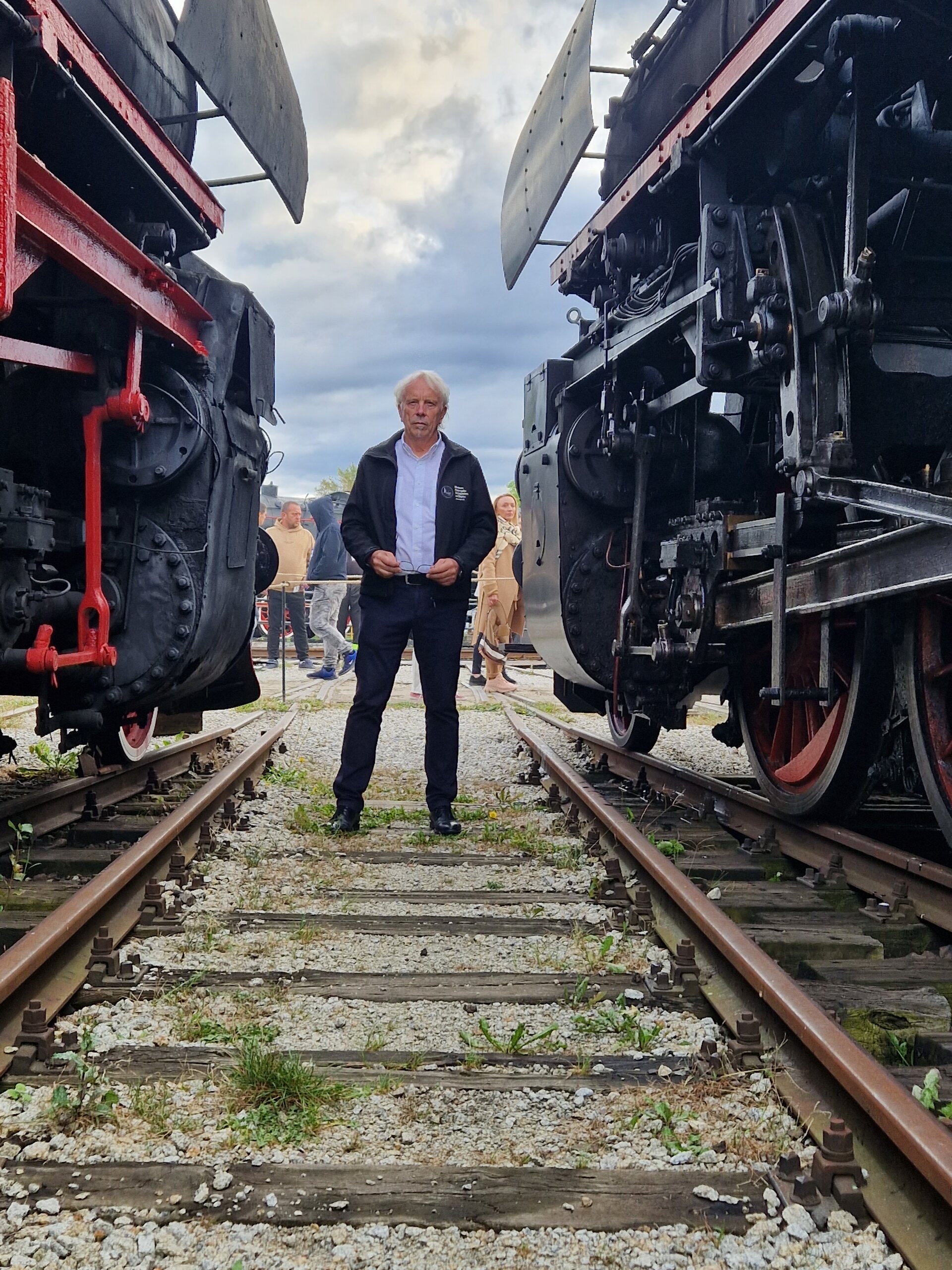



Piotr Gerber
Dr Piotr Gerber is a Polish architect, academic and heritage conservation specialist whose professional career has been dedicated to safeguarding industrial architecture and technological heritage. Through his research, advocacy, conservation projects and educational activities, ...
Read more
Project details
Description:
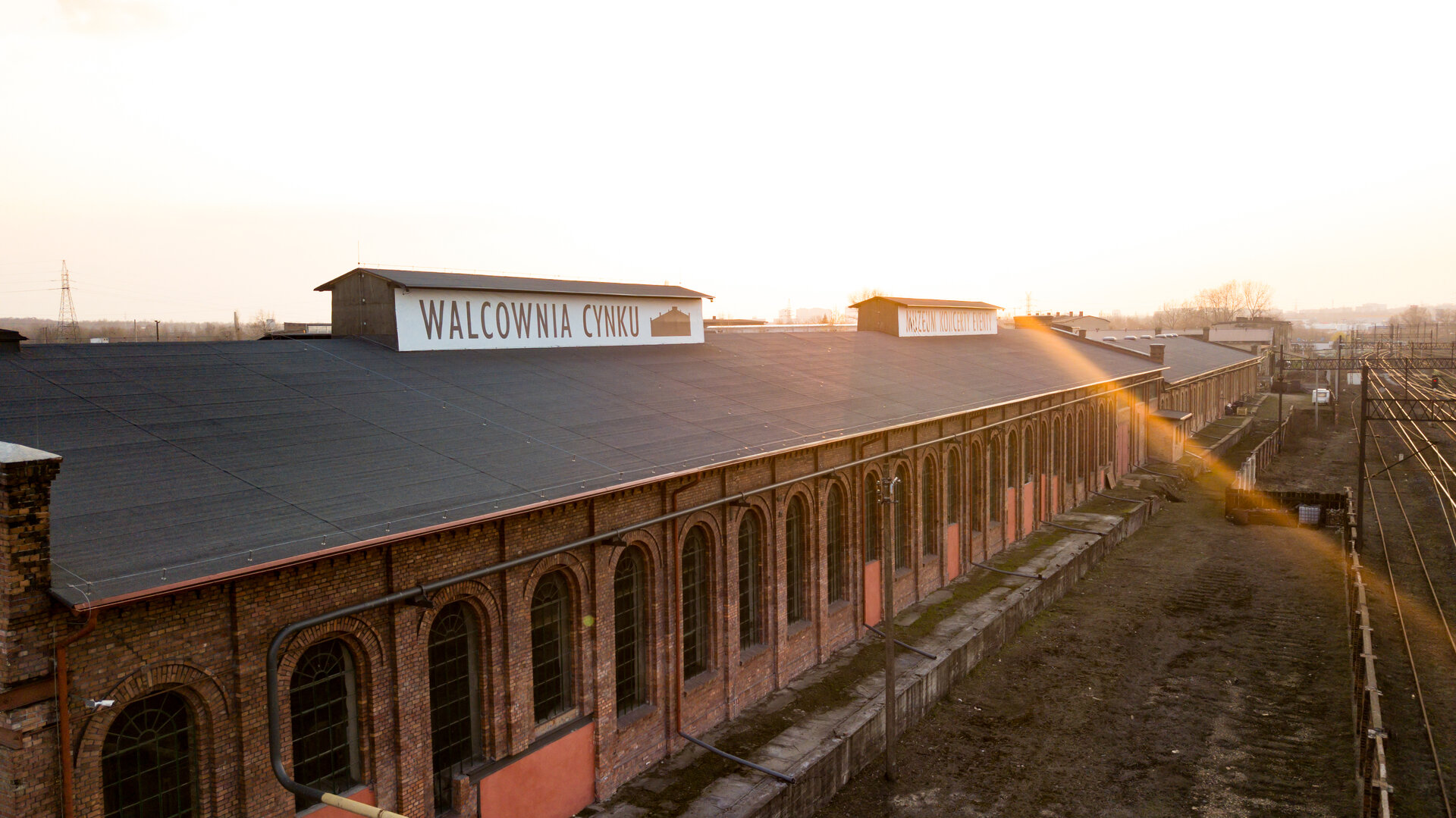
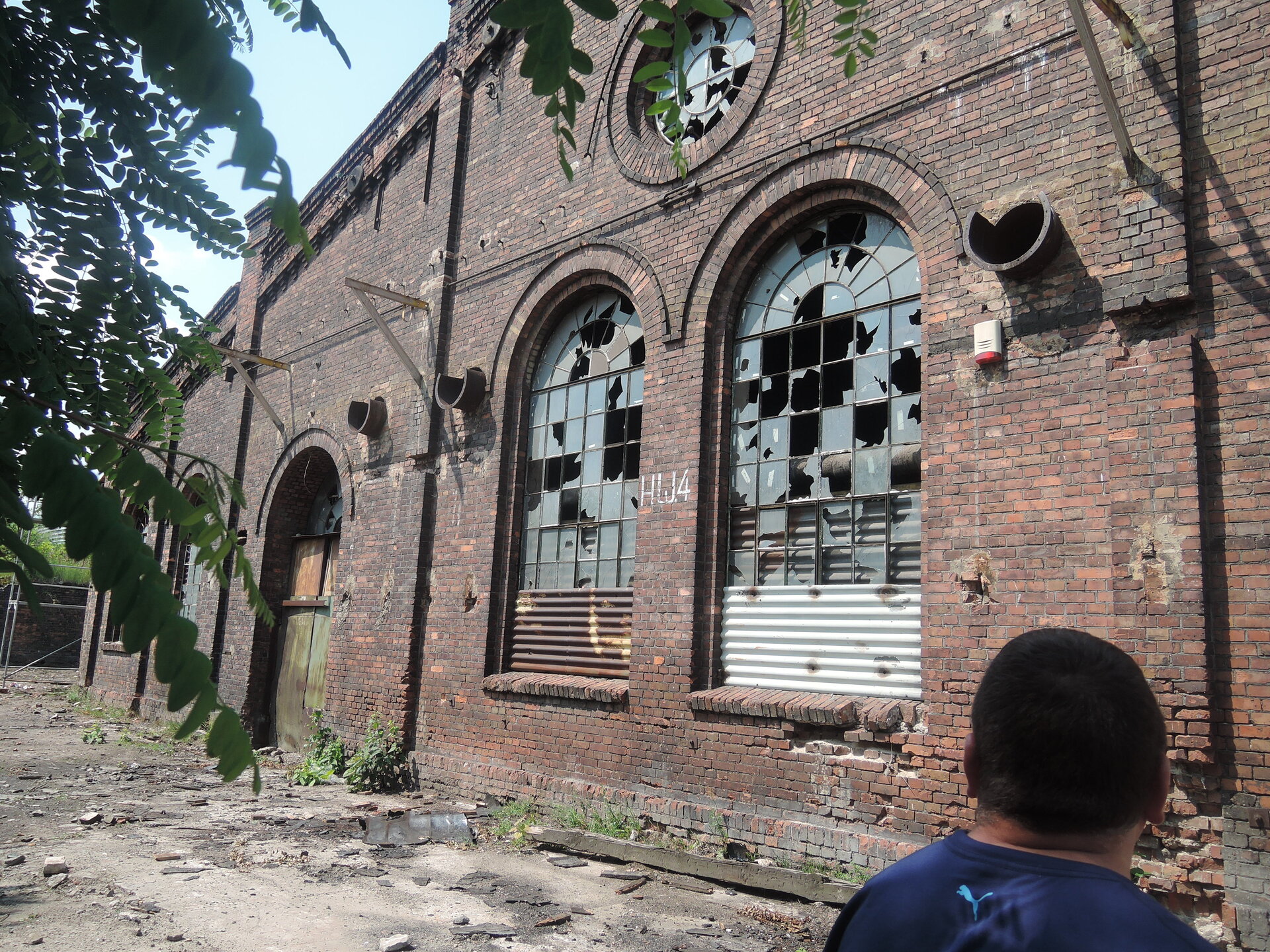
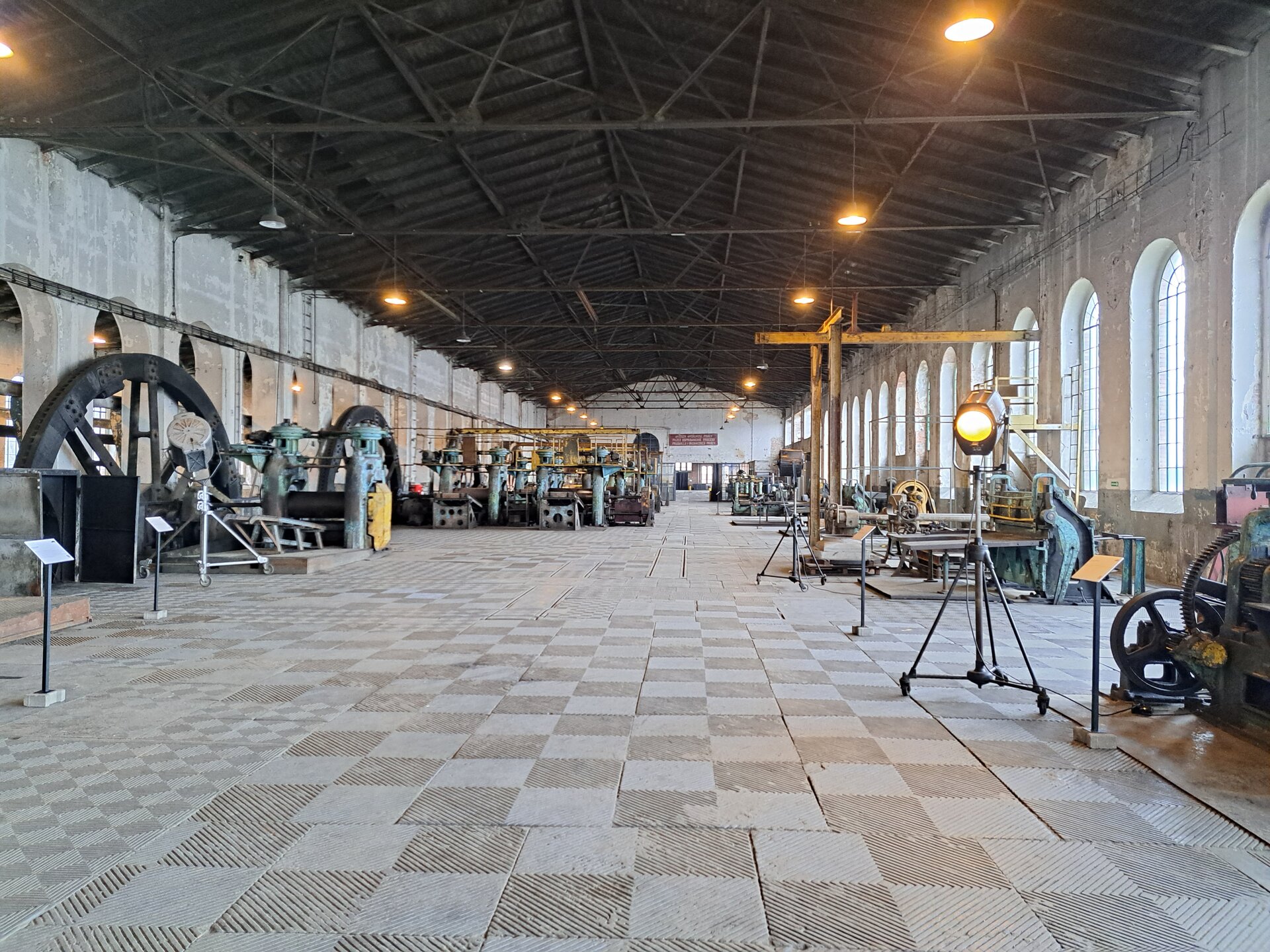
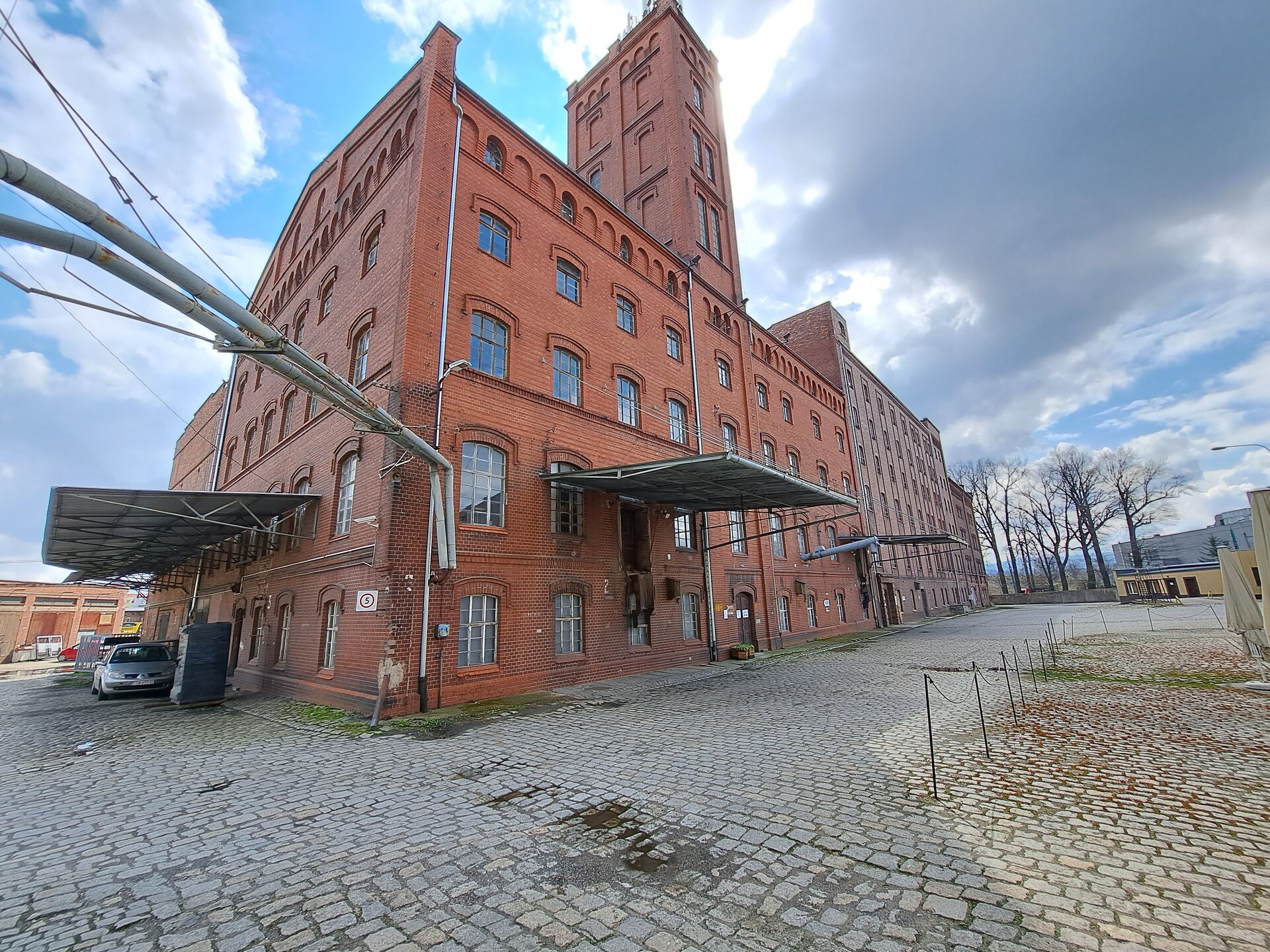
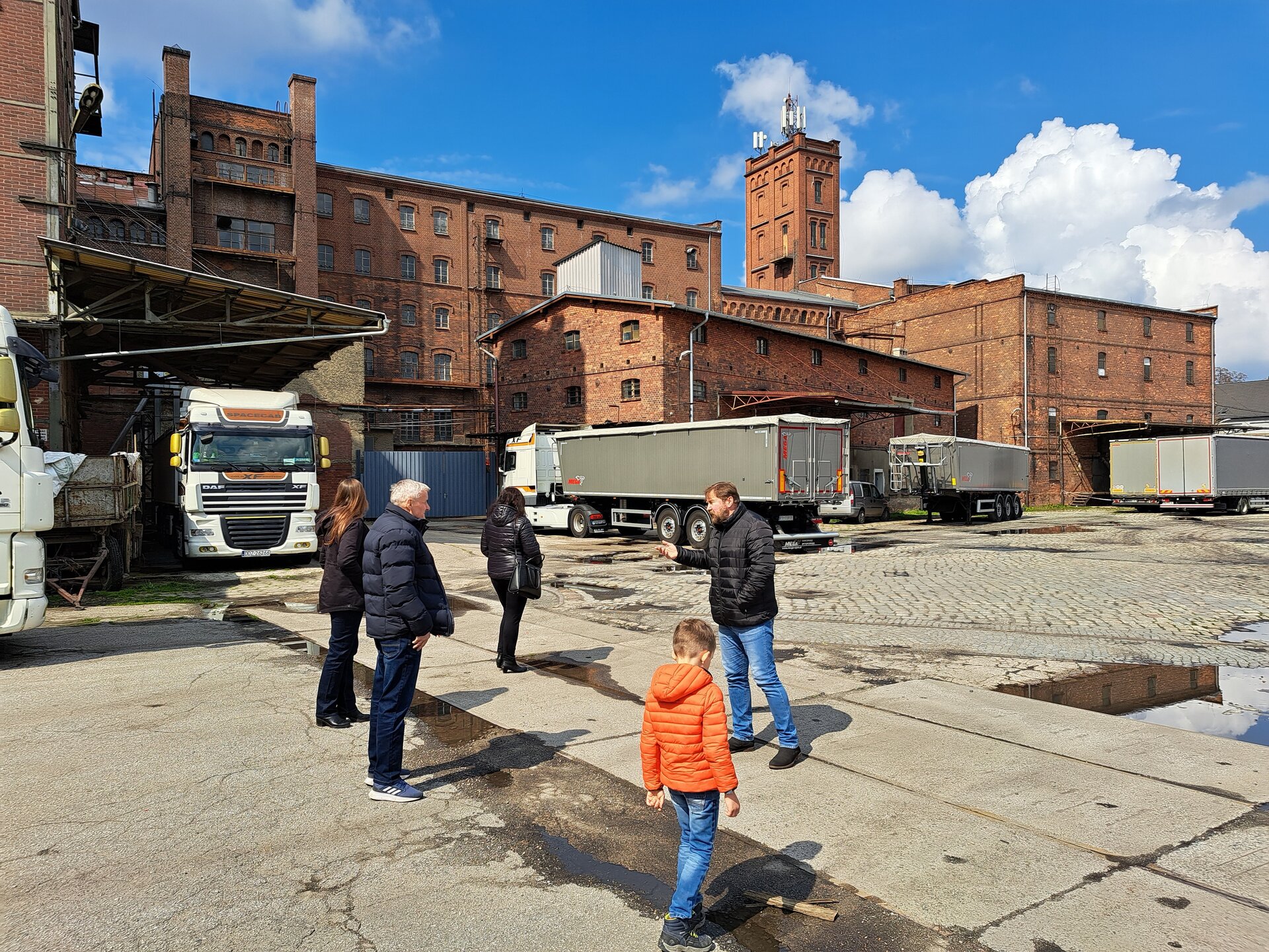
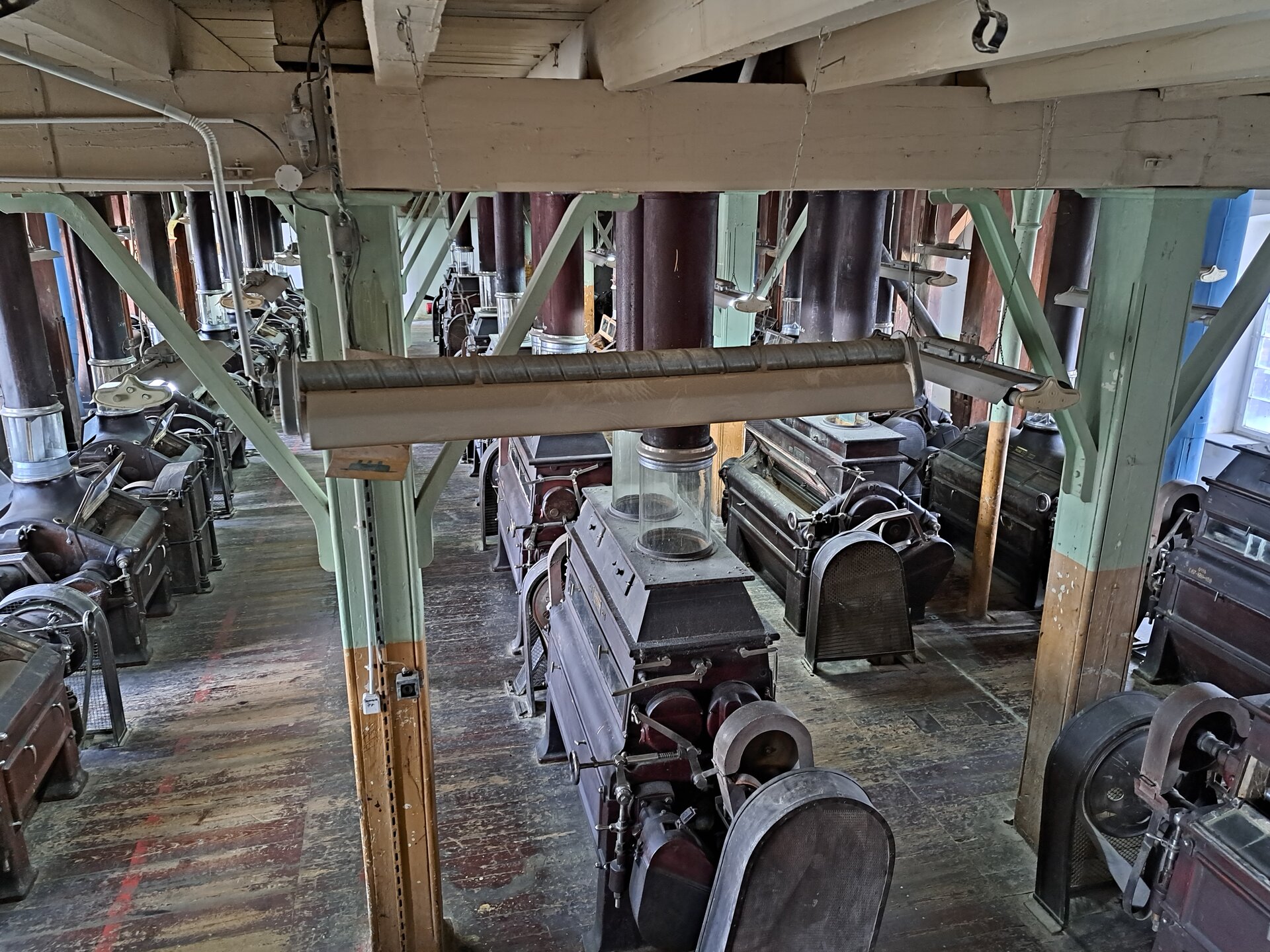
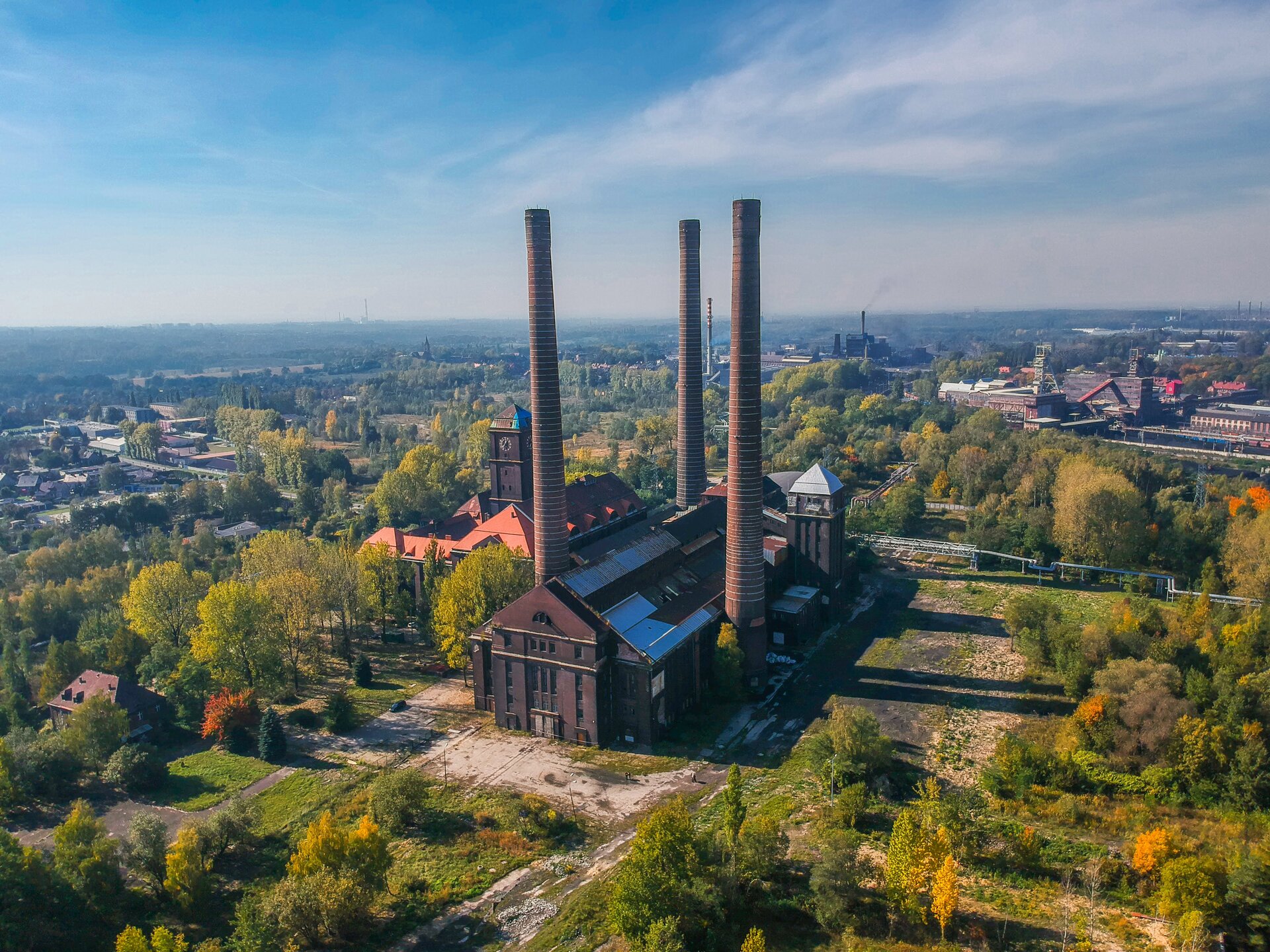
Dr Piotr Gerber is a Polish architect, academic and heritage conservation specialist whose professional career has been dedicated to safeguarding industrial architecture and technological heritage. Through his research, advocacy, conservation projects and educational activities, he has played a significant role in transforming public understanding of the historical, cultural and social importance of industrial heritage in Poland and across Europe. A professor at Wrocław University of Science and Technology, Gerber has combined academic research with practical conservation and the adaptive reuse of endangered industrial sites. In 2004, according to his European Heritage Awards nomination, he founded the Foundation for the Preservation of Industrial Heritage of Silesia (Fundacja Ochrony Dziedzictwa Przemysłowego Śląska), which researches industrial history, protects historic industrial buildings and machinery, and promotes public education through a network of technical museums. One of his most significant achievements has been the acquisition and conservation of seven historic industrial complexes in Lower and Upper Silesia. These include the Railway Museum in Silesia at Jaworzyna Śląska, the Zinc Metallurgy Museum in Katowice-Szopienice, Hilbert Mill in Dzierżoniów, the Museum of Agricultural Techniques in Piotrowice Śląskie, the Silesian Porcelain Museum in Tułowice, and additional railway and zinc metallurgy sites undergoing conservation and adaptation. Gerber's conservation philosophy places particular emphasis on authenticity, preserving original architectural fabric, historic machinery and the technological processes associated with each site. Where possible, original machines are maintained in working condition, often with the involvement of former industrial employees whose practical knowledge is essential to understanding and interpreting the heritage. The museums developed through his foundation serve as educational and cultural centres for surrounding communities. Their programmes include specialist exhibitions, conferences, practical demonstrations and activities for children and young people. Gerber has also supported initiatives addressing contemporary social needs, including the 2022 Technical Museums Support Ukraine project, which provided assistance and safe spaces for people displaced by the war. Beyond individual conservation projects, Gerber has contributed to heritage policy and professional standards. Working with other specialists, he helped develop guidelines for the recognition, protection and conservation of technical monuments, prepared in 2015 and implemented in Poland in 2019. He is also active in international heritage organisations, including TICCIH, Europa Nostra and the European Route of Industrial Heritage. In 2020, Gerber and his team supported the nomination of the threatened Modernist Szombierki Power Plant in Bytom to Europa Nostra's 7 Most Endangered programme. Its inclusion drew international attention to the site's architectural and industrial significance and encouraged efforts to secure its future. Gerber's achievements have received national and international recognition, including the Order of Merit of the Federal Republic of Germany in 2019, the Polish Silver Gloria Artis Medal in 2019 and the Silesian Cultural Award in 2020. In 2024, Piotr Gerber received a European Heritage Award / Europa Nostra Award in the Heritage Champions category. The award recognises his exceptional personal commitment to industrial heritage, his contribution to conservation policy, and his success in reconnecting historic industrial places, technologies and skills with contemporary communities.

