




Teryan Cultural Center – Empowering Armenian Refugees from Nagorno-Karabakh
The Teryan Cultural Center – Empowering Armenian Refugees from Nagorno-Karabakh is a cultural education and vocational training initiative in Armenia that combines the preservation of traditional Armenian heritage with practical support for displaced communities. Established in ...
Read more
Project details
Description:
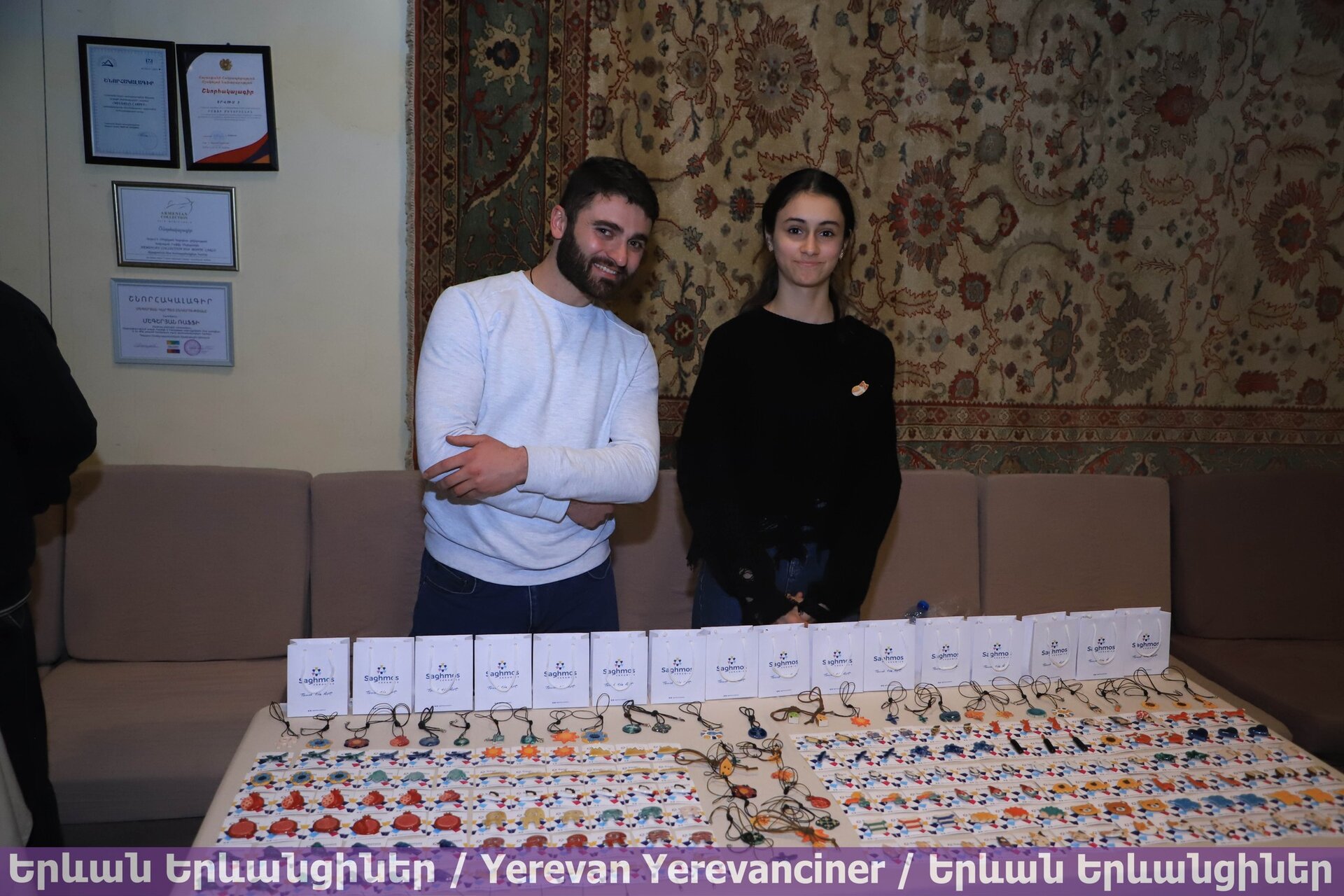
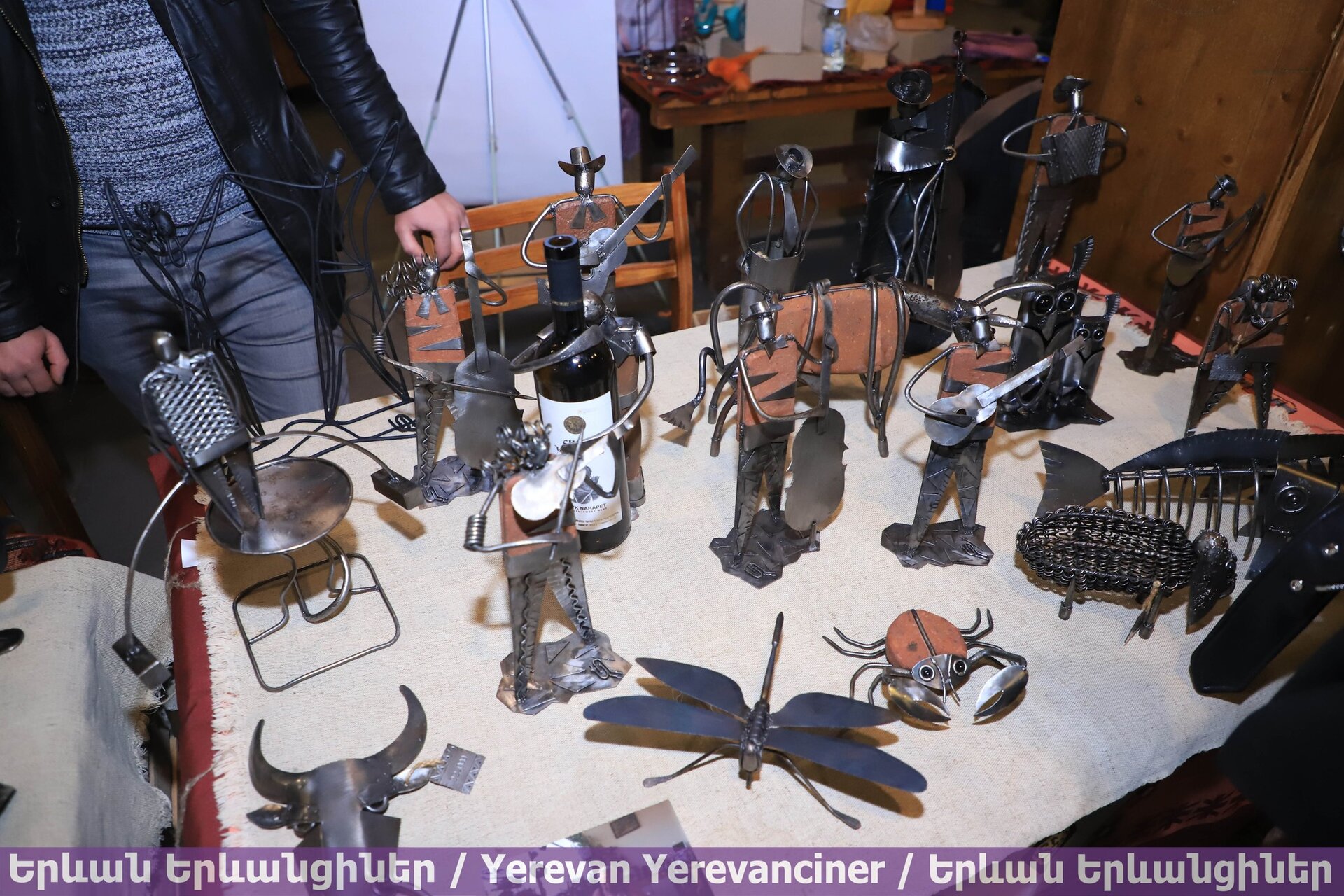
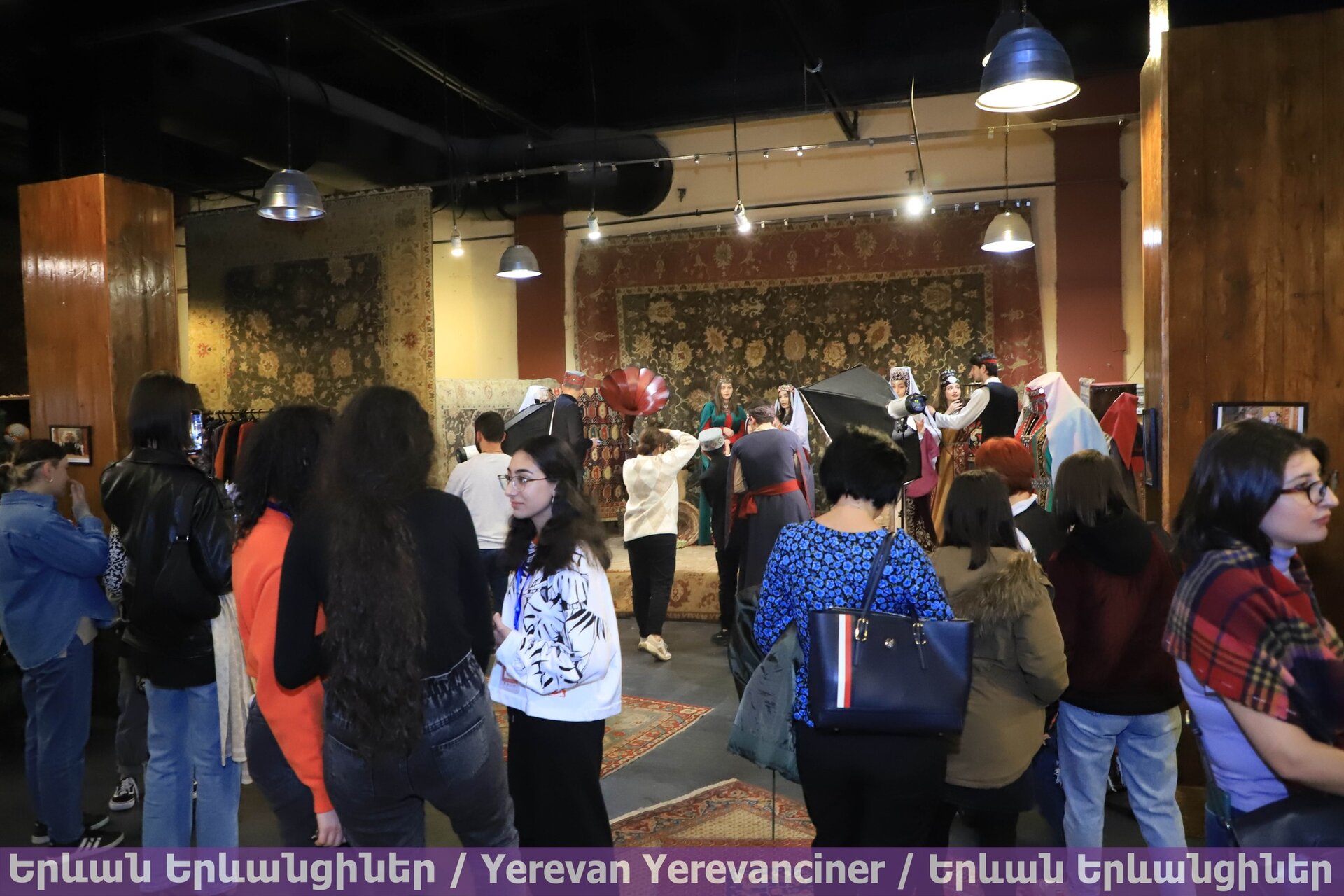
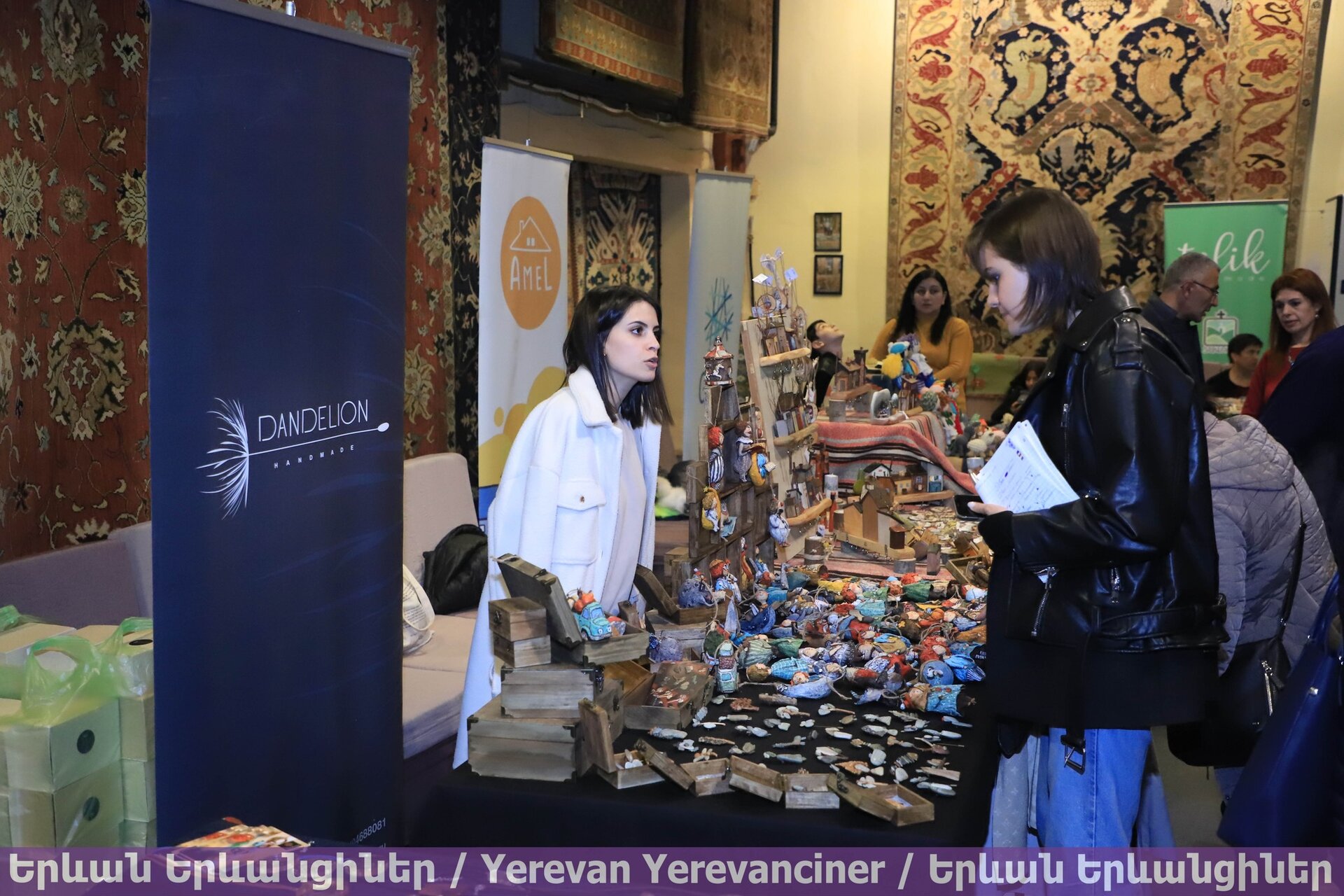
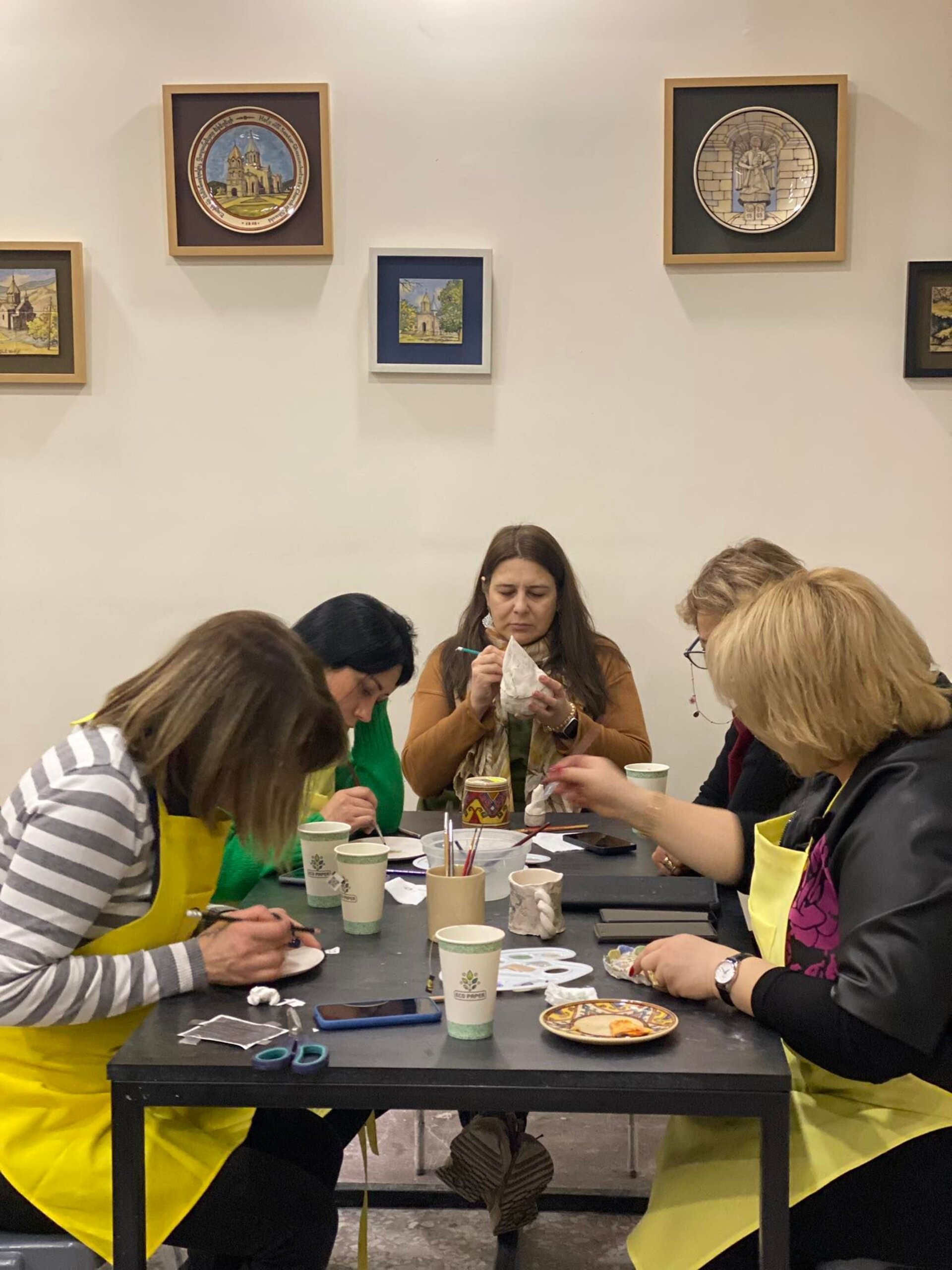
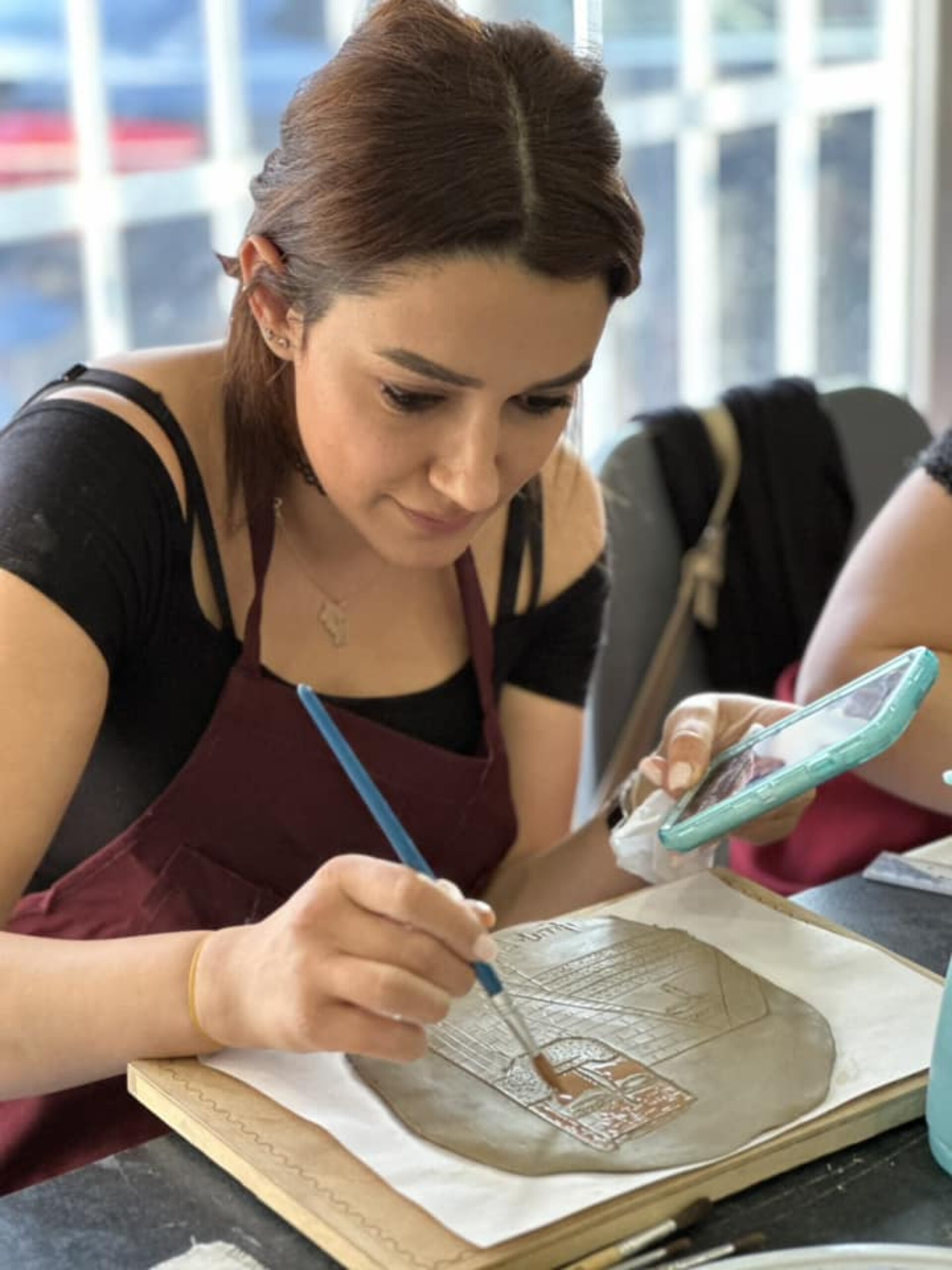
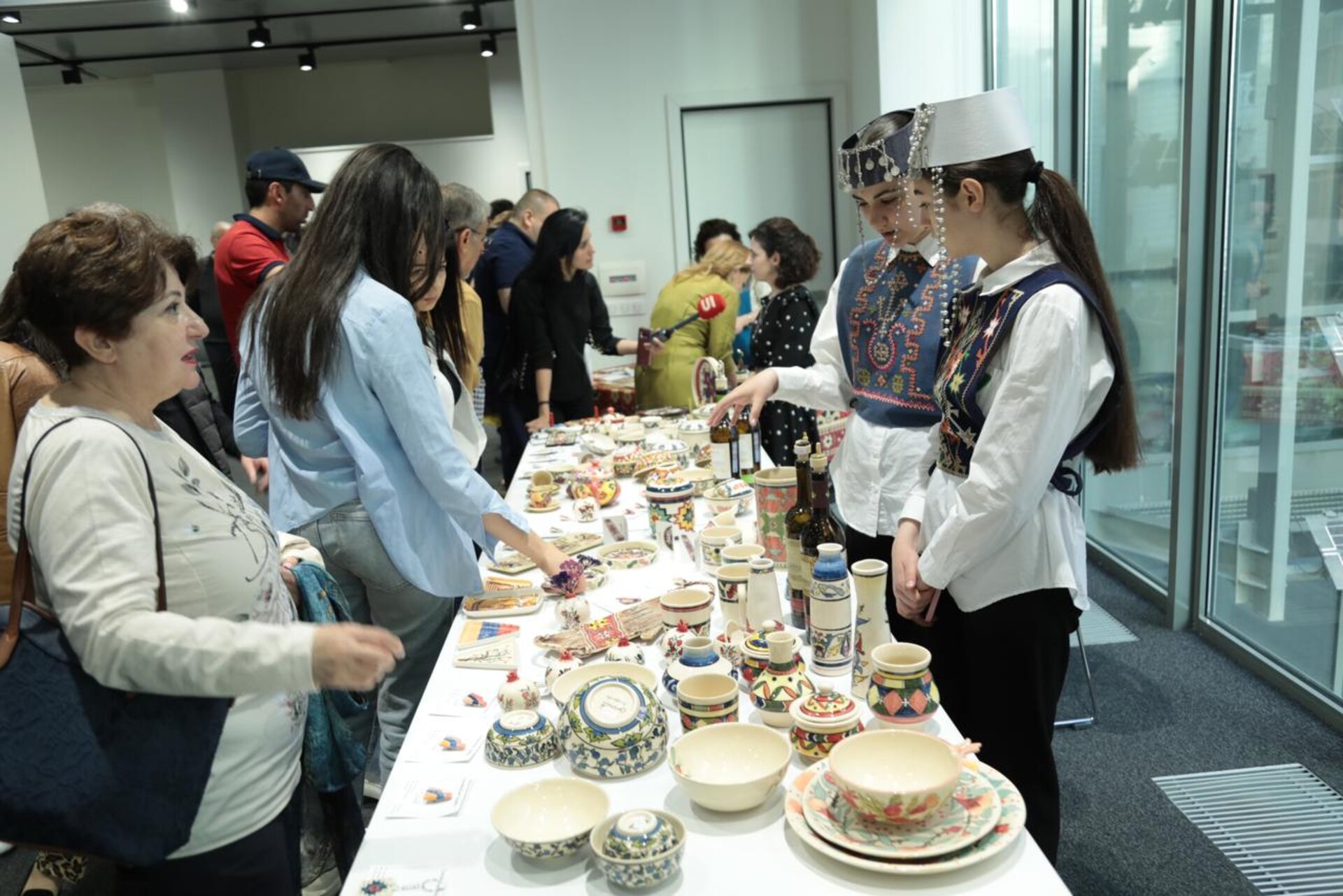
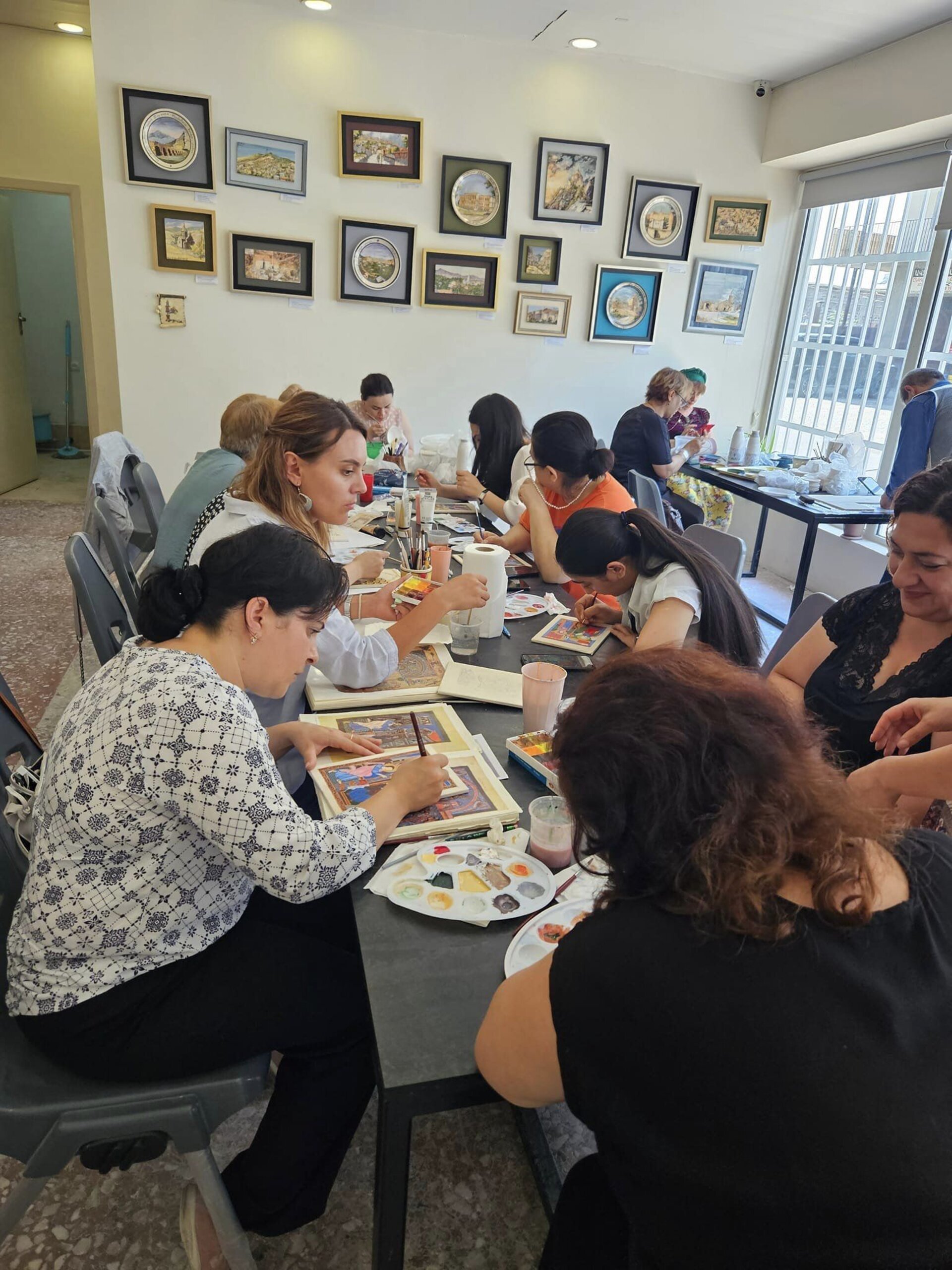
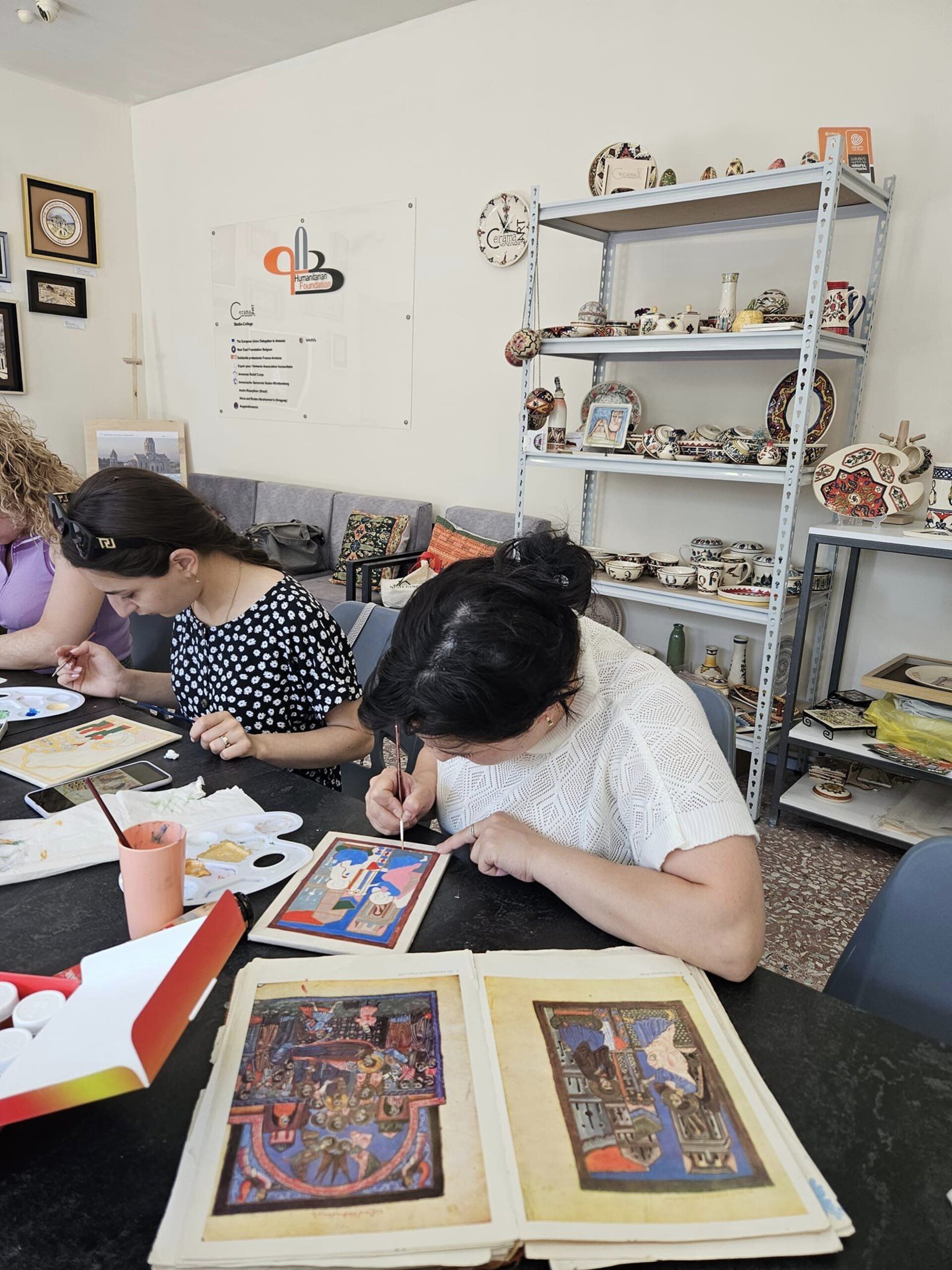
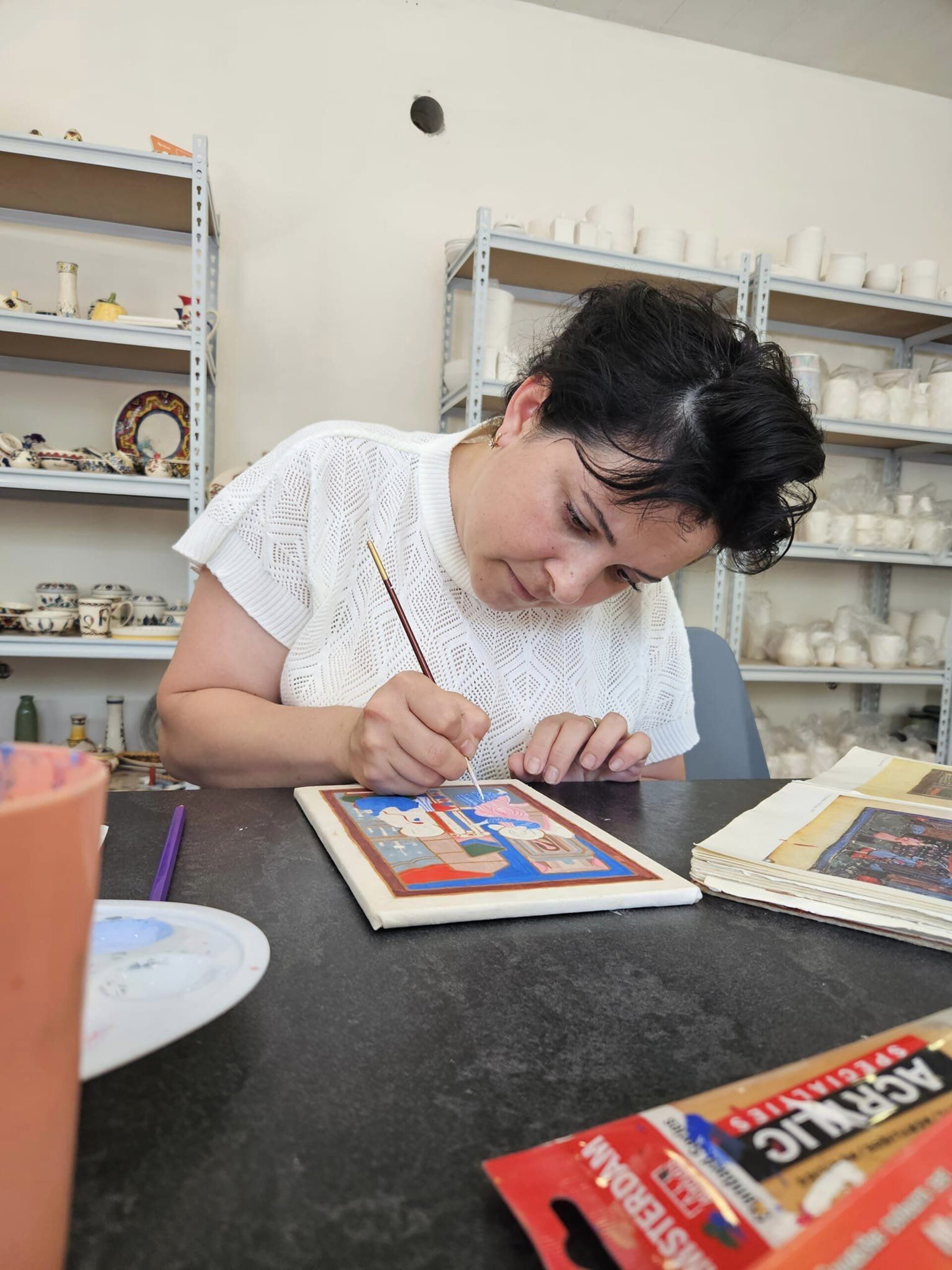
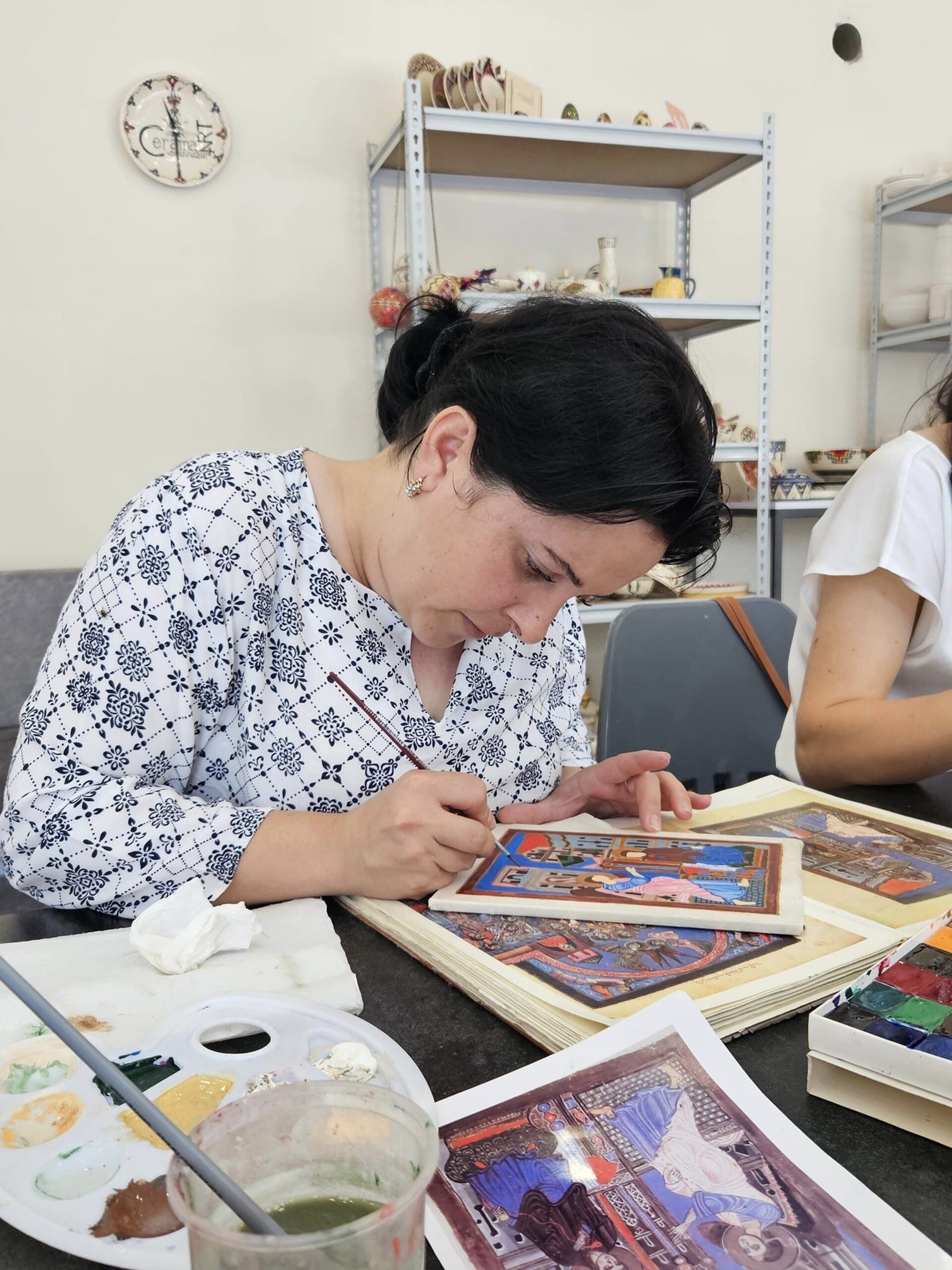
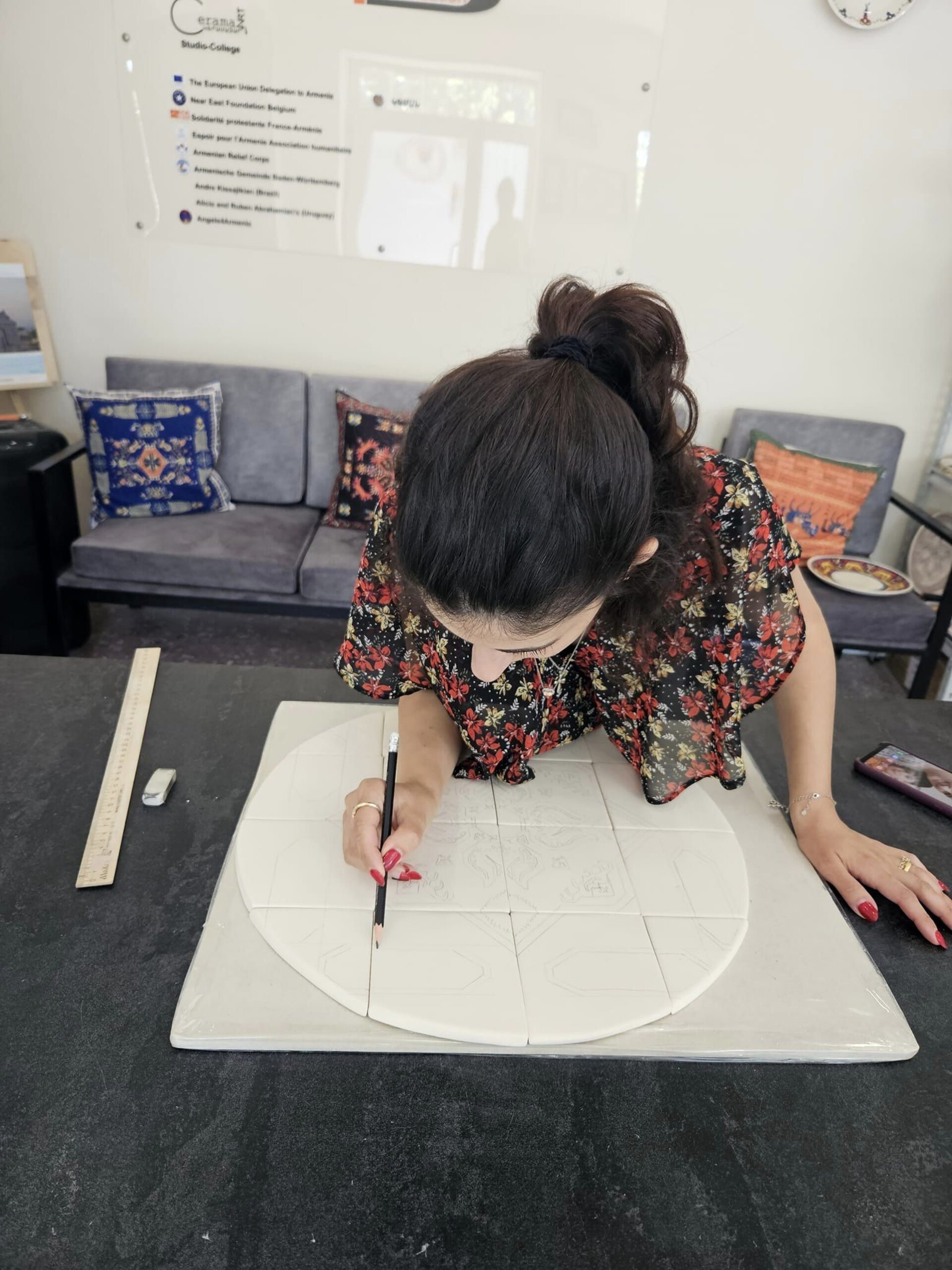
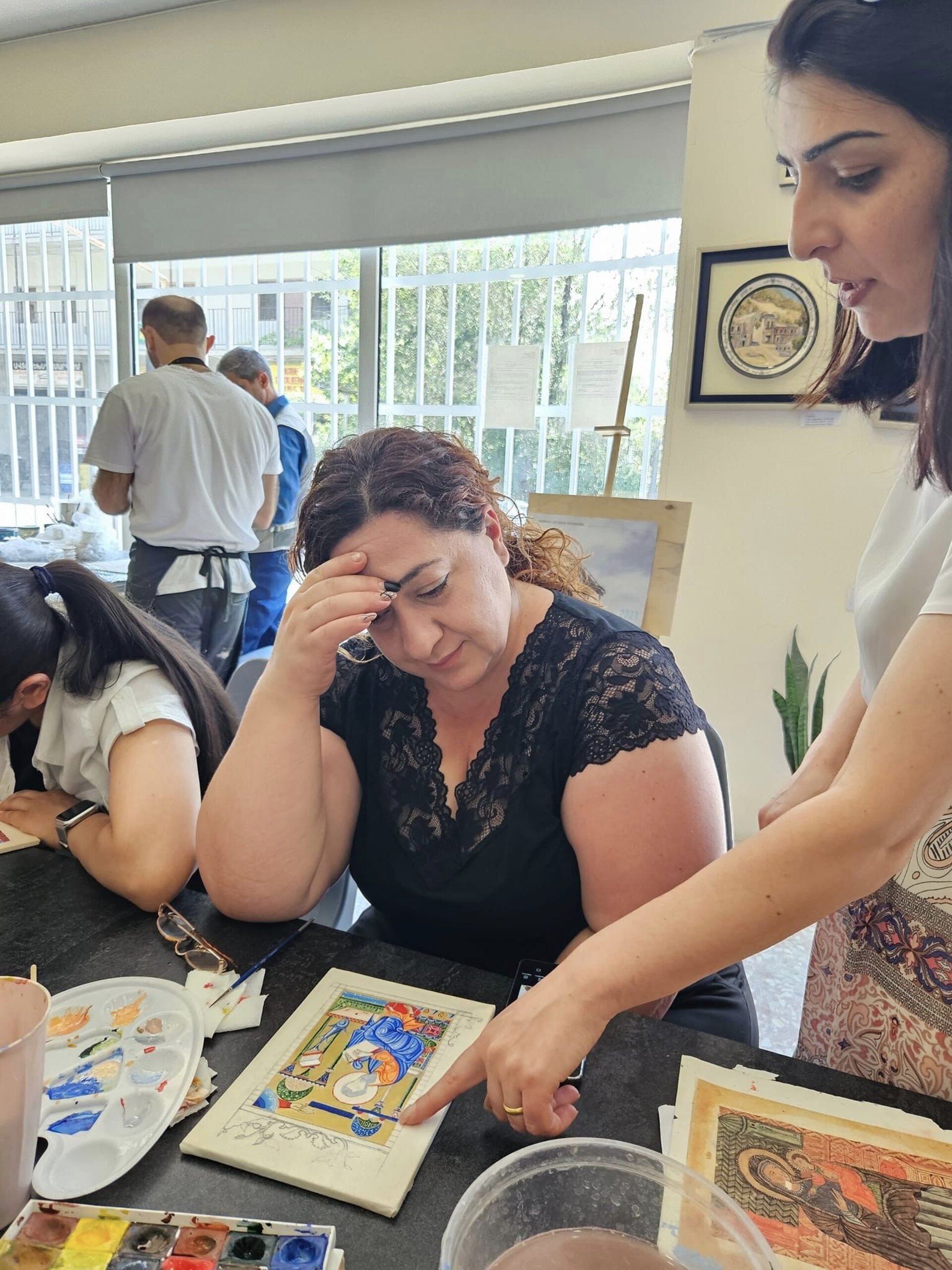
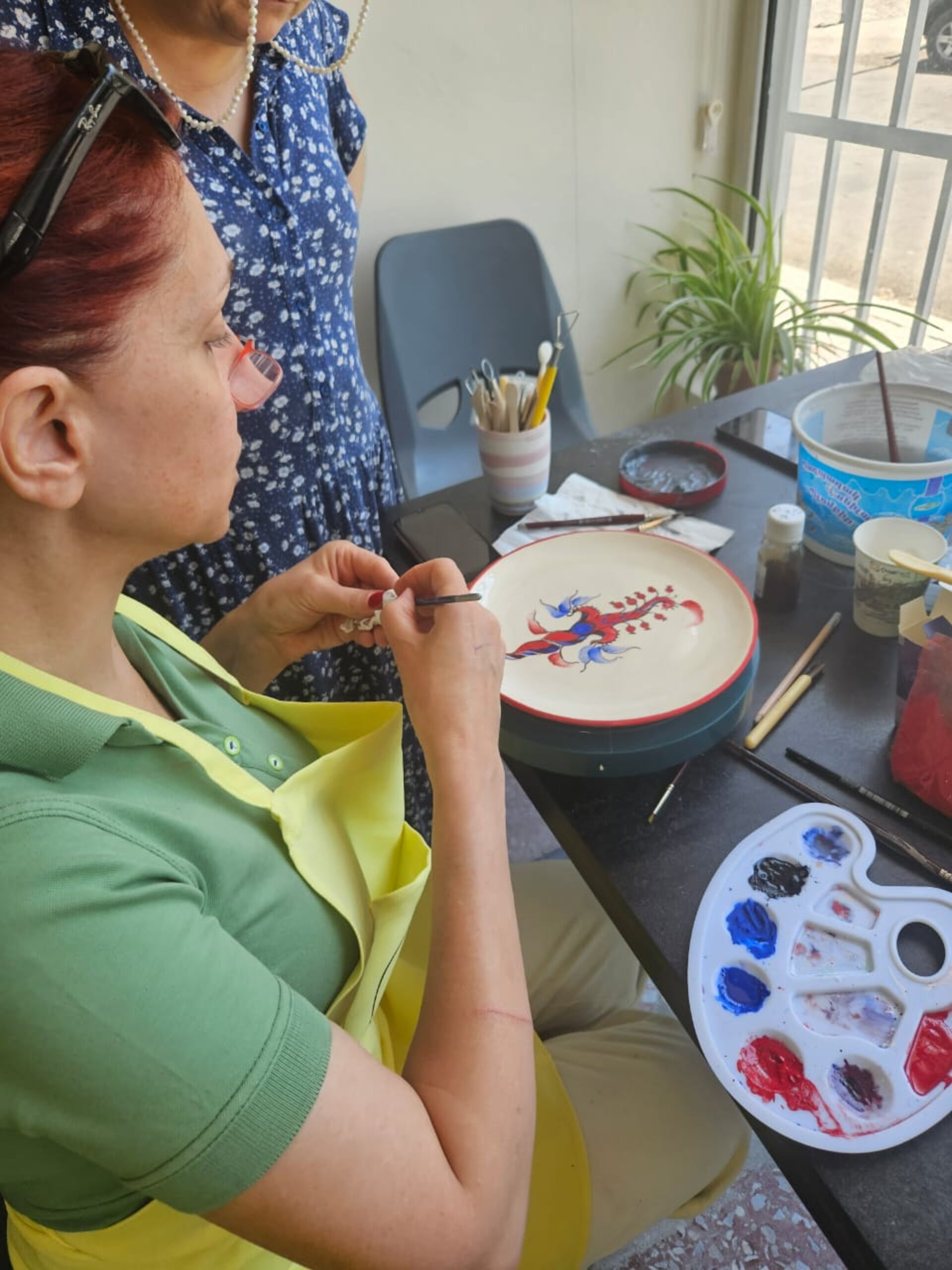
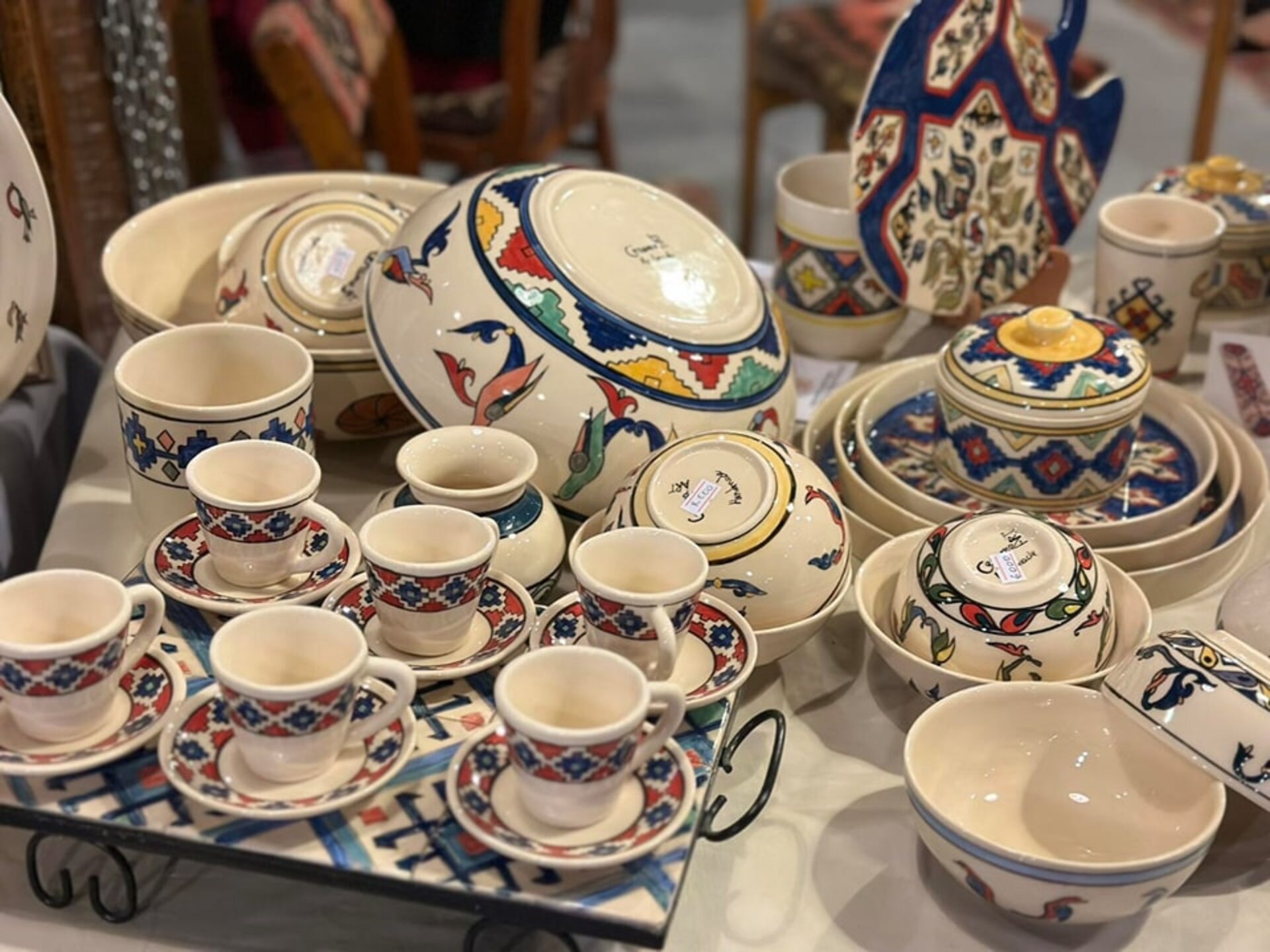
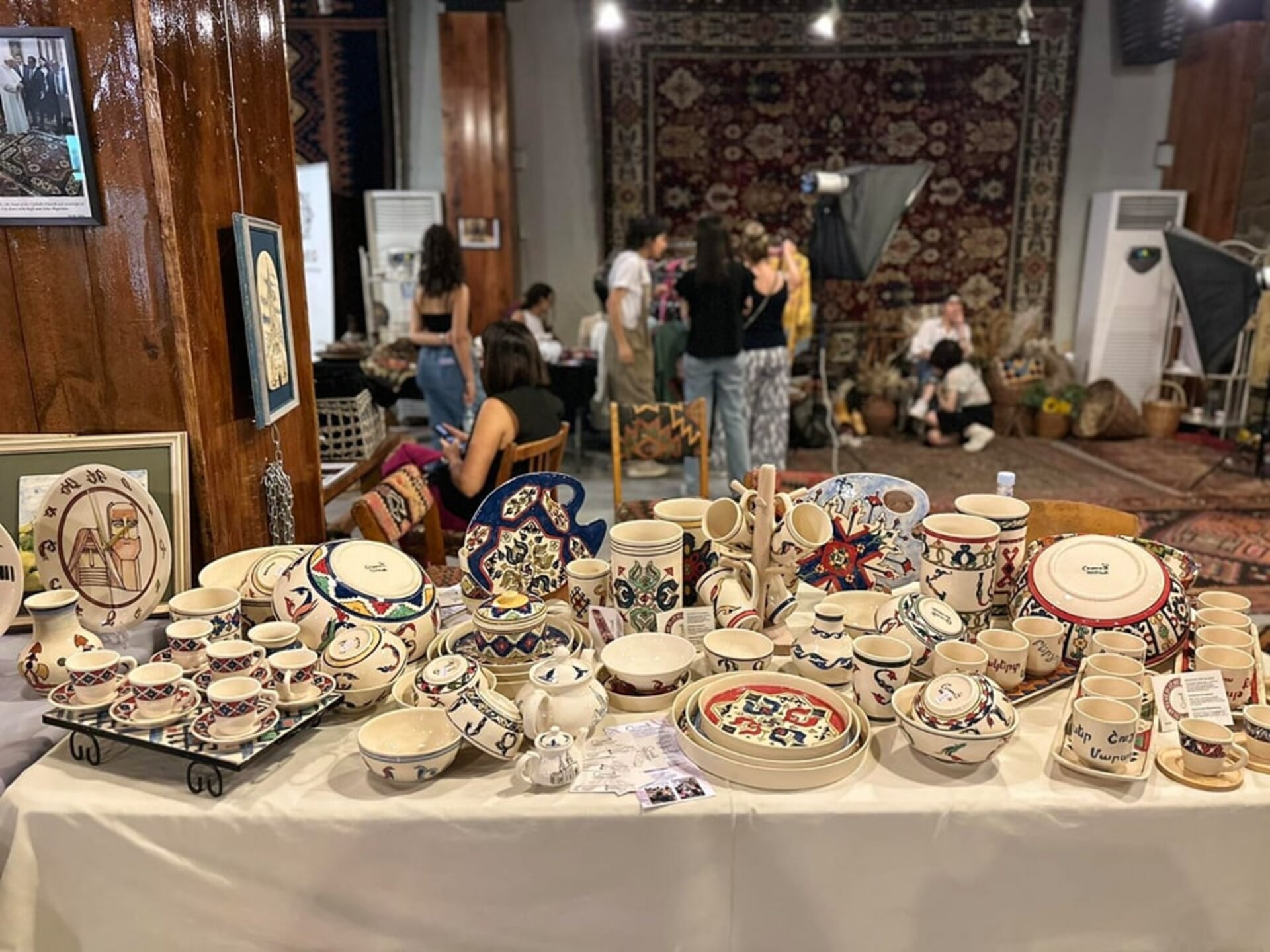
The Teryan Cultural Center – Empowering Armenian Refugees from Nagorno-Karabakh is a cultural education and vocational training initiative in Armenia that combines the preservation of traditional Armenian heritage with practical support for displaced communities. Established in 2002, the Teryan Cultural Center has undertaken research, organised exhibitions and developed programmes to safeguard Armenian cultural traditions. Since 2016, the Center has participated in the Smithsonian's My Armenia project, providing training to 55 artisans from Armenia and Nagorno-Karabakh and helping them present their traditional crafts to local and international audiences. Following the armed conflict in Nagorno-Karabakh in September 2020, the Center expanded its activities to provide humanitarian assistance and vocational opportunities for displaced Armenian families. The initiative offers practical training in sewing, traditional food production, ceramics, makeup artistry and hairstyling, enabling participants to develop professional skills and establish small businesses. Between 40 and 55 people participate annually, most of them women. The programmes are also adapted to accommodate people with disabilities, supporting inclusion and access to employment. Alongside skills training, the Center provides food, clothing, hygiene supplies, psychological support, educational activities and assistance with finding employment. Its learning-by-doing approach allows participants to acquire new skills while working in a supportive environment. The Center also aims to develop a mentoring system through which former participants can become paid trainers for future students. Recognised with a European Heritage Award in the Education, Training and Skills category in 2024, the initiative demonstrates how cultural heritage and traditional craftsmanship can contribute to social inclusion, economic independence and the preservation of community identity during displacement.
