



ASTRA Center for Activities and Regional Resources
The ASTRA Center for Activities and Regional Resources is an innovative cultural heritage and vocational education initiative established within the restored House of Arts (Casa Artelor) in the historic centre of Sibiu, Romania. Developed by ASTRA Museum in partnership with ...
Read more
Project details
Description:
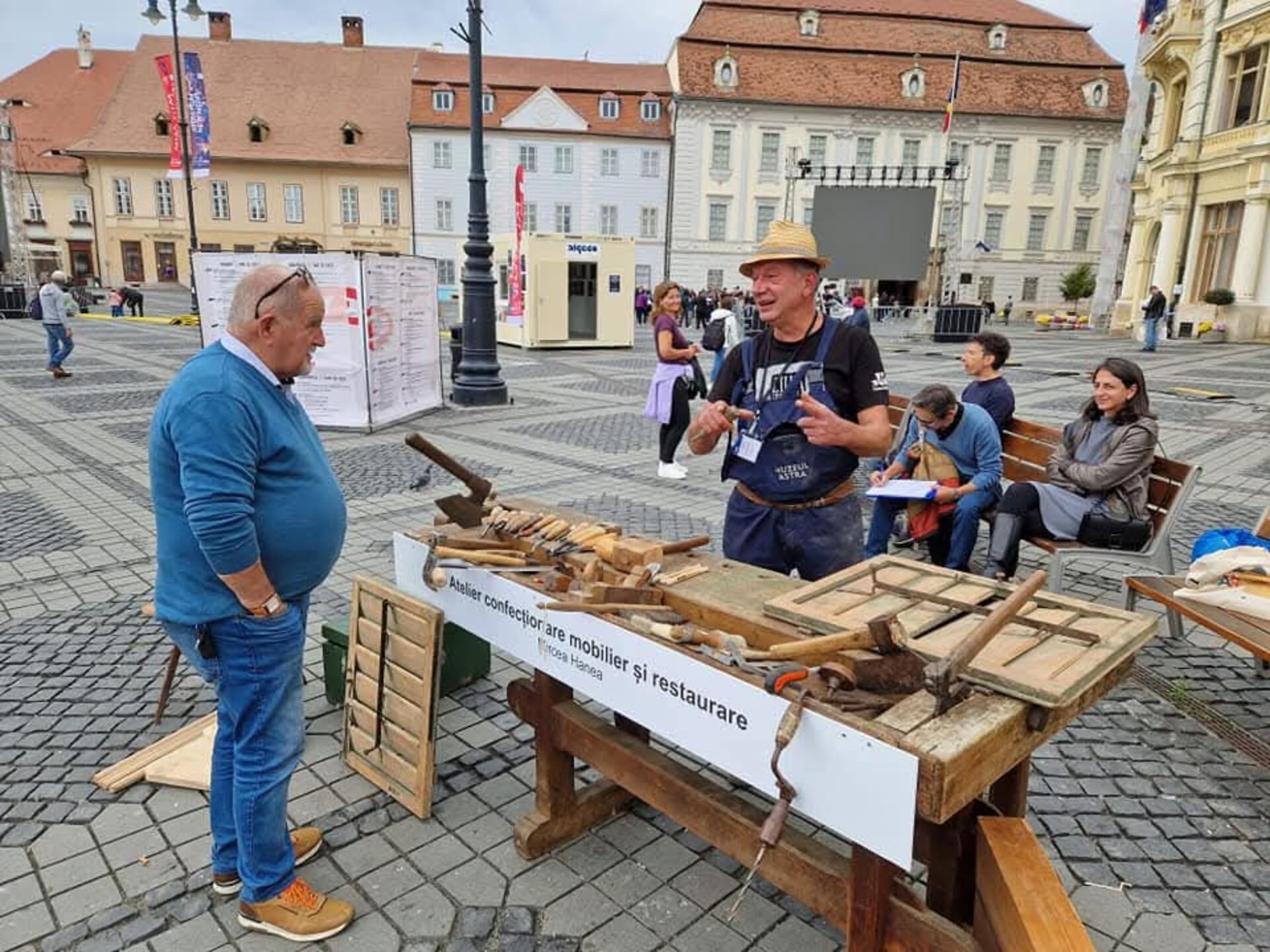
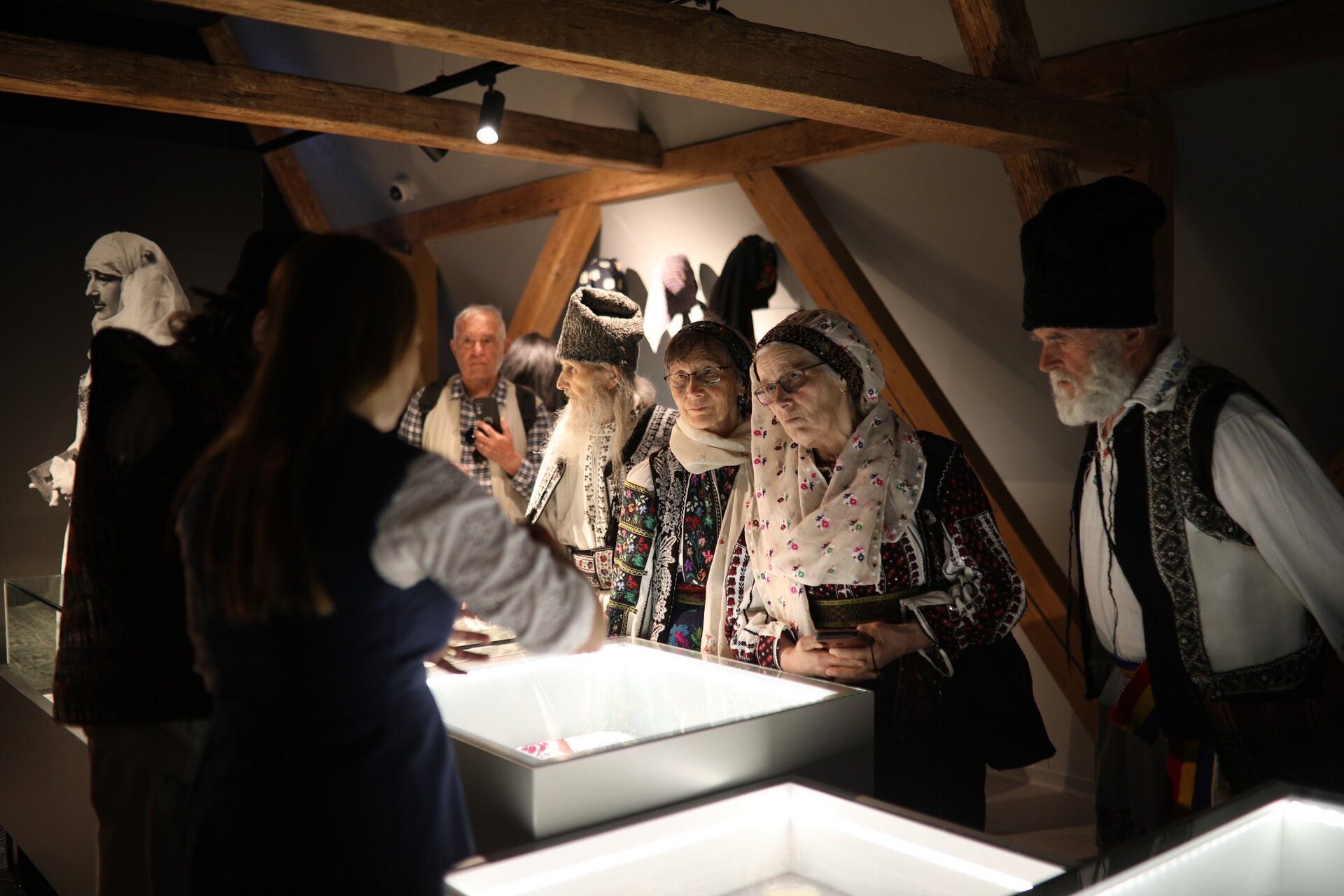
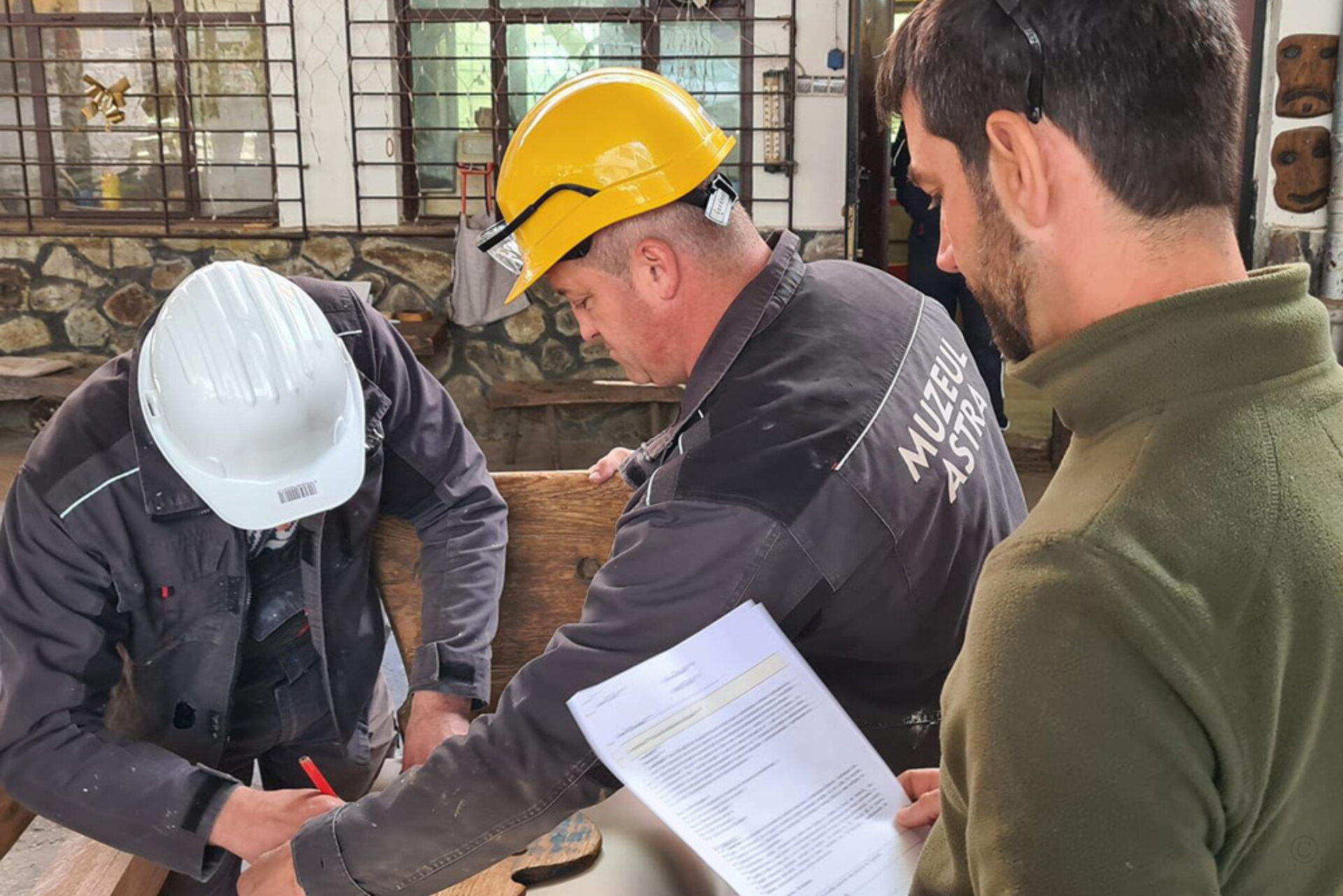
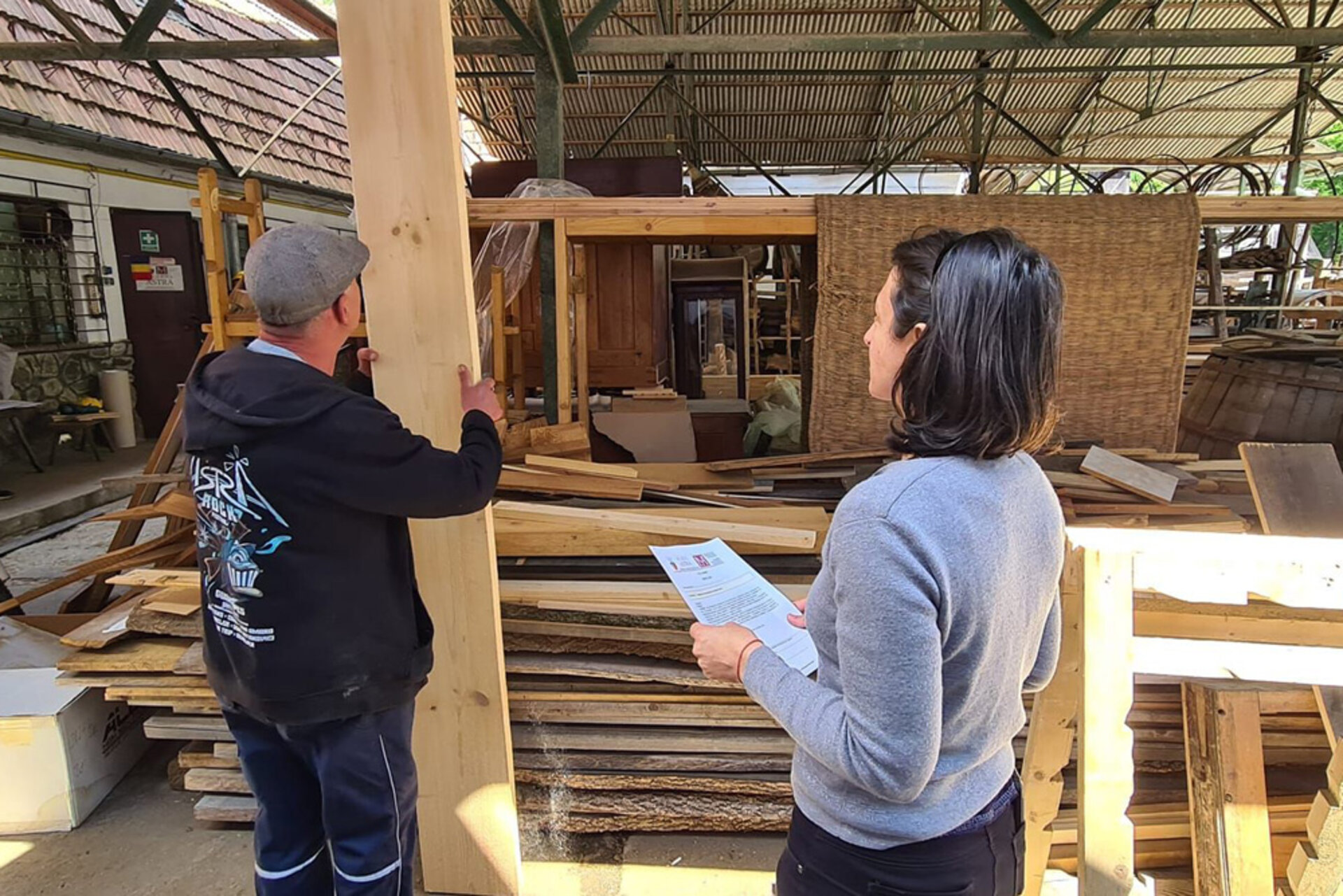
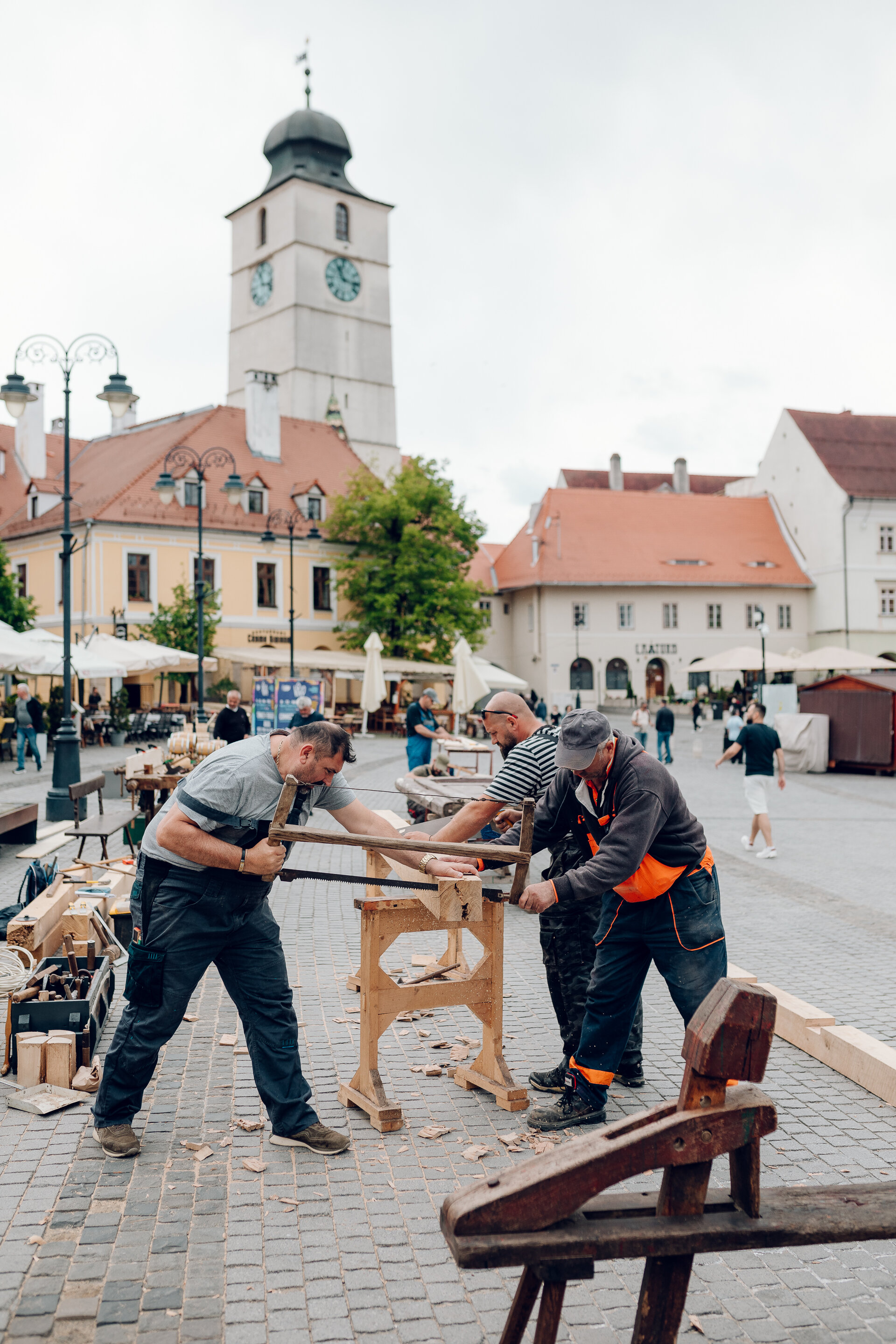
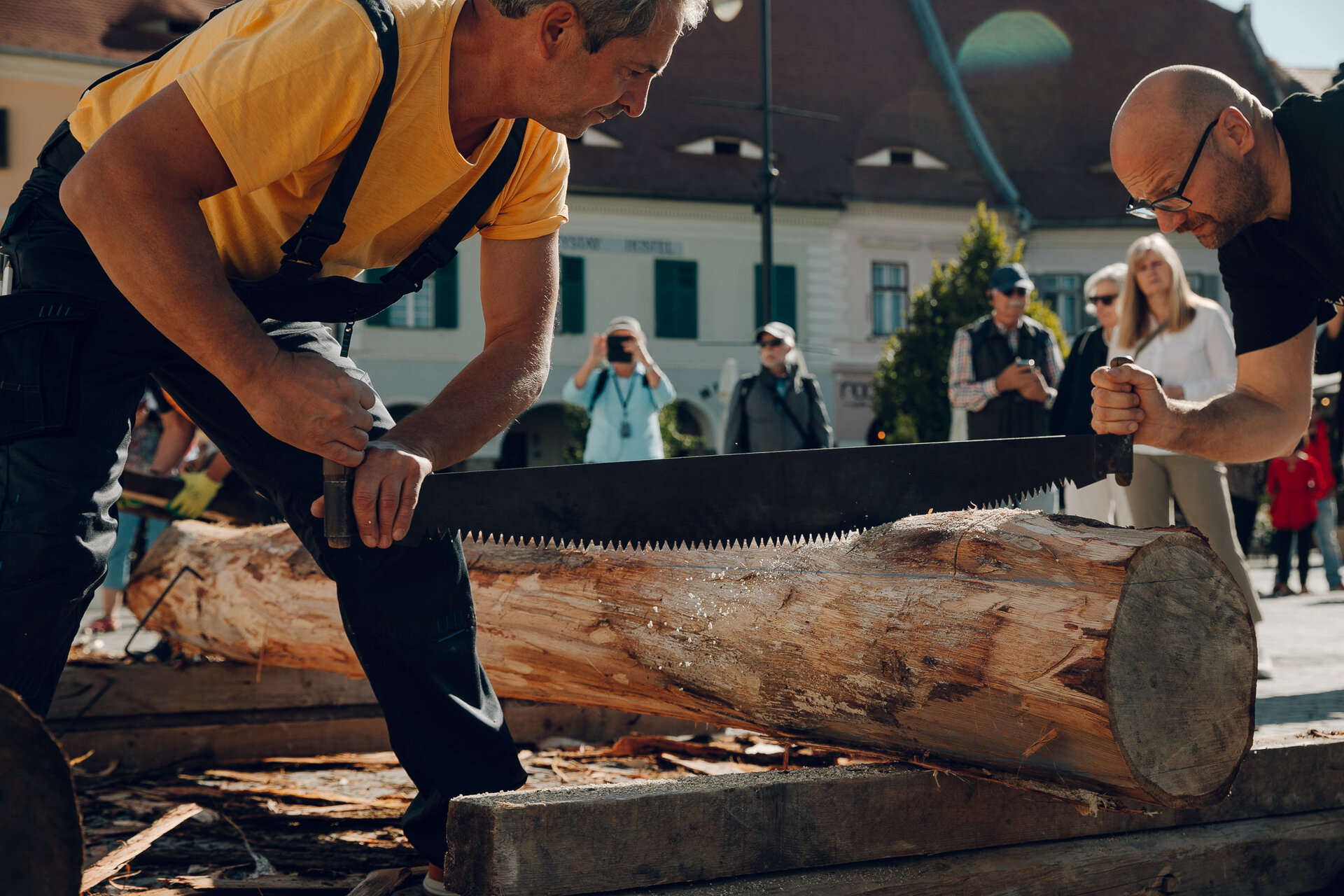
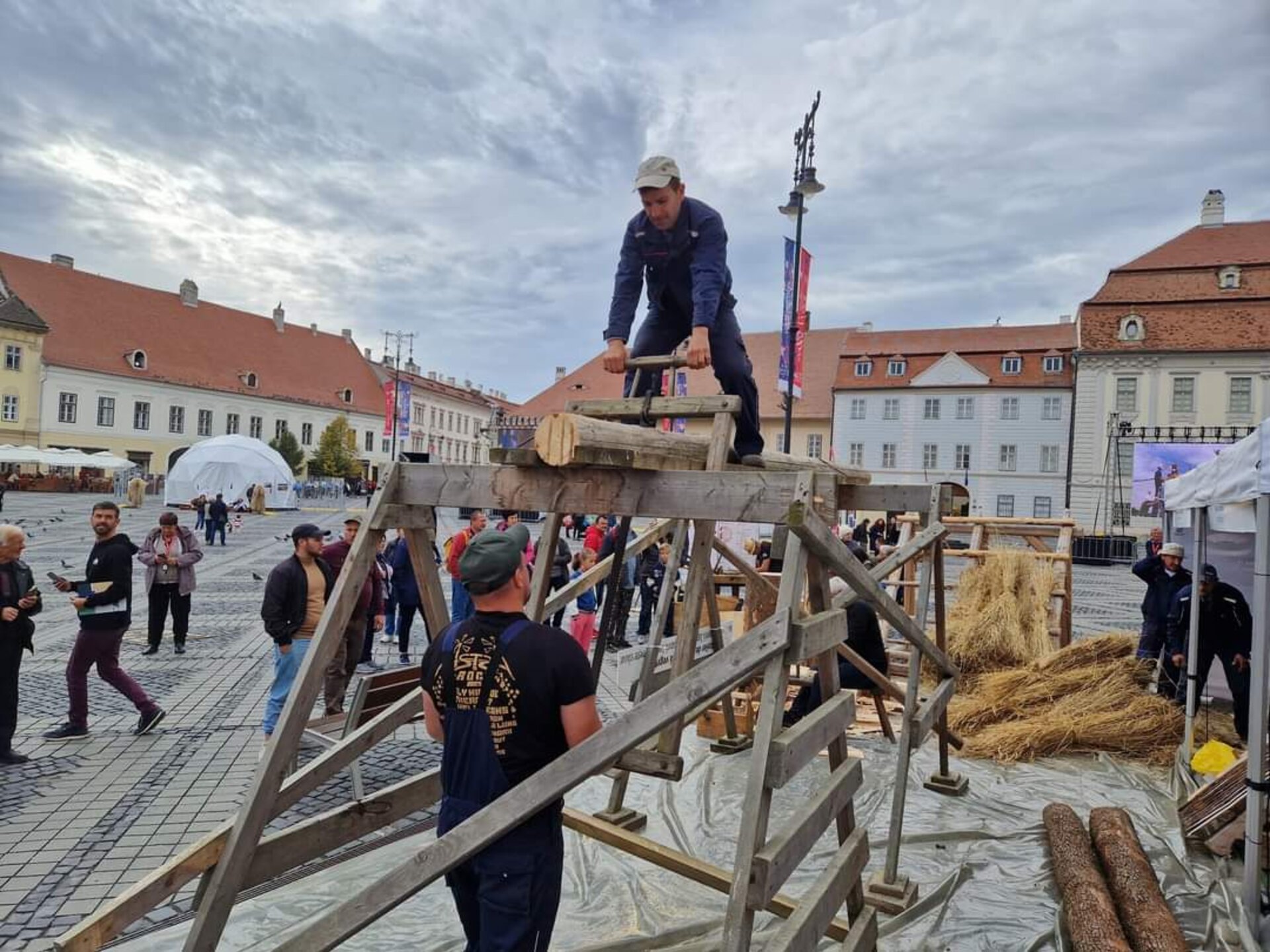
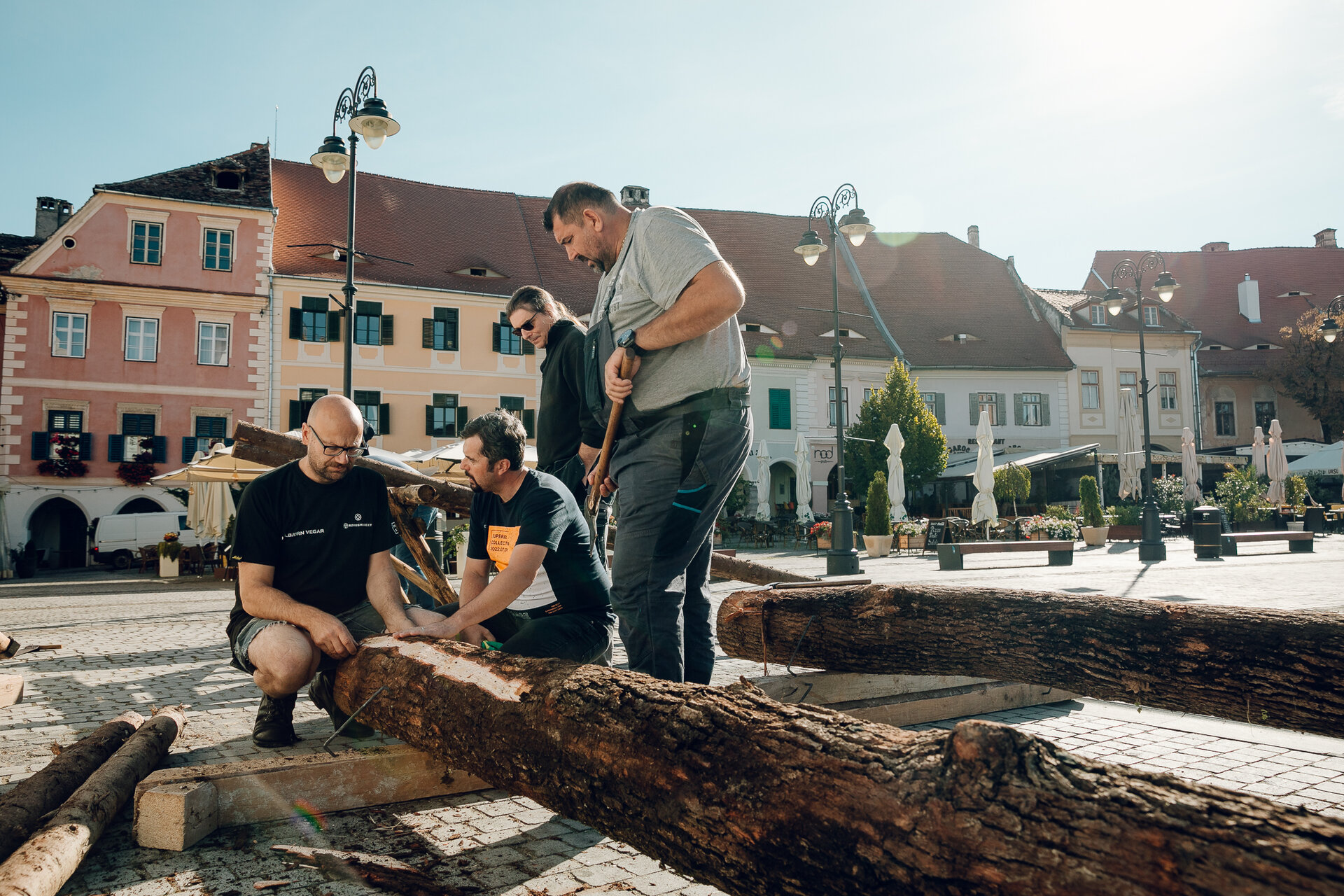
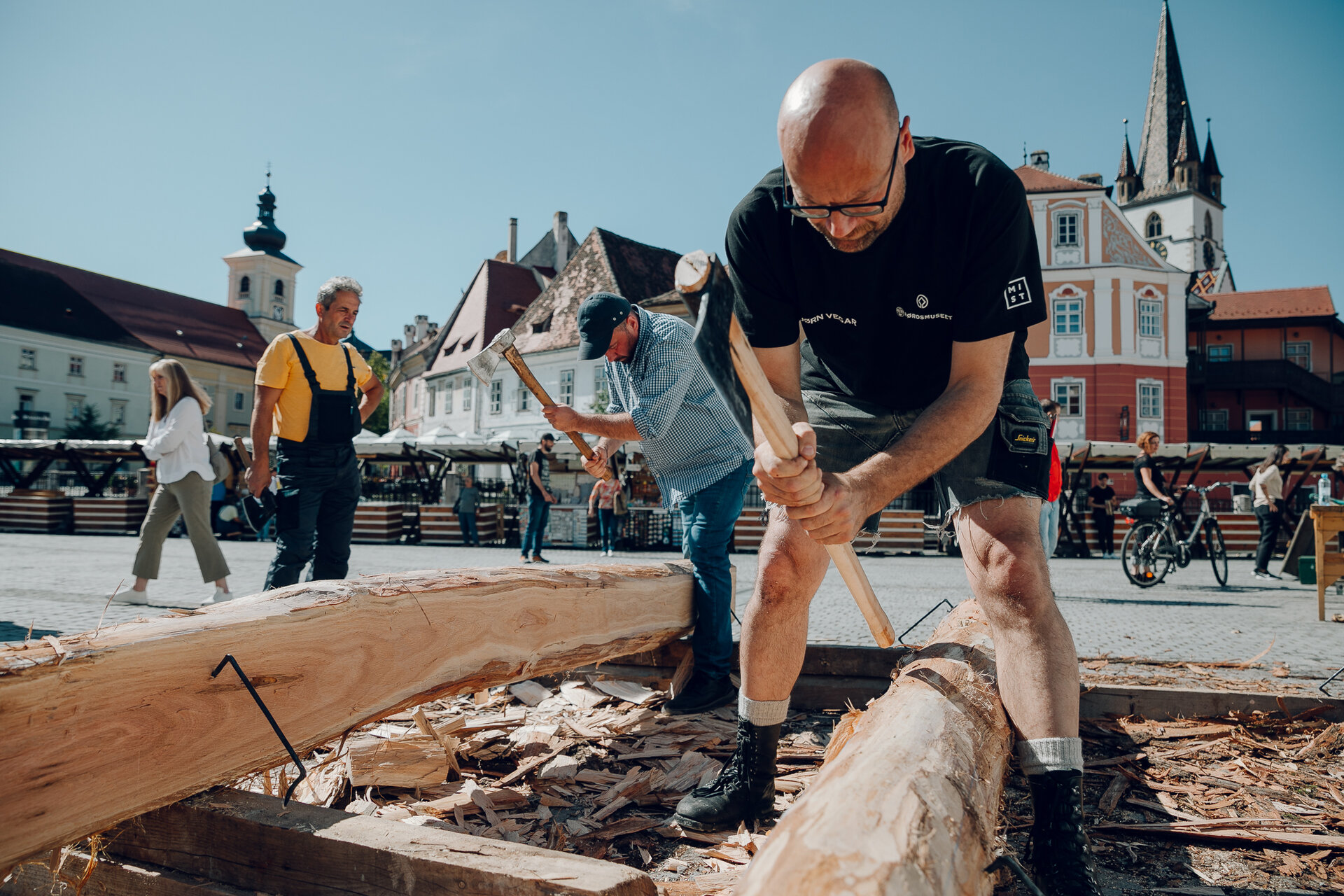
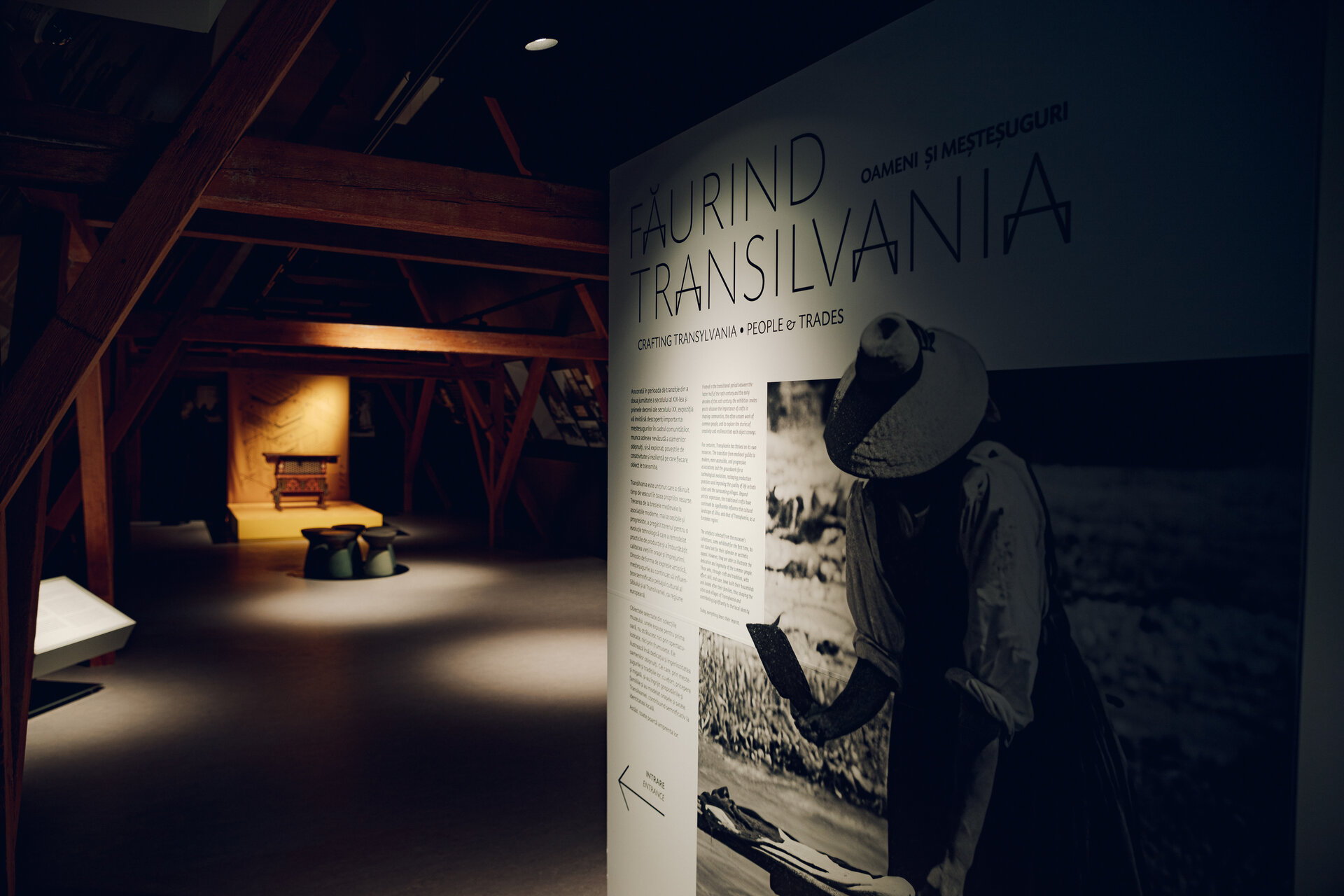
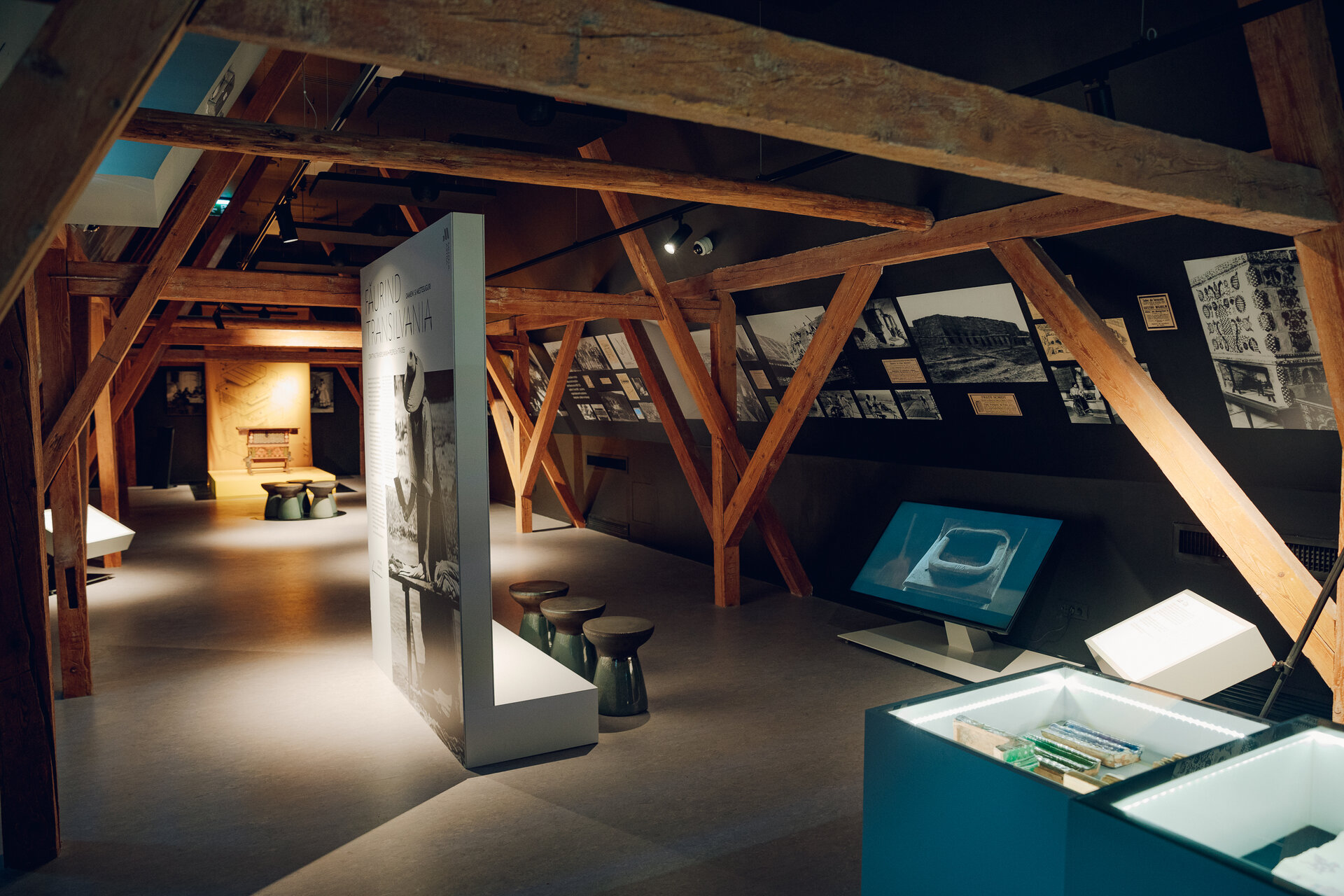
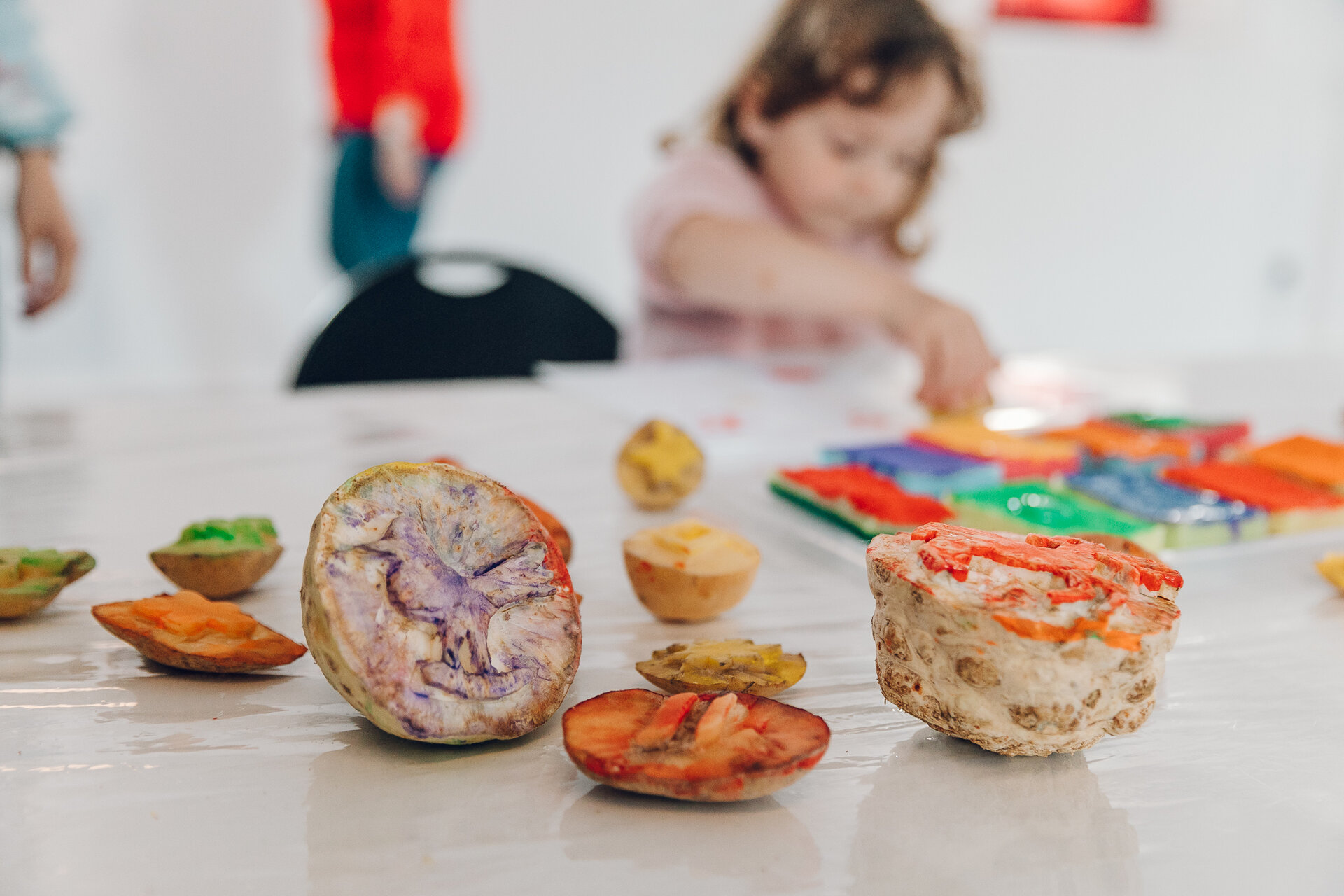
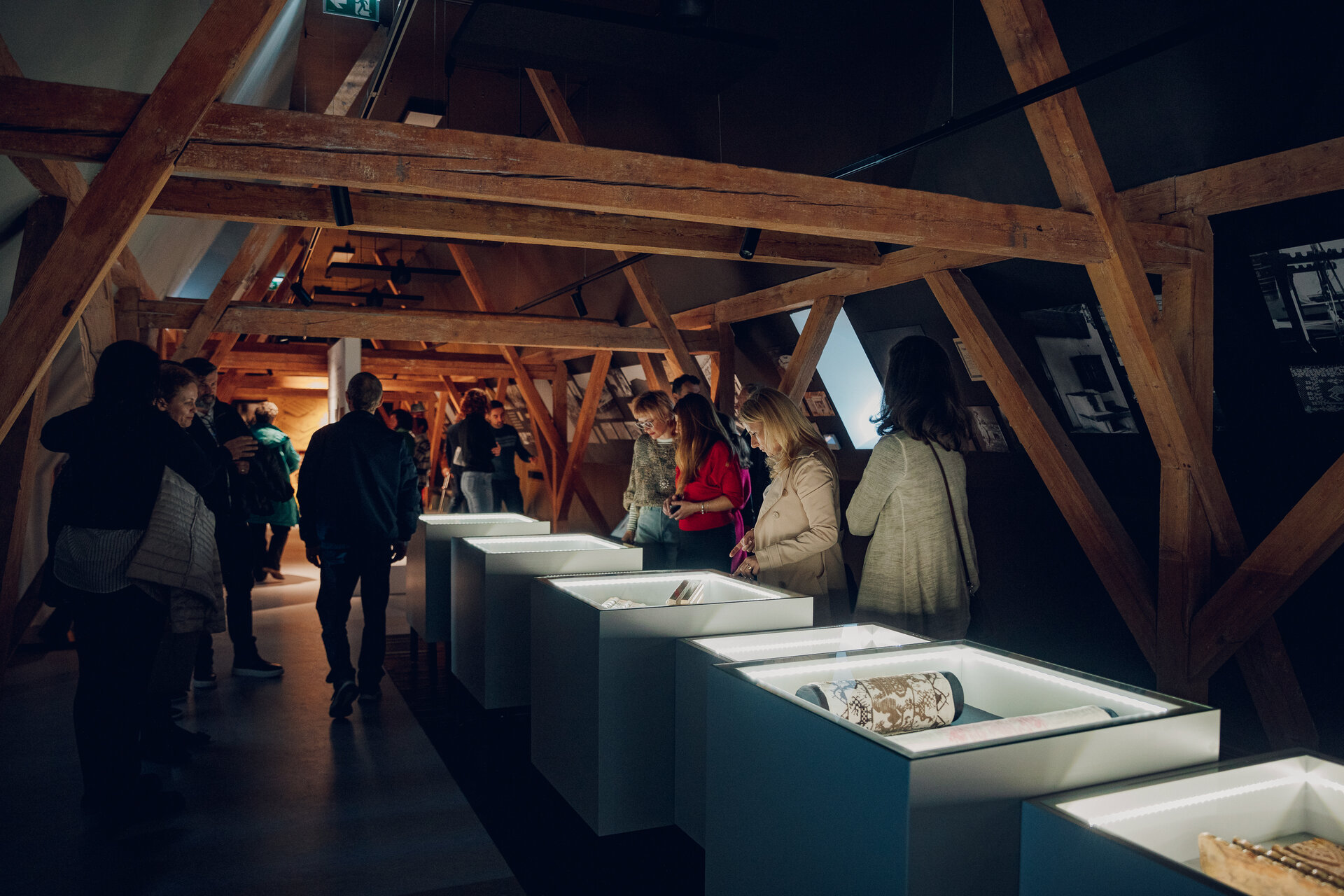
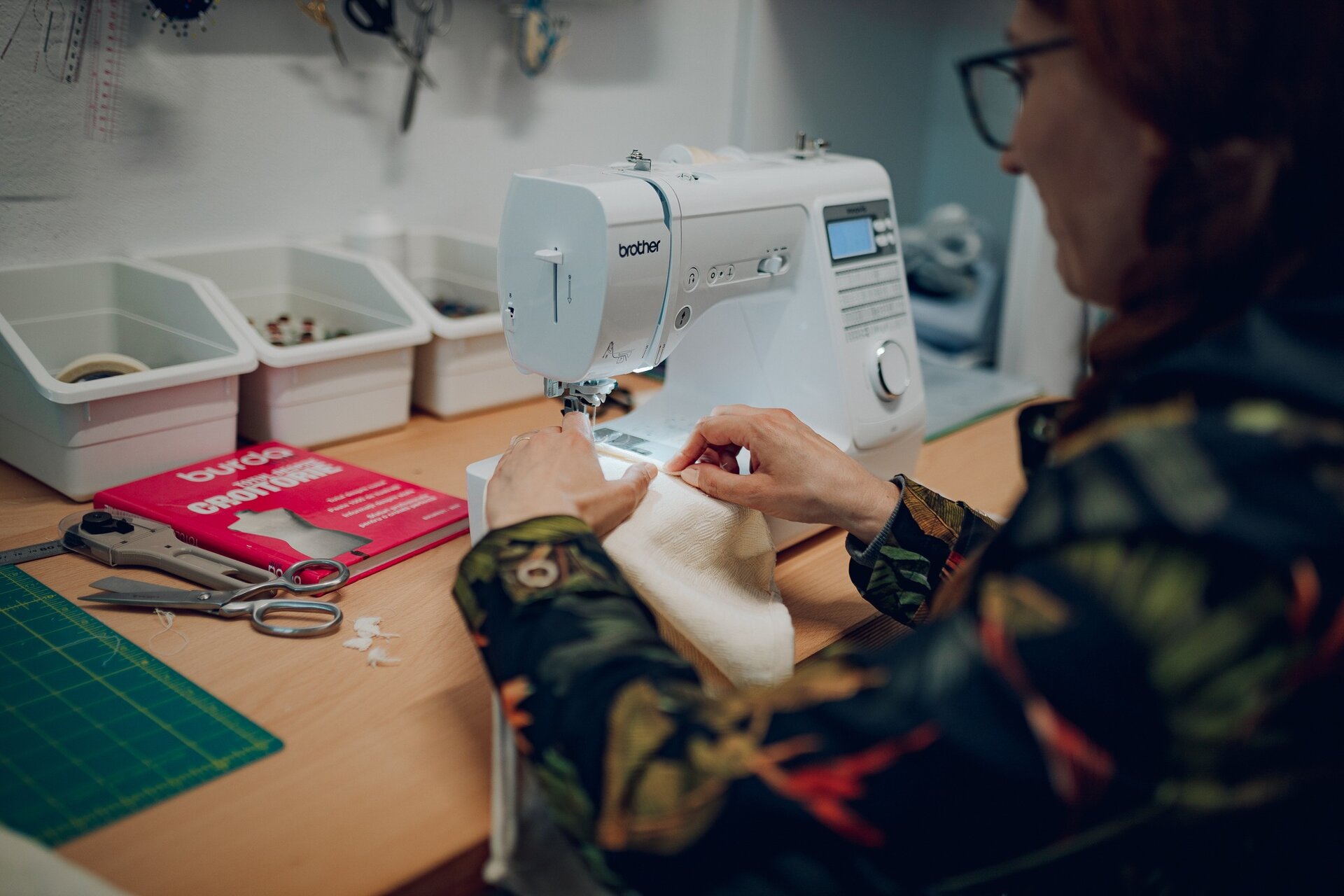
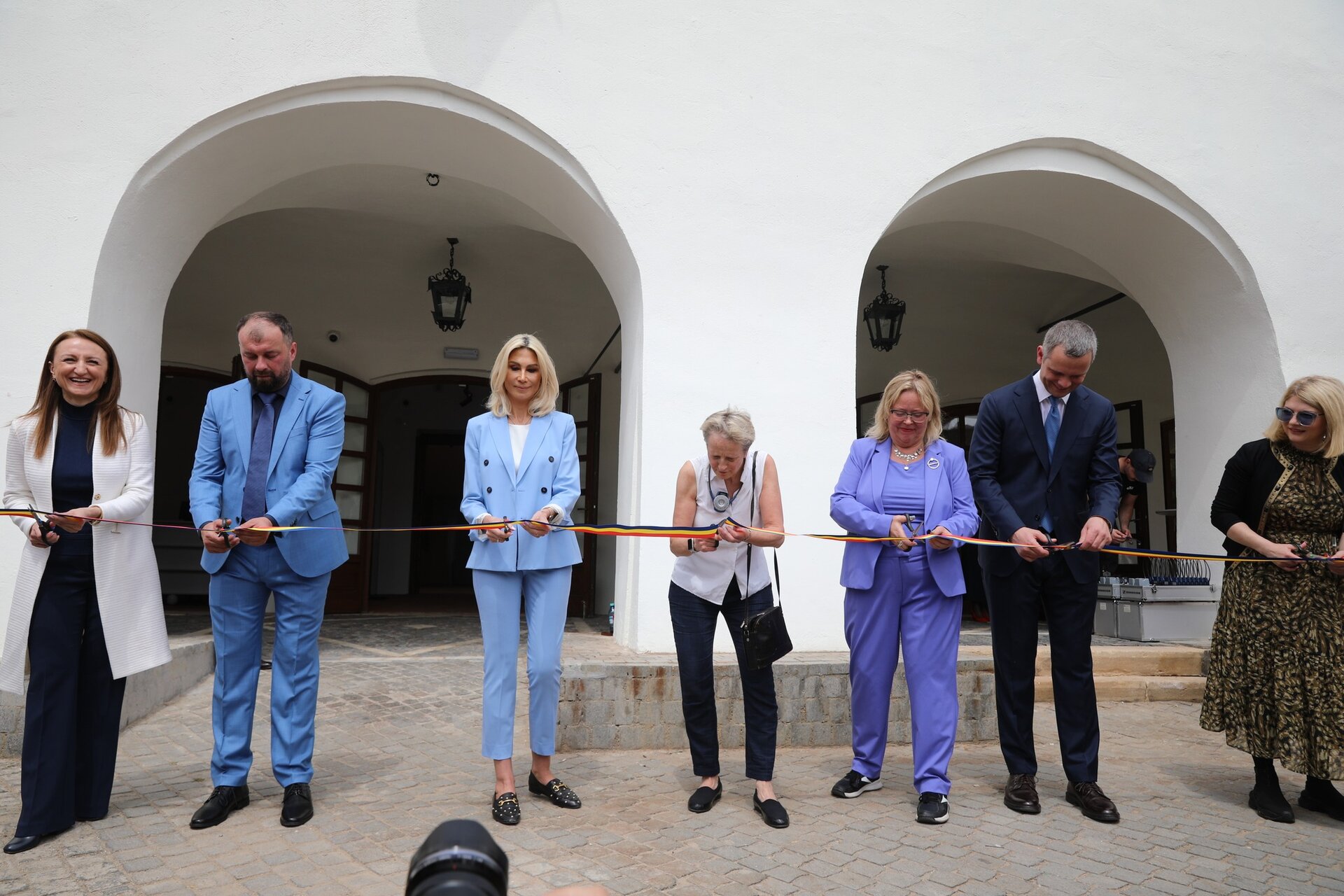
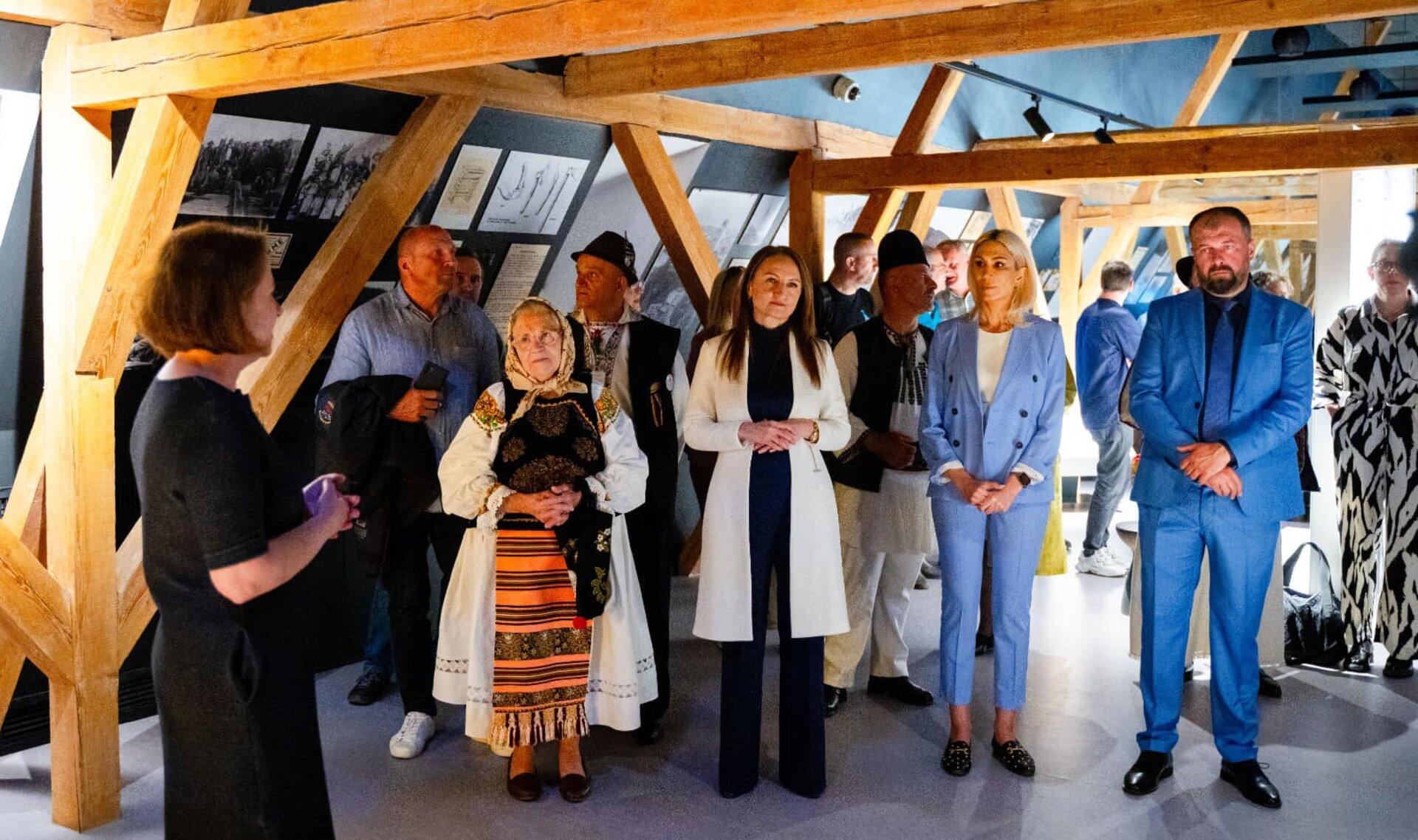
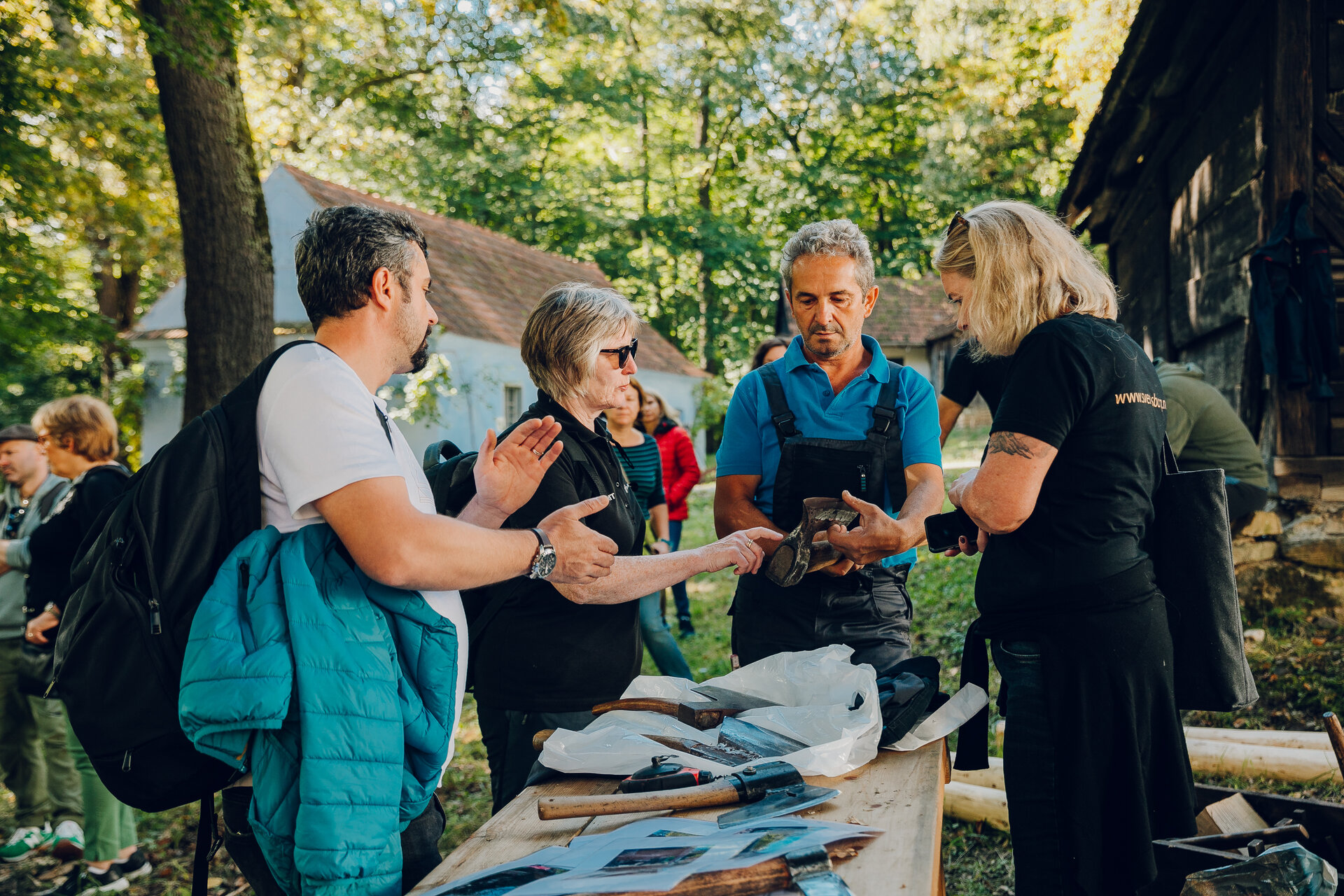
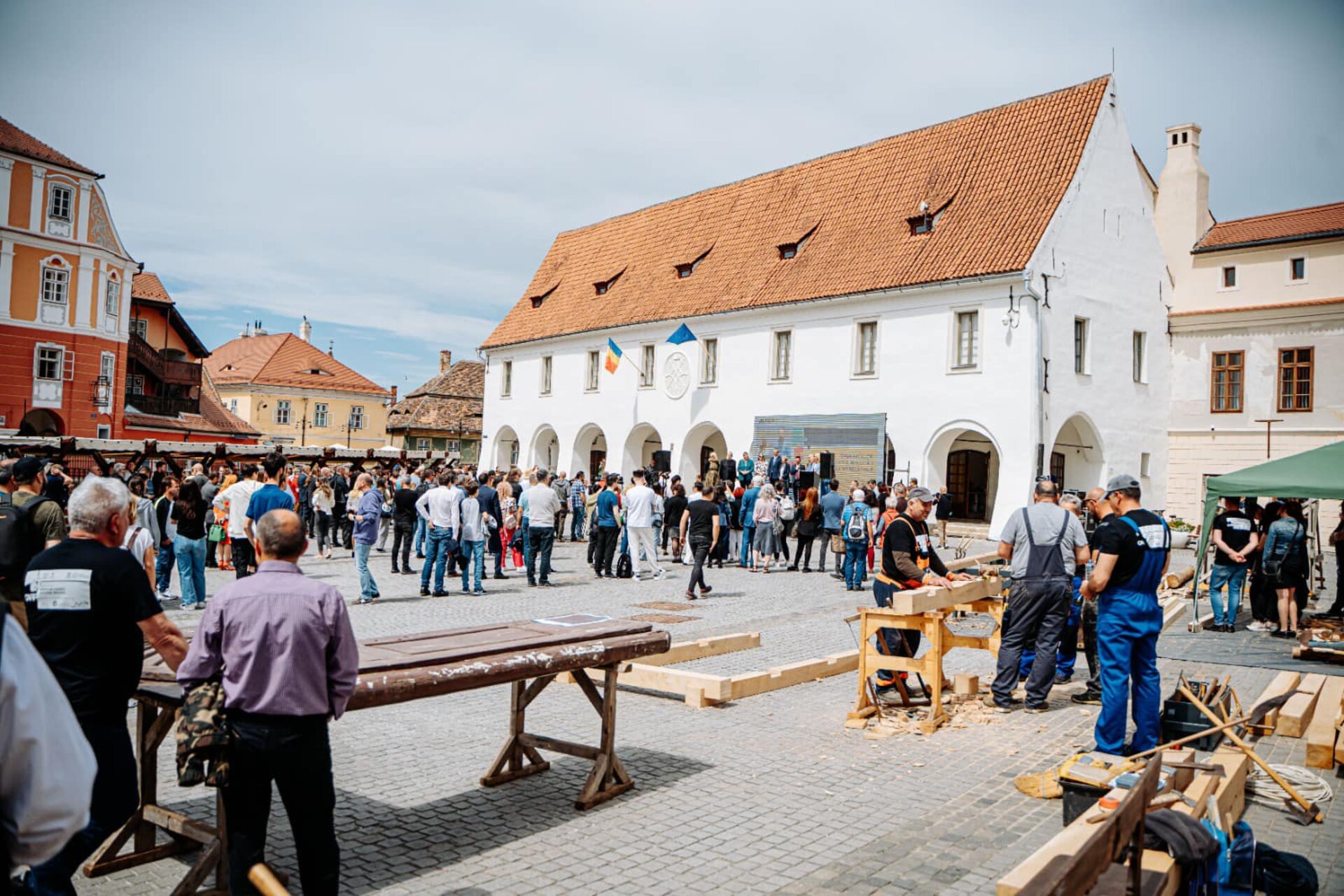
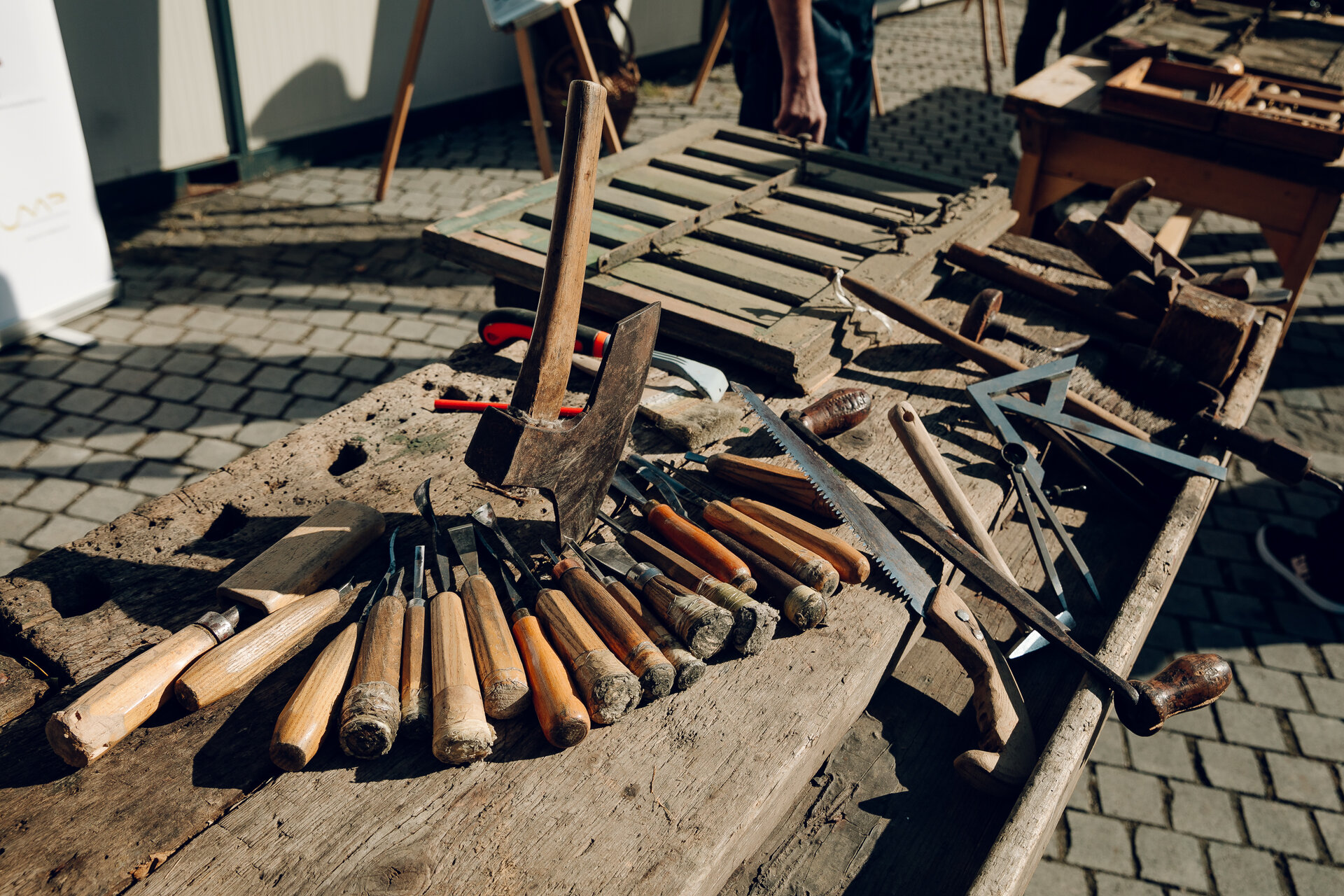
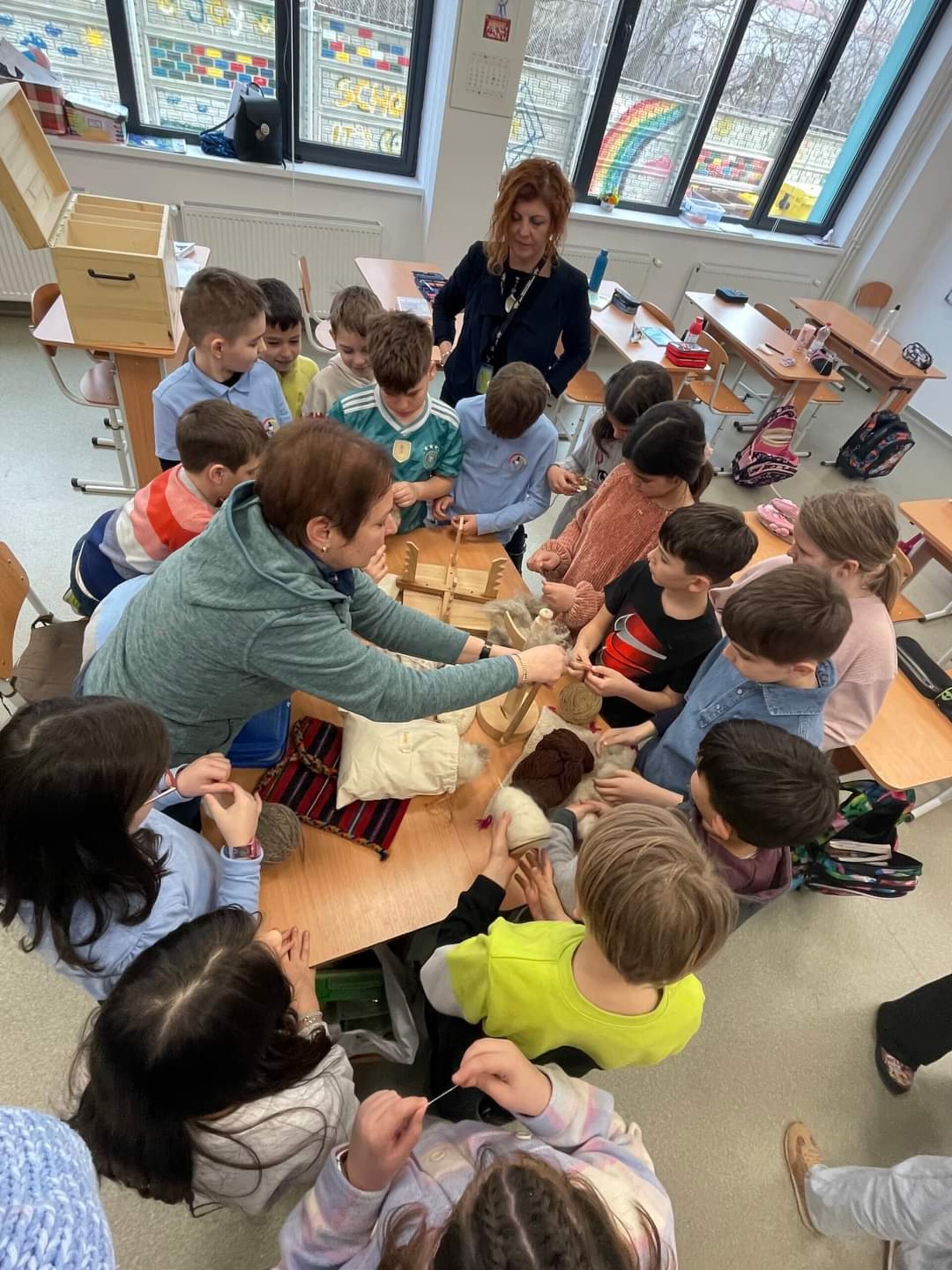
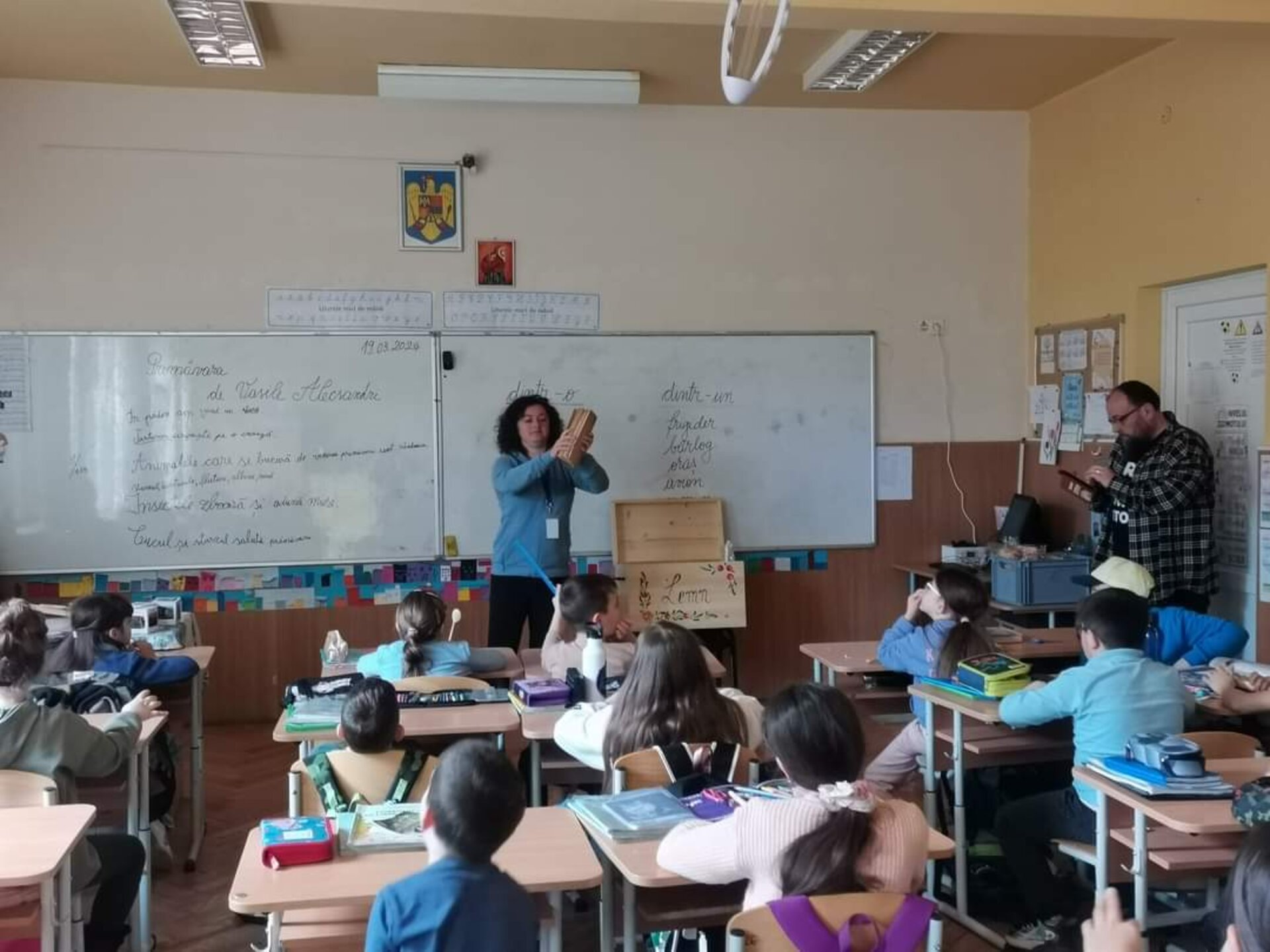
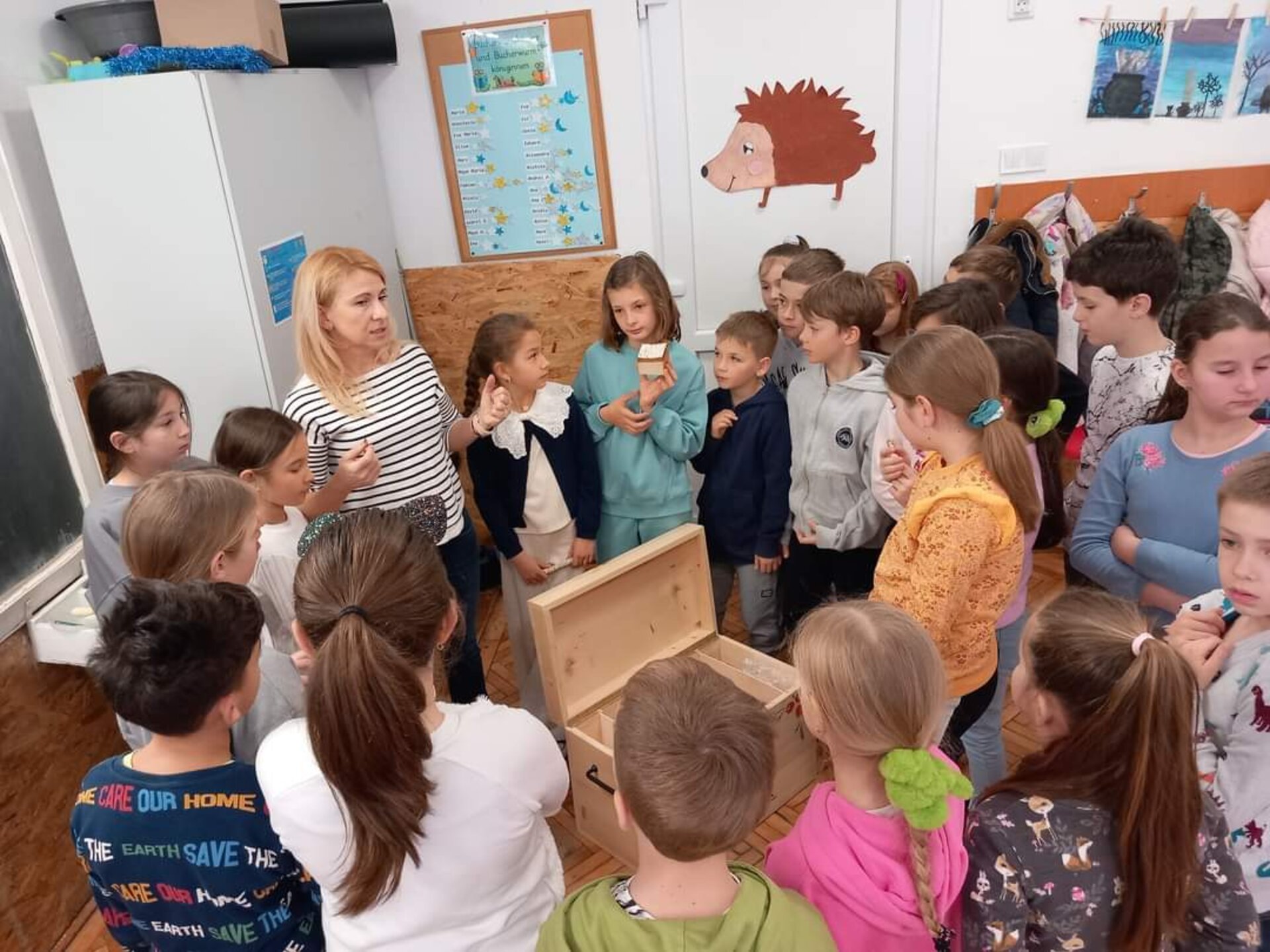
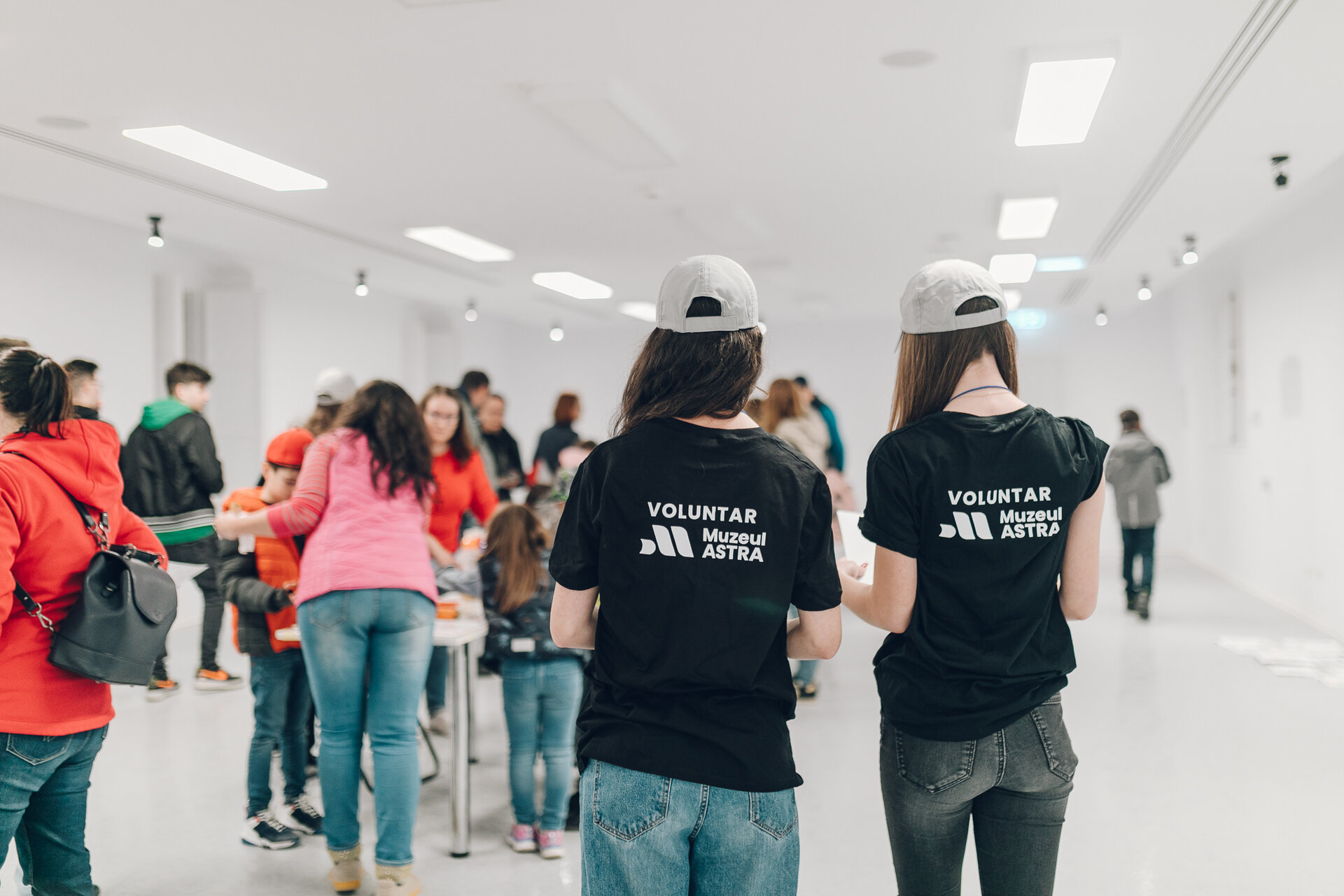
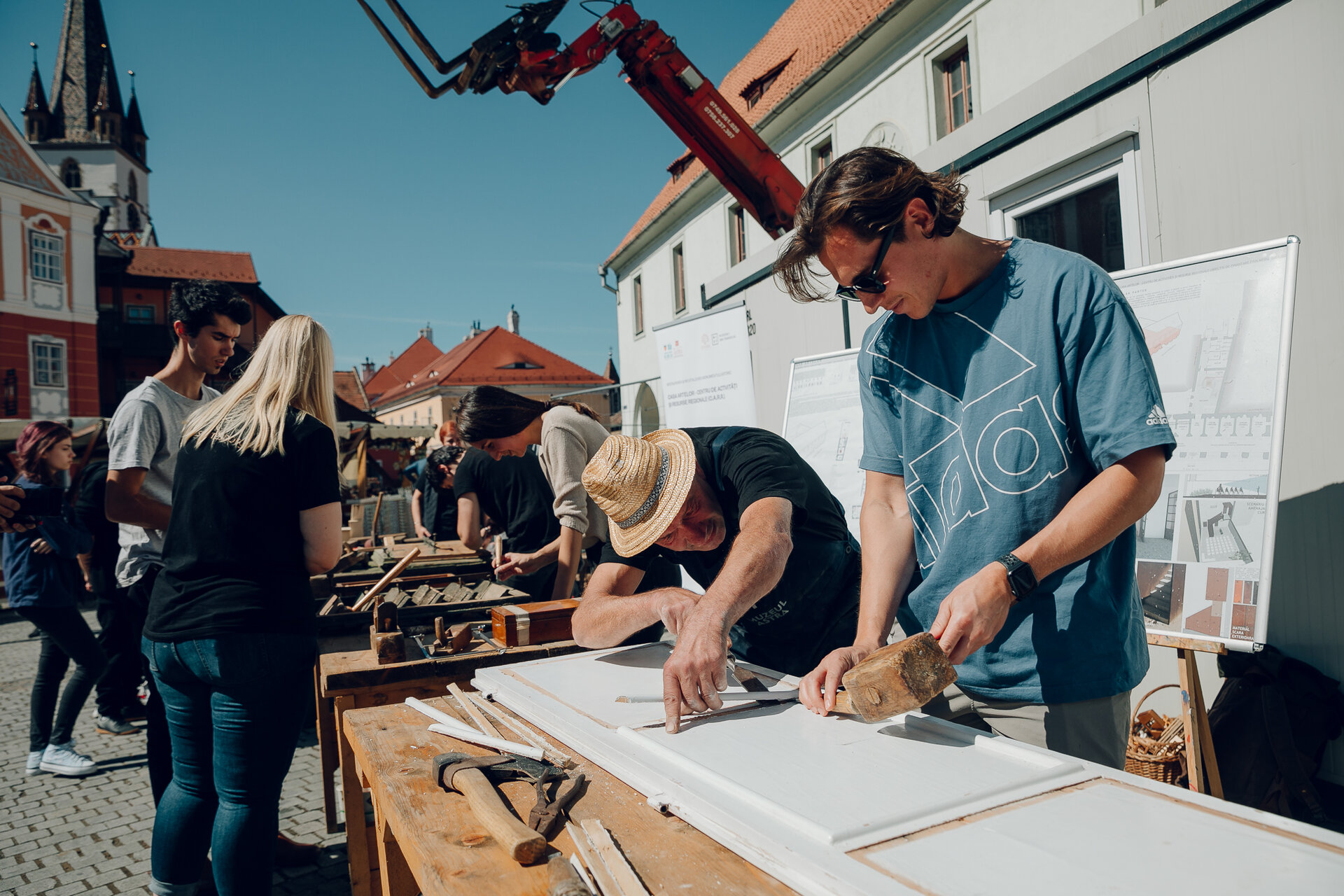
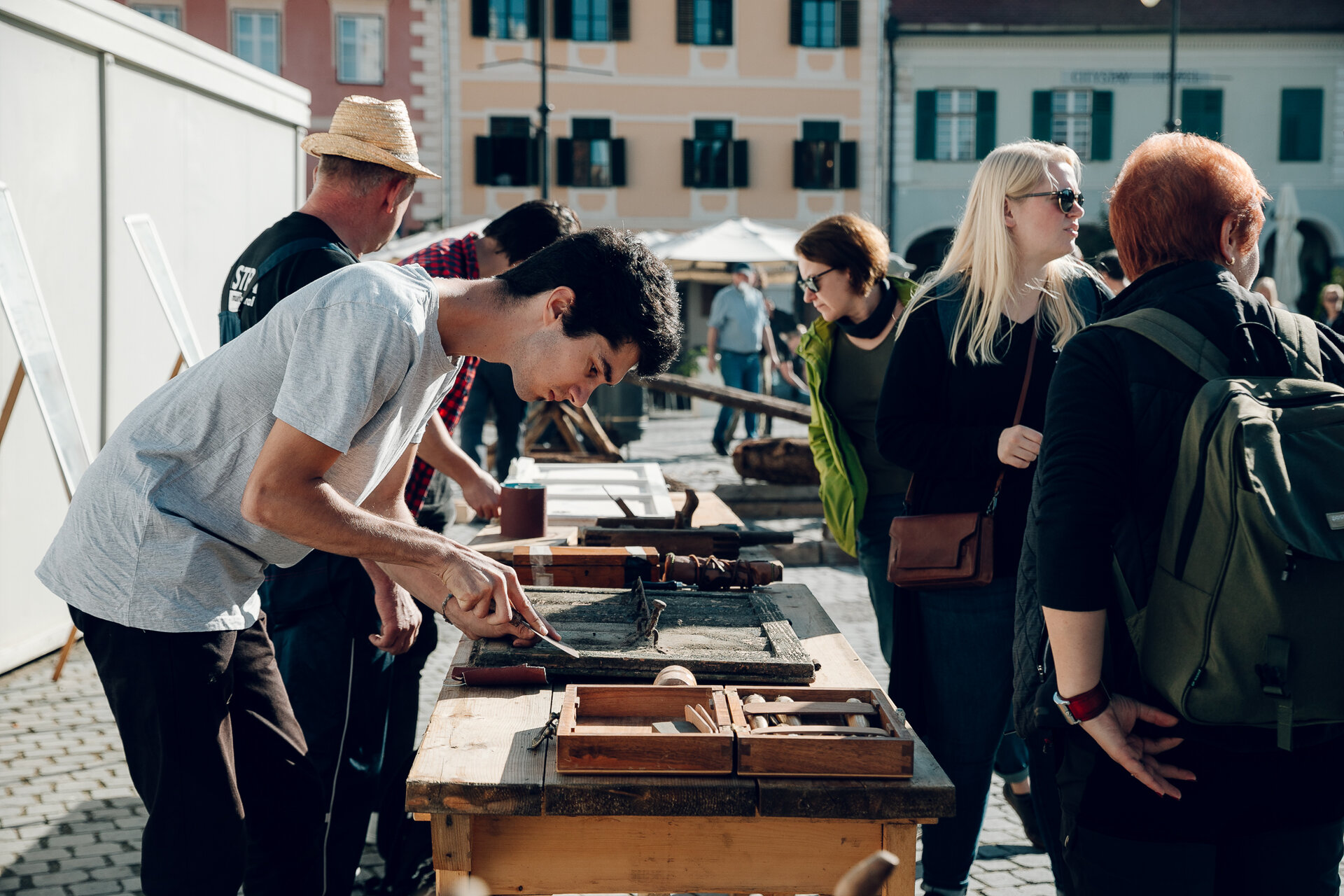
The ASTRA Center for Activities and Regional Resources is an innovative cultural heritage and vocational education initiative established within the restored House of Arts (Casa Artelor) in the historic centre of Sibiu, Romania. Developed by ASTRA Museum in partnership with Museene i Sør Trøndelag in Norway and Future Capital in Romania, the project combines the conservation of a medieval landmark with a pioneering system for training, assessing and certifying traditional craftspeople. The House of Arts, originally the medieval Butchers’ Hall, dates to the 14th century and was documented as a commercial building in 1370. Over subsequent centuries, it served various guild and commercial functions, becoming an important part of Sibiu’s urban heritage. Recognised as a Class A historic monument of national importance, the building had gradually lost much of its functional relevance before the project began. Implemented between September 2020 and May 2024, the initiative restored and adapted the historic structure to accommodate contemporary cultural, educational and entrepreneurial activities. More than 80% of its floor area became accessible to the public, with new exhibition galleries, an education hall, conference facilities, a museum shop, a multifunctional workshop and four makerspaces. Modern building services, improved environmental conditions, a lift and accessible toilets were introduced to support sustainable use and broader public access. Beyond the architectural restoration, the project's defining achievement was the creation of a formal system for recognising traditional craft skills. Drawing on ethnographic, historical and sociological research, ASTRA Museum developed assessment procedures and professional training programmes for craftspeople whose expertise had often been acquired informally and passed down through generations. The museum became the first institution of its kind in Romania authorised to assess and certify professional competencies in traditional crafts. The programme addresses traditional construction, wooden craft production and manual carpentry. In addition to technical skills, participants receive support in entrepreneurship, financial management, legal awareness and marketing, helping them compete for professional opportunities and obtain fair remuneration. The initiative has enabled certified craftspeople to participate in heritage restoration contracts, while several have established businesses employing other skilled practitioners. Education and community engagement form another central dimension of the ASTRA Center. Public demonstrations and participatory restoration workshops in Sibiu’s historic squares encourage residents to take an active role in maintaining their built heritage. The “Travelling Dowry Chest” educational kit extends museum learning into rural schools, connecting younger generations with traditional materials, crafts and cultural practices. The initiative has also contributed to cooperation between Romania’s Ministry of Culture and Ministry of Education. The programme has influenced heritage conservation policy by demonstrating the importance of formally recognised craftsmanship. Requirements for certified craftspeople in certain publicly funded restoration schemes have strengthened the connection between traditional knowledge and professional conservation practice. Other open-air museums have expressed interest in adopting the certification methodology. The project was supported by the EEA Grants 2014–2021 through the RO-CULTURA programme, alongside Romanian national funding and contributions from ASTRA Museum and Sibiu County Council. Its total budget was approximately EUR 2.7 million. Collaboration with Norwegian partners enabled exchanges of expertise in conservation, craft education and museum practice. Despite challenges arising from the COVID-19 pandemic, rising energy costs and inflation, the project established a sustainable operational model. Its activities are now integrated into ASTRA Museum’s regular programme, with revenue generated through exhibitions, workshops, venue hire and cultural partnerships. In 2025, the ASTRA Center for Activities and Regional Resources received a European Heritage Award / Europa Nostra Award in the Education, Training and Skills category. The jury praised its formal certification scheme, community-oriented education and wider contribution to the professional recognition of traditional craftsmanship. By combining the adaptive reuse of a medieval building with vocational qualifications, cultural entrepreneurship and community outreach, the ASTRA Center offers a transferable model for safeguarding traditional skills and strengthening the social and economic resilience of heritage communities.
Similar projects

14th century; historically documented in 1370; later alterations


