

Donation Campaign “The Culture of Ukraine has no Means of Defence”
The donation campaign “The Culture of Ukraine has no Means of Defence” was a Lithuanian public engagement and cultural heritage protection initiative developed in response to the threats facing Ukrainian museums and collections during the war following Russia's full-scale ...
Read more
Project details
Description:
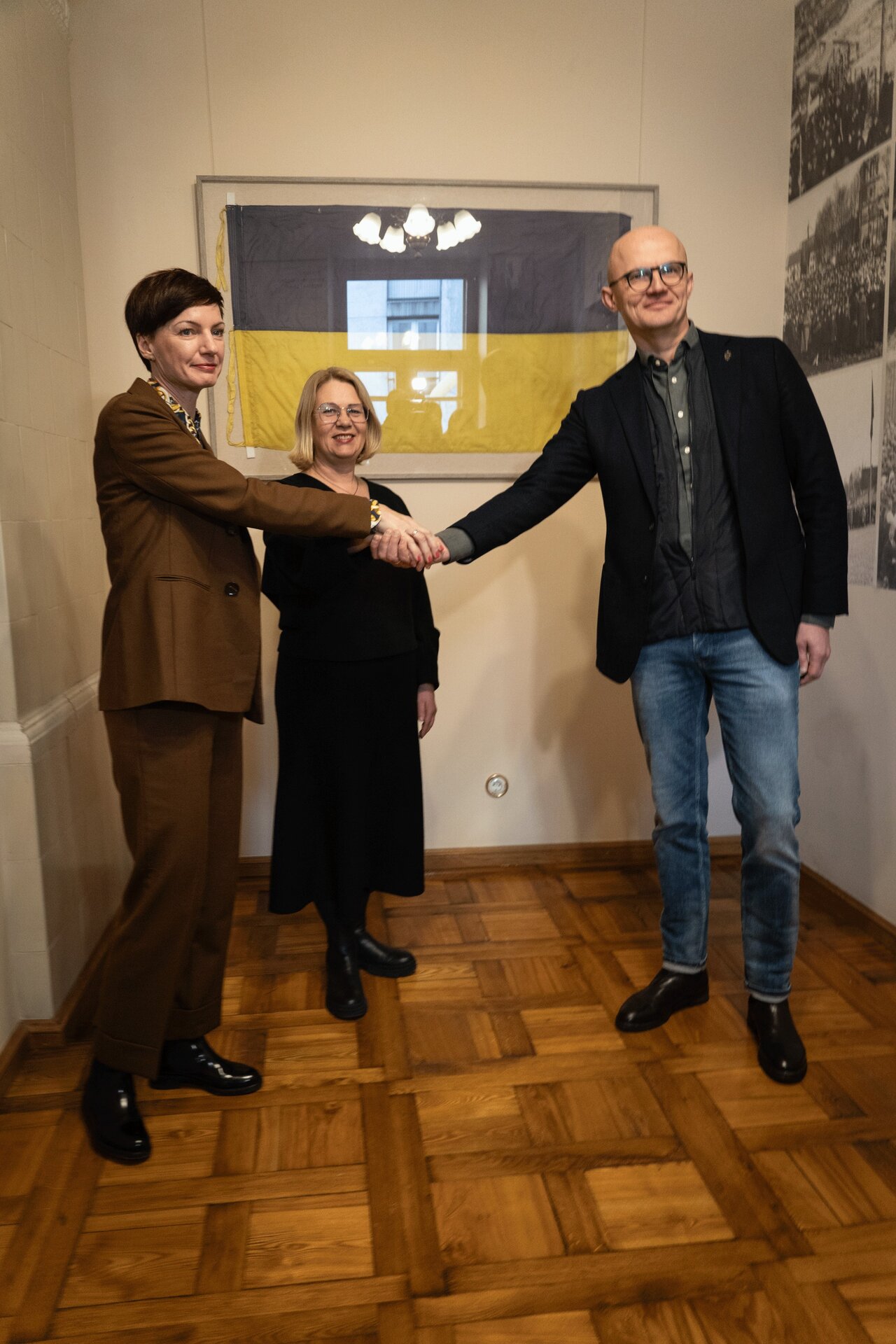
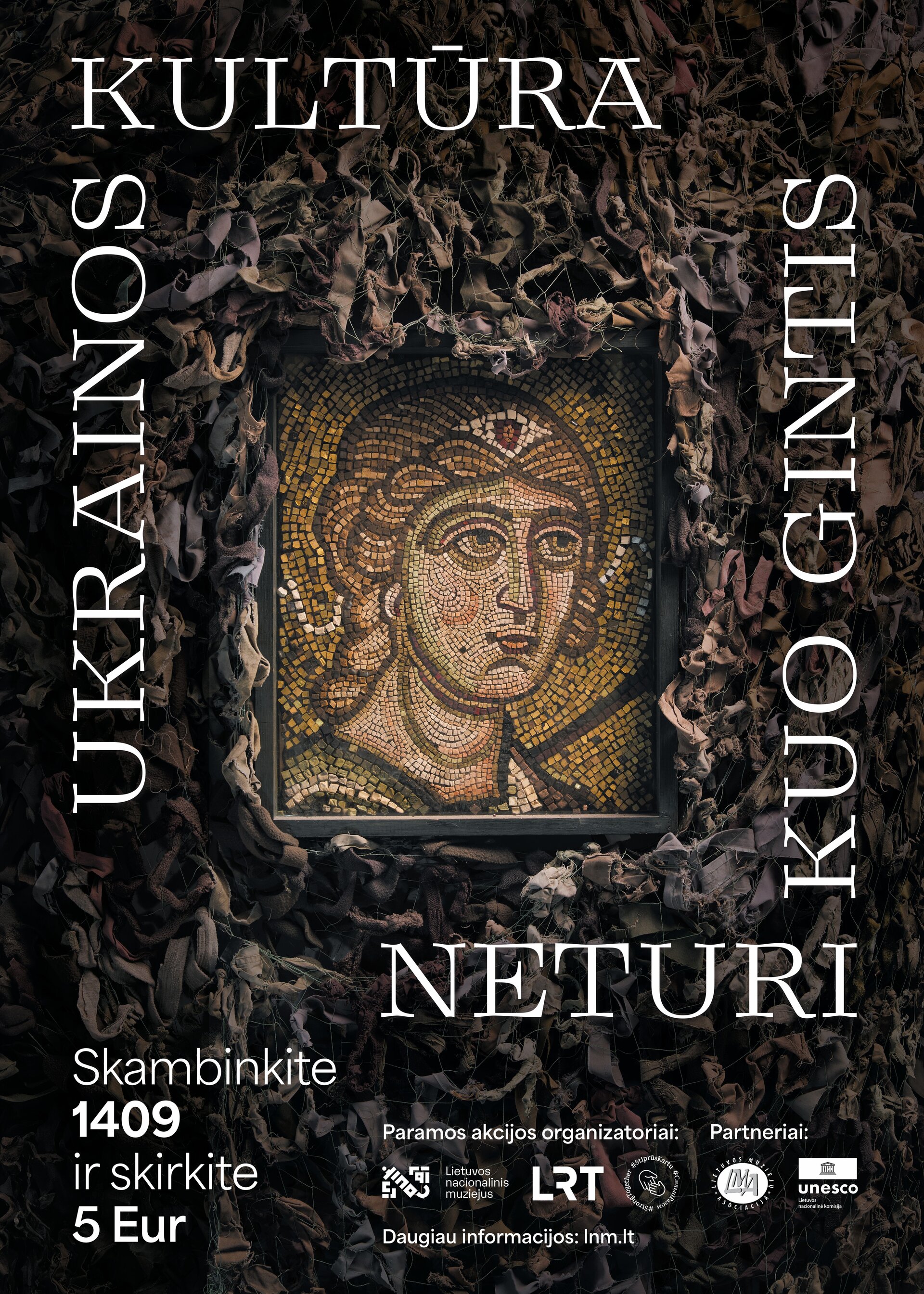
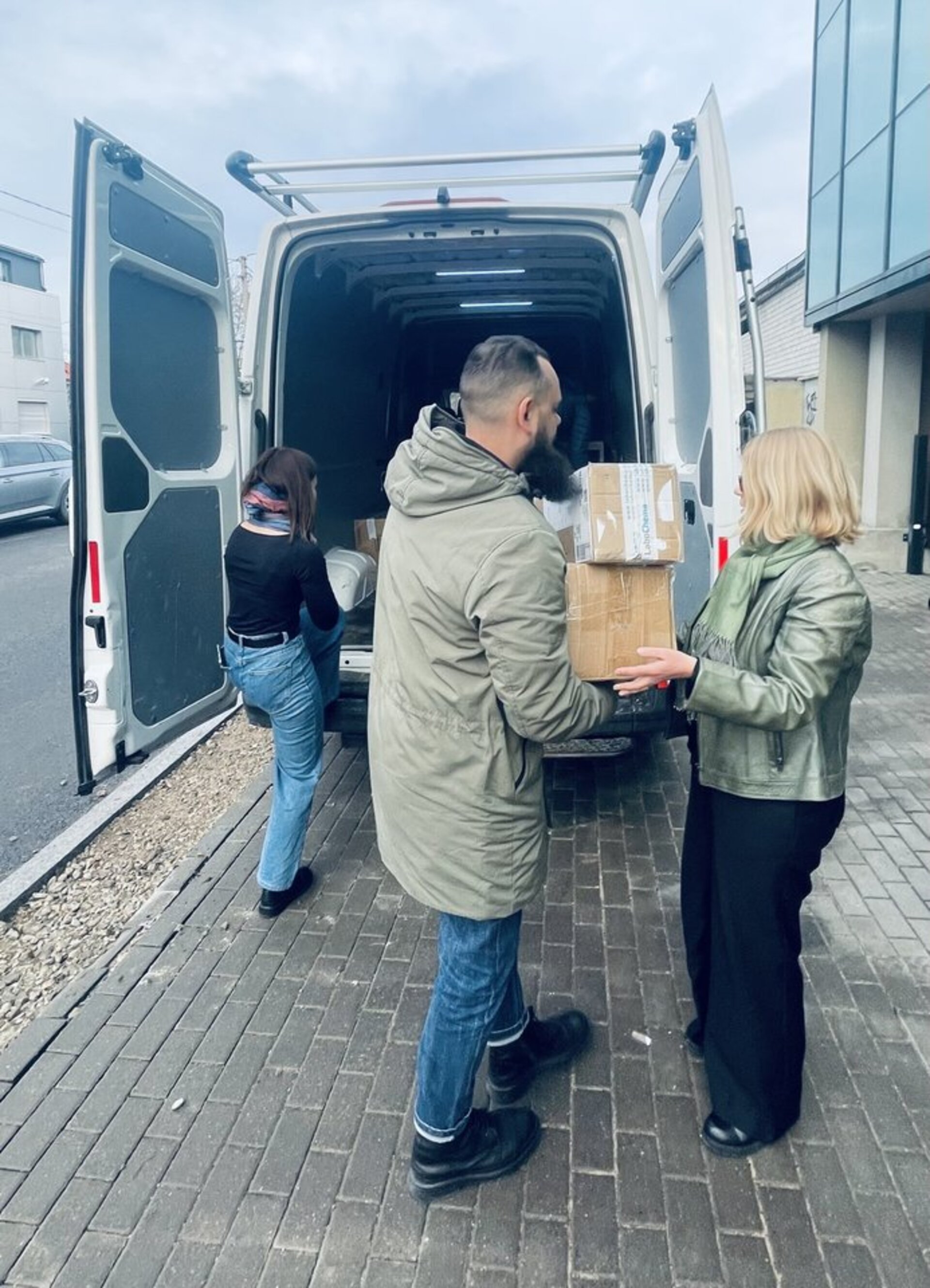
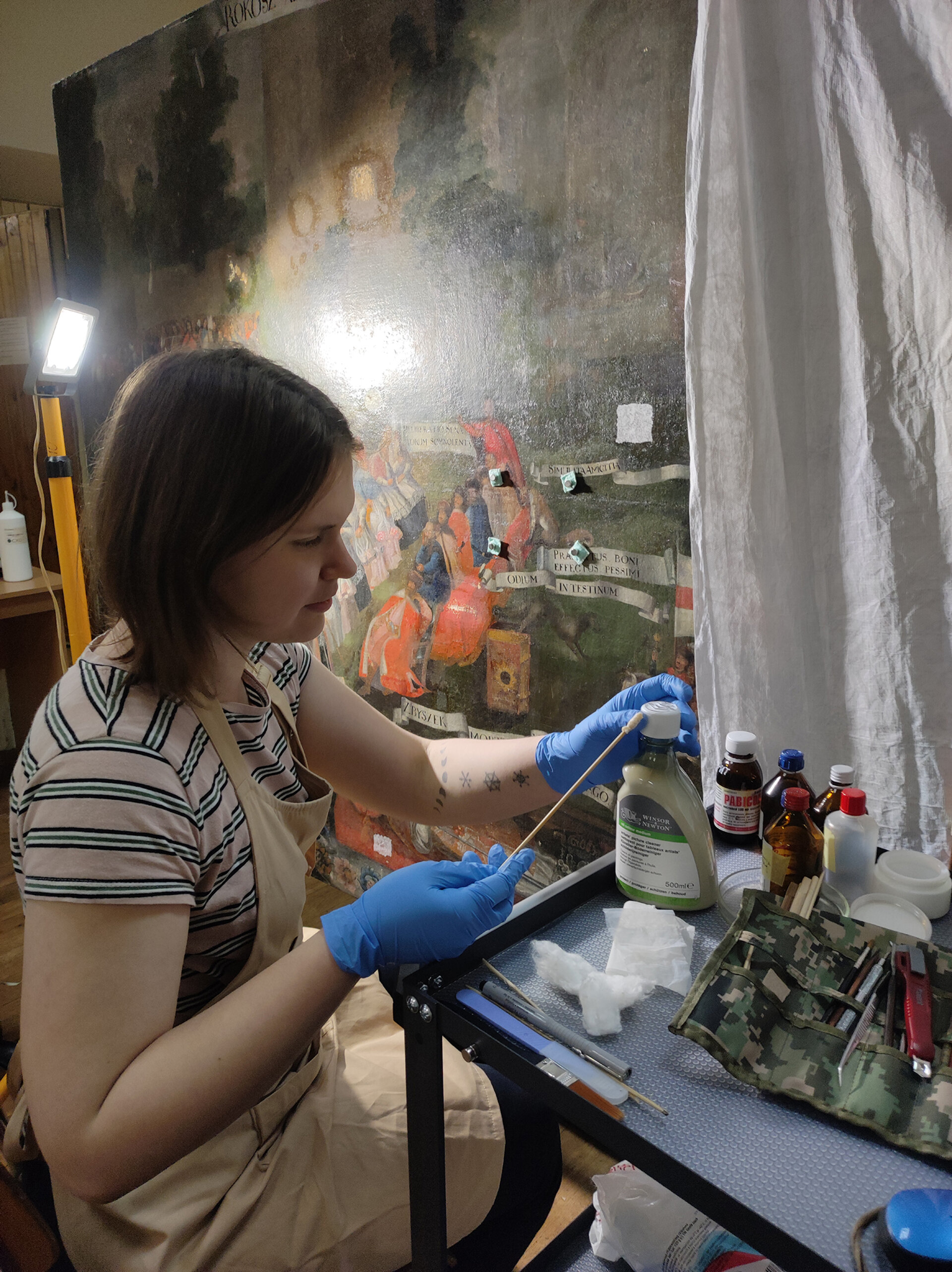
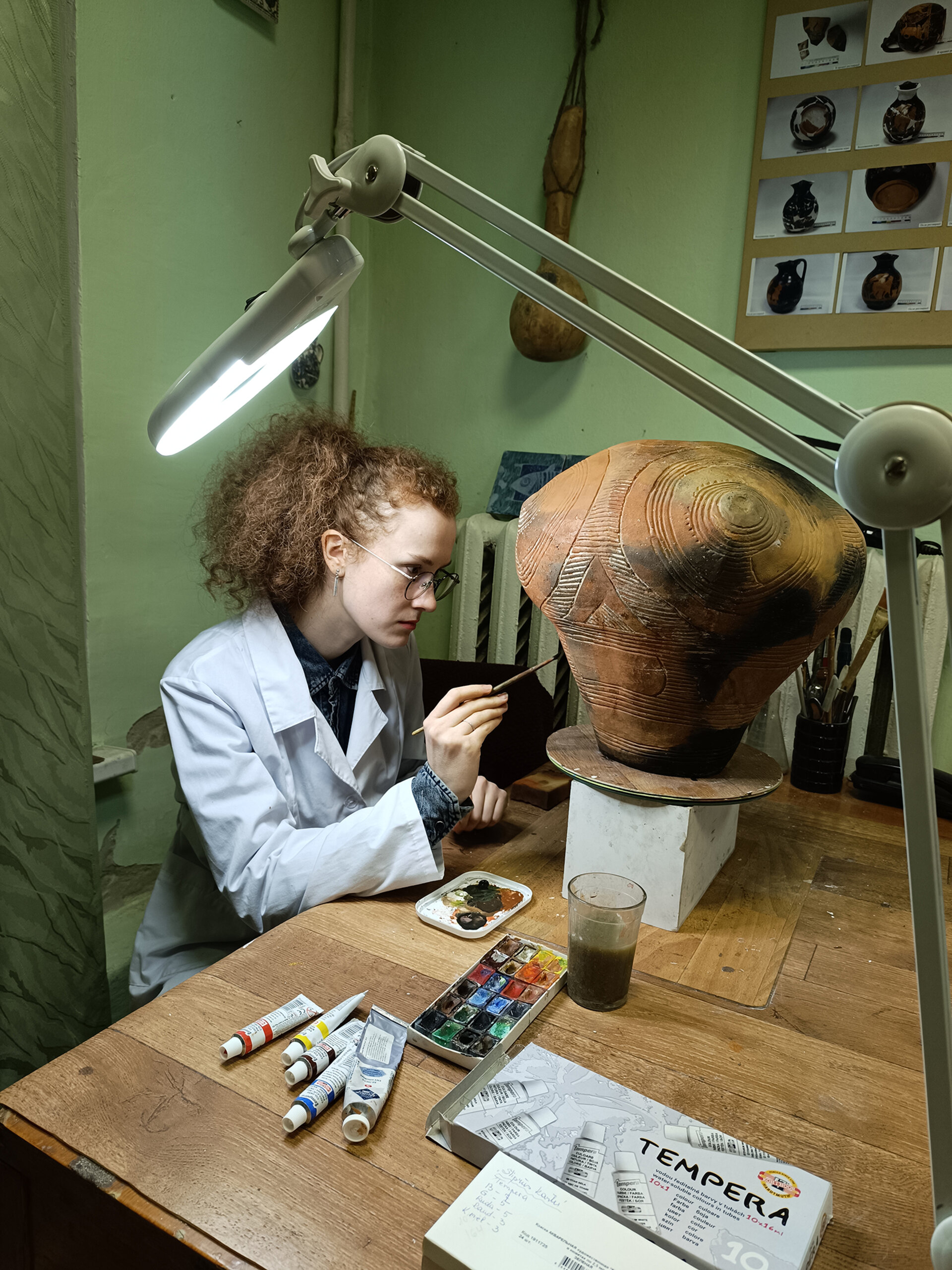
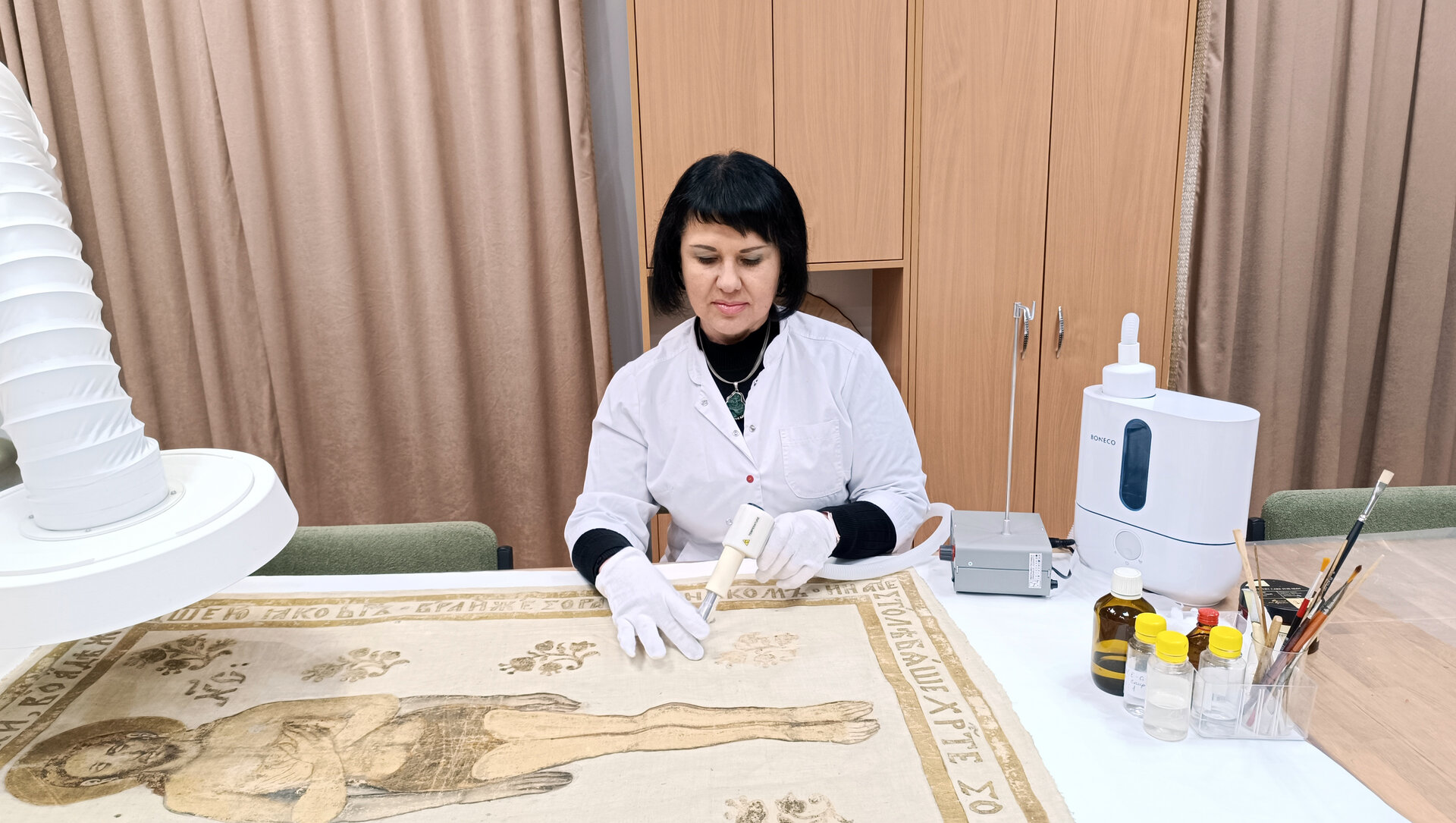
The donation campaign “The Culture of Ukraine has no Means of Defence” was a Lithuanian public engagement and cultural heritage protection initiative developed in response to the threats facing Ukrainian museums and collections during the war following Russia's full-scale invasion of Ukraine in February 2022. Organised by the National Museum of Lithuania in partnership with Lithuanian Radio and Television (LRT) and the civic movement Strong Together (Stiprūs kartu), the campaign combined public fundraising, heritage awareness, professional cooperation and the provision of urgently needed conservation supplies. The initiative was supported by the Lithuanian Museum Association, representing 100 museums across Lithuania, and the Lithuanian National Commission for UNESCO. Its principal Ukrainian partner, the National Museum of the History of Ukraine, worked with Lithuanian conservation professionals to identify the materials and equipment most urgently required by museums responsible for vulnerable cultural collections. The campaign responded to the widespread damage, displacement and deterioration affecting Ukraine's cultural heritage during the war. Museum collections faced threats not only from direct destruction and looting but also from the difficulties of carrying out conservation work under emergency conditions. The organisers sought to demonstrate that protecting cultural heritage was a responsibility shared by institutions, professionals and the wider public across Europe. Following a preparatory phase beginning in September 2023, the public donation campaign ran from 28 November to 26 December 2023. Lithuanian citizens were invited to contribute through a dedicated telephone donation line or bank transfer. The initiative was promoted through national television, radio, social media, outdoor advertising and the communication networks of museums throughout Lithuania. Approximately €10,000 was raised through public donations. Together with institutional contributions to campaign production and communication, the initiative had a reported overall budget of approximately €15,000. The funds enabled the purchase of nearly 200 units of specialist conservation materials and equipment selected in consultation with Ukrainian museum professionals. The supplies included conservation chemicals, adhesives, protective coatings, Japanese paper for document restoration, microscopes, magnifying devices, instruments for measuring acidity, ultraviolet lamps, ultrasonic cleaning equipment and other specialised tools. They were intended to support the treatment of archaeological objects, paintings, documents, textiles, wooden artefacts, ceramics and historical metalwork. The procurement phase continued from late December 2023 until mid-February 2024. The materials and equipment were transported to Ukraine between 15 and 19 February 2024, with a formal handover associated with the Lithuanian Embassy in Kyiv. The National Museum of the History of Ukraine served as the principal receiving institution, enabling the resources to be distributed to museums and conservation professionals elsewhere in the country. The results were both practical and educational. According to the nomination dossier, Ukrainian restorers used the donated supplies to stabilise approximately 300 museum objects, while further conservation work continued. The treated collections included archaeological finds, weapons and armour, household objects, textiles, manuscripts and other historical materials representing different periods of Ukrainian history. The campaign also achieved substantial public visibility. Its organisers reported a media audience reach exceeding 43.42 million contacts across television, radio and other communication channels. The participation of 100 Lithuanian museums helped extend the campaign beyond conventional heritage audiences and demonstrated the capacity of cultural institutions to mobilise citizens during a crisis. Beyond the immediate delivery of equipment, the project strengthened professional relationships between Lithuanian and Ukrainian museum specialists. Knowledge exchange and conservation cooperation continued after the campaign, including a two-week internship for Ukrainian restorers at the National Museum of Lithuania's Restoration Centre. These activities supported professional capacity and encouraged longer-term partnerships between the two countries. In 2025, the campaign received a European Heritage Award / Europa Nostra Award in the Citizens' Engagement and Awareness-raising category. The jury recognised its success in offering Lithuanian citizens a direct means of supporting endangered cultural heritage and highlighted its potential as a model for rapid, coordinated action. “The Culture of Ukraine has no Means of Defence” demonstrates how modest public contributions, when combined with institutional expertise, effective communication and international cooperation, can generate tangible benefits for cultural heritage under threat. The initiative offers a replicable approach to emergency heritage protection, showing that public solidarity can be translated into practical conservation assistance while reinforcing the importance of cultural identity, professional exchange and shared European responsibility.
