

Notre-Dame de Paris Restoration Outreach
Notre-Dame de Paris Restoration Outreach is a large-scale public engagement, cultural mediation and heritage education initiative developed by the French public institution Rebâtir Notre-Dame de Paris during the restoration of the cathedral following the devastating fire of 15 ...
Read more
Project details
Description:
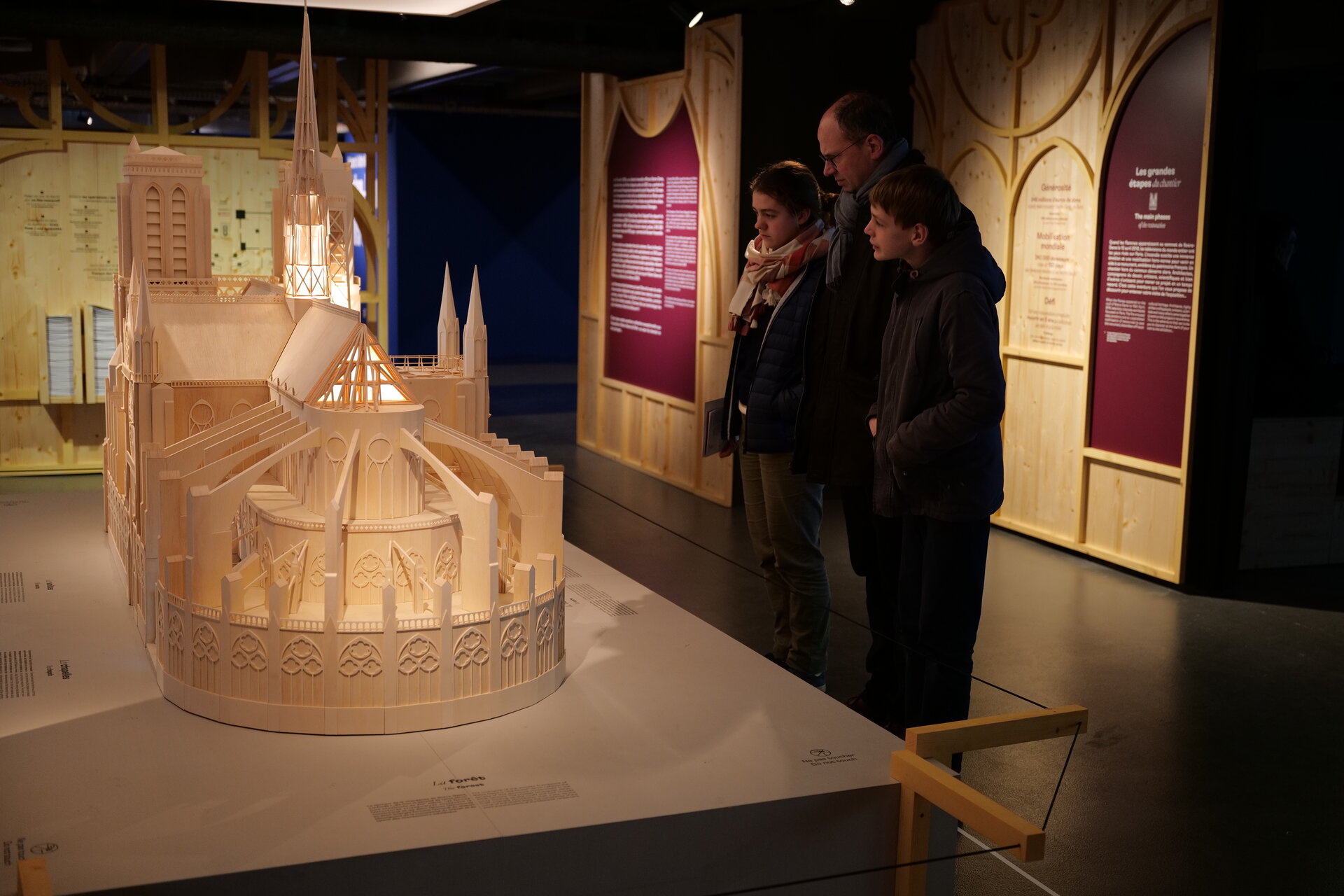
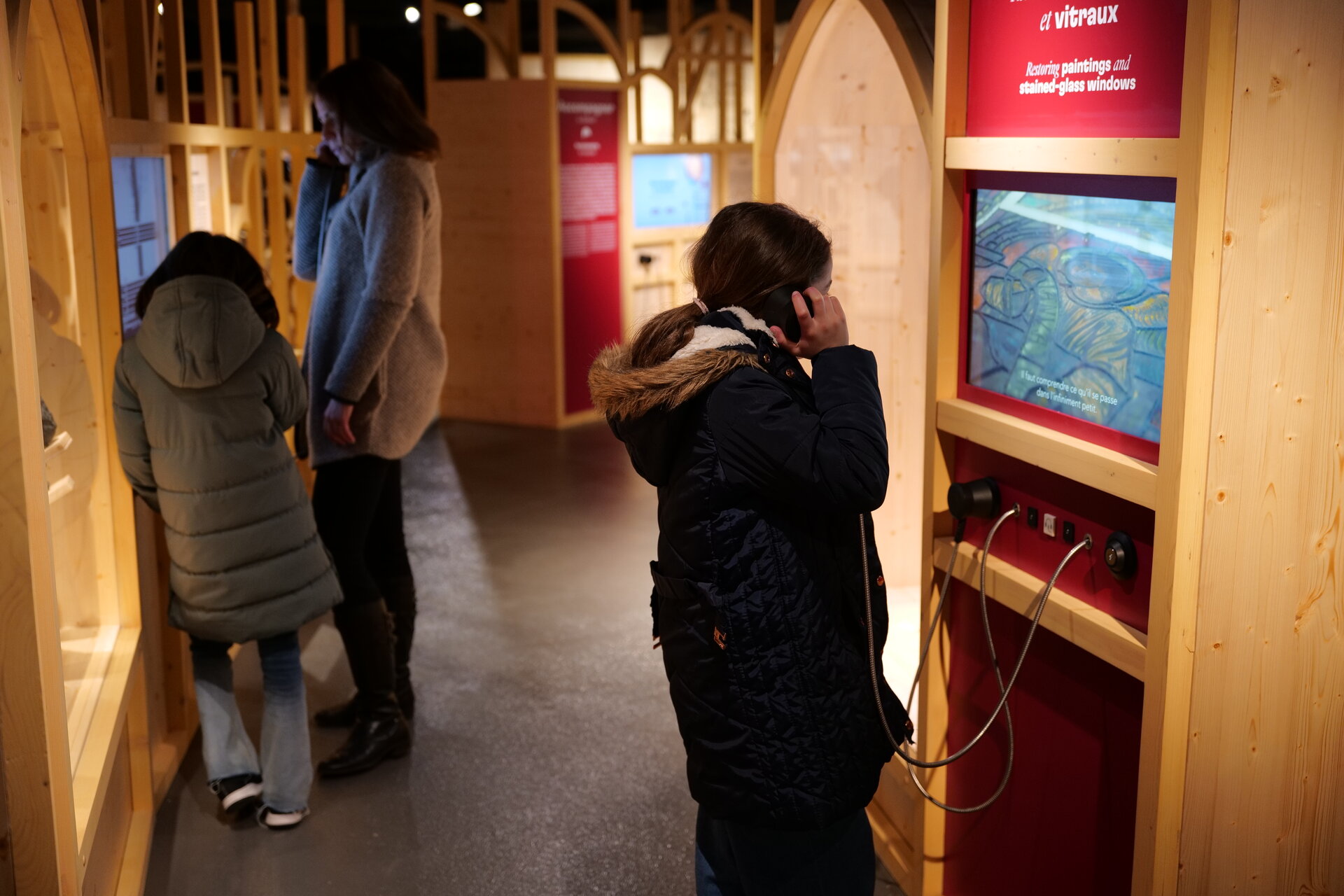
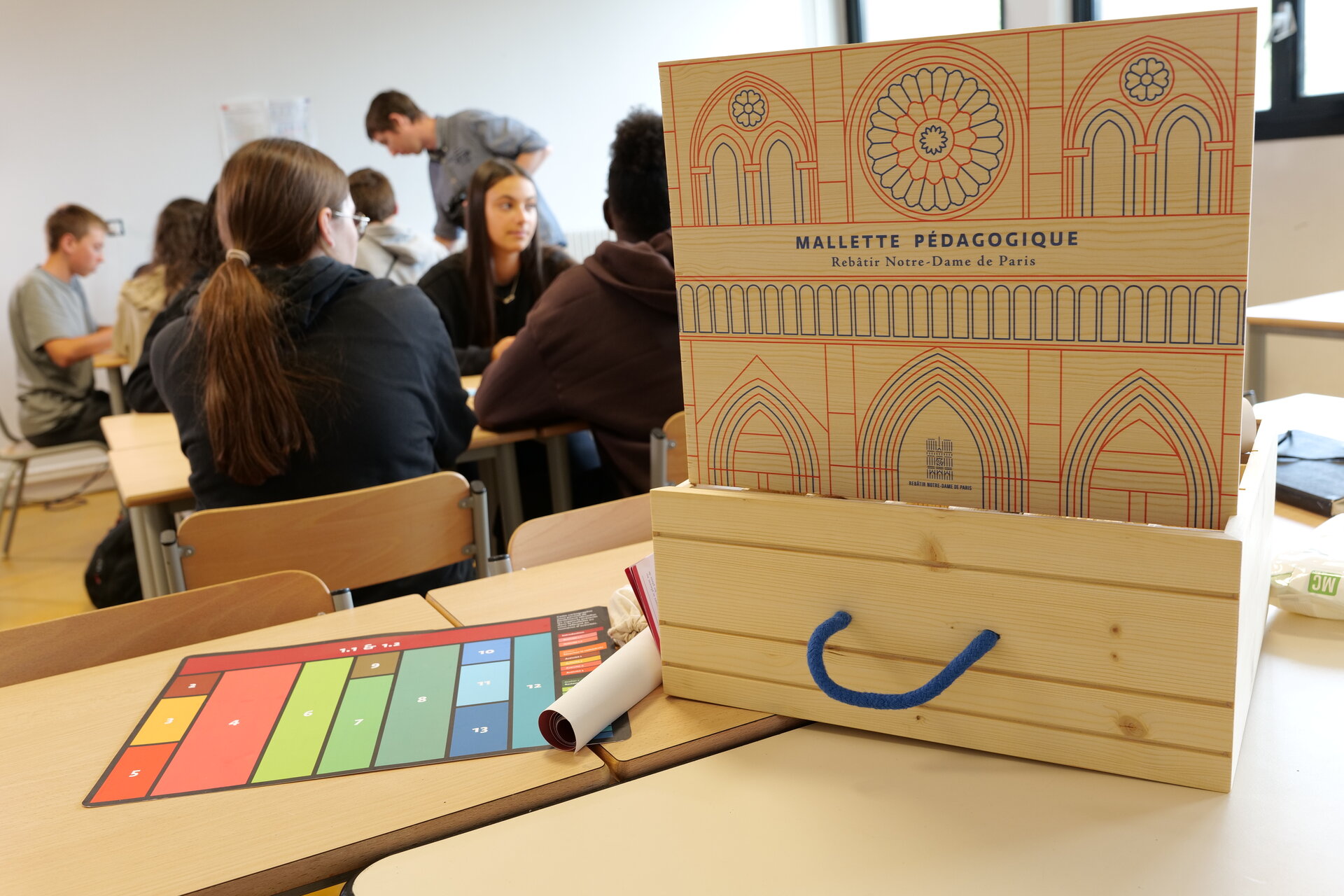
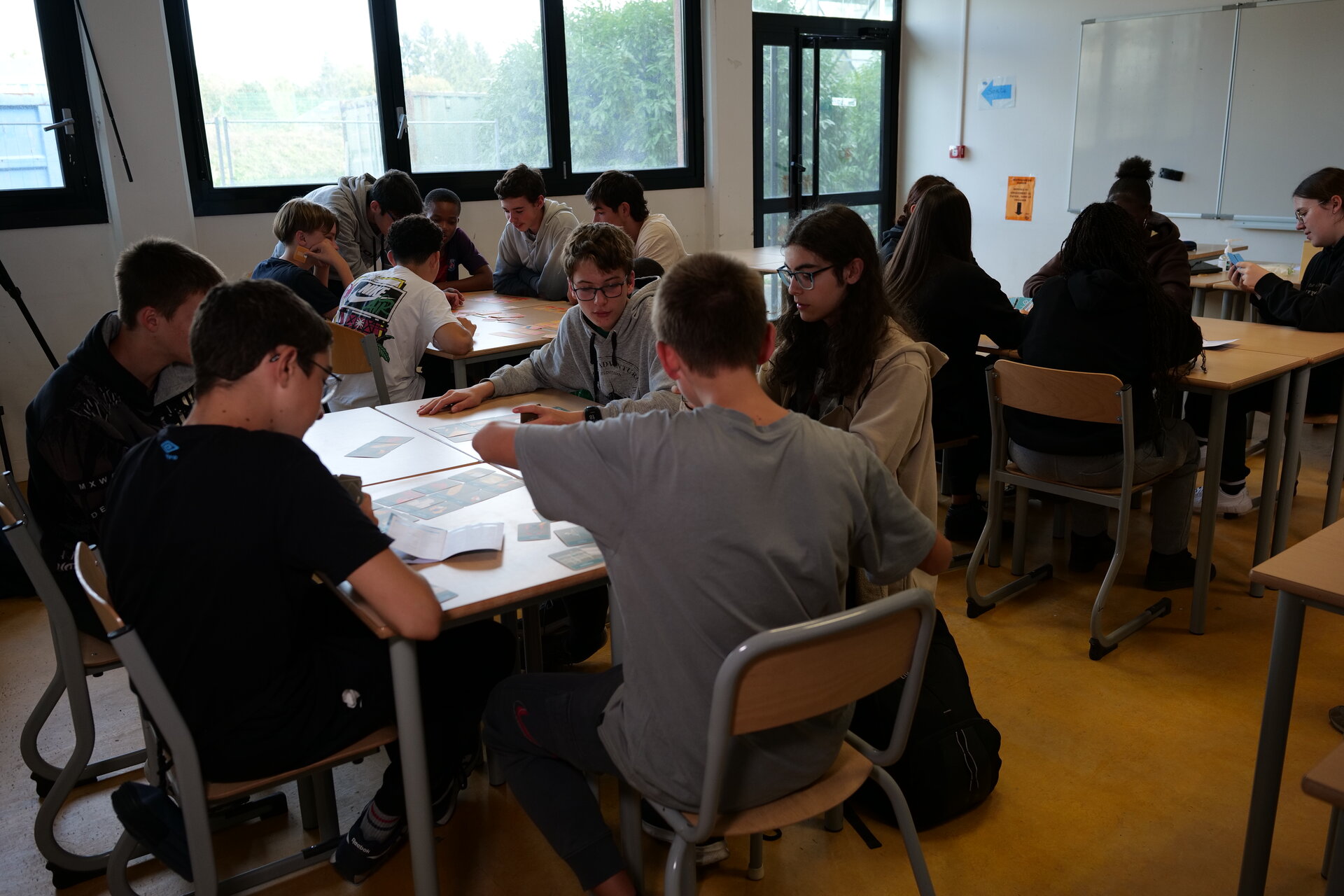
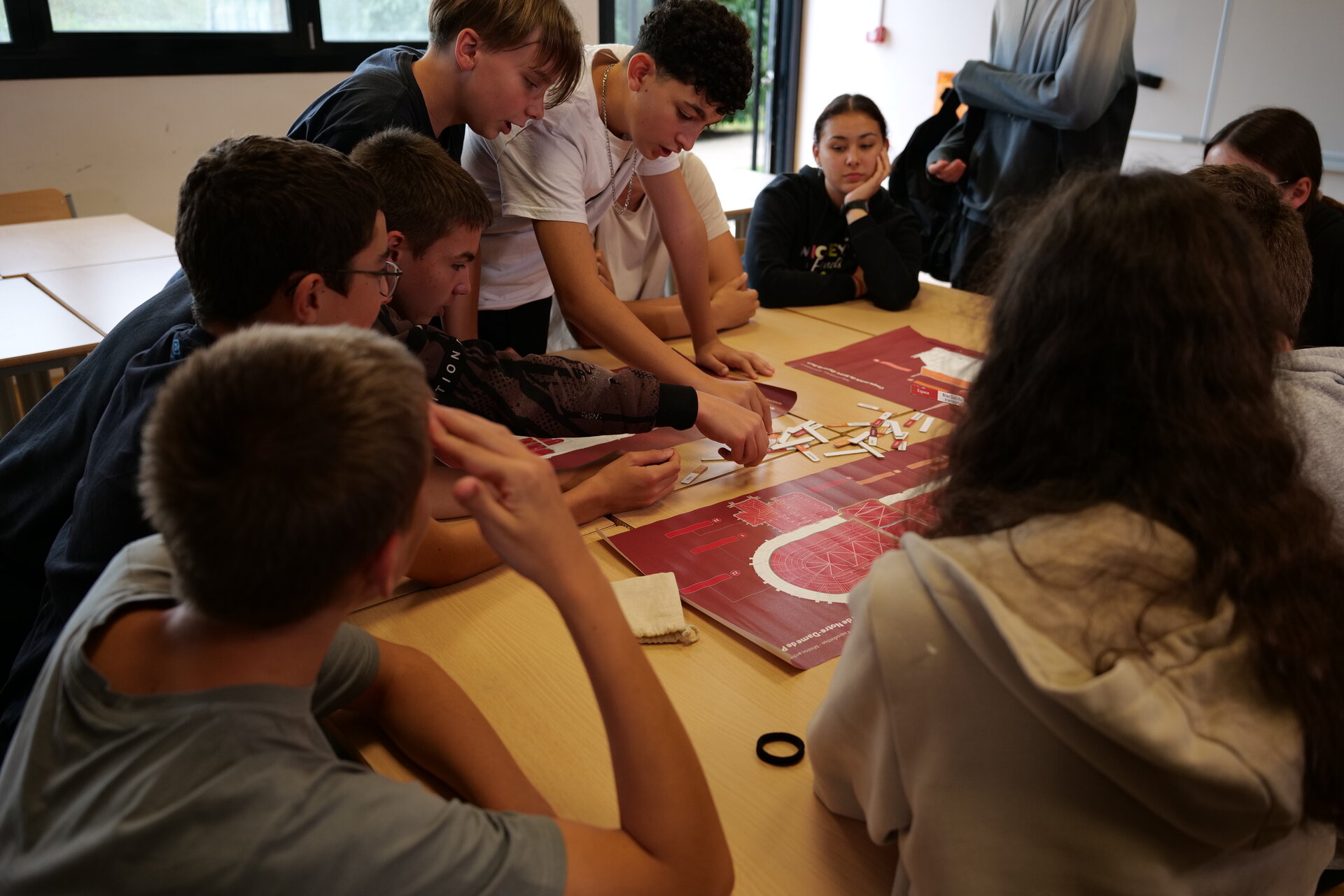
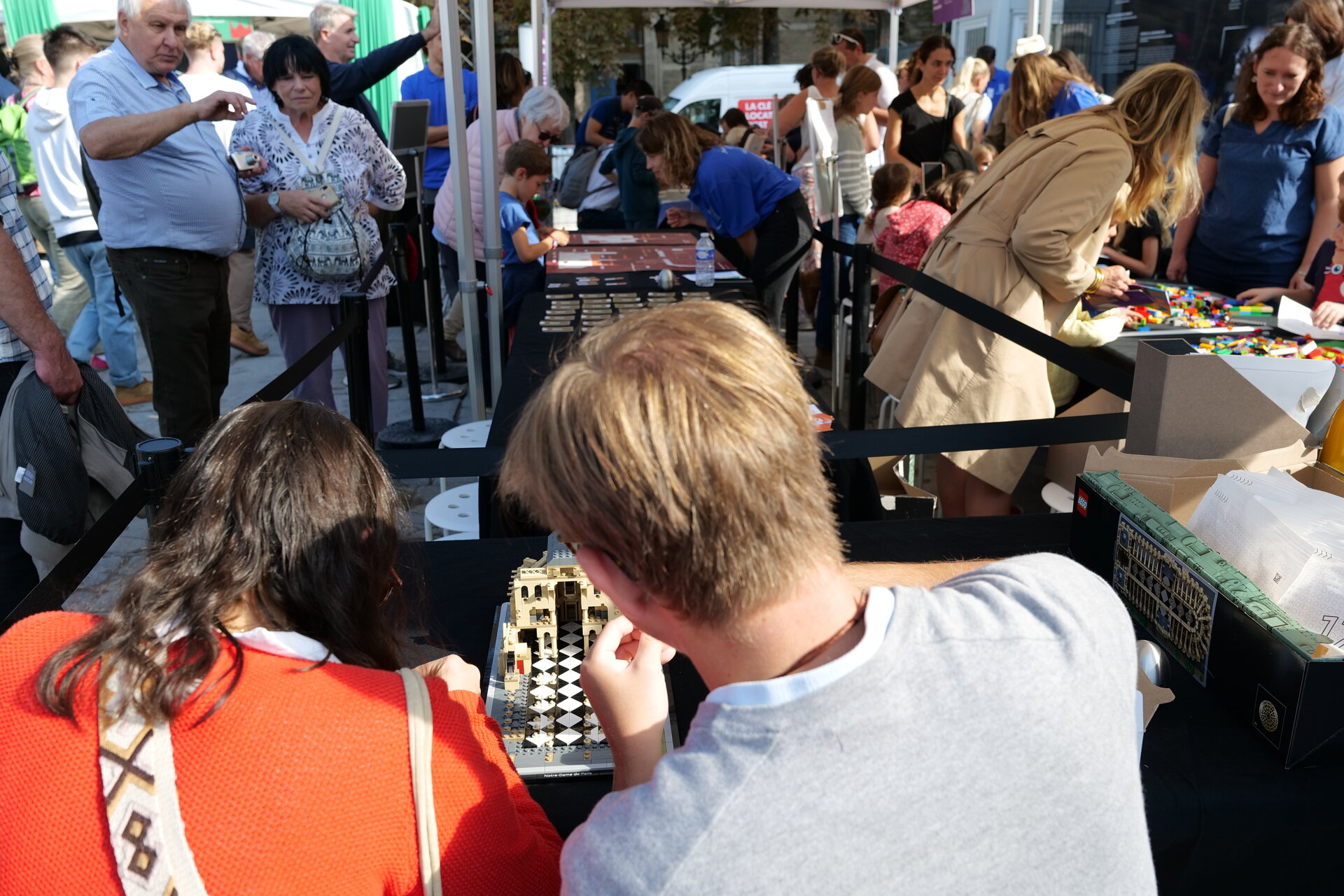
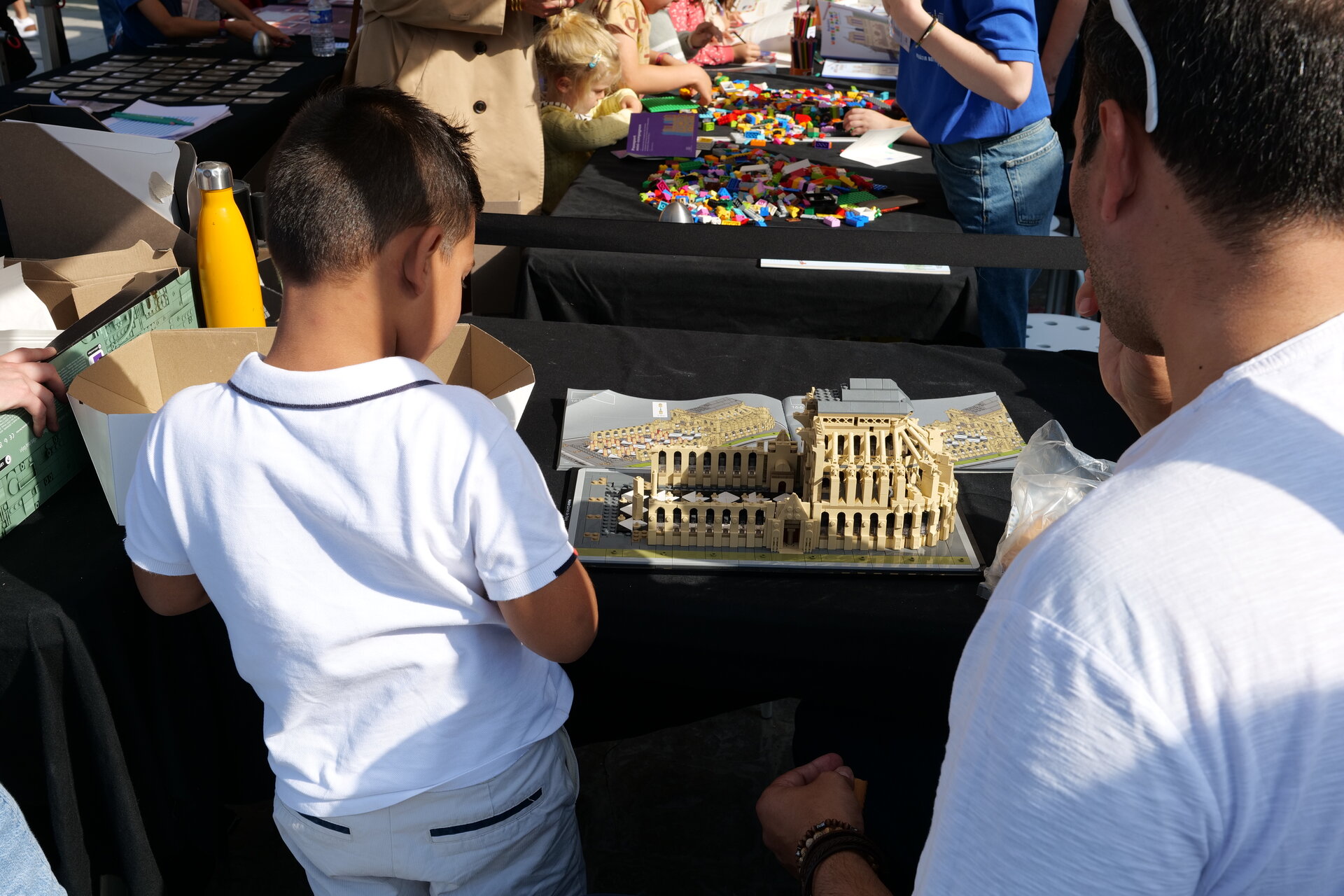
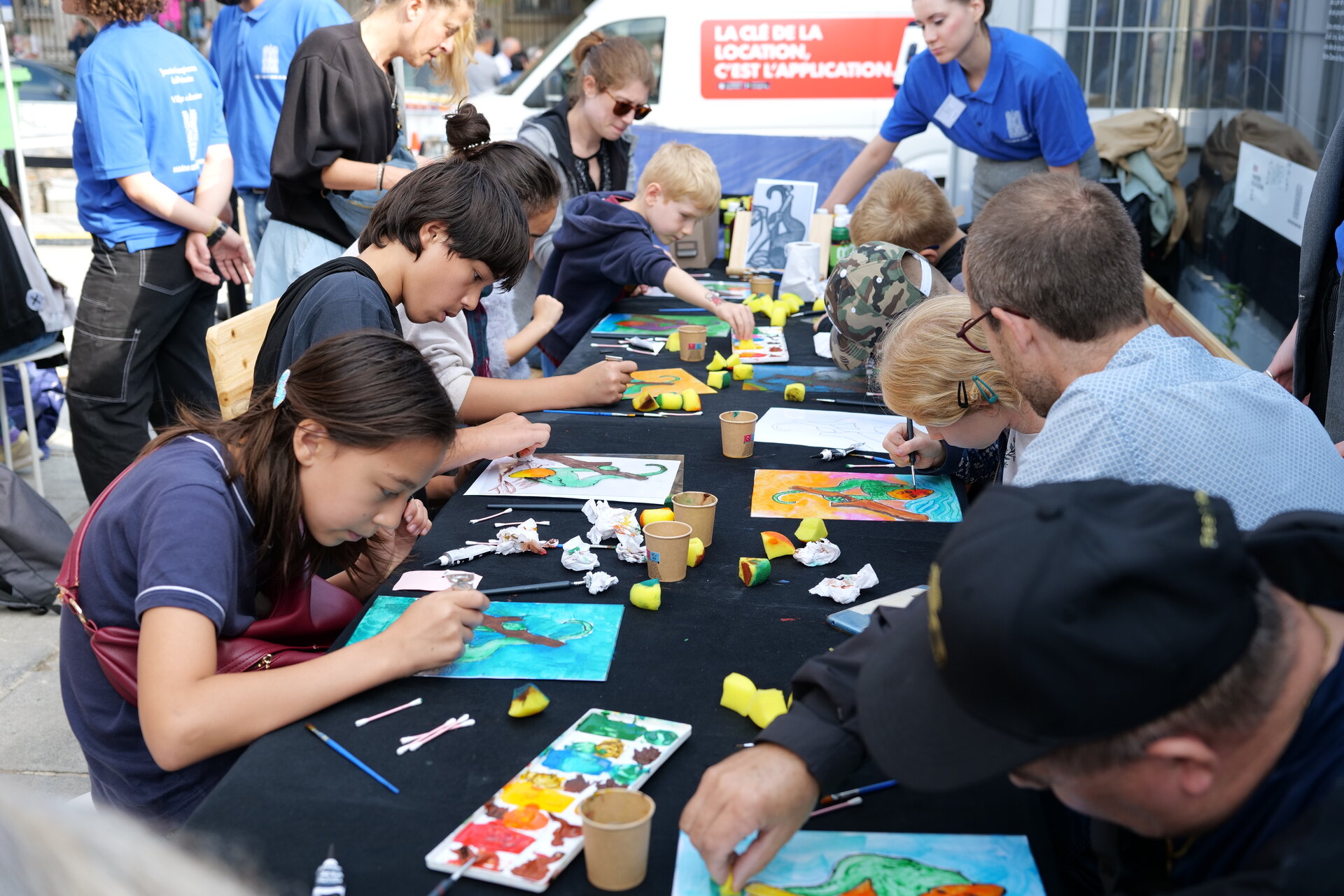
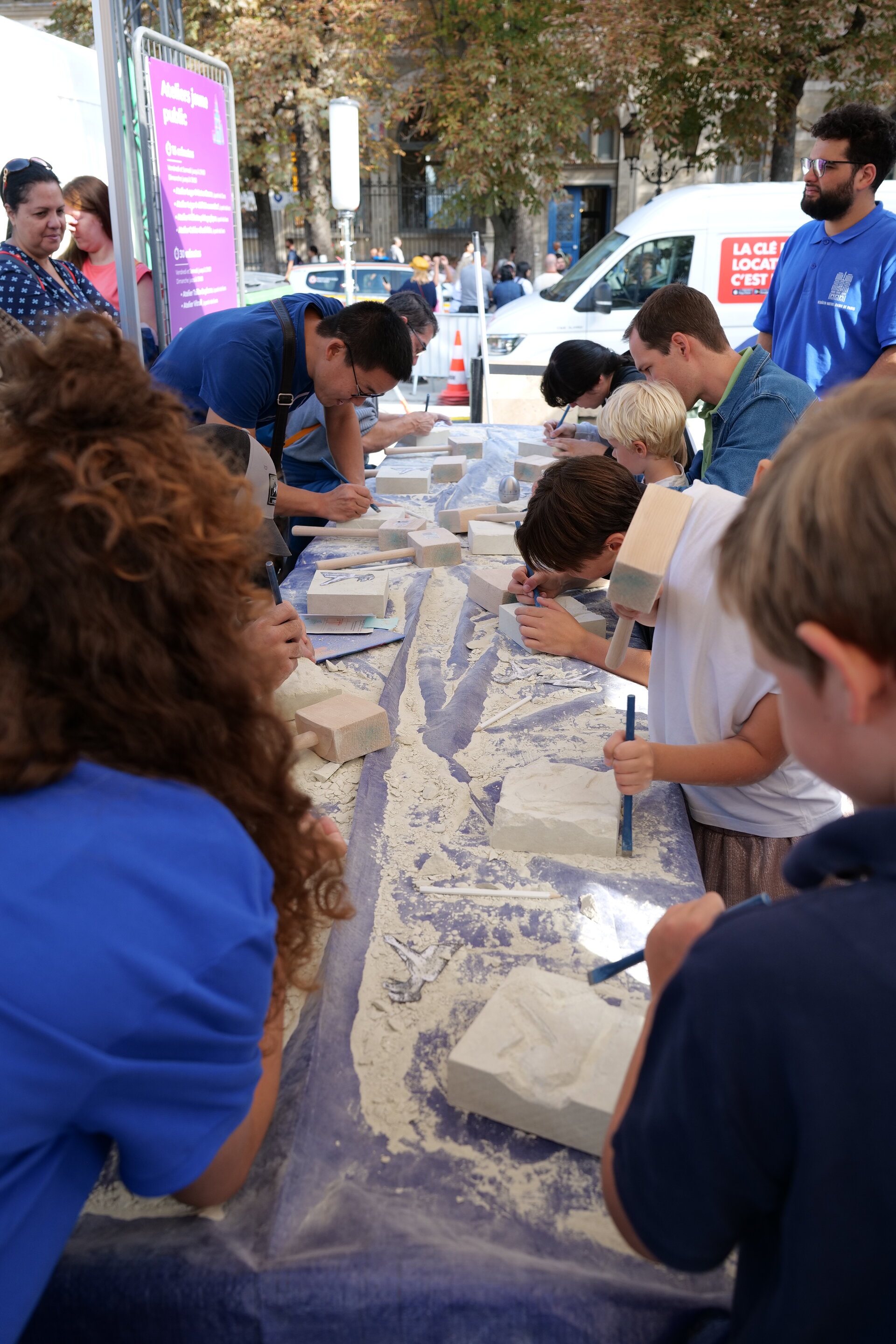
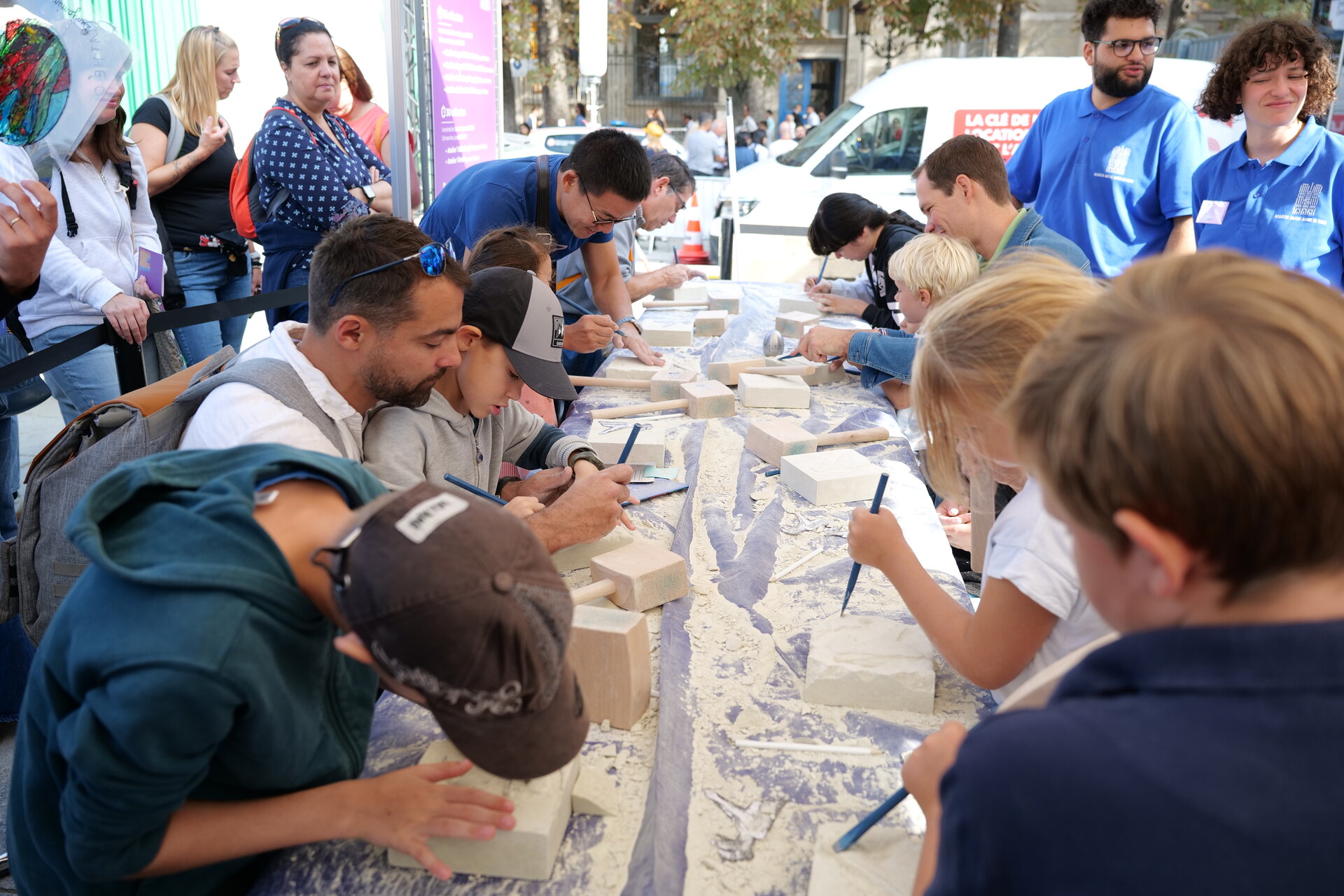
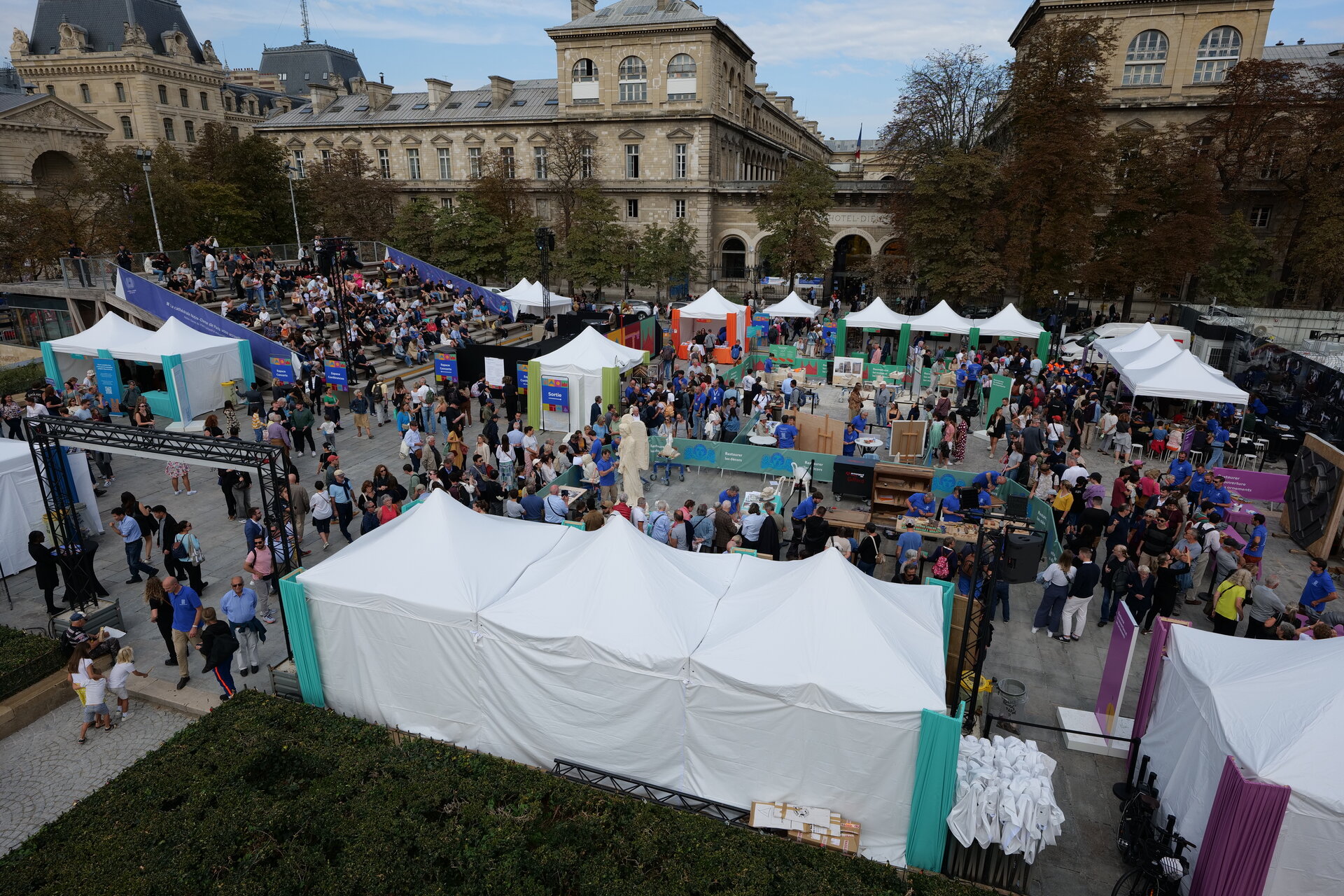
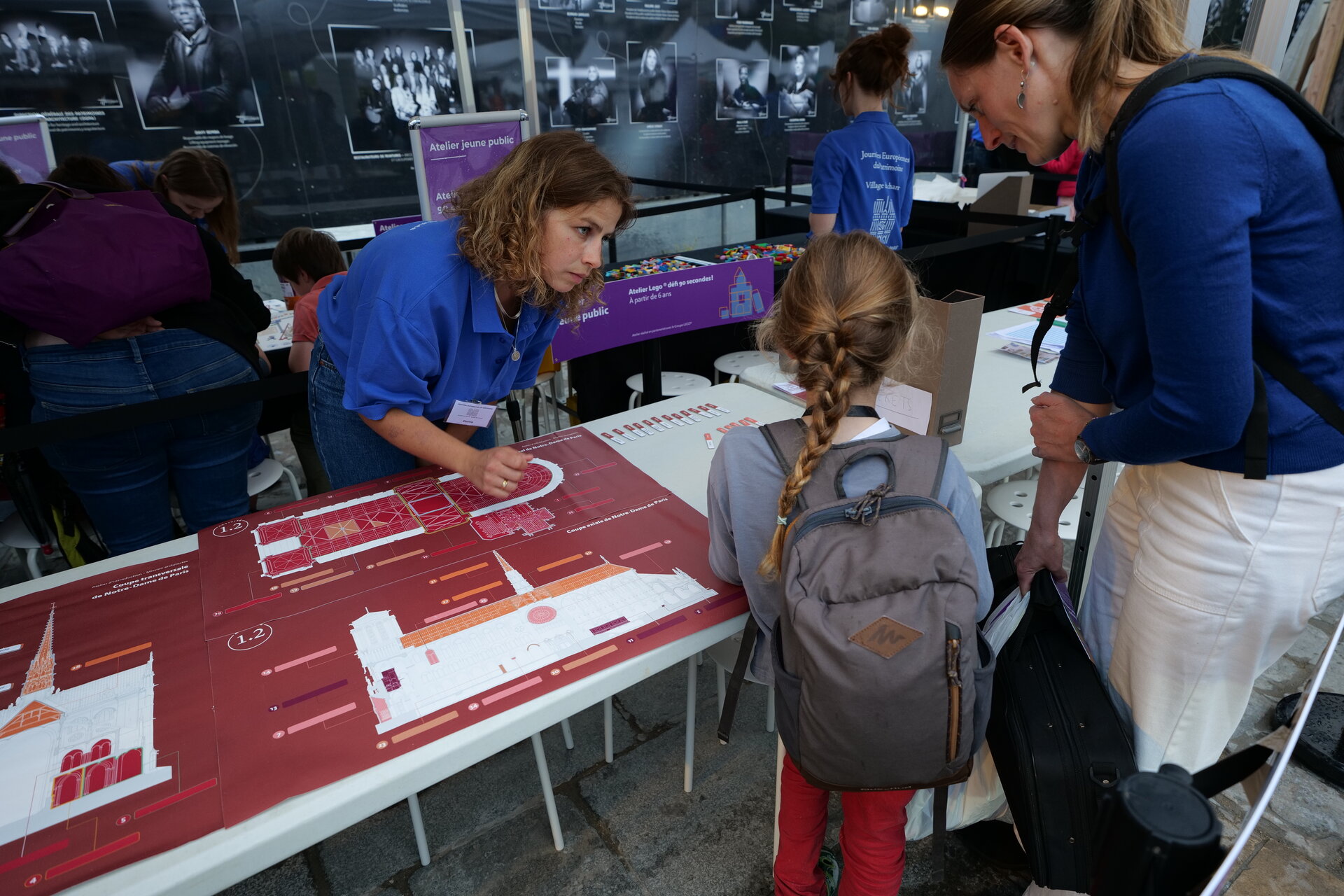
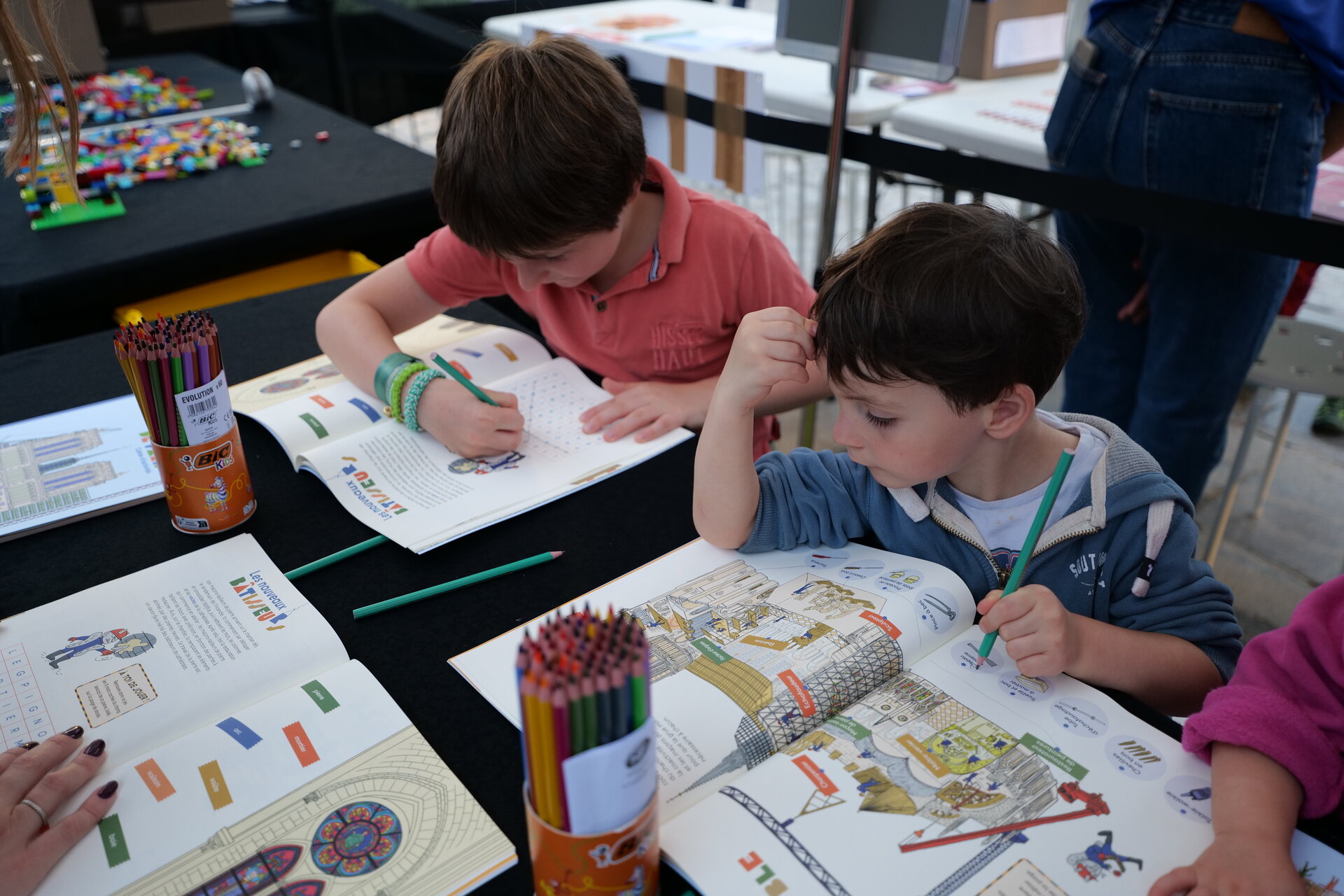
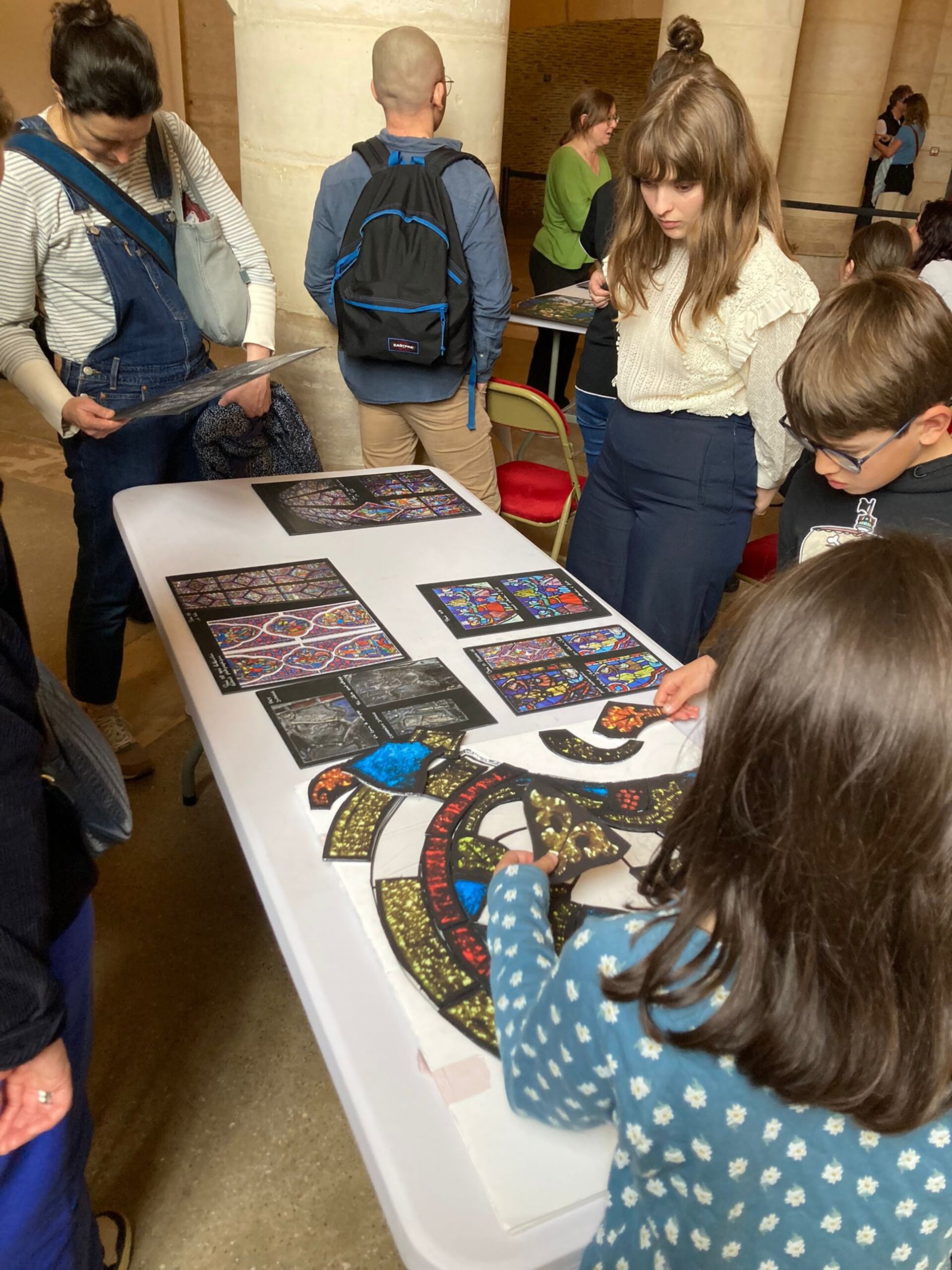
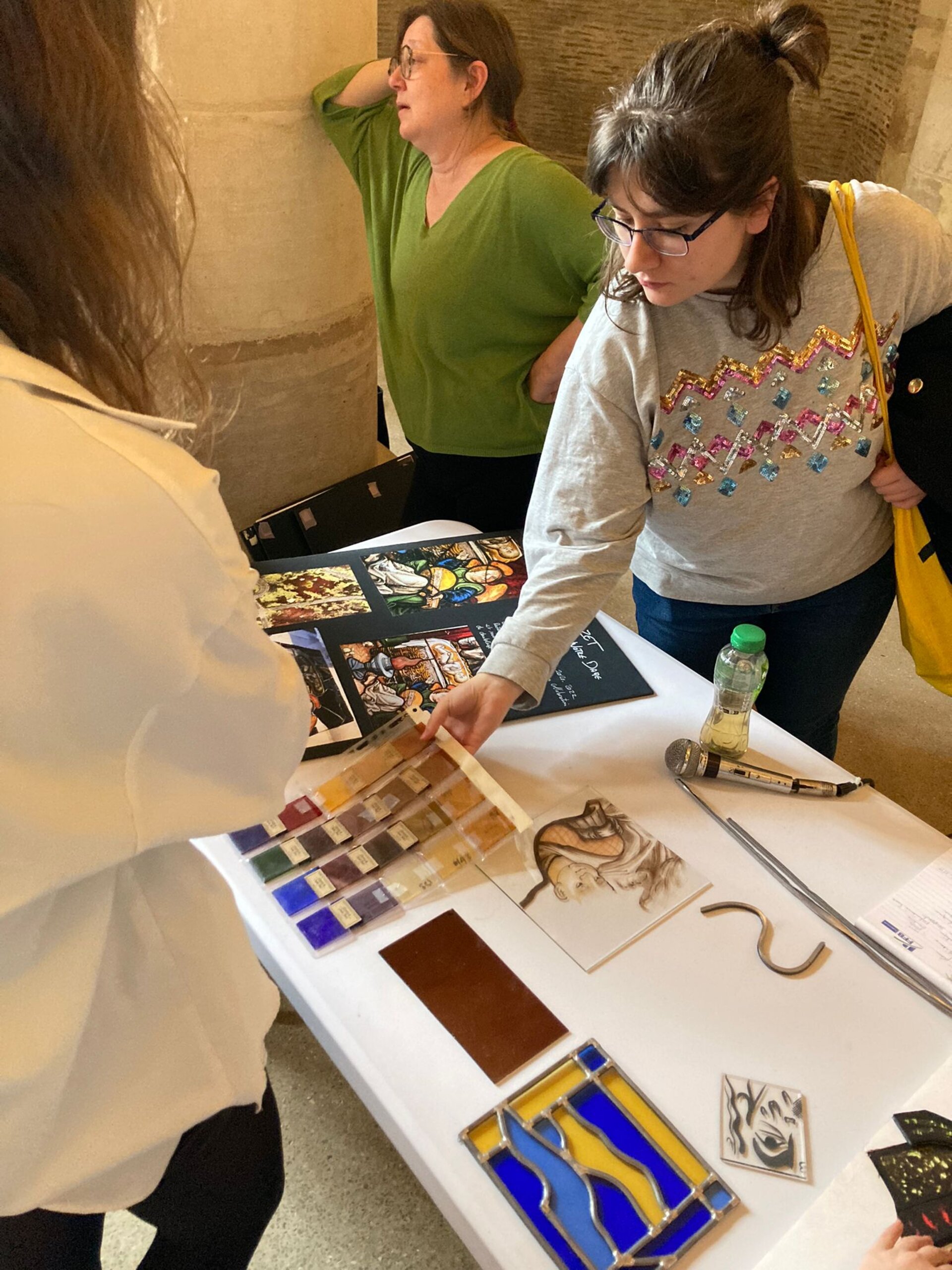
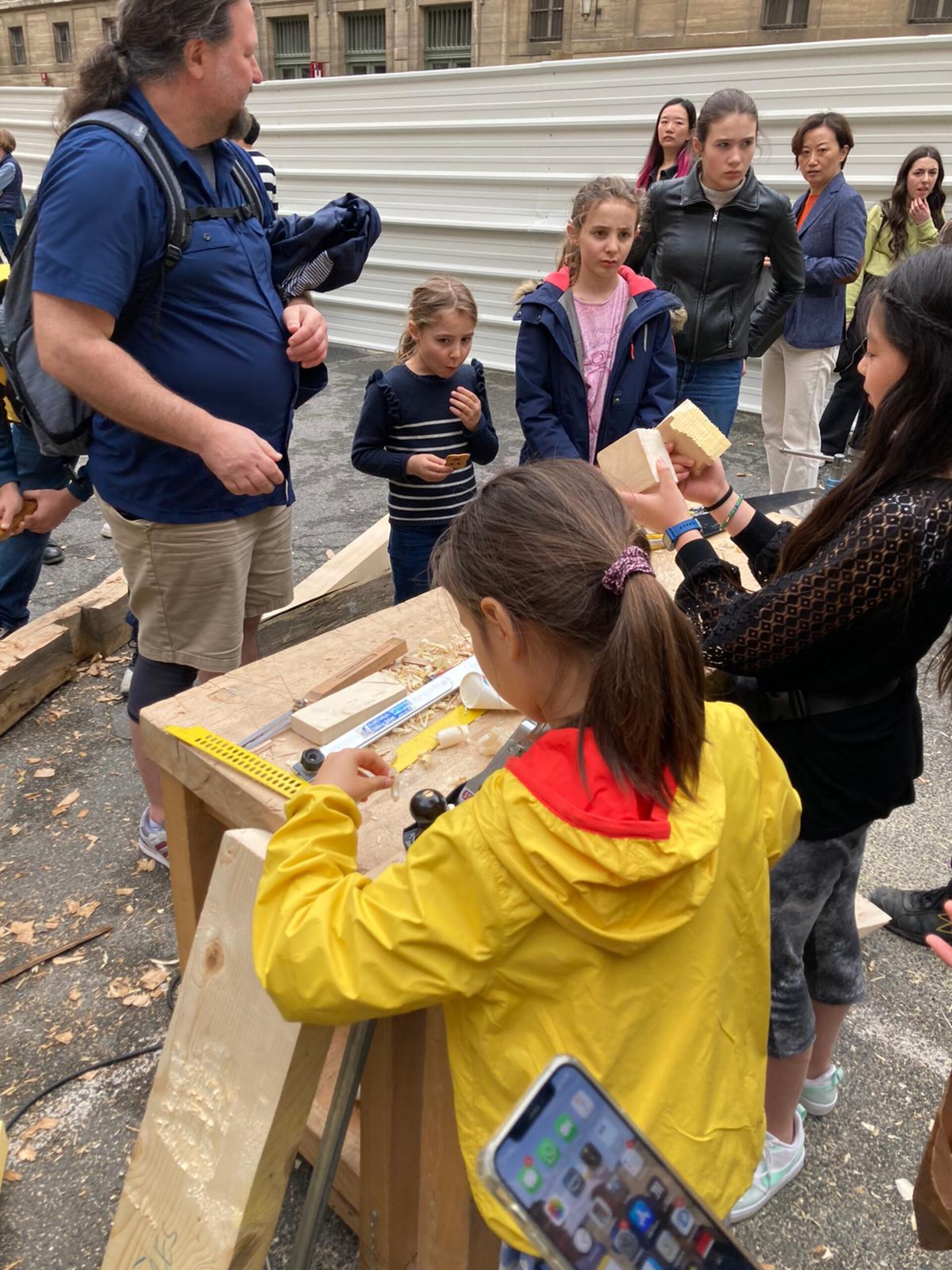
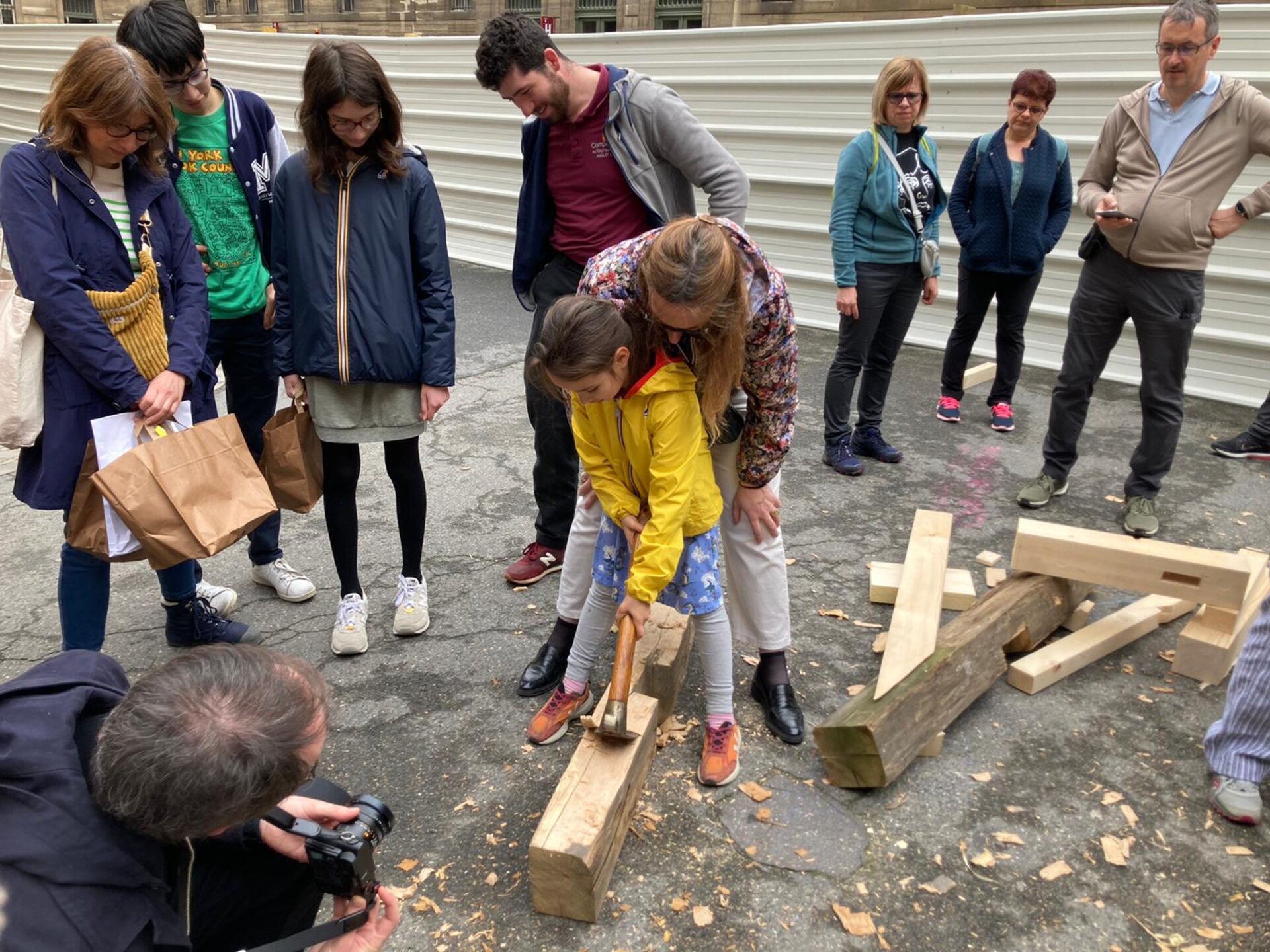
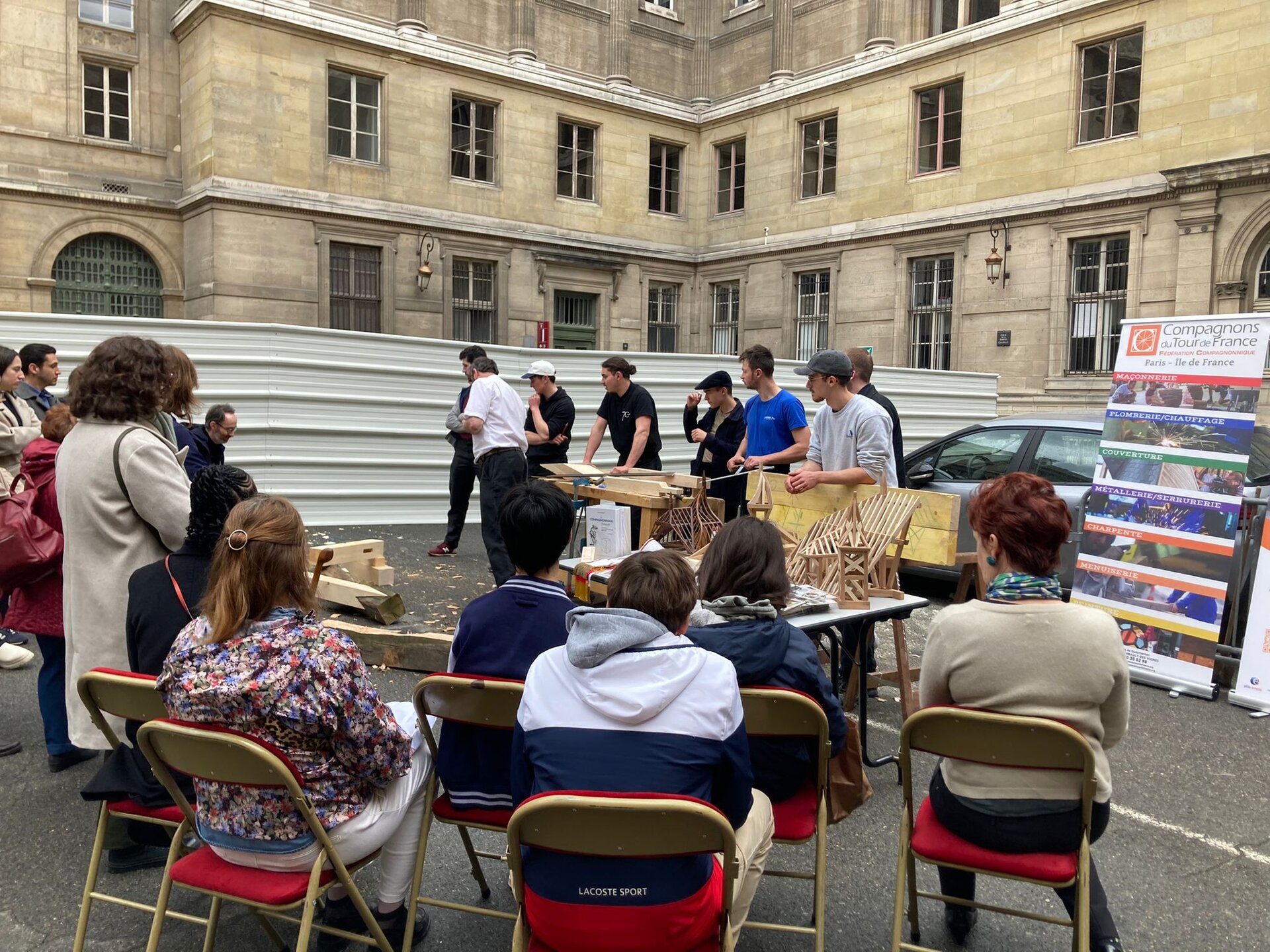
Notre-Dame de Paris Restoration Outreach is a large-scale public engagement, cultural mediation and heritage education initiative developed by the French public institution Rebâtir Notre-Dame de Paris during the restoration of the cathedral following the devastating fire of 15 April 2019. Implemented between January 2020 and December 2024, the programme transformed one of Europe's most prominent conservation projects into an opportunity to promote traditional craftsmanship, scientific research and public understanding of cultural heritage. Notre-Dame de Paris is an internationally significant Gothic cathedral whose construction began in the twelfth century. Situated on the Île de la Cité in central Paris, it forms part of the UNESCO World Heritage property “Paris, Banks of the Seine”, inscribed in 1991. The fire of 2019 caused extensive damage to its roof and spire, prompting an exceptional restoration effort supported by hundreds of thousands of donors from around the world. The restoration presented a major challenge for public engagement. Although international interest in the work was considerable, the construction site itself was inaccessible to visitors for safety and operational reasons. At the same time, many of the specialist heritage professions involved in rebuilding the cathedral faced difficulties attracting younger generations. To address these challenges, Rebâtir Notre-Dame de Paris established an integrated strategy encompassing public communication, cultural programming, educational interpretation and professional training. The initiative aimed to explain the technical complexity of the restoration, make its scientific discoveries accessible and encourage interest in the crafts required to conserve historic buildings. The programme developed digital and audiovisual resources, including documentary films, interviews with artisans, technical explanations, thematic publications and three-dimensional visualisations. These materials introduced audiences to traditional timber framing, stone carving, stained glass, conservation science and other specialist disciplines. Scientific knowledge produced by architects, engineers, researchers and the French Ministry of Culture informed the interpretation programme, while digital documentation helped communicate the condition and restoration of the cathedral. A major milestone was the opening of a dedicated construction-site interpretation centre in March 2023. This provided a physical setting for exhibitions and educational activities, complementing digital content and events held around the cathedral. Public programming during the European Heritage Days offered opportunities to encounter restoration specialists and learn directly about their work. Educational initiatives were designed for children, schools, families and audiences with limited access to cultural institutions. Adapted guided visits, practical workshops and printed learning resources introduced younger participants to the history of the cathedral and the skills involved in its restoration. An educational kit distributed in 1,800 copies reached more than 240,000 young people, while 11,651 children participated in specially adapted guided visits. The initiative achieved substantial public reach. Dedicated interpretation spaces received more than 515,000 visits between 2020 and 2024. By the end of 2024, the institution's social media channels had attracted 284,220 subscribers and generated more than 60 million views of published content. The programme also distributed 244,000 printed publications, including materials designed specifically for younger audiences. International engagement was an important dimension. The travelling immersive exhibition “Notre-Dame de Paris: The Augmented Exhibition”, developed by Histovery in partnership with the public institution, was presented in 19 cities across 15 countries and attracted approximately one million visitors. Such activities enabled audiences far beyond France to follow the restoration and understand the shared cultural significance of the cathedral. The programme also contributed to the transmission of professional knowledge. Restoration contracts included provisions encouraging apprenticeships and employment pathways in heritage trades. By mid-2024, companies working on the cathedral had reported approximately 49,000 hours of training, including 30,000 hours associated with employment-integration arrangements. These activities helped connect the restoration with wider efforts to sustain specialist craftsmanship. The cathedral reopened to the public in December 2024, marking a major milestone in the restoration and outreach programme. Although the award-winning initiative formally covered the period from 2020 to 2024, its educational legacy was intended to continue through new cultural partnerships and interpretation activities. In 2025, Notre-Dame de Paris Restoration Outreach received a European Heritage Award / Europa Nostra Award in the Citizens' Engagement and Awareness-raising category. The jury praised its international reach, advanced digital documentation and contribution to public awareness of the skills and training required for exemplary conservation. The initiative demonstrates how a major restoration project can become a powerful platform for cultural participation, heritage education and the transmission of traditional skills. By overcoming the physical inaccessibility of an active construction site through digital innovation, exhibitions and inclusive learning programmes, Notre-Dame de Paris Restoration Outreach offers a transferable model for engaging communities with the conservation of significant historic monuments.
