


Baltic Sea 3D Wrecksite Ontology
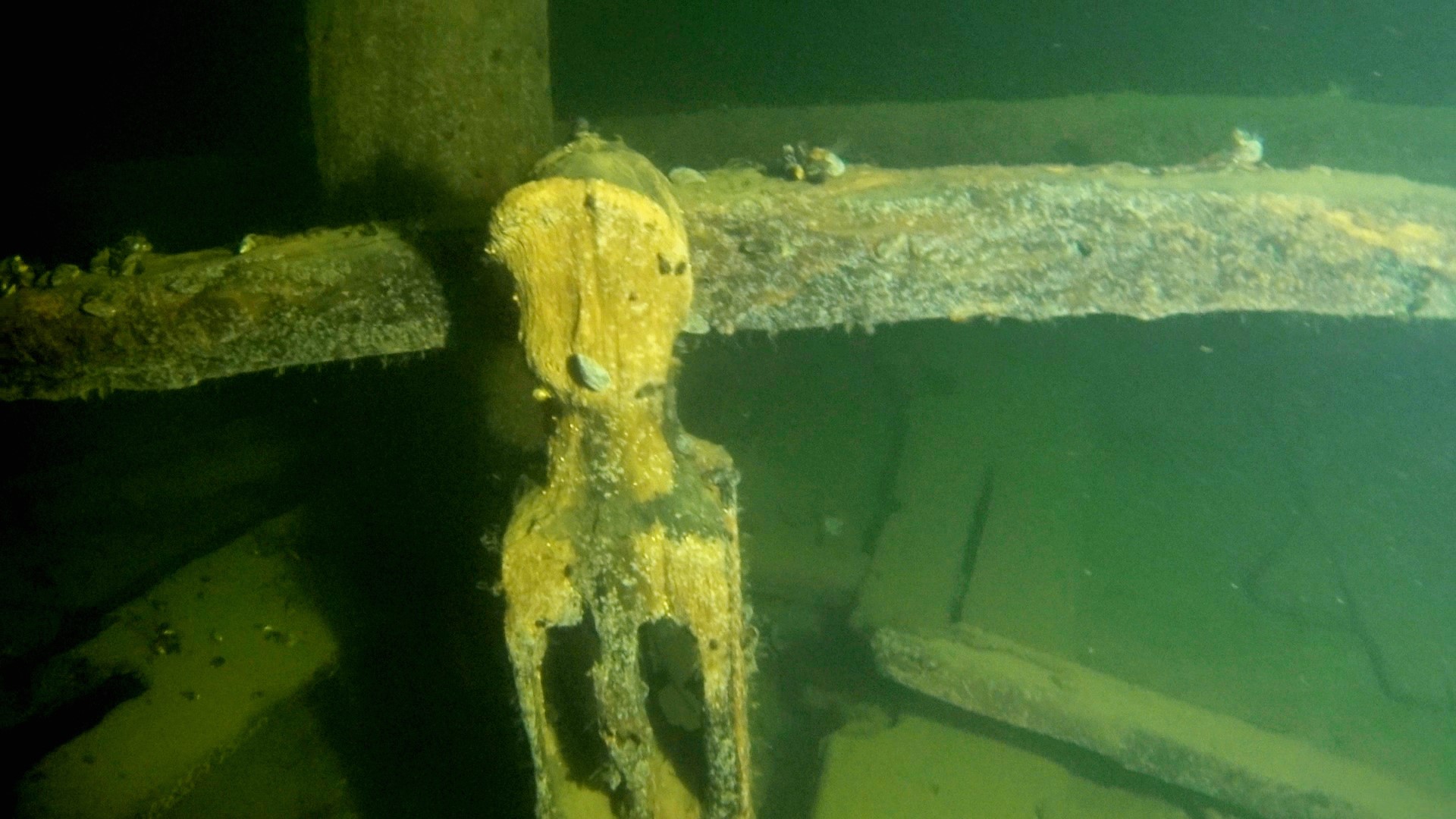
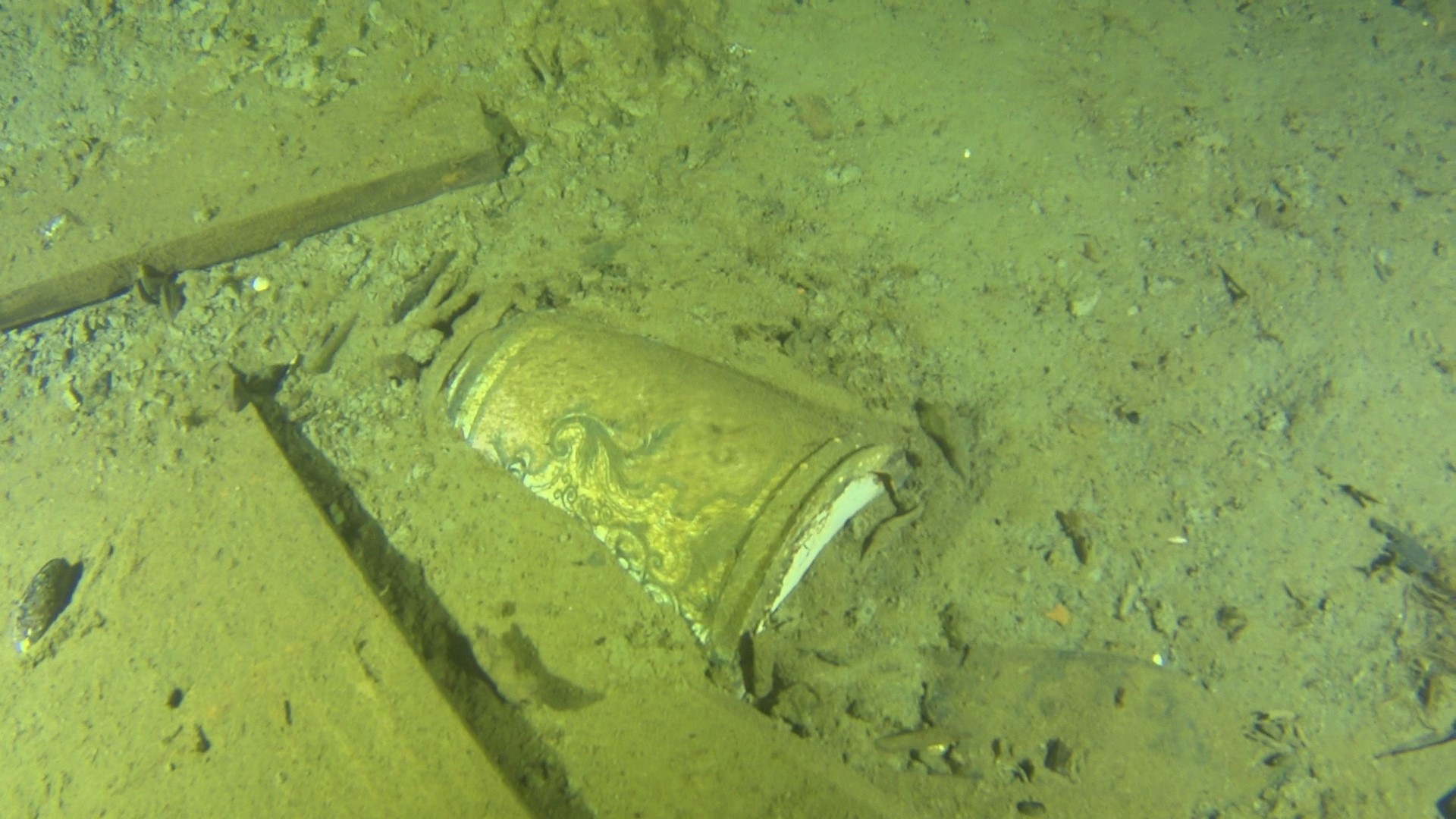
The Baltic Sea 3D Wrecksite Ontology is a pioneering volunteer-led maritime heritage initiative developed by the Maritime Archaeological Society of Finland (MAS.Fi). It combines underwater archaeology, photogrammetric documentation, scientific dating, open-access digital ...
Read more
Project details
Description:
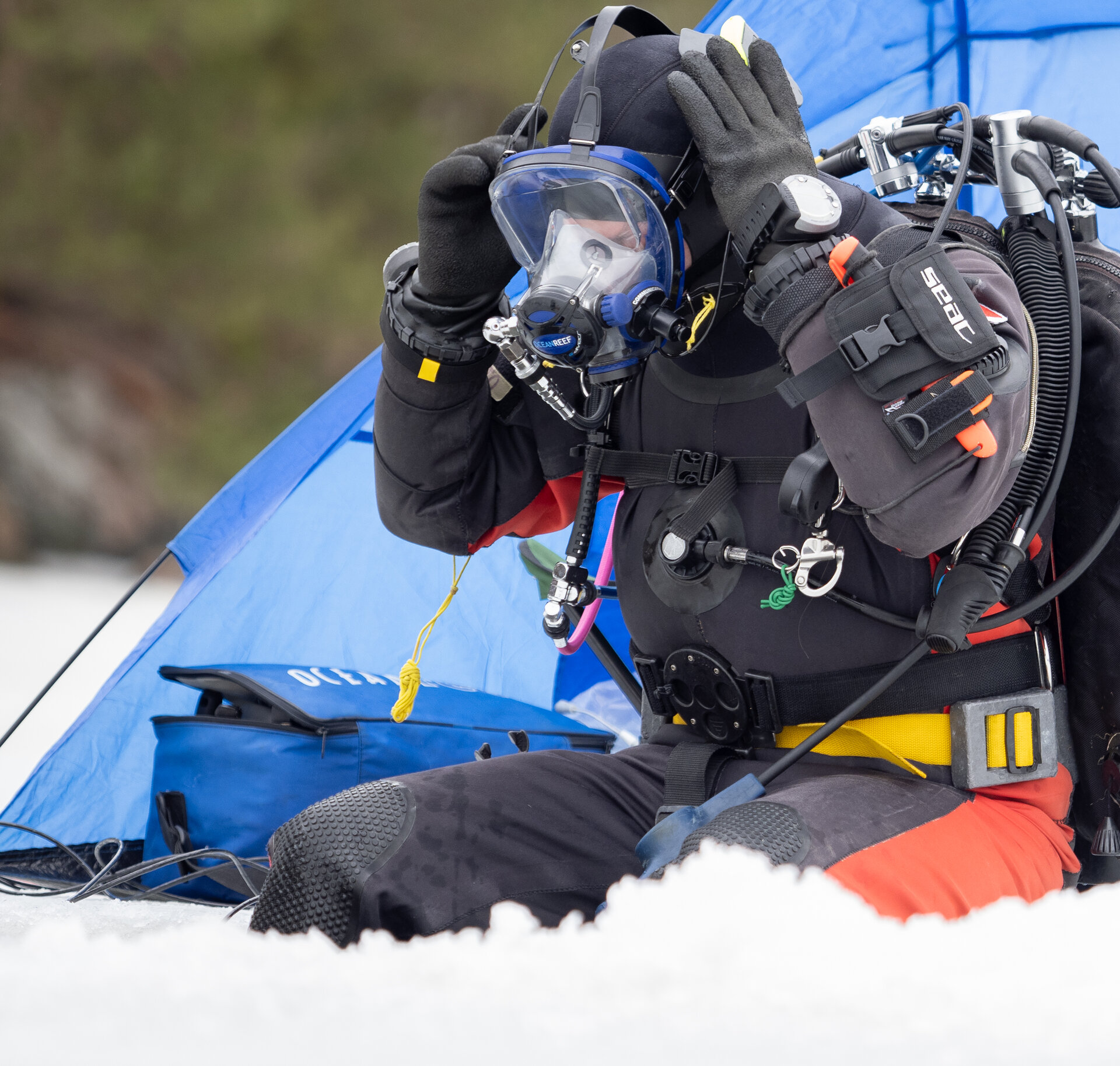
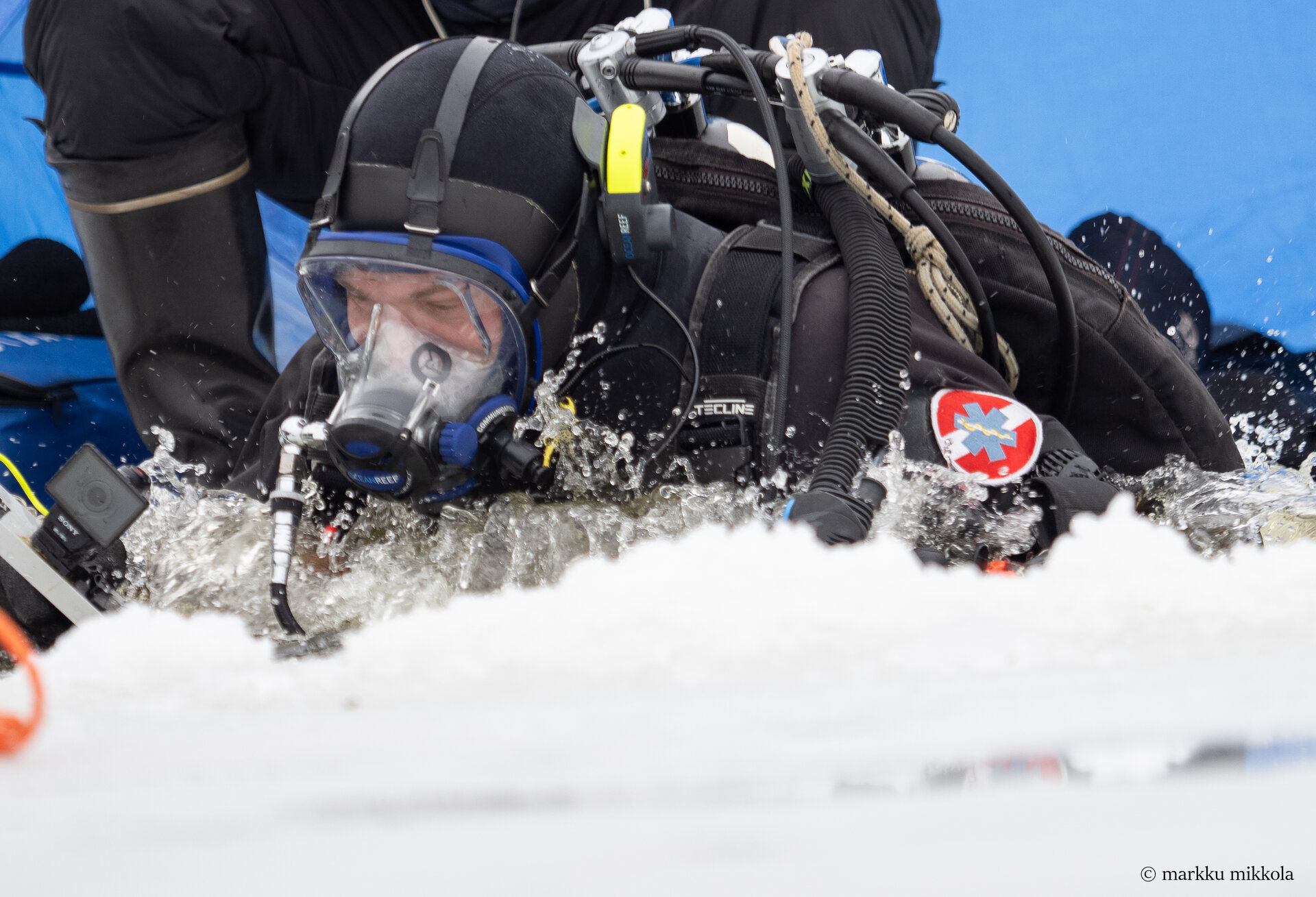
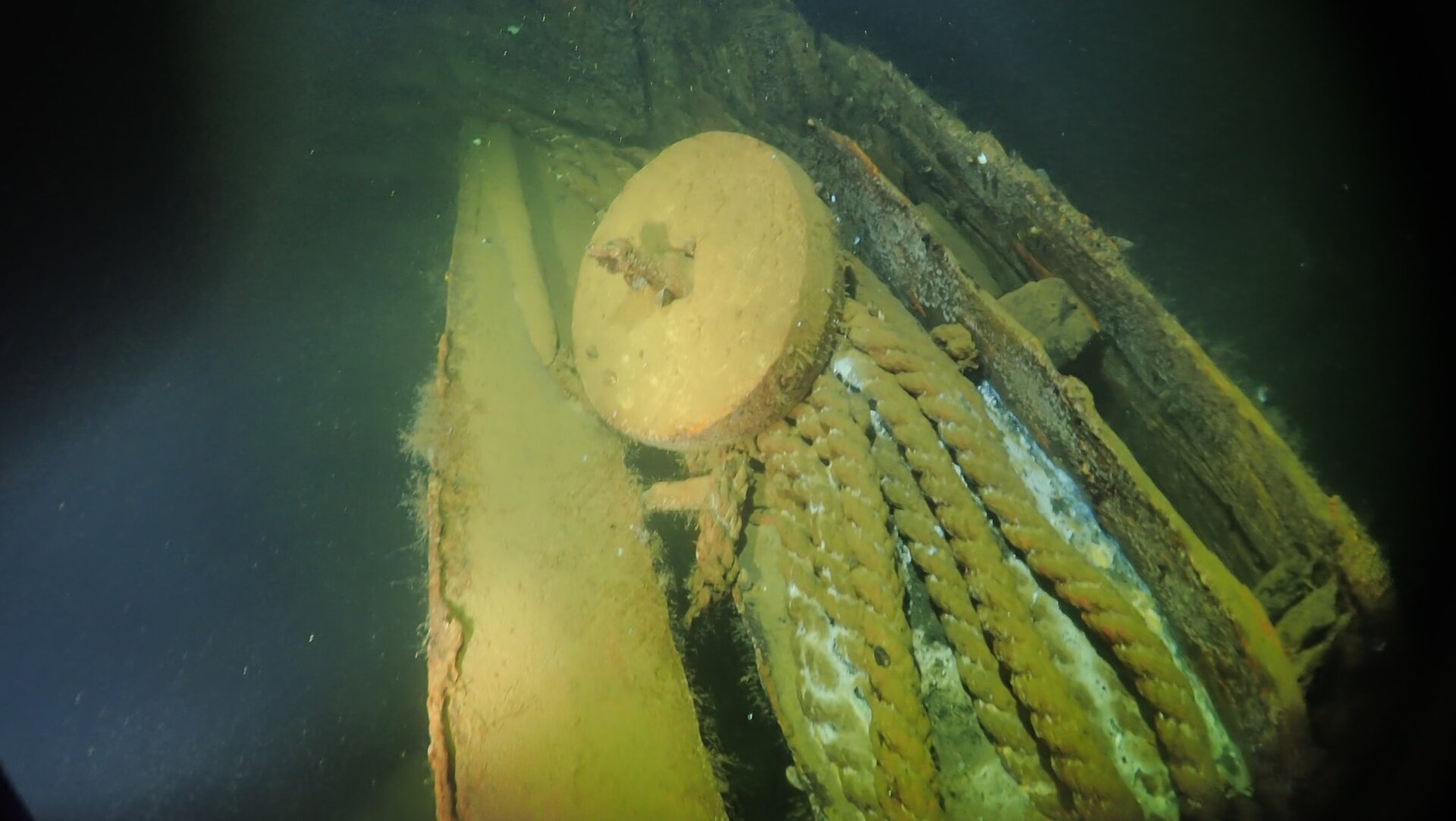
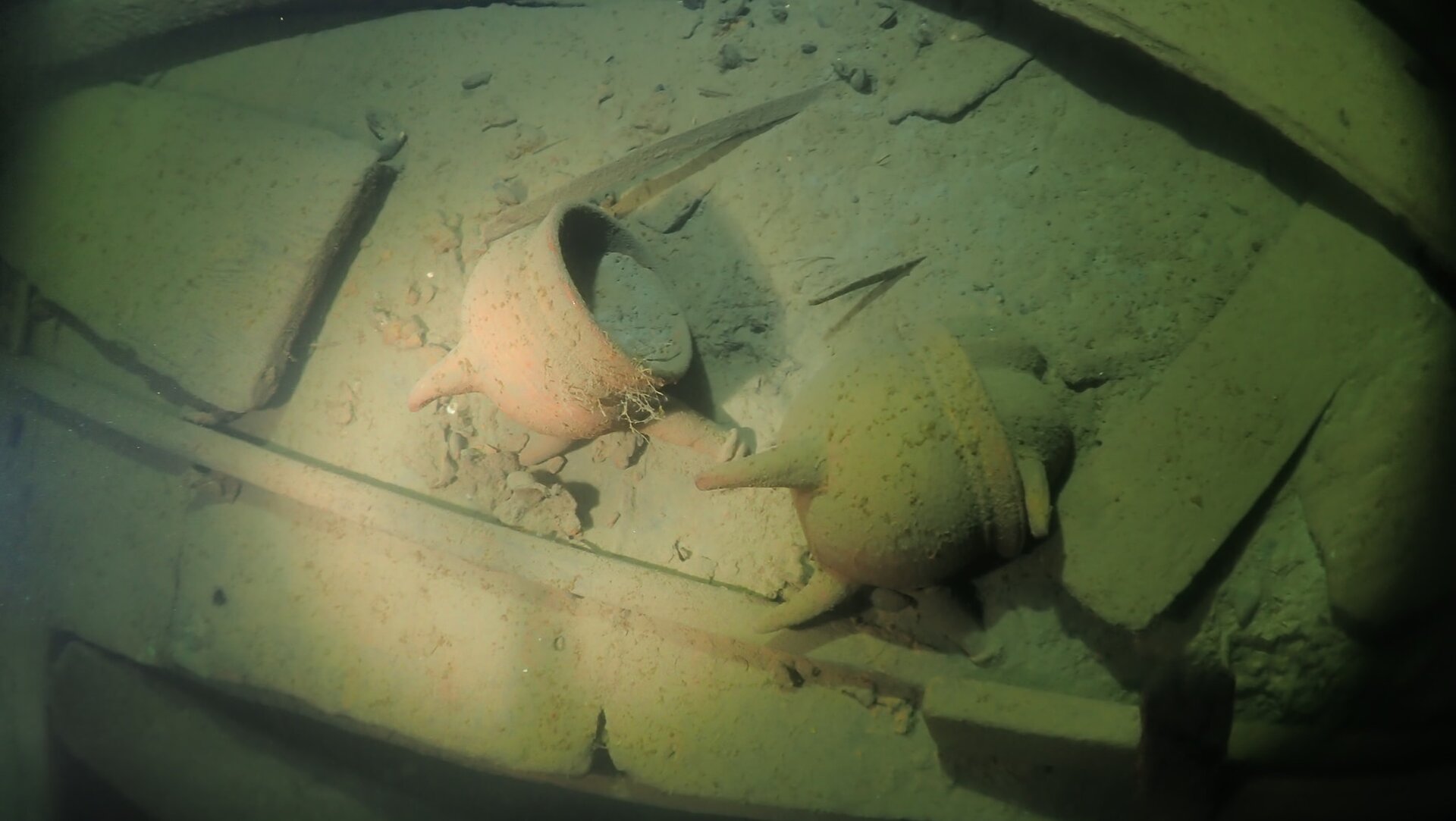
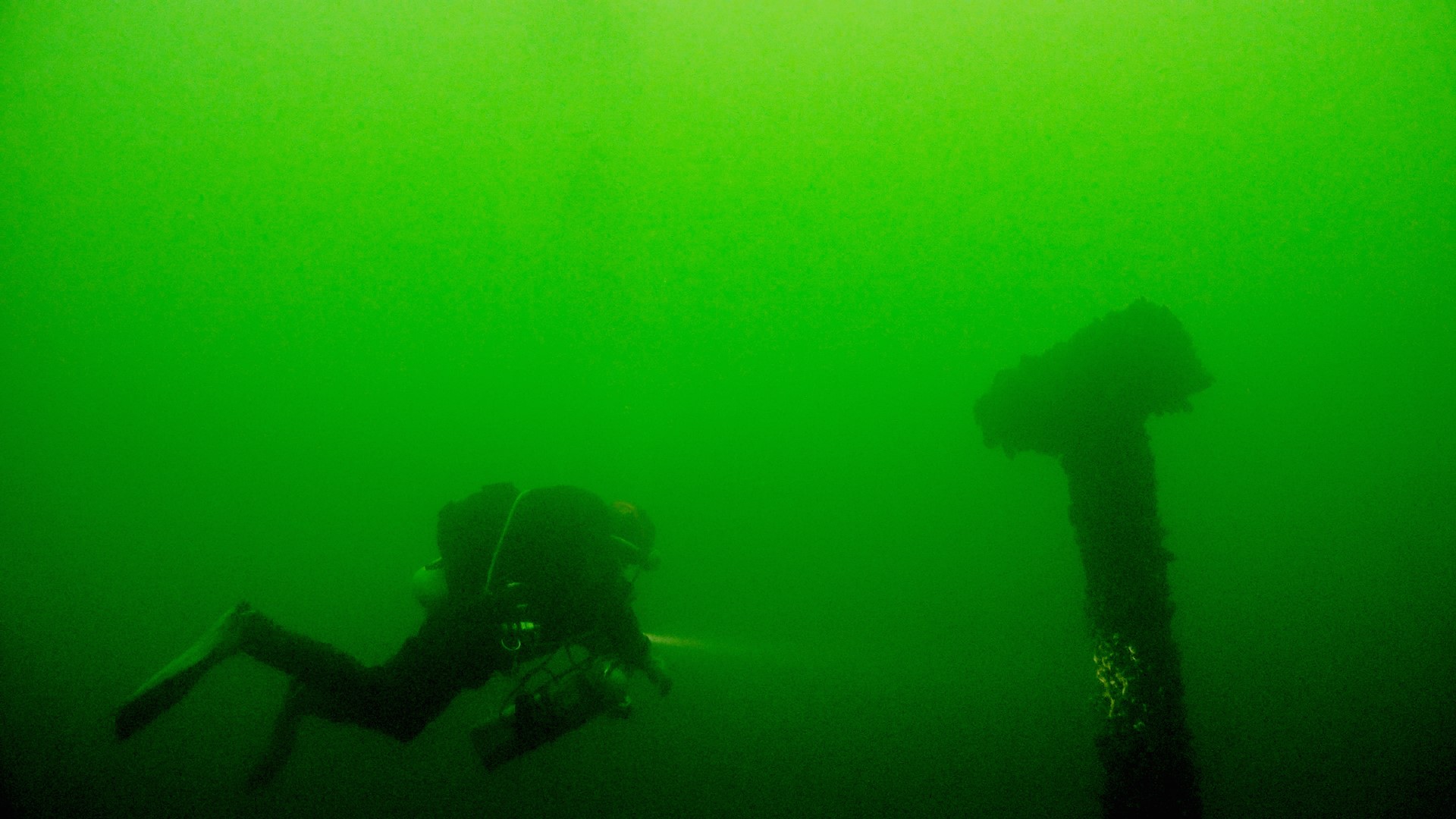
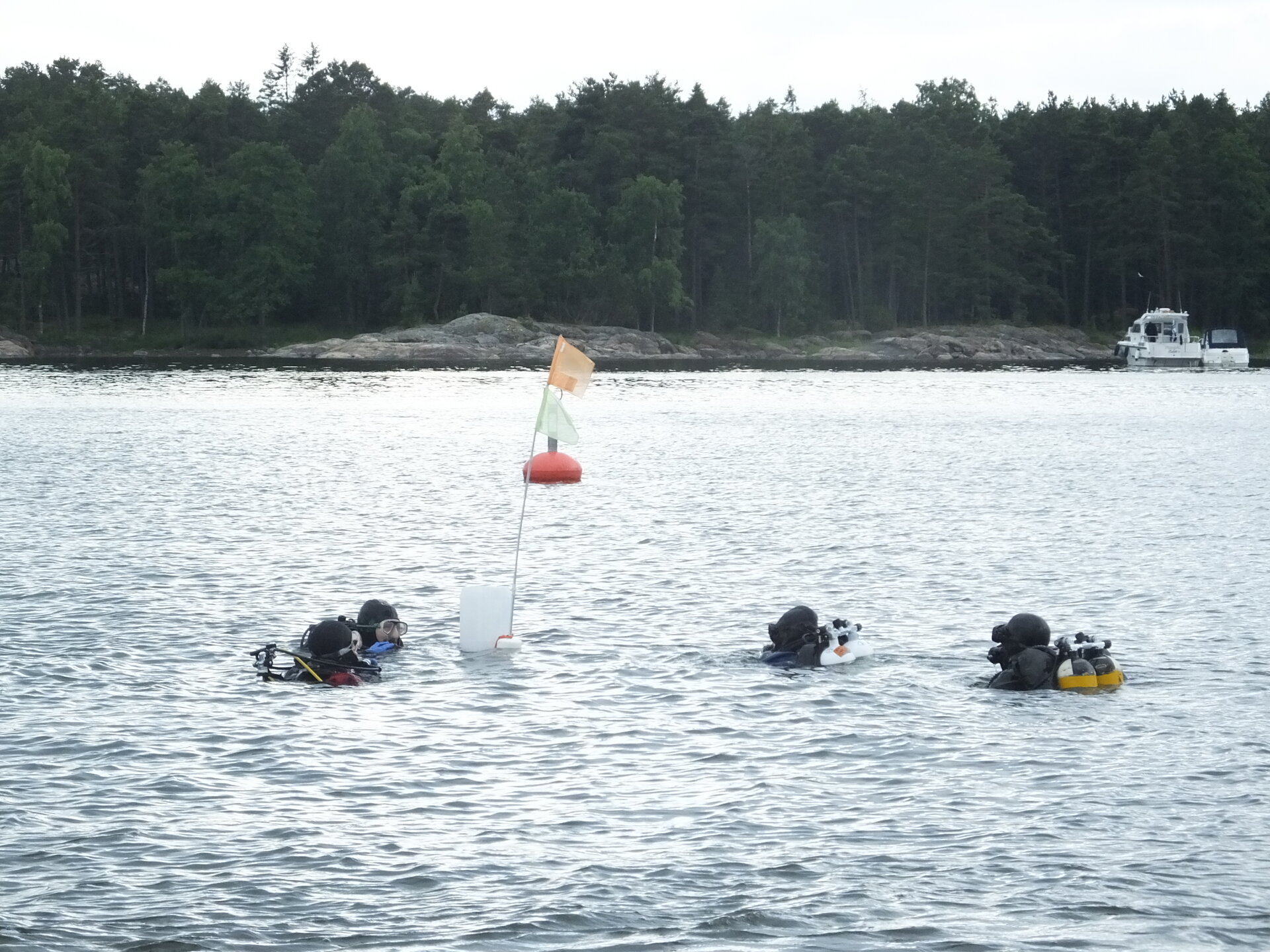
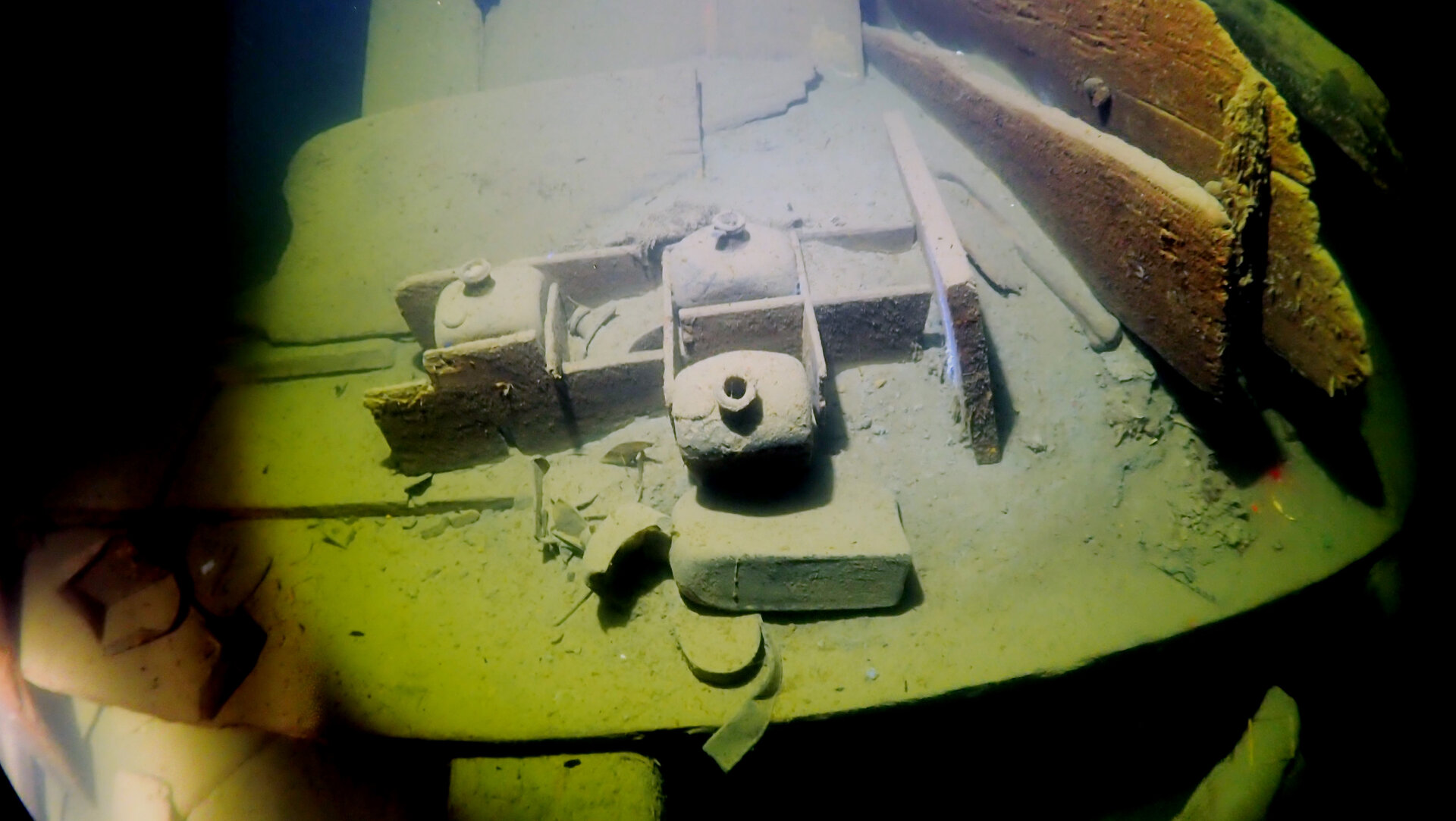
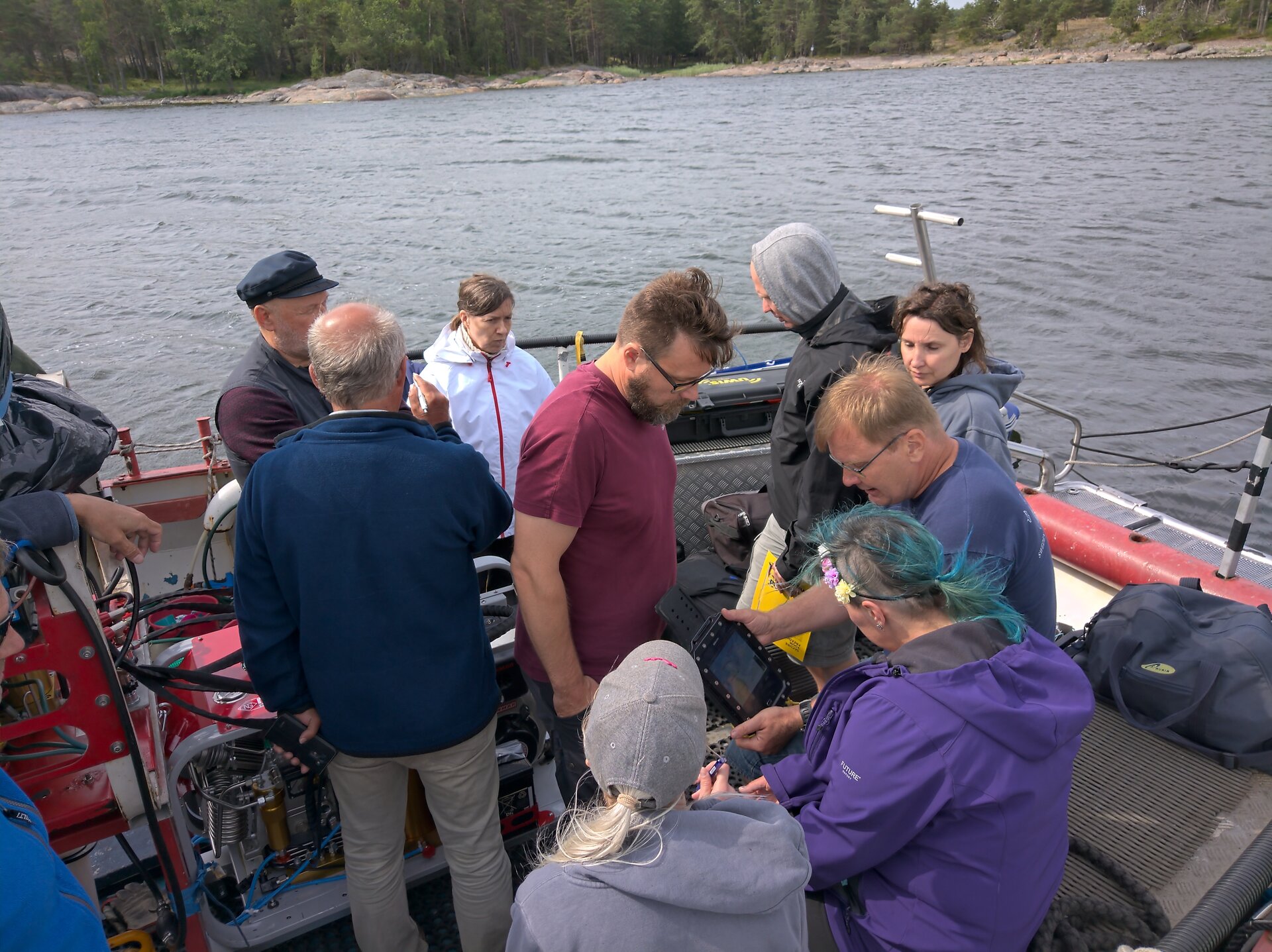
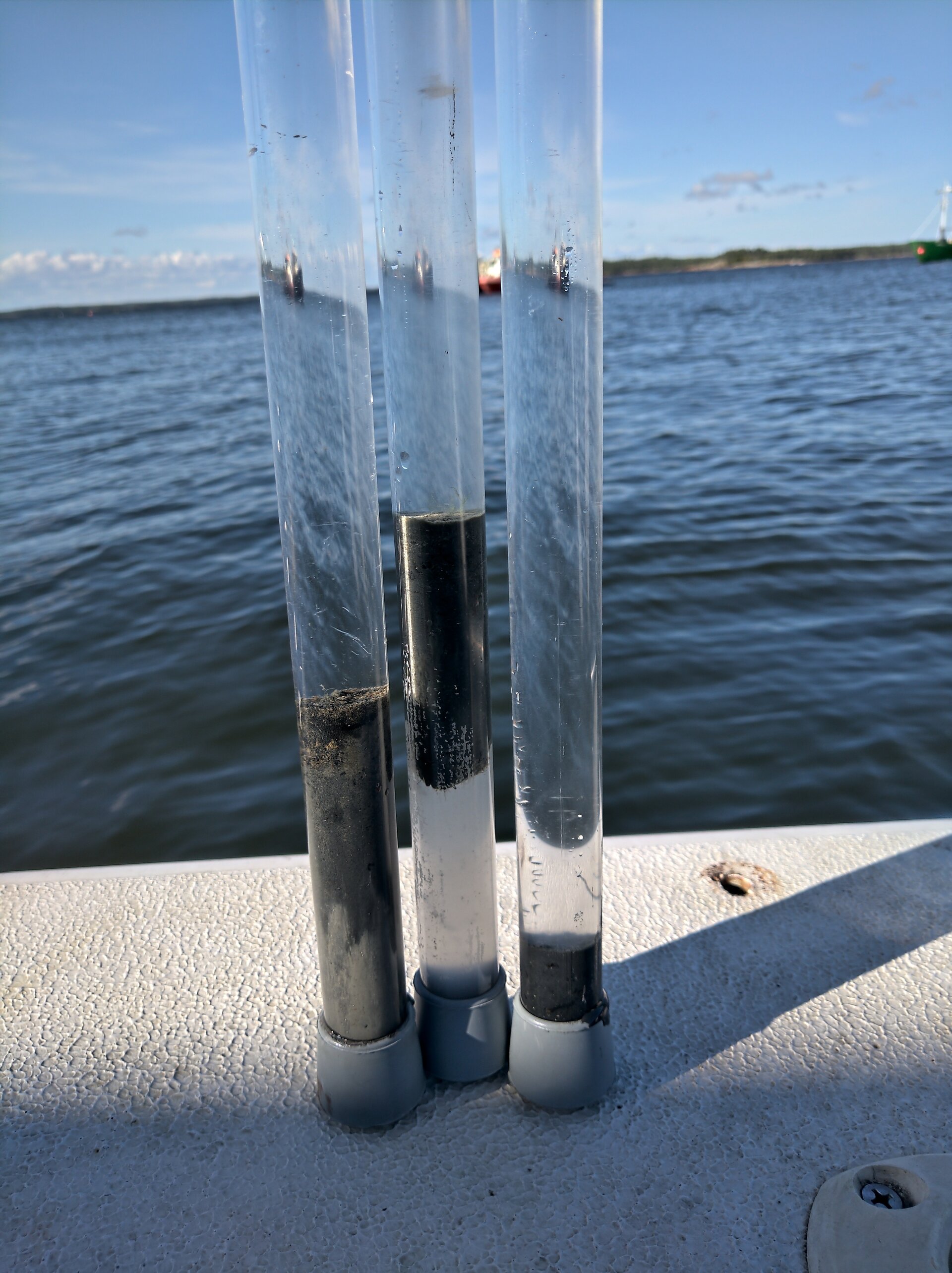
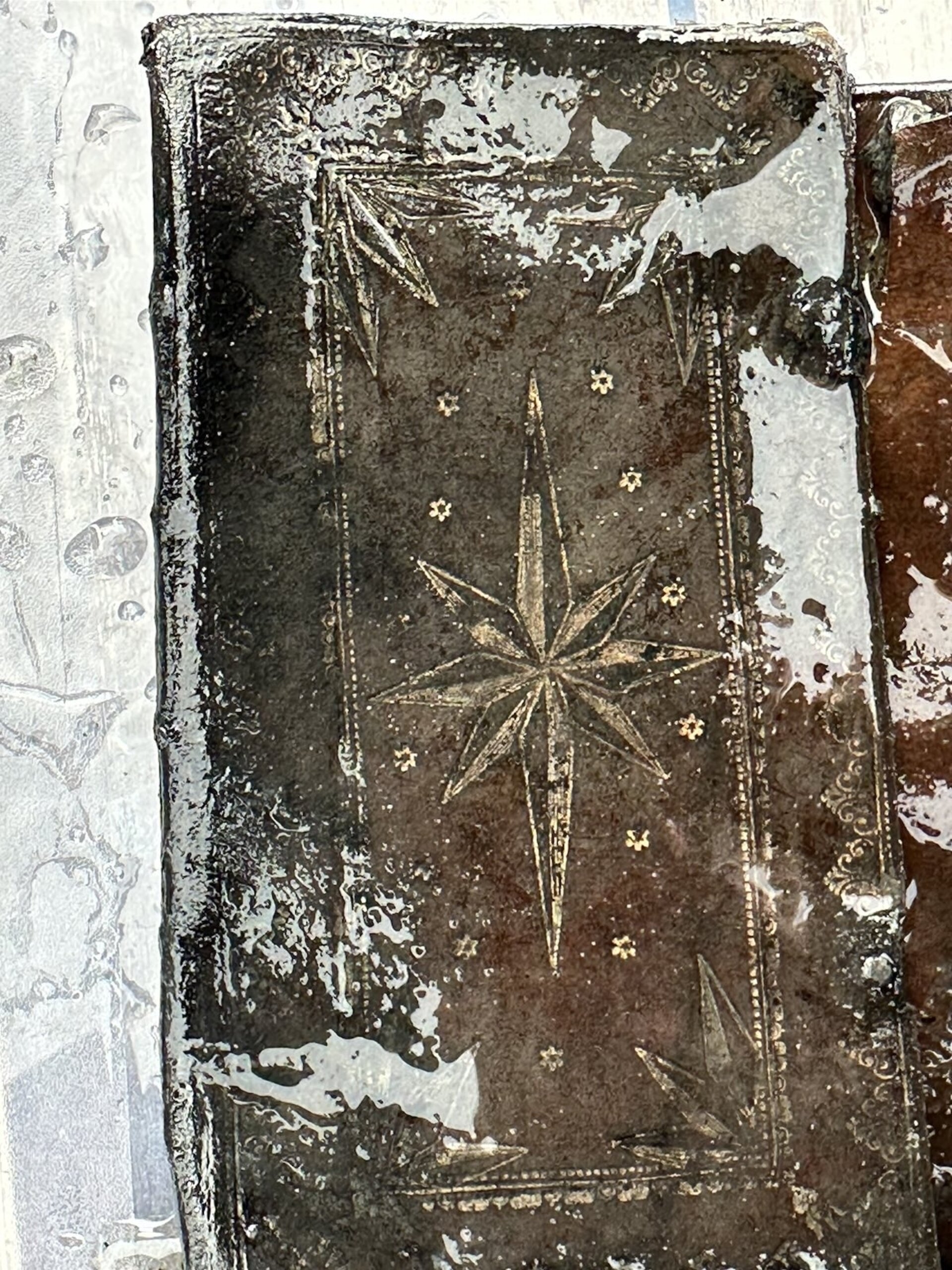
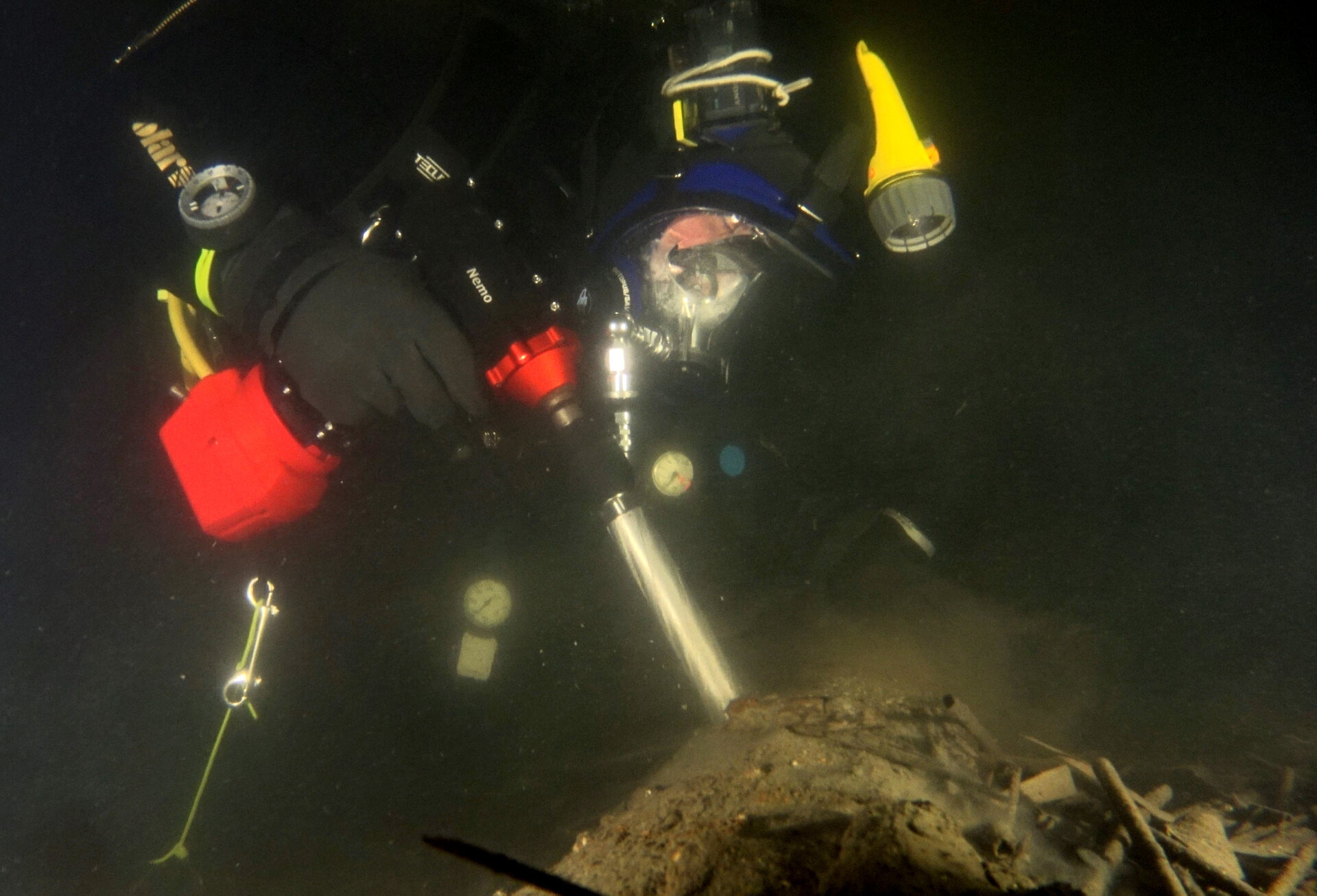
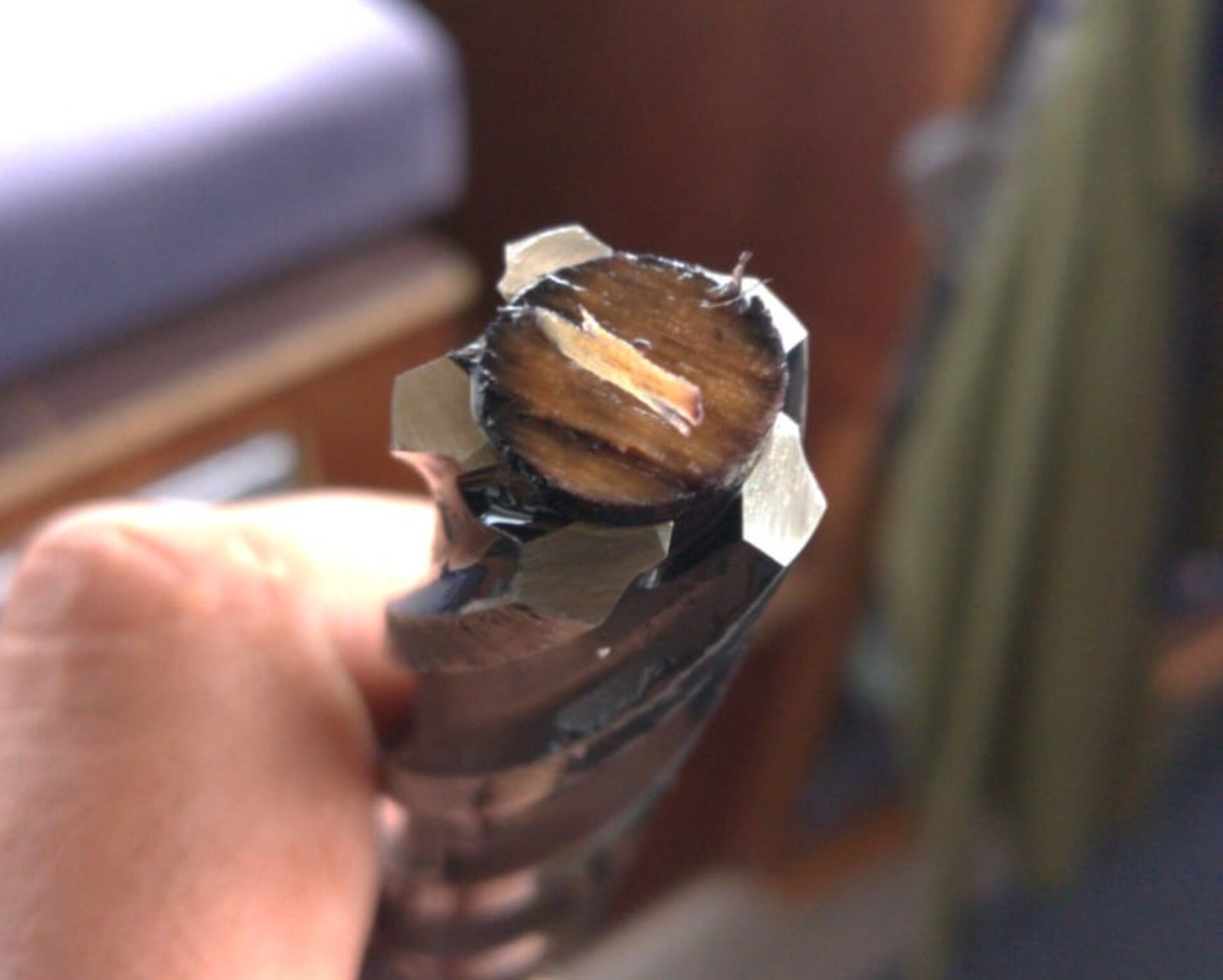
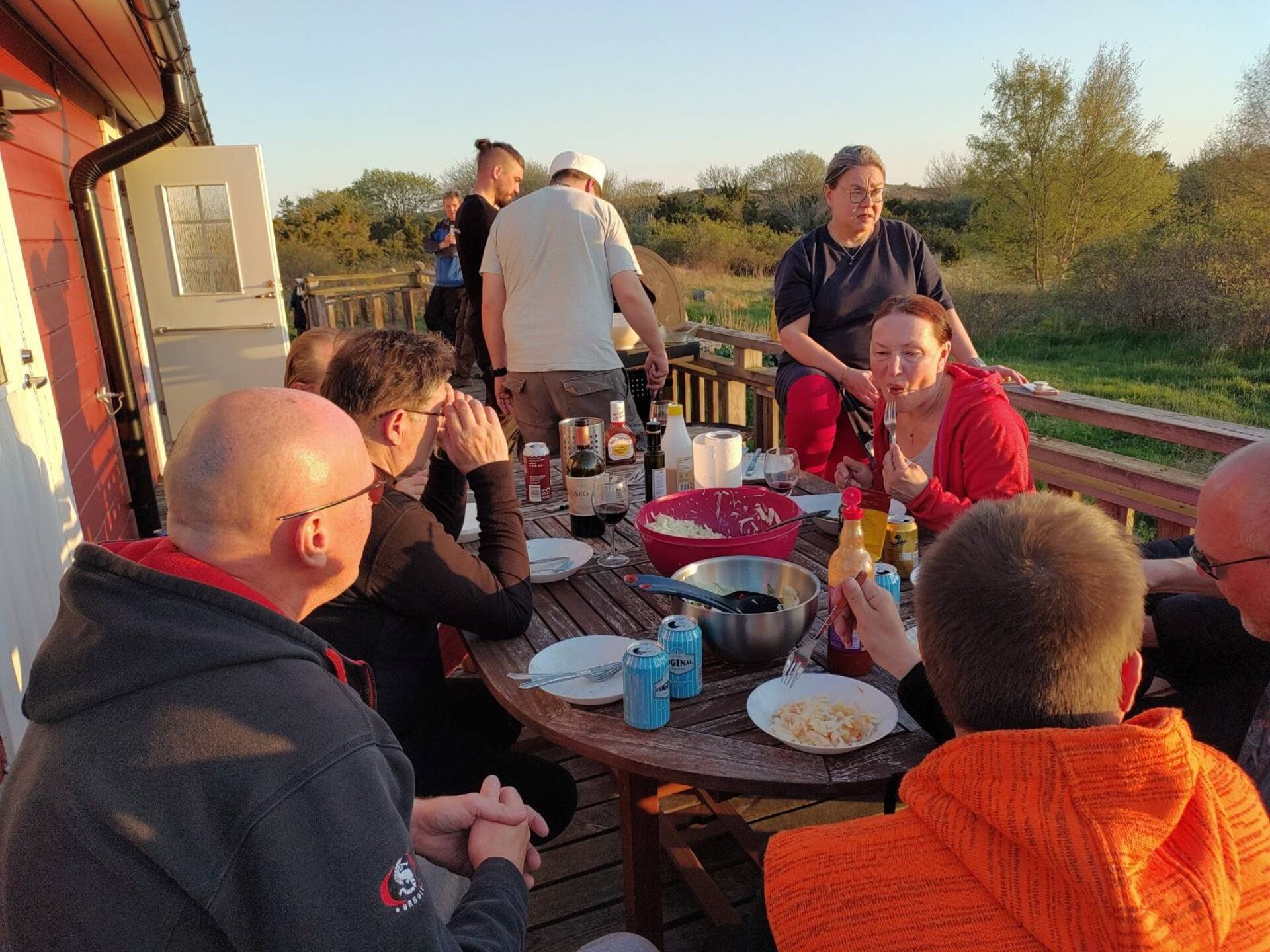
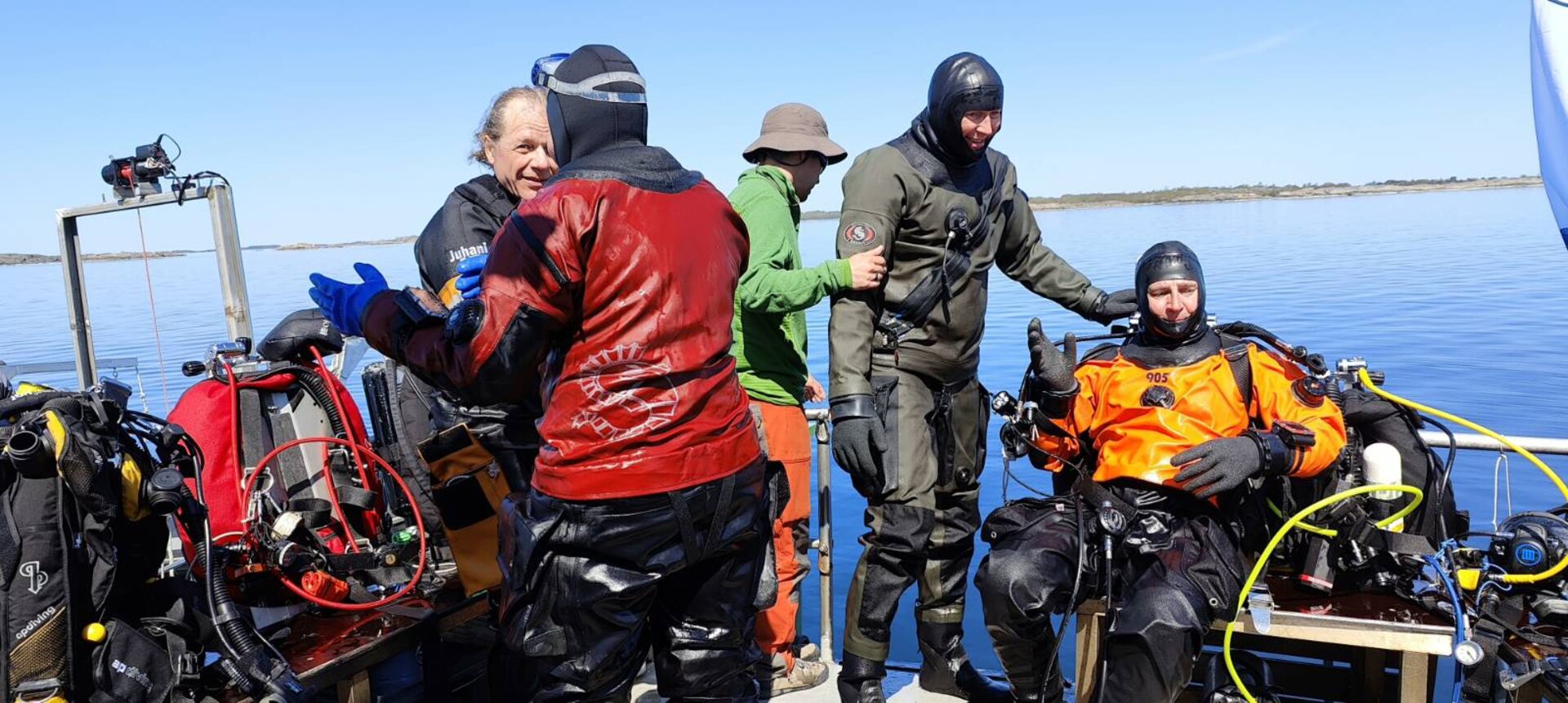
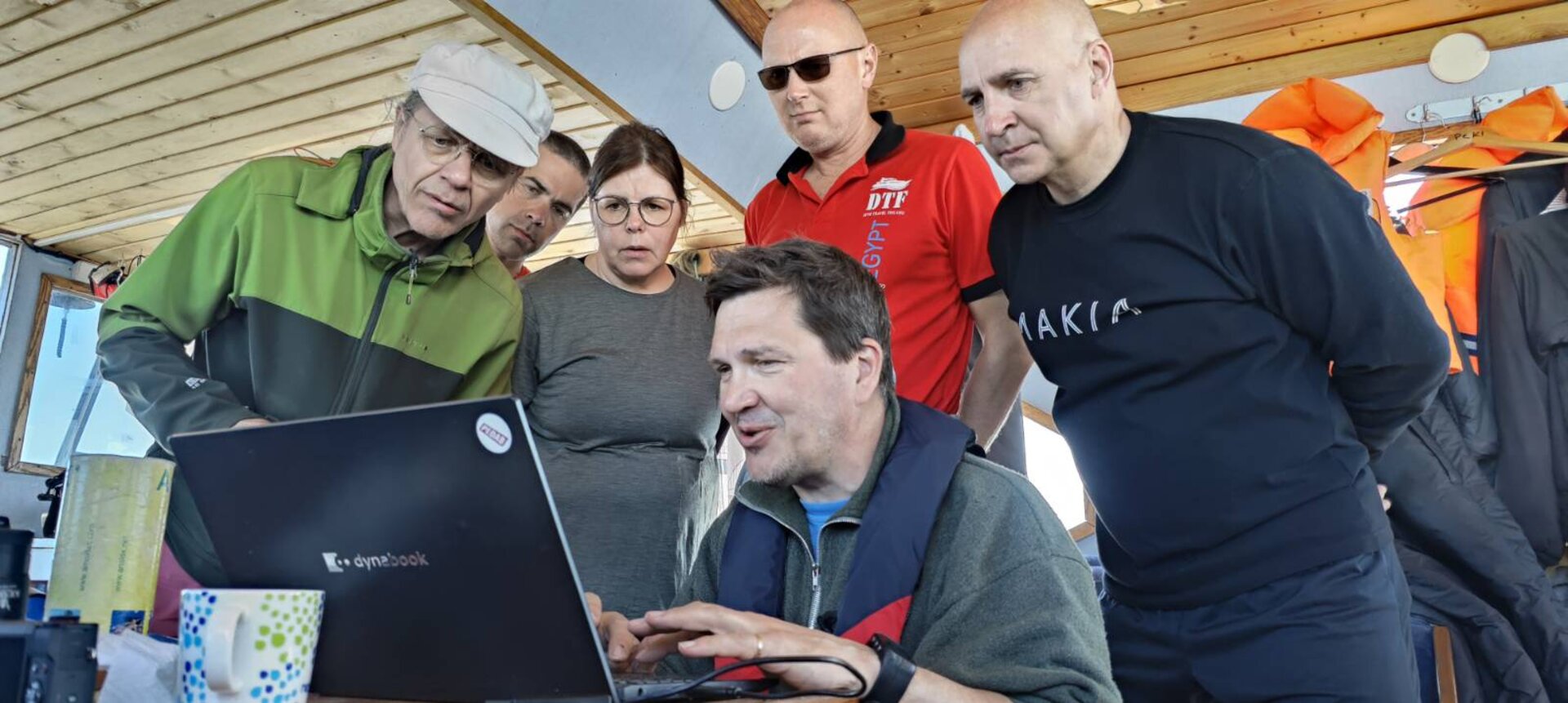
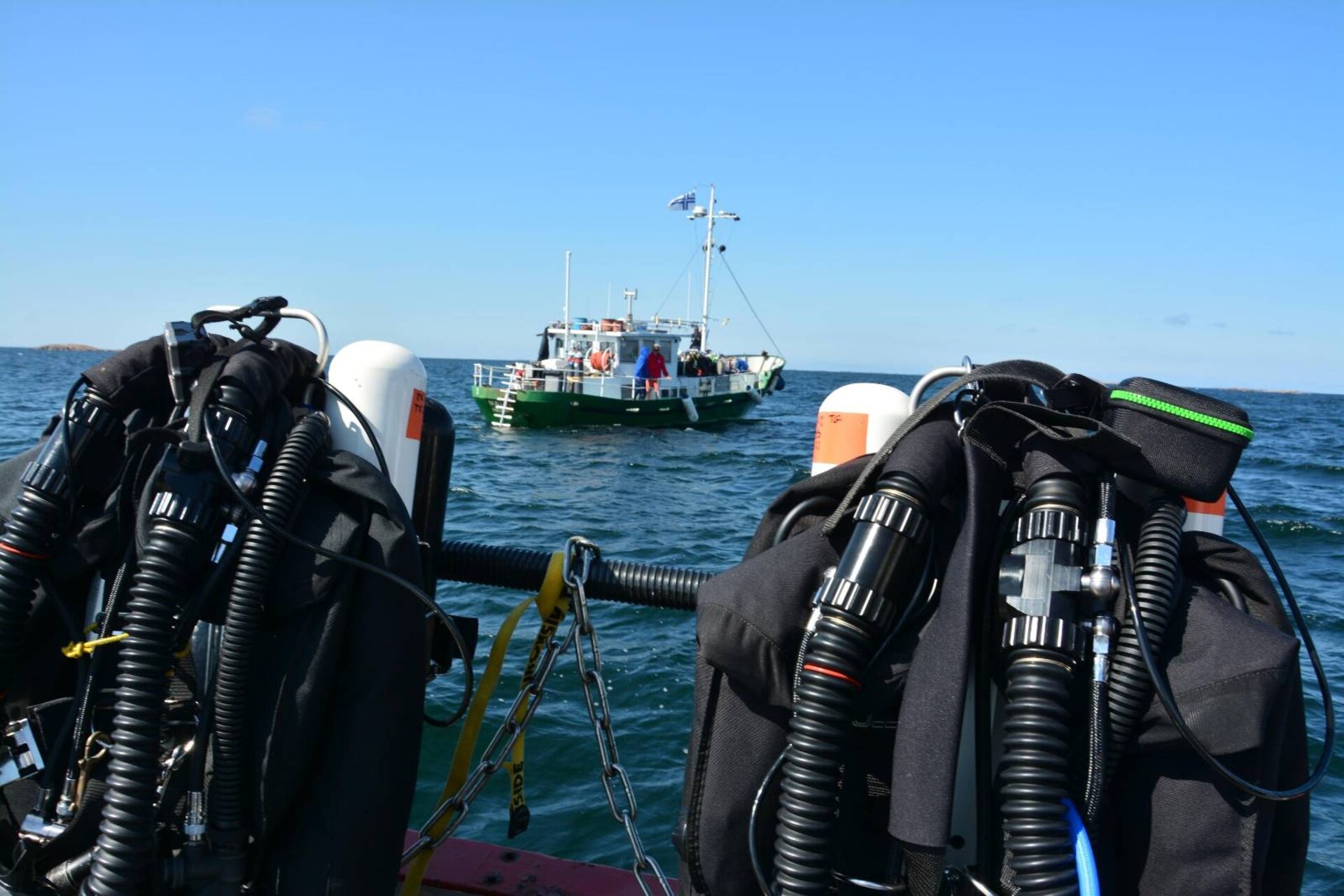
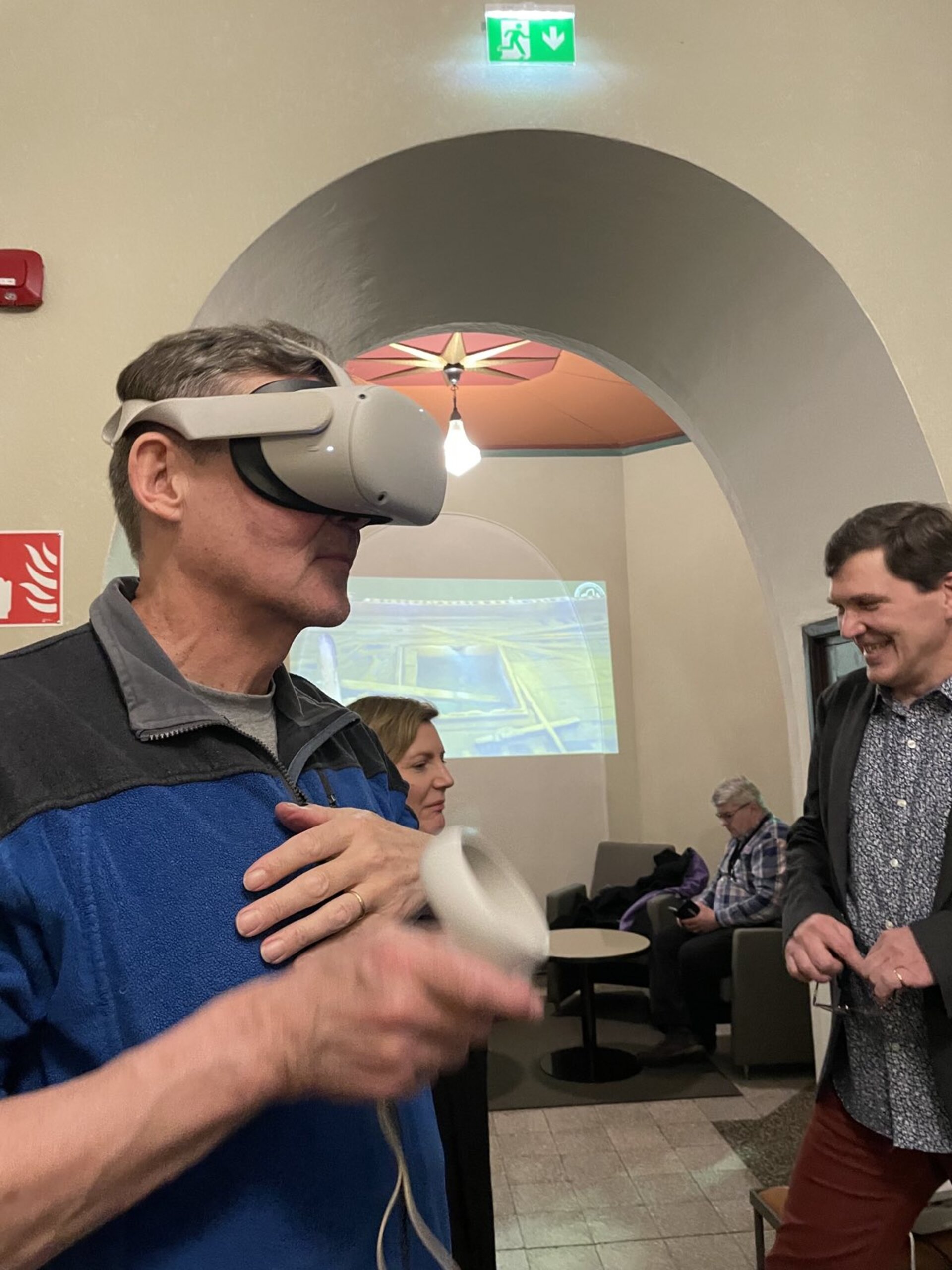
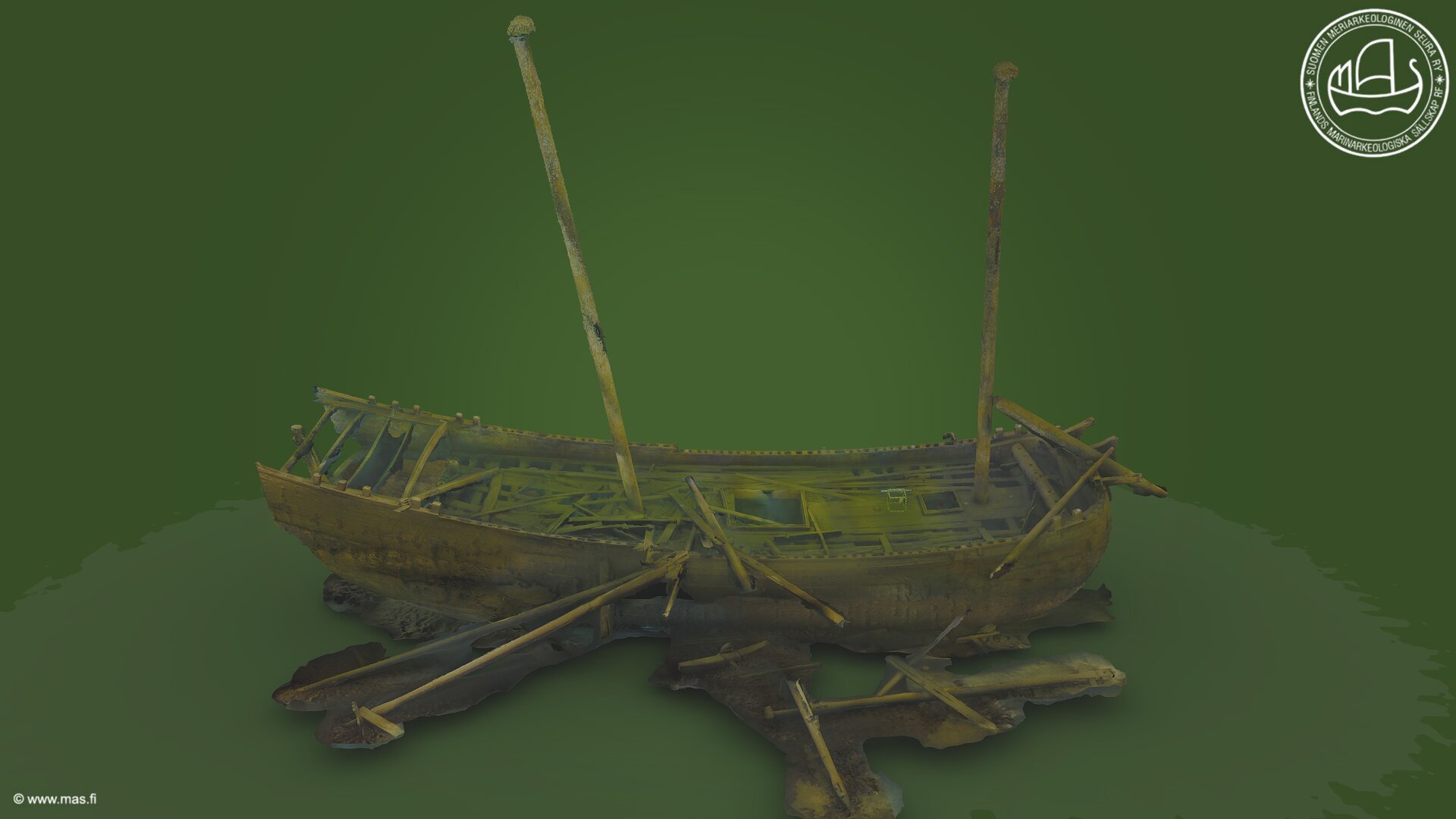
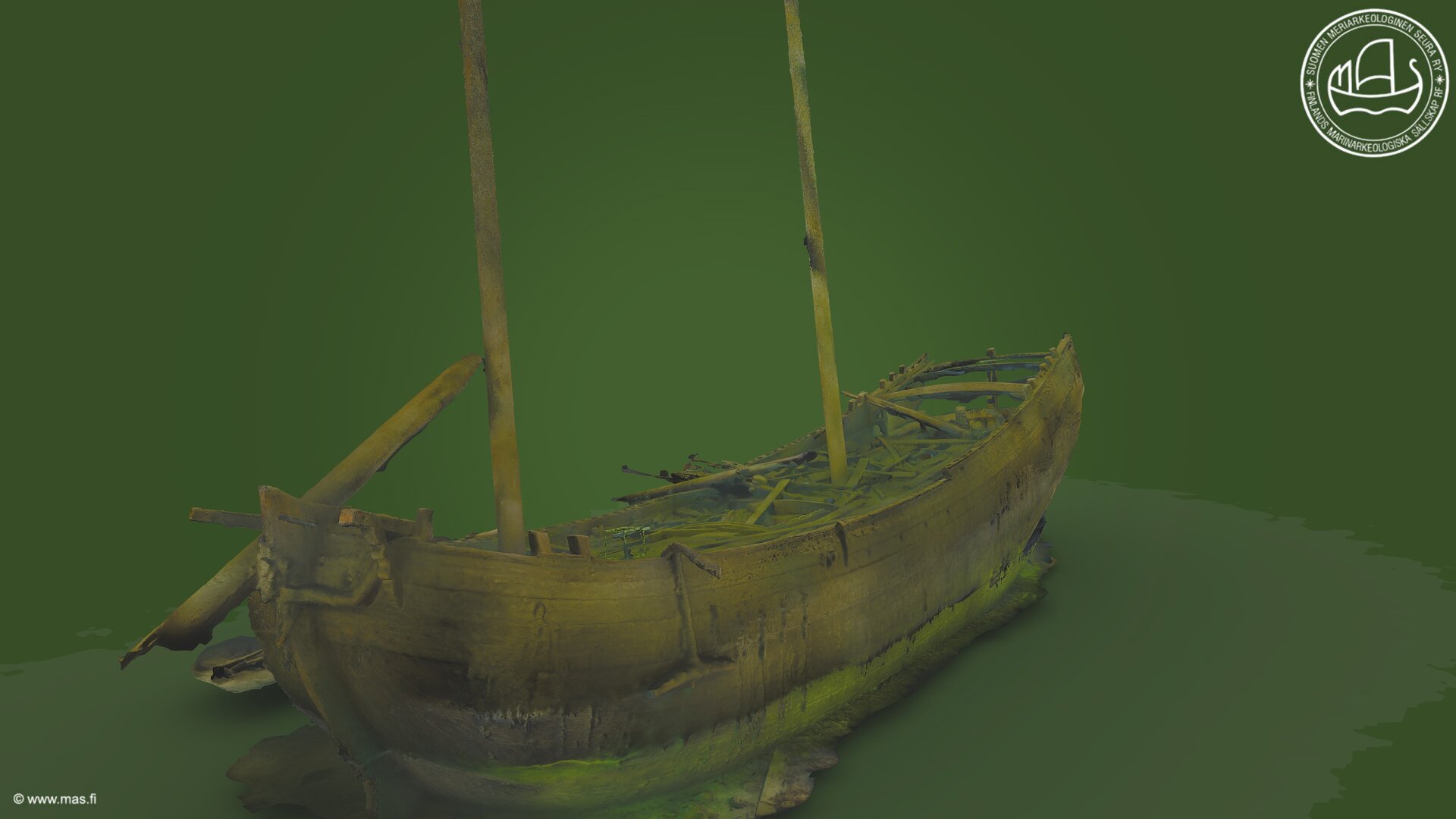
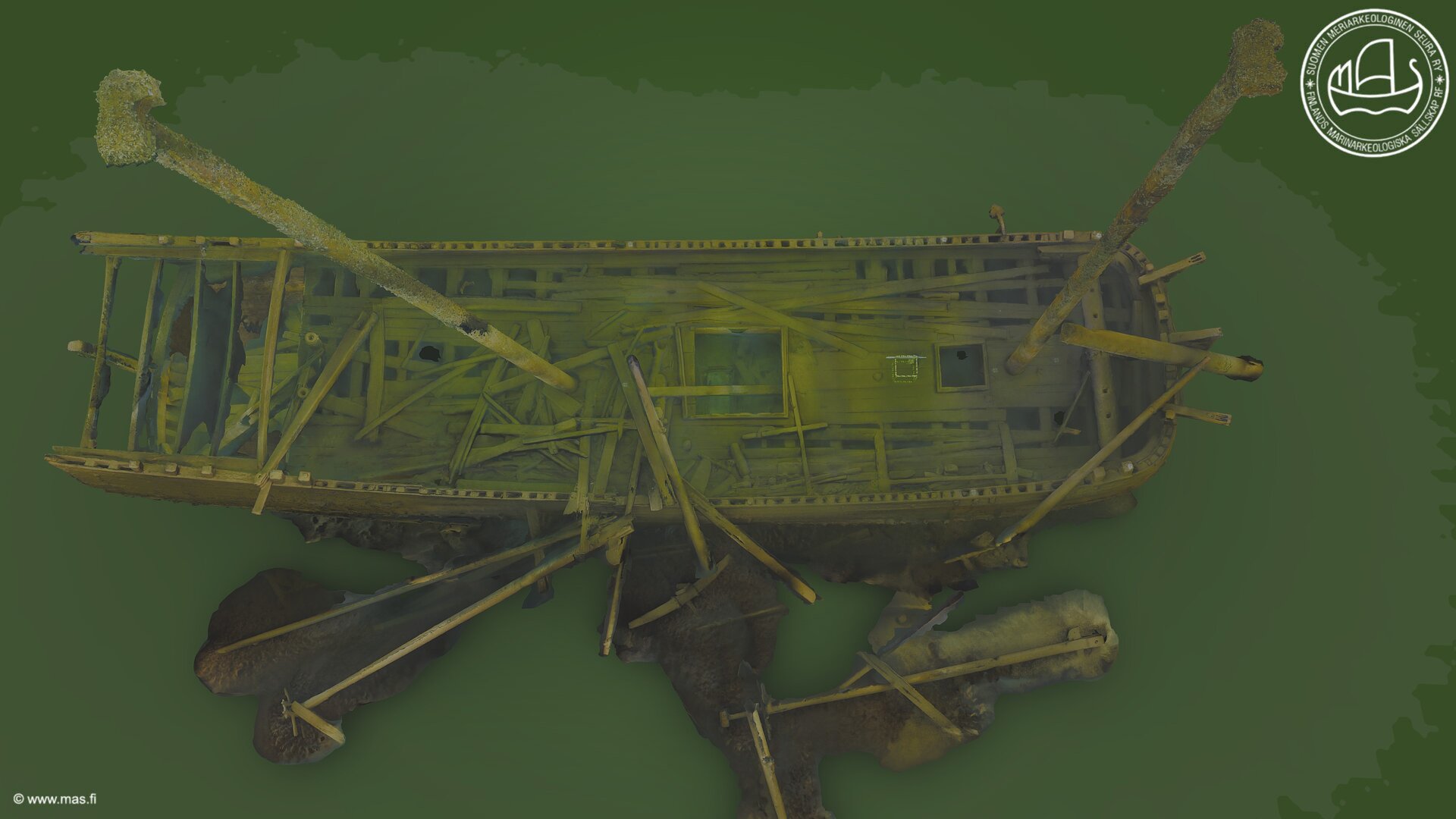
The Baltic Sea 3D Wrecksite Ontology is a pioneering volunteer-led maritime heritage initiative developed by the Maritime Archaeological Society of Finland (MAS.Fi). It combines underwater archaeology, photogrammetric documentation, scientific dating, open-access digital resources and public education to safeguard knowledge of historic shipwrecks across the Baltic Sea. Established as a coordinated initiative in 2019, the programme responds to the urgent deterioration of underwater cultural heritage. Historic shipwrecks are vulnerable to biological degradation, changing marine conditions, human activity and the effects of climate change. Because the Baltic Sea contains thousands of submerged archaeological sites, comprehensive physical conservation is not feasible. The project therefore prioritises the systematic documentation and preservation of archaeological information through digital methods. At the time of its European Heritage Award in 2025, the initiative had created the world's largest publicly accessible collection of photogrammetric three-dimensional models of historic shipwrecks, representing nearly 200 documented sites. These digital twins allow researchers, students and the wider public to explore submerged heritage remotely, examine construction details and better understand the commercial and cultural networks that connected European societies. The programme combines detailed underwater photography and video recording with three-dimensional reconstruction, site mapping, archaeological interpretation and scientific dating. Radiocarbon analysis and dendrochronological sampling help establish the chronology of wooden vessels, while comparative study contributes to the identification of shipbuilding traditions and historical maritime routes. MAS.Fi volunteers have also developed an innovative underwater drilling technique to obtain dendrochronological samples from submerged timber. Open Science and Open Data are fundamental to the initiative. Survey records, laboratory findings and digital models are made available through the society's research platforms, supporting independent investigation, teaching and public engagement. The project seeks to establish a common ontology for Baltic shipwrecks, allowing information from different national collections to be organised using compatible classifications, definitions and data structures. The work is undertaken by volunteers, supported by experienced maritime archaeology specialists. MAS.Fi provides field training in underwater archaeological techniques and offers opportunities for participants with varied professional and personal backgrounds to contribute to scientific research. Its inclusive approach has involved members of the deaf community and demonstrates the potential of citizen science to expand heritage documentation beyond the capacity of public institutions. The programme also promotes responsible access to underwater heritage. The Porkkala Wreck Park, opened in 2018, and the Saaristomeri Wreck Park, launched in 2024, provide designated diving routes and interpretive resources that help visitors understand archaeological sites while reducing unnecessary disturbance. Digital models complement the physical diving experience and make the wrecks accessible to people who cannot visit them underwater. Public engagement extends through exhibitions, school activities, hybrid lectures, conferences and online communication. These initiatives introduce maritime archaeology to audiences beyond specialist diving and academic communities, encouraging appreciation of the Baltic Sea as a historically interconnected cultural region. Environmental responsibility is incorporated into fieldwork planning. Volunteers seek to minimise the ecological footprint of research through coordinated travel, careful vessel operation and practical resource conservation. The society also participates in marine biodiversity monitoring and coastal clean-up activities. The initiative has growing international significance. MAS.Fi has worked with UNESCO-related networks and partners to encourage the adoption of compatible survey and documentation methods in other Baltic countries. By combining distributed digital records with common standards, the programme provides a foundation for long-term, cross-border research into Europe's maritime history. In 2025, the Baltic Sea 3D Wrecksite Ontology received a European Heritage Award / Europa Nostra Award in the Citizens' Engagement and Awareness-raising category. The jury recognised its volunteer-driven character, inclusive participation, transnational perspective and strong commitment to integrating digital heritage resources into scientific and educational practice. The Baltic Sea 3D Wrecksite Ontology demonstrates how volunteer expertise, technological innovation and open knowledge-sharing can make vulnerable underwater heritage more accessible while contributing to its long-term documentation. Its approach offers a transferable model for maritime archaeological research and community-based conservation across Europe and beyond.
