




The Art of Protecting Bedechka
The Art of Protecting Bedechka is a community-led cultural and environmental heritage initiative dedicated to safeguarding Bedechka Park in Stara Zagora, Bulgaria. Developed through collaboration between the Save Bedechka Association, Art Collective On The Street and local ...
Read more
Project details
Description:
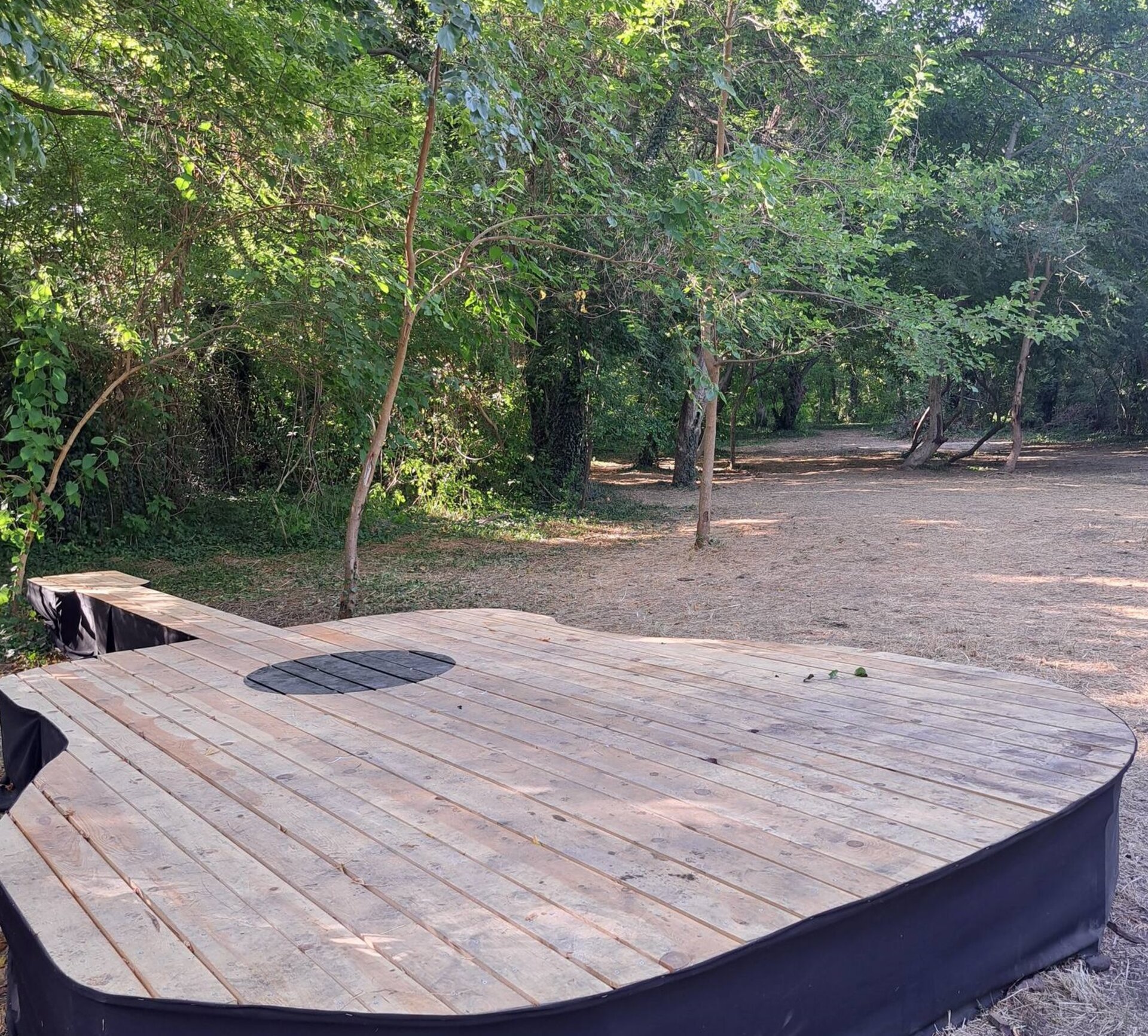
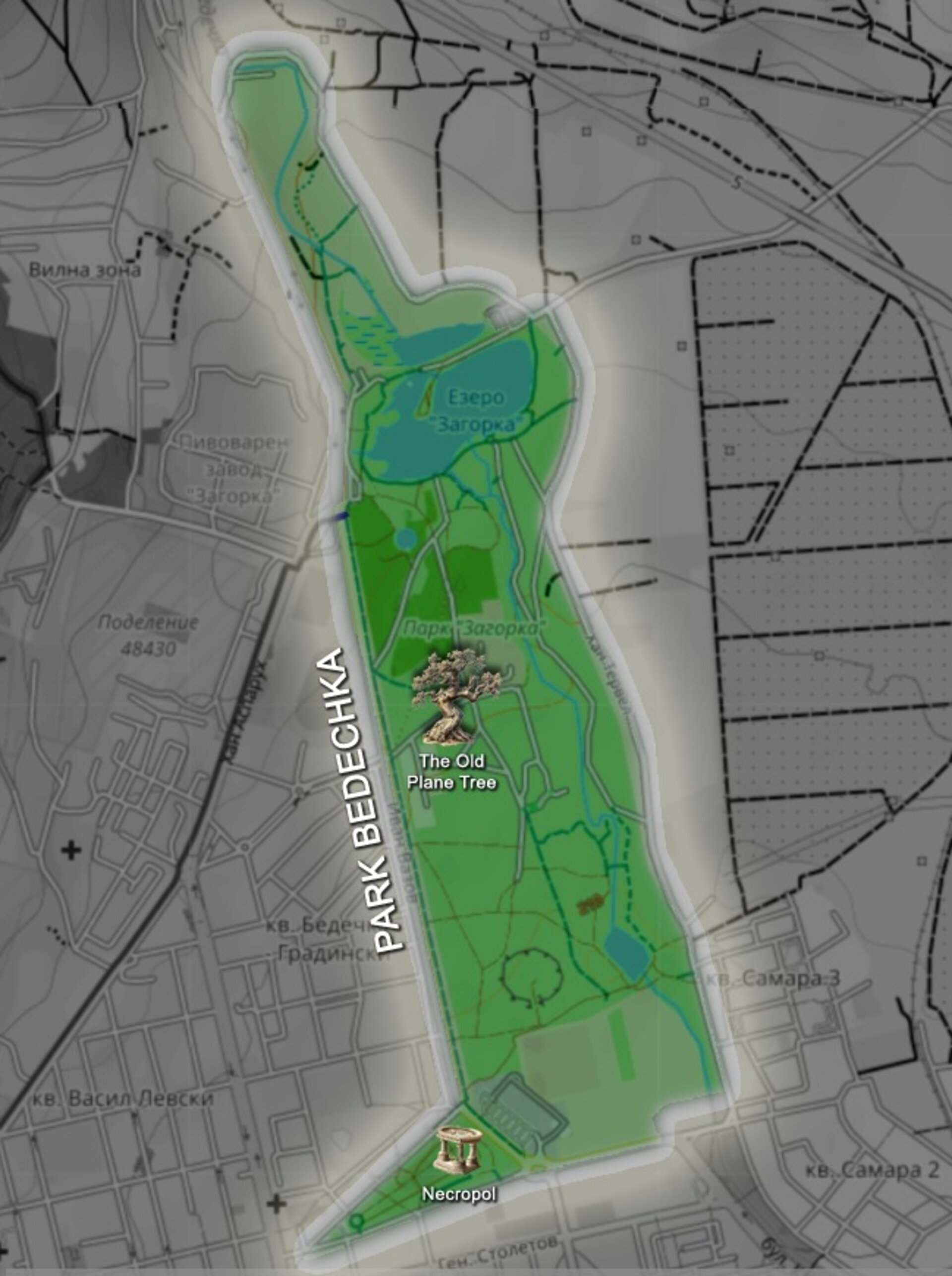
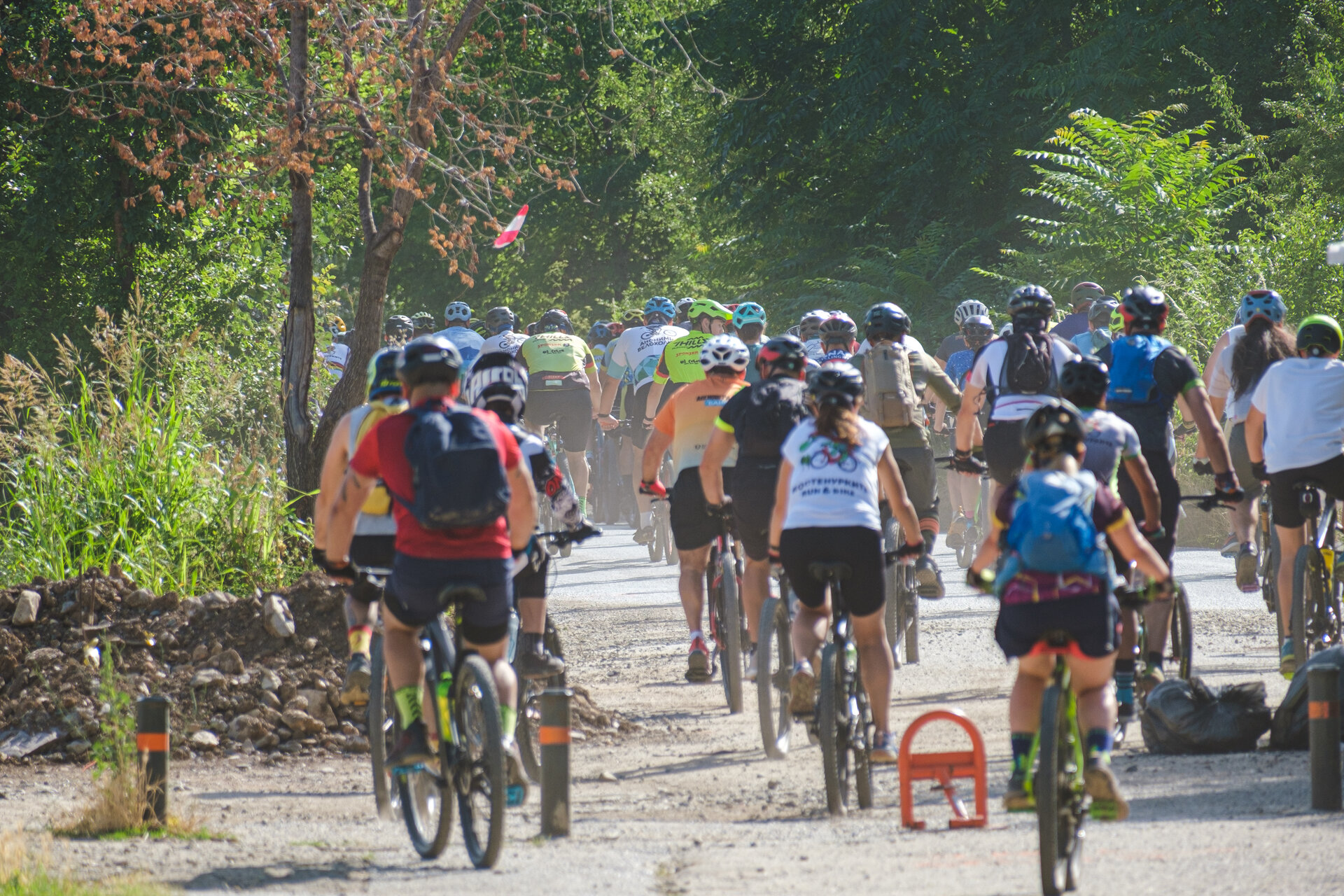
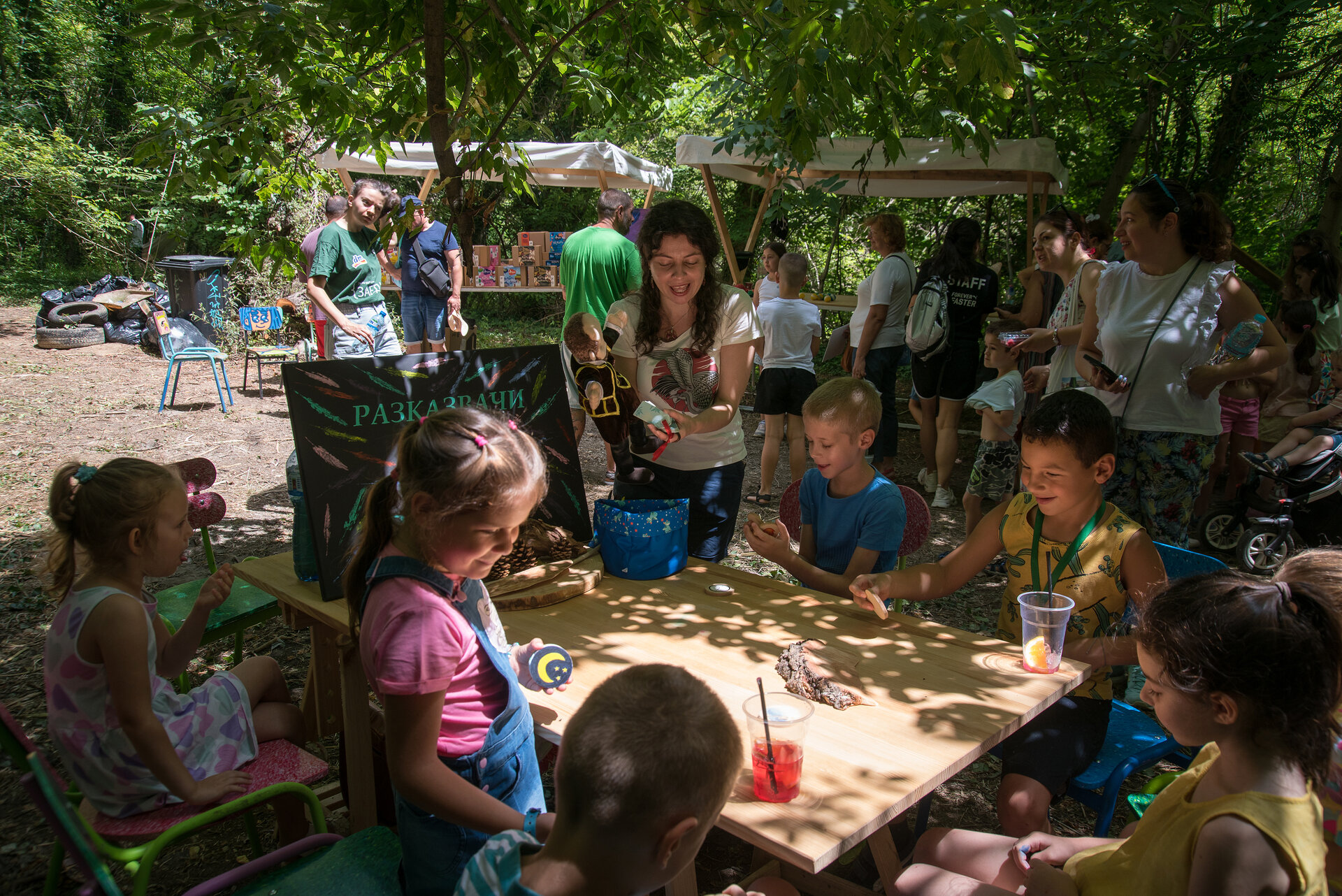
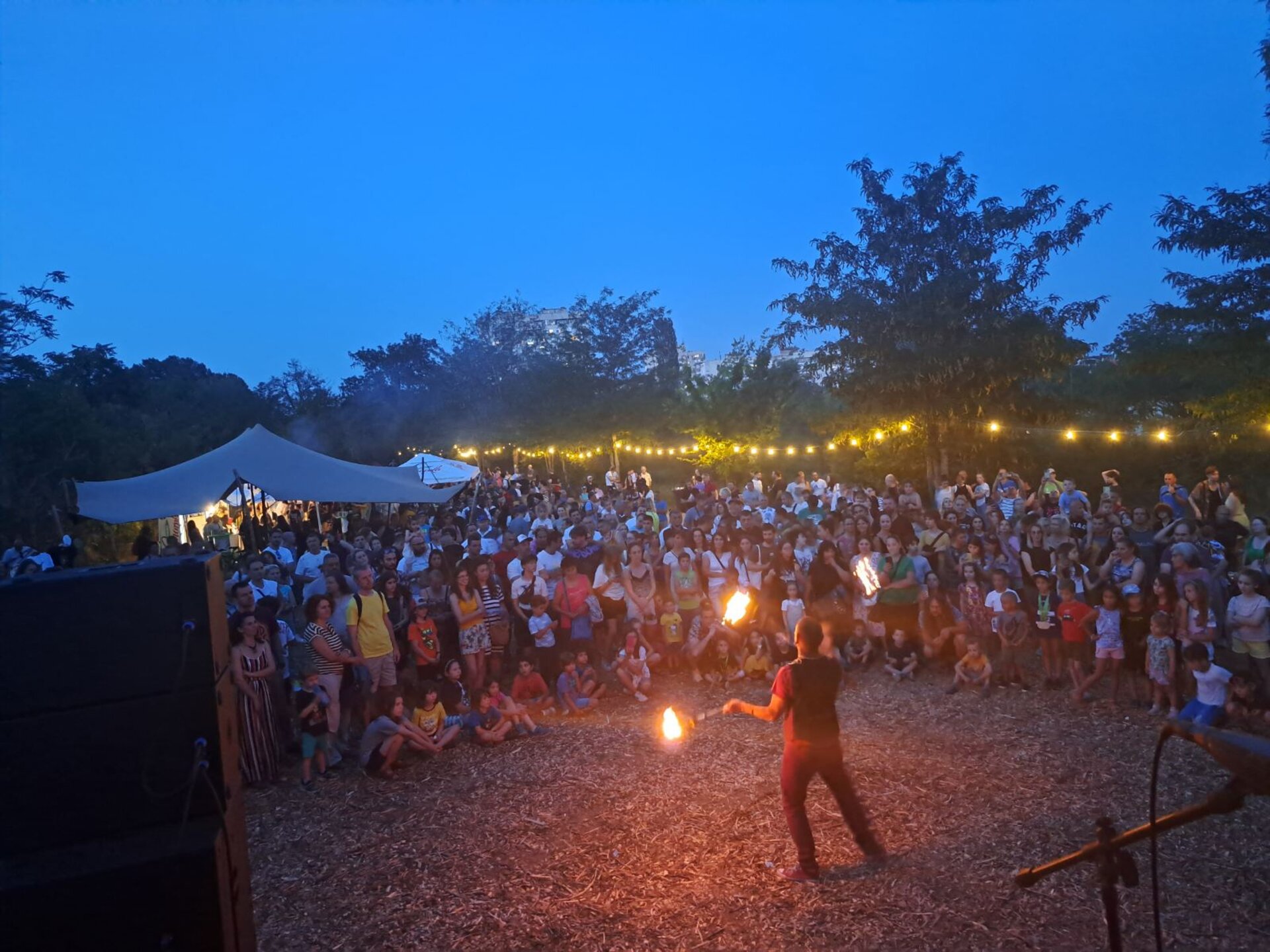
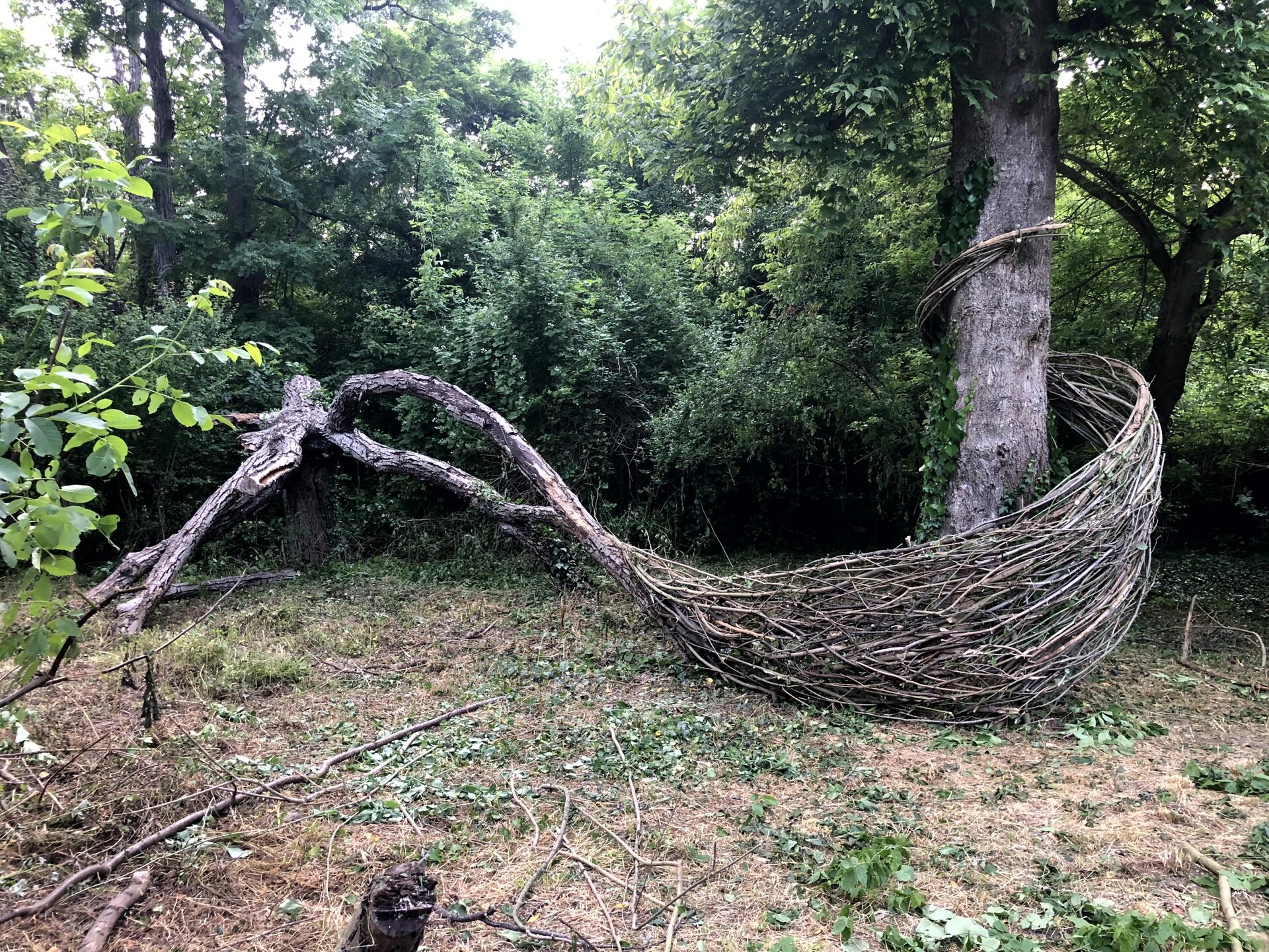
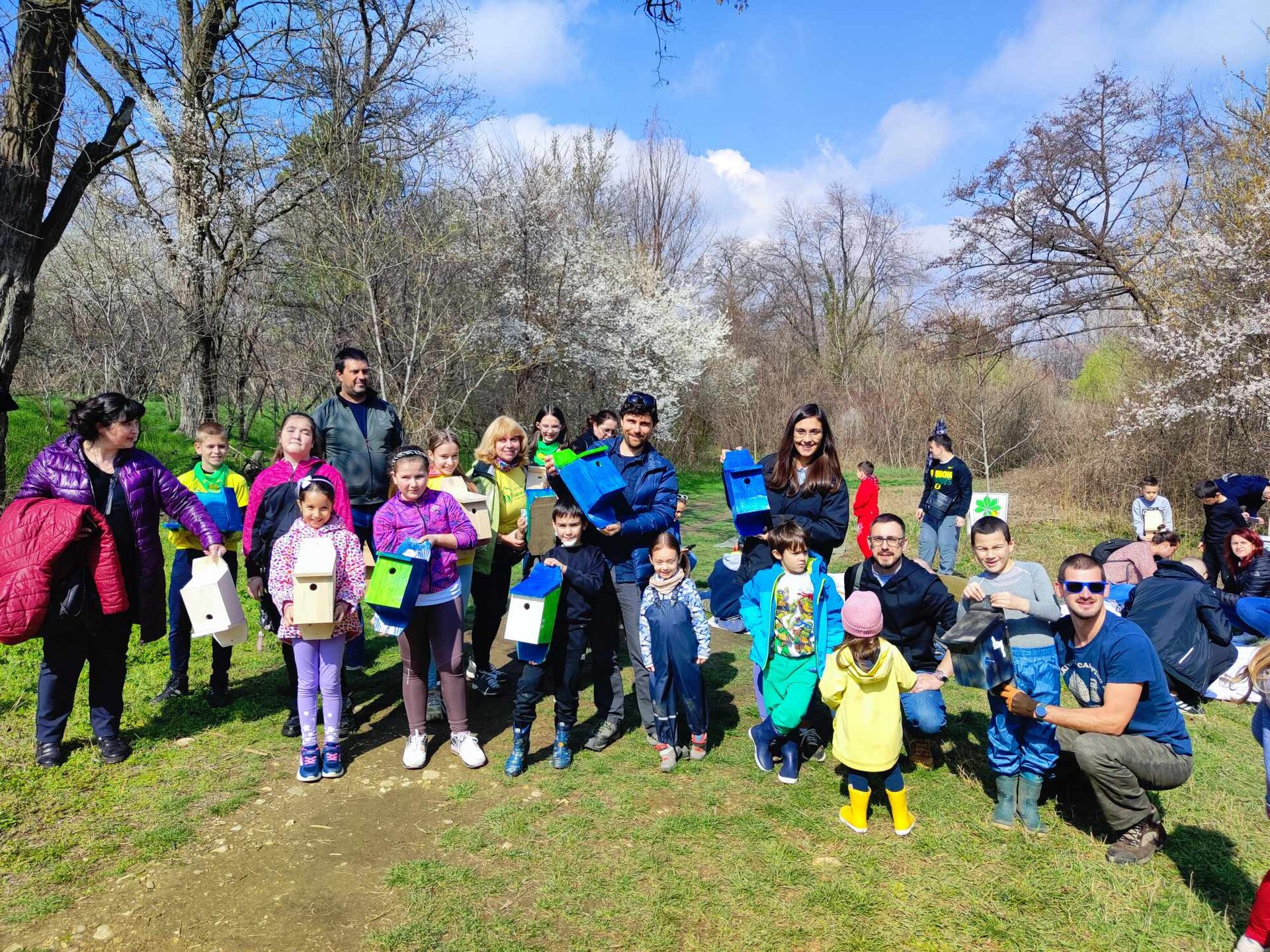
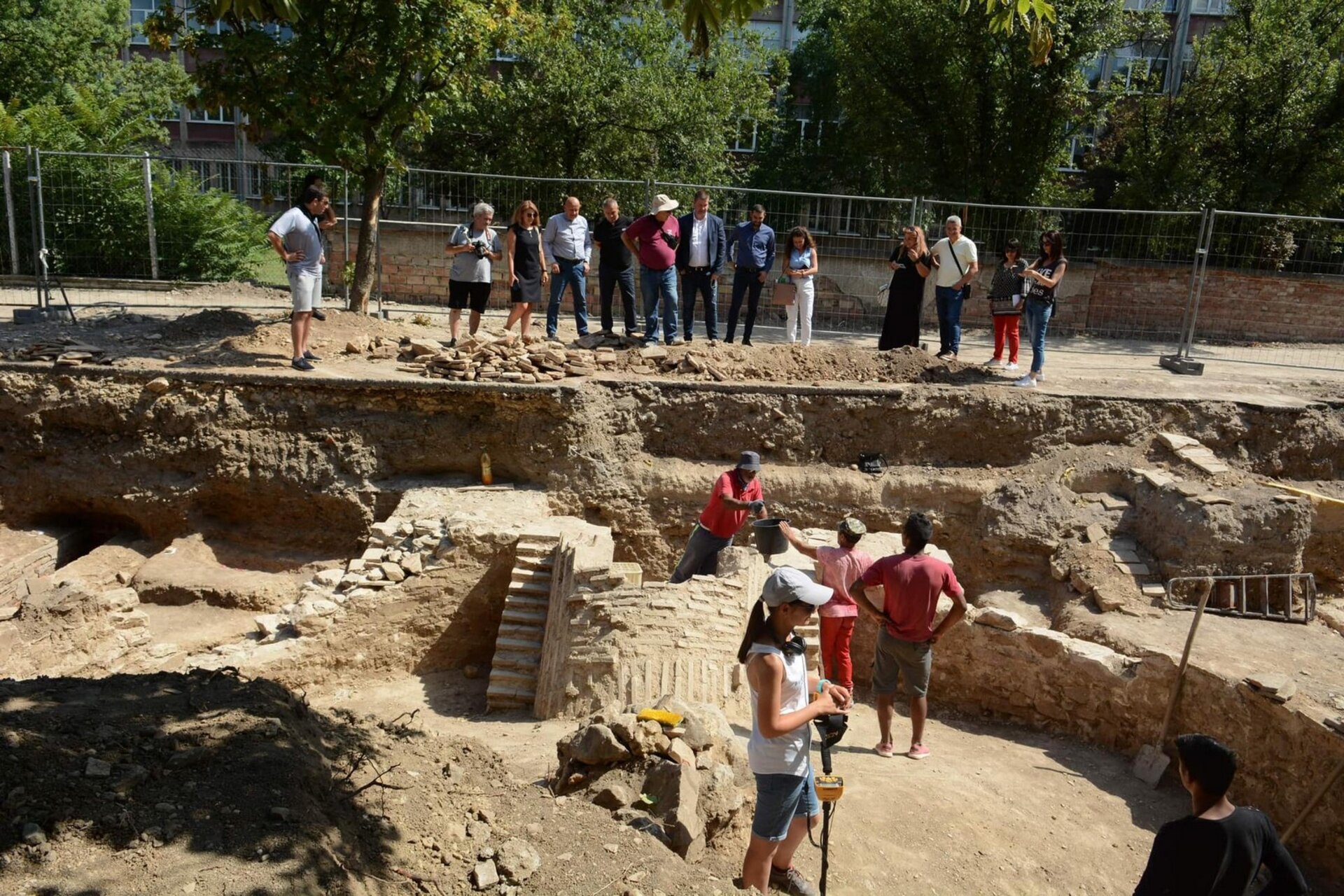
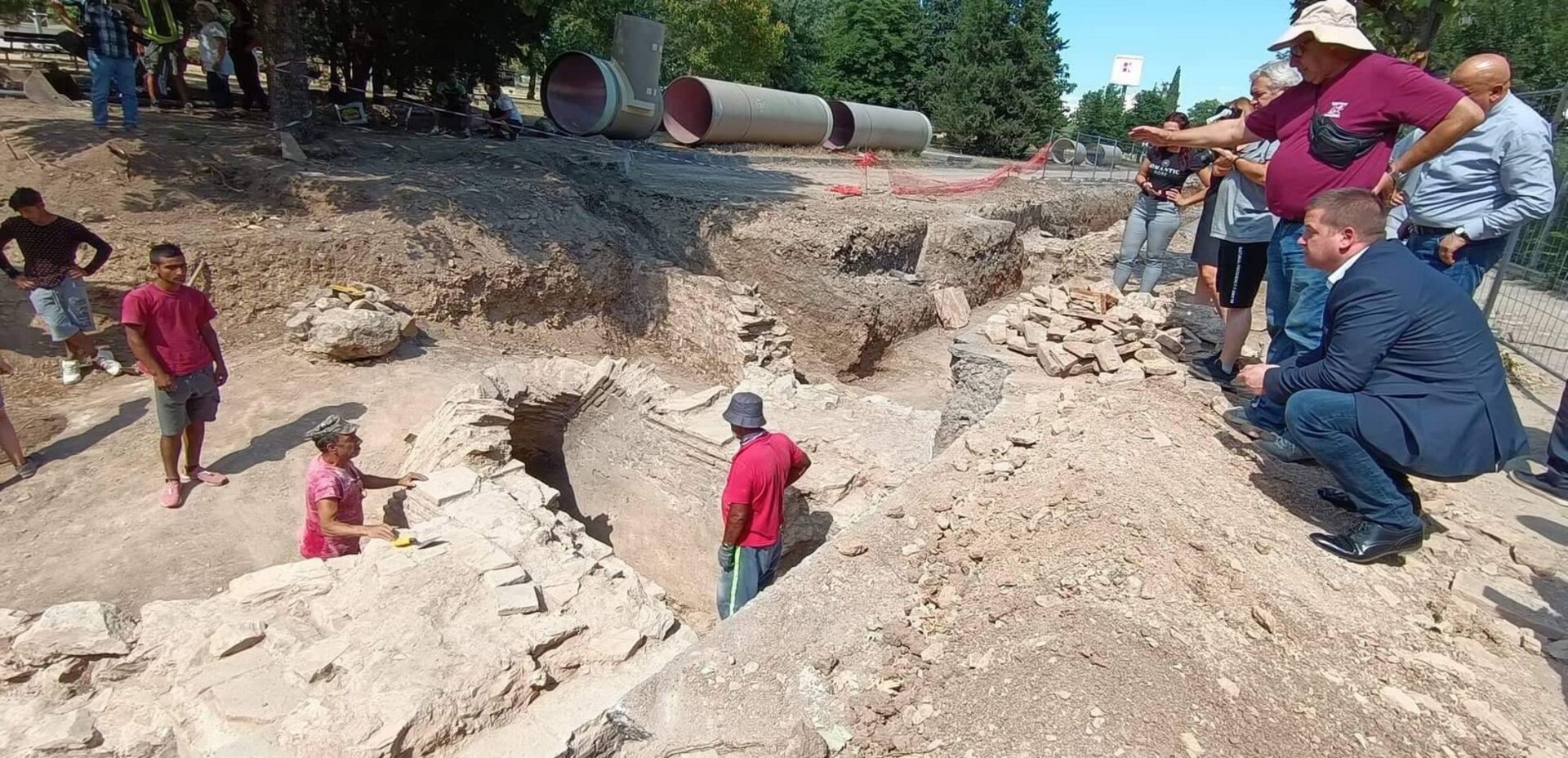
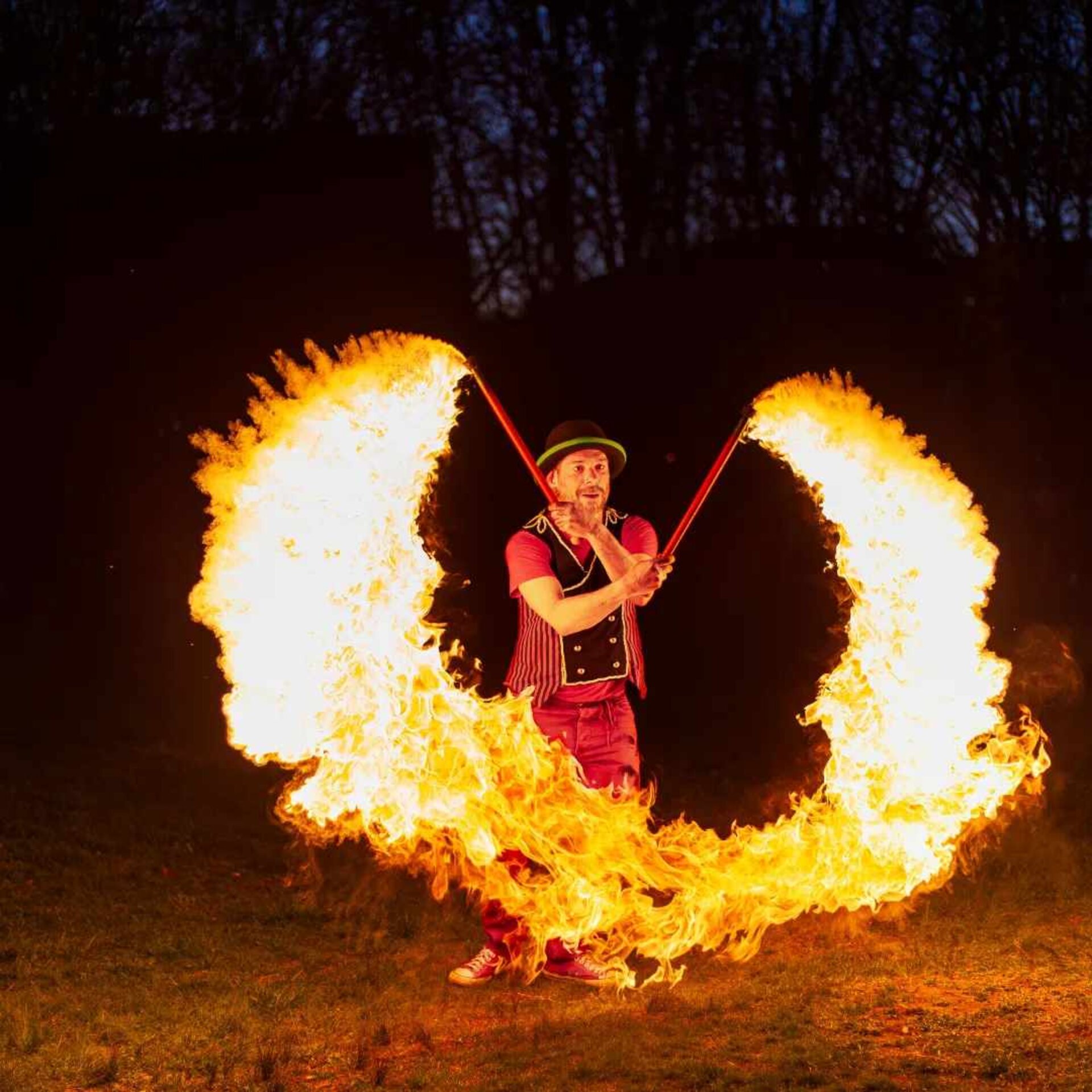
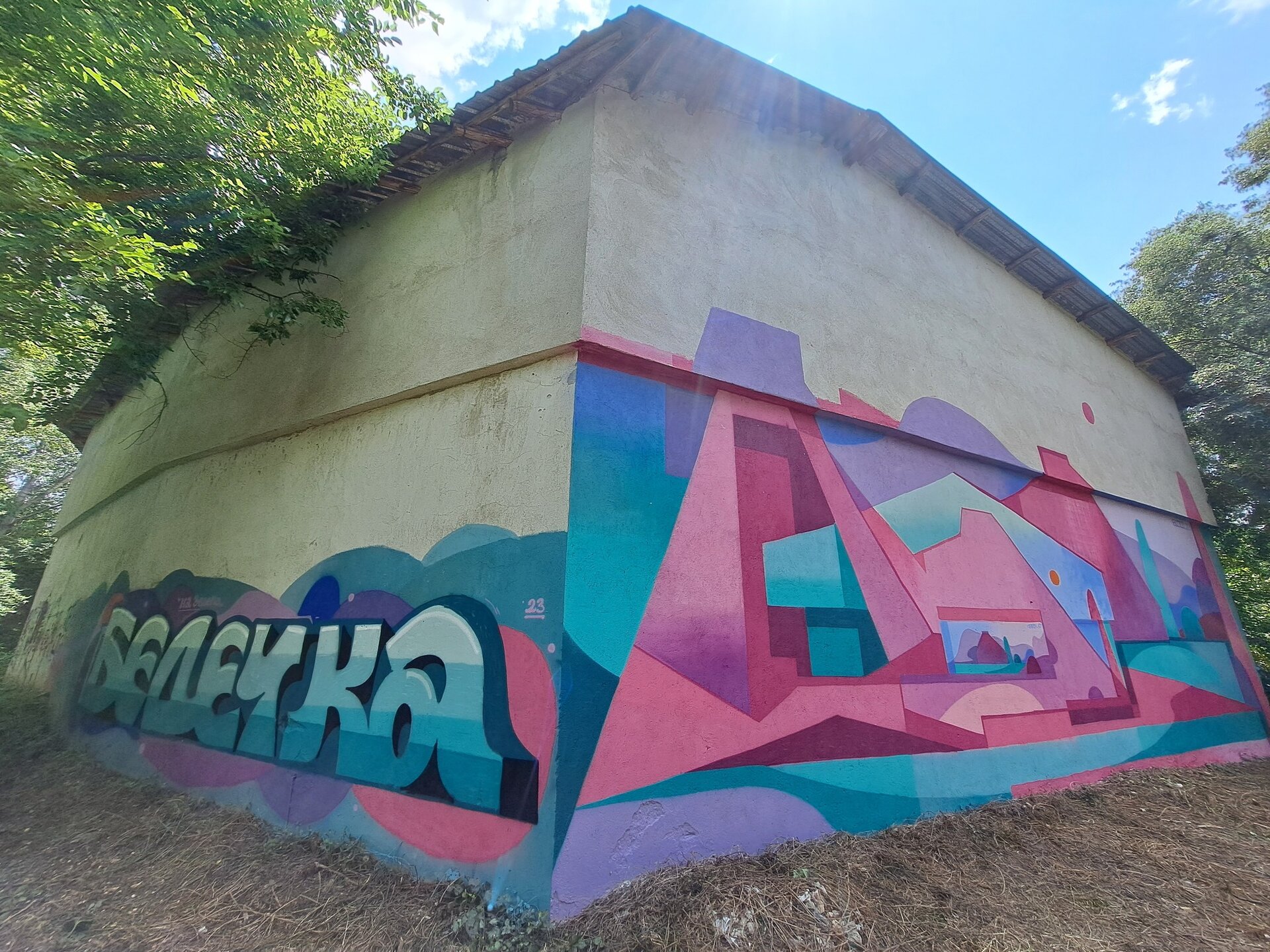
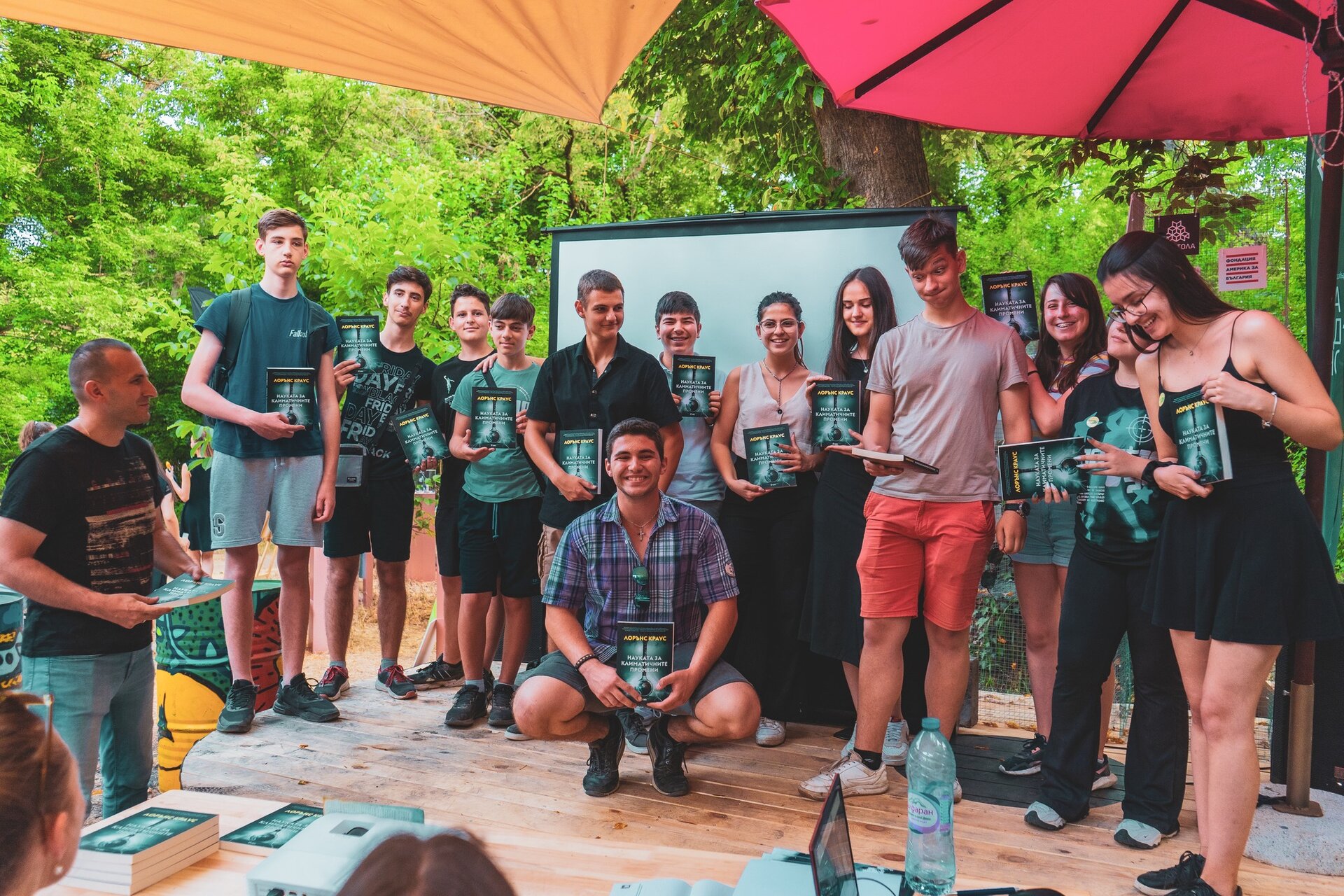
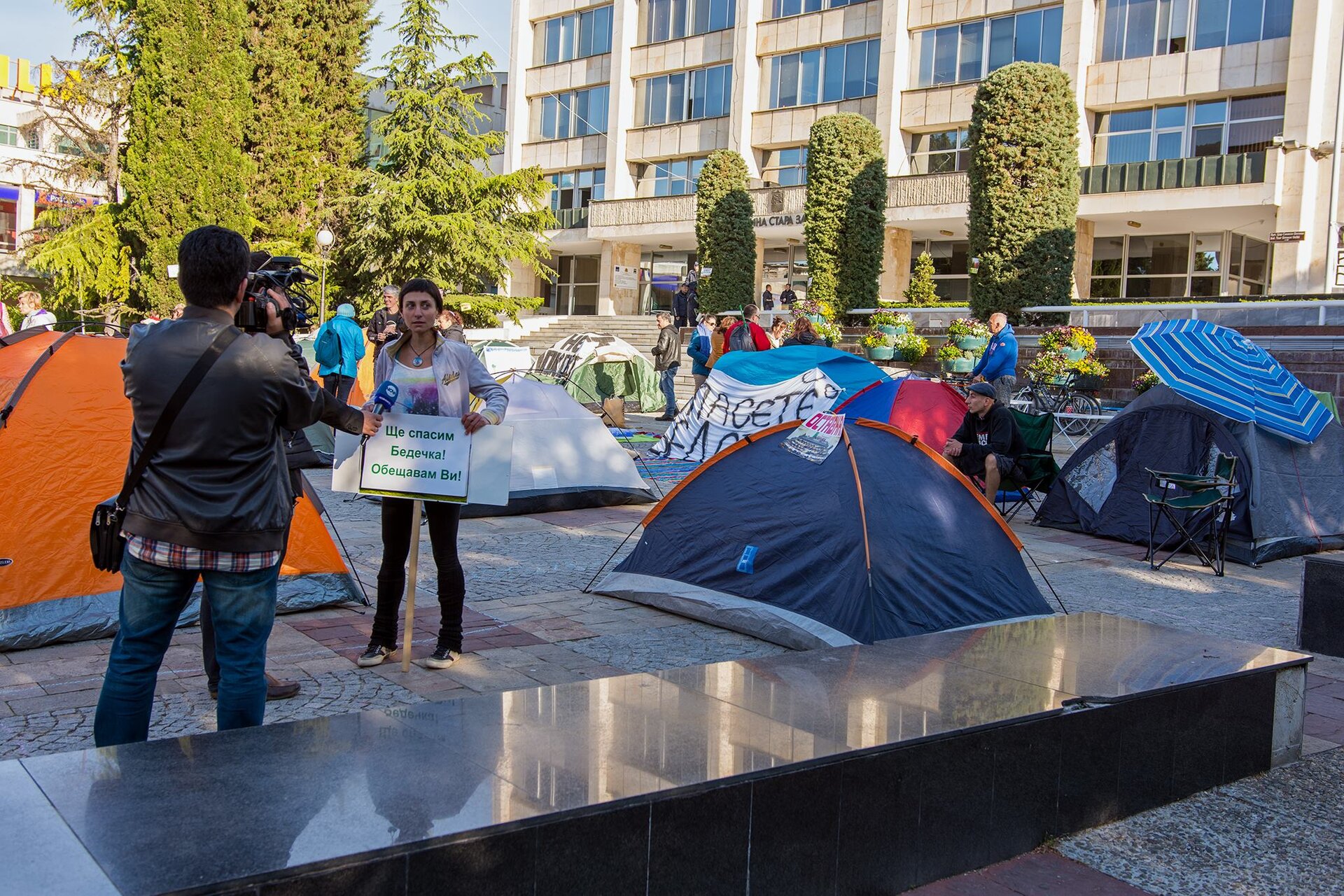
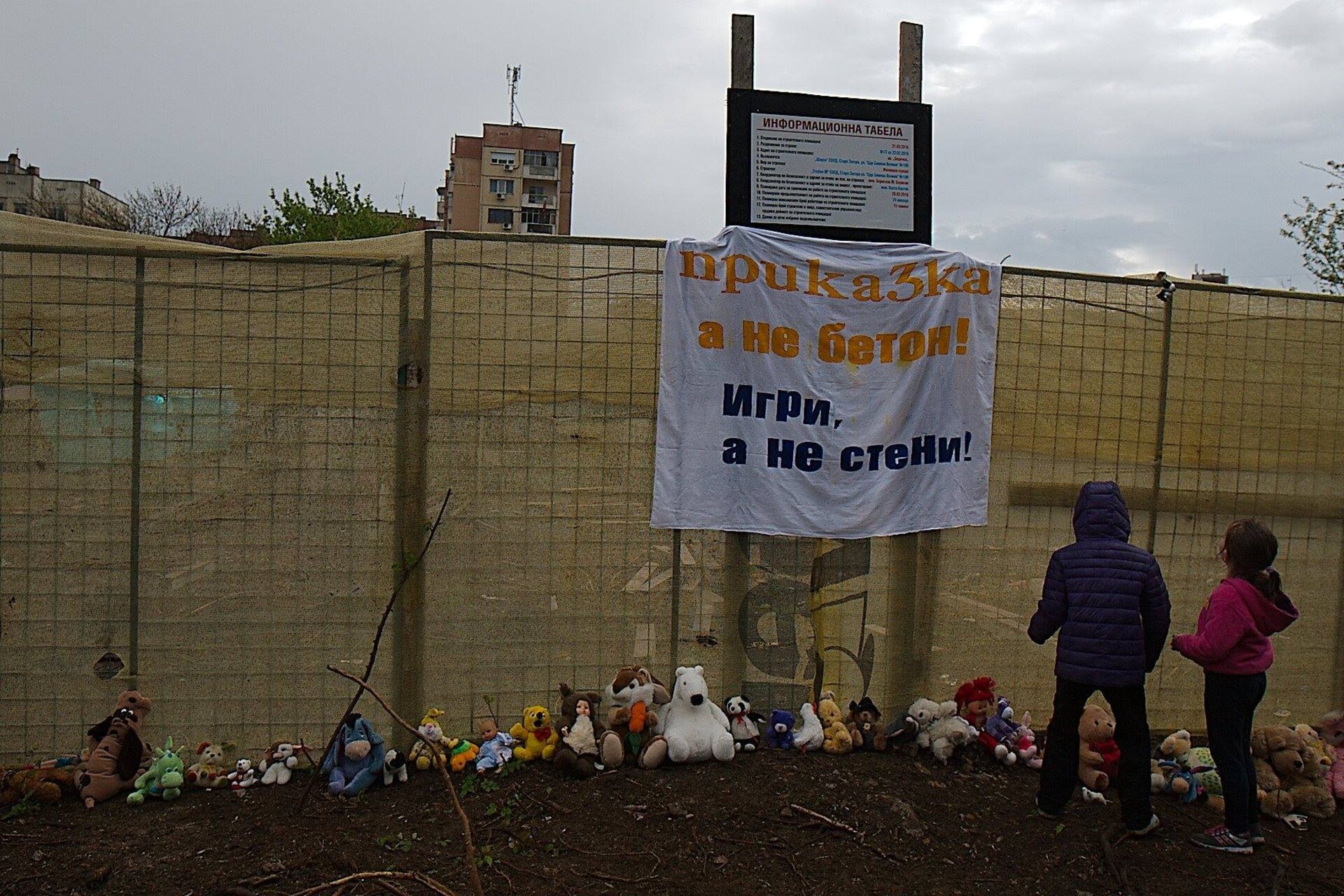
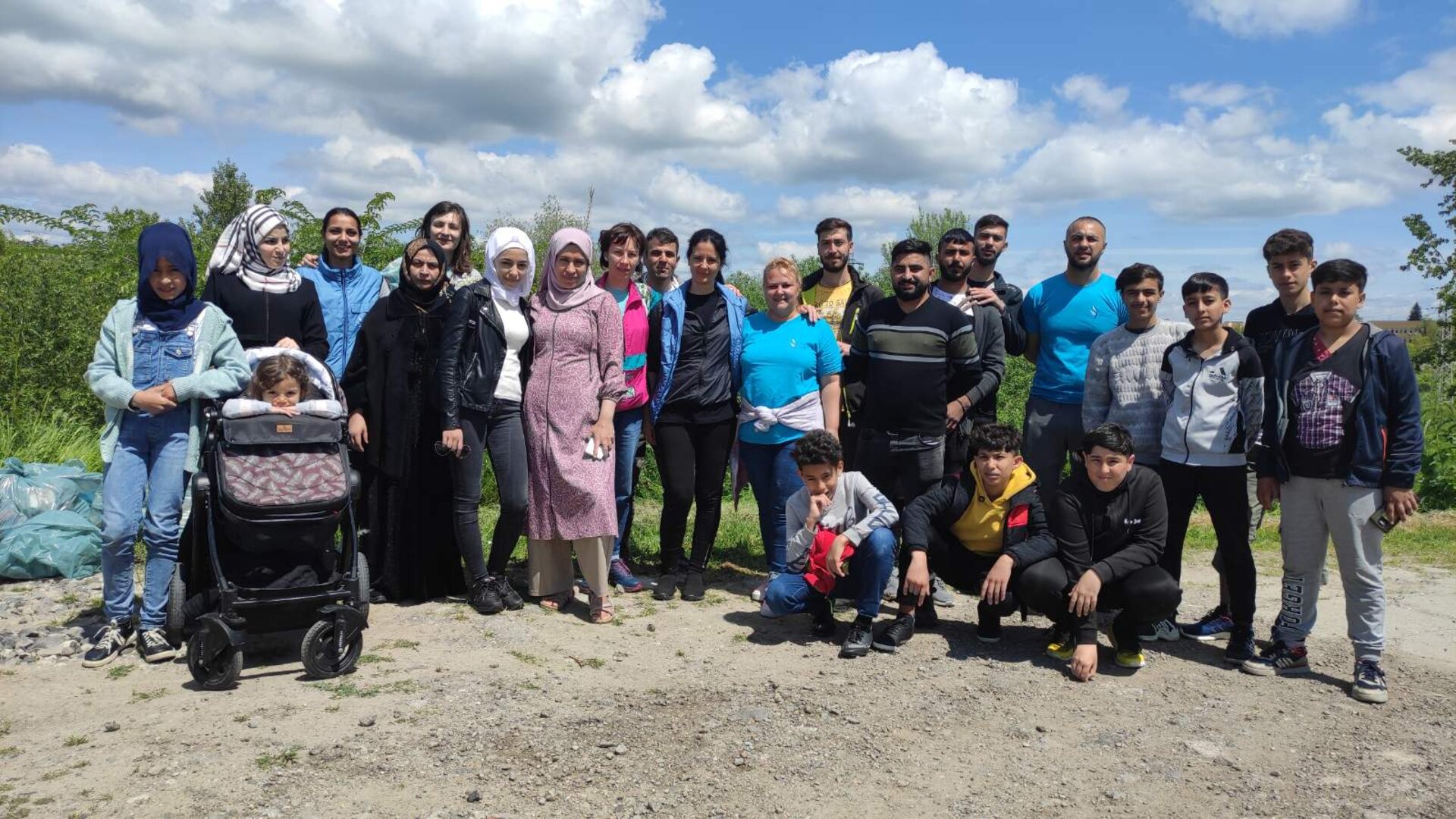
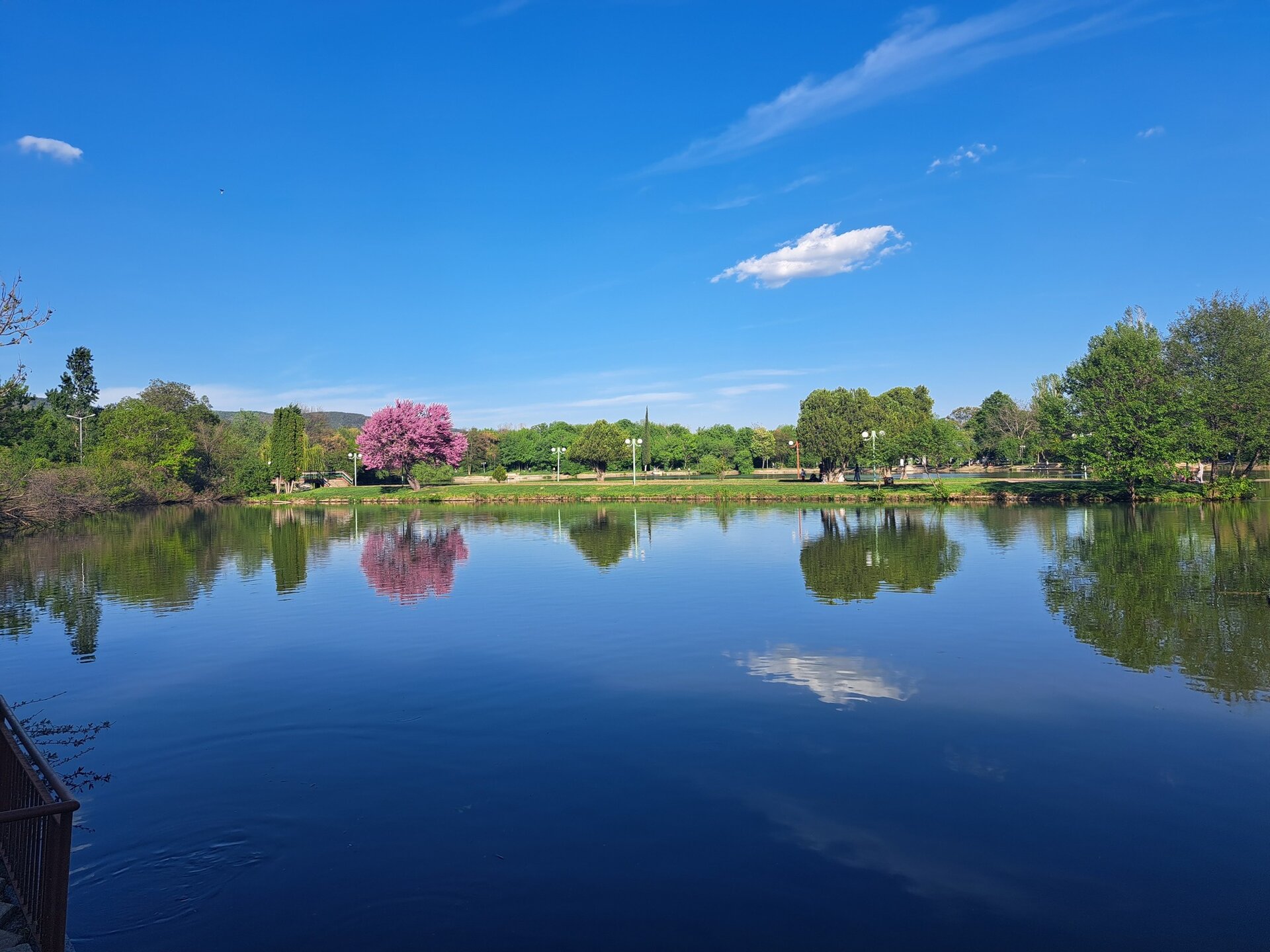
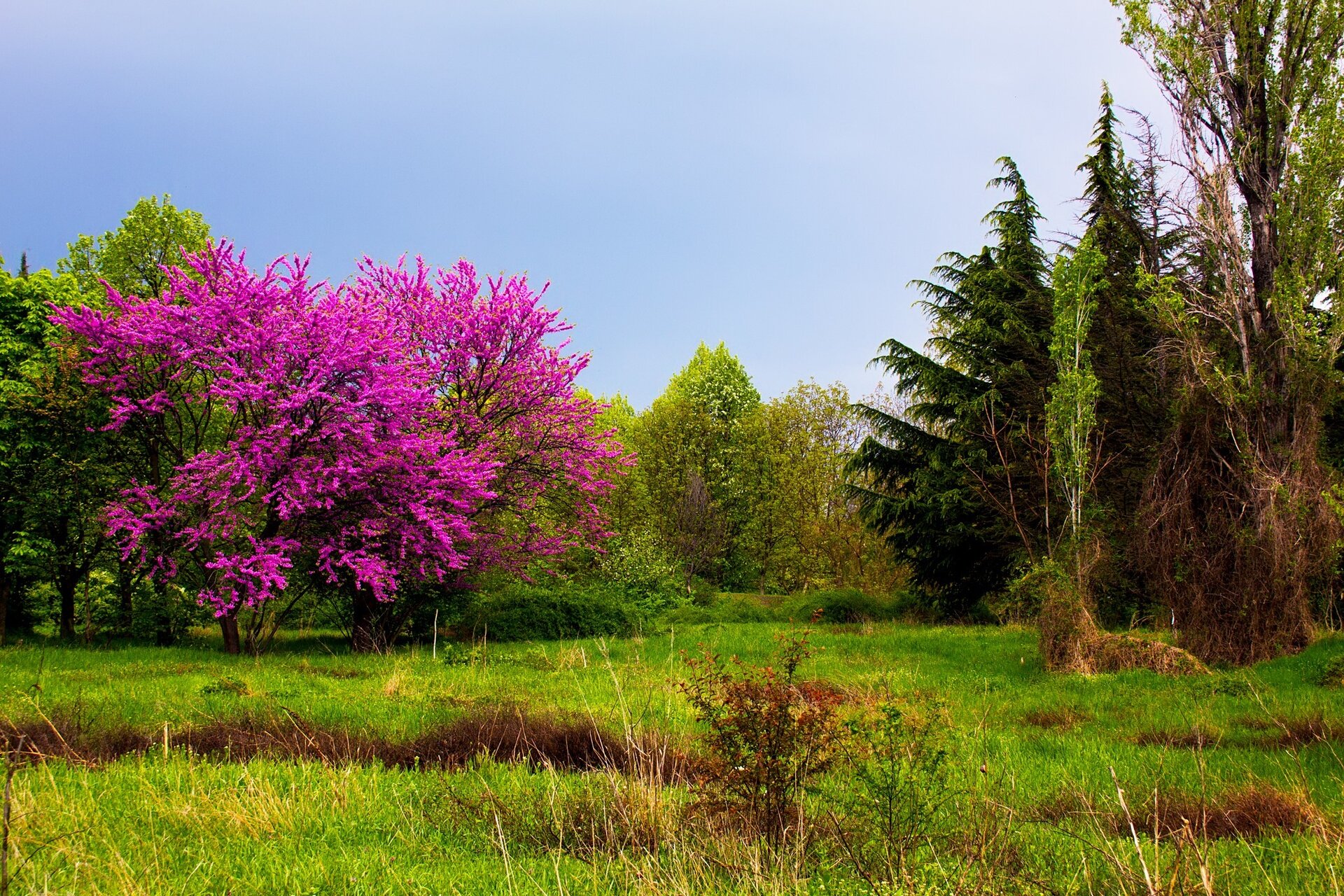
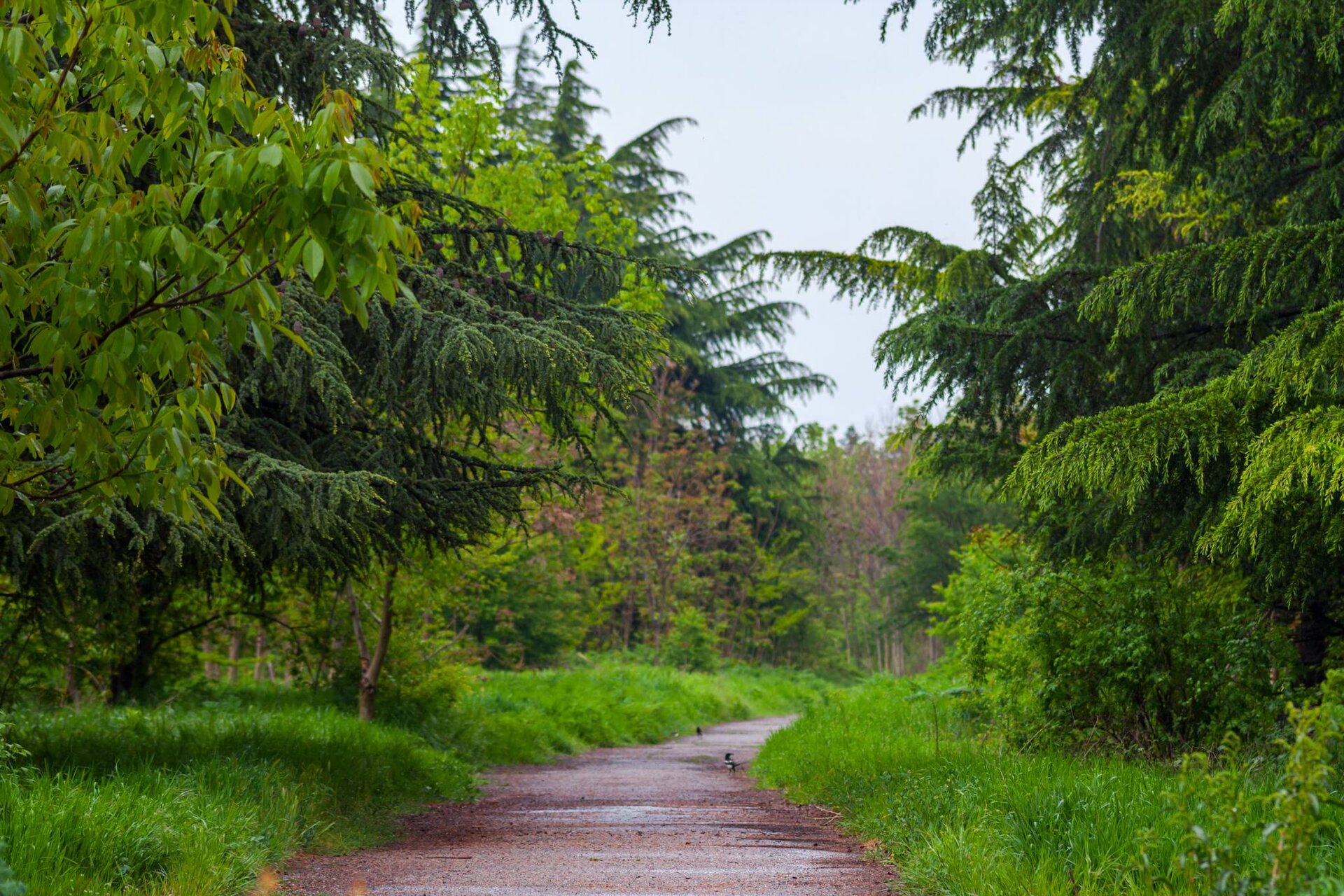
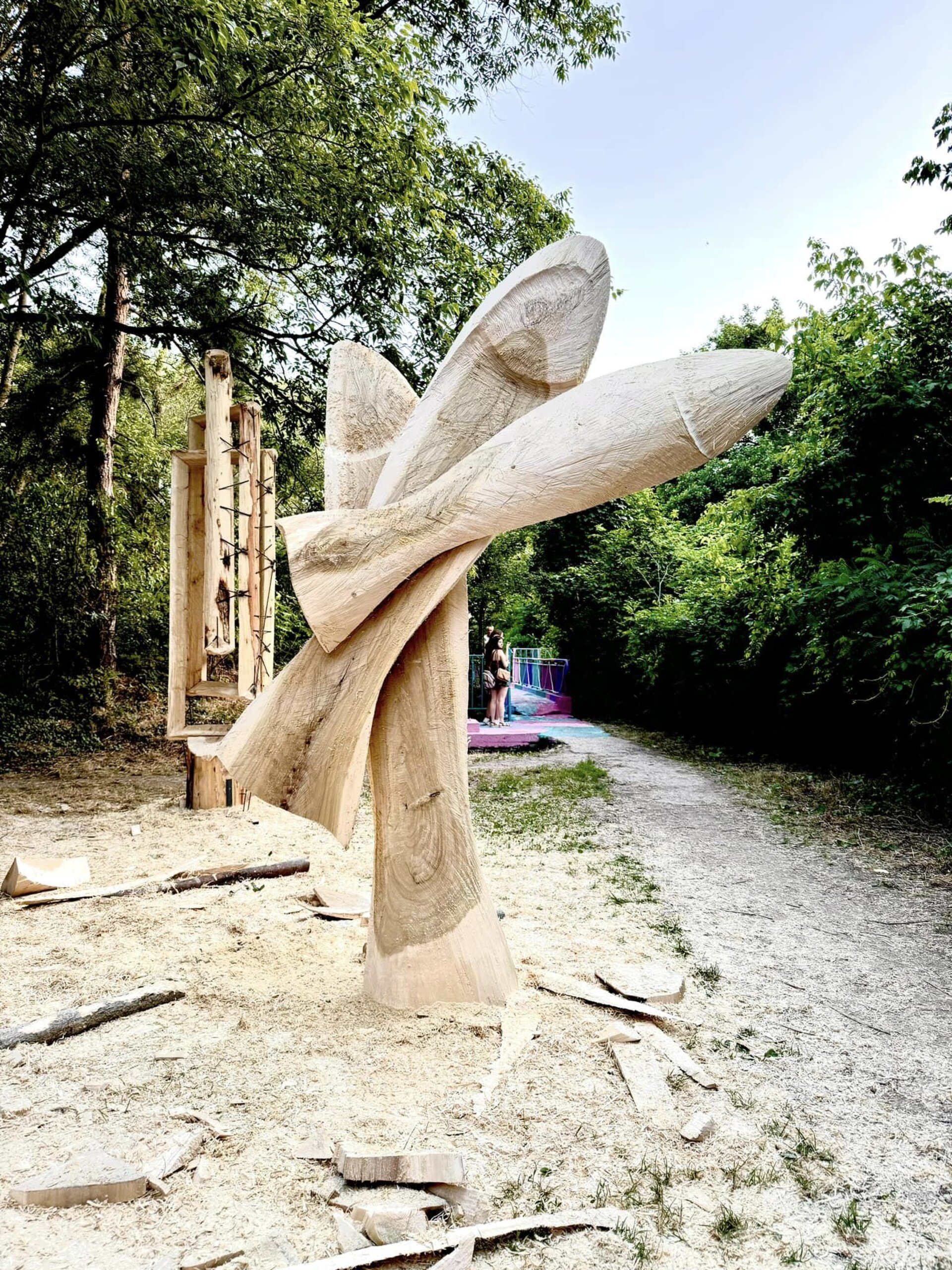
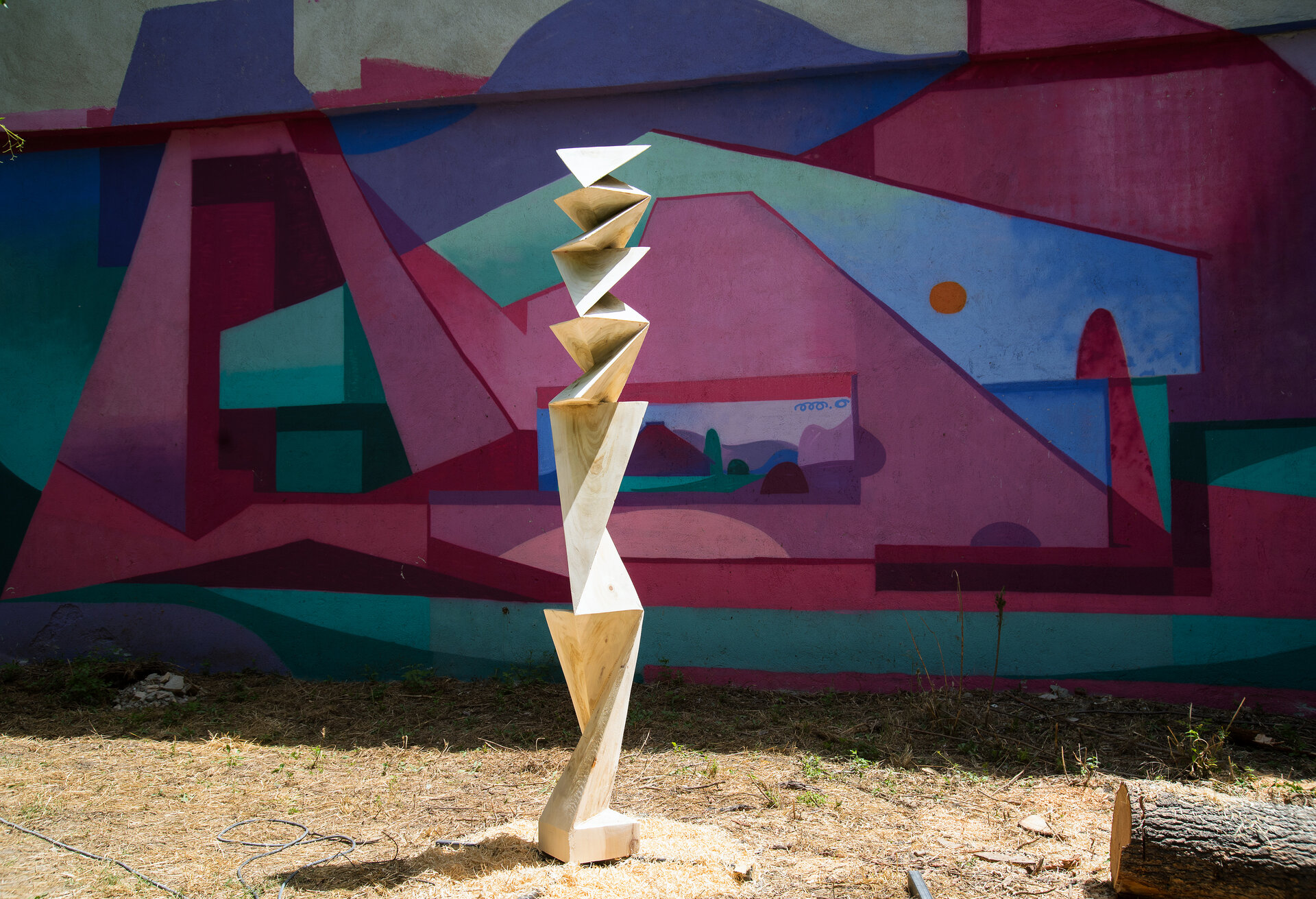
The Art of Protecting Bedechka is a community-led cultural and environmental heritage initiative dedicated to safeguarding Bedechka Park in Stara Zagora, Bulgaria. Developed through collaboration between the Save Bedechka Association, Art Collective On The Street and local residents, the project combines civic advocacy, ecological research, public art and cultural events to protect an important urban green space from residential development. Bedechka Park was established as a river park in the mid-twentieth century, with its original landscape planning and afforestation beginning in the late 1950s. The park contains valuable river habitats, mature trees and recreational areas, forming an important ecological corridor within the city. Its most recognisable natural landmark is Stariyat Chinar, an ancient Oriental plane tree traditionally estimated to be approximately 700 years old and officially protected since 1960. The park's future became uncertain as urban development pressures increased following Bulgaria's transition to a market economy. Controversial construction proposals and complex land ownership arrangements threatened to transform parts of the green space into residential areas. Beginning in 2012, local activists organised public demonstrations, awareness campaigns and legal advocacy to challenge these plans. The sustained work of the Save Bedechka Association helped secure the reinstatement of the park's green-space designation in the municipal urban plan during 2017–2019. However, unresolved land ownership questions and the need for further legal safeguards continued to create uncertainty. In 2022, Art Collective On The Street joined the initiative, introducing a new approach that connected environmental protection with contemporary artistic practice. The collaboration developed the concept of transforming Bedechka into Bulgaria's first land art park, using artworks made from natural materials to strengthen public appreciation of the landscape. The first Na Zeleno (Green On) festival took place in June 2023, bringing together artists, environmental organisations, volunteers, families and local communities. Its programme included creative installations, ecological workshops, sports activities, performances and educational events. Approximately 3,000 people attended the inaugural festival. The second edition, held in 2024, attracted more than 7,000 visitors and expanded the programme of cultural and environmental activities. A wood sculpture symposium brought established and emerging artists together to produce installations that responded to the park's natural setting. A public petition also gathered more than 700 signatures in support of stronger protection for the area. The initiative places particular emphasis on participation by young people and groups who are often underrepresented in heritage activities. The Stara Zagora International Youth Center helped mobilise more than 100 young volunteers, while international participants and refugees living in Bulgaria contributed to festival activities. An educational hackathon focused on the protection of the Bedechka River encouraged students to develop creative responses to local environmental challenges. Scientific and historical research has strengthened the case for protecting the park. Biodiversity studies have documented valuable river ecosystems and species including bats and otters. The identification and mapping of mature trees supports ecological monitoring and future landscape management. Archaeological discoveries have added another dimension to the park's heritage significance. Excavations undertaken in 2022 near its southwestern boundary uncovered an ancient necropolis with evidence of burial activity extending from the Roman period into the Middle Ages. Cooperation with the Stara Zagora Regional History Museum and local authorities has created opportunities to integrate this archaeological heritage into future interpretation, although further investigation and funding remain necessary. The project has also used documentary filmmaking and digital communication to share the history of the civic campaign. The film The Bedechka Case, directed by Dimana Shishkova, examines the tensions between urban development, private property interests and the preservation of public green spaces. The initiative has been sustained through volunteer contributions, municipal cultural support, private sponsorship and charitable donations. Approximately EUR 50,000 was invested in the first two Green On festivals, supplemented by an estimated EUR 15,000 in donated equipment, services and other in-kind support. In 2025, The Art of Protecting Bedechka received a European Heritage Award / Europa Nostra Award in the Citizens' Engagement and Awareness-raising category. The jury recognised the project's grassroots approach, its response to the pressures of post-socialist urban development and its demonstration of how public green spaces can become places of cultural memory, creativity and environmental resilience. The Art of Protecting Bedechka illustrates how sustained civic participation can influence urban planning and connect natural heritage protection with artistic expression, education and social inclusion. While work remains to secure the entire park and develop its archaeological and artistic potential, the initiative offers a transferable model for communities seeking to protect threatened urban landscapes.
