



School of Arts and Crafts of the Fabric of Saint Peter in the Vatican
The School of Arts and Crafts of the Fabric of Saint Peter in the Vatican is an innovative educational initiative dedicated to safeguarding traditional heritage crafts through practical training, intergenerational knowledge exchange and personal development. Established in ...
Read more
Project details
| Title: | School of Arts and Crafts of the Fabric of Saint Peter in the Vatican |
|---|---|
| Entr. year: | 2025 |
| Result: | Award |
| Country: | Italy |
| Town: | Vatican City |
| Category type: | studies in the field of cultural heritage, education, training |
| Notes: | Official country: Holy See (Vatican City State). The project is located within Vatican City, an independent sovereign state. Italy is selected only because the CMS country list does not include the Holy See or Vatican City. European Heritage Awards / Europa Nostra Awards 2025 — Award, Education, Training and Skills. UNESCO World Heritage context: Vatican City, inscribed in 1984, including Saint Peter's Basilica. |
| Former use: | Historic basilica maintenance workshops and craft-training traditions |
| Actual use: | Full-time heritage crafts education, practical conservation training and intergenerational skills transmission |
| Built: | School established in 2023; Saint Peter's Basilica completed in 1626 |
| Architect / Proj.leader: | Fr. Francesco Occhetta S.J. — Director of the School of Arts and Crafts |
| The Jury's citation: | “The School of Arts and Crafts of the Fabric of Saint Peter safeguards European cultural heritage through its holistic programme, combining craft training with academic and spiritual development in an environment open to diverse students at no charge,” the Awards’ Jury stated. “The creation of lasting bonds among participants and the potential for progression to employment or further education are notable strengths,” the Jury commented. |
| Web, Links: | www.fondazionefratellitutti.org/en/school-of-arts-and-trades/ |
Description:
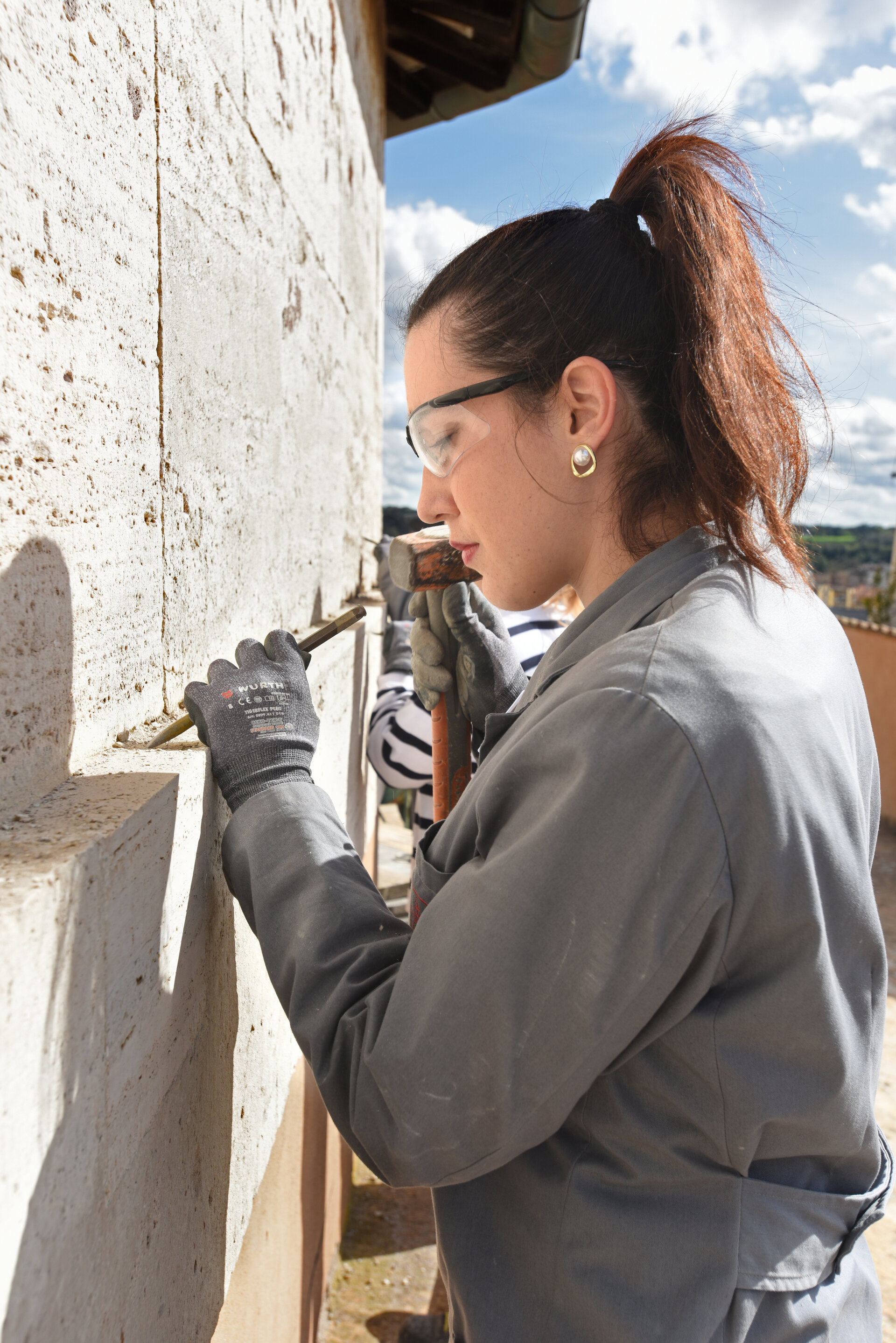
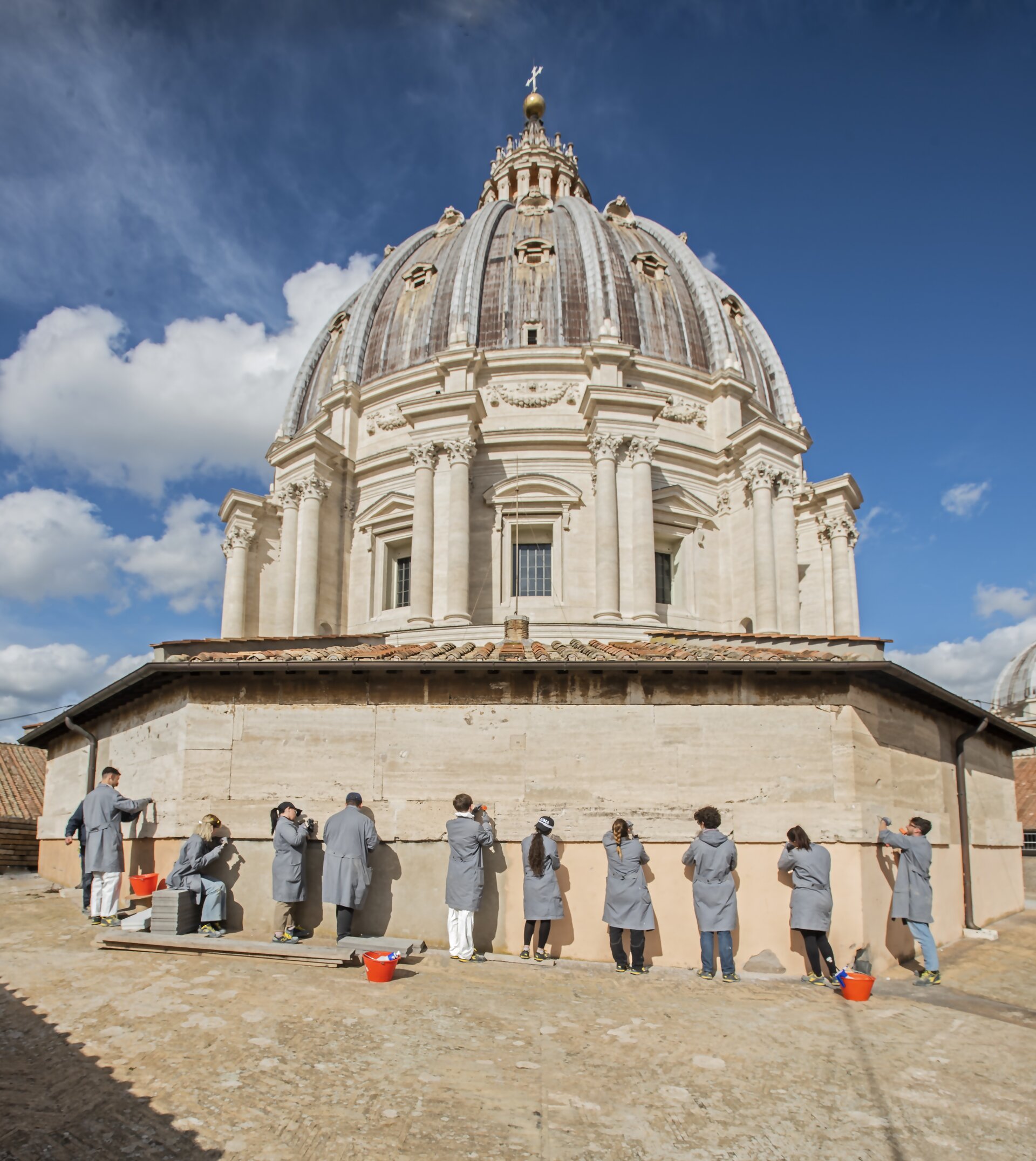
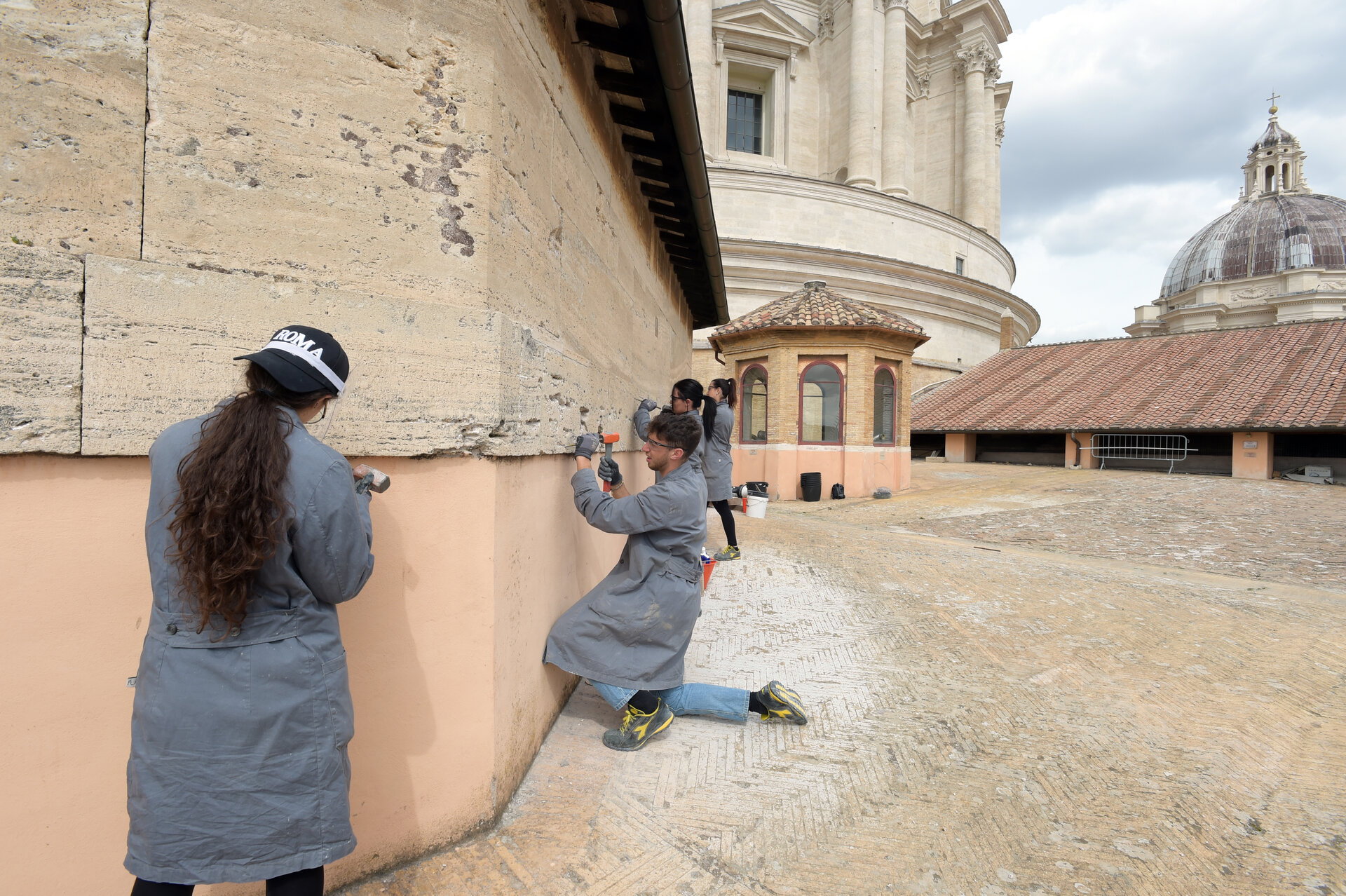
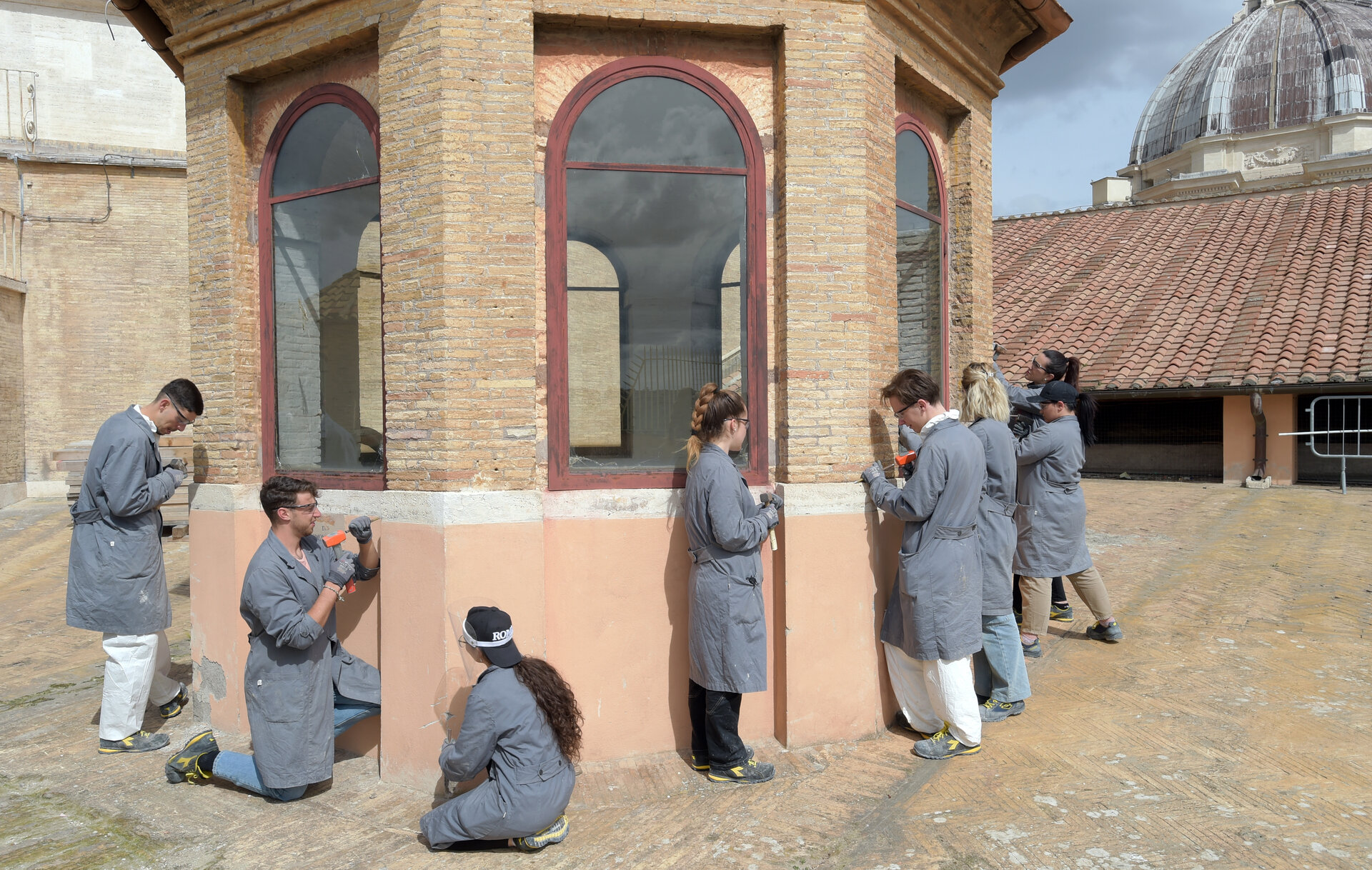
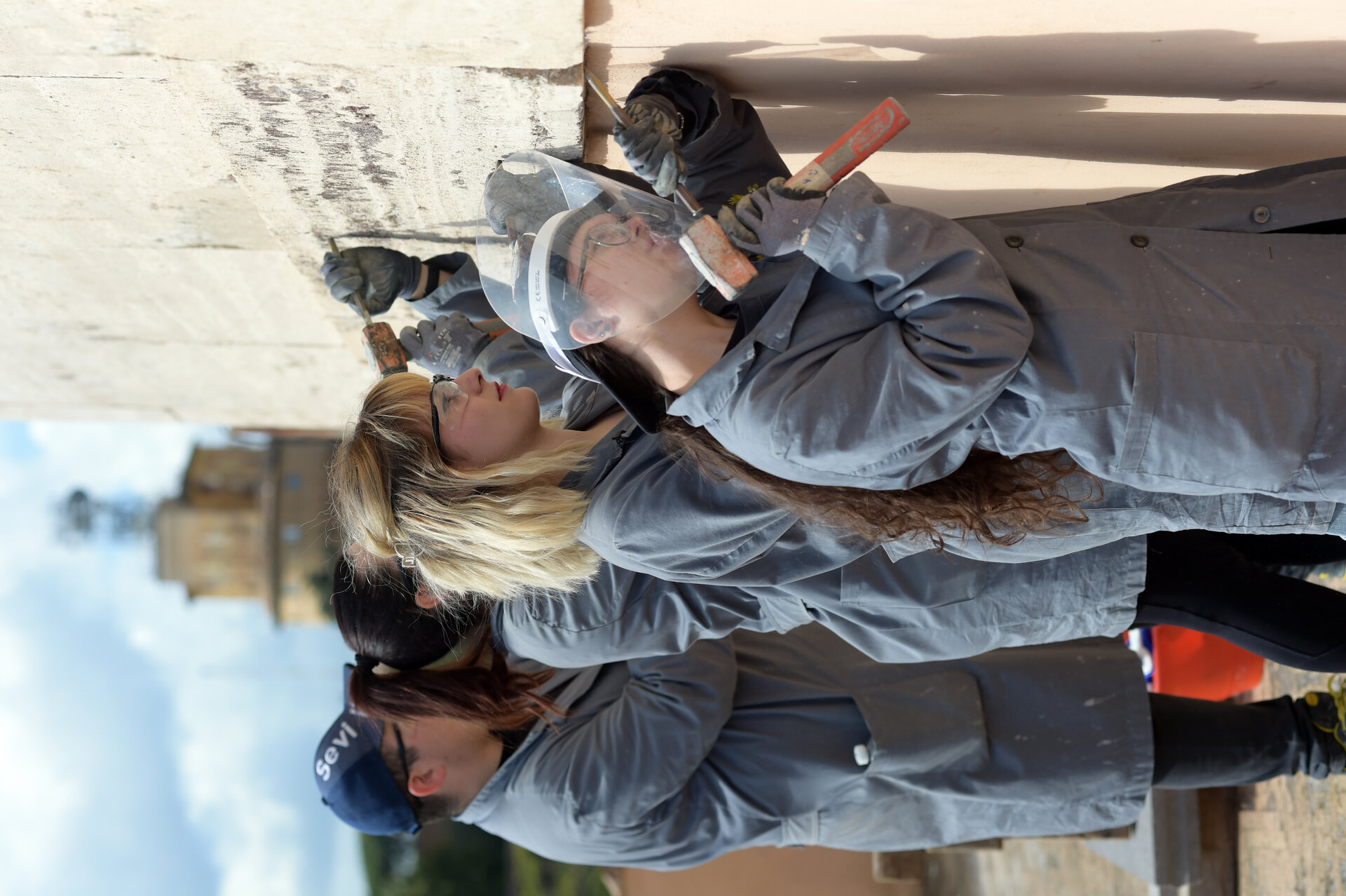
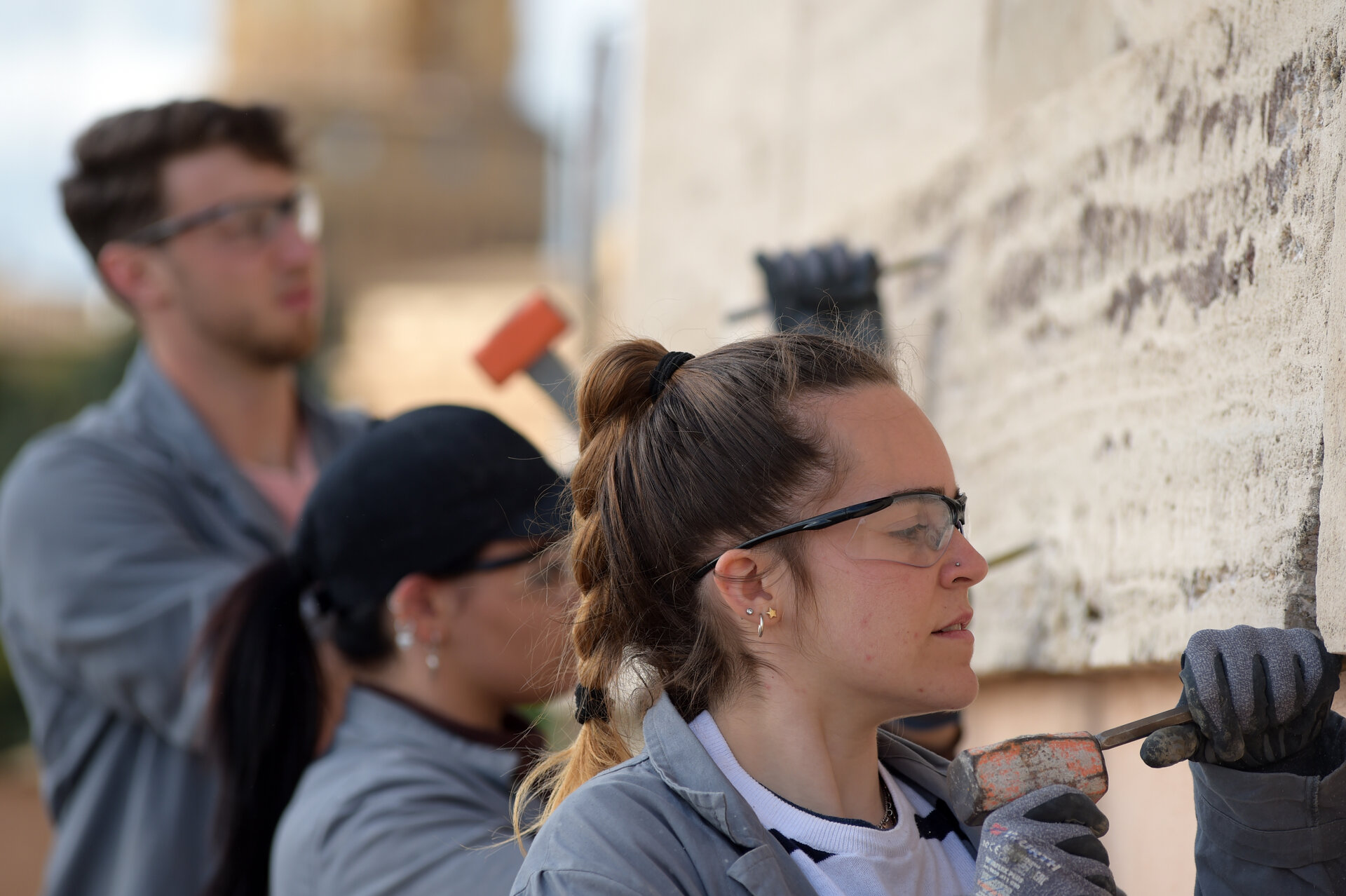
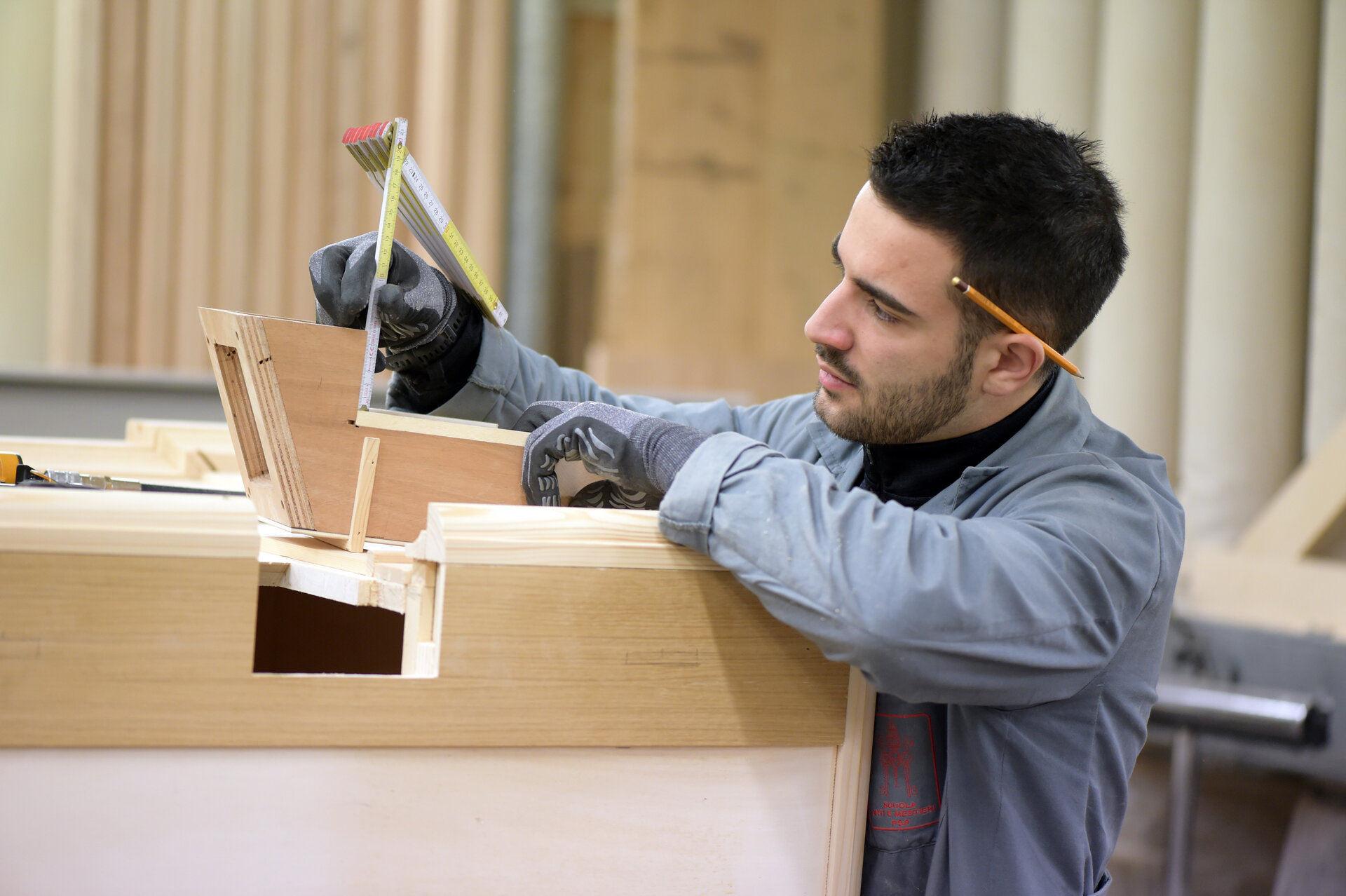
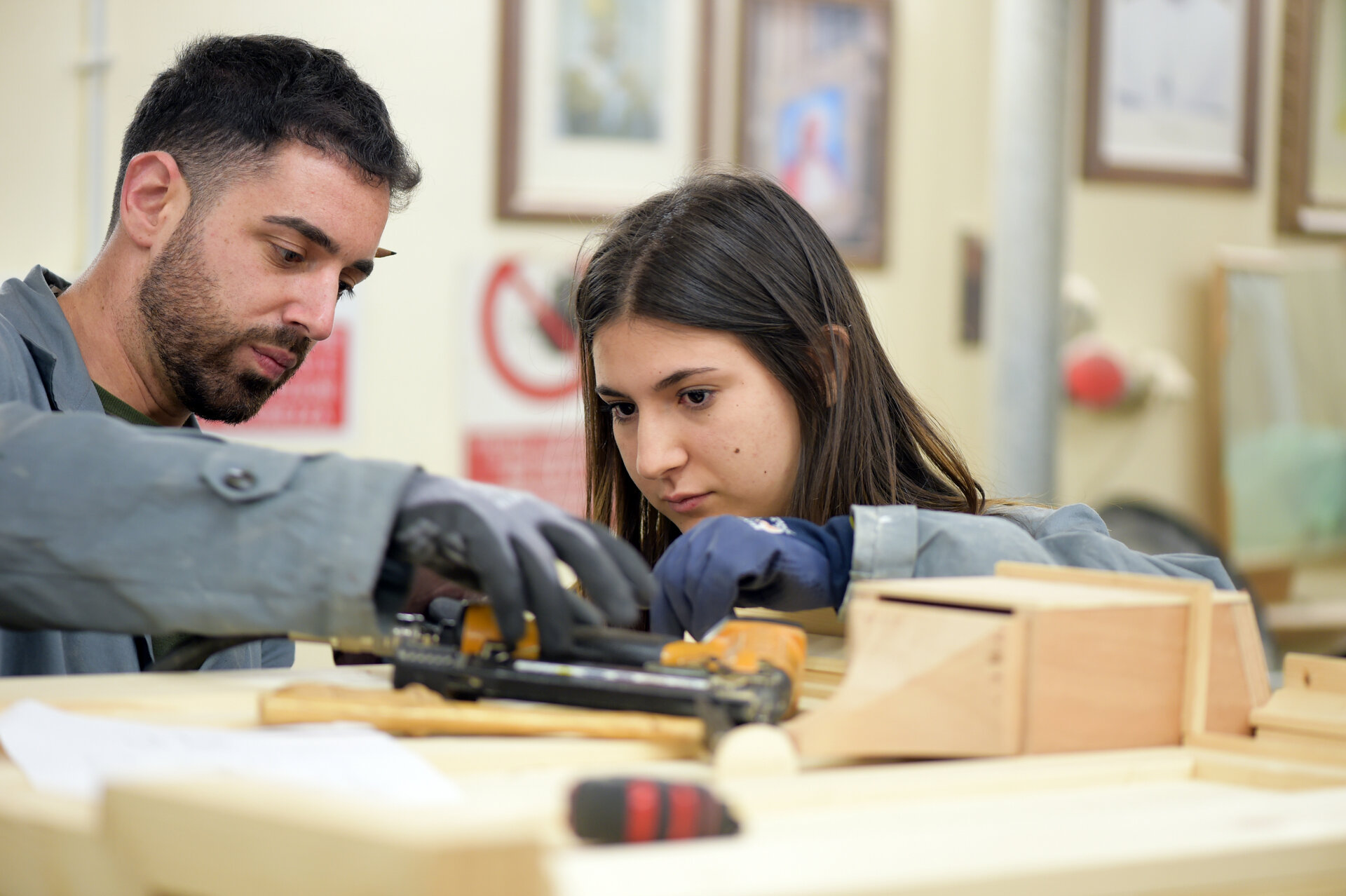
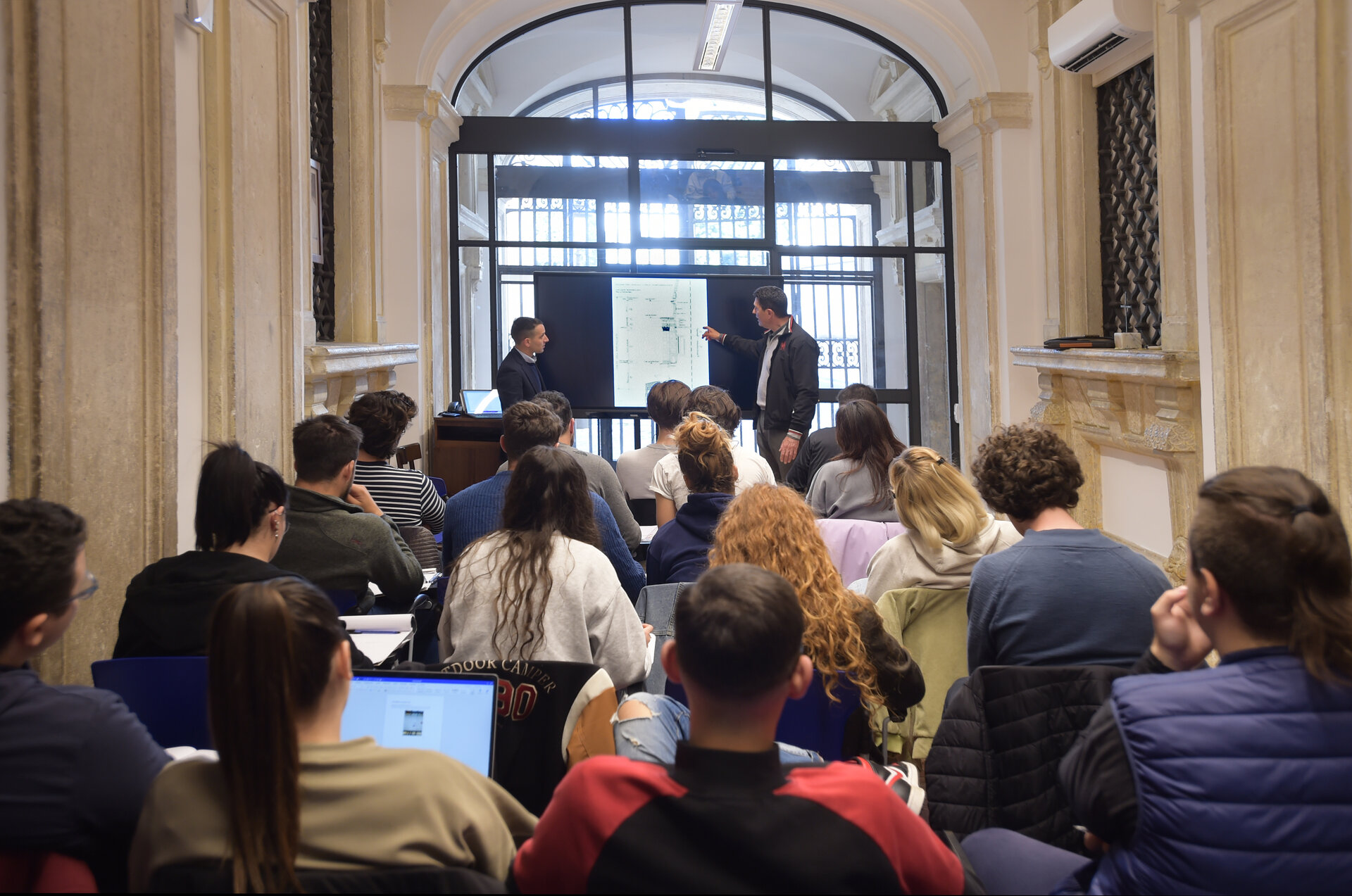
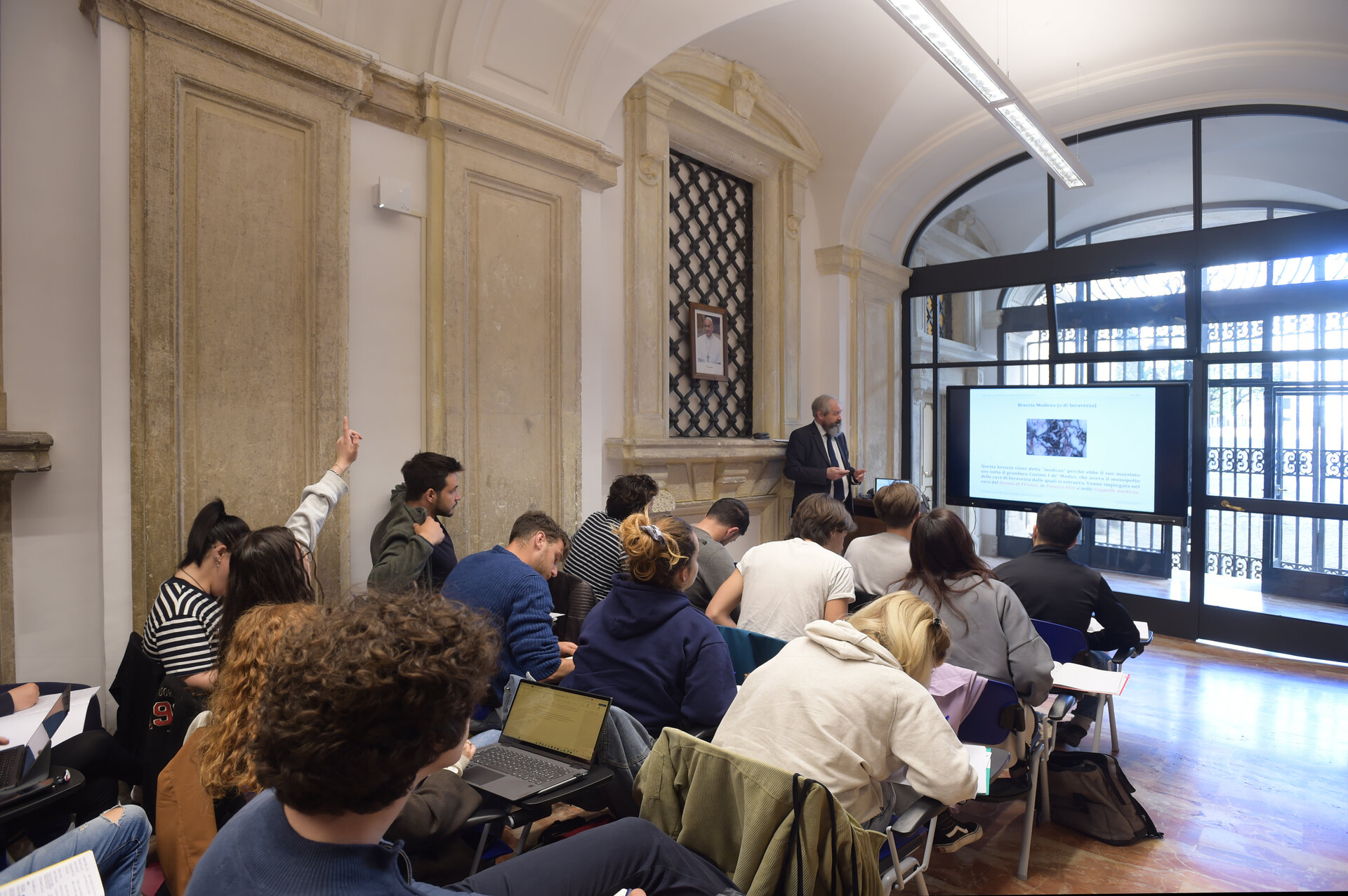
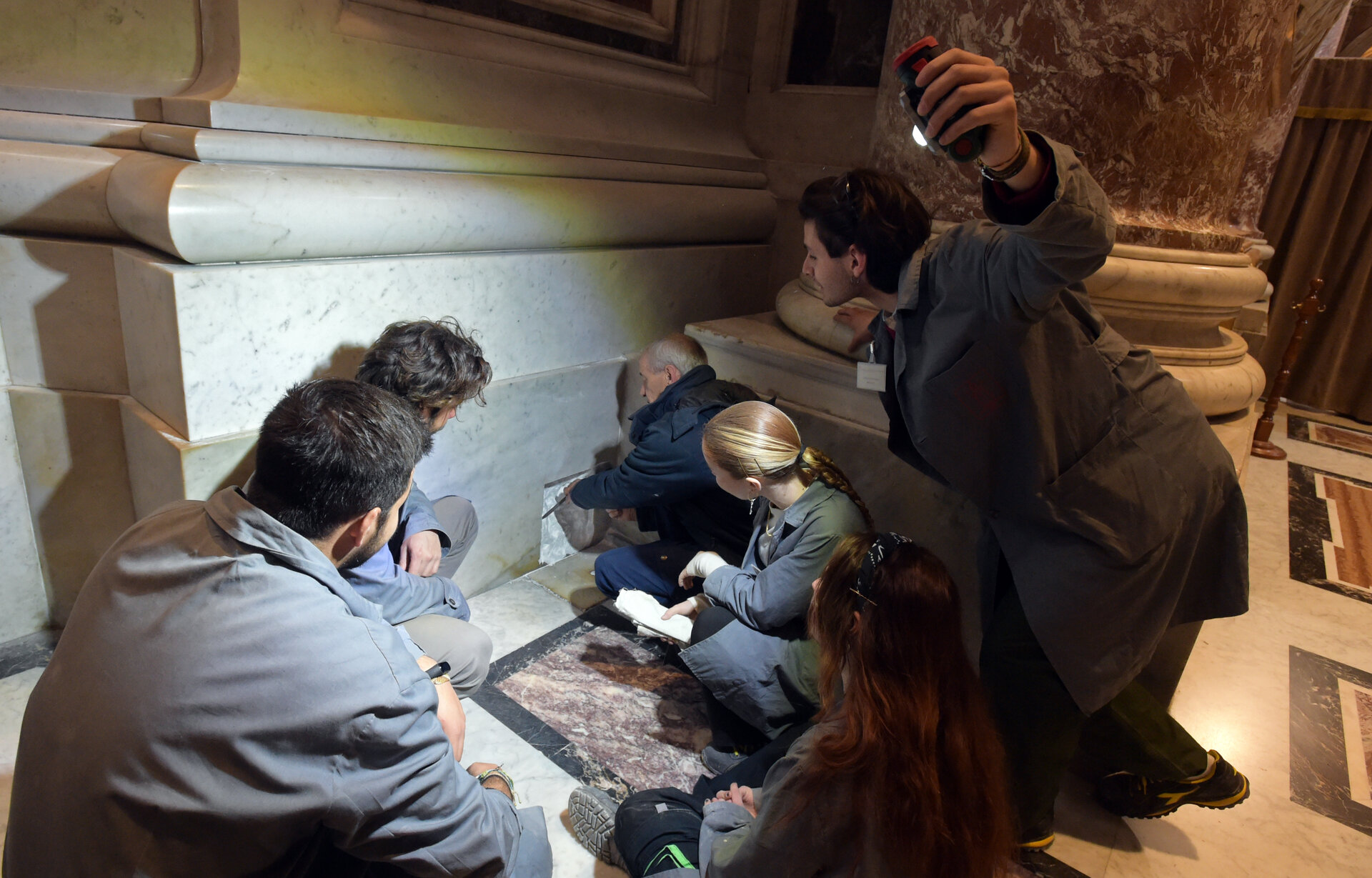
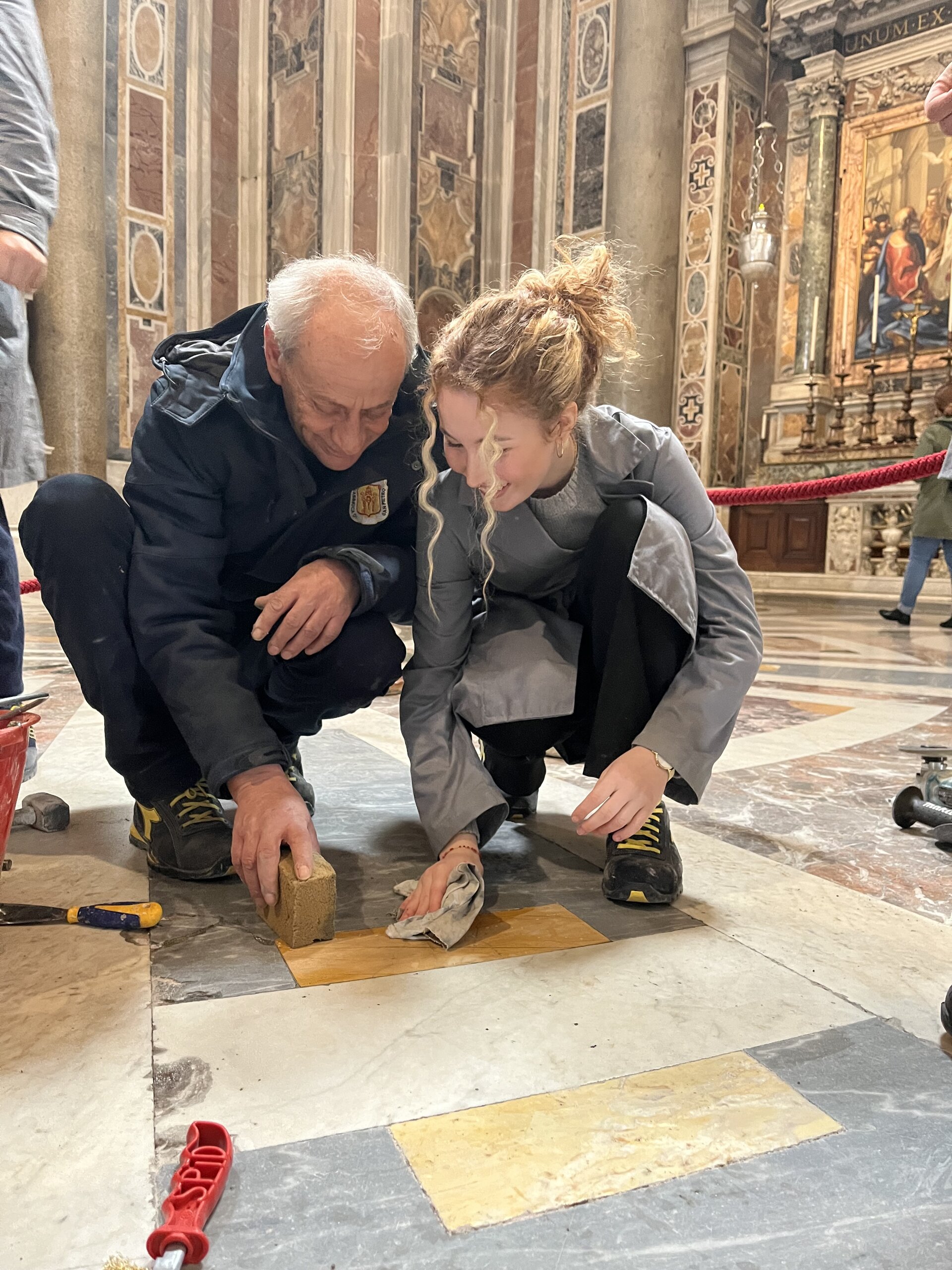
The School of Arts and Crafts of the Fabric of Saint Peter in the Vatican is an innovative educational initiative dedicated to safeguarding traditional heritage crafts through practical training, intergenerational knowledge exchange and personal development. Established in January 2023 by the Fabric of Saint Peter (Fabbrica di San Pietro) in collaboration with the Fratelli tutti Foundation, the school brings together the technical expertise of master artisans and a holistic approach to education in one of Europe's most significant historic and spiritual settings. The initiative draws inspiration from the Studio Pontificio delle Arti, an educational institution established by the Fabric of Saint Peter in the late eighteenth century to train craftspeople responsible for maintaining the Vatican Basilica. Reviving this tradition more than two centuries later, the school seeks to ensure that specialist knowledge, manual techniques and an understanding of historic materials continue to be transmitted to younger generations. The school offers full-time, six-month courses in four areas of traditional craftsmanship: stonemasonry and marble work; bricklaying, plastering and decorative finishes; carpentry; and mosaic work. Each edition welcomes 20 students aged between 18 and 25, including participants from outside Italy. Training is entirely free of charge, and accommodation and meals are provided, reducing financial barriers for young people who might otherwise be unable to pursue specialist vocational education. Each course comprises 600 hours of instruction, including 400 hours of practical laboratory work and 200 hours devoted to theoretical teaching and complementary activities. Students study the history of artistic techniques, architecture, construction methods, materials technology and the distinctive heritage of Saint Peter's Basilica, alongside biblical and theological subjects. Practical training takes place in the workshops of the Fabric of Saint Peter within Vatican City. Here, students work alongside the experienced artisans known as the sanpietrini, who are responsible for the continuing care and conservation of the Basilica. This direct collaboration provides opportunities to learn traditional techniques through observation, experimentation and practical problem-solving, while developing an appreciation of the responsibilities involved in conserving an internationally significant monument. A distinctive feature of the school is its concept of an educating community. Students share accommodation and participate in a programme designed to support intellectual, technical, relational and spiritual growth. The combination of communal living, mentorship, reflection and collaborative workshop activities encourages mutual support and lasting relationships between students, teachers and craftspeople. The programme also promotes inclusion and intercultural dialogue. International participation is encouraged, while tailored mentoring and evaluation methods support students with specific learning disorders. The school aims to make high-quality heritage training accessible to motivated young people from varied backgrounds, combining professional preparation with a wider commitment to service, cooperation and personal development. At the conclusion of their studies, participants may obtain a certificate of acquired skills following a final examination. A memorandum of understanding with Enaip Lombardia supports the recognition of learning outcomes within the Italian vocational qualifications framework. Particularly talented graduates may also have opportunities to continue collaborating on conservation activities associated with Saint Peter's Basilica, depending on project needs. The school is sustained by private donor contributions and partnerships involving the Fratelli tutti Foundation, the Fabric of Saint Peter and other supporting organisations. Its approach has potential relevance for historic churches, conservation workshops and other heritage institutions seeking to strengthen the transmission of endangered craft skills. In 2025, the School of Arts and Crafts of the Fabric of Saint Peter in the Vatican received a European Heritage Award / Europa Nostra Award in the Education, Training and Skills category. The jury praised its integration of practical craftsmanship, academic learning and spiritual development, as well as its inclusive, tuition-free model and the lasting connections it fosters among participants. By combining centuries-old artisanal traditions with contemporary educational methods and community life, the school demonstrates how the preservation of cultural heritage depends not only on the conservation of historic buildings, but also on investing in the people, skills and values required to care for them in the future.
Similar projects
School established in 2023; Saint Peter's Basilica completed in 1626