











Hedgehog’s Home – Inventing a Better World
Hedgehog’s Home – Inventing a Better World is an innovative exhibition and public engagement initiative developed by the Museum of Yugoslavia in Belgrade, Serbia. Inspired by Hedgehog’s Home, the much-loved children's poem by Branko Ćopić (1915–1984), the project explores how a ...
Read more
Project details
| Title: | Hedgehog’s Home – Inventing a Better World |
|---|---|
| Entr. year: | 2025 |
| Result: | Award |
| Country: | Serbia |
| Town: | Belgrade |
| Category type: | studies in the field of cultural heritage, Awareness-raising, education |
| Notes: | European Heritage Awards / Europa Nostra Awards 2025 — Award and Grand Prix, Citizens’ Engagement and Awareness-raising. The project reinterprets Branko Ćopić's children's poem through co-designed exhibition spaces, literary research, creative workshops, and intercultural dialogue. The nomination records no individual national heritage designation or UNESCO World Heritage listing for the nominated initiative. |
| Building type/ Project type: | museum/open-air museum |
| Former use: | Museum exhibition space |
| Actual use: | Interactive cultural exhibition, educational workshops and public engagement; original Belgrade exhibition concluded in 2024 |
| Architect / Proj.leader: | Zorica Vesić , Sara Sopić and Mirjana Slavković — Curators and Exhibition Authors, Museum of Yugoslavia |
| The Jury's citation: | An emotionally powerful and inclusive museum project that focuses on storytelling, intangible heritage, and the safeguarding of shared cultural narratives. Intergenerational dialogue is at the core of the Hedgehog’s Home – Inventing a Better World project, engaging children and other visitors through a hands-on experience A subversive initiative that awakens shared regional memory while promoting European values |
| GPS: | 44.78811, 20.45222 |
| Web, Links: | muzej-jugoslavije.org/en/exhibition/jezeva-kucica-izmisljanje-boljeg-sveta/** |
Description:
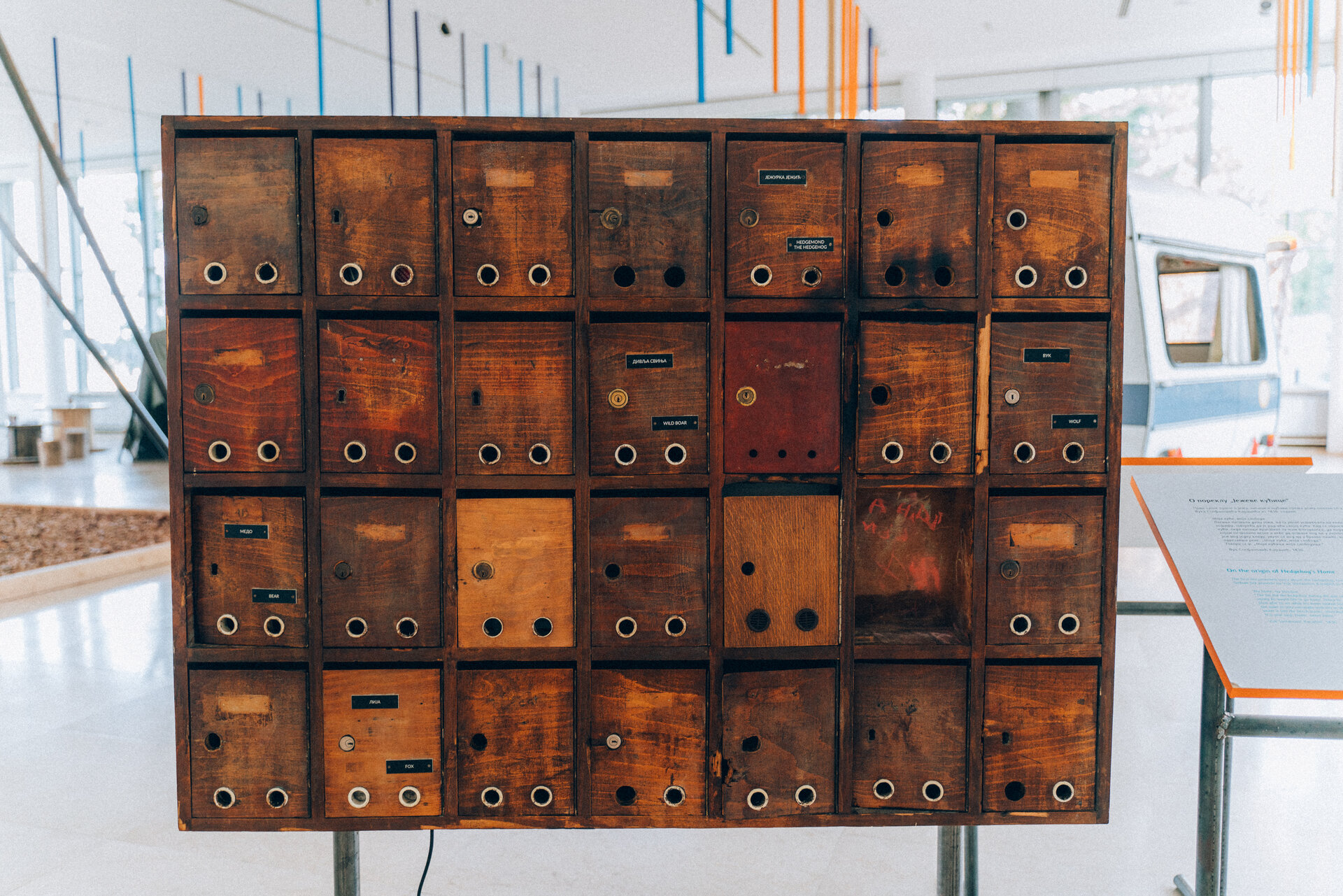
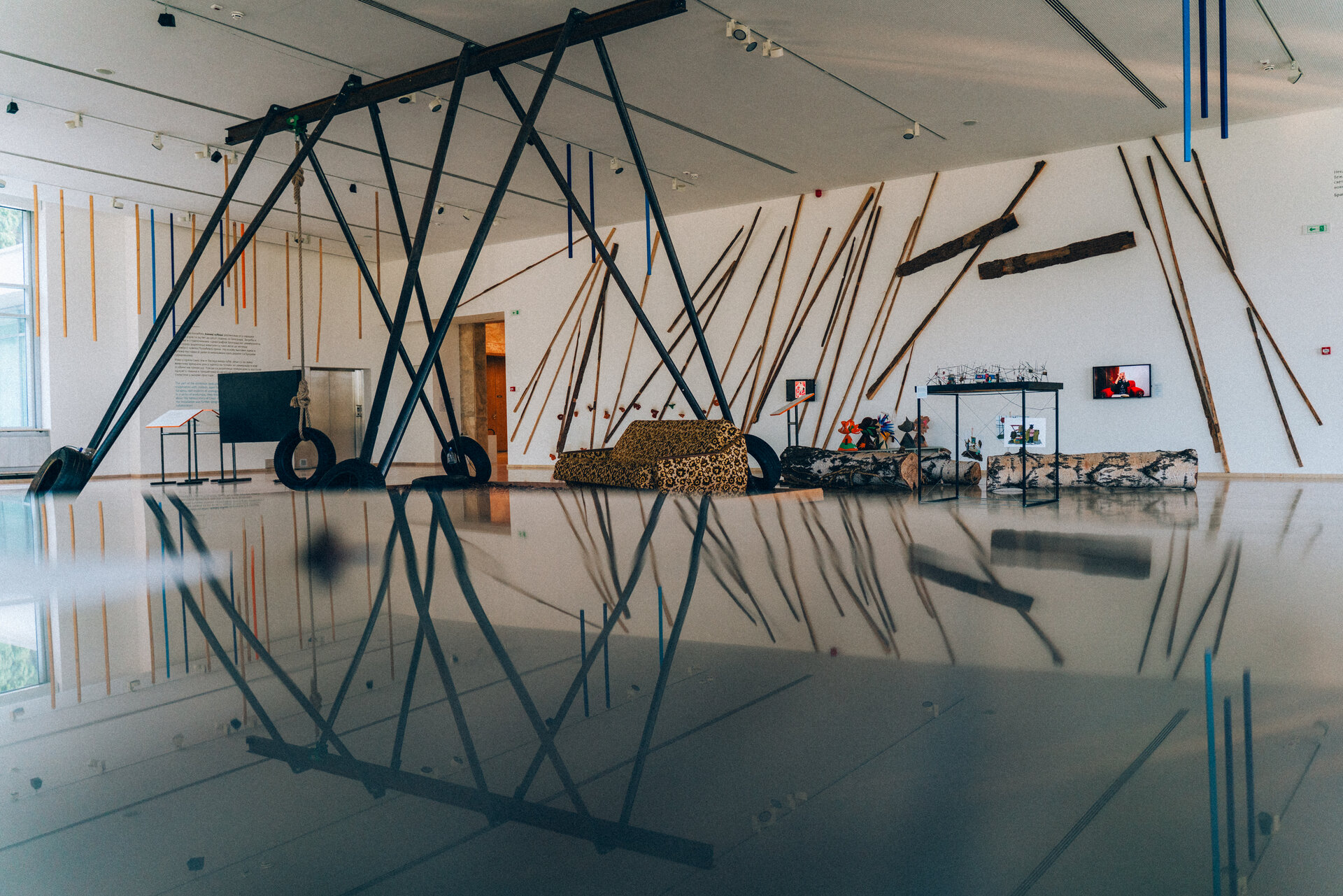
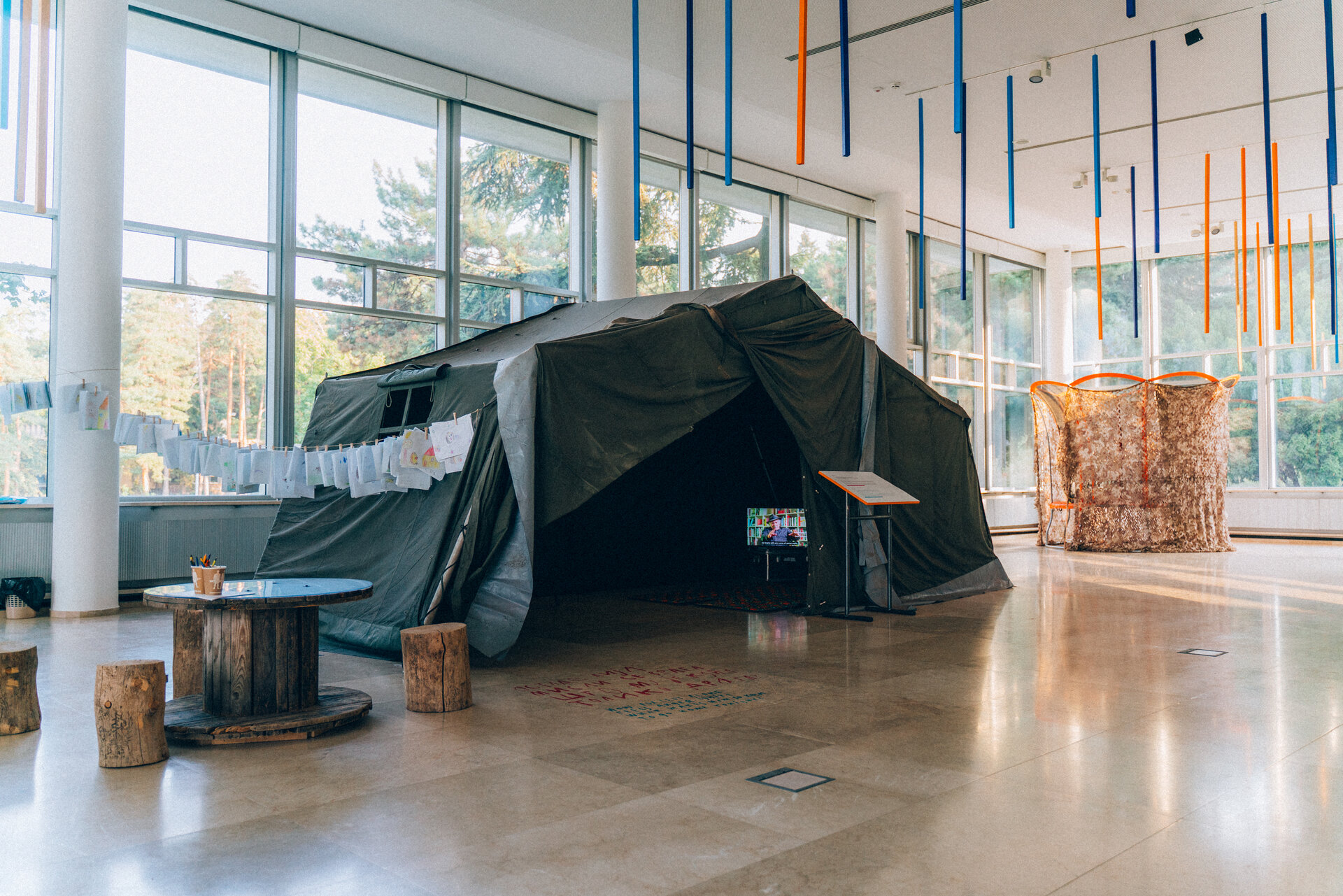
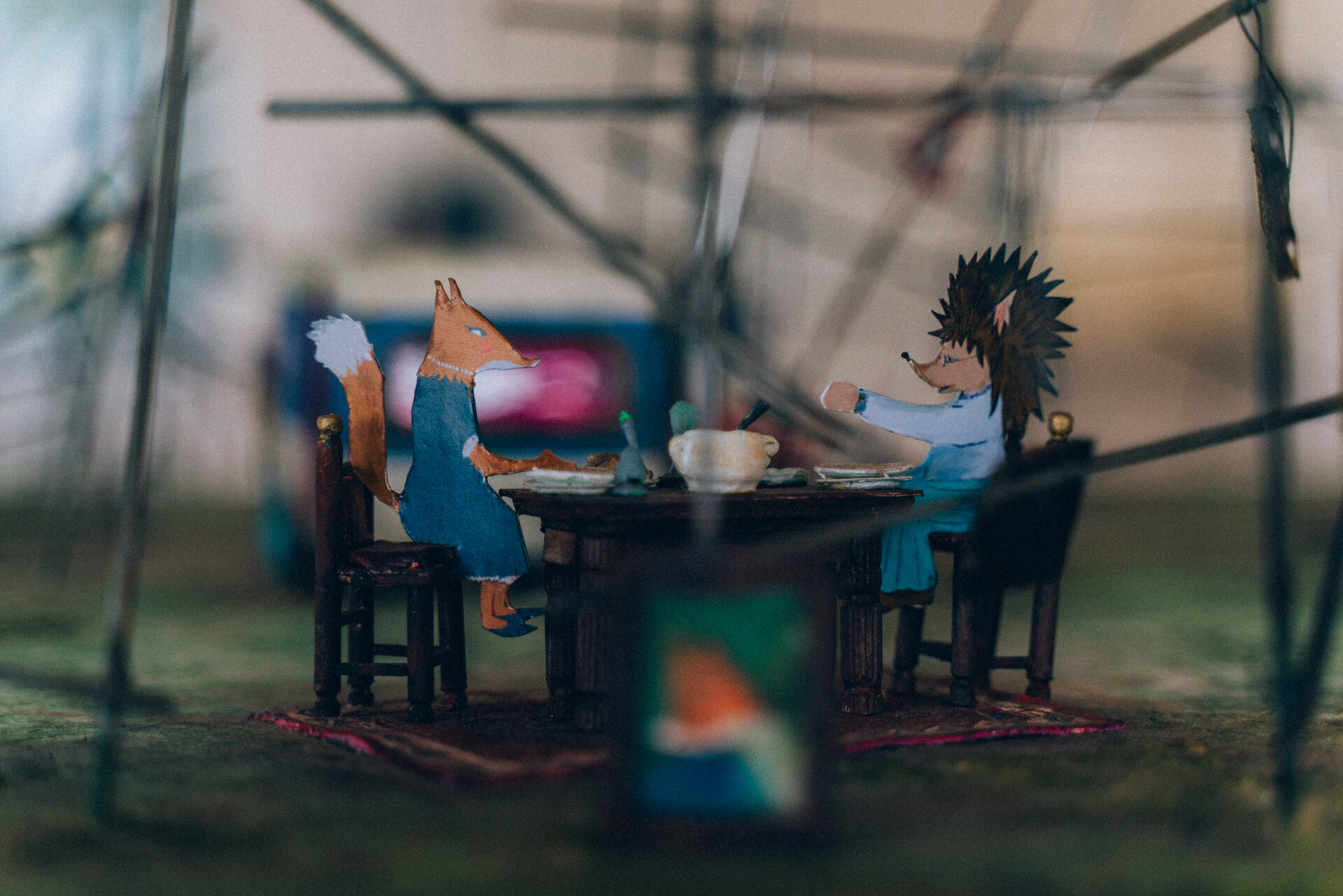
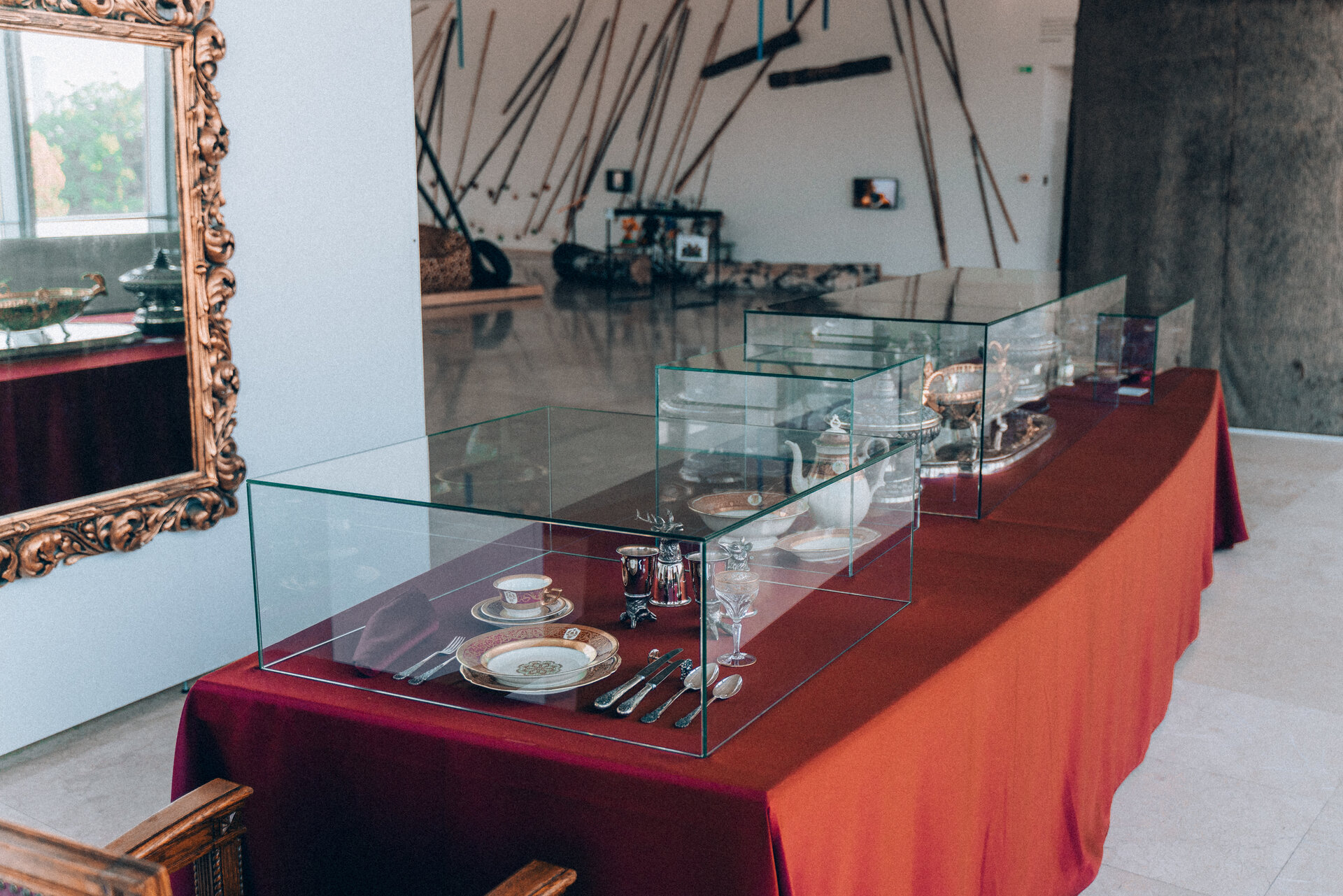
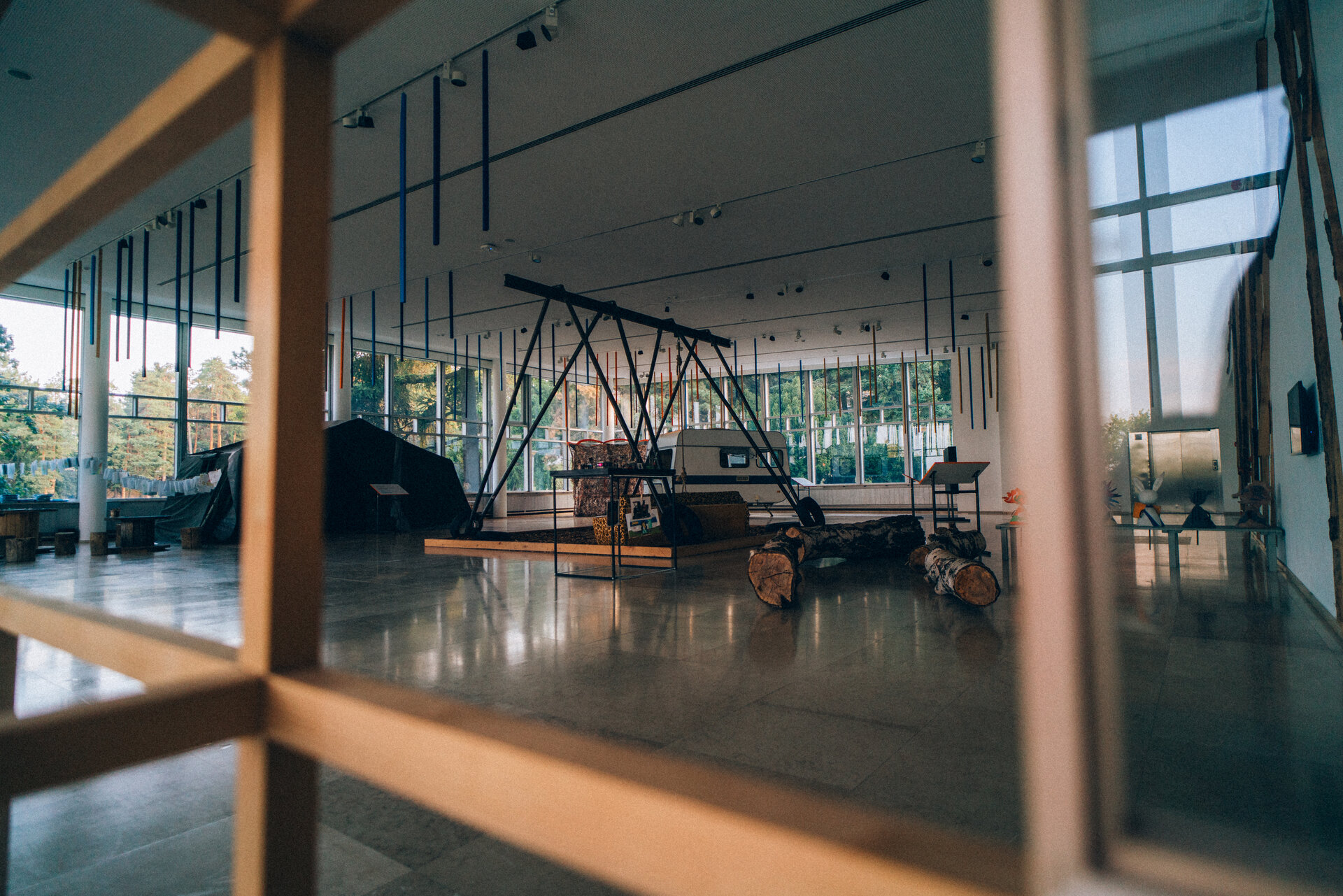
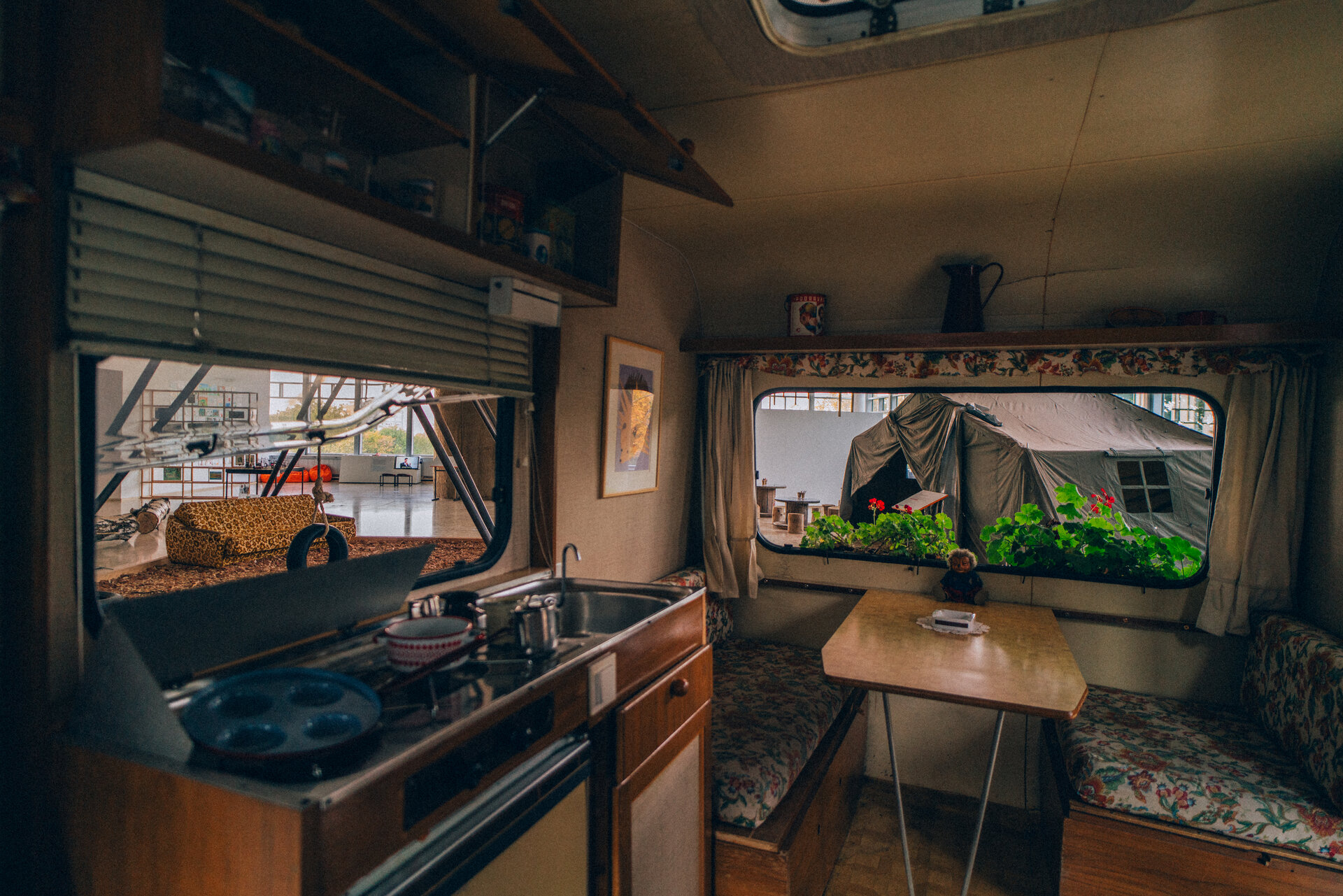
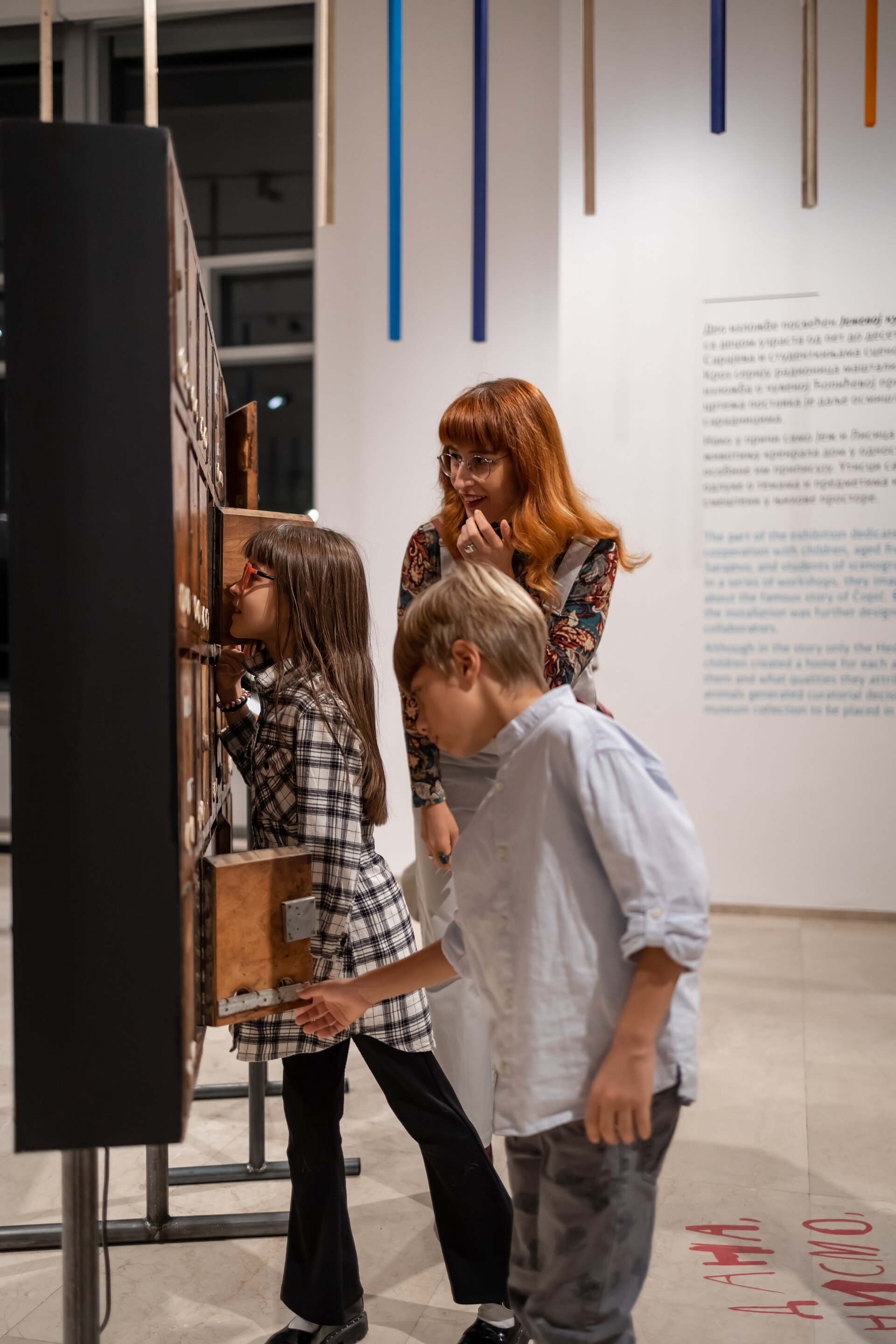
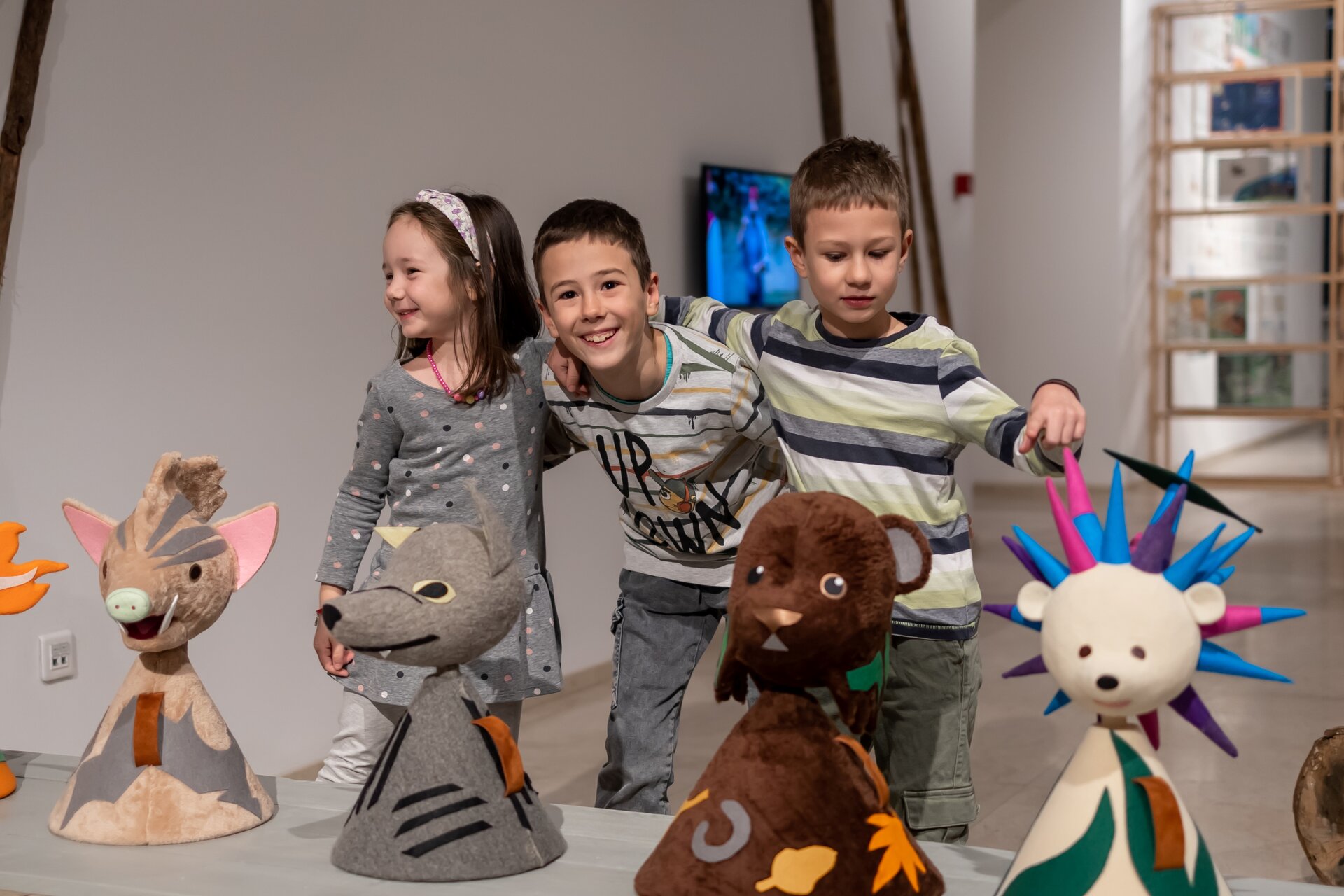
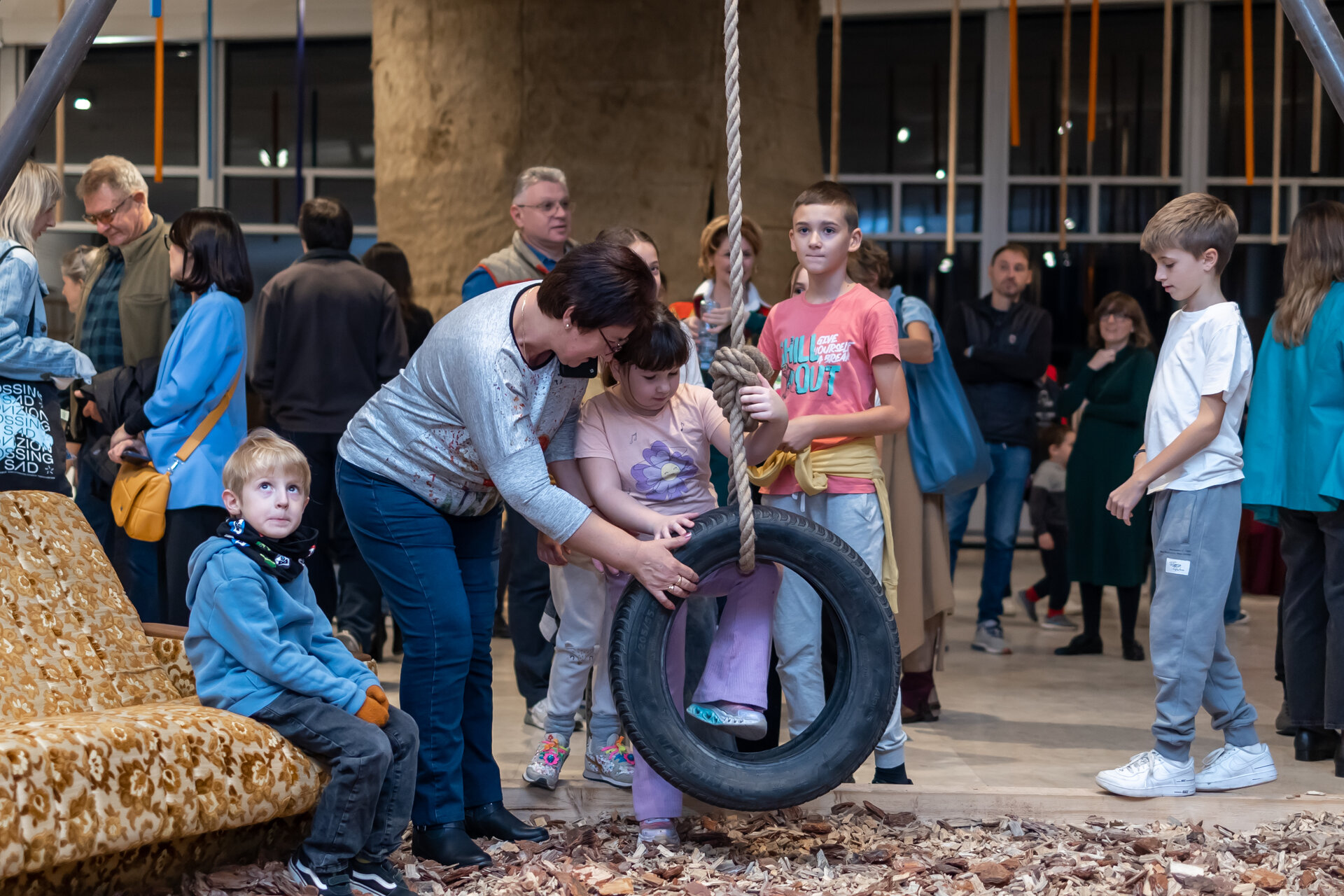
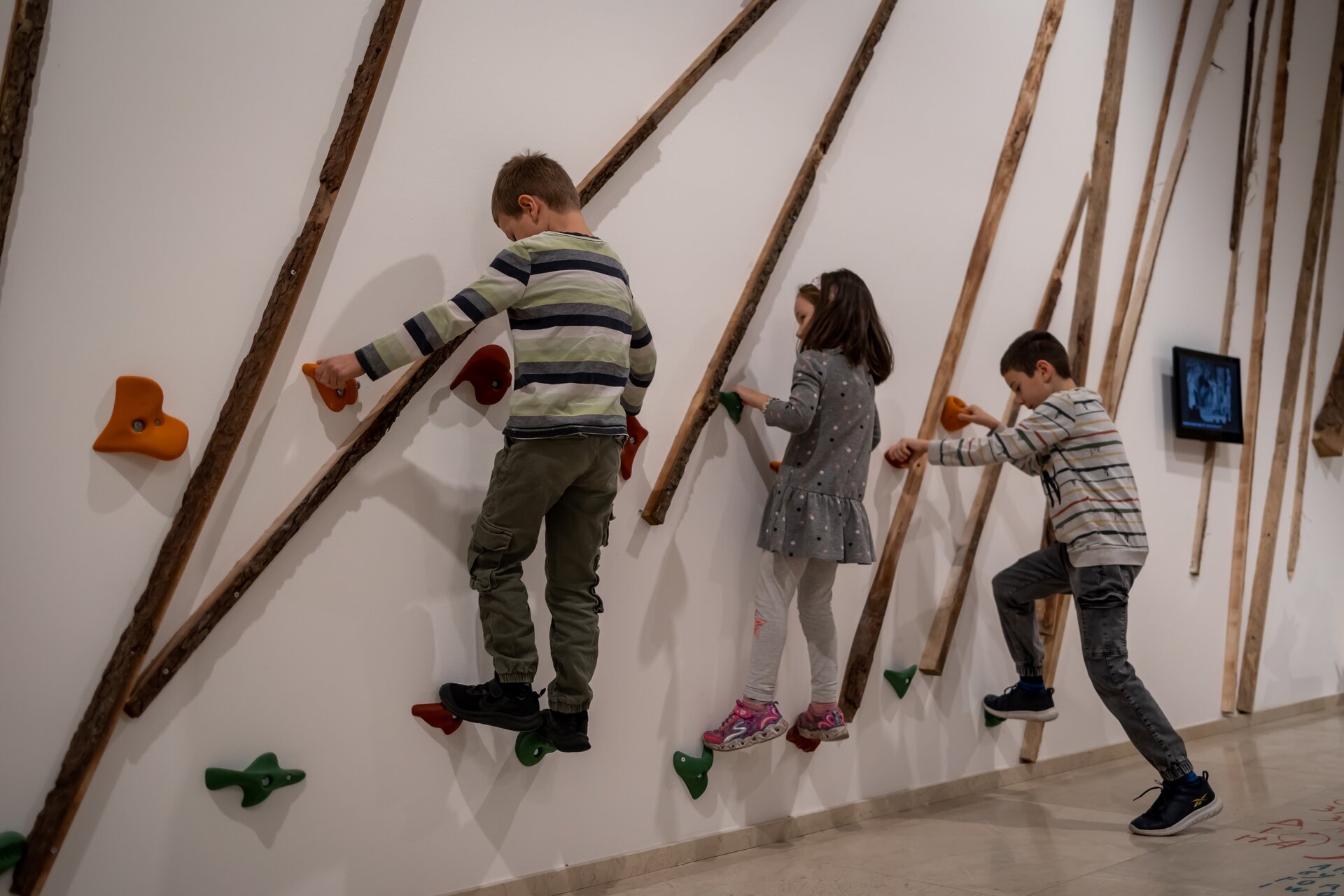
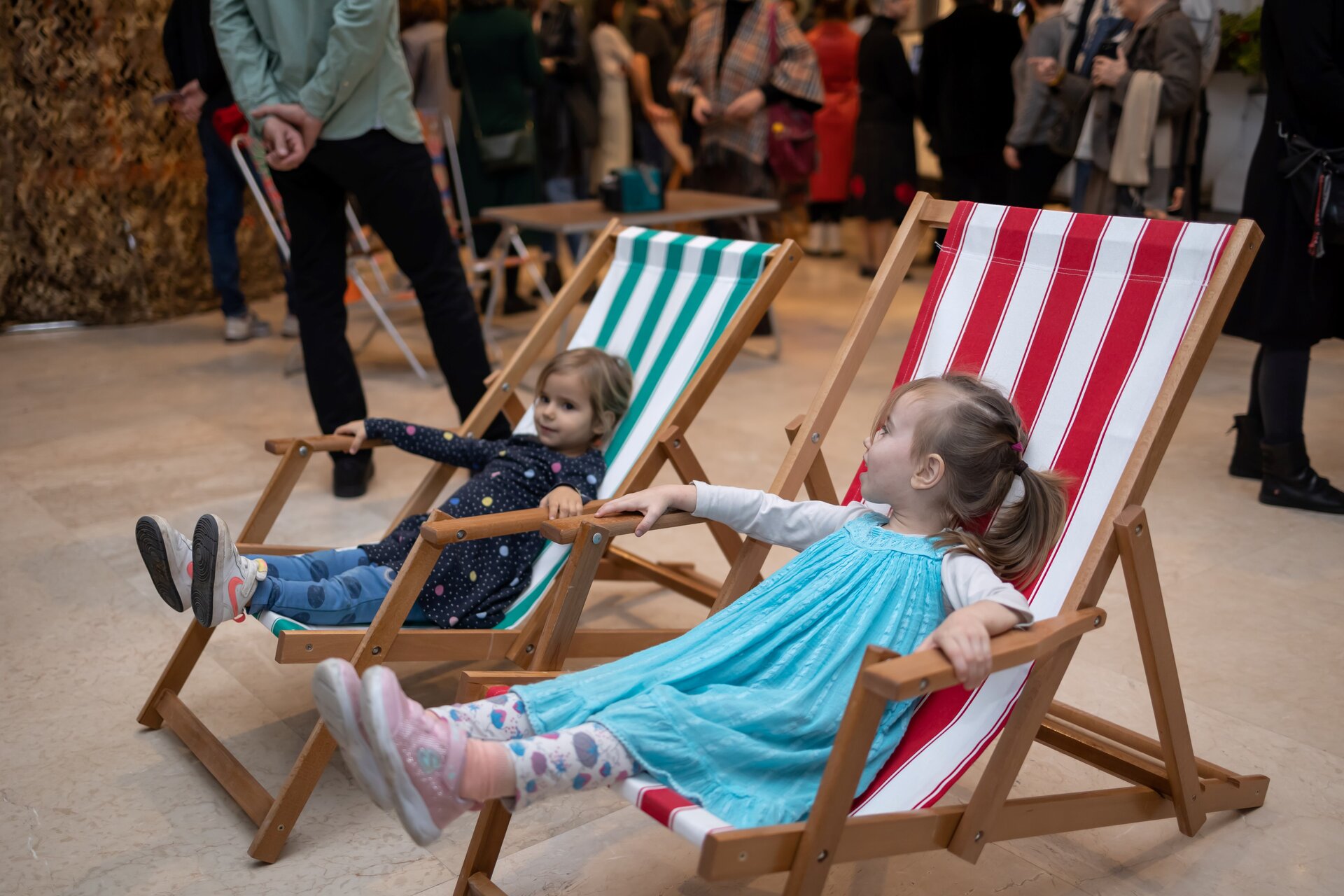
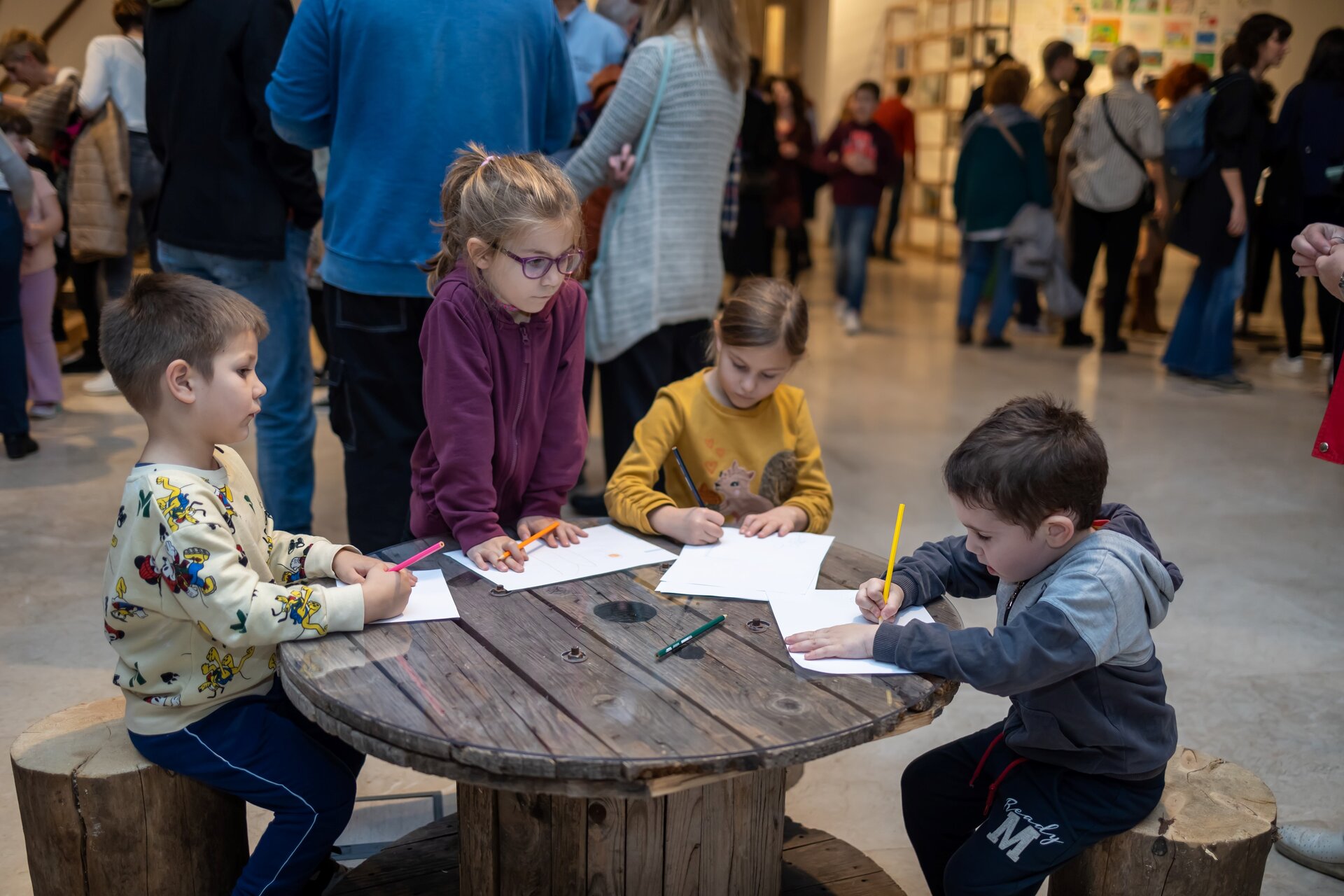
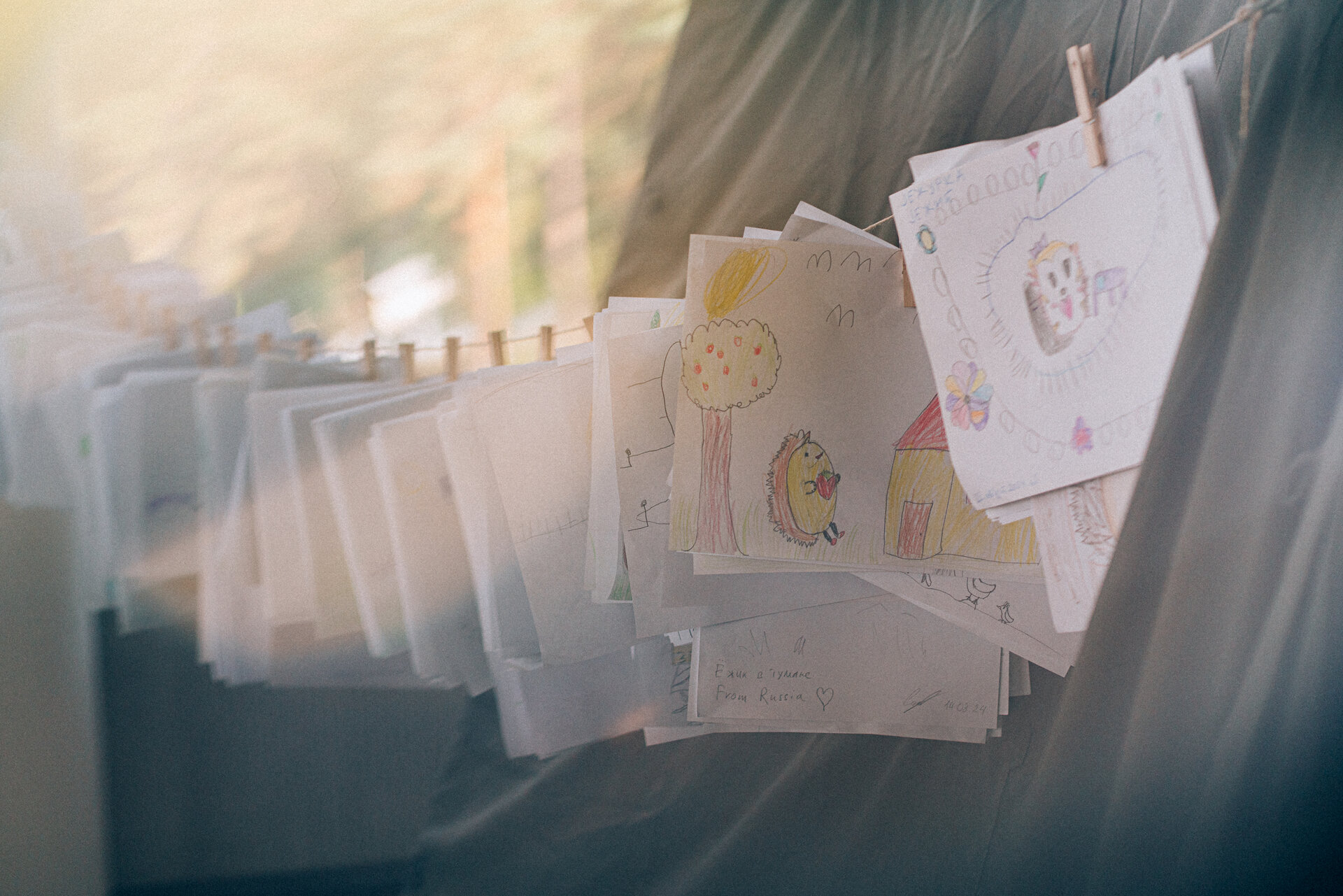
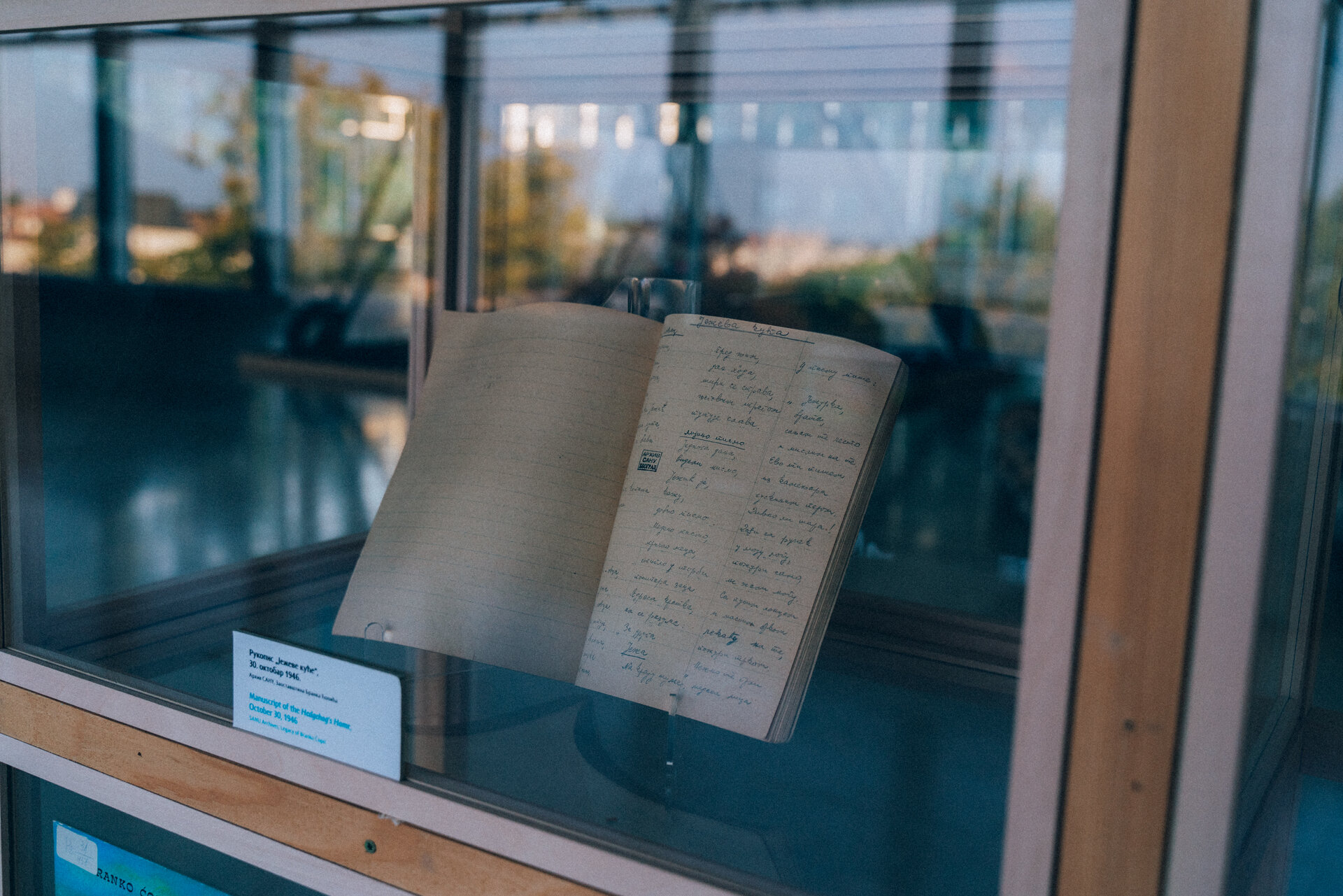
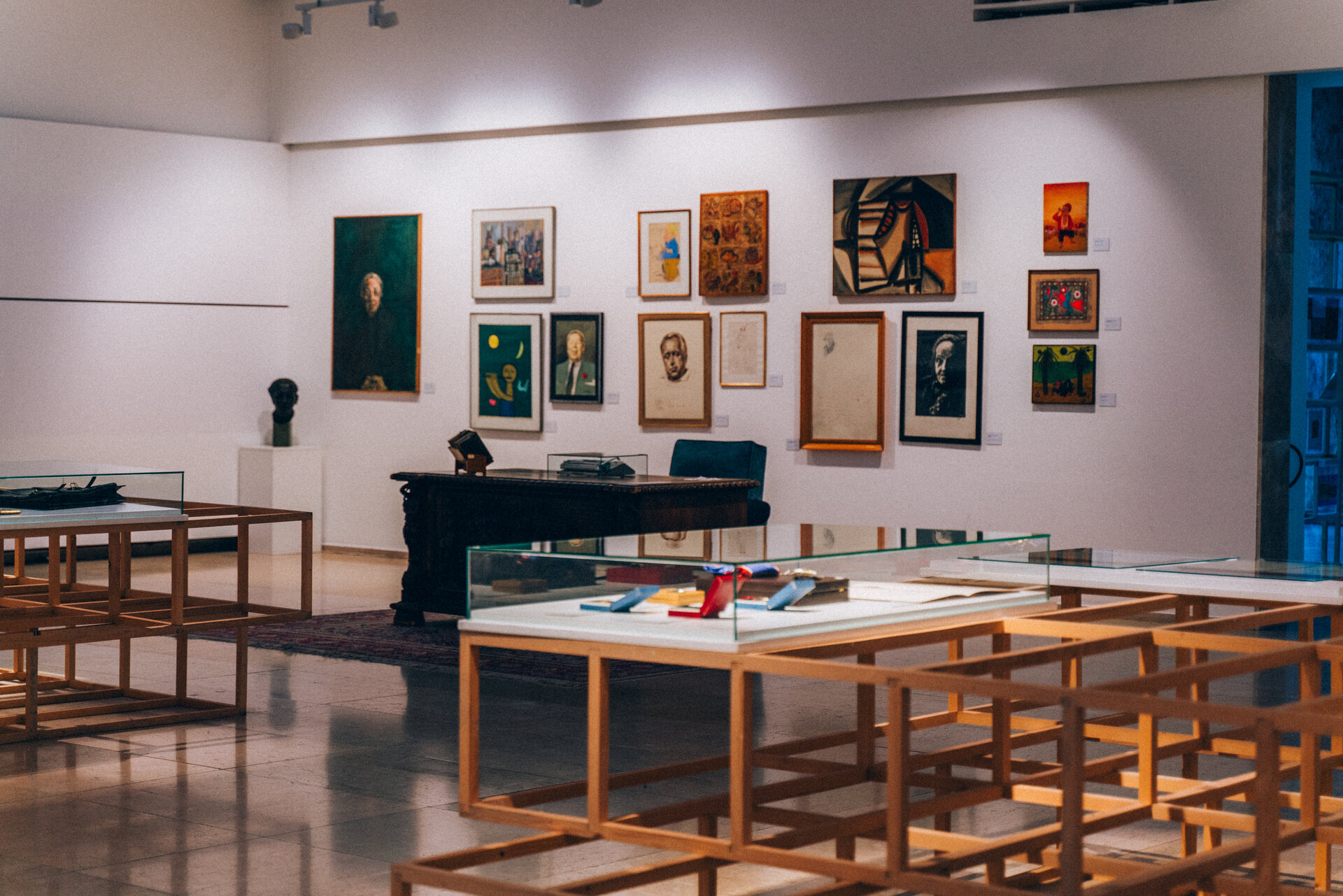
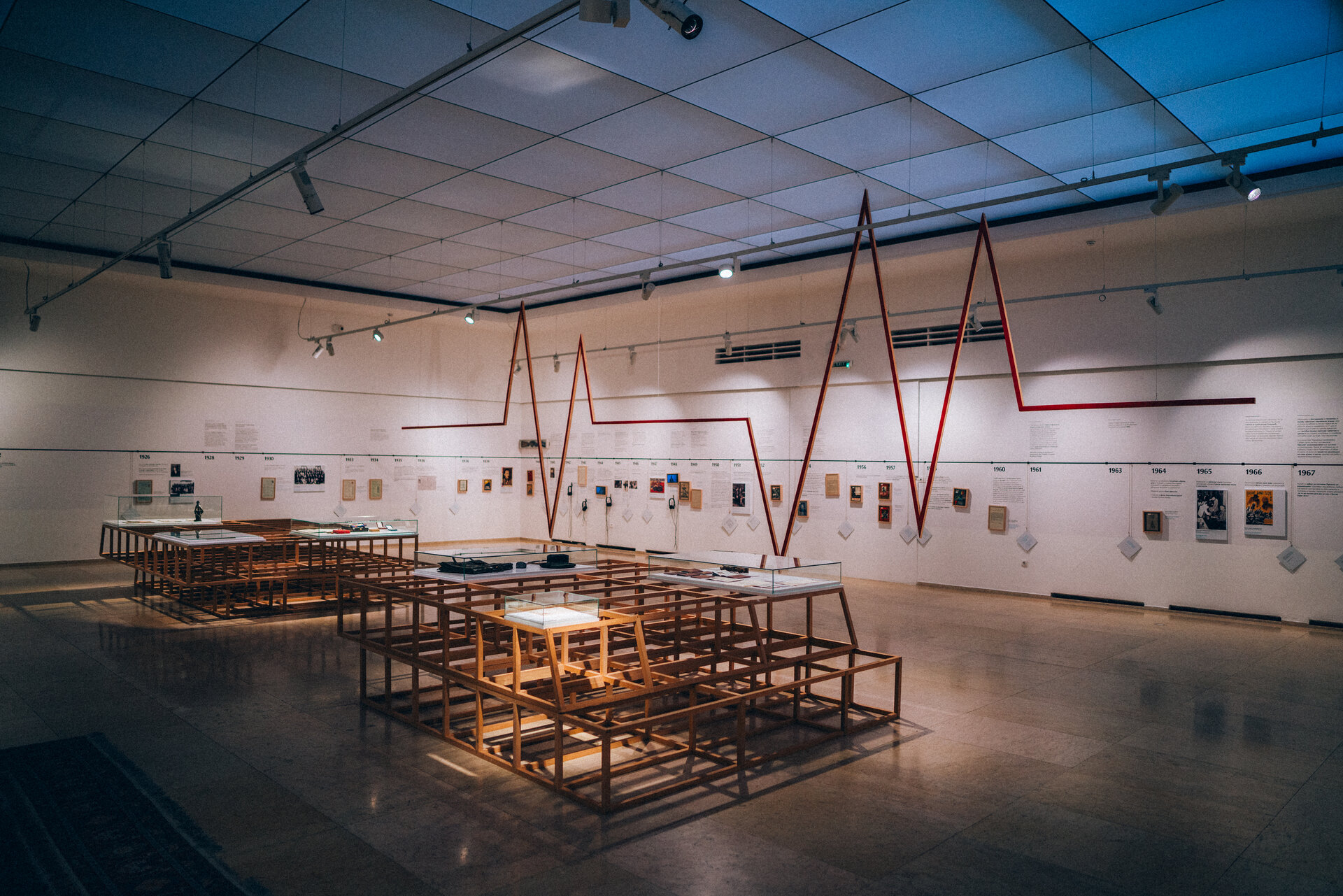
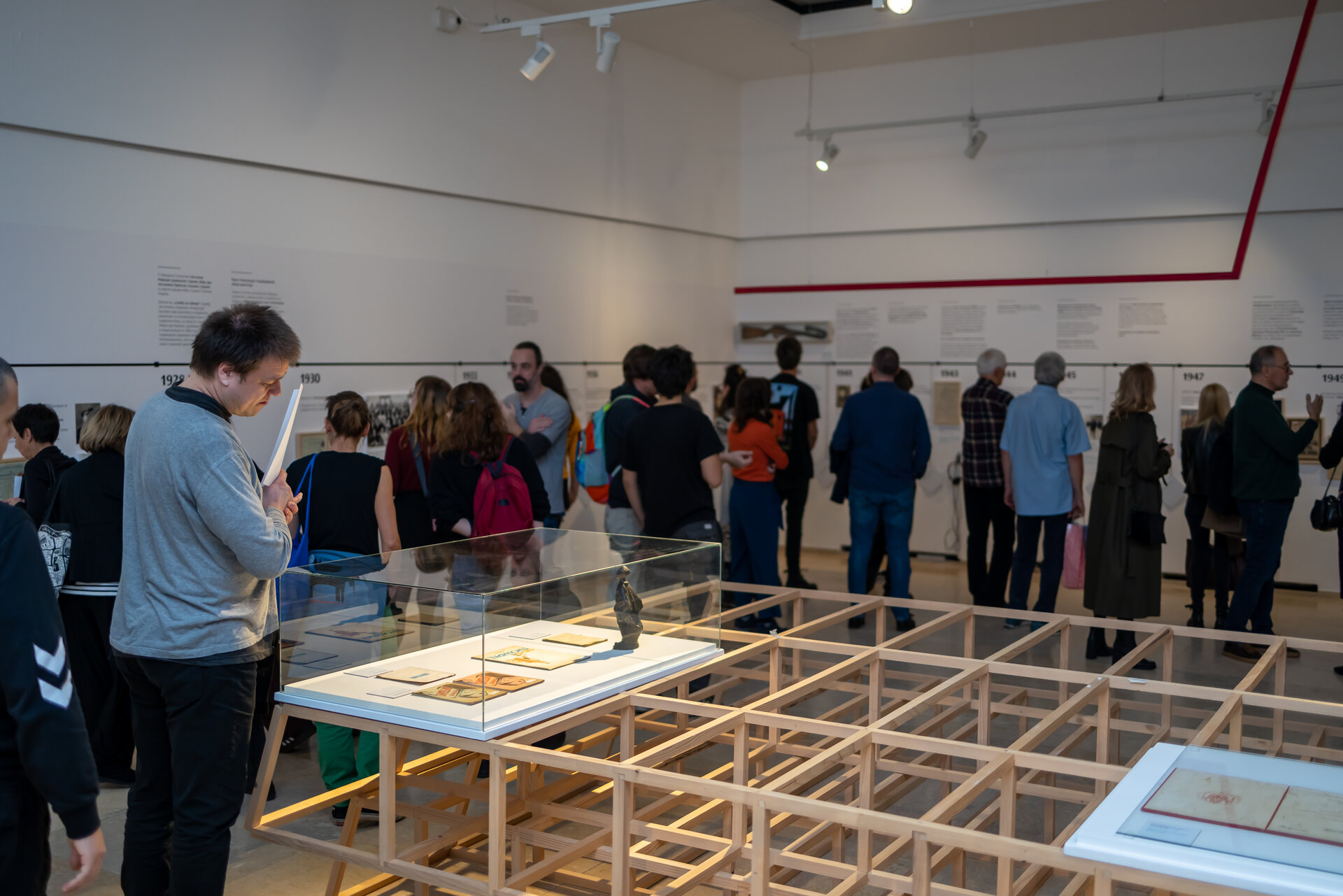
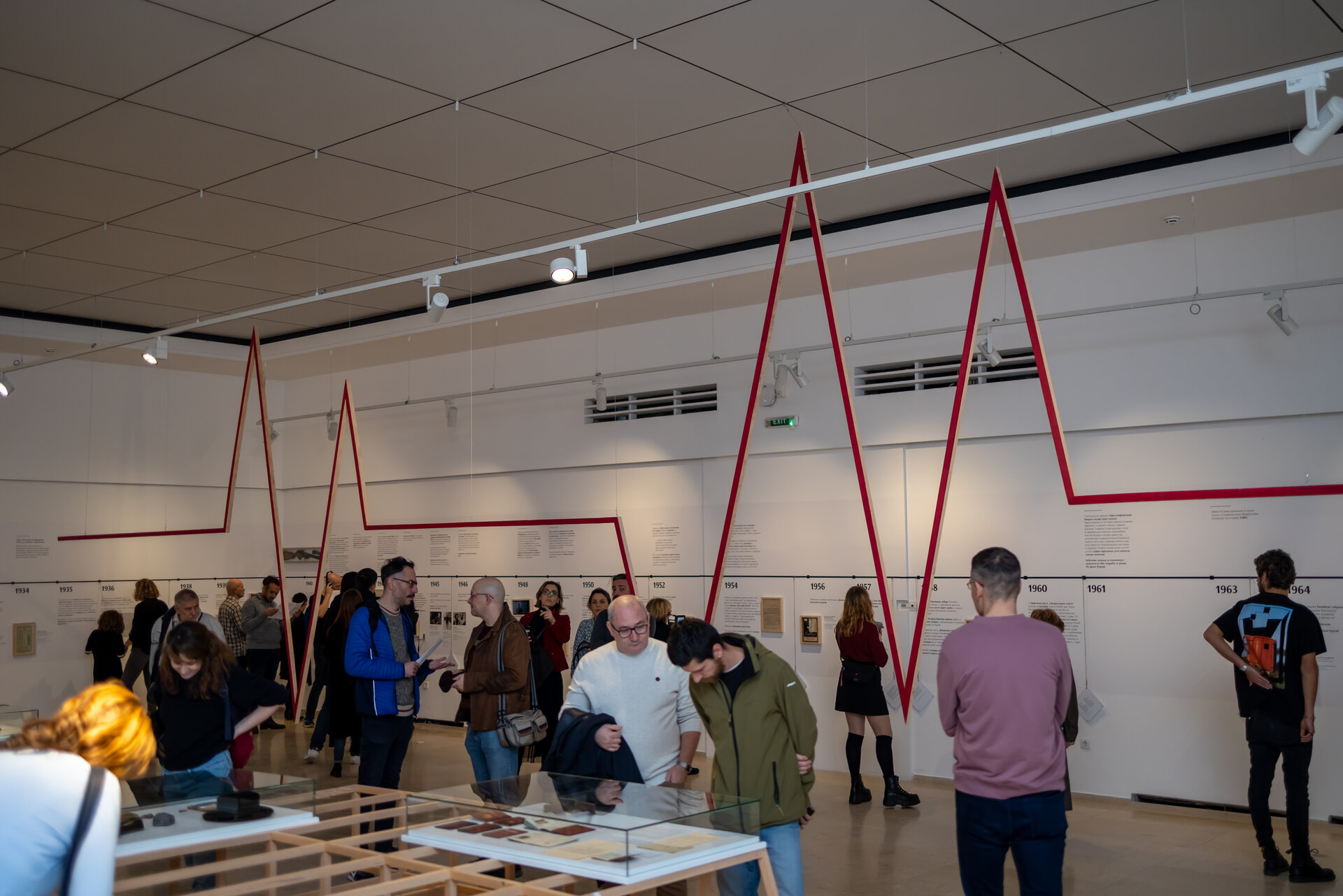
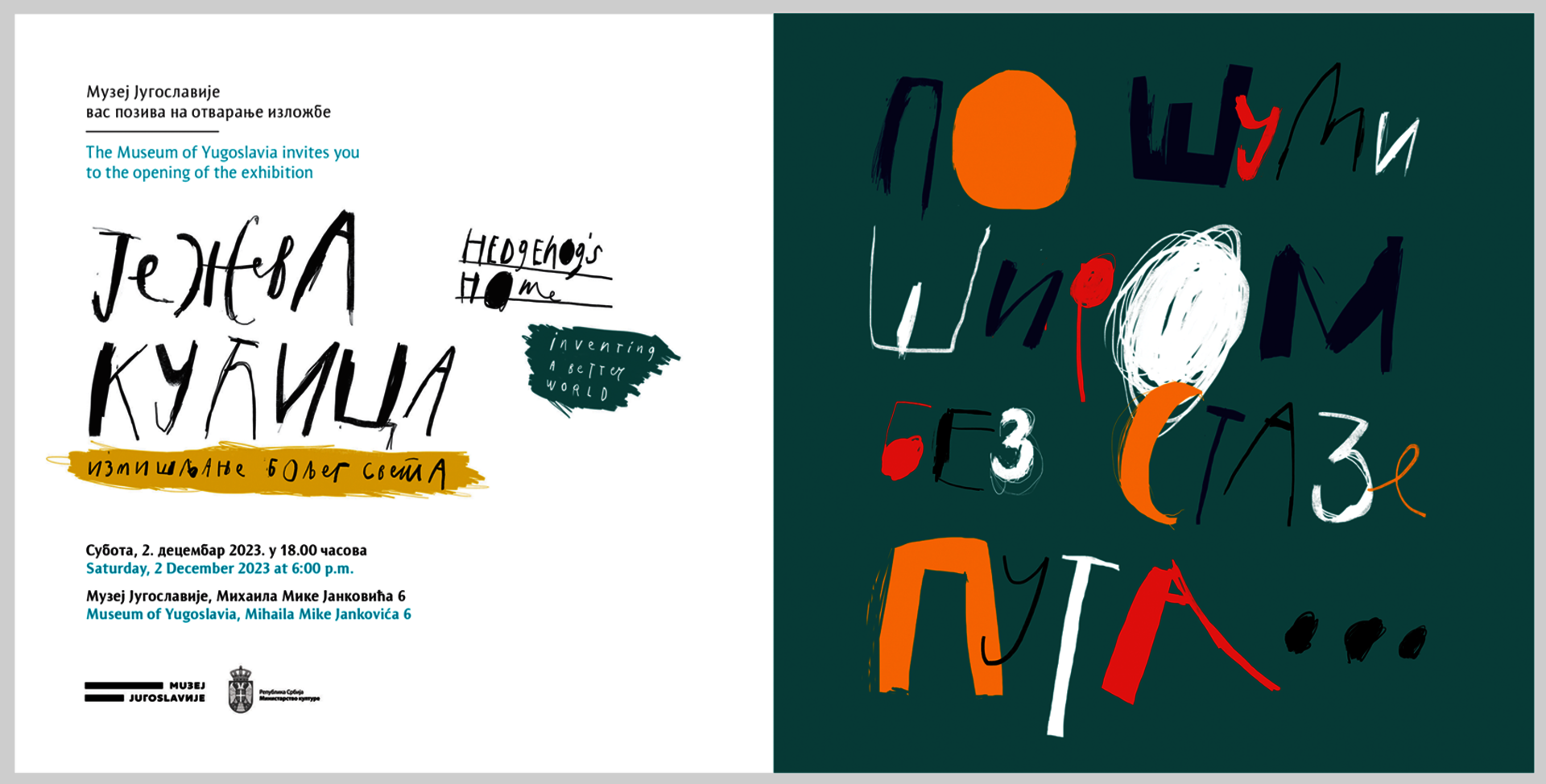
Hedgehog’s Home – Inventing a Better World is an innovative exhibition and public engagement initiative developed by the Museum of Yugoslavia in Belgrade, Serbia. Inspired by Hedgehog’s Home, the much-loved children's poem by Branko Ćopić (1915–1984), the project explores how a shared literary tradition can stimulate dialogue about identity, belonging, home, memory, diversity and social responsibility. In 2025, it received both a European Heritage Award / Europa Nostra Award and a Grand Prix in the Citizens’ Engagement and Awareness-raising category. The poem has occupied a special place in the childhood memories of generations across the former Yugoslavia. Its story of a hedgehog who values his modest home above material wealth offered the museum a starting point for examining questions that remain relevant in contemporary European society, including migration, xenophobia, emotional security, community and the relationship between individuals and their cultural inheritance. Developed between November 2021 and September 2024, the project was led by museum curators Sara Sopić and Mirjana Slavković. Its central exhibition opened at the May 25 Museum in Belgrade in December 2023 and was extended twice because of strong public interest. The exhibition was organised into two interconnected sections. The first transformed the fictional world of the poem into an imaginative, interactive environment, developed through a participatory design process involving children aged five to ten from Belgrade, Zagreb and Sarajevo, alongside scenography students from the University of Belgrade. Their drawings, interpretations and ideas informed the work of an interdisciplinary team of artists, designers, educators and museum professionals. Visitors encountered a multisensory space encouraging play, movement, exploration and personal reflection. The second section adopted a documentary approach to the life and work of Branko Ćopić. Archival material, historical research, interviews and literary interpretation examined his cultural significance and the changing reception of his work across the former Yugoslavia. By placing individual memories alongside wider historical narratives, the exhibition encouraged visitors to reconsider the relationship between shared cultural heritage and contemporary identities. Education and inclusion were central to the programme. More than 100 workshops were organised for preschool children, alongside numerous sessions for school pupils, teenagers and students. Activities addressed emotional literacy, belonging, tolerance and mental health, with professional input helping participants explore sensitive subjects responsibly. A particularly significant achievement was the creation of a Serbian Sign Language interpretation of the poem in collaboration with members of the Deaf community. Presented as a recorded theatrical performance, it expanded access to the exhibition and was subsequently incorporated into educational activities for deaf pupils in Serbia. Environmental responsibility also influenced the exhibition design. Rather than constructing an idealised artificial landscape, the team incorporated reused materials, elements from previous exhibitions and recyclable objects. This approach connected the poem's forest setting with contemporary discussions about environmental degradation, waste and responsible resource use. The project reached an exceptionally broad audience. According to the nomination dossier, the exhibition attracted more than 150,000 visitors, including many people who had not previously visited the Museum of Yugoslavia. Guided tours, educational programmes, publications, public discussions and social media activity extended its influence beyond the exhibition galleries. Its cross-border collaborations helped reconnect communities through a cultural reference that remains meaningful despite the political divisions that followed the dissolution of Yugoslavia. The initiative's significance lies in its participatory and emotionally engaging interpretation of intangible heritage. Rather than presenting literature as a fixed historical object, the museum invited children, families, educators and visitors to contribute actively to its meaning. The result was a shared space in which memories could be reconsidered, differences discussed and new connections formed. Recognised with a European Heritage Award and Grand Prix in 2025, Hedgehog’s Home – Inventing a Better World demonstrates the potential of museums to use familiar cultural narratives as tools for inclusion, intercultural understanding and civic dialogue. Its collaborative methodology offers a model for other institutions seeking to engage new generations with shared heritage while addressing the social challenges of the present.
