











Almalaguês – Weaving the Future from the Tapestry of Time
Almalaguês – Weaving the Future from the Tapestry of Time is a community-based cultural heritage initiative dedicated to safeguarding and revitalising the traditional hand-weaving practices of Almalaguês, a village in the municipality of Coimbra, central Portugal. Rooted in ...
Read more
Project details
| Title: | Almalaguês – Weaving the Future from the Tapestry of Time |
|---|---|
| Entr. year: | 2025 |
| Result: | Award |
| Country: | Portugal |
| Town: | Almalaguês, Coimbra |
| Category type: | studies in the field of cultural heritage, Awareness-raising, education |
| Notes: | European Heritage Awards / Europa Nostra Awards 2025, Citizens’ Engagement and Awareness-raising. The initiative safeguards the living tradition of Almalaguês weaving through research, craft training, community events and sustainable production. Formal inscription in Portugal's National Inventory of Intangible Cultural Heritage and national craft certification were being pursued at the time of nomination; their completion is not verified here. |
| Former use: | Traditional household textile production, artisanal weaving and supplementary livelihood |
| Actual use: | Living weaving tradition; craft production, training, exhibitions, cultural tourism, community workshops and intergenerational knowledge transmission |
| Architect / Proj.leader: | Maria Carlos Pêgo — Director of the Department of Culture and Tourism, Municipality of Coimbra |
| The Jury's citation: | An innovative approach that combines traditional heritage with contemporary practices, supported by strong public engagement and numerous exhibitions. Excellent integration of community involvement, research, and sustainability through a participatory framework The Almalaguês Weaving project provides meaningful income opportunities for non-traditional audiences and vulnerable groups, demonstrating how heritage can contribute to both social inclusion and economic resilience |
| Web, Links: | www.cm-coimbra.pt/areas/visitar/conhecer-coimbra/artesanato/tecelagem-de-almalagues** |
Description:
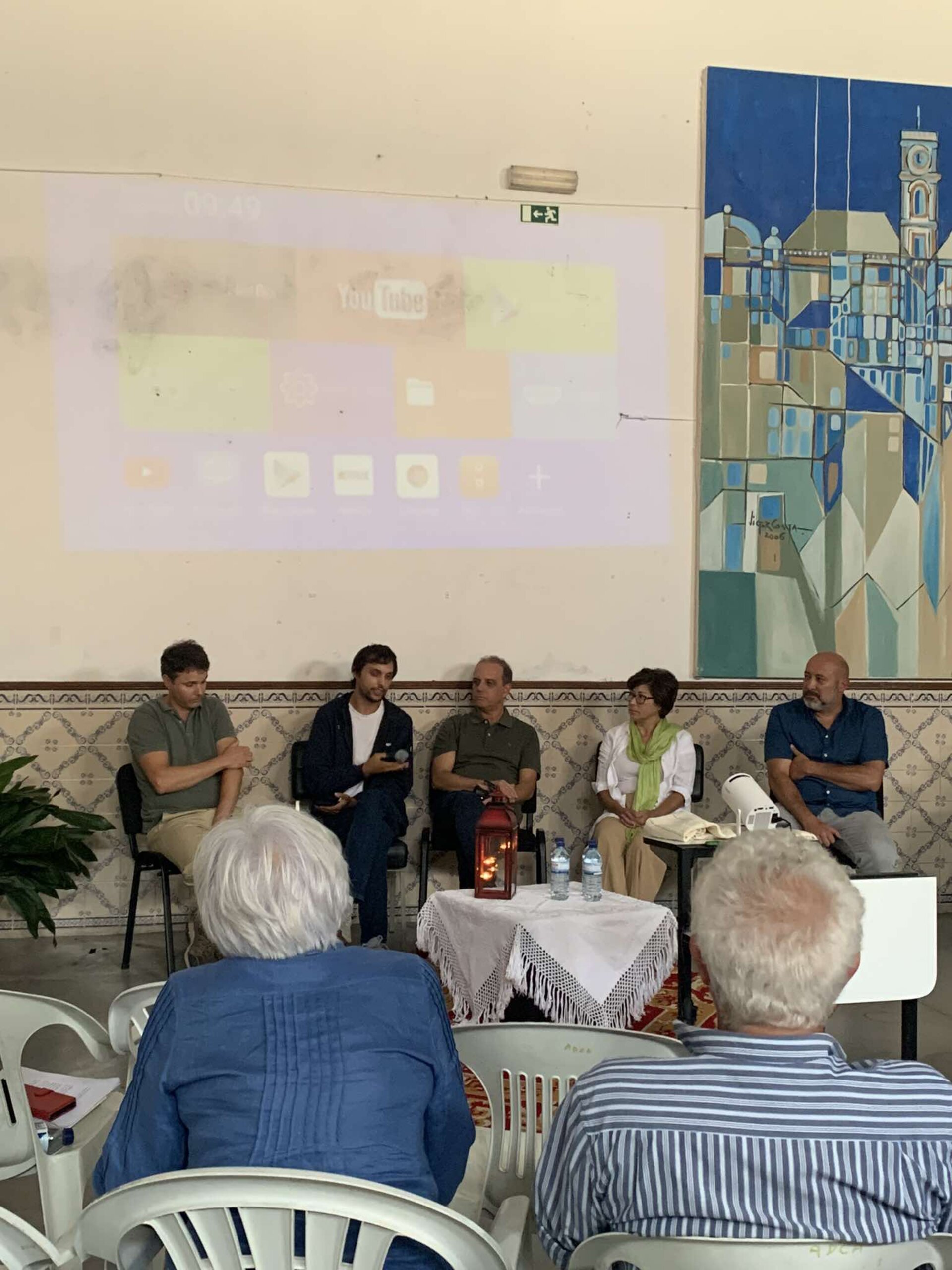
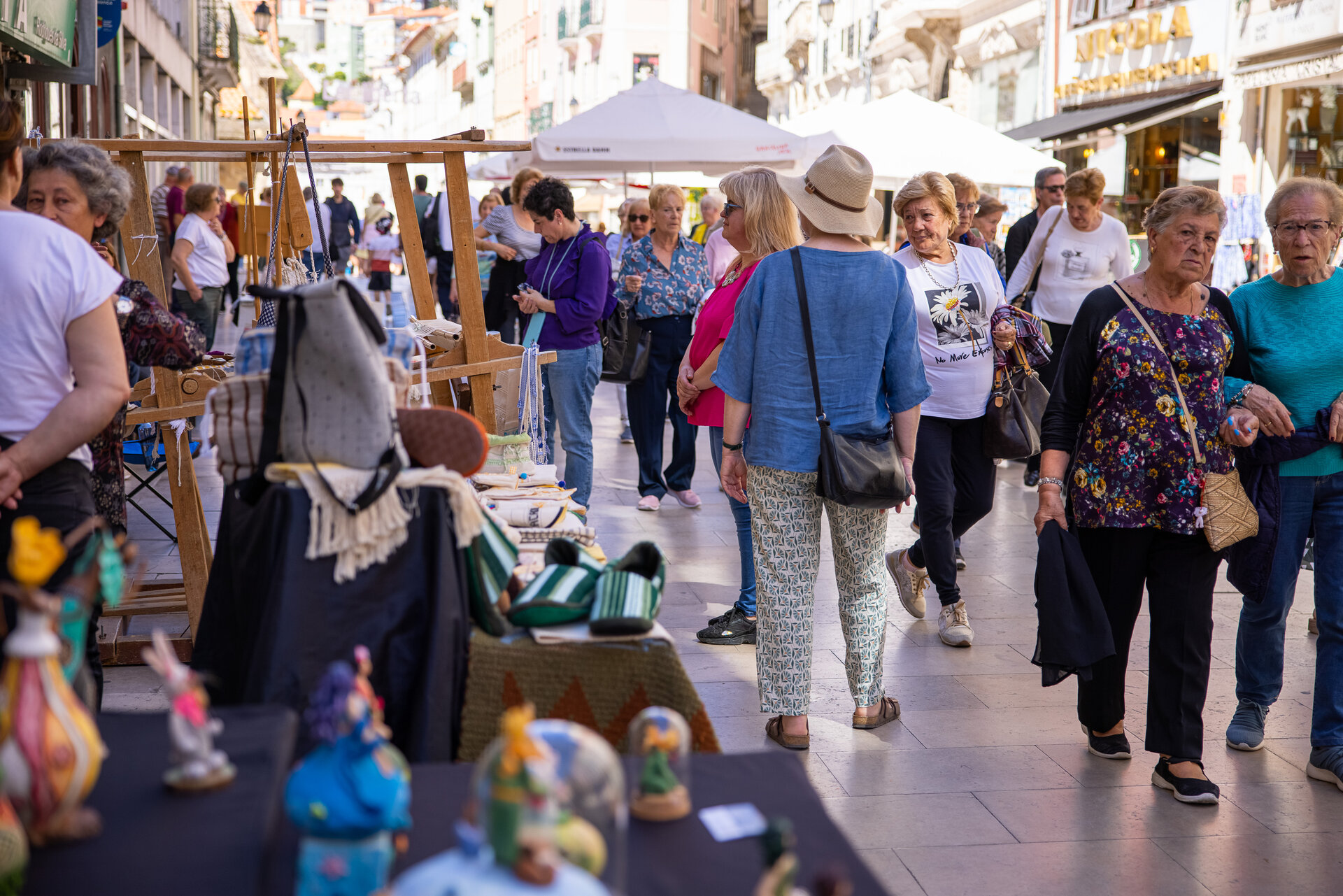
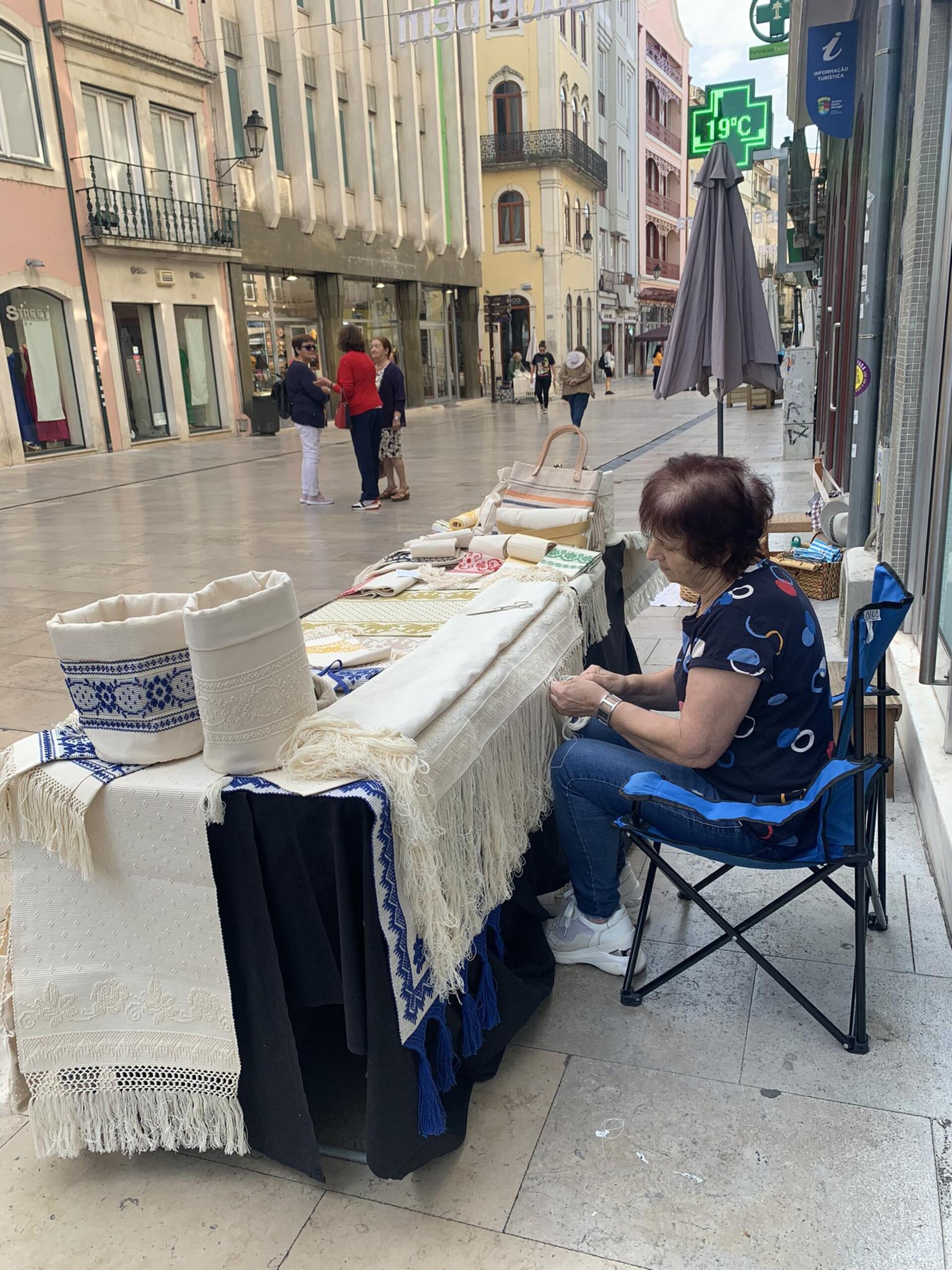
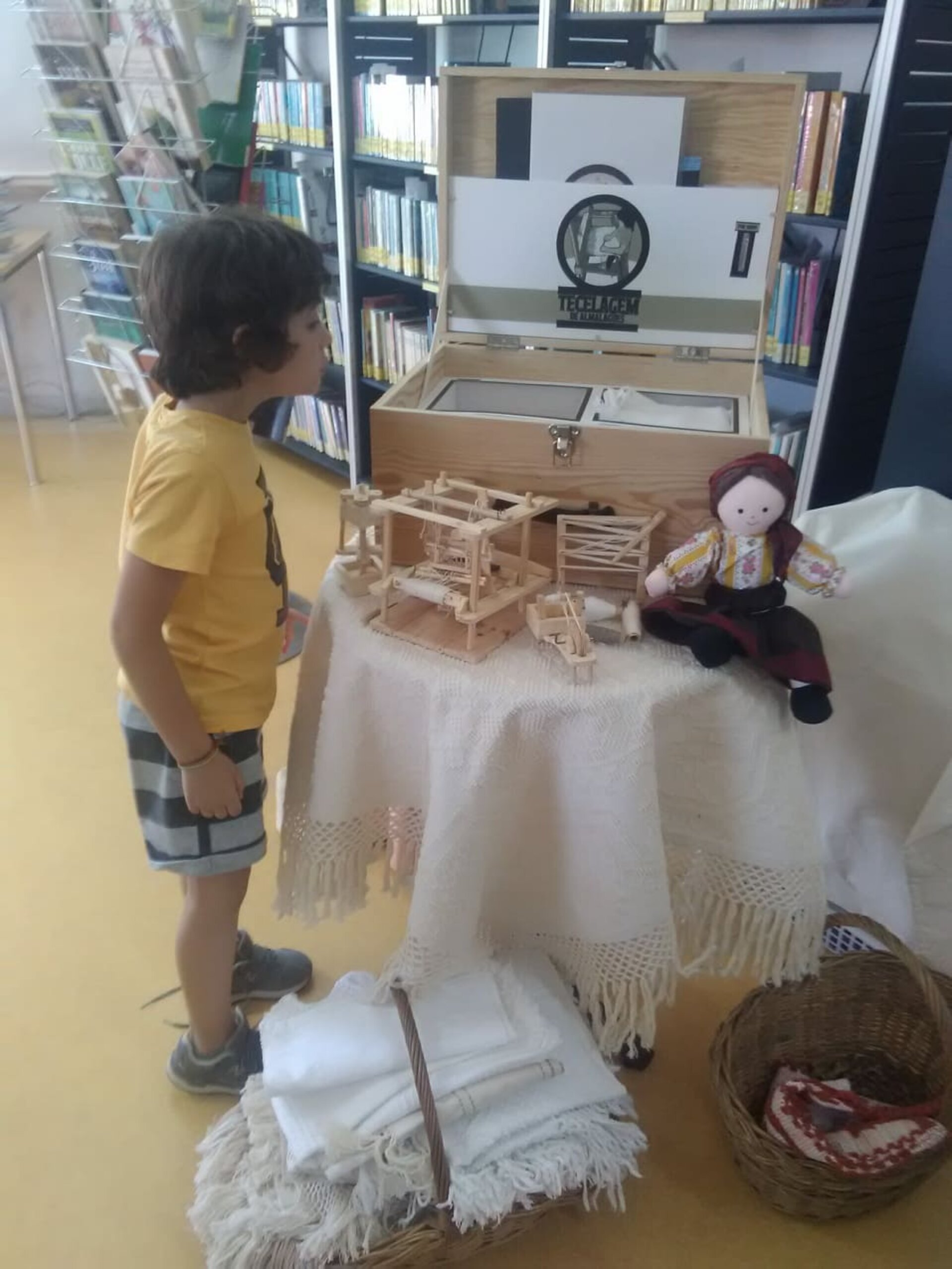
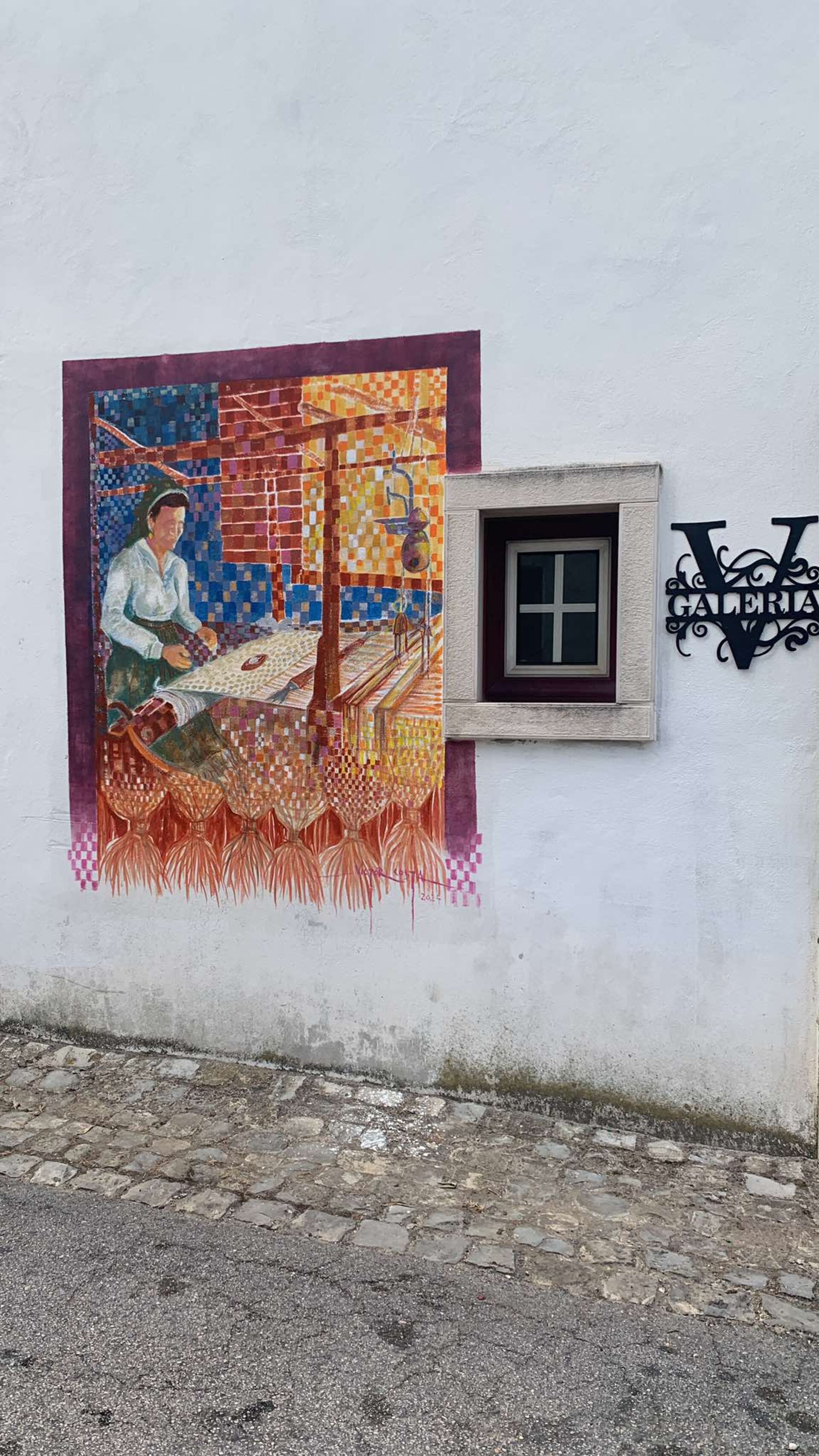
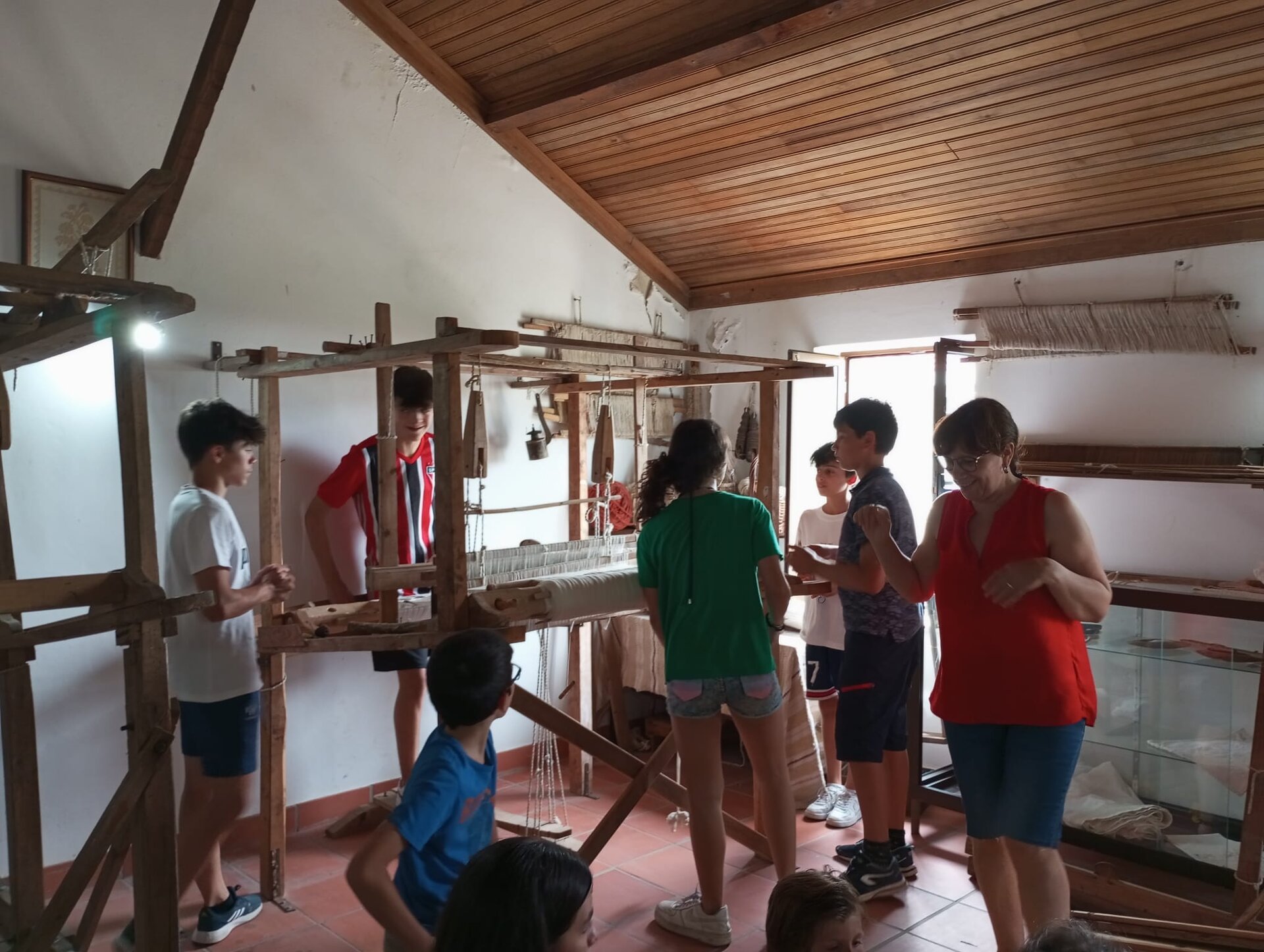
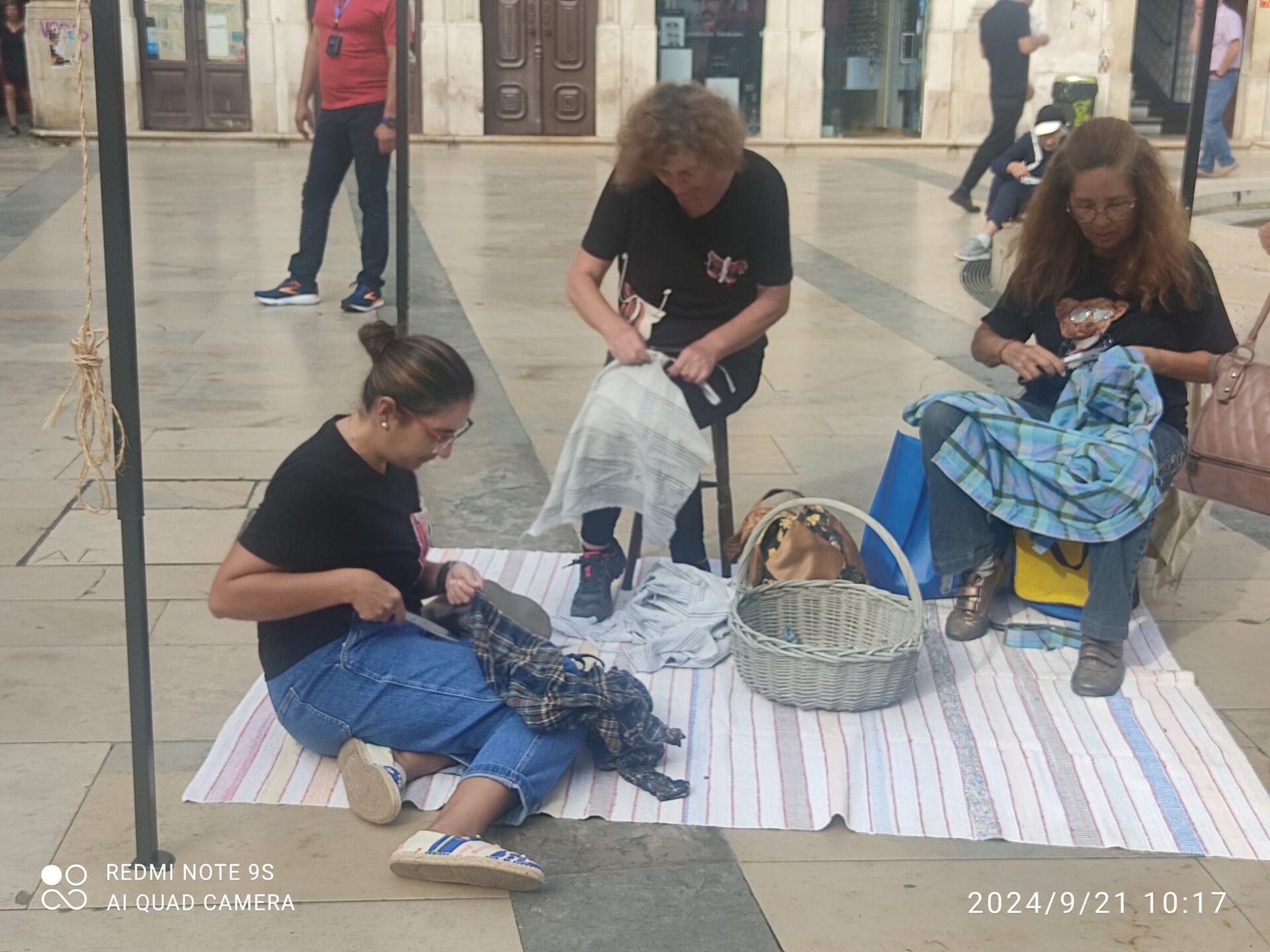
Almalaguês – Weaving the Future from the Tapestry of Time is a community-based cultural heritage initiative dedicated to safeguarding and revitalising the traditional hand-weaving practices of Almalaguês, a village in the municipality of Coimbra, central Portugal. Rooted in centuries of local knowledge, the distinctive textile tradition has historically been an important expression of regional identity, domestic craftsmanship and economic activity, particularly among women. Faced with an ageing community of skilled weavers and declining interest among younger generations, the initiative seeks to ensure that this living heritage remains relevant, economically viable and accessible. Developed systematically since 2007, the project brings together the Municipality of Coimbra, Associação Herança do Passado, local weavers, cultural associations, researchers, educational institutions and volunteers. Its approach combines historical and ethnographic research with practical training, creative experimentation, public participation and community-led cultural activities. A central objective is the intergenerational transmission of weaving knowledge. Experienced artisans share traditional techniques, patterns and production methods through demonstrations, workshops and educational programmes in schools, community centres, homes and public spaces. Initiatives such as Tecendo Memórias and Tricotando Histórias encourage exchanges between older residents, children and young people, using textile production as a means of sharing memories, strengthening social connections and reinforcing local identity. Research and documentation are integral to the project. Interviews with experienced weavers, oral histories, photographic records, technical studies and the identification of traditional motifs contribute to a growing body of knowledge about the craft. Partnerships with researchers from the University of Coimbra and the University of Aveiro place the tradition within wider historical, ethnographic and artistic contexts, while educational publications, exhibitions and audiovisual resources make the findings available to broader audiences. The project also explores the relationship between tradition and contemporary creativity. Exhibitions such as Por um Fio, involving artist Joana Vasconcelos, demonstrate the potential for dialogue between established craft practices and contemporary art. Traditional techniques have been adapted to products including footwear, accessories and interior textiles, creating opportunities for artisans to reach new markets without abandoning the distinctive identity of Almalaguês weaving. Social inclusion and intercultural exchange are equally important. The Fios de Pertença initiative brings local residents together with migrants and refugees, encouraging participants to combine weaving techniques and materials from different cultural backgrounds. Through collaborative making, the project promotes mutual understanding, participation and opportunities for people who may otherwise face barriers to cultural and economic activity. Environmental sustainability is addressed through the use of natural fibres, manual production techniques, reuse of textiles and an emphasis on durable, locally produced goods. These practices connect ancestral craftsmanship with contemporary approaches to responsible consumption, circular design and low-impact production. The Municipality of Coimbra has supported the initiative through funding for local associations, the provision of premises in the historic city centre for the presentation and sale of handmade products, and investment in the development of a Crafts Interpretation Center. The project has also pursued formal recognition of Almalaguês weaving through Portugal's National Inventory of Intangible Cultural Heritage and the national system for the qualification and certification of traditional handicrafts. According to the nomination dossier, activities during the three-year period ending September 2024 reached more than 117,000 people, attracted over 1,300 workshop participants and provided training for more than 280 individuals. These results demonstrate the initiative's capacity to connect heritage safeguarding with education, cultural participation and local economic development. In 2025, Almalaguês – Weaving the Future from the Tapestry of Time received a European Heritage Award / Europa Nostra Award in the Citizens' Engagement and Awareness-raising category. The jury recognised its innovative combination of traditional knowledge, contemporary practices, research, sustainability and community participation, as well as its contribution to social inclusion and economic resilience. By empowering artisans, involving younger generations and welcoming people from different backgrounds, the initiative demonstrates how intangible cultural heritage can become a foundation for creativity, social cohesion and sustainable livelihoods. It offers a transferable model for preserving traditional craftsmanship while allowing it to evolve within contemporary community life.

