





Hôtel Solvay
Hôtel Solvay is one of the most celebrated examples of Art Nouveau architecture in Brussels, Belgium. Designed by the renowned Belgian architect Victor Horta for the Solvay family and completed in 1903, the building is distinguished by its innovative architectural composition, ...
Read more
Project details
Description:
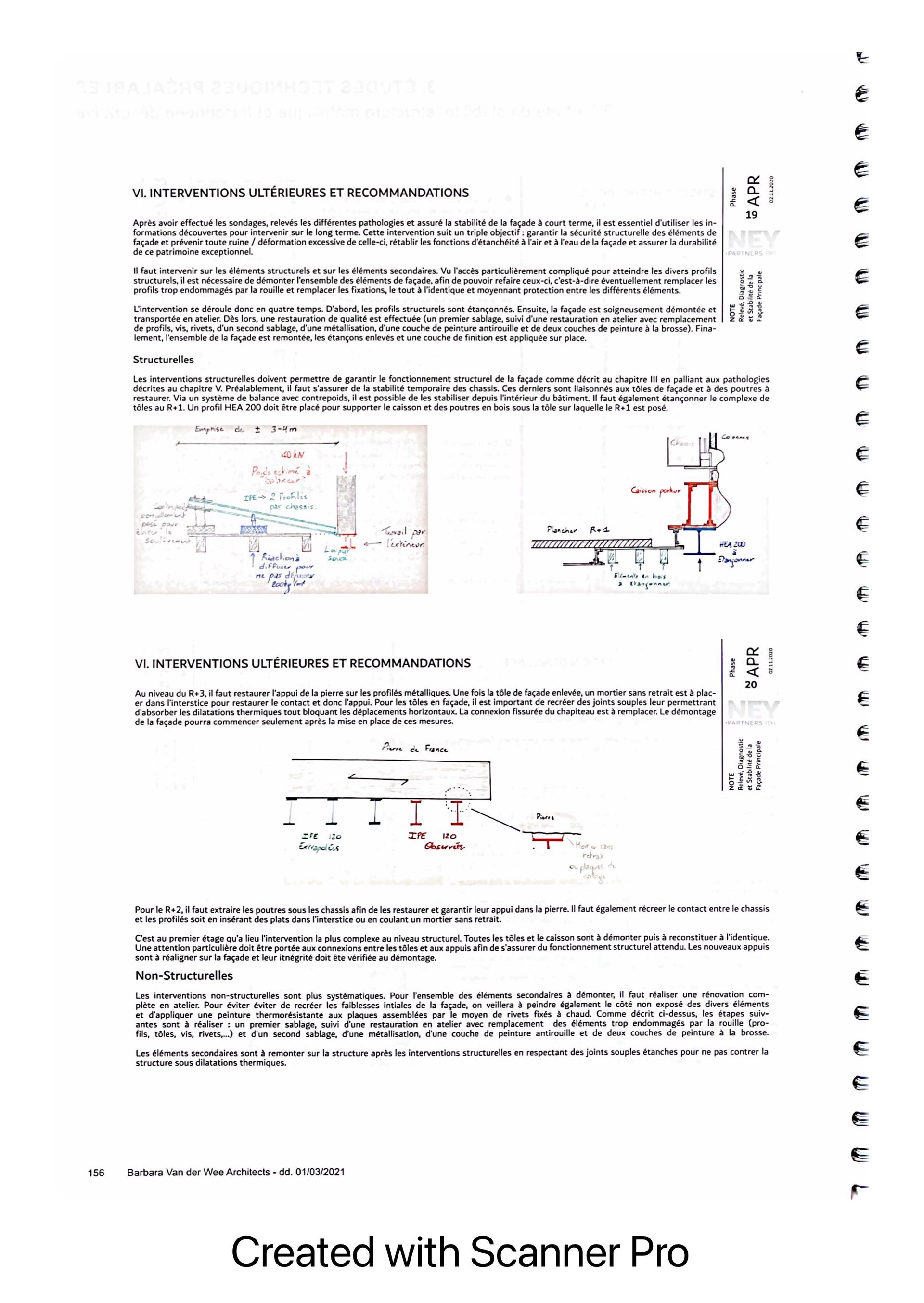
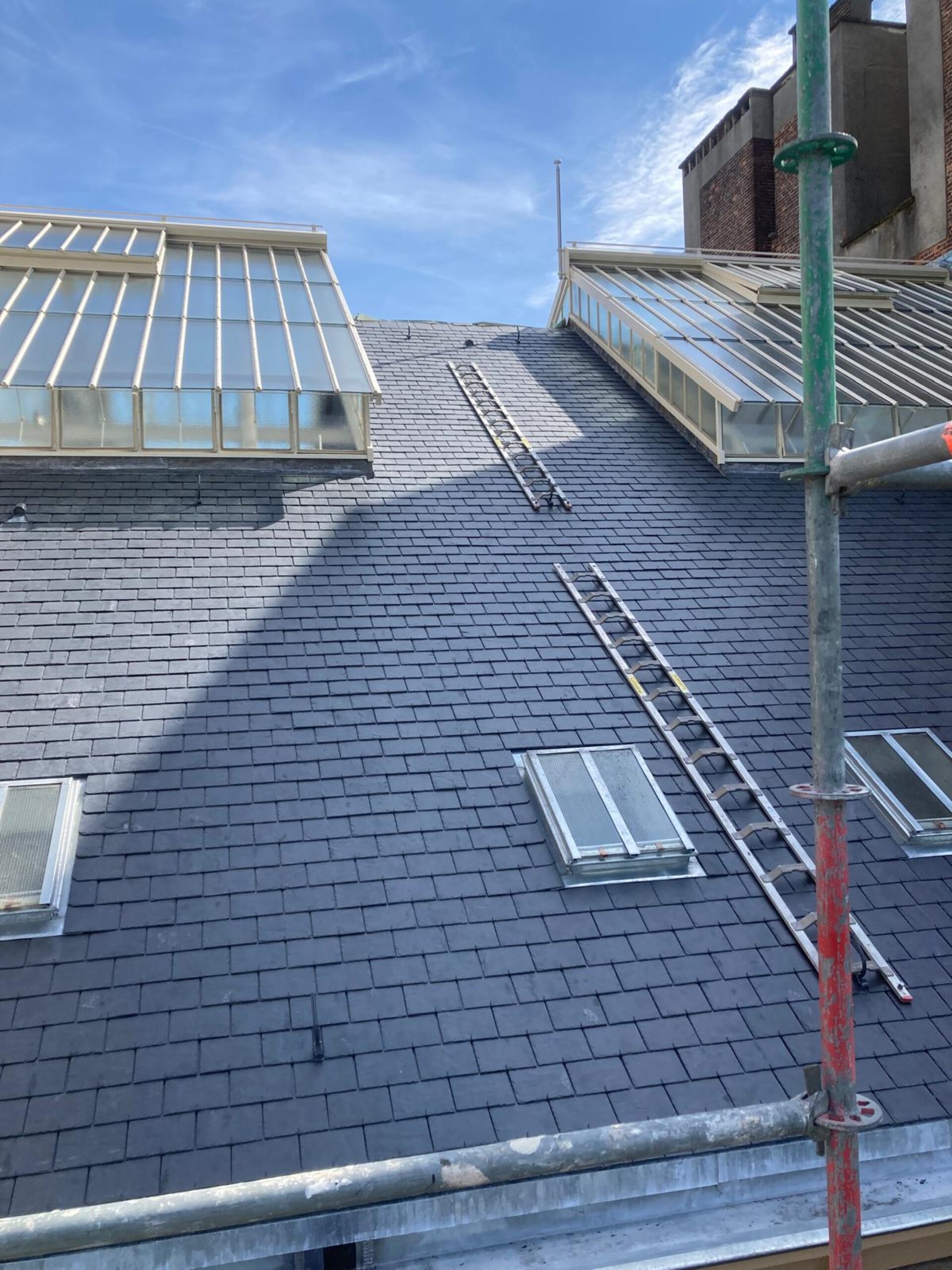
Hôtel Solvay is one of the most celebrated examples of Art Nouveau architecture in Brussels, Belgium. Designed by the renowned Belgian architect Victor Horta for the Solvay family and completed in 1903, the building is distinguished by its innovative architectural composition, elaborate decorative details and exceptional integration of materials and craftsmanship. Since 2000, it has formed part of the UNESCO World Heritage property Major Town Houses of the Architect Victor Horta (Brussels). Originally constructed as a private residence, Hôtel Solvay later accommodated the Valens fashion house before receiving museum status in 2021. Its opening to the public created new opportunities to experience and appreciate one of Belgium's most significant architectural landmarks. More than three decades after its previous major conservation intervention, the building was experiencing serious deterioration, particularly affecting its façade and roof. Between 2022 and 2024, an extensive restoration programme was undertaken to address structural defects, water infiltration and the degradation of historic materials while preserving the authenticity of Horta's original design. The façade conservation involved careful treatment of Euville limestone, cast-iron elements, oak joinery and stained glass. Historic metalwork was dismantled where necessary, protected against corrosion and reassembled using techniques compatible with the original construction. Particular attention was given to the distinctive three-dimensional balcony grille, which was restored element by element. The natural slate roof and two major skylights were comprehensively renovated to prevent water penetration and improve environmental performance. A discreet climate-control system, operated in conjunction with a rooftop weather station, was introduced to regulate internal temperatures through automated skylight ventilation. Scientific and technical research played an important role throughout the project. Three-dimensional modelling and structural analysis supported interventions on complex architectural features, including the curved bay windows. Stratigraphic investigations and material analyses provided new insights into the building's original finishes and construction methods. Each stage of the restoration was documented to create a technical archive supporting future maintenance and conservation work. The project brought together specialist craftspeople, including stonemasons, metalworkers, carpenters, slate roofers and glassmakers. Apprentices participated in the works, gaining practical experience in traditional conservation techniques. Public tours, educational visits and online communication enabled visitors and students to follow the restoration process and better understand the skills required to safeguard Art Nouveau architecture. The restoration was financed through a partnership between the Brussels-Capital Region, which provided 80% of the funding, and the owner, Alexandre Wittamer, who contributed the remaining 20%. The project reinforced Hôtel Solvay's long-term conservation strategy while maintaining public access to this exceptional historic building. Recognised with an Award at the European Heritage Awards / Europa Nostra Awards 2025 in the Conservation and Adaptive Reuse category, the restoration of Hôtel Solvay demonstrates how traditional craftsmanship, scientific research and discreet technological innovation can protect the architectural authenticity and future sustainability of a major European heritage landmark.
Similar projects

15th century

19th century

17th century
1565

16th century

19th century

17th century

19th century

1902

1902 - 1907

Early 17th century