






IS-LE: Islamic Legacy, pan-European project coordinated in Spain
IS-LE: Islamic Legacy – Narratives East, West, South, North of the Mediterranean (1350–1750) was an international research network established to advance understanding of Islamic heritage and its relationship with European and Mediterranean history. Coordinated by the Universidad ...
Read more
Project details
Description:
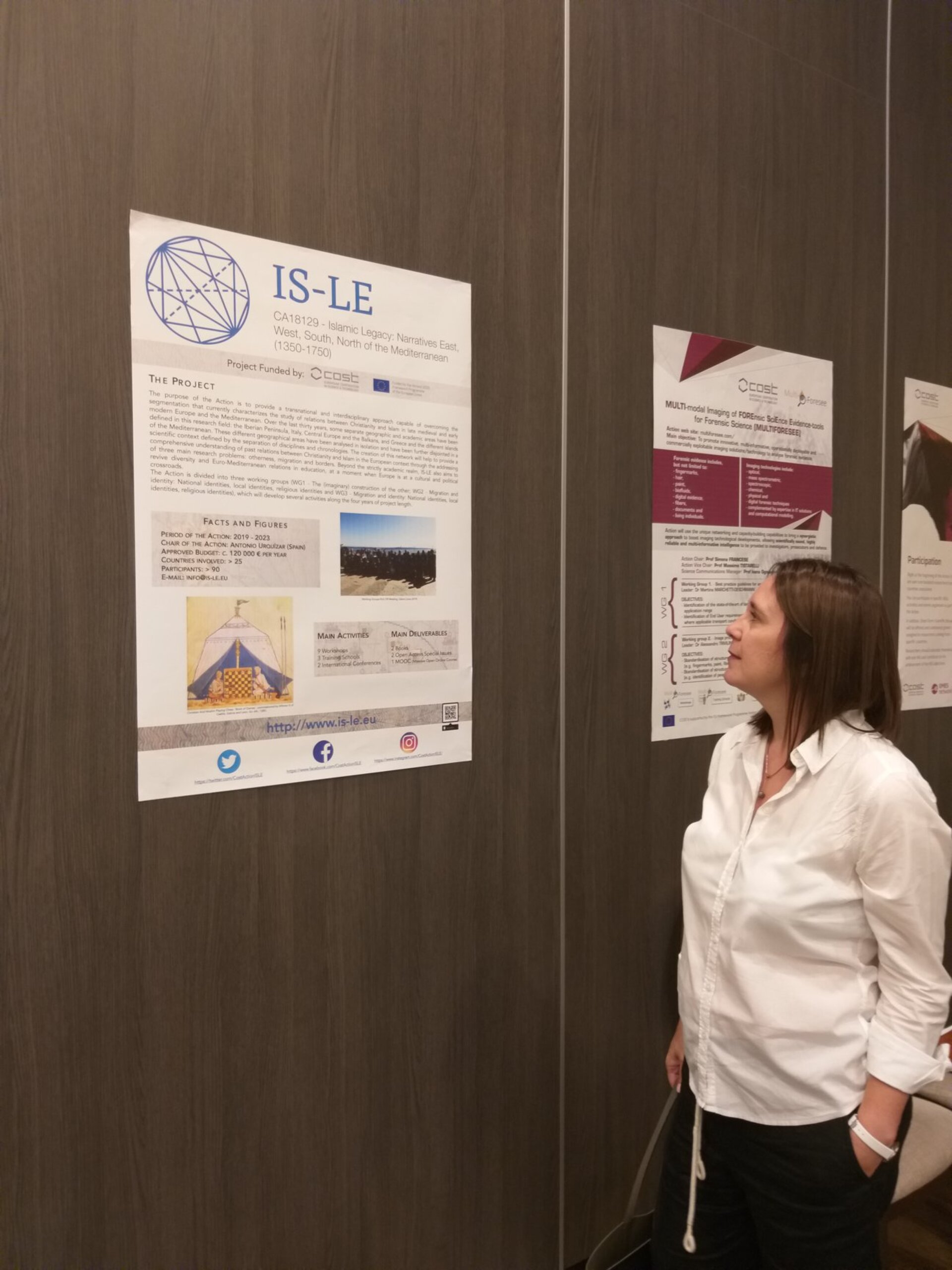
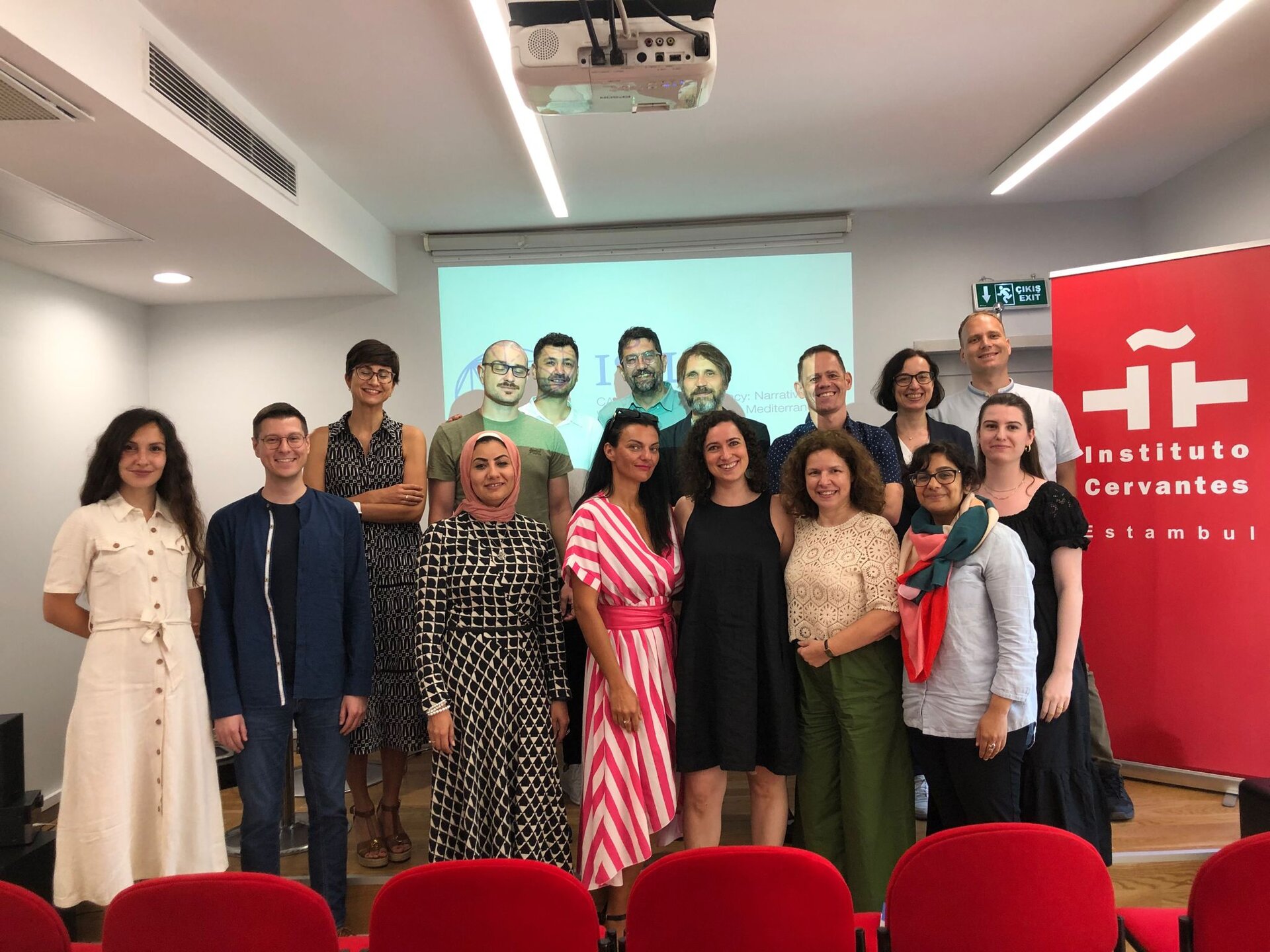
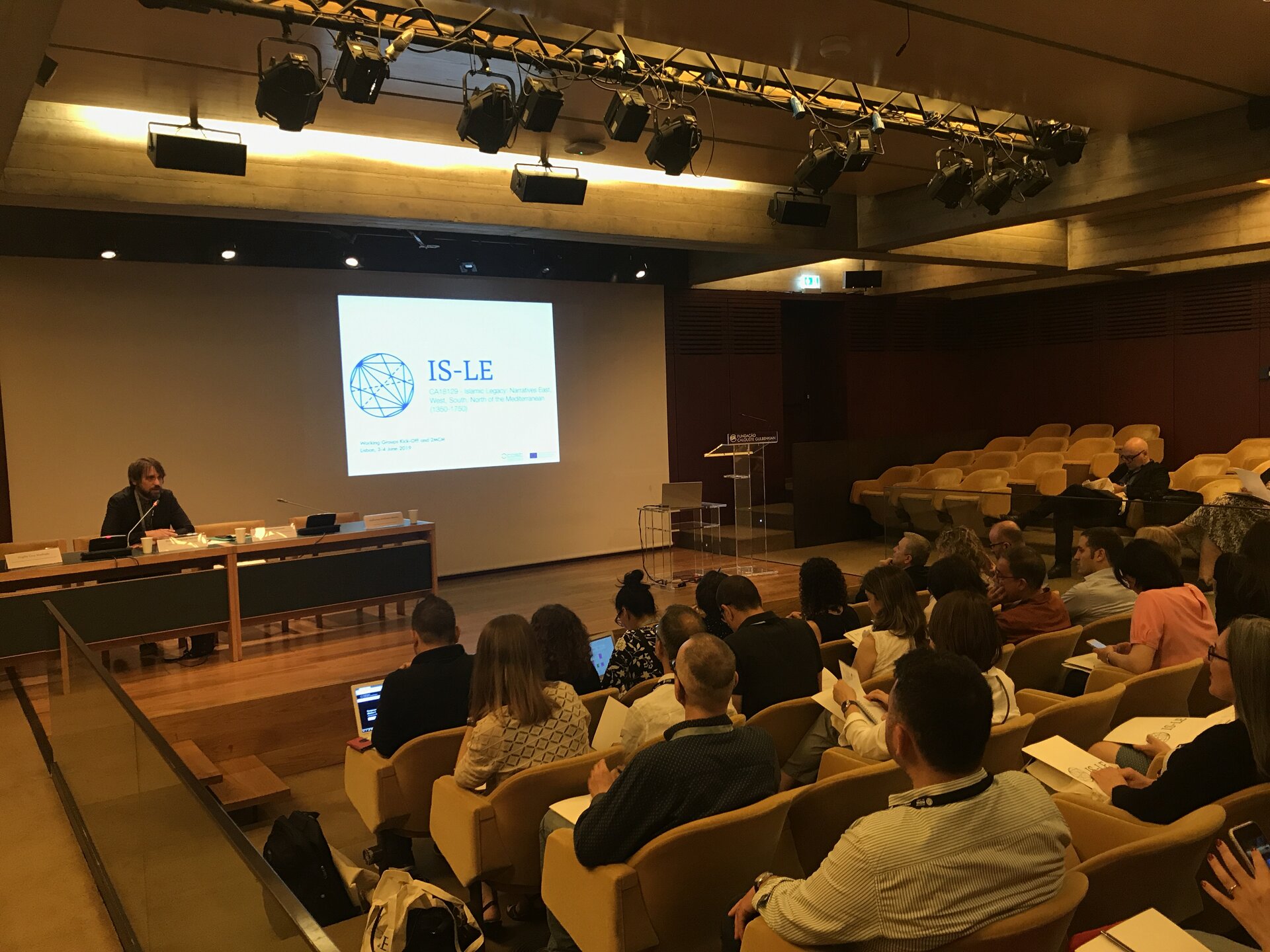
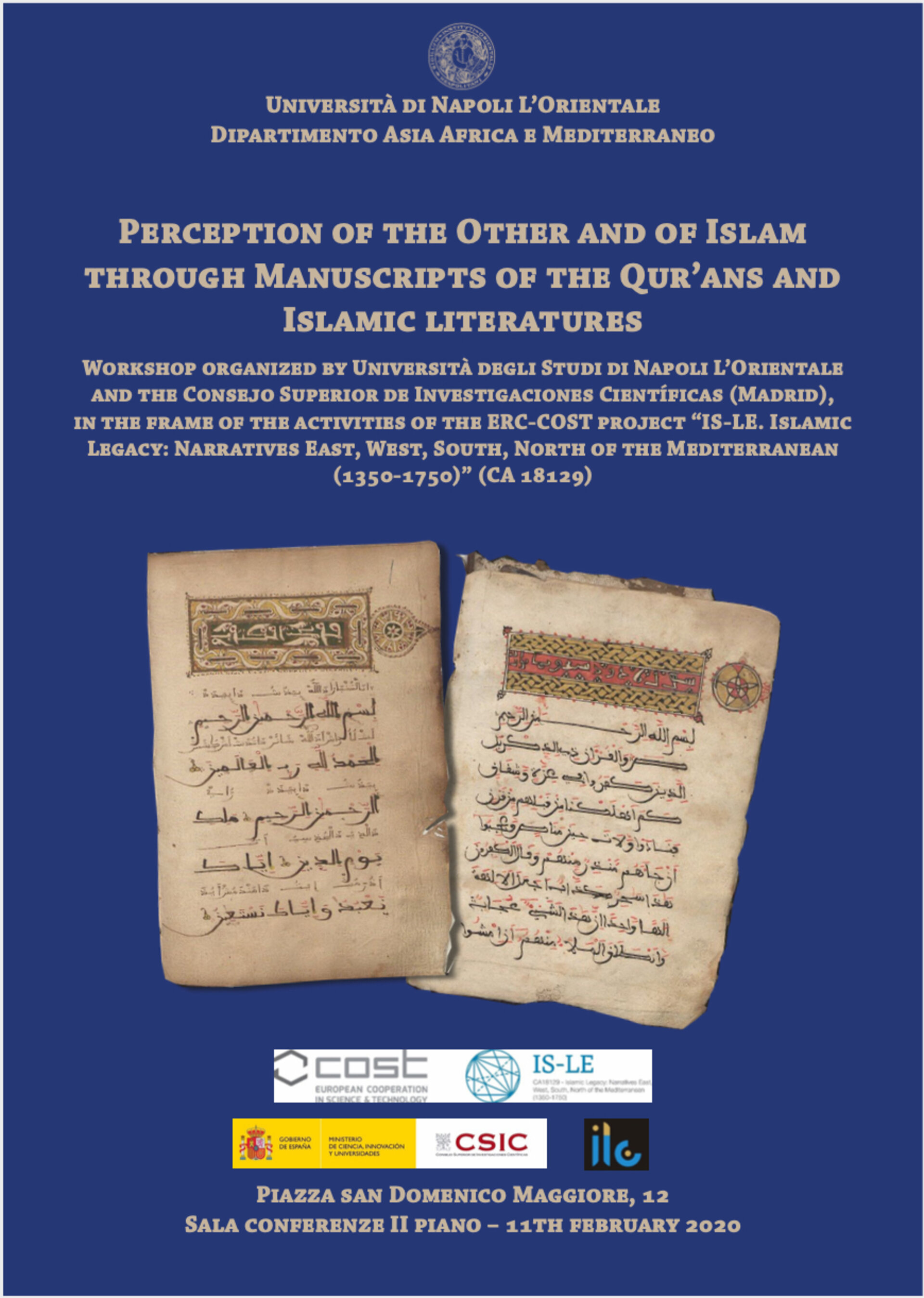
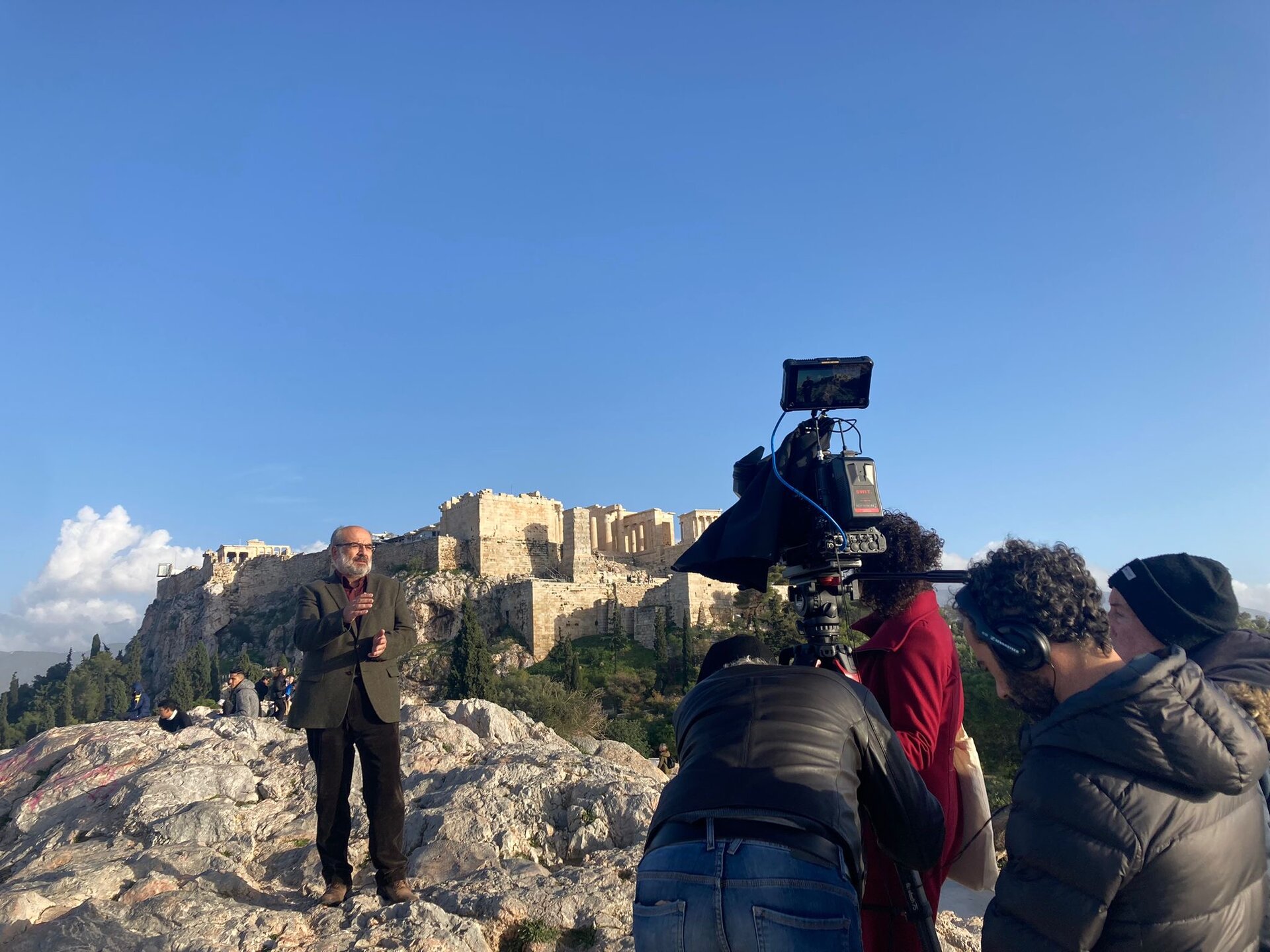
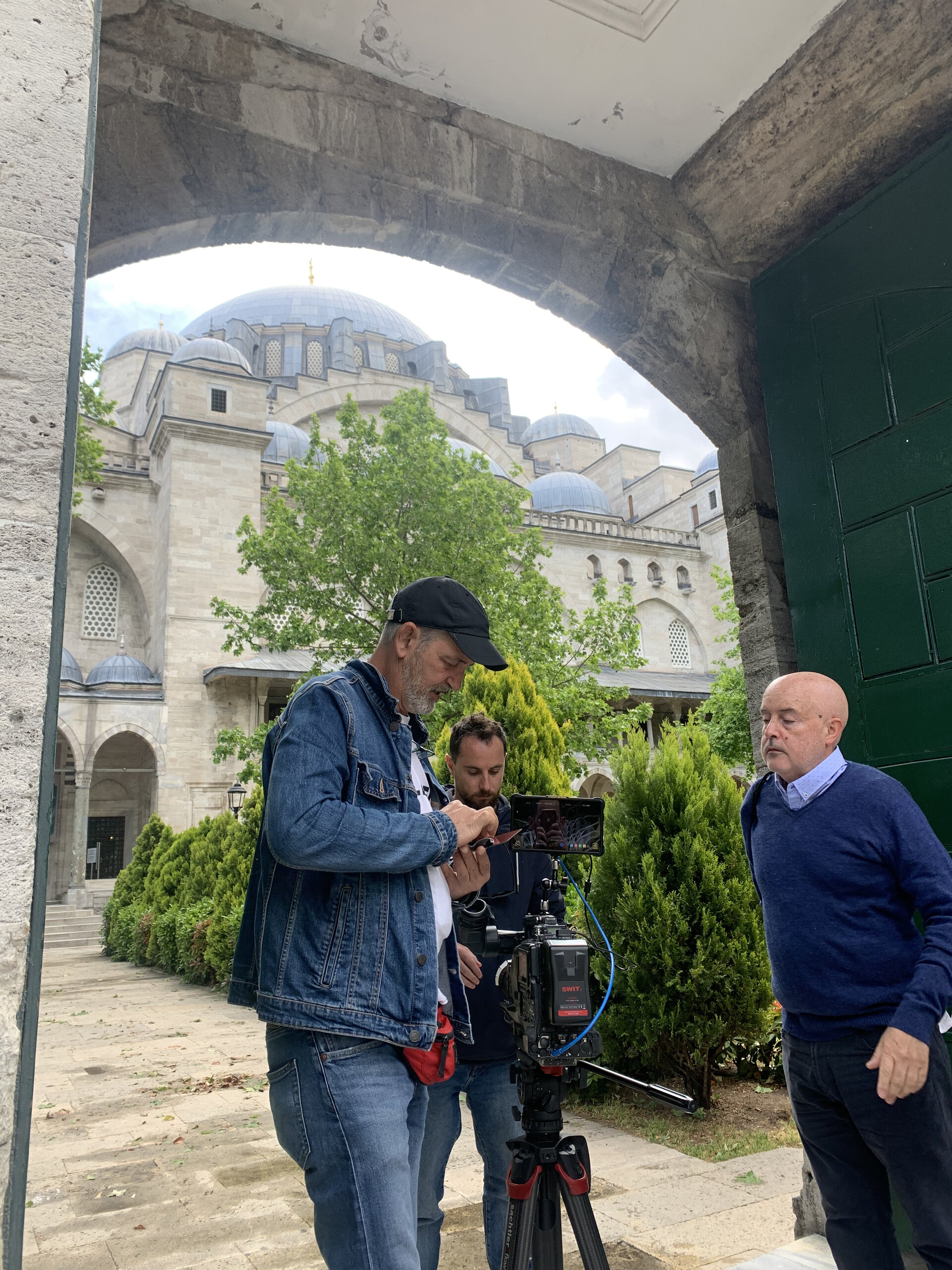
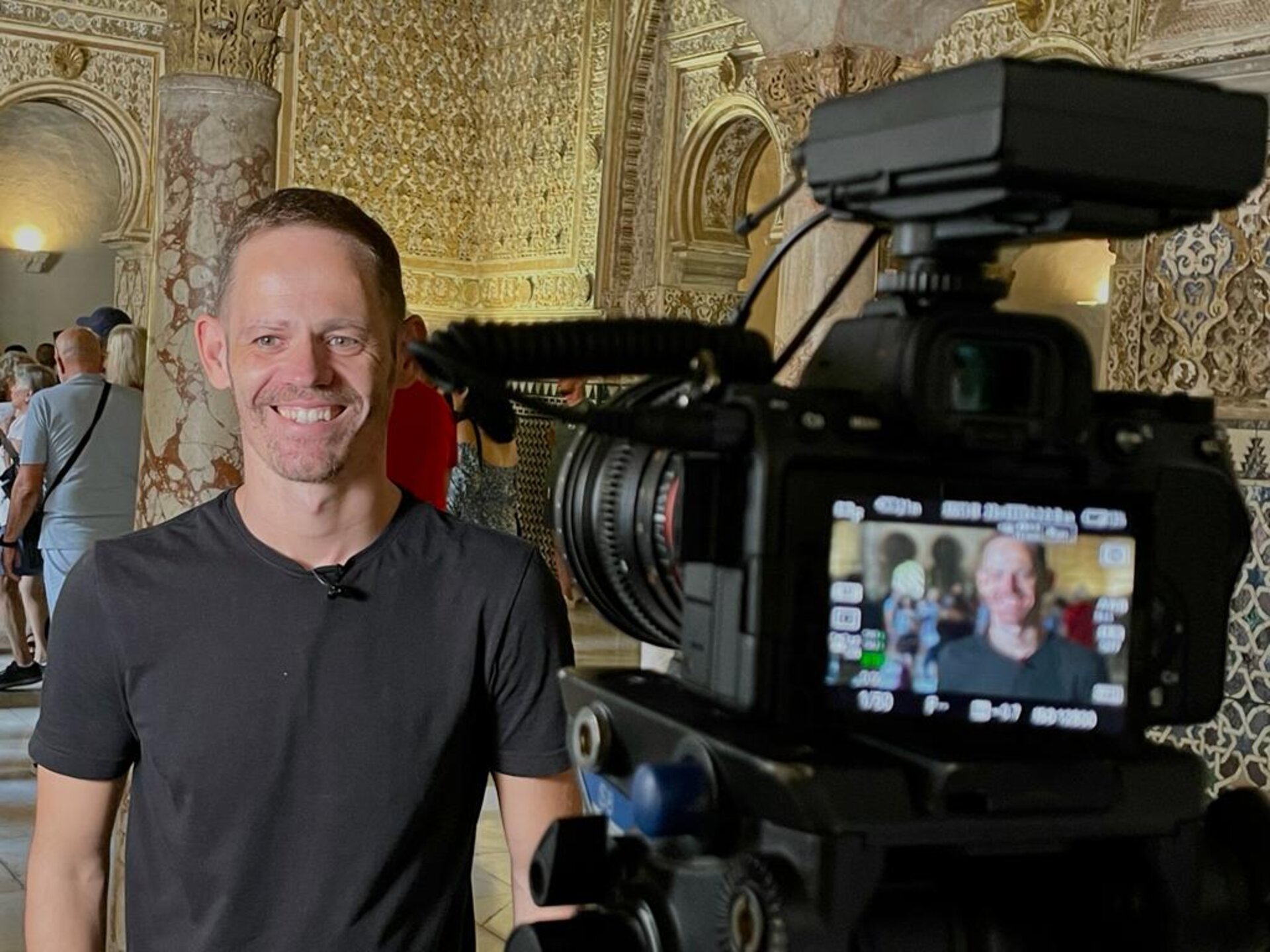
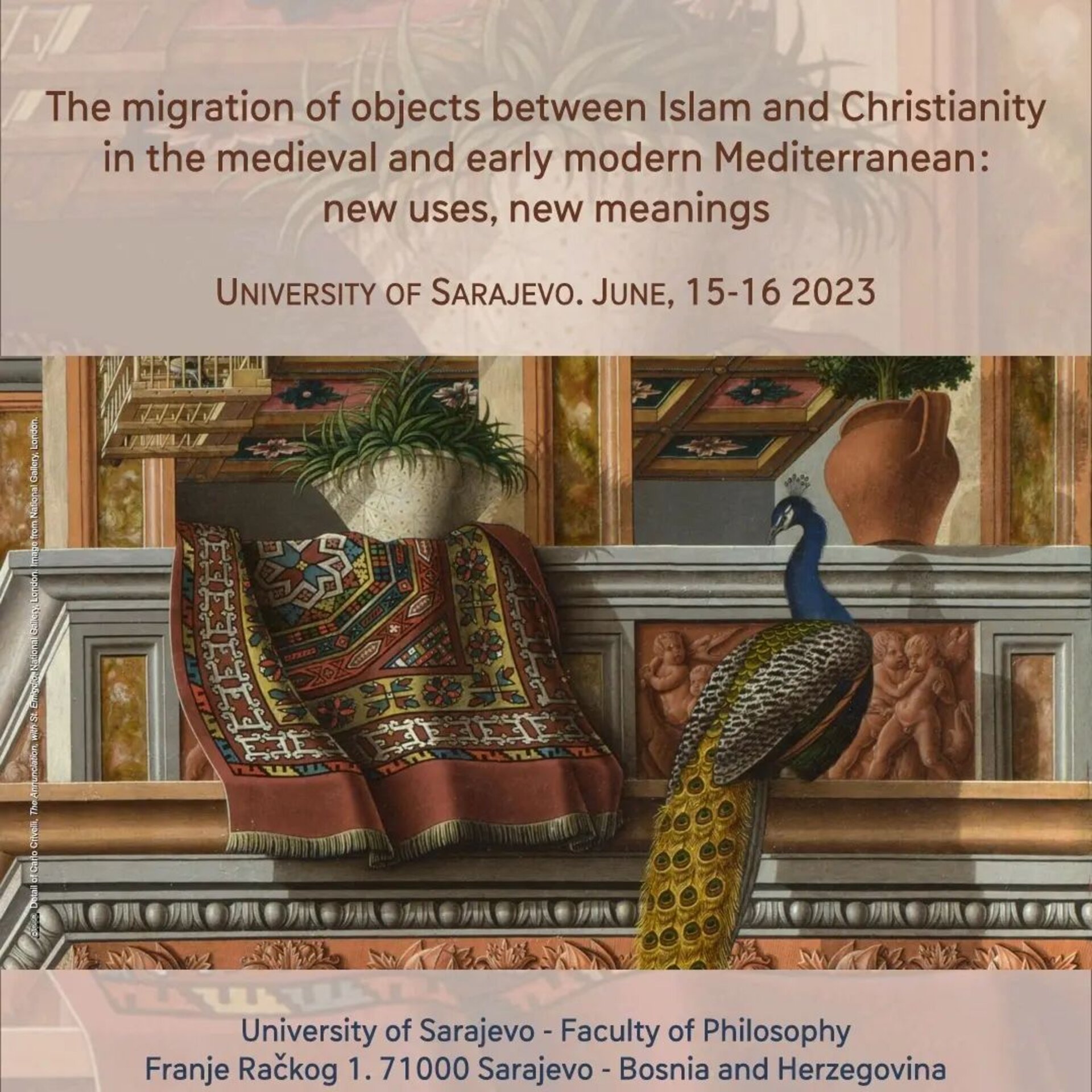
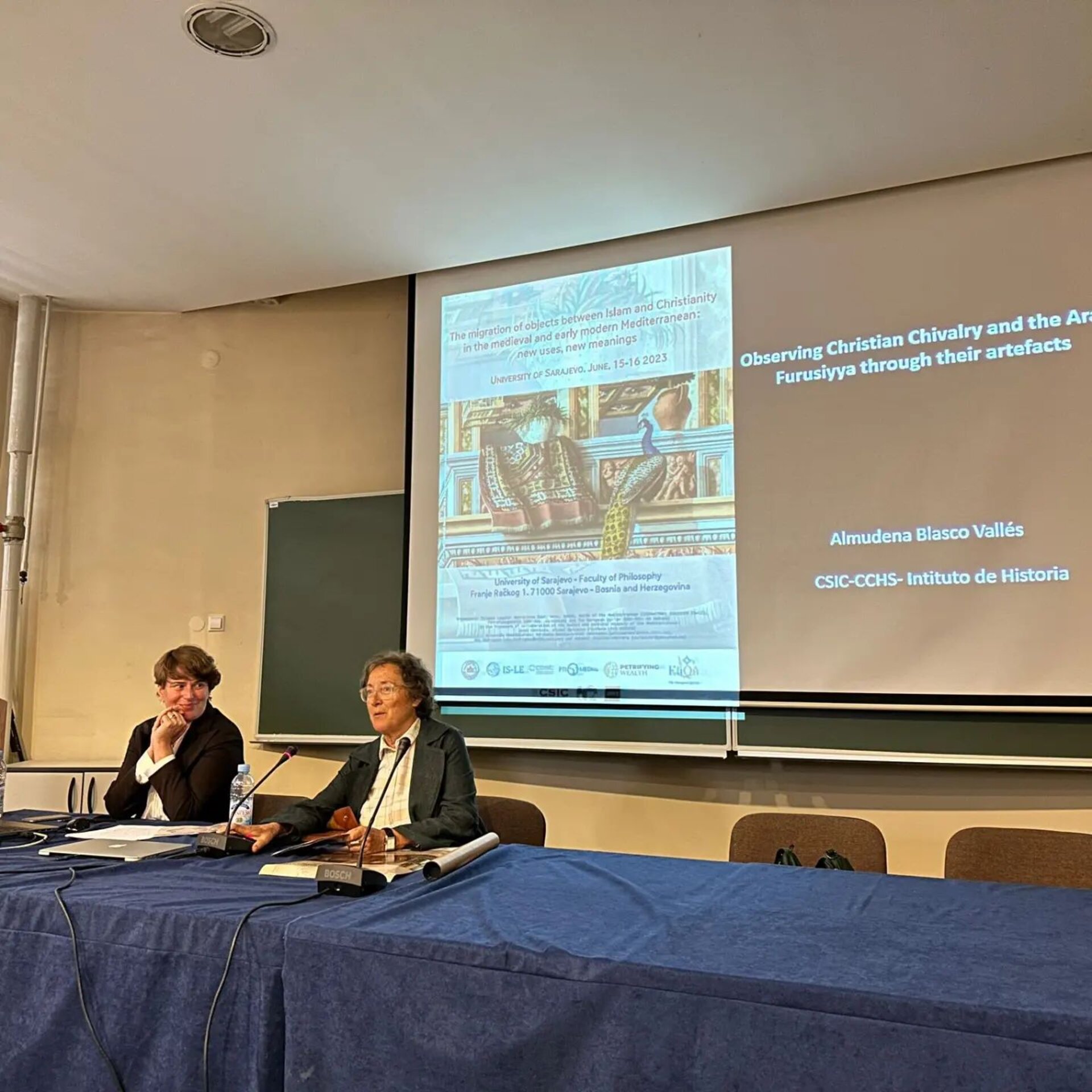
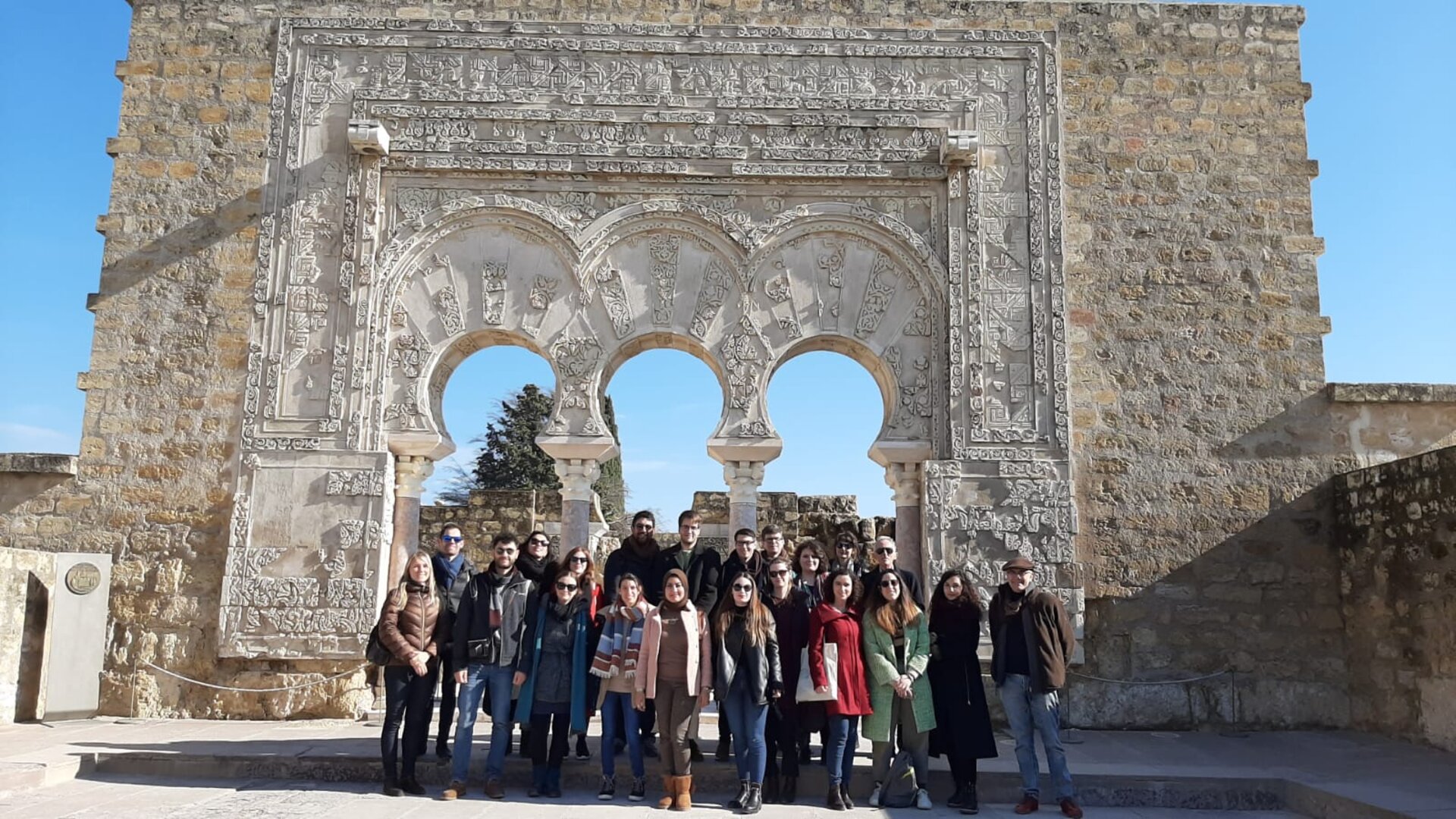
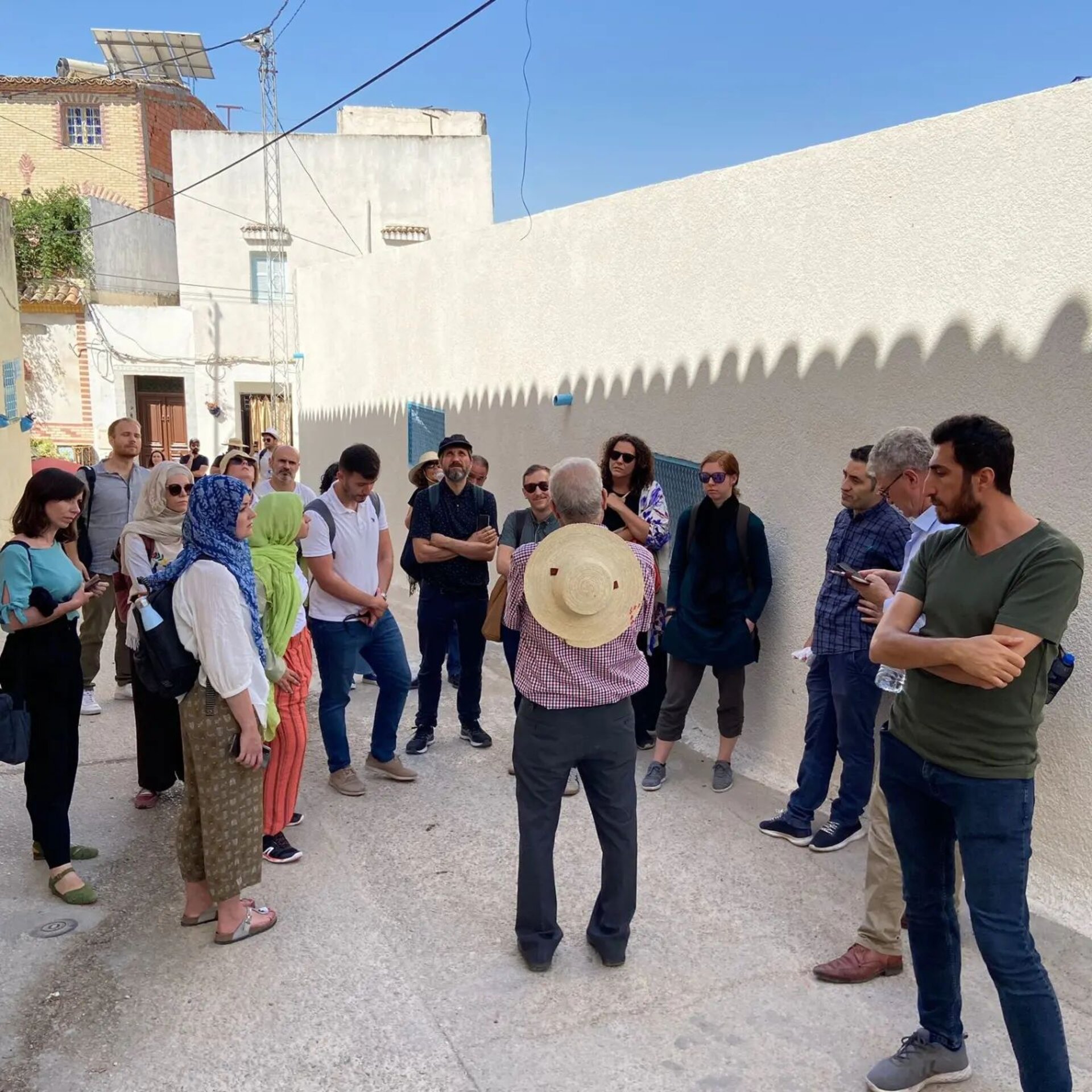
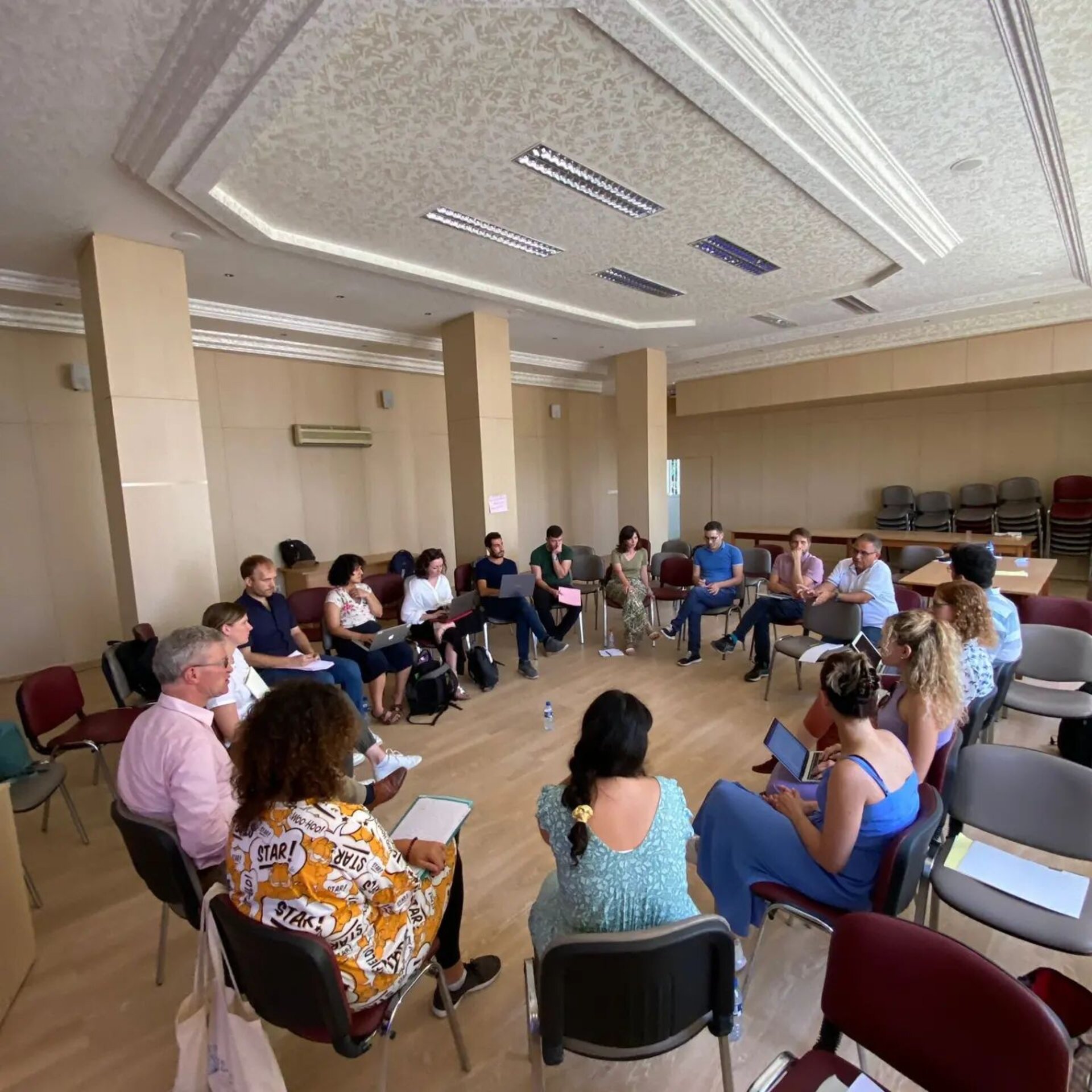
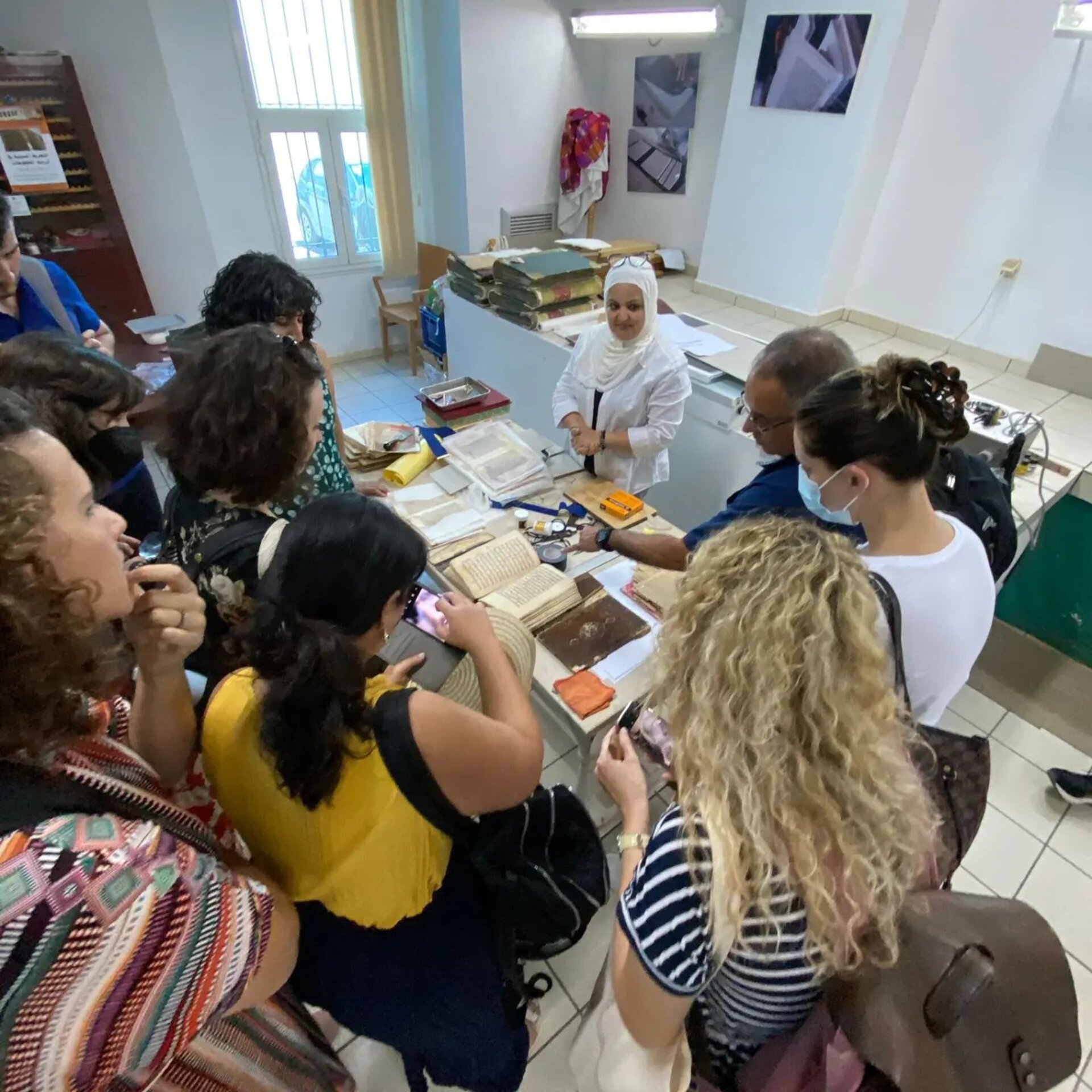
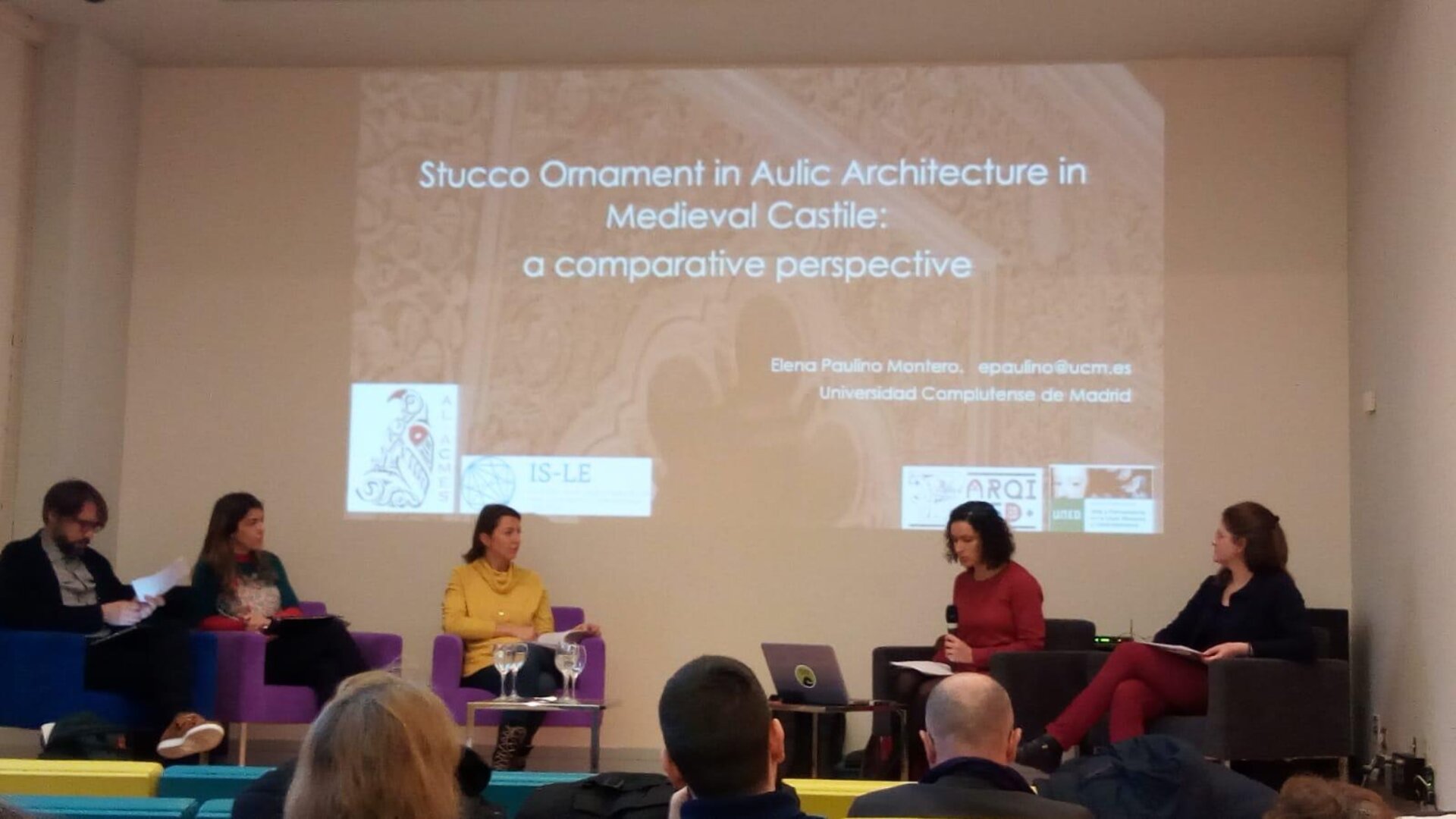
IS-LE: Islamic Legacy – Narratives East, West, South, North of the Mediterranean (1350–1750) was an international research network established to advance understanding of Islamic heritage and its relationship with European and Mediterranean history. Coordinated by the Universidad Nacional de Educación a Distancia (UNED) in Madrid, Spain, the initiative operated between 2019 and 2023 as COST Action CA18129, supported by European Cooperation in Science and Technology. The project addressed the fragmentation of research into the historical relationships between Islamic and Christian societies. Traditionally, studies of the Iberian Peninsula, Italy, Central Europe, the Balkans and the Mediterranean had often developed within separate national, geographical and disciplinary frameworks. IS-LE sought to overcome these divisions by establishing a collaborative platform for examining shared histories, cultural exchange, mobility and the construction of identities between approximately 1350 and 1750. Under the leadership of Antonio Urquízar Herrera, the network expanded from 59 to more than 200 researchers, representing over 80 institutions in 40 countries. Participants brought together expertise in history, art history, literature, anthropology, cultural heritage studies and digital humanities. Research was organised around three principal working groups: “The (Imaginary) Construction of the Other”, “Migration and Identity”, and “Beyond Borders”. These themes encouraged researchers to investigate the relationships between communities, religious traditions and political territories through interconnected historical perspectives rather than isolated national narratives. The network examined the interpretation of Islamic heritage in major European and Mediterranean monuments, historic urban landscapes and museum collections. Its research contributed to broader discussions of sites such as the Alhambra in Granada, the Mosque of Córdoba and the Old Bridge of Mostar, highlighting the complex cultural interactions reflected in Europe's built and artistic heritage. Scientific collaboration resulted in six major publications and numerous opportunities for interdisciplinary exchange. IS-LE also organised more than 30 workshops and three international training schools in Spain, Tunisia and Sweden. These activities supported early-career researchers, strengthened professional networks and encouraged the exchange of methods across disciplines and national borders. Education and public communication were central to the programme. The project developed a Massive Open Online Course, television documentaries, short films, subtitled educational videos and other freely accessible resources. These materials helped communicate complex historical subjects to students, educators, heritage professionals and wider audiences. The network's open-access publications, digital resources and event documentation continue to support research and teaching beyond the formal funding period. Its collaborative structure also provides a transferable model for other fields concerned with underrepresented or geographically dispersed cultural heritage. IS-LE demonstrated how sustained international cooperation can contribute to a more nuanced understanding of Europe's diverse cultural history. By examining the connected experiences of Islamic and Christian societies, it encouraged new approaches to heritage interpretation, historical identity and cultural exchange. In 2025, IS-LE received a European Heritage Award / Europa Nostra Award in the Research category. The award recognised the project's transnational and multidisciplinary methodology, its contribution to the study of Islamic heritage as an integral part of European history, and its commitment to accessible research and educational resources.
Similar projects


