






Prof. em. Peter Latz
Professor Emeritus Peter Latz, born in Germany in 1939, is a pioneering landscape architect and urban planner whose work has fundamentally changed approaches to industrial heritage conservation and the regeneration of post-industrial landscapes. Over more than five decades, he ...
Read more
Project details
Description:
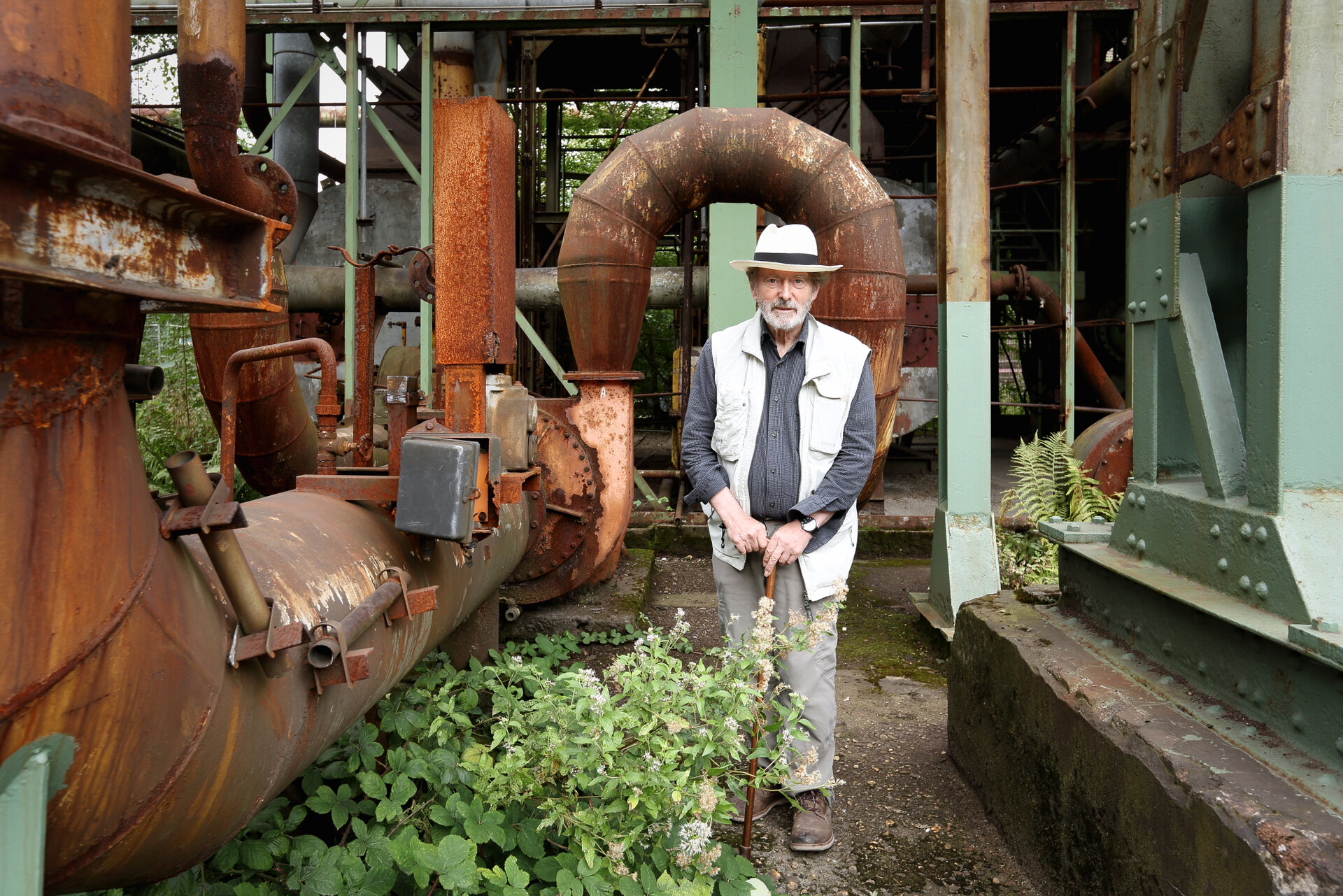
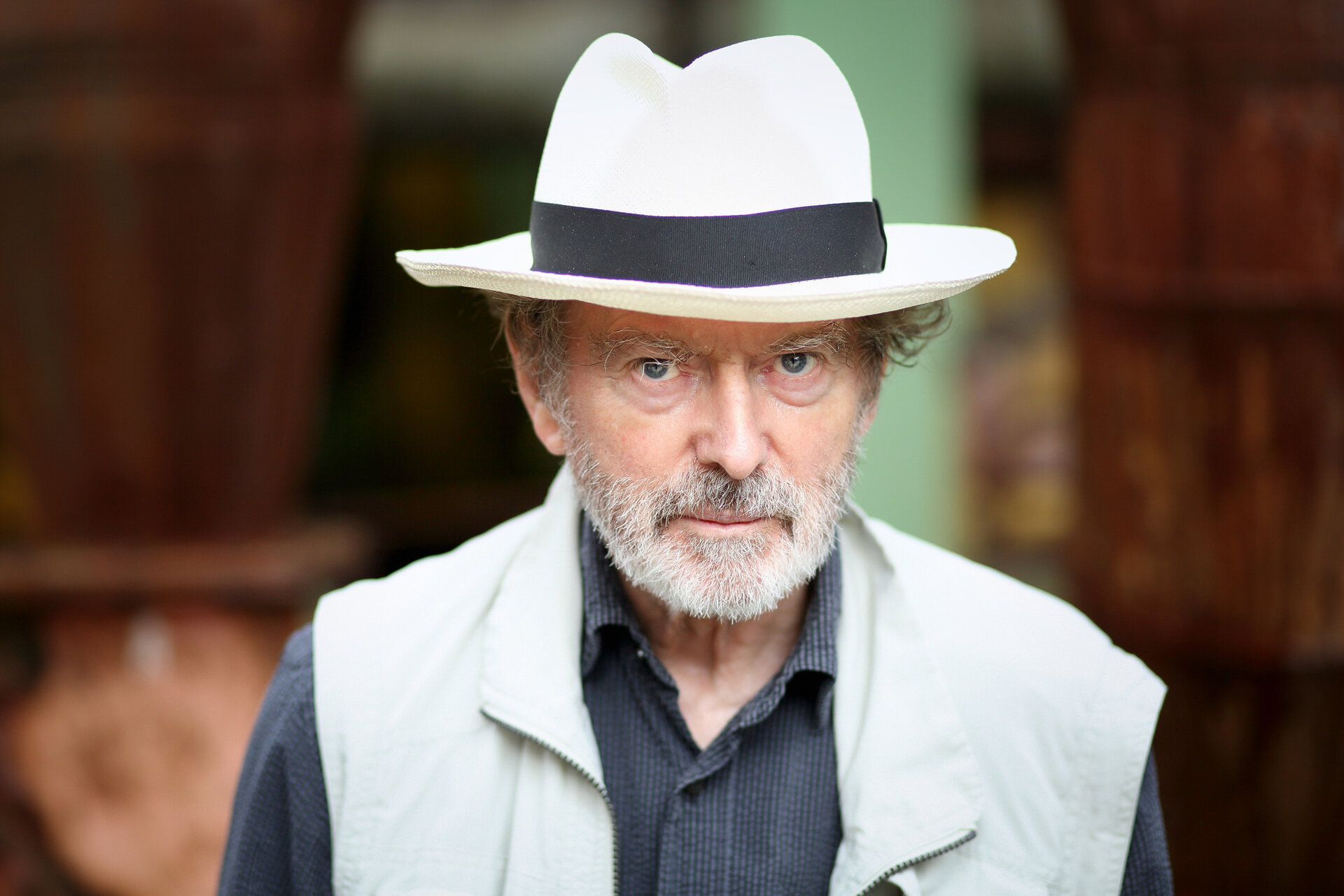
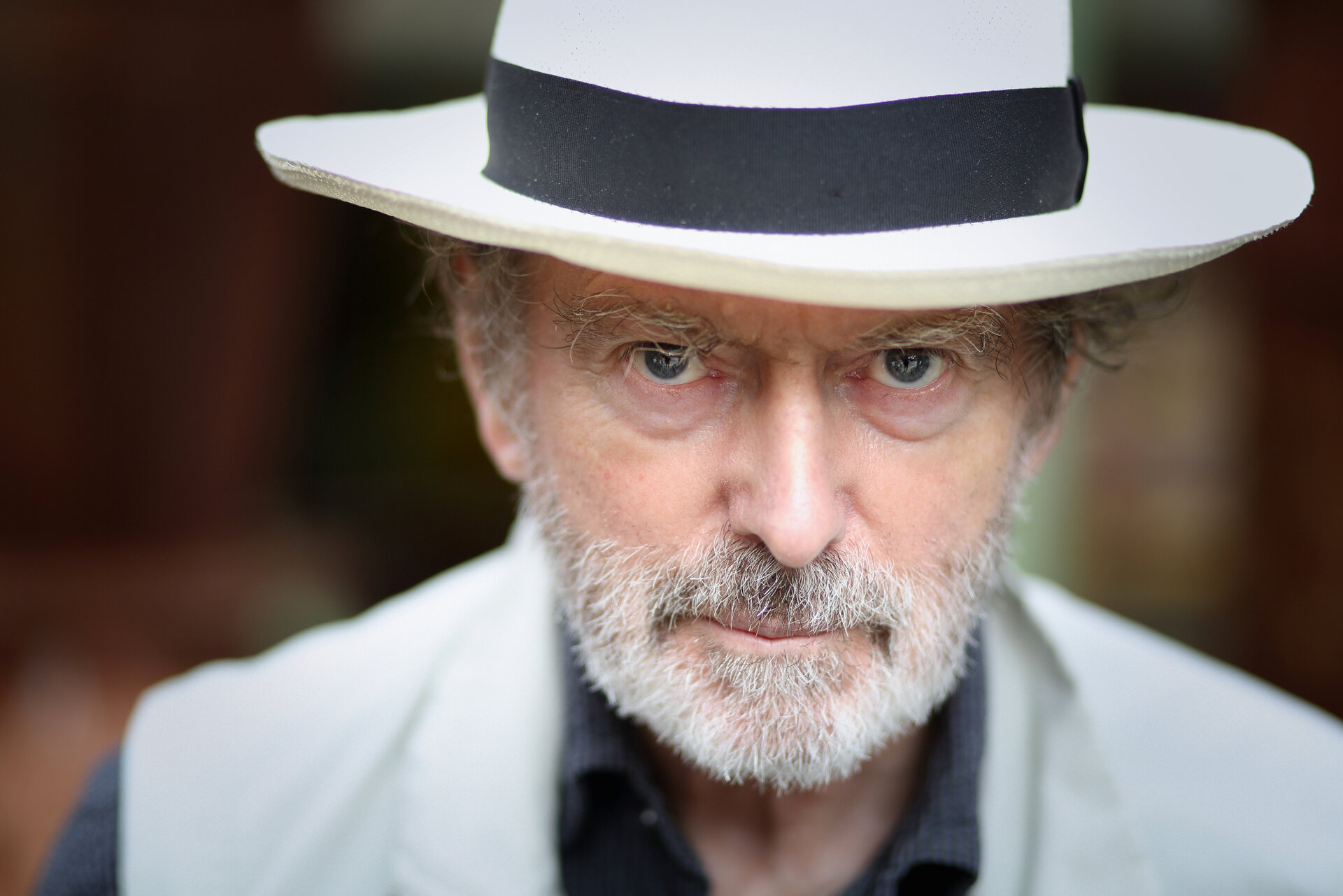
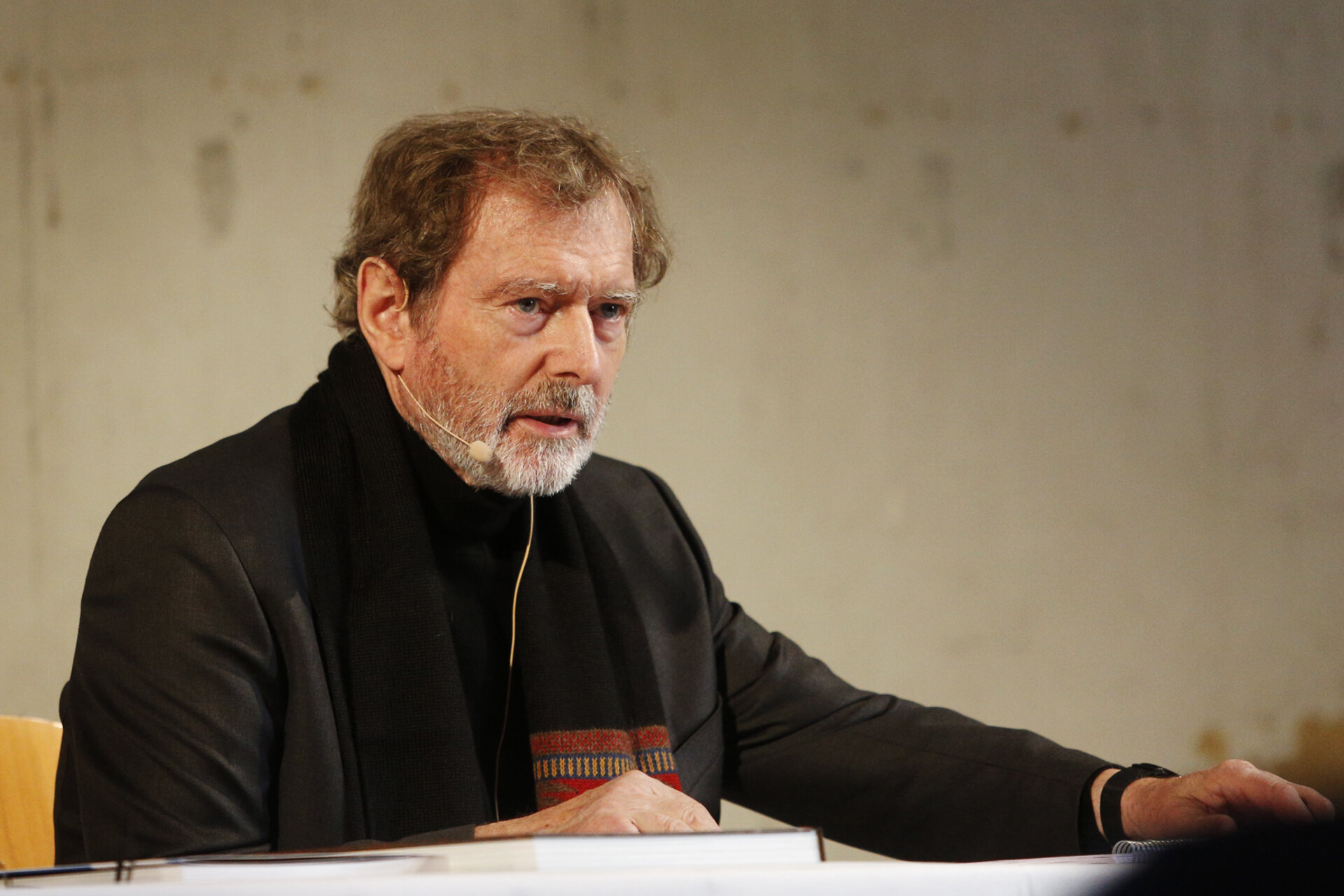
Professor Emeritus Peter Latz, born in Germany in 1939, is a pioneering landscape architect and urban planner whose work has fundamentally changed approaches to industrial heritage conservation and the regeneration of post-industrial landscapes. Over more than five decades, he has demonstrated how redundant factories, steelworks, infrastructure and contaminated industrial land can be transformed into socially valuable and ecologically productive public spaces without erasing their historical character. In 2025, he received a European Heritage Award / Europa Nostra Award in the Heritage Champions category in recognition of his exceptional contribution to Europe's cultural and industrial heritage. Latz studied landscape architecture at the Technical University of Munich and subsequently pursued urban planning studies in Aachen. In 1968, he established a landscape architecture practice with his wife, Anneliese Latz, laying the foundations for what became Latz + Partner. His professional philosophy challenged conventional approaches to redevelopment that favoured the removal of industrial remains. Instead, he treated existing structures, materials, vegetation and traces of former activities as essential components of a site's identity and future. His most internationally celebrated achievement is Landschaftspark Duisburg-Nord in Germany's Ruhr region. Developed during the International Building Exhibition Emscher Park and substantially completed in the 1990s, the project transformed a disused ironworks into an extraordinary public landscape. Blast furnaces, ore bunkers, railway structures and other industrial features were retained and integrated with gardens, recreational facilities, climbing areas, walking routes and observation platforms. Rather than disguising the site's industrial past, the design makes its history visible and accessible while allowing natural processes and new forms of public use to evolve. Attracting approximately 1.2 million visitors annually, the park has become an internationally recognised model of industrial heritage reuse and an important destination on the European Route of Industrial Heritage. Latz's influence extends to numerous other European projects, including Harbour Island in Saarbrücken, Germany; Parco Dora in Turin, Italy; and the Plateau de Kirchberg in Luxembourg. Across these varied settings, his work combines historical interpretation with environmental restoration, adaptable design and contemporary urban needs. His methods incorporate ecological strategies such as rainwater management, green roofs, the reuse of existing materials and the establishment of vegetation suited to local conditions. His long-term experiments with passive solar energy and ecological design, beginning in the 1970s, further demonstrate the consistency of his commitment to sustainable development. Education and knowledge-sharing have been central to his career. Latz taught at the Academy of Architecture in Maastricht from 1968 to 1973, at the University of Kassel from 1973 to 1983 and at the Technical University of Munich from 1983 to 2008. He also held visiting and adjunct teaching positions at Harvard University and the University of Pennsylvania. Through lectures, workshops, research and publications, including RUST RED, 250 Things a Landscape Architect Should Know and The Landscape Architecture of Peter Latz and Partners, he has influenced generations of landscape architects, architects, planners and heritage professionals. His practice is distinguished by interdisciplinary collaboration and engagement with local communities, historians, environmental specialists and public authorities. He has consistently advocated for the cultural significance of industrial landscapes and for design processes that respond to the needs of both people and ecosystems. This approach recognises that former industrial sites are not empty spaces awaiting replacement, but layered cultural landscapes capable of continuing transformation. Latz's achievements have received international recognition, including the Rosa Barba European Landscape Prize in 2000, the TOPOS Landscape Award in 2013, the Friedrich-Ludwig-von-Sckell Ring in 2014 and the IFLA Sir Geoffrey Jellicoe Award in 2016. The legacy of Peter Latz lies in establishing a new relationship between industrial history, landscape architecture and ecological renewal. His work has demonstrated that conserving industrial heritage can support biodiversity, strengthen regional identity, provide inclusive public spaces and contribute to the sustainable regeneration of European cities. Through his projects, teaching and advocacy, he has reshaped how post-industrial landscapes are understood, protected and reimagined.