



Inge Bisgaard
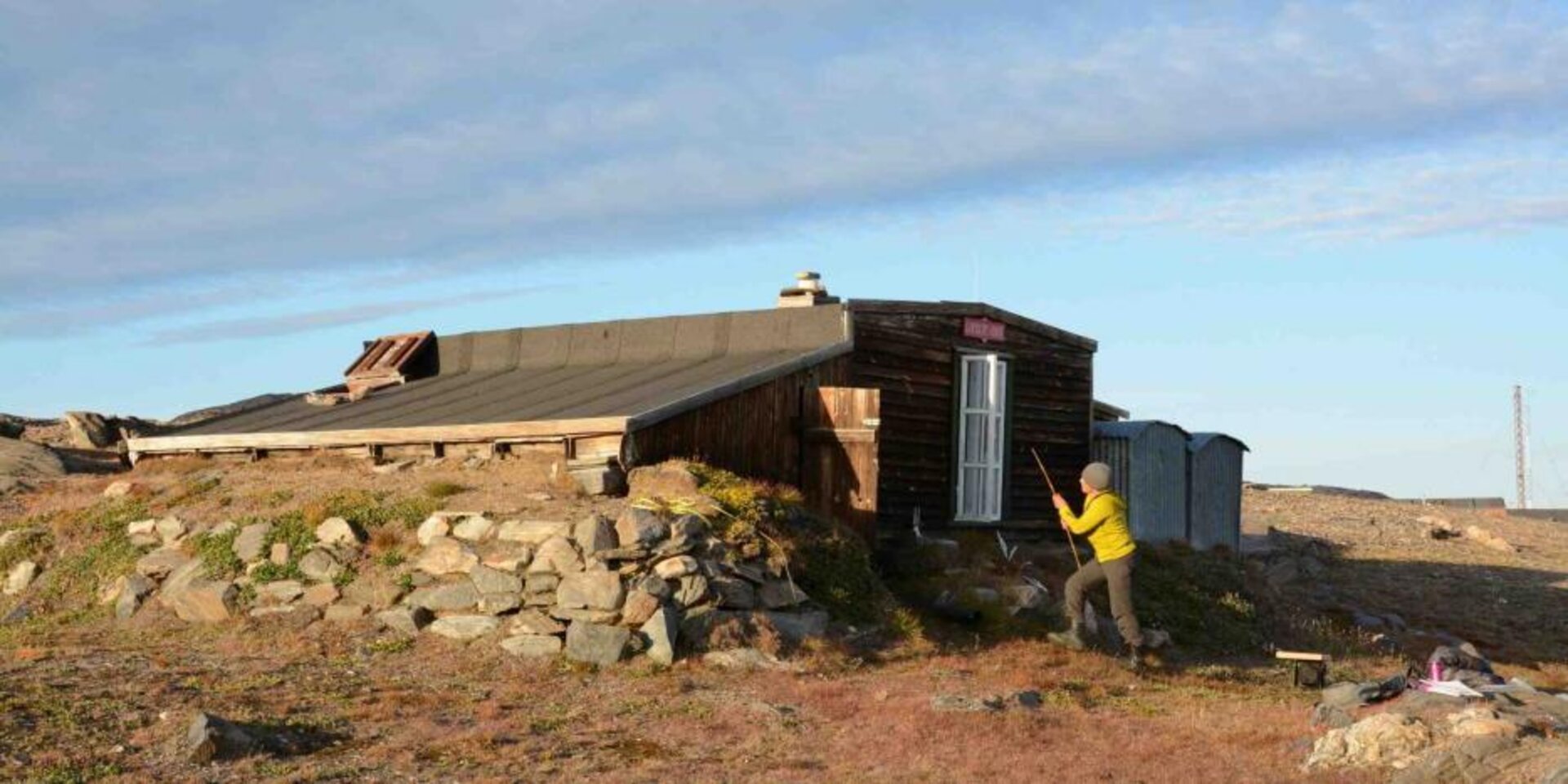
Inge Bisgaard is a Greenlandic built heritage conservation specialist whose lifelong dedication to safeguarding historic architecture has made a fundamental contribution to the protection and understanding of Greenland's cultural heritage. Born and raised in Greenland and ...
Read more
Project details
Description:
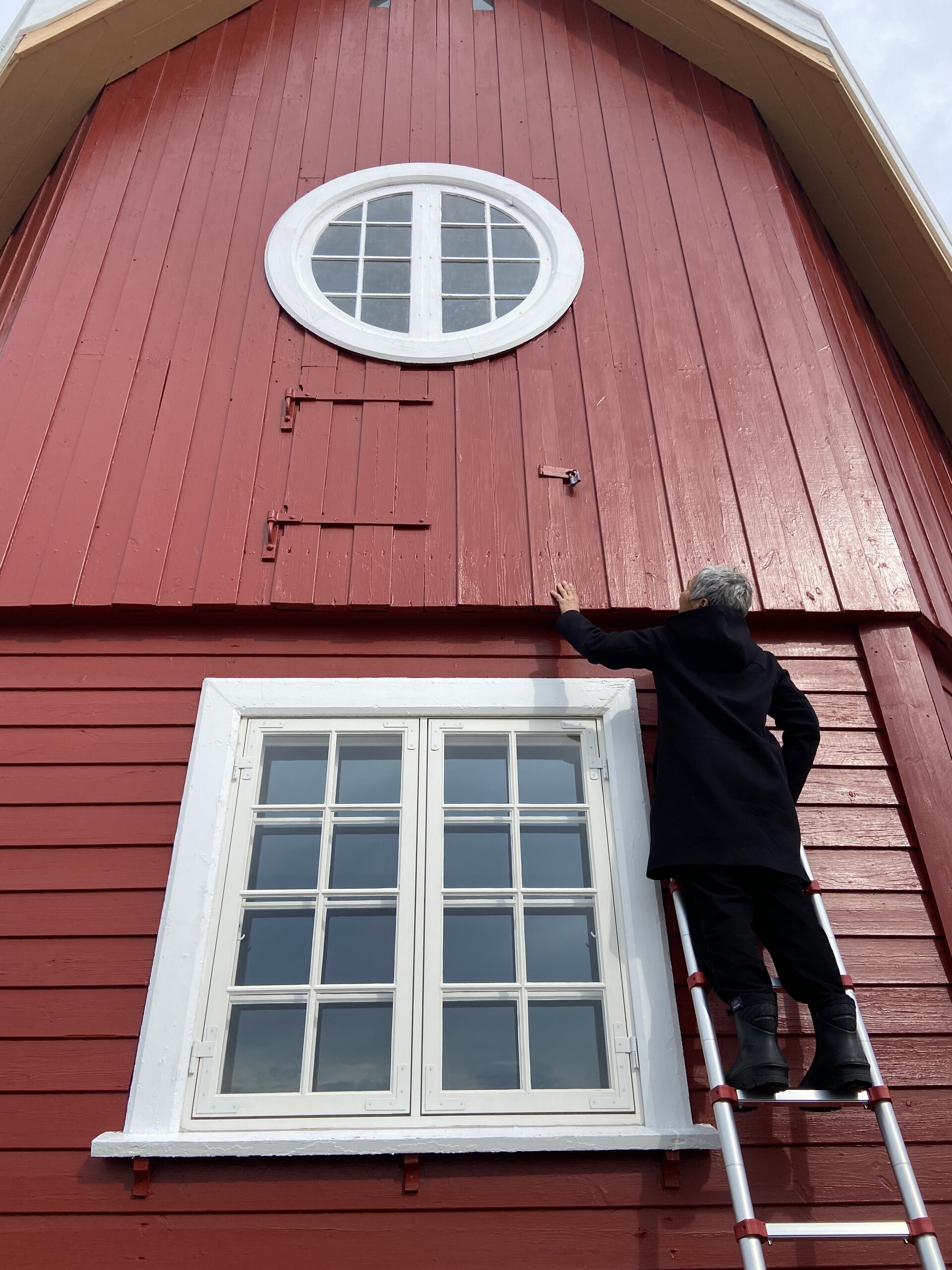
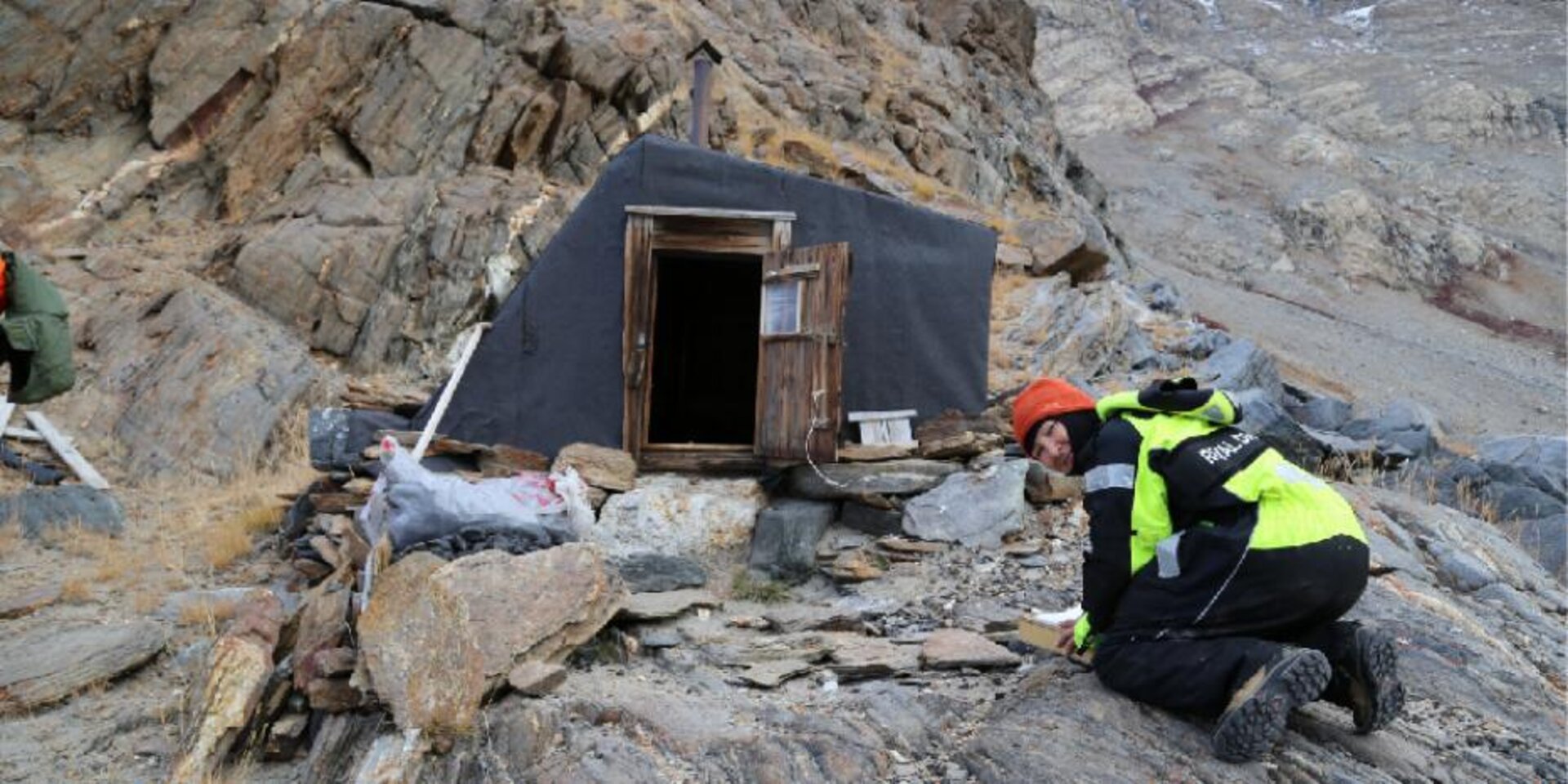
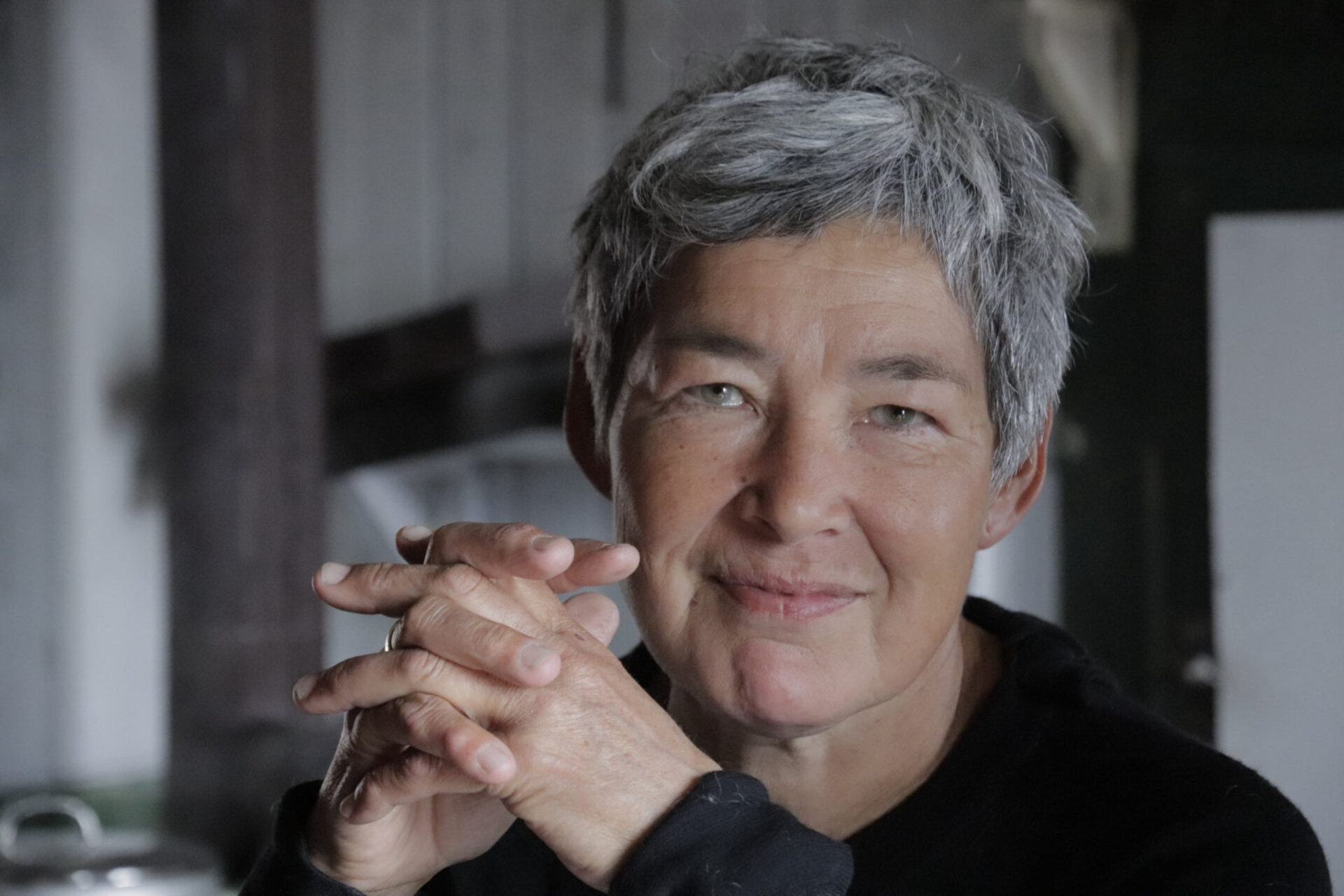
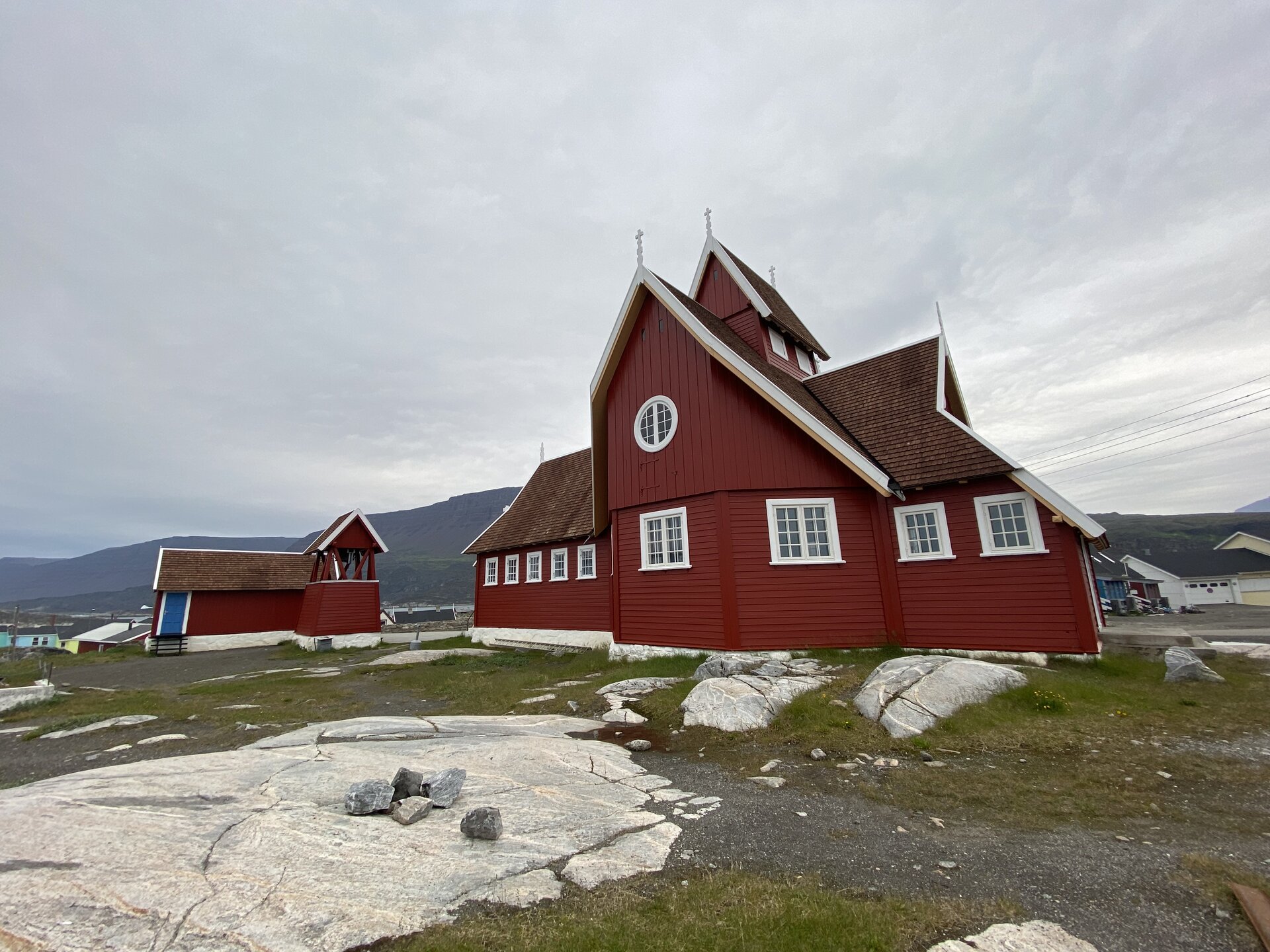
Inge Bisgaard is a Greenlandic built heritage conservation specialist whose lifelong dedication to safeguarding historic architecture has made a fundamental contribution to the protection and understanding of Greenland's cultural heritage. Born and raised in Greenland and educated in Copenhagen, she combines deep knowledge of local traditions with professional expertise in architectural history, documentation and conservation. In 2025, she received a European Heritage Award / Europa Nostra Award and a Grand Prix in the Heritage Champions category, recognising her exceptional contribution to preserving Greenland's historic built environment. Since 2011, Bisgaard has worked at the Greenland National Museum and Archives in Nuuk, where she has undertaken a systematic assessment of the country's listed buildings. This ambitious programme examines the historical significance, physical condition and continuing conservation value of protected structures, providing the basis for individual maintenance and preservation strategies. Her work brings together archival research, field investigation, technical evaluation and dialogue with local communities to strengthen the long-term protection of Greenland's architectural heritage. A particularly important aspect of her work concerns the documentation of historic expedition cabins, hunting stations and other isolated buildings in Northeast Greenland. Many of these nineteenth- and twentieth-century structures stand in remote Arctic environments, where extreme weather, difficult access and limited maintenance resources place their survival at risk. Through extensive fieldwork, Bisgaard has recorded, assessed and classified these vulnerable sites, preserving knowledge of the people, activities and building traditions associated with them. Her conservation activities encompass a wide range of architectural heritage. She has contributed to the assessment of former American military installations at Ikkatteq and Marrak, reflecting Greenland's twentieth-century military history, and has supported the restoration of historic wooden buildings, including the eighteenth-century houses at Ilimanaq in collaboration with Realdania Byg. She also contributed to the documentation and conservation planning associated with Kujataa Greenland: Norse and Inuit Farming at the Edge of the Ice Cap, which was inscribed on the UNESCO World Heritage List in 2017. This work included consideration of 57 historic buildings in the settlements of Qassiarsuk and Igaliku. Beyond individual sites, Bisgaard has played an influential role in establishing practical conservation standards for Greenland. Her restoration guidance provides architects, craftspeople, property owners and public authorities with information on appropriate methods and materials for repairing historic buildings. By promoting informed maintenance and traditional building skills, she has helped connect professional conservation practice with everyday responsibility for cultural heritage. Community engagement and education are integral to her approach. Through exhibitions, publications, professional advice and direct conversations with residents, she has encouraged a wider understanding of the significance of Greenland's built environment. Her work recognises that historic buildings are not merely physical structures but repositories of collective memory, craftsmanship and cultural identity. Bisgaard has also addressed emerging environmental threats to architectural heritage, including the effects of thawing permafrost and the spread of destructive wood-decay fungi. Her research highlights the vulnerability of historic wooden buildings to changing Arctic conditions and reinforces the importance of conservation approaches adapted to local materials, climate and construction traditions. Her achievements have received national and international recognition, including the Prince Henrik Europa Nostra Award and her appointment as Knight of the Order of Dannebrog by King Frederik X of Denmark on 26 June 2024. Inge Bisgaard's lasting contribution lies in combining rigorous research, practical conservation expertise and sustained public engagement. Her work has helped shape a coherent approach to protecting Greenland's architectural heritage, ensuring that traditional wooden buildings, remote expedition sites and more recent historic structures can continue to communicate the island's complex cultural history to future generations.