













Varvara Buzilă
Varvara Buzilă is a Moldovan ethnographer, researcher and cultural heritage advocate whose career has transformed the safeguarding and public understanding of Moldova's intangible cultural heritage. Born in 1955 in Trebujeni, near the historic landscape of Orheiul Vechi, she ...
Read more
Project details
Description:
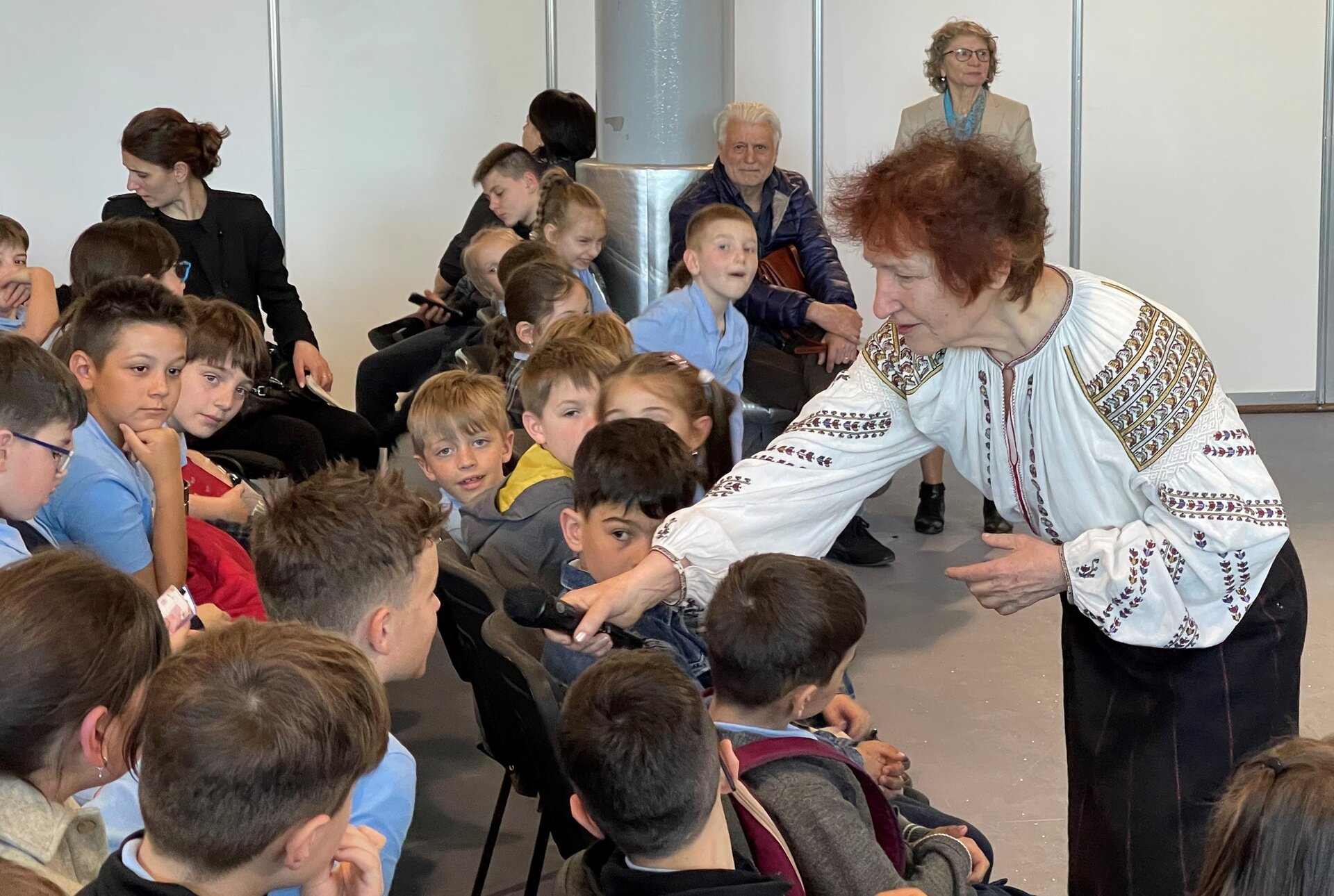
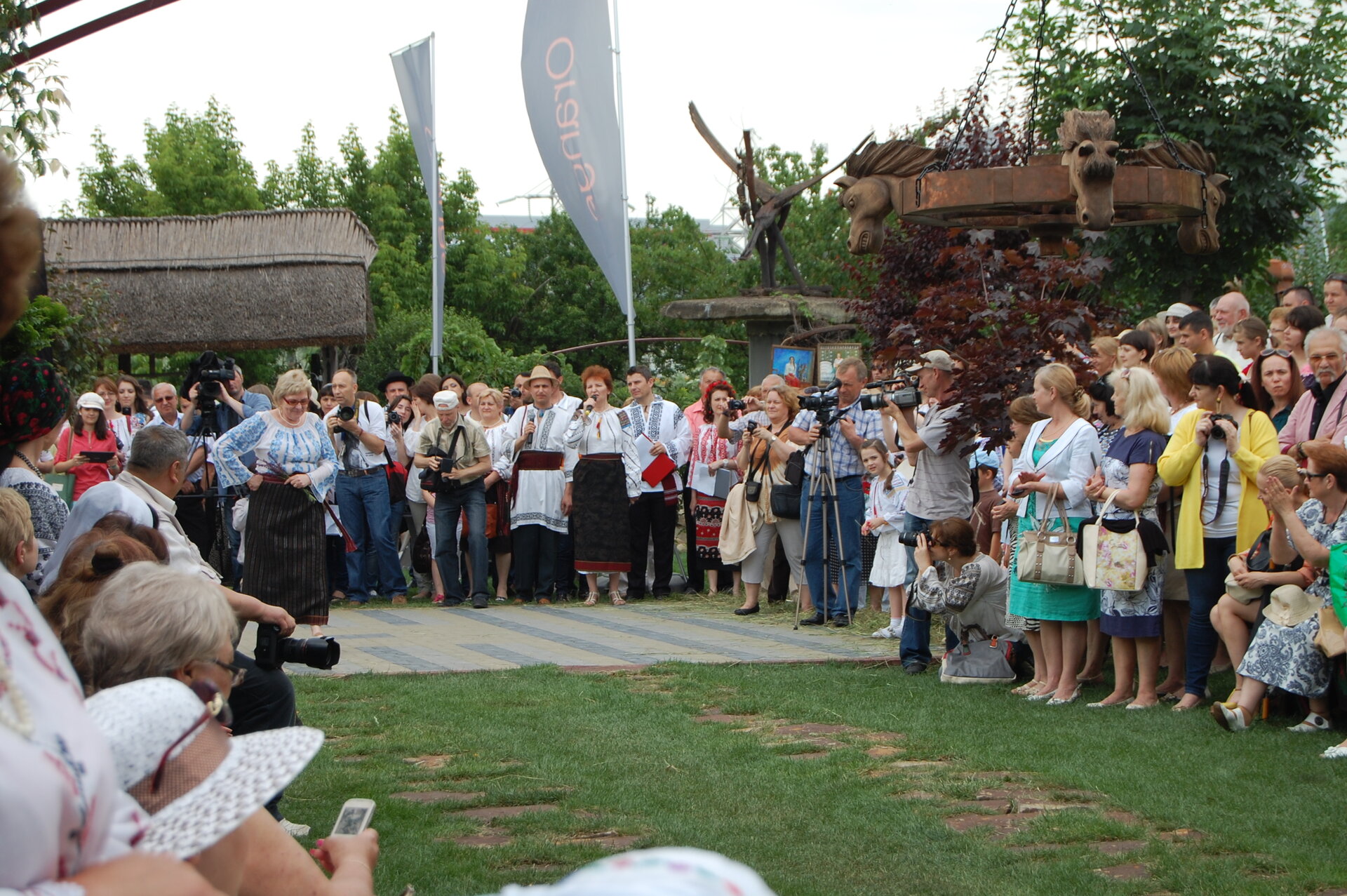
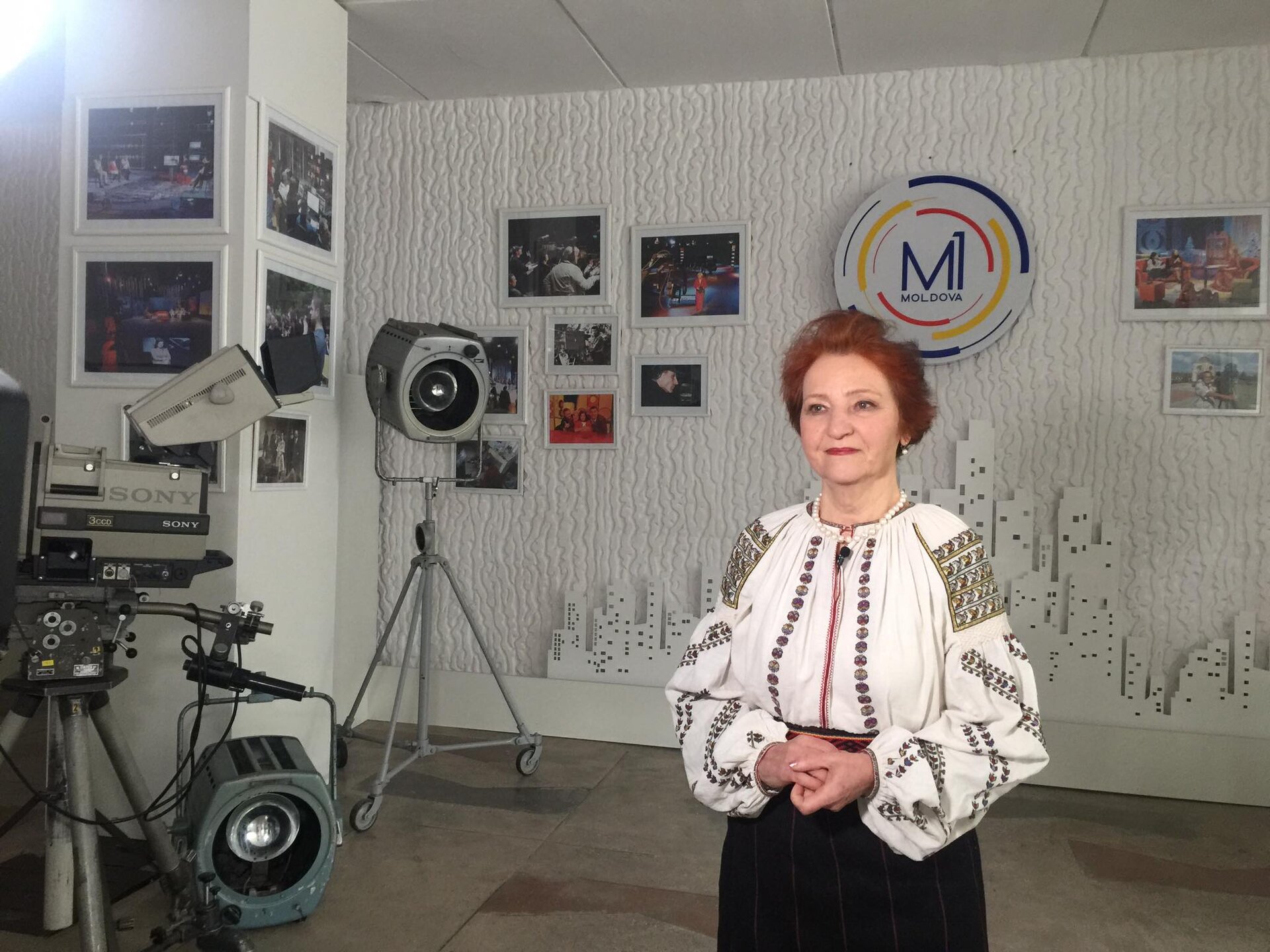
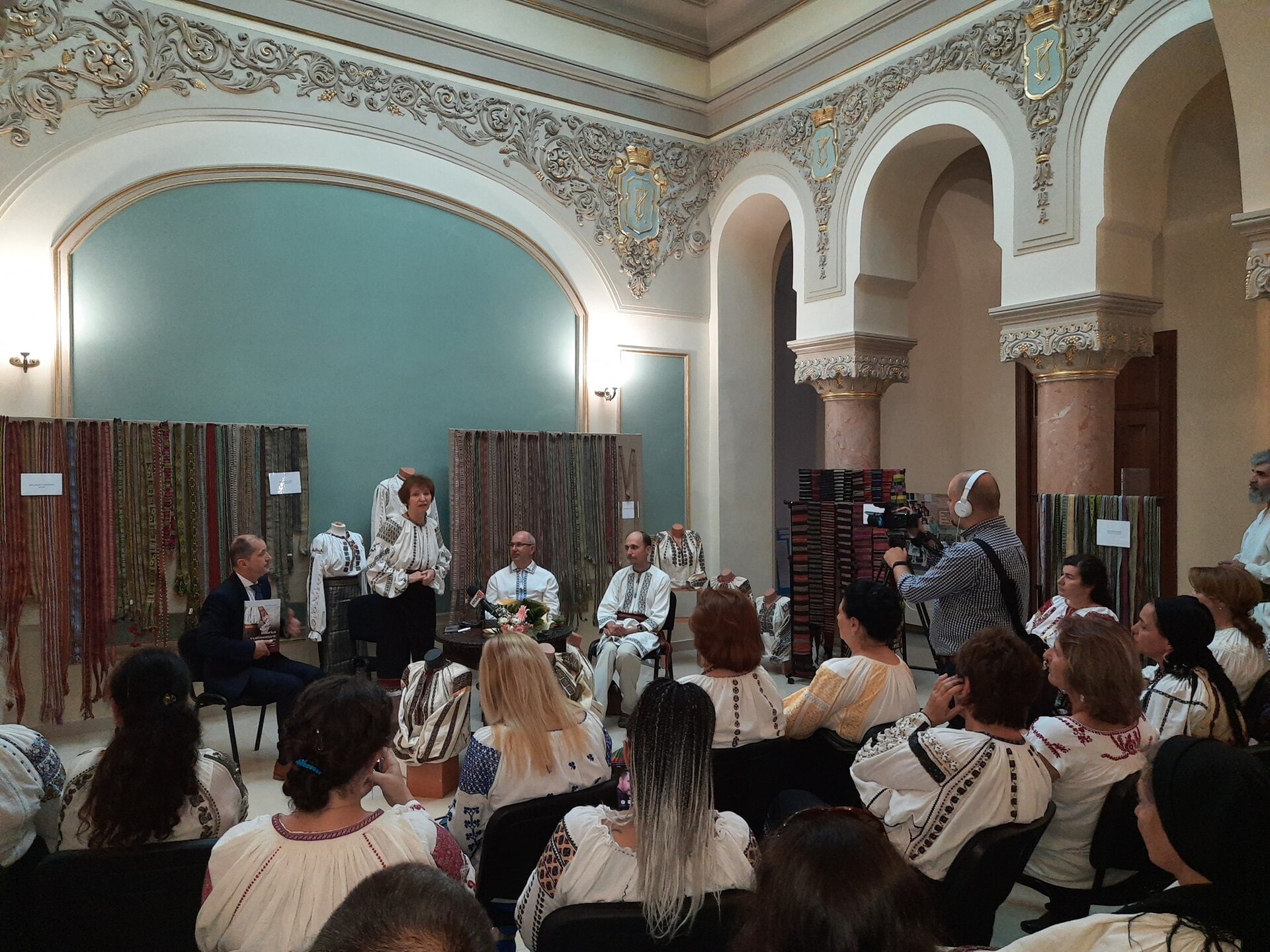
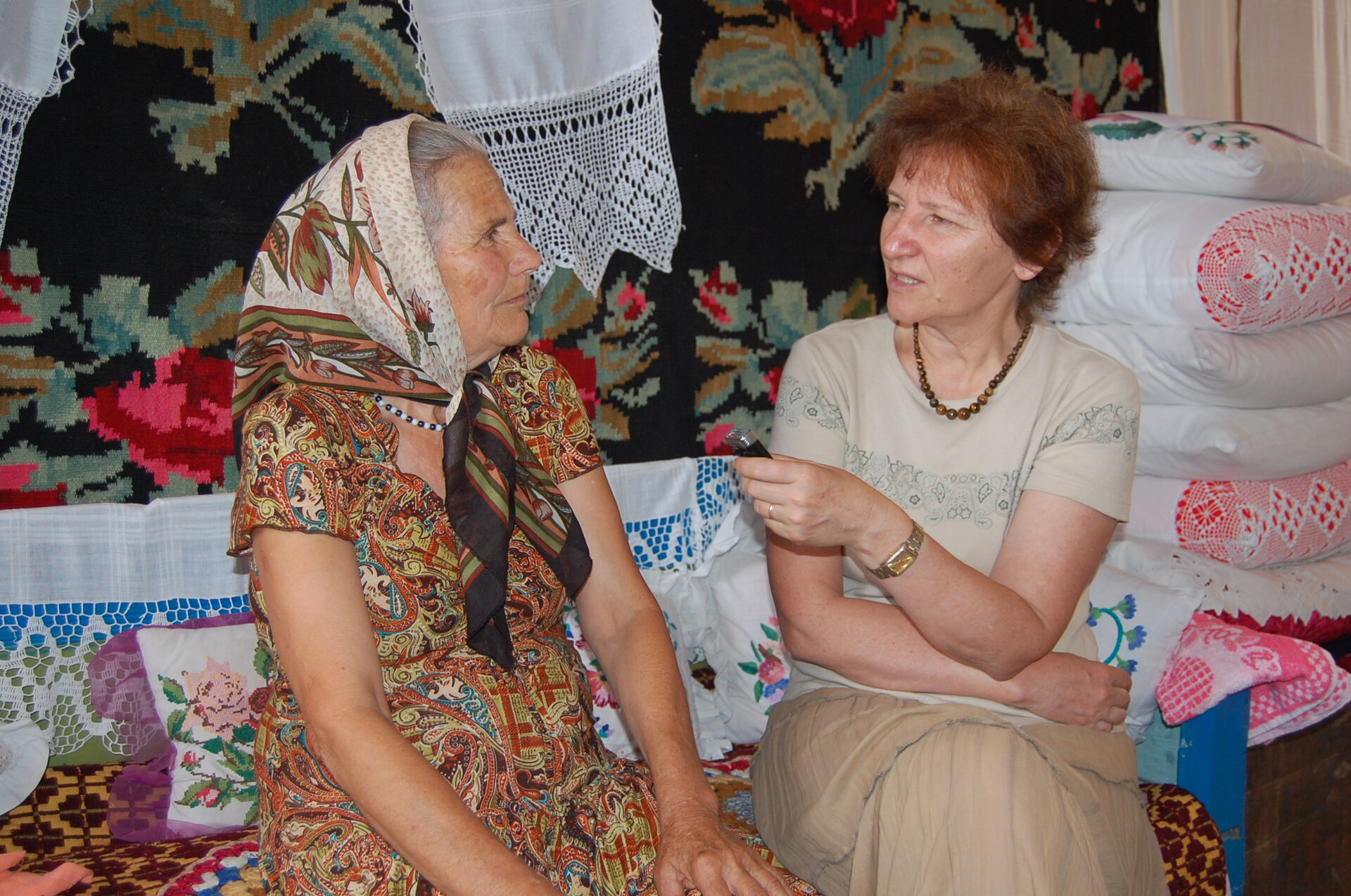
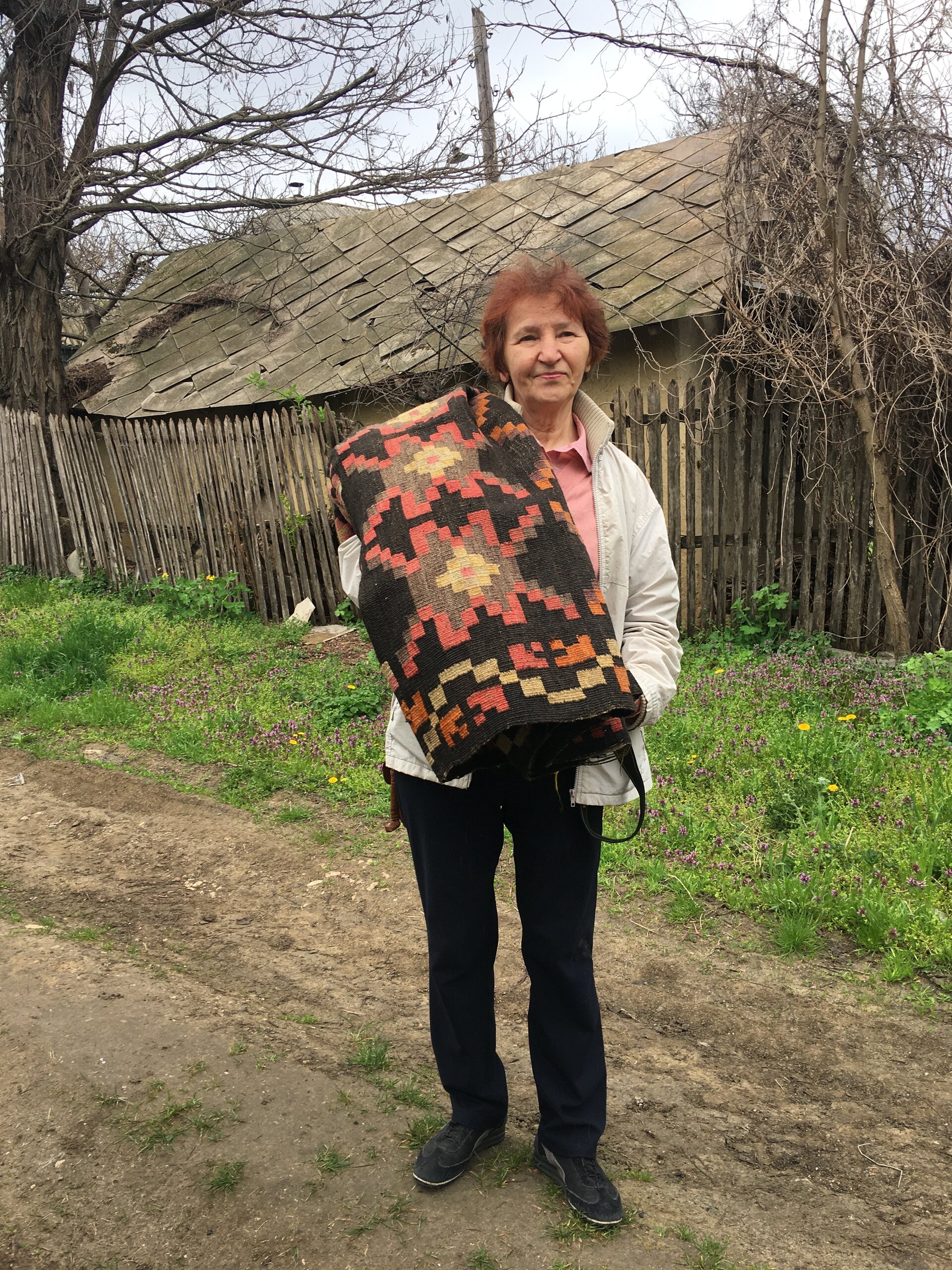
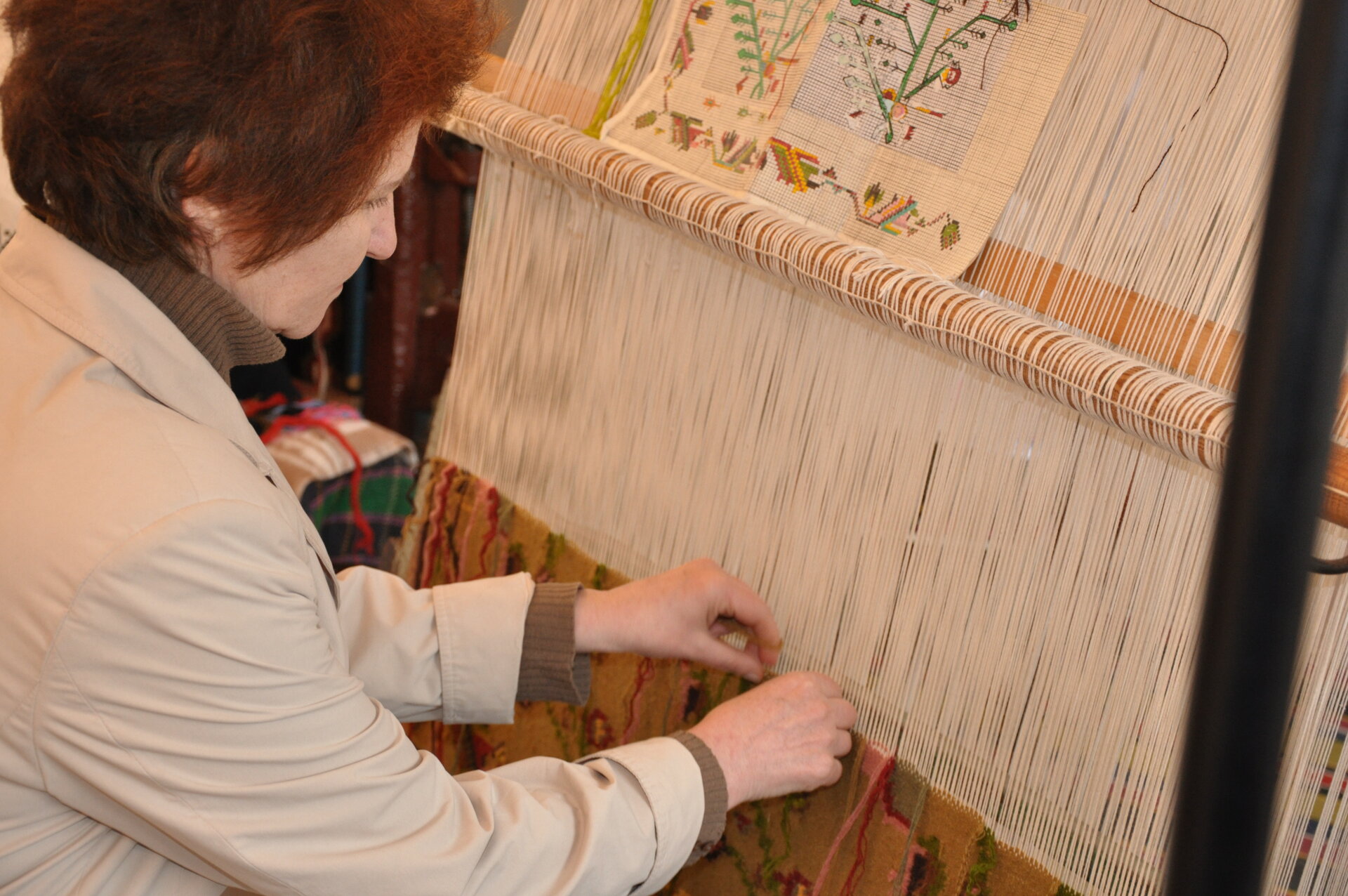
Varvara Buzilă is a Moldovan ethnographer, researcher and cultural heritage advocate whose career has transformed the safeguarding and public understanding of Moldova's intangible cultural heritage. Born in 1955 in Trebujeni, near the historic landscape of Orheiul Vechi, she developed an early interest in archaeology, folklore and traditional culture. Her first ethnographic field research took place in 1978, and she began her professional career in 1980. In 2025, she received a European Heritage Award / Europa Nostra Award in the Heritage Champions category in recognition of more than four decades of exceptional service to cultural heritage. Based at the National Museum of Ethnography and Natural History in Chișinău, where she has held senior research and leadership responsibilities, Buzilă has pursued an extensive programme of field investigation, documentation, publication and public engagement. Her ethnographic research has covered more than 850 settlements across Moldova, as well as 82 localities in Romania and Ukraine. Through interviews, archival studies and direct observation, she has documented traditional practices, crafts, rituals and forms of community knowledge that are essential to Moldova's cultural identity. Her scholarly contribution includes nine monographs, more than 75 scientific articles and hundreds of publications intended for wider audiences. She has also taught at universities, supervised postgraduate research and organised scientific expeditions and educational programmes, helping to train successive generations of heritage specialists. Buzilă has played a central role in the development of Moldova's cultural heritage policies. As President of the National Commission for the Safeguarding of Intangible Cultural Heritage from 2009 to 2019, she contributed to legislation concerning the protection of movable cultural heritage in 2011 and intangible cultural heritage in 2012. She supported the development of the National Inventory of Intangible Cultural Heritage and coordinated five UNESCO nomination files, four of which achieved inscription on UNESCO's Representative List of the Intangible Cultural Heritage of Humanity. Her work extends well beyond museums and academic institutions. Through sustained engagement with rural communities, craftspeople and tradition bearers, she has encouraged the continued practice and intergenerational transmission of cultural knowledge. Since 2012, she has supported women's groups working to revive traditional embroidery, sewing and weaving, strengthening cultural identity while creating opportunities for social participation and economic resilience. Public communication has been another defining feature of her career. As a scientific contributor to the long-running Moldovan television programme Tezaur, she has helped bring traditional culture into households across the country through more than 600 episodes. Her community initiatives have included festivals, exhibitions, workshops and campaigns encouraging citizens to contribute historical objects to museum collections. These donation campaigns have added more than 1,860 artefacts to public collections. Buzilă has also introduced inventive methods for documenting and transmitting traditional knowledge. These include visual guides for embroidery patterns and portable models used to record ritual bread forms. By connecting museum collections with active practitioners, she has helped transform ethnographic documentation into a resource for living cultural traditions. Sustainability is integral to her approach. She promotes the use of local and environmentally responsible materials in traditional crafts, supports authentic rural cultural tourism and encourages small-scale economic activities grounded in community heritage. Her work demonstrates how intangible cultural heritage can contribute simultaneously to cultural continuity, social inclusion and local development. Her achievements have received significant national recognition, including Moldova's honorary title Om Emerit in 2009, the Order of Labour Glory in 2015 and the Order of the Republic in 2021. Widely regarded as an 'encyclopaedia of the nation', Varvara Buzilă has helped establish intangible cultural heritage as a central component of Moldova's cultural life. Through the integration of research, legislation, education and grassroots participation, she has created lasting structures for safeguarding traditions and ensuring their continued relevance to future generations.