






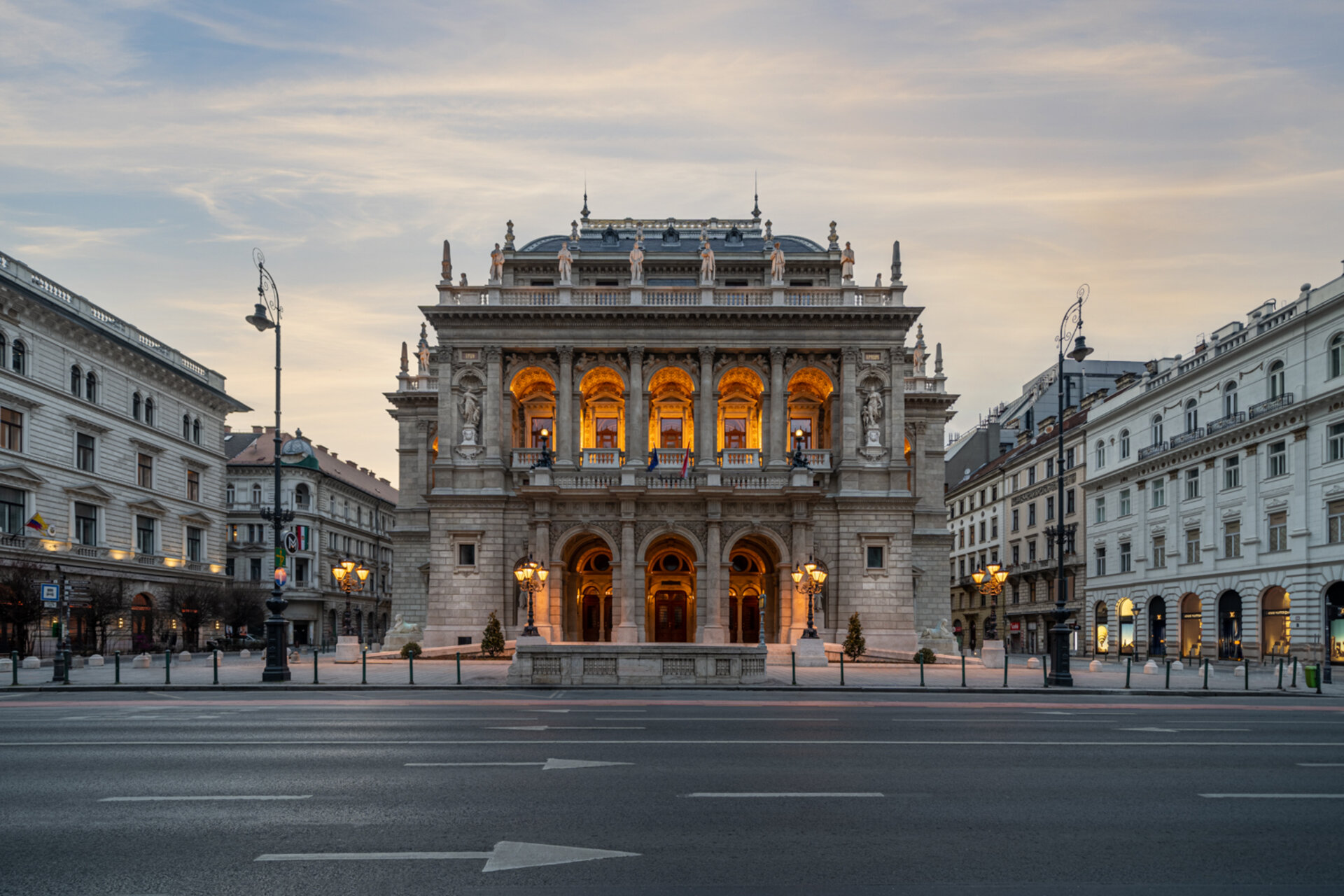
Hungarian State Opera House
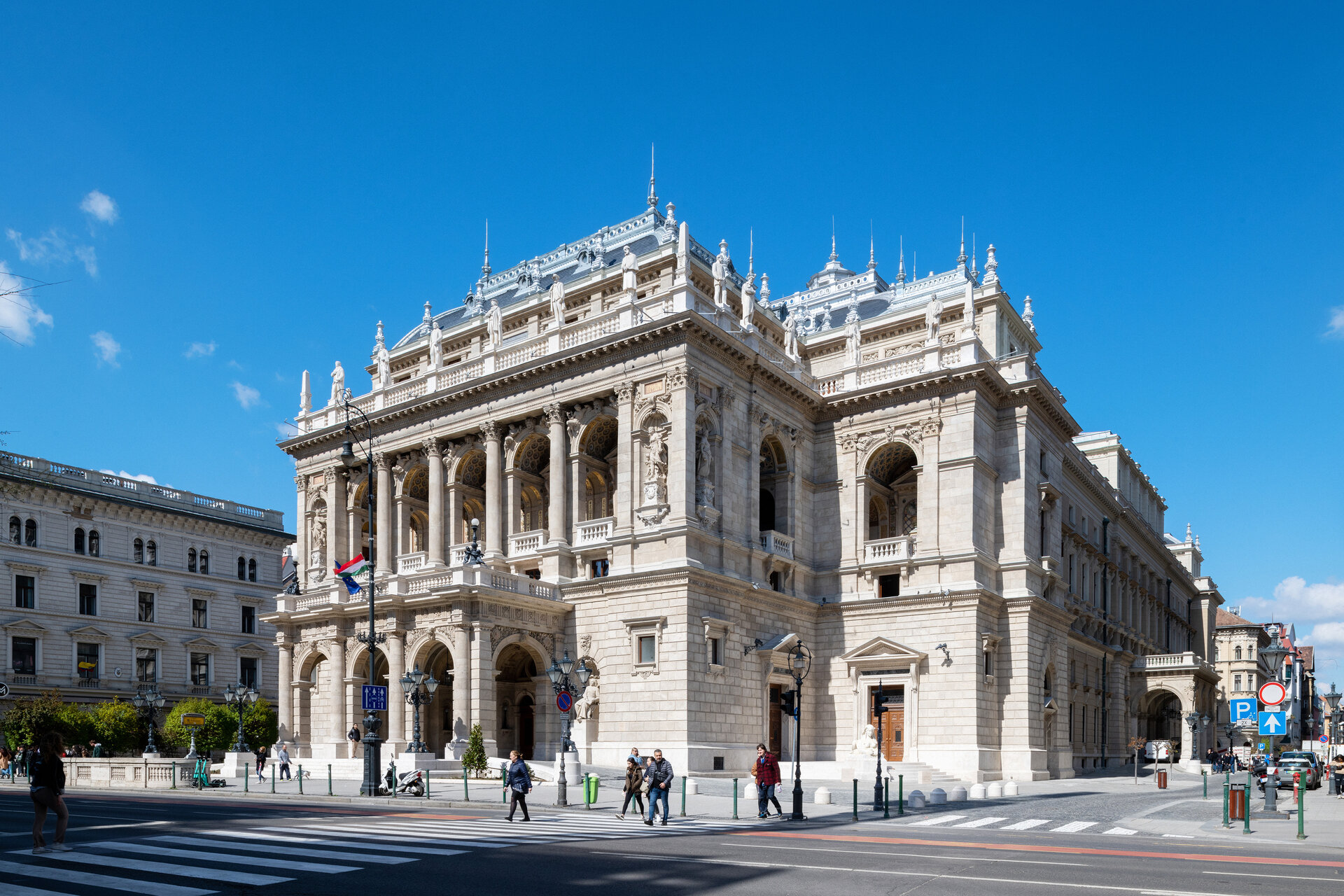
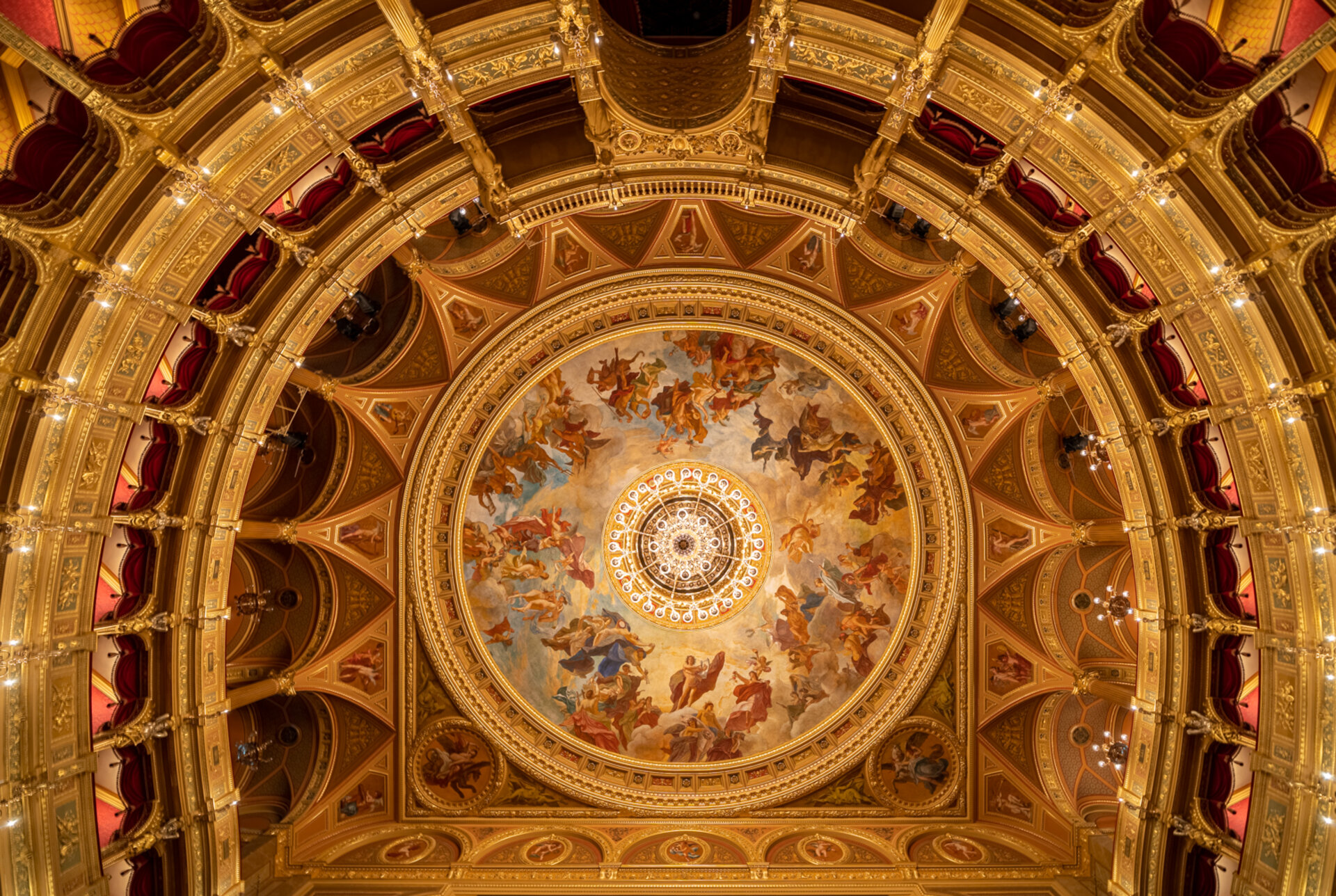
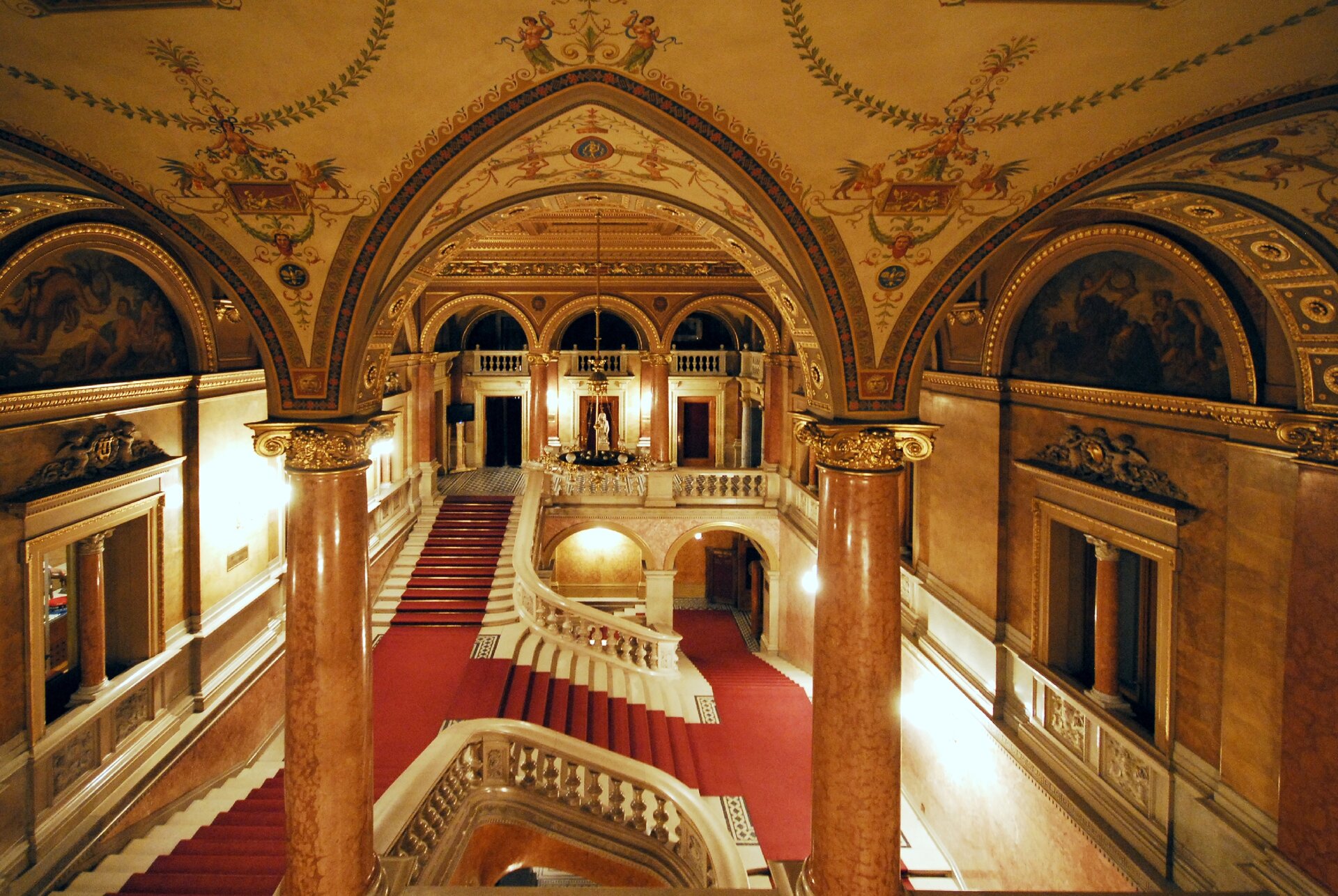
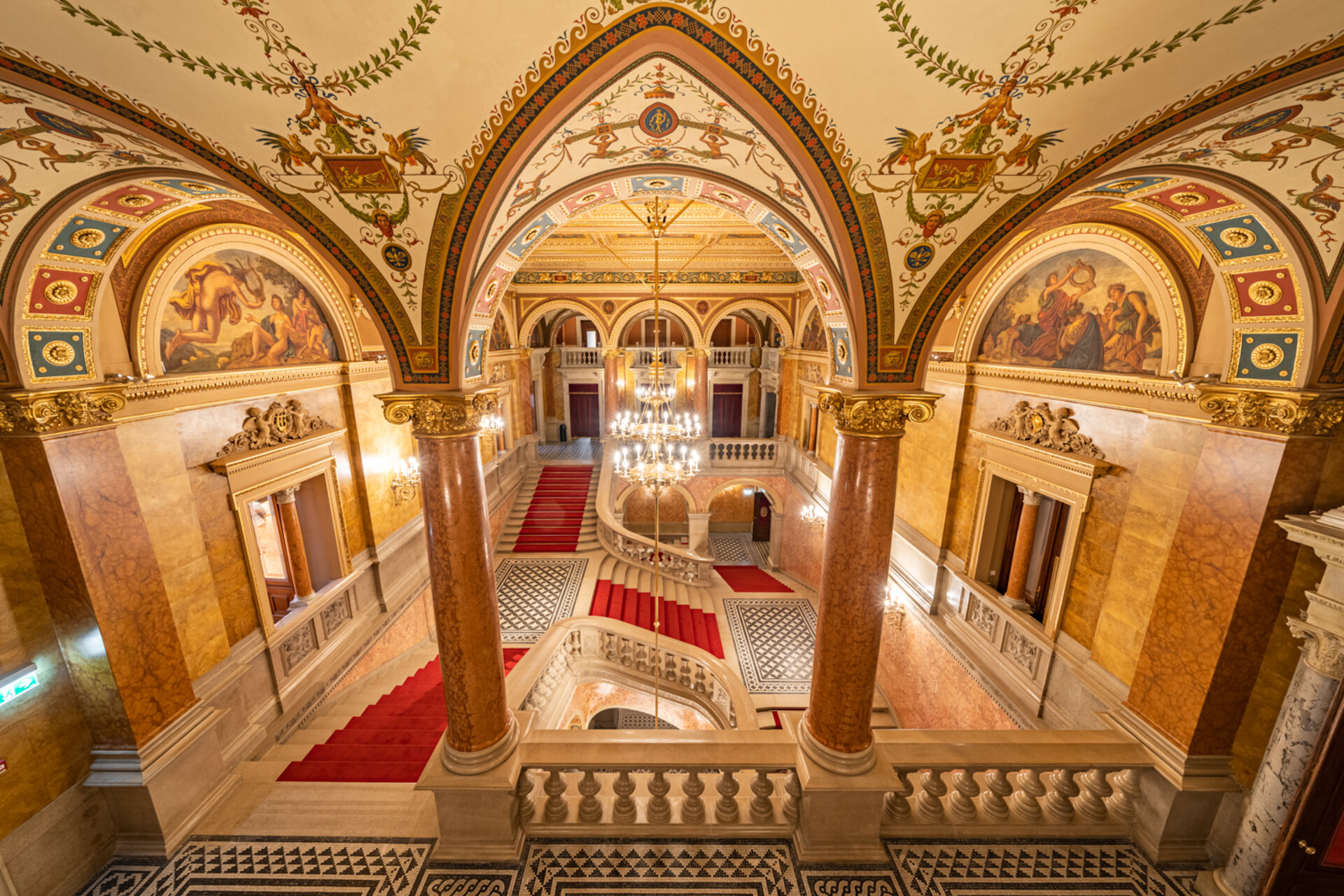
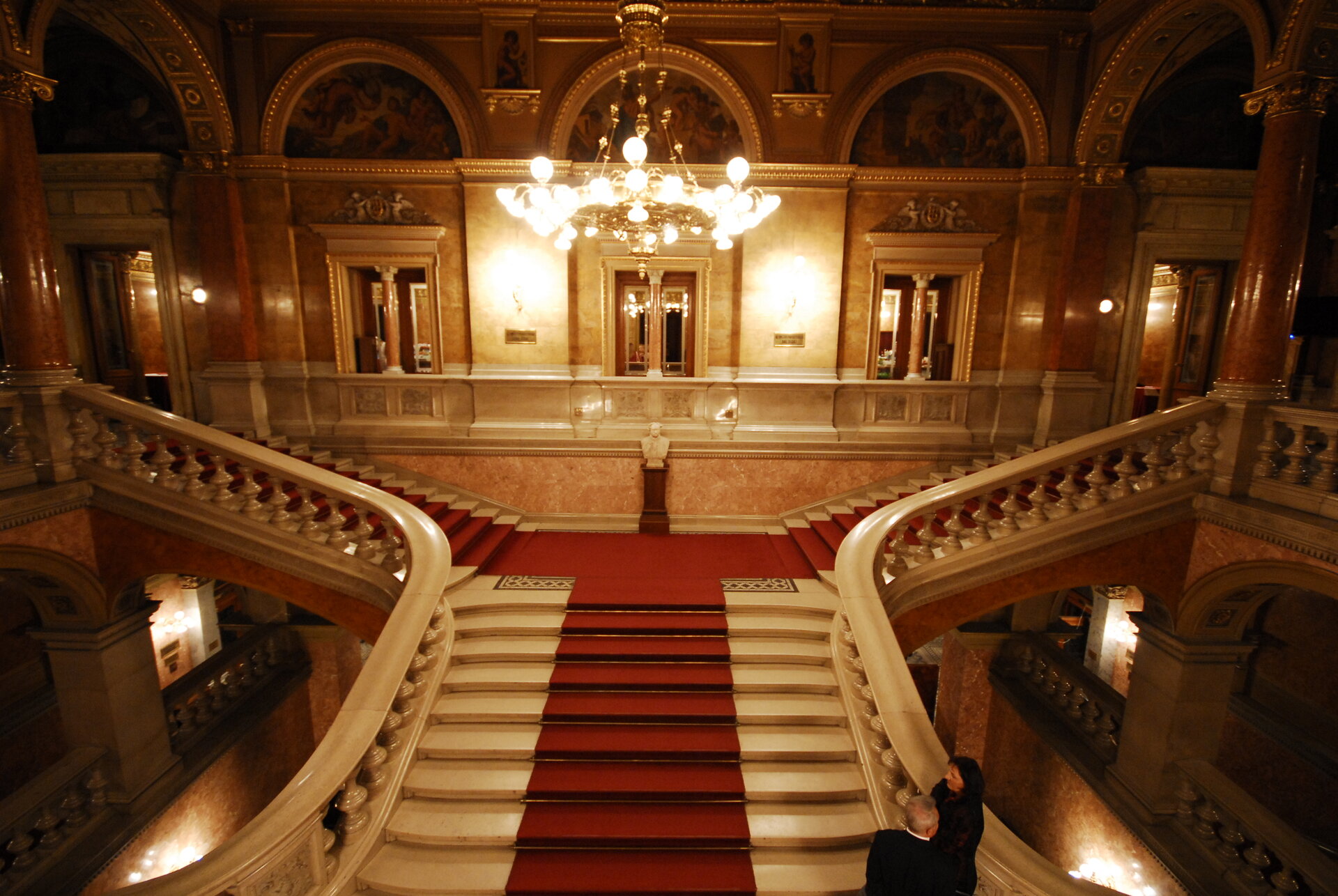
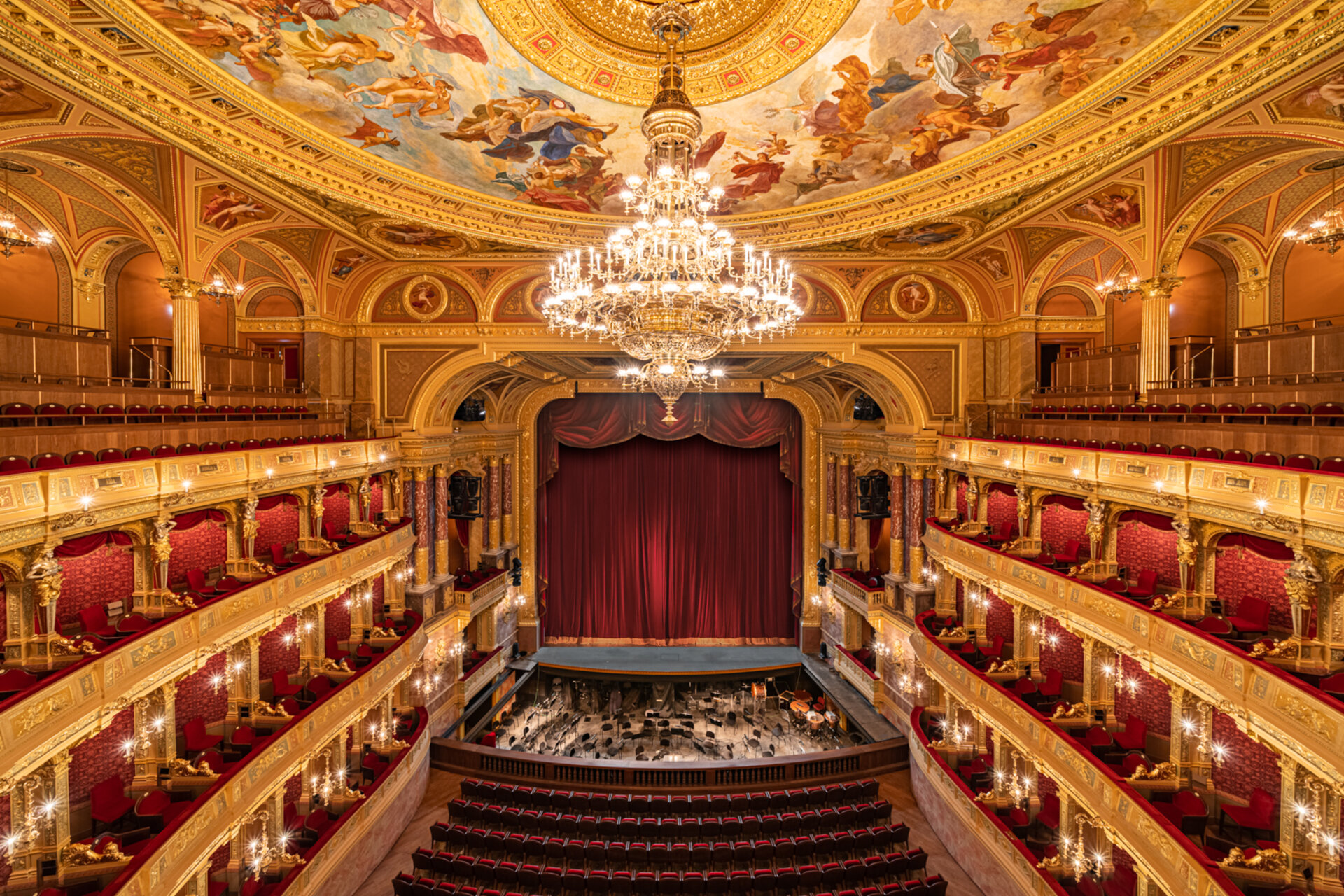
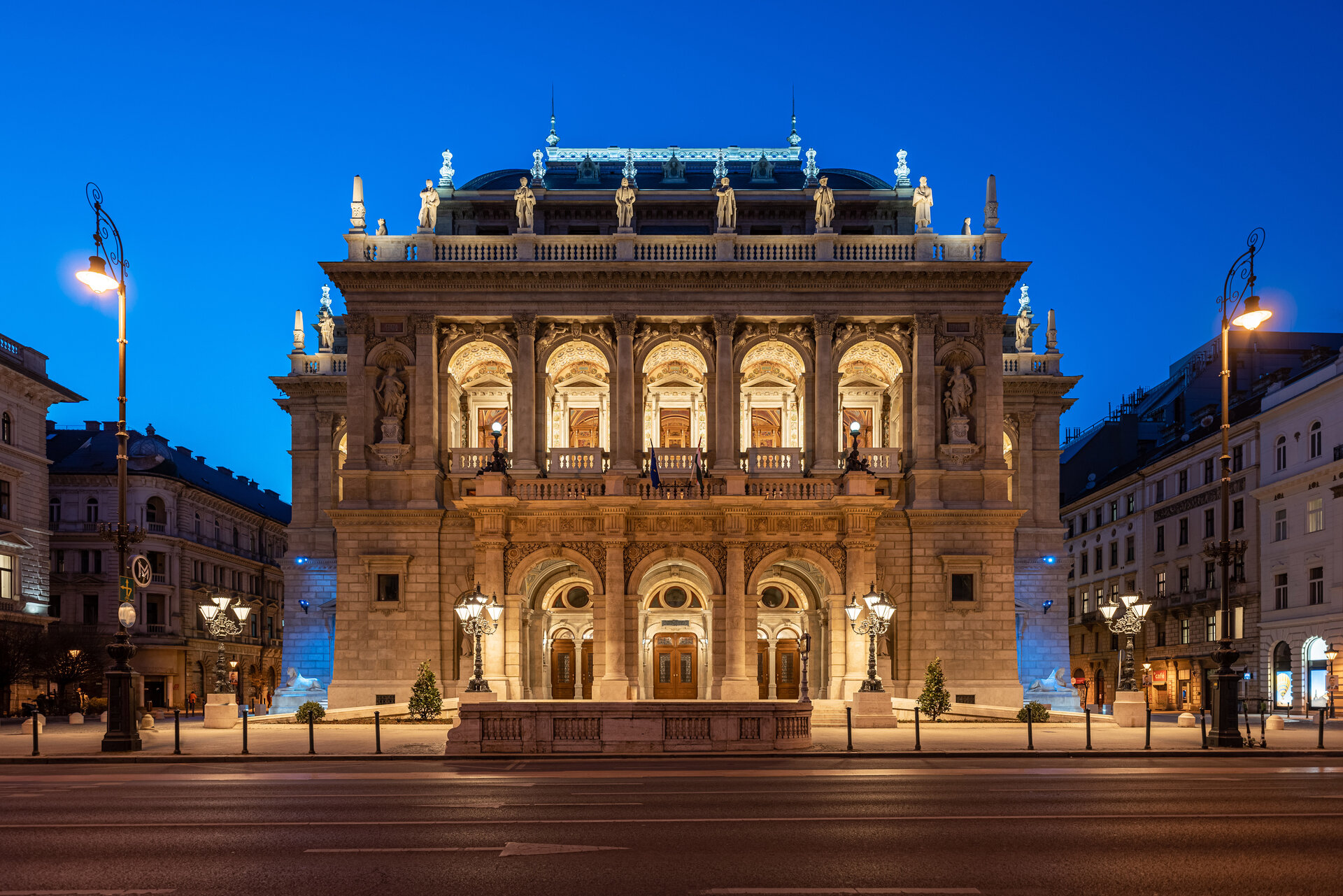
The Hungarian State Opera House in Budapest is one of Europe's most distinguished historic opera buildings and an outstanding example of Neo-Renaissance architecture. Designed by the Hungarian architect Miklós Ybl and inaugurated on 27 September 1884, it occupies a prominent ...
Read more
Project details
Description:
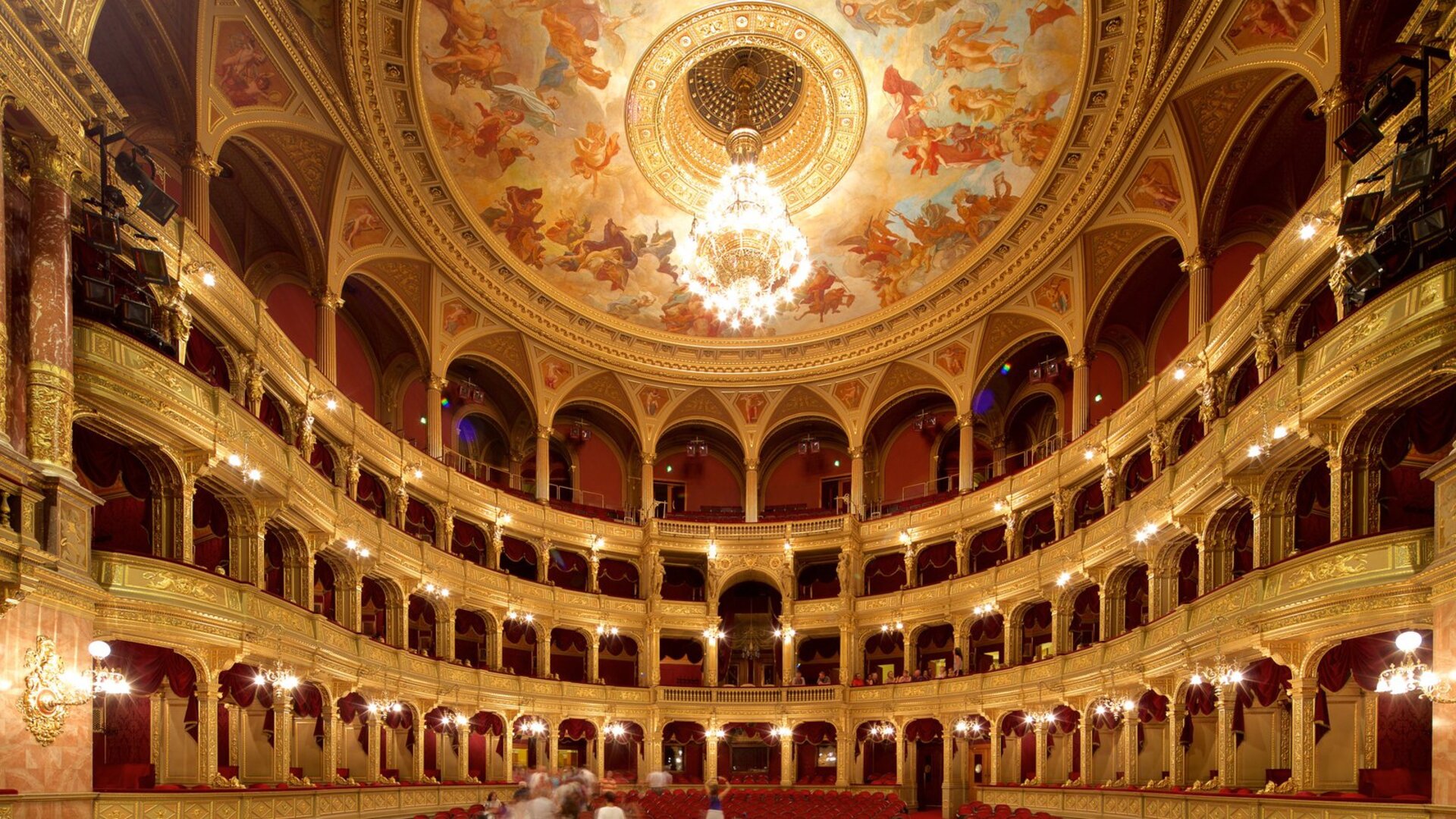
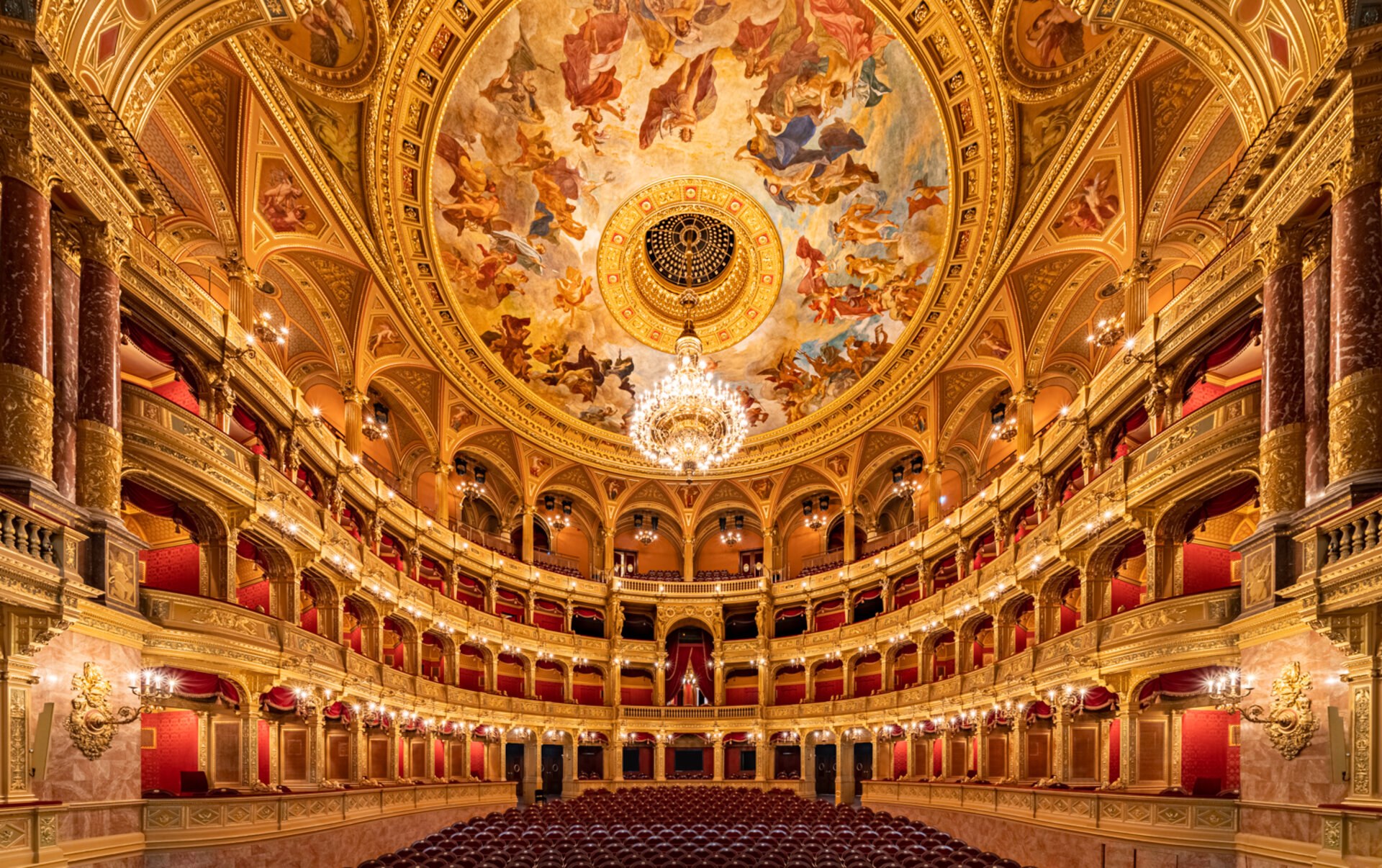
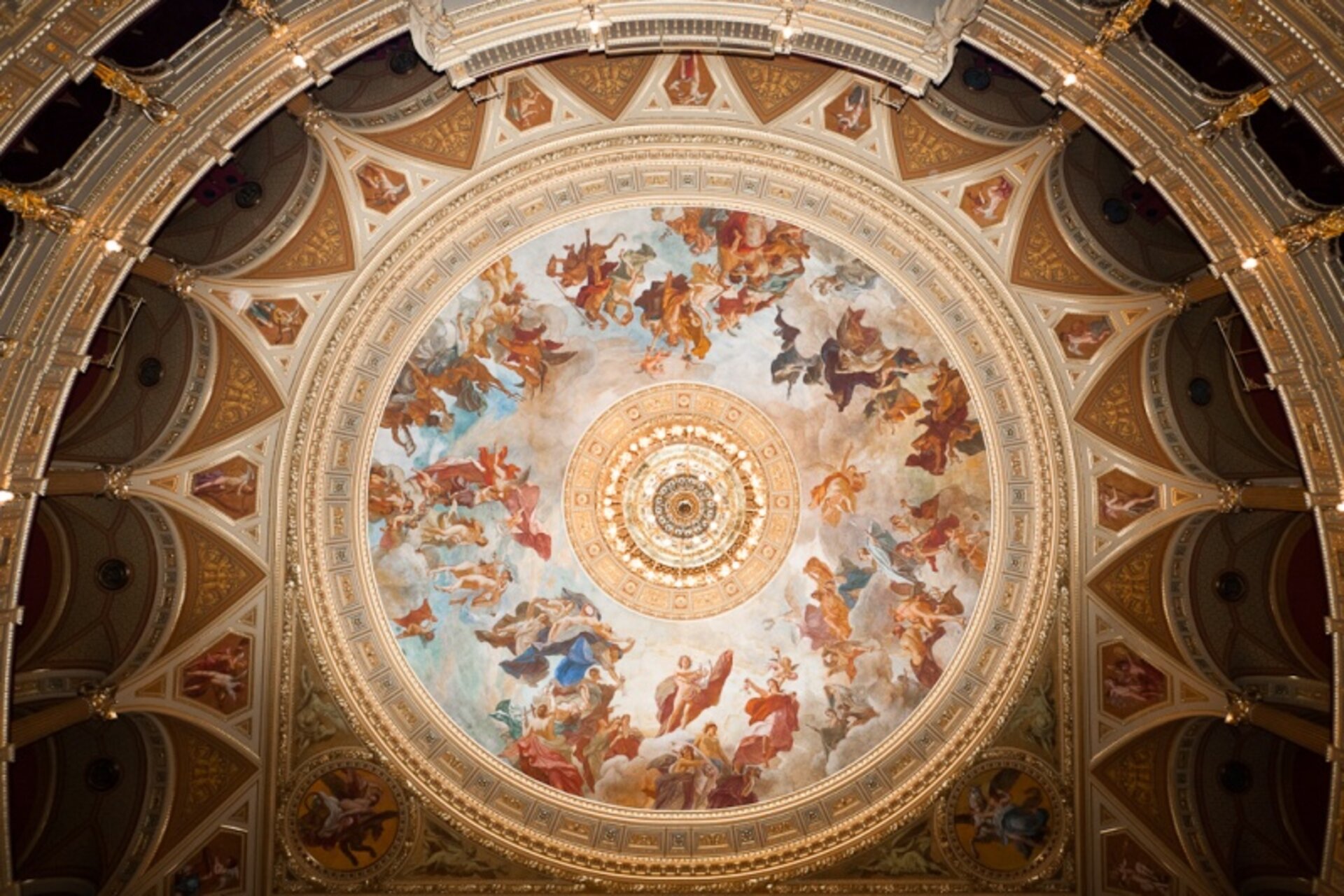
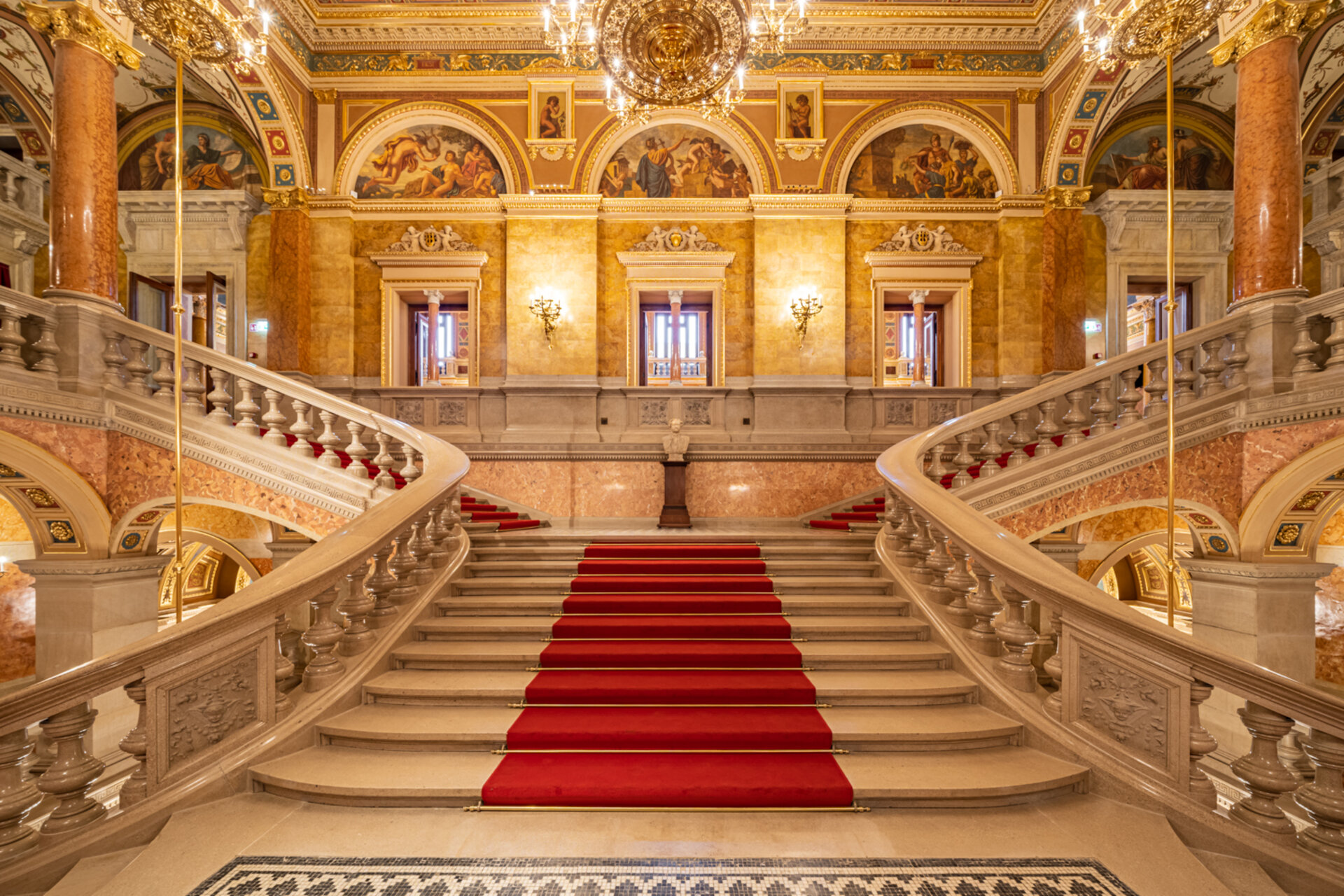
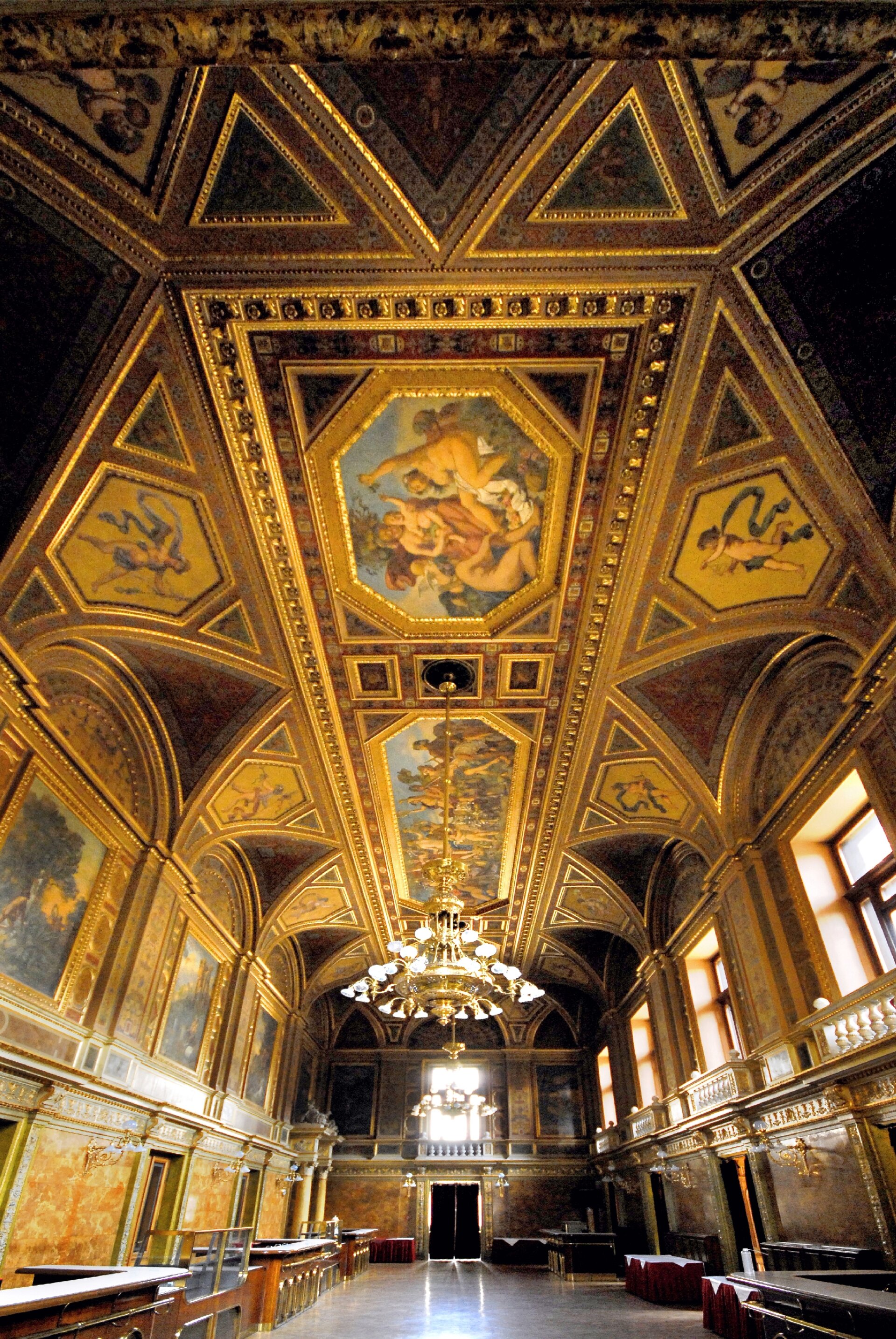
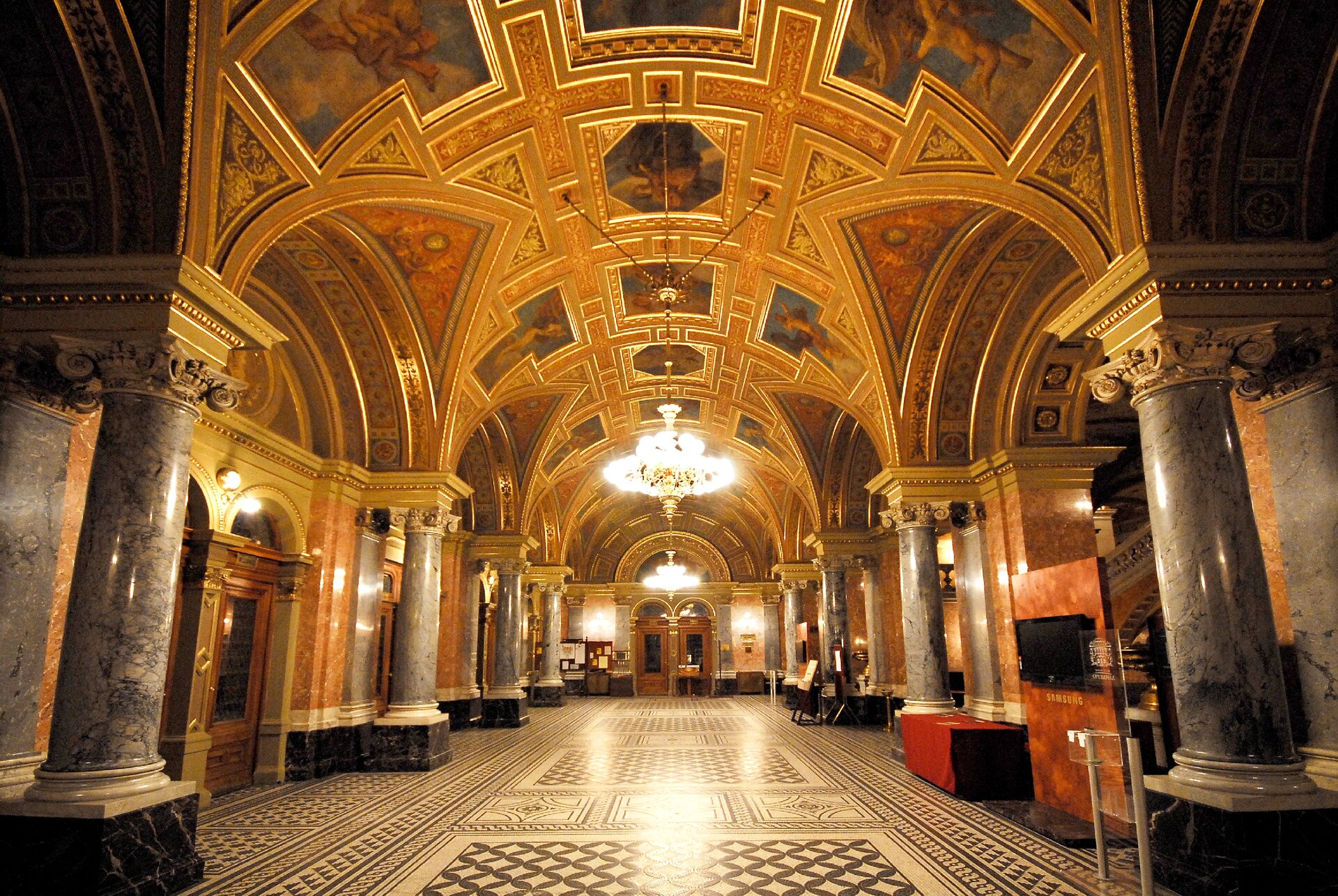
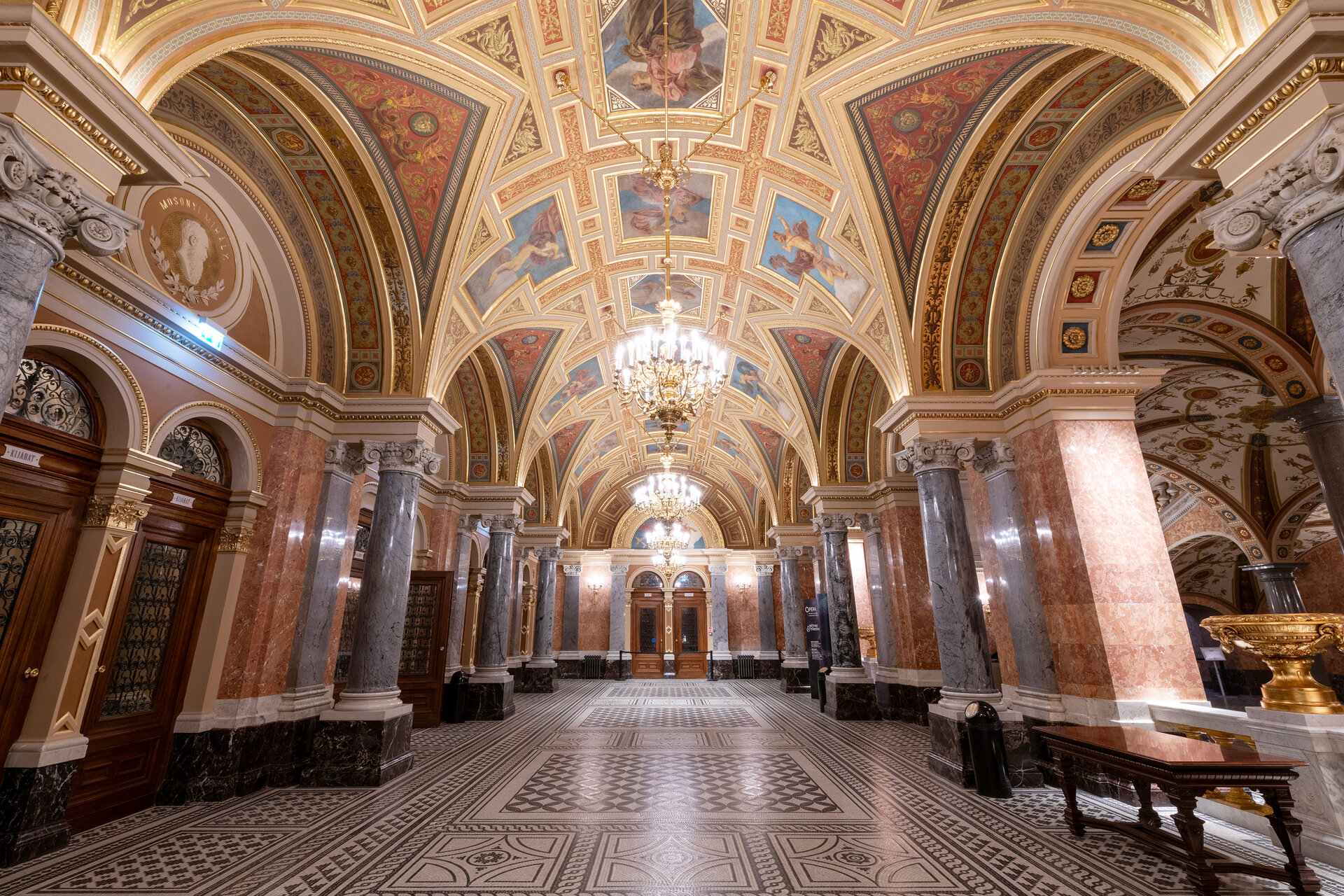
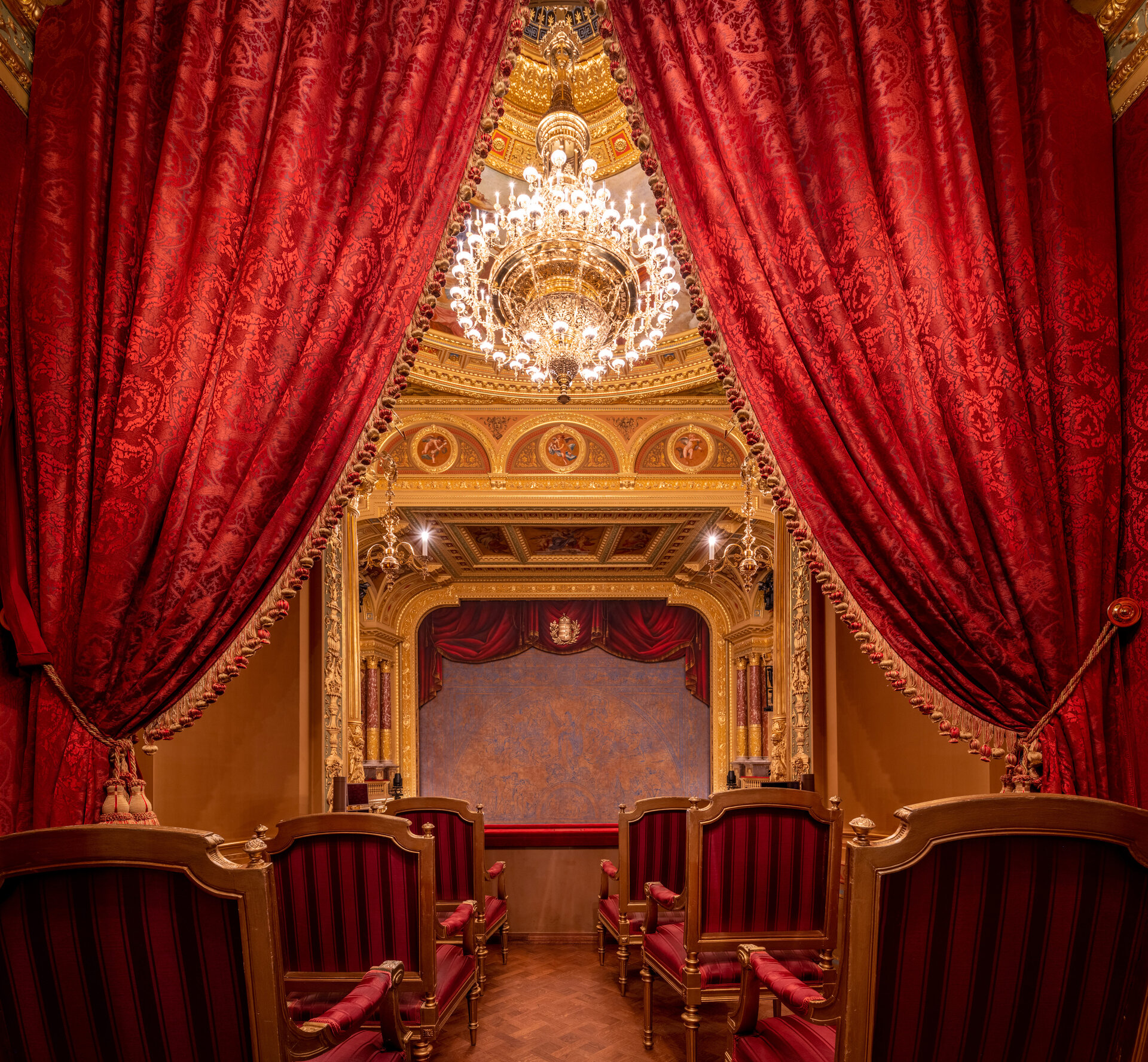
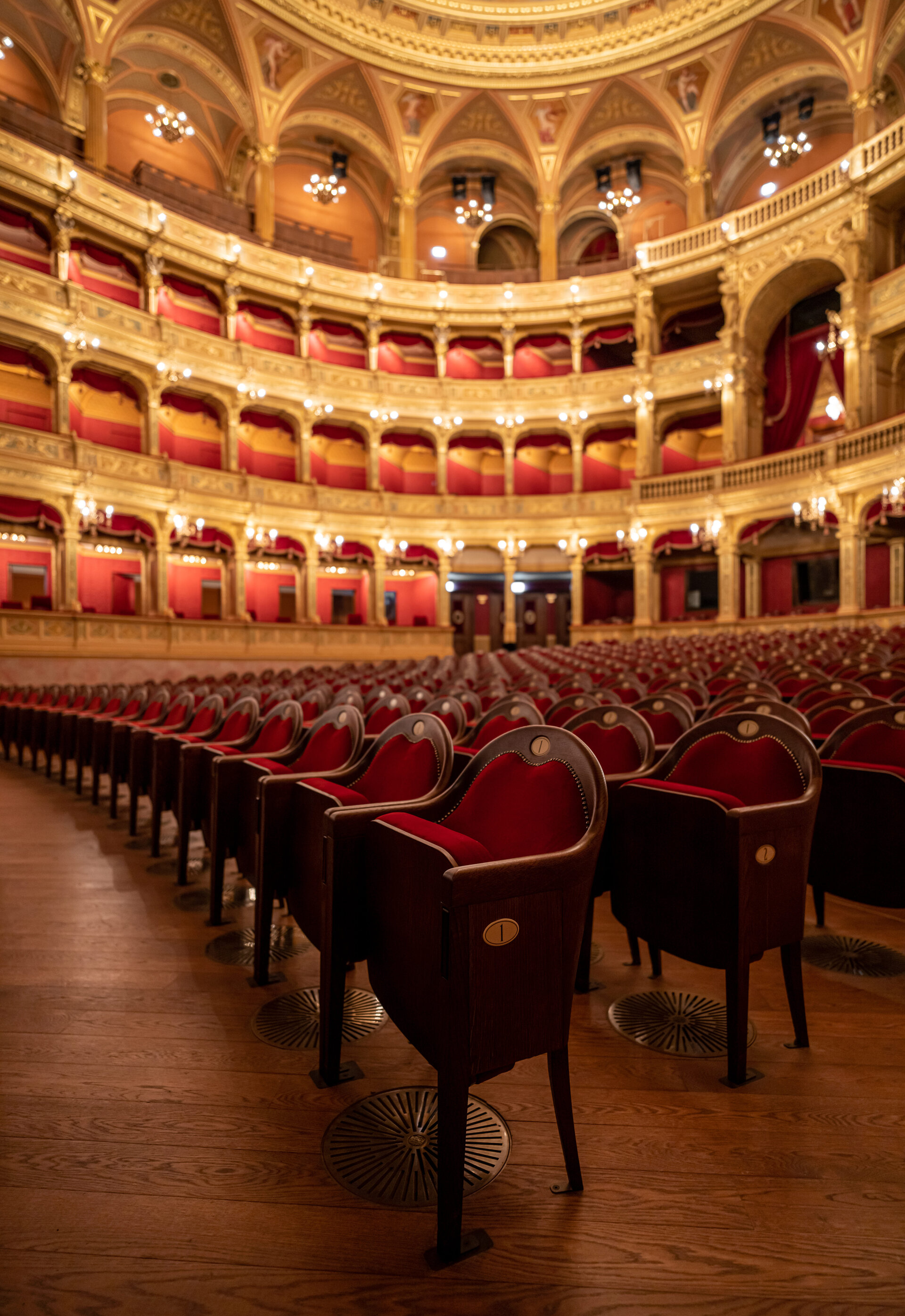
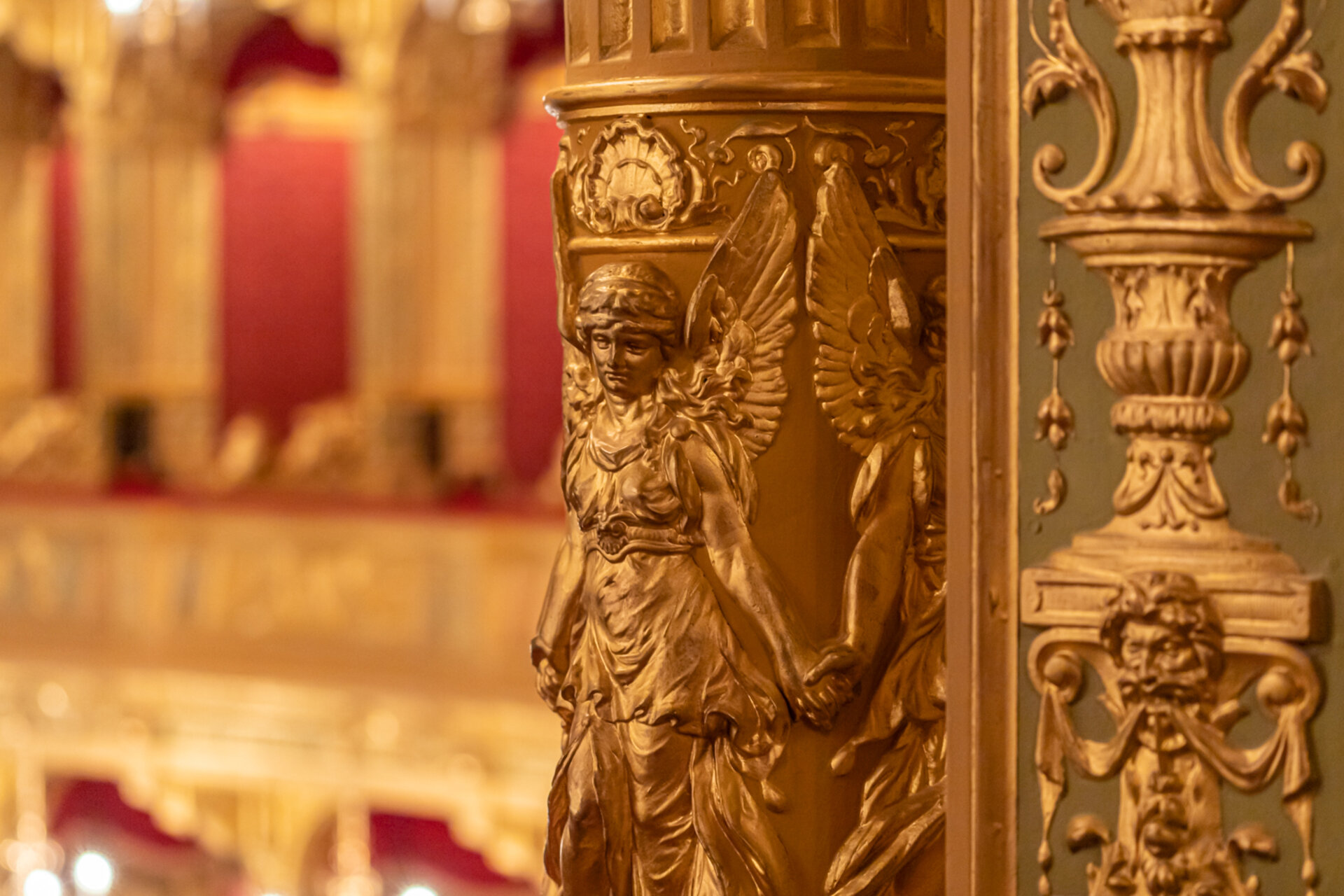
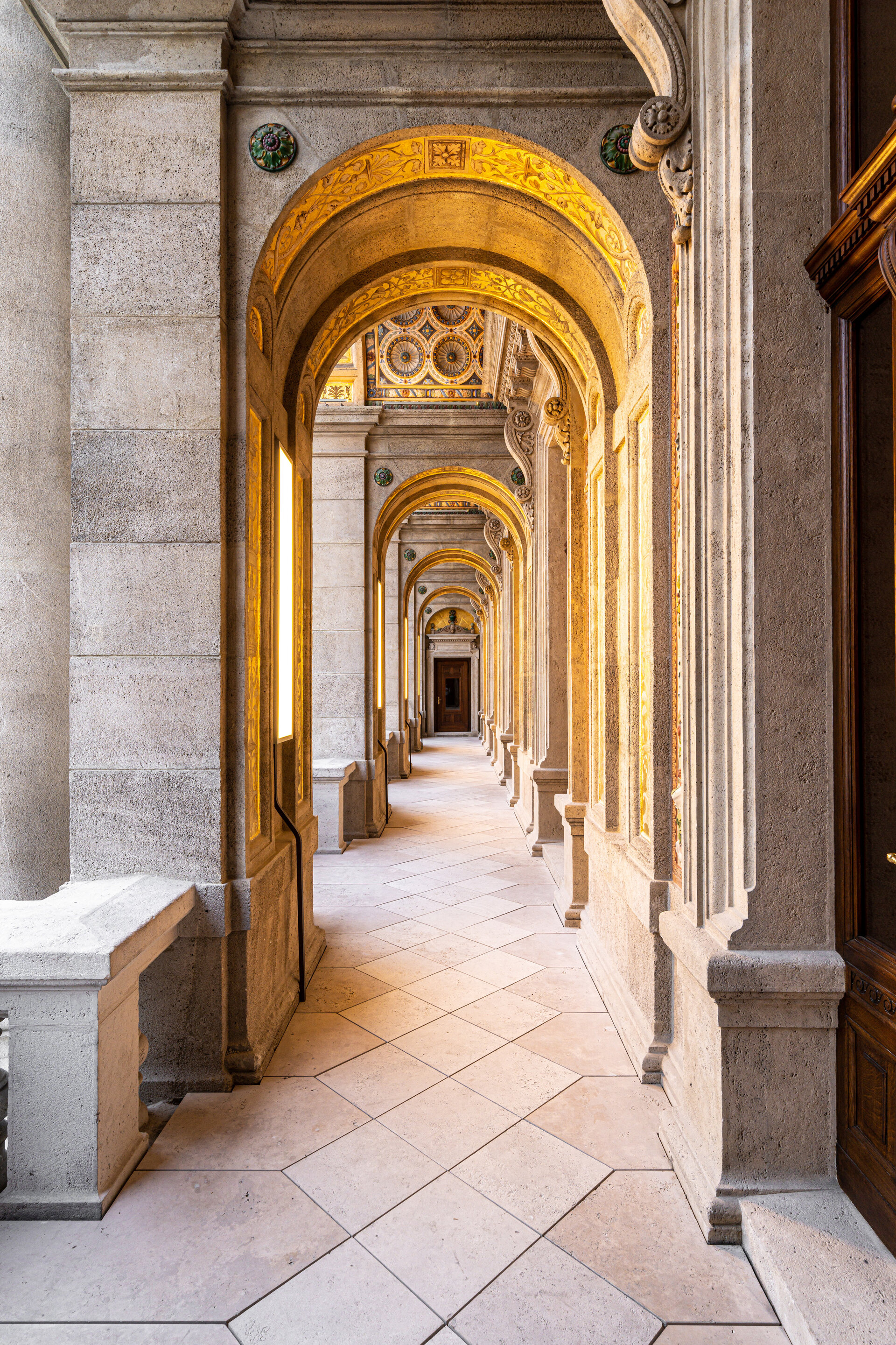
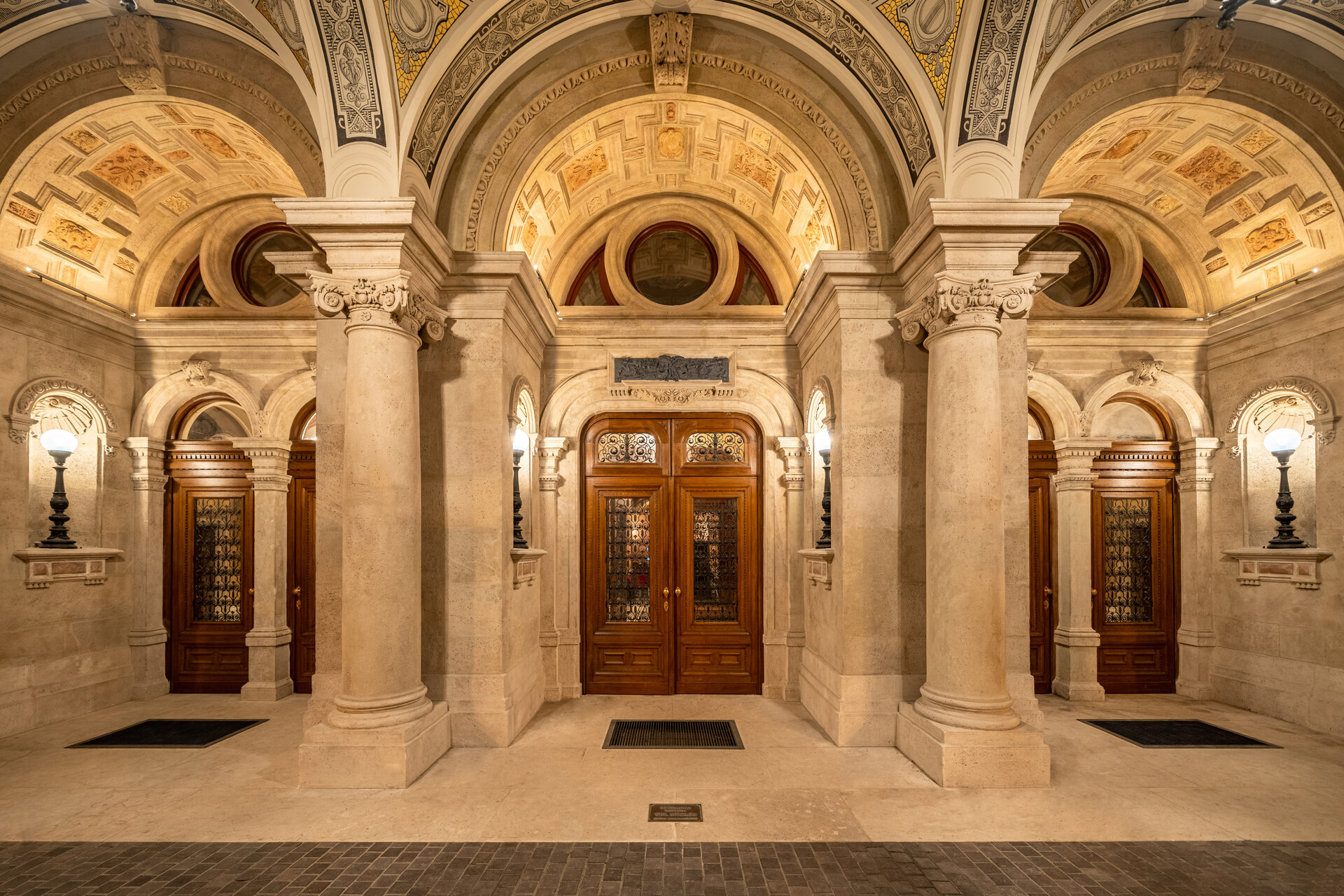
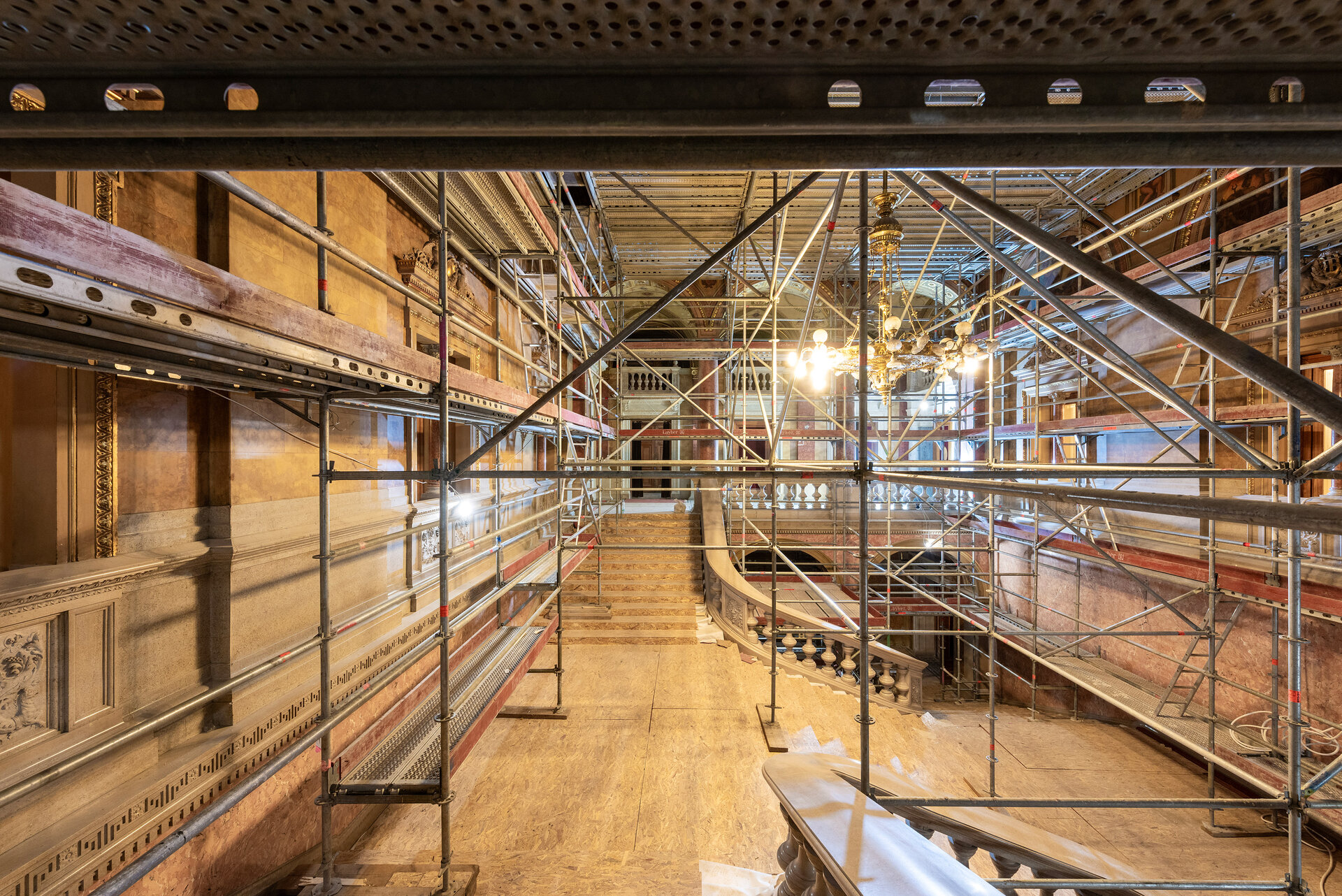
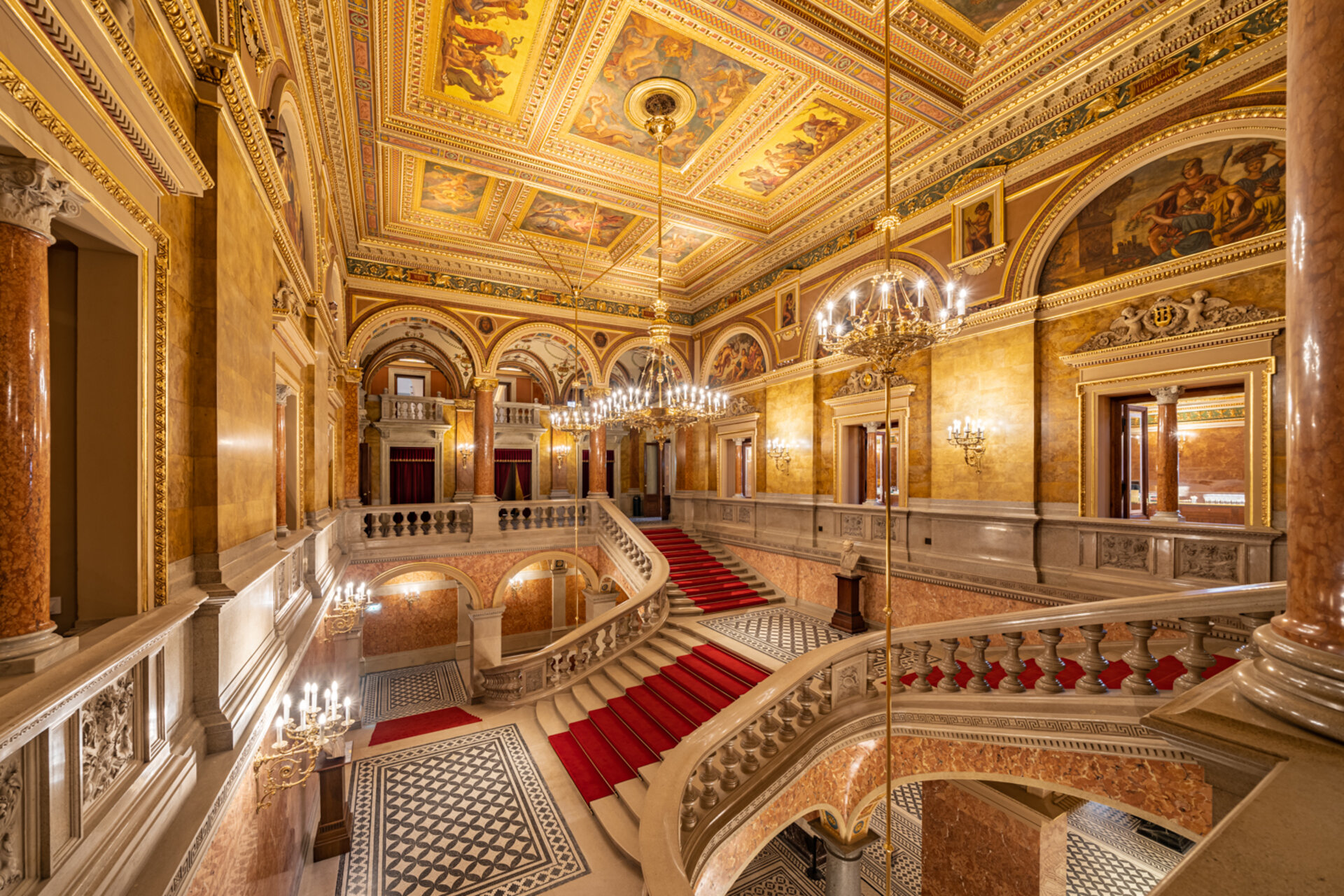
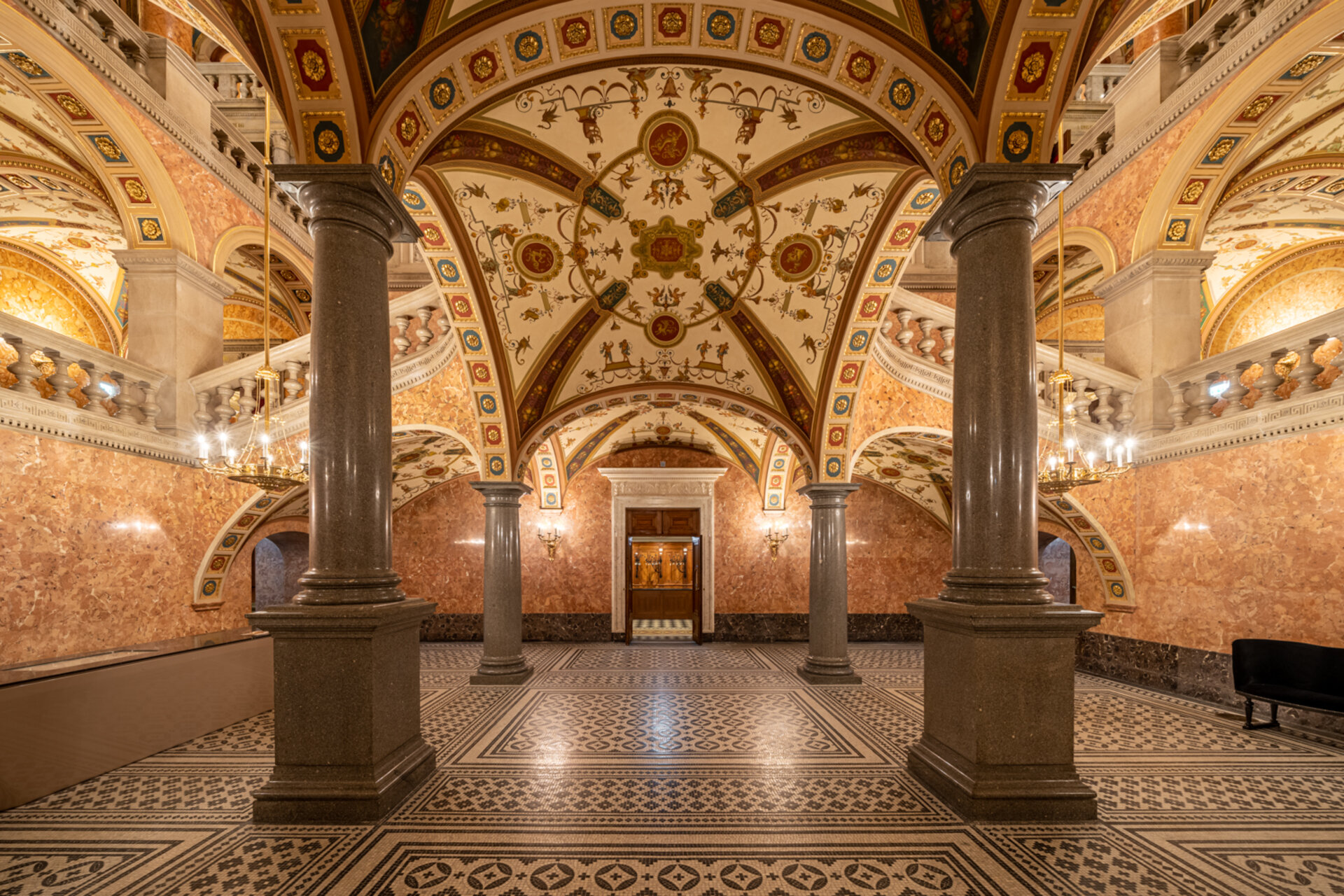
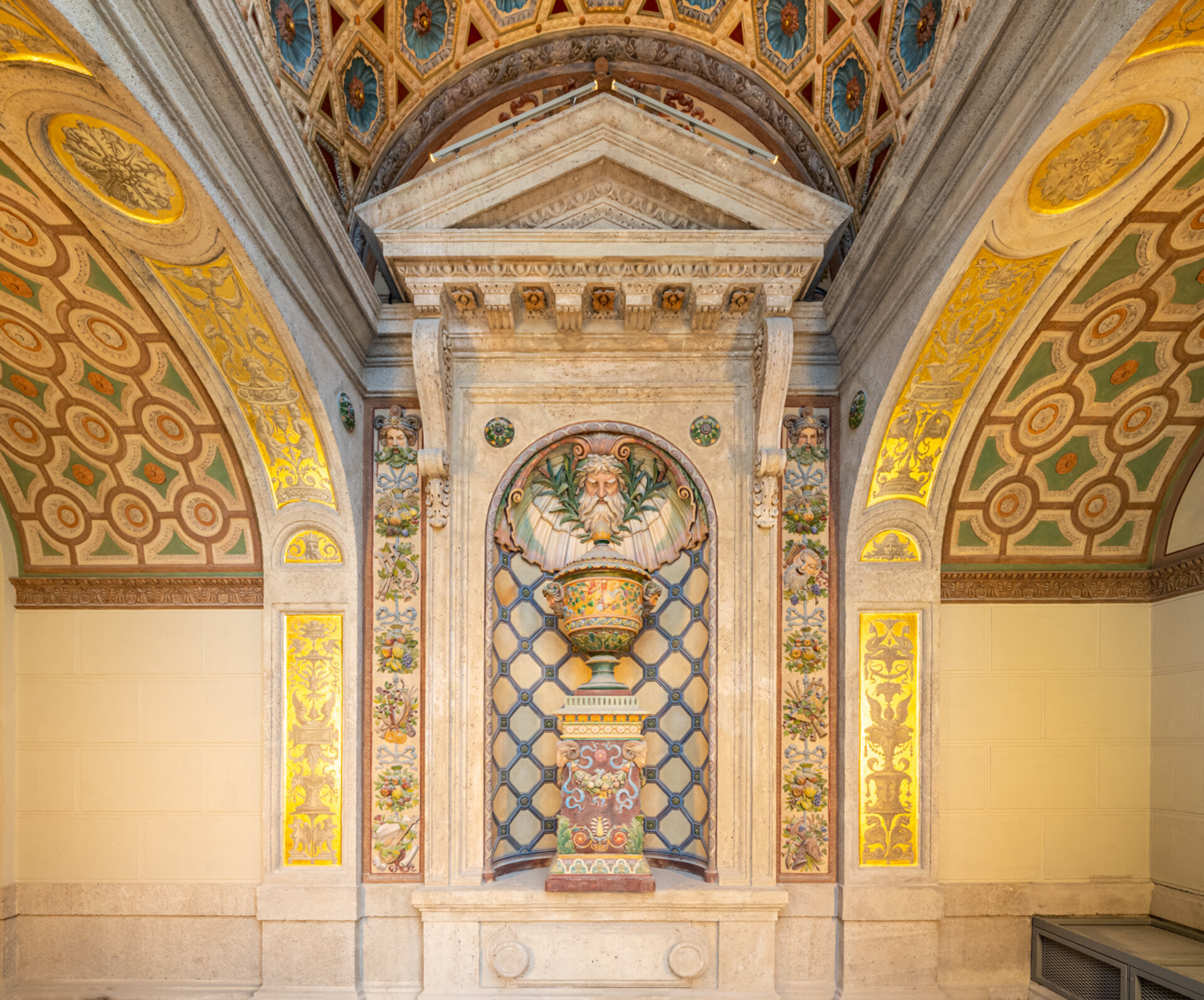
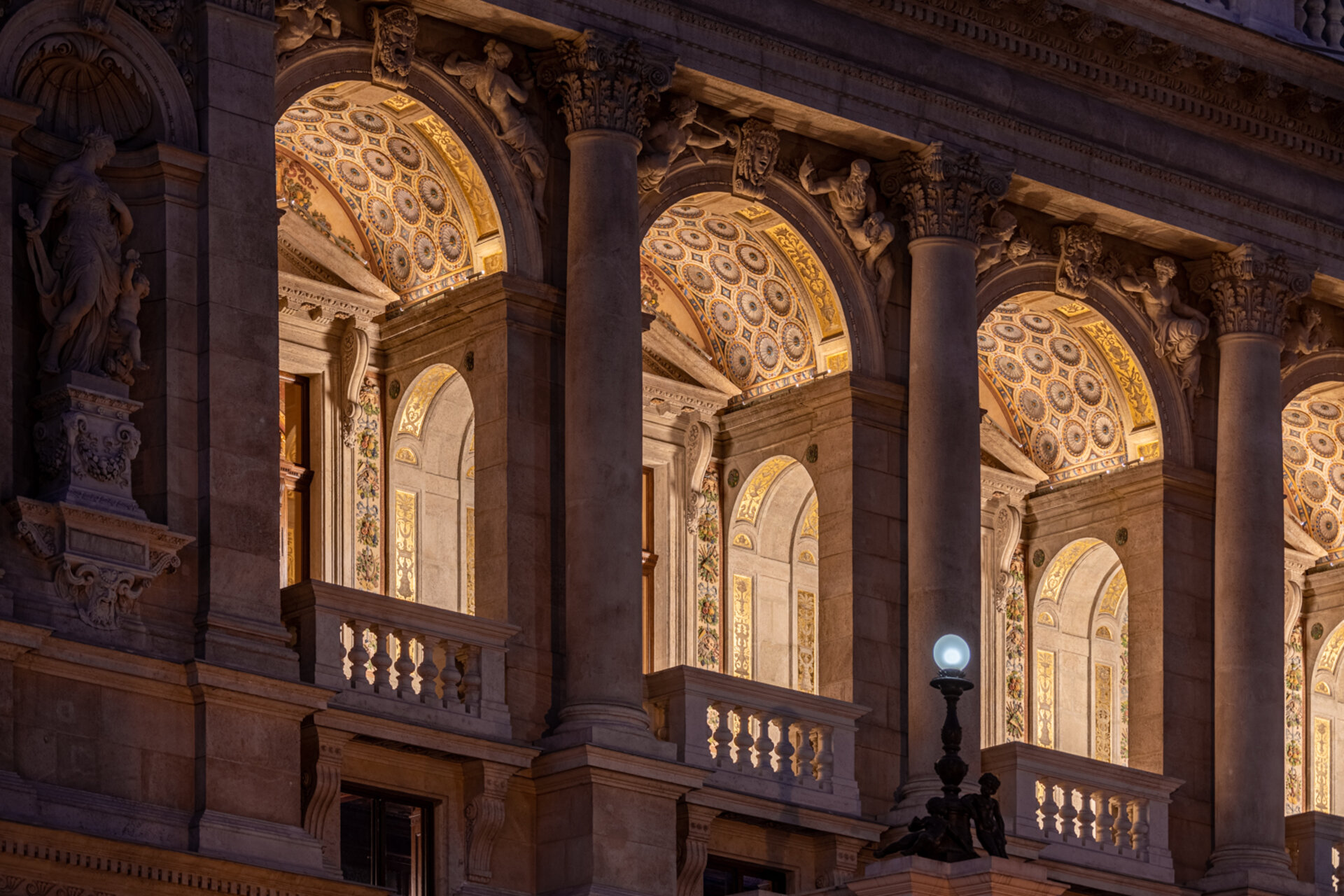
The Hungarian State Opera House in Budapest is one of Europe's most distinguished historic opera buildings and an outstanding example of Neo-Renaissance architecture. Designed by the Hungarian architect Miklós Ybl and inaugurated on 27 September 1884, it occupies a prominent position on Andrássy Avenue, part of Budapest's UNESCO World Heritage landscape. Its monumental exterior, richly decorated interiors and sophisticated theatrical spaces embody the artistic and cultural ambitions of late nineteenth-century Hungary. Following more than a century of intensive use and successive alterations, the building required a comprehensive programme of conservation and technical modernisation. Undertaken between 2017 and 2022, the publicly funded restoration was designed by ZDA – Zoboki Design & Architecture, with Gábor Zoboki, Zoltán Turi and Richárd Borzák among the lead designers. The project encompassed approximately 27,000 square metres and sought to recover the architectural integrity of Ybl's original design while enabling the opera house to meet contemporary standards for performance, safety, sustainability and public access. Historical research, archival documentation and detailed investigations of materials and decorative finishes informed the conservation strategy. The auditorium, foyers, ceremonial circulation areas and representative interiors were restored to reflect their original colour schemes and decorative richness. Later interventions were evaluated and, where appropriate, removed or revised to reinstate the visual coherence of the historic building. Particular attention was paid to the restoration of ceiling frescoes, architectural ornamentation and the carefully graded colours that characterise Ybl's interior composition. The restoration also addressed the complex technical demands of a modern opera house. Stage machinery was extensively renewed, backstage facilities were reorganised and contemporary production infrastructure was integrated into the historic structure. Improvements to acoustics, mechanical systems, lighting, fire protection and operational safety were designed to support demanding performances without compromising the building's architectural character. New seating improved audience comfort, while lighting solutions recalled the atmosphere of nineteenth-century candlelit interiors. Environmental performance formed an important part of the programme. Energy-efficient building services and window improvements were introduced through carefully coordinated interventions that respected historic fabric and decorative details. The approach demonstrated how sustainable technologies can be incorporated into a highly protected cultural monument without undermining its authenticity. Accessibility and social inclusion were equally significant. Improved circulation, adapted facilities and reduced physical barriers made the building more welcoming to visitors and performers with reduced mobility. Historic divisions between audience groups were reconsidered, allowing visitors to experience the opera house's shared public spaces more freely. Improvements to the surrounding pedestrian and cycling infrastructure strengthened the building's relationship with the wider urban environment. The renewed Hungarian State Opera House reopened on 12 March 2022, returning one of Budapest's most celebrated cultural landmarks to public life with restored architectural splendour and contemporary theatrical capabilities. In 2026, the project received a European Heritage Award / Europa Nostra Award in the Conservation and Adaptive Reuse category. The recognition acknowledged the exceptional multidisciplinary collaboration involved in balancing the preservation of a historic theatre with the requirements of a functioning twenty-first-century cultural institution. The restoration demonstrates that architectural authenticity, technical innovation, environmental responsibility and inclusive public access can reinforce one another. By preserving the spirit of Miklós Ybl's original vision while securing the building's continued cultural use, the project provides a valuable model for the conservation and modernisation of historic performance venues throughout Europe.
Similar projects

1900 - 1906

18th and 19th century
20th century

17th-18th century

18th-19th century

19th century

20th century

18th-20th century
15th century

18th century

18th century

19th century