

Polirone Monastic Complex
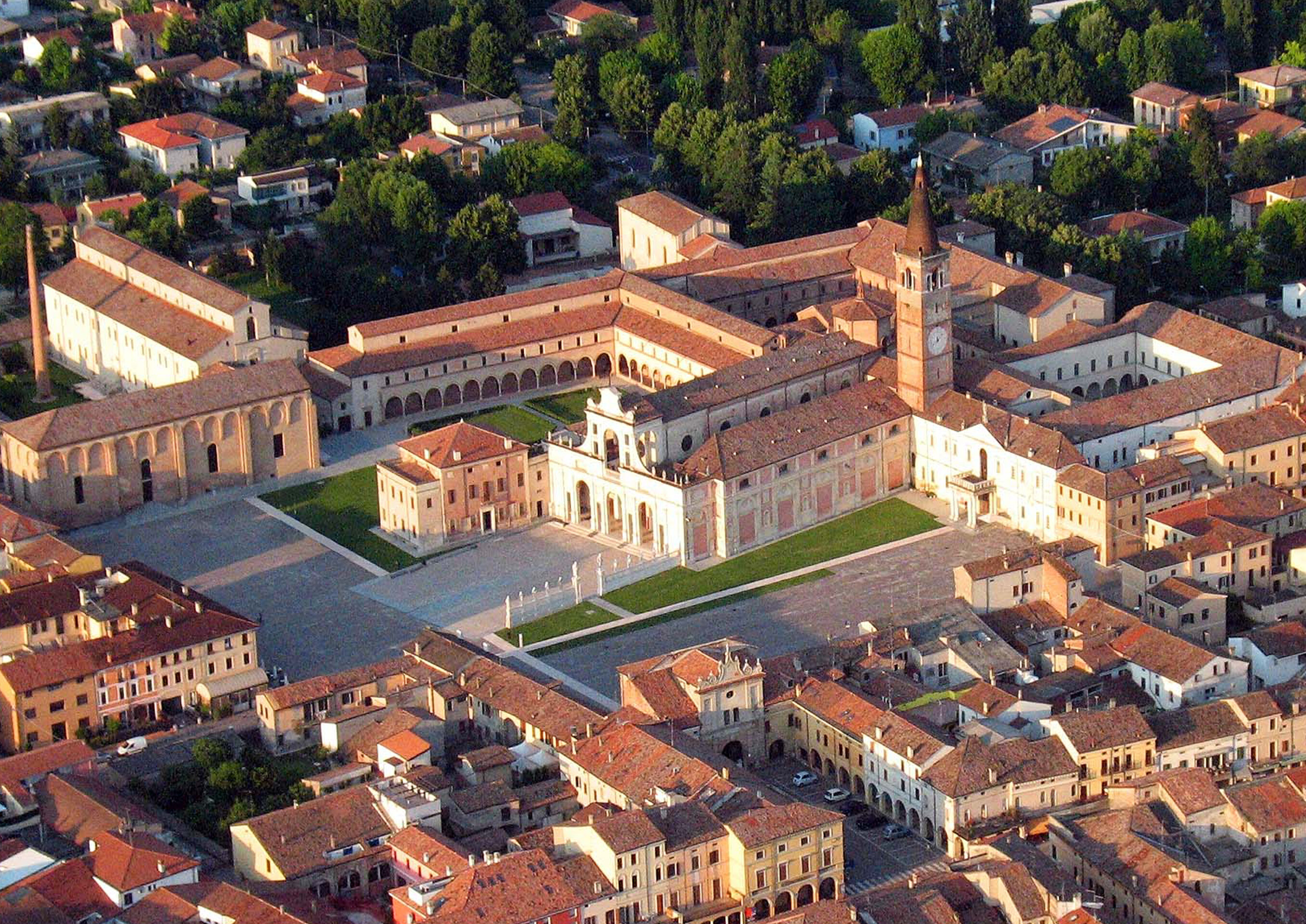
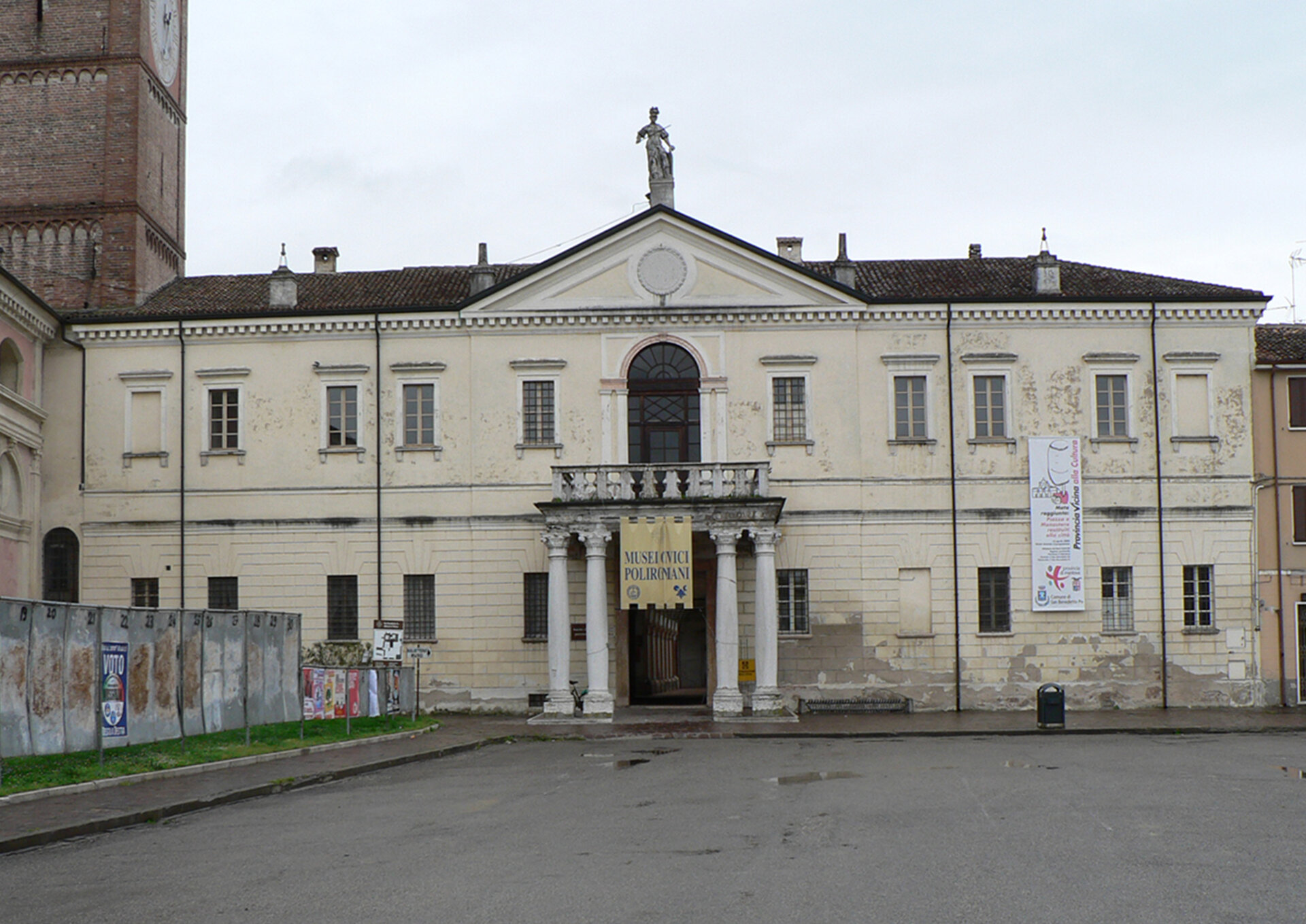
The Polirone Monastic Complex in San Benedetto Po, Lombardy, Italy, is one of northern Italy's most important historic monastic ensembles. Founded in 1007 by Tedaldo di Canossa, the monastery developed into a major centre of Benedictine and Cluniac religious life, closely ...
Read more
Project details
Description:
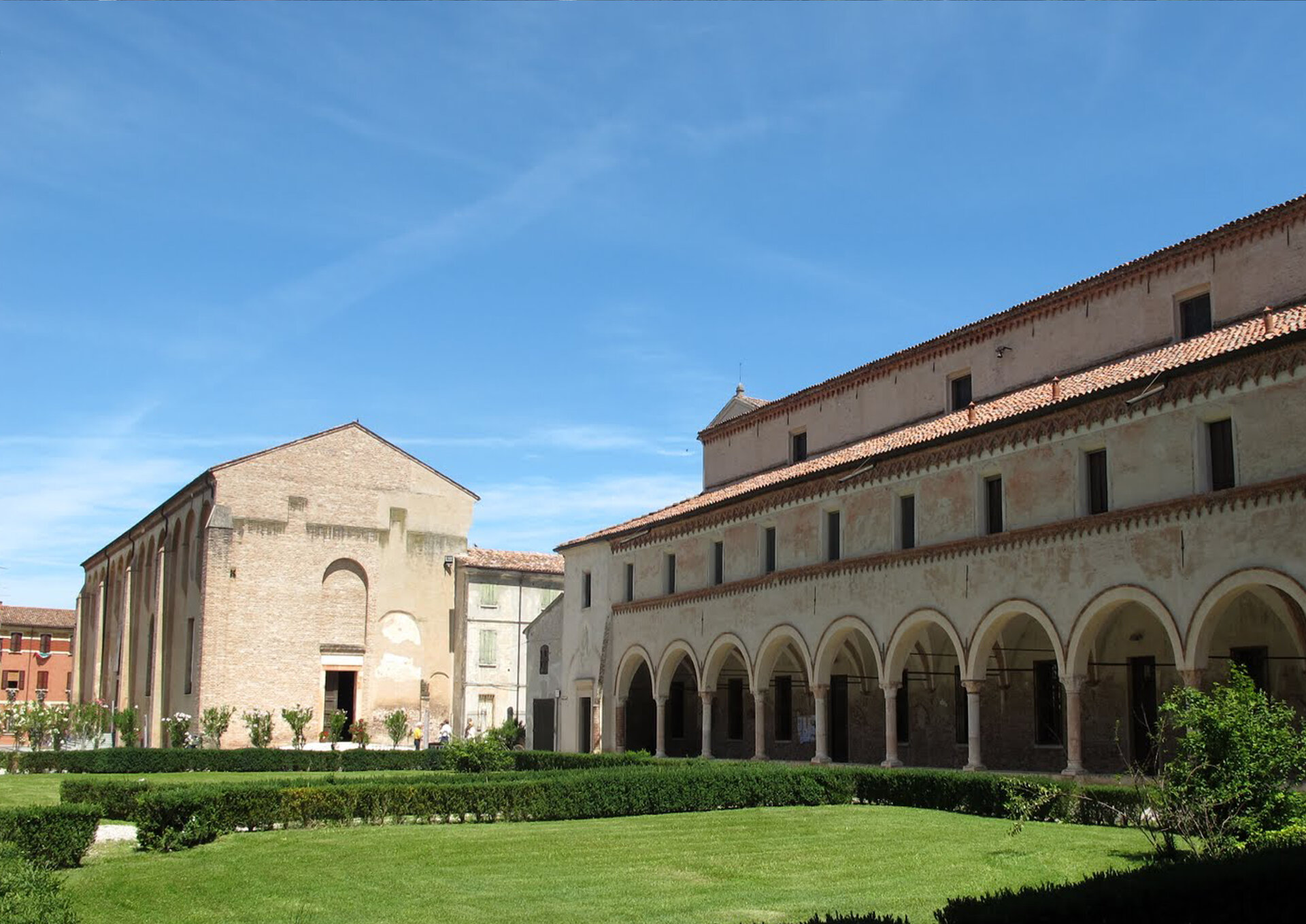
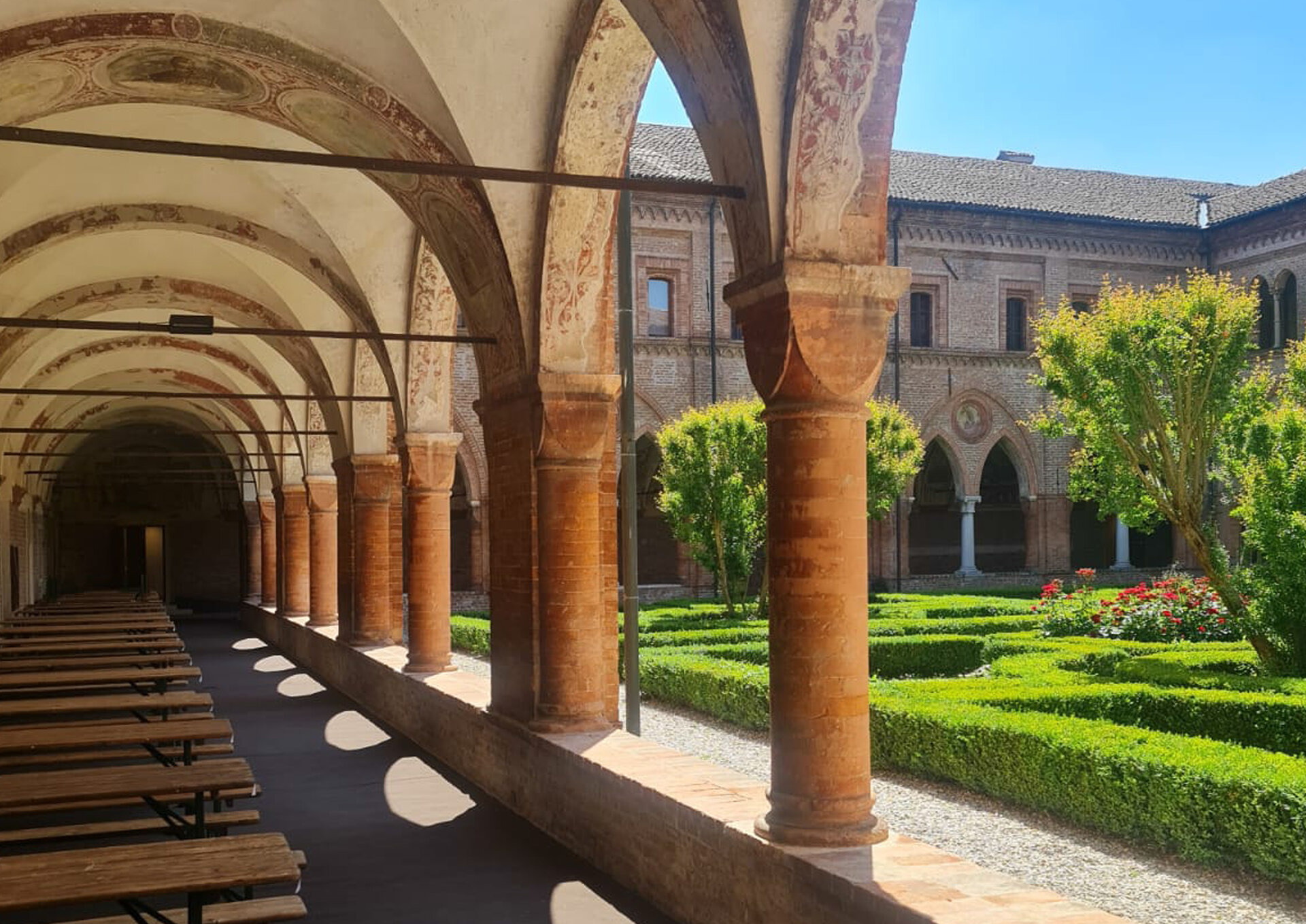
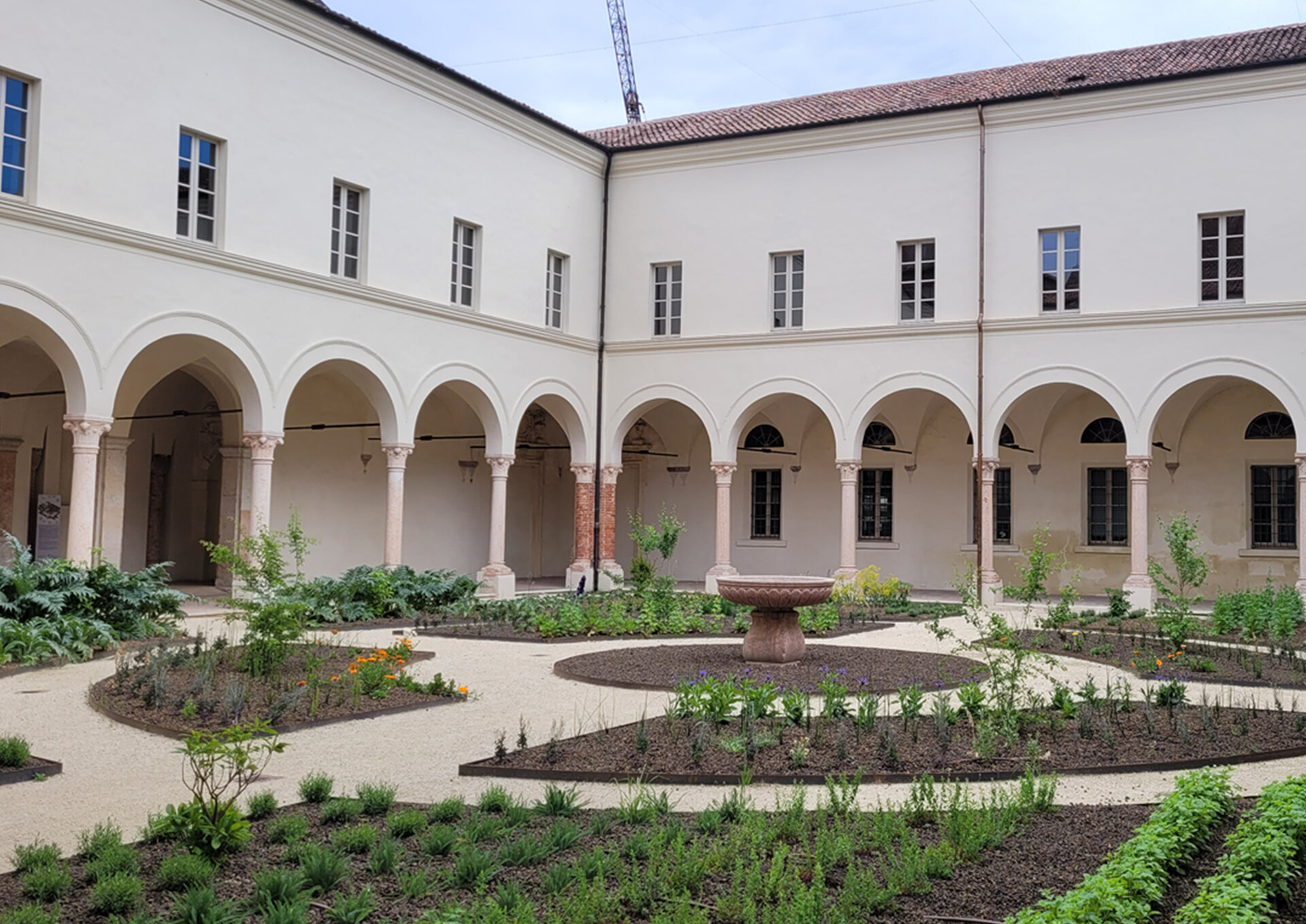
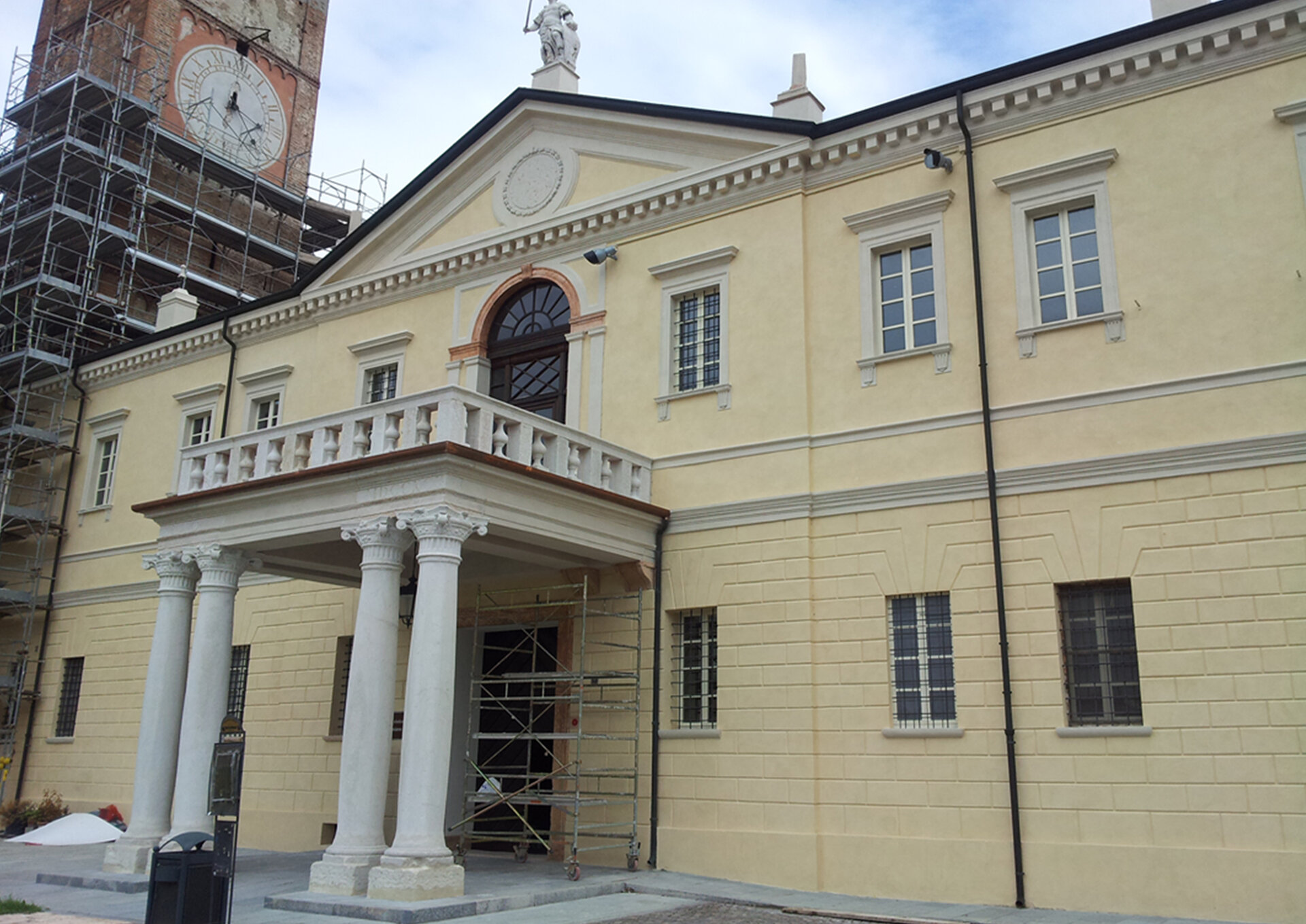
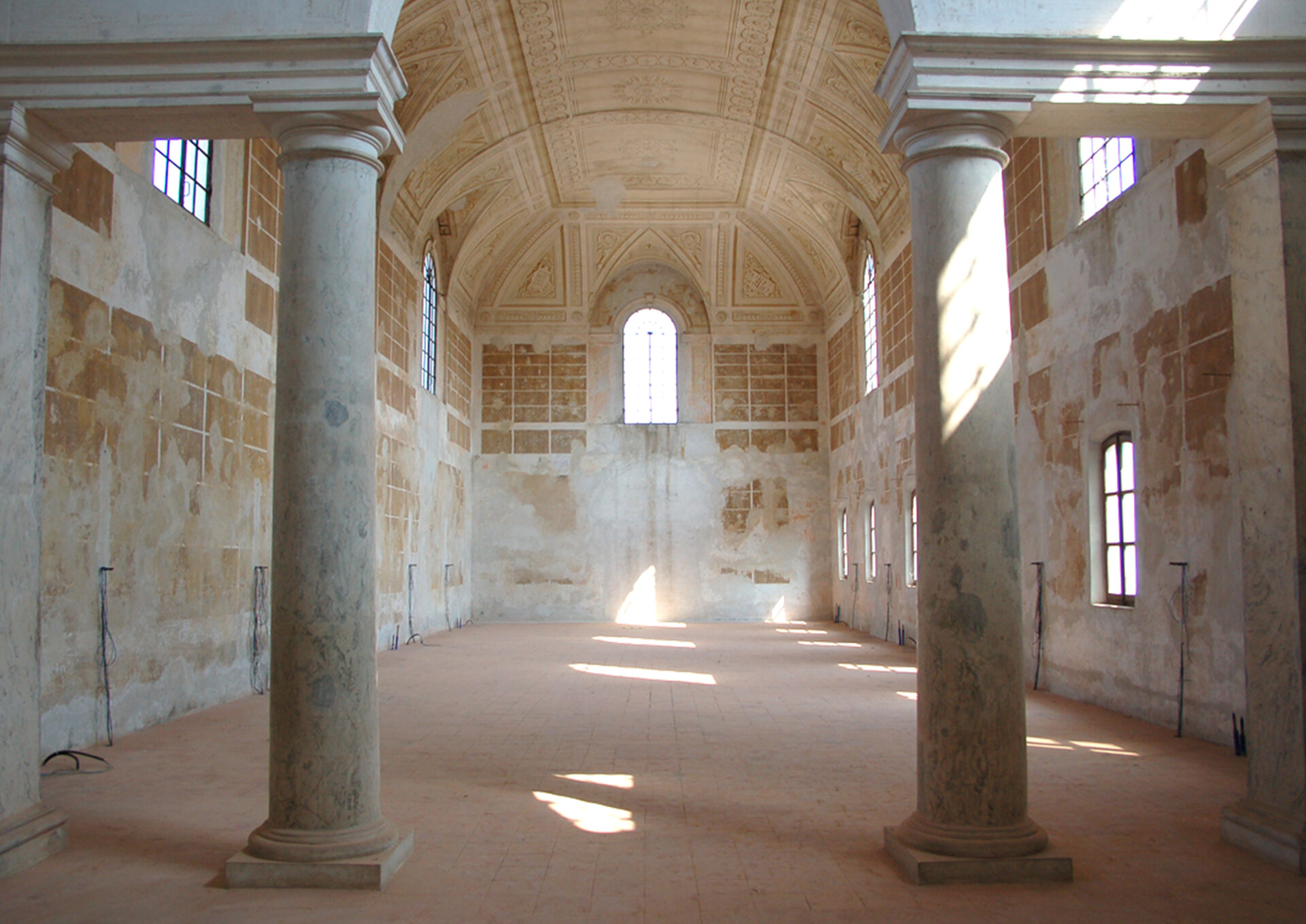
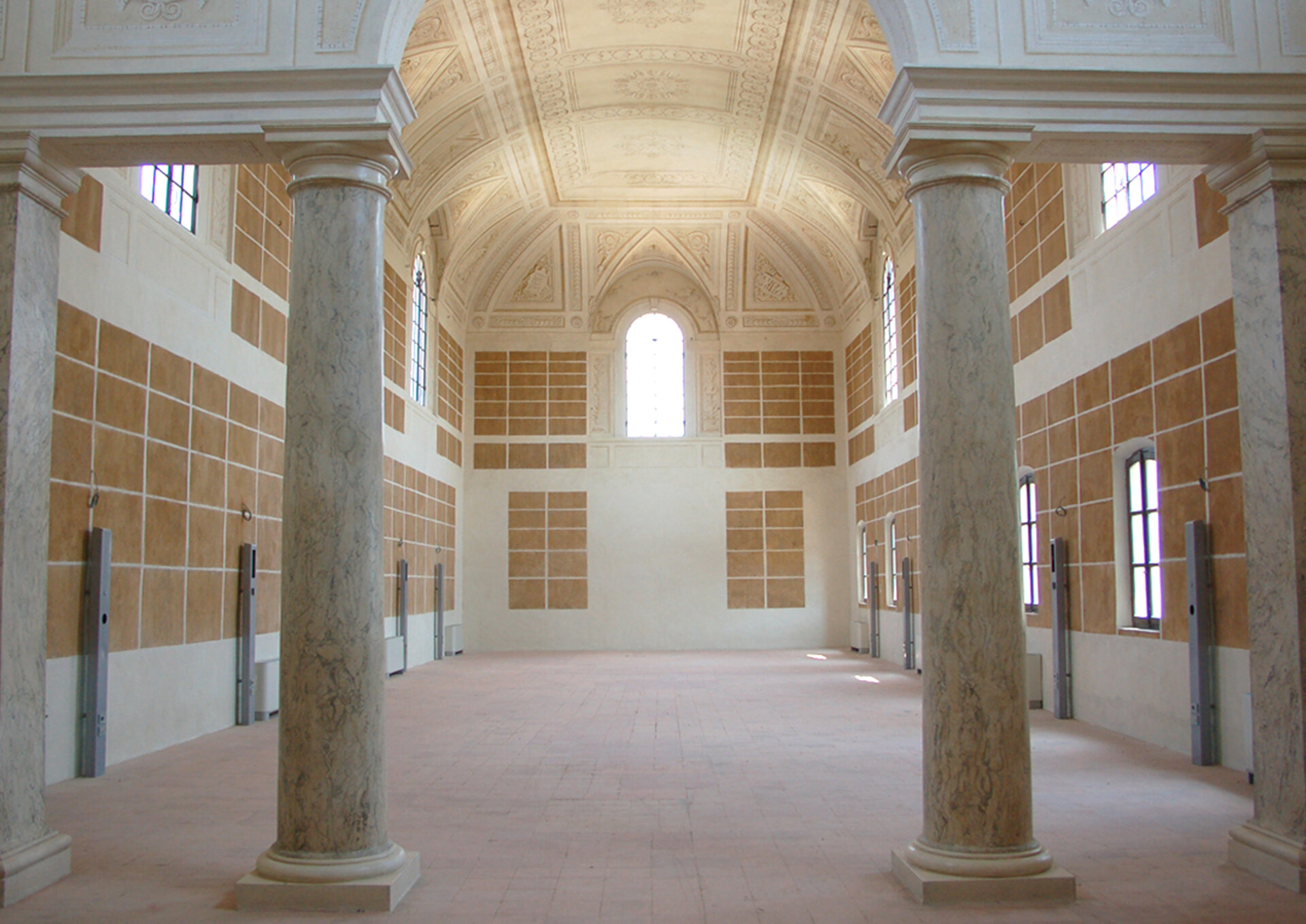
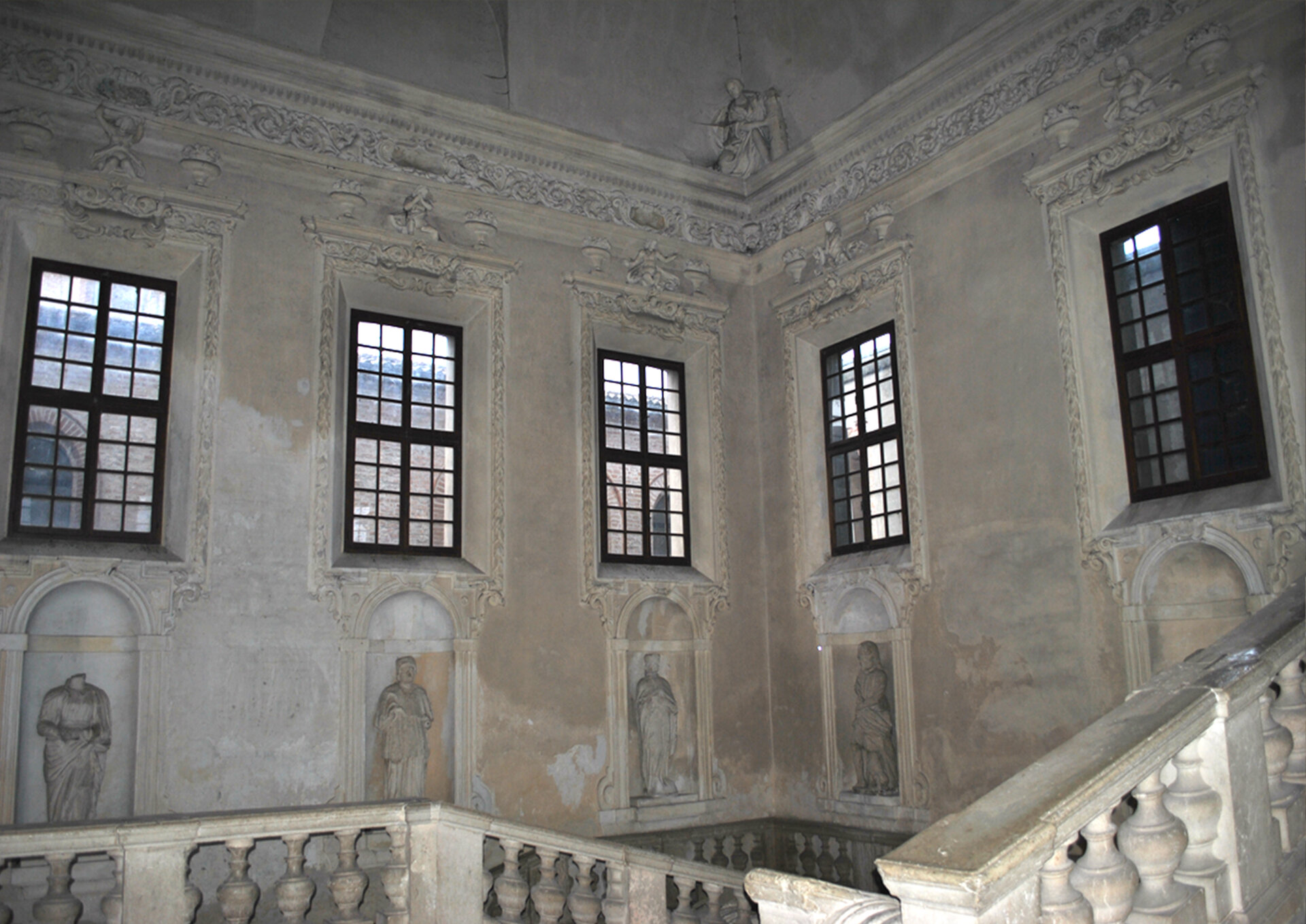
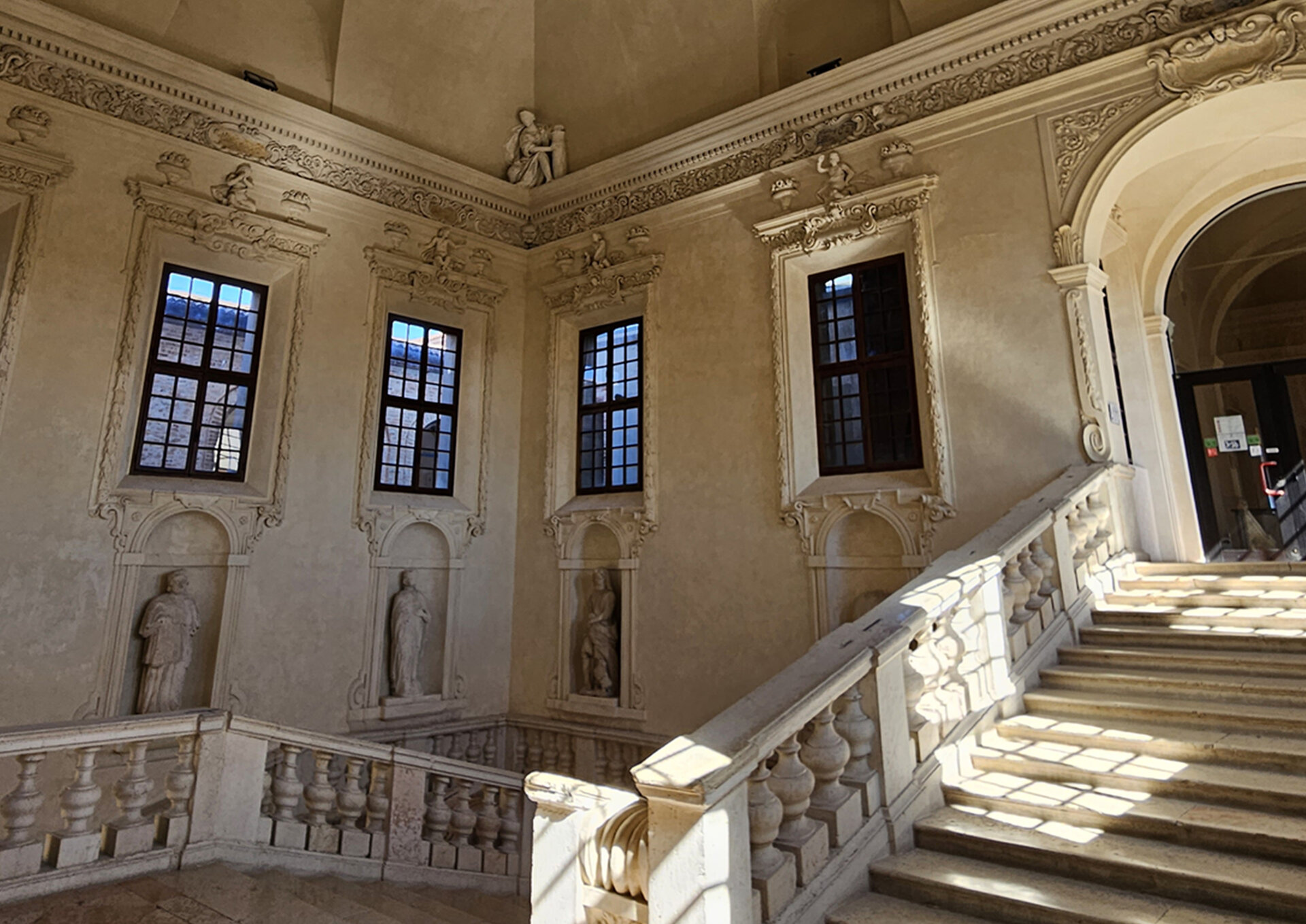
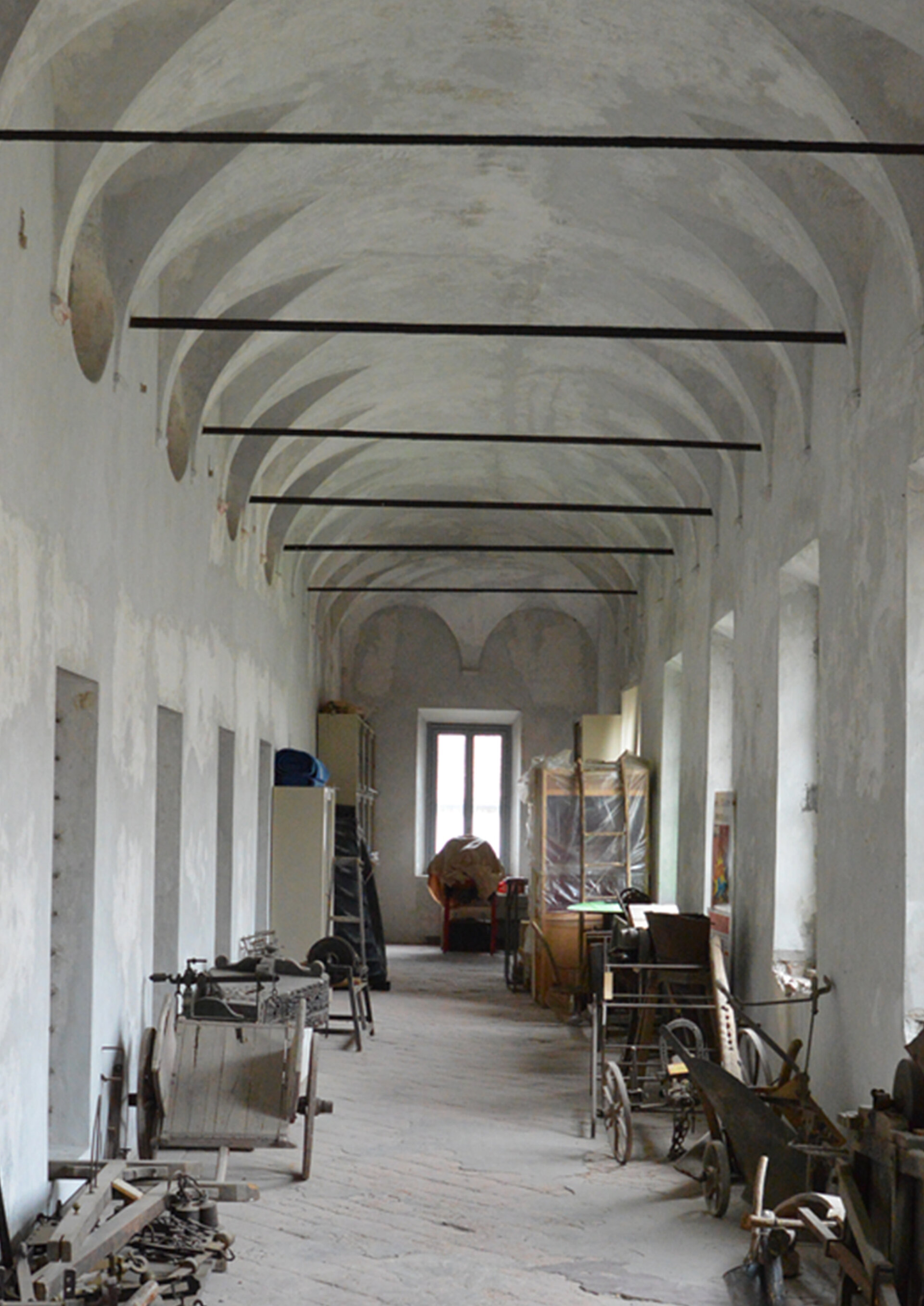
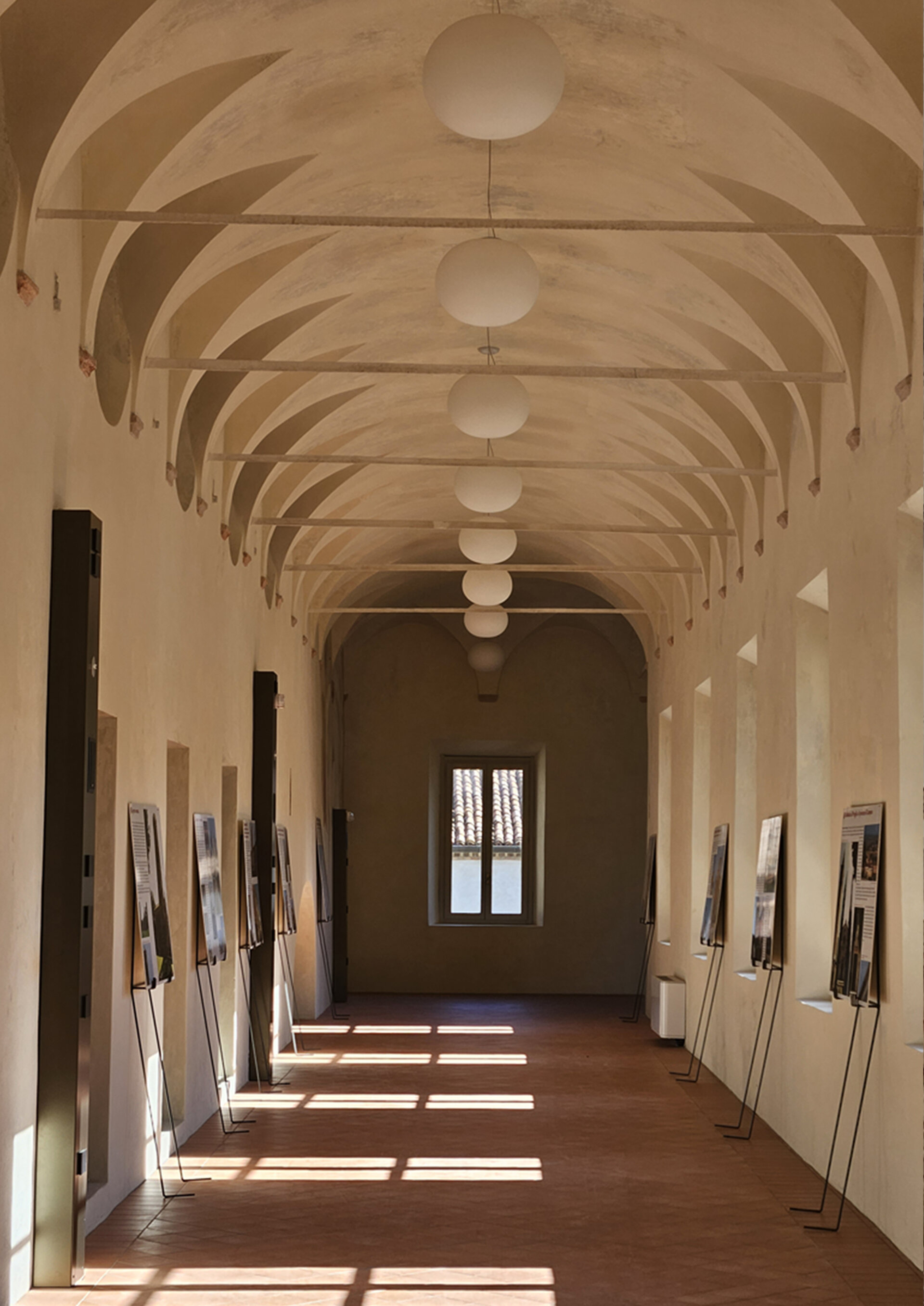
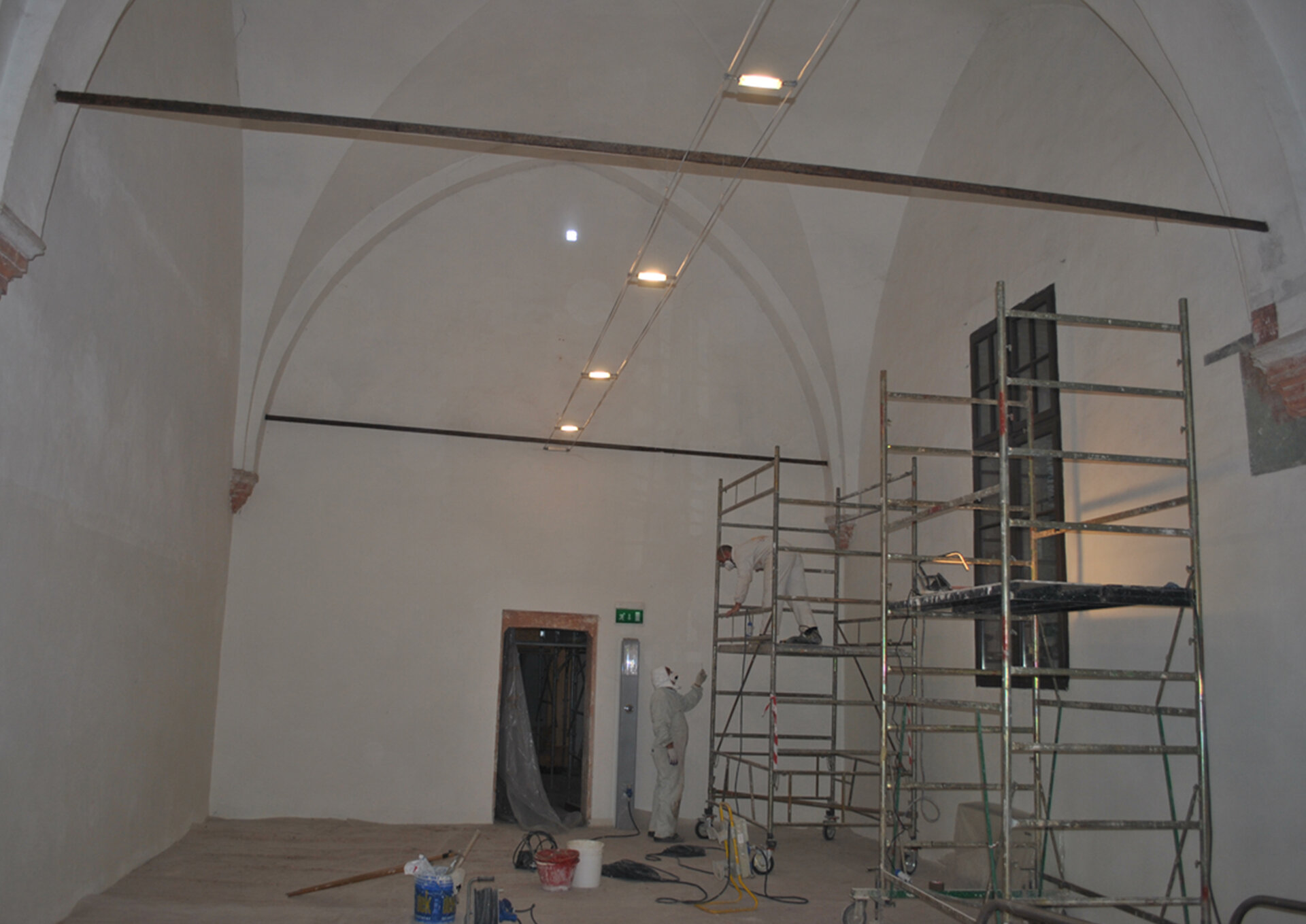
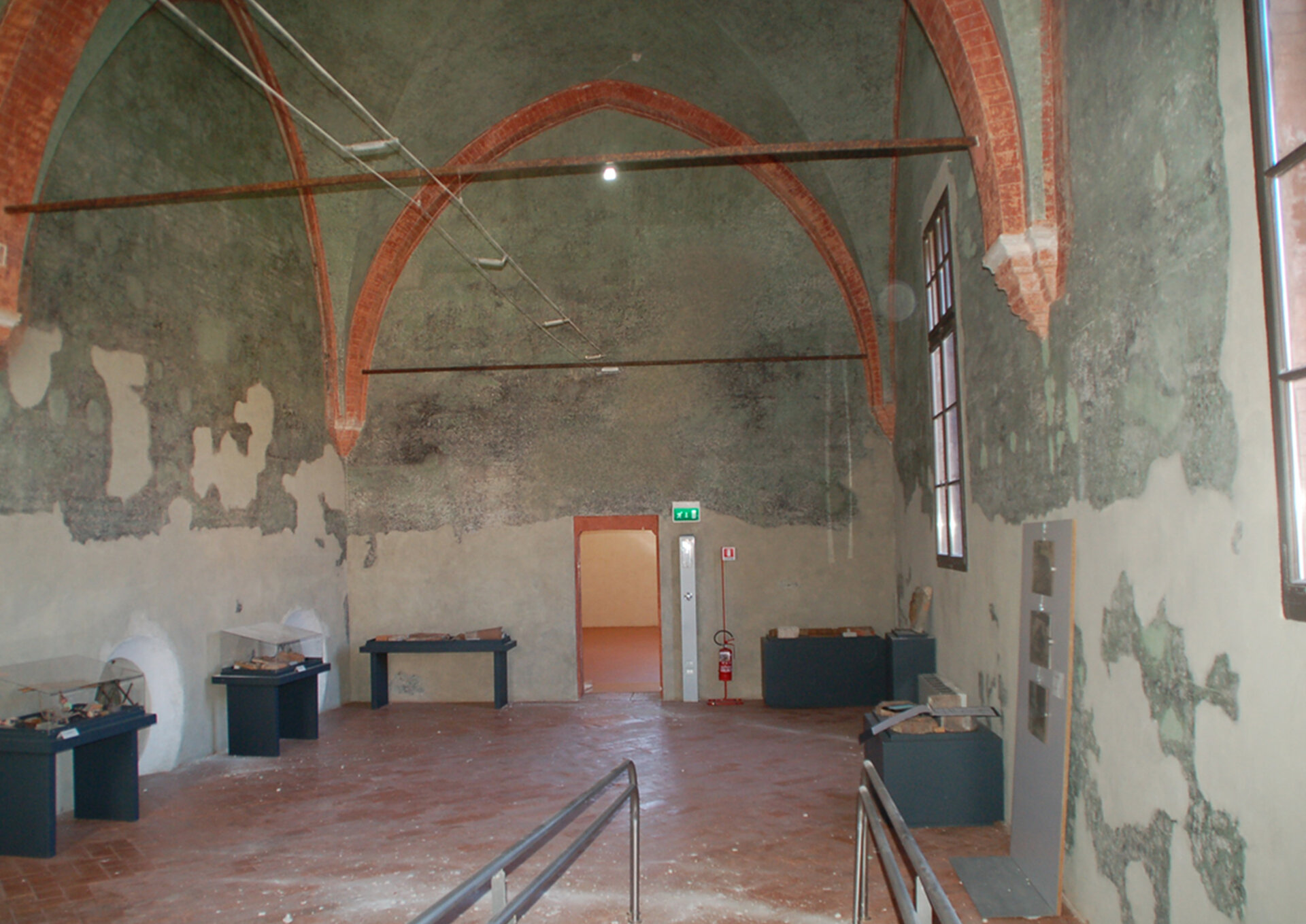
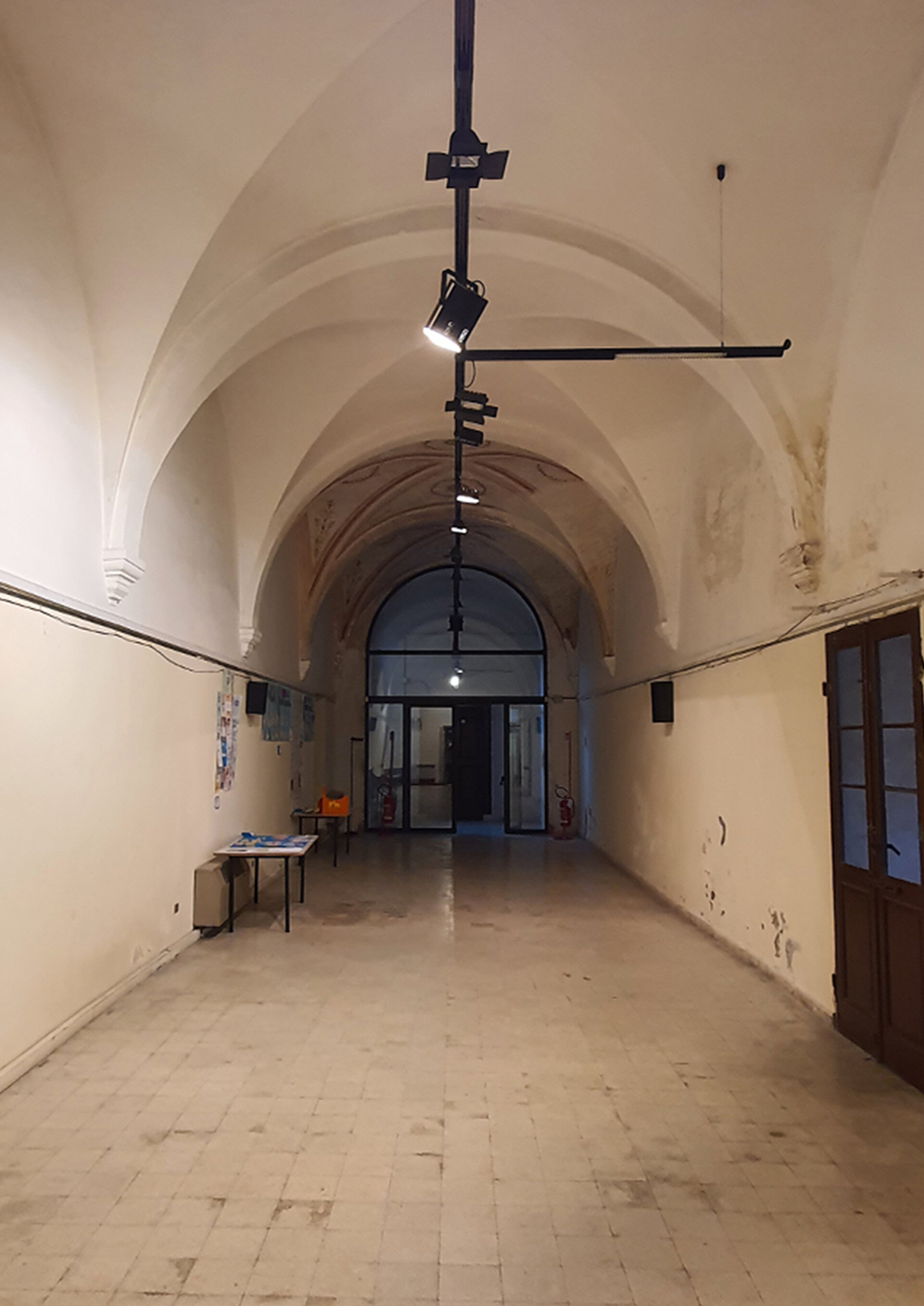
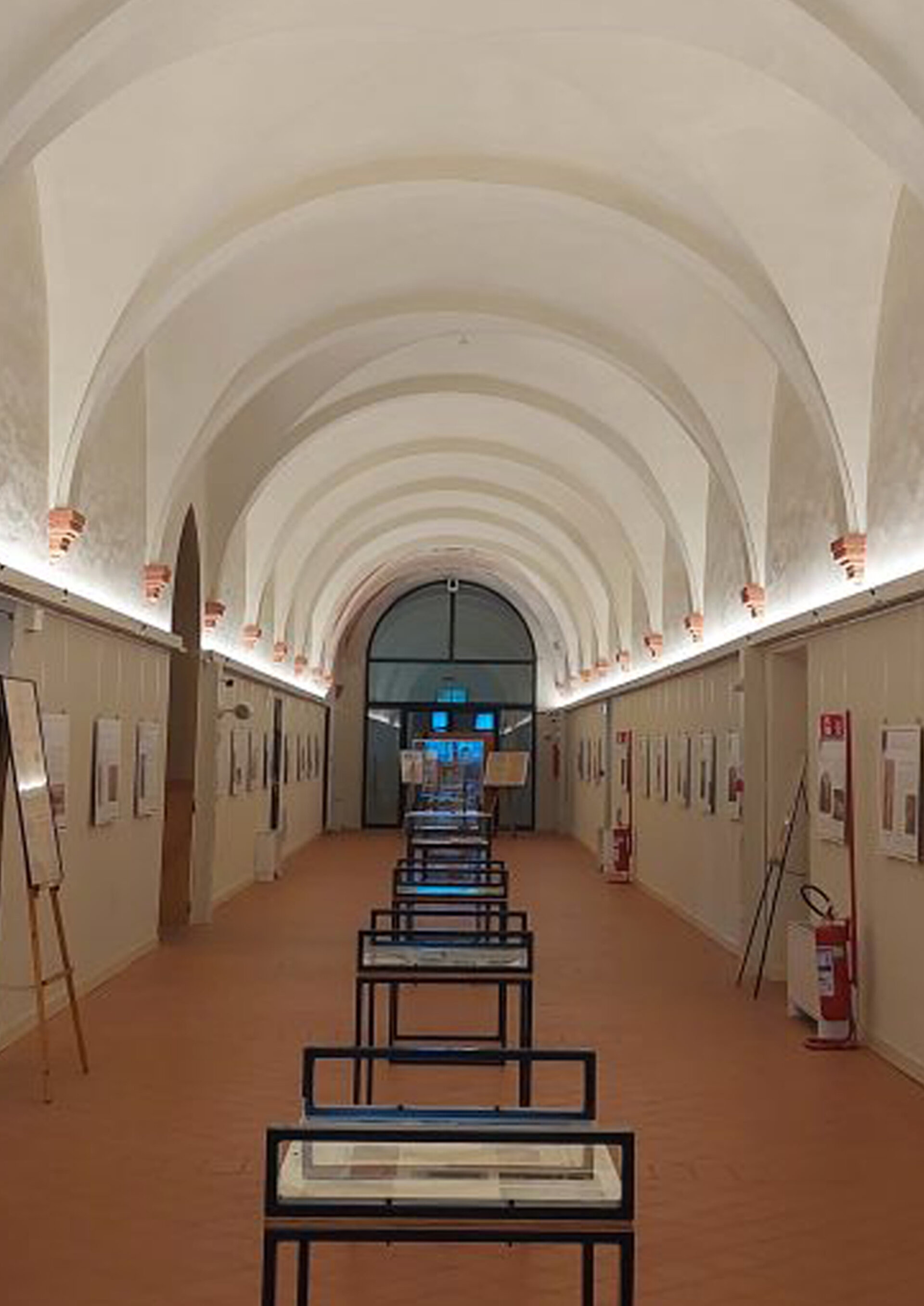
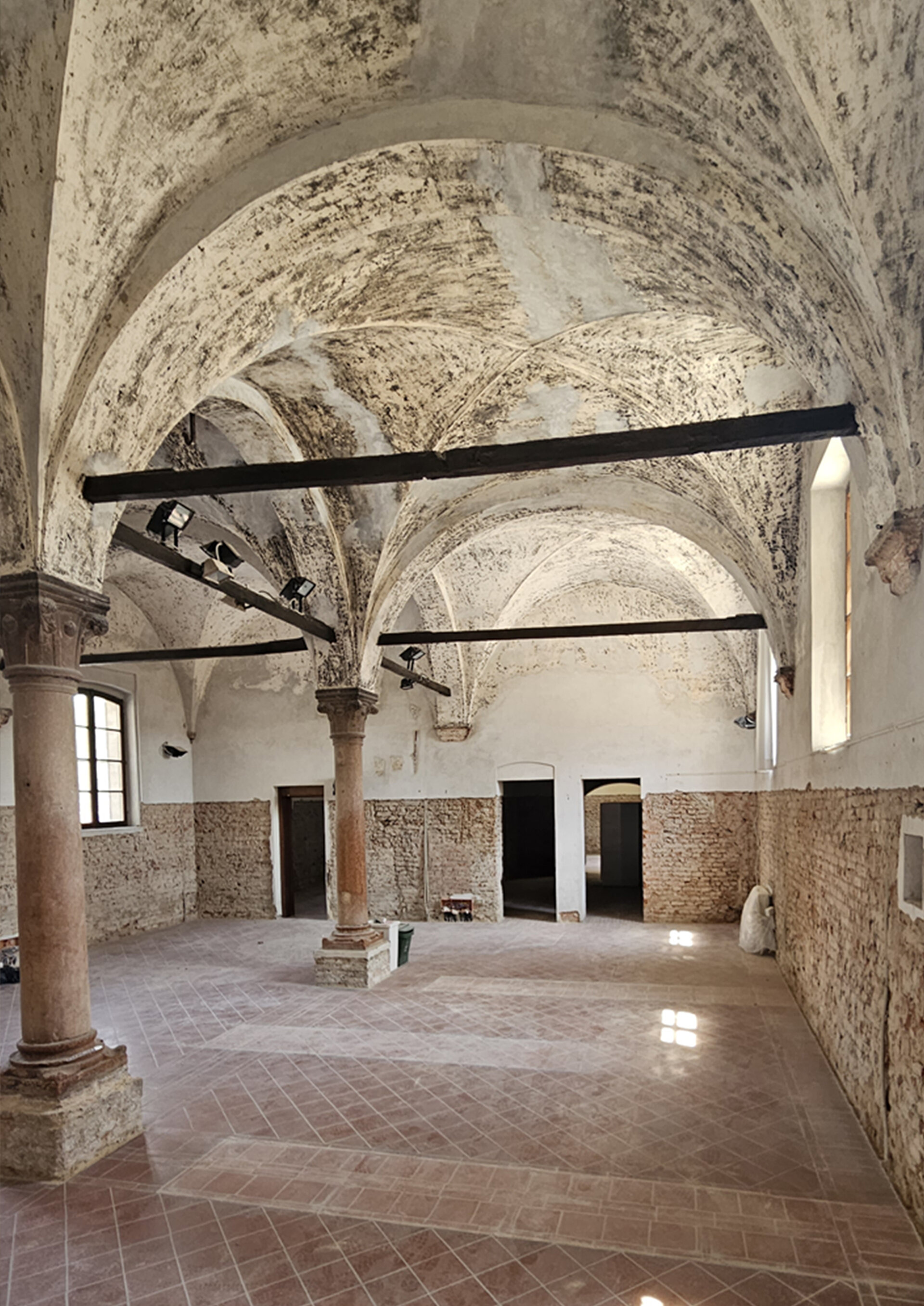
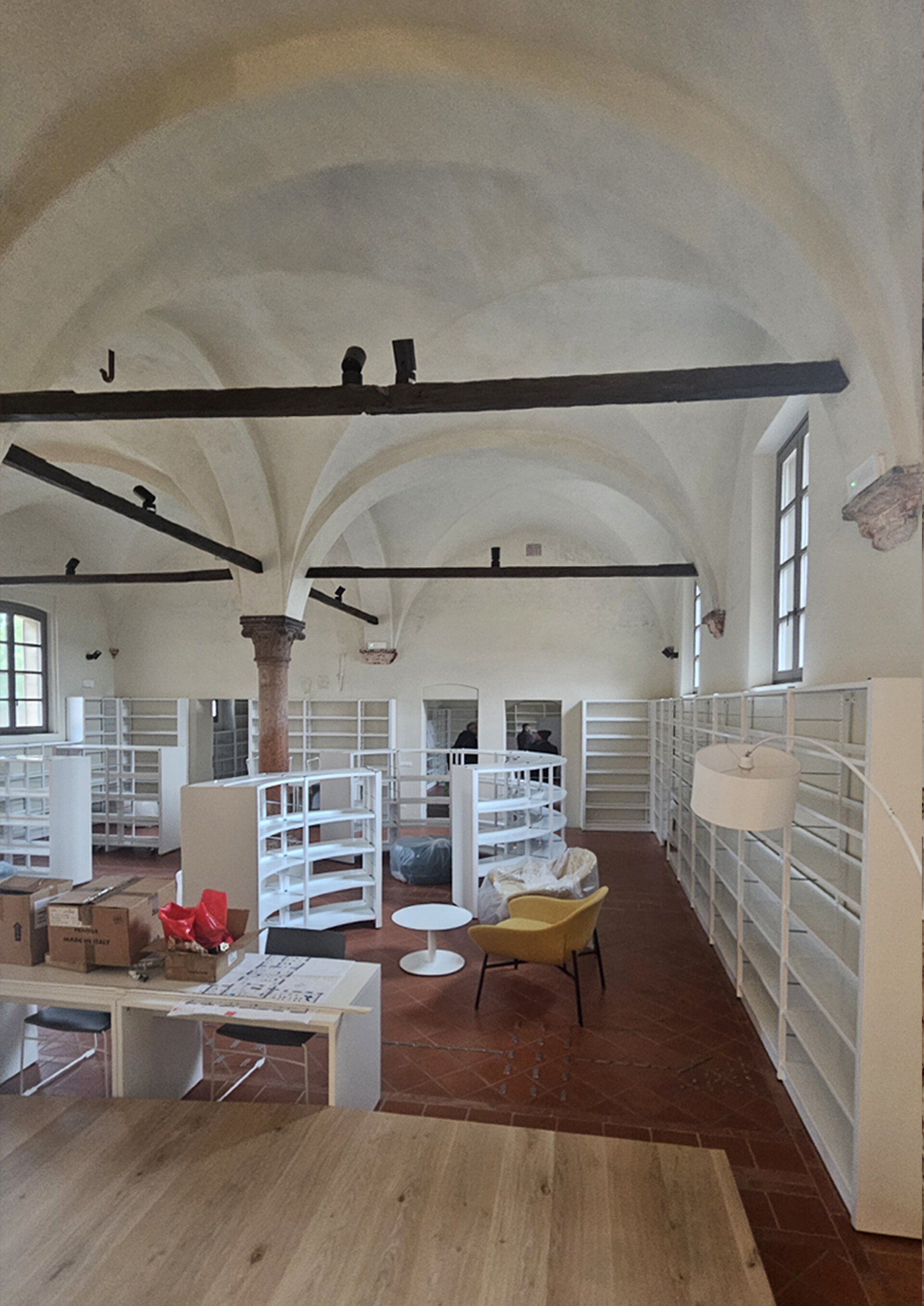
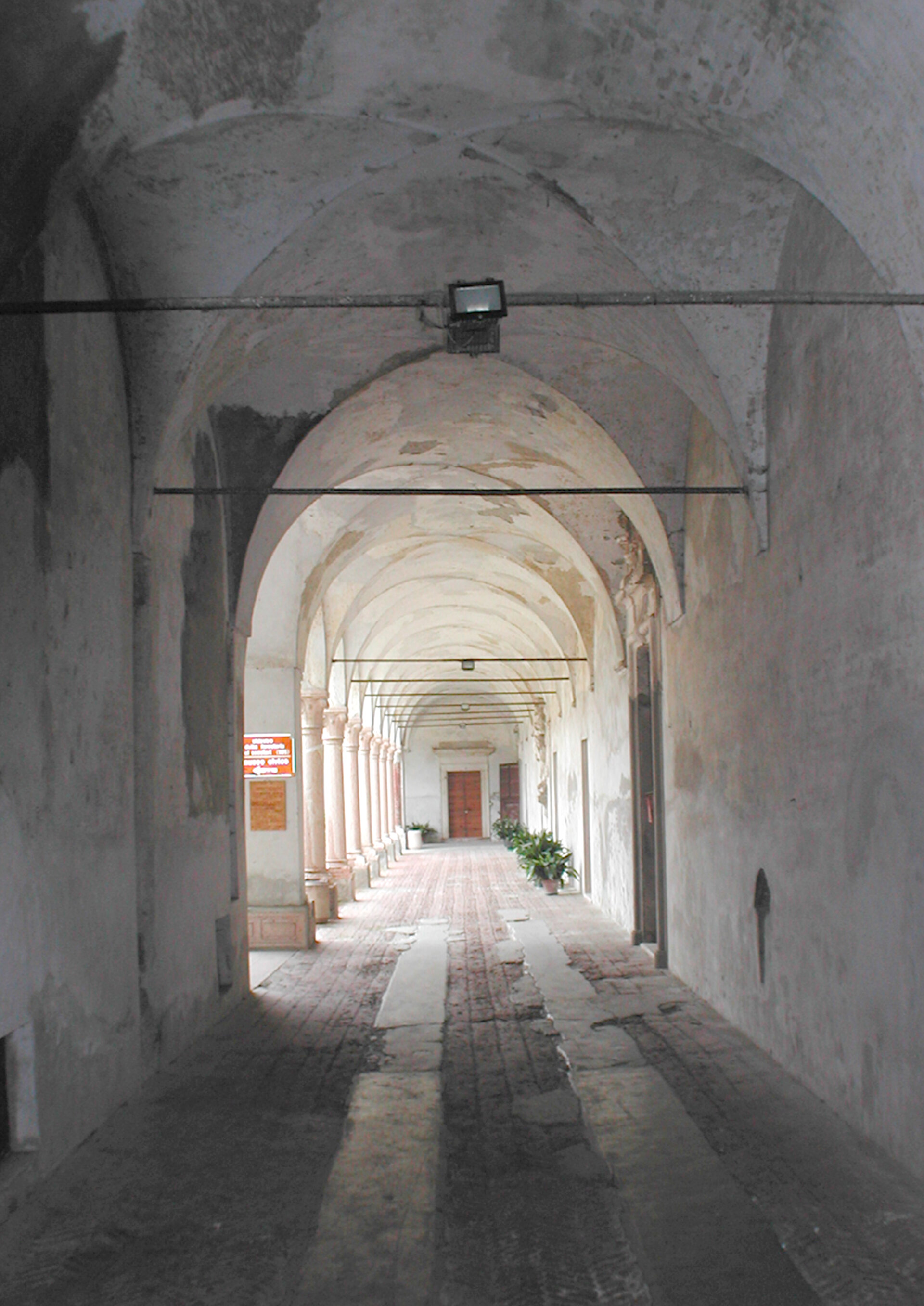
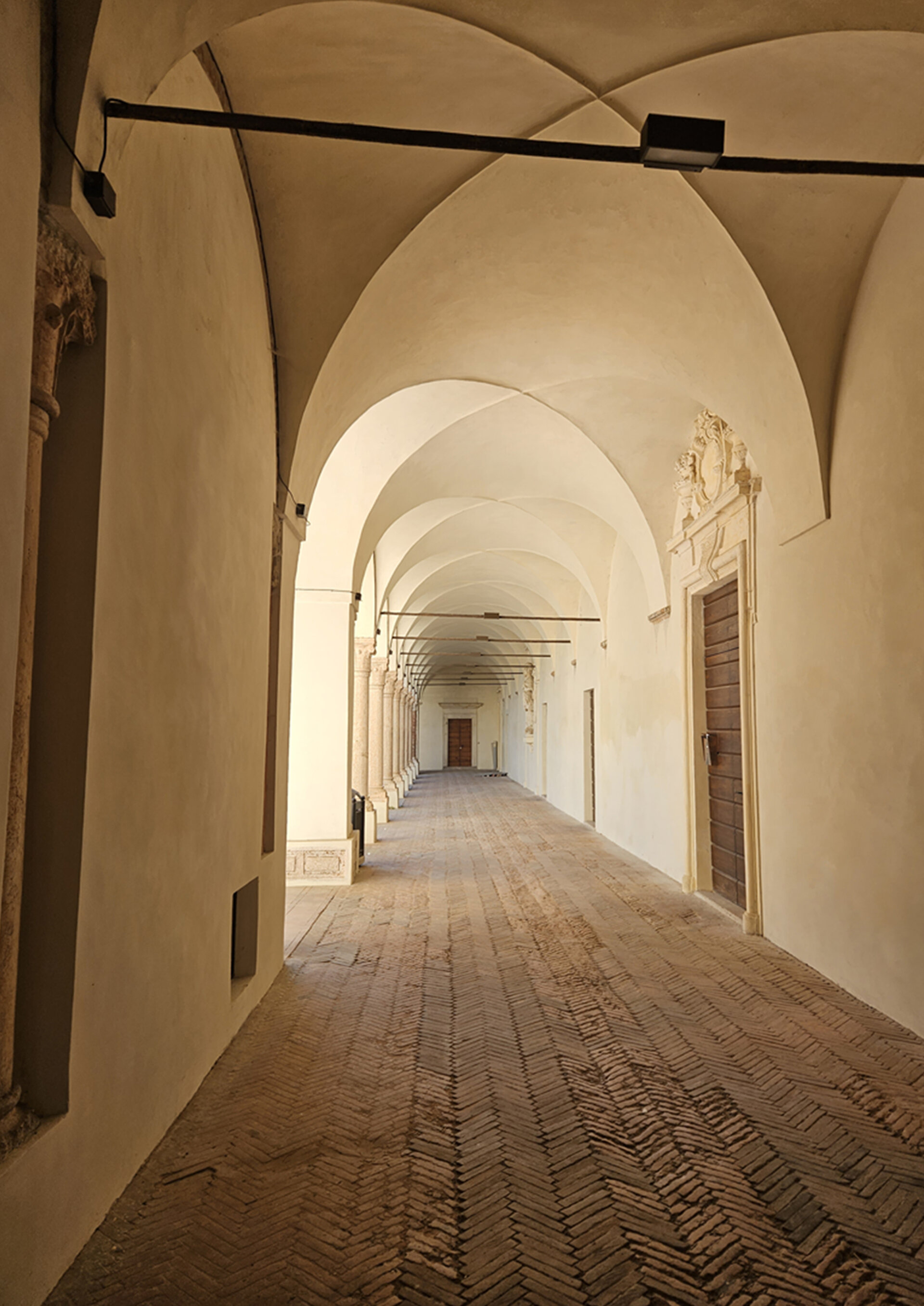
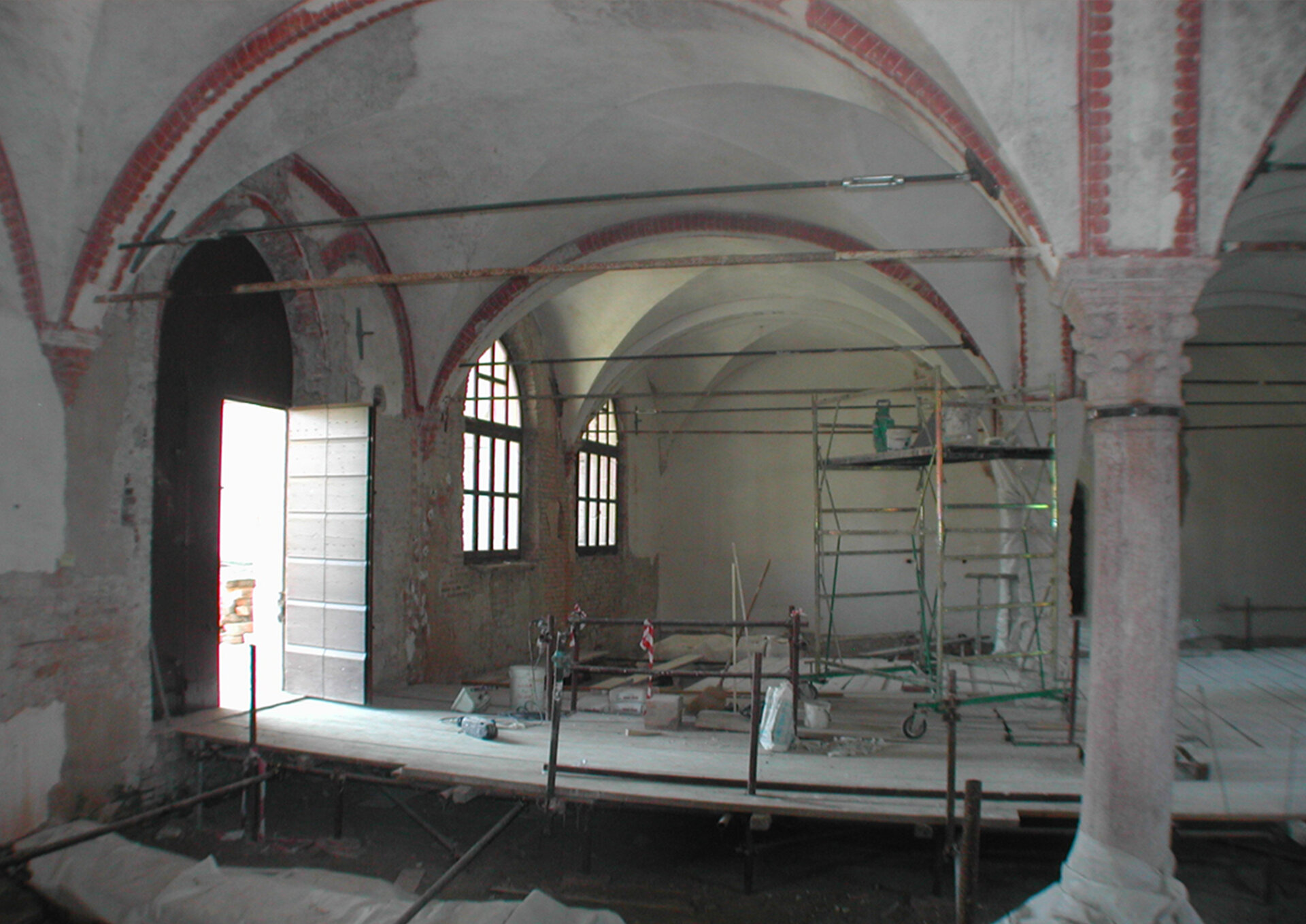
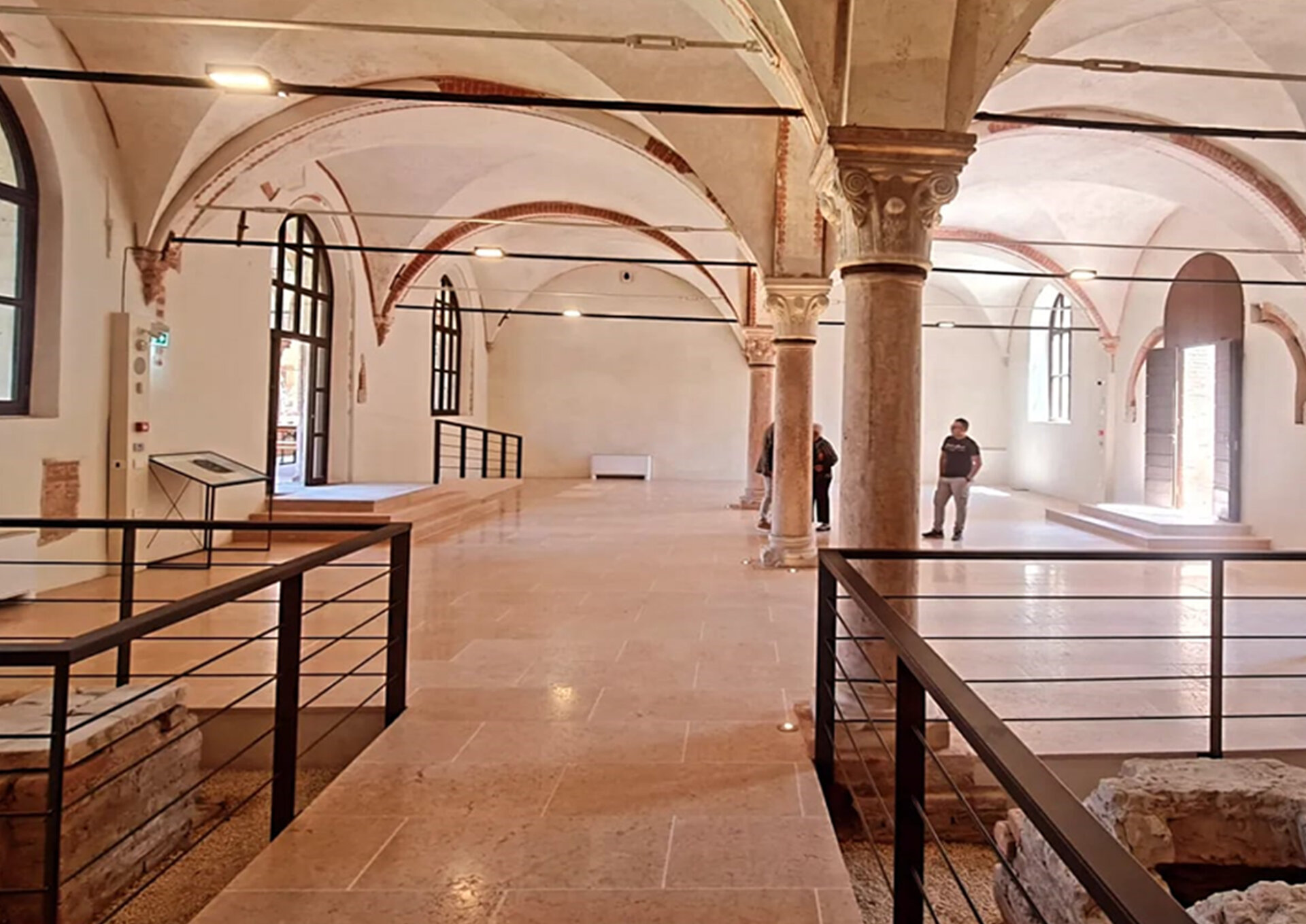
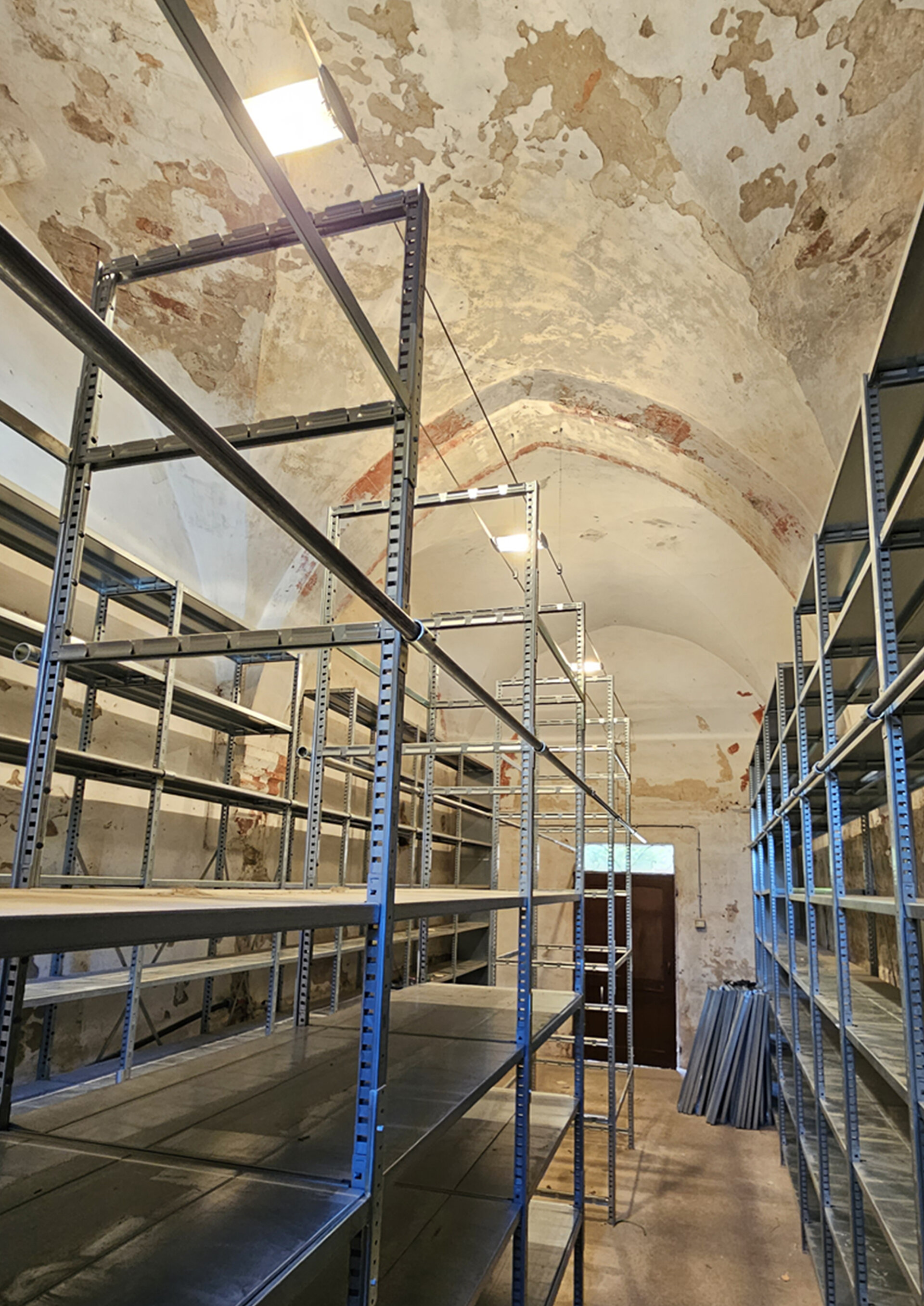
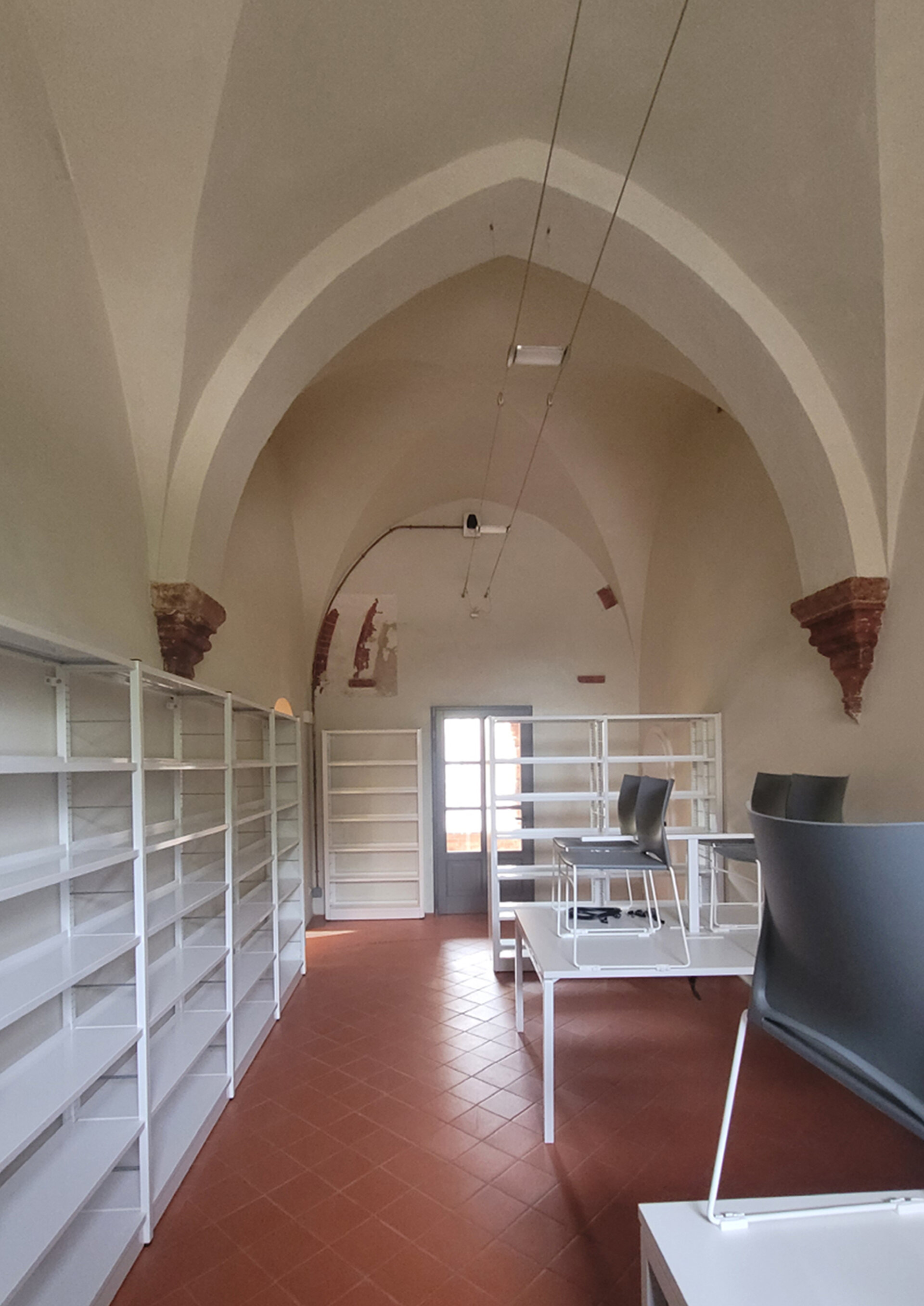
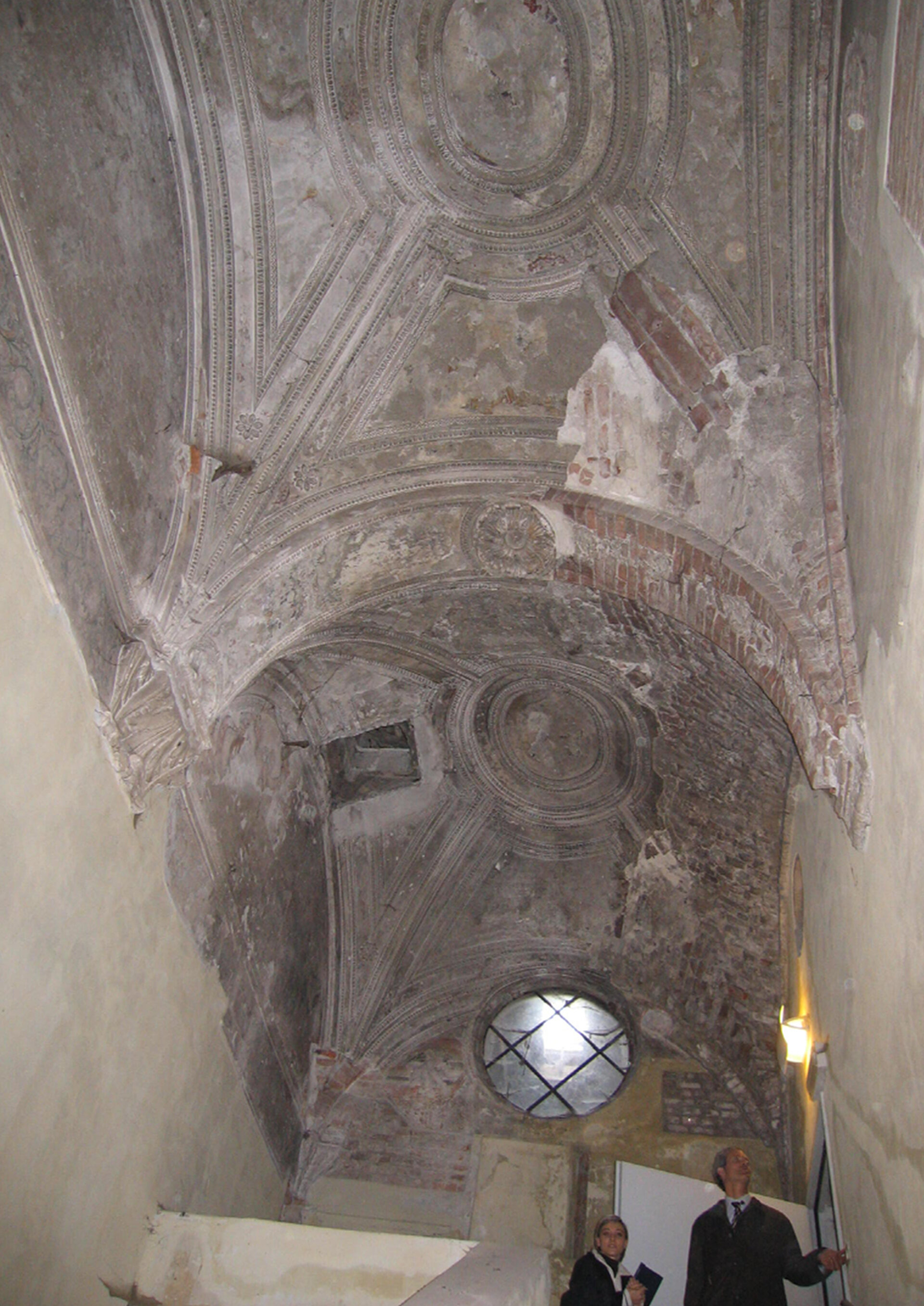
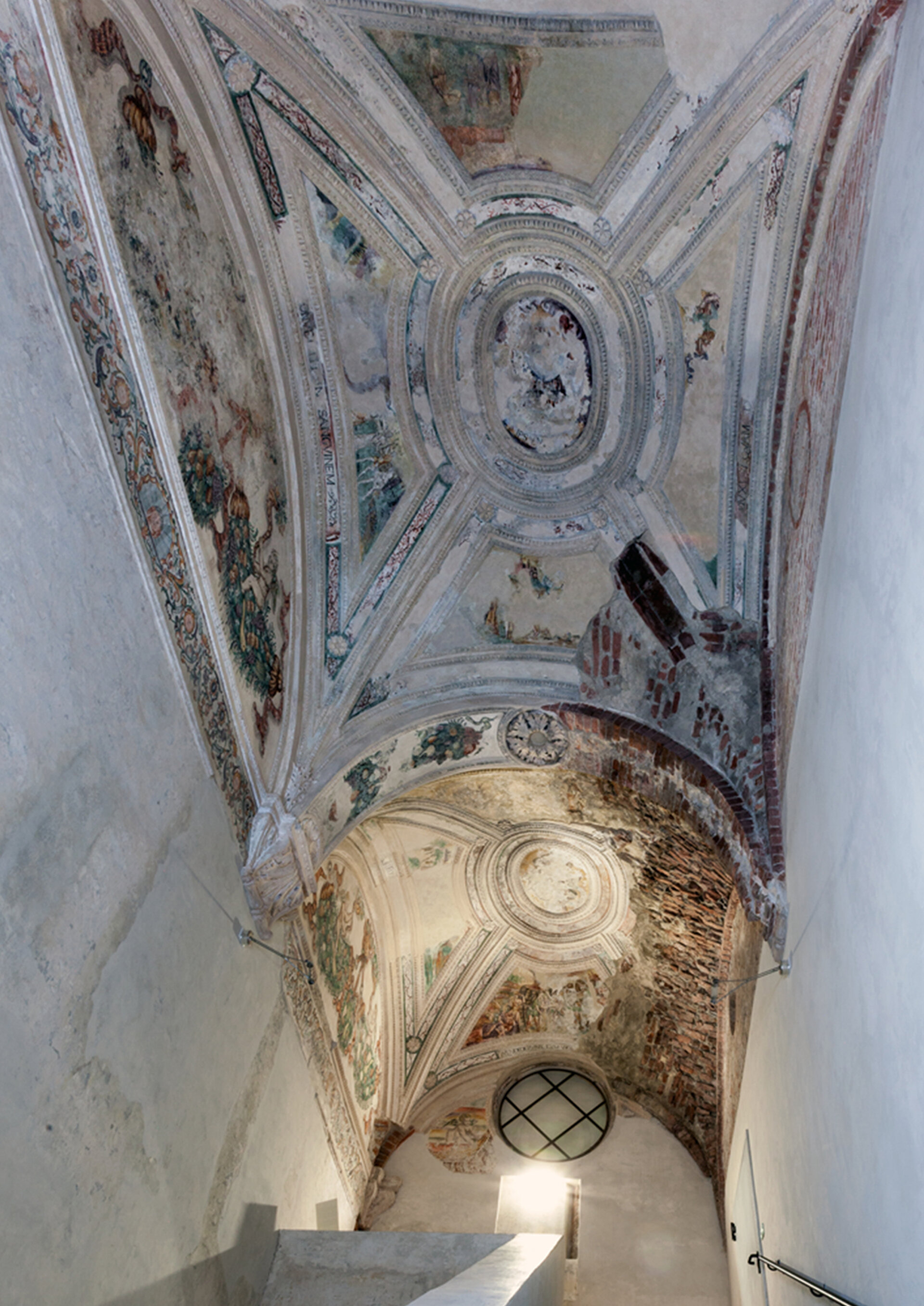
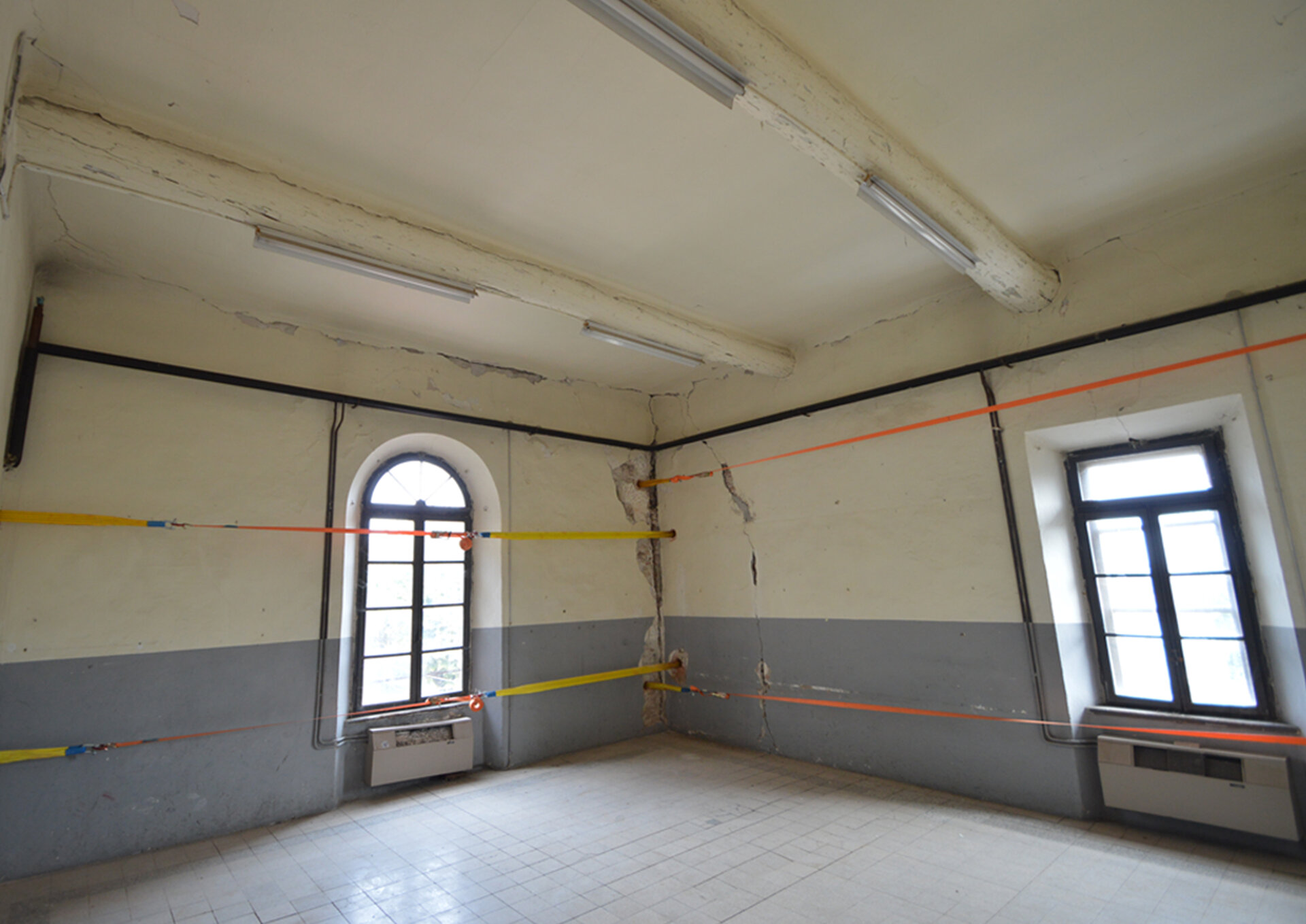
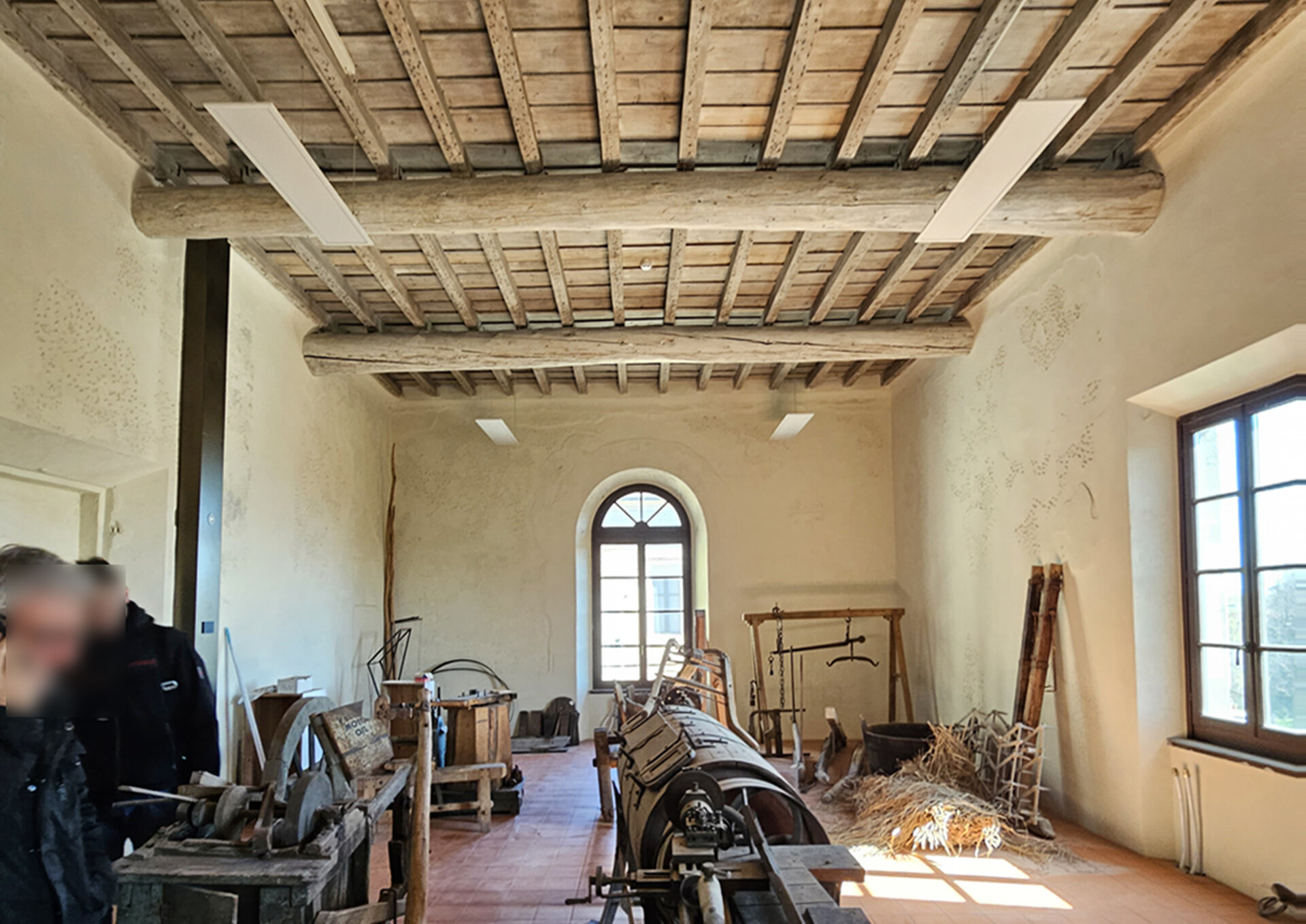
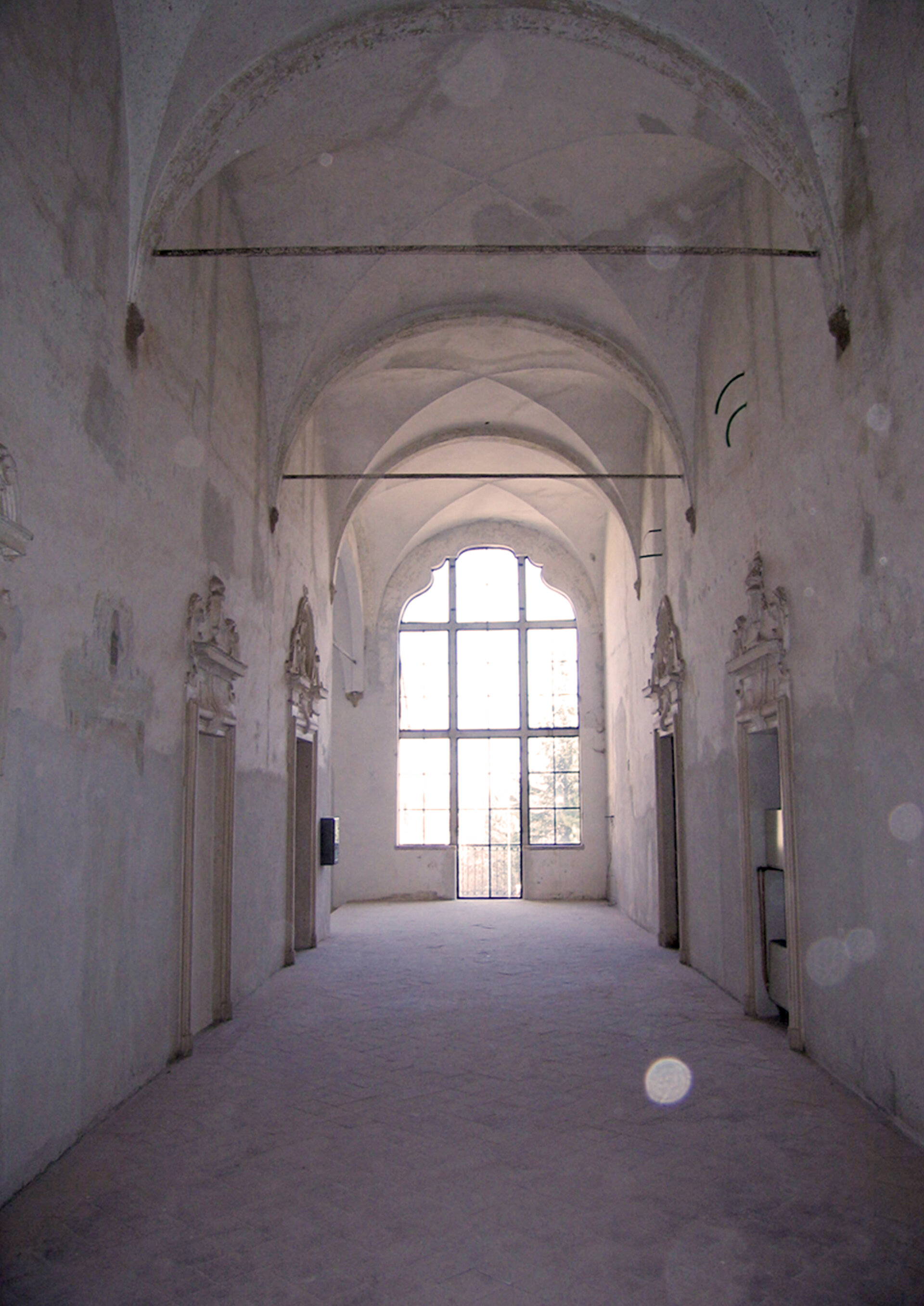
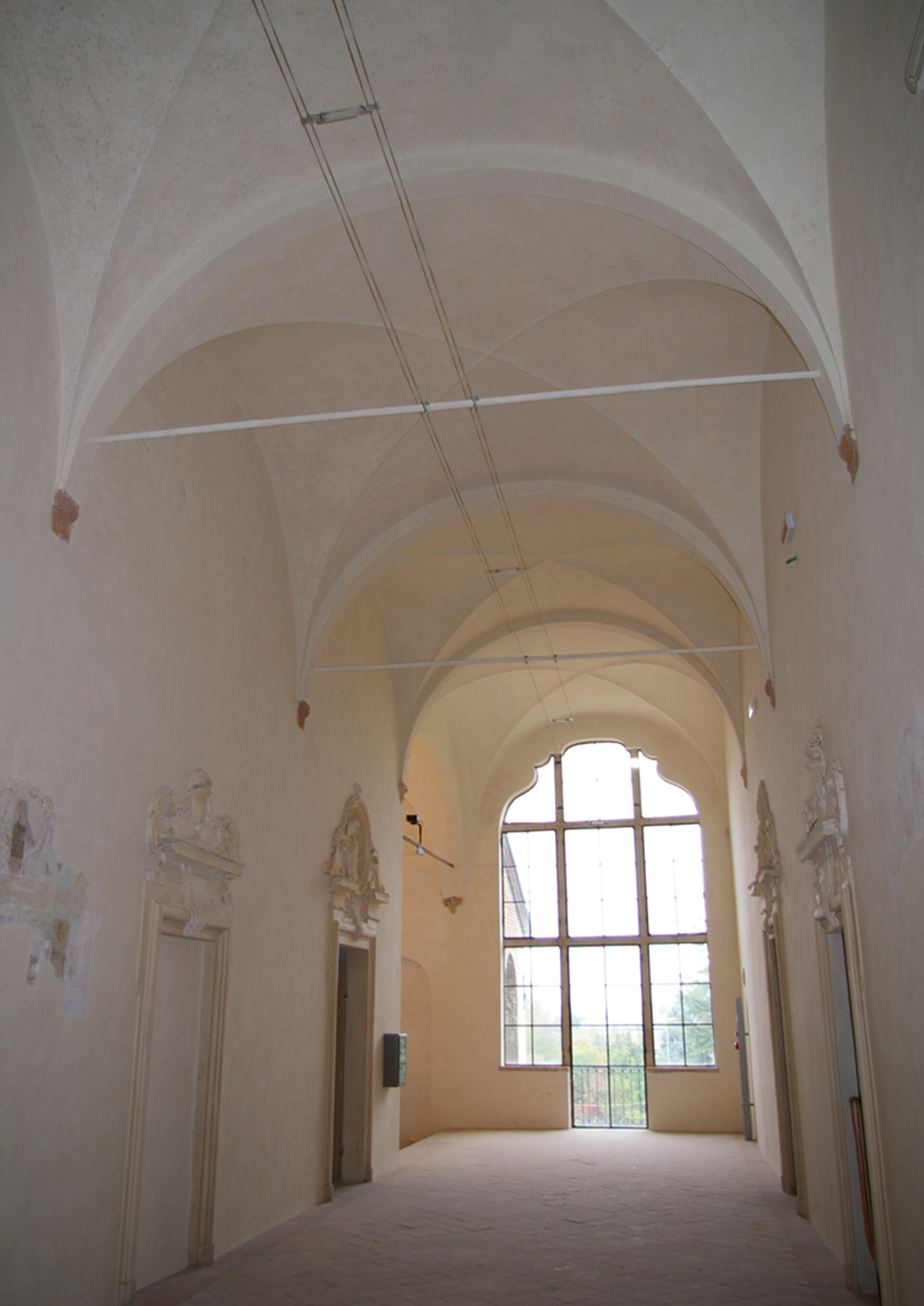
The Polirone Monastic Complex in San Benedetto Po, Lombardy, Italy, is one of northern Italy's most important historic monastic ensembles. Founded in 1007 by Tedaldo di Canossa, the monastery developed into a major centre of Benedictine and Cluniac religious life, closely associated with Matilda of Canossa and the political and cultural history of medieval Europe. Over the centuries, the complex acquired an exceptional architectural character through successive phases of construction and transformation, encompassing monumental cloisters, galleries, religious buildings and richly decorated interiors. The complex reflects a long history of artistic patronage and architectural innovation, with contributions associated with major Renaissance artists, including Giulio Romano, Correggio and Veronese. Its historic fabric embodies the evolution of monastic life and the wider cultural significance of the Po Valley. By the beginning of the twenty-first century, significant parts of the complex had deteriorated following decades of insufficient maintenance and partial abandonment. The earthquakes that struck northern Italy in 2012 caused extensive structural damage, rendering almost 20,000 square metres unusable and severely restricting public access. In 2013, the monastery was included among Europe's 7 Most Endangered heritage sites by Europa Nostra, drawing international attention to the urgency of its conservation. The subsequent restoration was undertaken as a long-term, phased programme led by the Municipality of San Benedetto Po, with specialist conservation and engineering expertise provided by Nicola Berlucchi and Studio Berlucchi. Supported entirely by public funding, the programme involved approximately €8 million of investment distributed across fourteen separate contracts over sixteen years. This gradual approach enabled a municipality of fewer than 7,000 residents to manage a conservation challenge of exceptional scale while maintaining cultural activities in accessible parts of the complex. The restoration combined structural consolidation, seismic improvement, conservation of historic materials and the adaptation of monumental spaces for contemporary civic use. Roofs and masonry walls were strengthened with careful consideration for the retention of original fabric. Historic plasterwork, frescoes, sculptural details and decorative surfaces were stabilised and conserved. Modern technical services, fire protection and safety systems were introduced discreetly to avoid compromising the architectural character of the ensemble. Environmental sustainability formed an important part of the conservation strategy. Rather than installing extensive additional heating in historic museum spaces, the project adopted moderate indoor temperatures and visitor guidance that reduces energy demand while supporting stable conservation conditions. This pragmatic approach demonstrates how operational sustainability can be achieved through restrained intervention rather than the wholesale replacement of historic building systems. Accessibility was also improved through the installation of lifts, ramps, adapted circulation routes and tactile floor markings for visitors with visual impairments. These measures connect historic cloisters and public spaces more effectively, allowing a wider audience to experience the complex. Digital documentation supported the restoration and future management of the site. The Chiostro dei Secolari was recorded through a three-dimensional Heritage Building Information Modelling system, providing a detailed resource for understanding historic construction, coordinating interventions and planning long-term maintenance. A central achievement of the project is the reactivation of the monastery as a civic and cultural centre. Today, its restored spaces accommodate an ethnographic museum, a library, a music academy, exhibition galleries, conference facilities and meeting places for local associations. These uses strengthen the relationship between the historic ensemble and the everyday life of San Benedetto Po, ensuring that conservation contributes to the social and cultural vitality of the surrounding community. In 2026, the Polirone Monastic Complex received a European Heritage Award / Europa Nostra Award and a Grand Prix in the Conservation and Adaptive Reuse category. The recognition acknowledged the project's high-quality structural conservation, sensitivity to historical authenticity and ability to combine architectural preservation with meaningful public use. The restoration of Polirone demonstrates how endangered monumental heritage can be recovered through sustained public commitment, careful technical planning and incremental investment. Its experience offers a transferable model for other historic complexes facing structural vulnerability, financial constraints and the challenge of finding sustainable contemporary functions.
Similar projects

18th century

16th century

14th century

Founded in 1007

13th century

15th century

18th century

Middle Ages

13th century

12th-13th century

17th century

Middle Ages