


Multifunctional Urban District of Bologna – DumBO
The Multifunctional Urban District of Bologna – DumBO (Distretto Urbano Multifunzionale di Bologna) is a pioneering example of temporary, culture-led urban regeneration in Italy. Located within the former Ravone railway freight yard in Bologna, the project has transformed ...
Read more
Project details
Description:
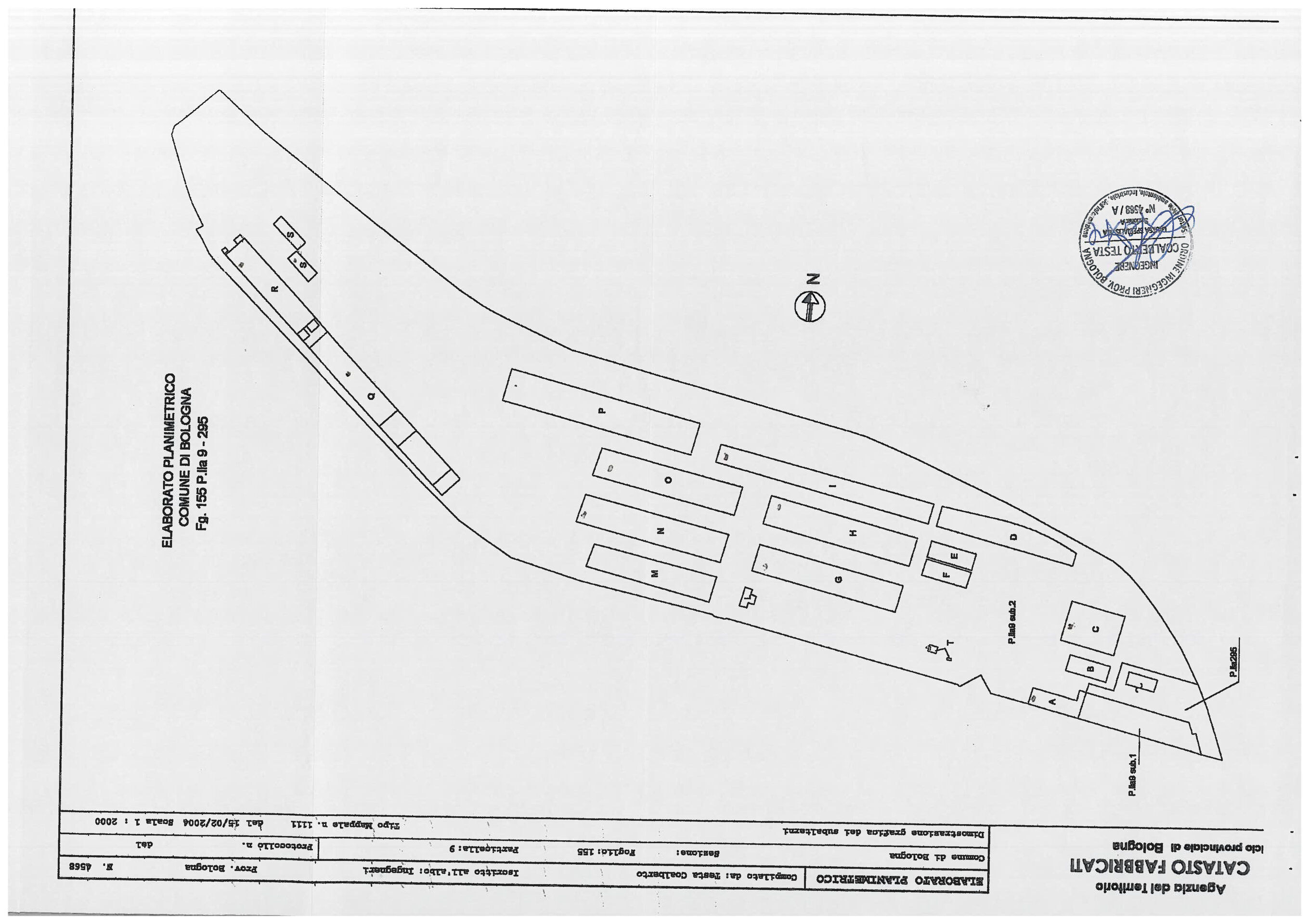
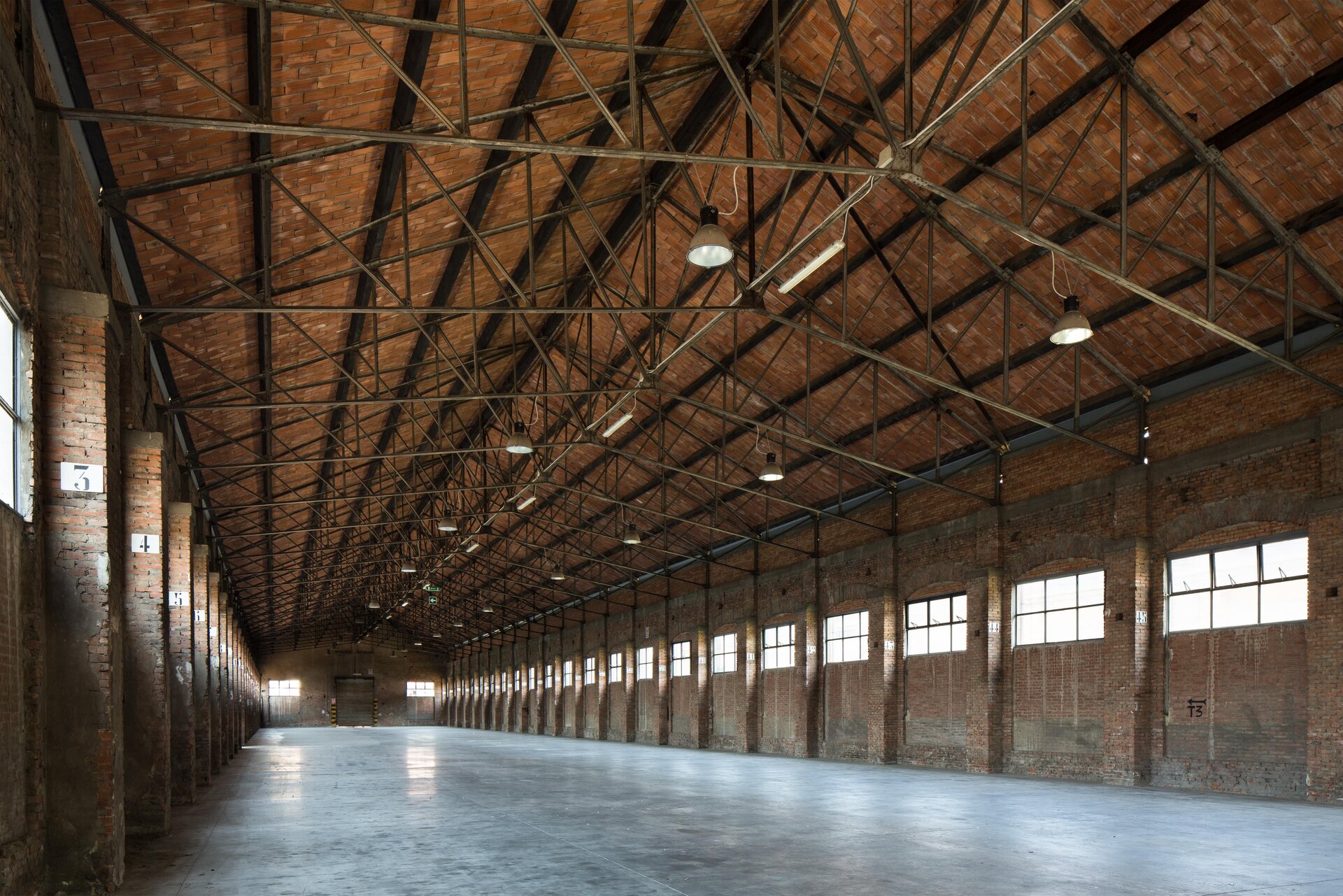
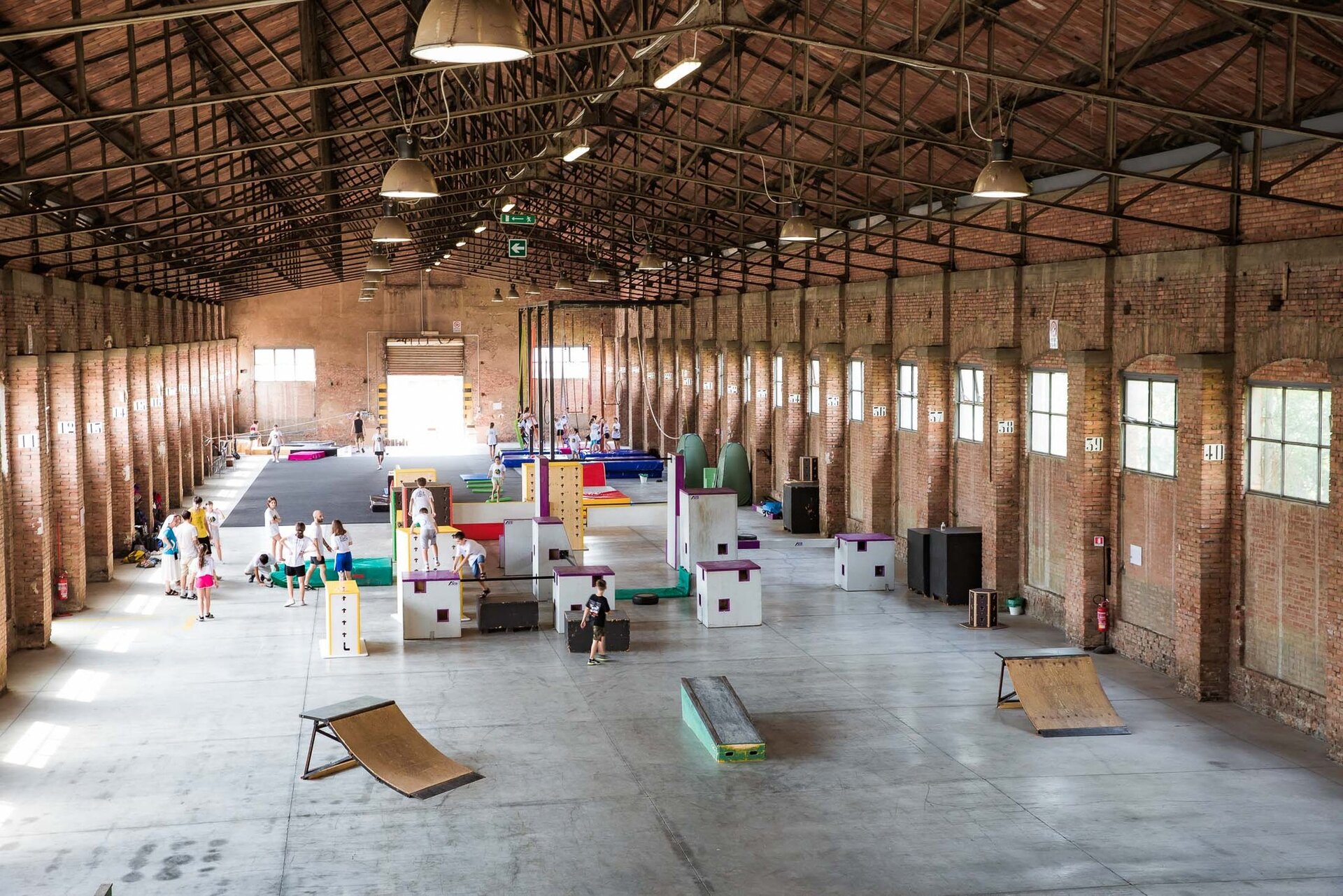
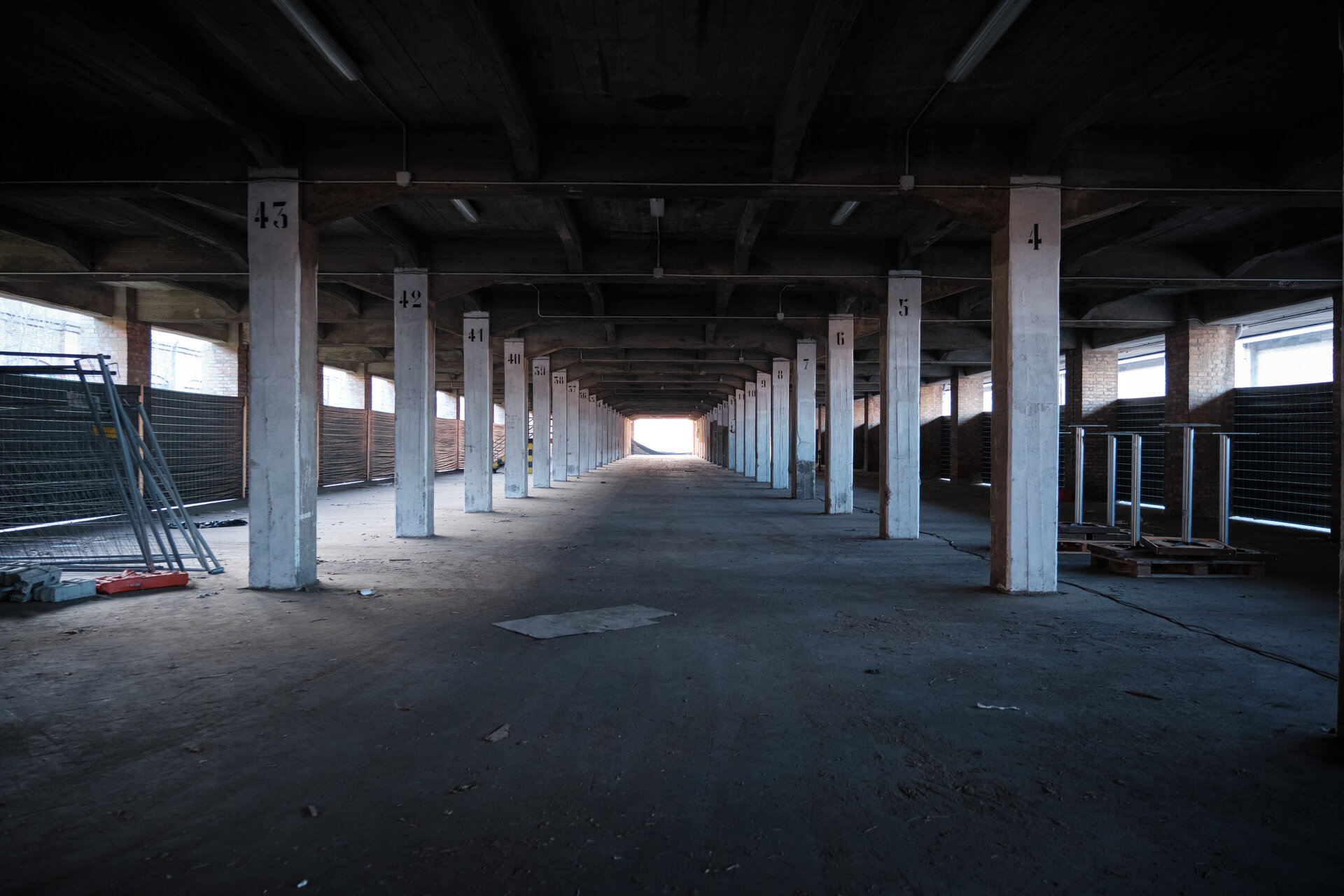
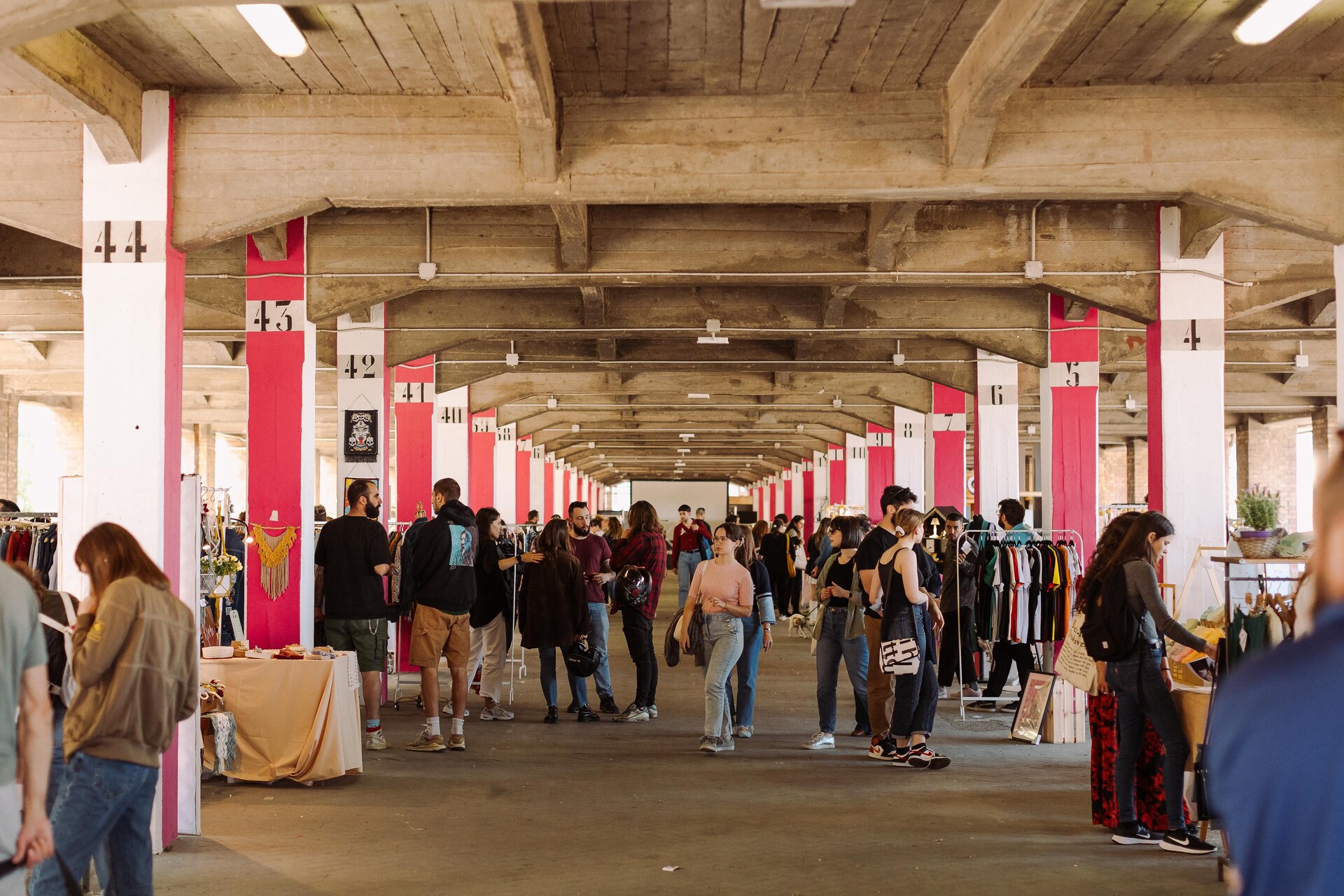
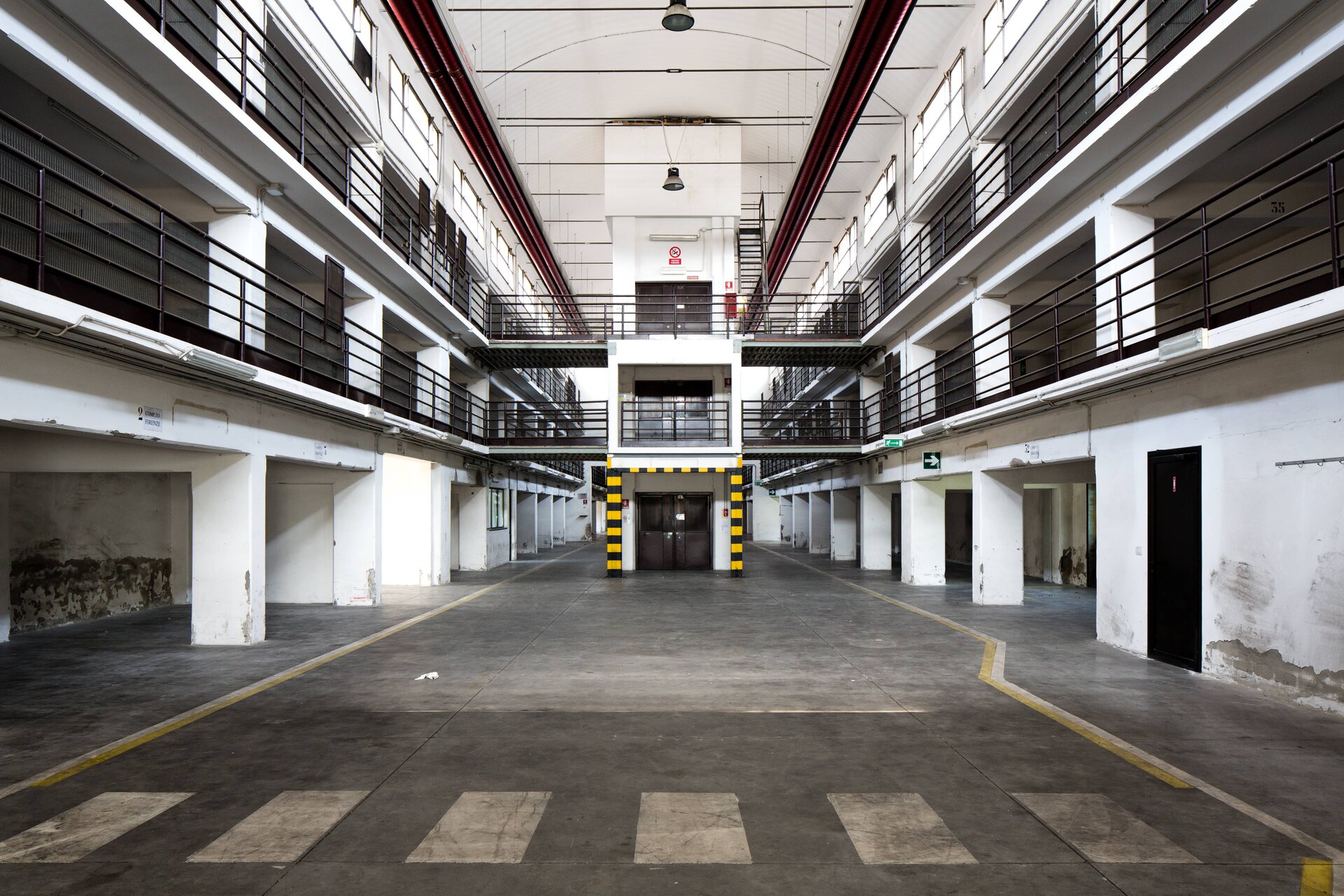
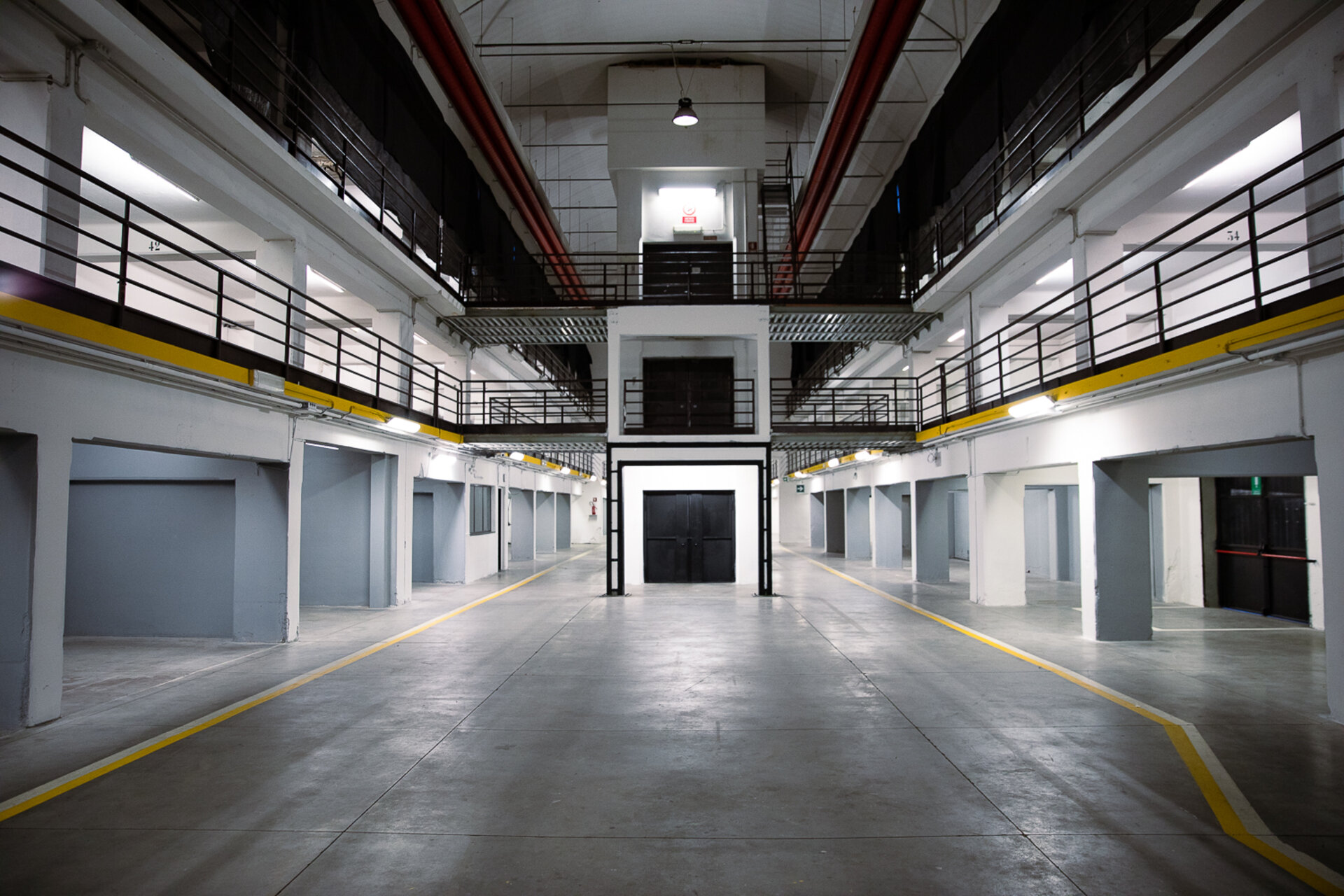
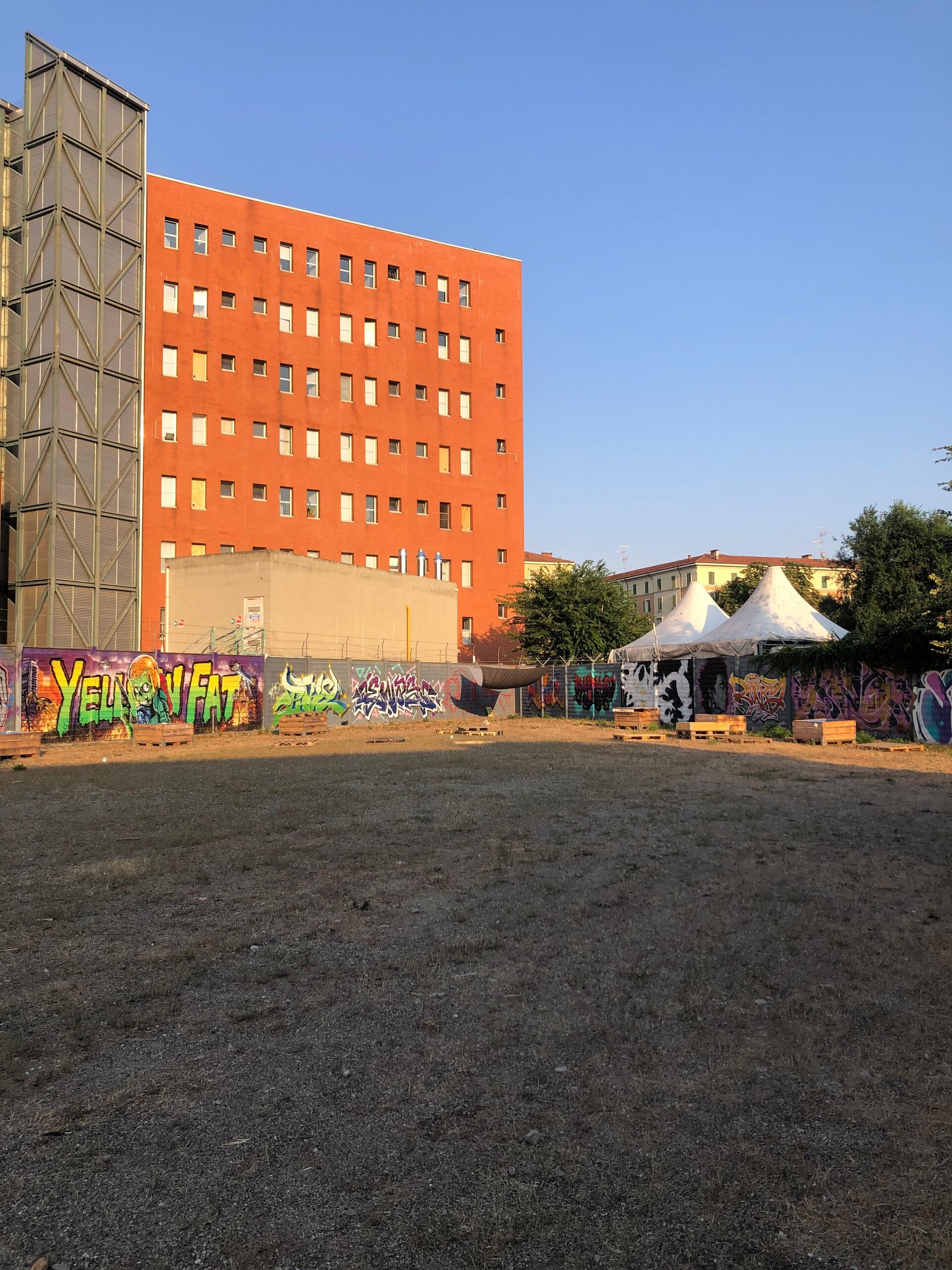
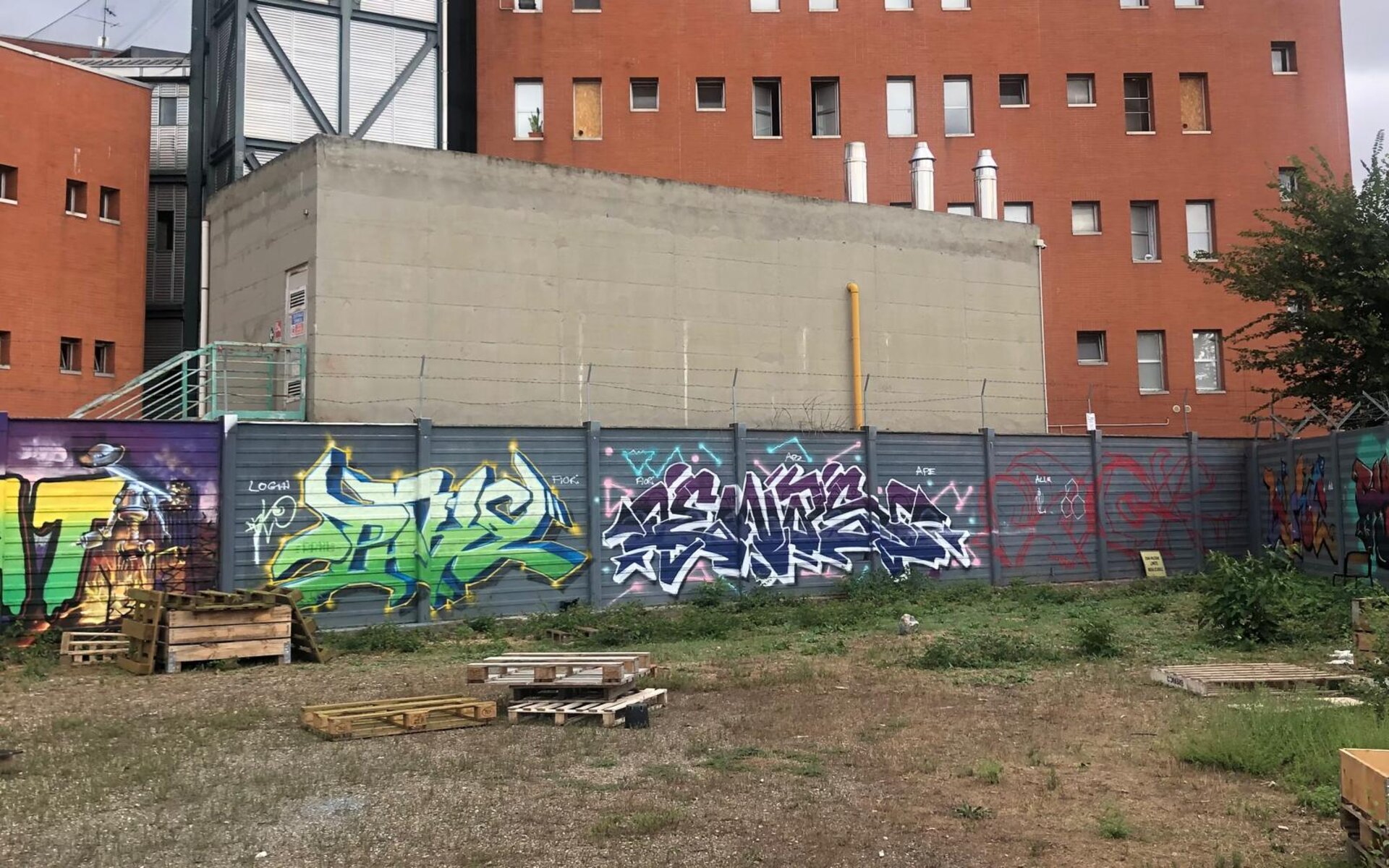
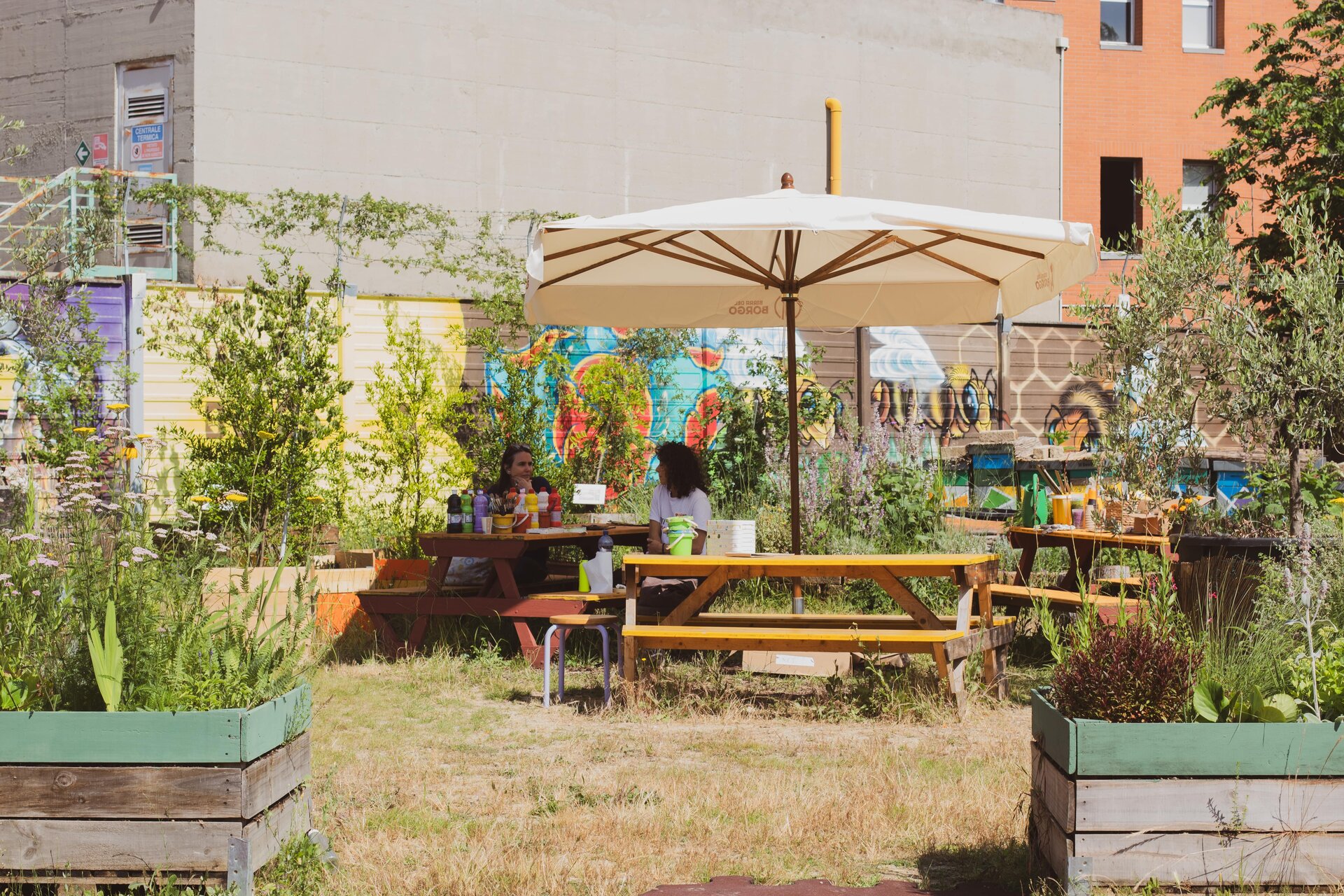
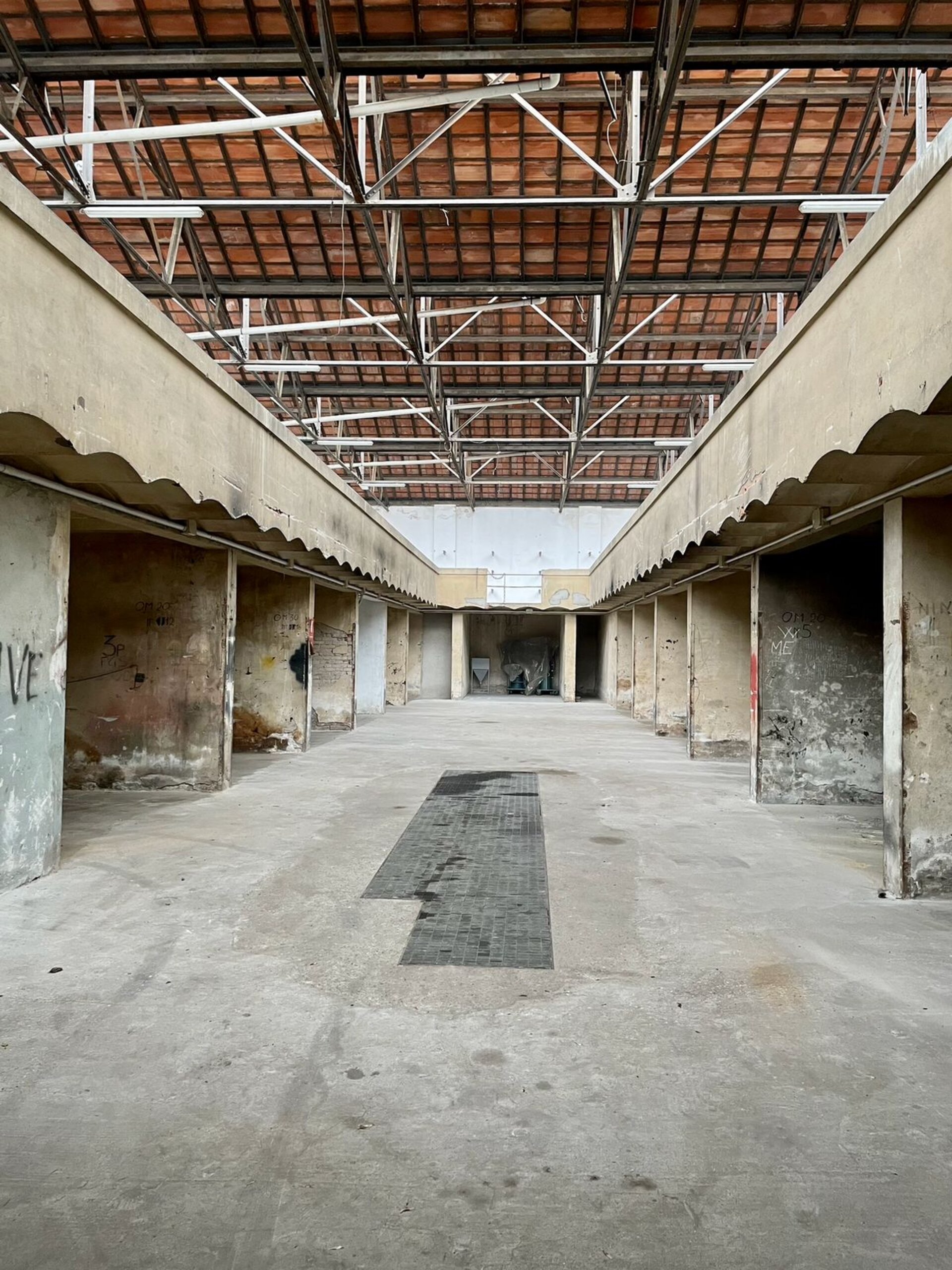
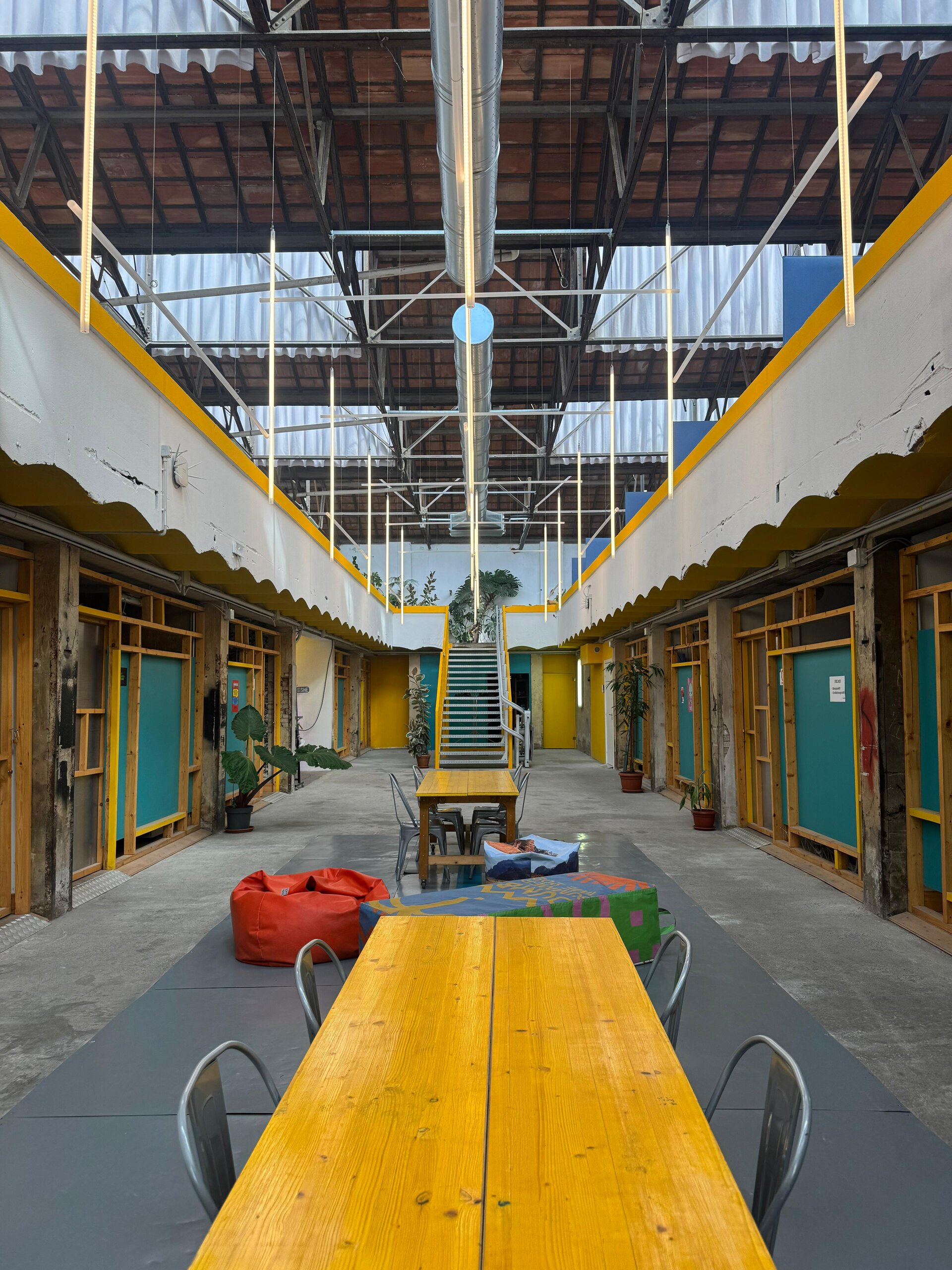
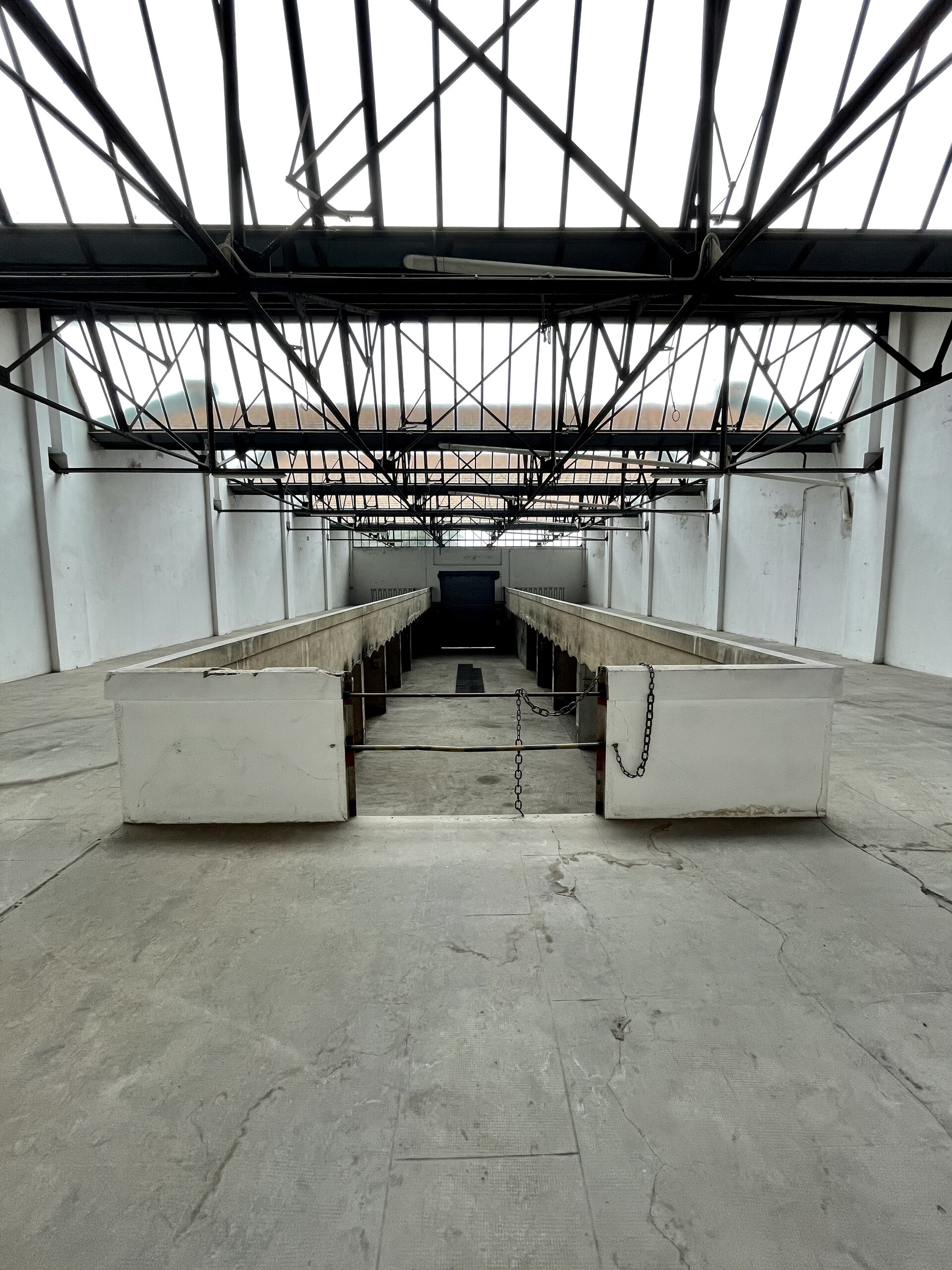
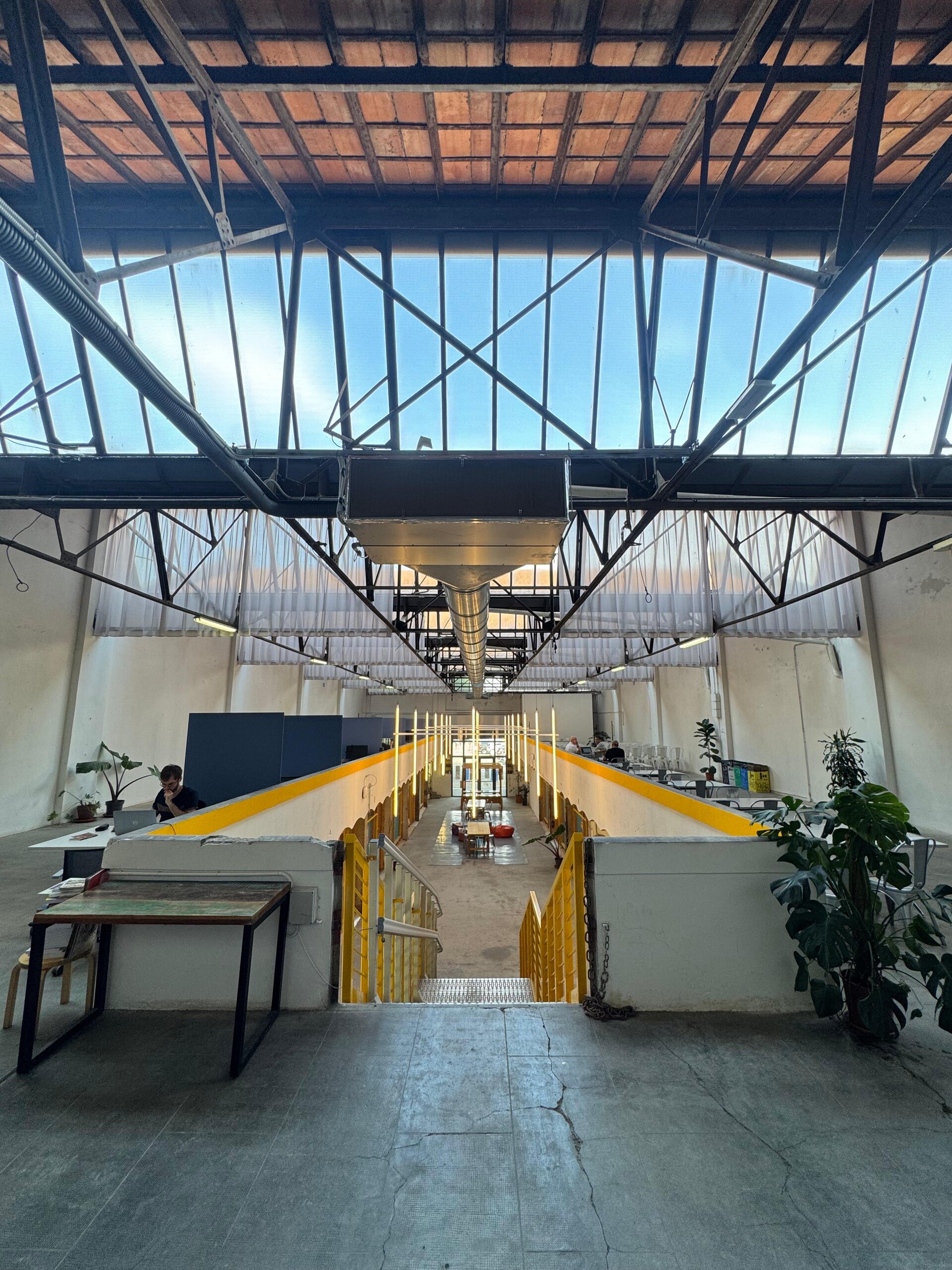
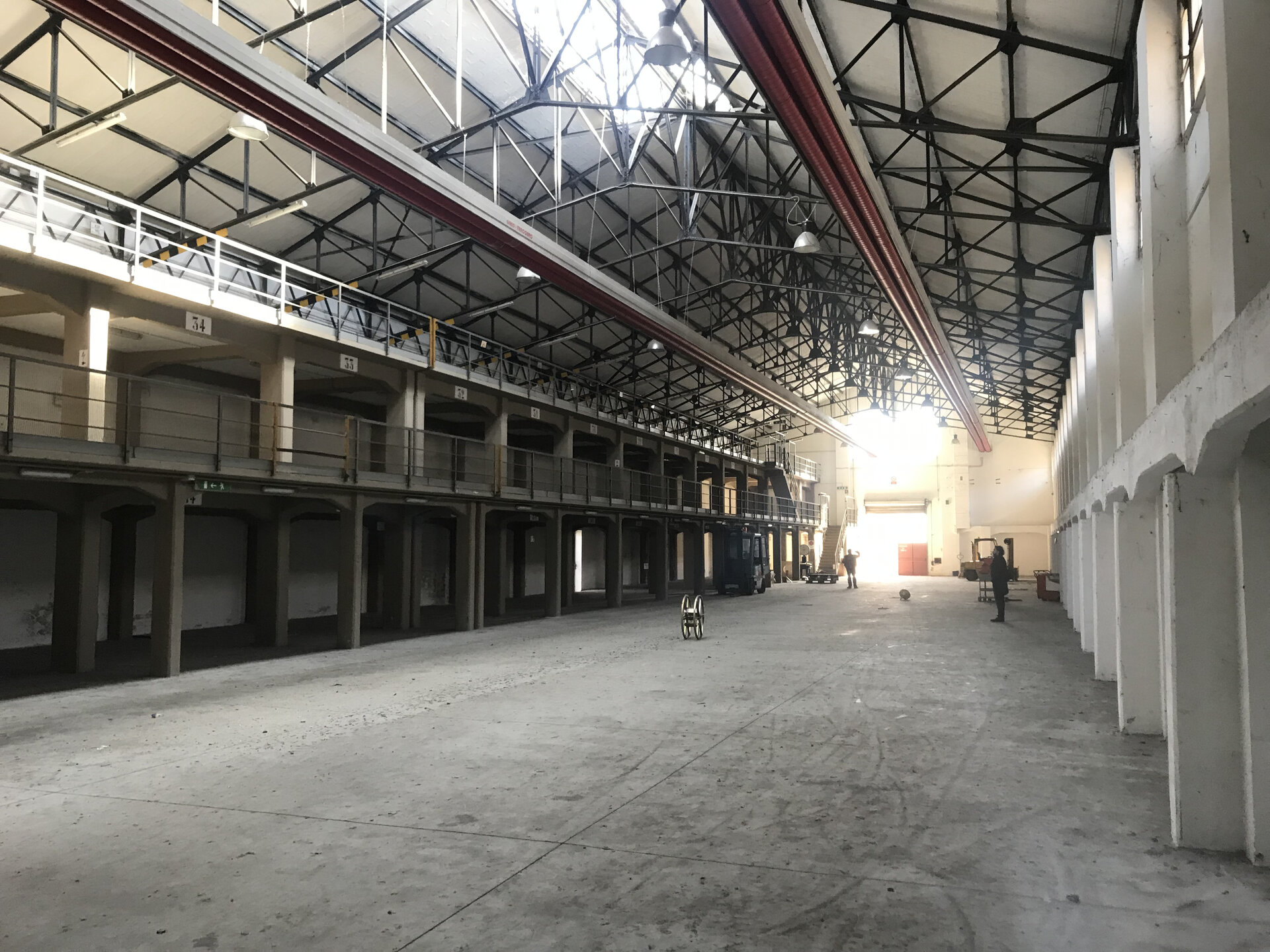
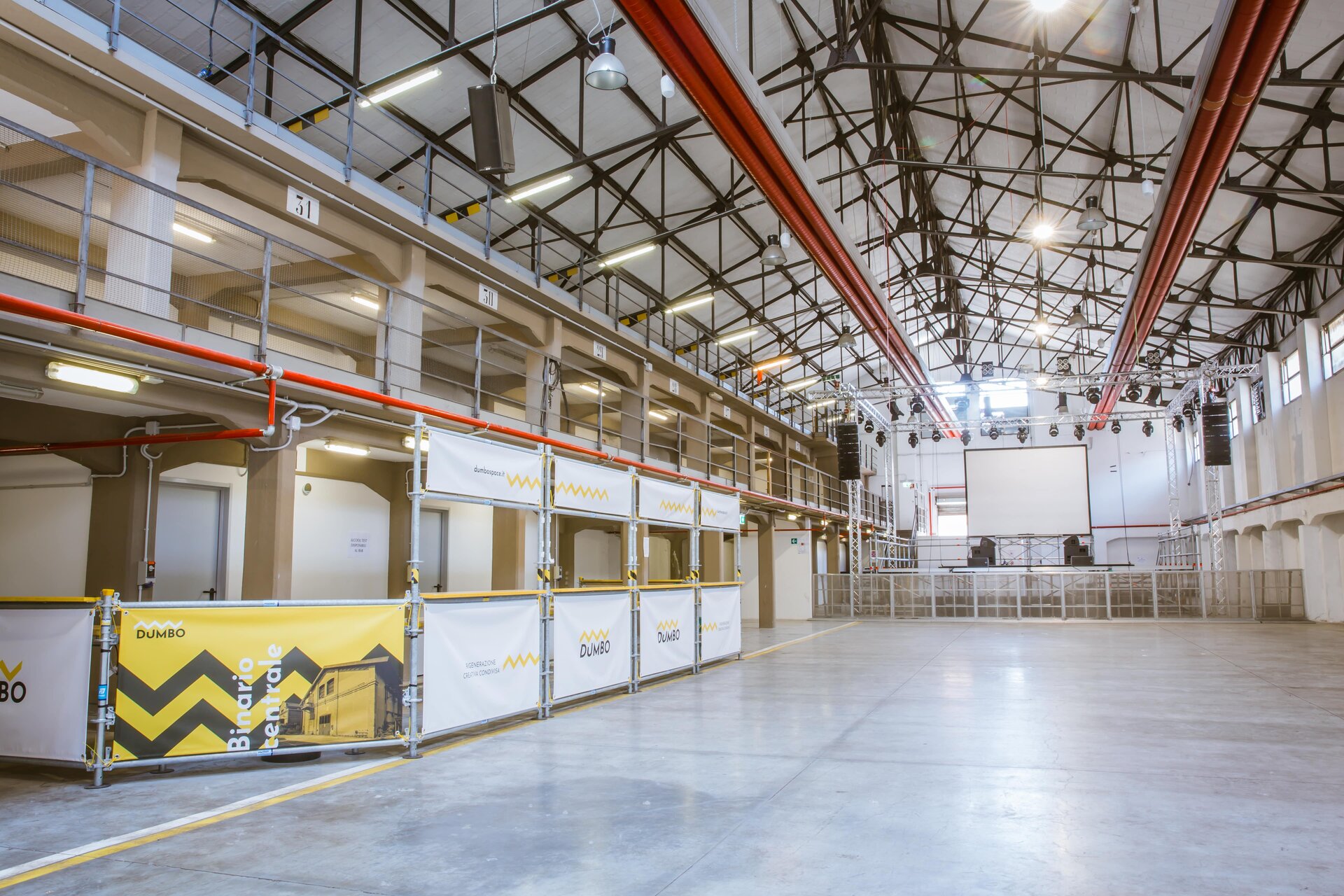
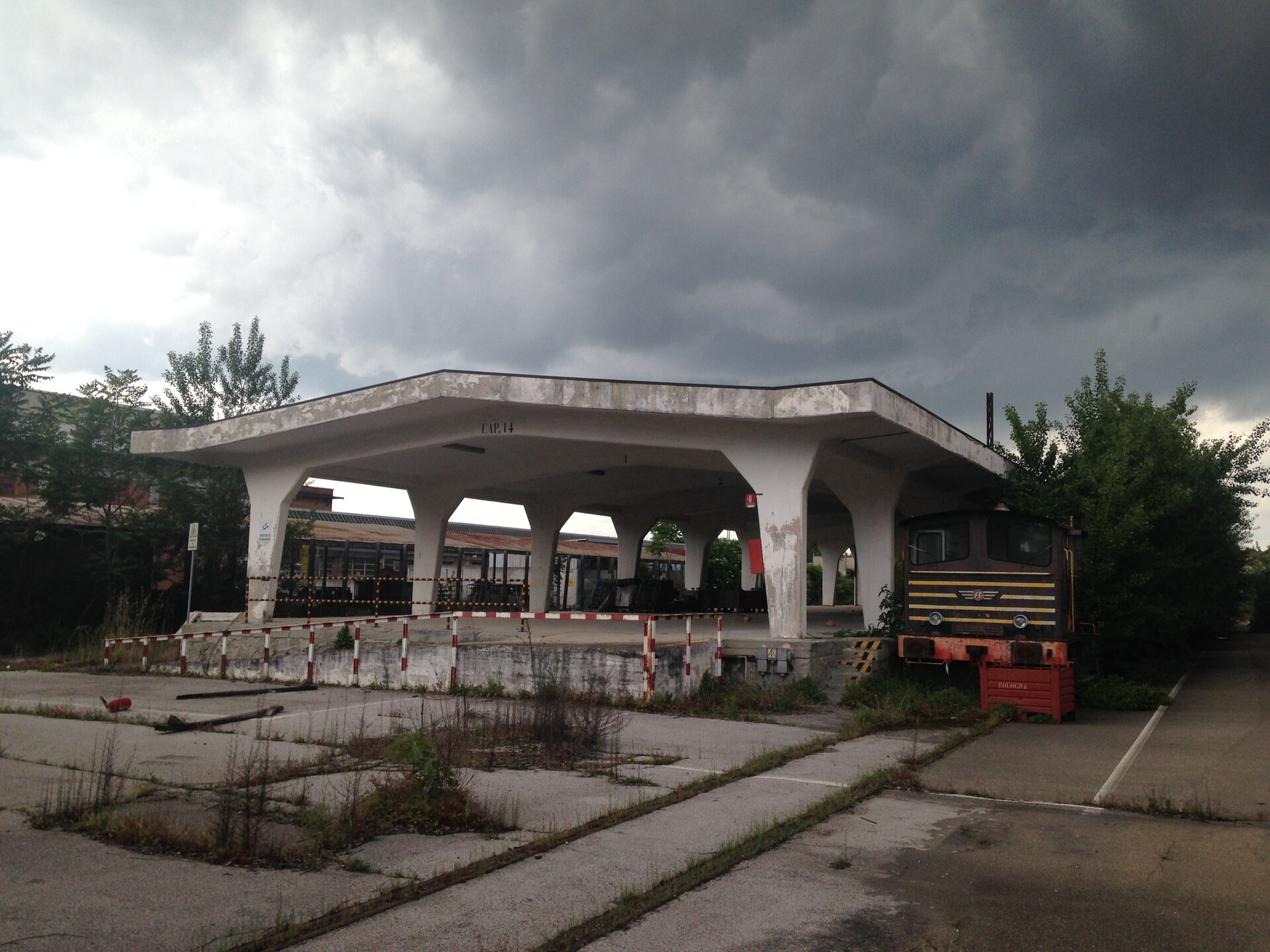
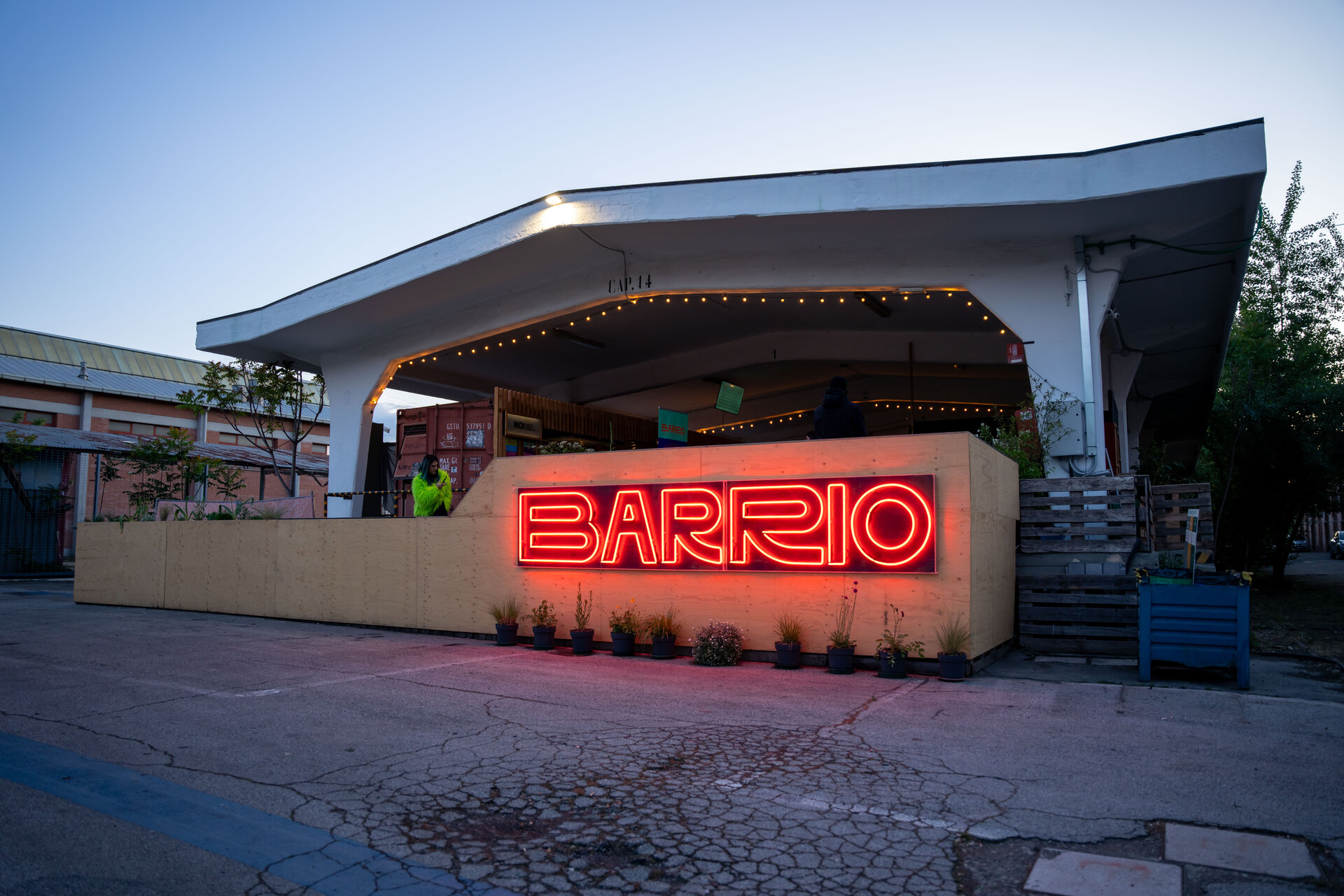
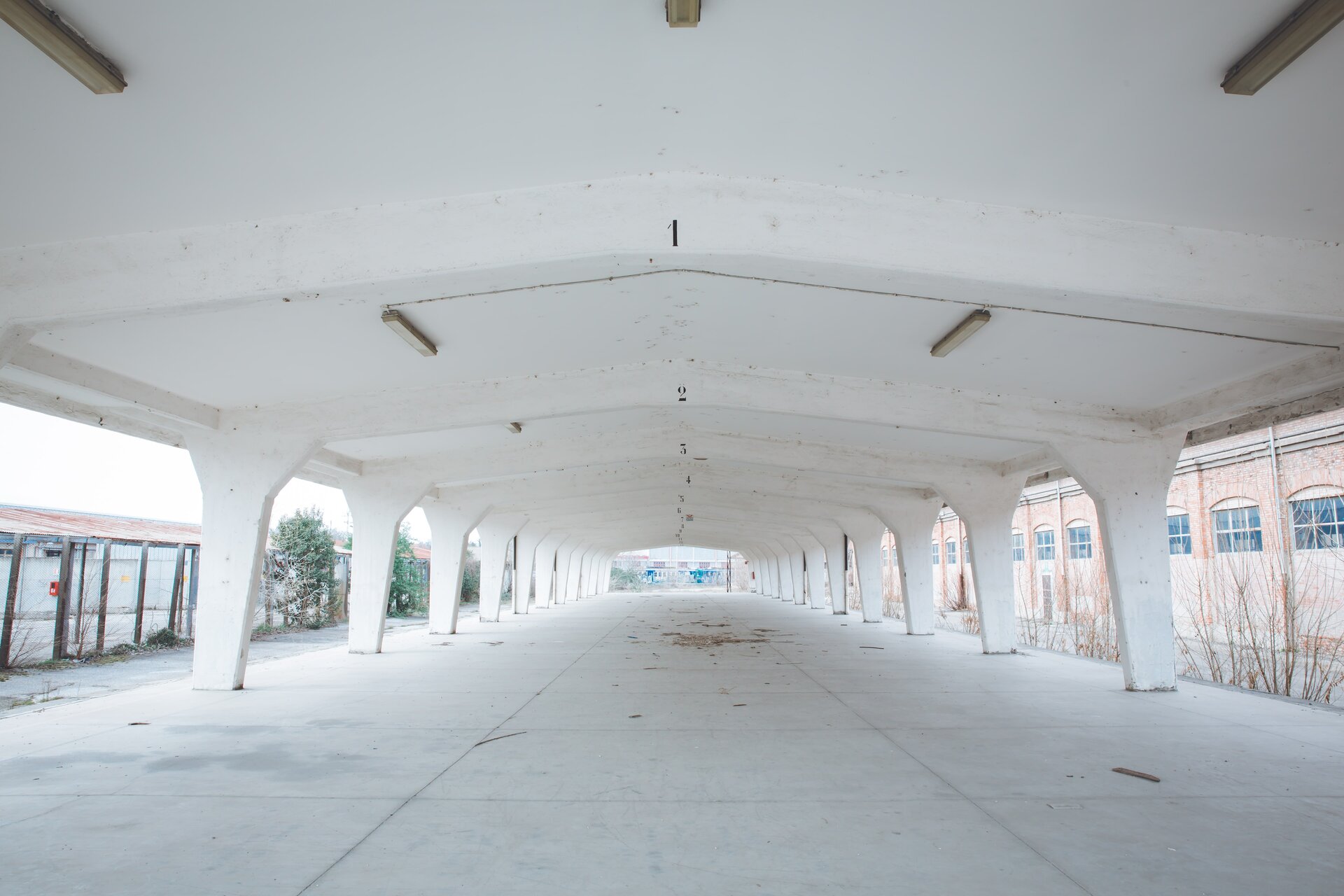
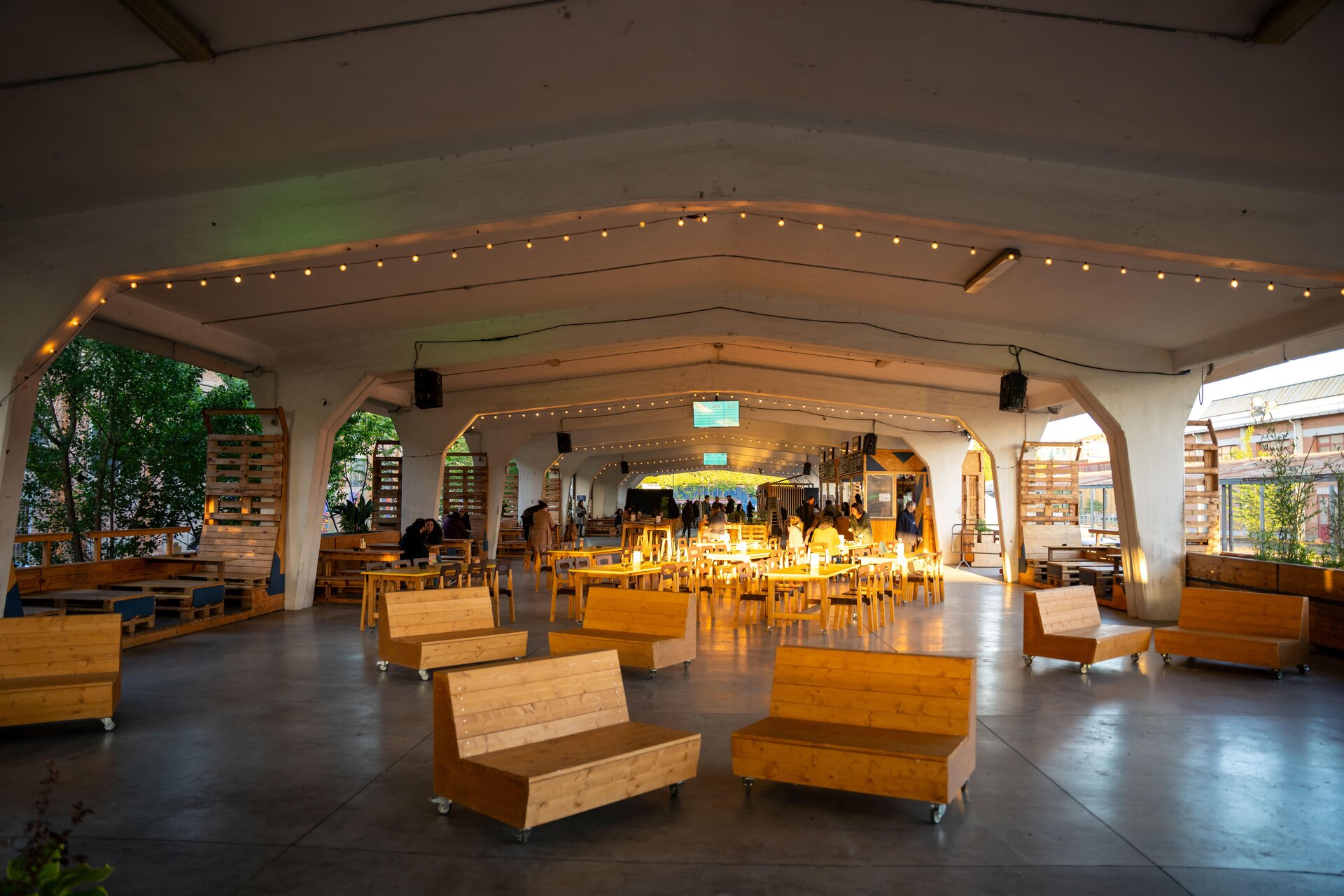
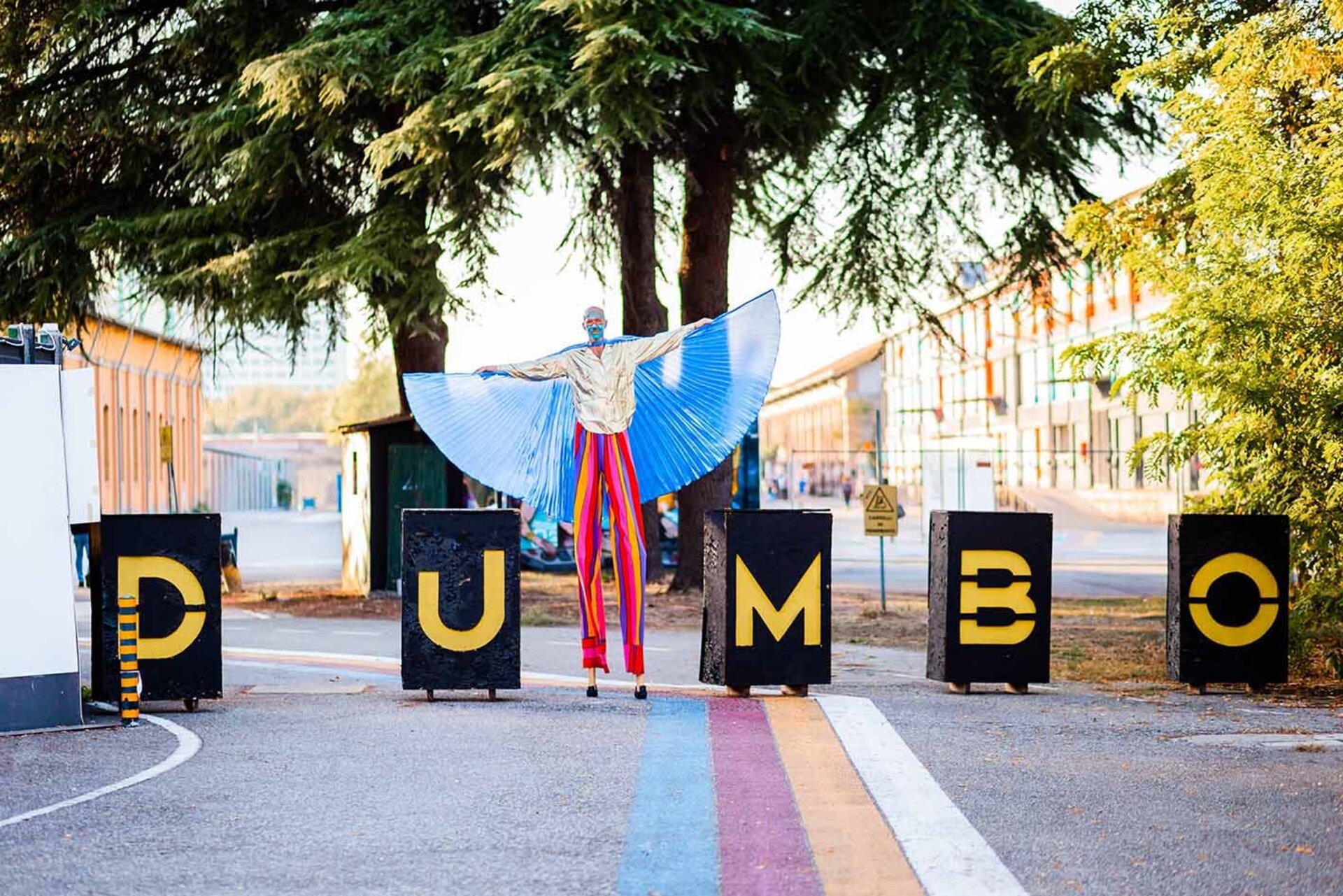
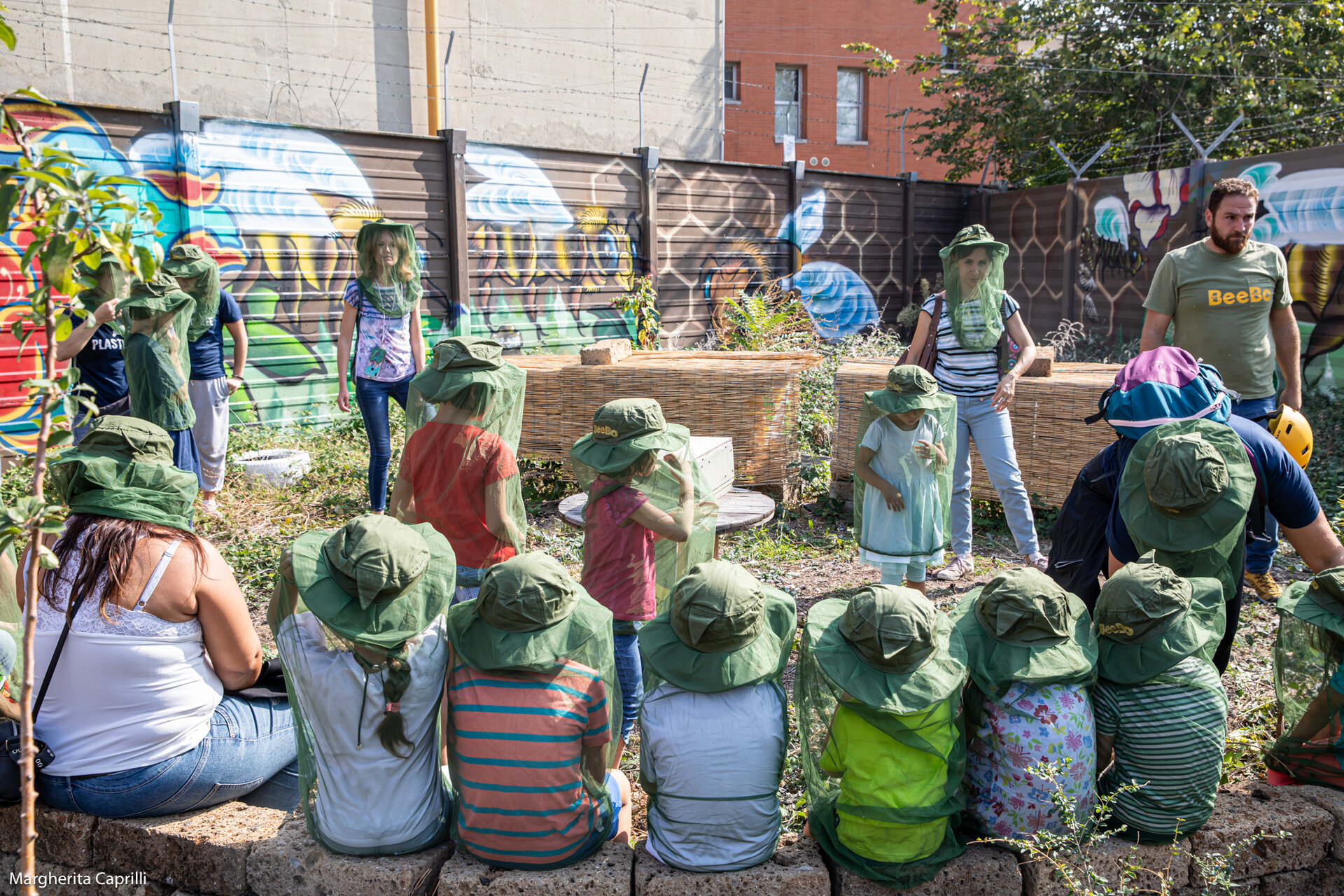
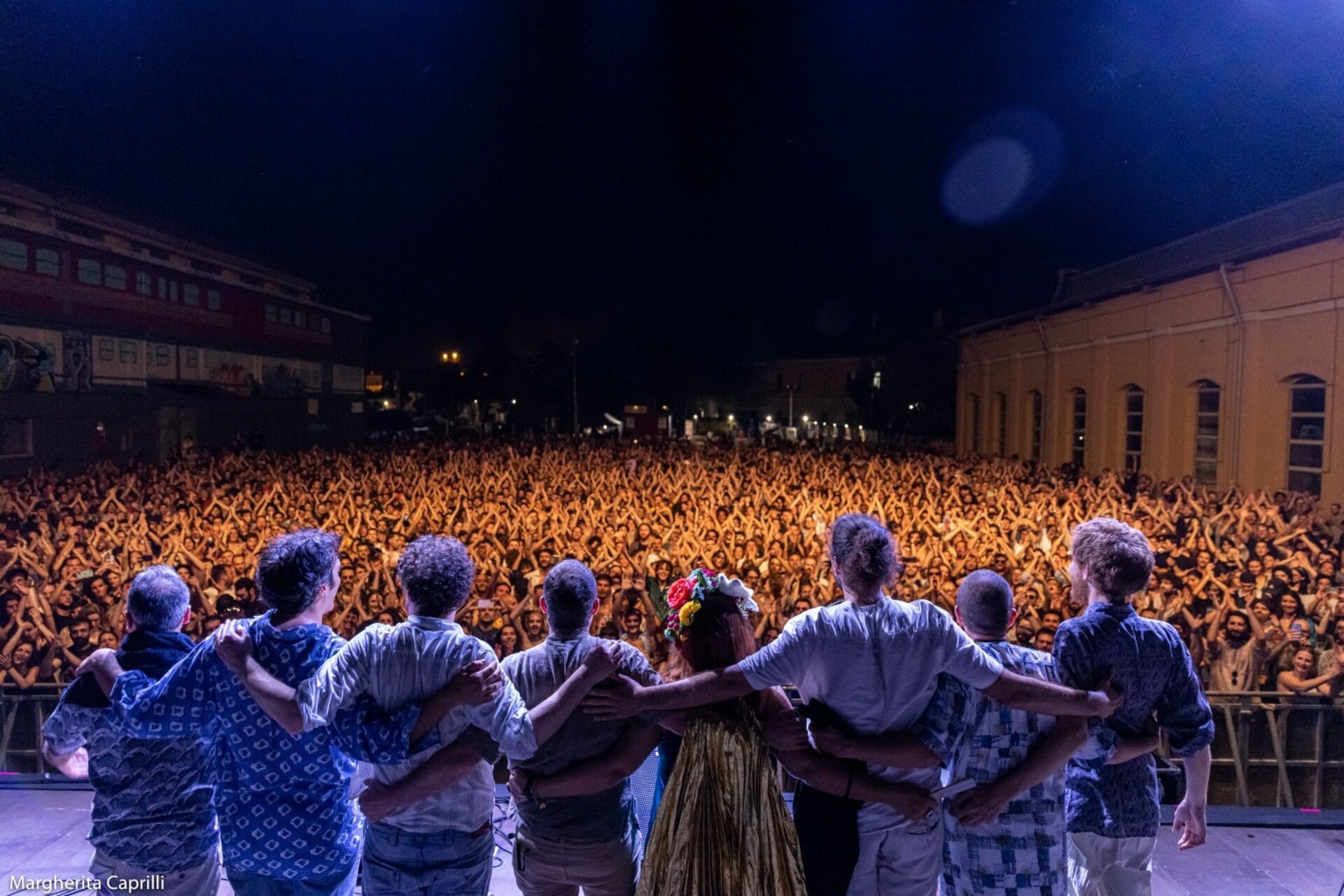
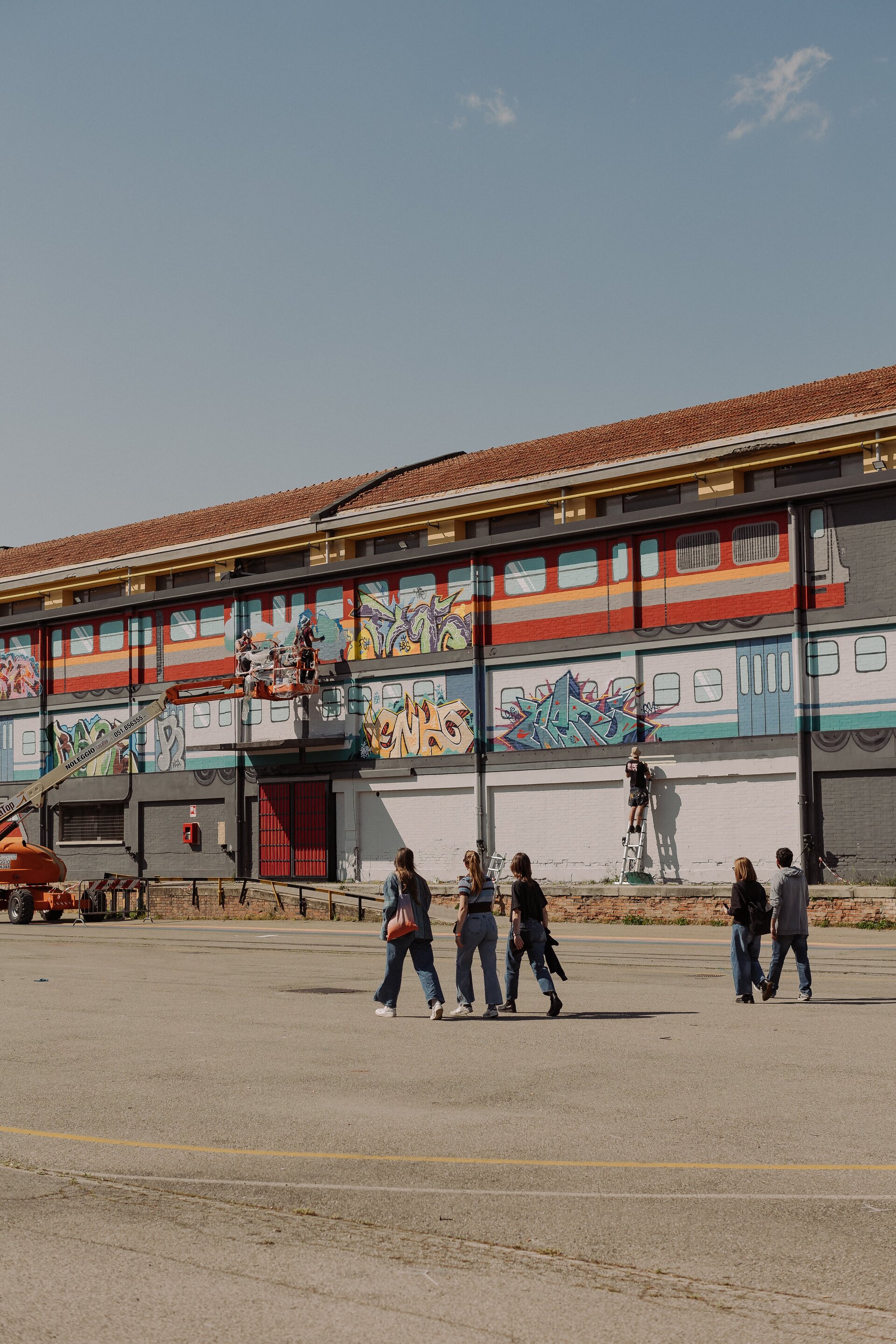
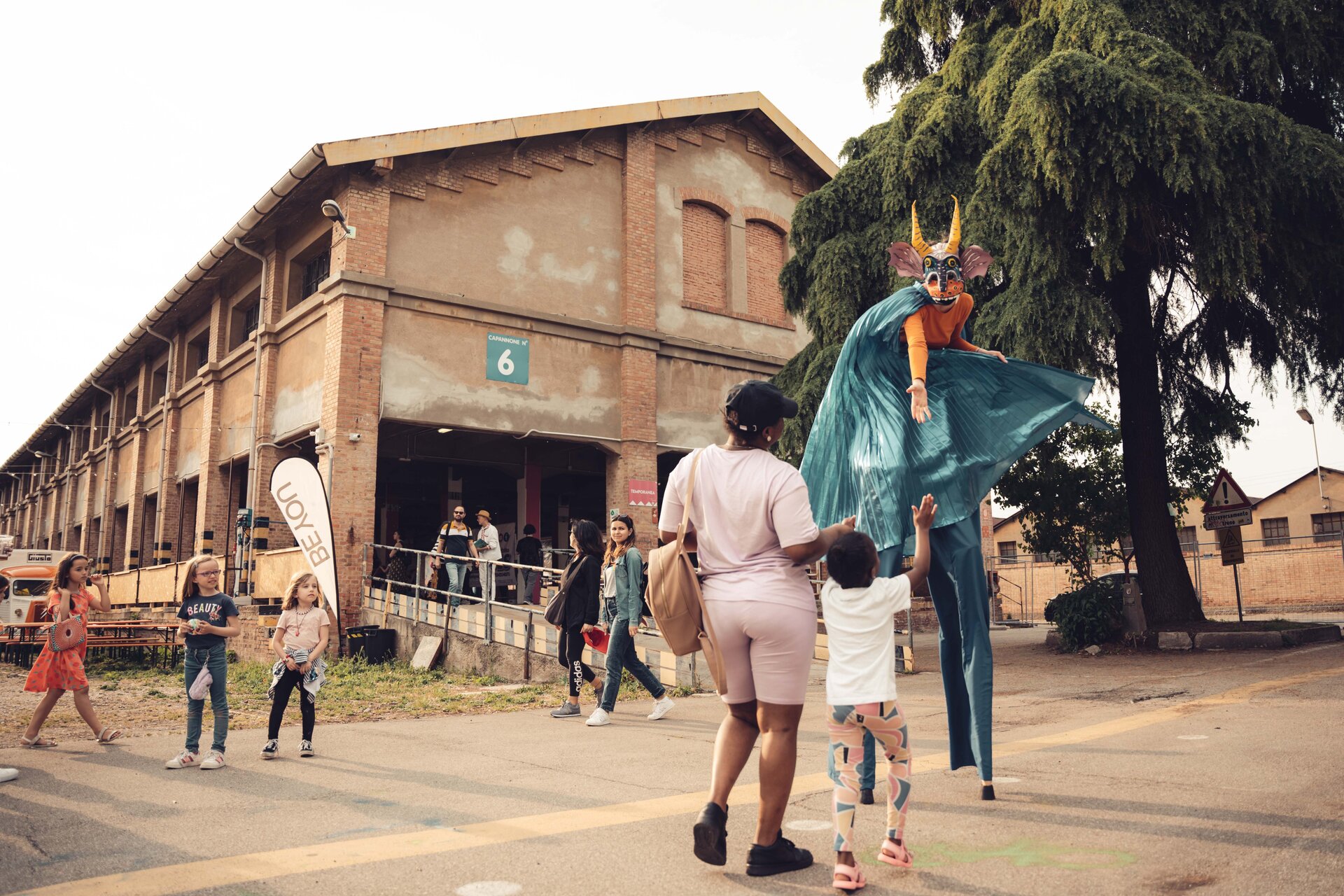
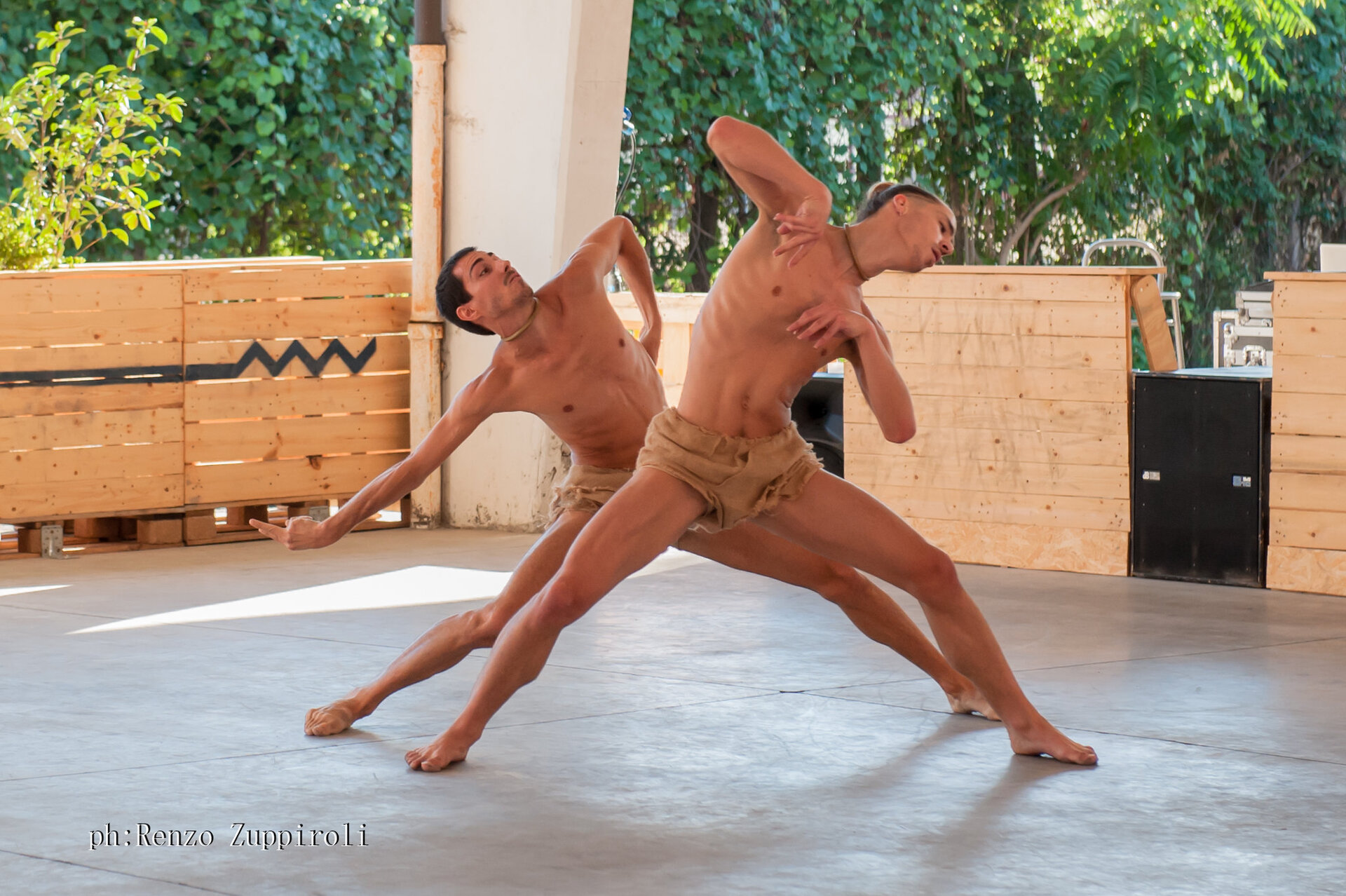
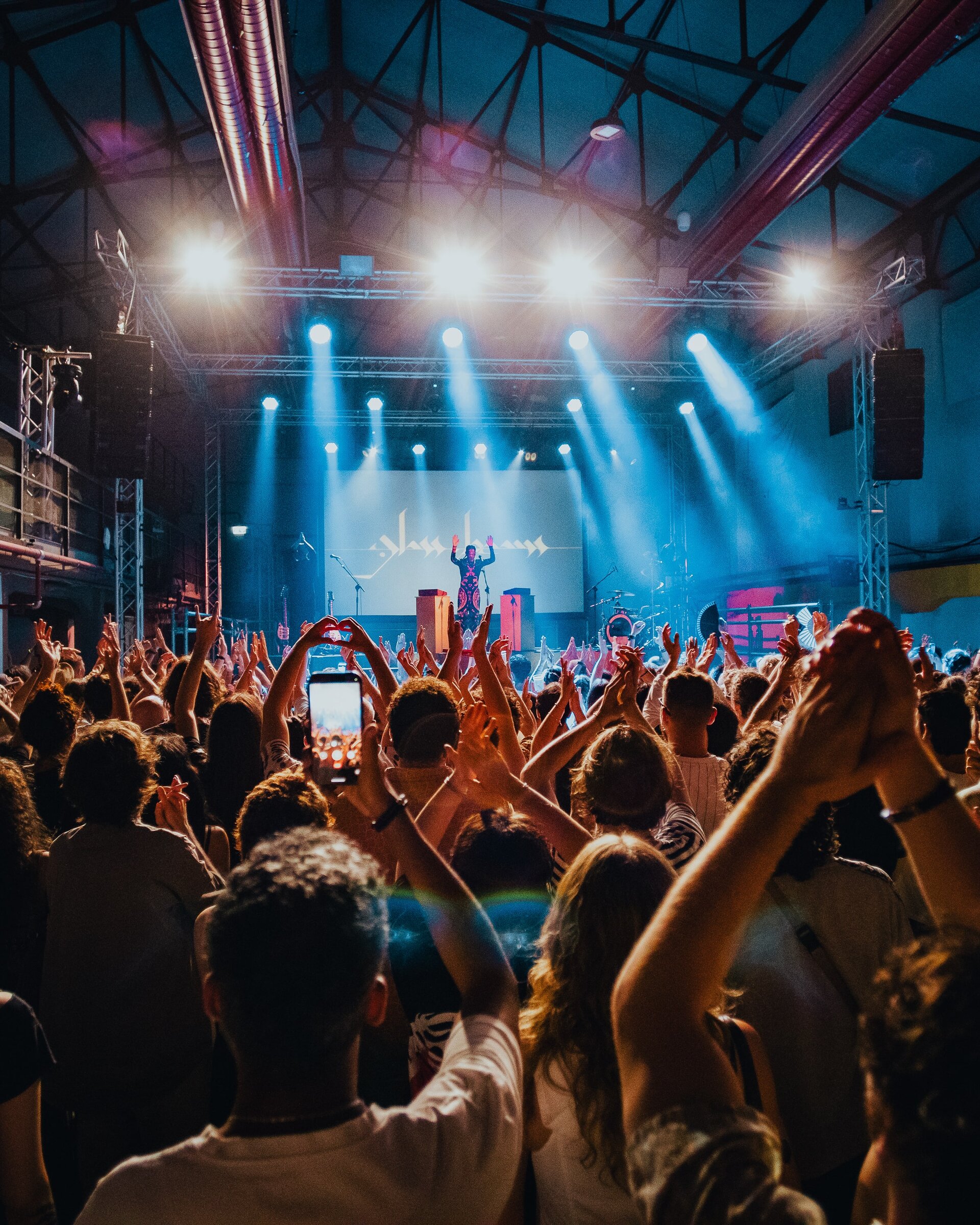
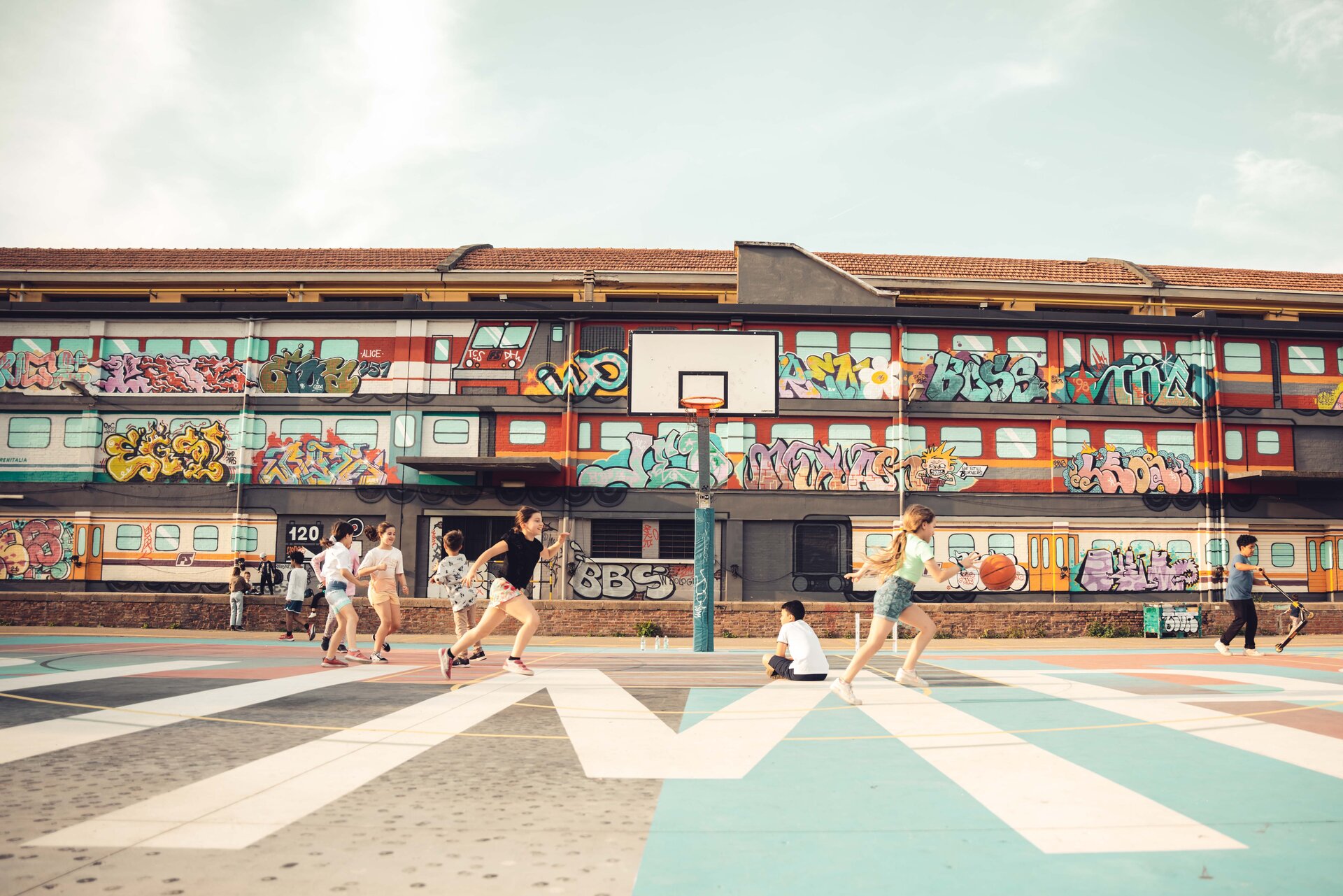
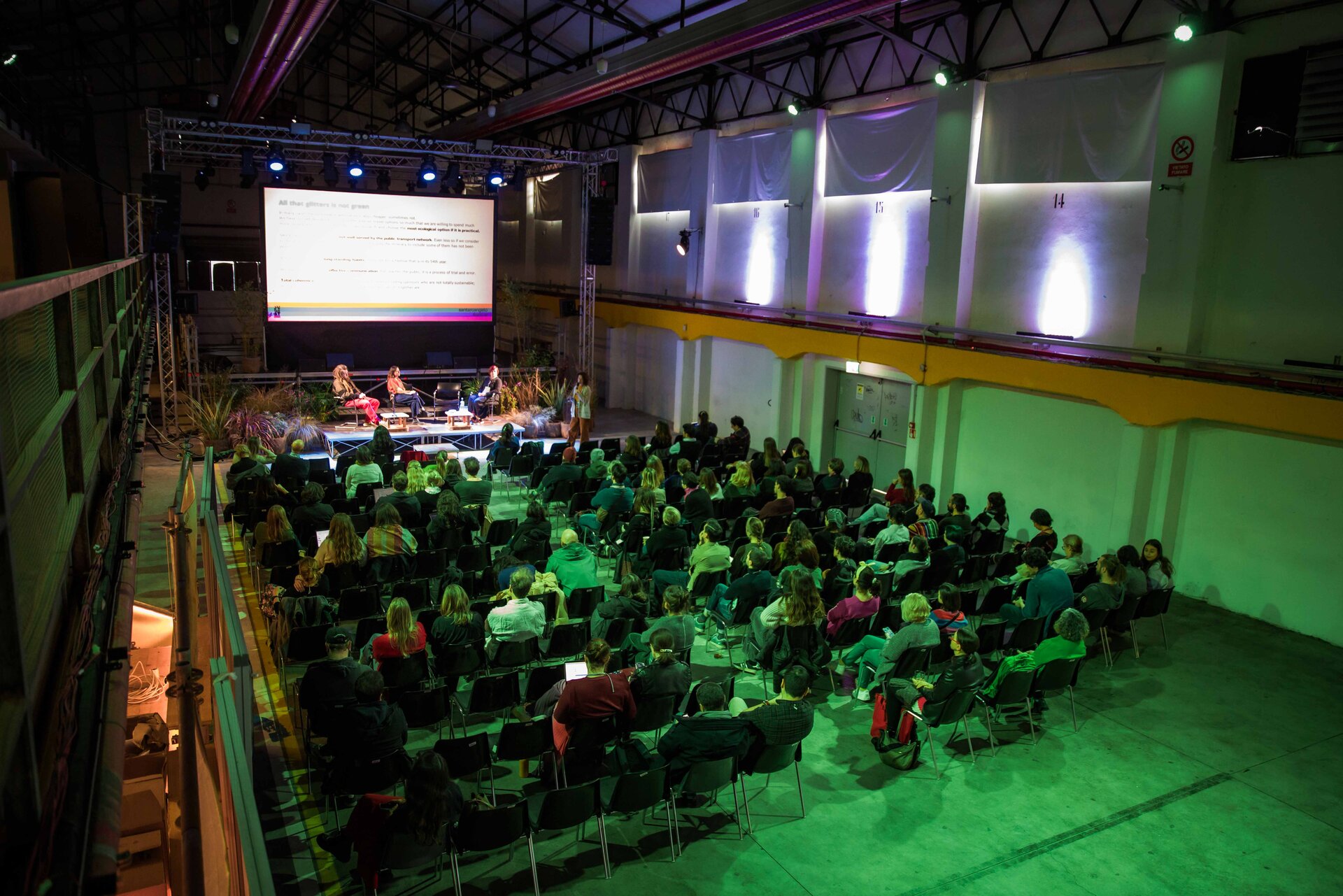
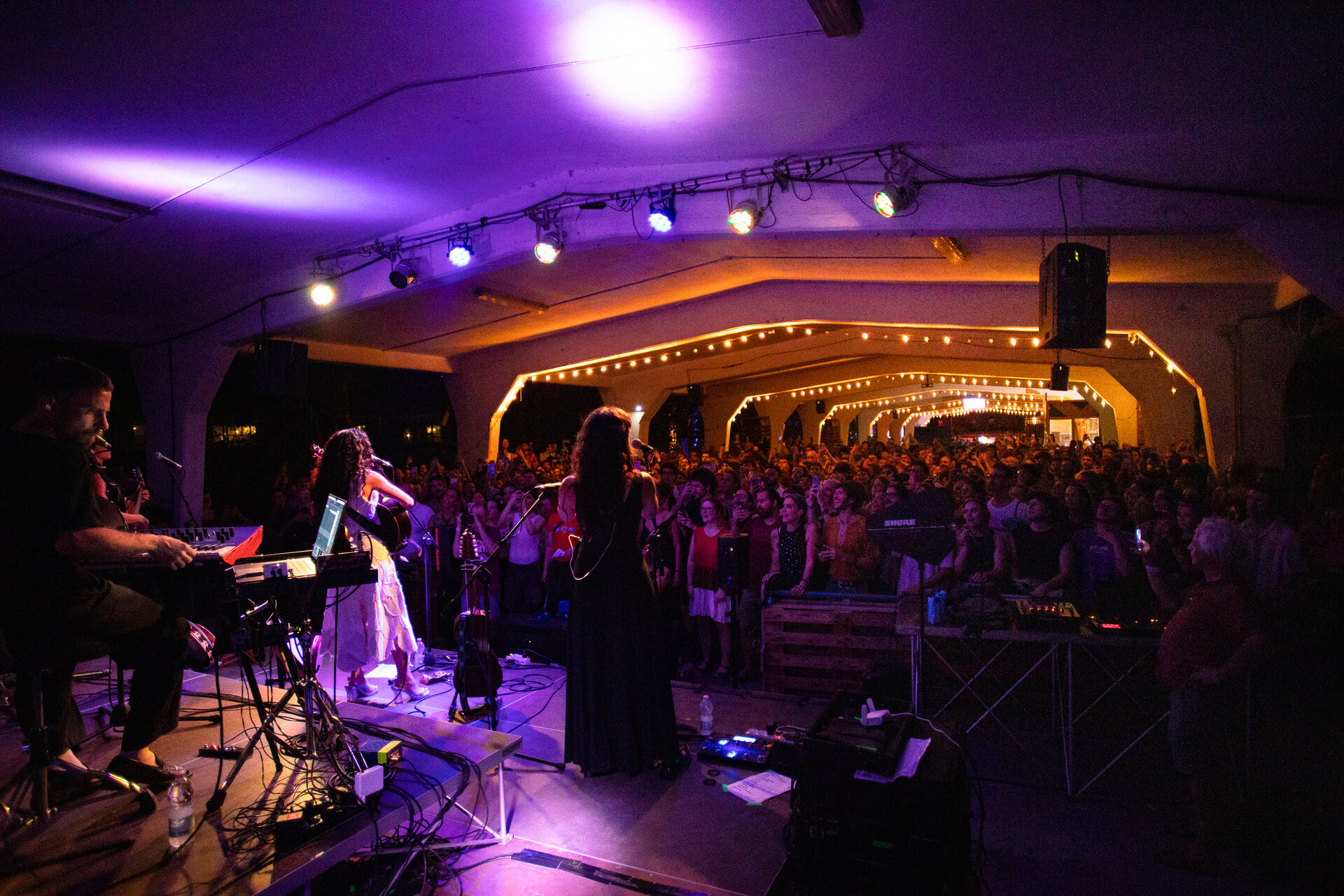
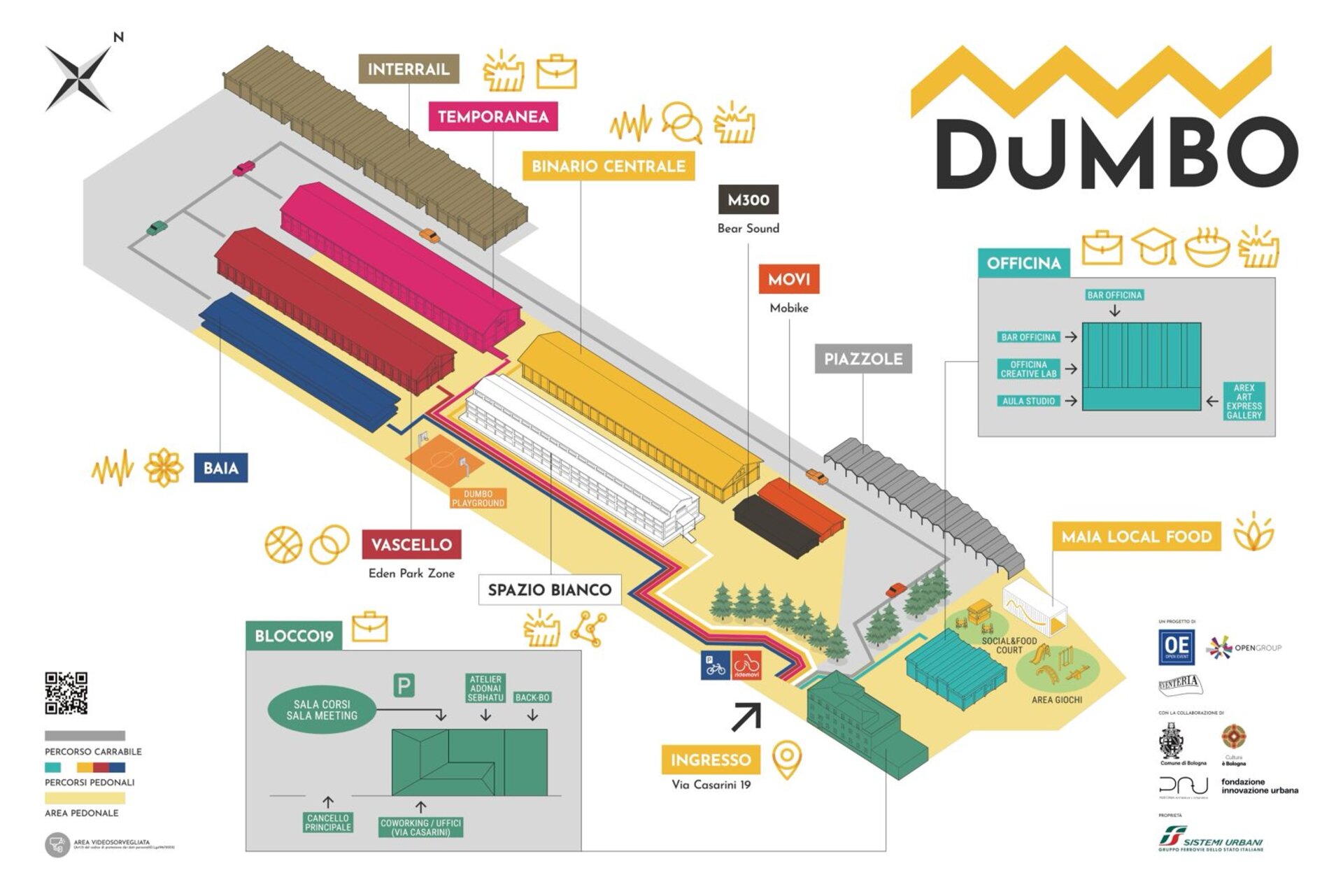
The Multifunctional Urban District of Bologna – DumBO (Distretto Urbano Multifunzionale di Bologna) is a pioneering example of temporary, culture-led urban regeneration in Italy. Located within the former Ravone railway freight yard in Bologna, the project has transformed approximately 40,000 square metres of disused industrial infrastructure into a vibrant centre for culture, creative production, social initiatives and community life. In 2026, DumBO received a European Heritage Award / Europa Nostra Award in the Conservation and Adaptive Reuse category, recognising its innovative approach to preserving and reactivating post-industrial heritage through minimal intervention. Developed between the late nineteenth and early twentieth centuries, the Ravone freight yard was once an important component of Bologna's railway logistics network. Following the decline and closure of freight operations, its warehouses, service buildings and open spaces remained largely unused for many years. In 2019, a temporary-use initiative brought the site back into public life through a concession granted by FS Sistemi Urbani to Open Event Srl, a company established by Open Group and Eventeria. The Municipality of Bologna supported the regeneration process, alongside local institutions and community organisations. Rather than pursuing large-scale reconstruction, the project adopted a conservation strategy based on retaining the existing industrial fabric and making it suitable for new uses through limited, reversible interventions. Warehouses and outdoor areas were cleared and secured, essential utilities restored and fire-protection systems installed. Existing structures, materials and spatial characteristics were preserved wherever possible, maintaining the distinctive identity of the former railway yard. Flexibility is central to DumBO's operating model. Individual spaces are allocated according to their condition, technical capacity and suitability for different activities. Movable and modular elements enable rapid changes of configuration, while participating organisations and tenants contribute to adapting and maintaining their spaces. This approach reduces initial investment requirements and allows the district to evolve in response to changing cultural and social needs. Since opening in 2019, DumBO has developed into an active creative ecosystem. Its programme includes concerts, exhibitions, performances, artistic production, coworking, workshops, social projects and community events. According to the 2026 award documentation, the district has hosted more than 700 events and welcomed several hundred thousand visitors. Its activities serve a broad range of participants, including young people, families and older residents. Community engagement is an essential part of the initiative. Collaboration with the Porto-Saragozza neighbourhood, local associations, cultural organisations and public institutions helps shape programming and reinforces the district's relationship with its urban surroundings. DumBO has also supported creative enterprises and collaborative working practices, contributing to the local cultural economy while opening previously inaccessible industrial spaces to public use. The economic model combines public support with revenue from events and the rental of adaptable spaces. This diversified approach helps sustain the initiative while avoiding the substantial costs associated with comprehensive redevelopment. The project demonstrates that temporary use can provide immediate social and cultural benefits while preserving options for future long-term urban planning. Environmental responsibility is reflected in the reuse of existing structures, the avoidance of unnecessary demolition and participation in European cooperation programmes. DumBO has been involved in initiatives such as MusicAIRE and Greening the Hubs, the latter focusing on the environmental transition of cultural spaces and more sustainable event management. DumBO illustrates how a former industrial site can become a productive urban resource through modest physical interventions, collaborative governance and continuous cultural activity. Its achievement lies not in monumental restoration but in safeguarding the potential of existing heritage and making it accessible, adaptable and meaningful to contemporary communities. The project offers a transferable model for European cities seeking to regenerate disused industrial areas with limited resources while retaining their historical identity.
Similar projects

16th century

12th-13th century

19th century

1888-1891


16th century

17th century

20th century

16th - 19th century

18th century

13th century

1804