


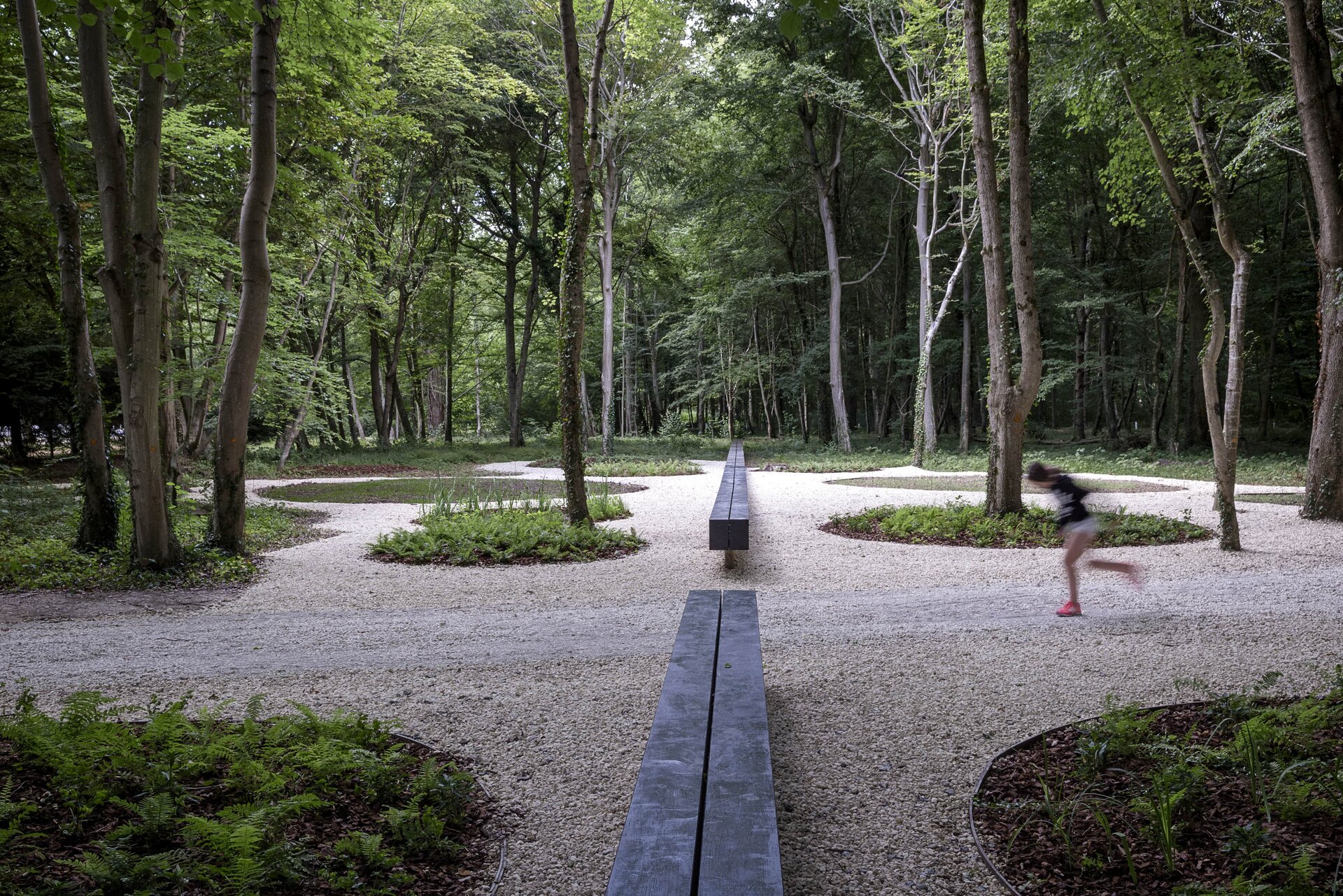
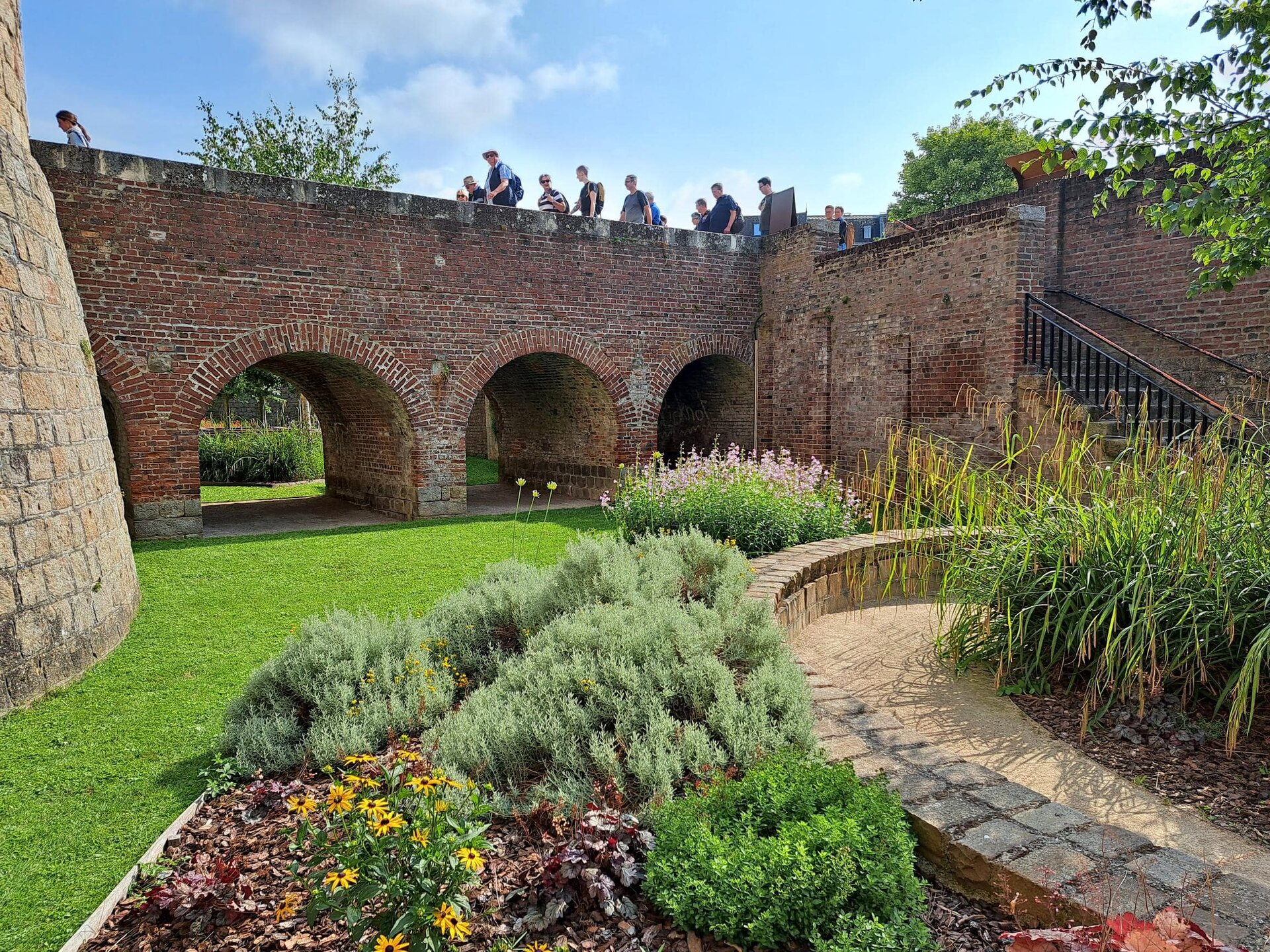

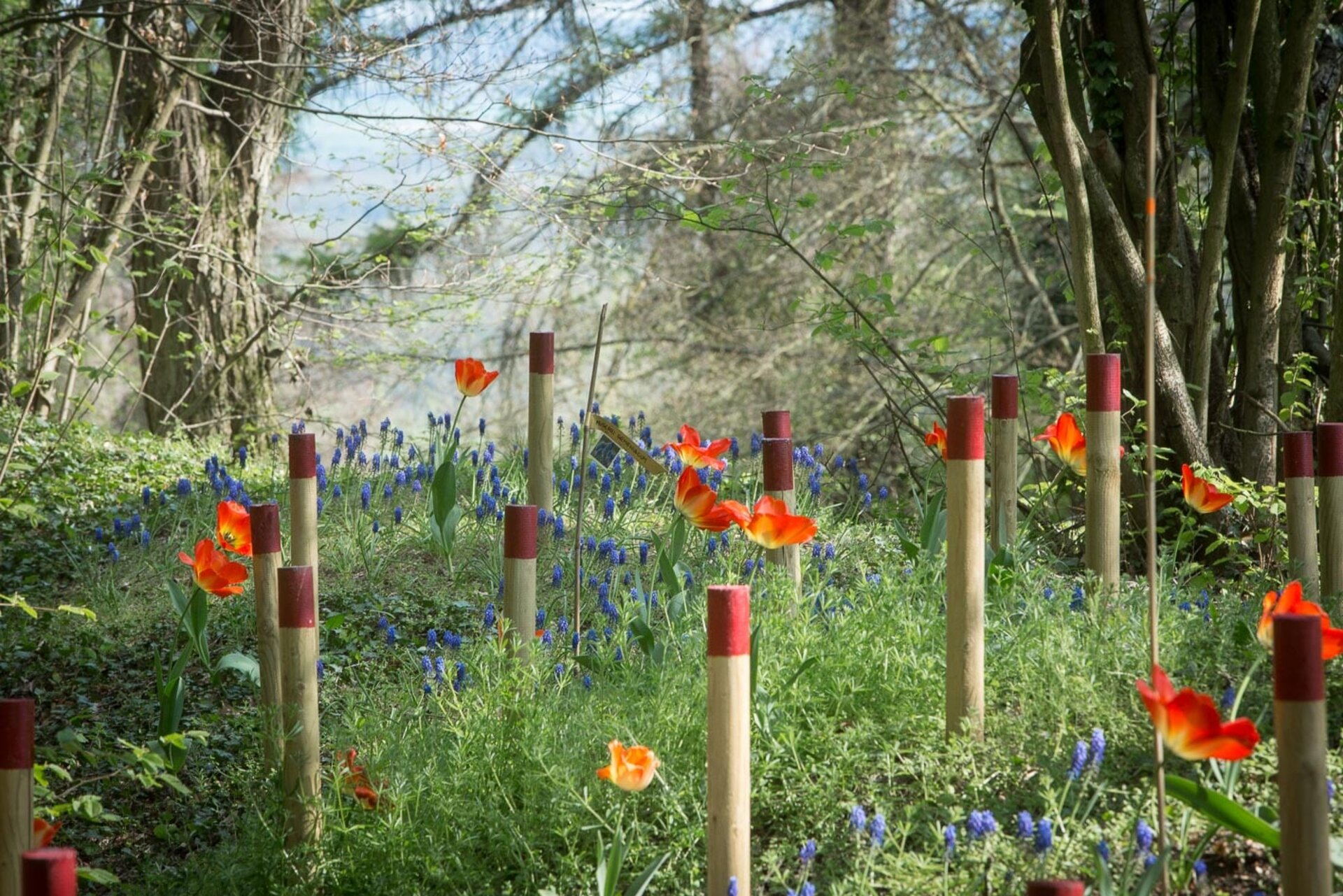
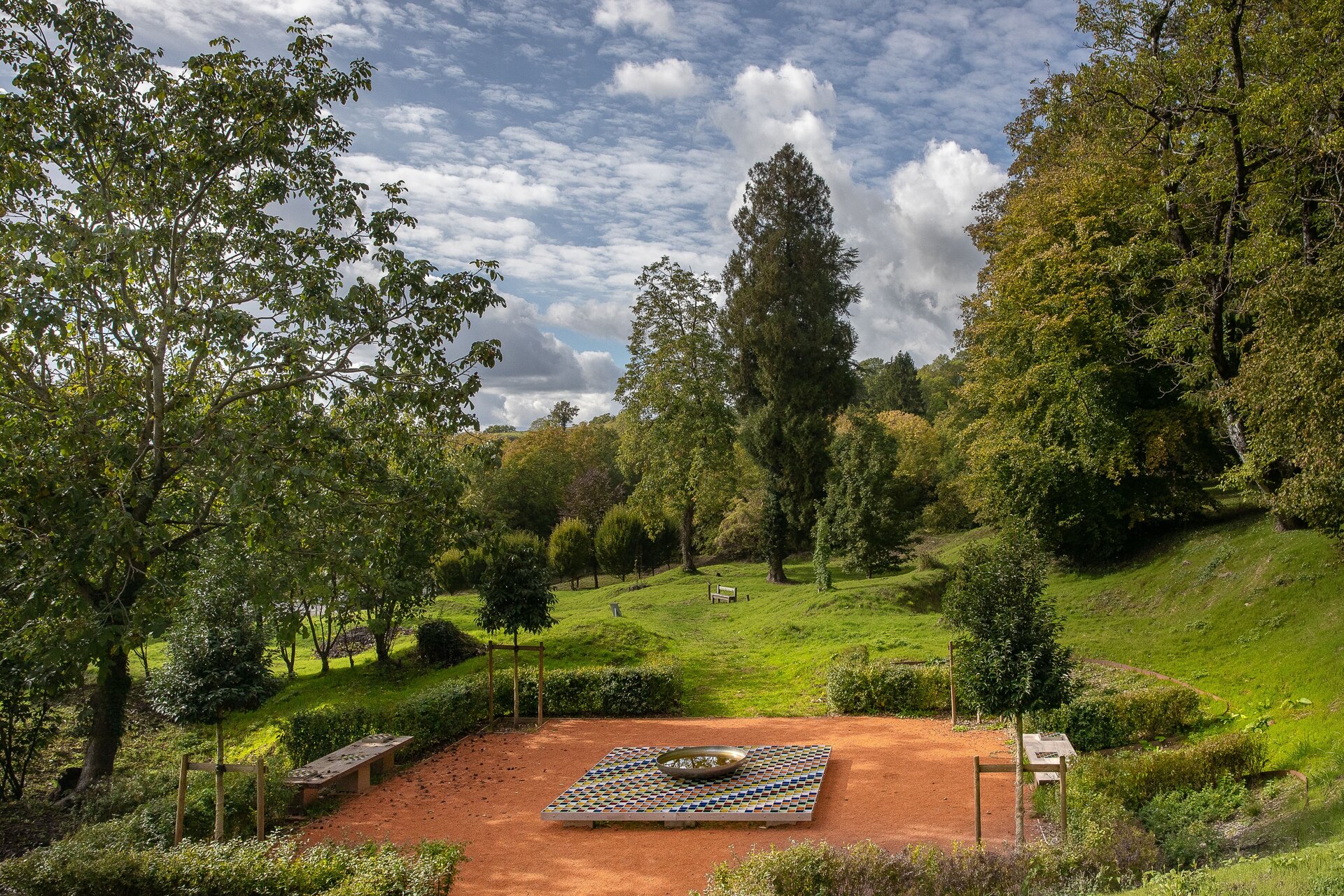


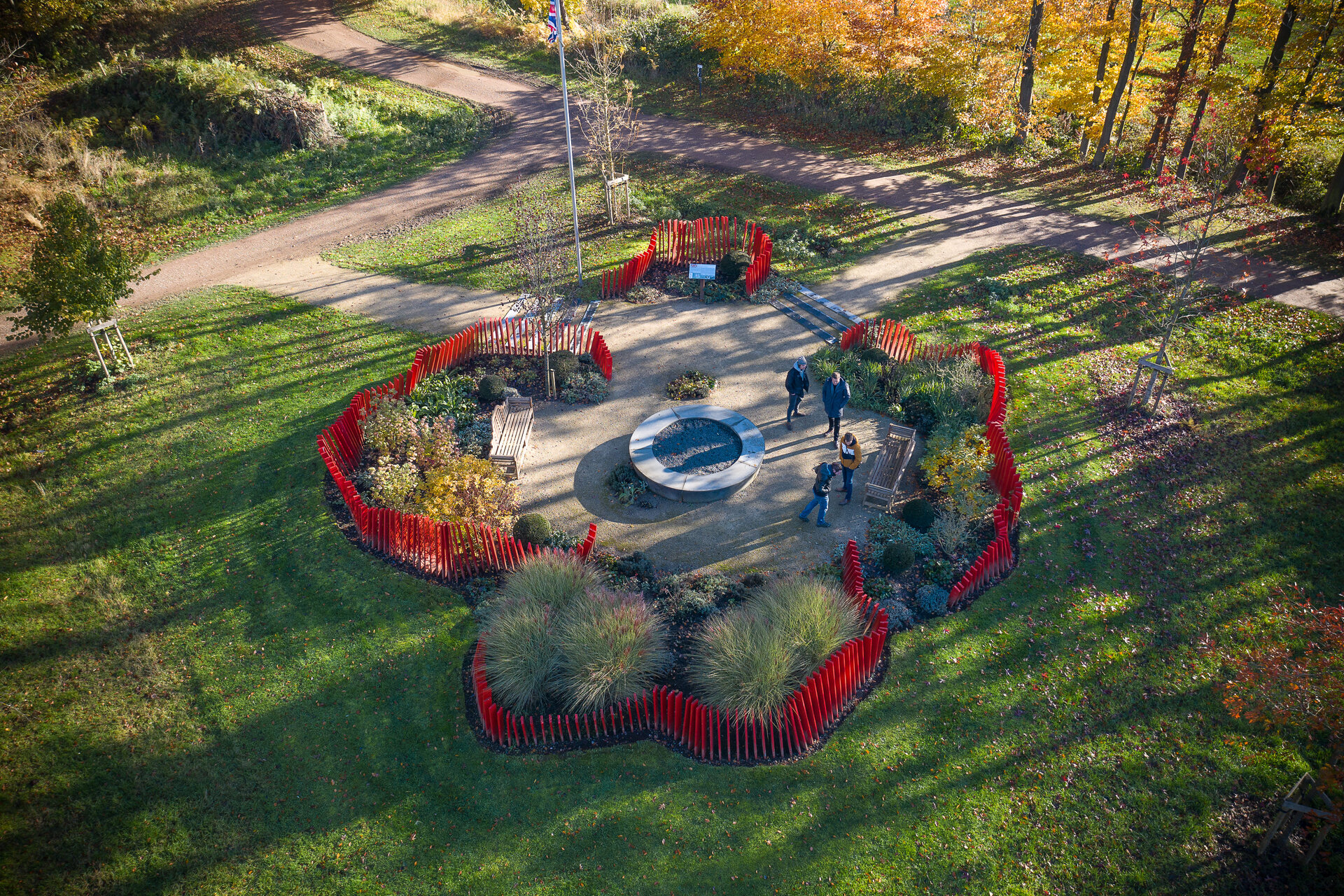
Gardens of Peace Project (Jardins de la Paix)
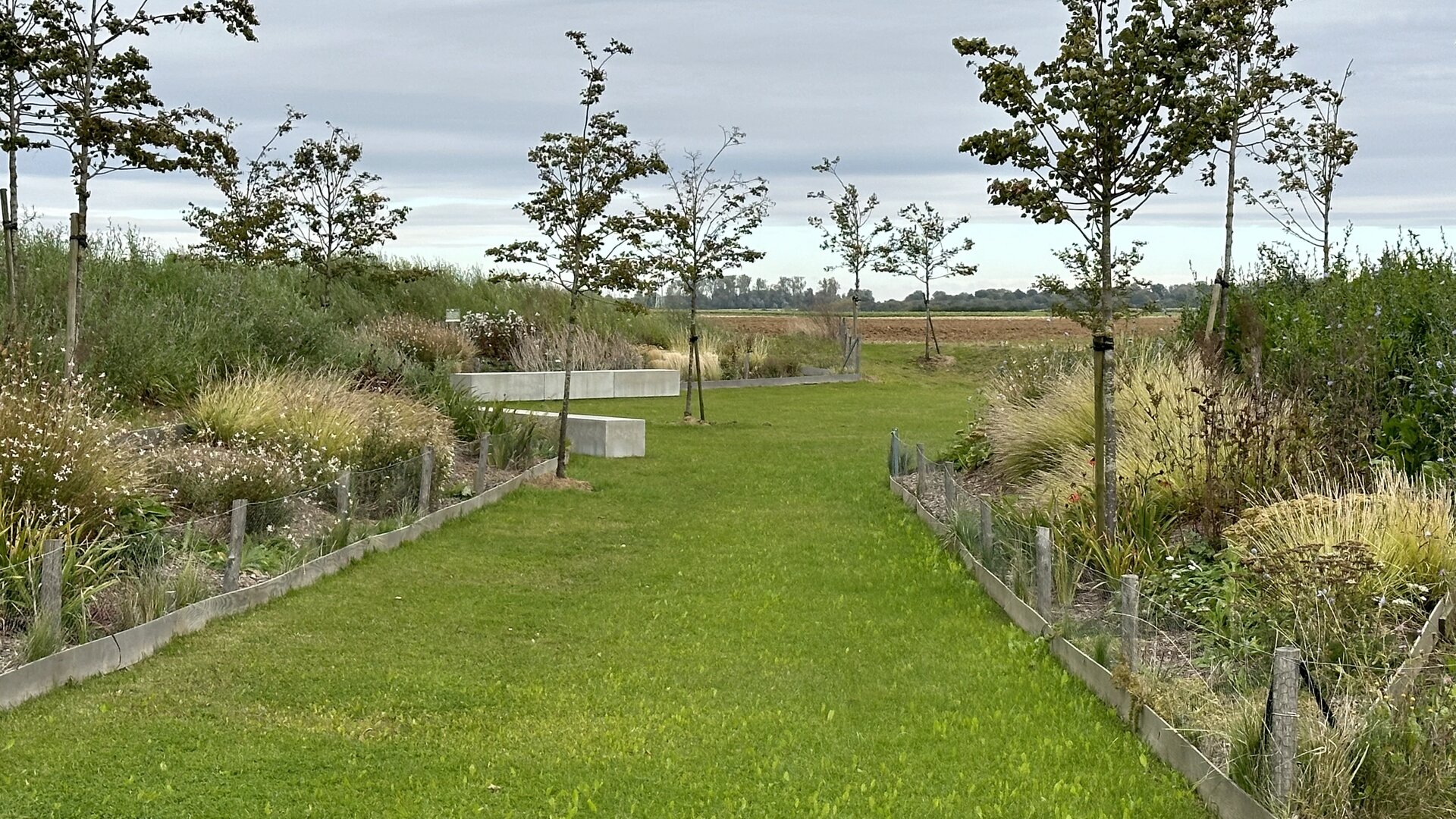
The Gardens of Peace Project (Jardins de la Paix) is a transnational heritage and landscape initiative transforming sites associated with the First World War into contemporary public gardens dedicated to remembrance, reflection and intercultural dialogue. Initiated in 2017 by Art ...
Read more
Project details
| Title: | Gardens of Peace Project (Jardins de la Paix) |
|---|---|
| Entr. year: | 2026 |
| Result: | Award |
| Country: | France |
| Town: | Amiens (administrative headquarters); multiple locations across France and Belgium |
| Category type: | Awareness-raising, cultural landscape, education |
| Notes: | European Heritage Awards / Europa Nostra Awards 2026 — Award. Category: Citizens' Engagement and Awareness-raising. The initiative forms a European Peace Pathway along the former Western Front in France and Belgium. Thirteen gardens are associated with UNESCO World Heritage sites, including sites within the transnational property Funerary and Memory Sites of the First World War (Western Front). Other host sites have French national historical-monument protection. The garden trail as a whole is not independently UNESCO-inscribed. No European Heritage Label designation is indicated in the nomination. |
| Building type/ Project type: | garden/park/landscape architecture, Cultural/Natural landscape |
| Former use: | First World War battlefields, military cemeteries, memorial grounds, fortifications and associated historic landscapes |
| Actual use: | Public peace gardens, remembrance landscapes, outdoor educational spaces and sites for intercultural dialogue |
| Built: | 2018–ongoing |
| Architect / Proj.leader: | 74 landscape designers and architects from 21 countries , Gilbert Fillinger |
| The Jury's citation: | With its powerful concept and strong cross-border symbolism, the Gardens of Peace Project links purpose-designed landscapes to the memory of the First World War. The gardens bring together tangible and intangible heritage and offer strong educational value, particularly for younger audiences. |
| Web, Links: | www.artetjardins-hdf.com |
Description:
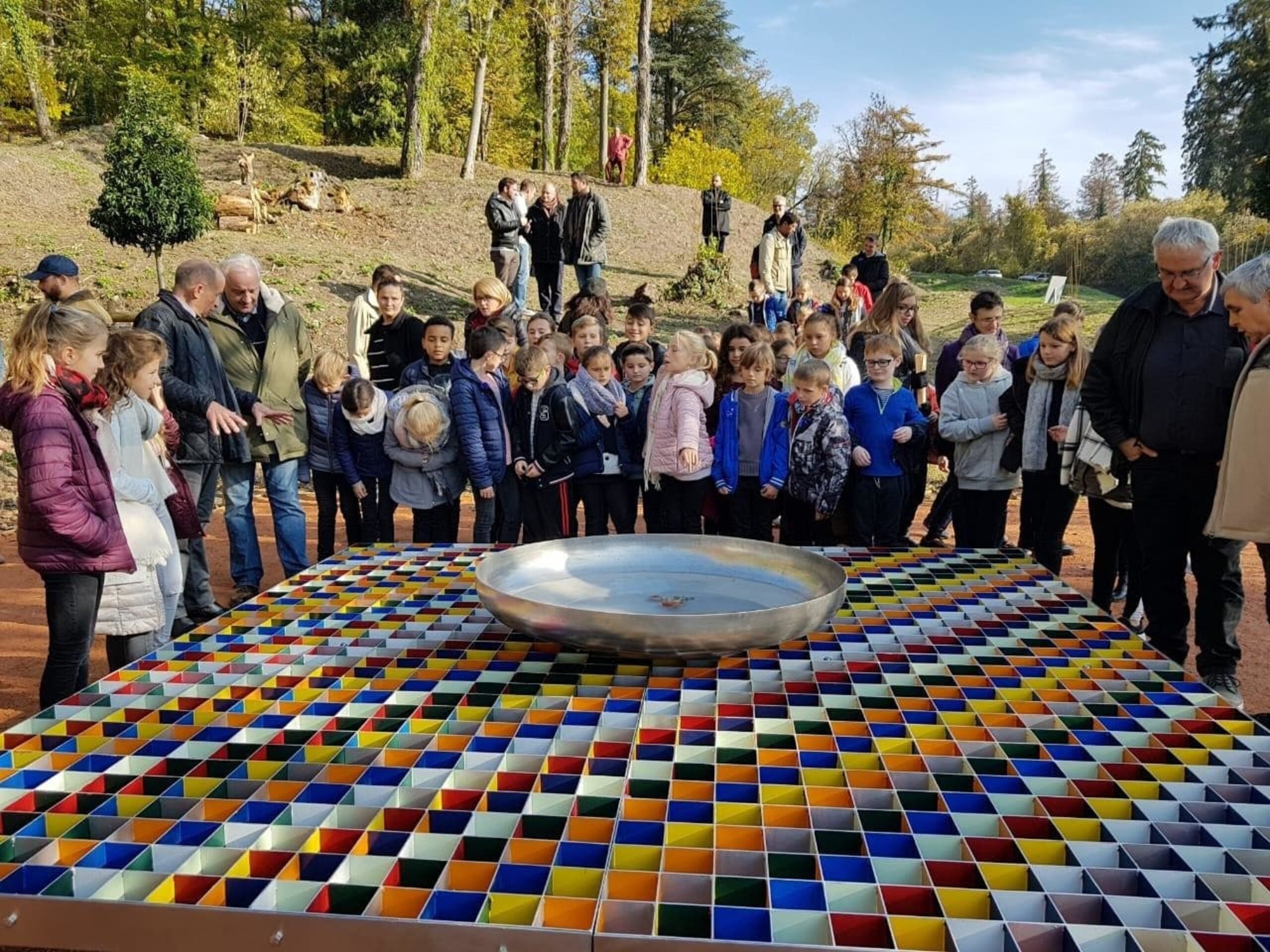
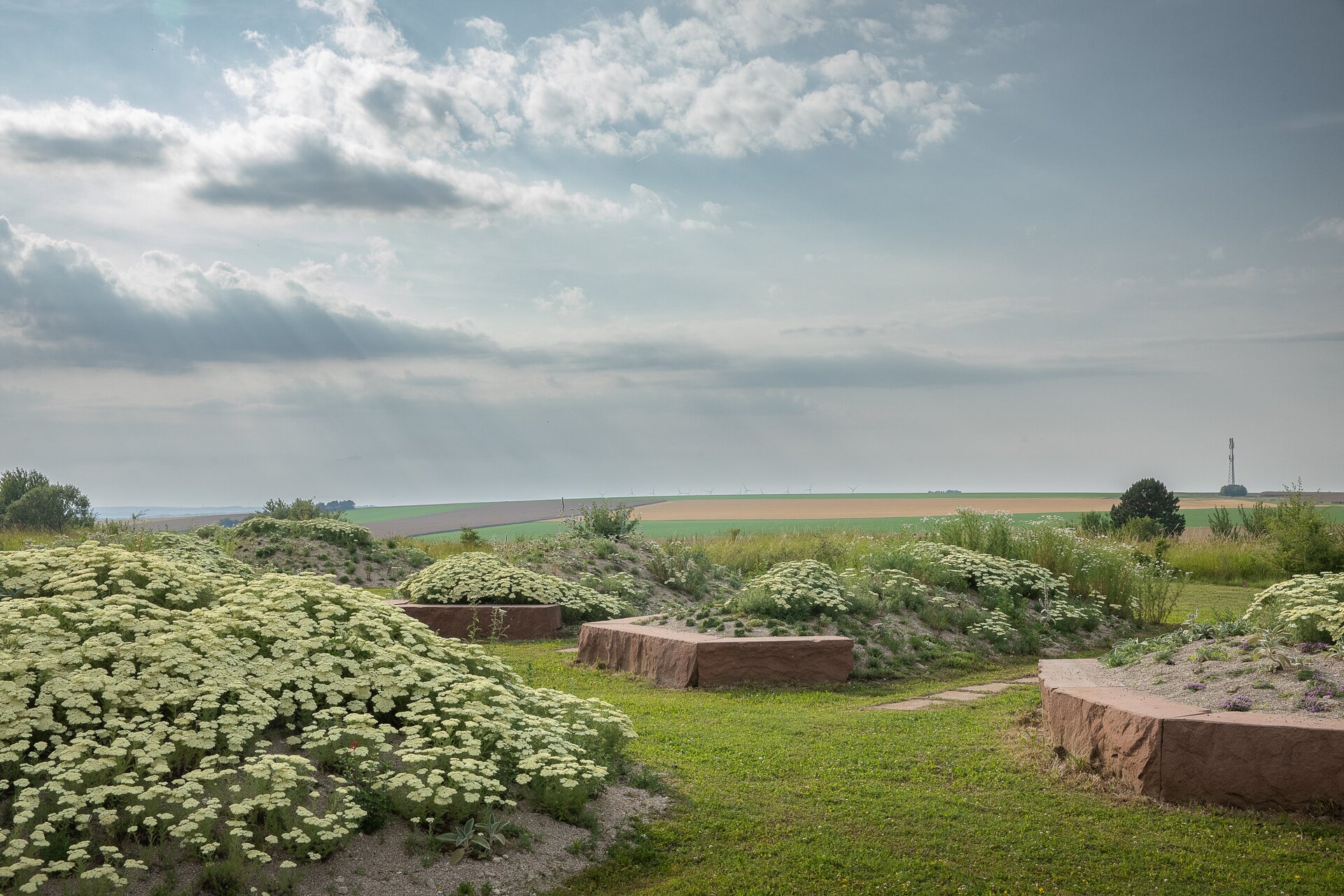
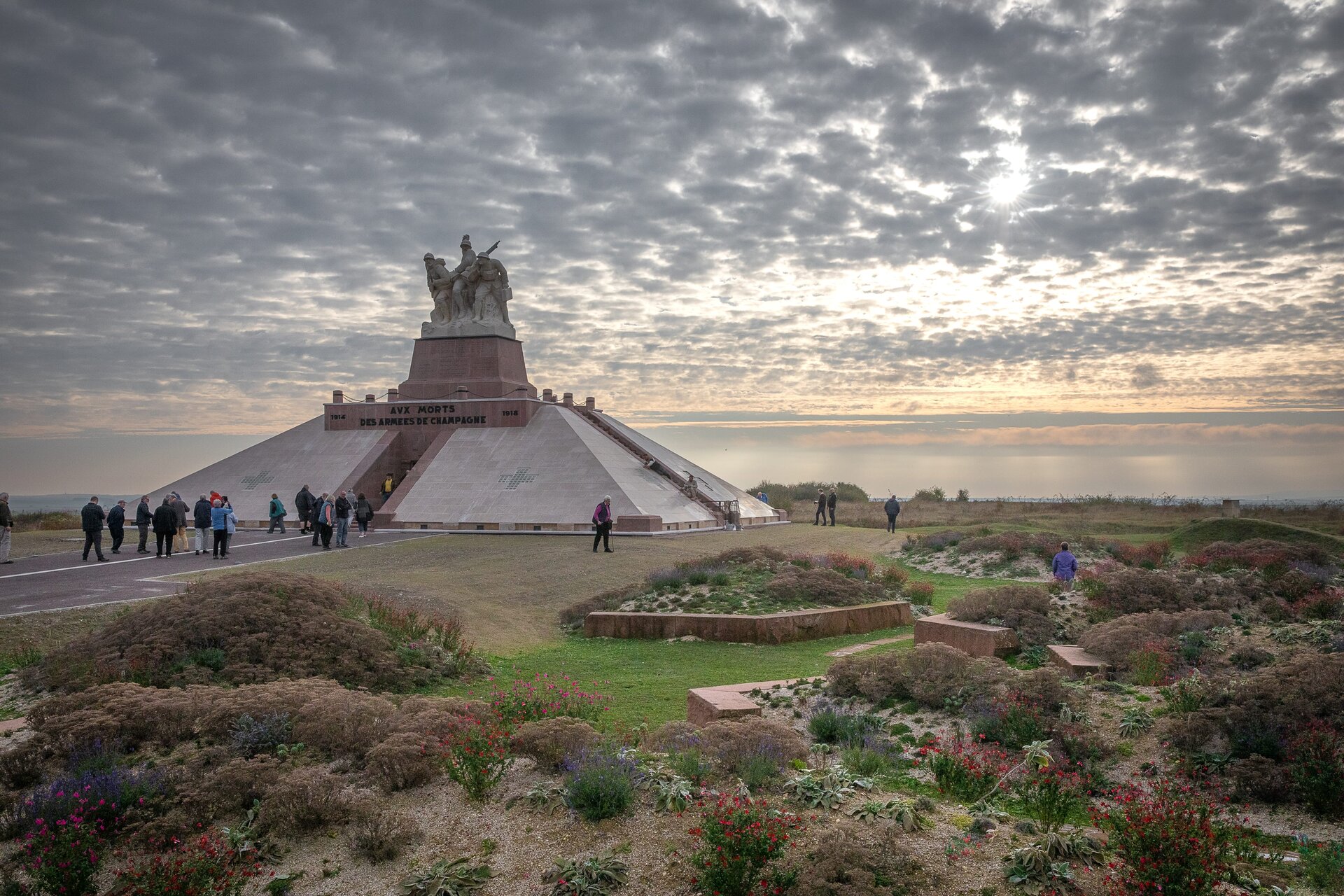
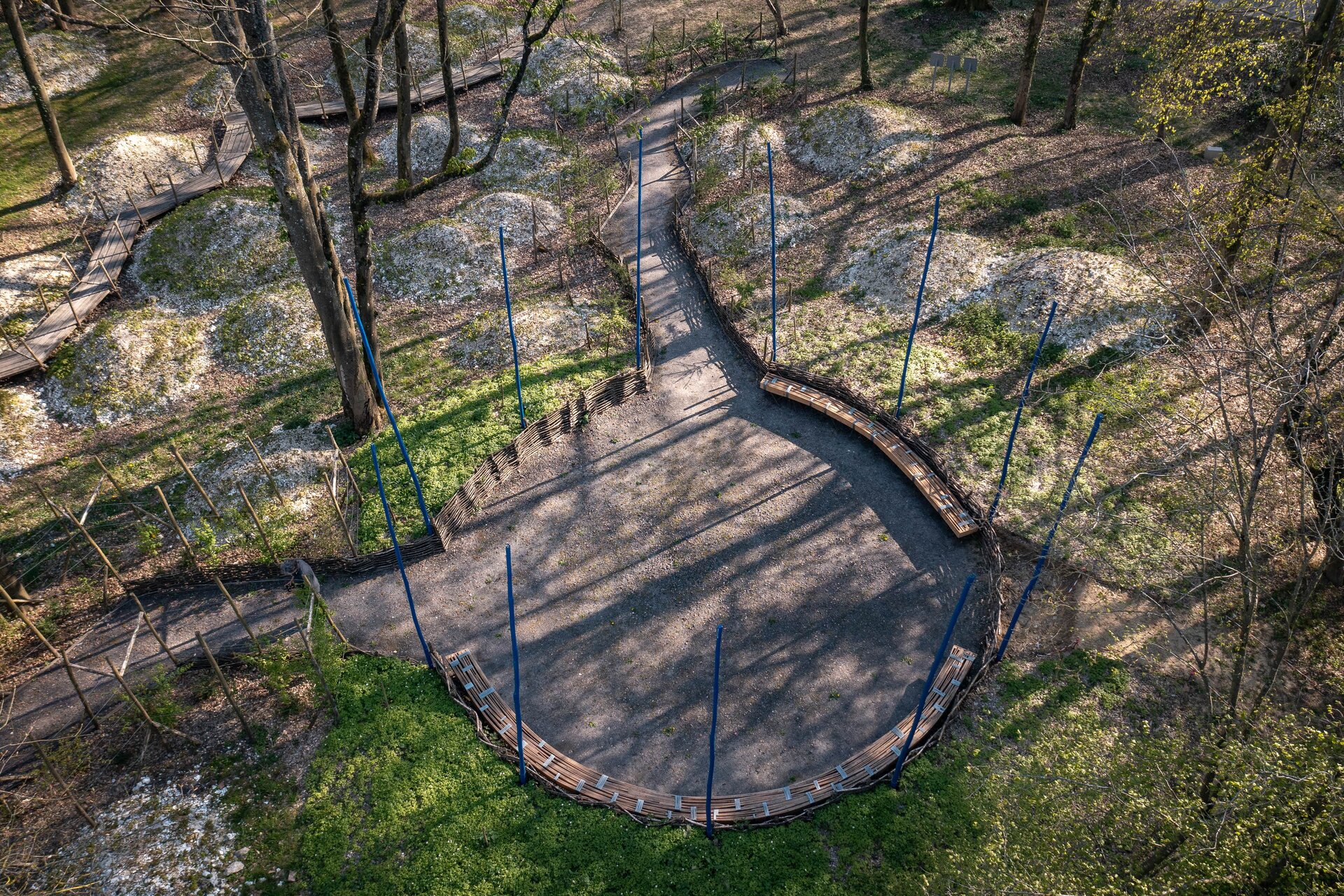
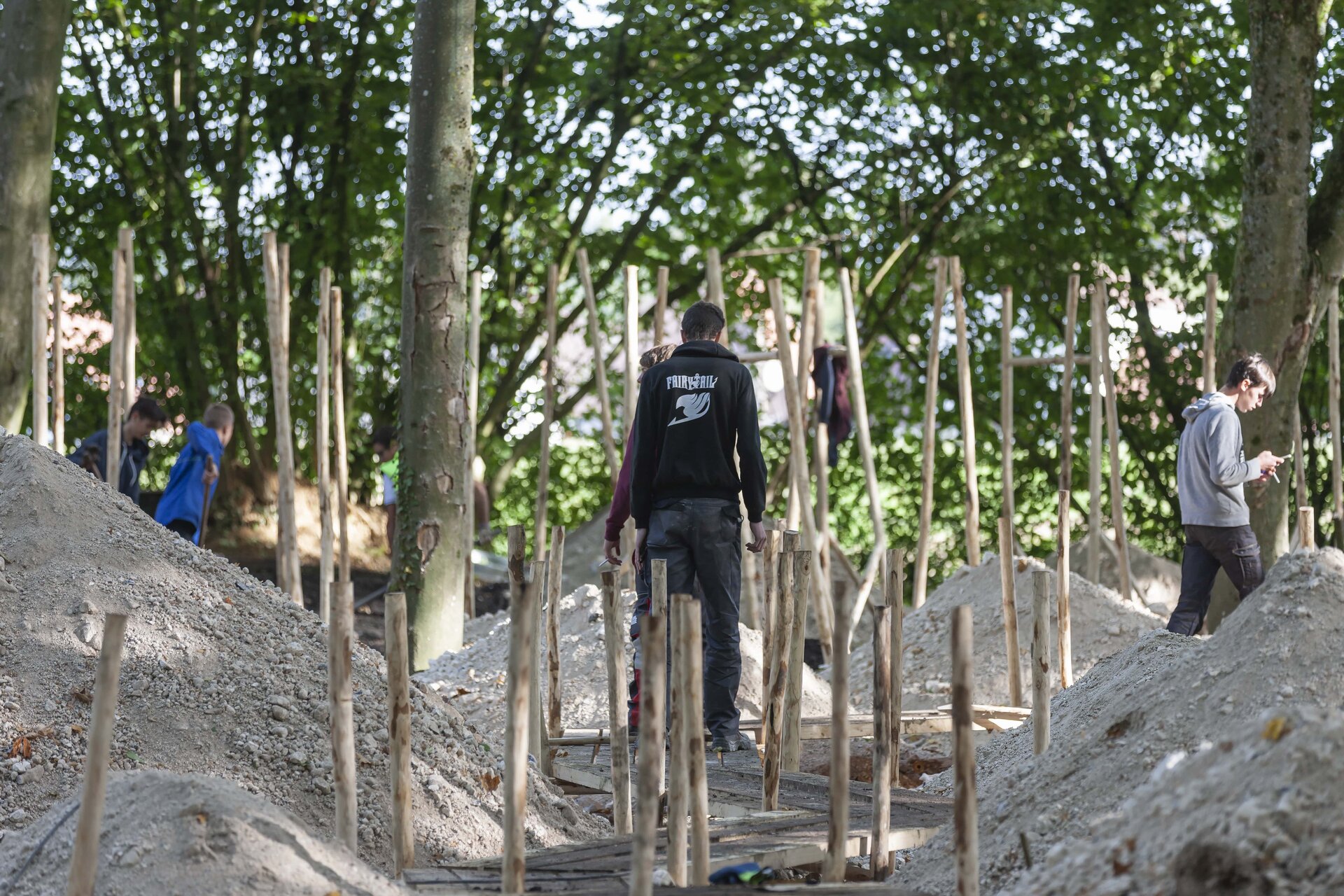
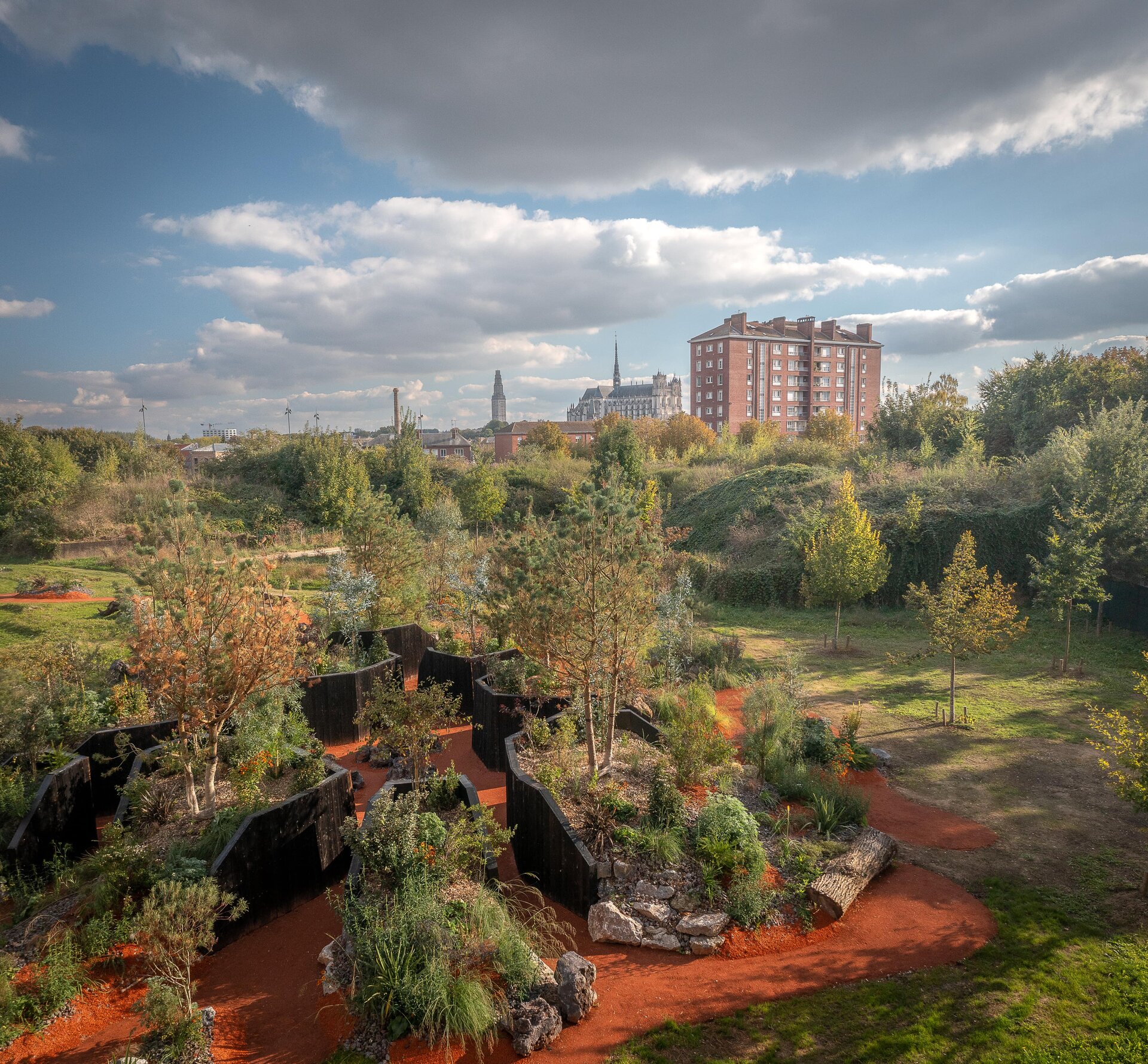
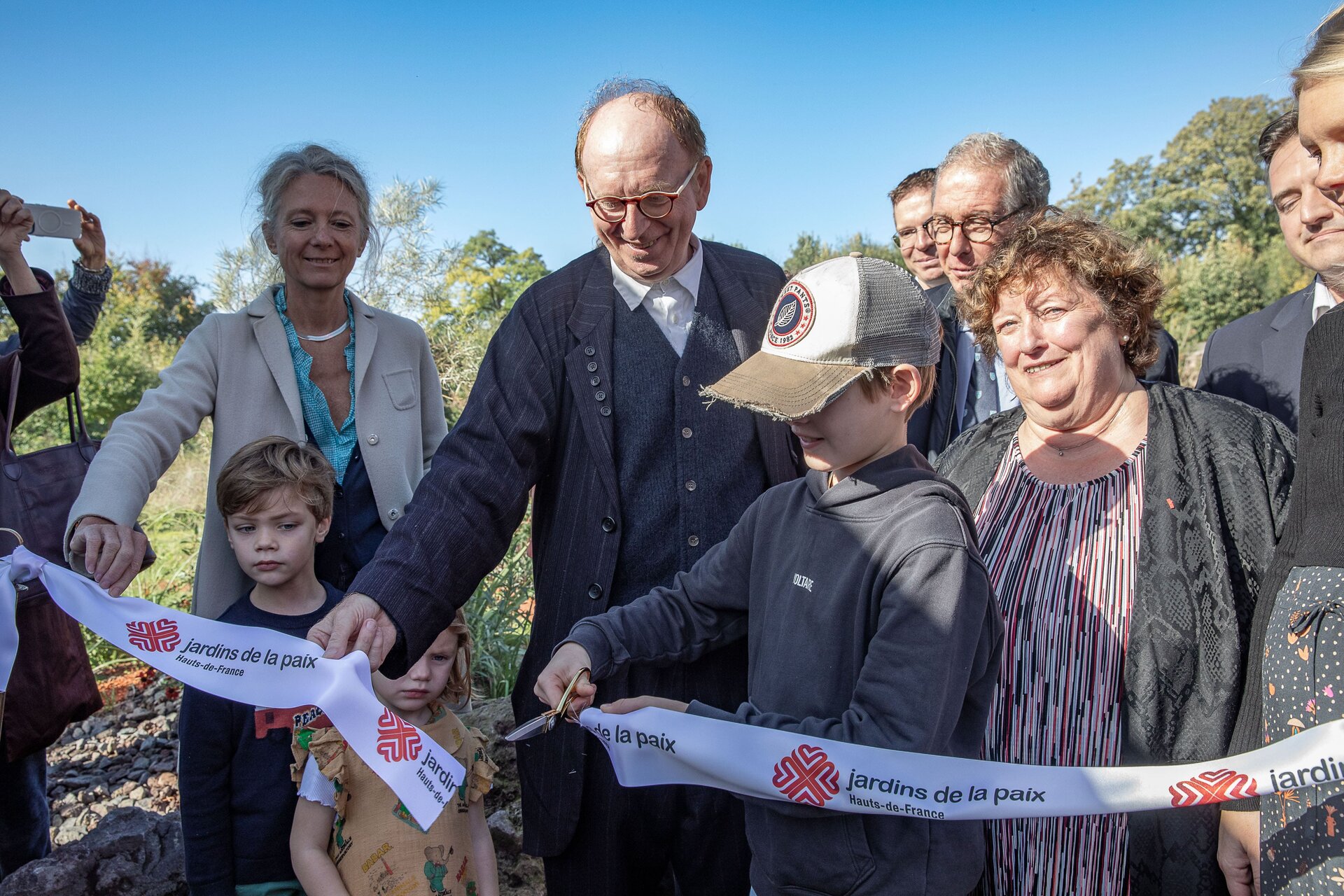
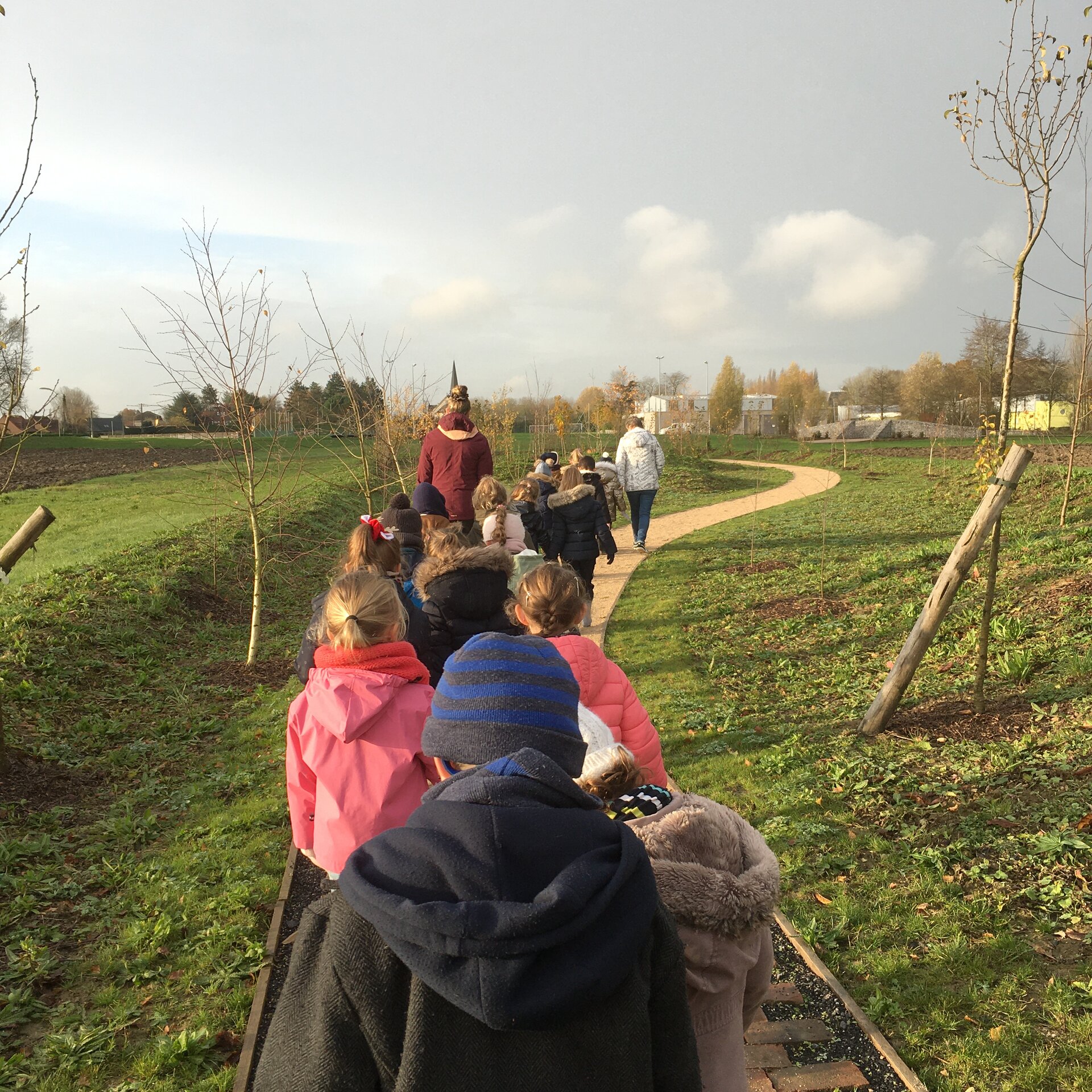
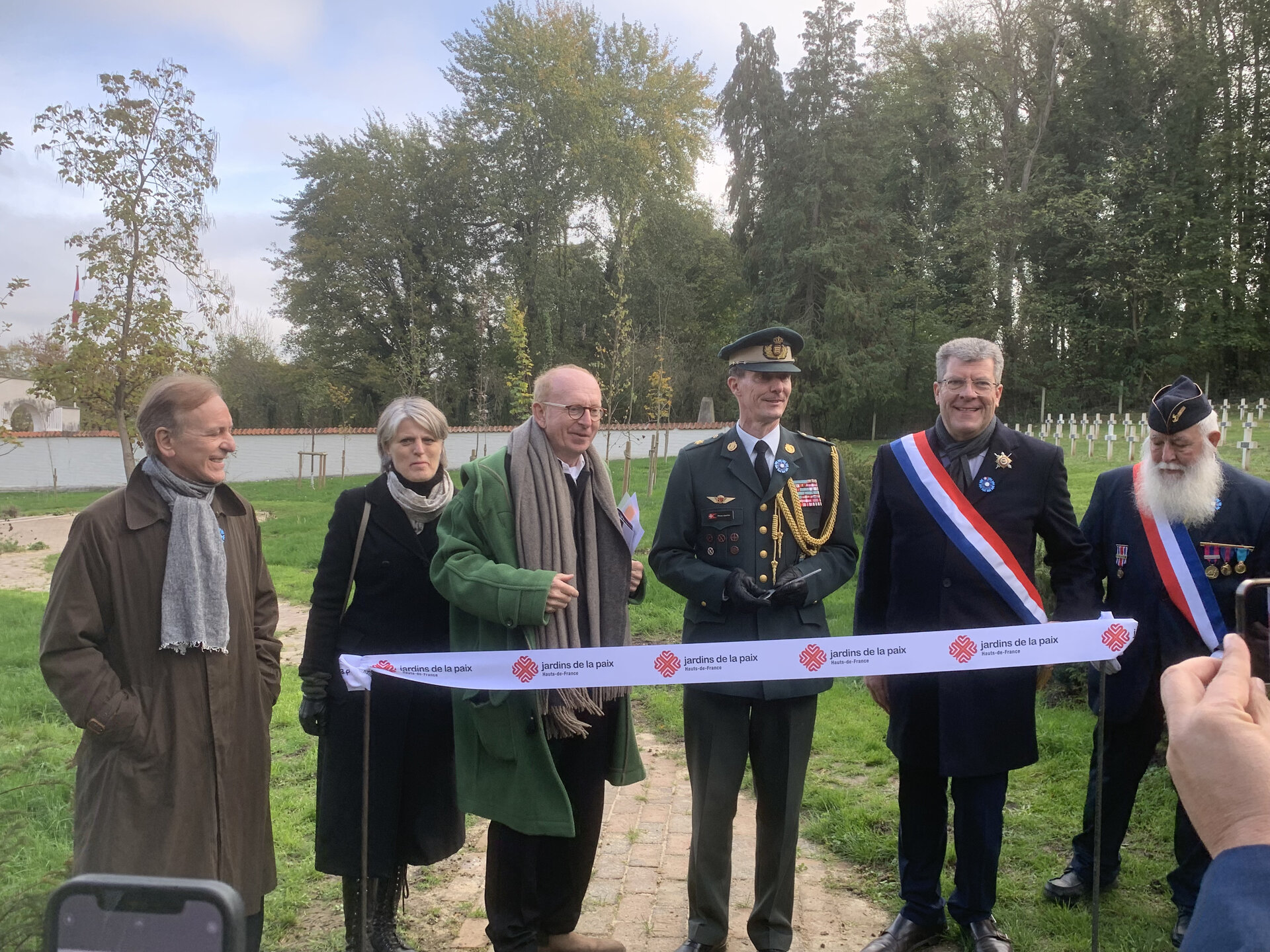
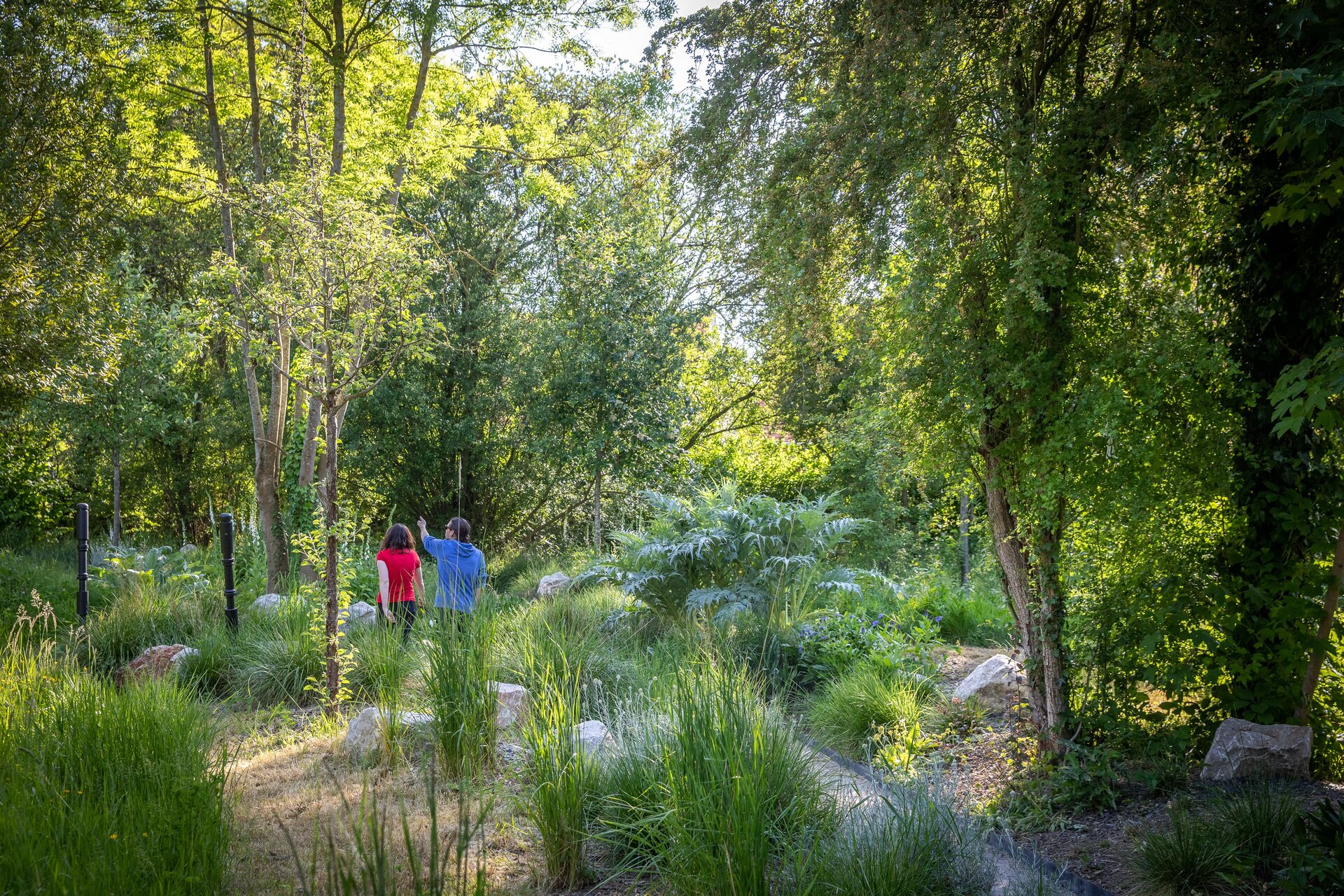
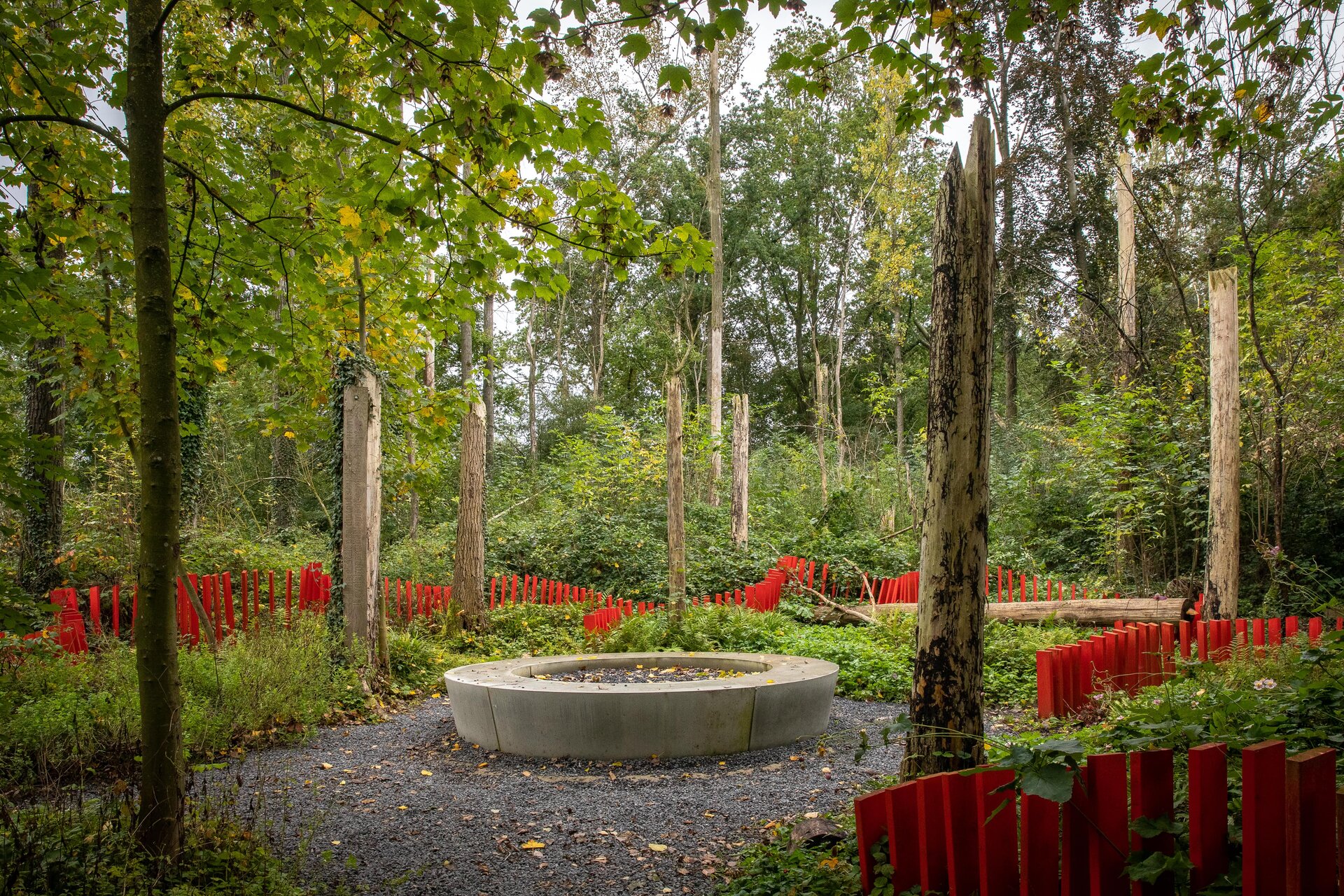
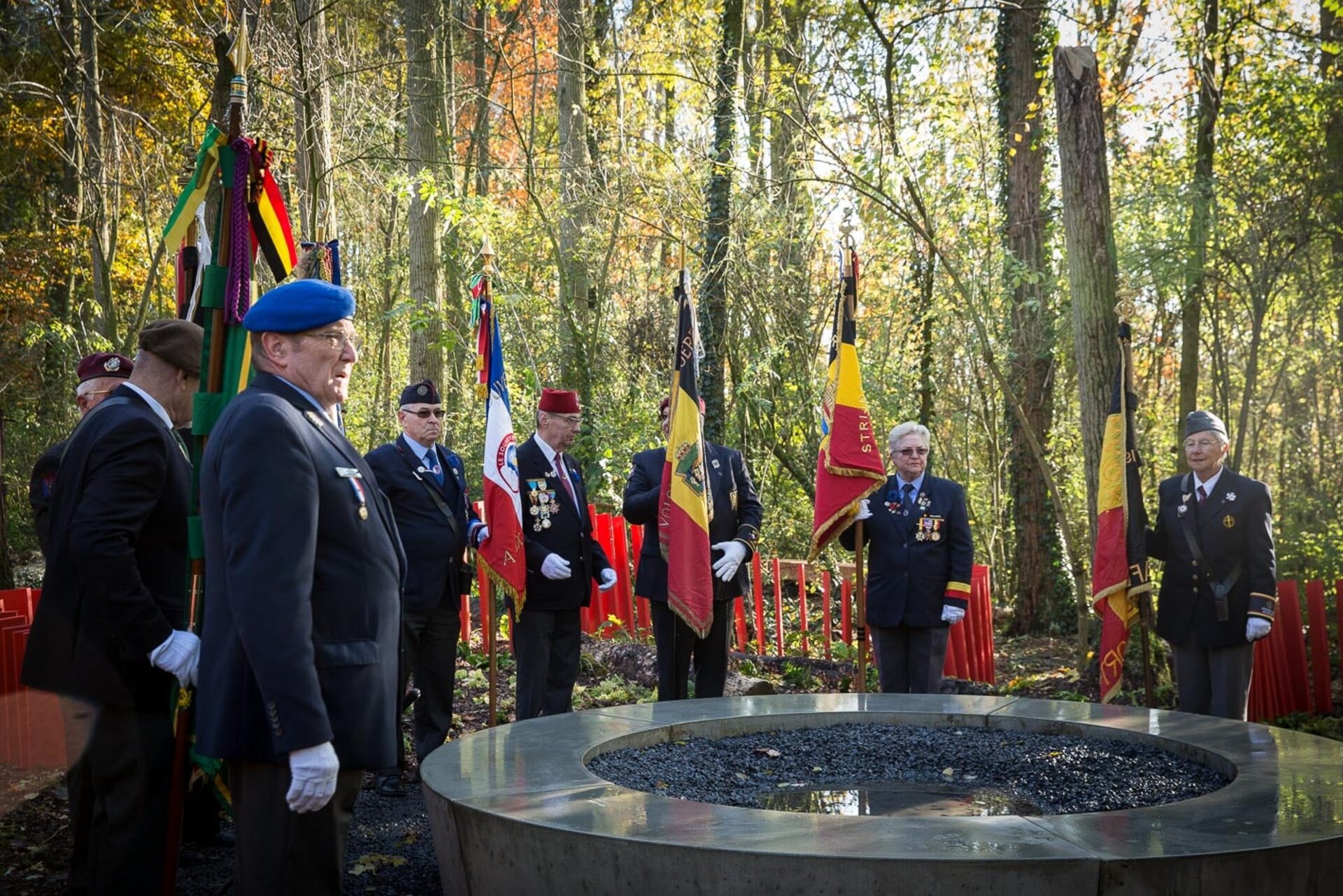
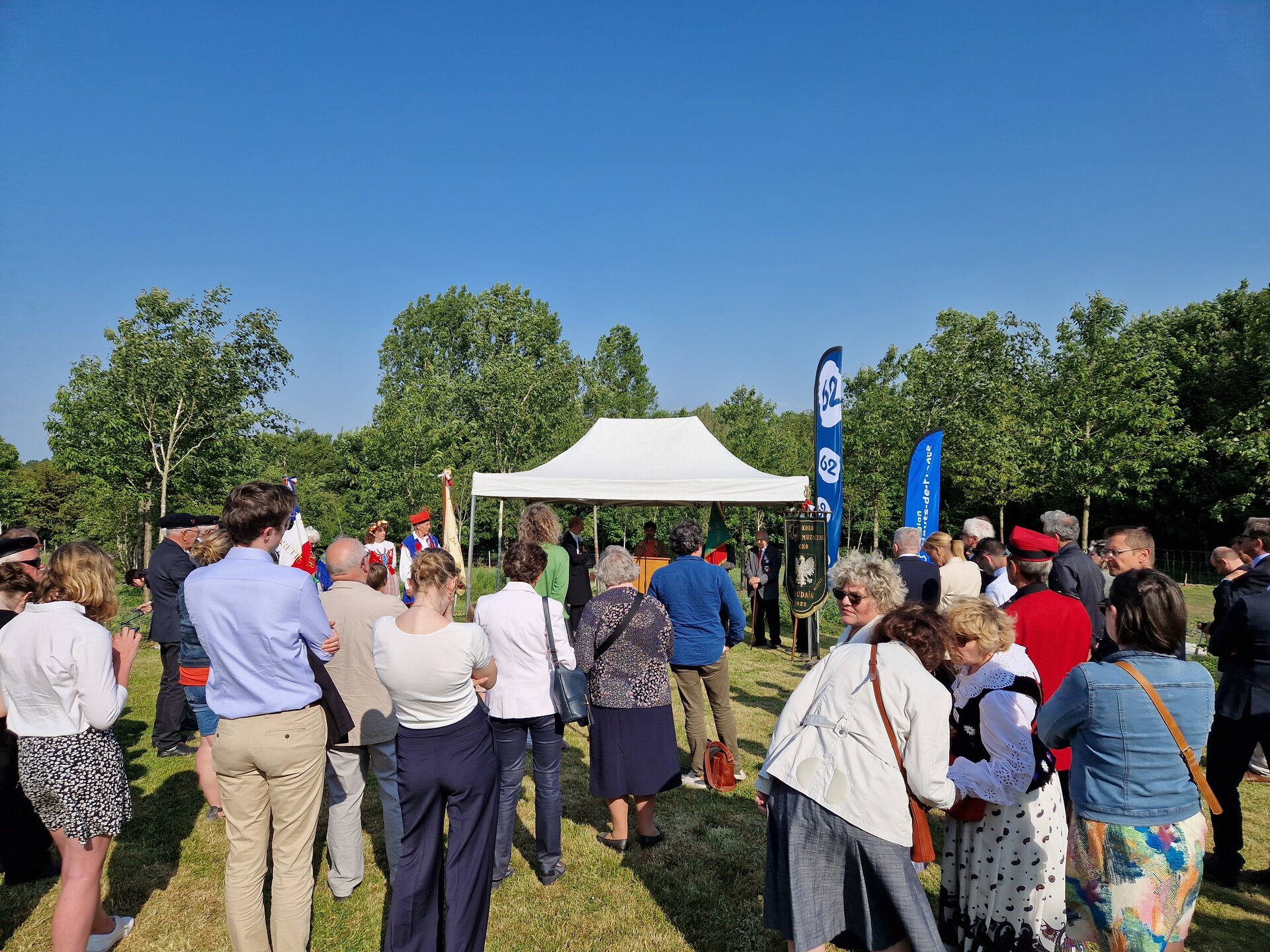
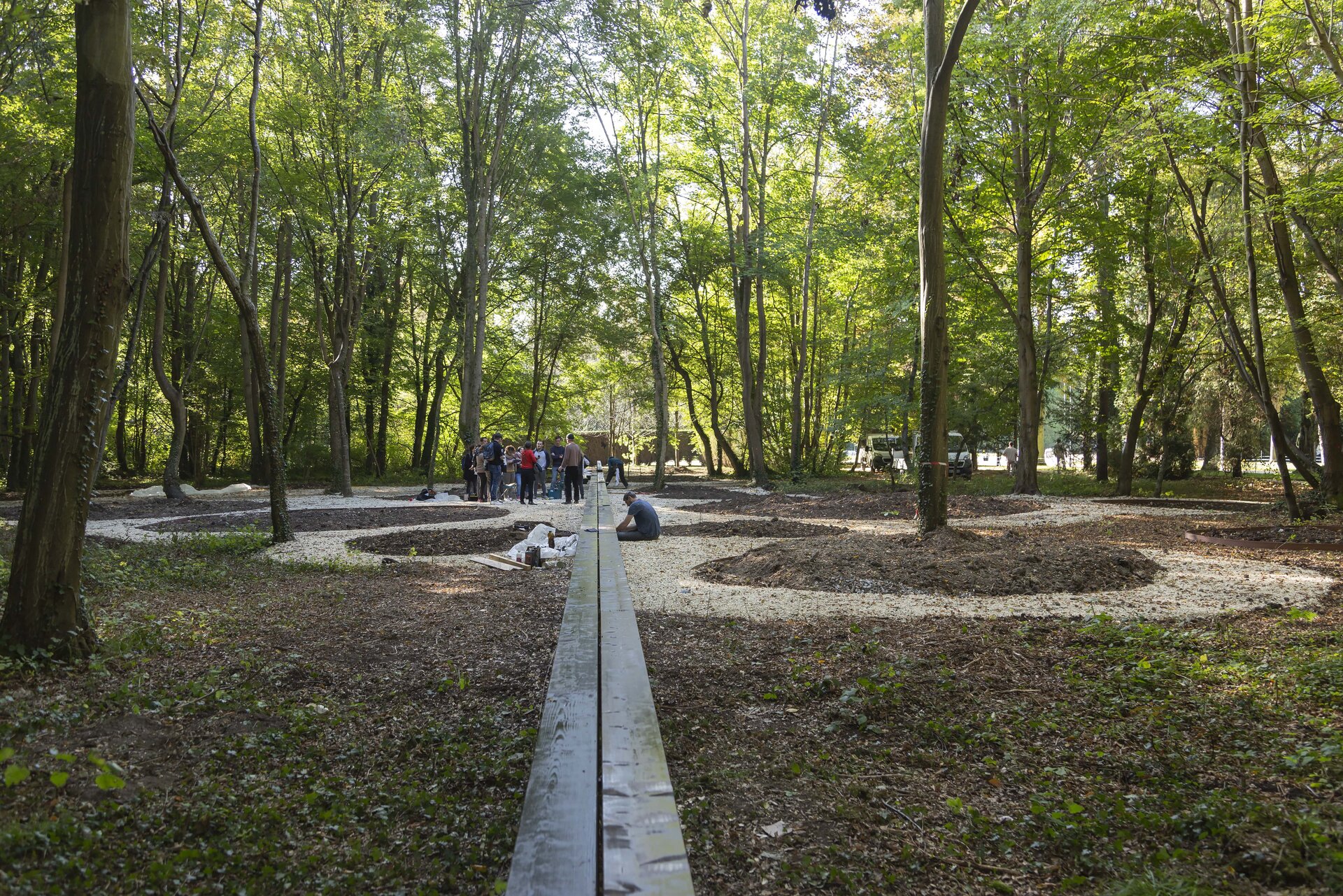
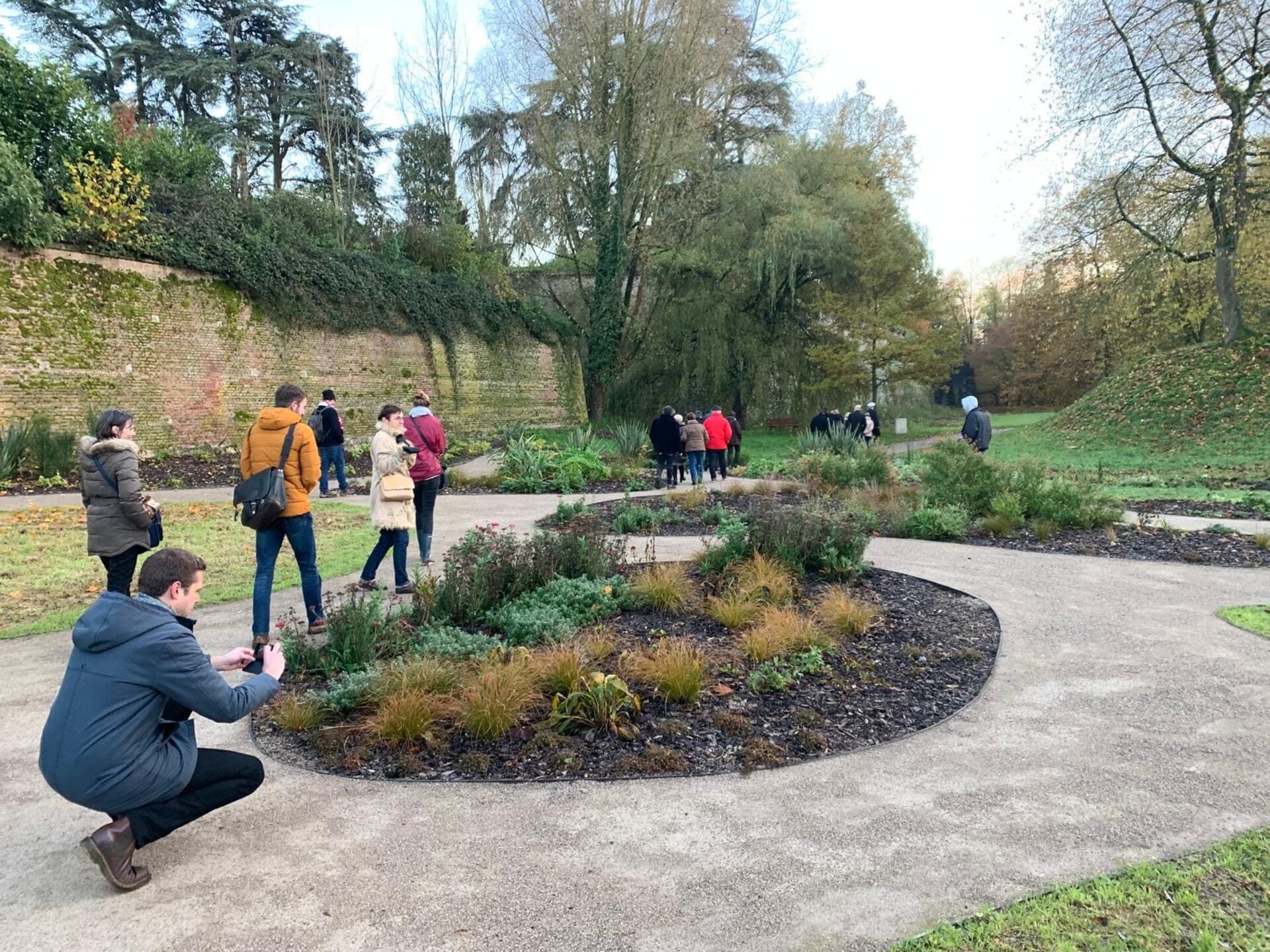
The Gardens of Peace Project (Jardins de la Paix) is a transnational heritage and landscape initiative transforming sites associated with the First World War into contemporary public gardens dedicated to remembrance, reflection and intercultural dialogue. Initiated in 2017 by Art & Jardins | Hauts-de-France and launched in 2018, the project is creating Europe's first landscaped Peace Pathway along the former Western Front, connecting historic battlefields, military cemeteries, memorials and fortifications across France and Belgium. Rather than replacing established forms of commemoration, the gardens complement them with living, participatory landscapes. Each garden is associated with a country involved in the First World War and is designed by landscape professionals connected to that national history. The resulting spaces offer different interpretations of conflict, reconciliation and the shared responsibility for peace. Thirteen gardens are situated at UNESCO World Heritage sites, while other locations are protected as French historical monuments. The project began with twelve gardens in 2018 and has progressively expanded through northern and eastern France and into Belgium. By the time of the 2026 European Heritage Awards announcement, 29 gardens had opened, with almost 40 planned by 2027. The network includes sites in Nord, Pas-de-Calais, Somme, Aisne, Oise, Ardennes, Marne, Meuse, Moselle, Meurthe-et-Moselle, Vosges and Alsace. Each garden requires careful historical research, site selection, technical surveys, regulatory approvals and agreements with landowners and heritage authorities. Landscape designers collaborate with municipalities, remembrance organisations, local residents and international partners. The gardens are conceived as permanent, climate-adaptive public spaces, using locally appropriate plants, recycled and regional materials, biodiversity-supporting planting schemes and low-water maintenance approaches. Site-specific maintenance guidance and long-term stewardship agreements help safeguard their future. Participation is integral to the project. More than 750 volunteers, including students, veterans, researchers, gardeners and members of local associations, have contributed to the creation of the gardens. Public programmes include guided visits, educational workshops, commemorative activities and events during European Heritage Days. The gardens welcome approximately 170,000 visitors annually, while educational activities engage close to 5,000 participants each year. Their accessibility and open-air character encourage people of different ages and backgrounds to encounter difficult histories through direct experience of place. The initiative also combines heritage stewardship with social inclusion. More than 100 disadvantaged people are employed annually in garden construction or maintenance activities designed to support professional and social reintegration. Partnerships with public institutions, schools, tourism organisations and cultural associations strengthen local ownership and the continued use of the gardens. The total production cost between 2018 and 2025 was €2.7 million, supported by the French Ministry of the Armed Forces, private national and international funders and regional institutional support. A dedicated INTERREG grant also supported cross-border garden development. The association continues to explore new forms of collaboration, including the proposed pan-European research initiative Re-imagining Peace. Recognised with a European Heritage Award / Europa Nostra Award in the Citizens' Engagement and Awareness-raising category in 2026, the Gardens of Peace Project demonstrates how landscape design, cultural heritage and citizen participation can transform places associated with war into enduring spaces for learning, ecological resilience and peaceful dialogue.
Similar projects
1163–1345

2018–ongoing

Middle Ages — various construction dates