



Heritage Craft School
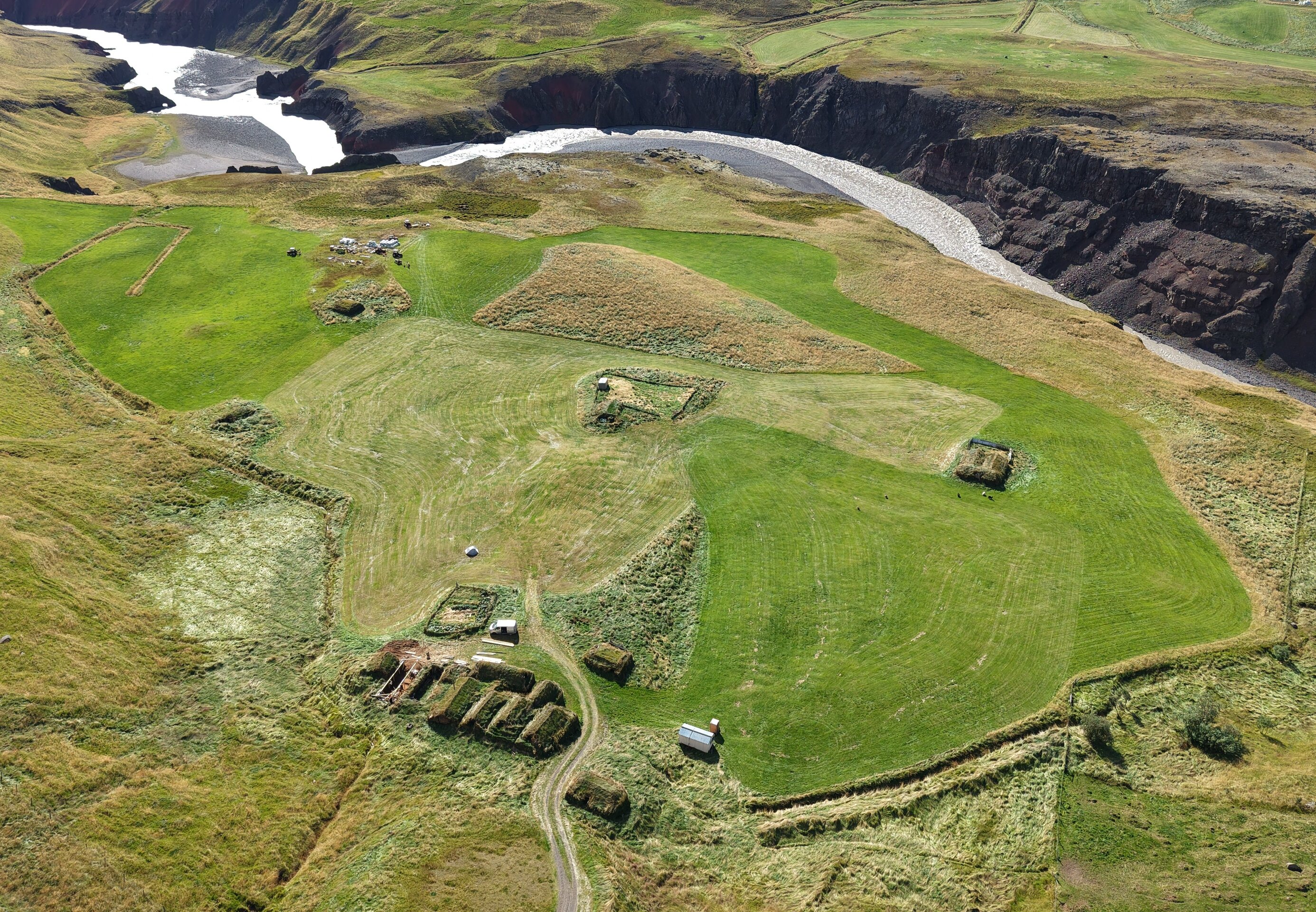
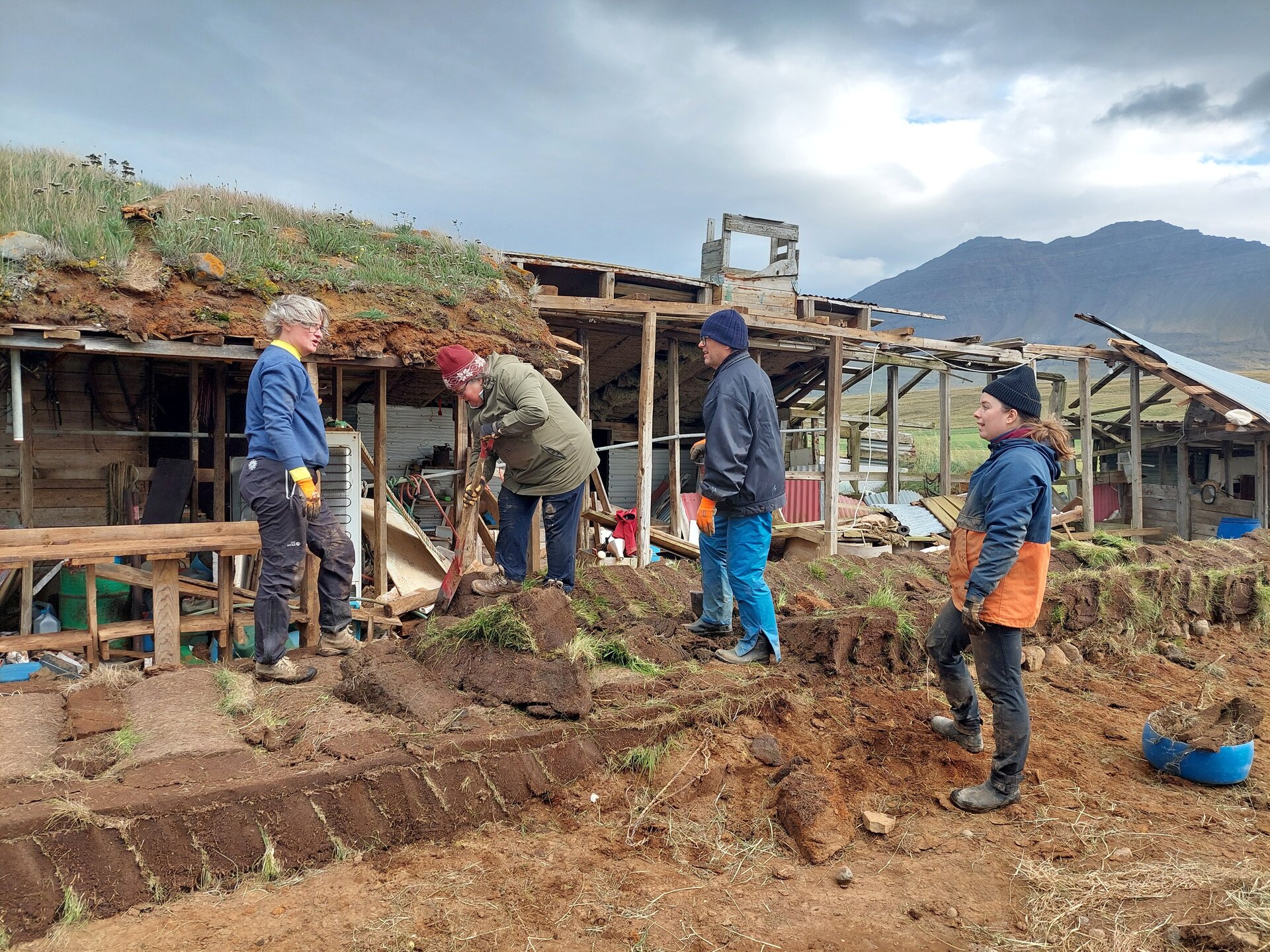
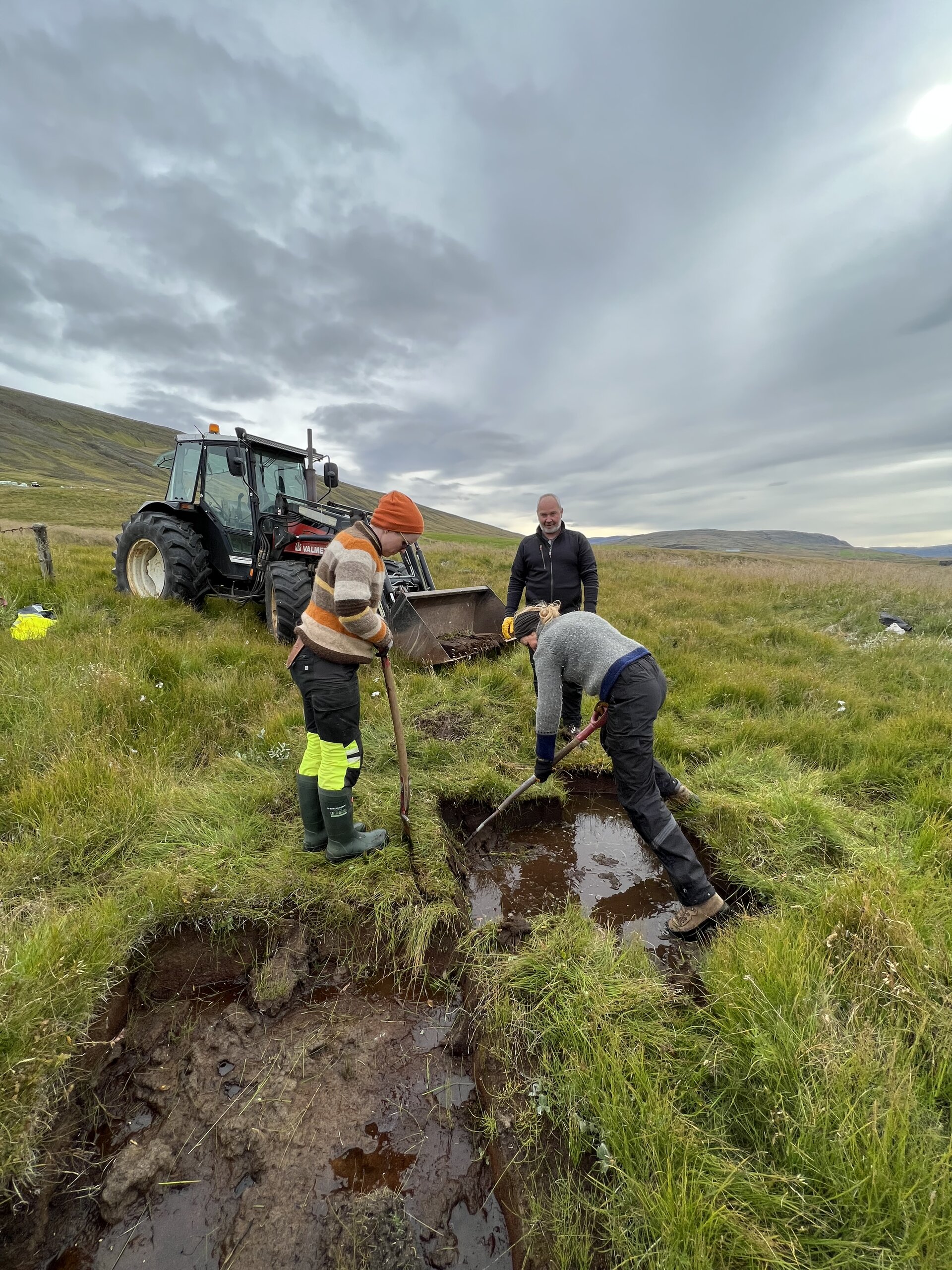
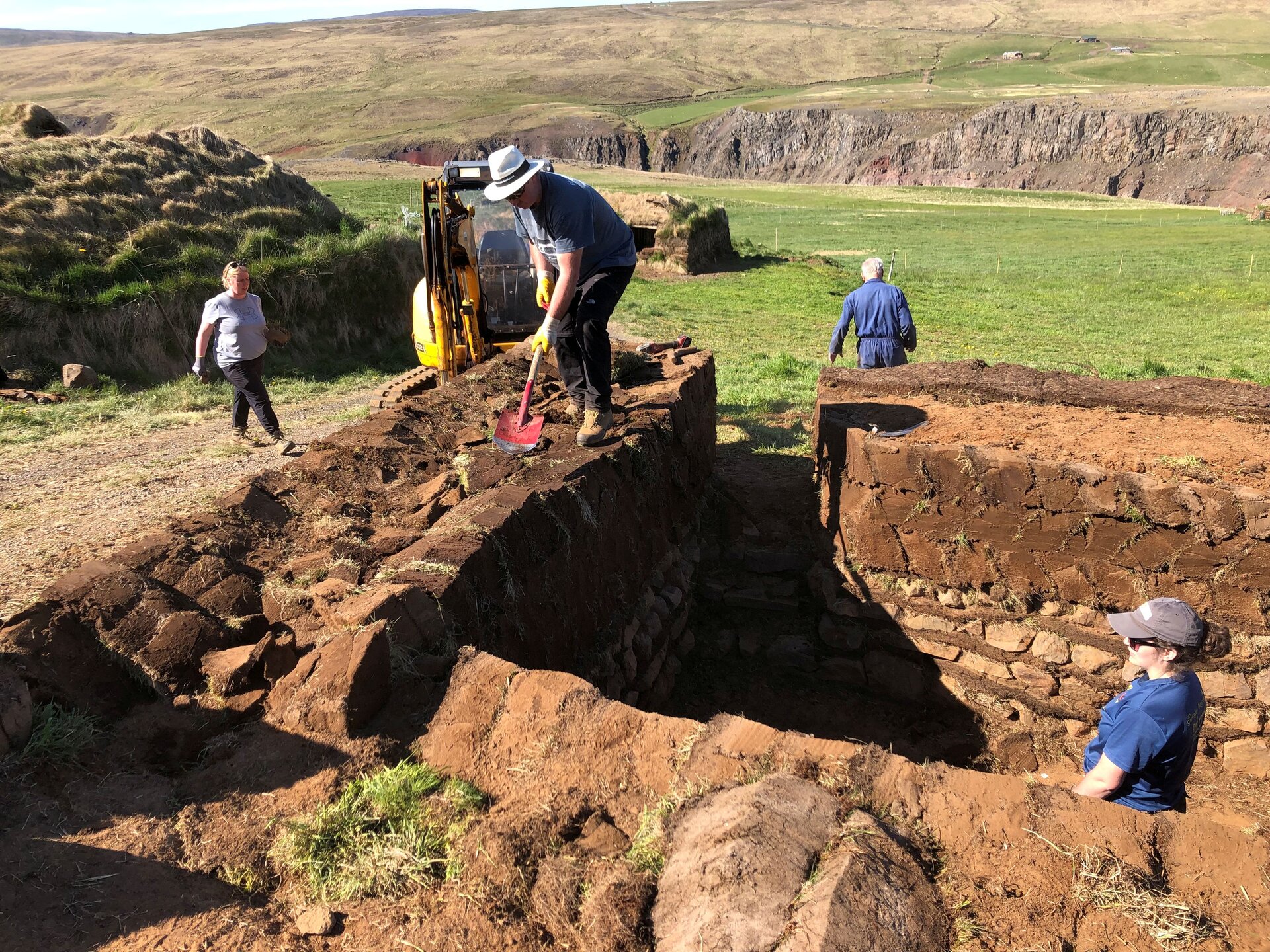
The Heritage Craft School (Fornverkaskólinn) is an educational and conservation initiative established in 2006 by Skagafjörður Heritage Museum in northern Iceland to safeguard traditional building skills, particularly the construction and maintenance of turf buildings. Once ...
Read more
Project details
| Title: | Heritage Craft School |
|---|---|
| Entr. year: | 2026 |
| Result: | Award |
| Country: | Iceland |
| Town: | Skagafjörður (Varmahlíð) |
| Category type: | education, studies in the field of cultural heritage |
| Notes: | European Heritage Awards / Europa Nostra Awards 2026 — Award. Category: Education, Training and Skills; nomination subcategory: Skills. Founded by Skagafjörður Heritage Museum in 2006 as Fornverkaskólinn. The school received Iceland's Minjaverndarviðurkenning (Heritage Protection Award) in 2023. The restored buildings are protected under Icelandic heritage legislation. The Icelandic Turf House Tradition is on UNESCO's Tentative List, not the inscribed World Heritage List. |
| Building type/ Project type: | agricultural building |
| Former use: | Historic residential farmstead, livestock housing, hay storage and agricultural outbuildings — applies to the Tyrfingsstaðir training site |
| Actual use: | Heritage craft training, hands-on conservation, traditional farming functions, public demonstrations and educational activities |
| Built: | 1870–1895 |
| Architect / Proj.leader: | Inga Katrín D. Magnúsdóttir |
| The Jury's citation: | This project addresses the decline of traditional building skills in Europe through sustained, hands-on transmission of knowledge and practice. It presents a strong intergenerational teaching model that safeguards both the physical structures and the knowledge required to sustain them. Rooted in authenticity and high craftsmanship, and strengthened through international and academic collaboration, the initiative offers a credible model for the preservation of turf-building heritage. |
| Web, Links: | www.glaumbaer.is/en/the-heritage-craft-school-1/the-heritage-craft-school |
Description:
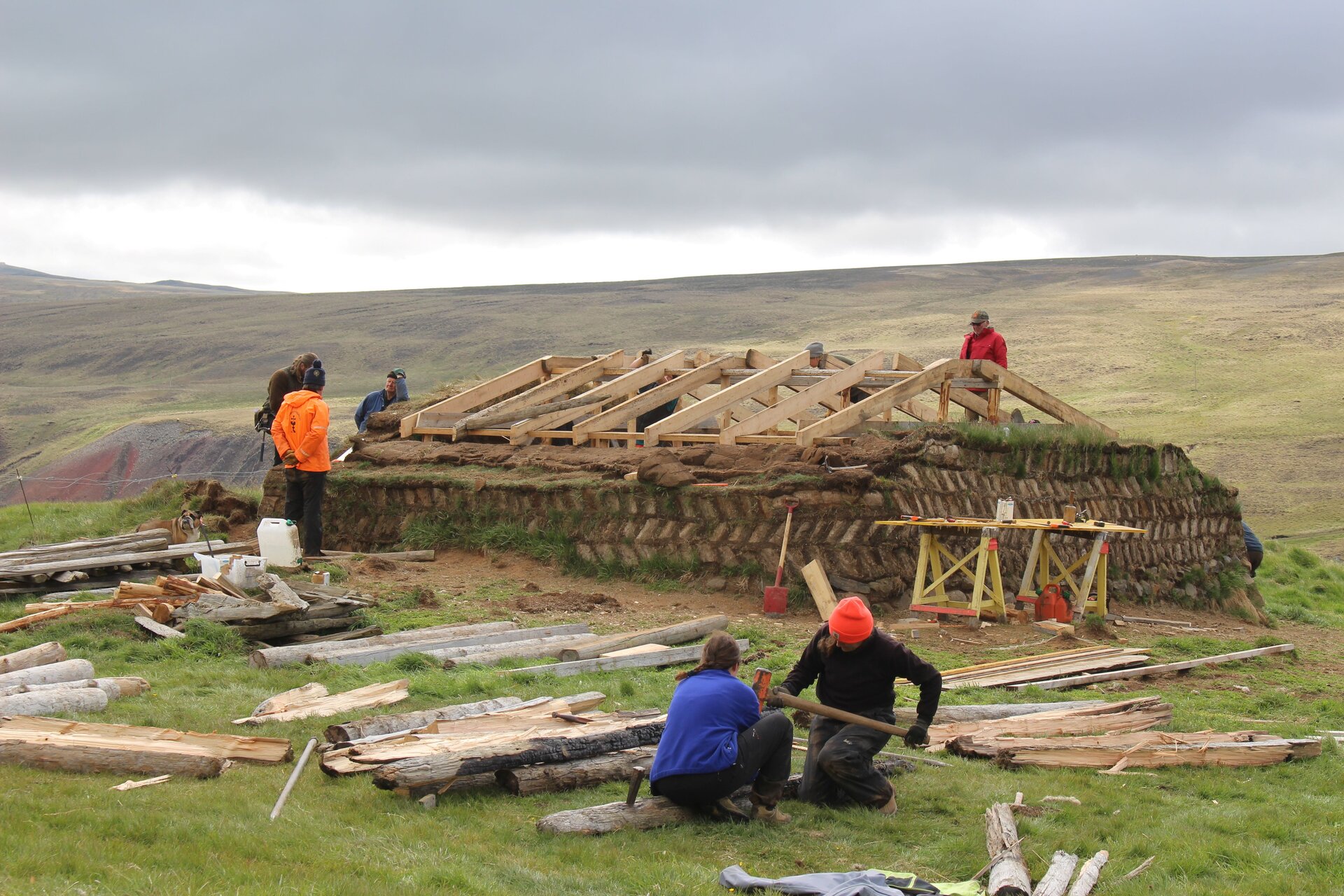
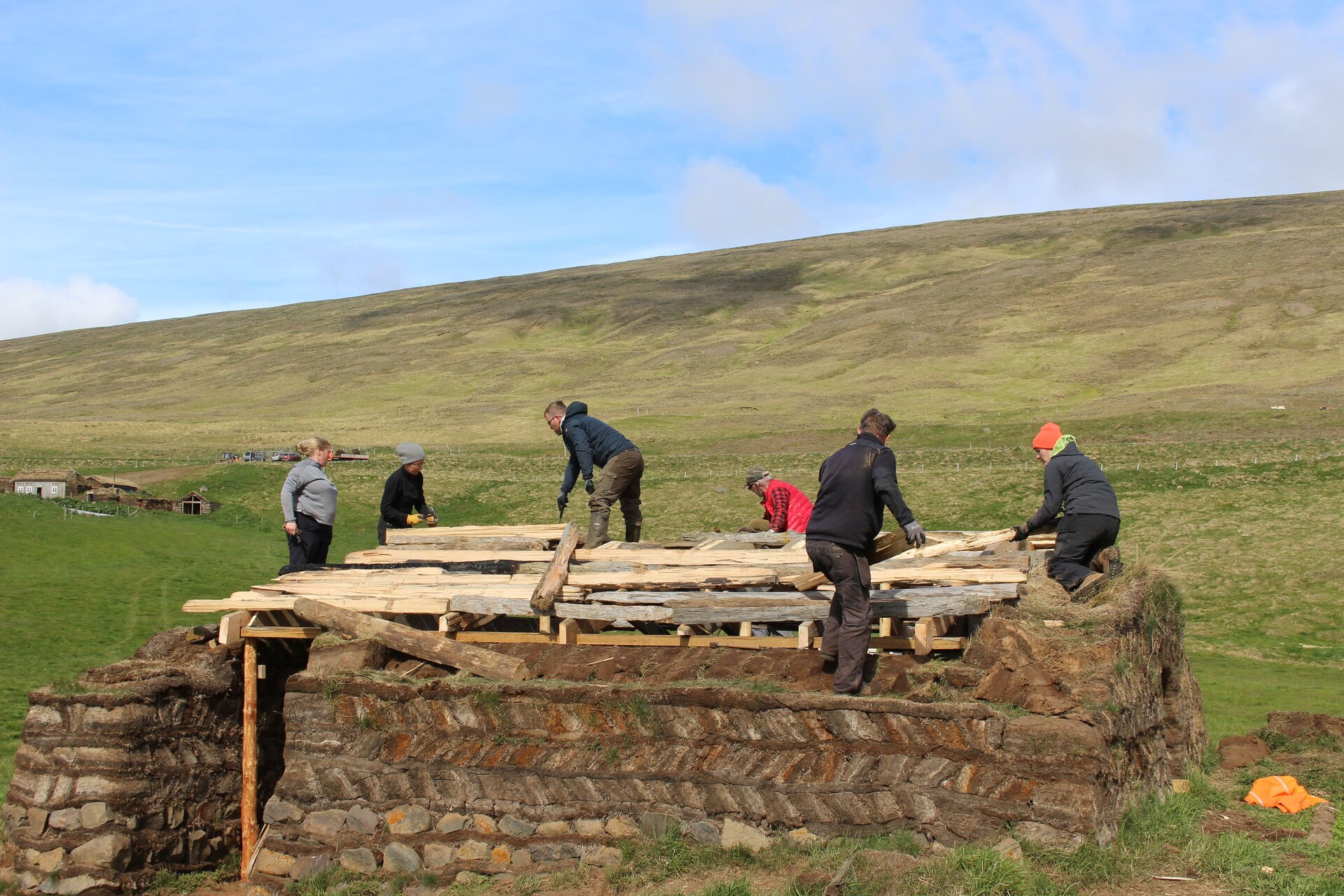
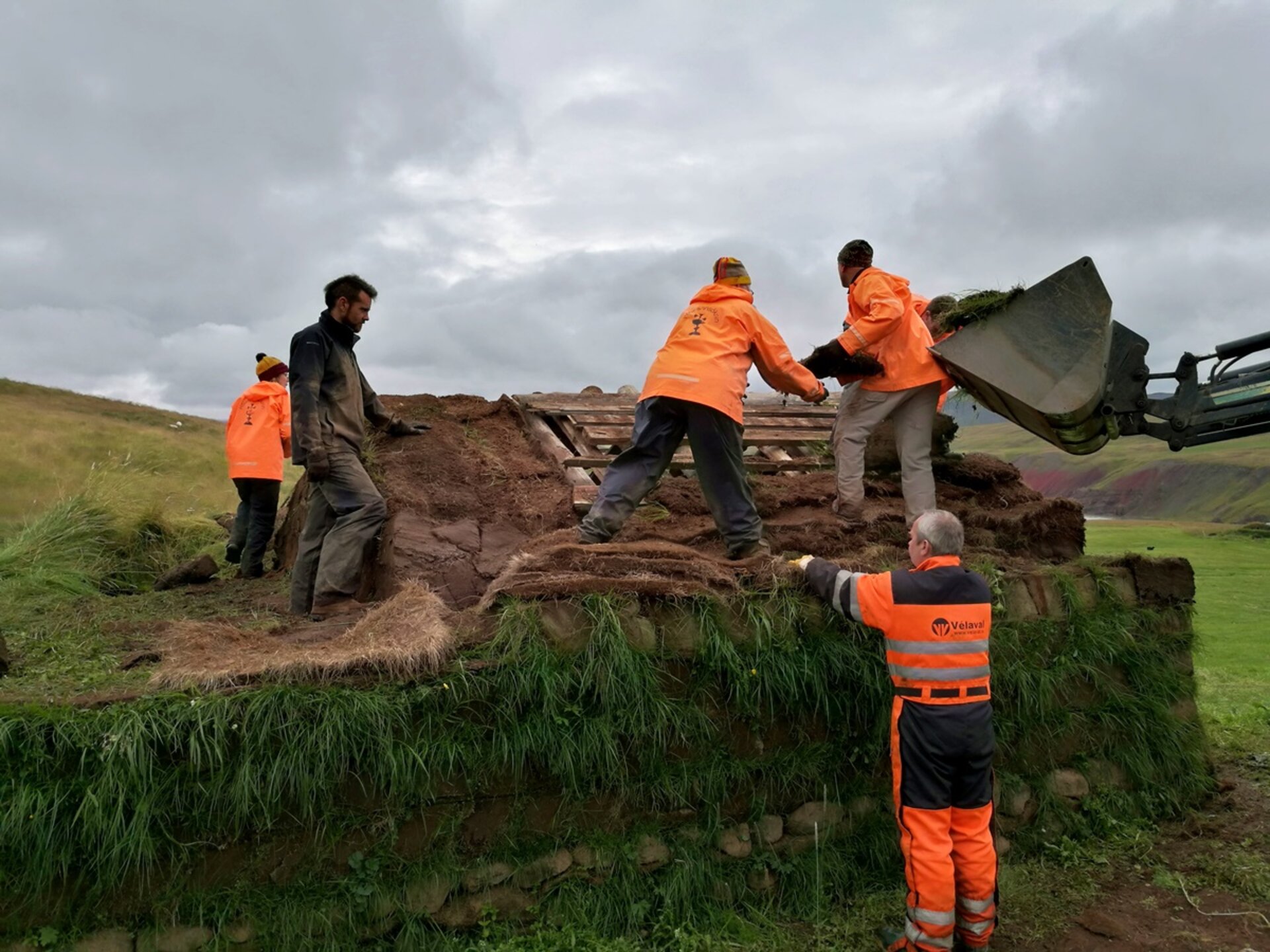
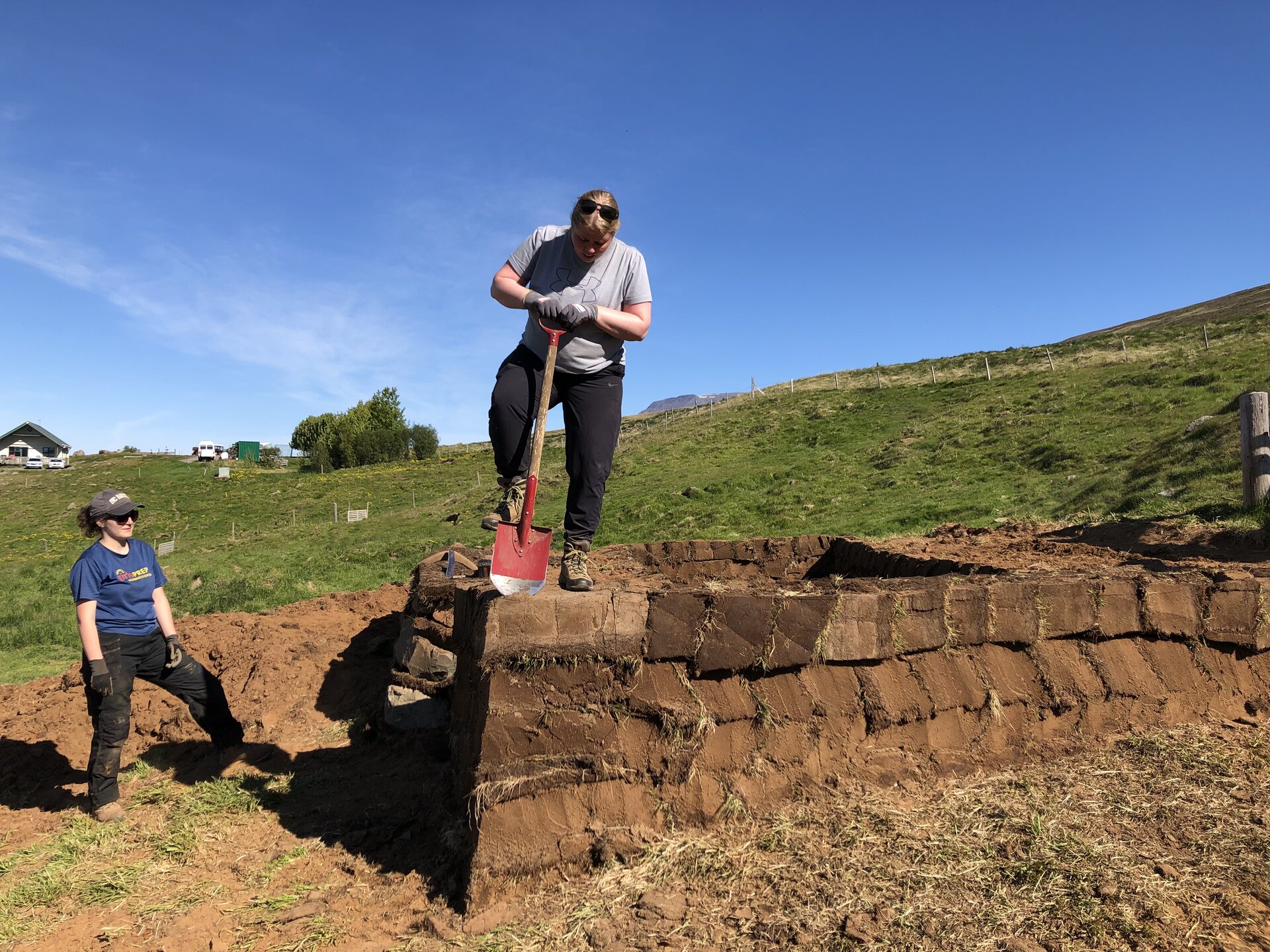
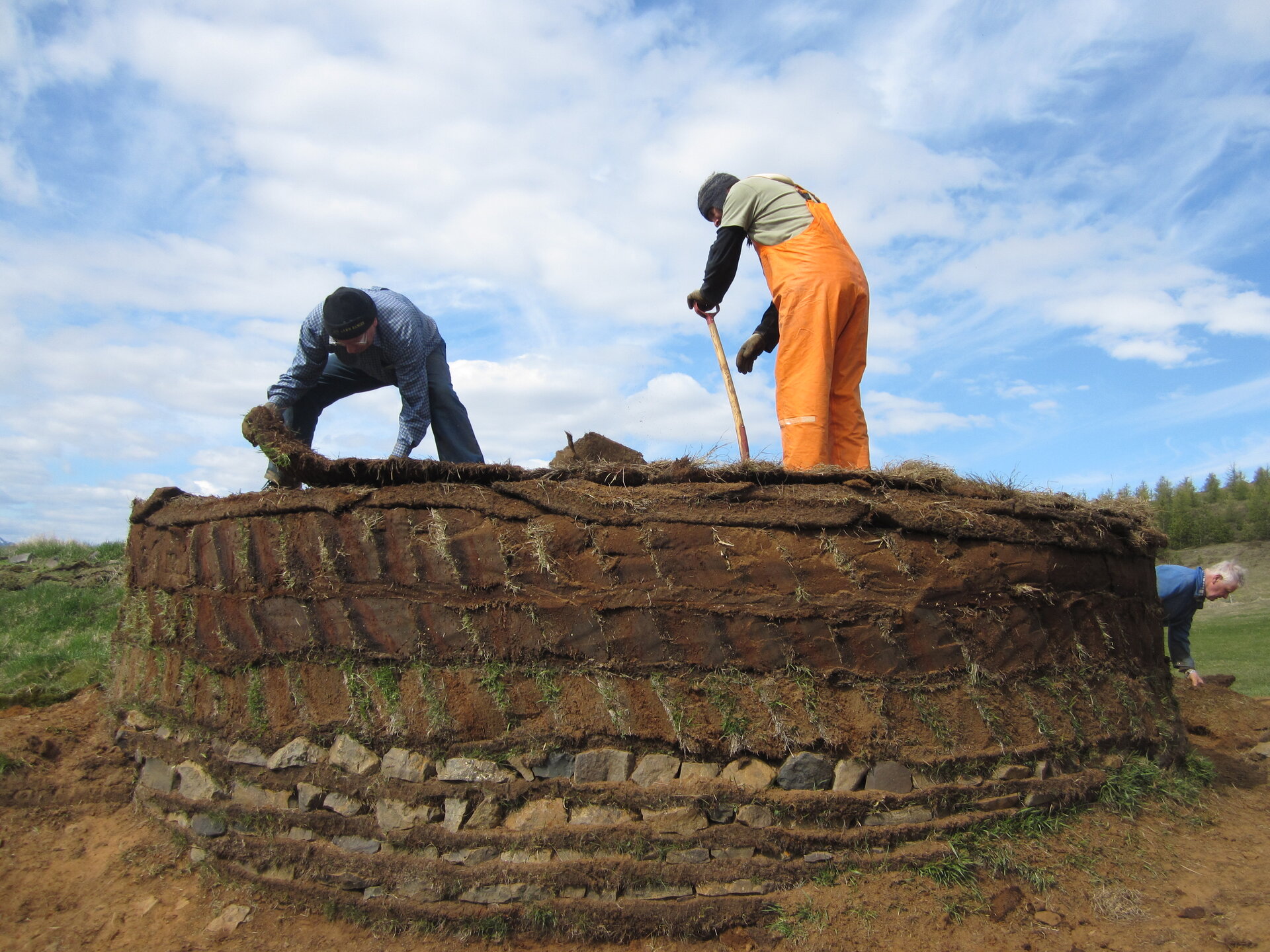
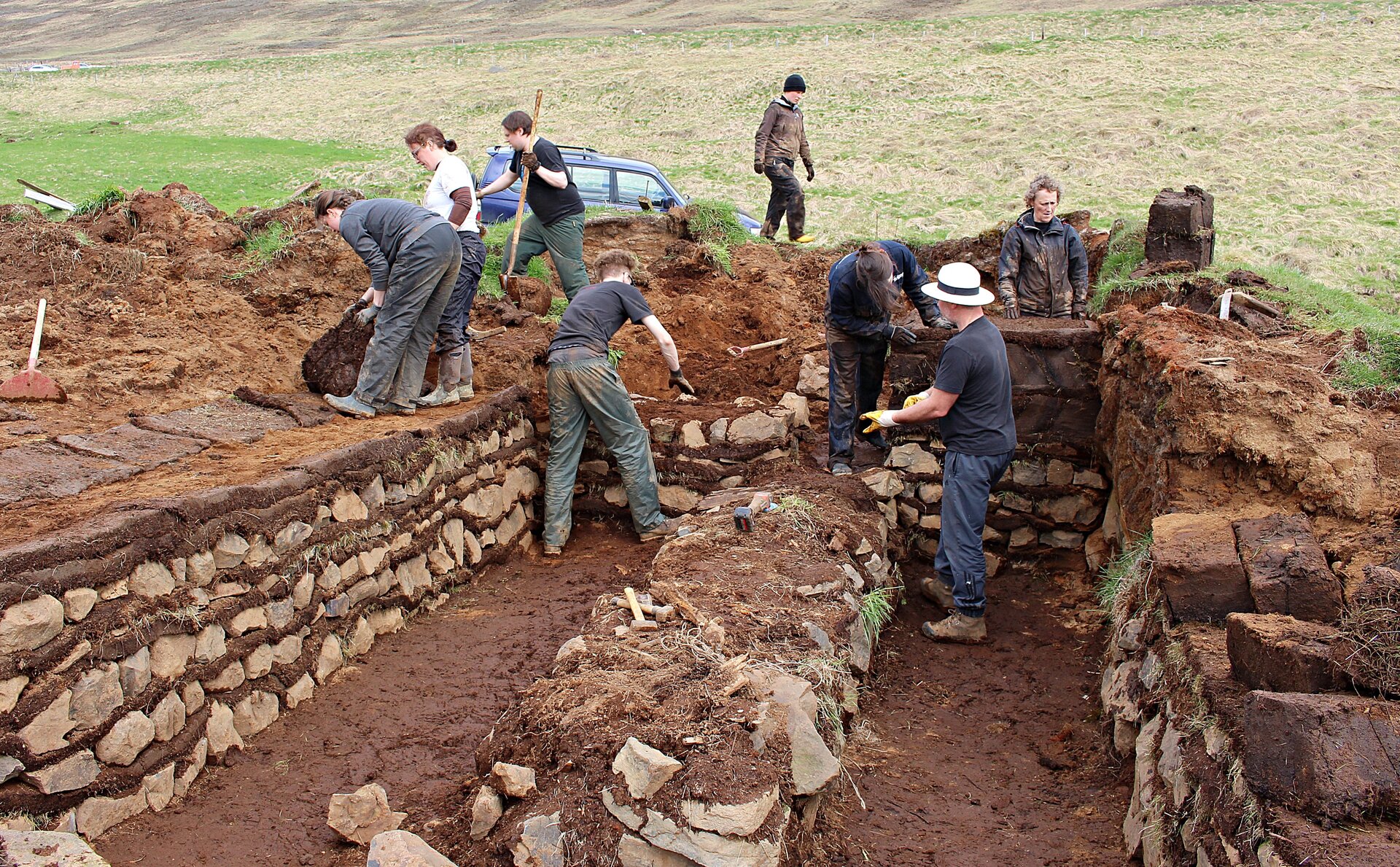
The Heritage Craft School (Fornverkaskólinn) is an educational and conservation initiative established in 2006 by Skagafjörður Heritage Museum in northern Iceland to safeguard traditional building skills, particularly the construction and maintenance of turf buildings. Once widespread across Northern Europe, turf-building techniques have largely disappeared elsewhere, while Iceland retains a valuable body of practical knowledge concerning the selection, cutting, preparation and laying of turf. The school preserves this endangered craftsmanship by combining hands-on instruction, historical research and the restoration of protected rural buildings. Turf, stone and timber formed the basis of Icelandic construction for centuries, producing buildings closely adapted to the island's climate and available natural resources. Turf walls provide effective insulation, while locally sourced materials can return naturally to the landscape at the end of their useful life. The Icelandic Turf House Tradition is recognised on UNESCO's Tentative World Heritage List, highlighting its significance as a distinctive expression of vernacular architecture and intangible craftsmanship. The school's principal training site is Tyrfingsstaðir, a historic farmstead in Skagafjörður. Most of its surviving buildings date from approximately 1870 to 1895, although archaeological evidence suggests occupation before 1300. The site serves as a living classroom where students learn traditional construction methods while contributing directly to conservation. Historical surveys, archaeological investigations, measured drawings and earlier architectural documentation guide the work and help preserve the authenticity of the farmstead. Since practical courses began in 2007, approximately 500 participants from Iceland and abroad have received training in turf cutting, turf and stone masonry, woodworking, metalworking and related conservation techniques. Instruction combines traditional craft knowledge with heritage legislation, historical interpretation and best conservation practice. Eight outbuildings and a seven-part farmhouse have been restored or reconstructed at Tyrfingsstaðir, with many returned to practical agricultural functions, including housing livestock and storing hay. The initiative has developed international partnerships with organisations and educational institutions in Scotland, Norway and Iceland. Erasmus-supported collaborations, including CHIST and Our Way Heritage Lives, have enabled students and professionals to exchange knowledge and apply traditional turf-building techniques beyond Iceland. The school's approach demonstrates the relevance of these skills to the conservation of shared Northern European architectural heritage. Public participation is integral to the programme. Open Days invite visitors and local residents to observe and practise turf construction, while an annual symposium brings together specialists, craftspeople and wider audiences. Online broadcasts extend access to people unable to attend in person. These activities strengthen community engagement, encourage intergenerational learning and raise awareness of the relationship between traditional craftsmanship and environmental sustainability. The Heritage Craft School operates through annual project-based funding, with support from heritage and museum grants, course fees and Skagafjörður Heritage Museum. Its continued work depends on committed teachers, museum professionals and partner organisations. In 2023, the school received Iceland's Heritage Protection Award in recognition of its contribution to preserving traditional building knowledge. Recognised with a European Heritage Award / Europa Nostra Award in the Education, Training and Skills category in 2026, the Heritage Craft School offers an outstanding model for safeguarding tangible and intangible heritage together. By making historic buildings the setting for practical education, it ensures that traditional craftsmanship remains a living, transferable skill rather than a technique preserved only in historical records.
