

International Summer School on Historic Masonry Structures – HIMASS
The International Summer School on Historic Masonry Structures (HIMASS) is an interdisciplinary educational initiative established in 2018 by Roma Tre University, the Polytechnic University of Madrid and the University of Salerno. Conceived by Professors Gianmarco de Felice, ...
Read more
Project details
Description:
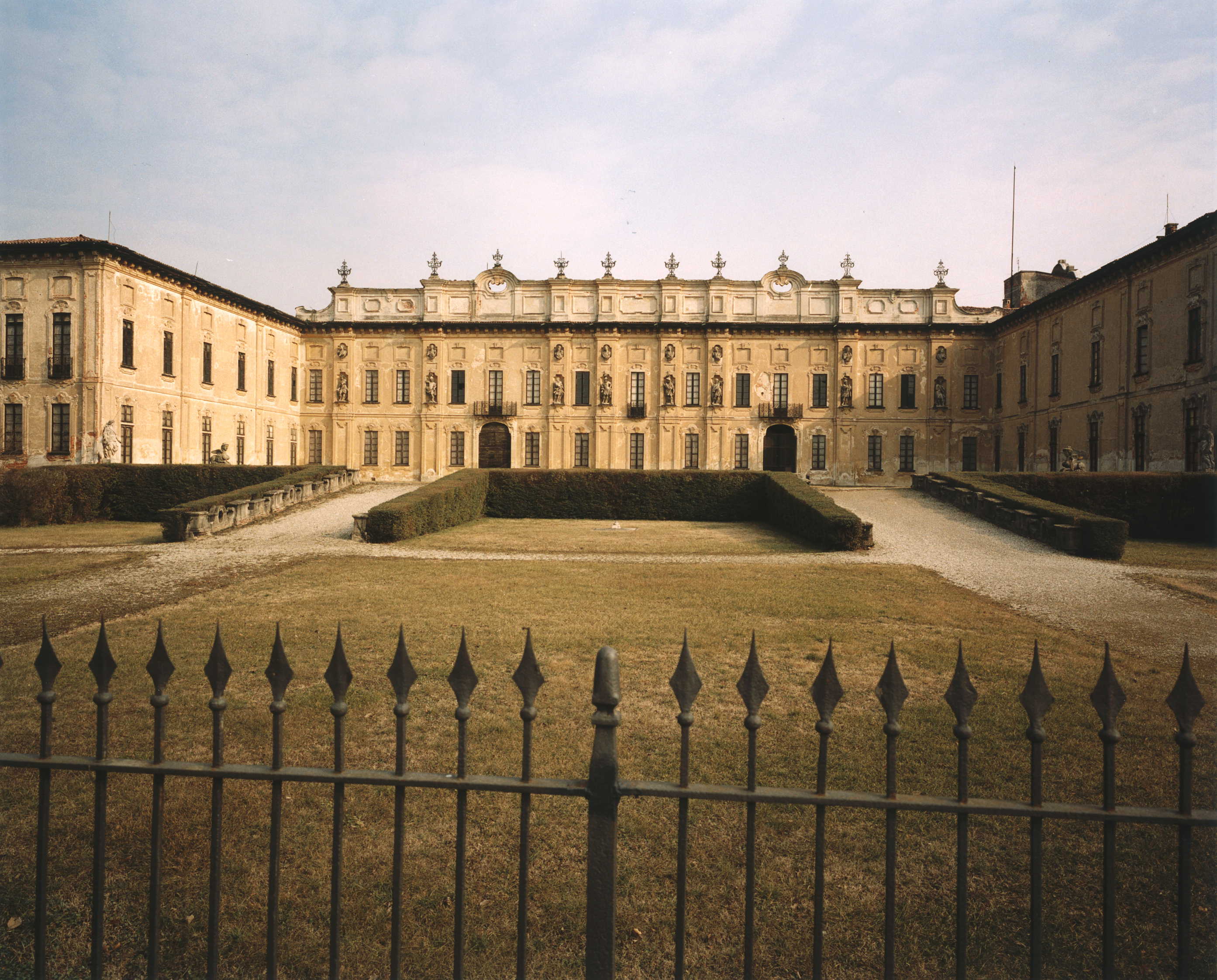
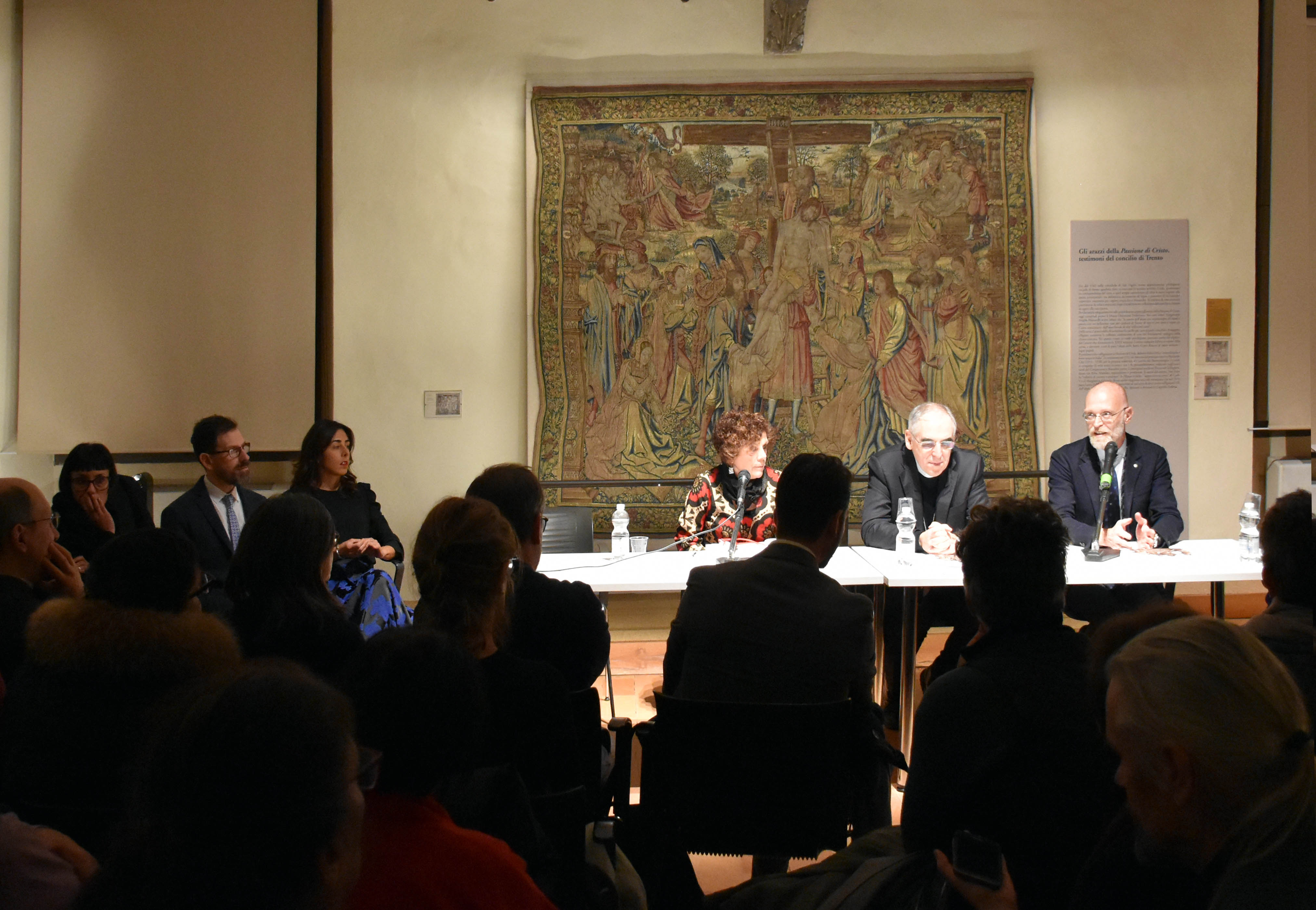
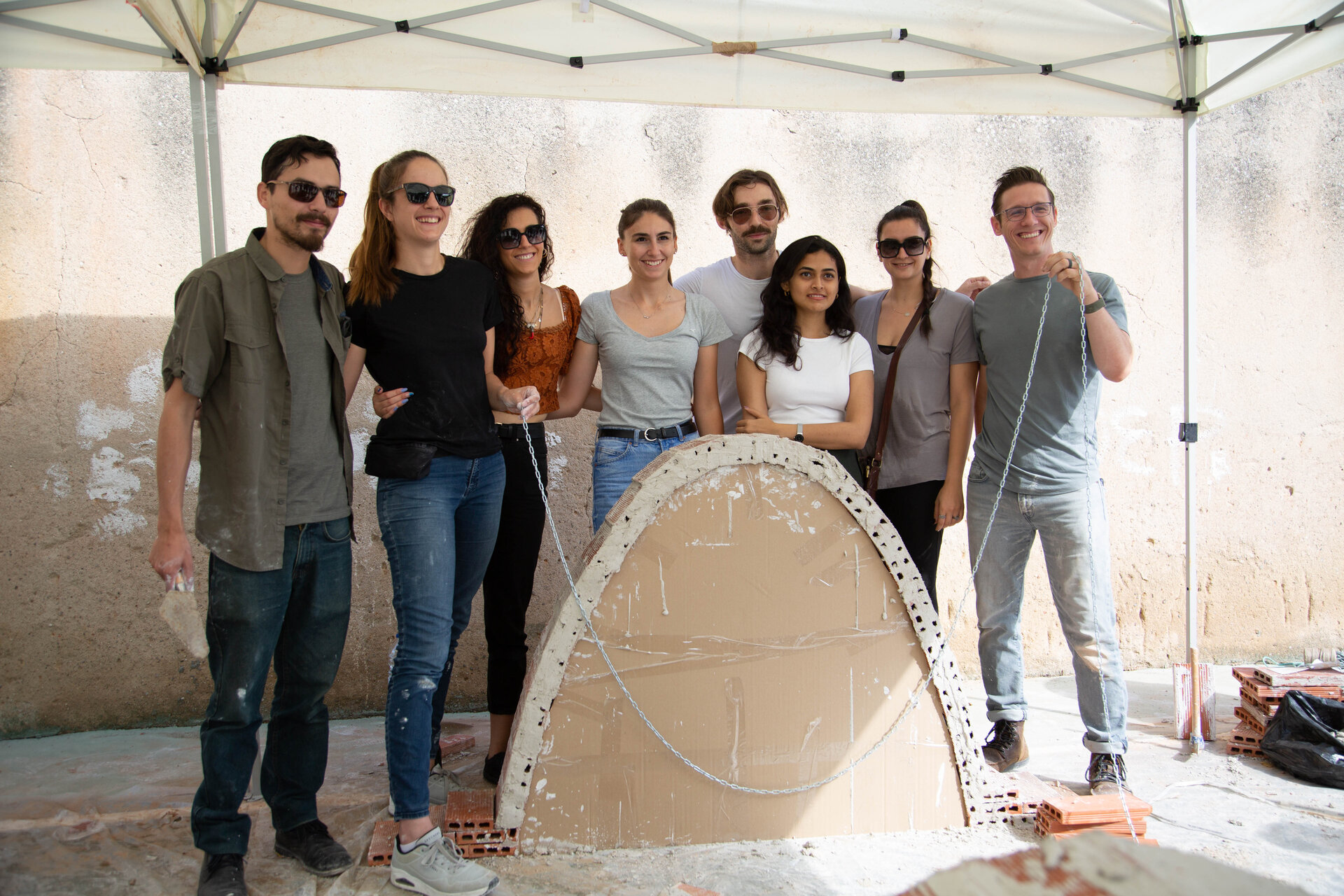
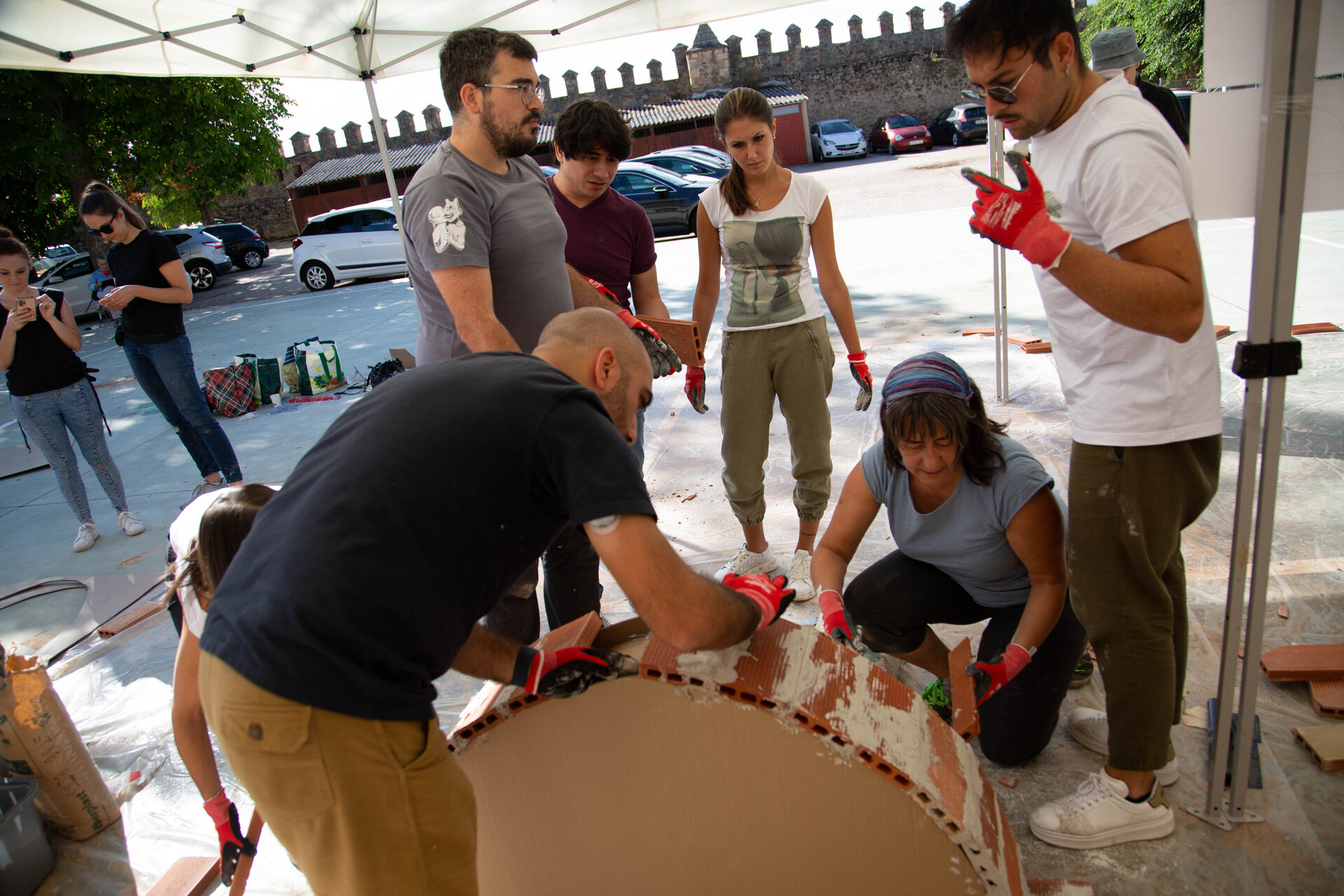
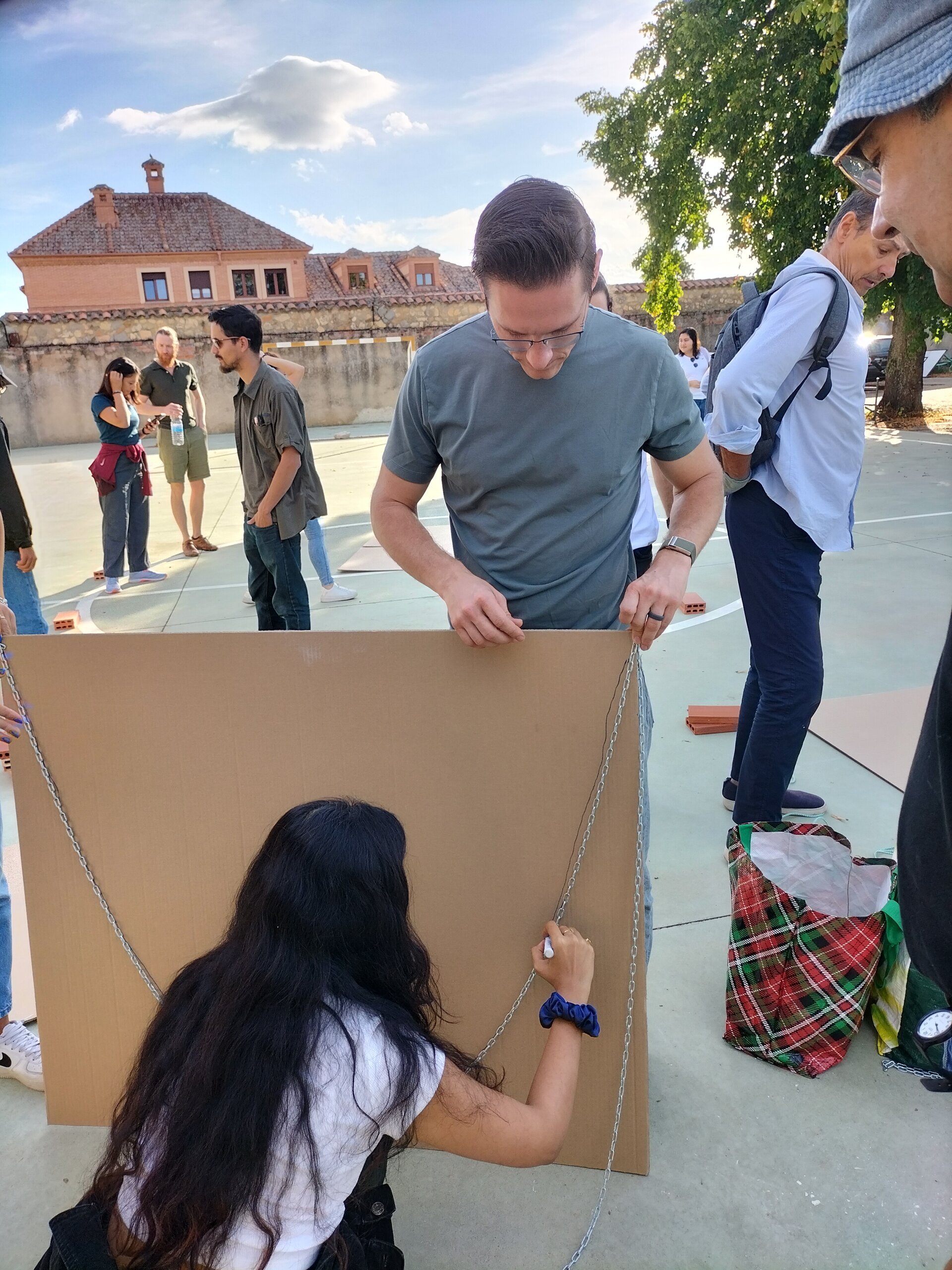
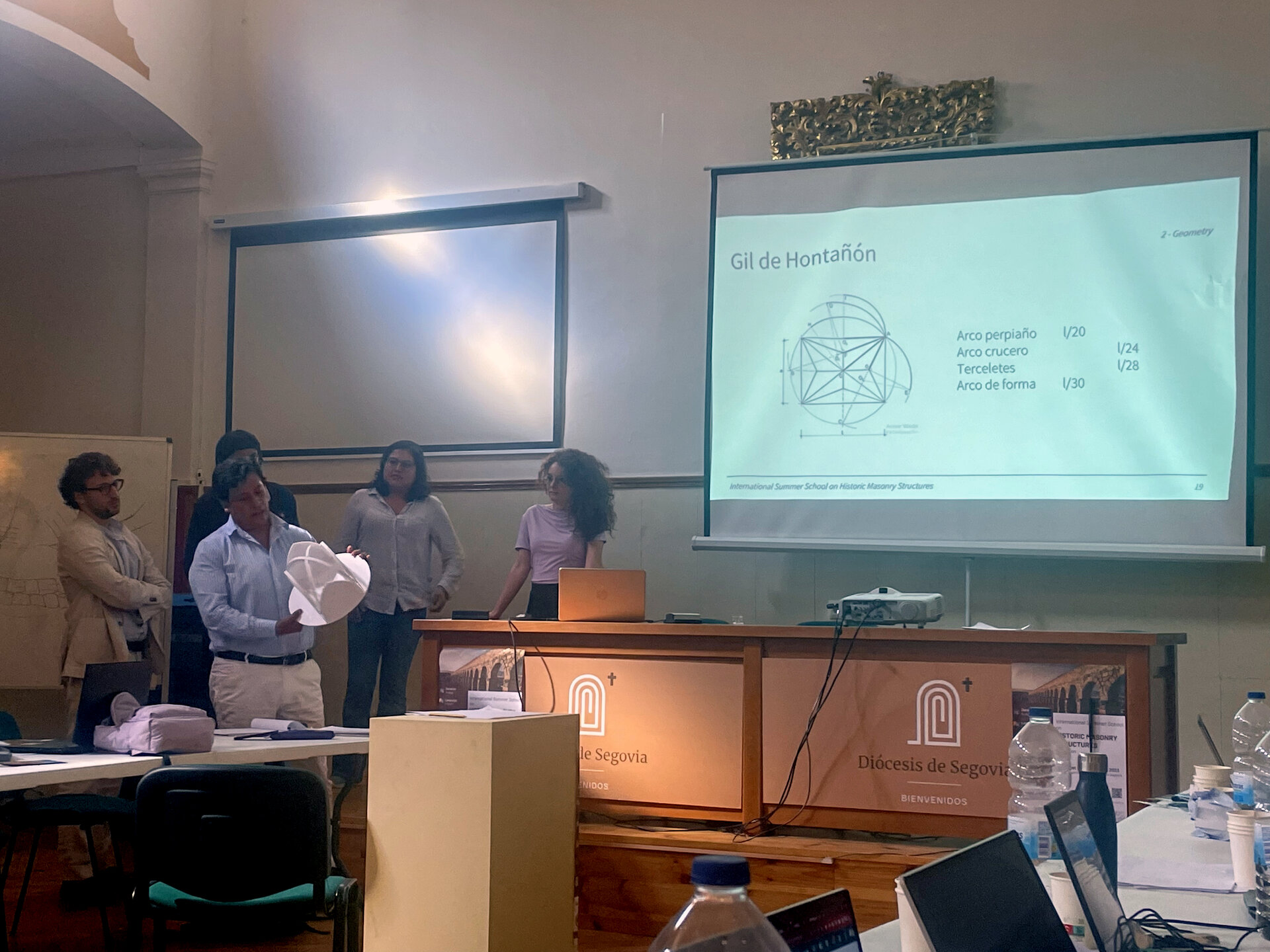
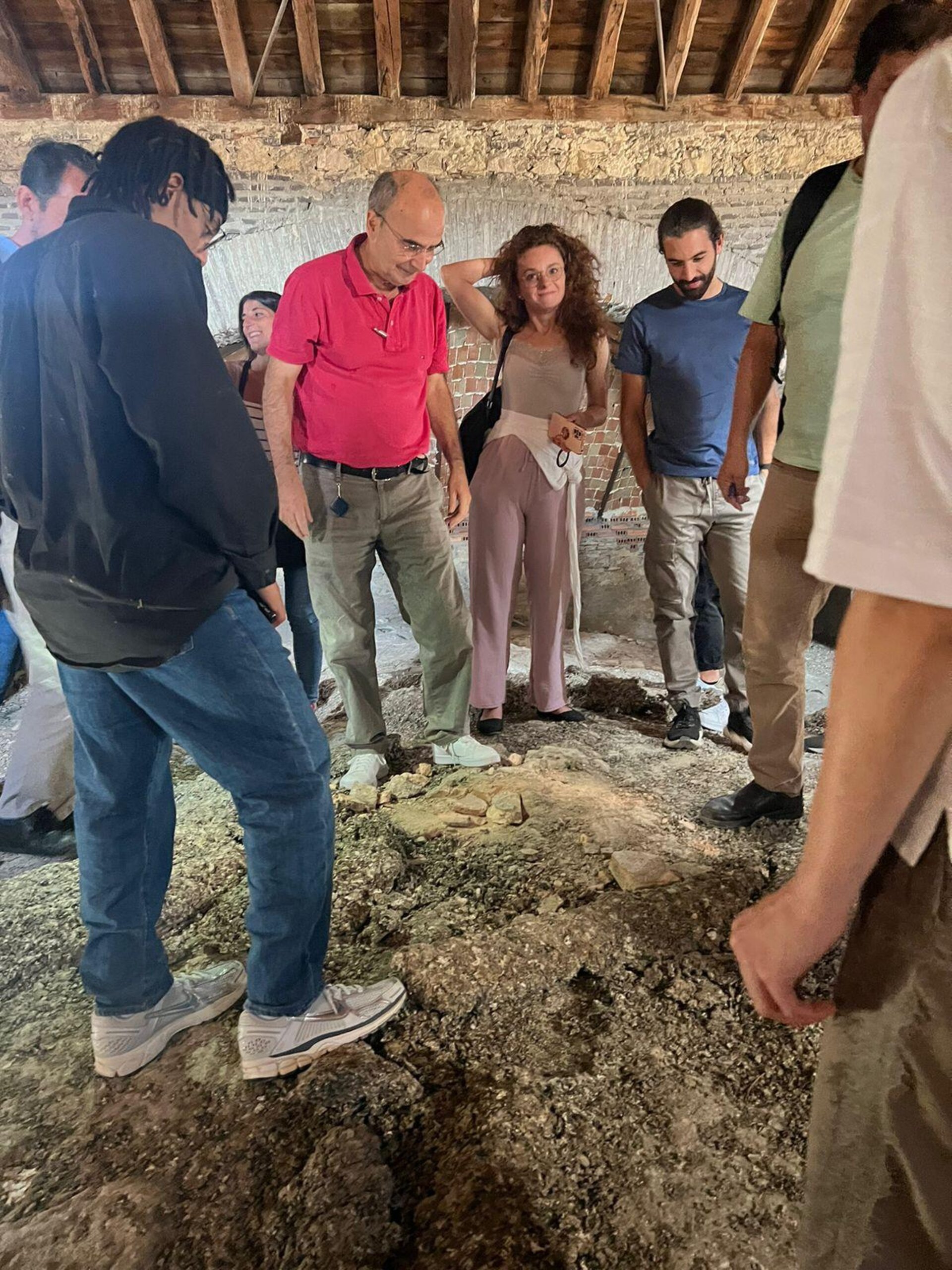
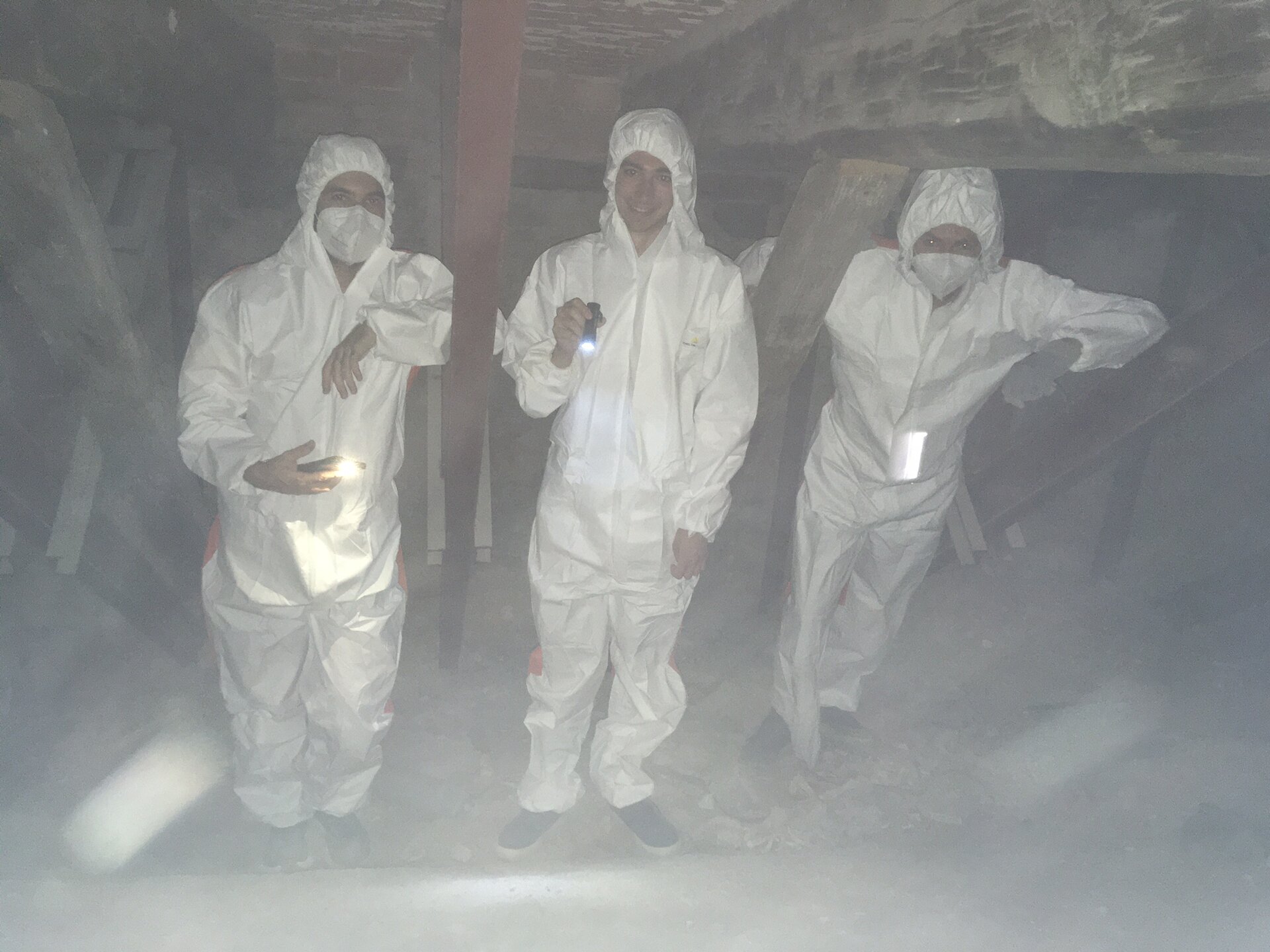
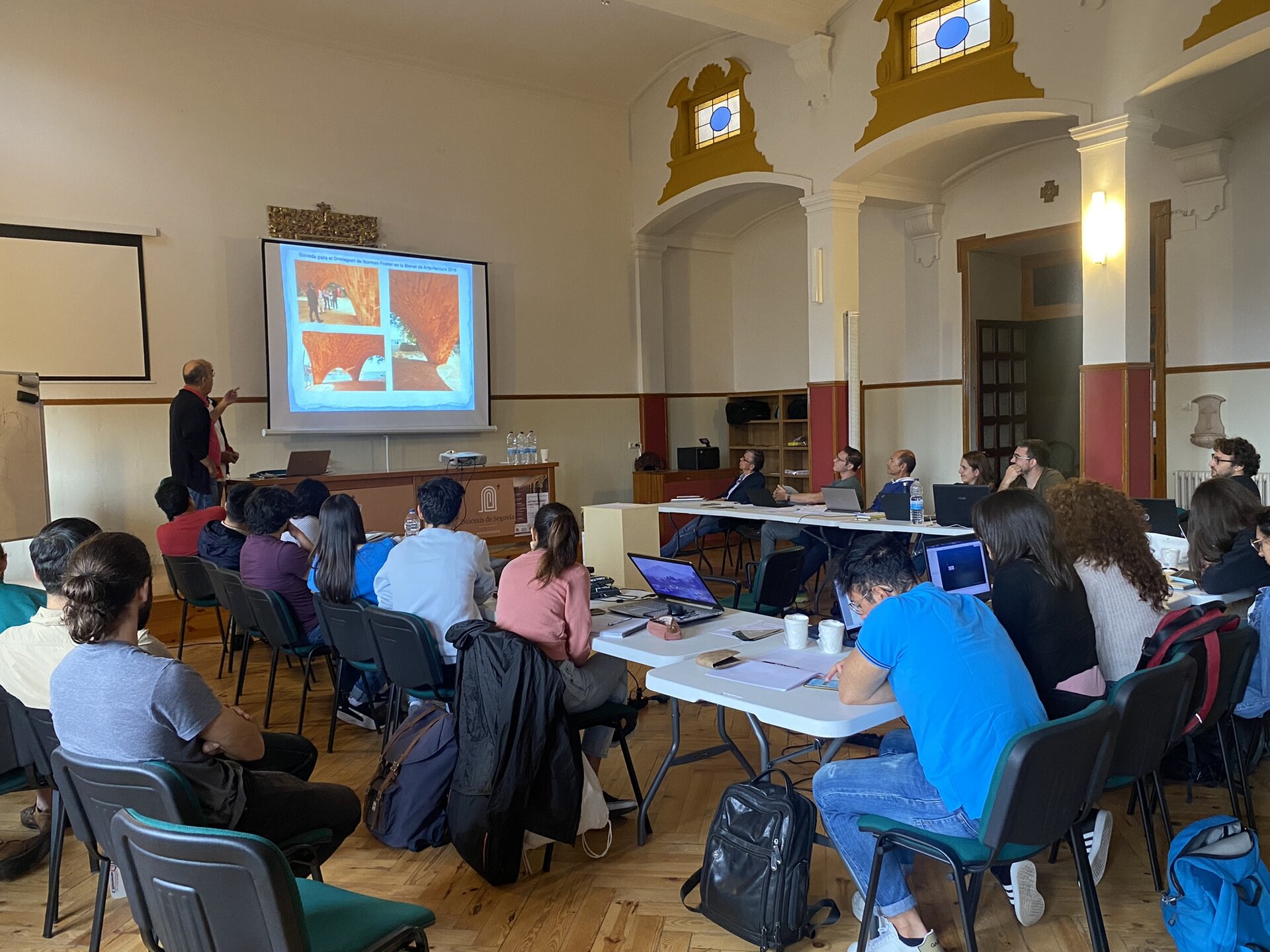
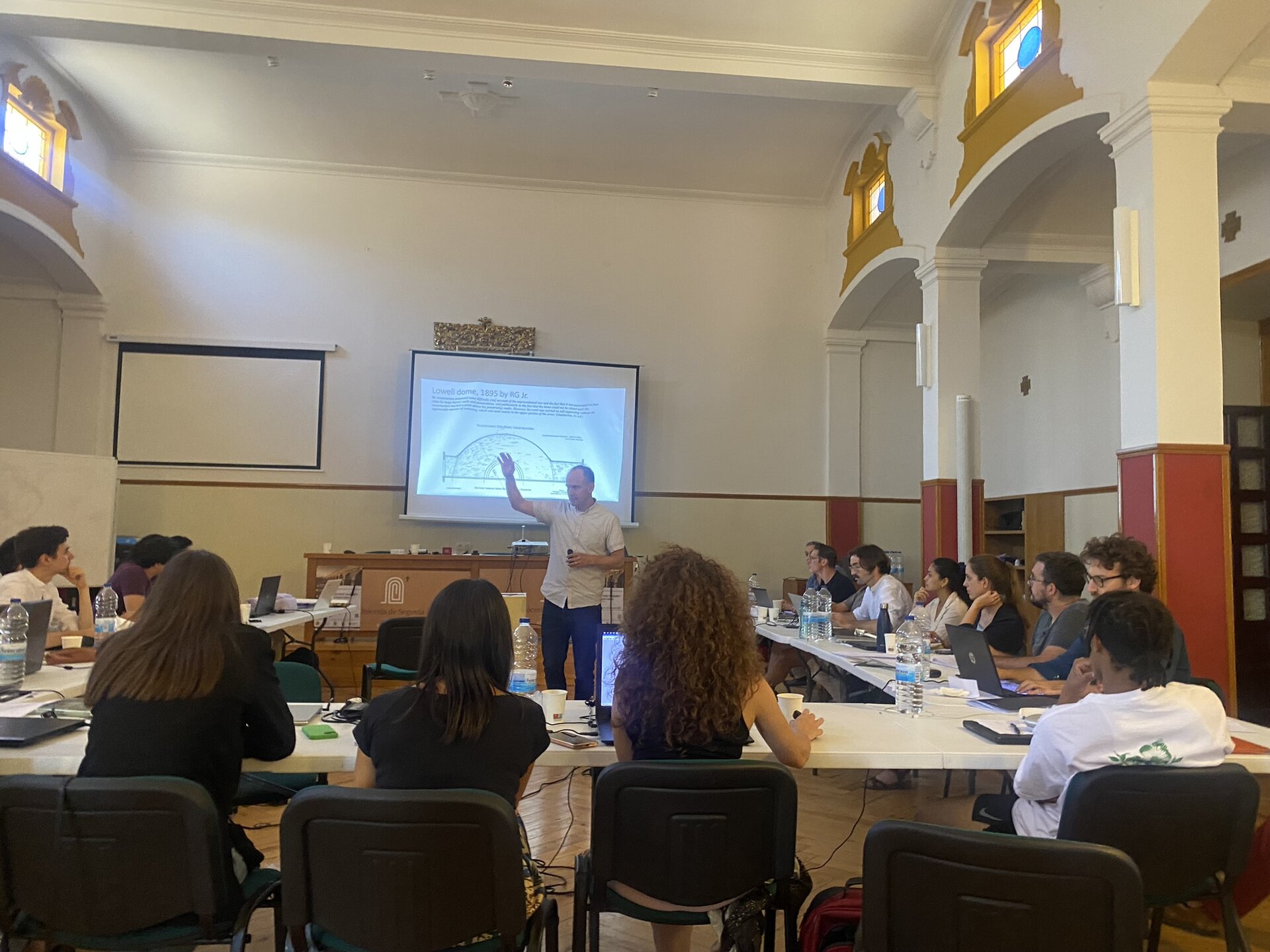
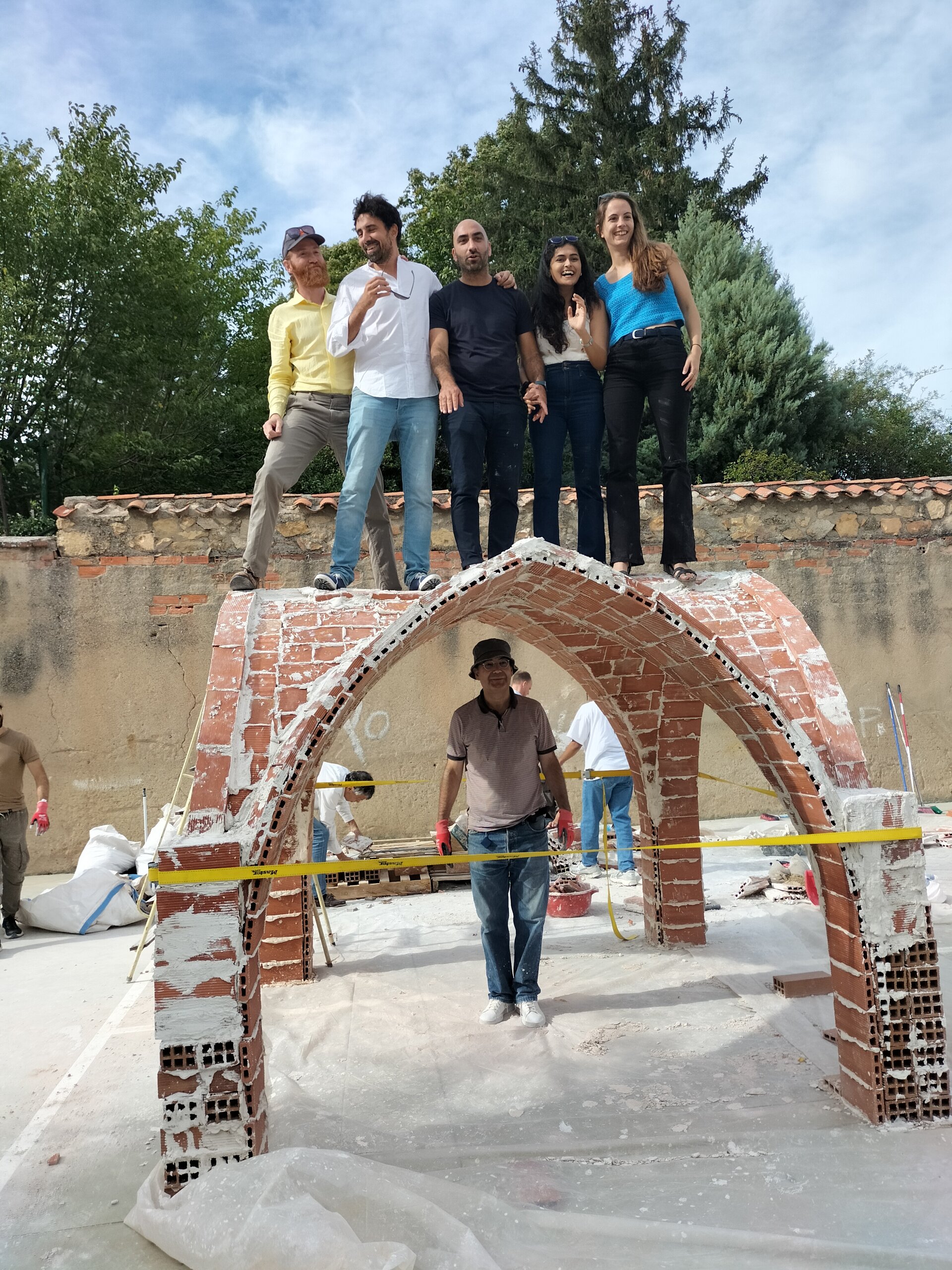
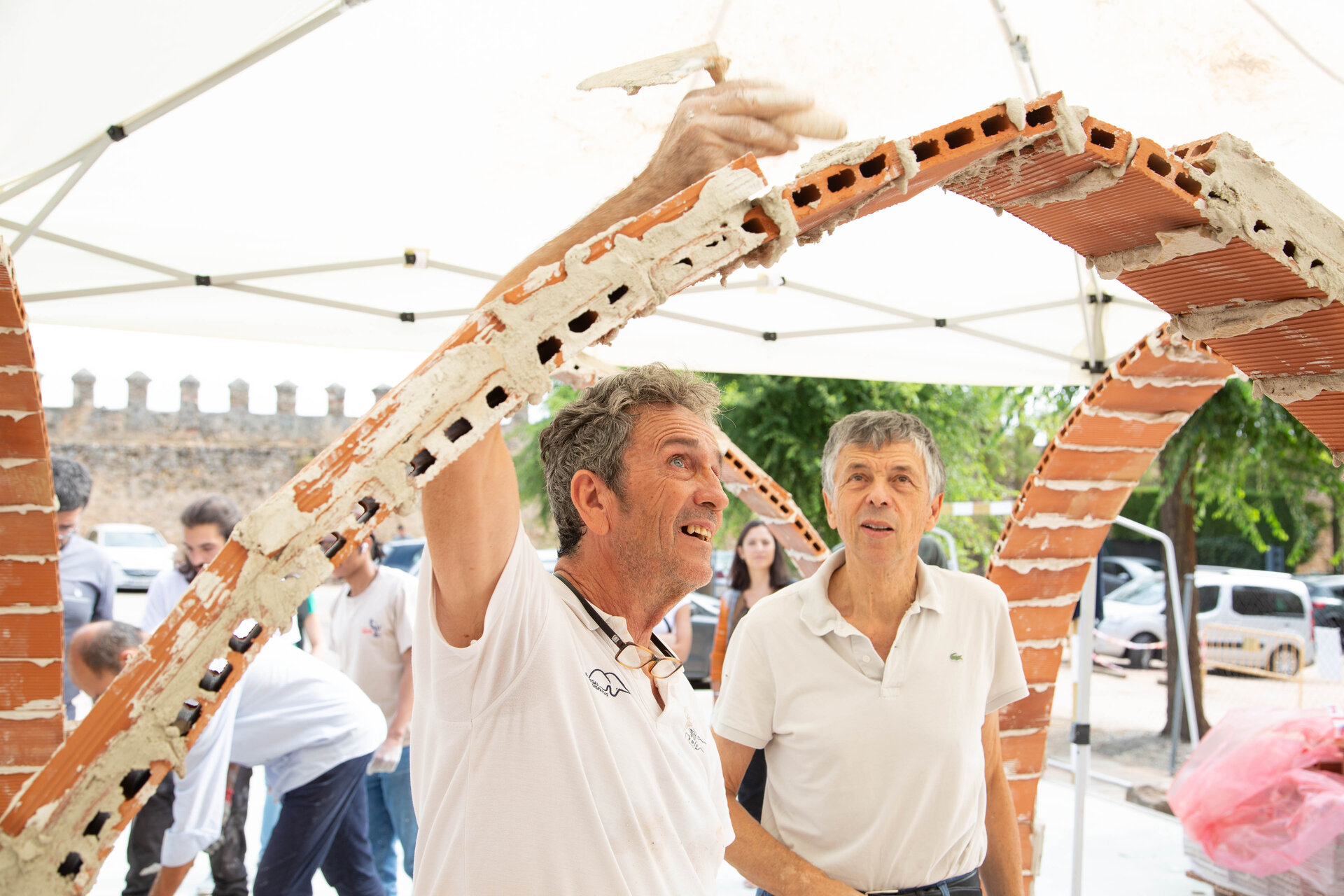
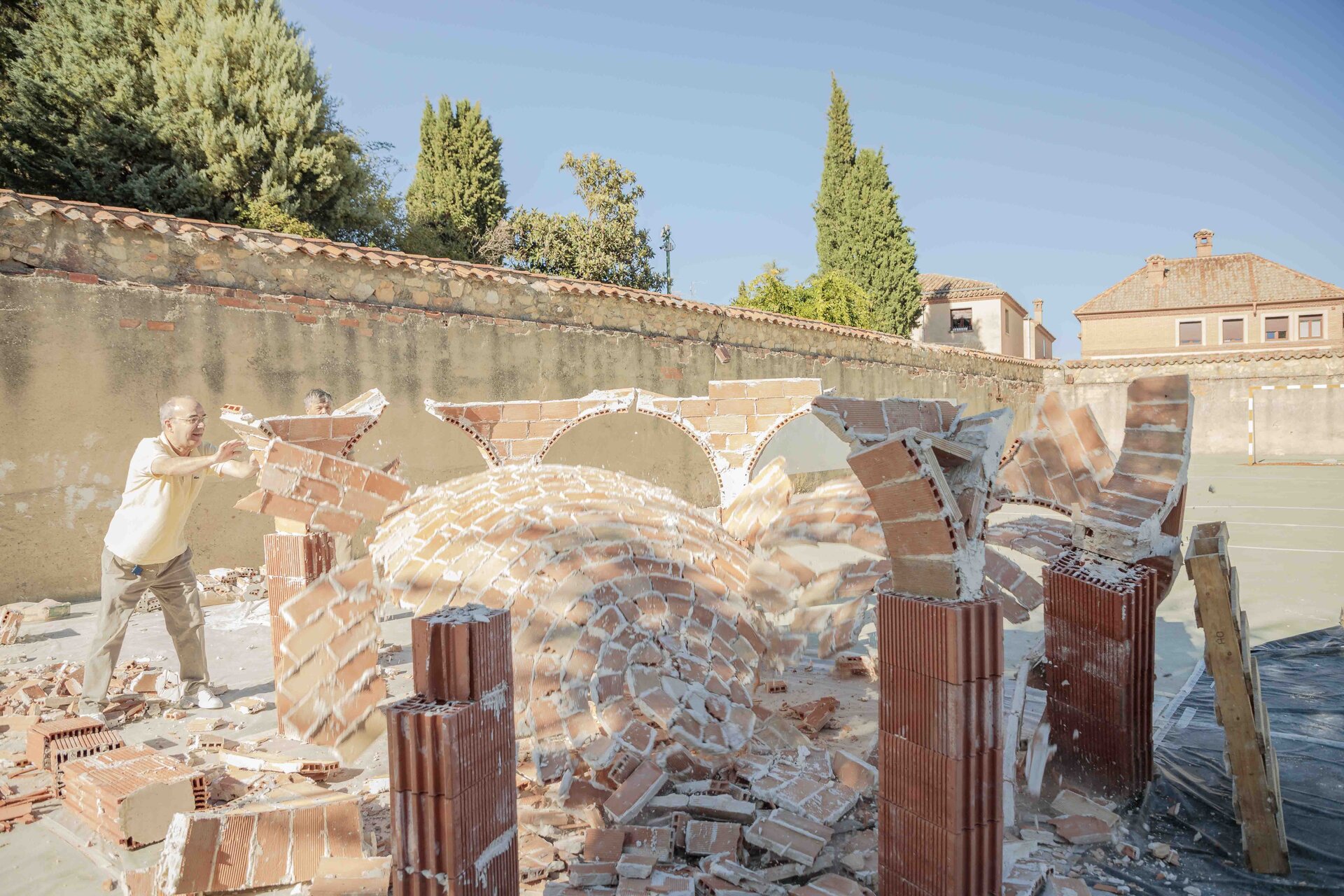
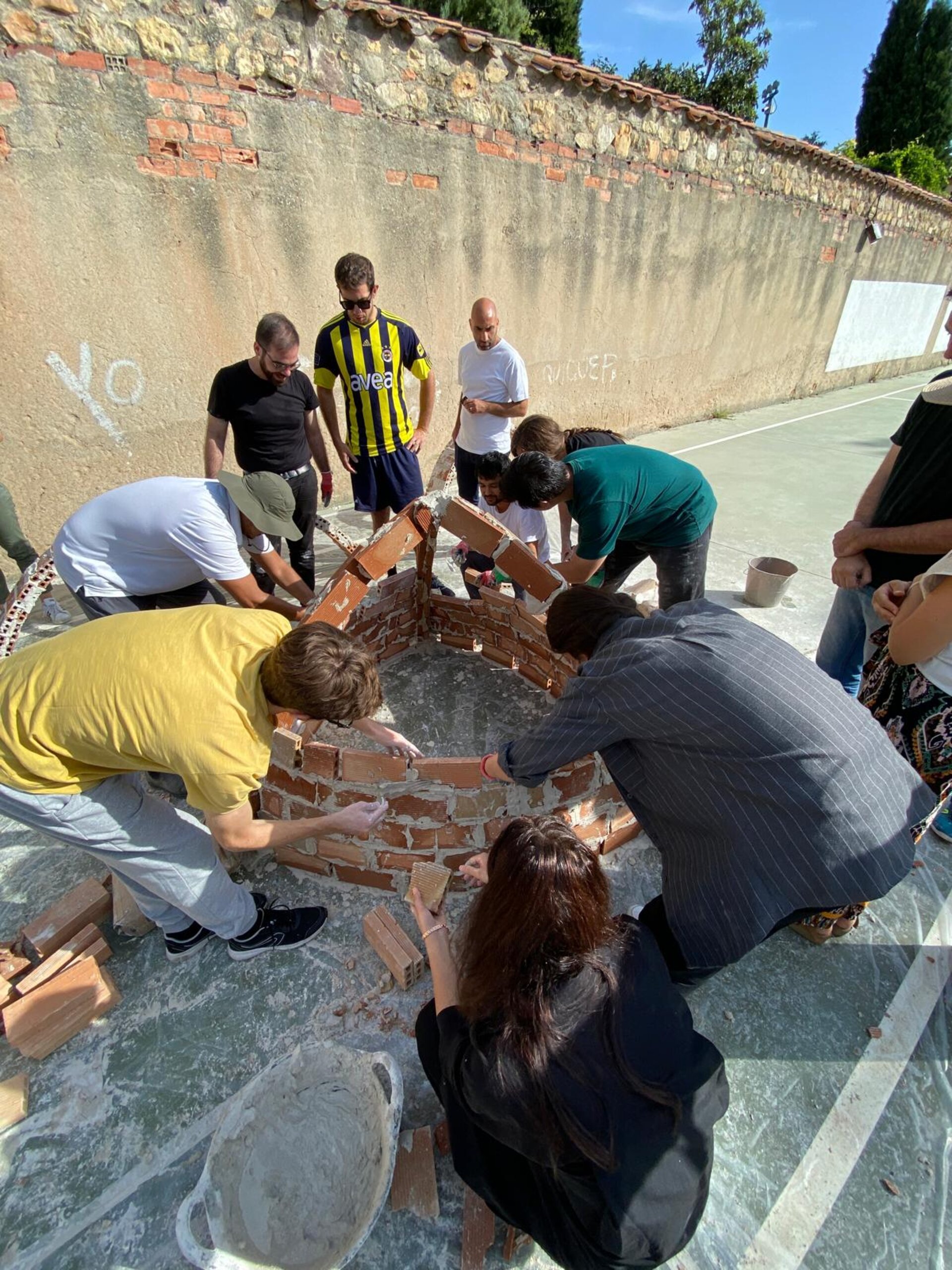
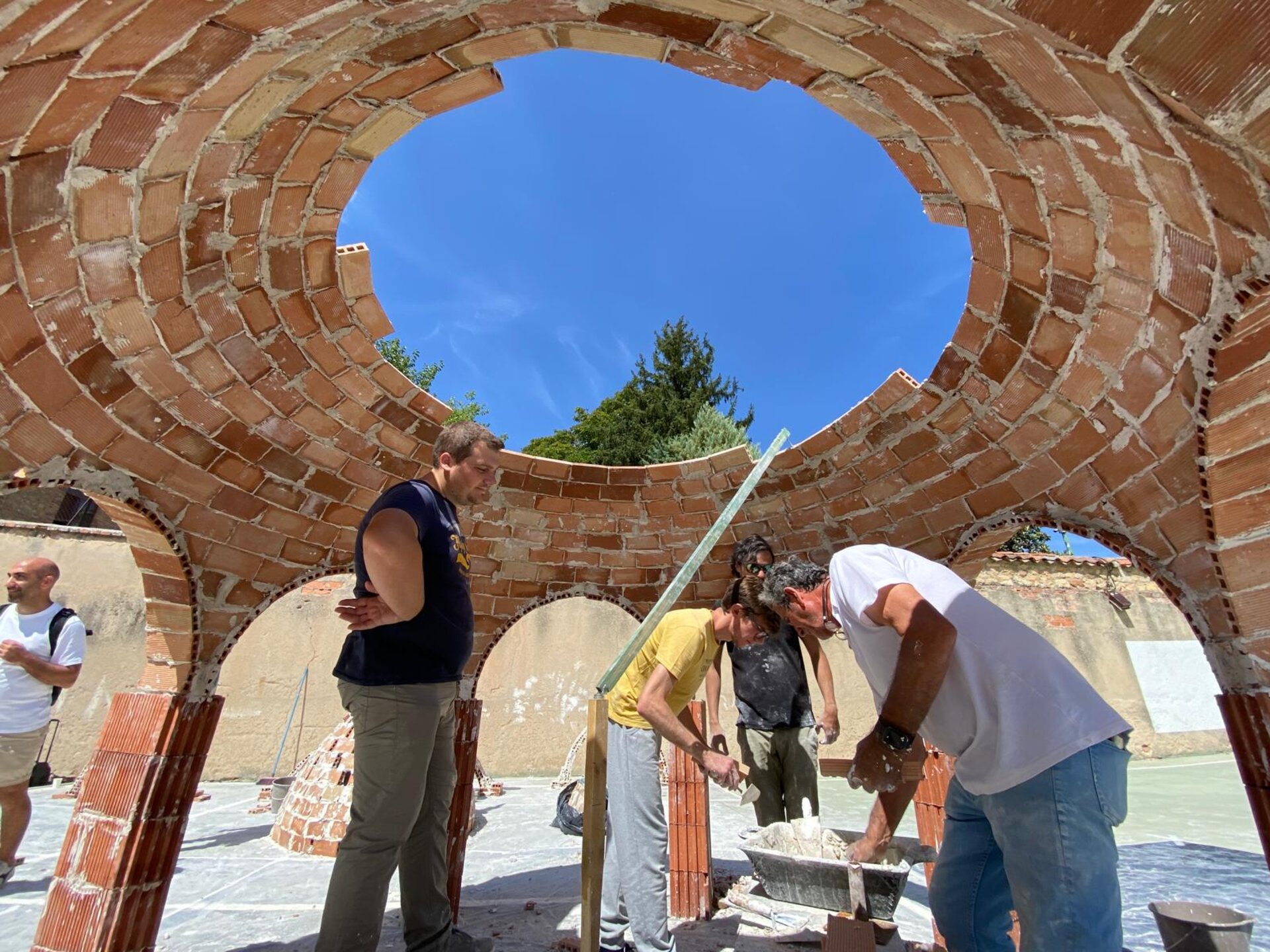
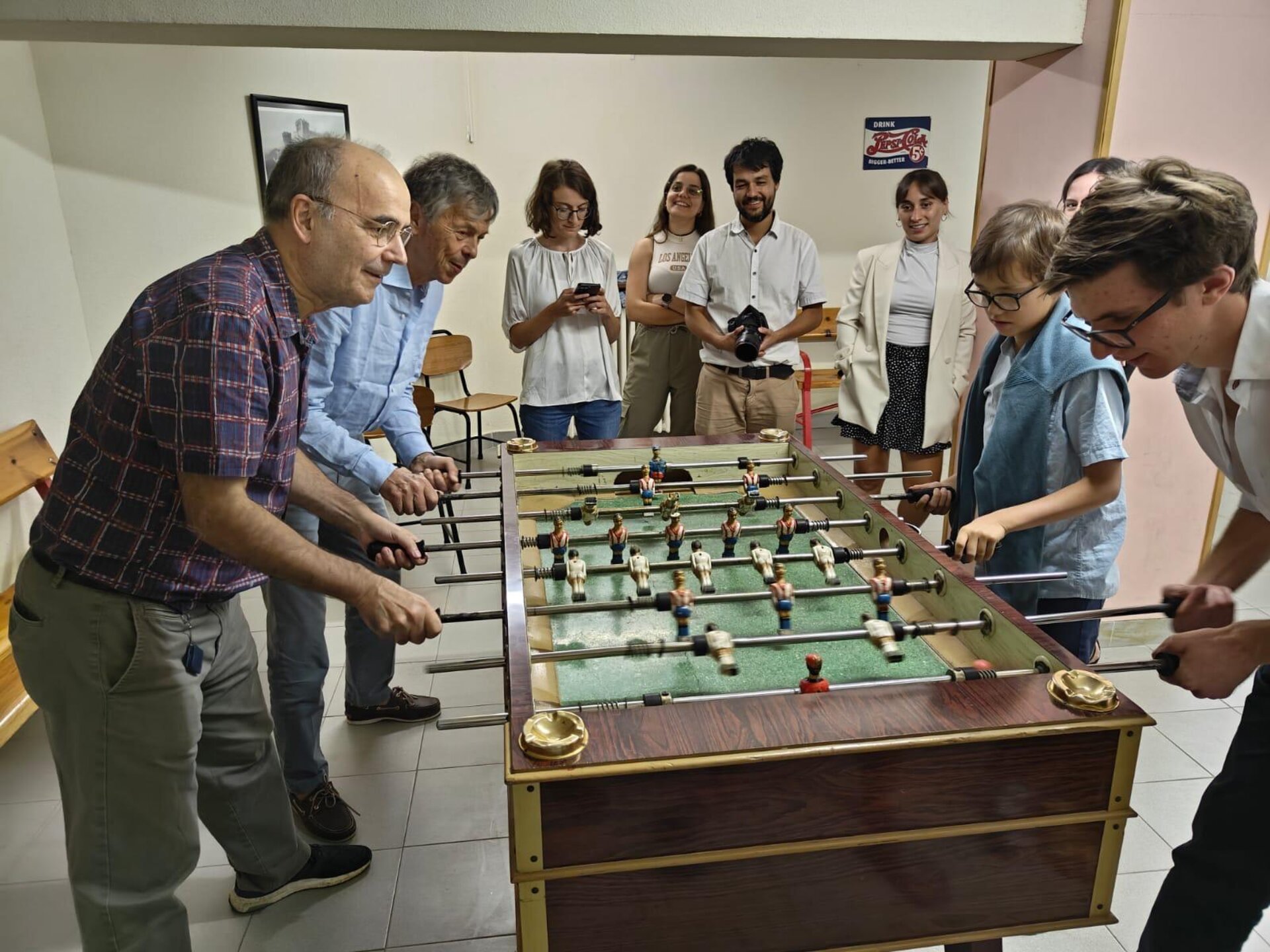
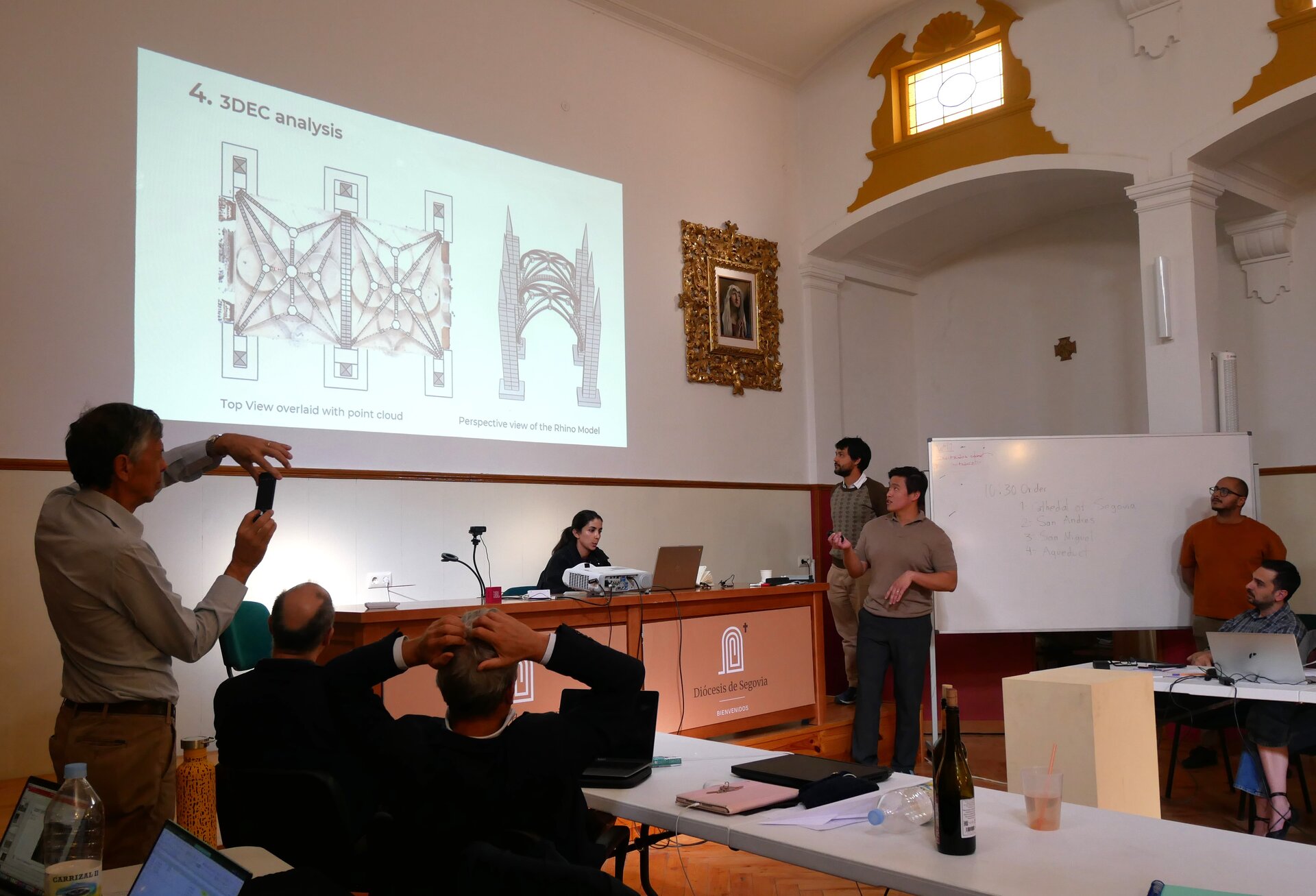
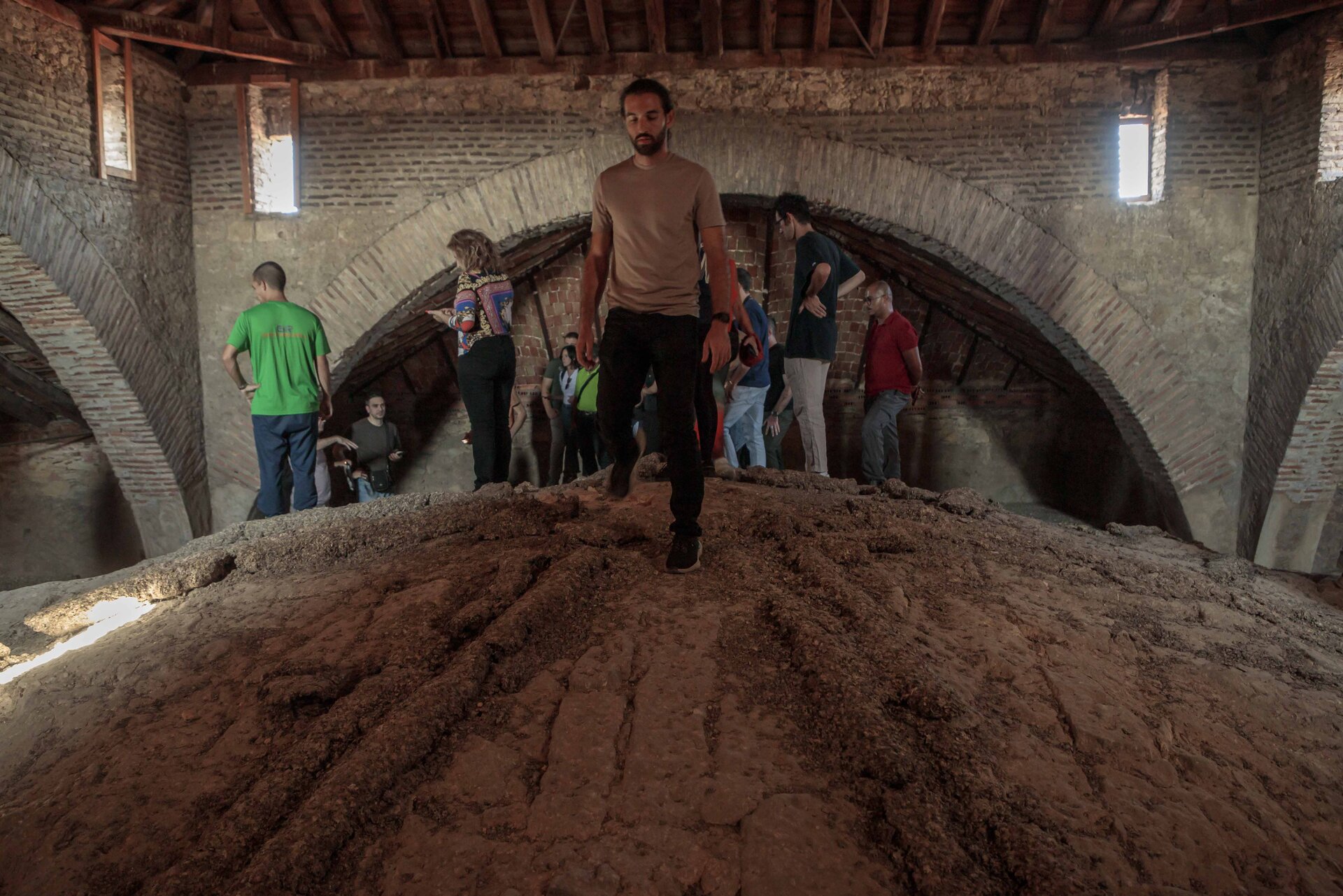
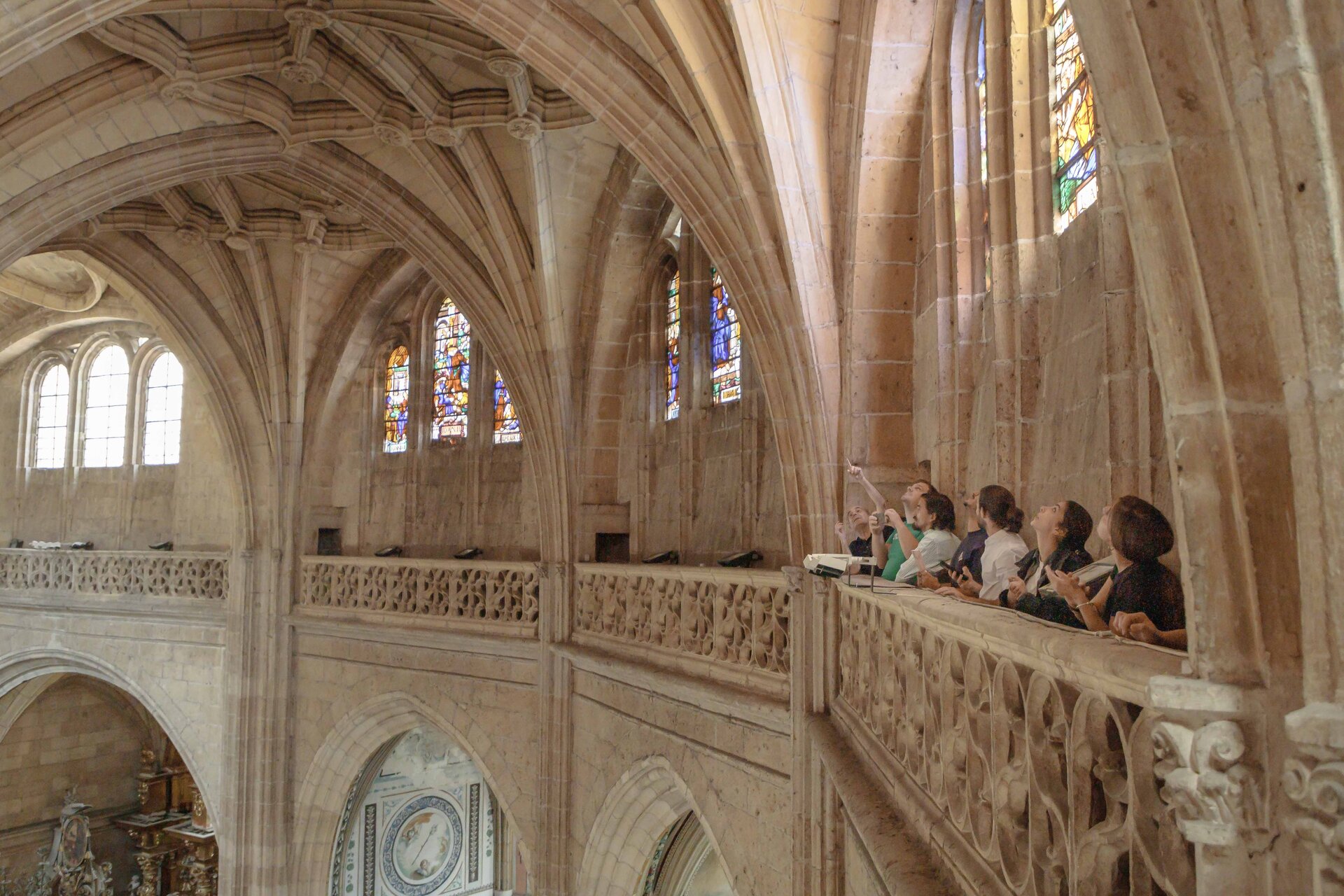
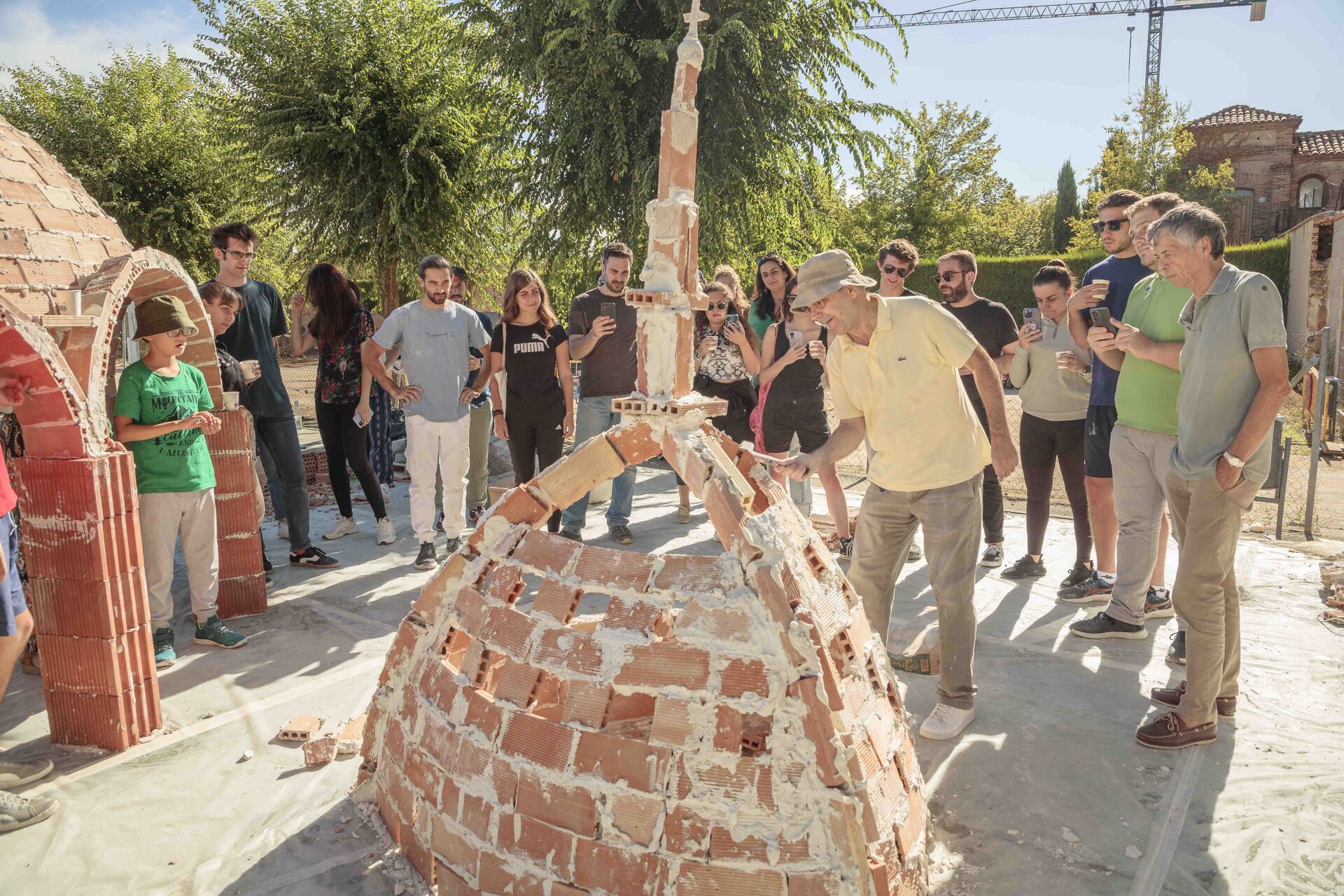
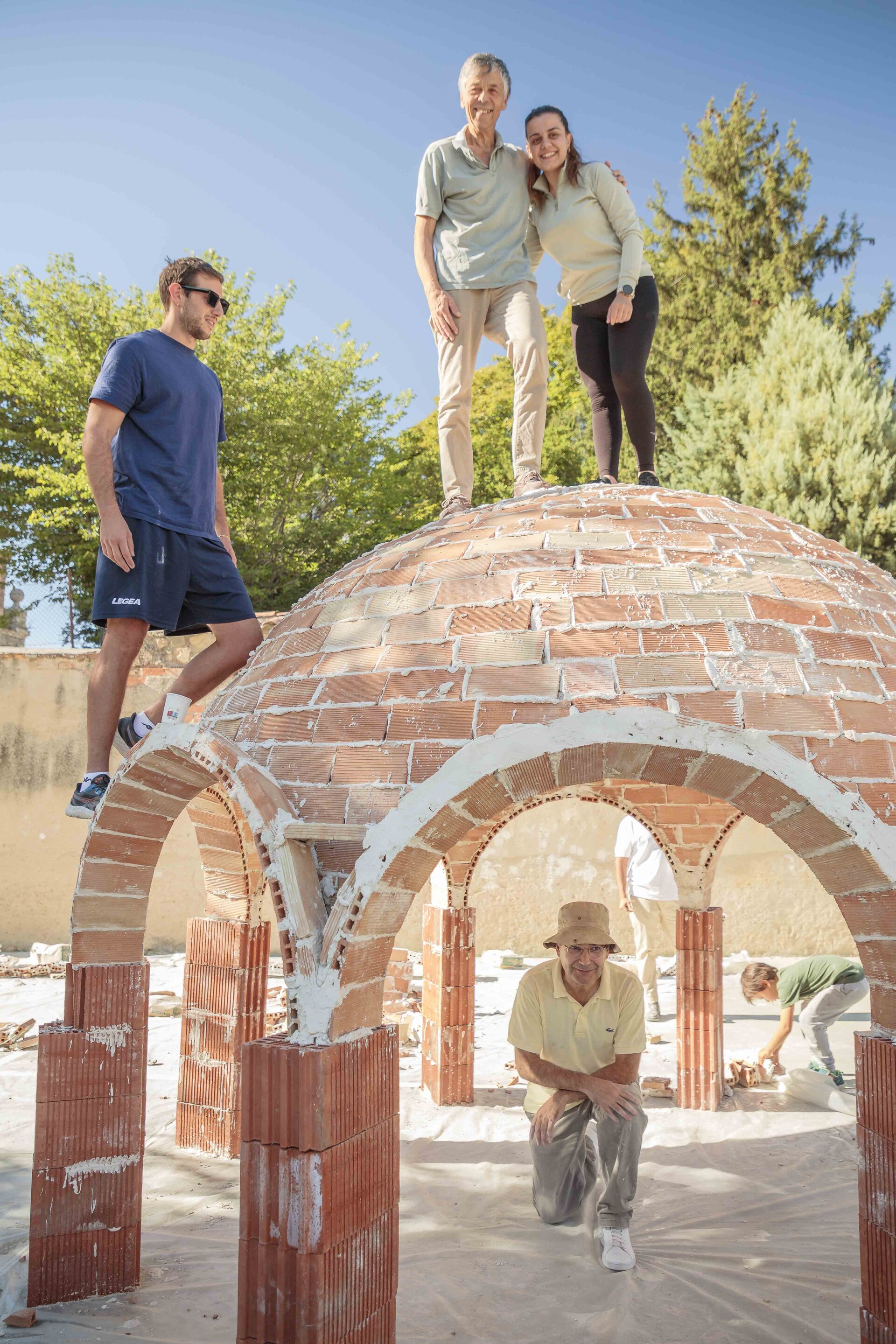
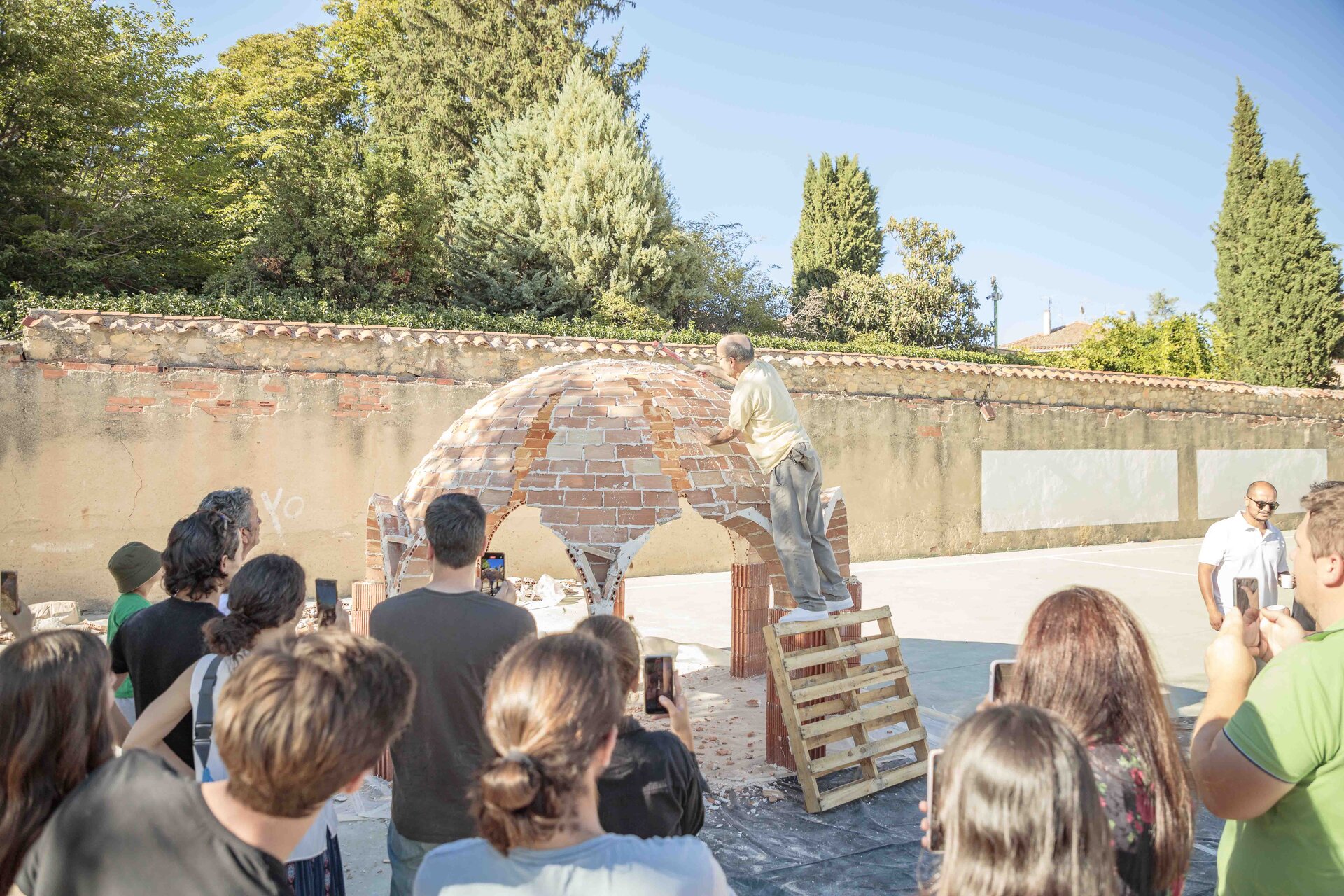
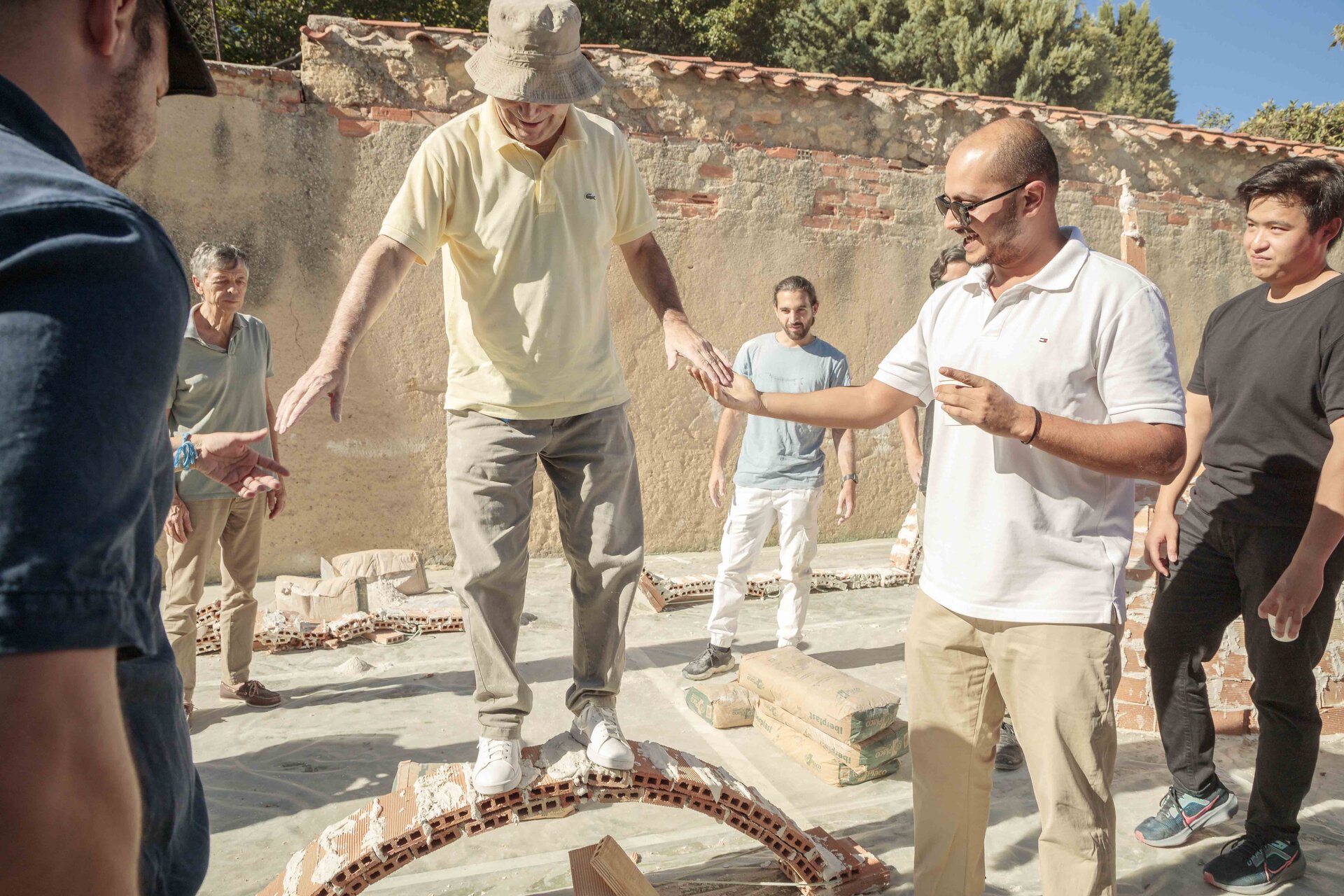
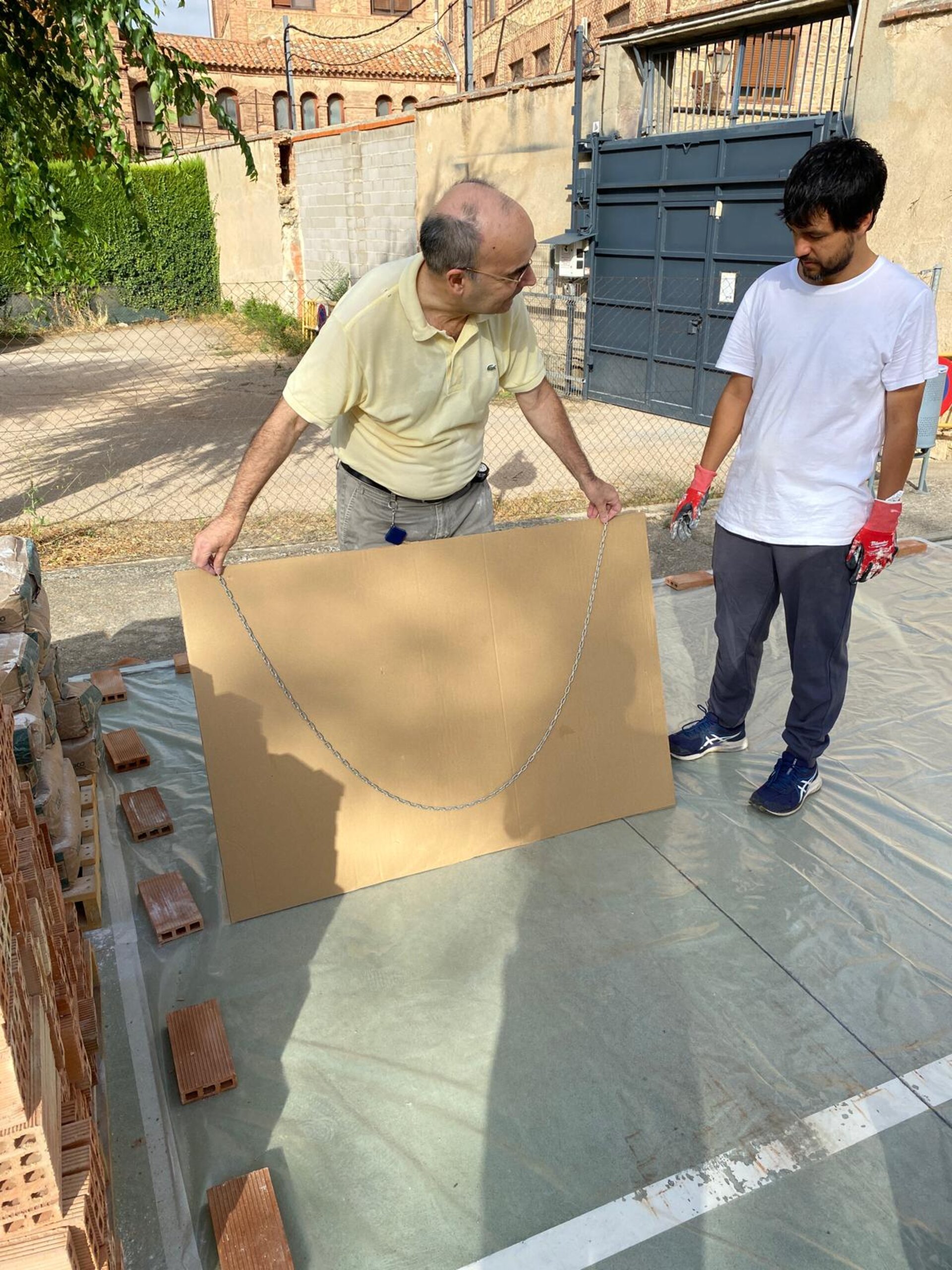
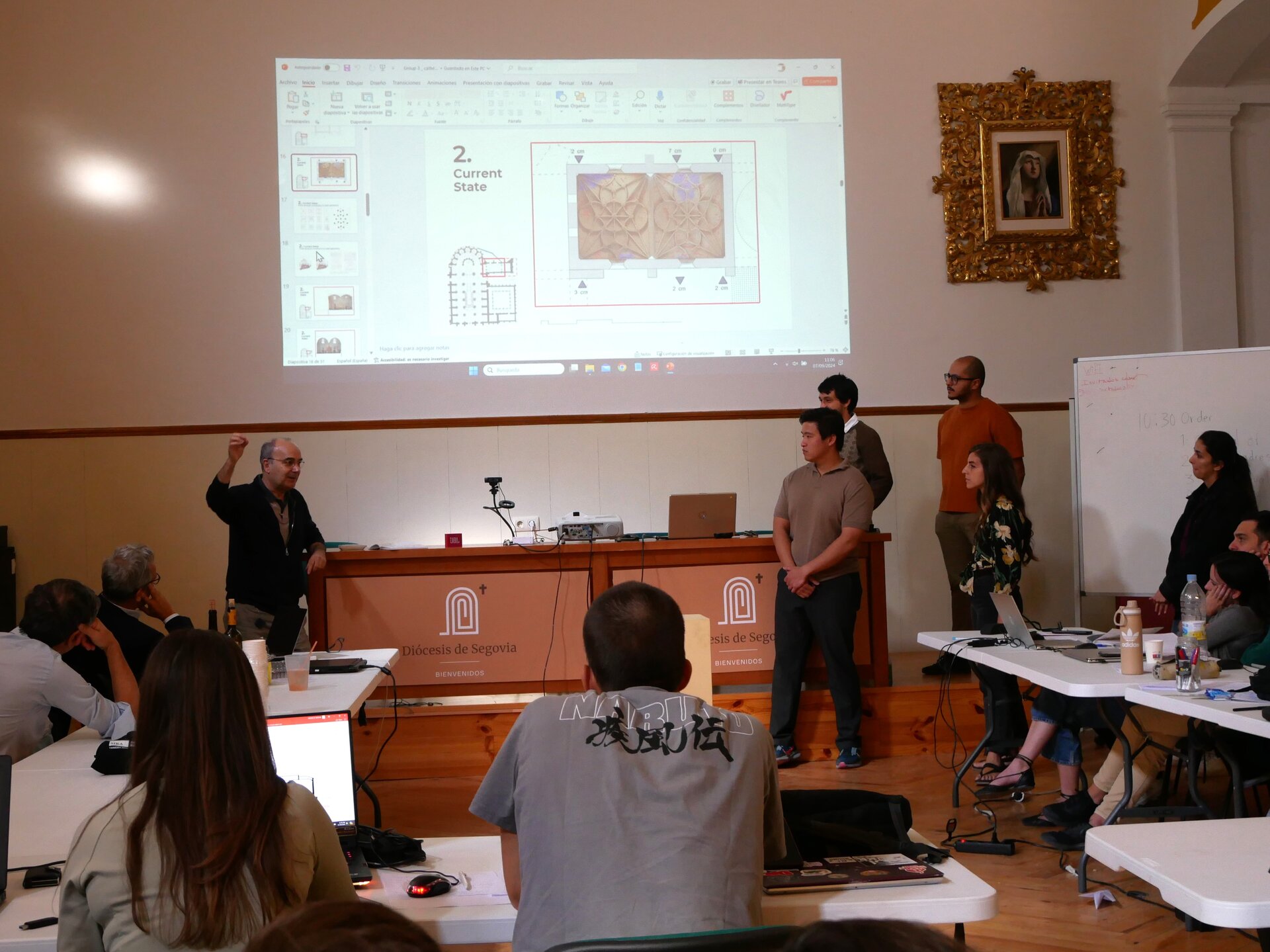
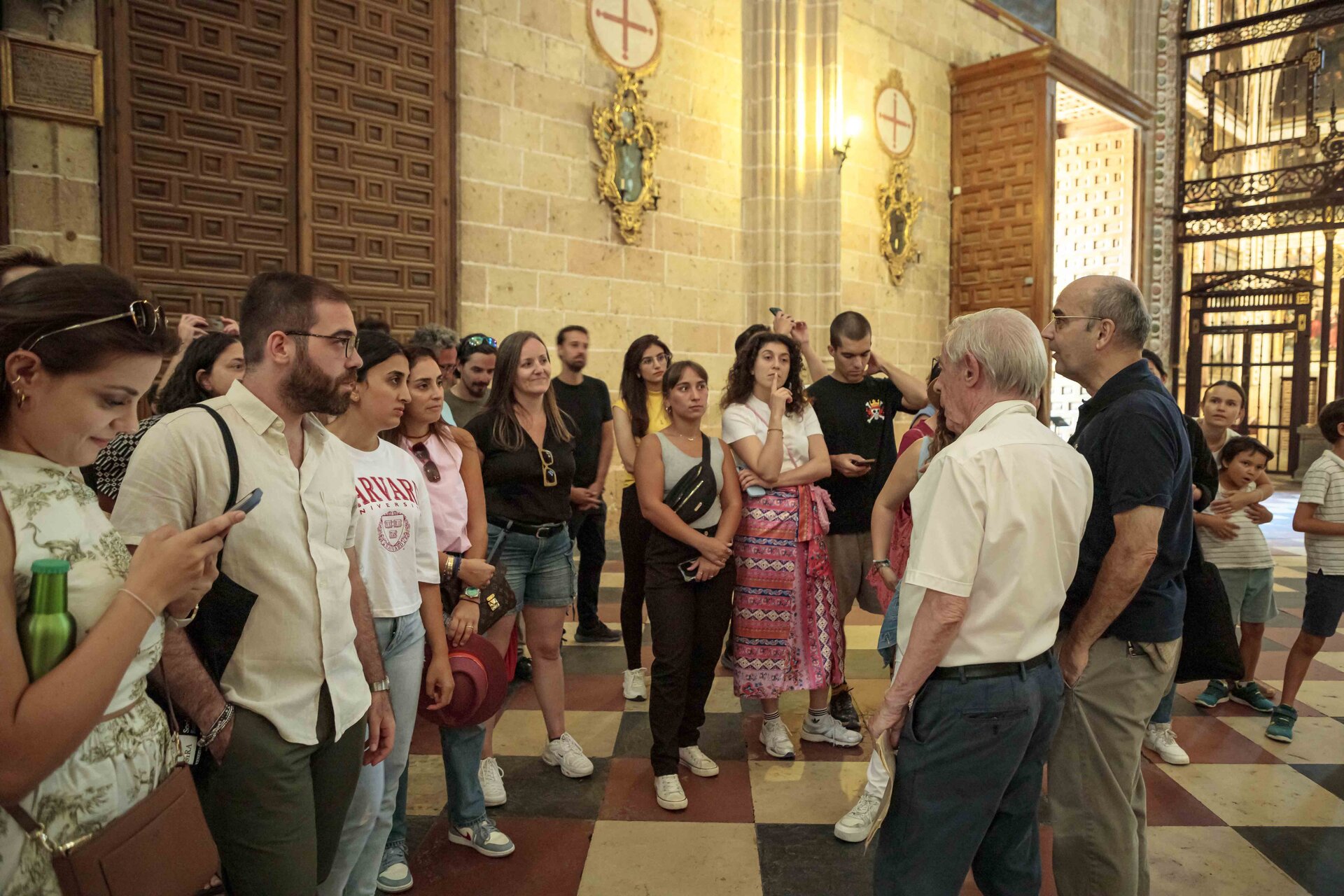
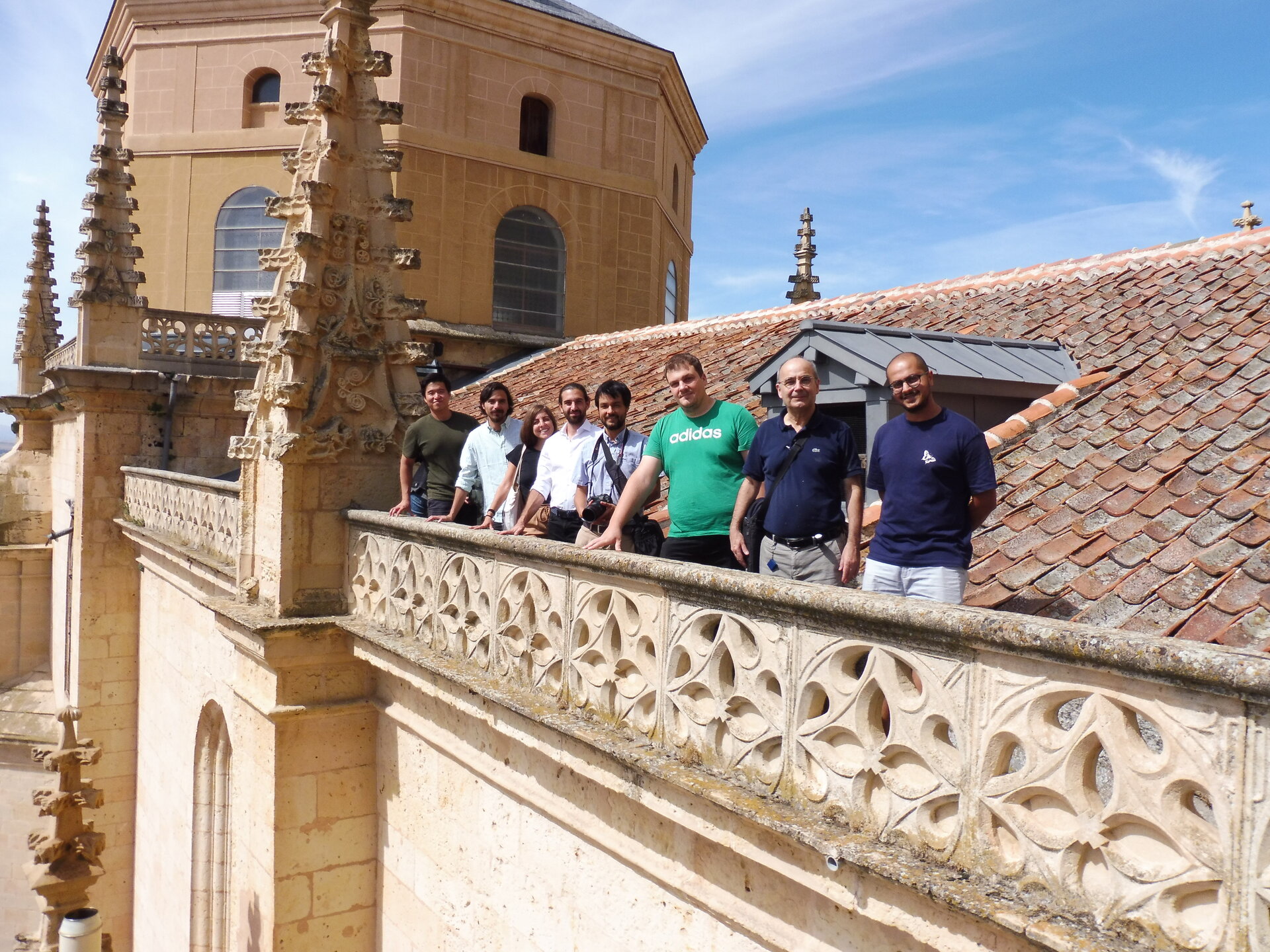
The International Summer School on Historic Masonry Structures (HIMASS) is an interdisciplinary educational initiative established in 2018 by Roma Tre University, the Polytechnic University of Madrid and the University of Salerno. Conceived by Professors Gianmarco de Felice, Santiago Huerta and Maurizio Angelillo, the programme addresses a fundamental challenge in architectural conservation: recovering an understanding of the traditional principles that govern the stability of historic masonry structures. Historic arches, vaults, churches, towers and other masonry buildings were often designed according to geometric rules and principles of equilibrium rather than the mechanical assumptions commonly employed in contemporary structural engineering. An incomplete understanding of these traditional methods can lead to inappropriate assessments and unnecessary or damaging interventions. HIMASS seeks to bridge this gap by integrating construction history, architectural analysis, digital documentation and advanced structural assessment within an intensive programme of academic study and practical fieldwork. The summer school is organised as a two-week course that brings together postgraduate students, architects, engineers, researchers and conservation professionals from different countries. Each edition focuses on four protected historic monuments, allowing participants to investigate actual conservation challenges. Students undertake historical research, document architectural geometry using digital surveying techniques and examine structural behaviour, particularly the relationship between masonry form, equilibrium and stability. Their findings are developed through collaborative analysis and presented for discussion at the conclusion of the programme. Since its first edition in 2018, HIMASS has organised seven summer schools, involving approximately 150 participants from more than 20 countries and documenting 28 historic monuments. The programme has taken place in several historic settings, including Subiaco, Anagni and Oristano in Italy, and Segovia in Spain. The 2023 and 2024 editions were hosted in Segovia's UNESCO-listed historic centre, demonstrating the programme's close engagement with internationally significant architectural heritage. Teaching combines lectures by leading specialists with seminars, guided fieldwork and small-group projects. The programme encourages participants to question conventional analytical assumptions and to understand historic structures through their actual geometry, construction history and material behaviour. Digital surveys and structural assessments generated during the courses have been shared with local institutions and conservation authorities, while selected research has contributed to peer-reviewed publications, including a dedicated issue of Structural Magazine in 2023. International collaboration is central to HIMASS. Students and tutors work alongside professors and invited experts from Europe and beyond, developing professional relationships that extend beyond the duration of each course. The school also promotes the exchange of knowledge between architecture, engineering, heritage conservation and construction history, supporting more informed and sustainable approaches to safeguarding historic buildings. The programme is financed through participant fees and contributions from academic partners, with annual costs ranging from approximately €36,000 to €64,000. Its rotating format allows new monuments and conservation questions to be explored each year, while maintaining a consistent educational methodology. Recognised with a European Heritage Award / Europa Nostra Award in the Education, Training and Skills category in 2026, HIMASS demonstrates the value of combining rigorous academic thinking with direct experience of historic buildings. By reconnecting contemporary professionals with the principles of traditional masonry design, it strengthens international expertise and promotes the sensitive, evidence-based conservation of Europe's architectural heritage.
Similar projects
School established in 2023; Saint Peter's Basilica completed in 1626