



Improving the Energy Performance of Heritage Properties in State Care Initiative
The Improving the Energy Performance of Heritage Properties in State Care Initiative is a national research, guidance and professional training programme developed by Ireland's Office of Public Works (OPW). Launched in 2021, the initiative addresses the challenge of improving ...
Read more
Project details
Description:
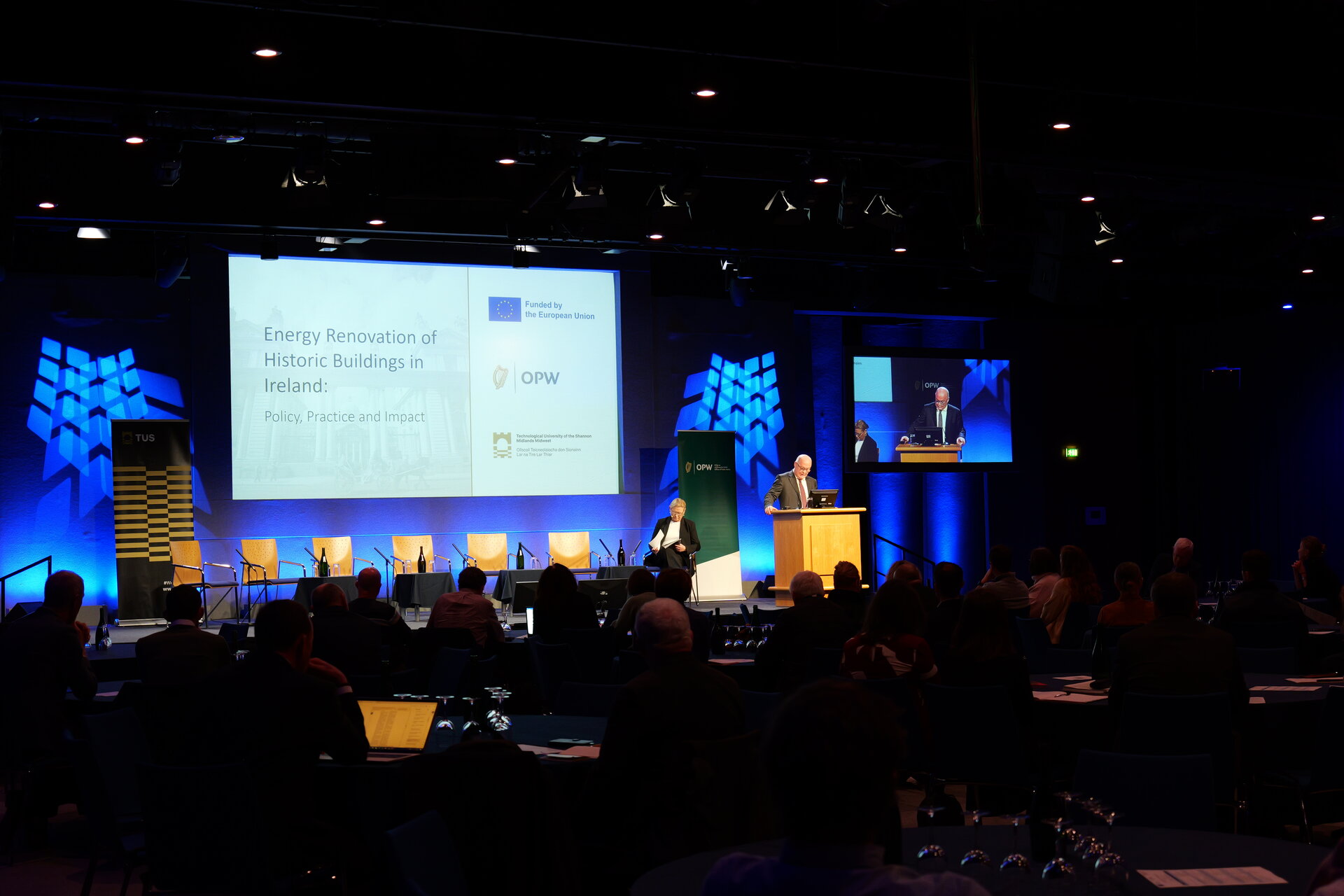
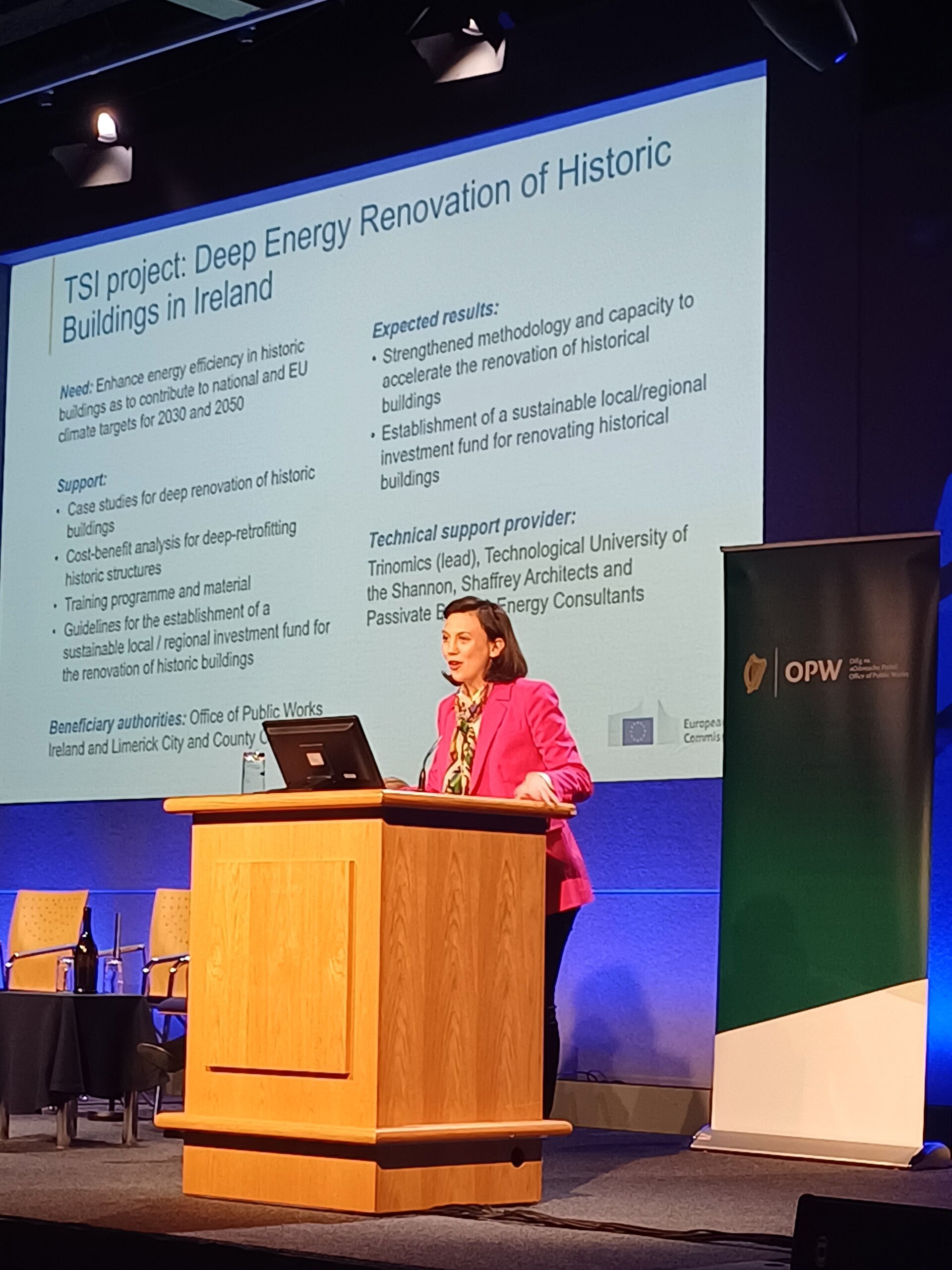
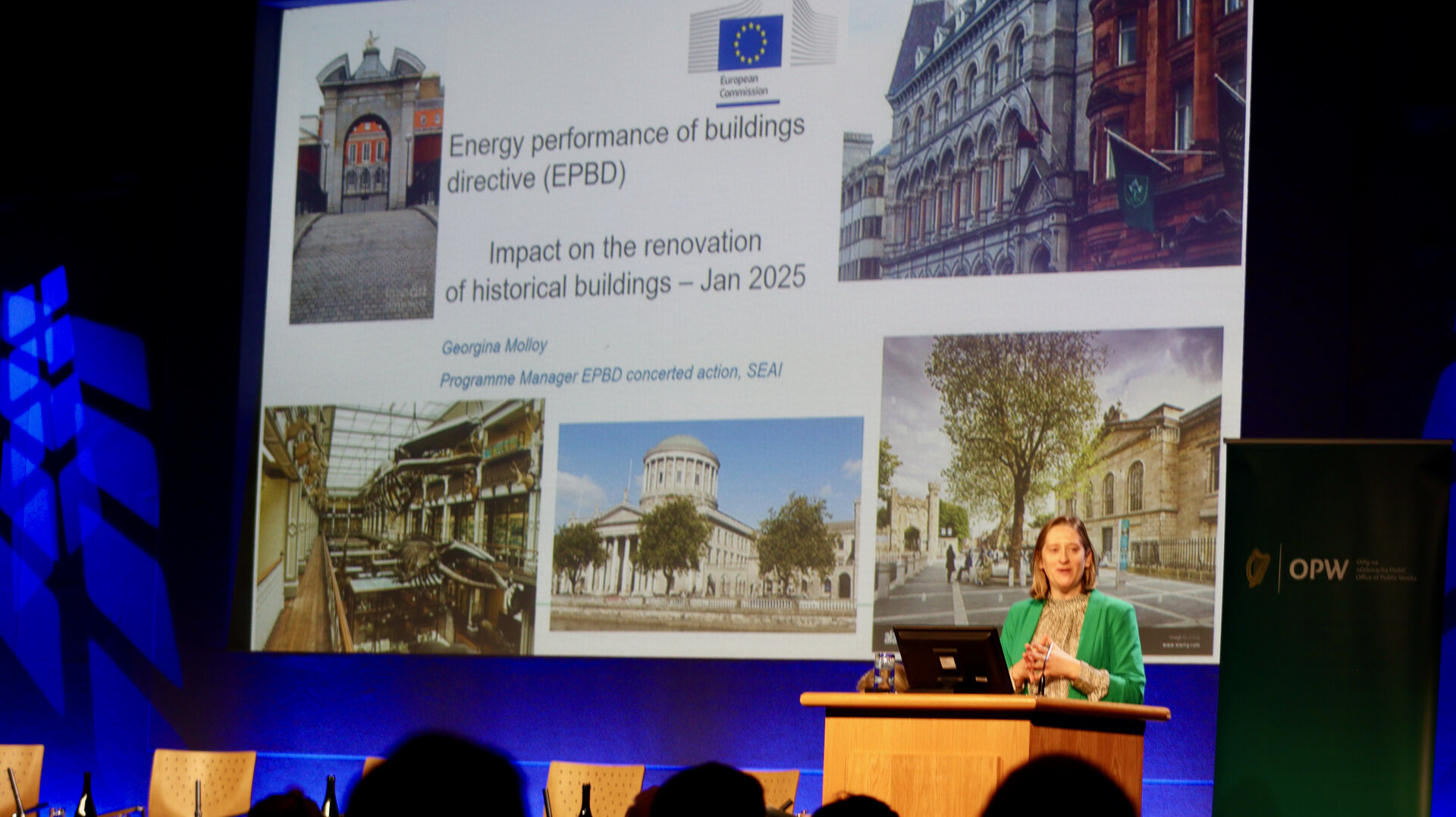
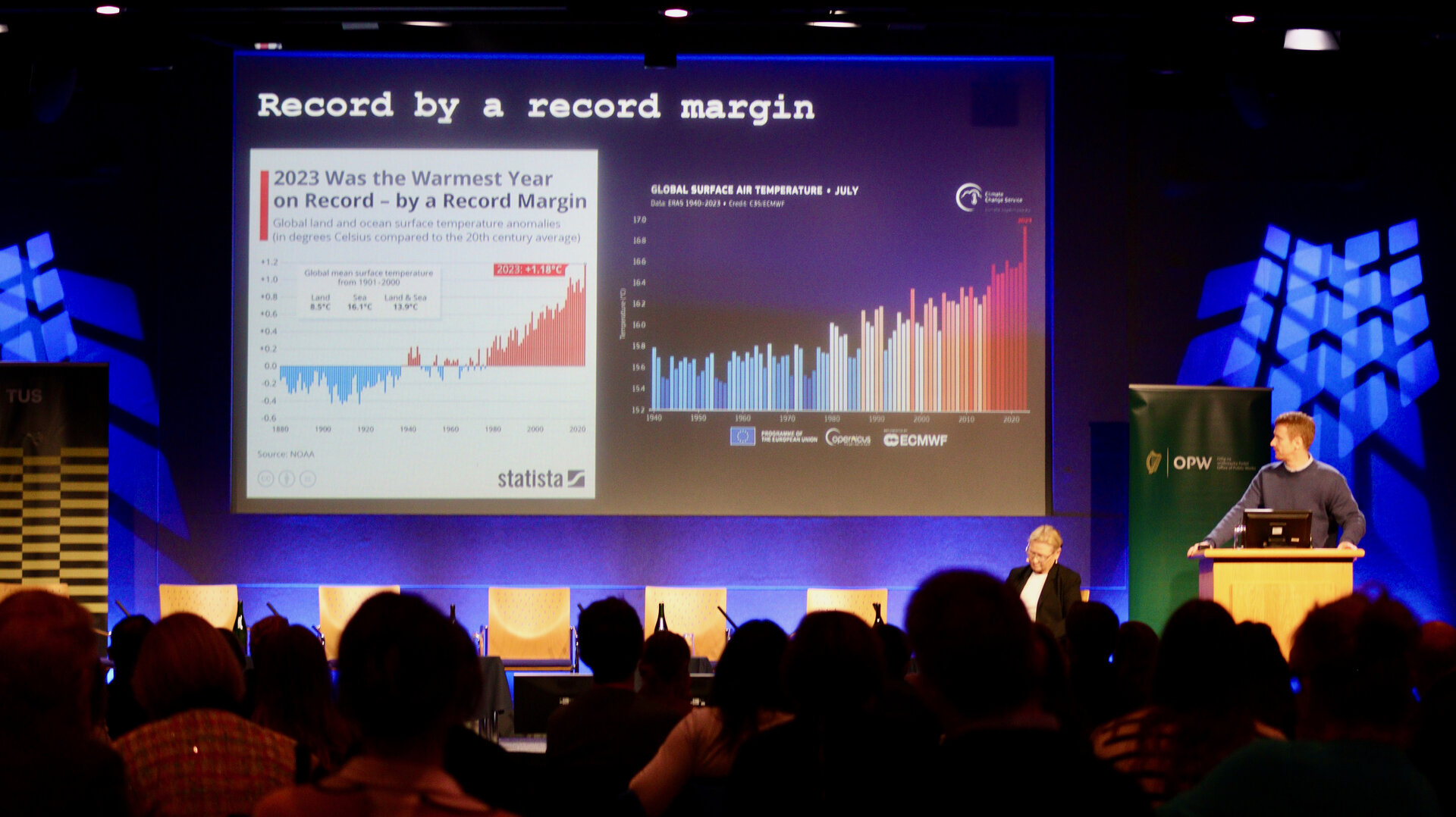
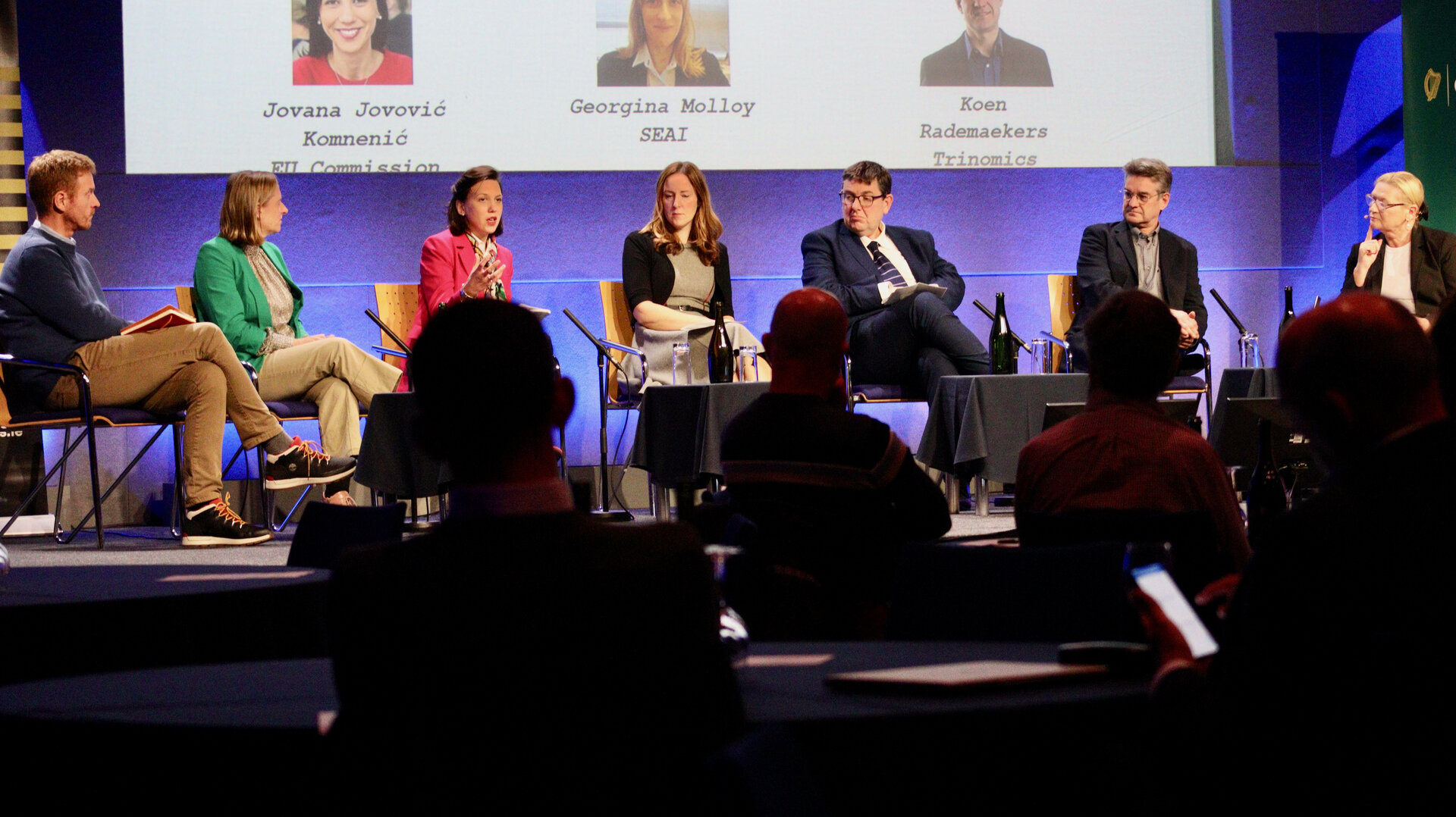
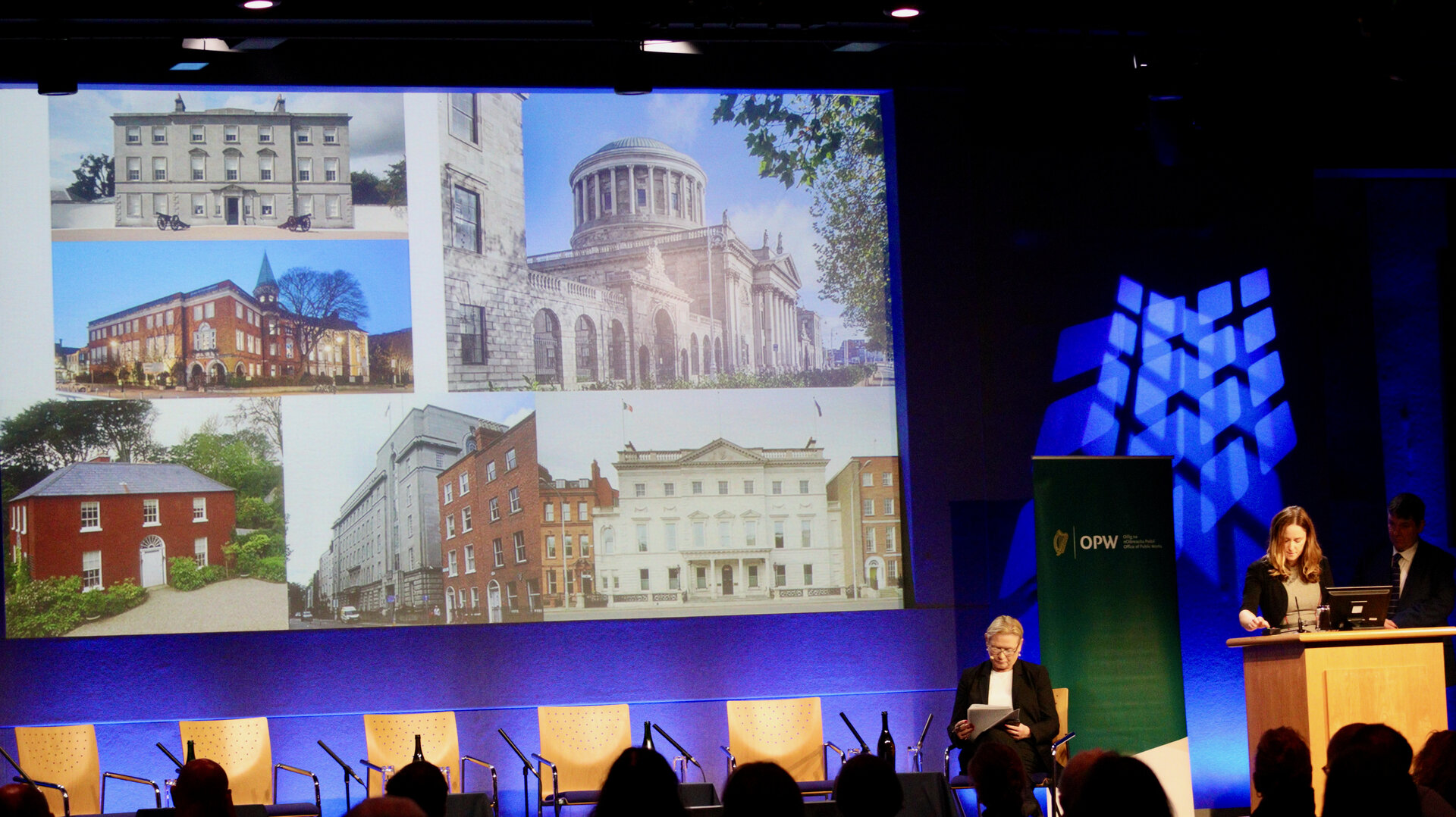
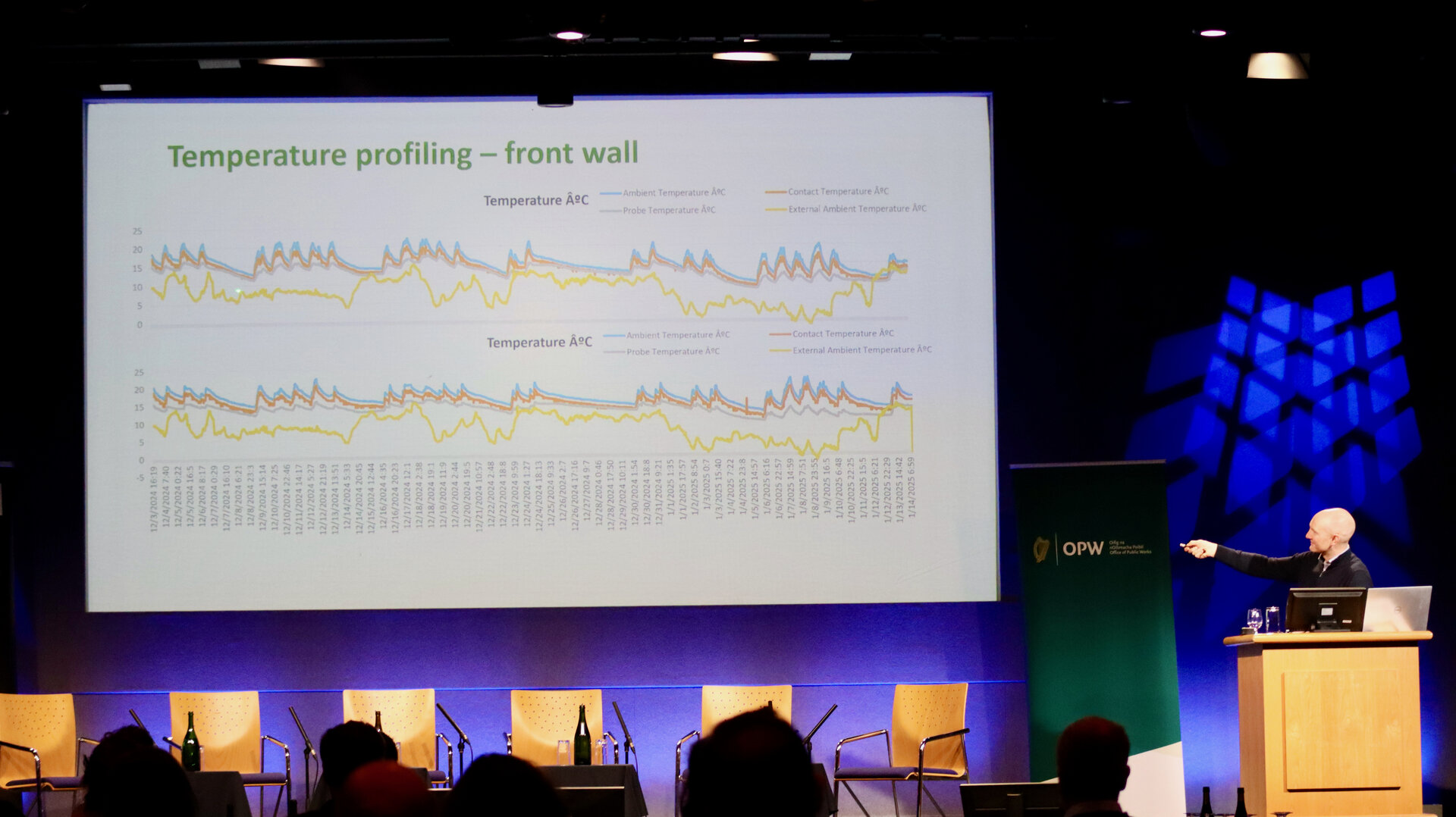
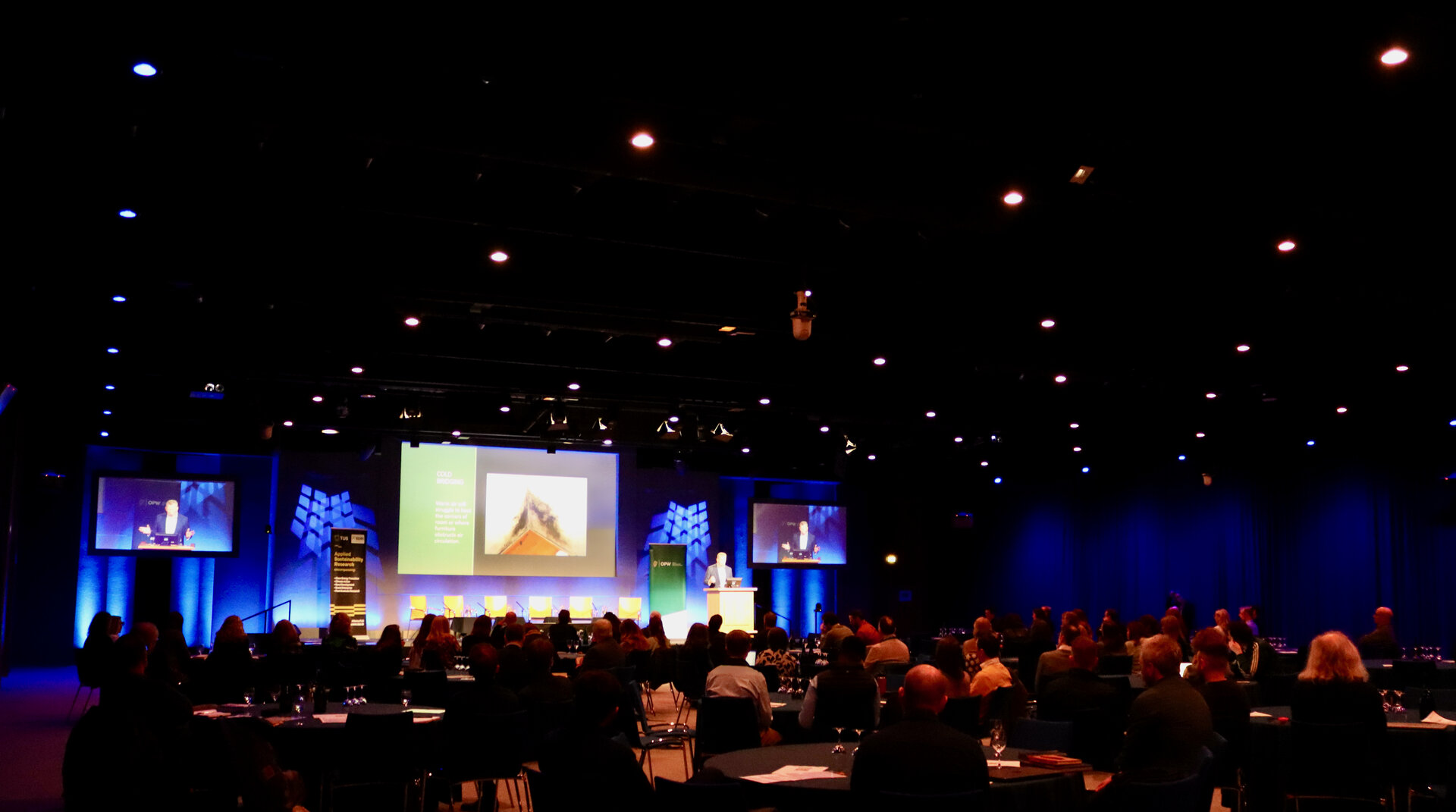
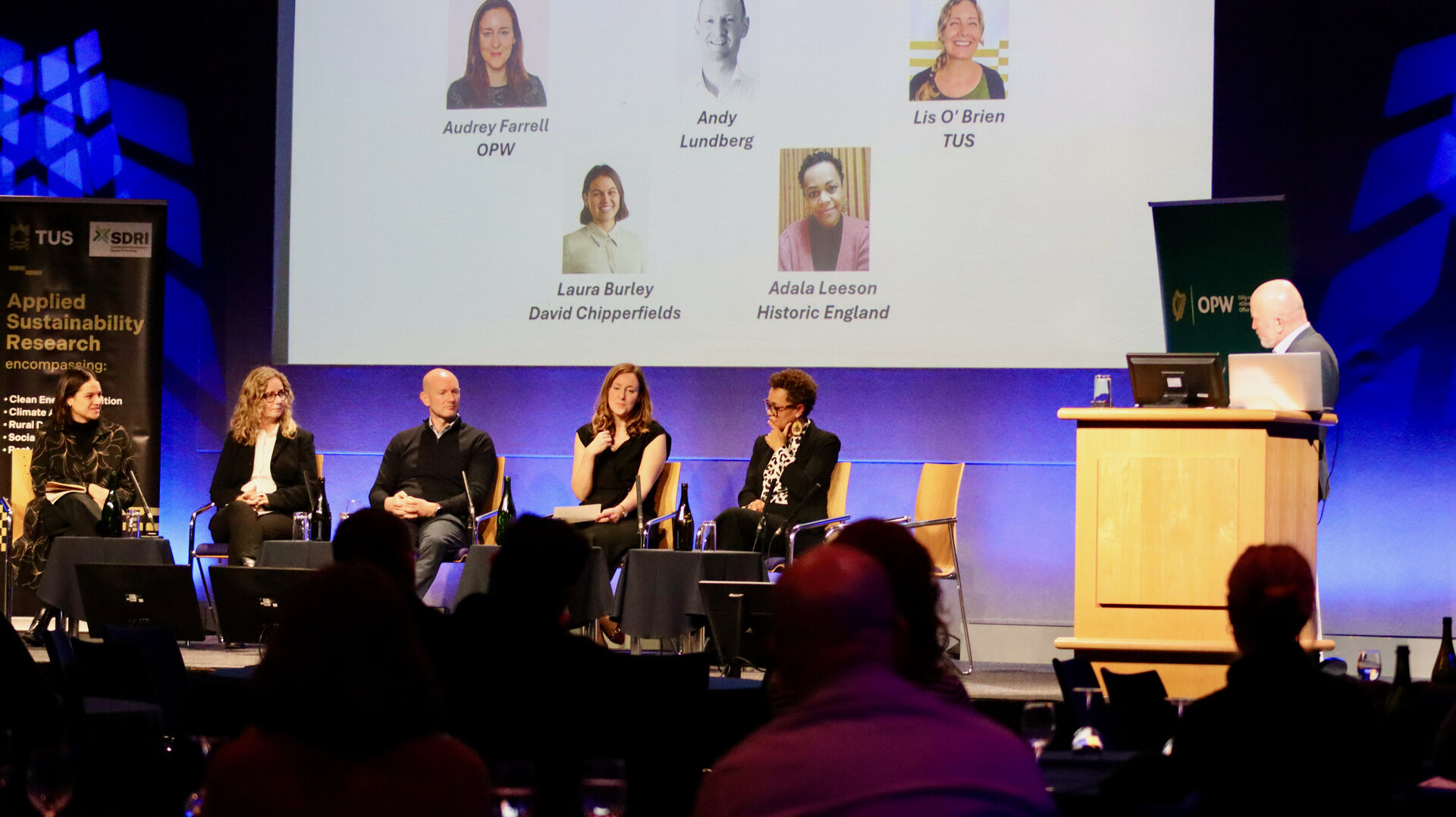
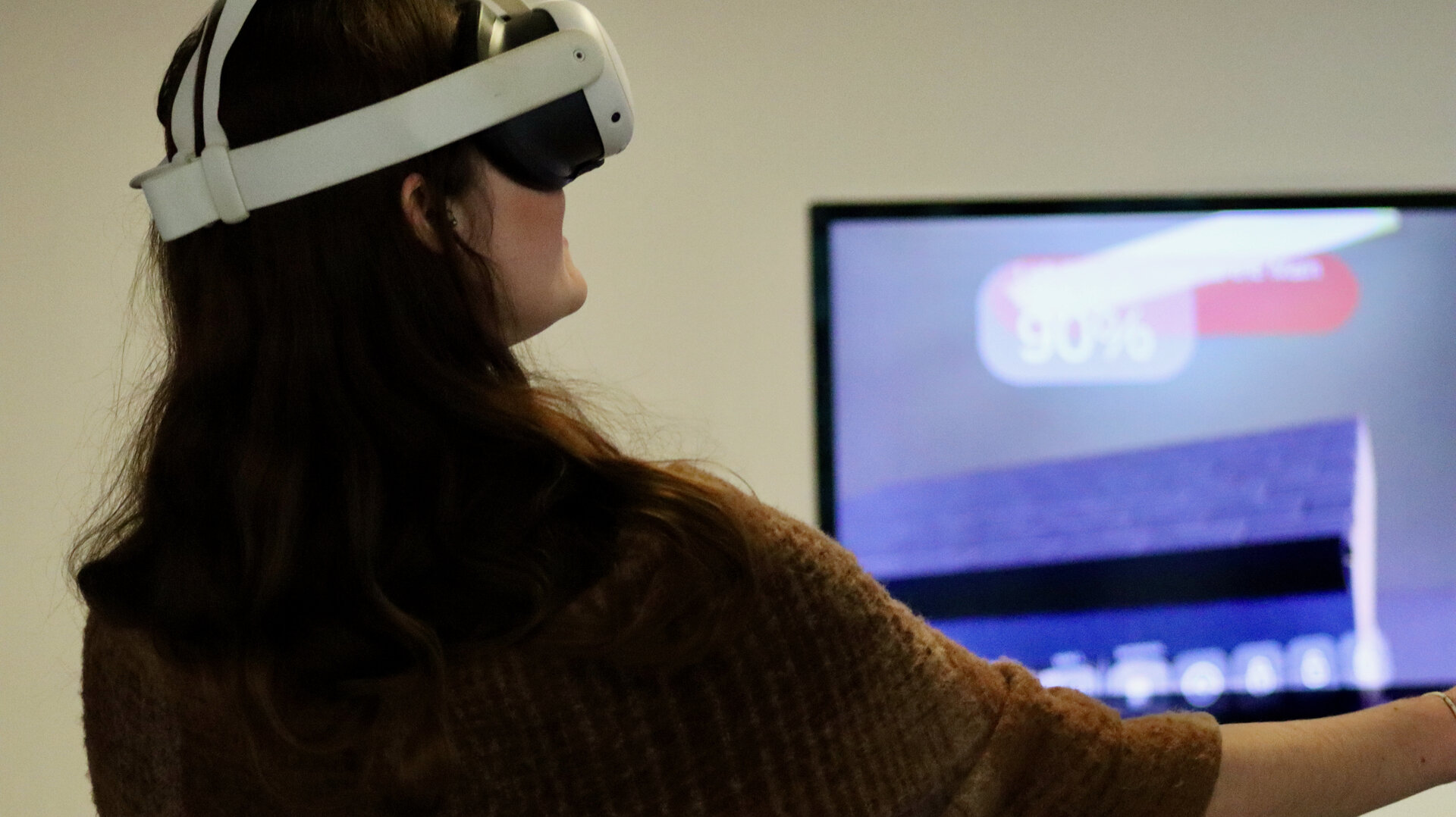
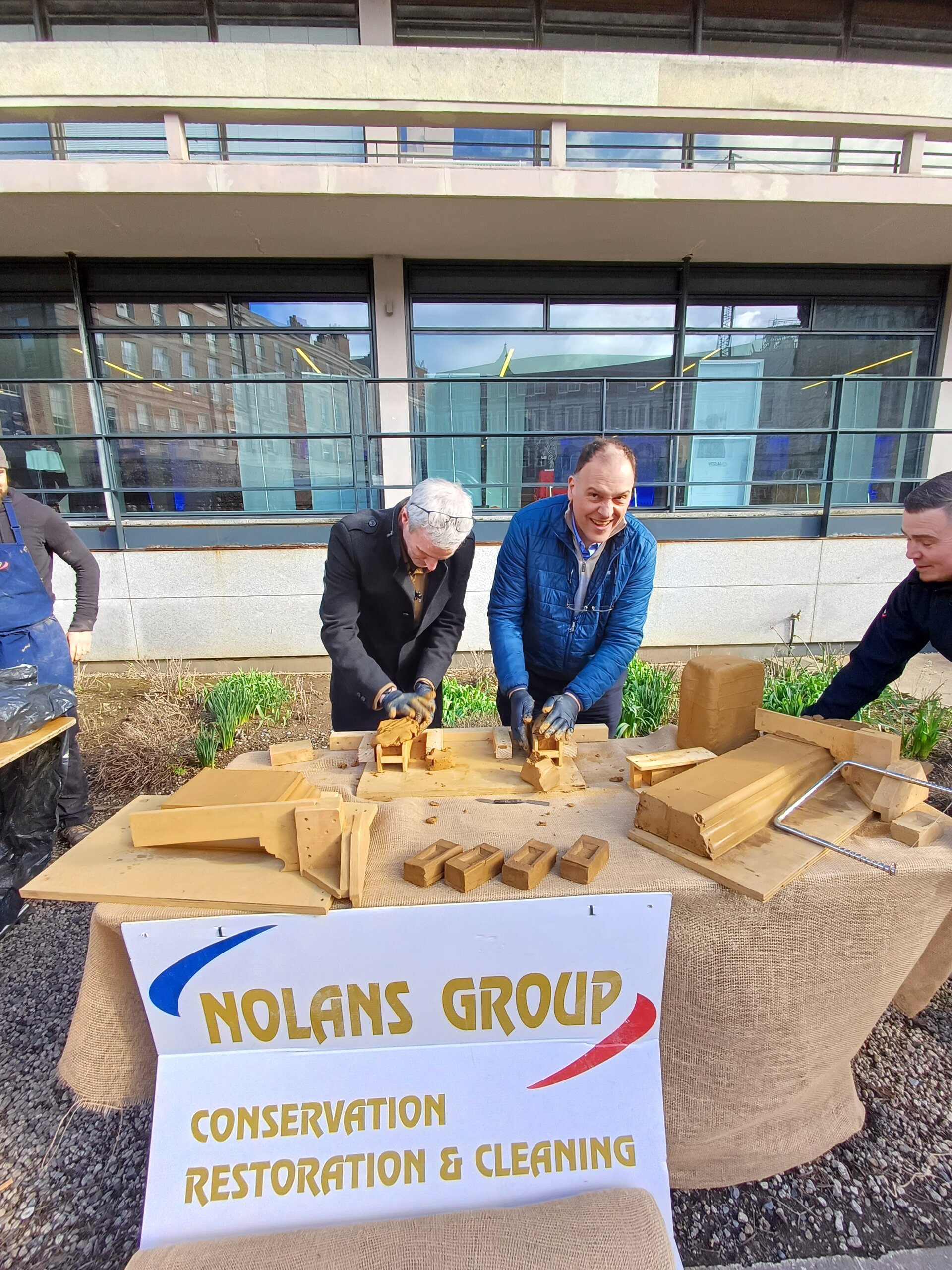
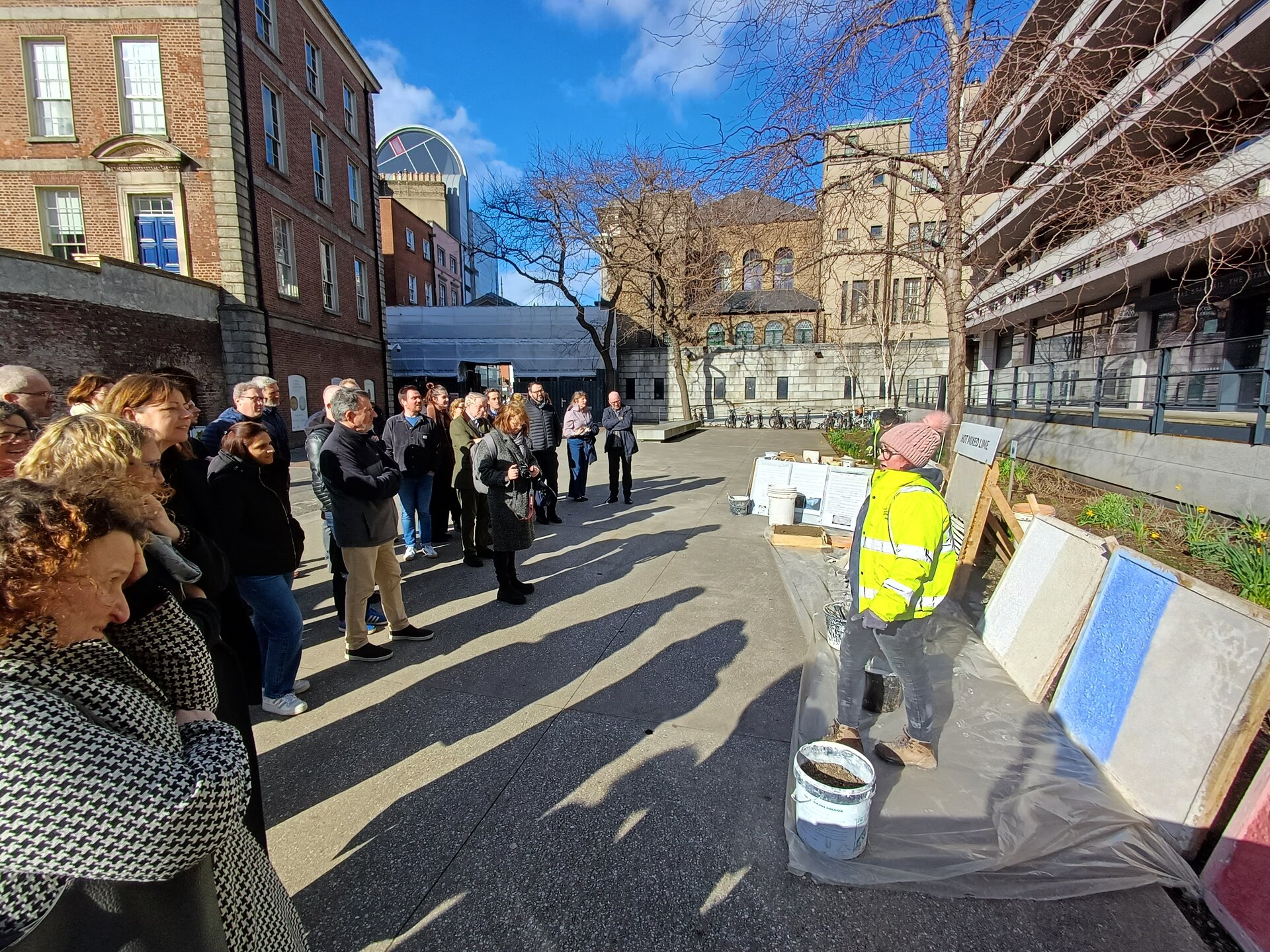
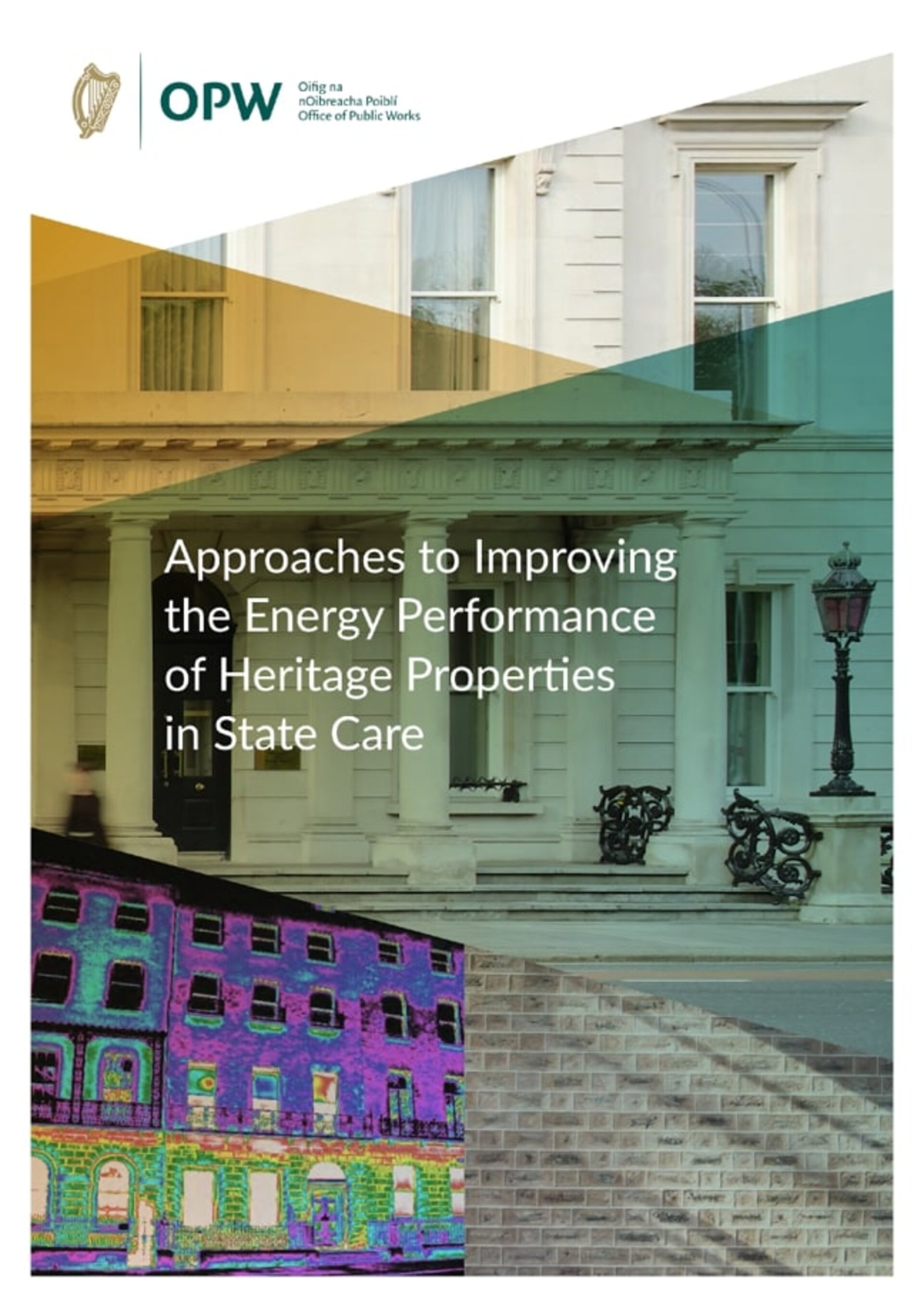
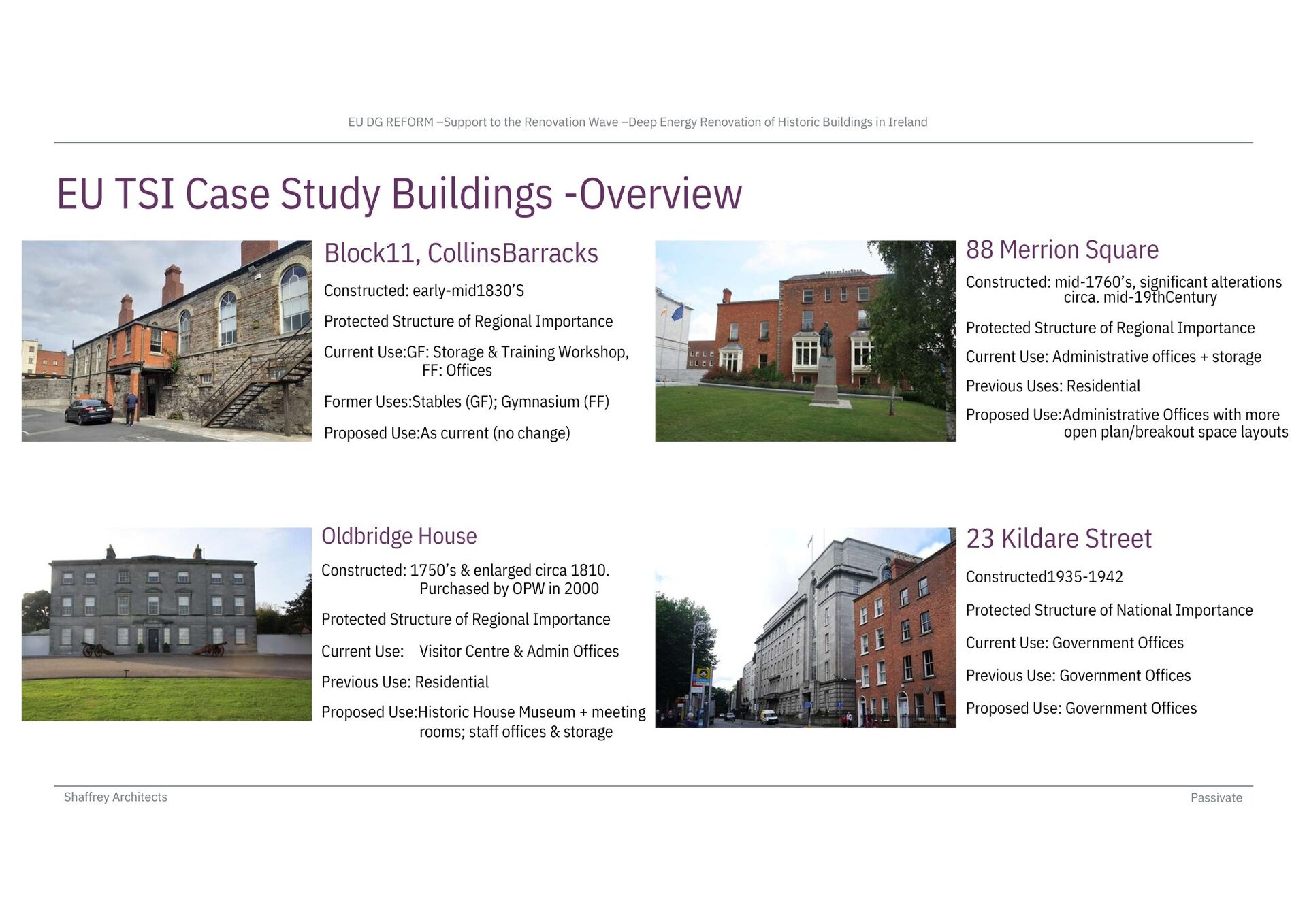
The Improving the Energy Performance of Heritage Properties in State Care Initiative is a national research, guidance and professional training programme developed by Ireland's Office of Public Works (OPW). Launched in 2021, the initiative addresses the challenge of improving energy efficiency in historic buildings while safeguarding their architectural, cultural and material significance. It supports Ireland's climate action commitments and European decarbonisation objectives by demonstrating that sensitive conservation and energy improvement can be achieved together. Traditional buildings differ fundamentally from modern construction in their materials, ventilation, moisture behaviour and thermal performance. Standard retrofit solutions can create condensation, mould growth and long-term deterioration when applied without appropriate assessment. Recognising these risks, the OPW developed a structured methodology that places understanding of the existing building and its heritage significance at the centre of every energy renovation decision. The resulting technical publication, OPW Approaches to Improving the Energy Performance of Heritage Properties in State Care, provides practical guidance for architects, engineers, building managers and conservation professionals. Drawing on the European standard I.S. EN 16883:2017, it establishes a step-by-step process covering project objectives, building investigation, energy assessment, heritage impact, material selection, upgrade strategies and post-occupancy evaluation. Rather than prescribing universal technical solutions, the guidance enables professionals to identify interventions suited to the specific characteristics and constraints of each historic property. Six detailed case studies demonstrate how this approach can be applied across different building types and contexts. They combine on-site testing, energy analysis, heritage impact assessment and tailored renovation proposals. One property was also used as a living laboratory to investigate long-term performance. Supporting cost-benefit assessments considered not only financial returns and energy savings but also environmental and socio-cultural benefits. Education and skills development formed a central component of the initiative. In January and February 2025, the OPW delivered a three-day national training programme involving more than 400 public-sector professionals and stakeholders. Thirty-five Irish and international experts contributed lectures and practical sessions on evolving policy requirements, technical assessment methods, conservation principles and real-world case studies. Participants included architects, engineers, surveyors, conservation officers, government personnel and local-authority representatives. The initiative was developed in two phases with support from Ireland's Public Service Innovation Fund, the European Commission's Technical Support Instrument and the OPW. Specialist partners included Trinomics, Shaffrey Architects, Passivate Building Energy Consulting, Arup Engineering and Technological University of the Shannon. The programme's guidance, case studies and training materials have been made openly accessible, allowing the methodology to benefit heritage professionals beyond Ireland. By embedding this structured approach within its management of state heritage properties, the OPW has strengthened institutional capacity to plan responsible energy improvements. The programme also provides a transferable framework for other European countries facing similar challenges across their historic building stock. The initiative received a European Heritage Award / Europa Nostra Award in the Education, Training and Skills category in 2026 and was subsequently distinguished with a Grand Prix. It demonstrates how rigorous research, practical training and public-sector leadership can contribute to climate action while preserving the historic character, material authenticity and long-term cultural value of architectural heritage.
Similar projects


