

Cita Rīga’s Initiative ‘Co-creating Urban Heritage with Children’
Cita Rīga’s Initiative ‘Co-creating Urban Heritage with Children’ is a long-term educational programme developed by the Latvian non-governmental organisation Cita Rīga. Established in 2014 and led by cultural heritage researcher Inese Grandāne, the initiative encourages children ...
Read more
Project details
Description:
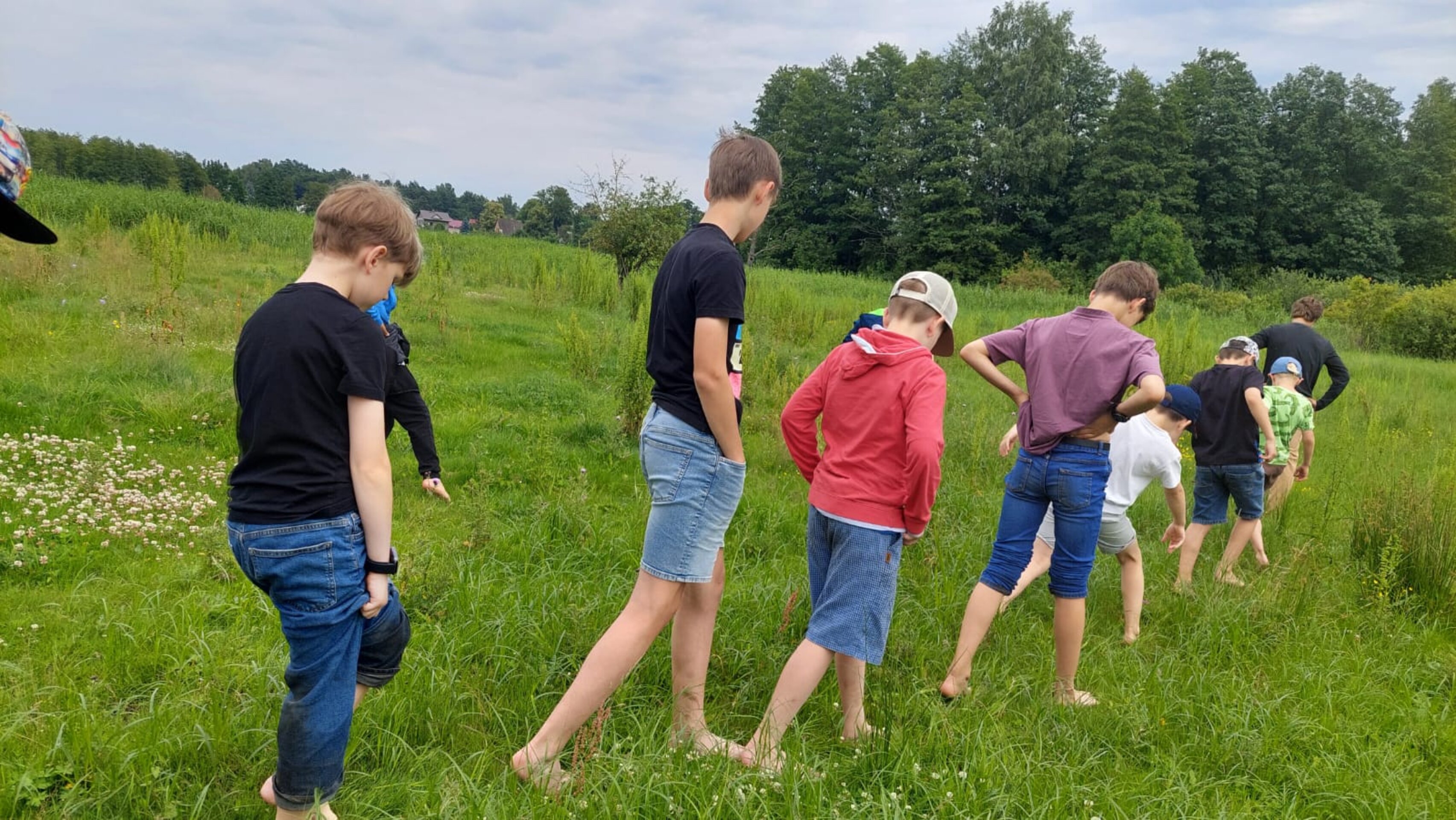
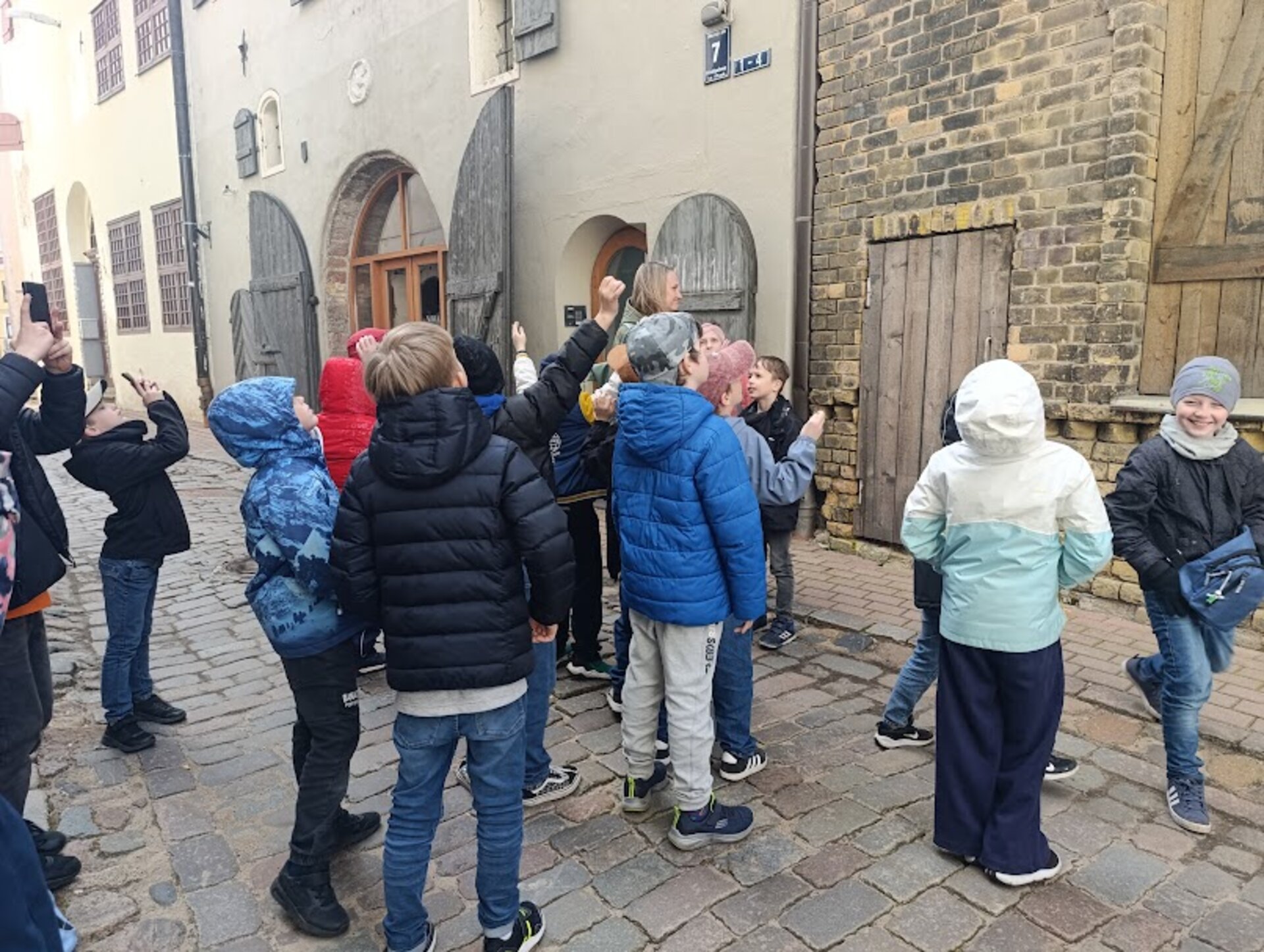
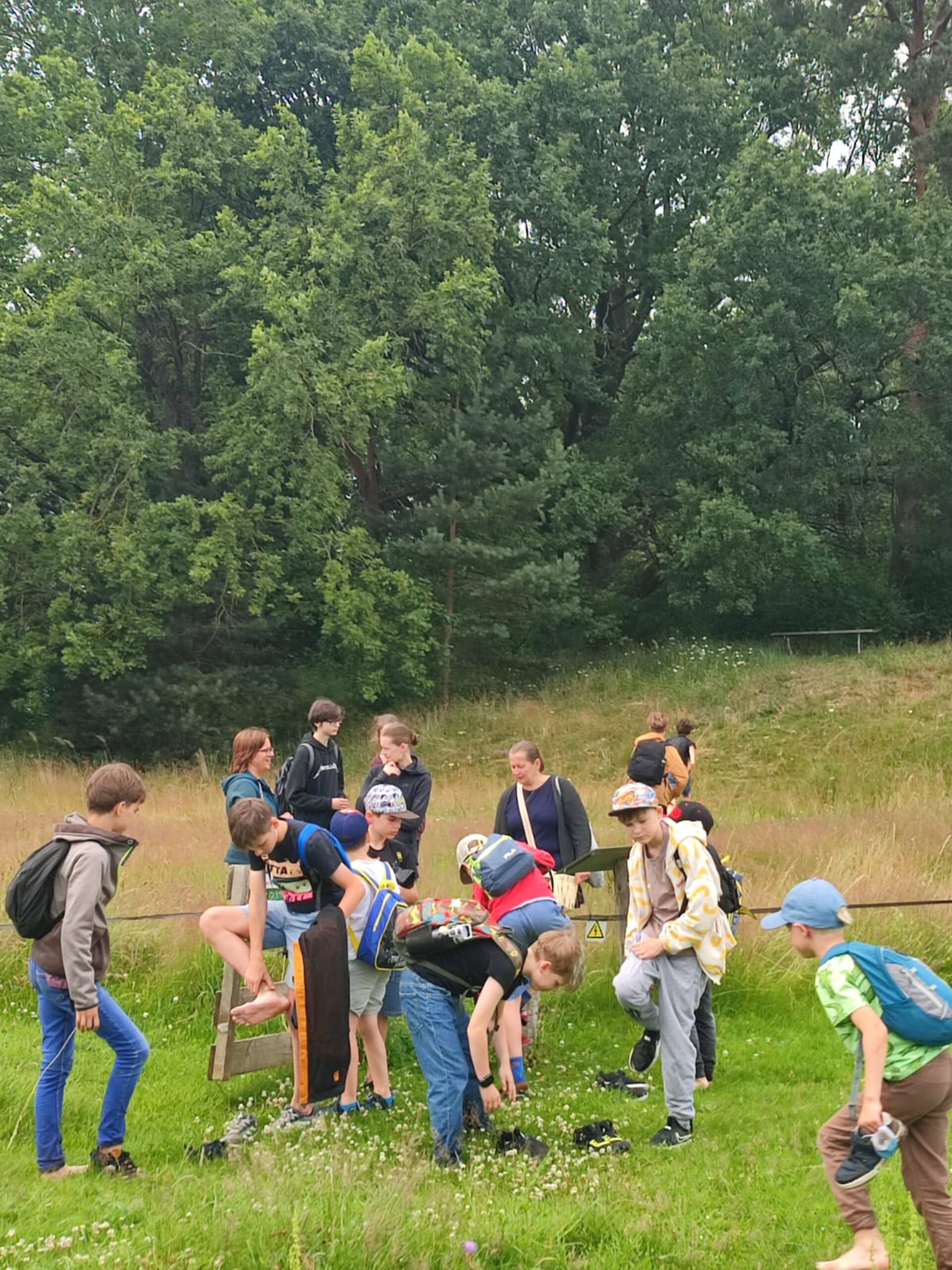
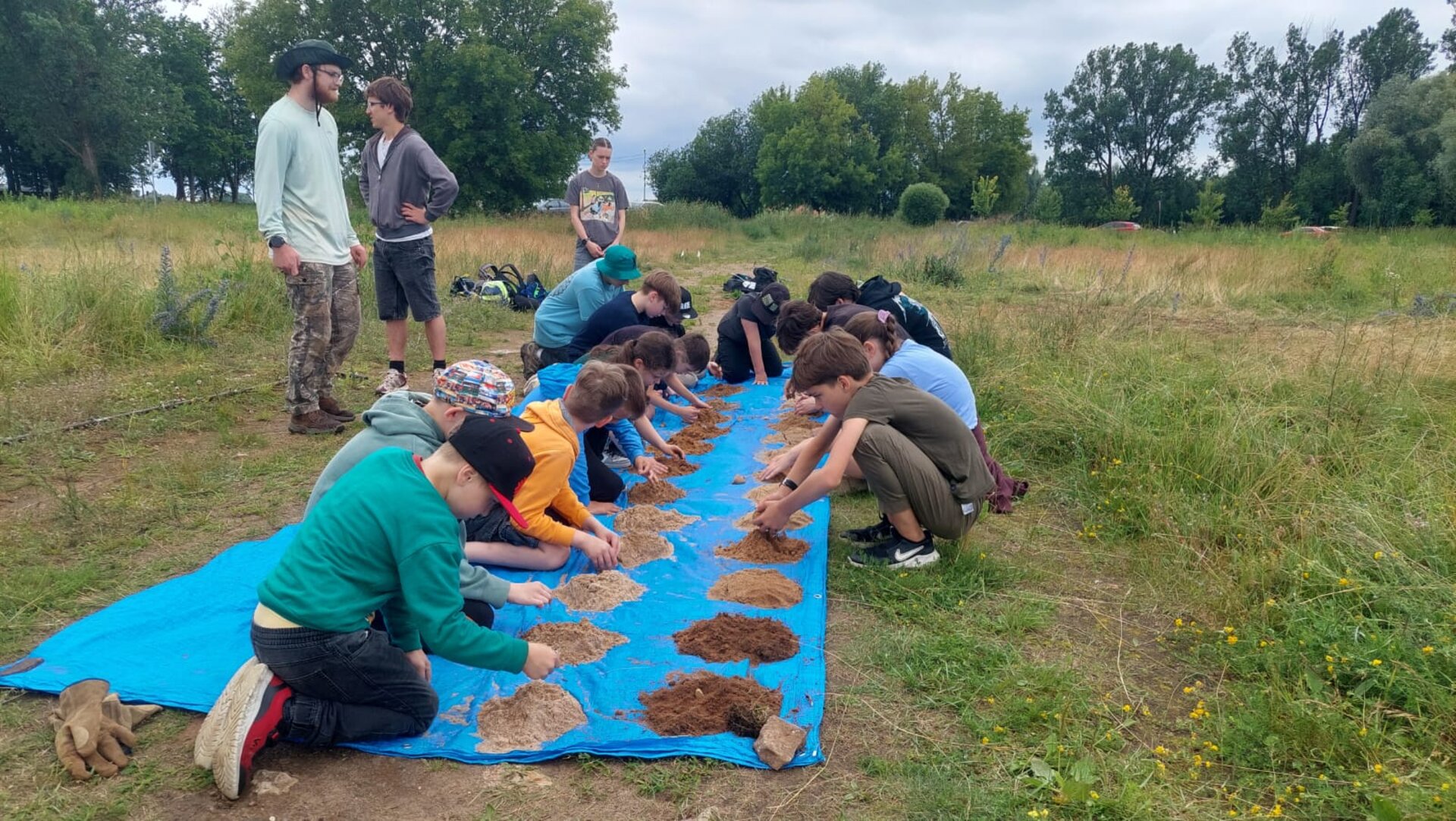
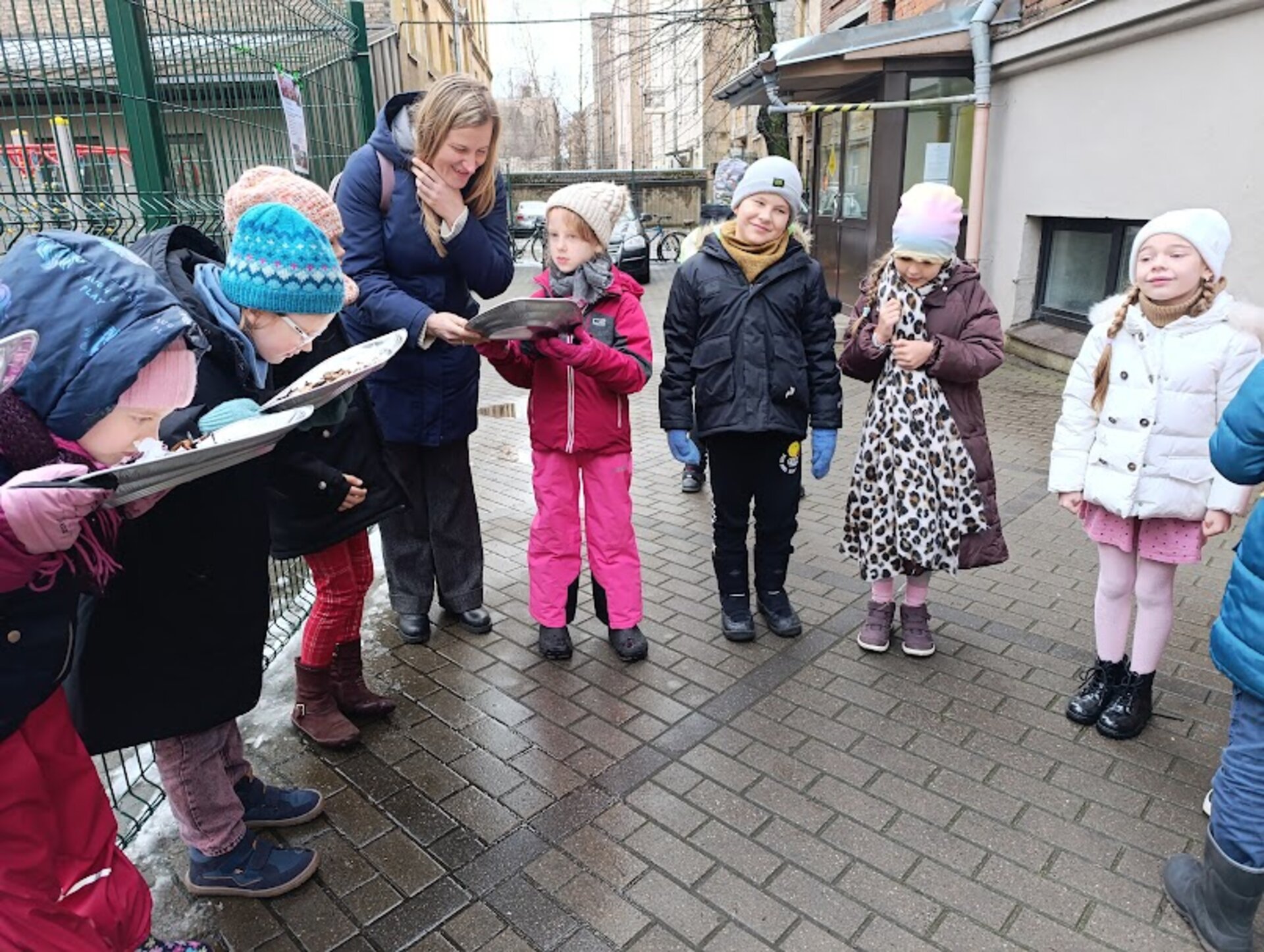
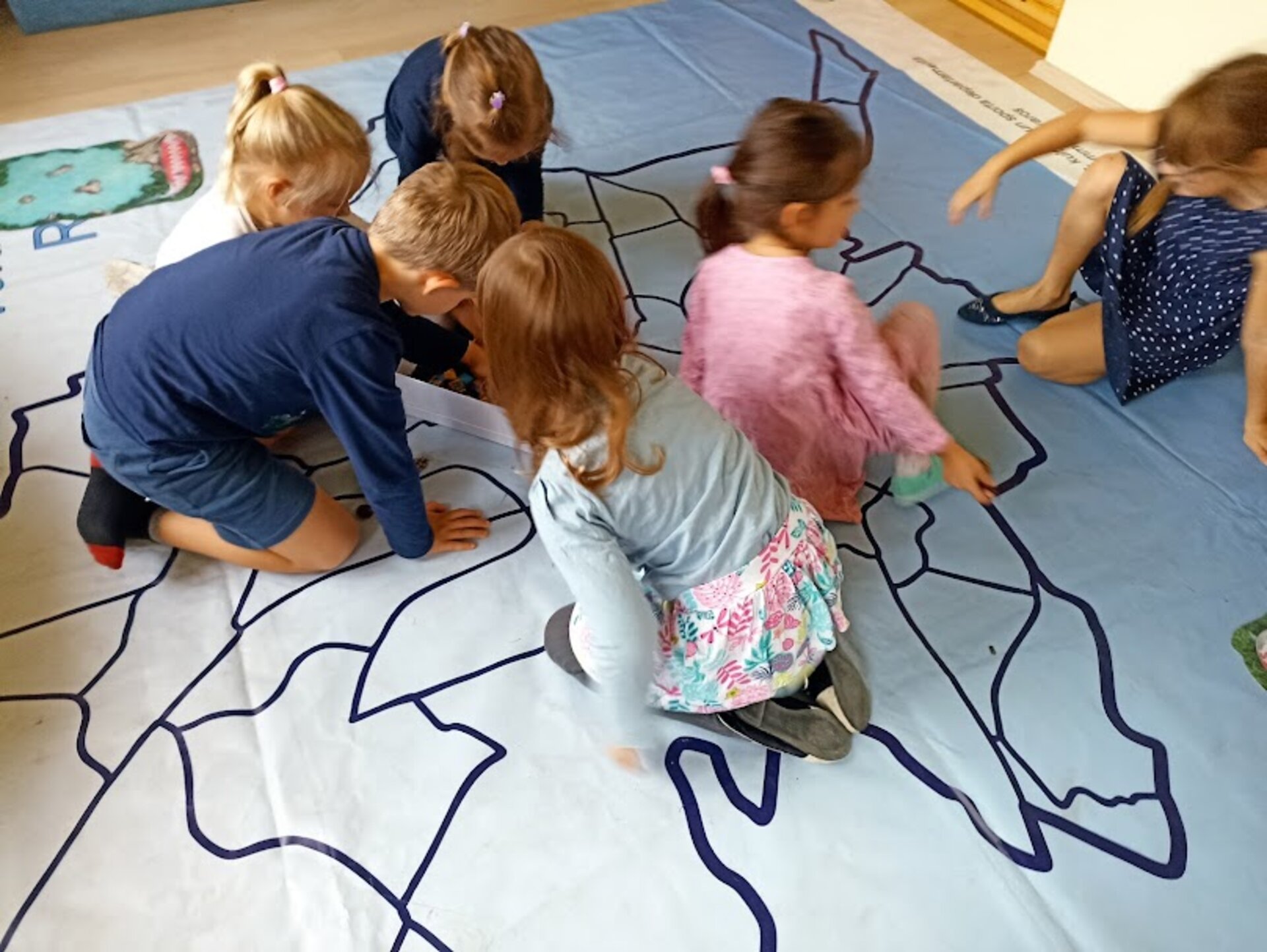
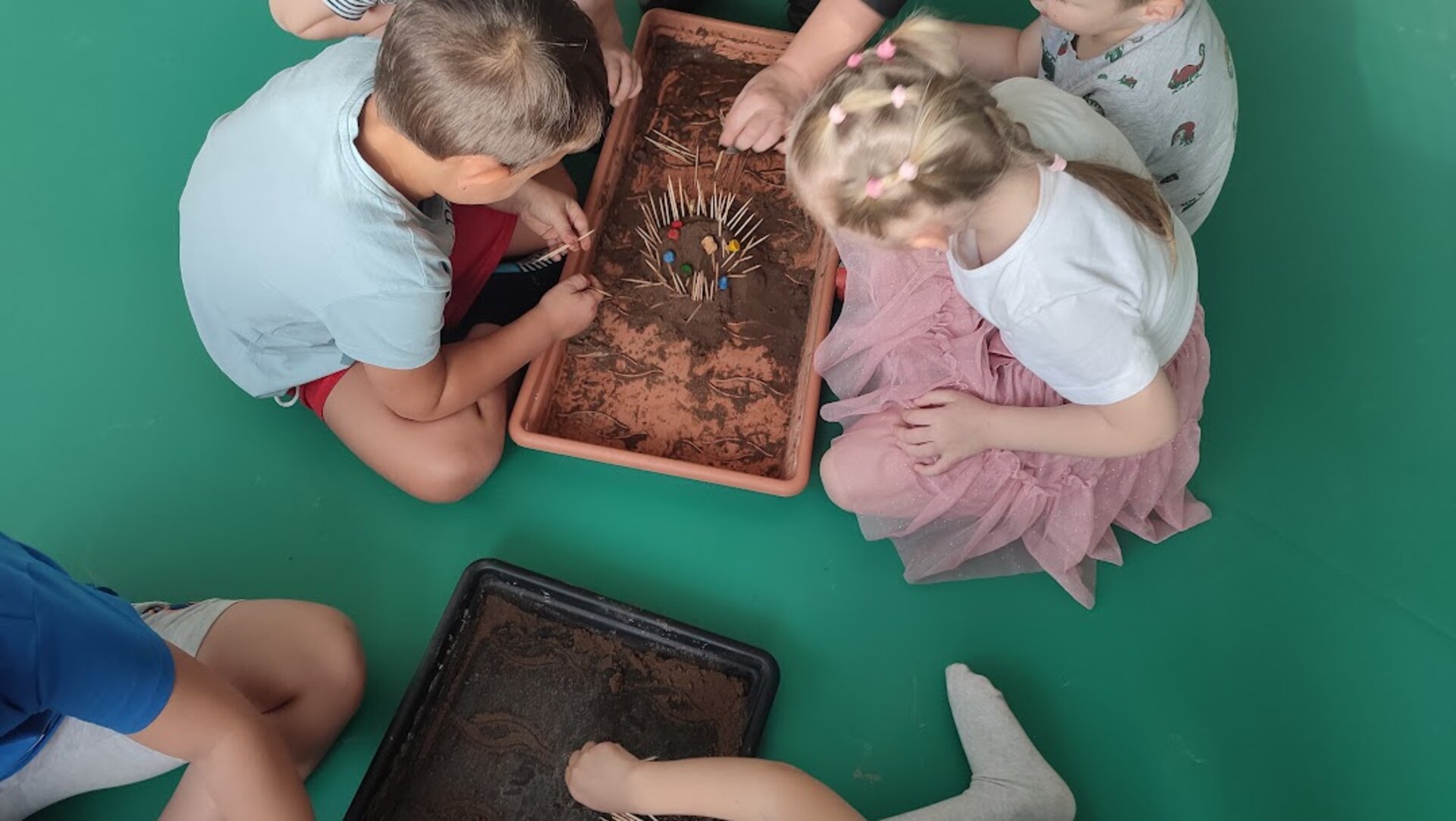
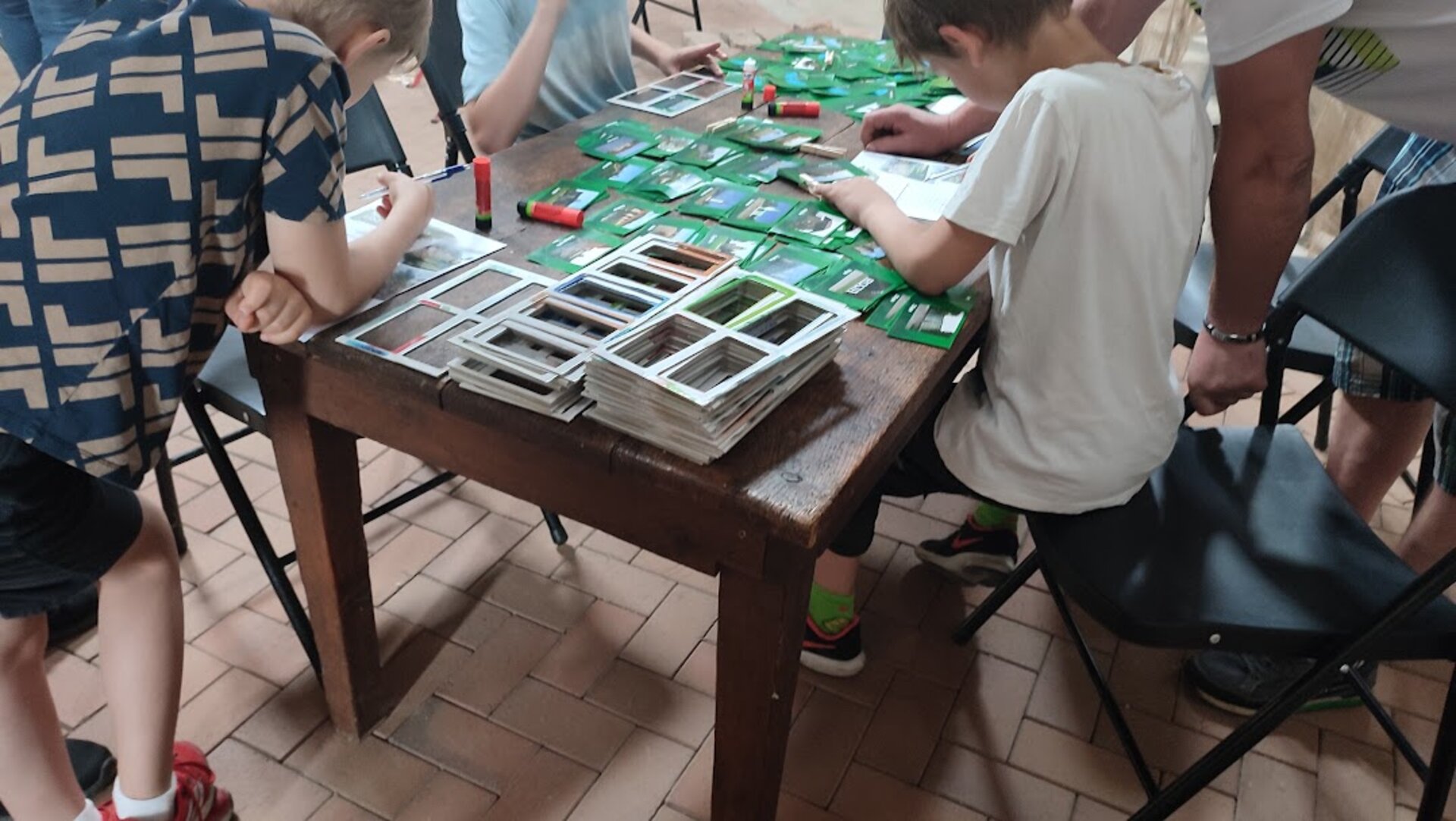
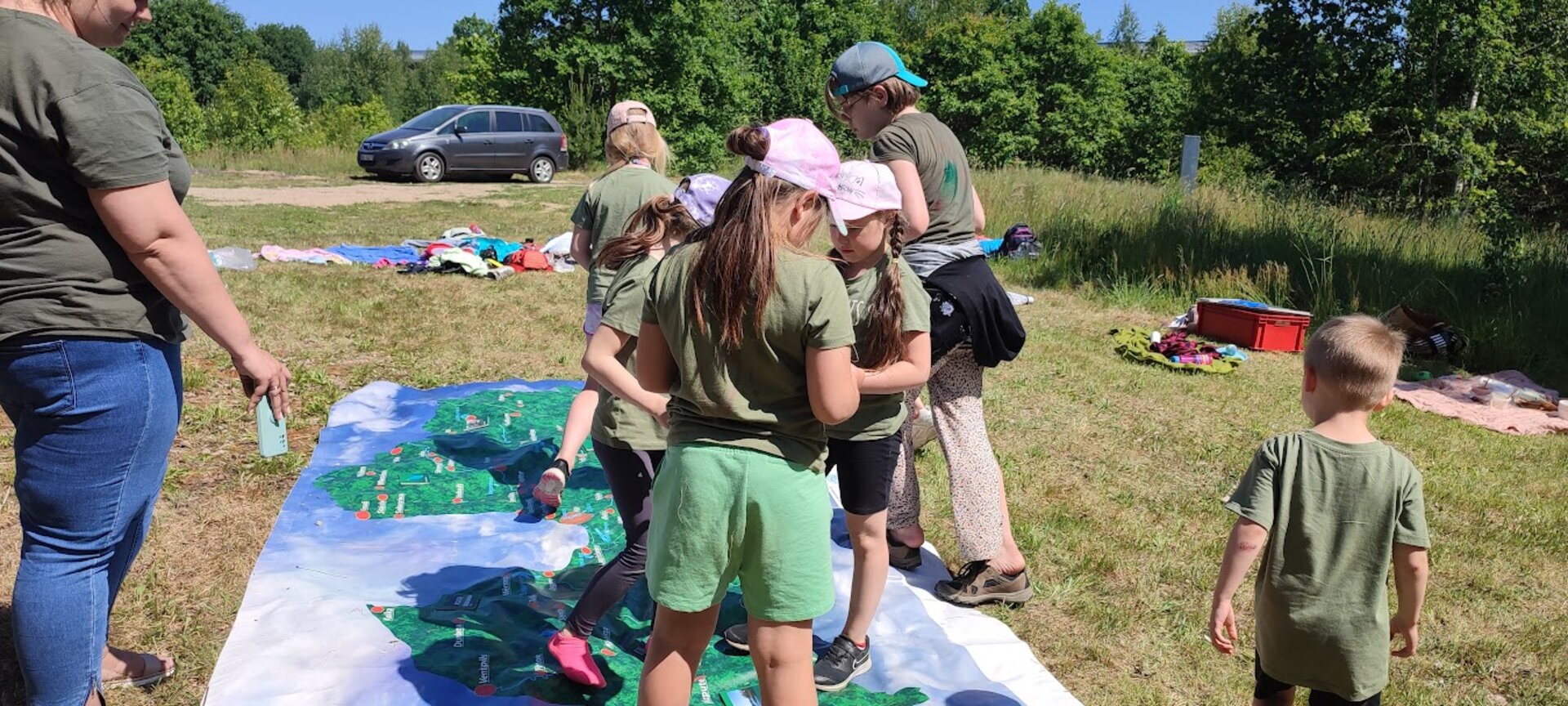
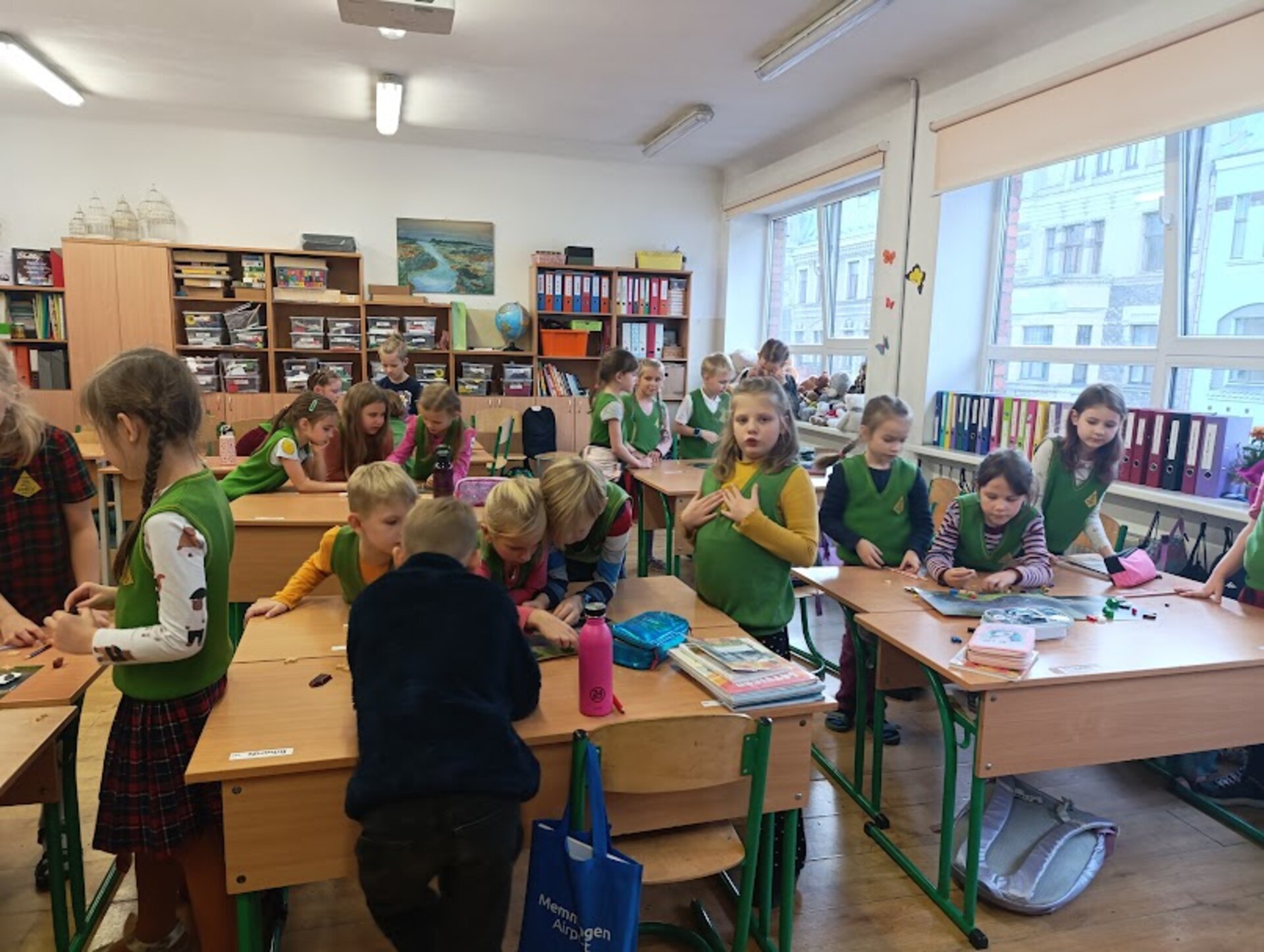
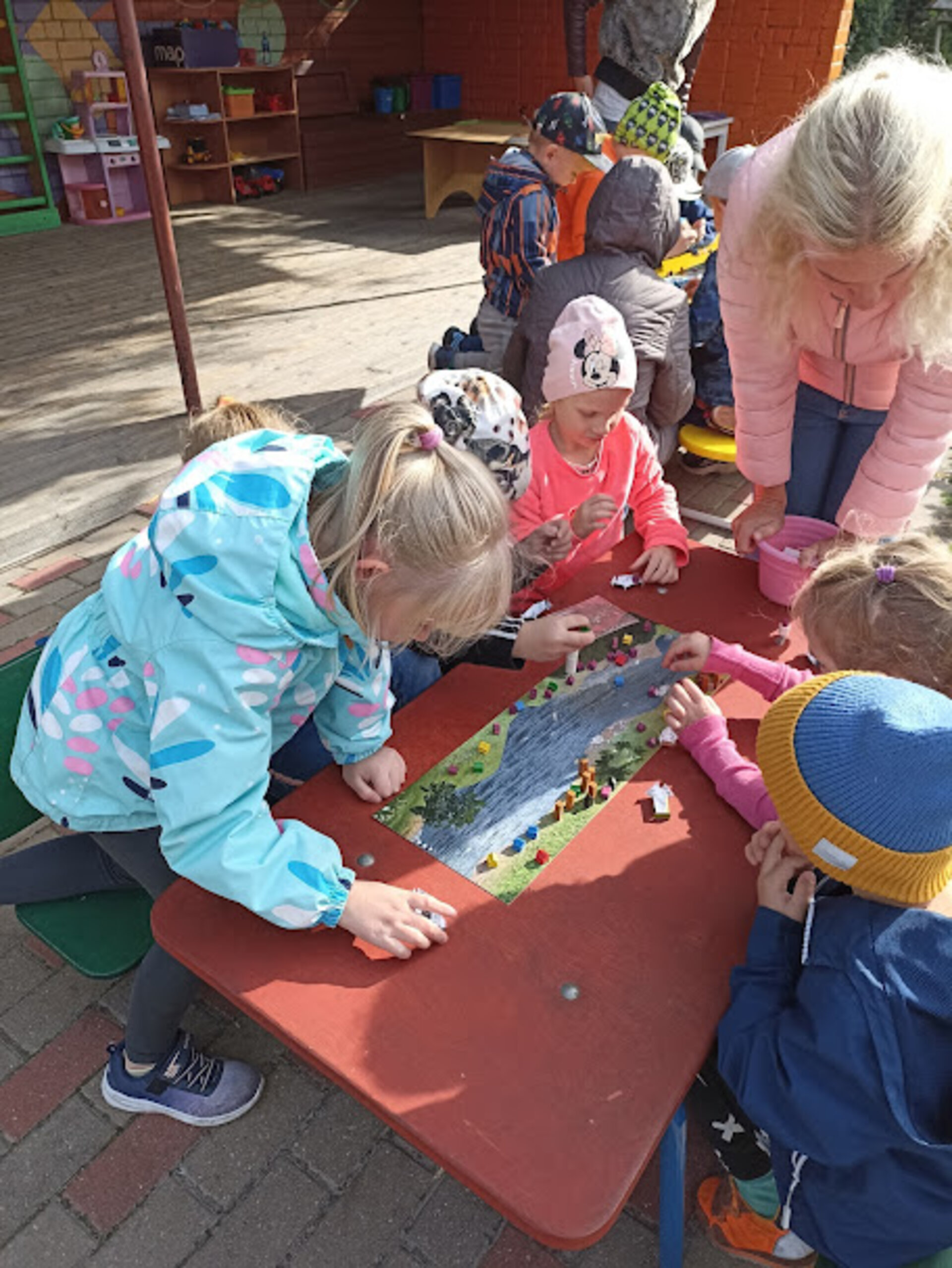
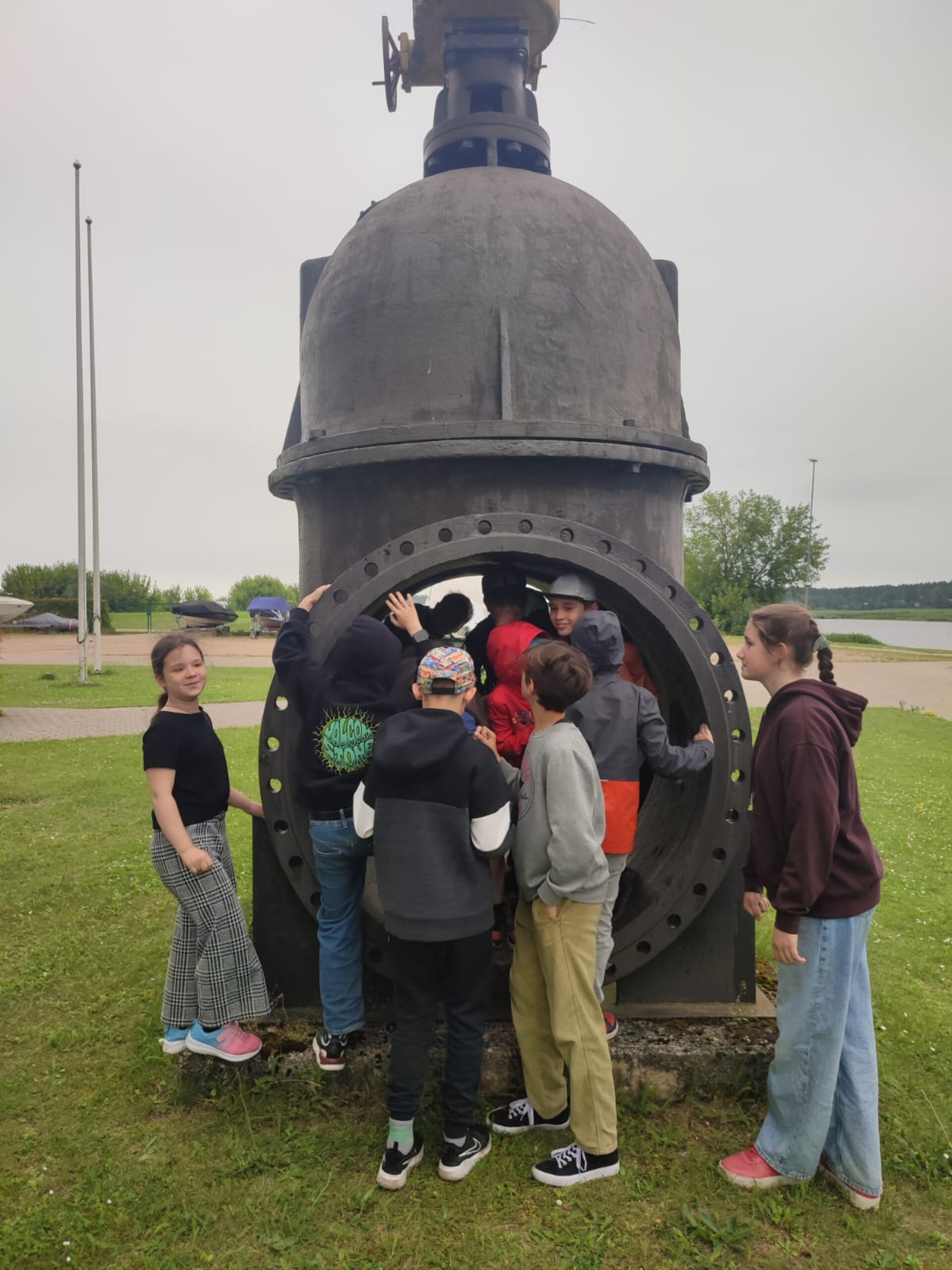
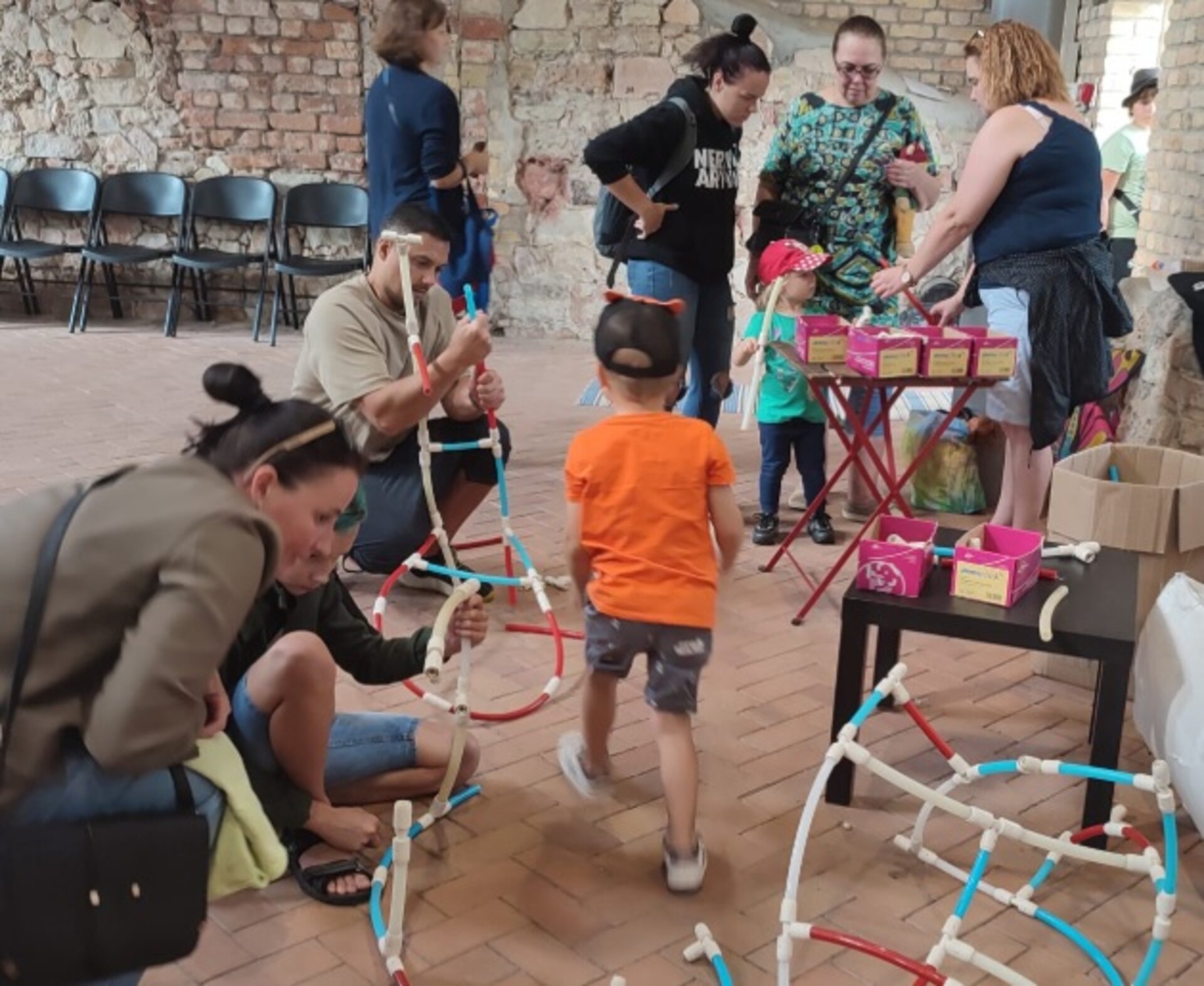
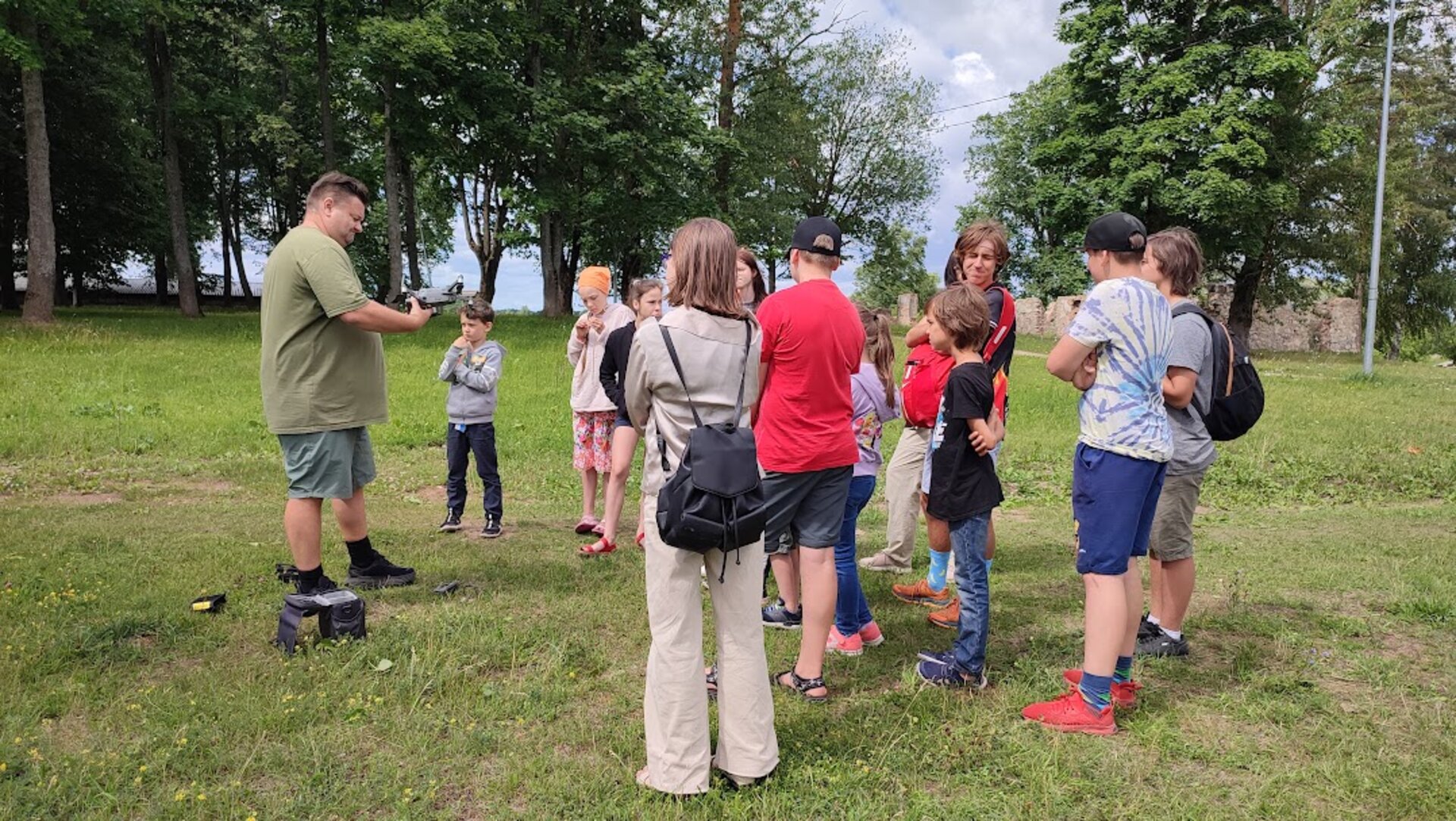
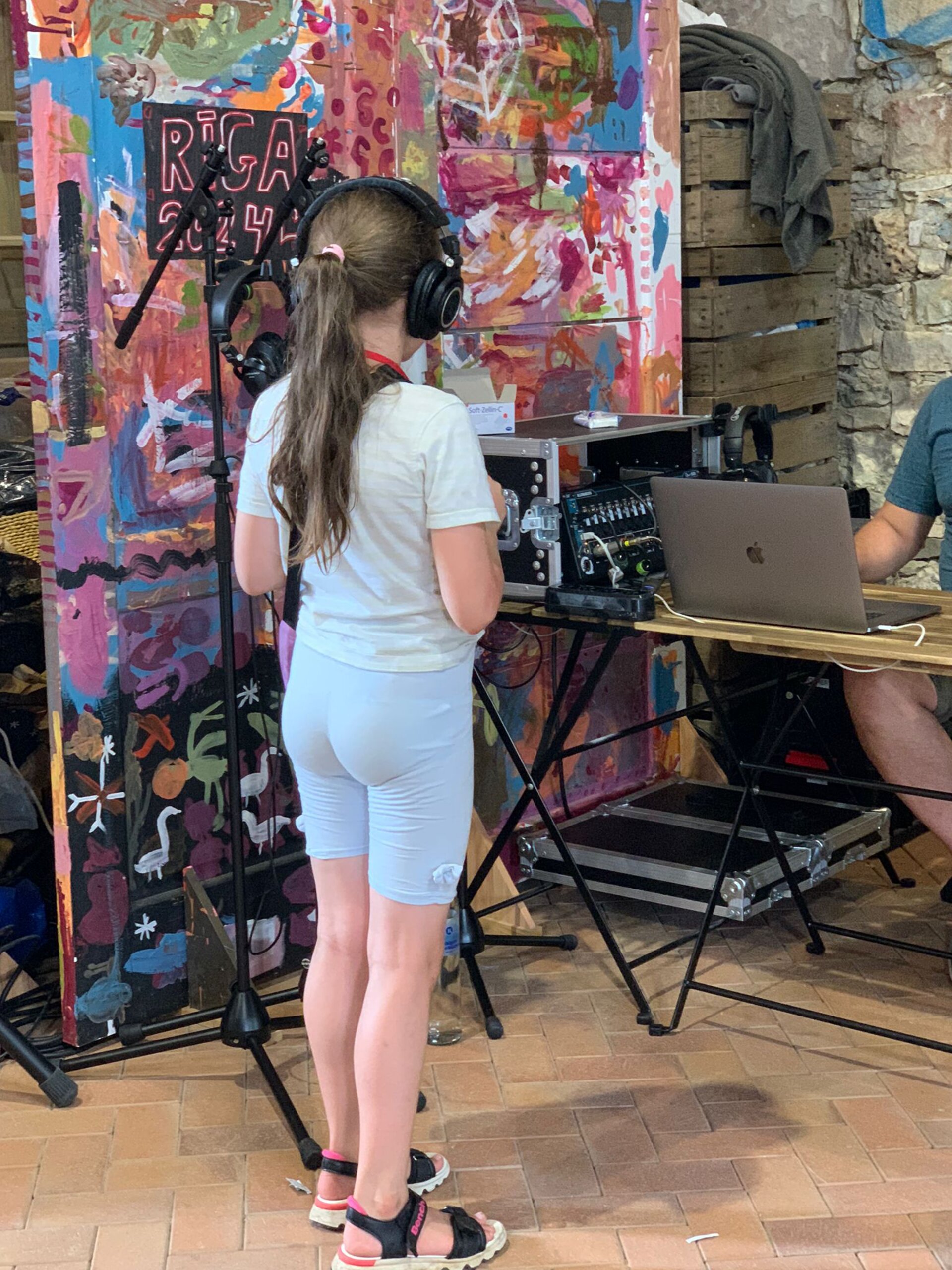
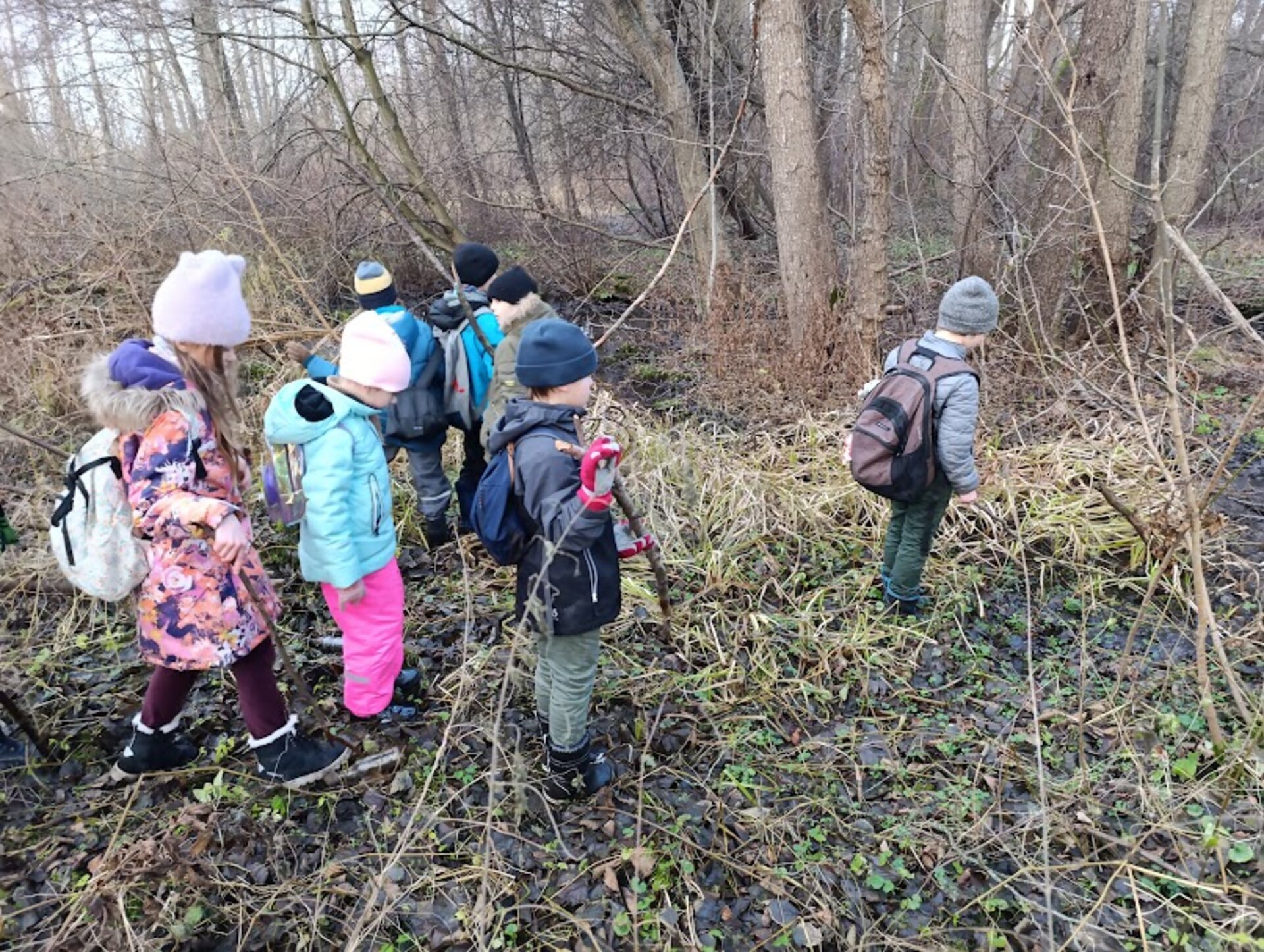
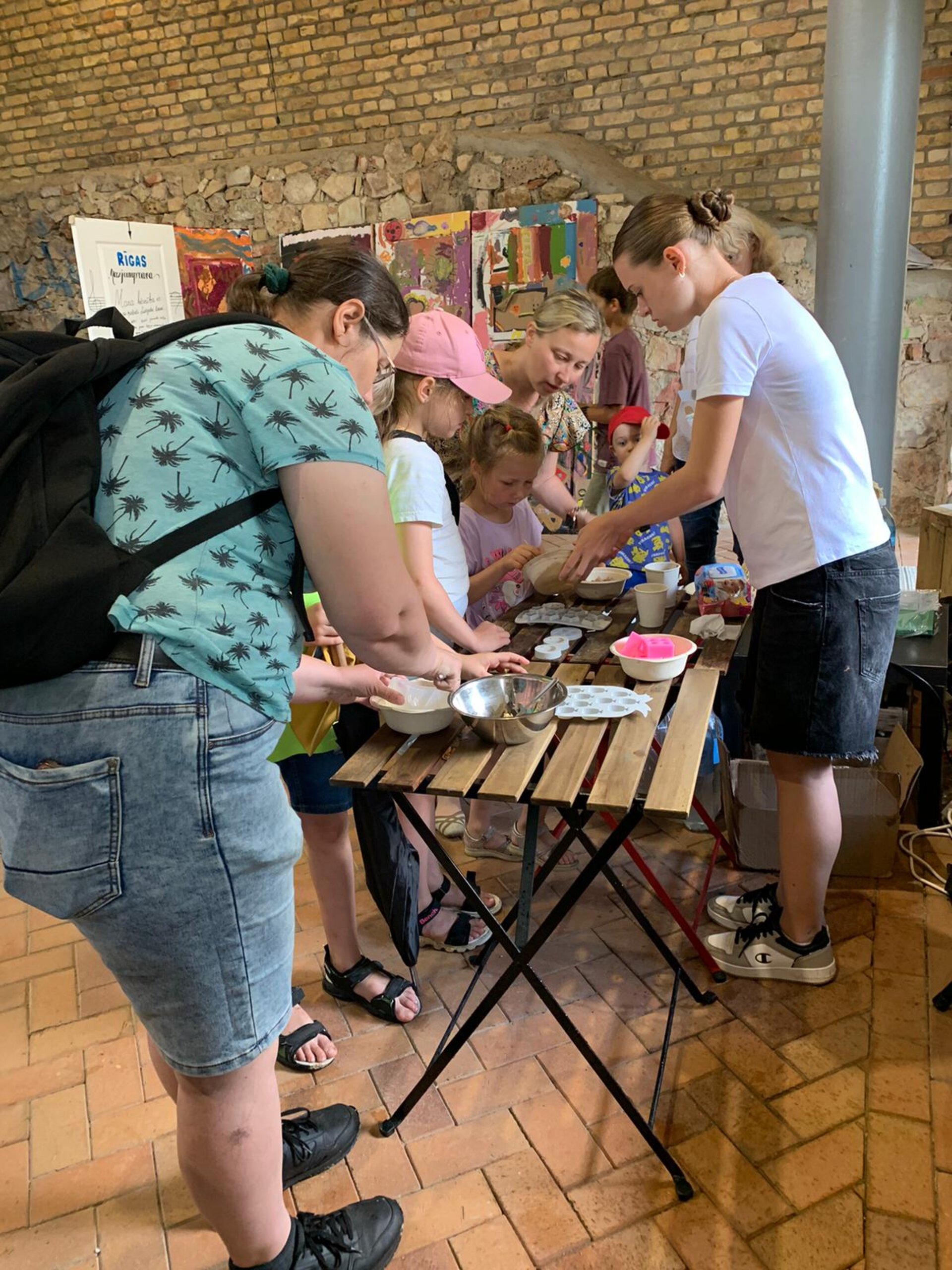
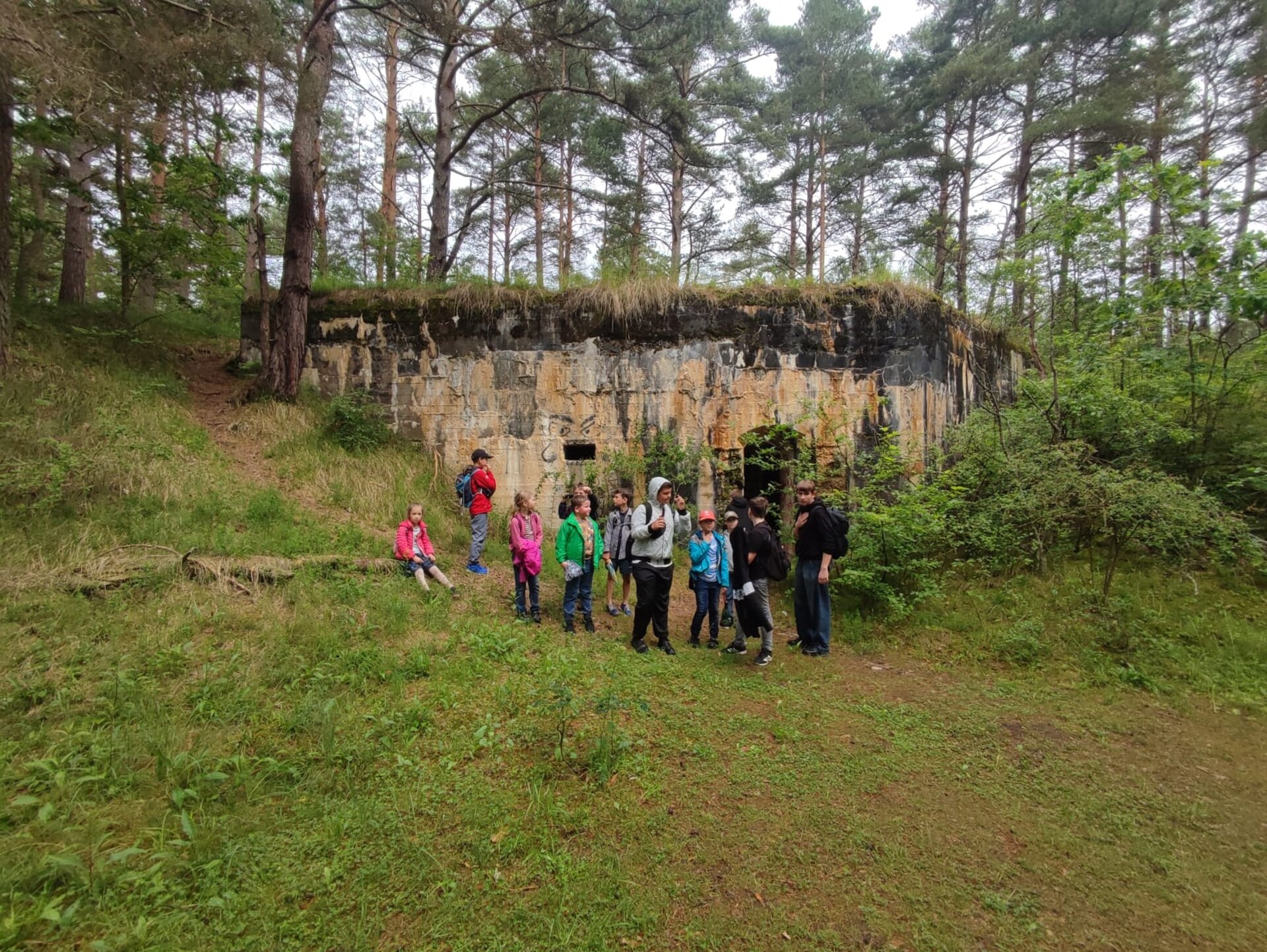
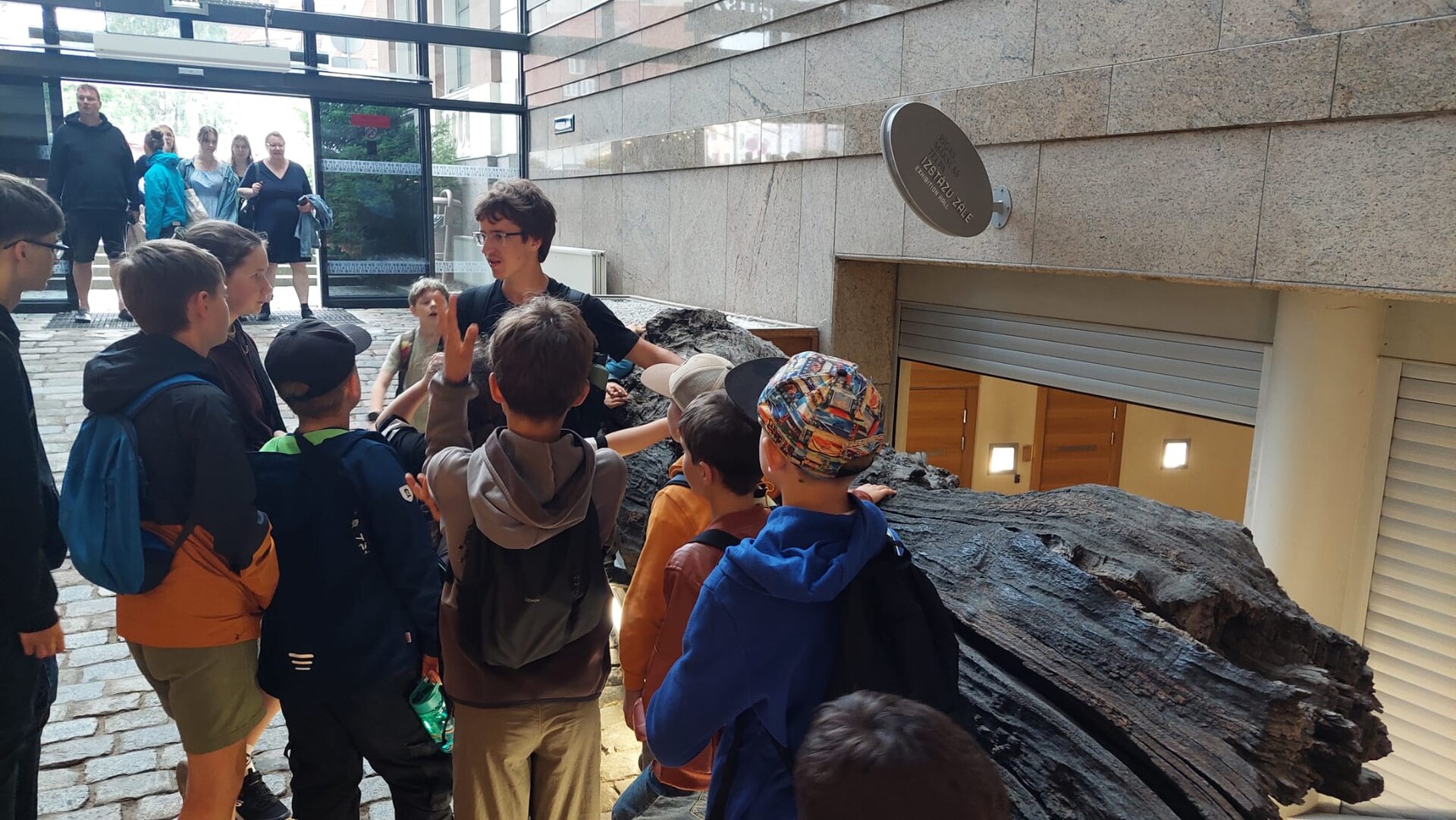
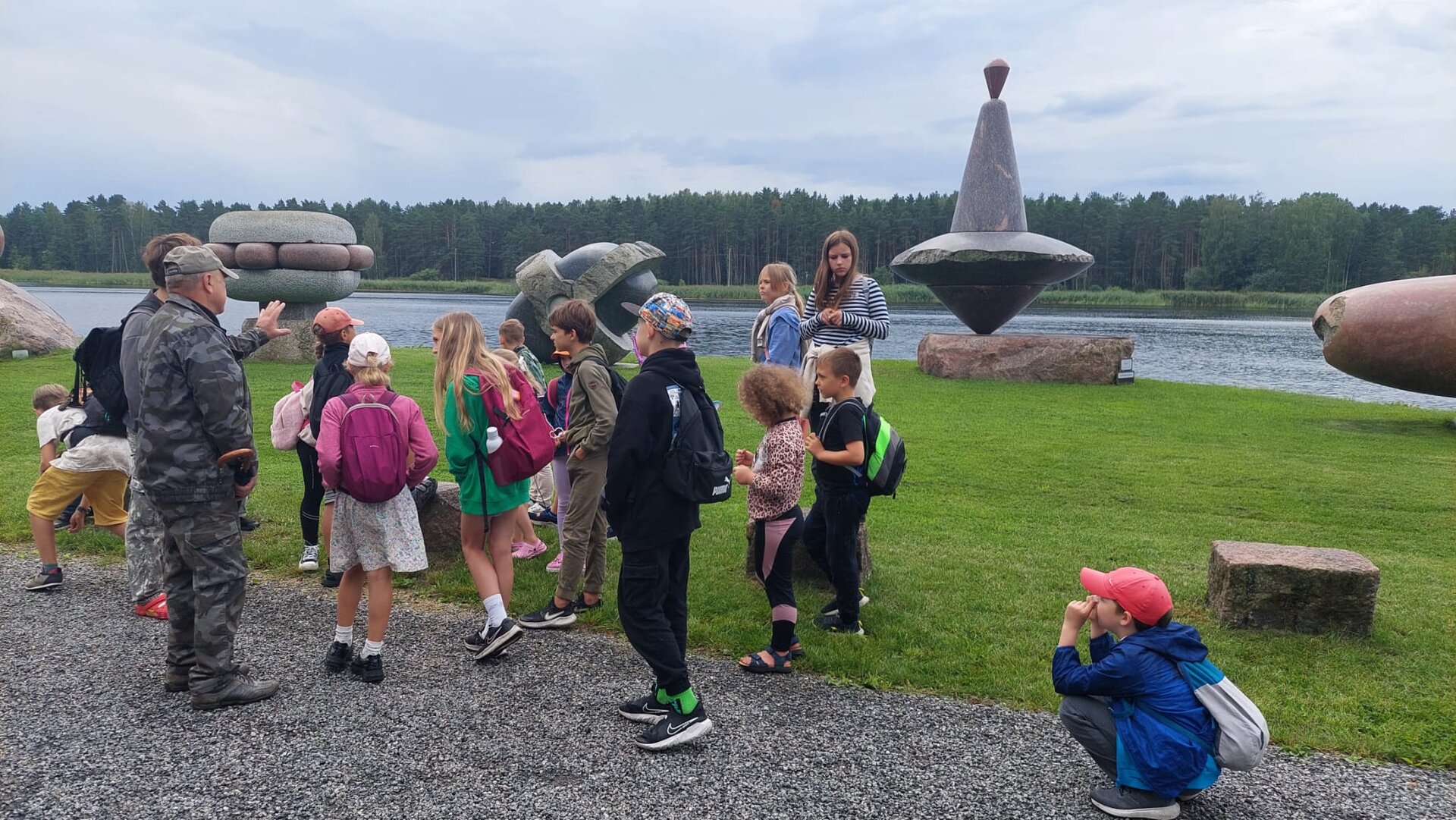
Cita Rīga’s Initiative ‘Co-creating Urban Heritage with Children’ is a long-term educational programme developed by the Latvian non-governmental organisation Cita Rīga. Established in 2014 and led by cultural heritage researcher Inese Grandāne, the initiative encourages children and young people to discover, investigate and interpret the architectural, social and cultural history of Riga through practical activities, experimentation and play. The programme is based on the principle that urban heritage is not simply a collection of monuments to be observed, but a living environment that can be explored and understood through direct experience. Working primarily with children aged 7 to 17, Cita Rīga transforms streets, squares, historic buildings and neighbourhoods into interactive learning spaces where participants become active investigators of the city's past. Each year, approximately 2,500 children participate in activities developed around specific historical places, events and themes. More than 30 educational programmes have been created, drawing on extensive research in archives and libraries, consultation with historians and museum professionals, and the interpretation of historic maps, photographs and documentary evidence. This material is translated into accessible tasks that encourage curiosity, independent observation and critical thinking. A distinctive feature of the initiative is its use of experimental history. Rather than simply recounting historical narratives, participants test how events, objects and techniques may have worked in practice. In one activity, children constructed a wooden model of a church to investigate a historical account involving the use of milk to extinguish a fire. In another, they built miniature sailing boats to simulate trade along the Daugava River, exploring the economic and geographical factors that shaped Riga's development. Other programmes investigate medieval fortifications, industrial districts, Jewish neighbourhoods and the transformation of the city's urban landscape. Historic maps are used to navigate contemporary streets, helping participants recognise the layers of history that remain visible in the built environment. The approach connects architectural heritage with social history and encourages children to distinguish between documented facts, legends and historical interpretations. Approximately 80% of activities take place outdoors in public spaces throughout Riga, while the remainder are organised in schools, libraries and community centres. The programme is designed to be accessible and uses inexpensive, reusable materials. Its average annual budget of approximately €25,000 is supported mainly by municipal funding, small donations and self-generated income. The initiative also promotes sustained participation and intergenerational learning. Around 20% of former participants return as volunteers or junior facilitators, supporting younger groups and helping to develop new activities. This continuity has transformed Cita Rīga into a grassroots educational community in which children gradually become active contributors to the interpretation and transmission of local heritage. The programme's methods have been presented internationally and offer a low-cost, adaptable model for heritage education in other European cities. Its emphasis on direct investigation, shared discovery and youth participation demonstrates how historic urban environments can become resources for civic learning and community engagement. Recognised with a European Heritage Award / Europa Nostra Award in the Education, Training and Skills category in 2026, Cita Rīga's initiative highlights the importance of giving children an active role in understanding their surroundings. By fostering curiosity, critical thinking and a lasting sense of connection to place, it strengthens the foundations for future generations to value and safeguard urban cultural heritage.

