



Safeguarding the Dobrota Lace Tradition – Pacijenca Project
Safeguarding the Dobrota Lace Tradition – Pacijenca Project is an initiative developed by the Municipal Public Institution Museums of Kotor in Montenegro to revive and transmit one of the Bay of Kotor's most endangered traditional crafts. Established as a practical safeguarding ...
Read more
Project details
Description:
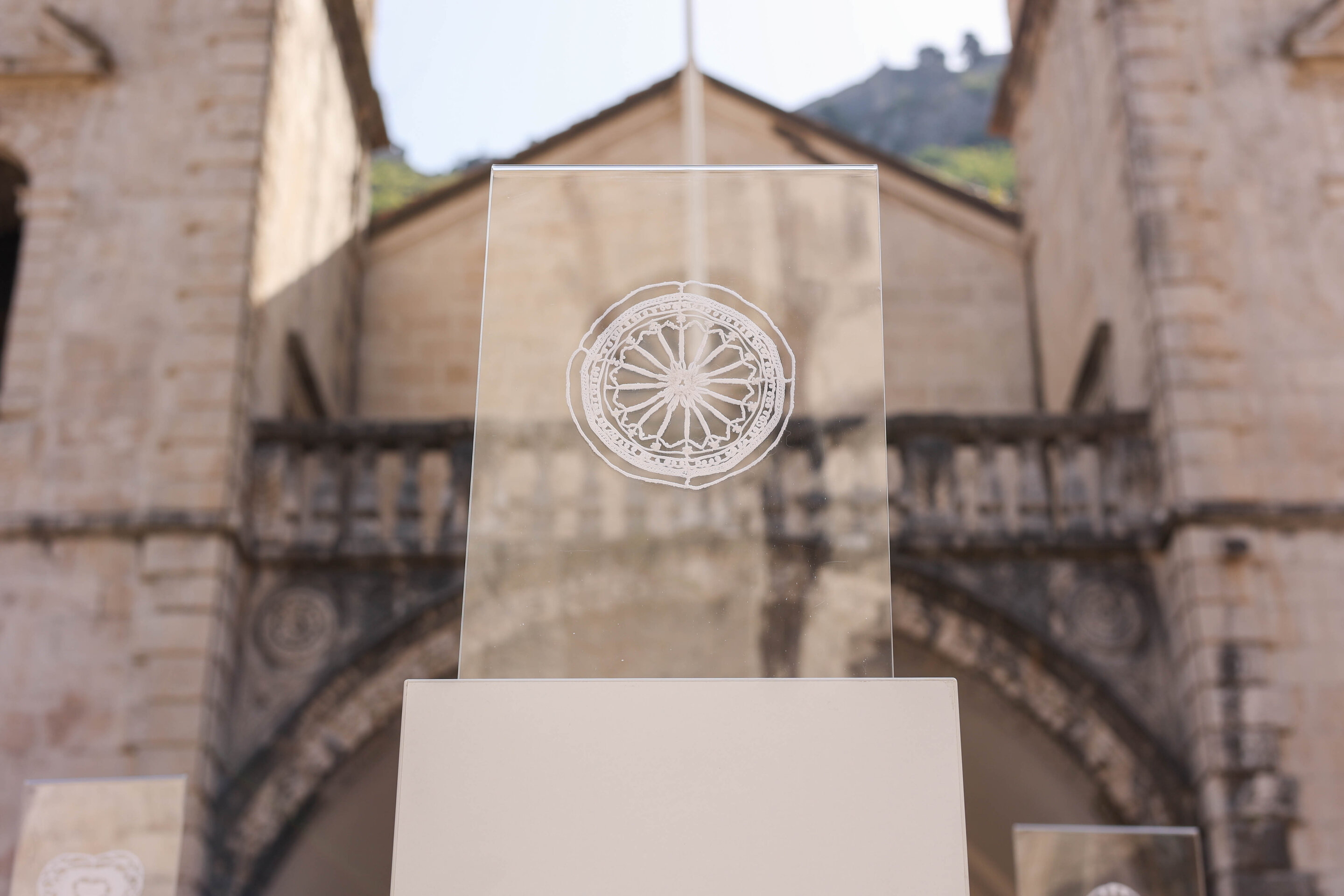
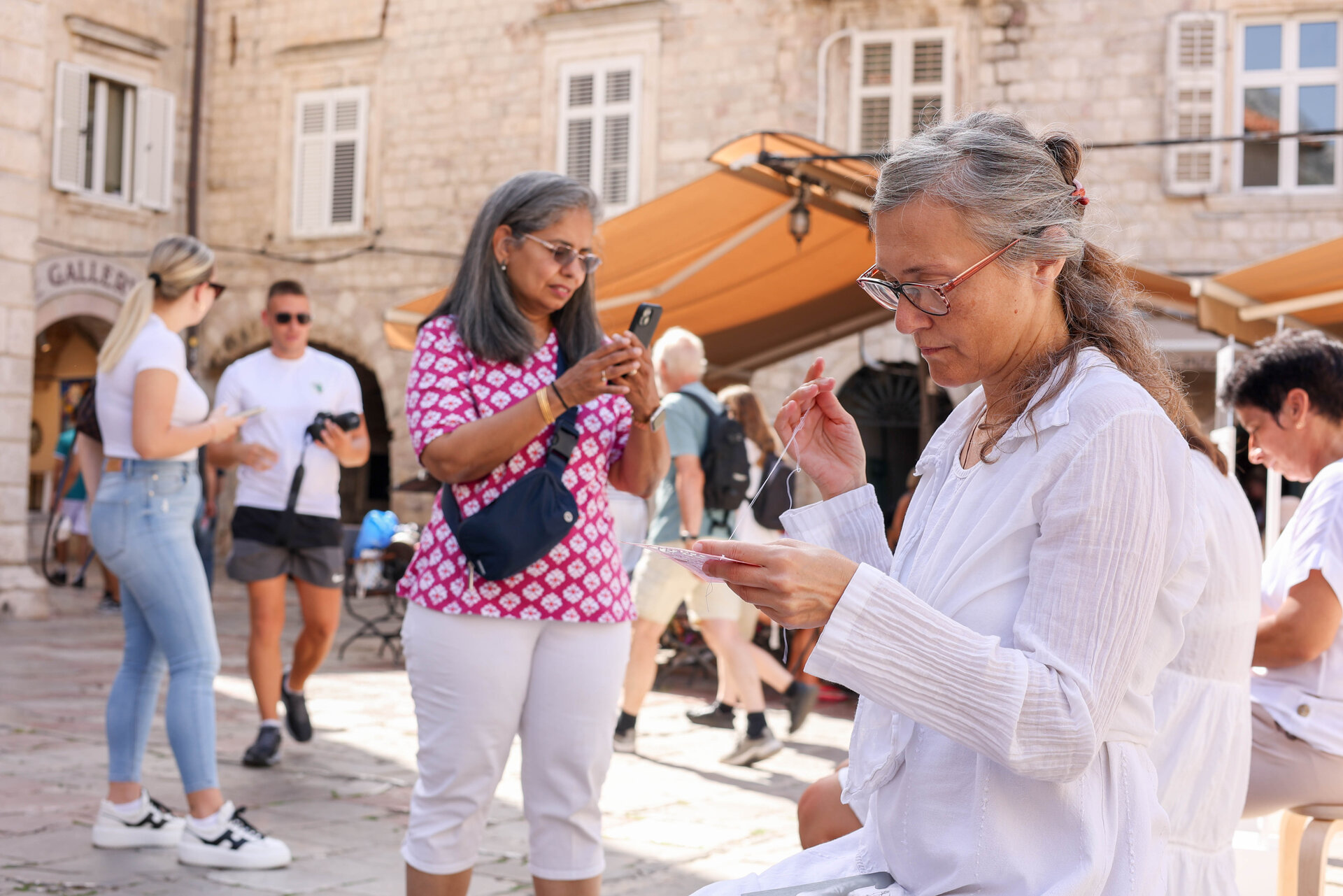
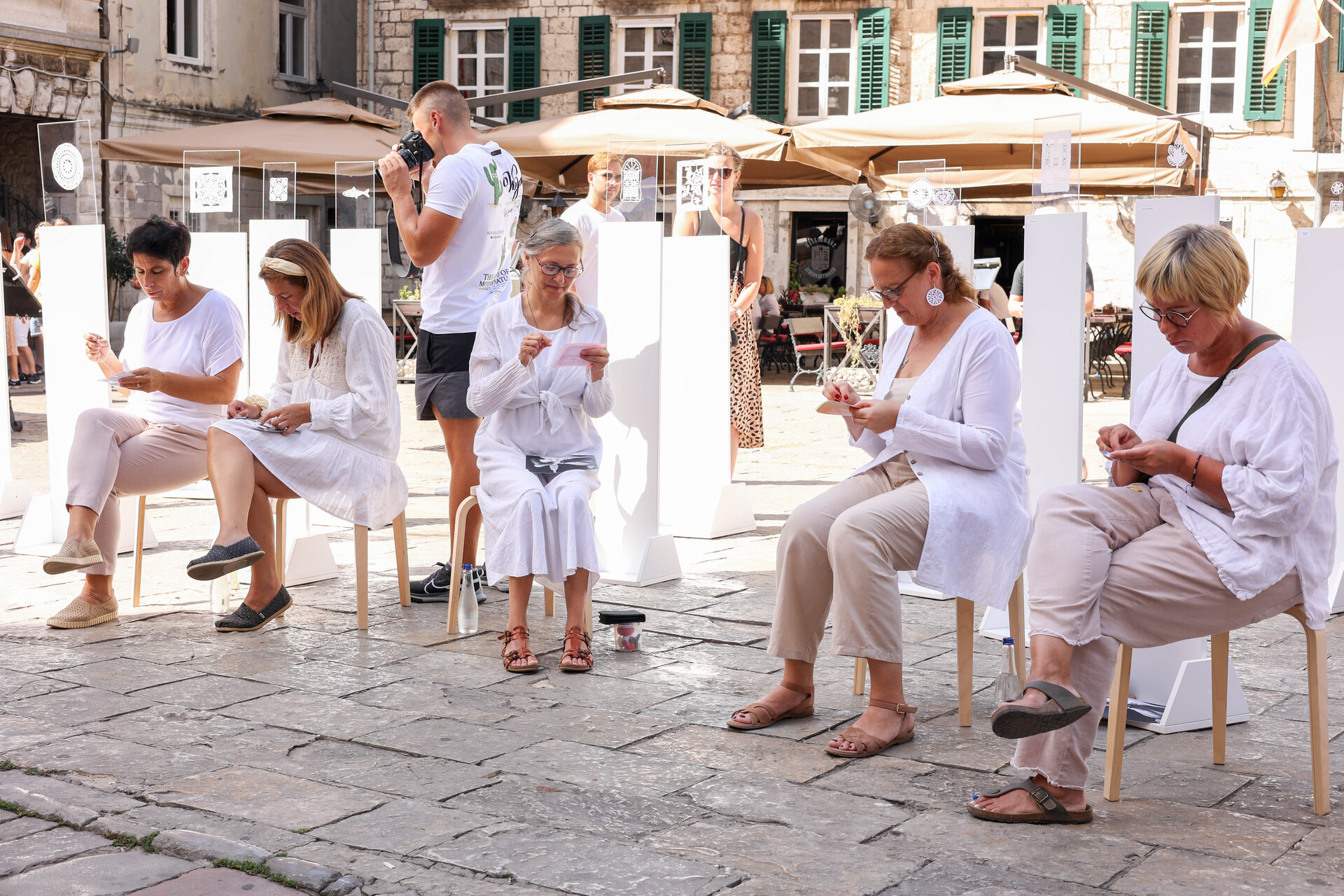
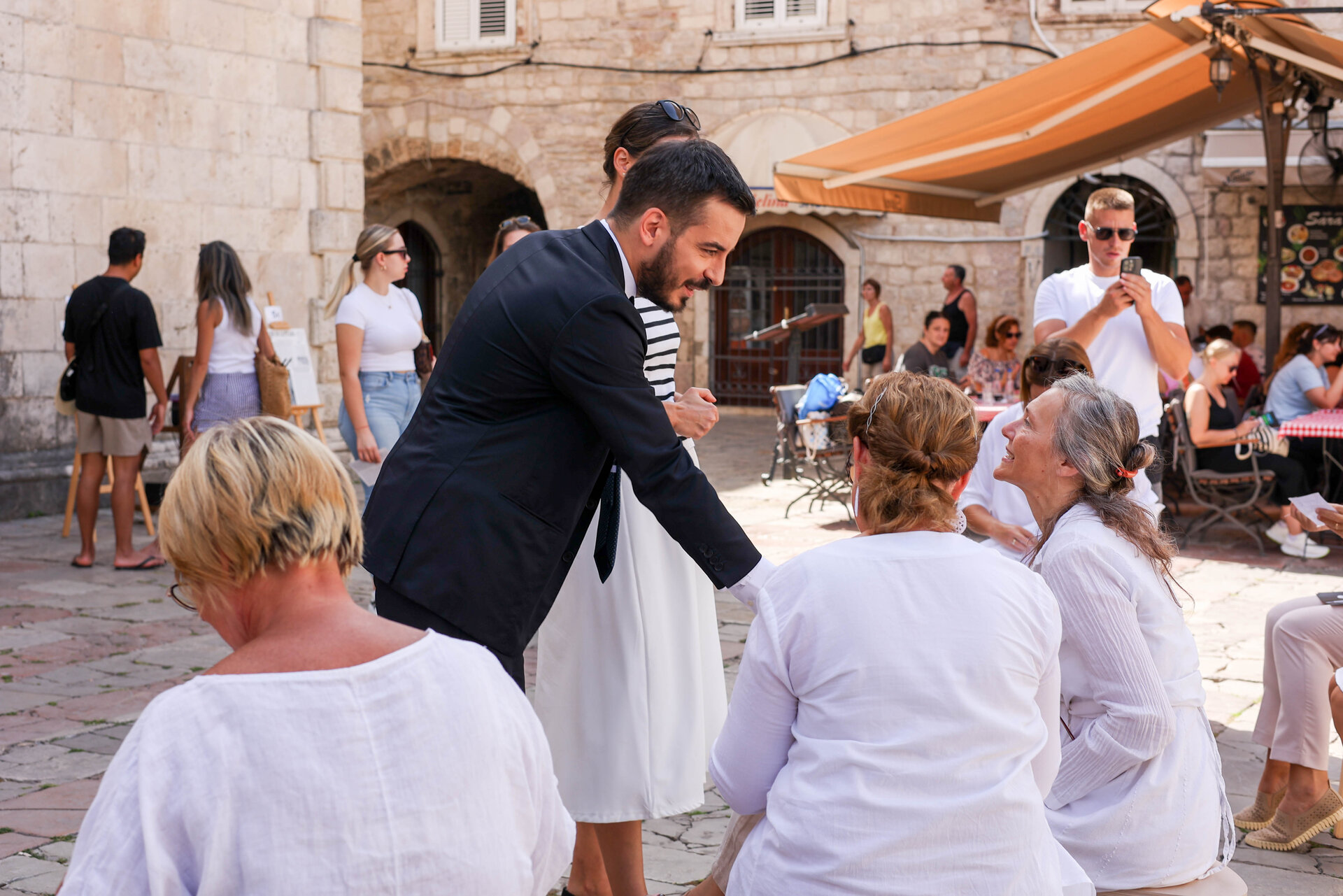
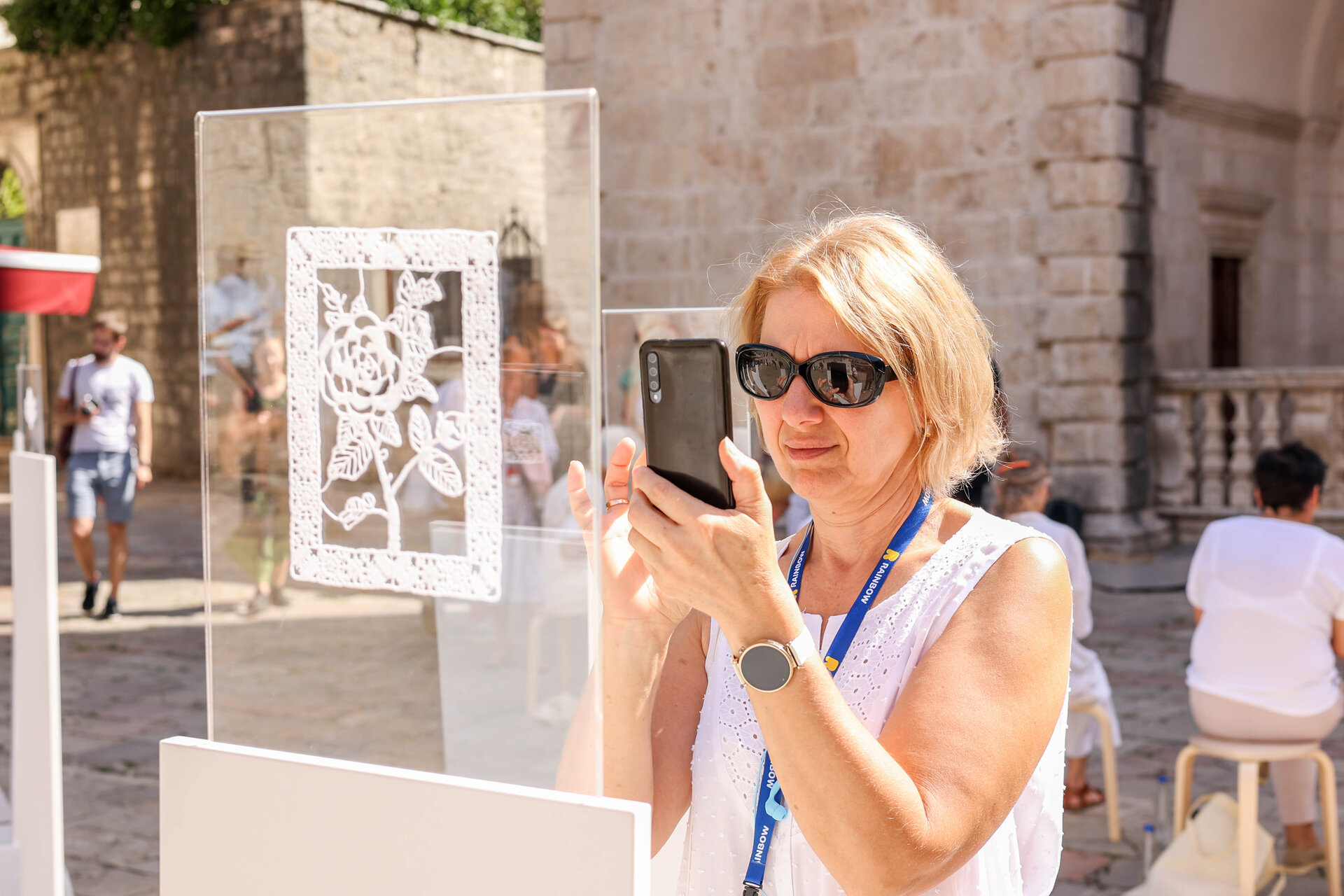
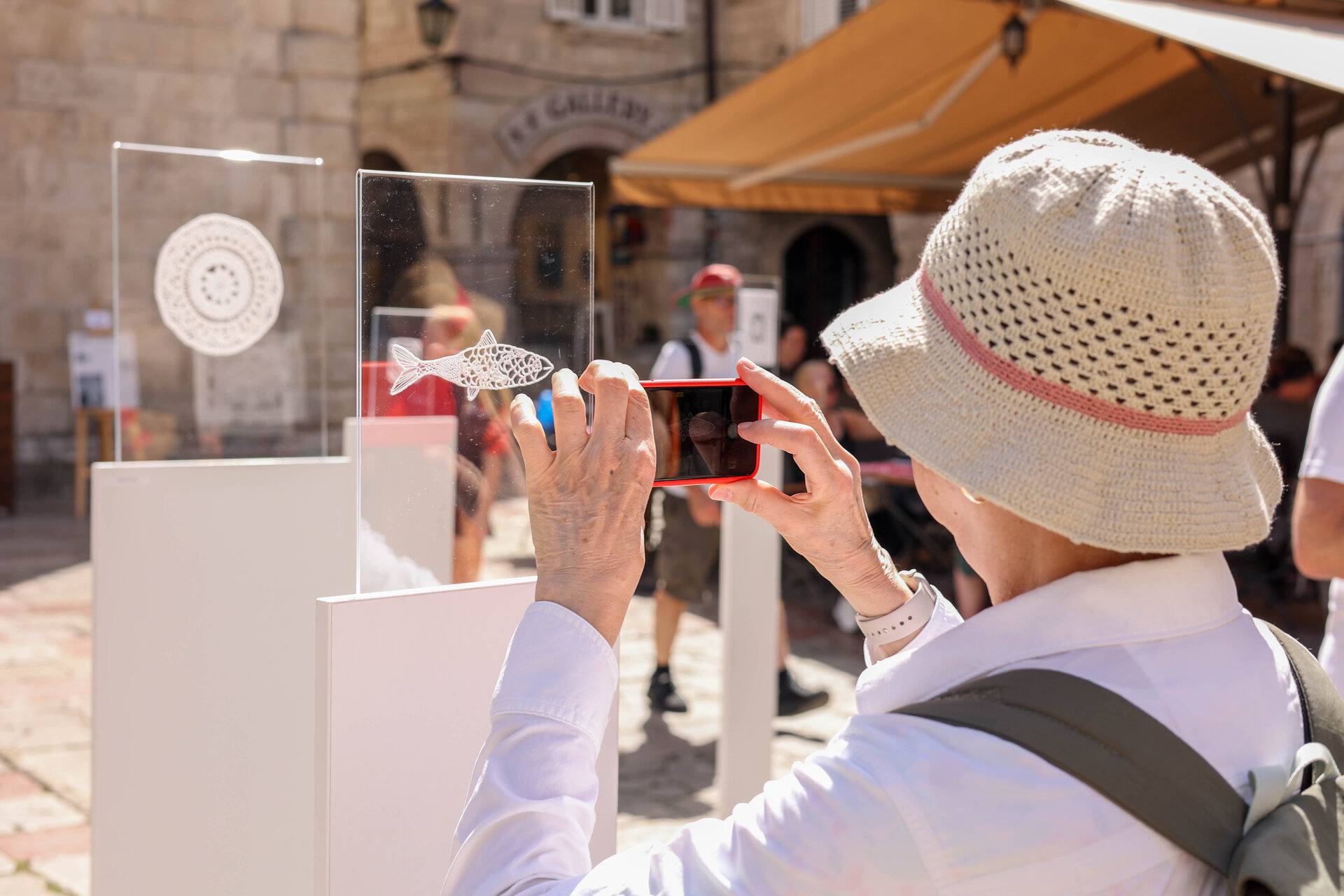
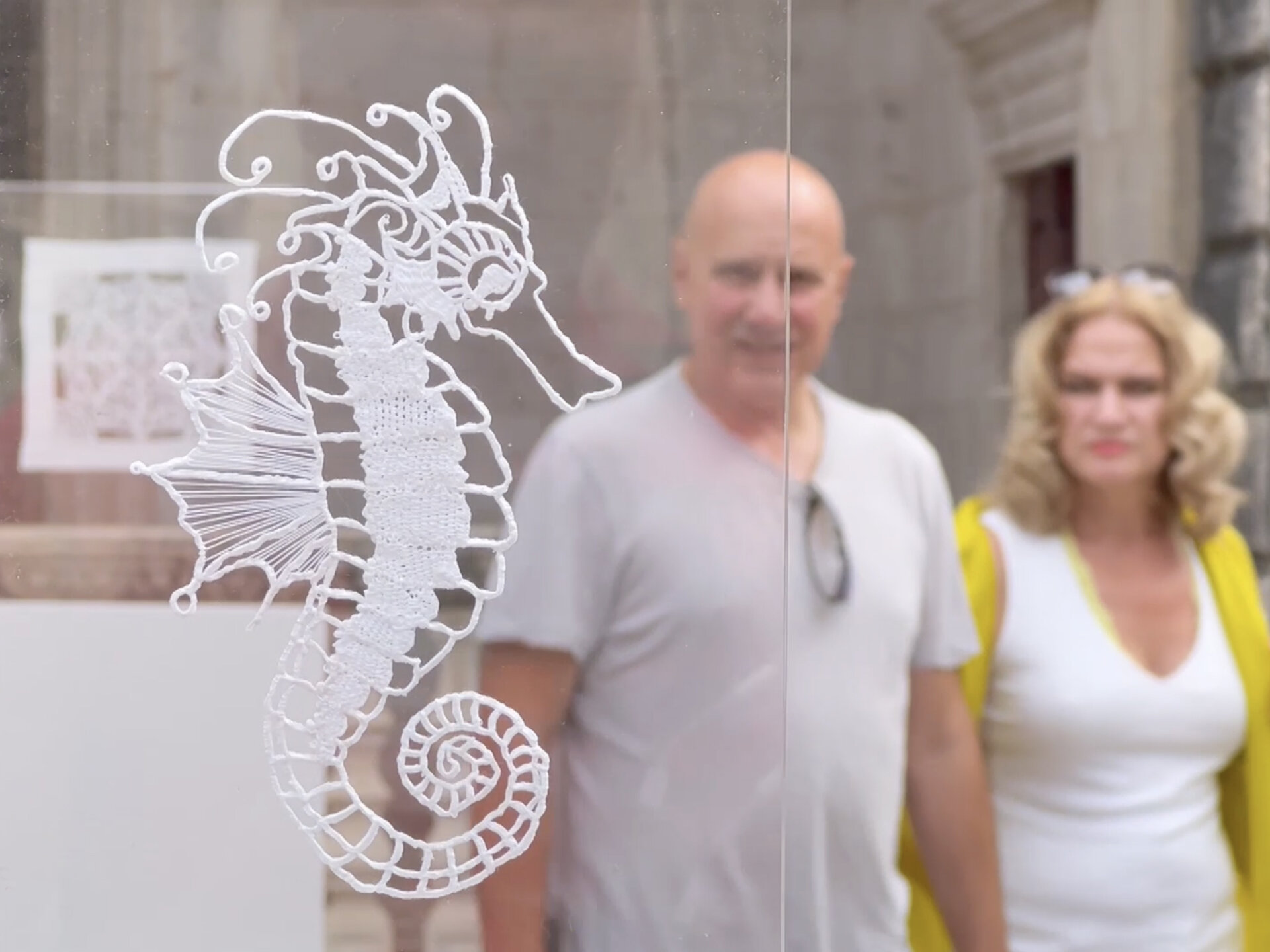
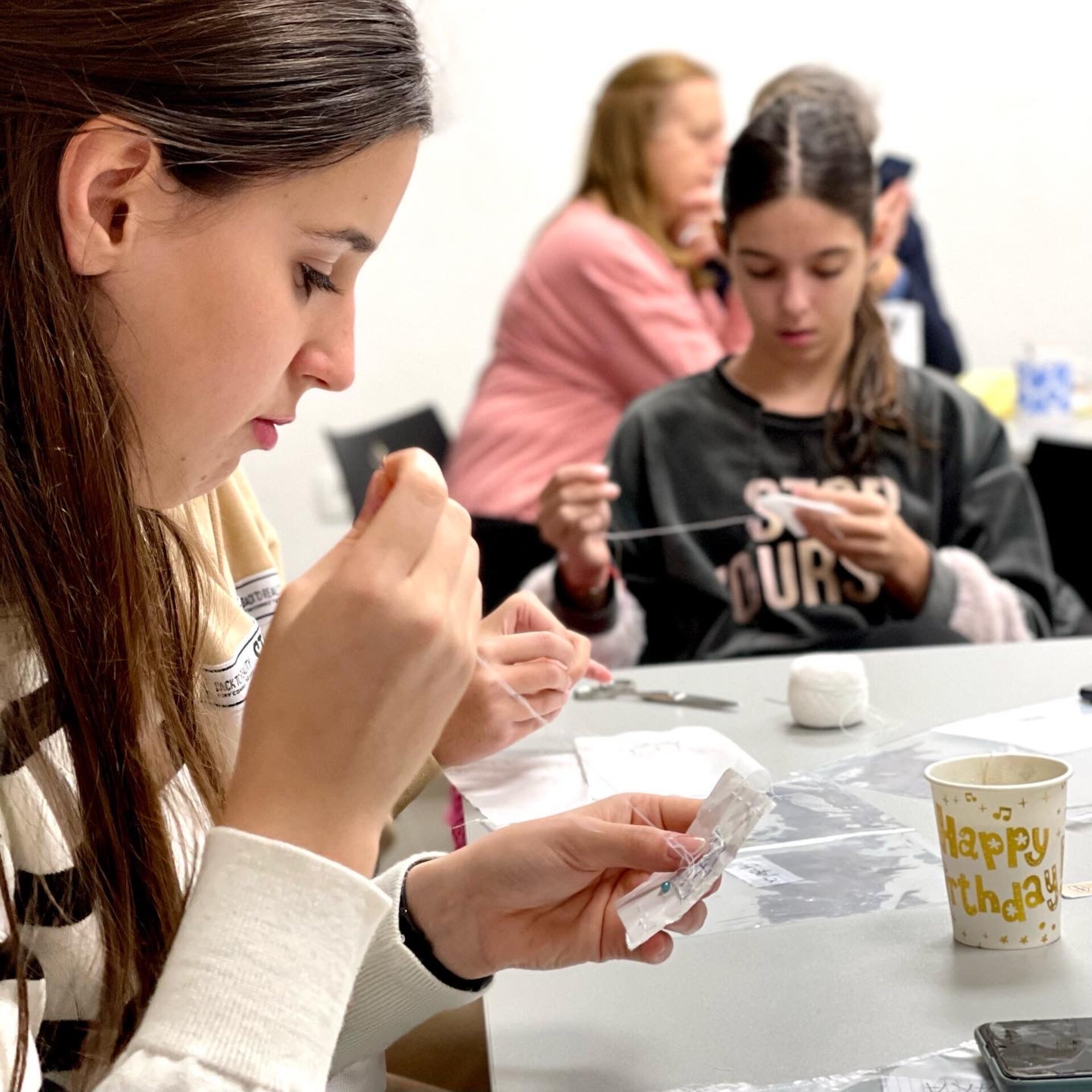
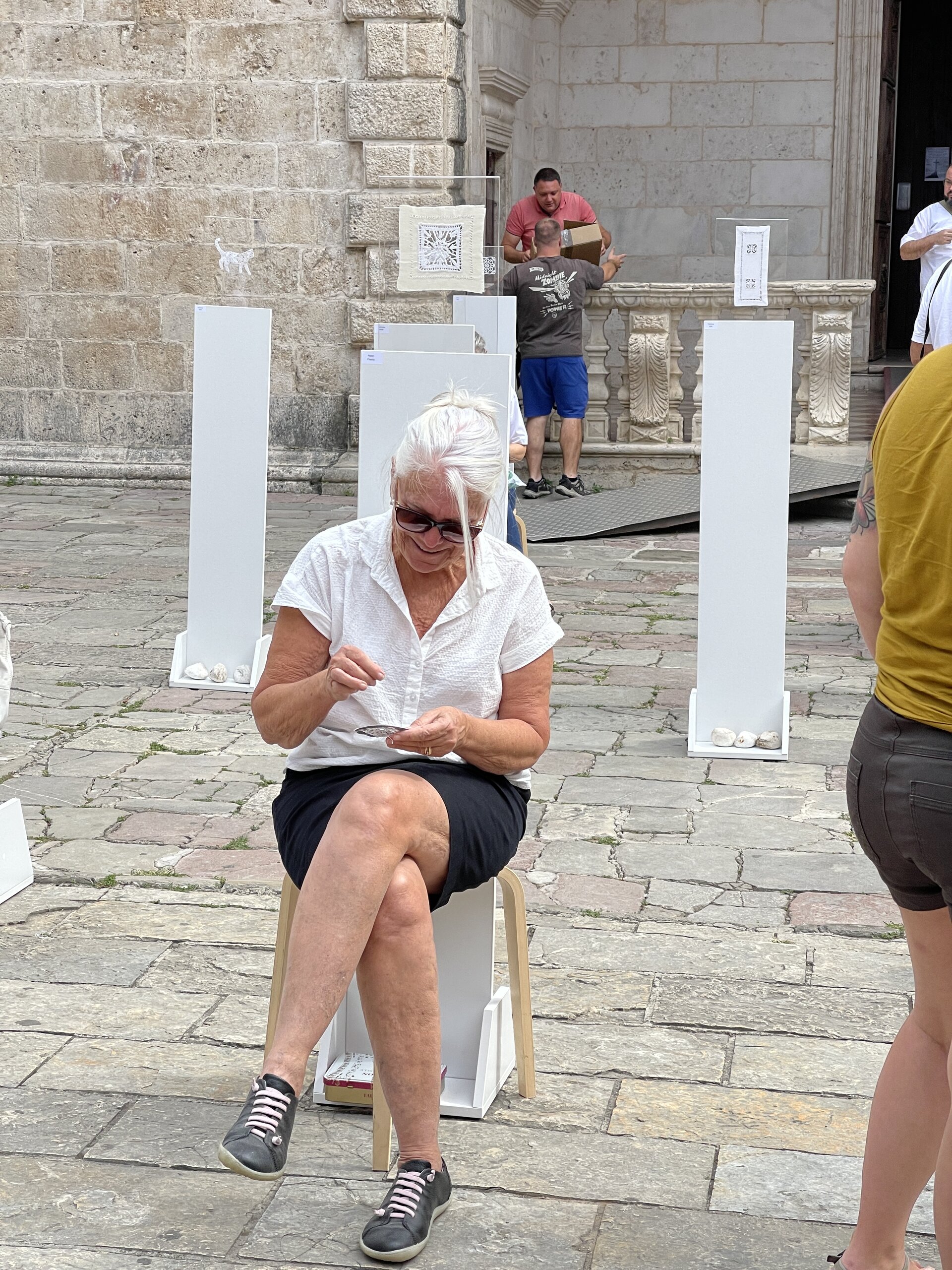
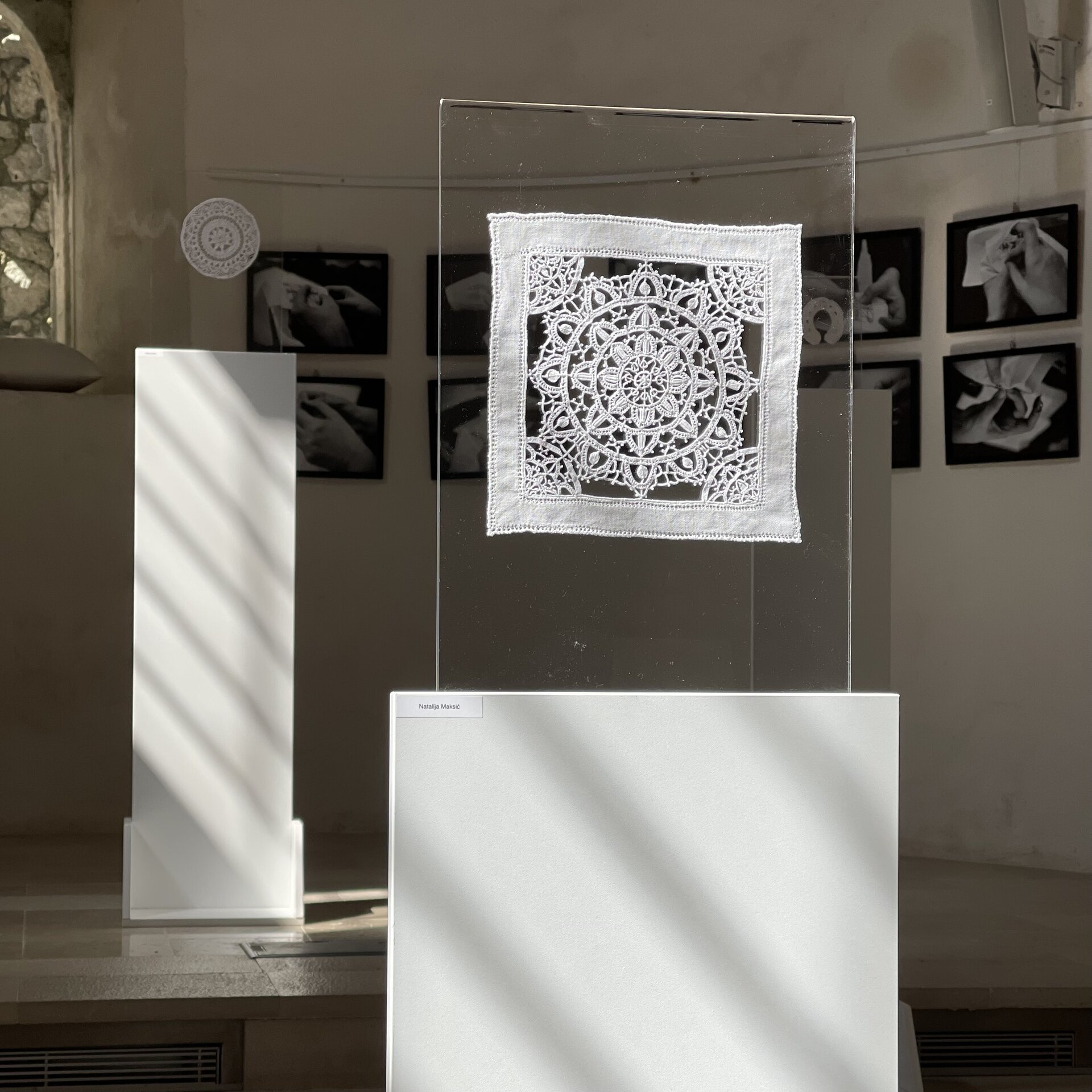
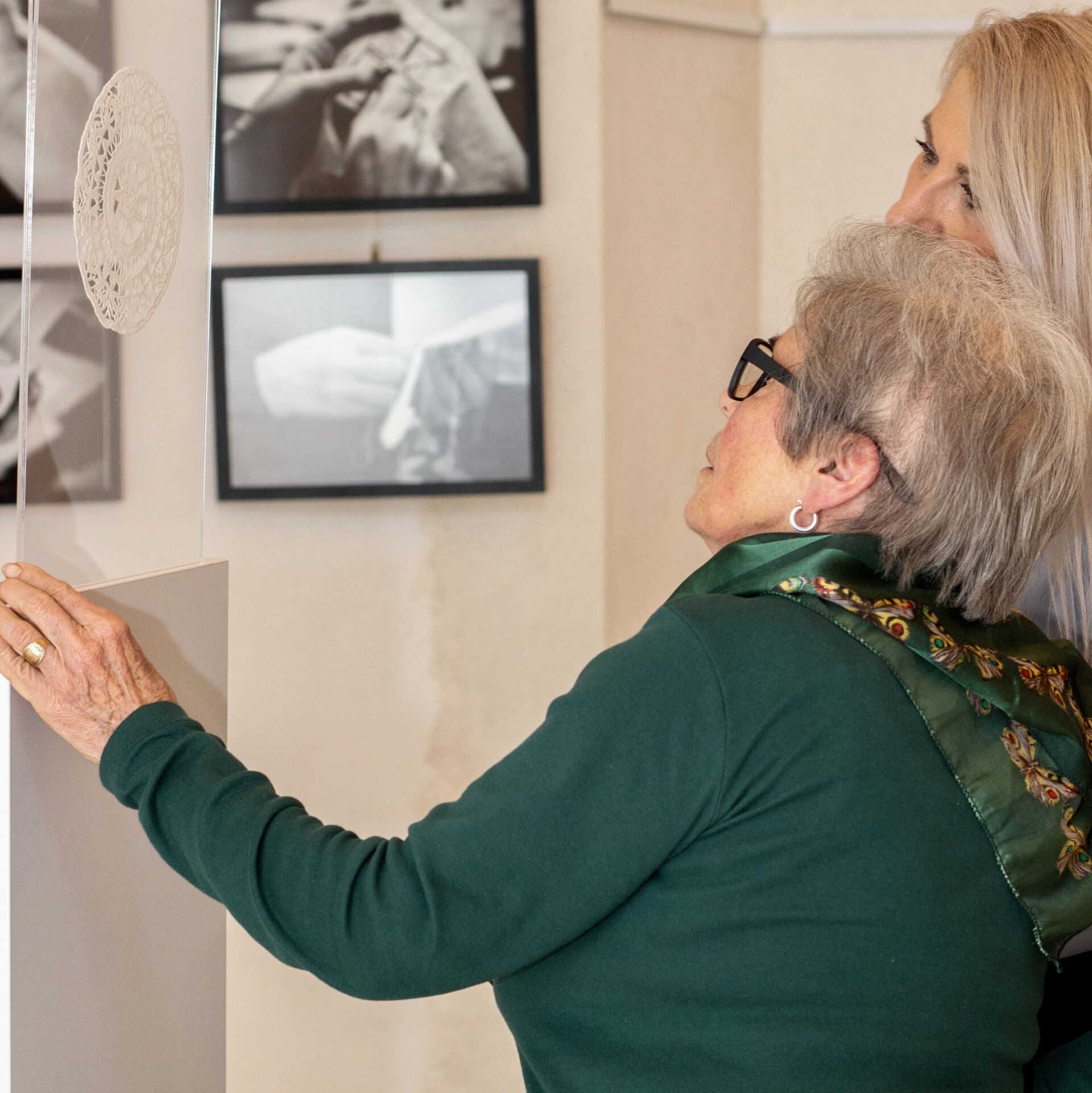
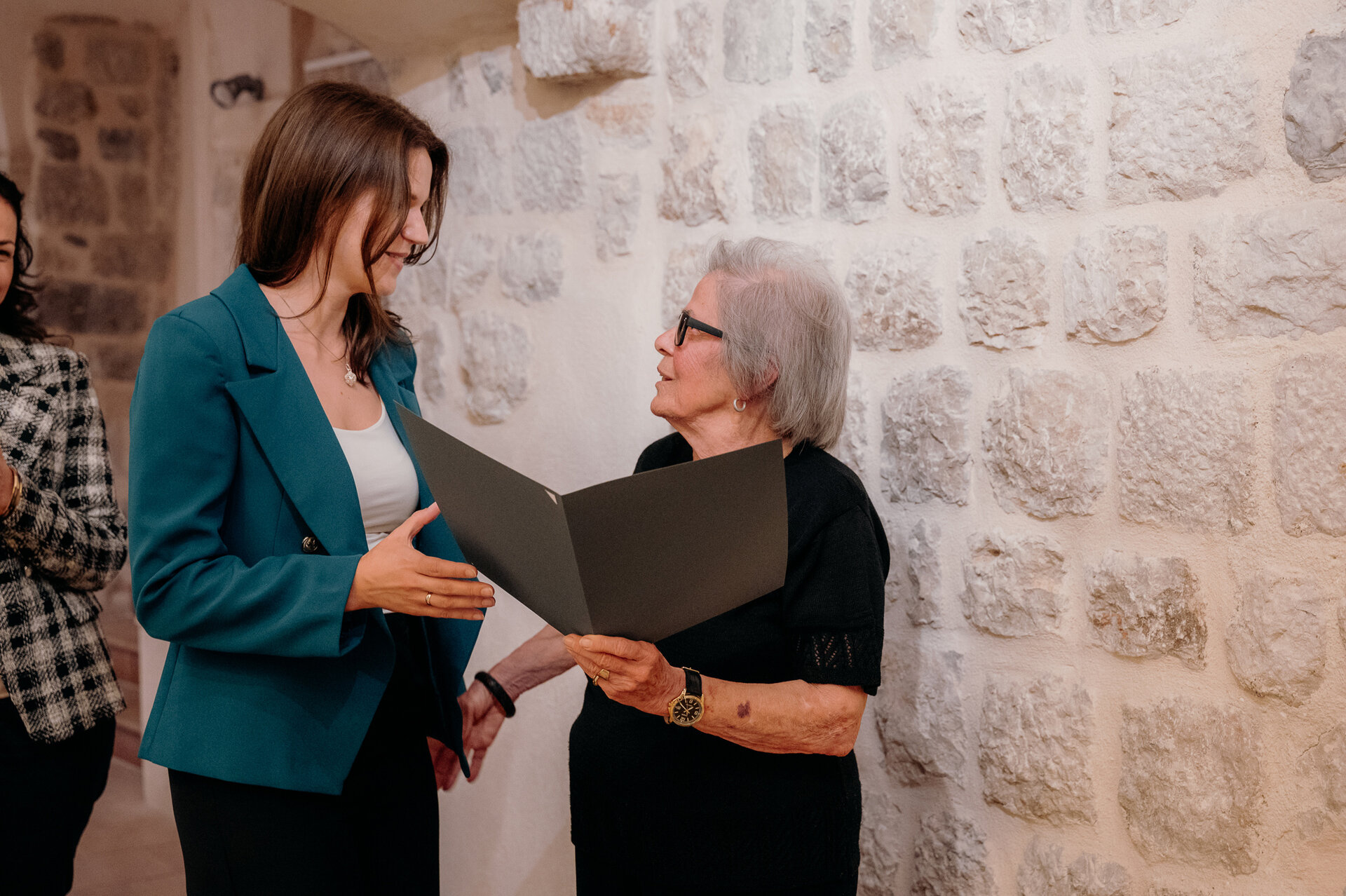
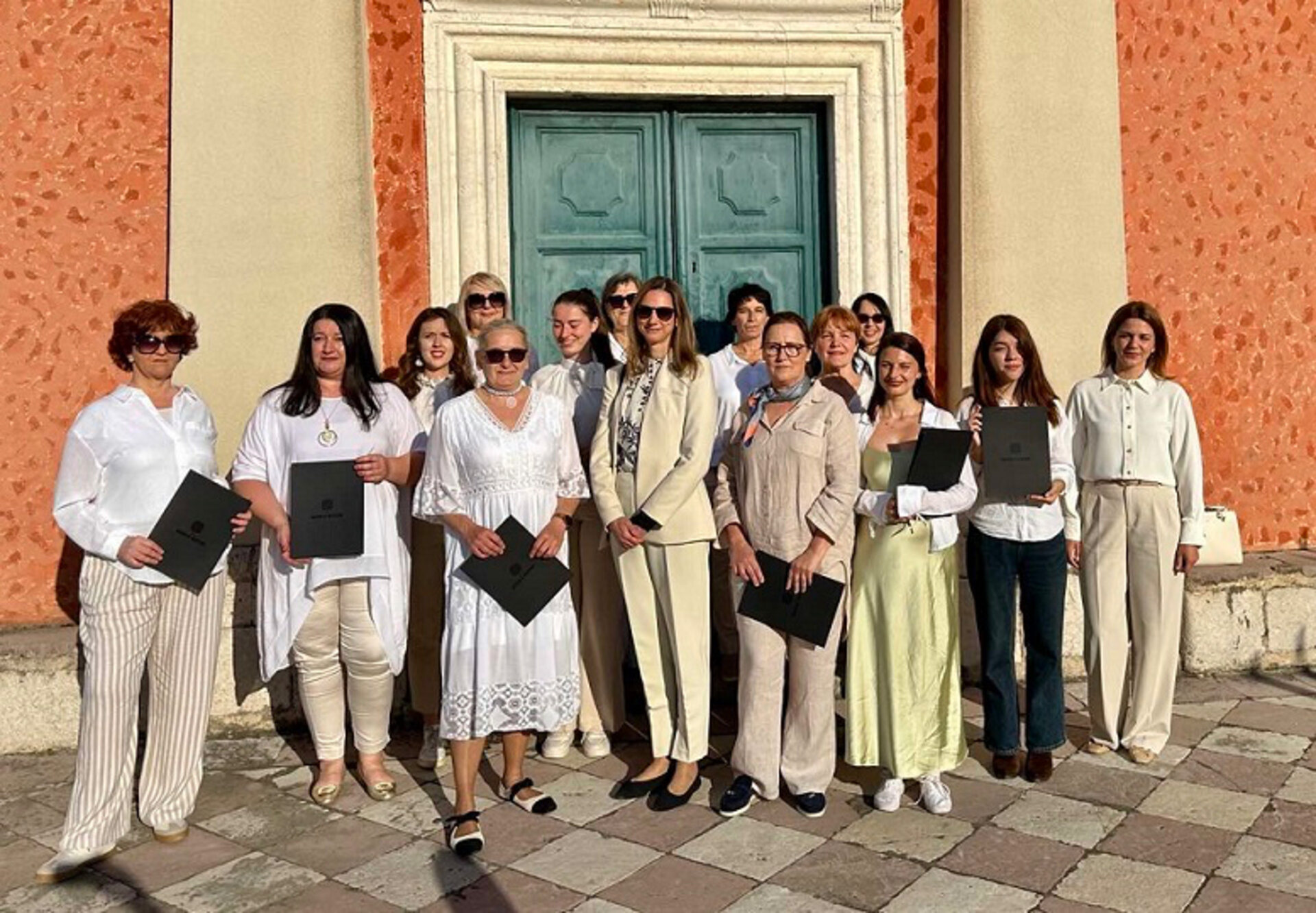
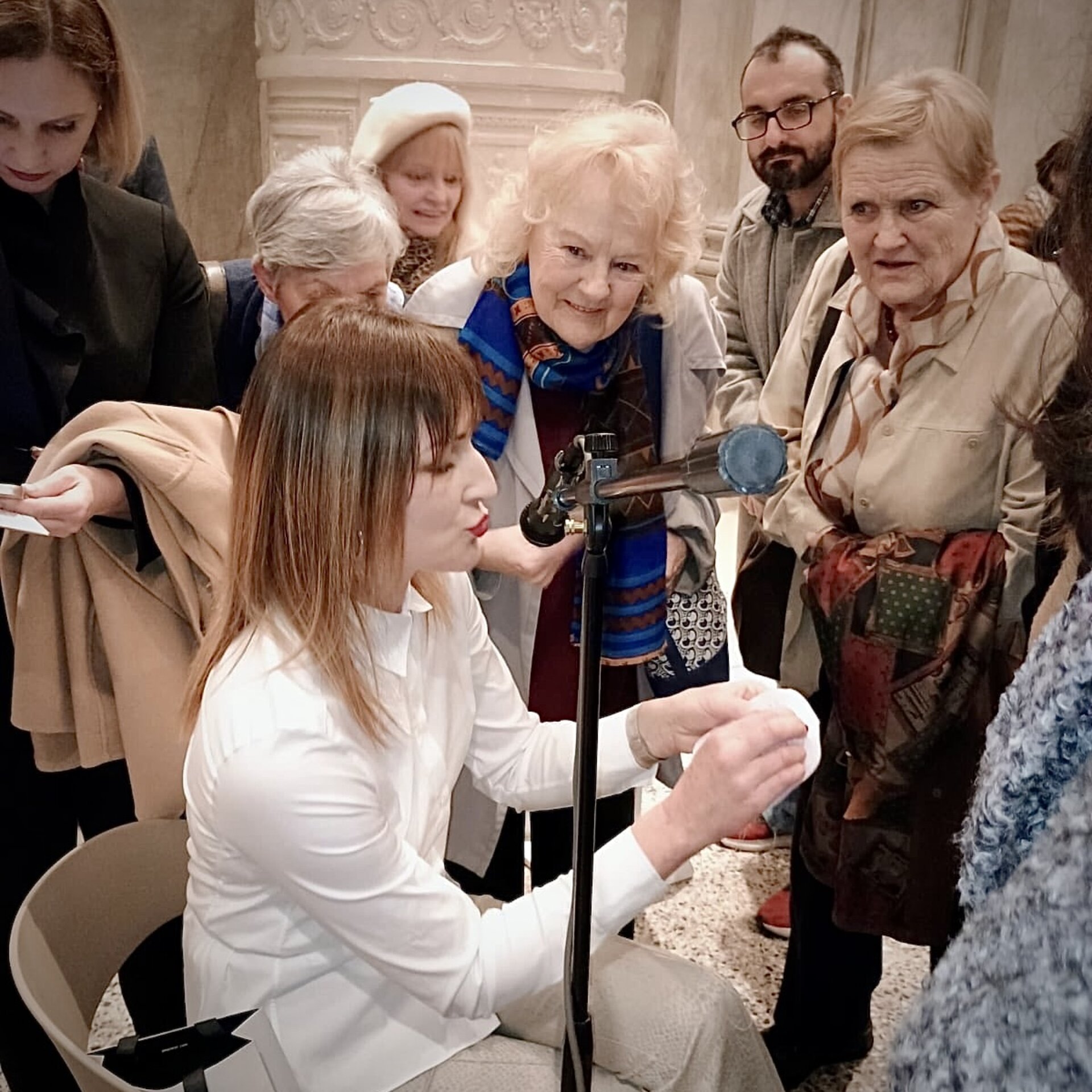
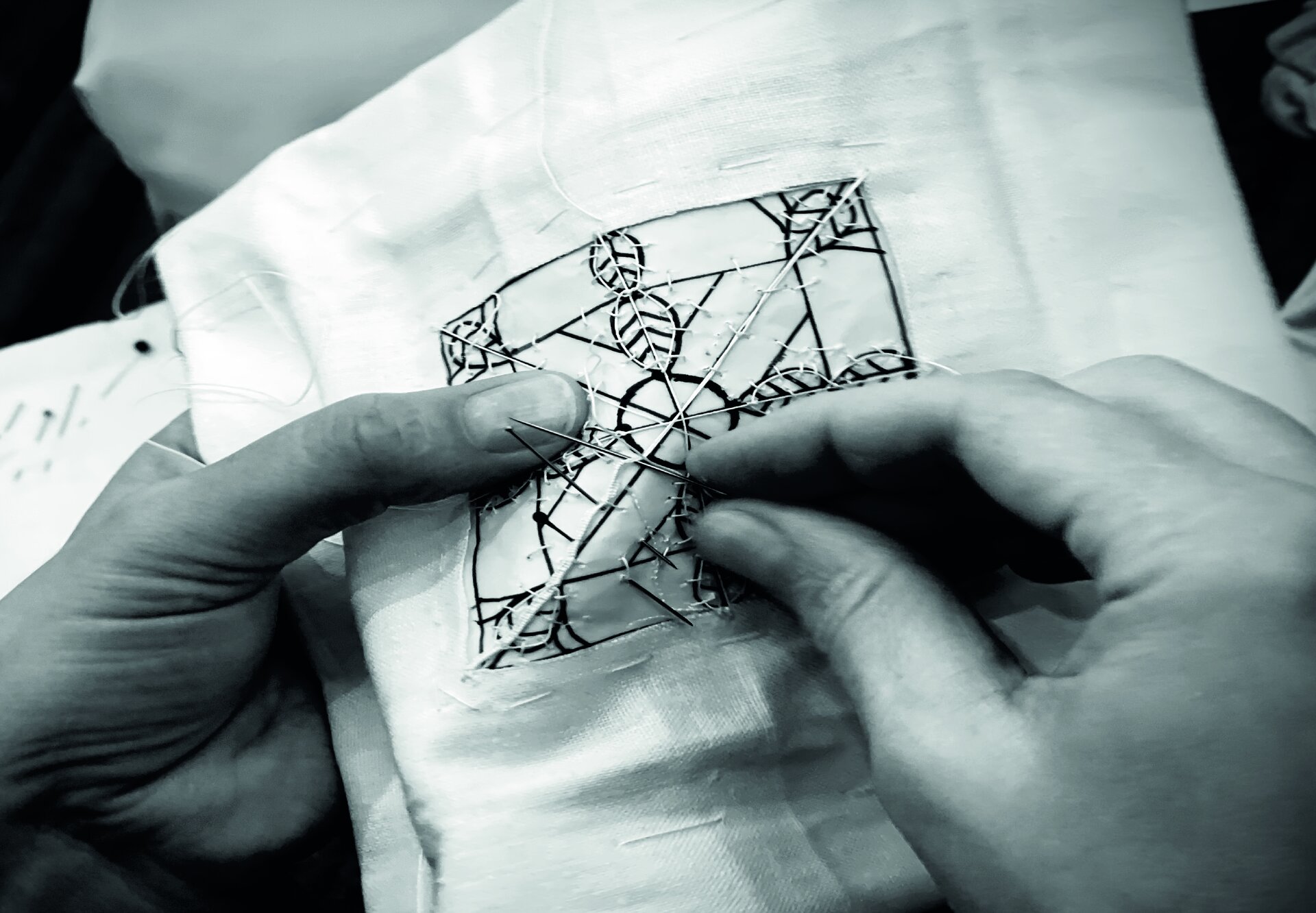
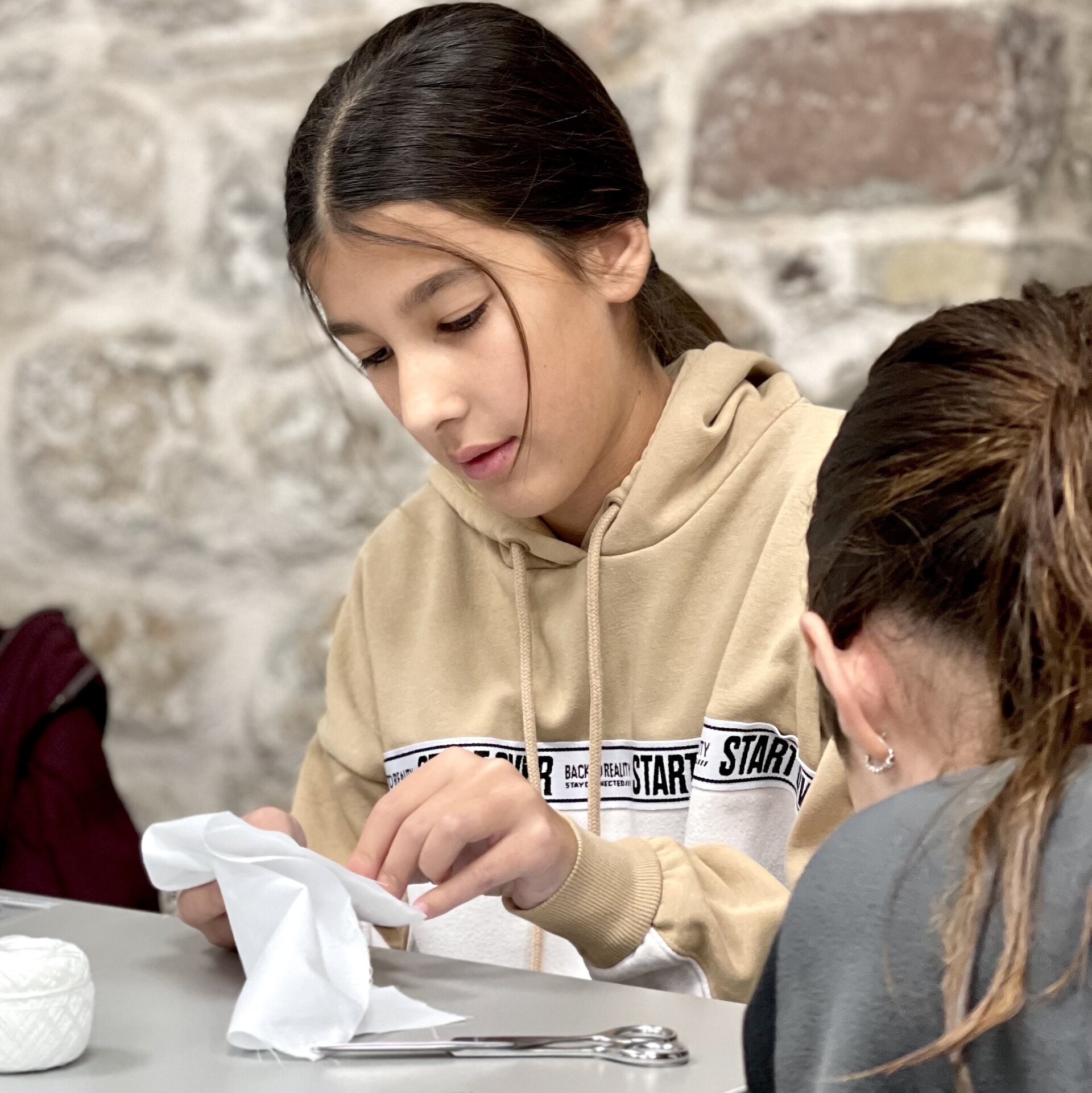
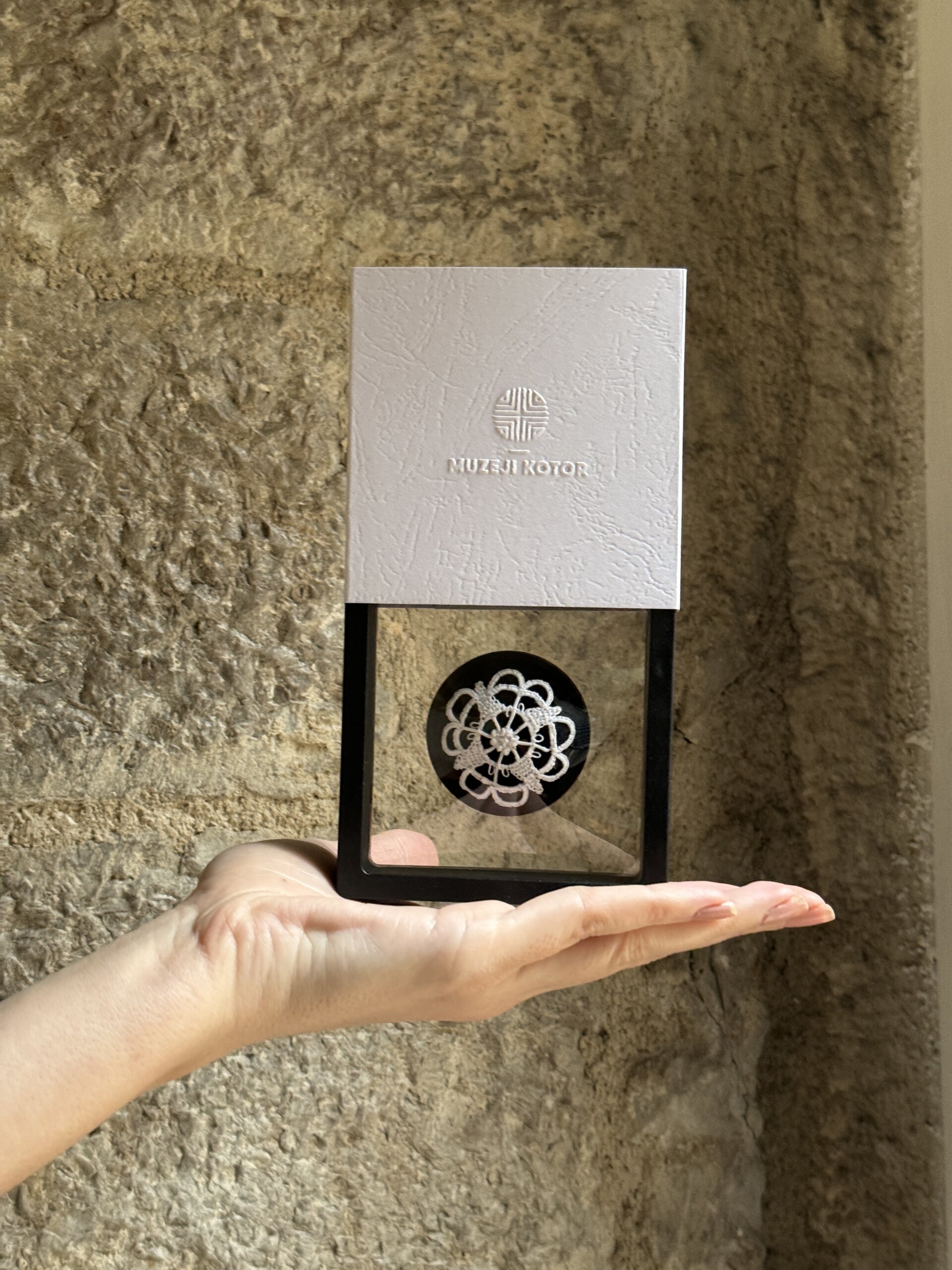
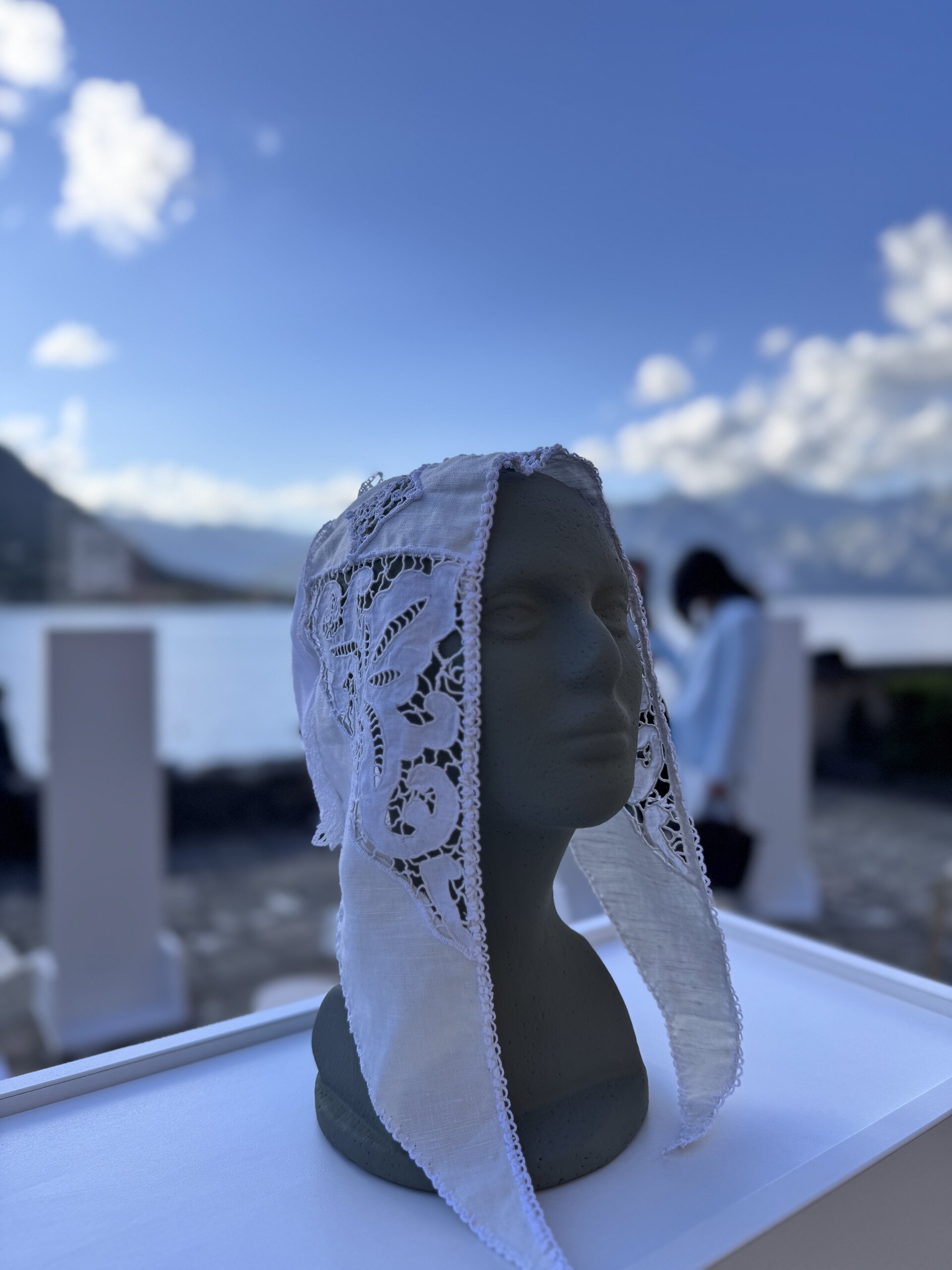
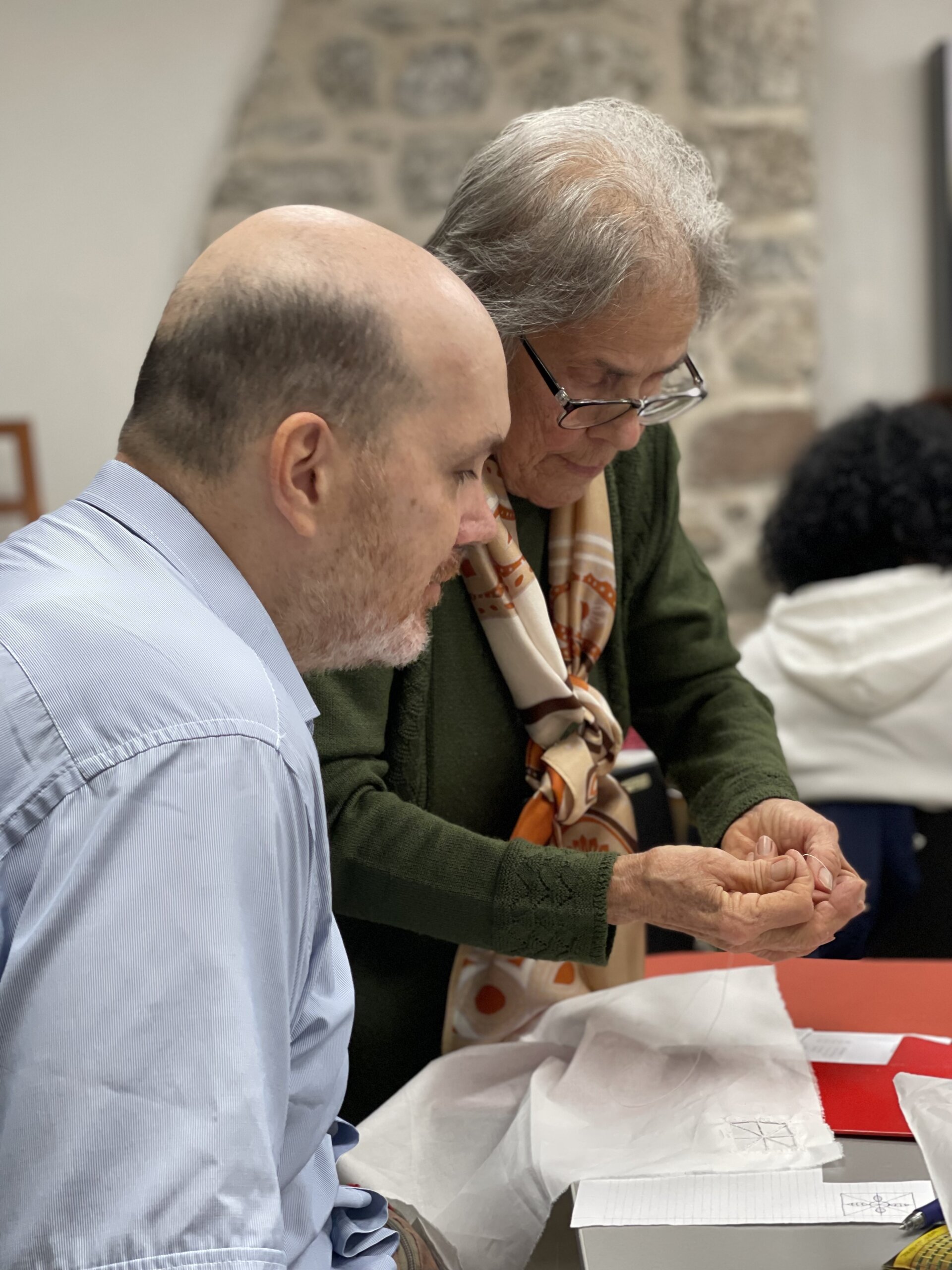
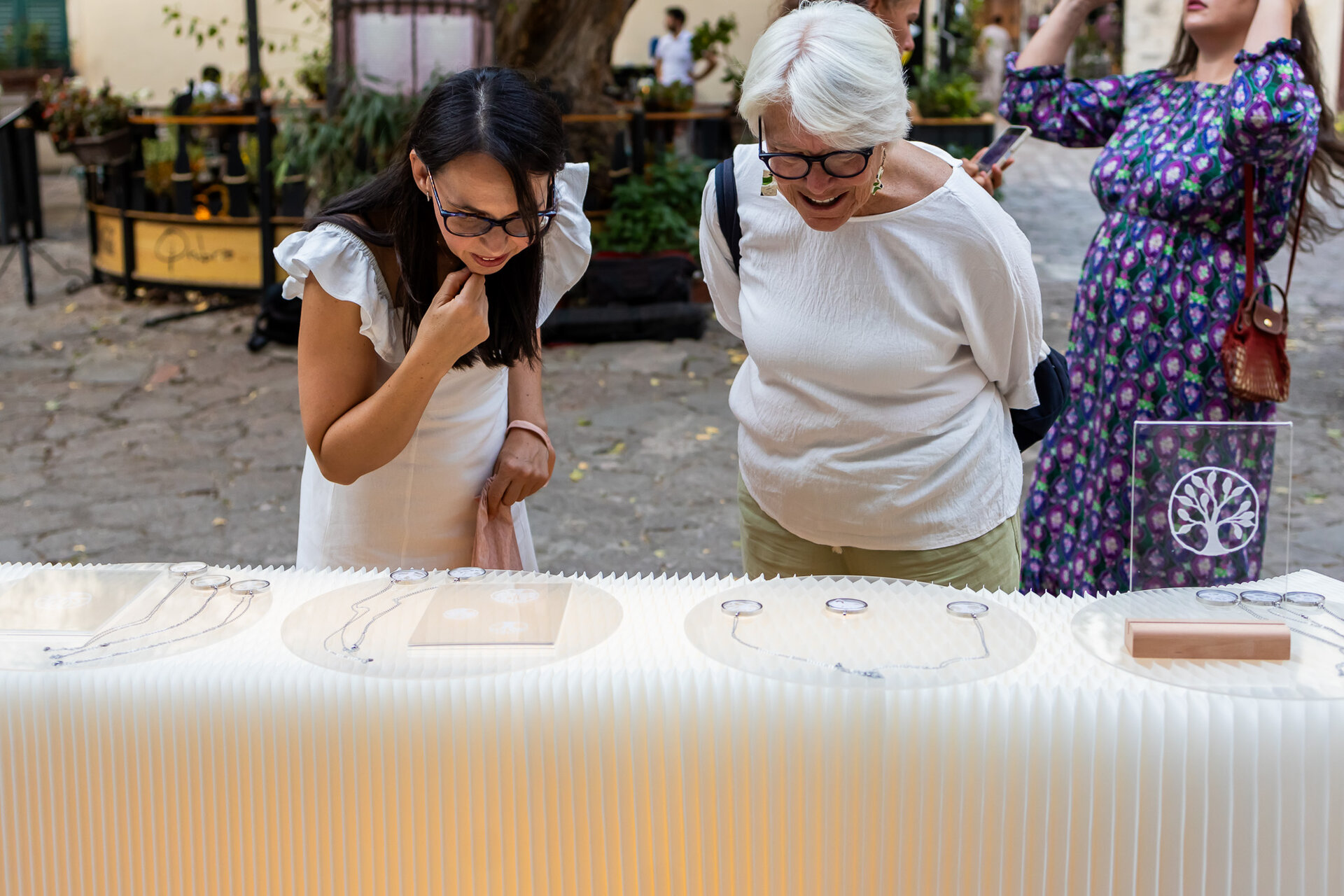
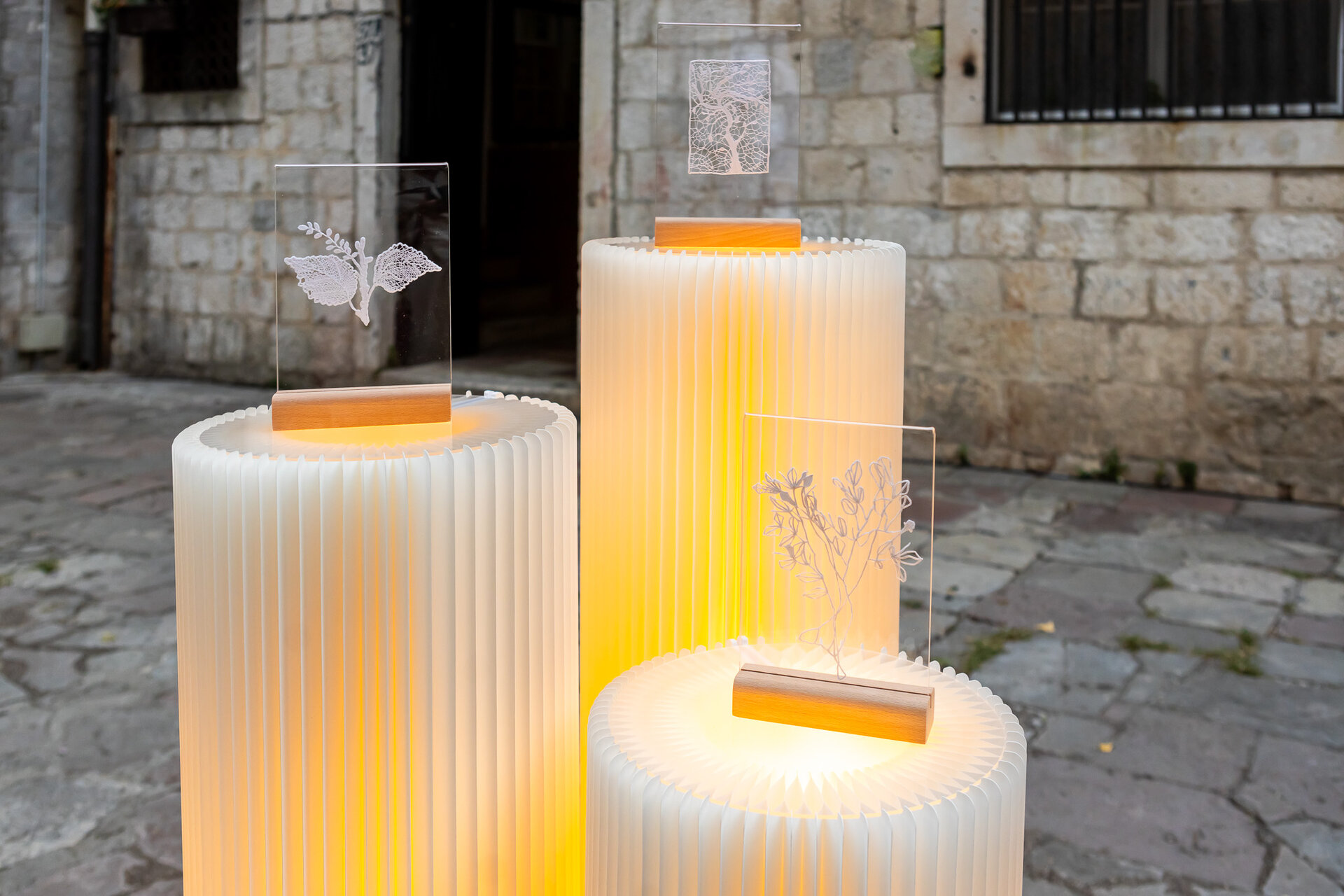
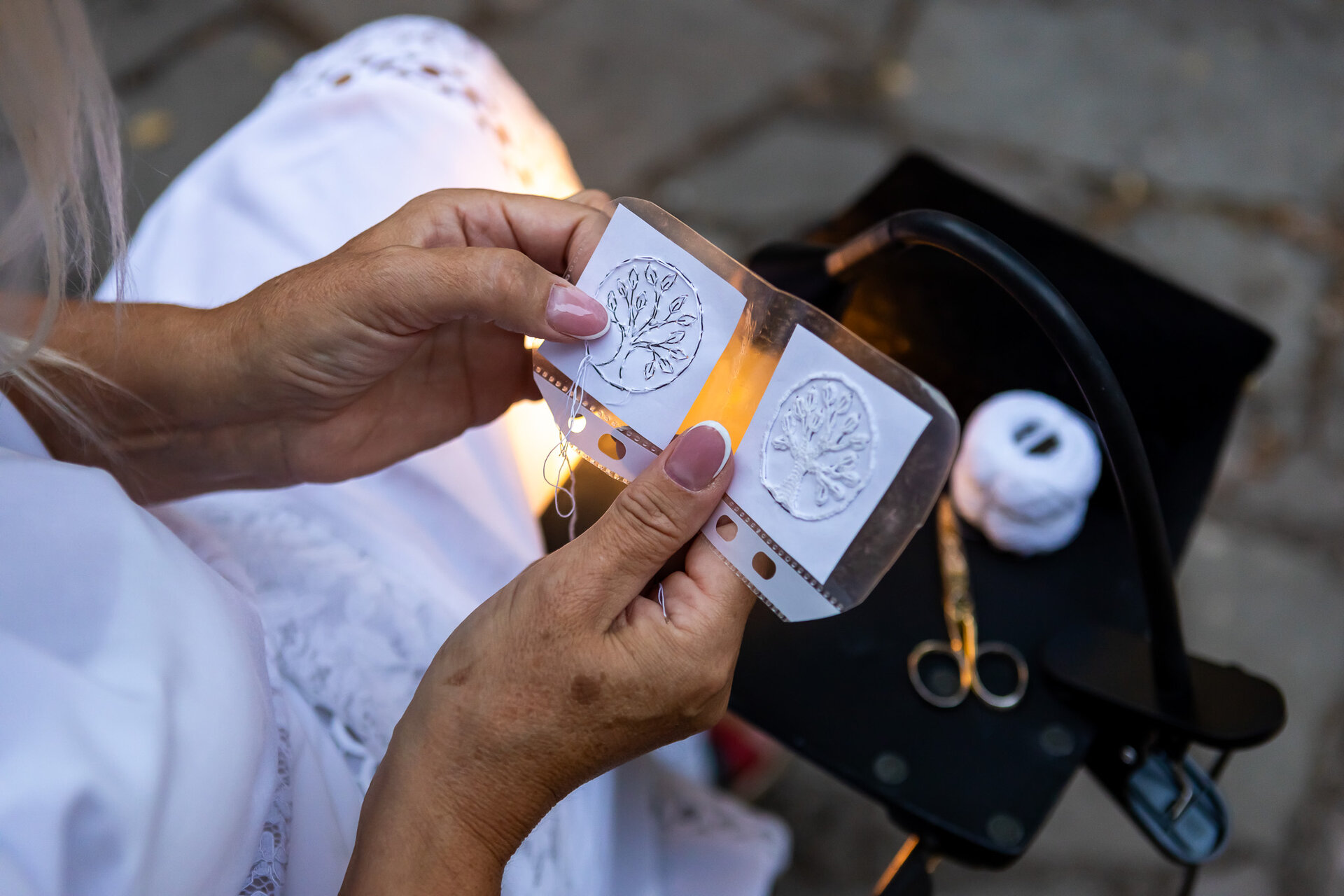
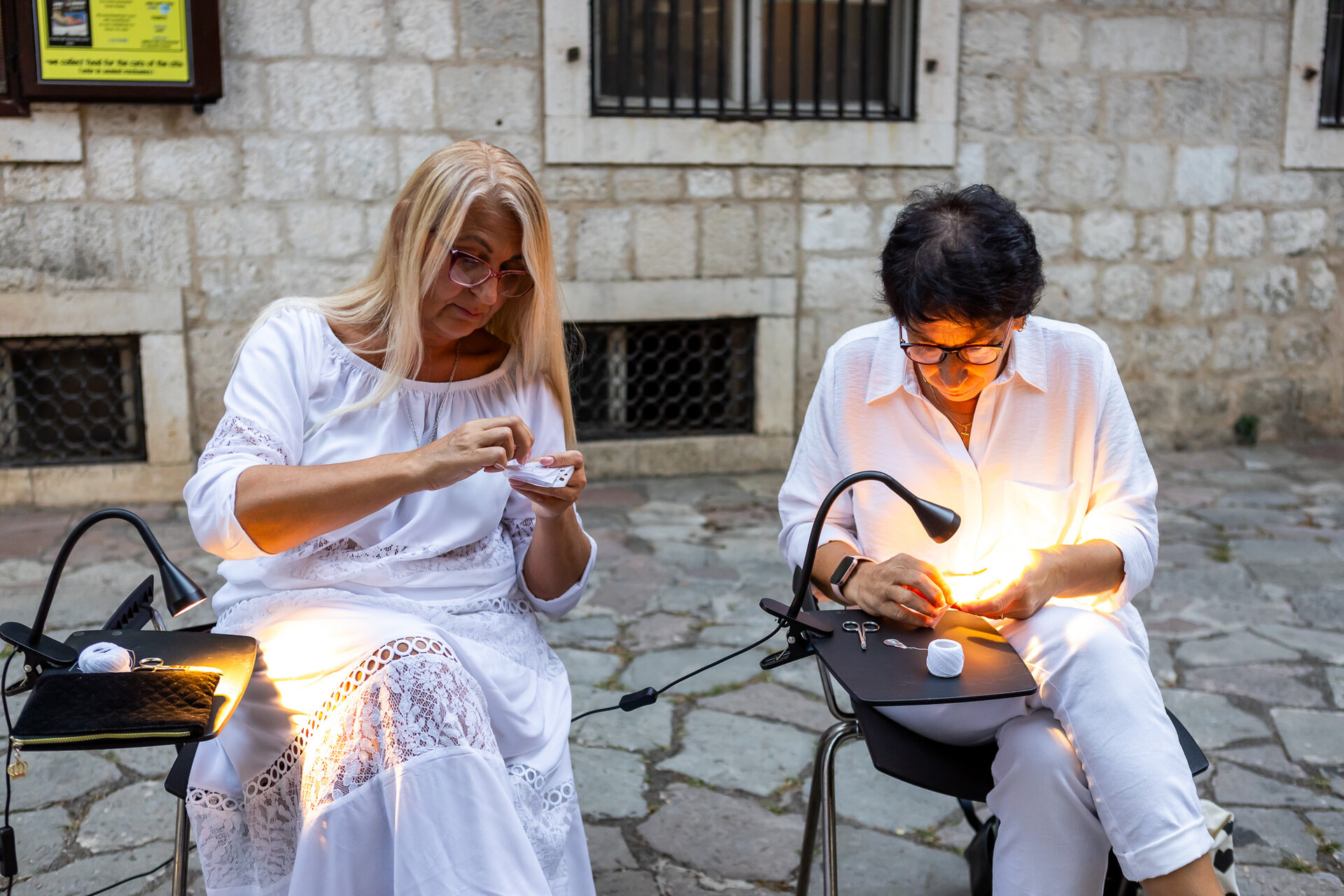
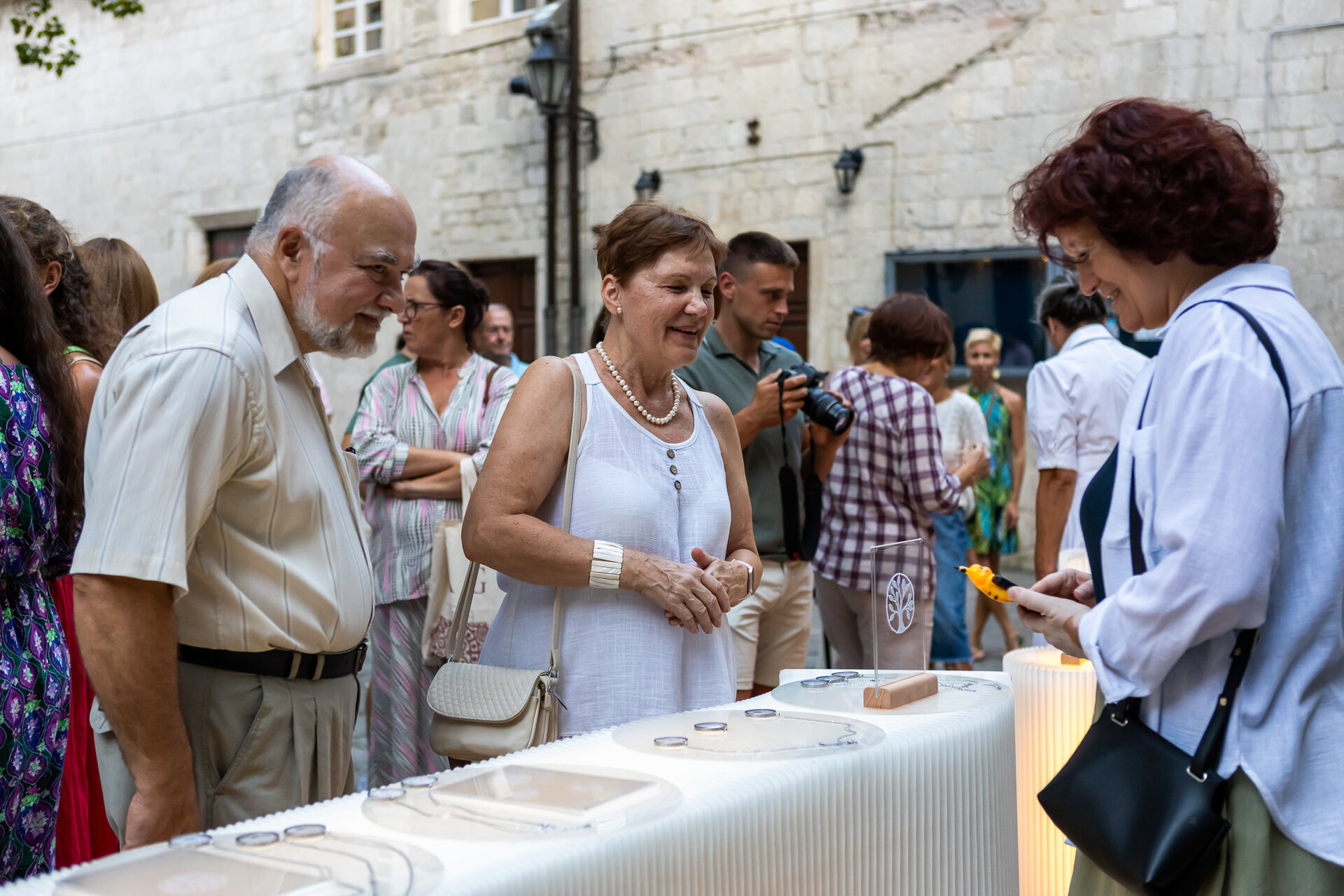
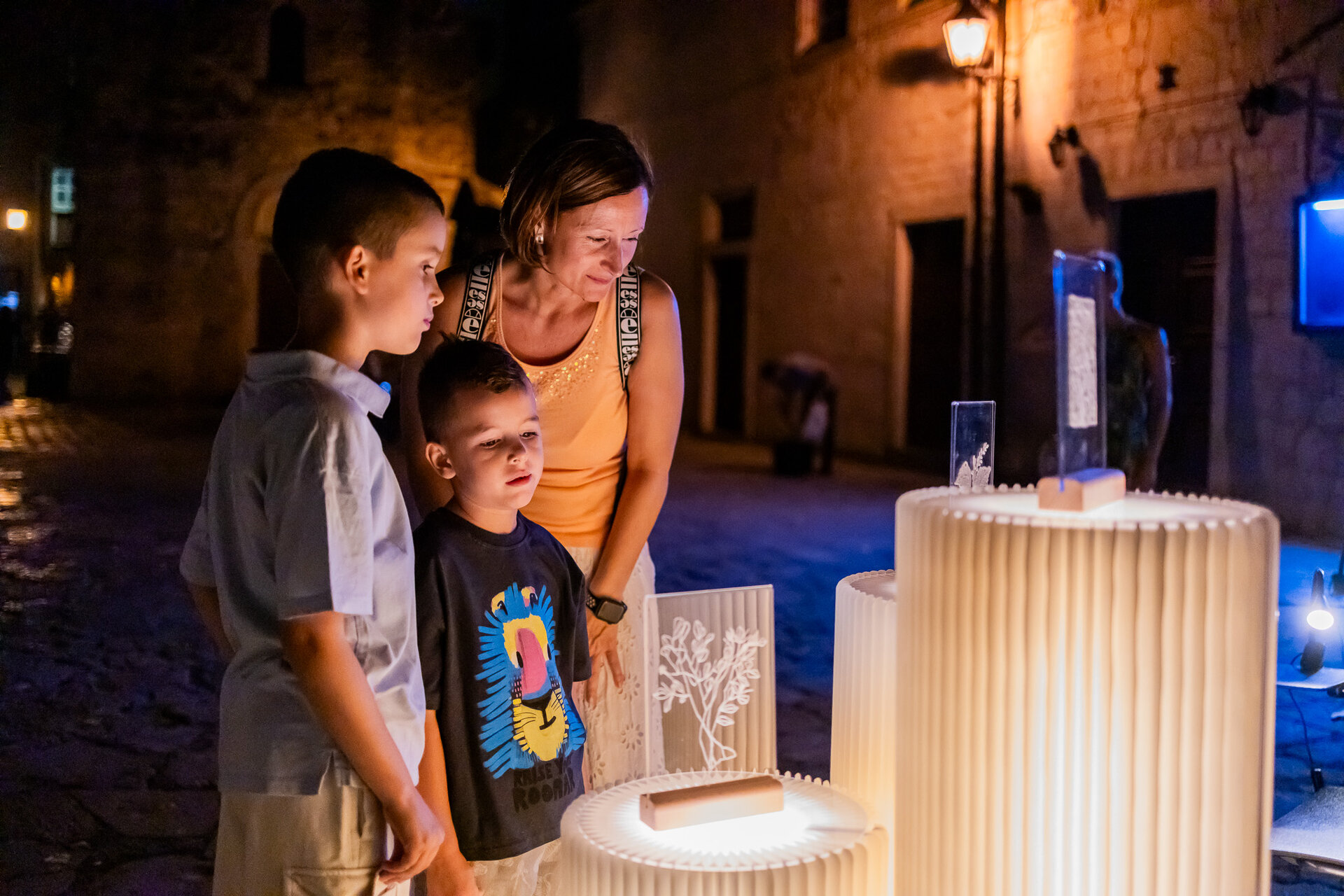
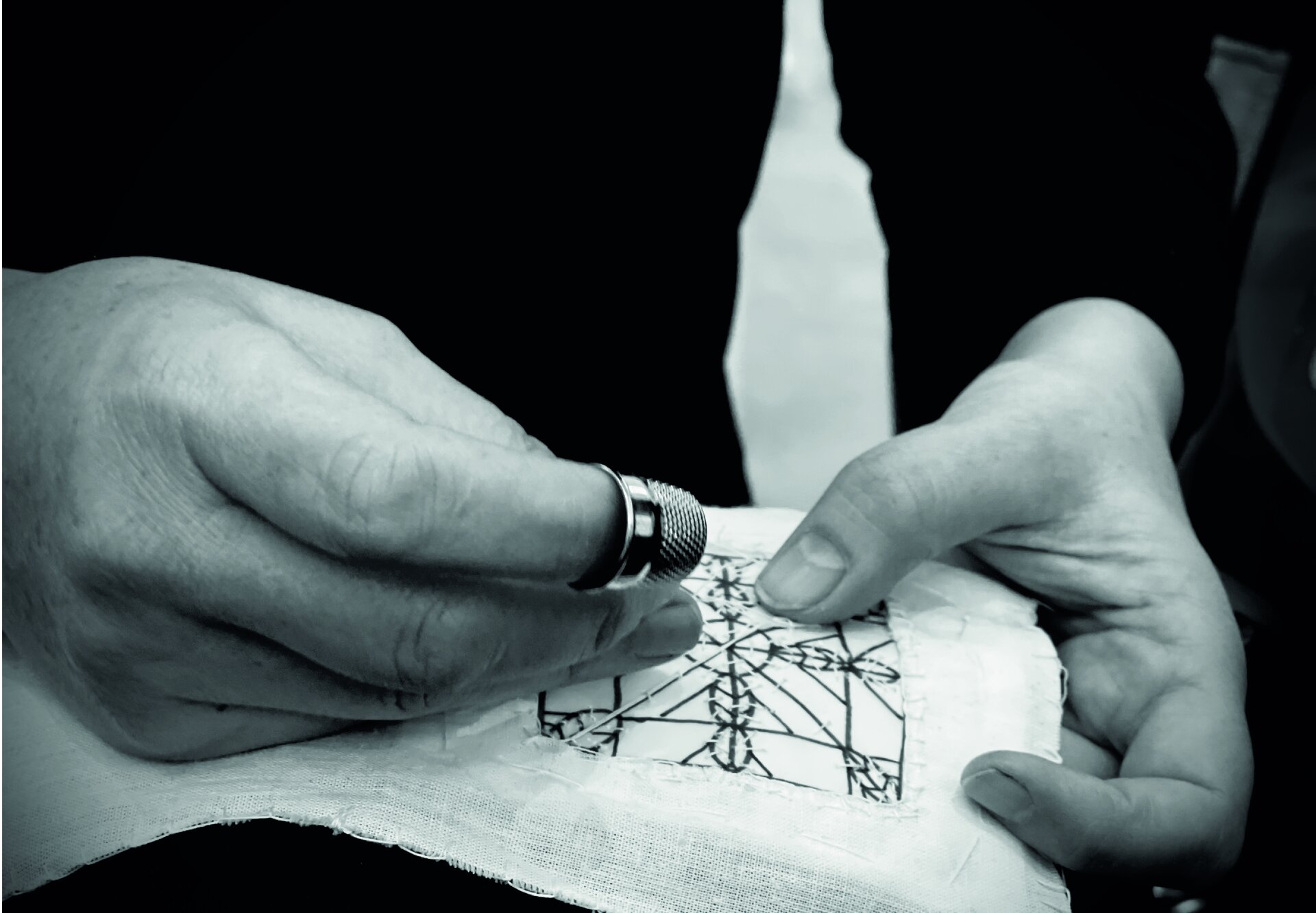
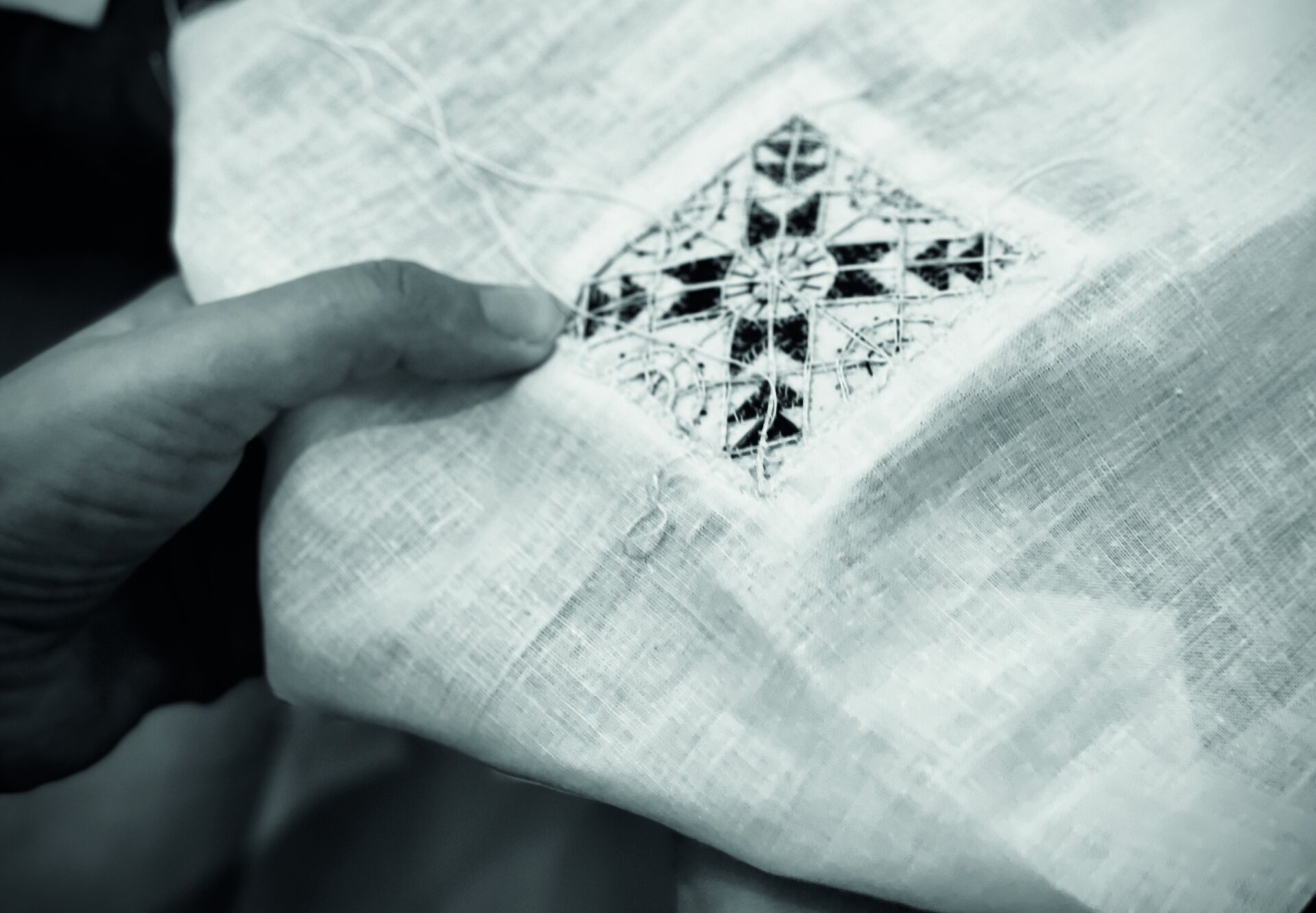
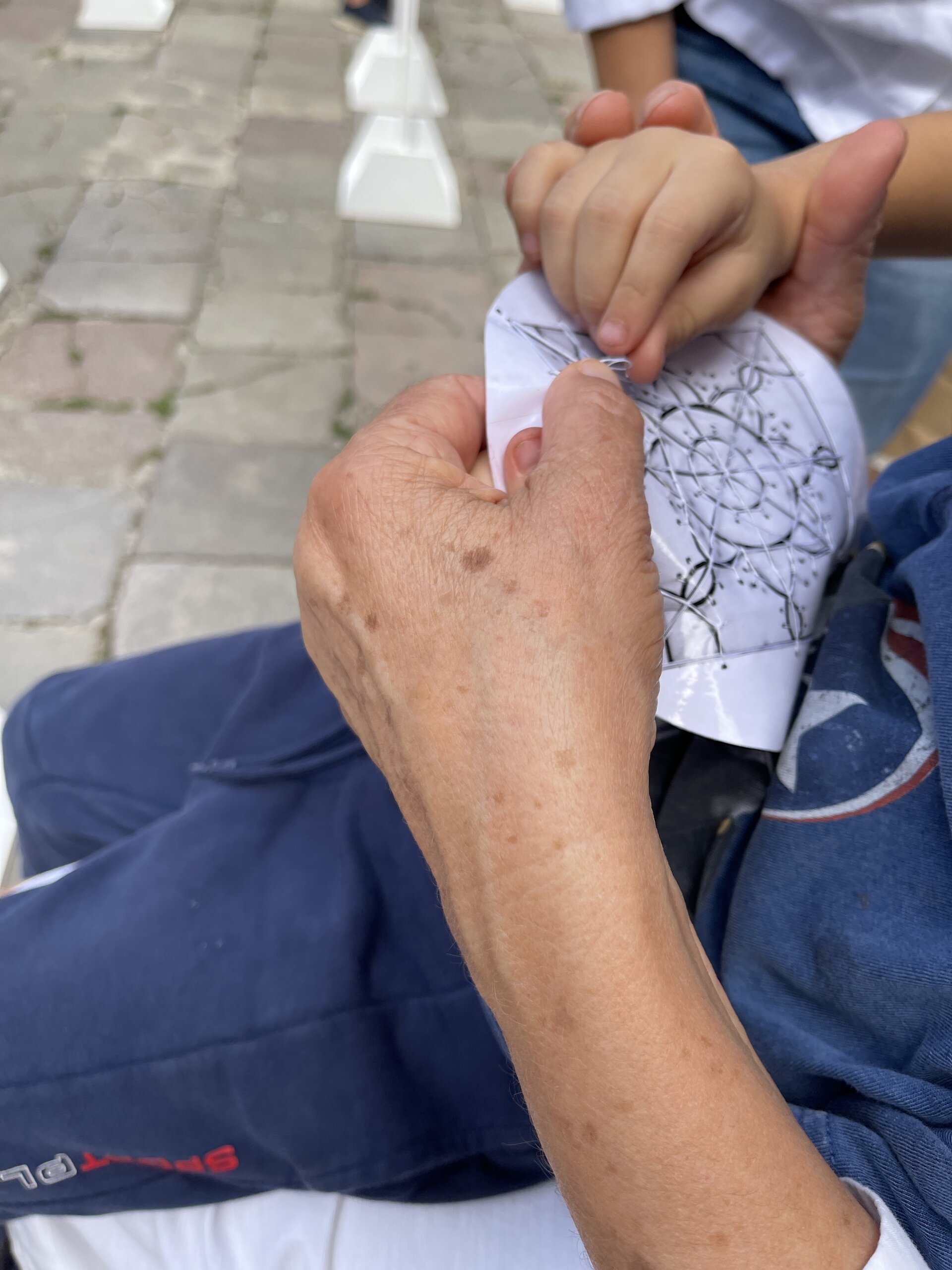
Safeguarding the Dobrota Lace Tradition – Pacijenca Project is an initiative developed by the Municipal Public Institution Museums of Kotor in Montenegro to revive and transmit one of the Bay of Kotor's most endangered traditional crafts. Established as a practical safeguarding programme in 2022, it combines historical and ethnographic research, intergenerational skills training, public demonstrations and creative entrepreneurship to ensure that Dobrota needle lace-making remains a living cultural practice. Lace-making in the Kotor region has deep historical roots. Documentary evidence traces local textile production to the 14th century, while Dobrota lace emerged by the 16th century as a distinctive adaptation of Venetian punto in aria needle-lace techniques. Influenced by Mediterranean maritime exchange, the craft became closely associated with women's domestic creativity, religious ceremonies and the traditions of seafaring families. Its delicate patterns appeared on ritual headscarves, widow's hoods, wedding veils, altar cloths and funeral textiles. Historic examples survive in churches, including St. Eustachius in Dobrota, as well as in private collections. By the early 21st century, the practice had almost disappeared. Only a handful of women retained the necessary knowledge, and Montenegro's Ministry of Culture had formally recognised one master craftswoman, born in 1937, as its guardian. Working with this surviving expertise, the Museums of Kotor developed the Pacijenca programme to transfer techniques and cultural knowledge to new generations. Beginning in 2022, free workshops welcomed women of different ages from Kotor and surrounding communities. More than 50 women received training over the following three years, learning the precise handwork, traditional motifs and cultural meanings associated with Dobrota lace. School activities introduced younger participants to the craft, while certificates recognised the achievements of trainees and encouraged continued practice. The project's name, Pacijenca, derives from a regional expression meaning “patience.” It refers both to the concentration required for intricate needlework and to the endurance traditionally associated with families awaiting the return of seafarers. This idea also informs the project's wider message: that patience, care and manual skill remain important cultural values in contemporary society. An innovative feature of the initiative is the transformation of lace-making from a largely private activity into a visible public event. Vertical lace installations and live embroidery demonstrations in Kotor's historic squares have attracted residents and visitors, with approximately 300–400 people attending public activities annually. Participation in lace festivals in Croatia has connected the revived tradition with related Adriatic and European craftsmanship. The Museums of Kotor also developed a range of cultural souvenirs inspired by historical Dobrota lace motifs. Recognised in regional souvenir competitions, these products create opportunities for women to earn income from their skills, while modest sales revenue supports further training and exhibitions. A dedicated promotional film and digital outreach extend awareness beyond Montenegro. The project was implemented with an expenditure of approximately €15,000 between 2022 and 2025, funded primarily by the Museums of Kotor with additional support from Montenegro's Ministry of Culture. Its combination of research, community education, public presentation and small-scale entrepreneurship provides a transferable model for safeguarding vulnerable intangible heritage. Recognised with a European Heritage Award / Europa Nostra Award in the Education, Training and Skills category in 2026, Pacijenca demonstrates how a threatened traditional craft can become a source of renewed cultural identity, intergenerational connection and economic opportunity. By returning Dobrota lace-making to public life, the initiative preserves both an exceptional skill and the community relationships that sustain it.
