



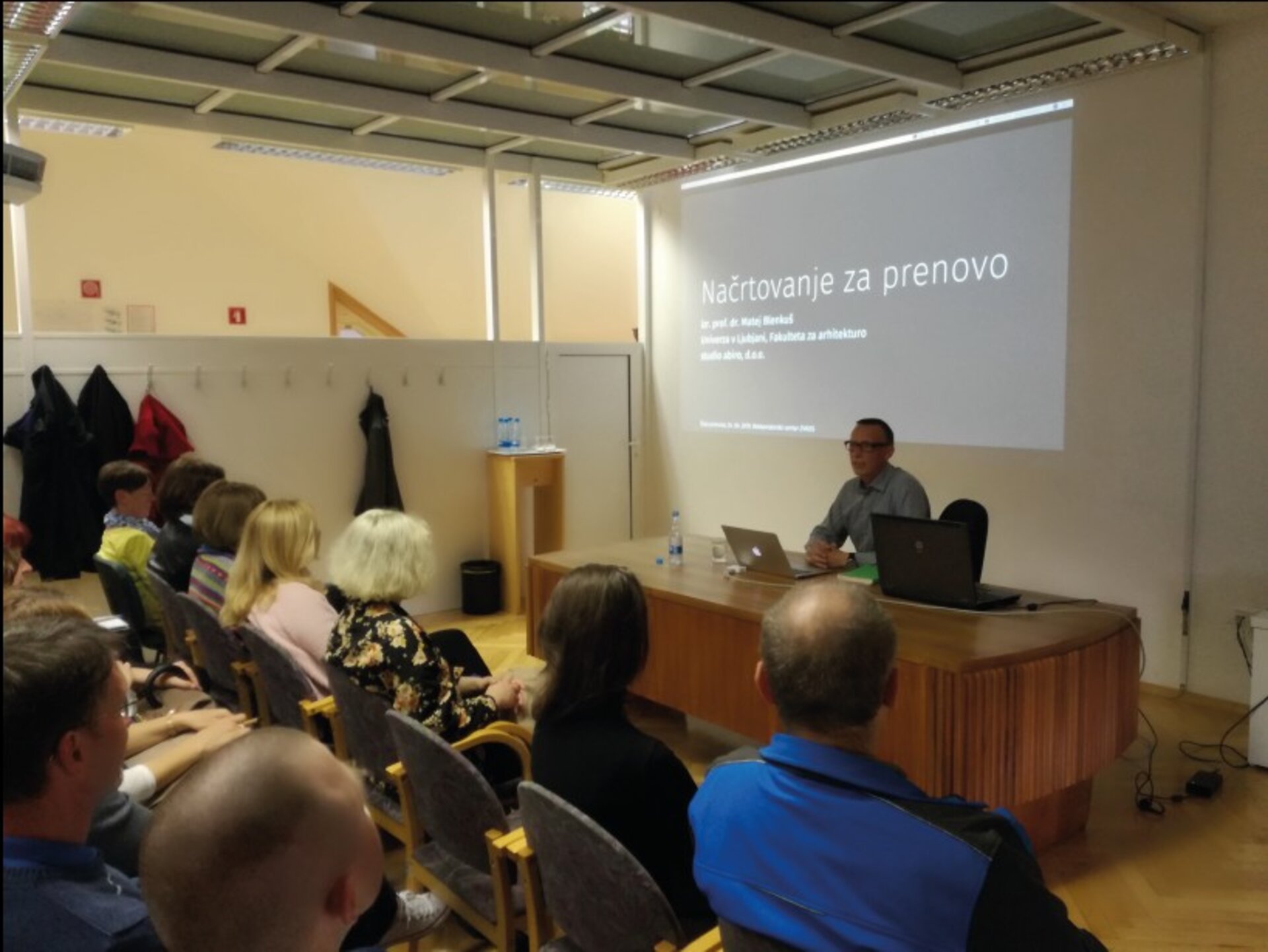
School of Renovation
The School of Renovation (Šola prenove) is a nationwide educational and professional training initiative established in Slovenia in 2015 by the Association of Historic Towns of Slovenia. Developed in cooperation with the University of Ljubljana's Faculty of Architecture, the ...
Read more
Project details
Description:
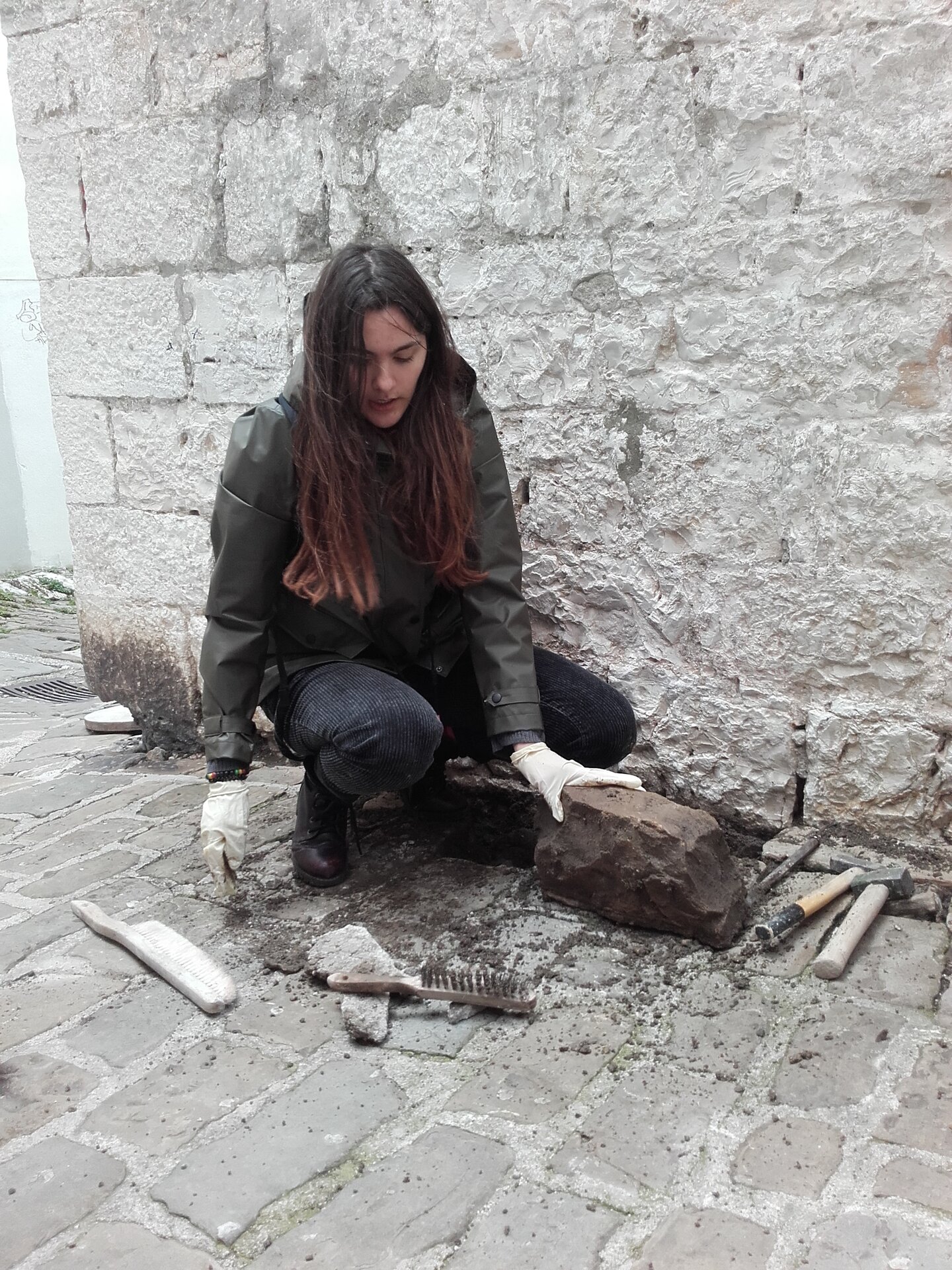
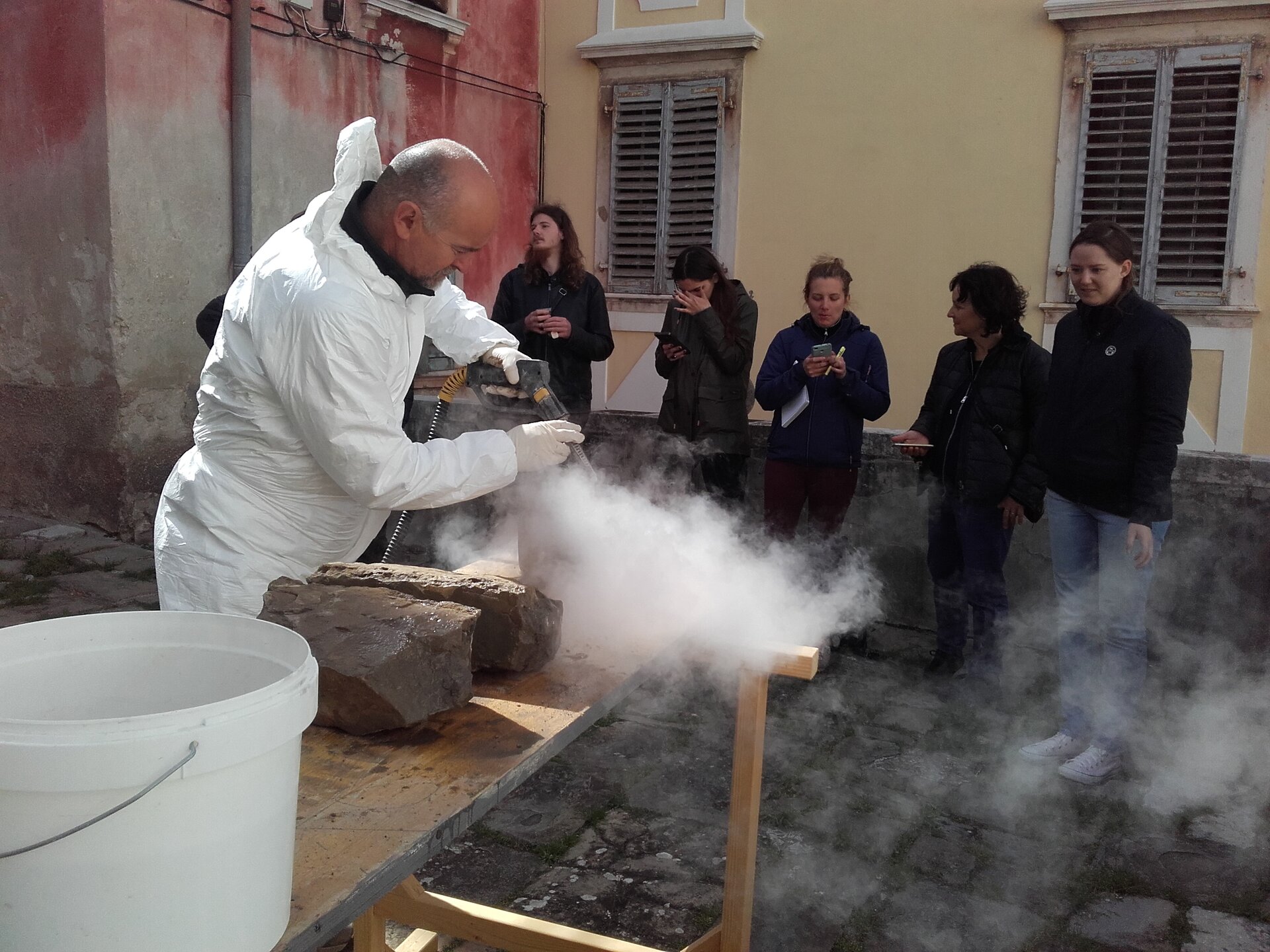
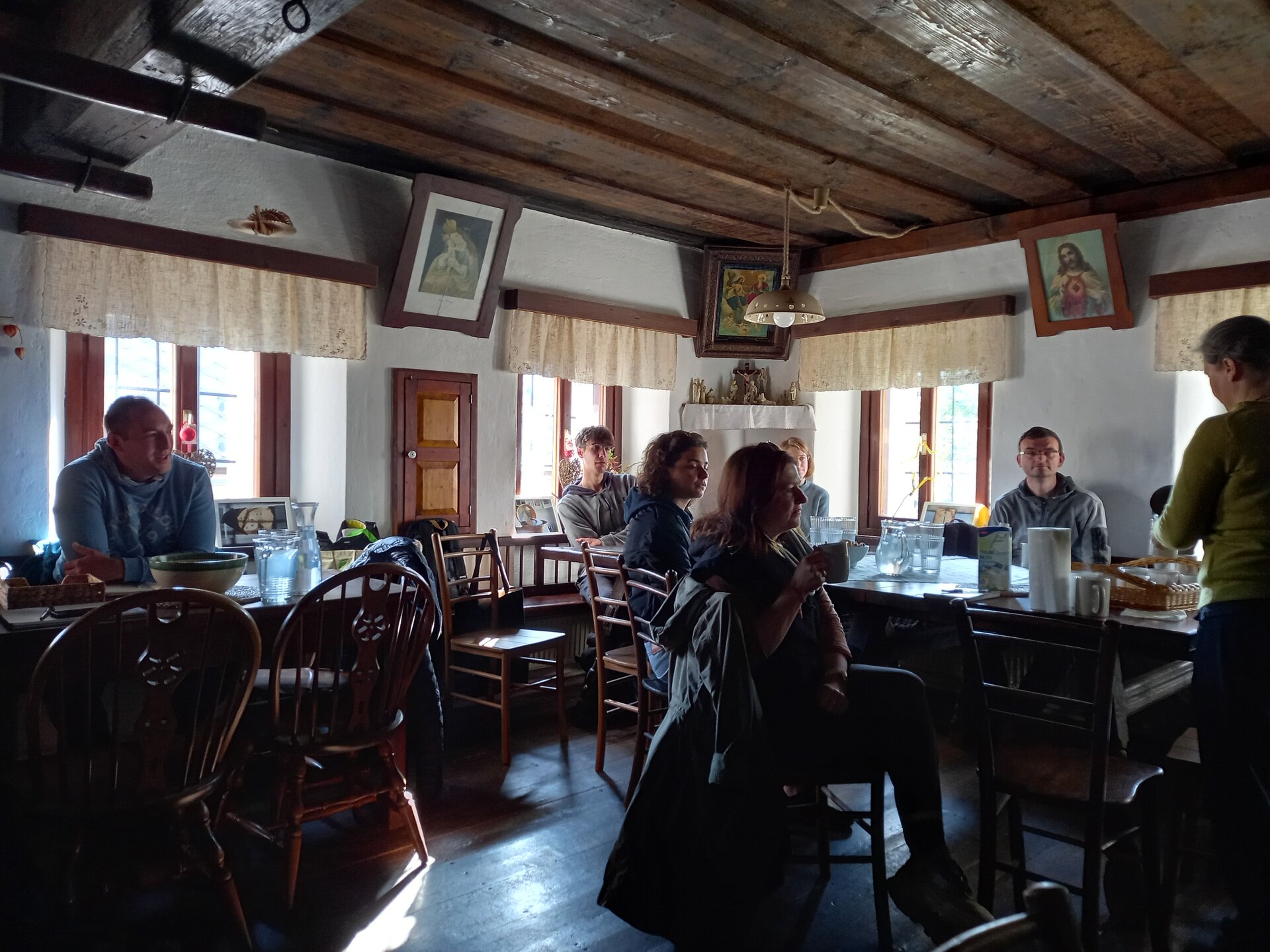
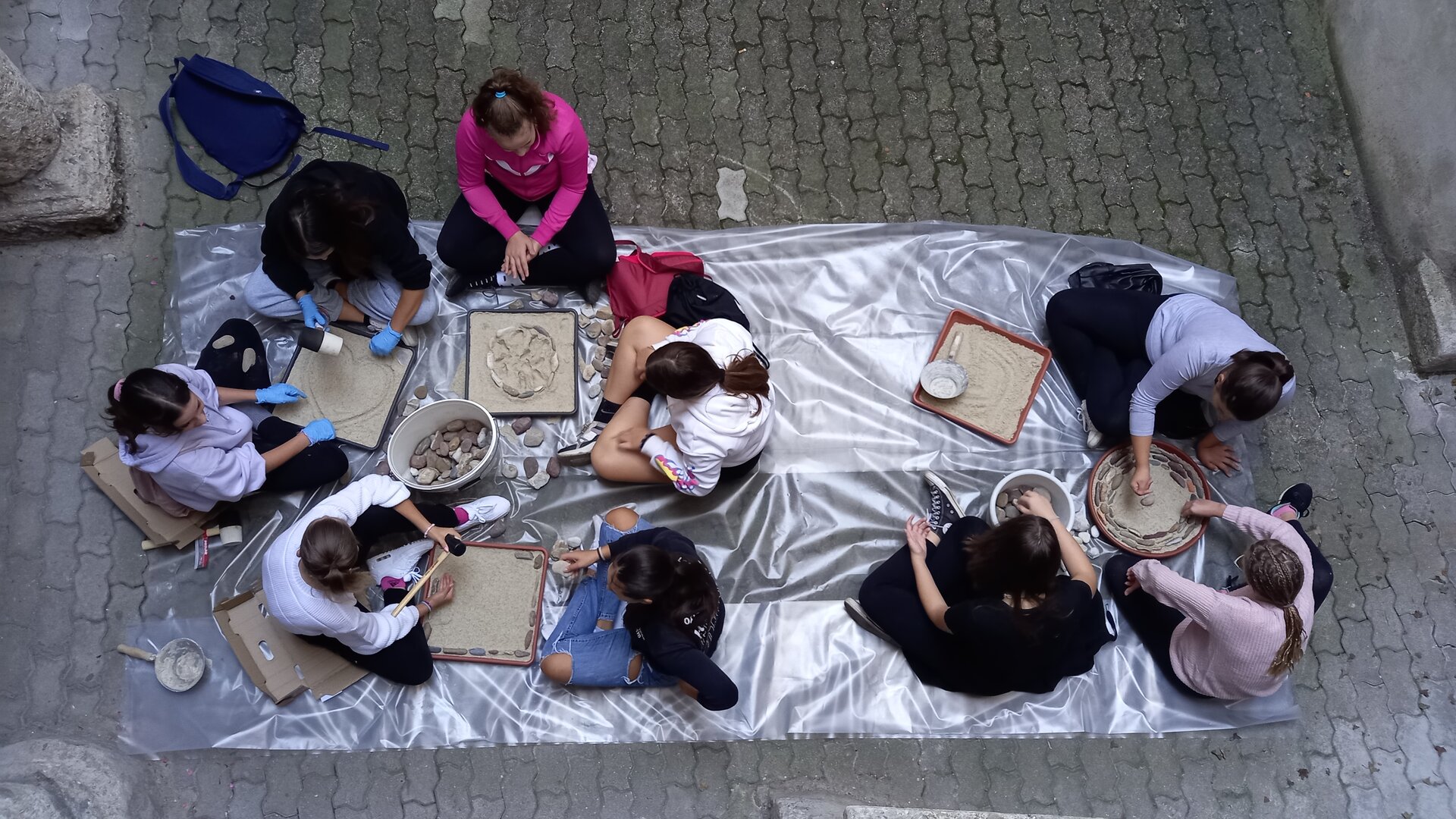
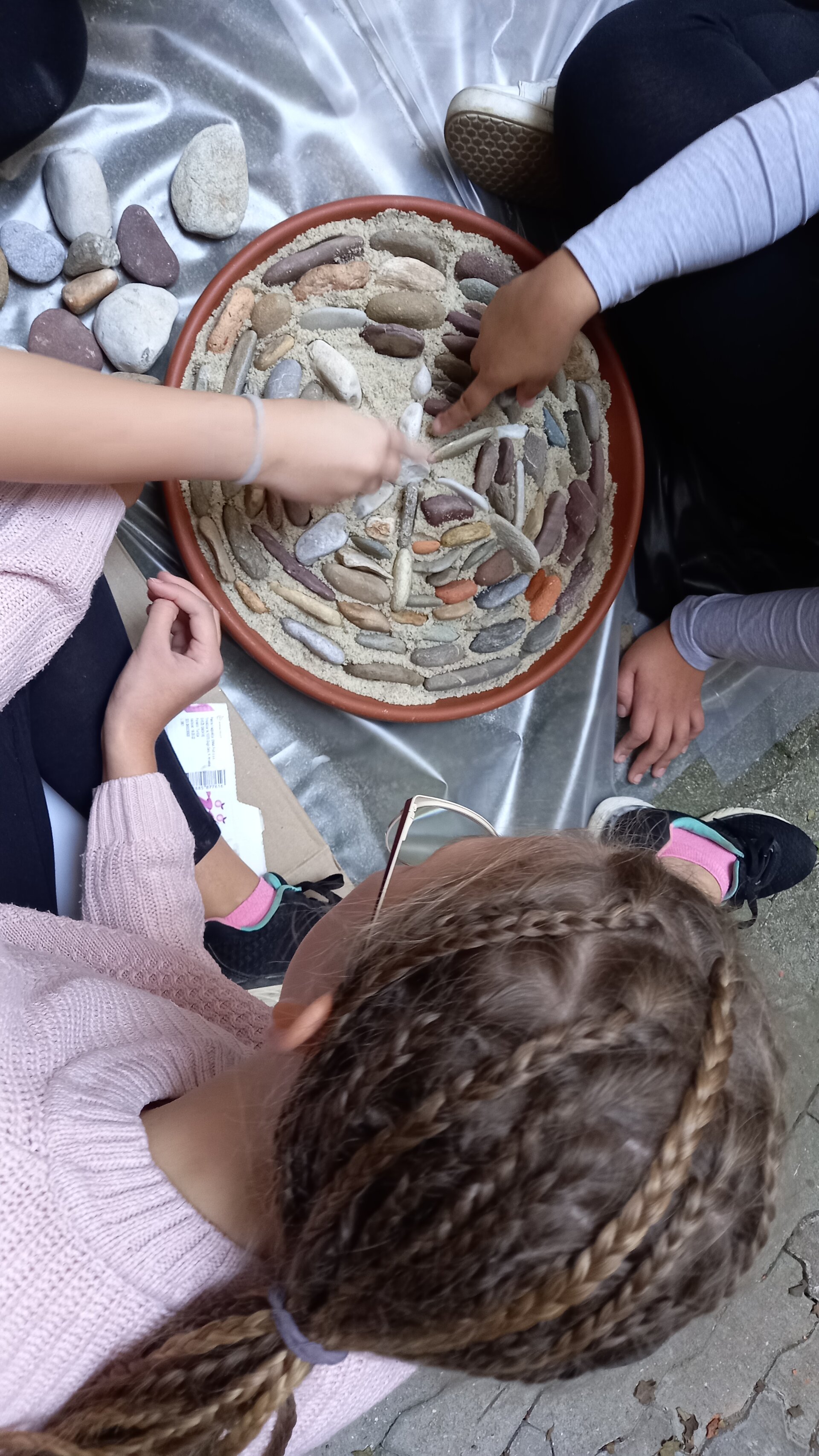
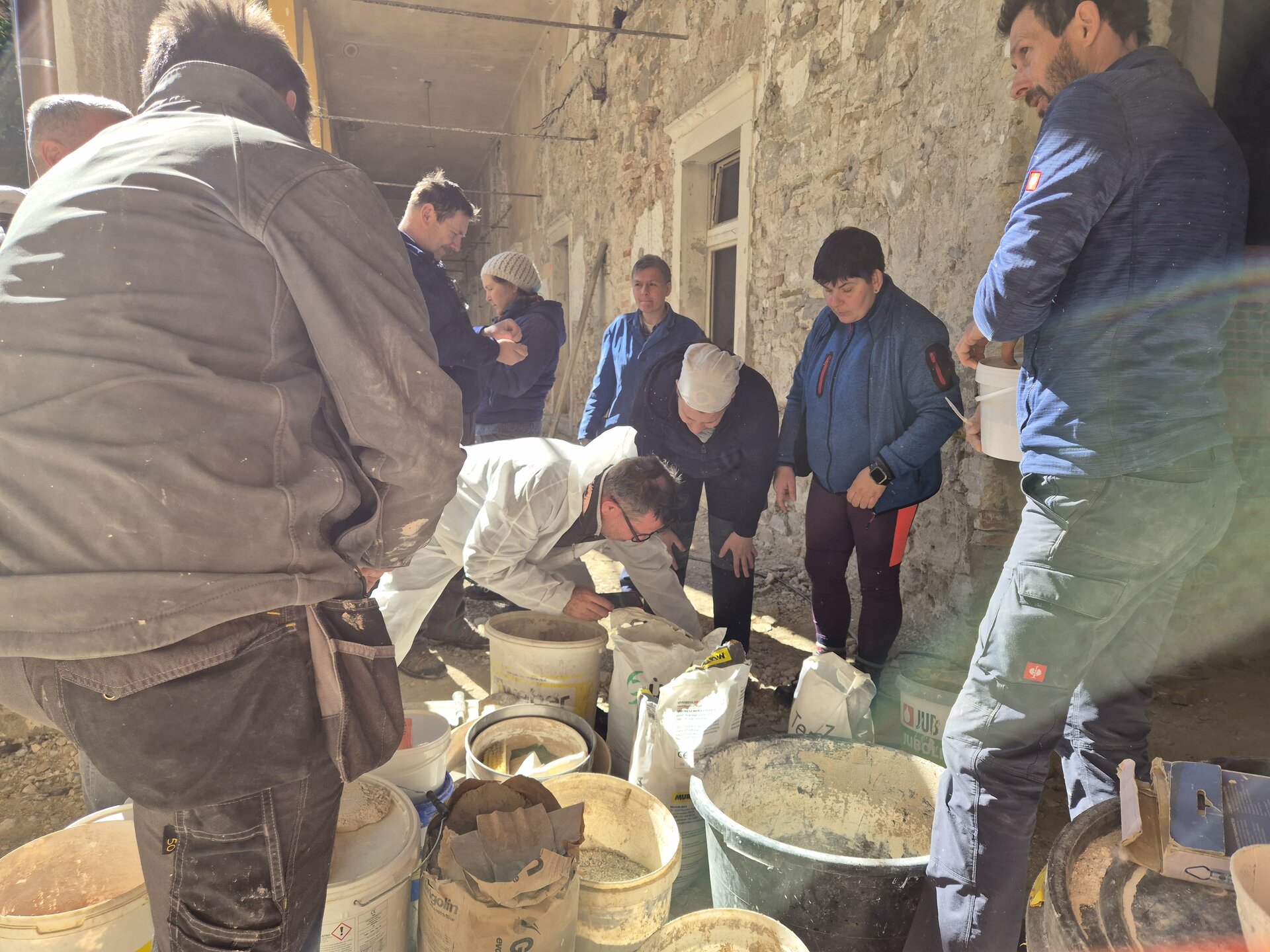
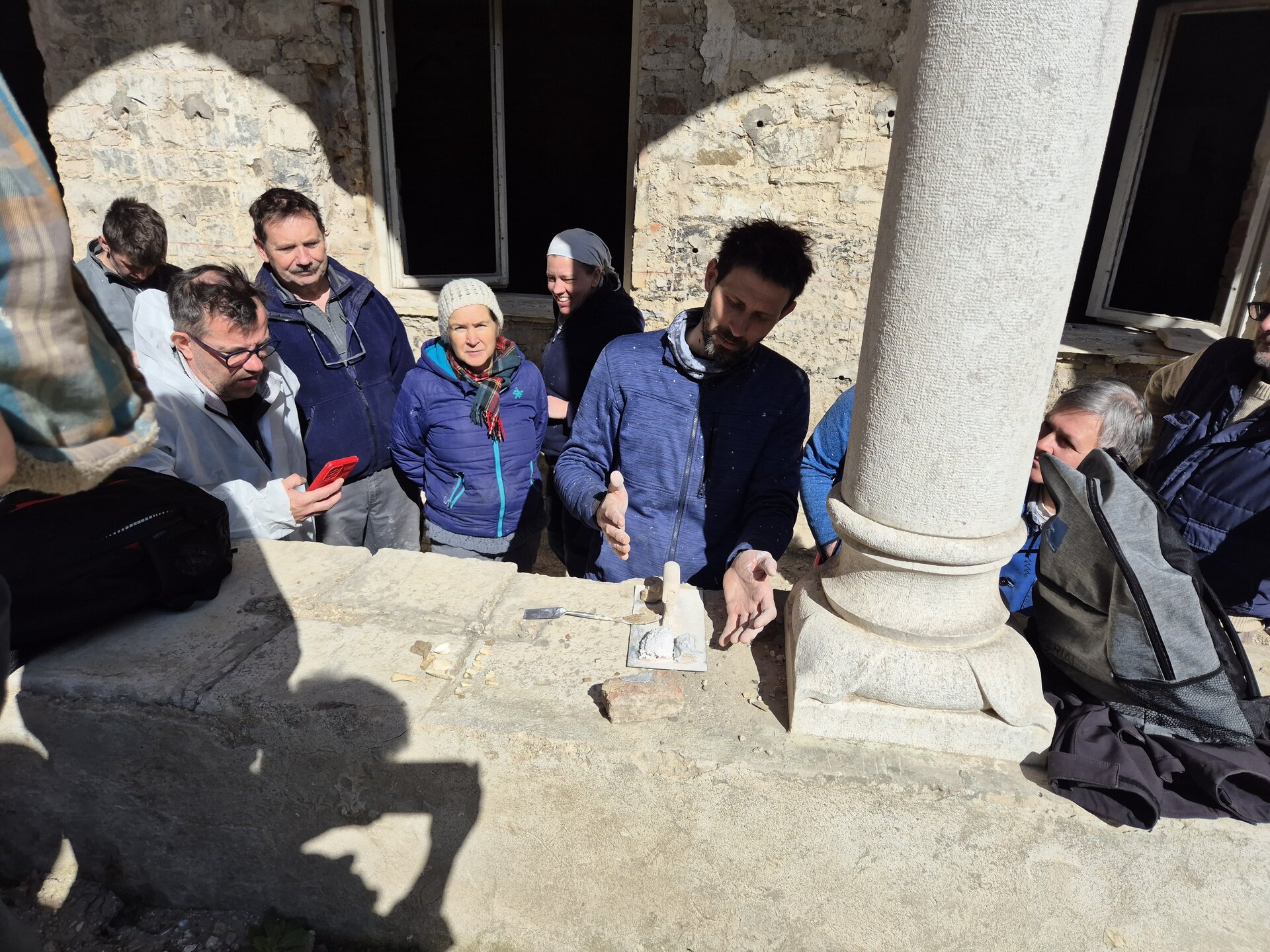
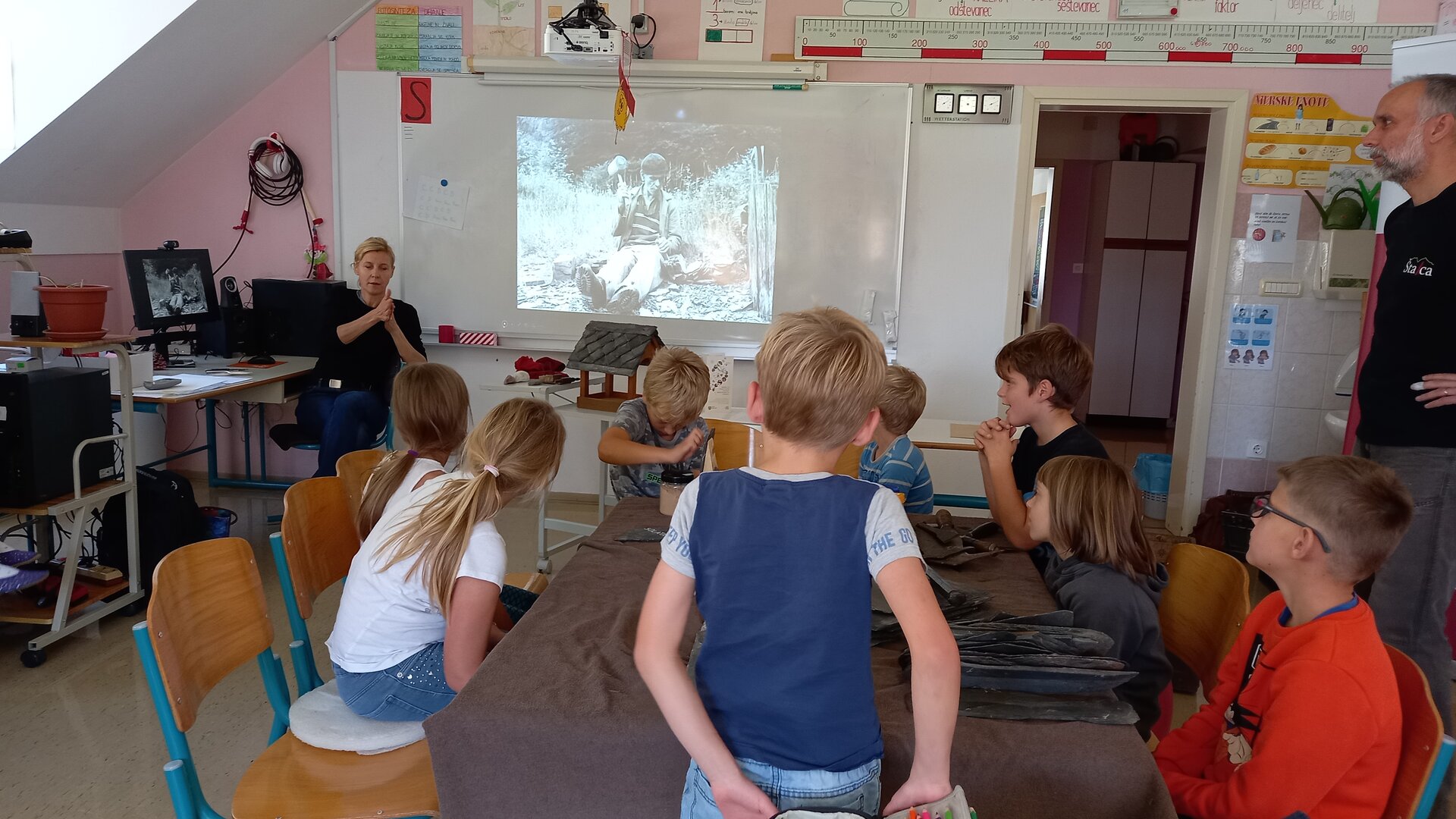
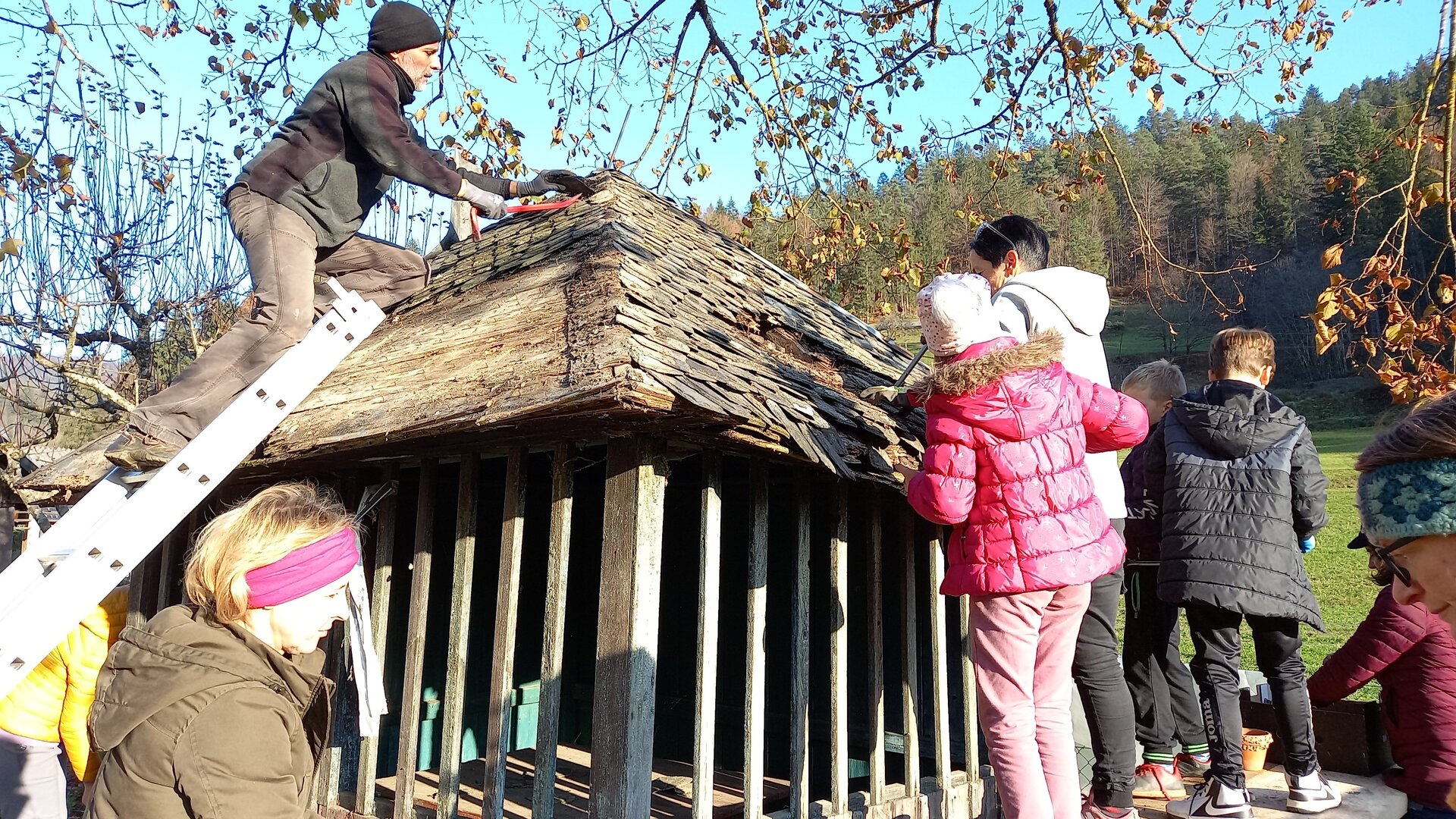
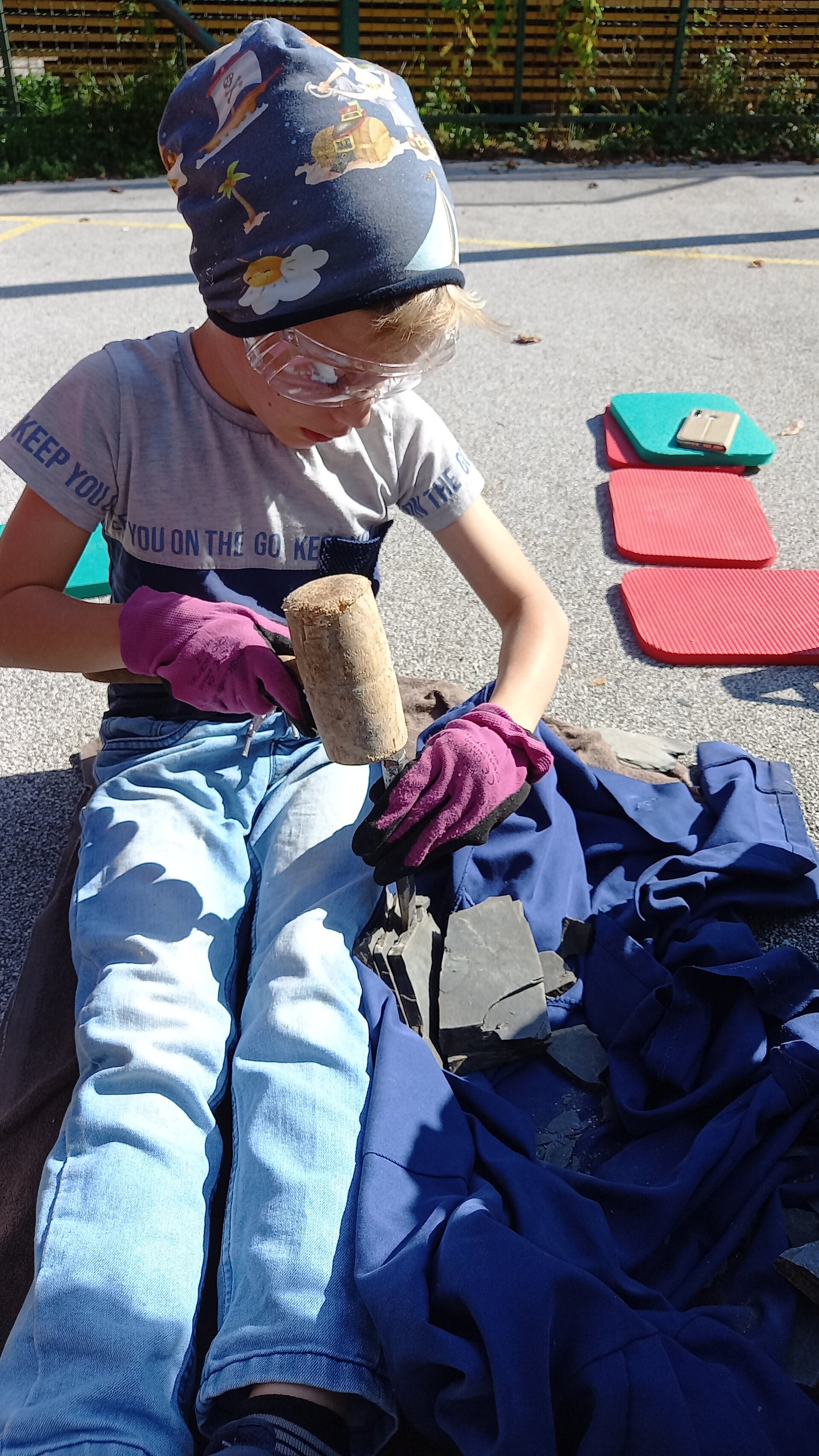
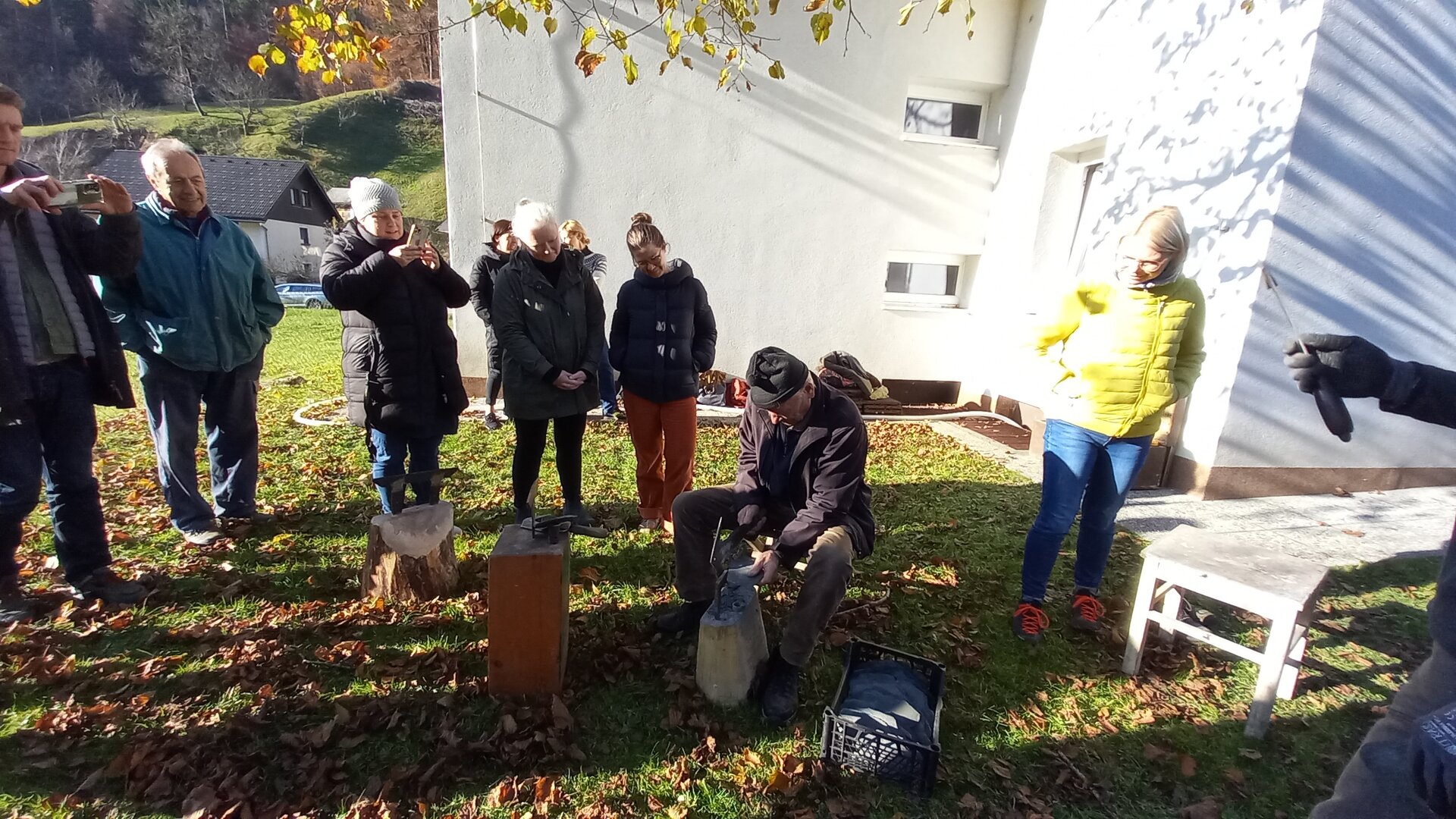
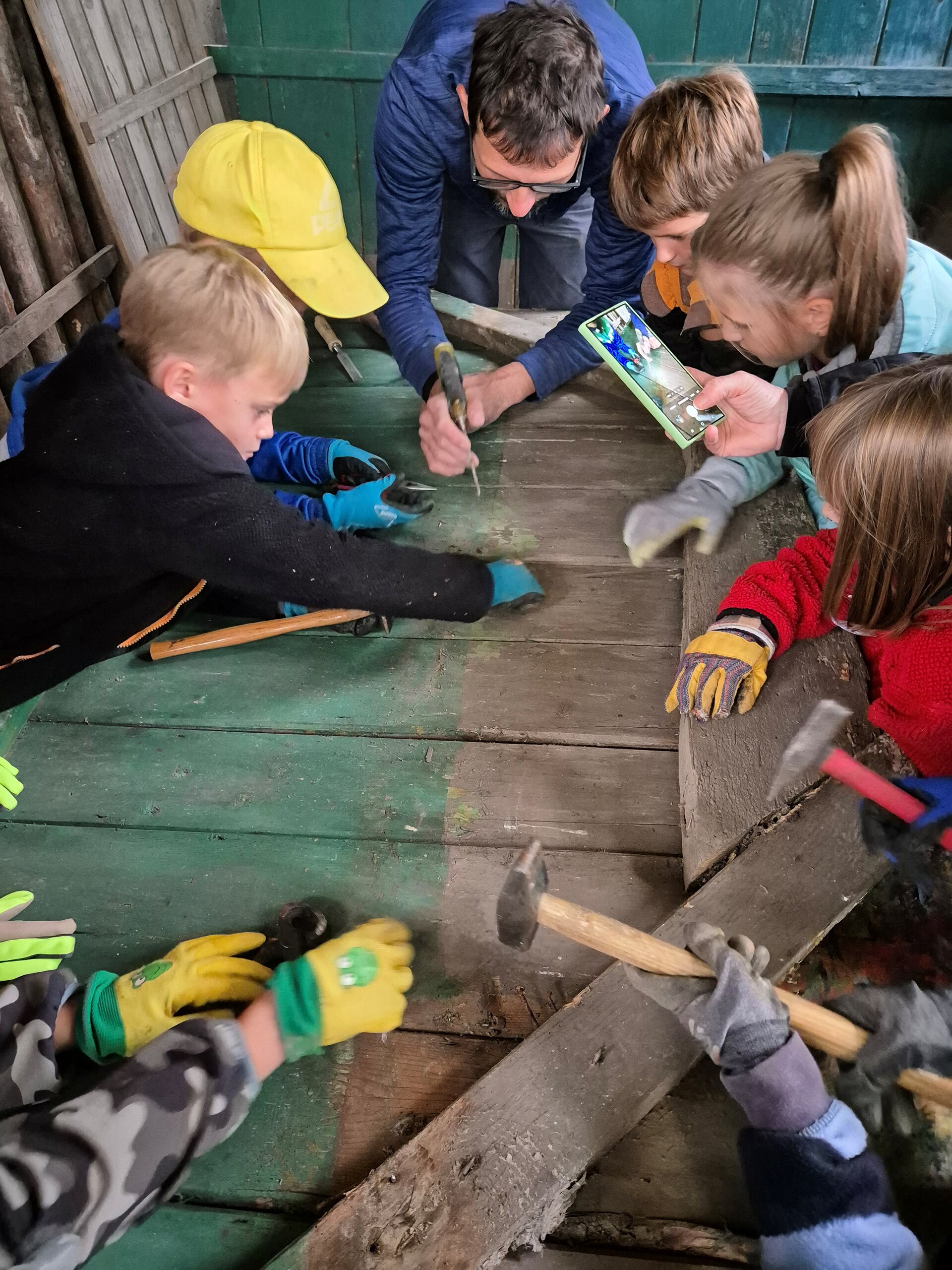
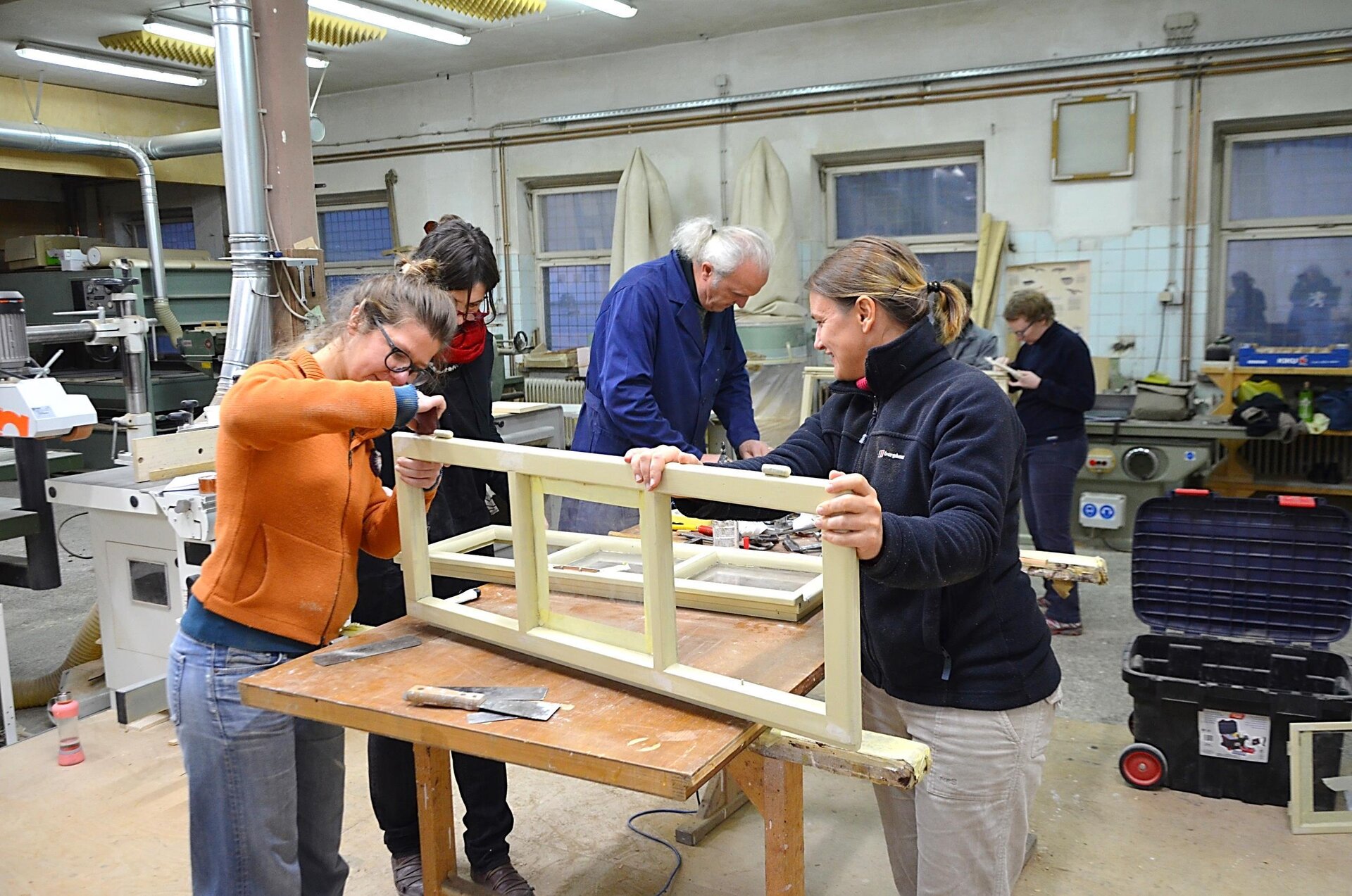
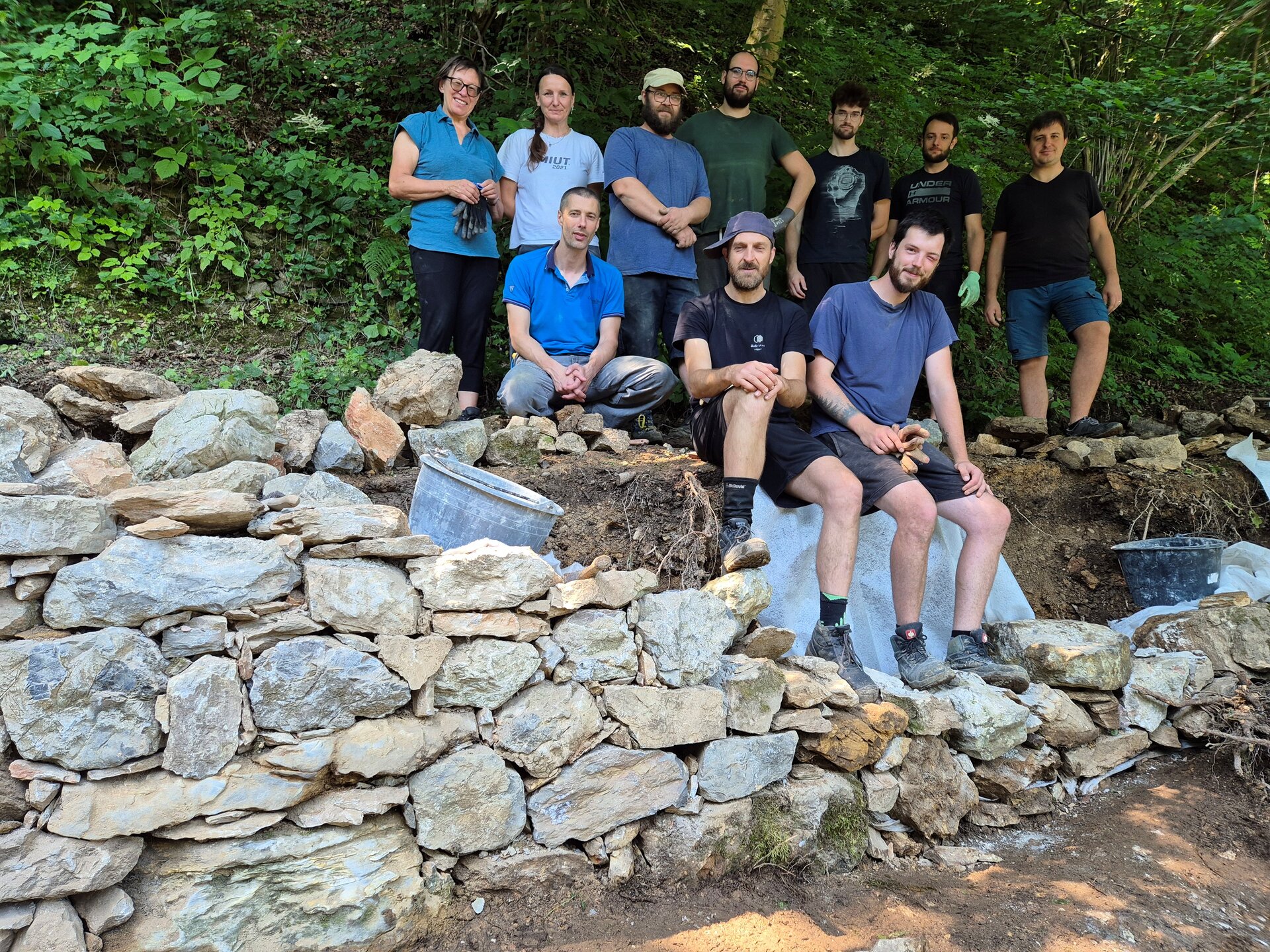
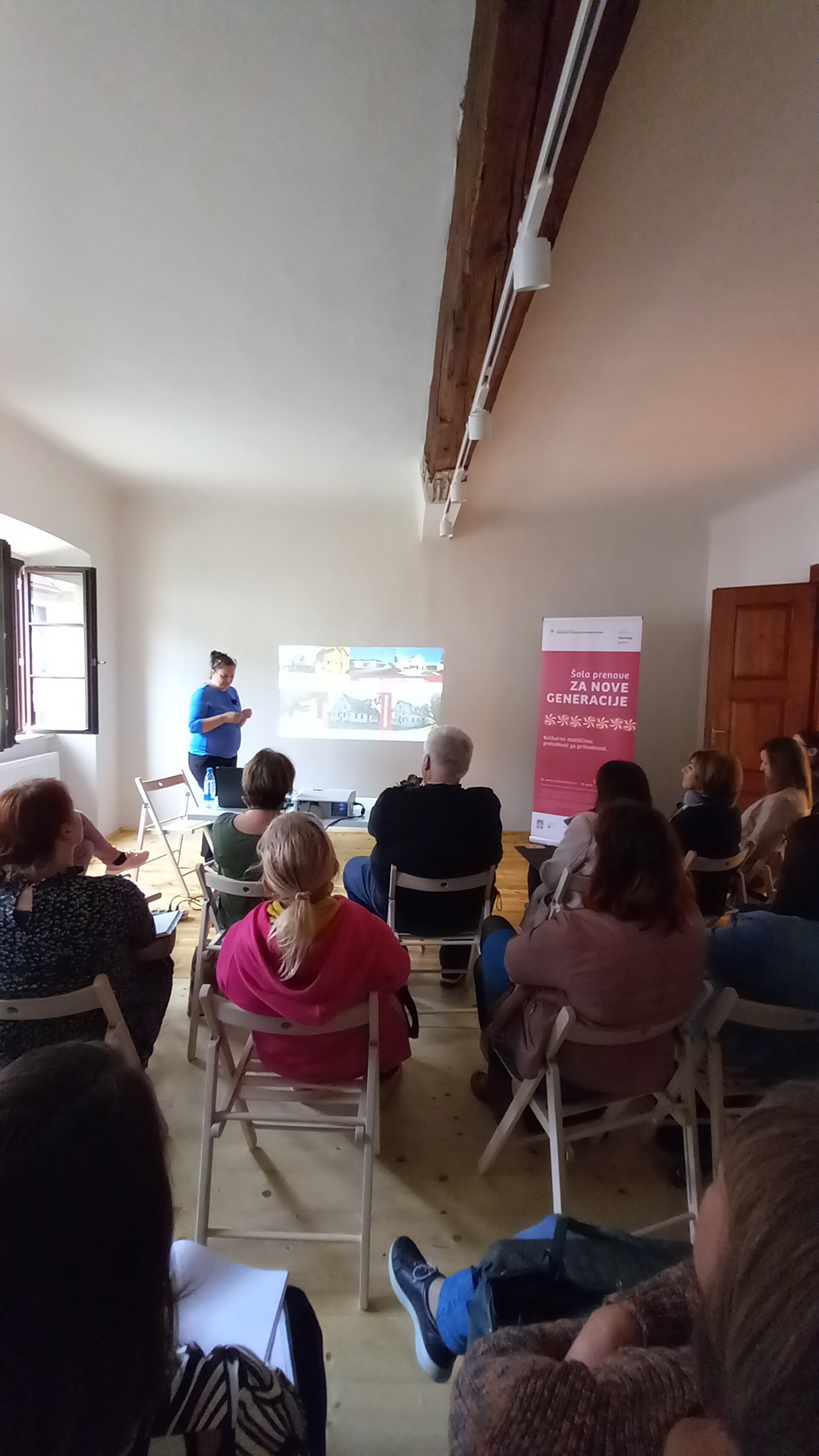
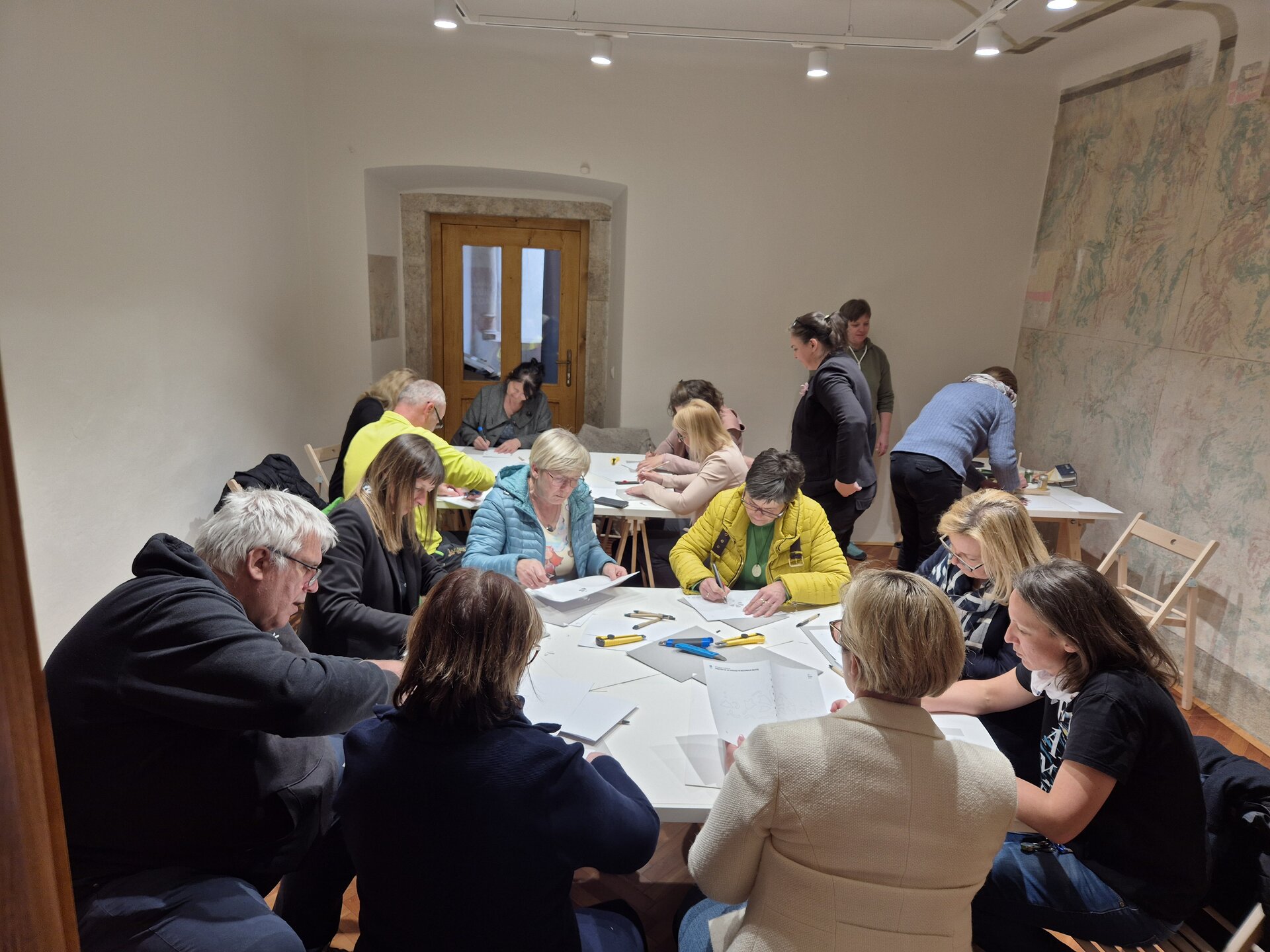
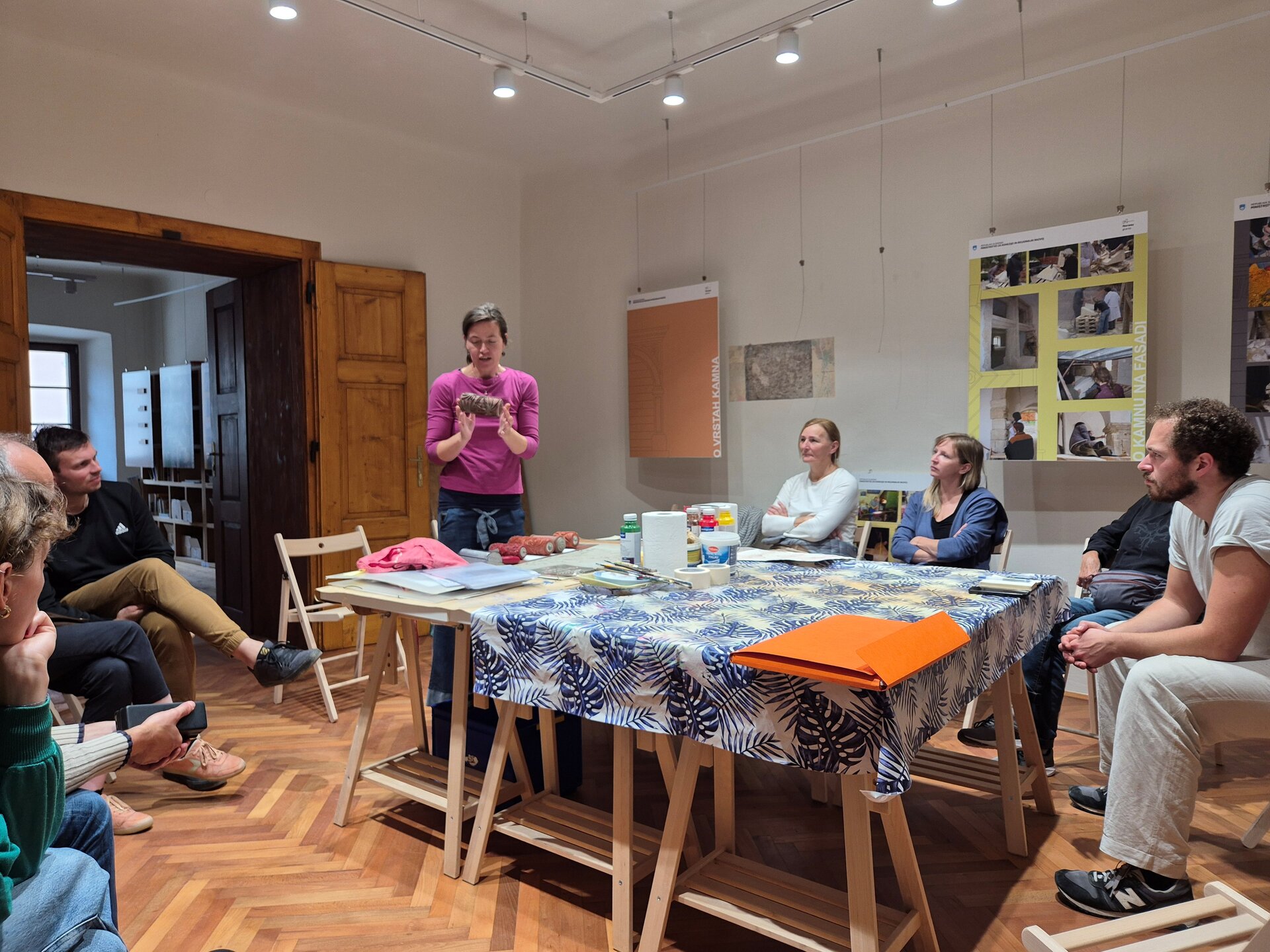
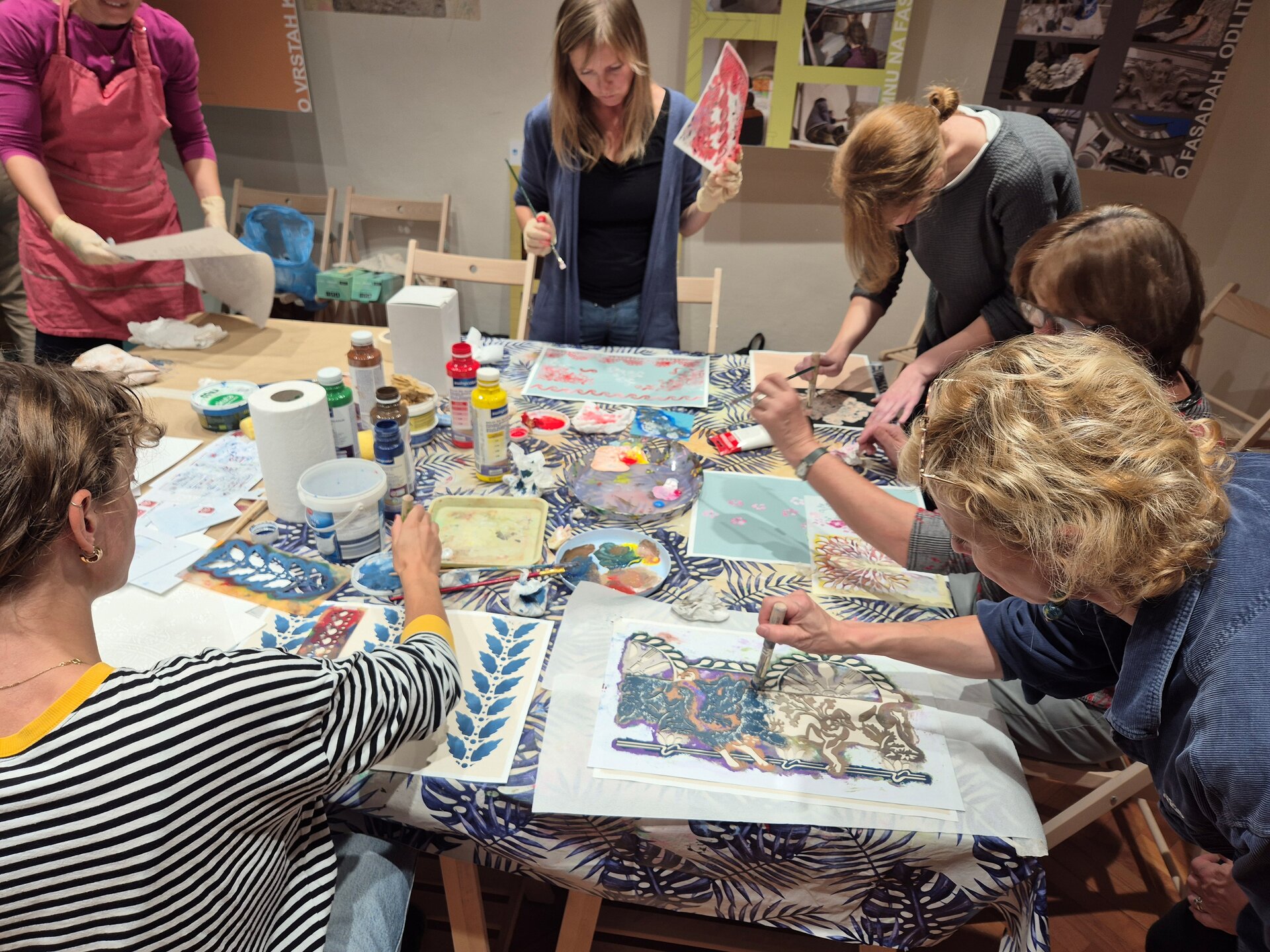
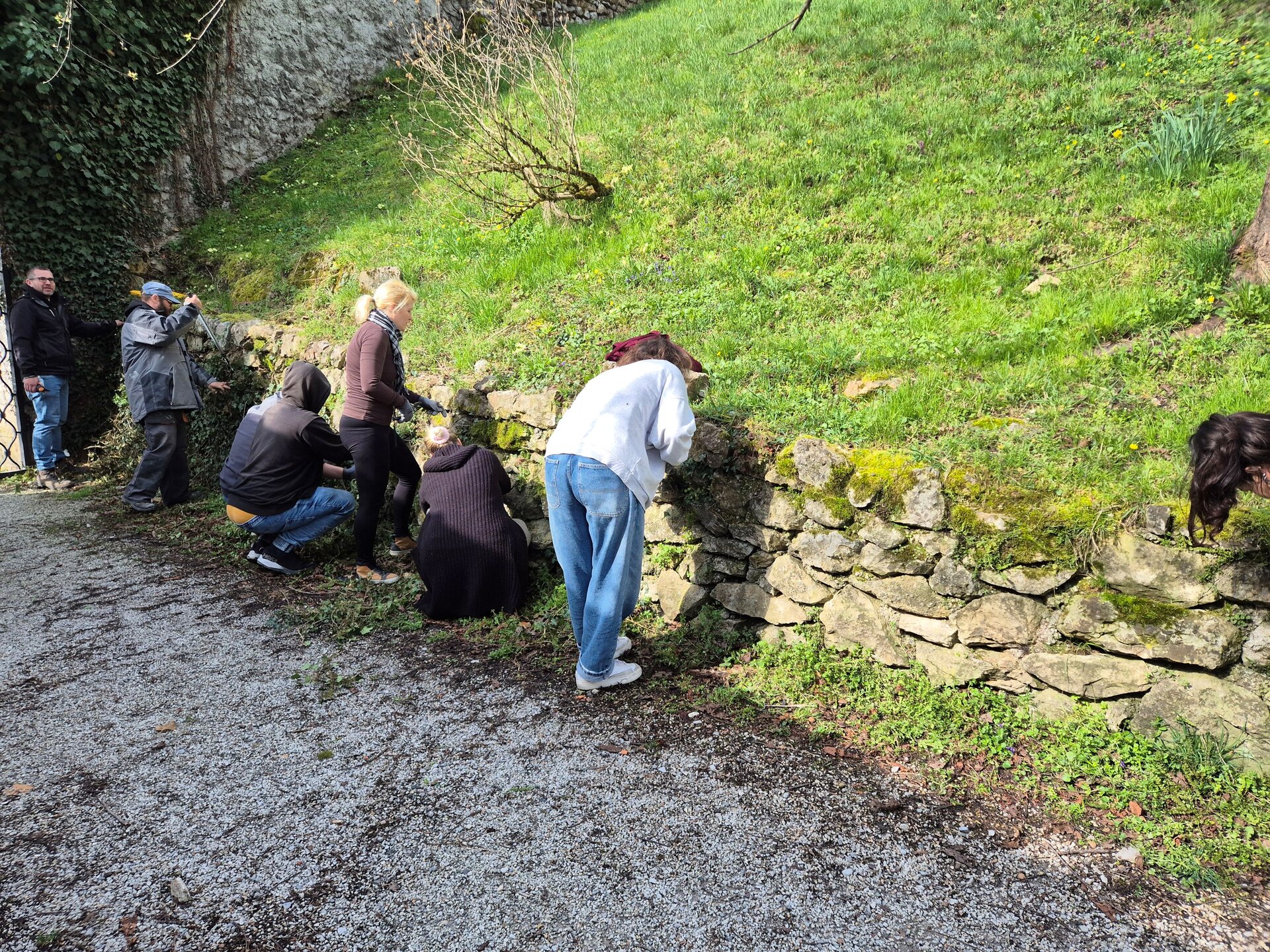
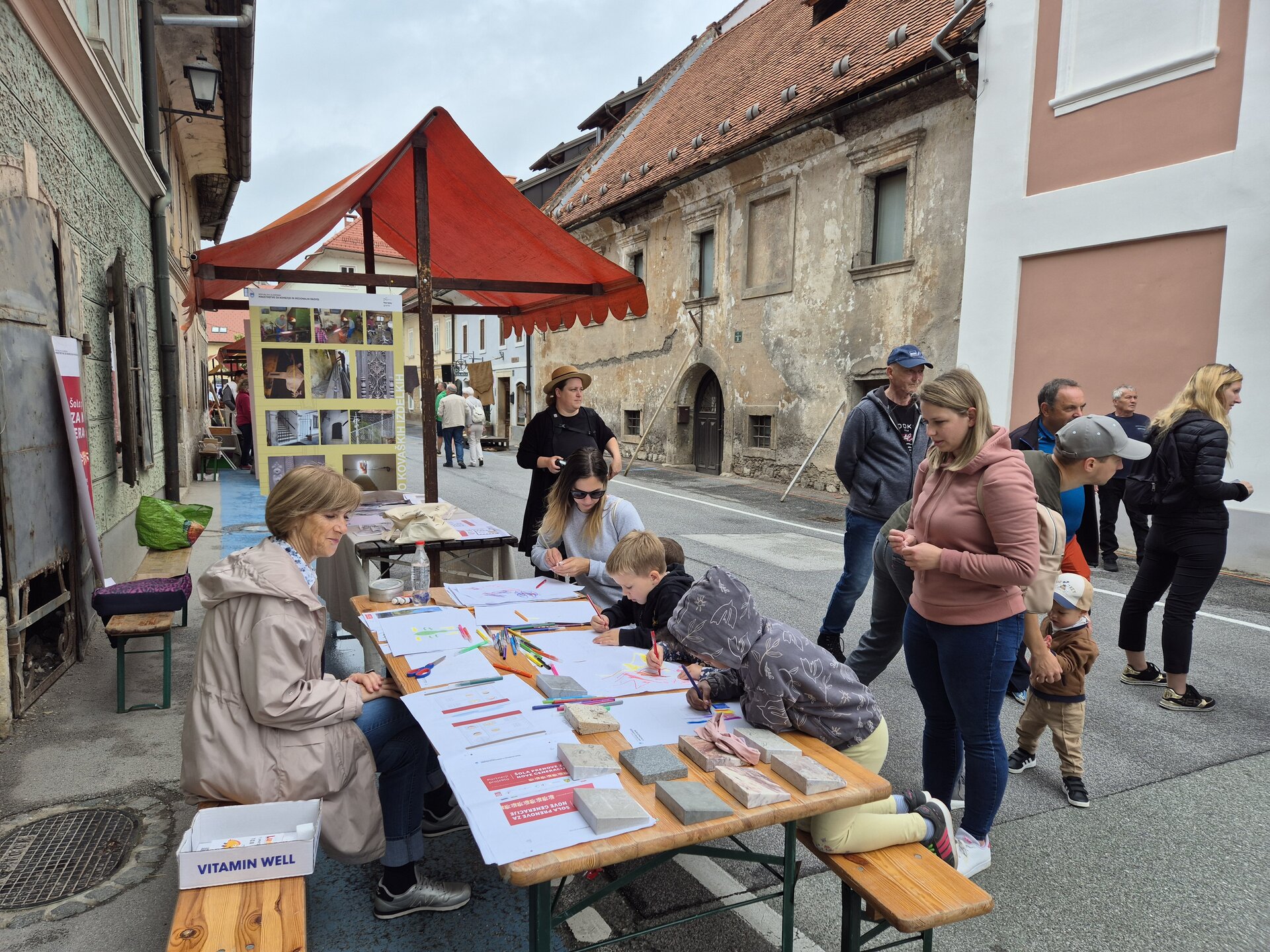
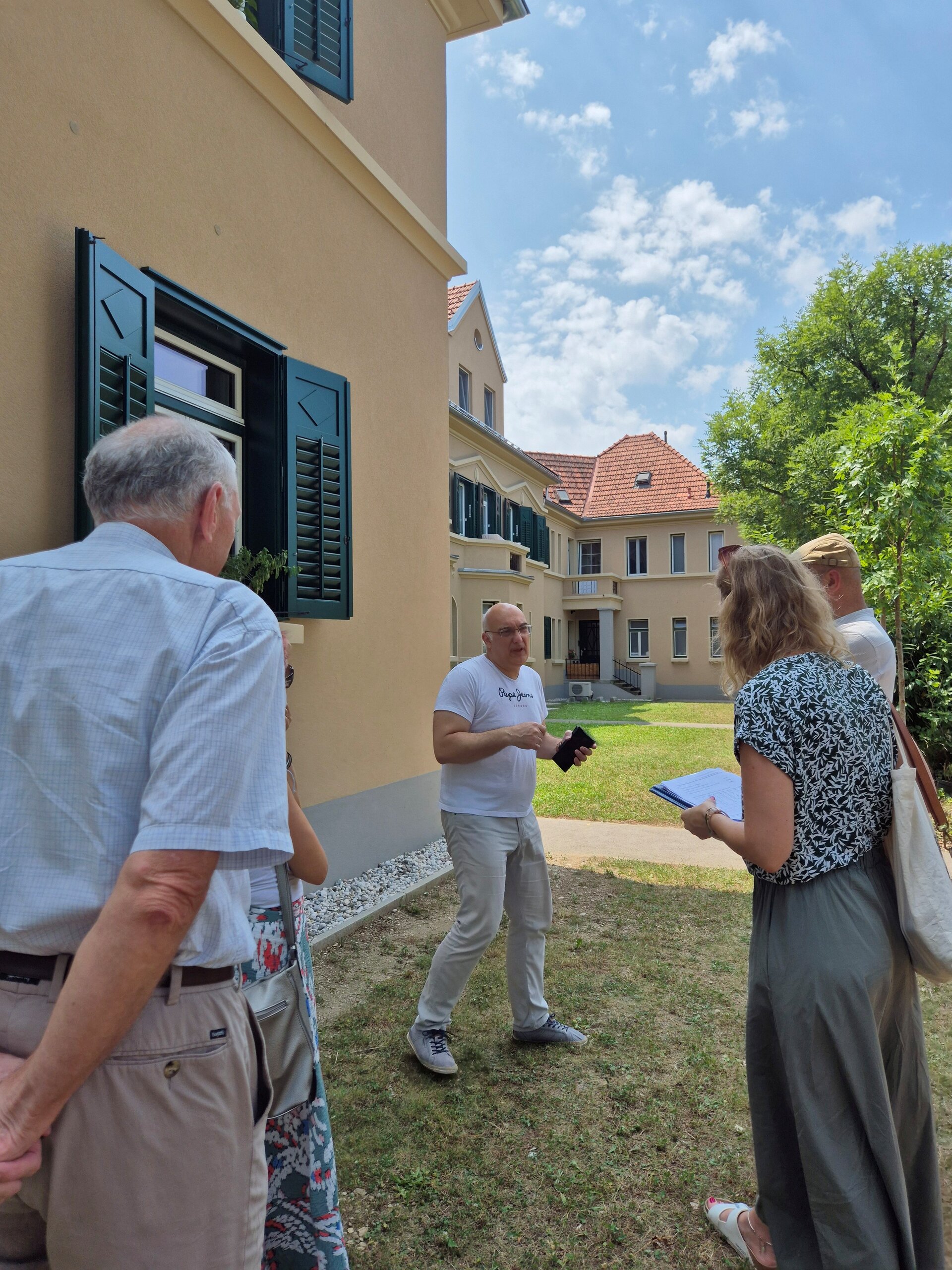
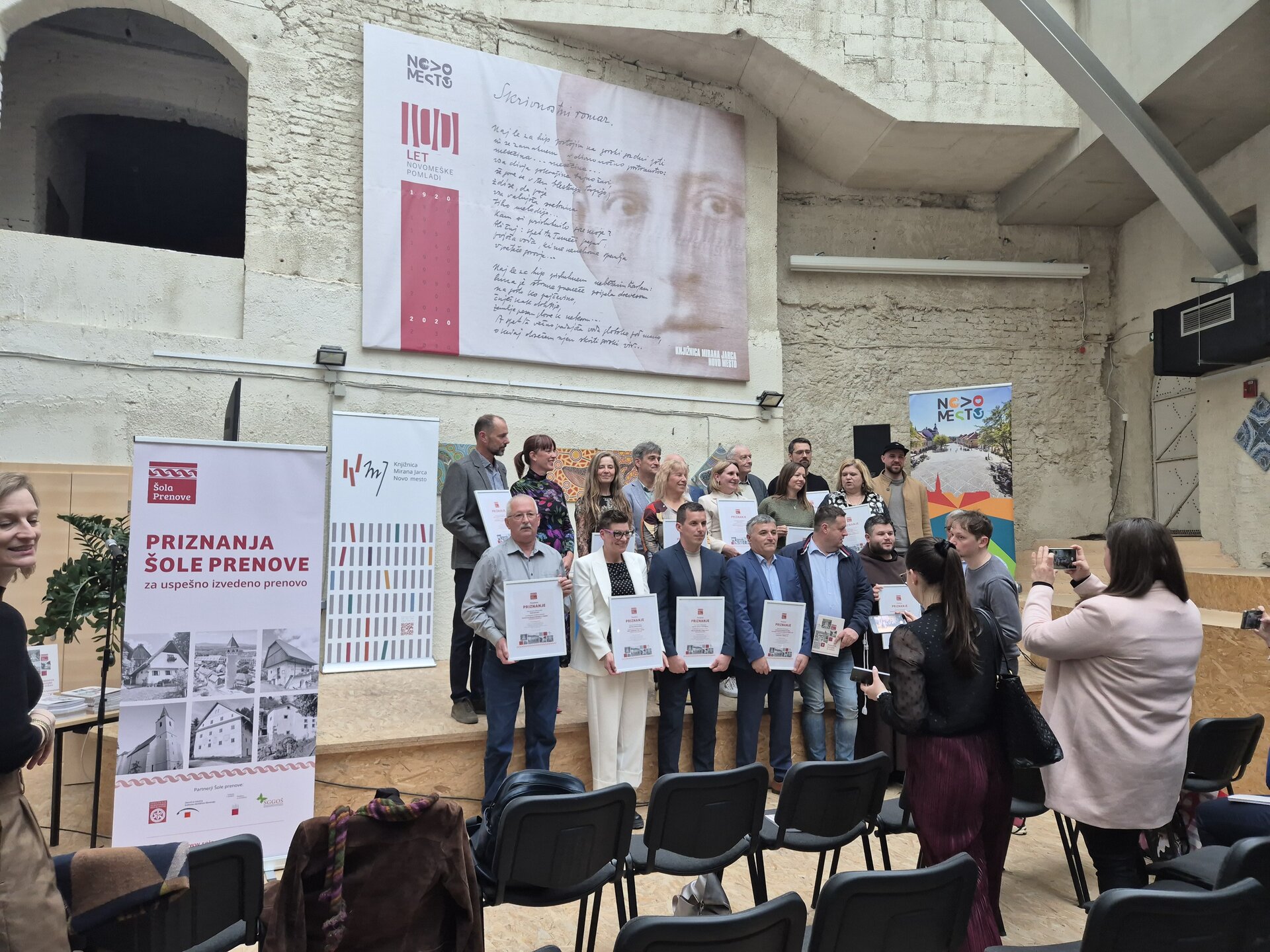
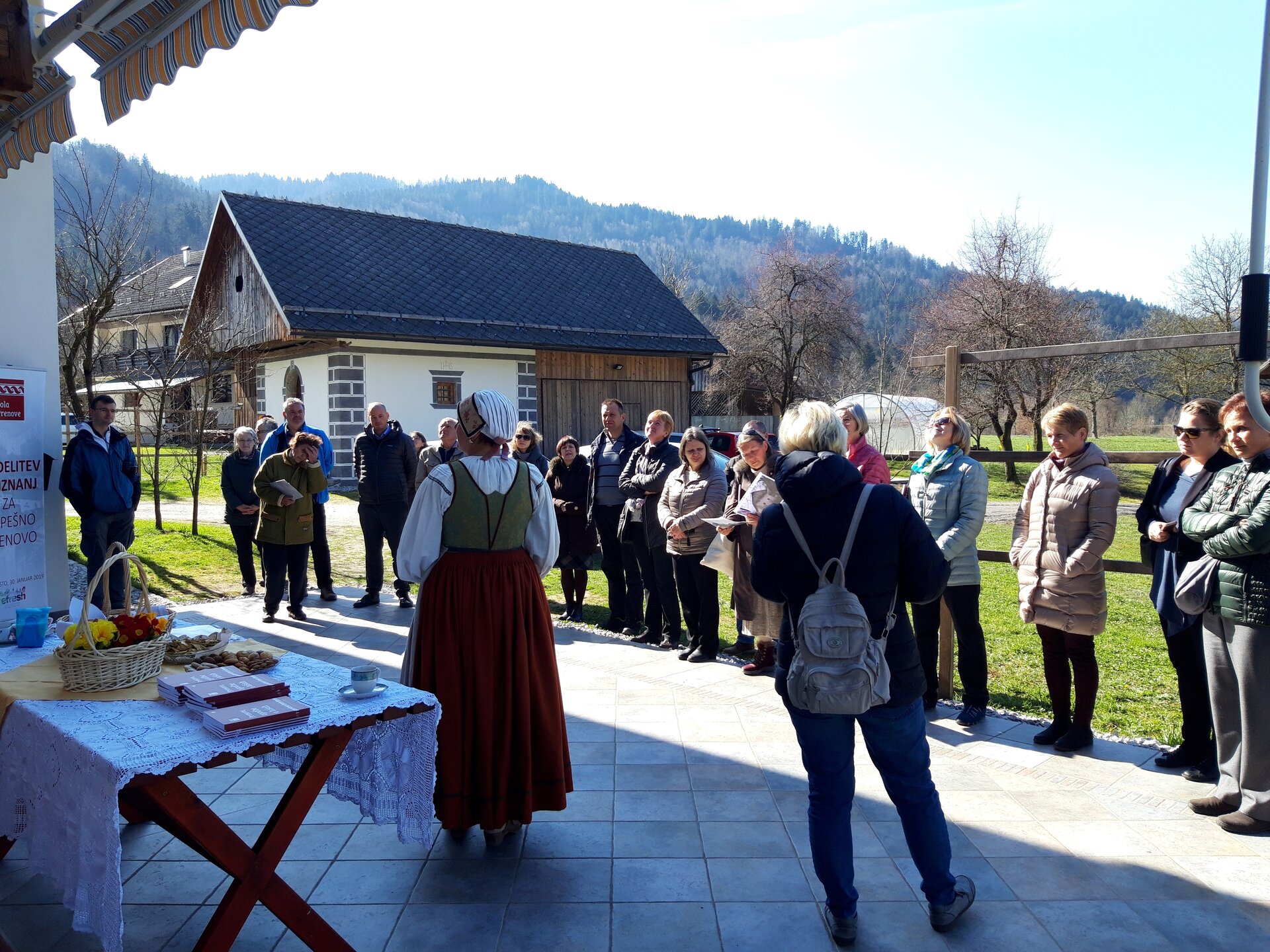
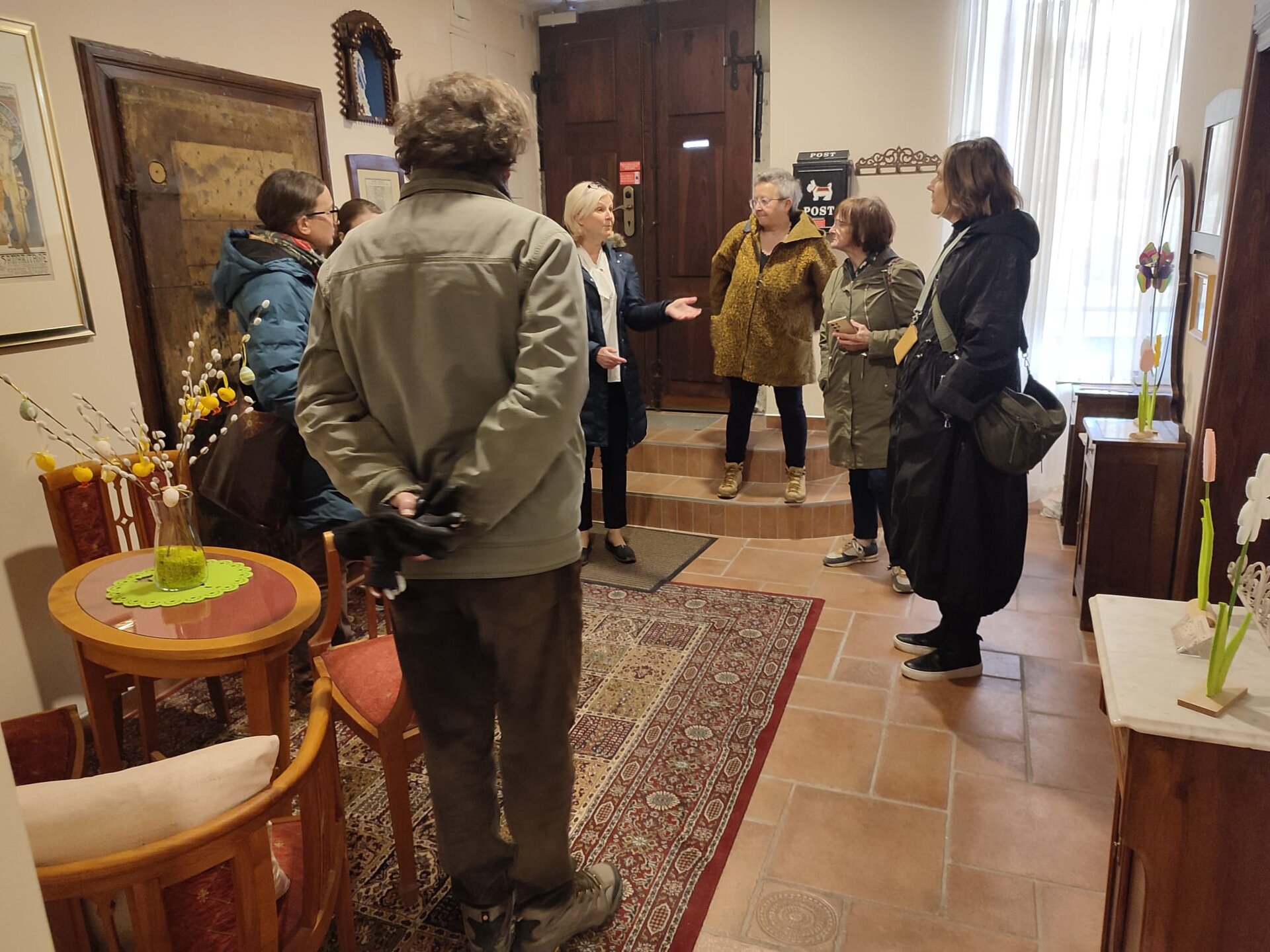
The School of Renovation (Šola prenove) is a nationwide educational and professional training initiative established in Slovenia in 2015 by the Association of Historic Towns of Slovenia. Developed in cooperation with the University of Ljubljana's Faculty of Architecture, the Institute for the Protection of Cultural Heritage of Slovenia and the Secondary School of Civil Engineering, Land Surveying and Environmental Studies in Ljubljana, the programme addresses the shortage of skilled contractors and craftspeople capable of maintaining and restoring historic buildings using appropriate traditional techniques. Slovenia's historic towns, rural settlements and protected monuments depend on specialist knowledge that is increasingly difficult to access within the contemporary construction sector. The School of Renovation responds by connecting conservation professionals, traditional craftspeople, building owners, students and public authorities through practical, accessible education. Its central objective is to improve the quality of renovation while ensuring that traditional building knowledge continues to be transmitted and applied. Workshops are organised throughout Slovenia at heritage properties proposed by municipalities, private owners and other partners. Lasting between one and five days, they combine expert explanations with supervised practical work. Subjects include lime mortars and plasters, stone masonry, dry stone walling, timber construction, historic roof tiles, carpentry repairs and the treatment of moisture-related problems in traditional buildings. Architects, conservators, experienced craftspeople and materials specialists work directly with participants, demonstrating methods suited to the construction and heritage significance of each site. Since its foundation, the programme has delivered approximately 50 workshops involving more than 1,000 participants. On average, six workshops are organised annually, attracting around 100 people. Participation is free of charge, enabling property owners, contractors, municipal officials, students, teachers and children to acquire knowledge that might otherwise be difficult or costly to obtain. Cooperation with educational institutions has strengthened the involvement of younger generations, while links with Slovenia's National Vocational Qualification System support the formal recognition of relevant professional competences. The School of Renovation also promotes exemplary conservation beyond its workshops. A biennial award, introduced in 2018, recognises owners who have undertaken sensitive and successful renovations of historic properties. By 2026, 51 owners had received this recognition. Open days provide opportunities for award recipients to share their experiences, challenges and solutions with other owners considering restoration work. Technical advice and online guidance materials make specialist knowledge available to a wider public. The programme is distinguished by its close collaboration with heritage authorities and academic institutions. Conservators contribute as lecturers and participants, encouraging dialogue between professional conservation principles and the realities of construction practice. Activities have taken place at nationally protected heritage sites and in UNESCO World Heritage settings, including Idrija and locations associated with architect Jože Plečnik in Ljubljana. Operating with an annual budget of approximately €35,000, supported by the Association of Historic Towns of Slovenia and the Slovenian Ministry of Culture, the initiative has developed a sustainable national network of expertise. Its decentralised approach allows training to respond directly to local conservation needs while strengthening cooperation between municipalities, professionals and communities. Recognised with a European Heritage Award / Europa Nostra Award in the Education, Training and Skills category in 2026, the School of Renovation demonstrates how practical education, institutional cooperation and public awareness can improve the long-term care of architectural heritage. By connecting traditional craftsmanship with contemporary conservation practice, it offers a transferable model for safeguarding historic buildings and the specialist skills required to maintain them.

