










FENIX Project
FENIX is an applied research project that develops innovative digital tools and practical emergency-response methodologies to protect cultural heritage from natural and human-made disasters. Led by Professor Pilar Ortiz Calderón at Pablo de Olavide University in Seville, Spain, ...
Read more
Project details
Description:
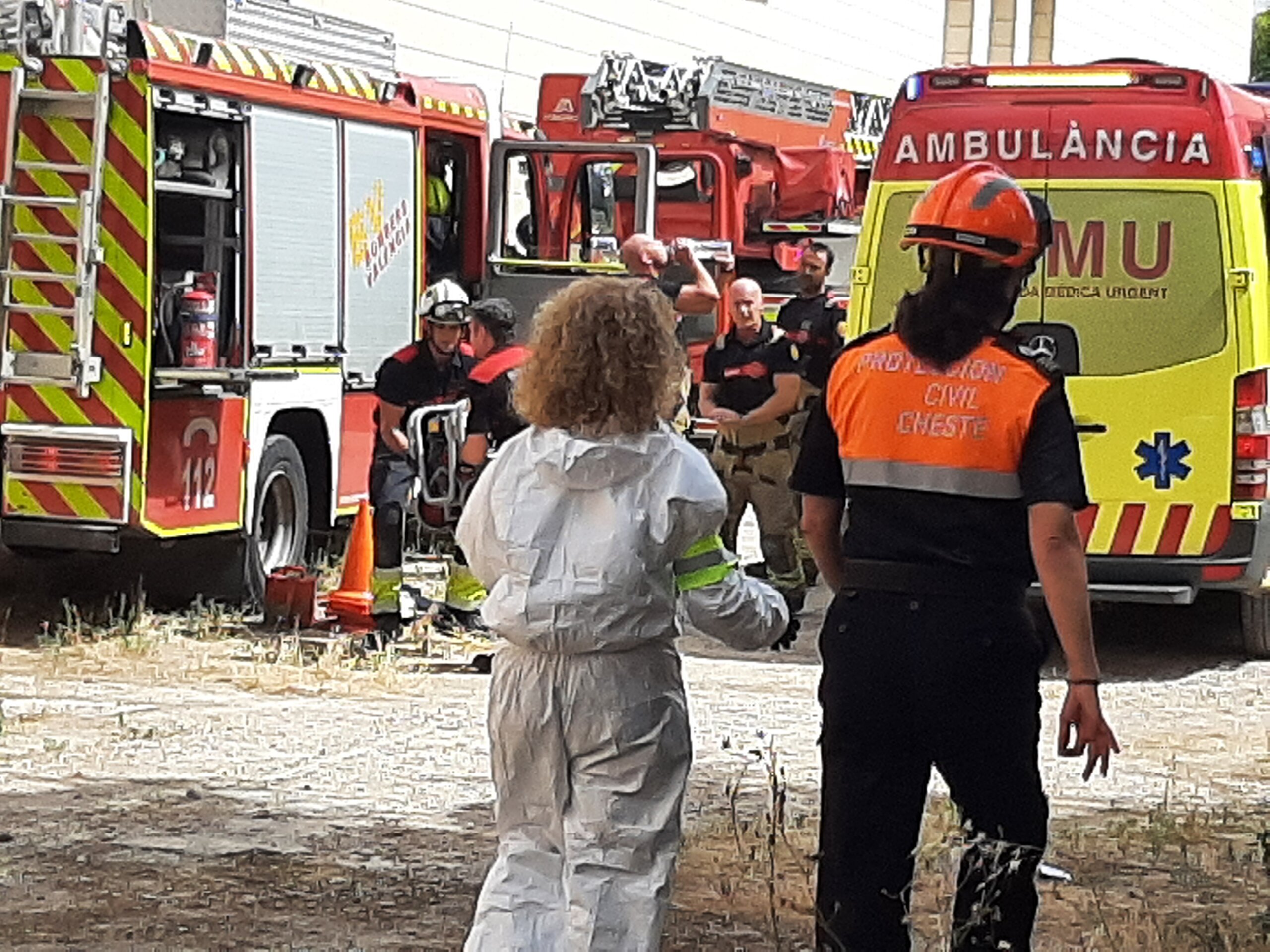
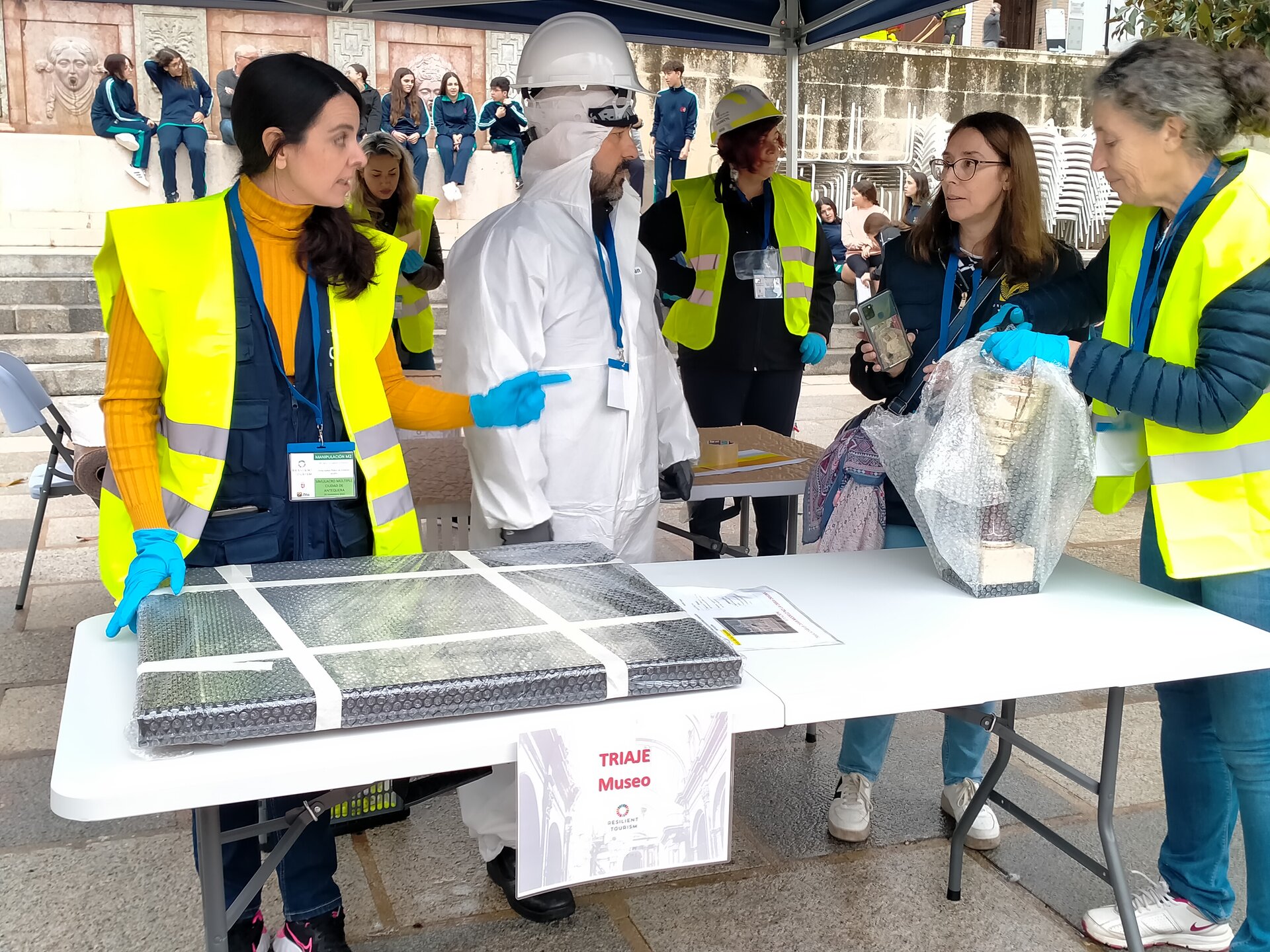
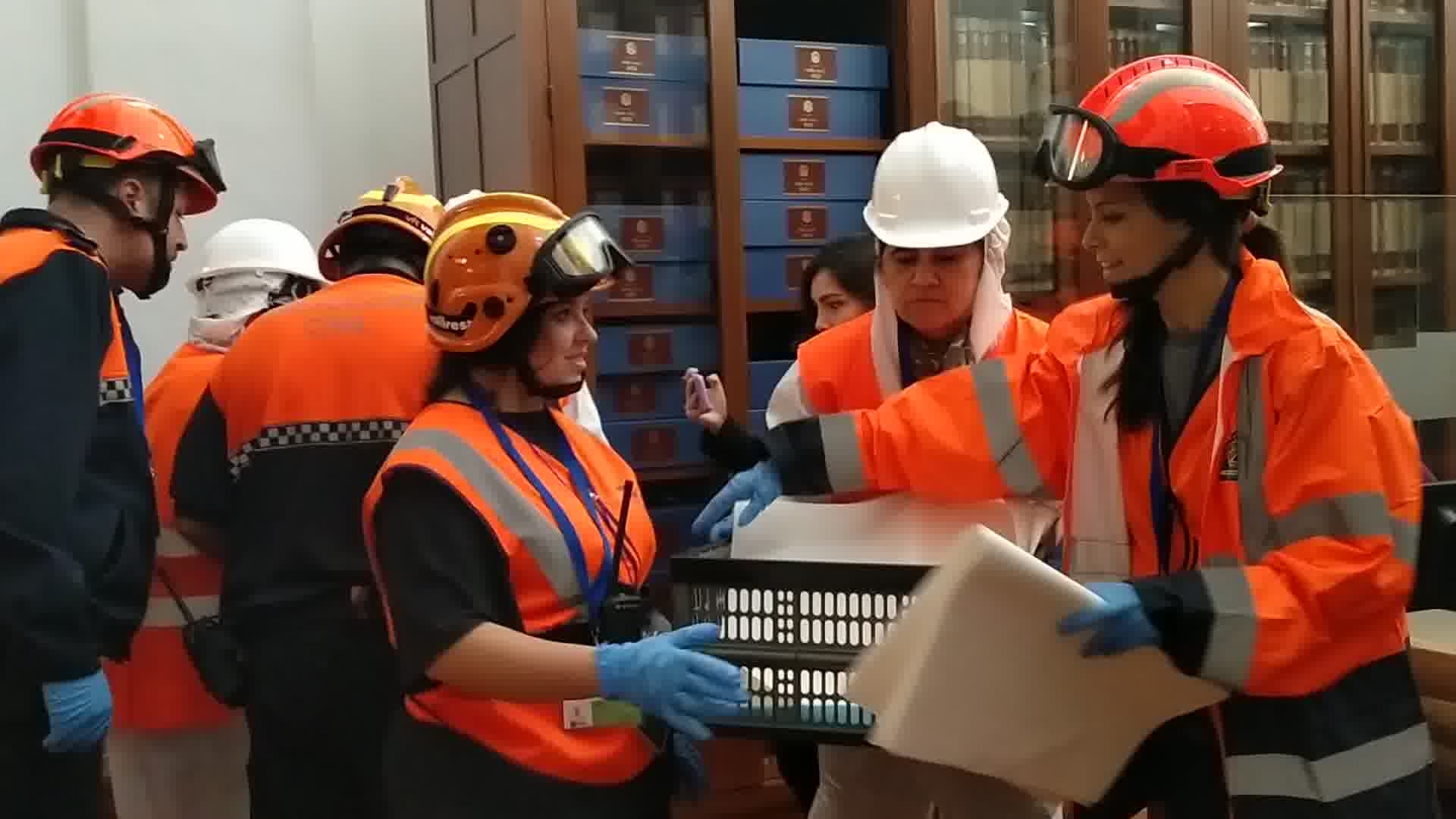
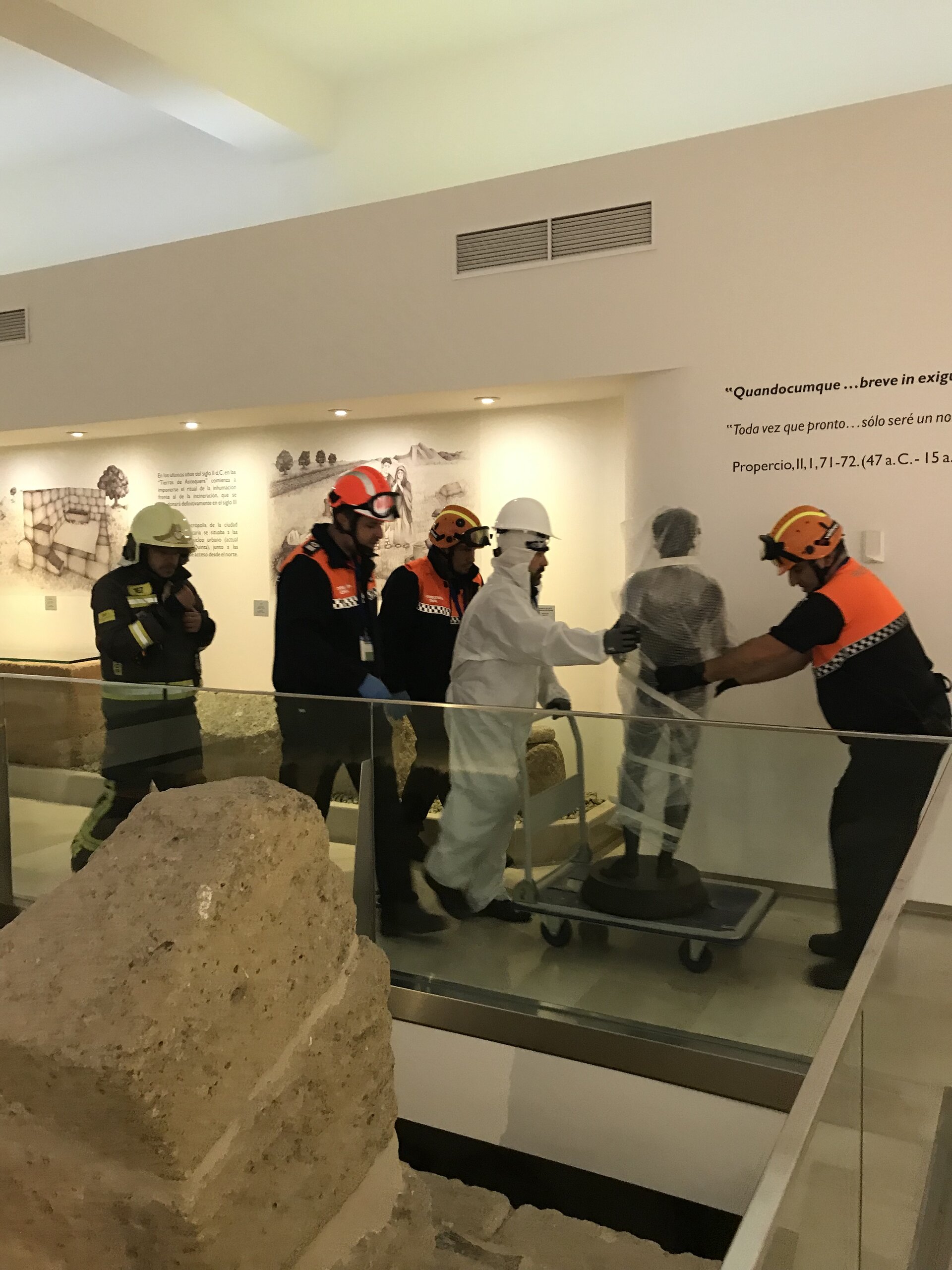
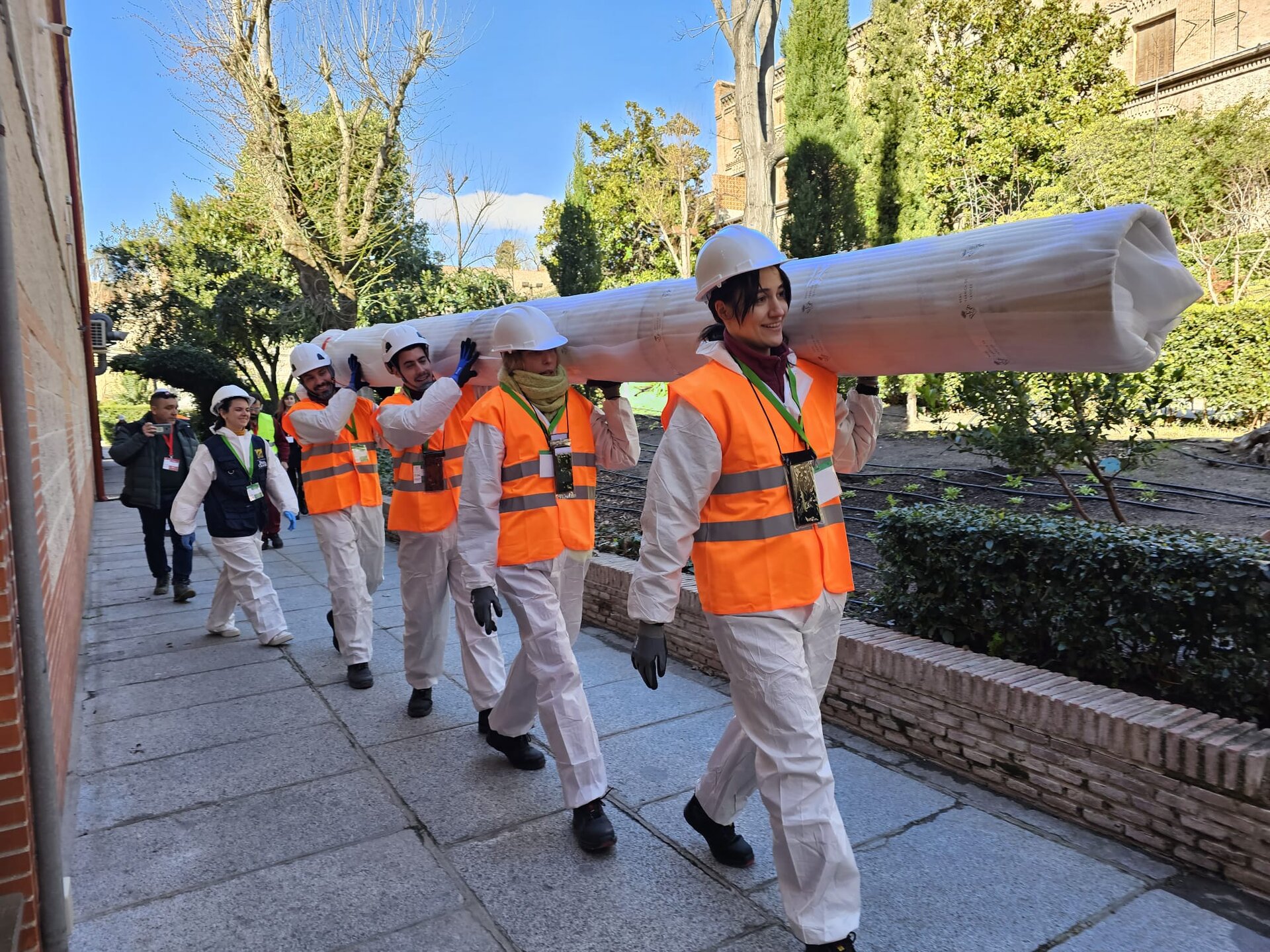
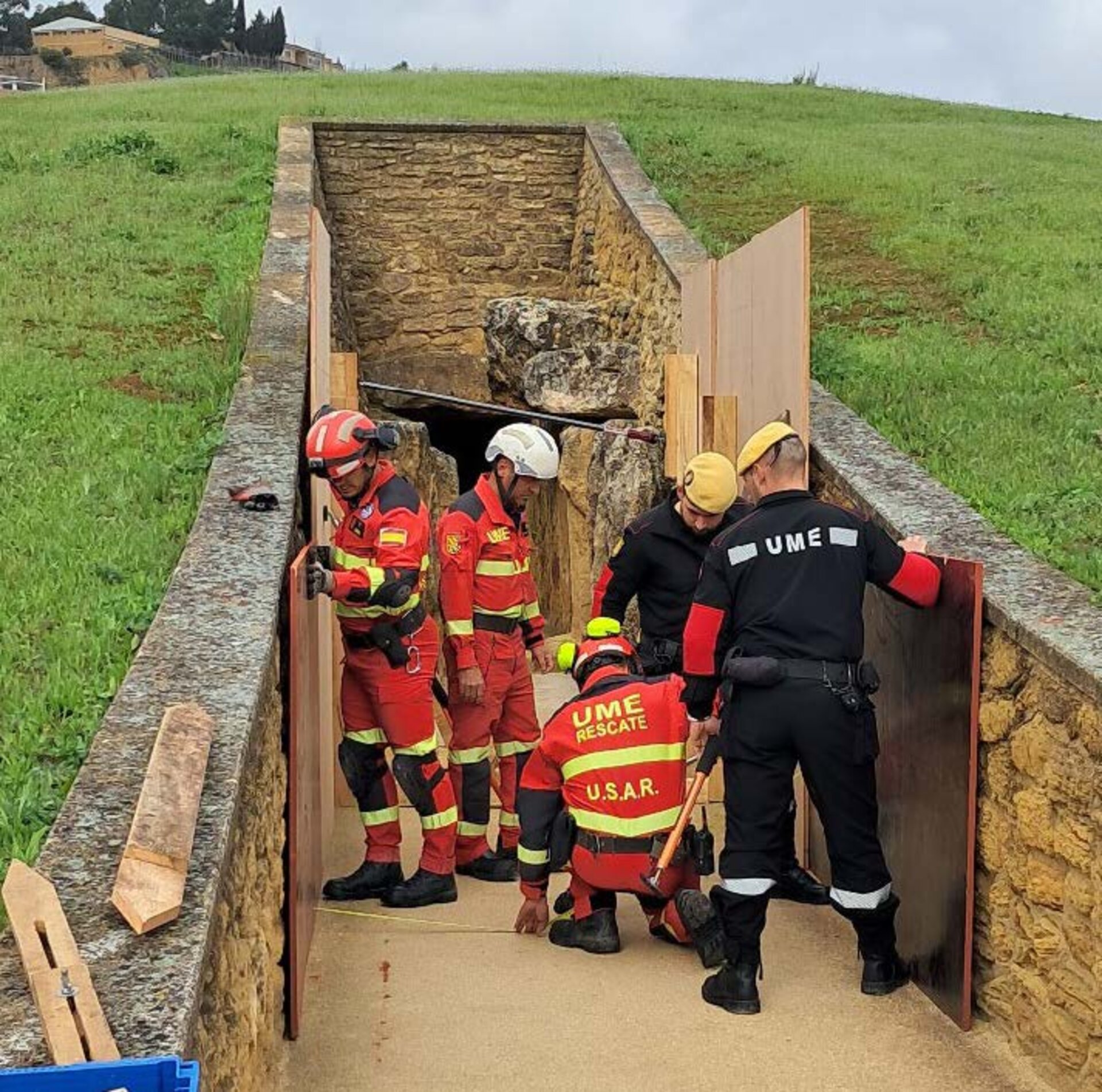
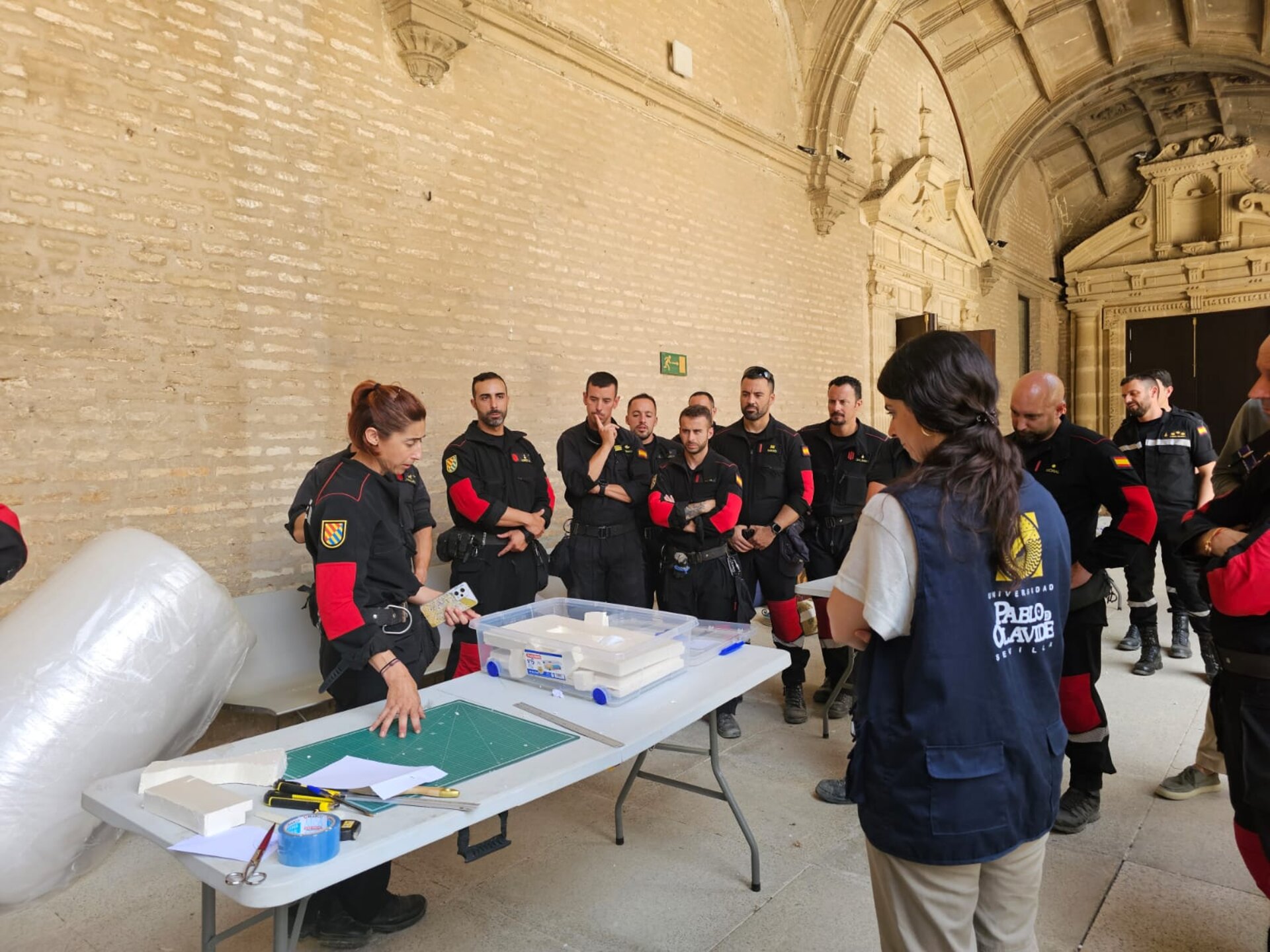
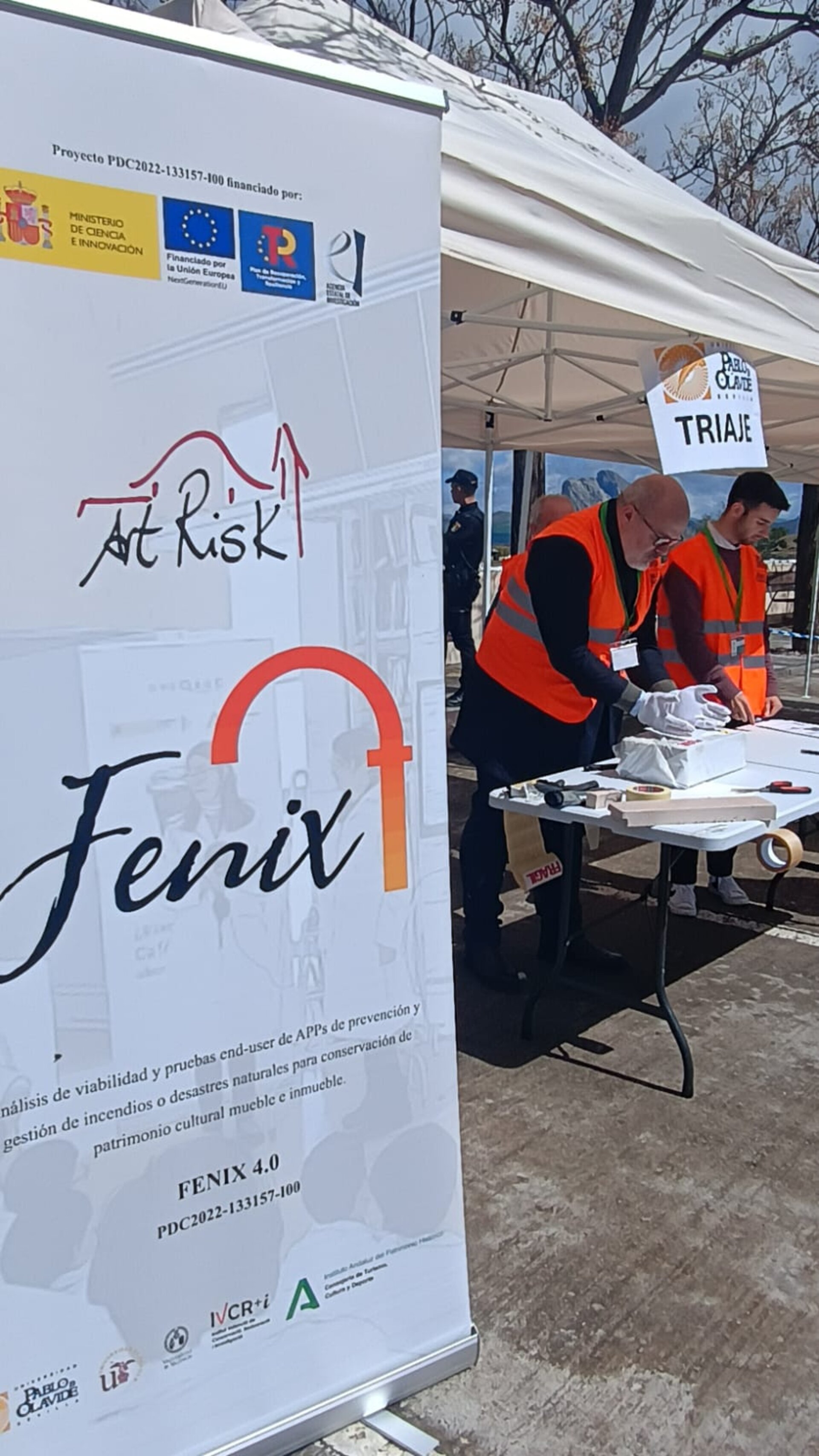
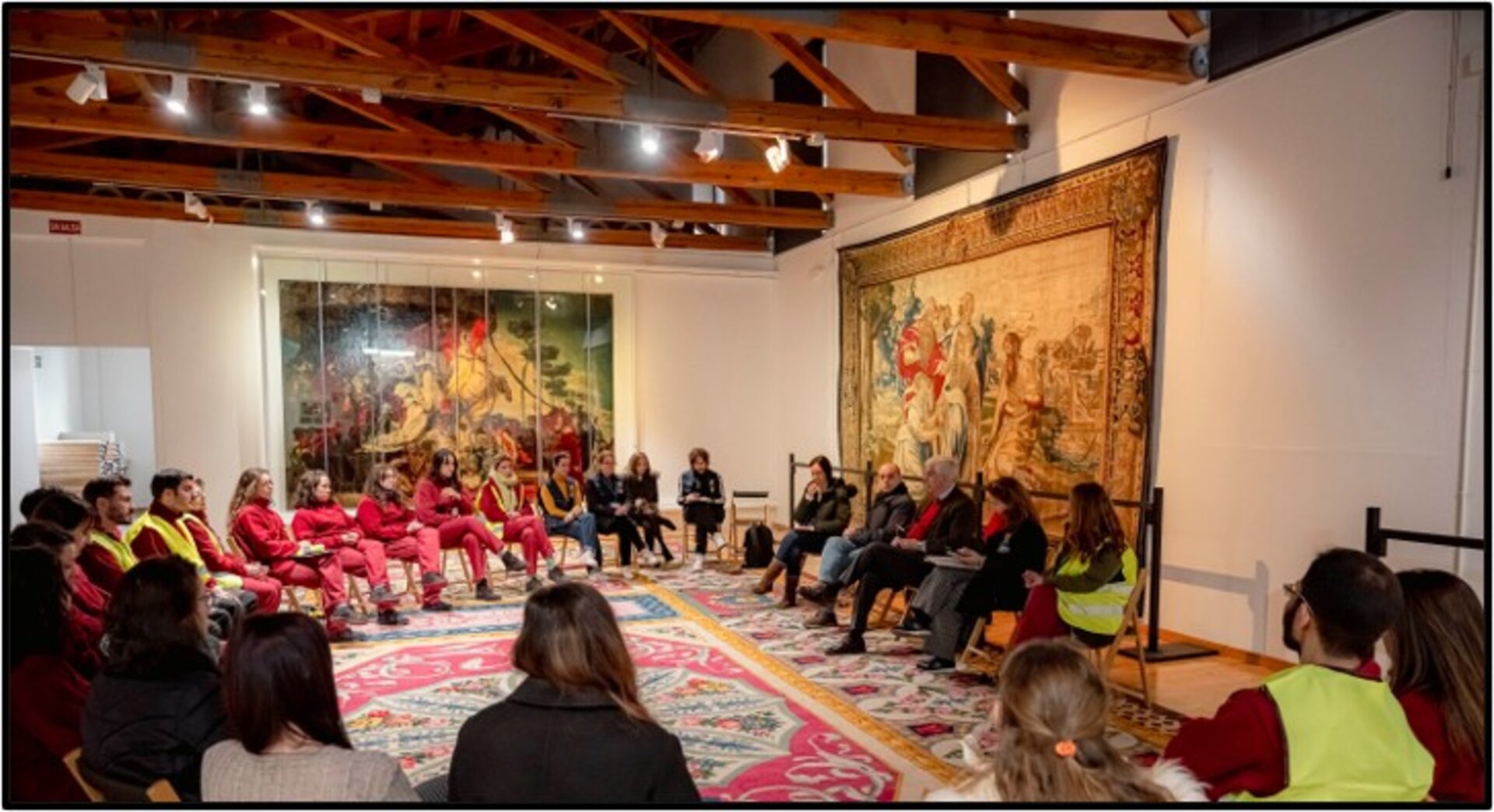
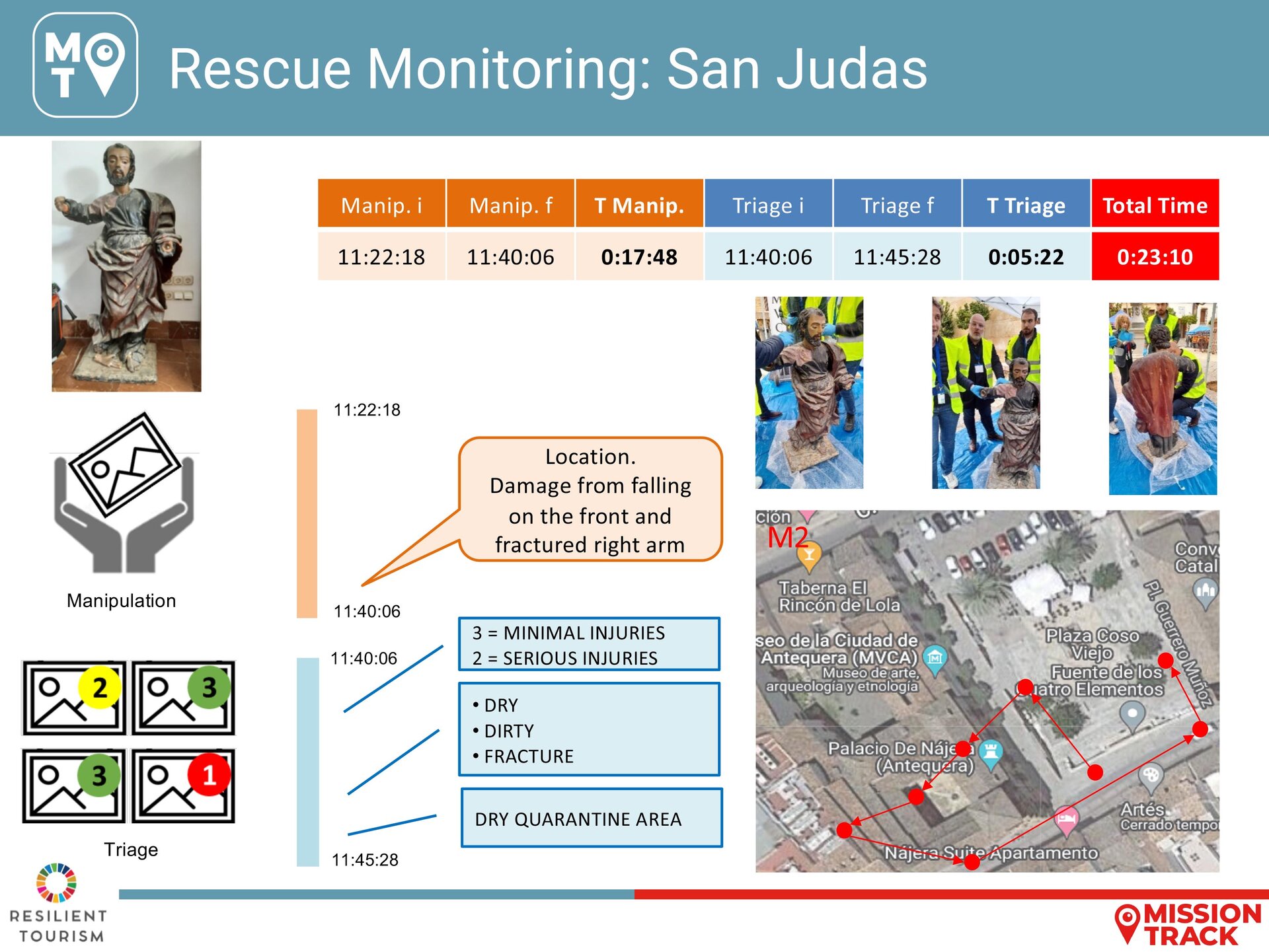
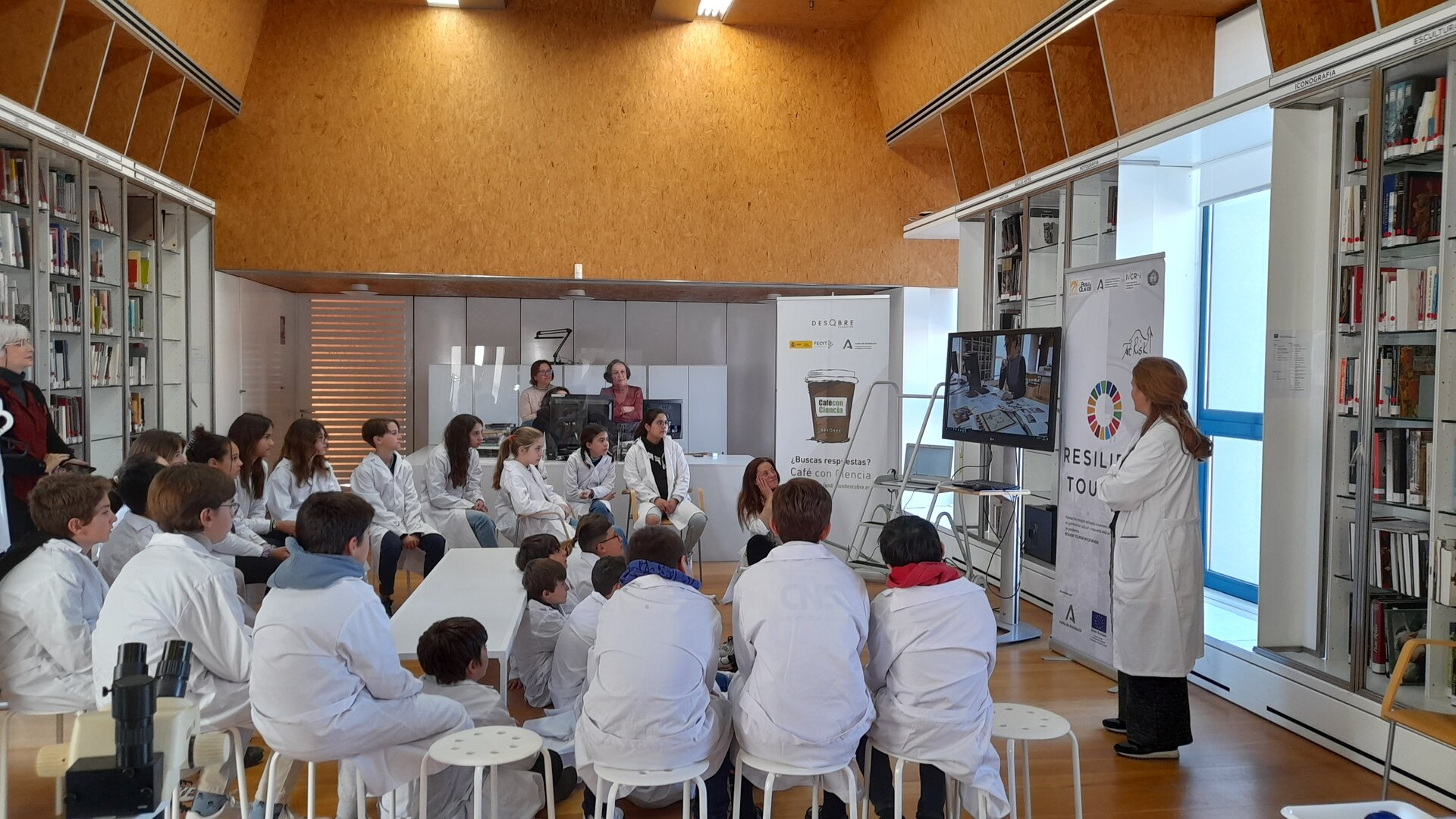
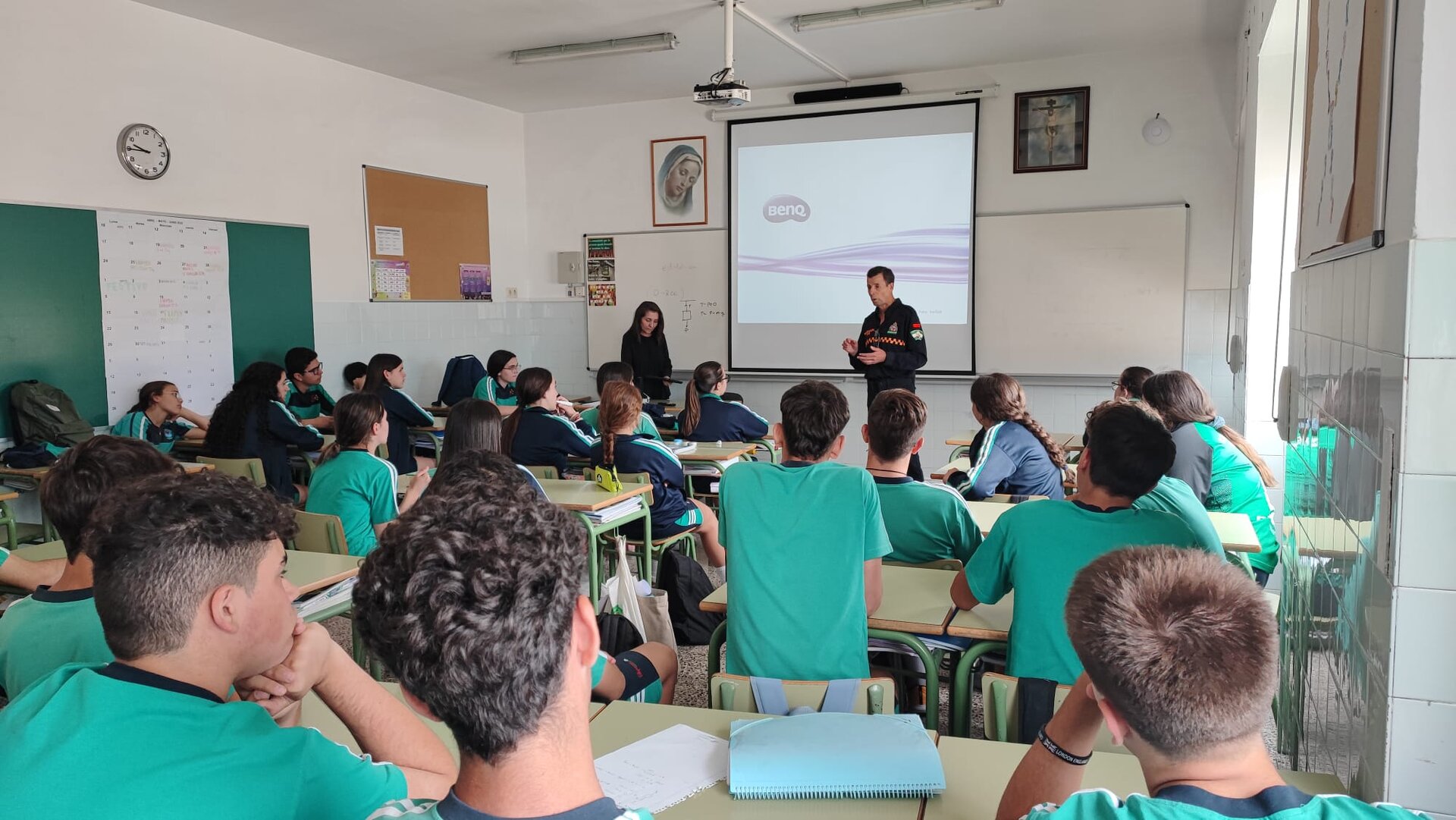
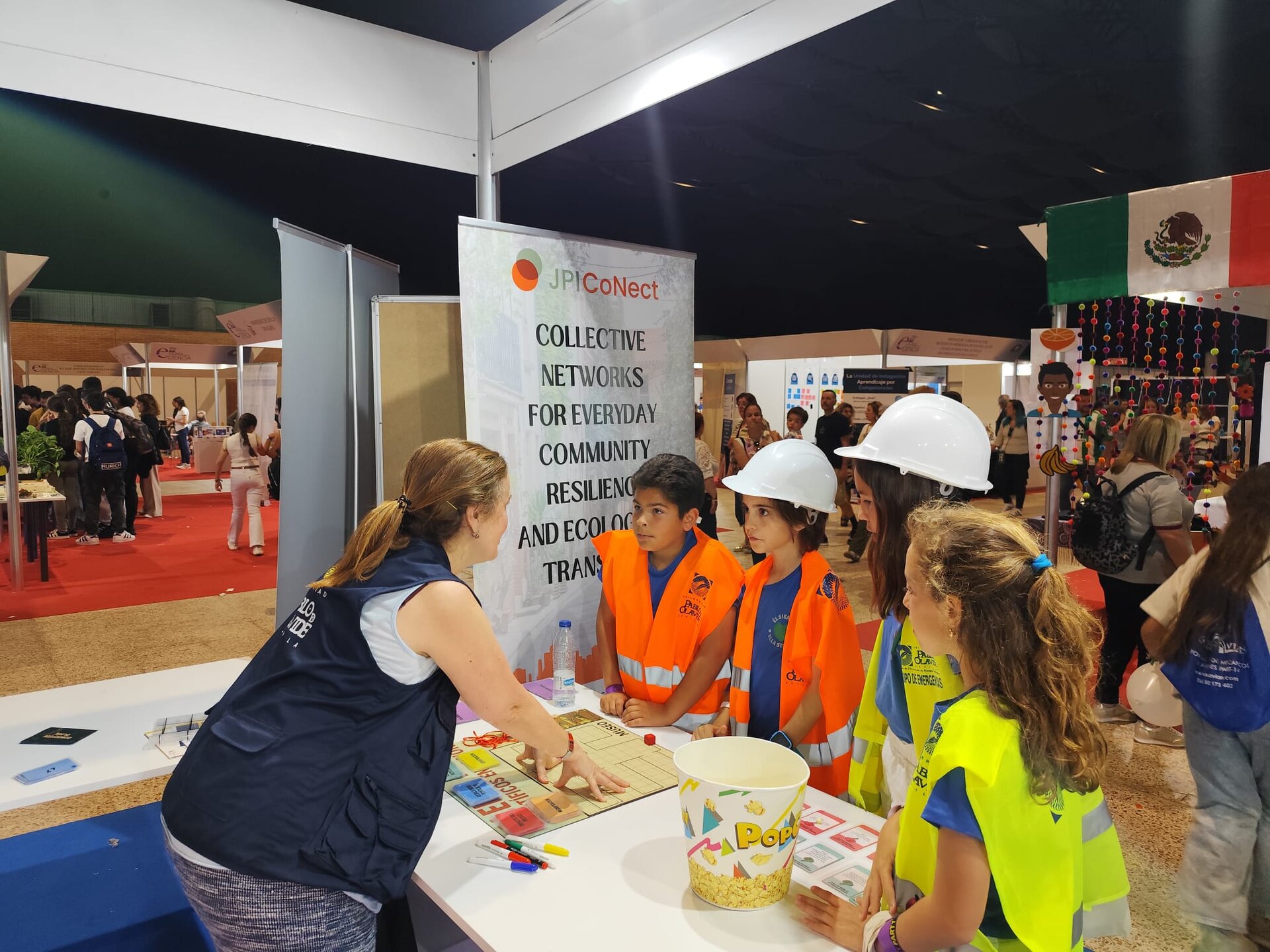
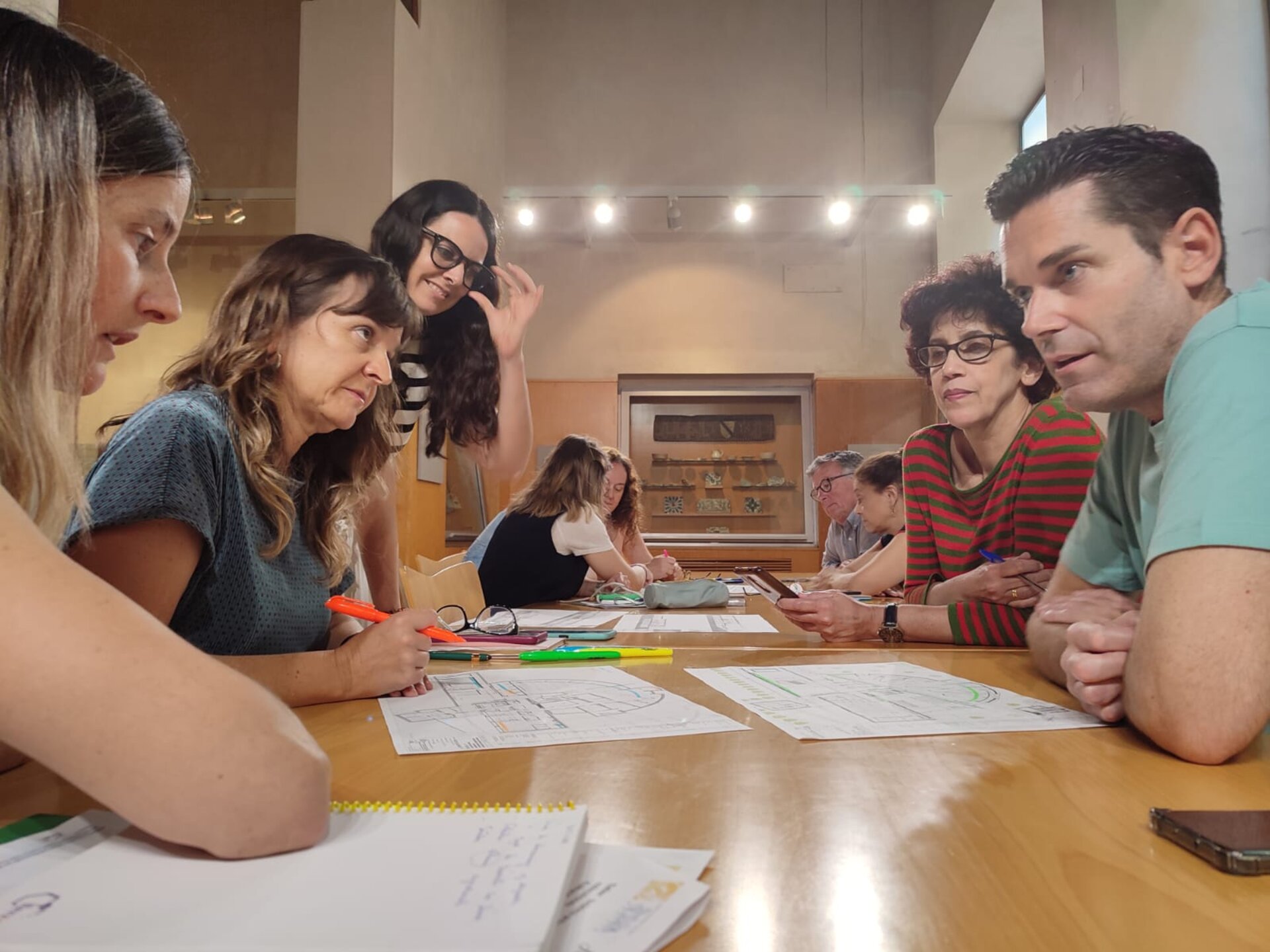
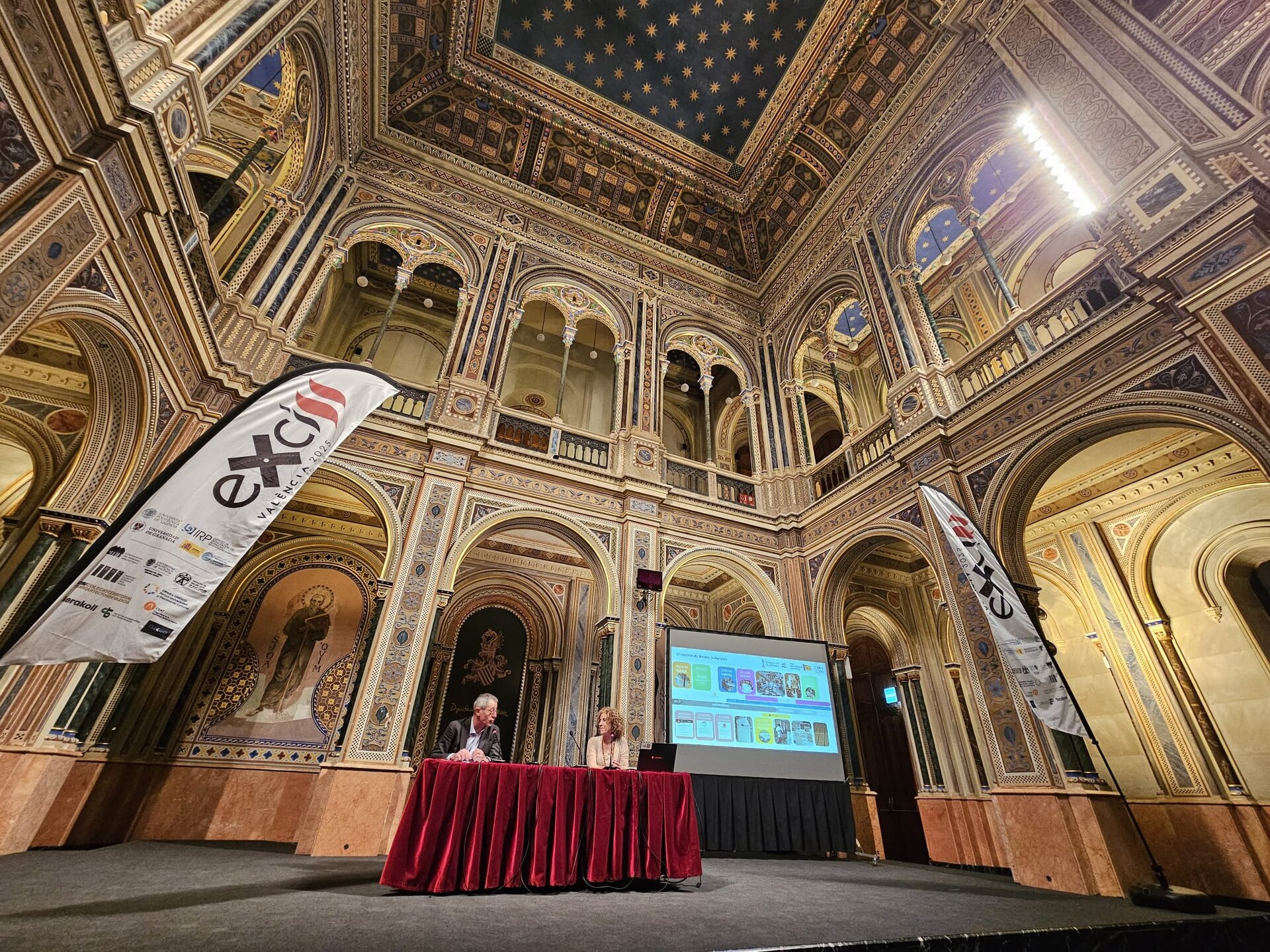
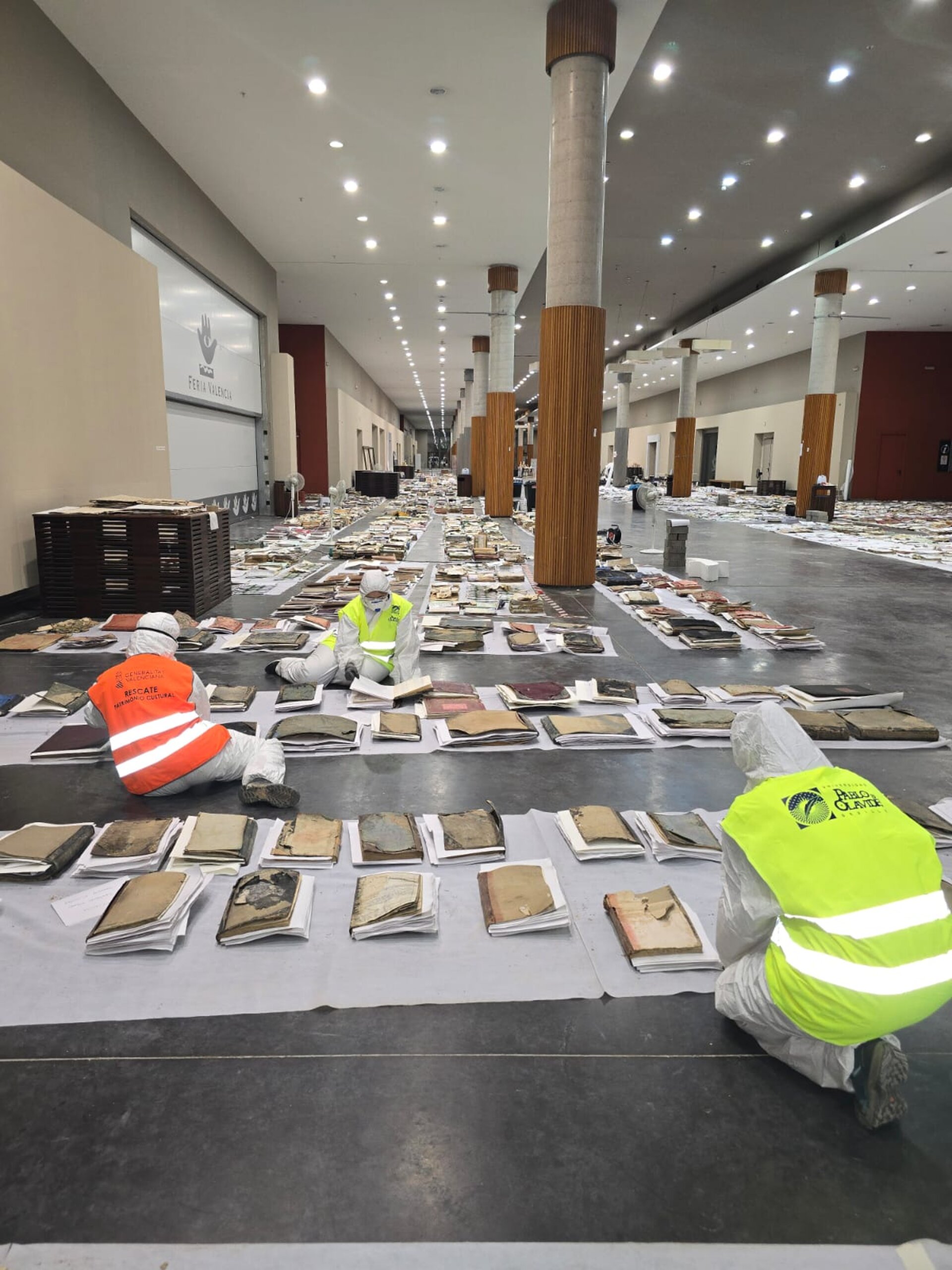
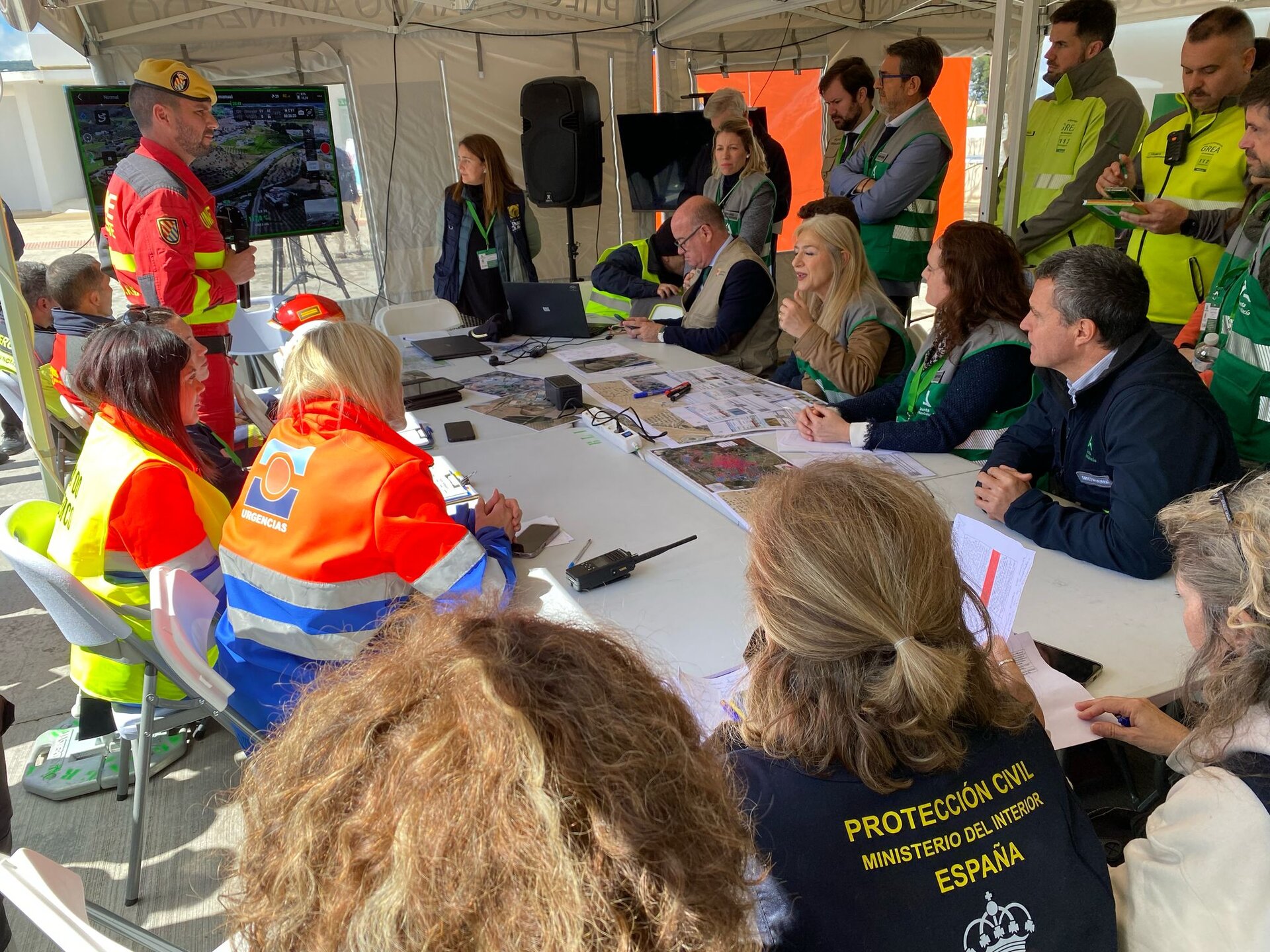
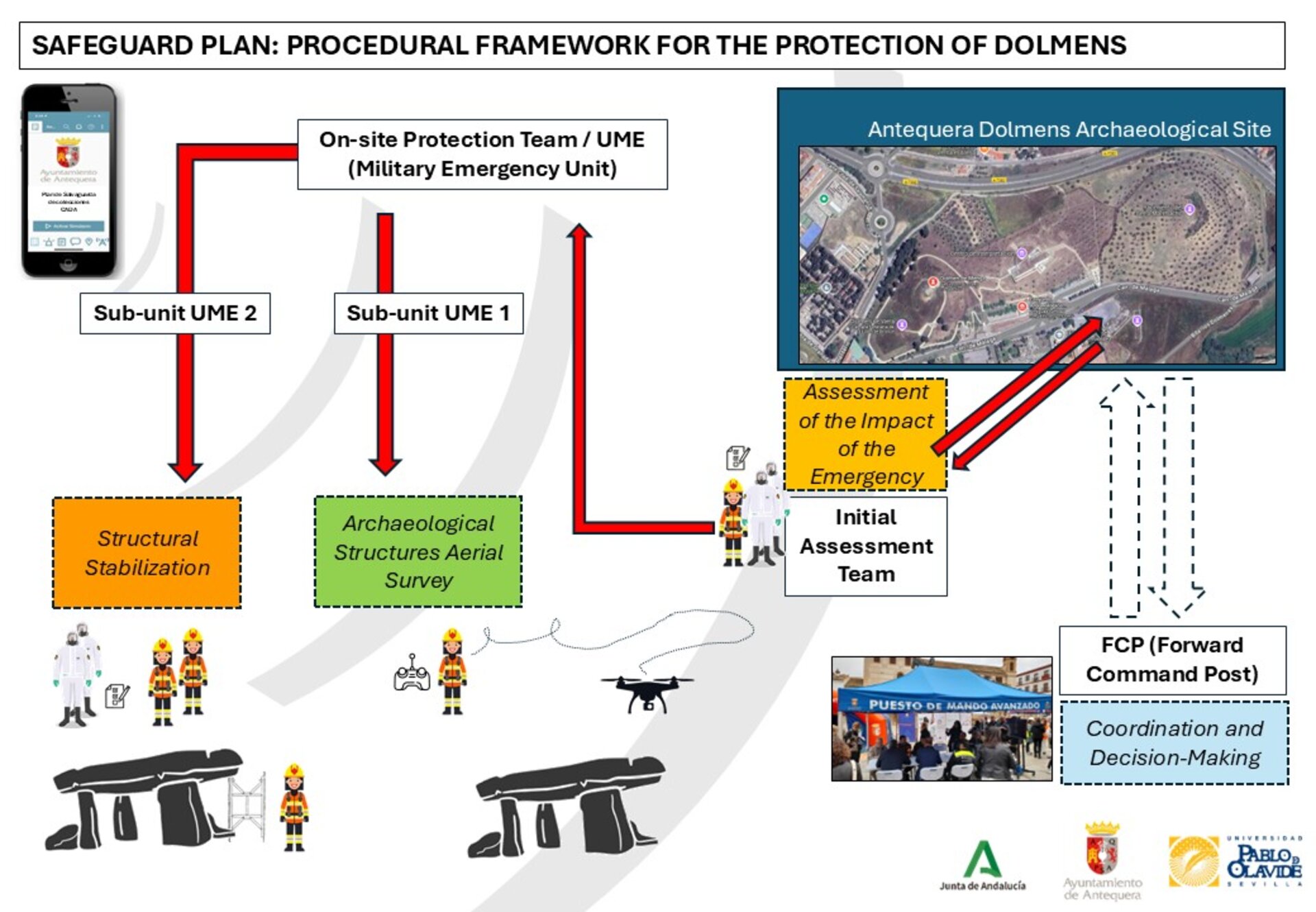
FENIX is an applied research project that develops innovative digital tools and practical emergency-response methodologies to protect cultural heritage from natural and human-made disasters. Led by Professor Pilar Ortiz Calderón at Pablo de Olavide University in Seville, Spain, the project addresses the growing threats posed by fires, floods, earthquakes and climate-related extreme events to historic buildings, archaeological sites, museums, archives and movable collections. Developed between 2020 and 2025, FENIX builds on the ART-RISK initiative, which received a European Heritage Award / Europa Nostra Award in 2021. While ART-RISK established methods for evaluating the vulnerability and conservation condition of cultural heritage, FENIX extends this research into operational emergency preparedness, coordinated response and post-disaster documentation. Its objective is to help heritage institutions anticipate threats, prioritise preventive measures and make informed decisions when emergencies occur. The project brings together five complementary digital tools. ART-RISK 1 and ART-RISK 3 support vulnerability and conservation-risk assessment; Terra Inspector evaluates structural vulnerabilities in historic earthen construction; ATLAS uses satellite imagery and environmental data to identify climate-related hazards; and FENIX 4 provides a georeferenced platform for coordinating emergency operations, documenting decisions and tracking the rescue and transfer of cultural objects. Together, these tools integrate artificial intelligence, geographic information systems, information and communication technologies, and collaborative decision-making methods. A defining feature of FENIX is its validation in real heritage environments. Museums, archives, churches, monasteries, archaeological sites and historic industrial buildings have served as living laboratories for training and emergency exercises. Major activities took place at the UNESCO World Heritage Site of Antequera Dolmens, the Museum of Fine Arts of Valencia, the Royal Tapestry Factory in Madrid, and the municipal museum, archive and Monastery of San Zoilo in Antequera. These exercises brought together conservators, restorers, architects, engineers, firefighters, civil protection personnel, police, military and medical services. Participants tested procedures for assessing damage, protecting collections, evacuating objects, coordinating rescue teams and documenting decisions. The project contributed to Spain's first comprehensive emergency safeguarding plan for a UNESCO World Heritage Site, developed for Antequera Dolmens. More than 2,000 people participated in FENIX training and outreach activities. Seven emergency drills involved over 650 specialists, while more than 350 professionals received formal training. Approximately 1,000 children and teenagers took part in educational activities, and an exercise at Antequera Dolmens included 60 older residents from a nearby care home. Two educational games further encouraged younger audiences to understand heritage risks and emergency preparedness. The project produced open-access tools, multilingual best-practice guidelines and 16 scientific publications. Its methodology has also supported further research and collaborations in Spain, other European countries and Latin America. Funding was provided through Spanish national research programmes and the European Union's NextGenerationEU framework. Recognised with a European Heritage Award / Europa Nostra Award in the Research category in 2026, FENIX demonstrates how scientific innovation, interdisciplinary cooperation and realistic training can strengthen the resilience of cultural heritage. Its transferable approach offers heritage institutions a practical framework for preparing for disasters, protecting irreplaceable collections and safeguarding Europe's shared cultural legacy.
Similar projects


2020


