




National Historical Archive of Italian Restorers – ASRI
The National Historical Archive of Italian Restorers (ASRI) is a pioneering research and documentation initiative dedicated to preserving the professional archives of Italian conservators and restorers. Based in Lurano, Lombardy, and managed by the Associazione Giovanni Secco ...
Read more
Project details
Description:
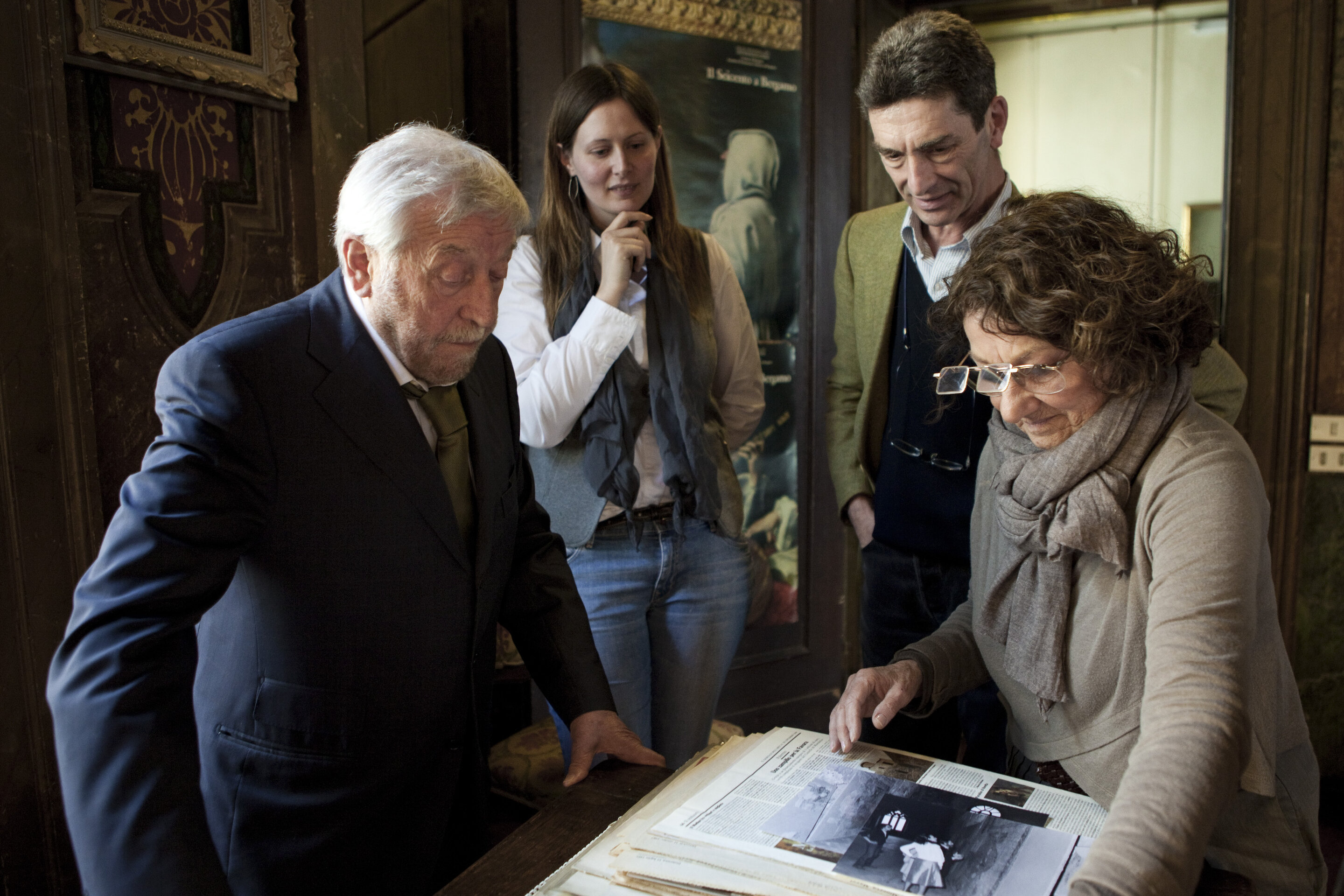
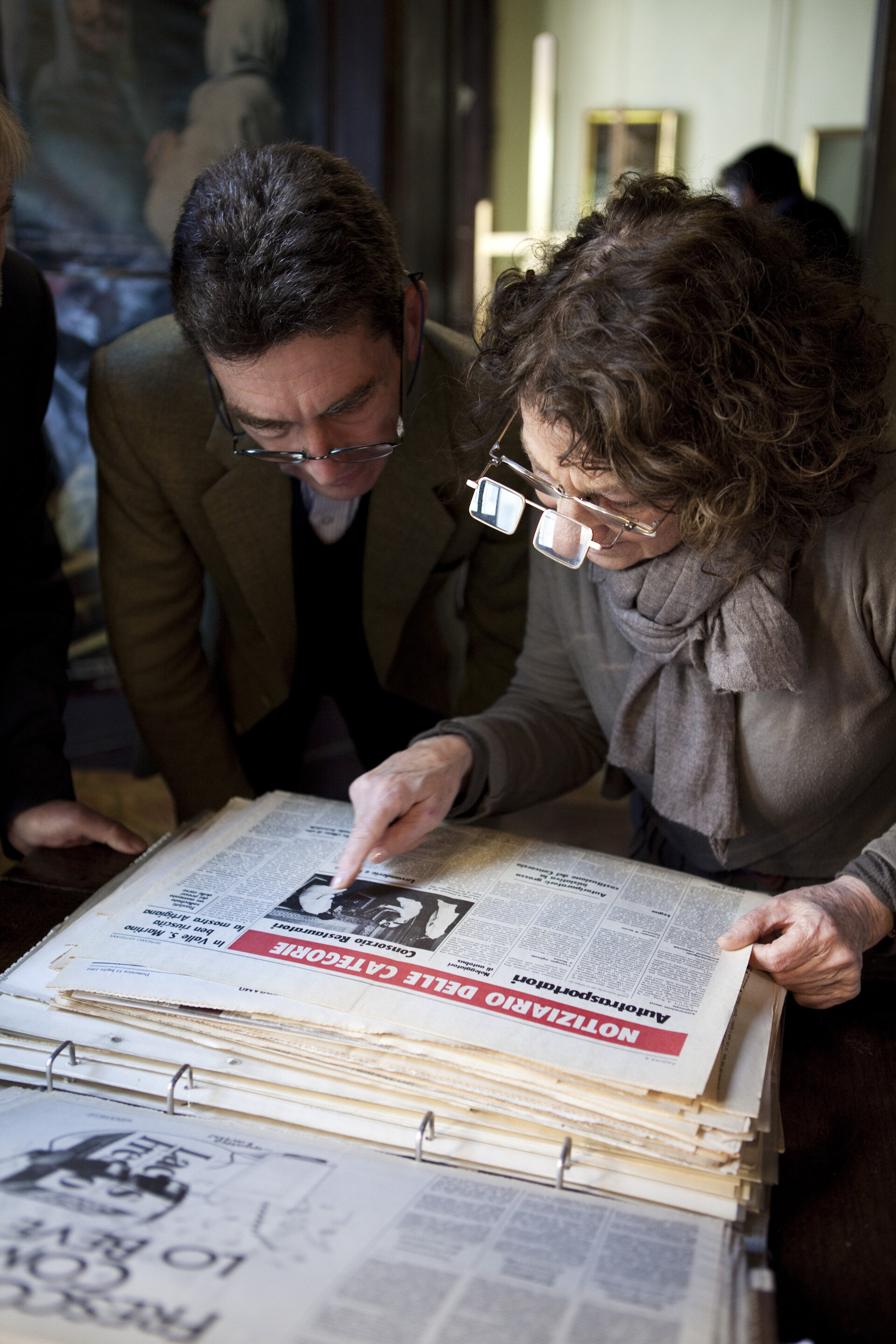
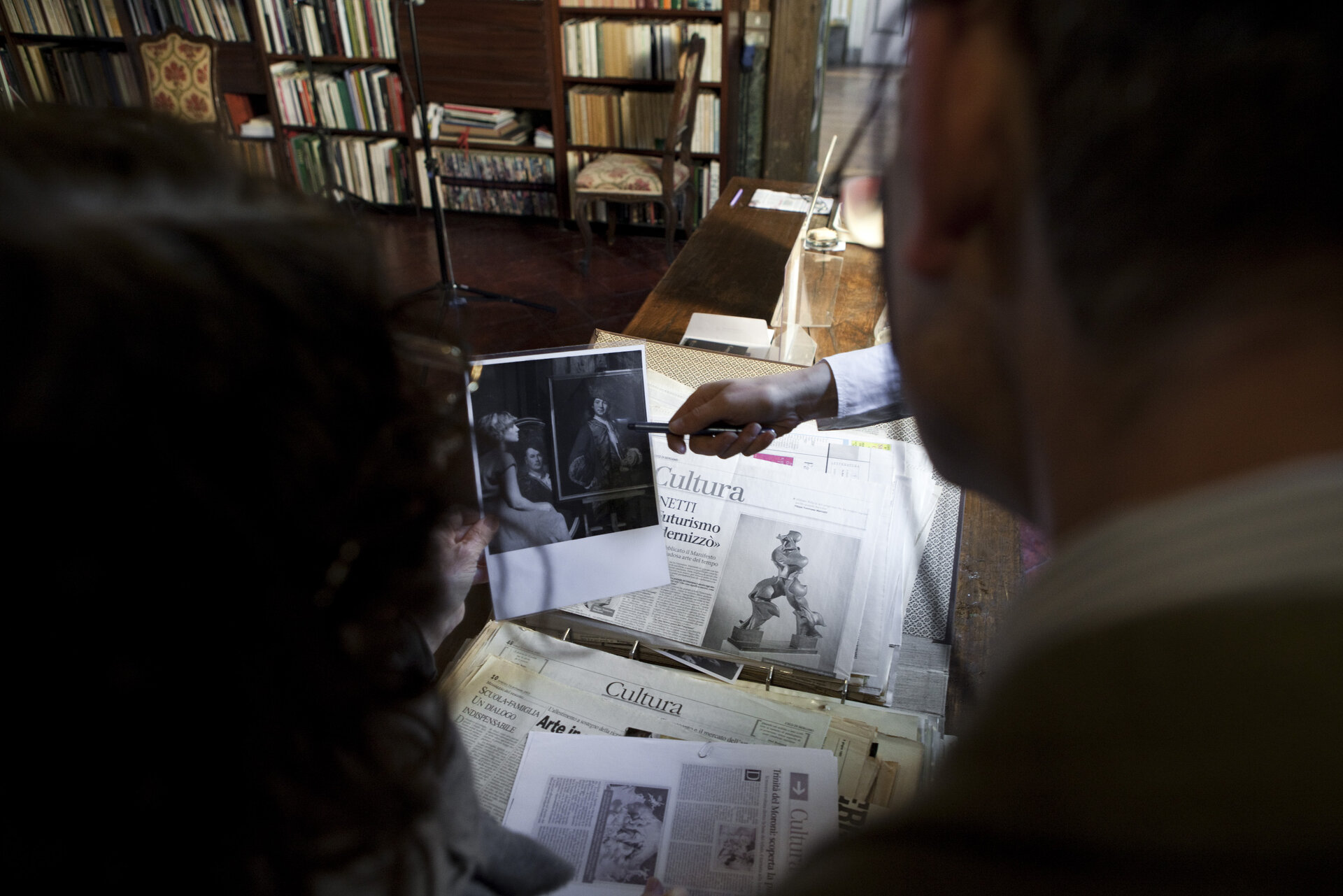
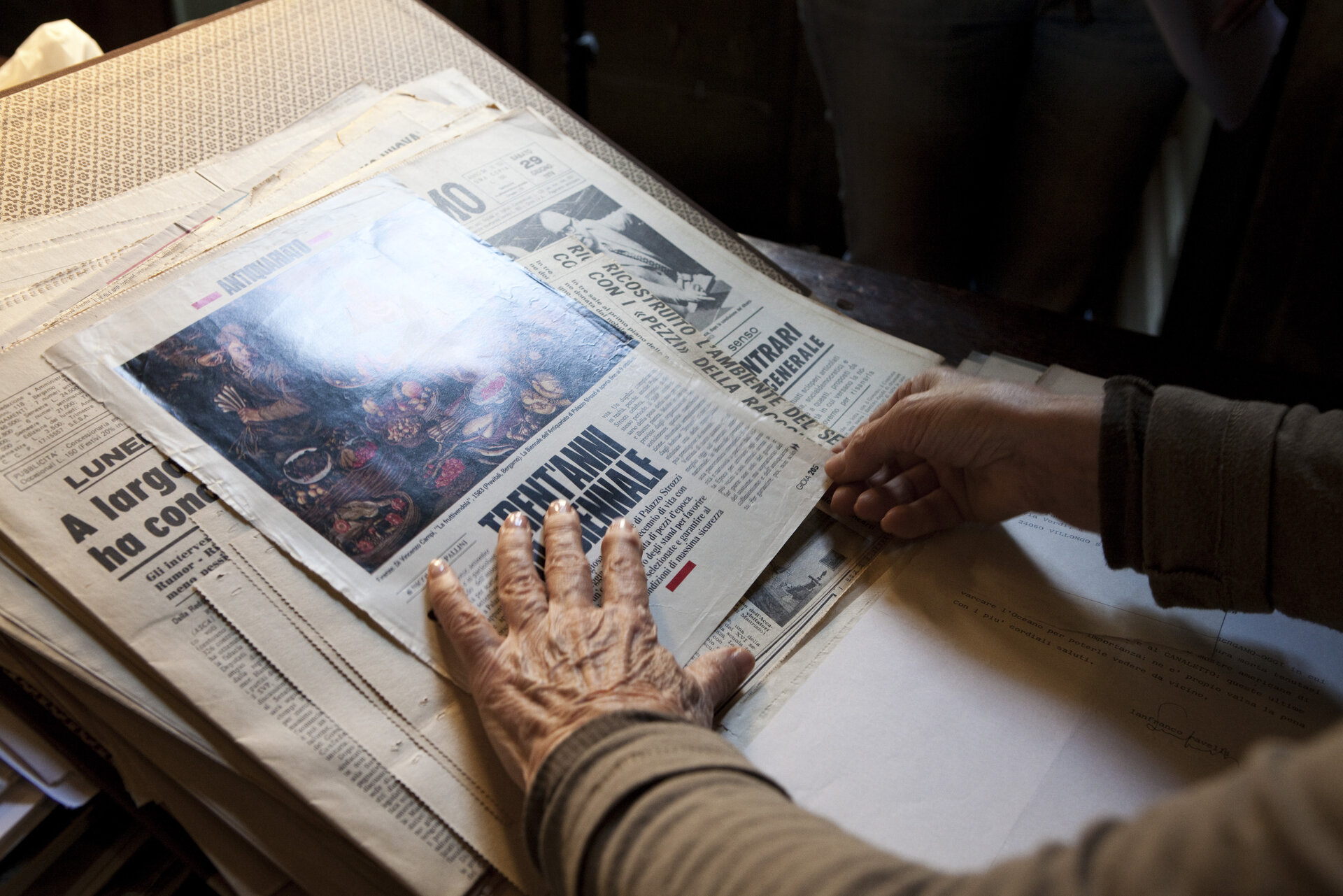
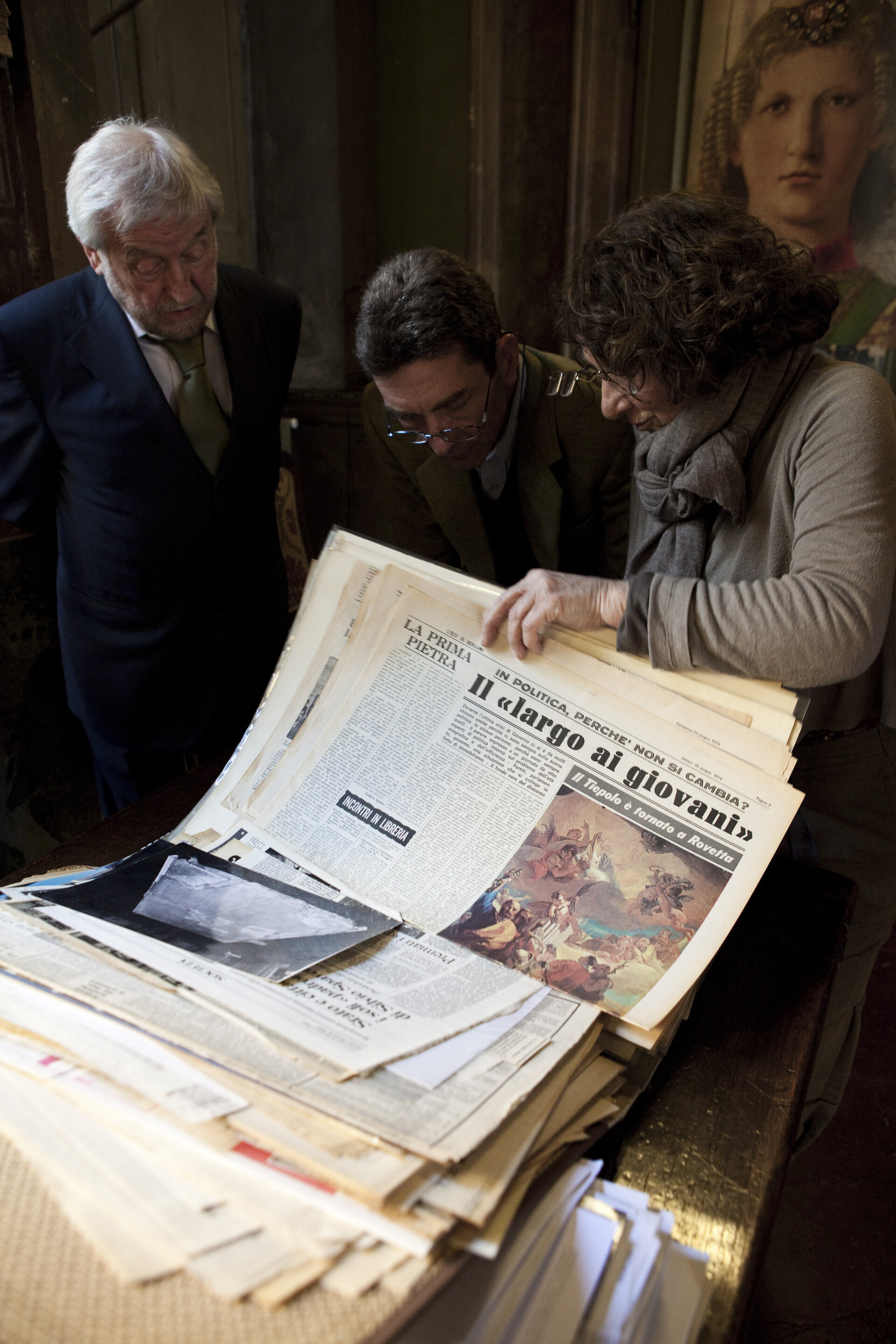
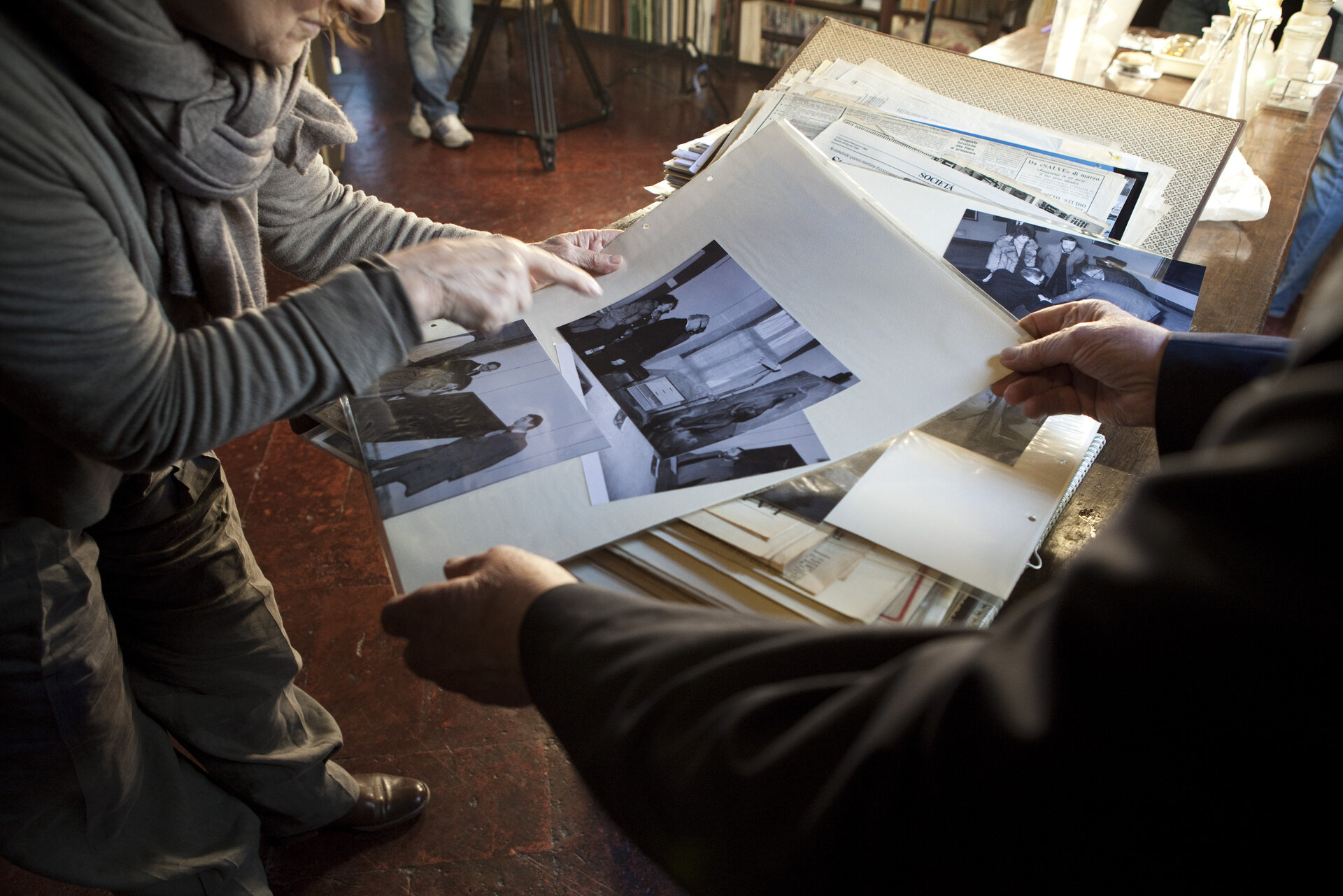
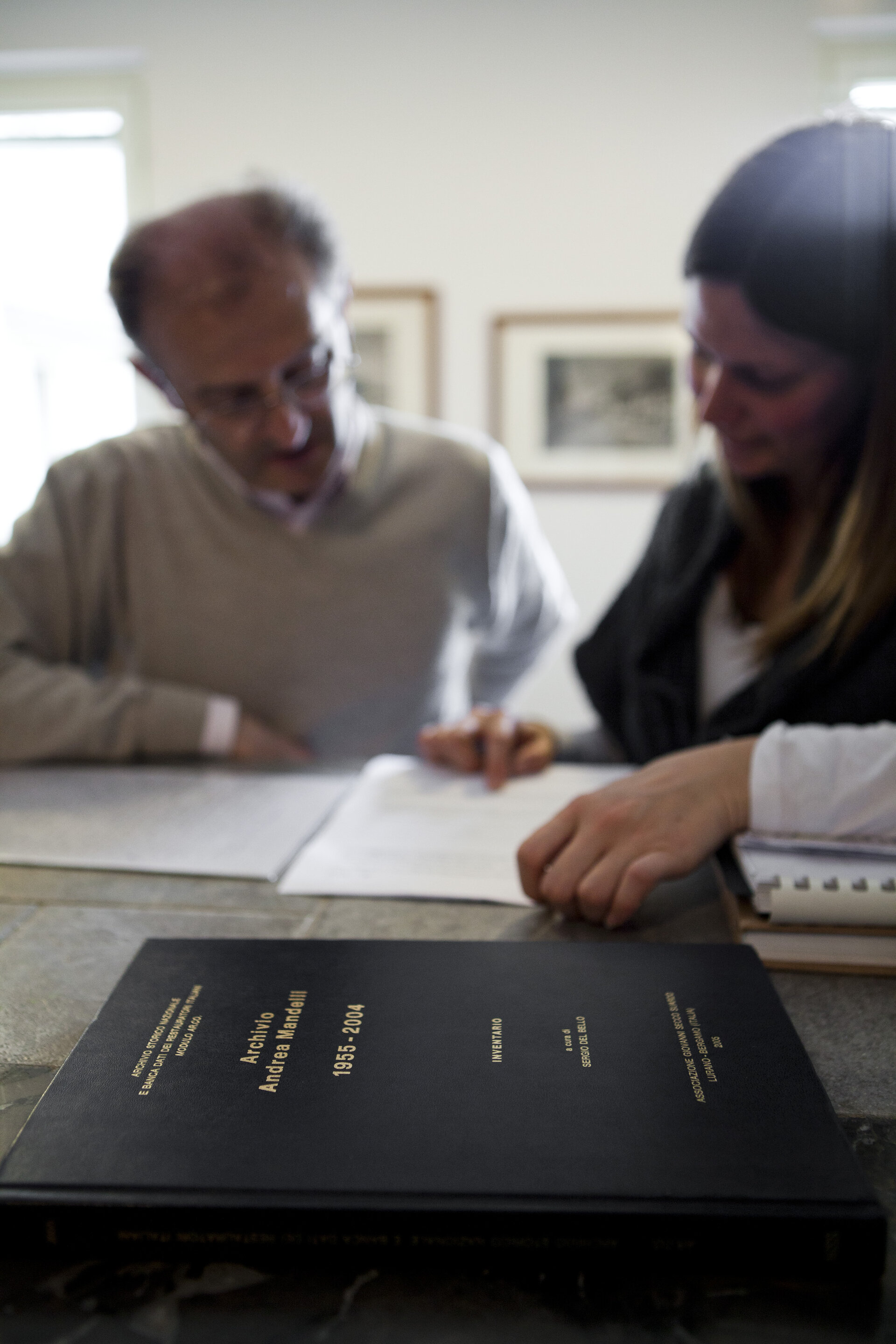
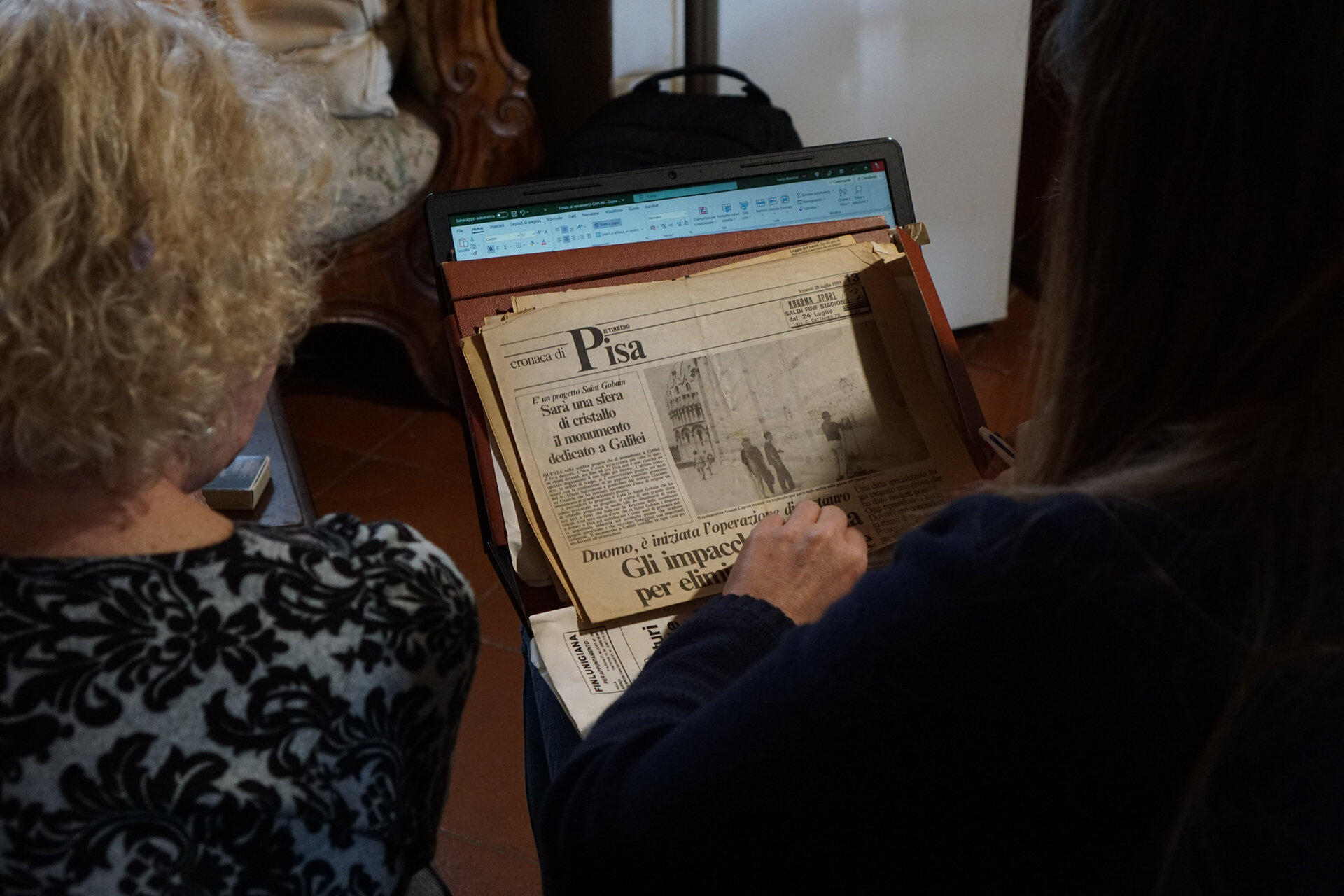
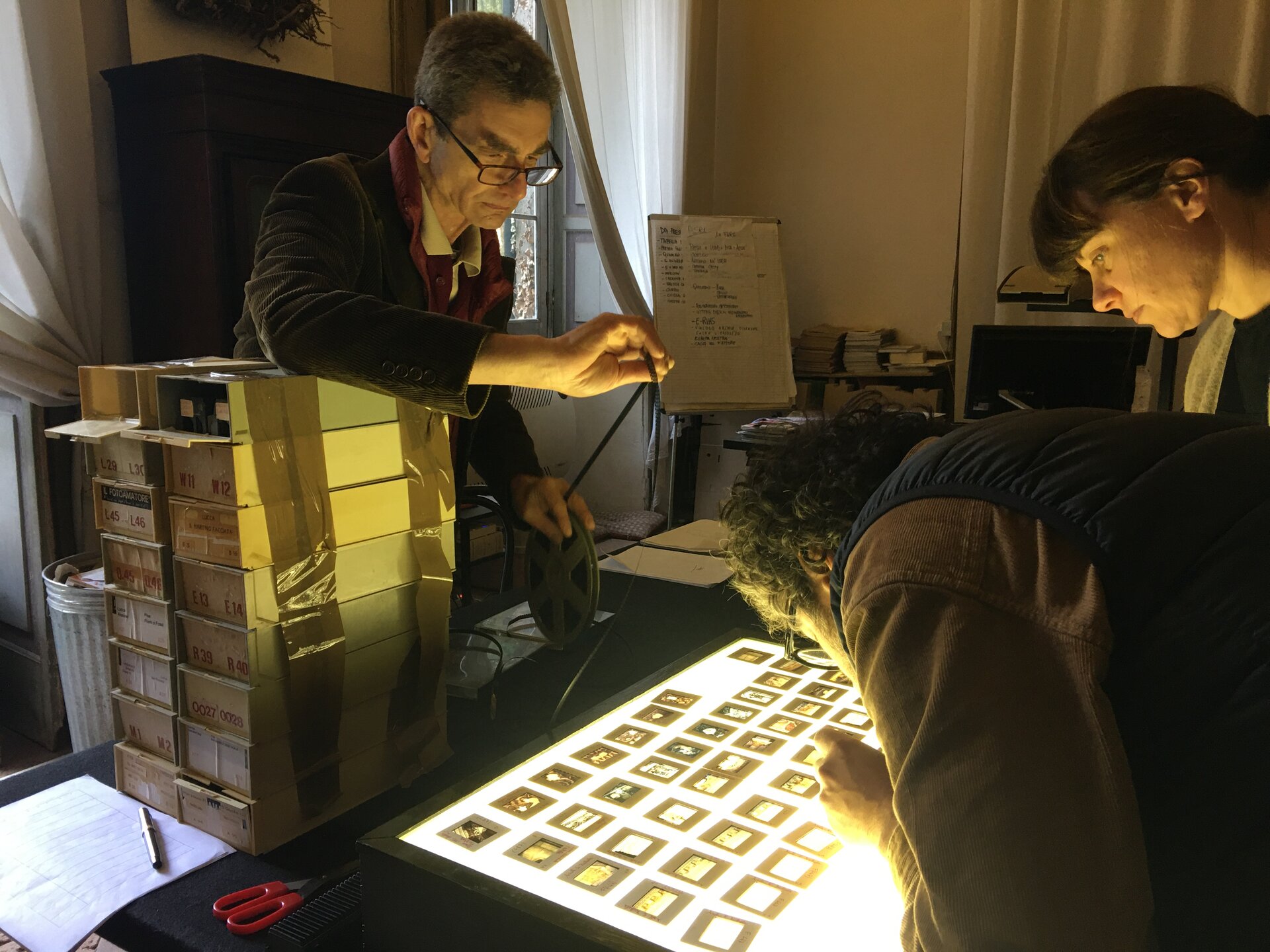
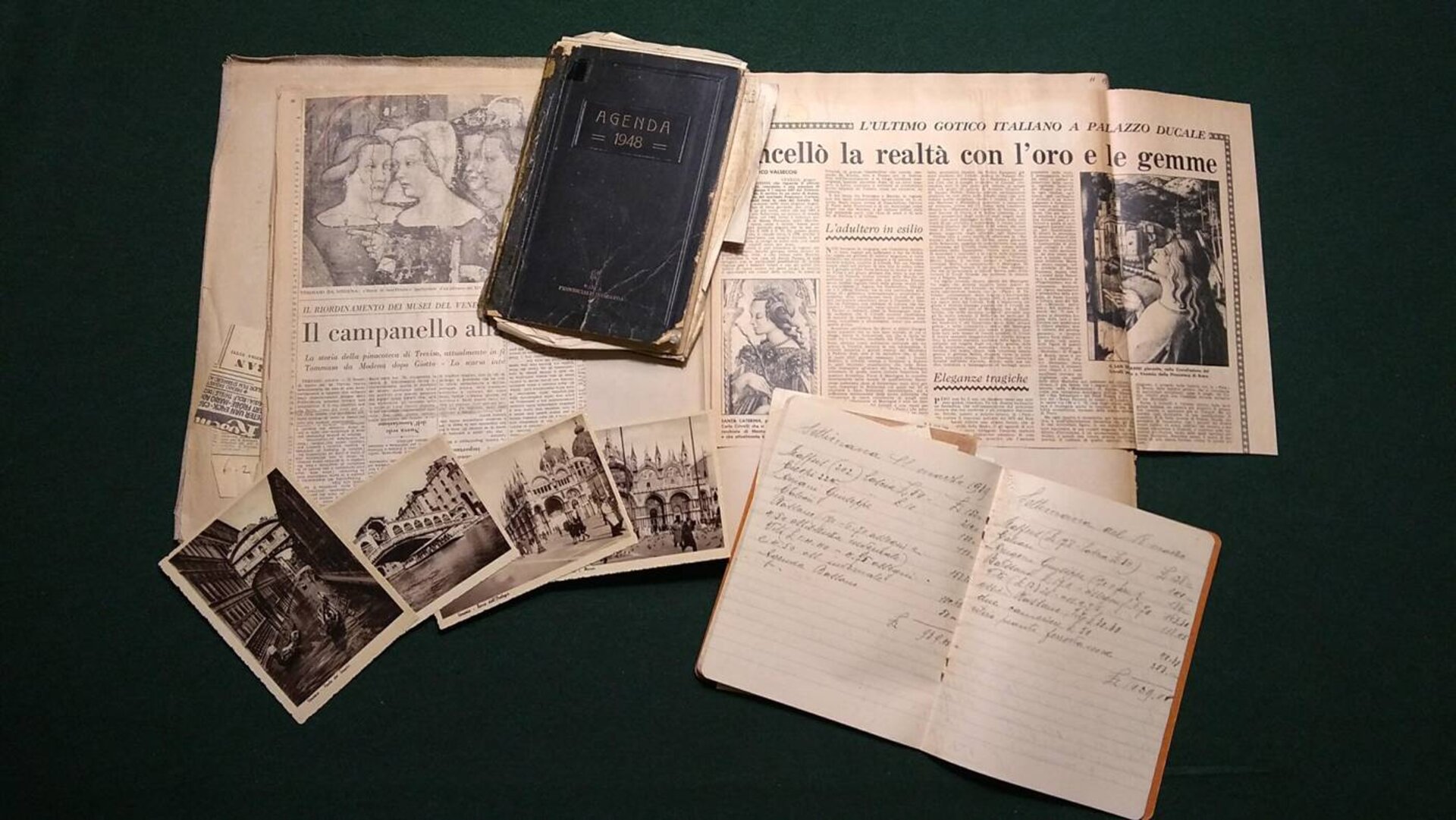
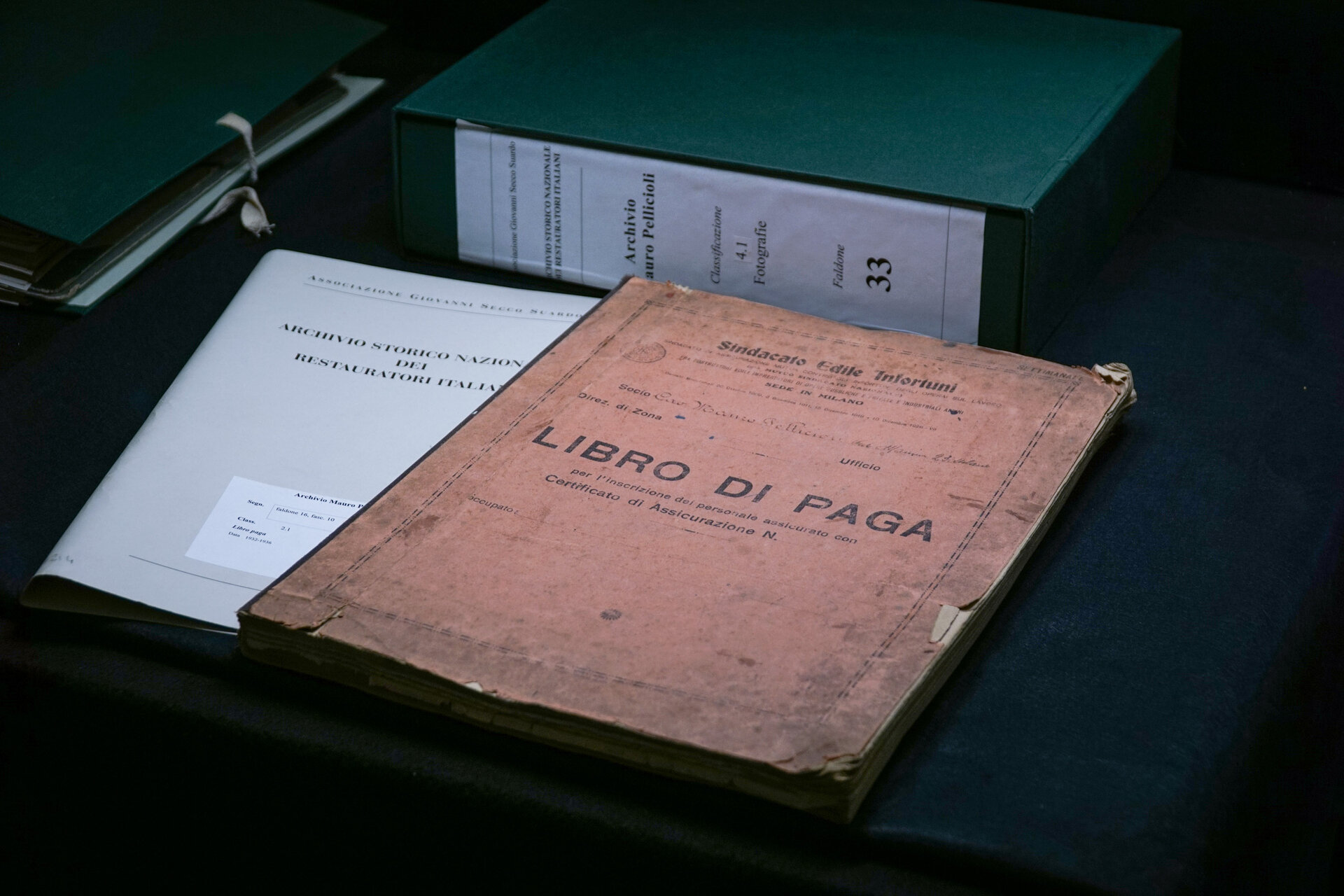
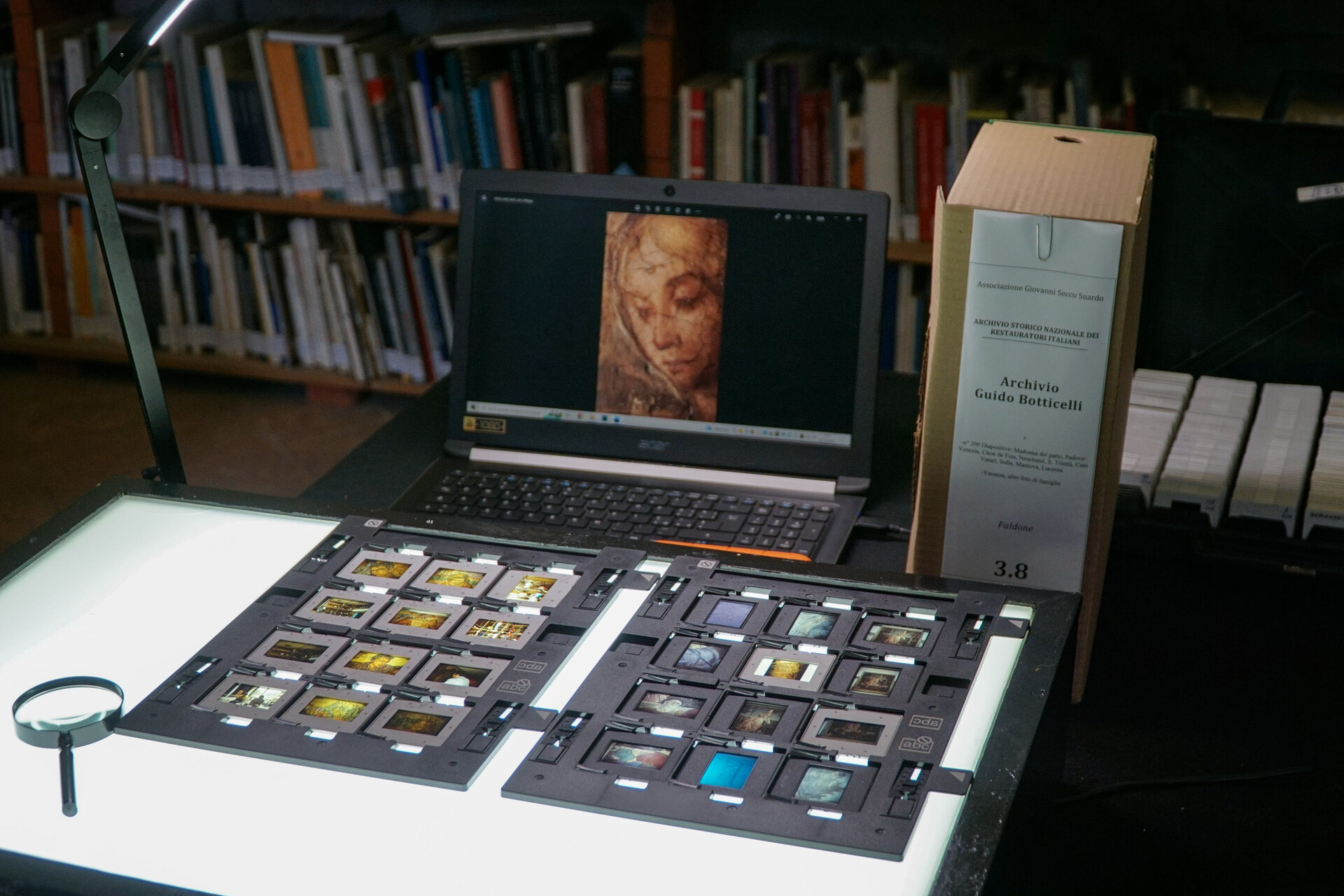
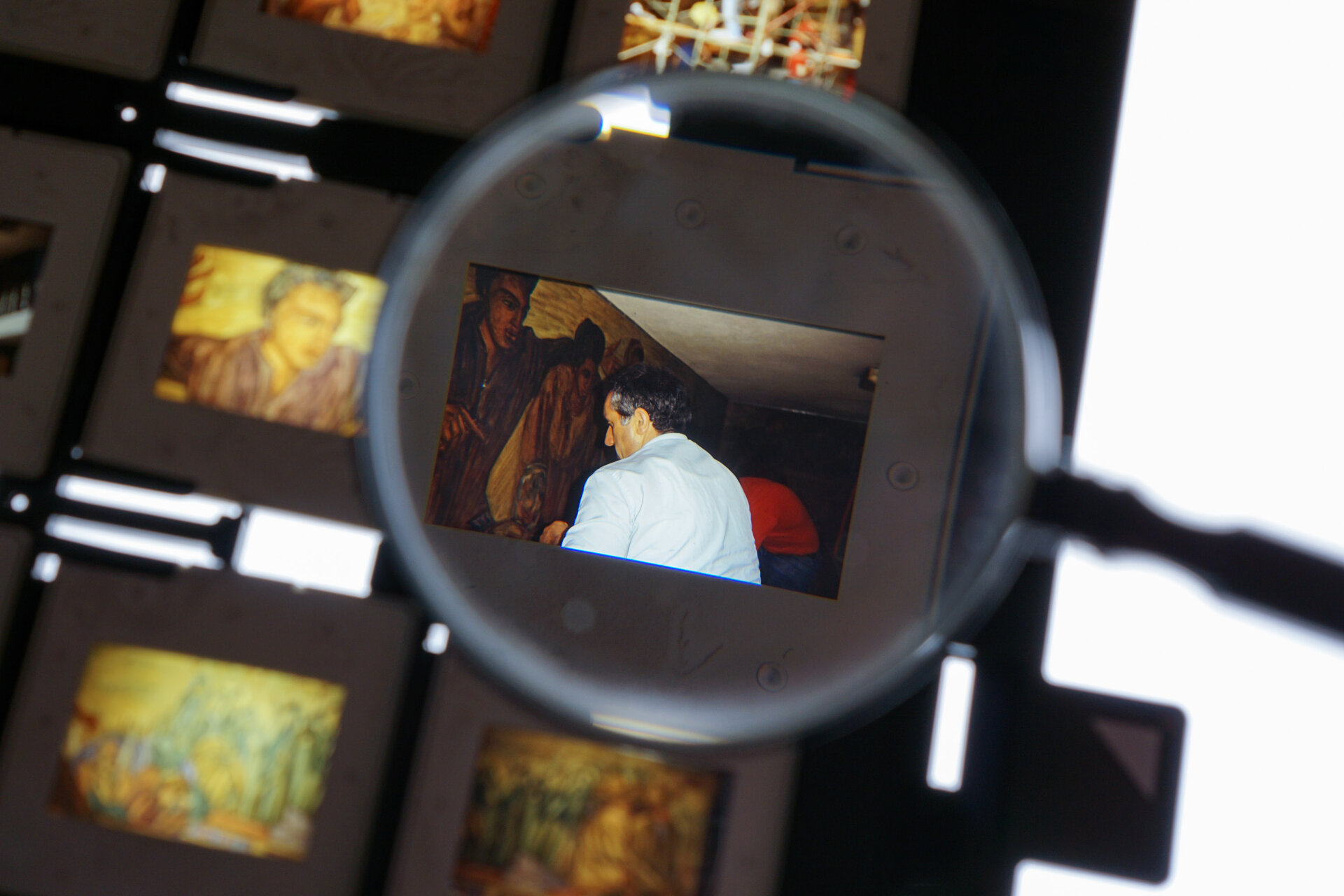
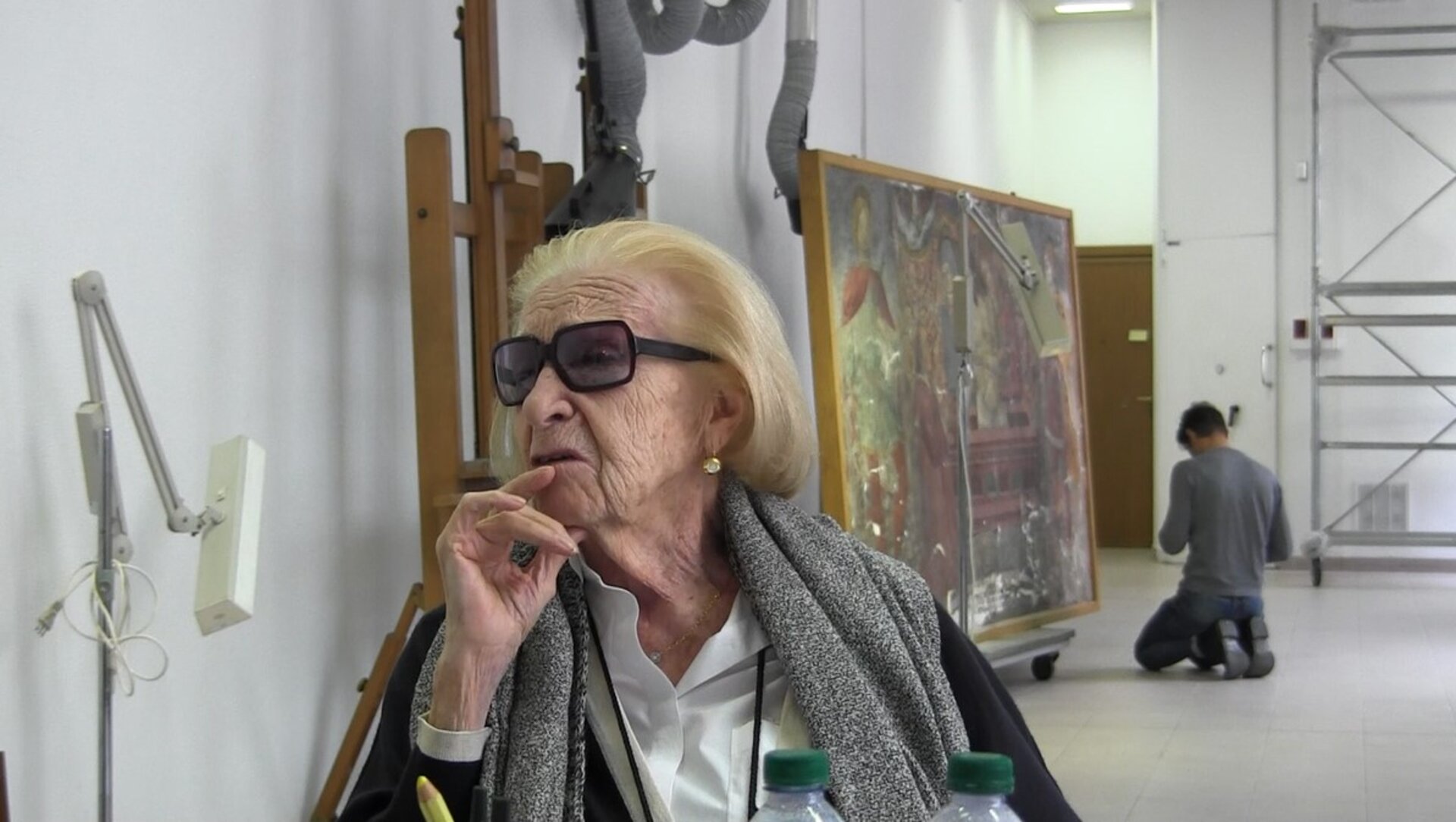
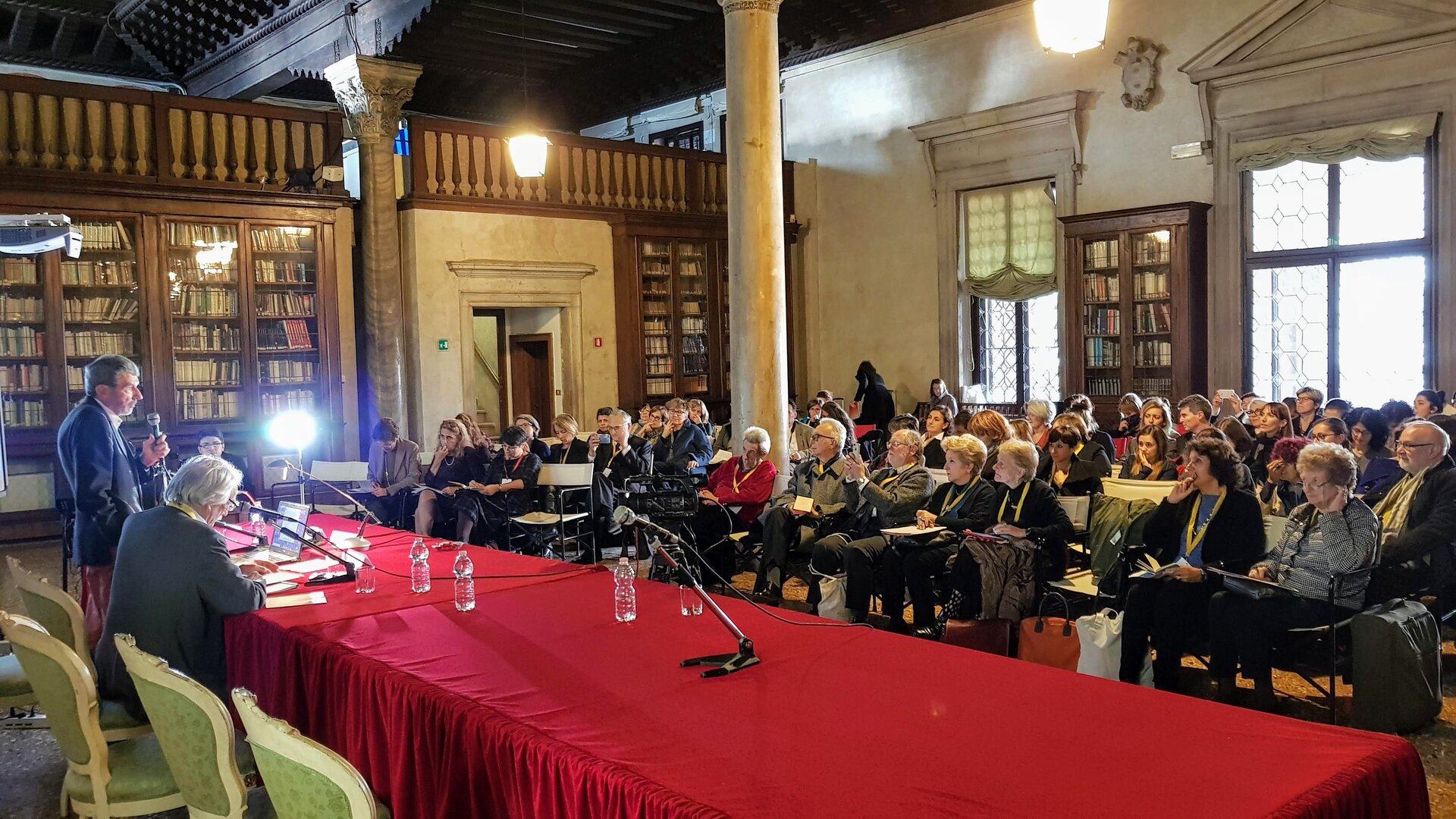
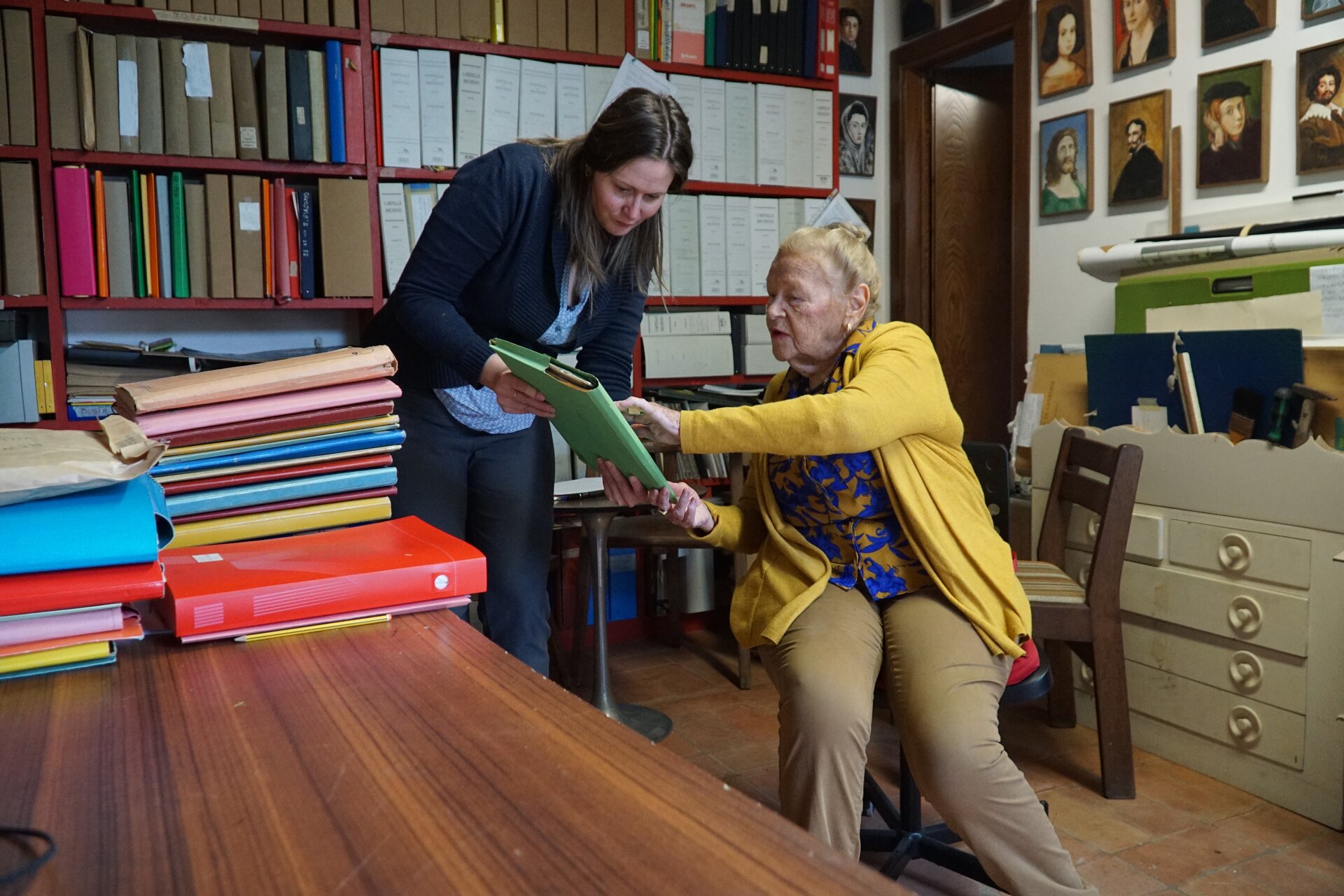
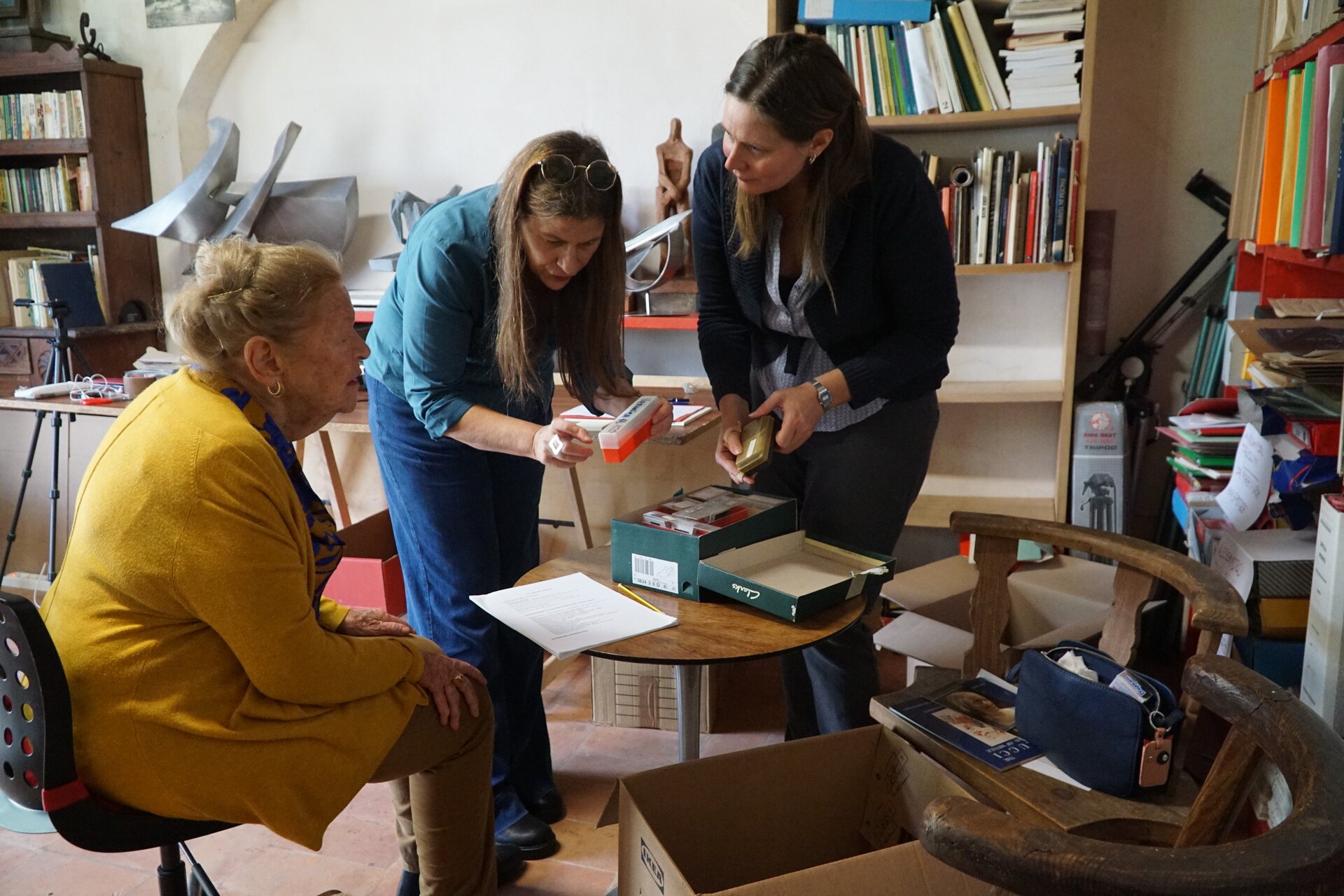
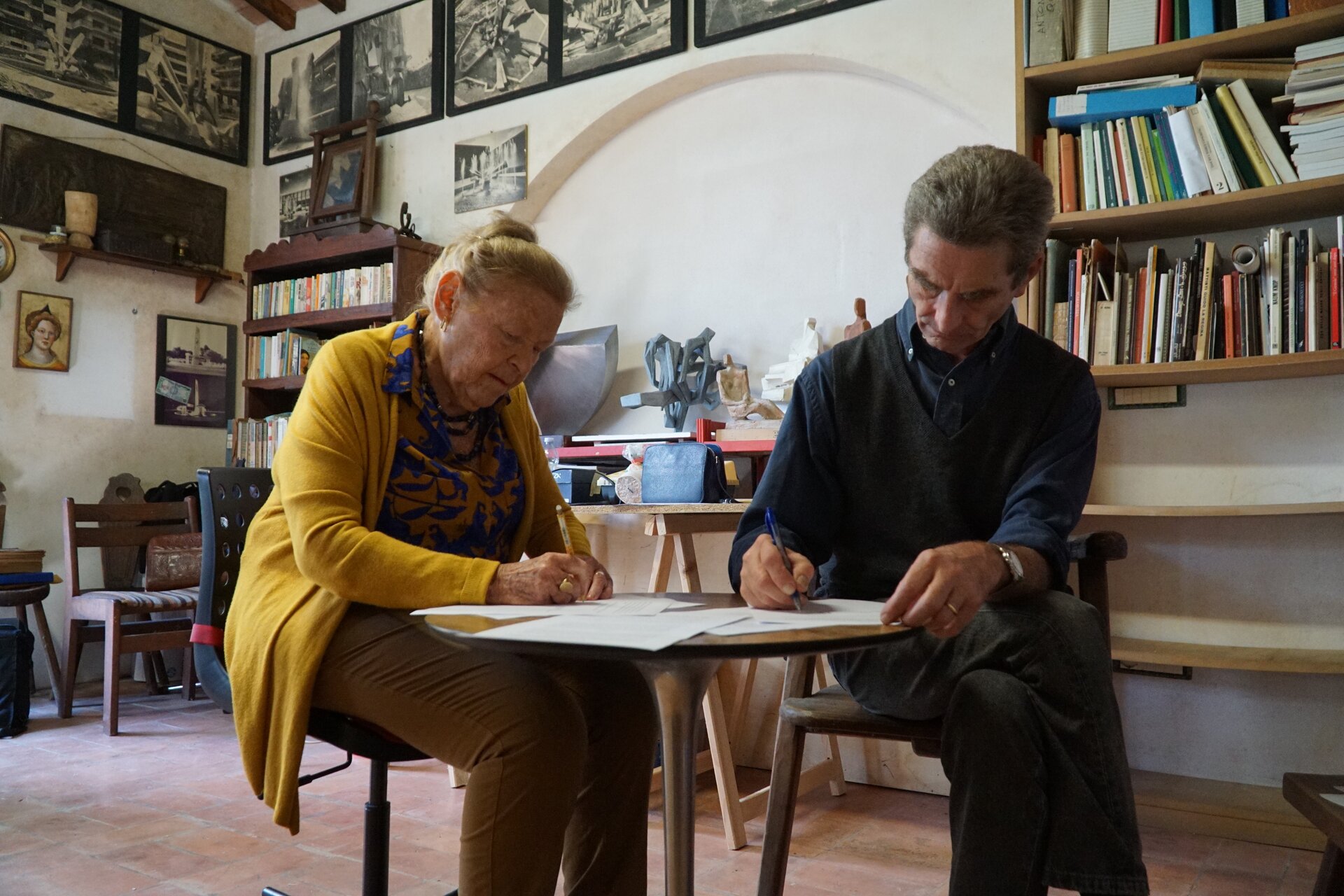
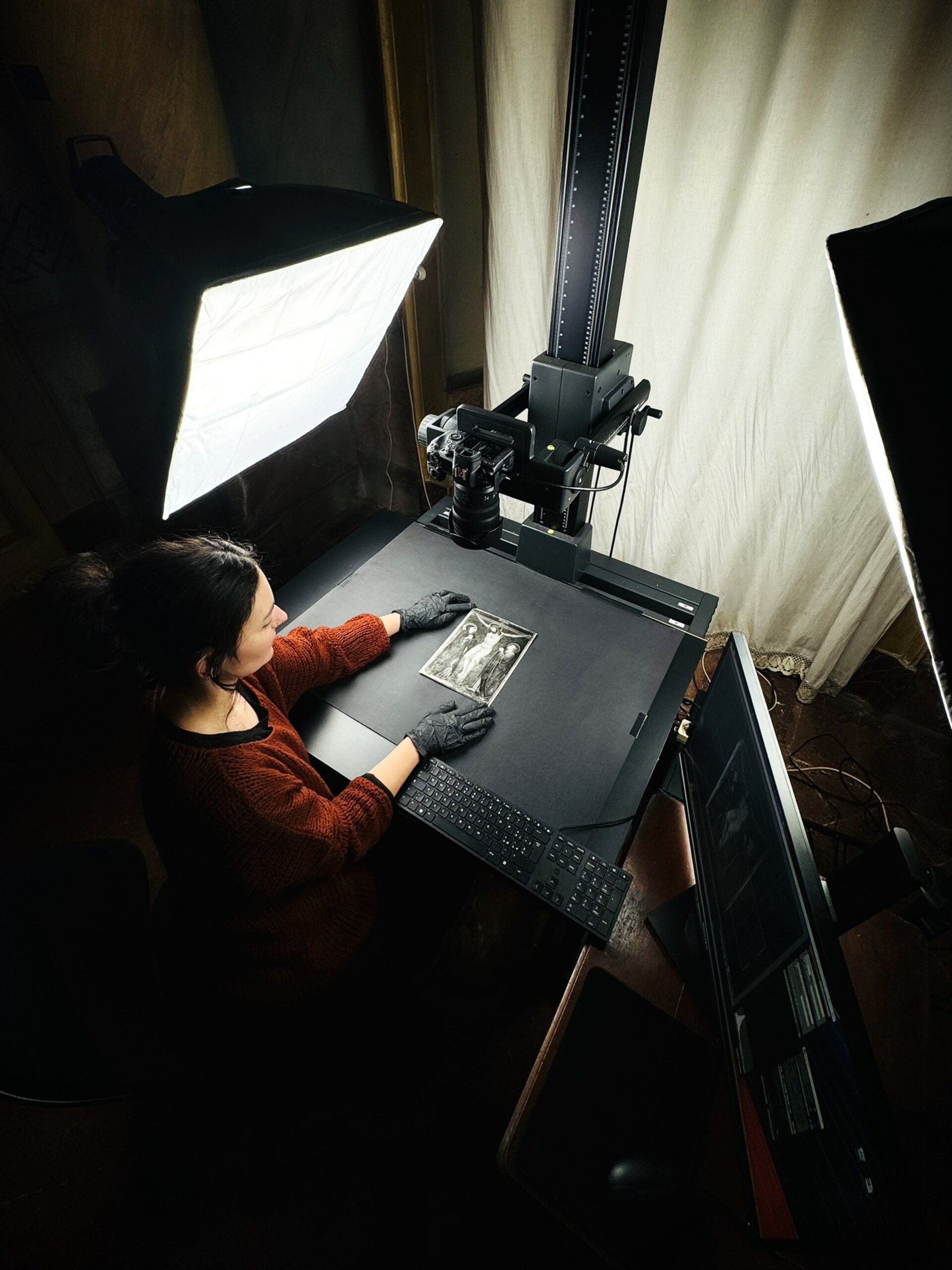
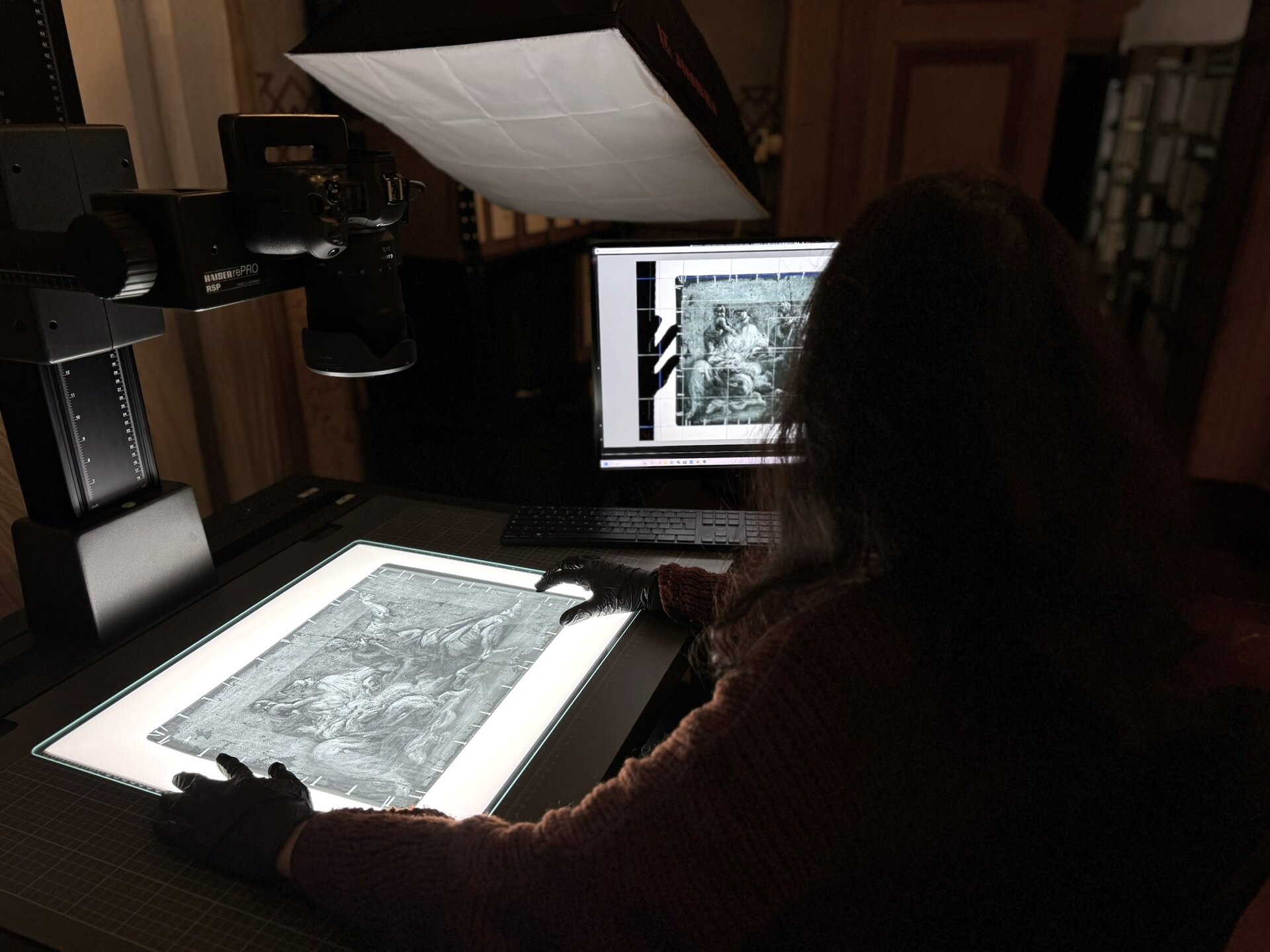
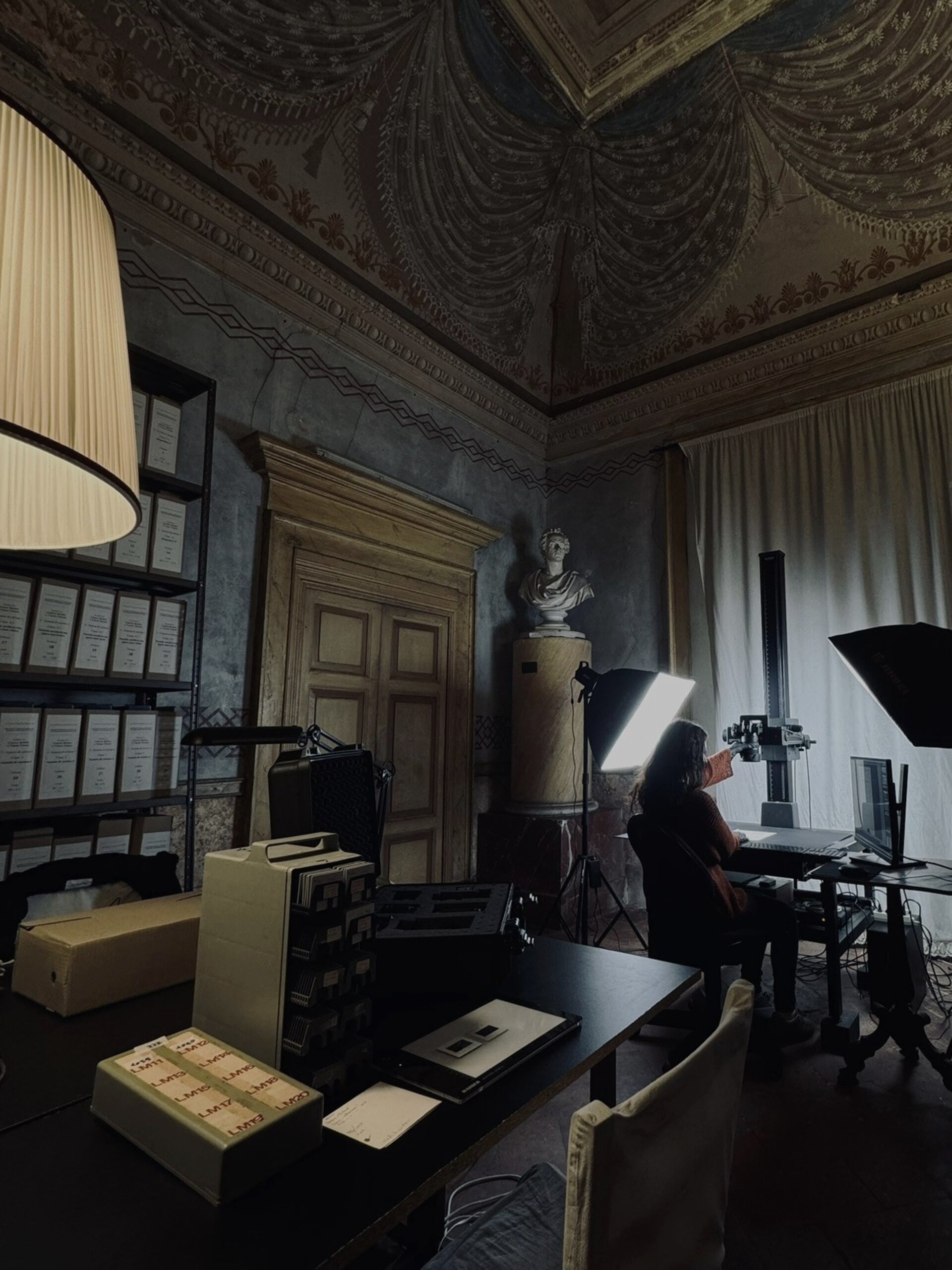
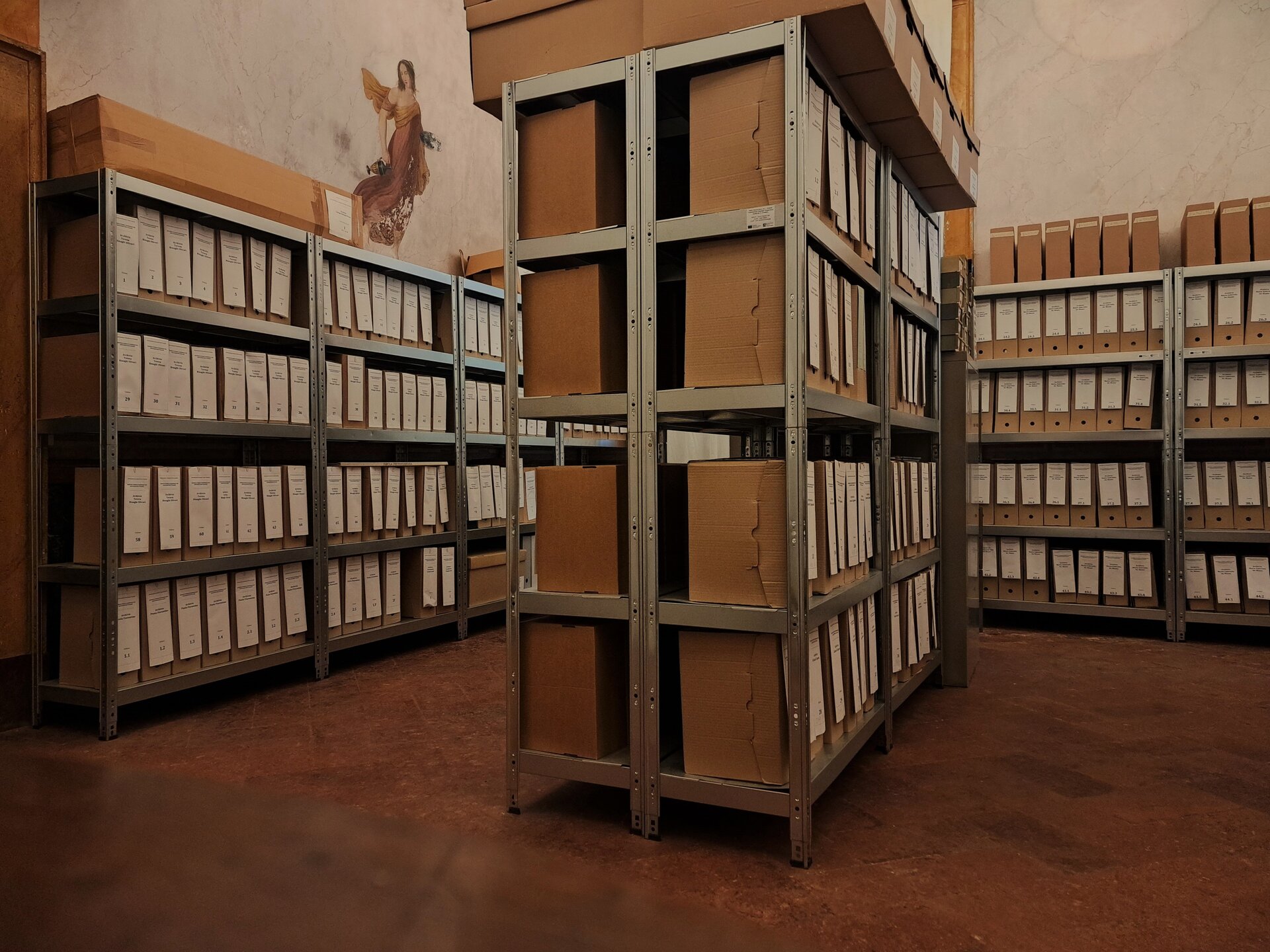
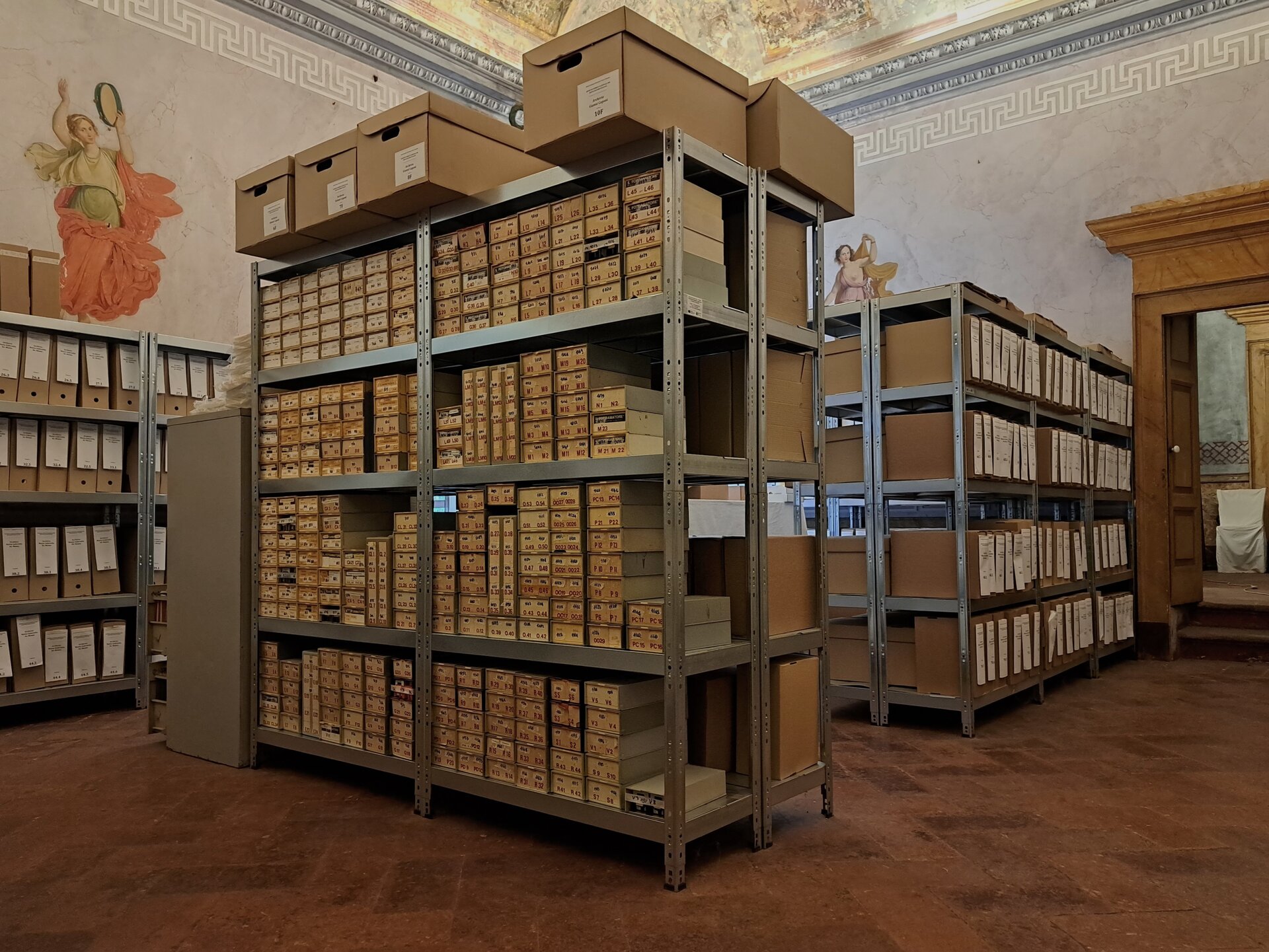
The National Historical Archive of Italian Restorers (ASRI) is a pioneering research and documentation initiative dedicated to preserving the professional archives of Italian conservators and restorers. Based in Lurano, Lombardy, and managed by the Associazione Giovanni Secco Suardo, the project safeguards an exceptional body of evidence about the history of conservation, restoration techniques and the treatment of cultural heritage. Established in 1995, ASRI responds to the growing risk that valuable professional records may be dispersed or destroyed when restorers retire or die. The initiative is rooted in a fundamental principle of modern conservation, articulated in the 1964 Venice Charter: restoration must be preceded and accompanied by historical research. Understanding earlier interventions is essential to making informed decisions about the future treatment of artworks, monuments and historic objects. Yet the drawings, photographs, reports, correspondence and technical notes documenting these interventions have frequently remained scattered across private collections, inaccessible to researchers or at risk of permanent loss. ASRI addresses this challenge by identifying, acquiring, cataloguing, digitising and preserving private archives of conservator-restorers. To date, it has acquired 33 archival collections comprising approximately 1.68 million documents and 550,000 images, photographs and videos. The archive has received formal recognition of its particularly important historical interest from the Italian Ministry of Culture's Archival and Bibliographical Superintendence of Lombardy. At the centre of the project is RES.I, a freely accessible digital database designed to reconstruct the conservation history of works of art. Now in its third version, the database contains approximately 25,000 detailed records and 100,000 data fields. Its interconnected sections cover restorers, conservation interventions, works of art and documentary sources, enabling searches across collections that were previously fragmented. By documenting past treatments, materials and techniques, RES.I provides a practical resource for restorers, conservation scientists, museum professionals, heritage authorities, students and researchers. The project has developed through extensive interdisciplinary collaboration. More than 90 scholars, researchers and students from universities, museums and public institutions have contributed to 37 research and cataloguing campaigns. A scientific committee provides methodological guidance, while volunteers play an important role in archival inventorying and digitisation. The initiative has been supported by national and regional authorities, universities and private foundations. ASRI also works to make conservation history accessible beyond specialist audiences. Its educational activities include university internships, professional training for museum guides, public conferences and multimedia interpretation. Through the related RRMusei initiative, visitors at participating museums can explore the restoration histories of artworks, gaining insight into the often-invisible work of conservators. The project's European significance extends beyond Italy. An EU-supported pilot programme brought together partners from several European countries to explore shared research methods and a transnational network for documenting restoration history. The RES.I database is designed for multilingual use, and its reusable software offers a model for similar initiatives elsewhere. Recognised with a European Heritage Award / Europa Nostra Award in the Research category in 2026, ASRI demonstrates how the preservation of professional knowledge can improve future conservation practice. By transforming vulnerable private archives into a protected and publicly accessible research resource, the project strengthens the evidence base for safeguarding Europe's cultural heritage.
Similar projects


13th century


