




The Cypriot Fiddler
The Cypriot Fiddler is a long-term ethnographic research project dedicated to documenting the lives, memories and musical traditions of some of the last surviving professional folk musicians in Cyprus. Initiated and led by ethnomusicologist and life-writing scholar Dr Nicoletta ...
Read more
Project details
Description:
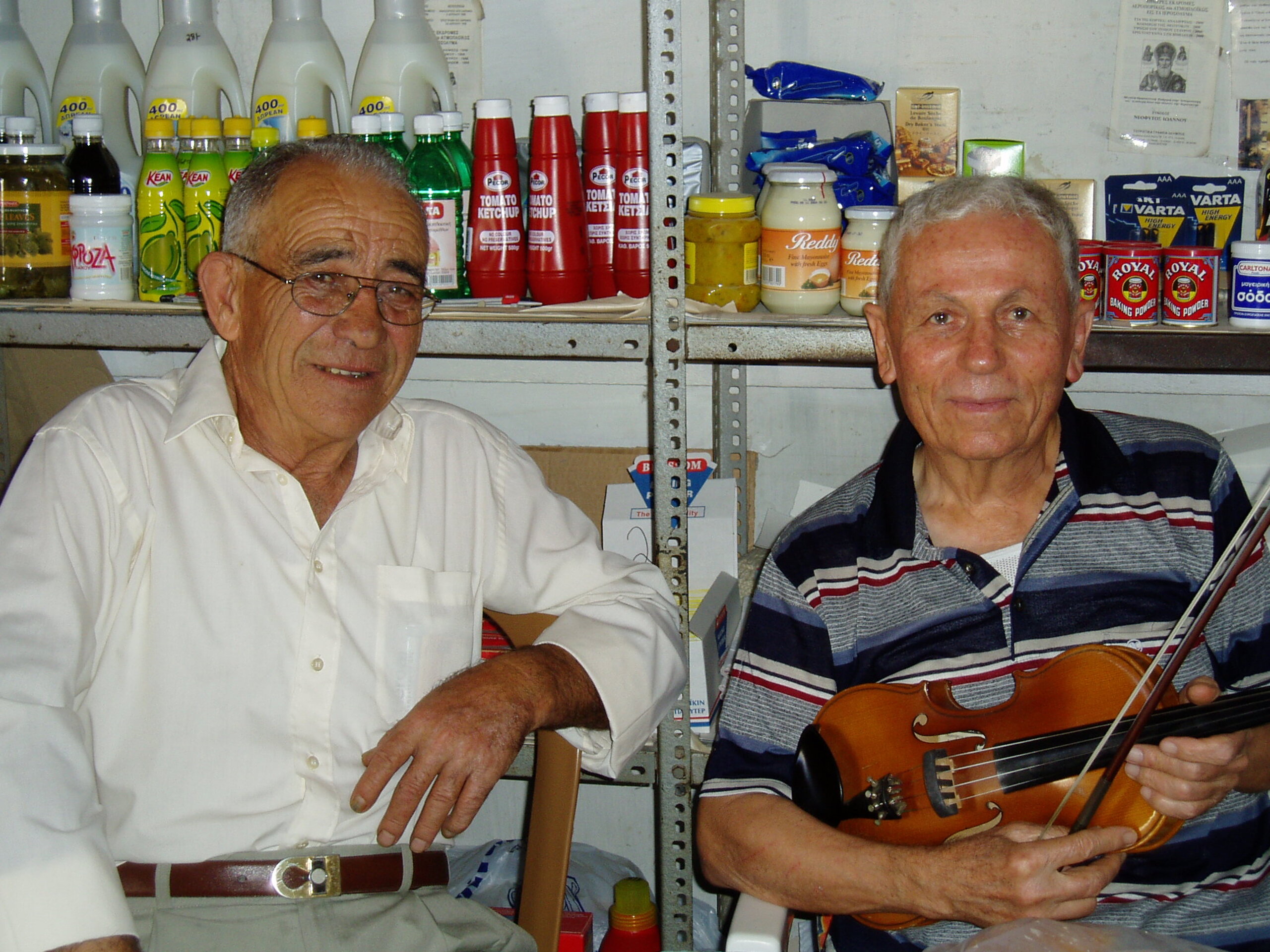
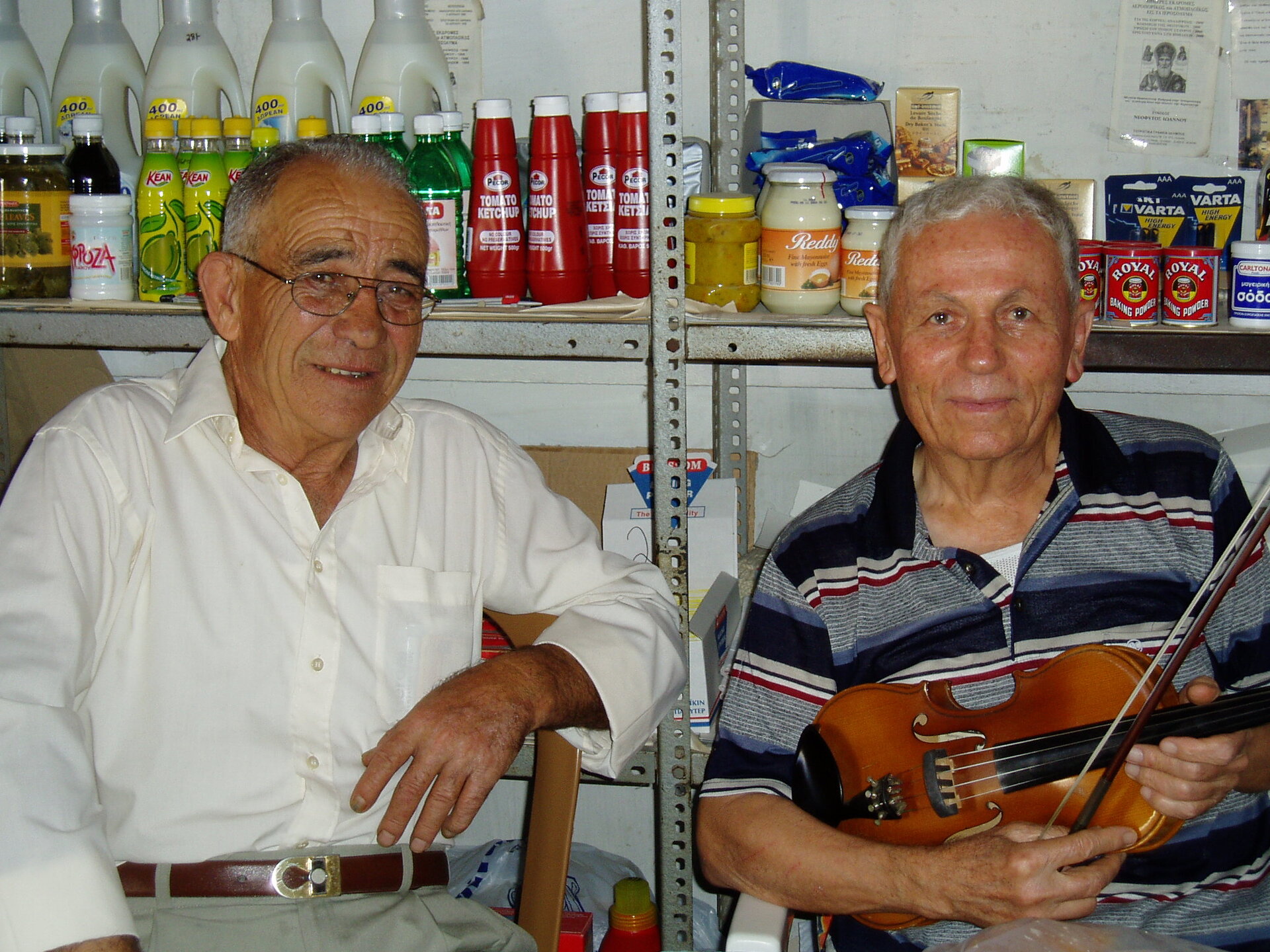
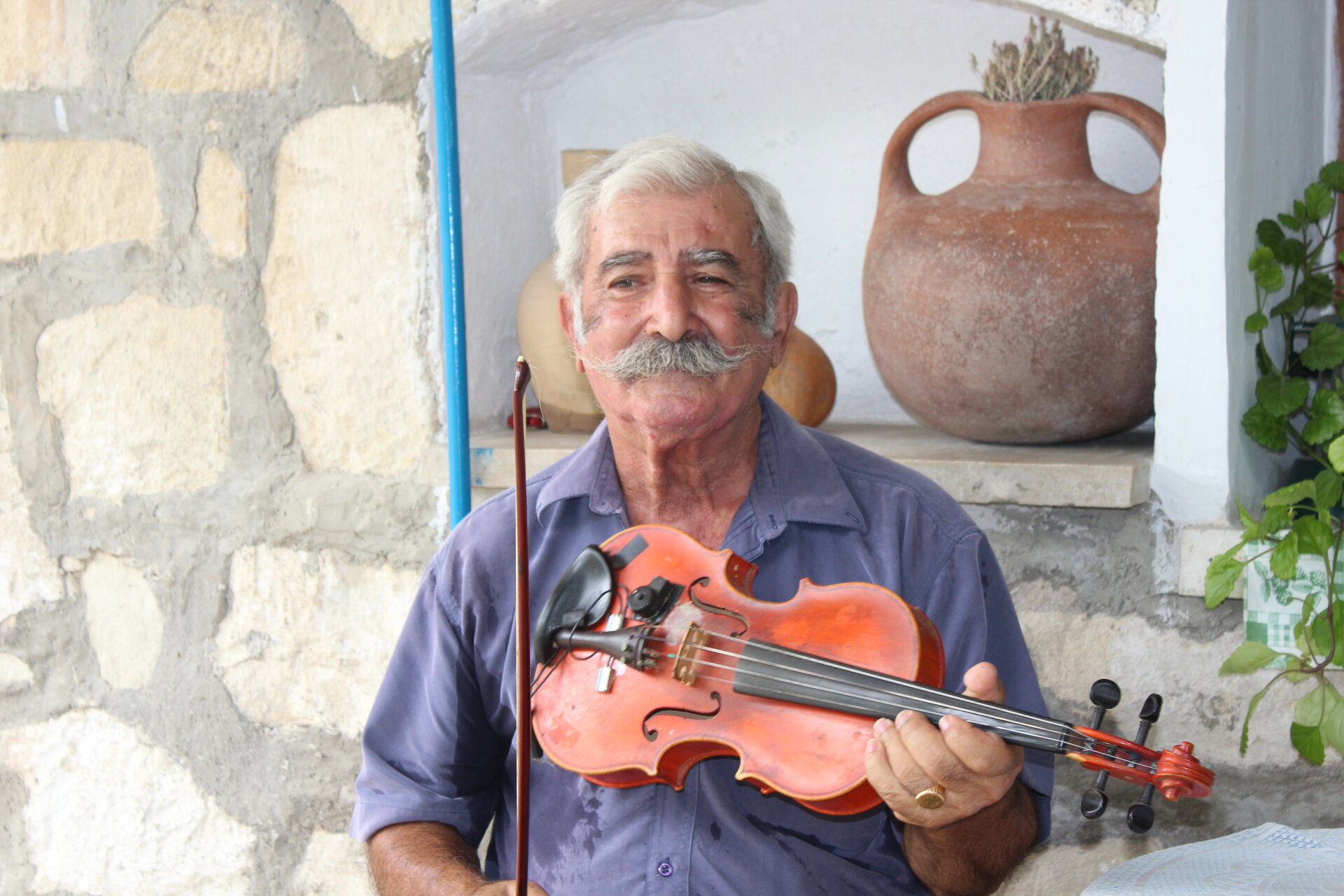
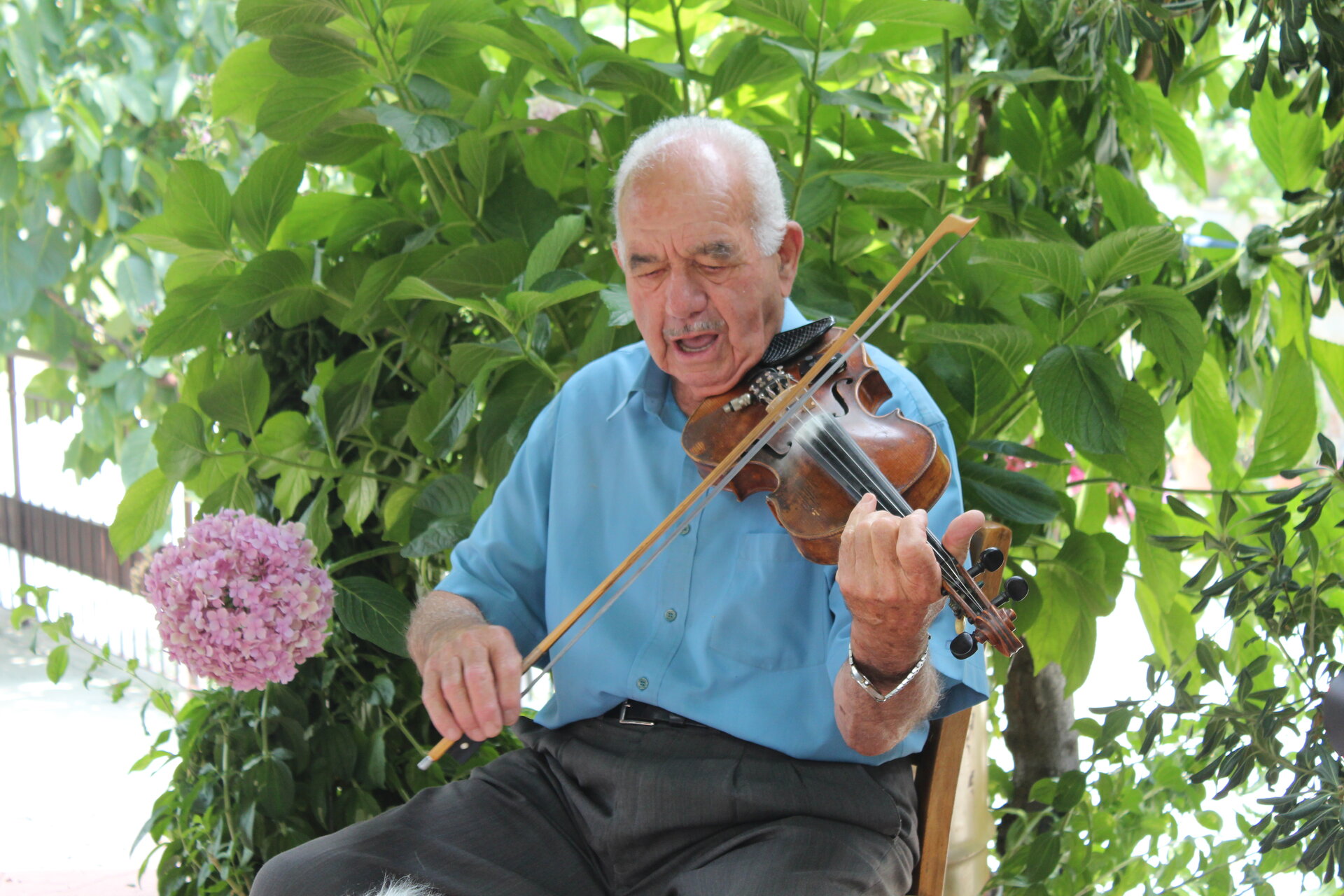
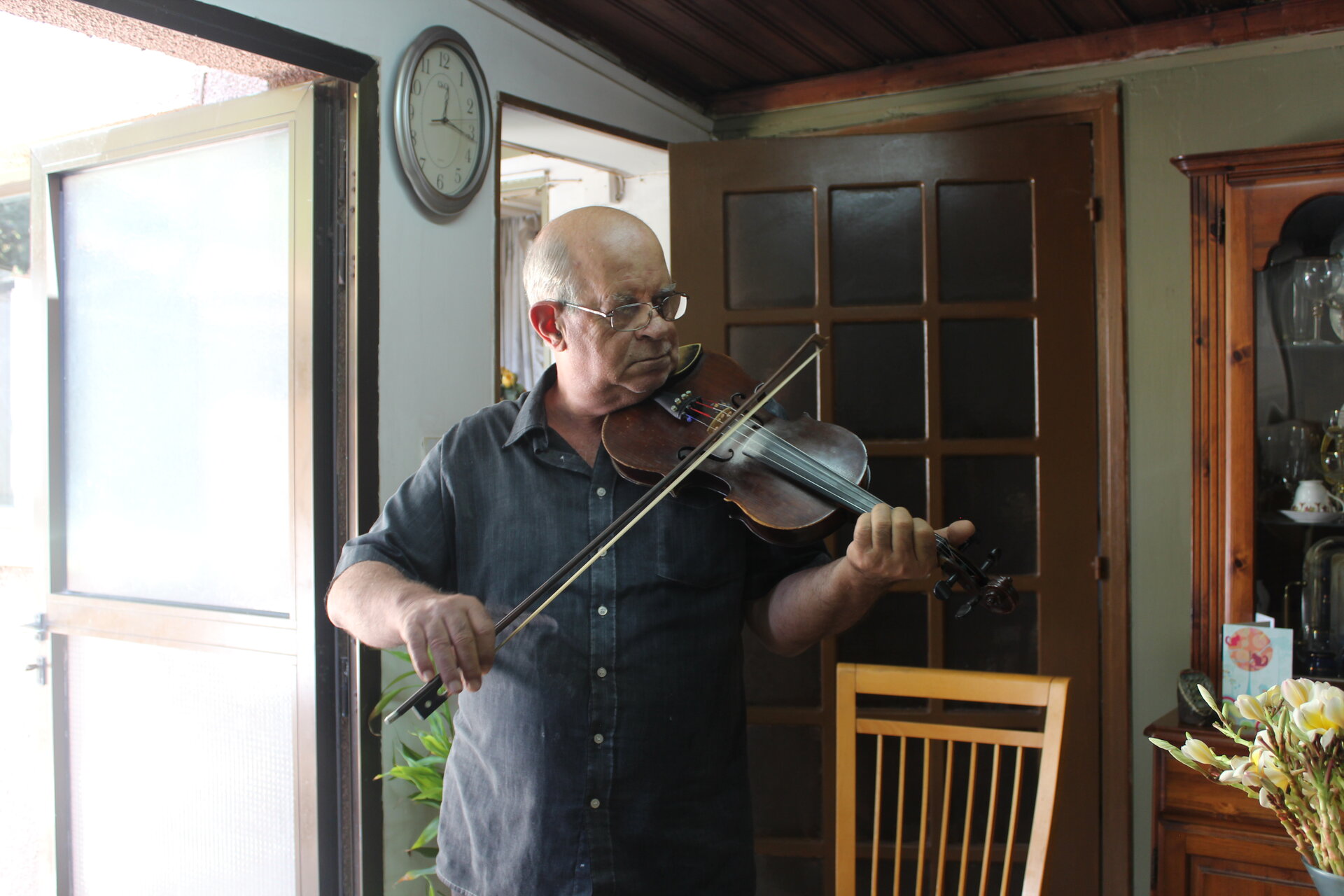
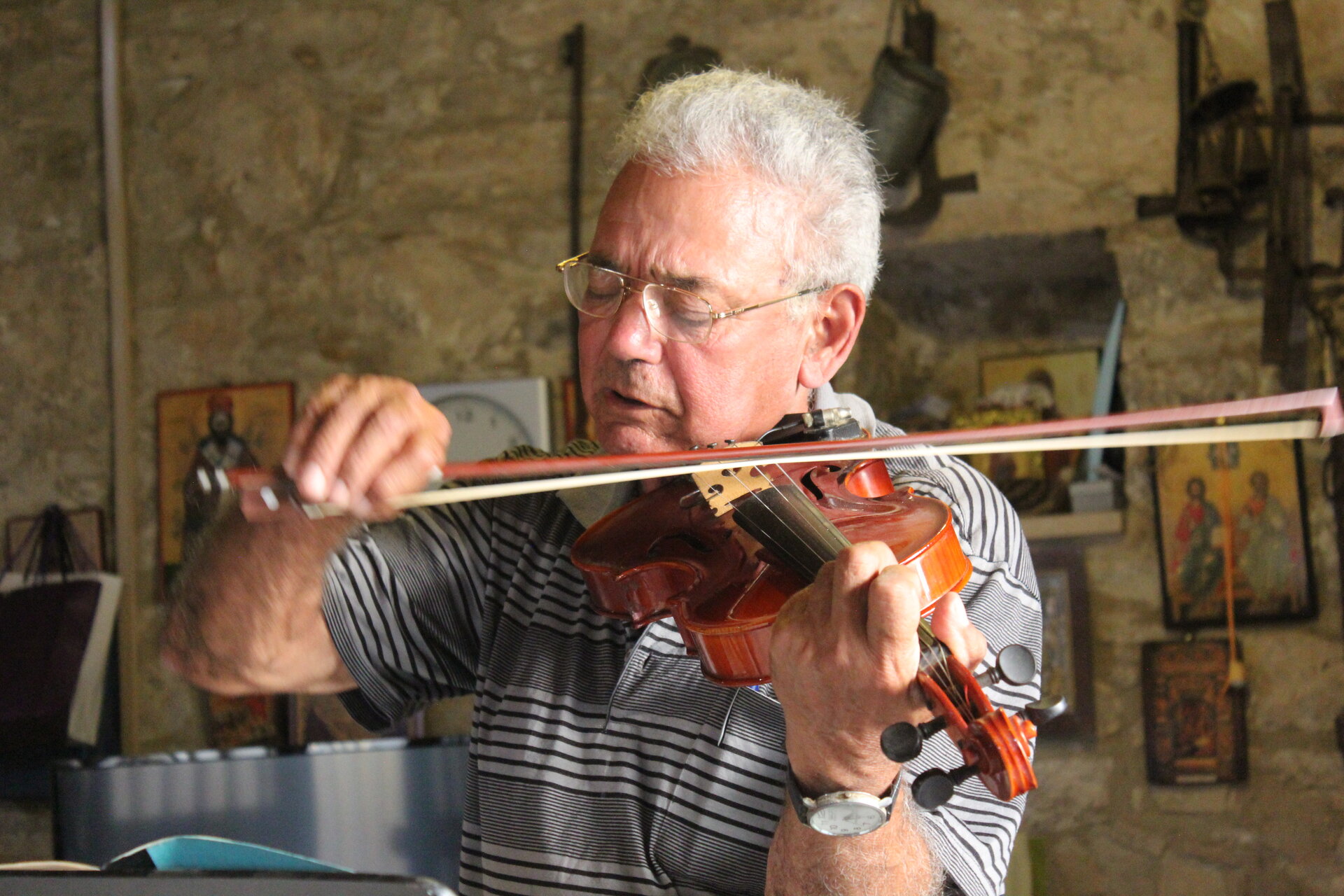
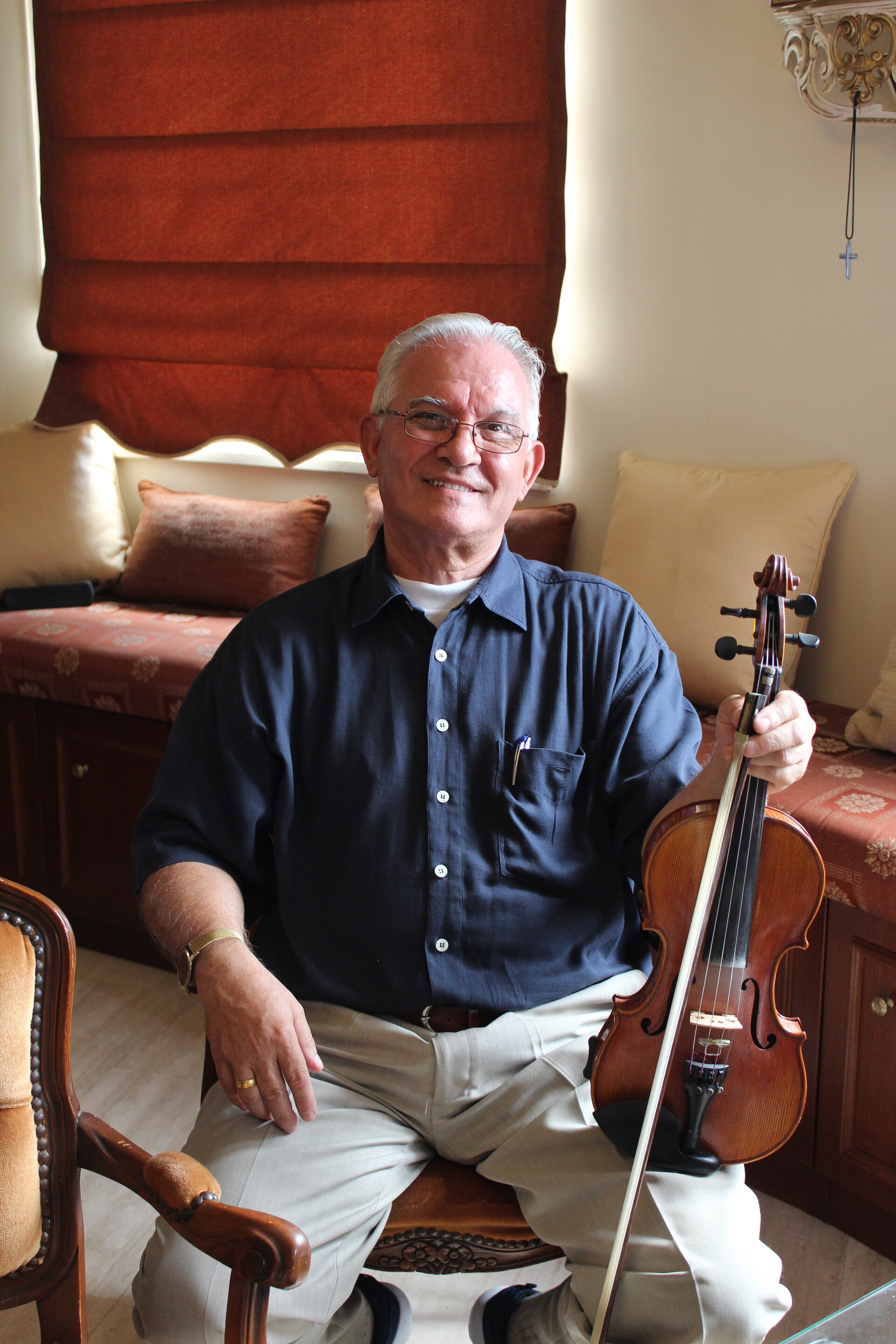
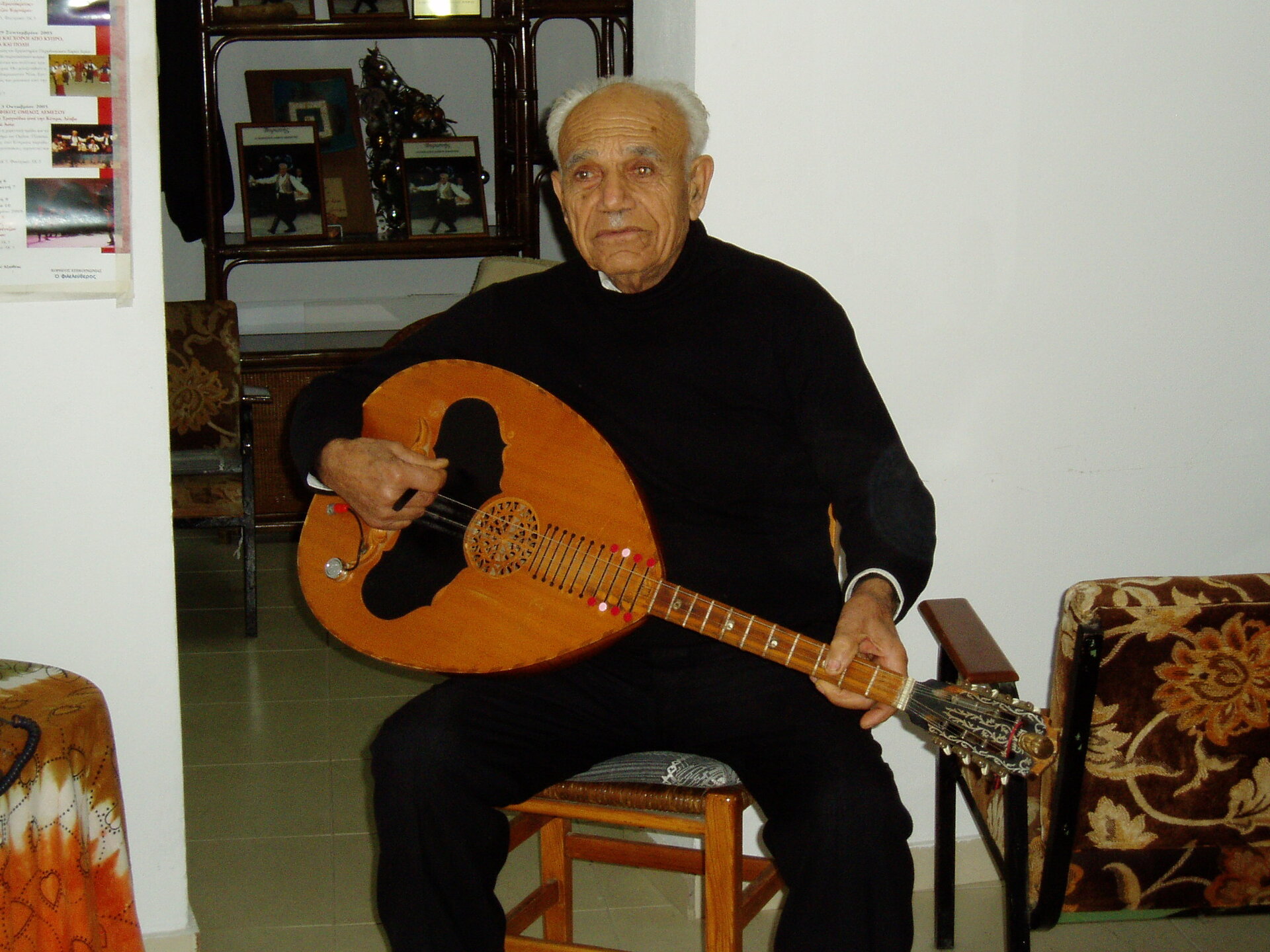
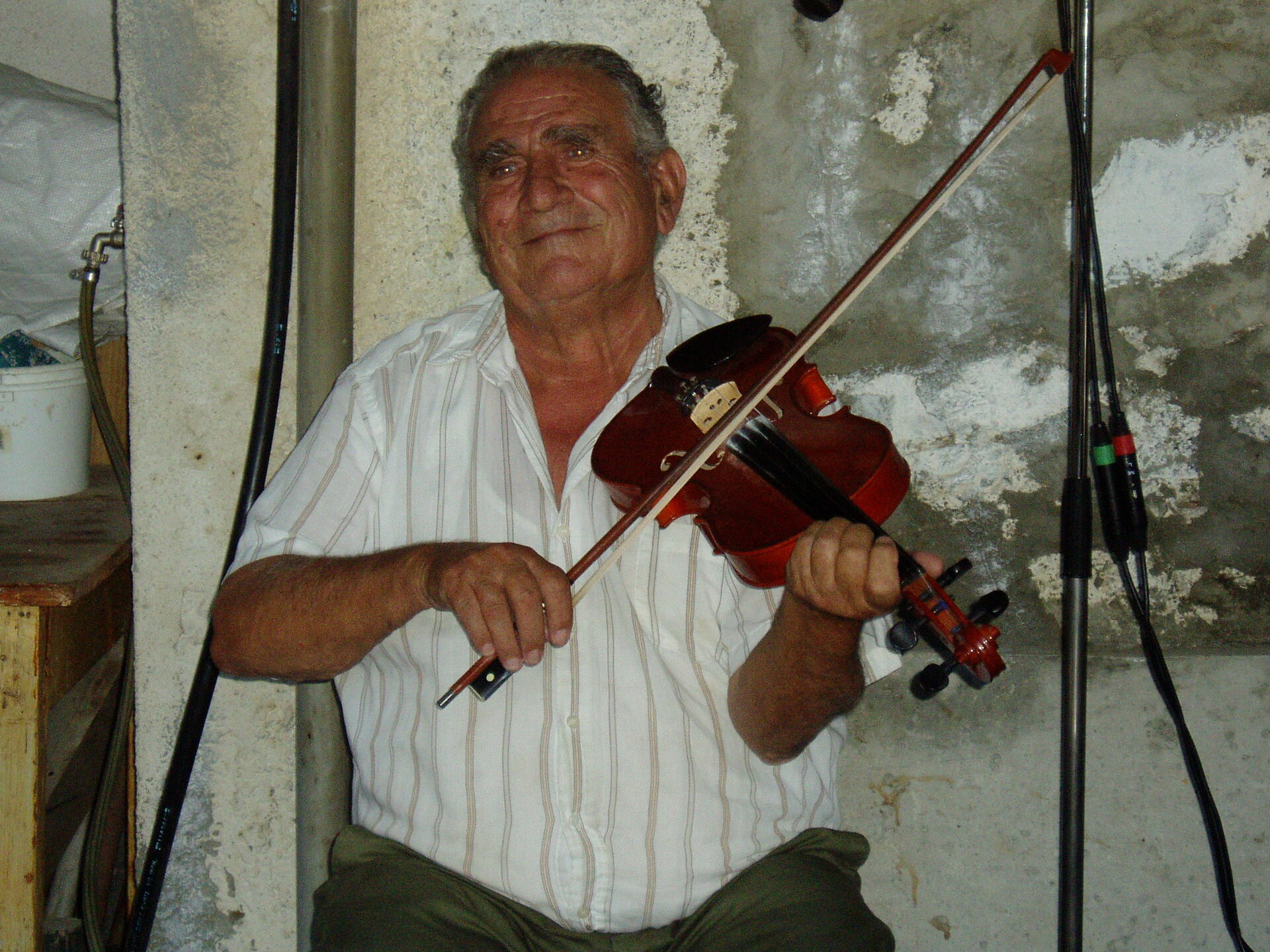
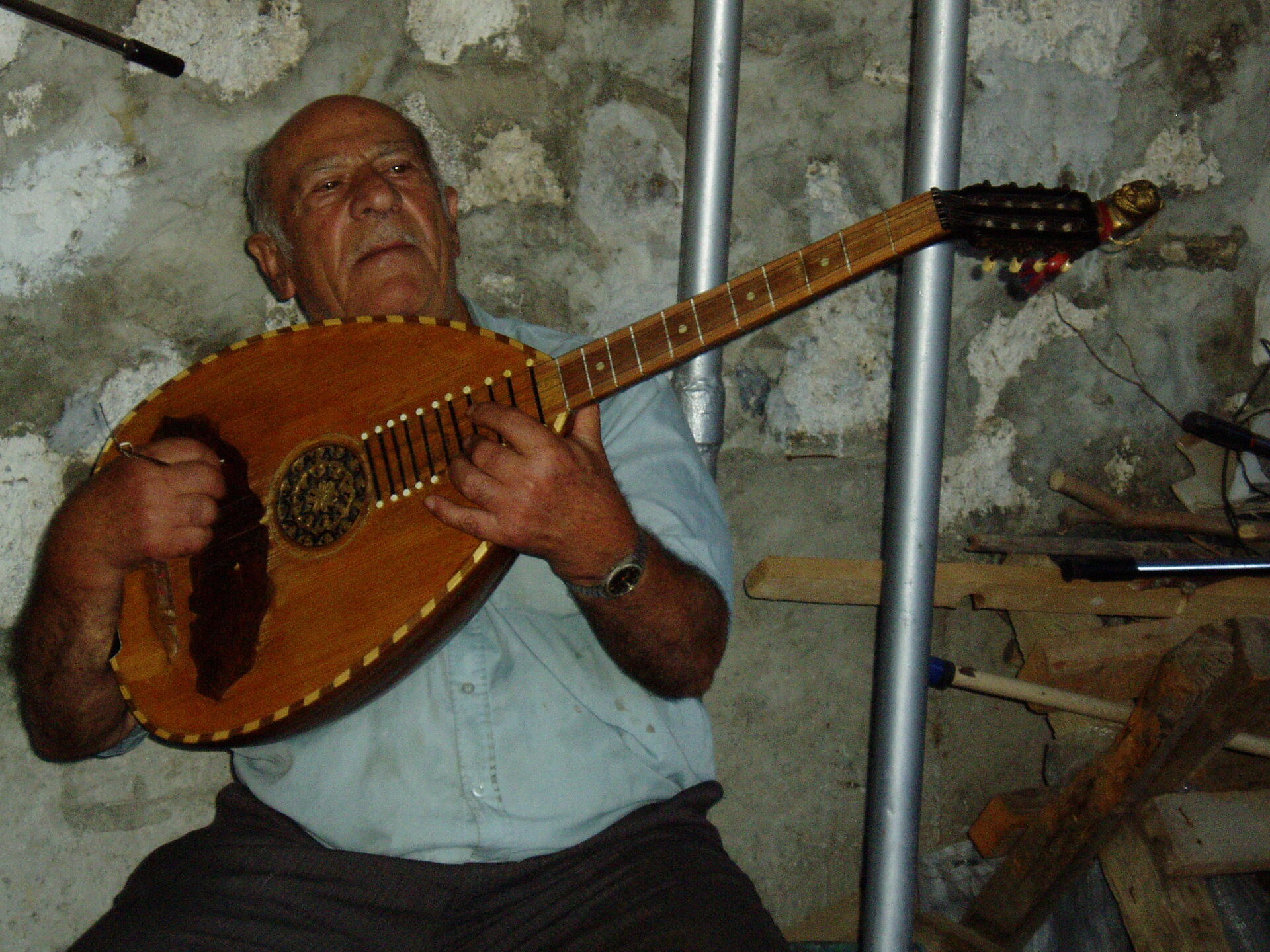
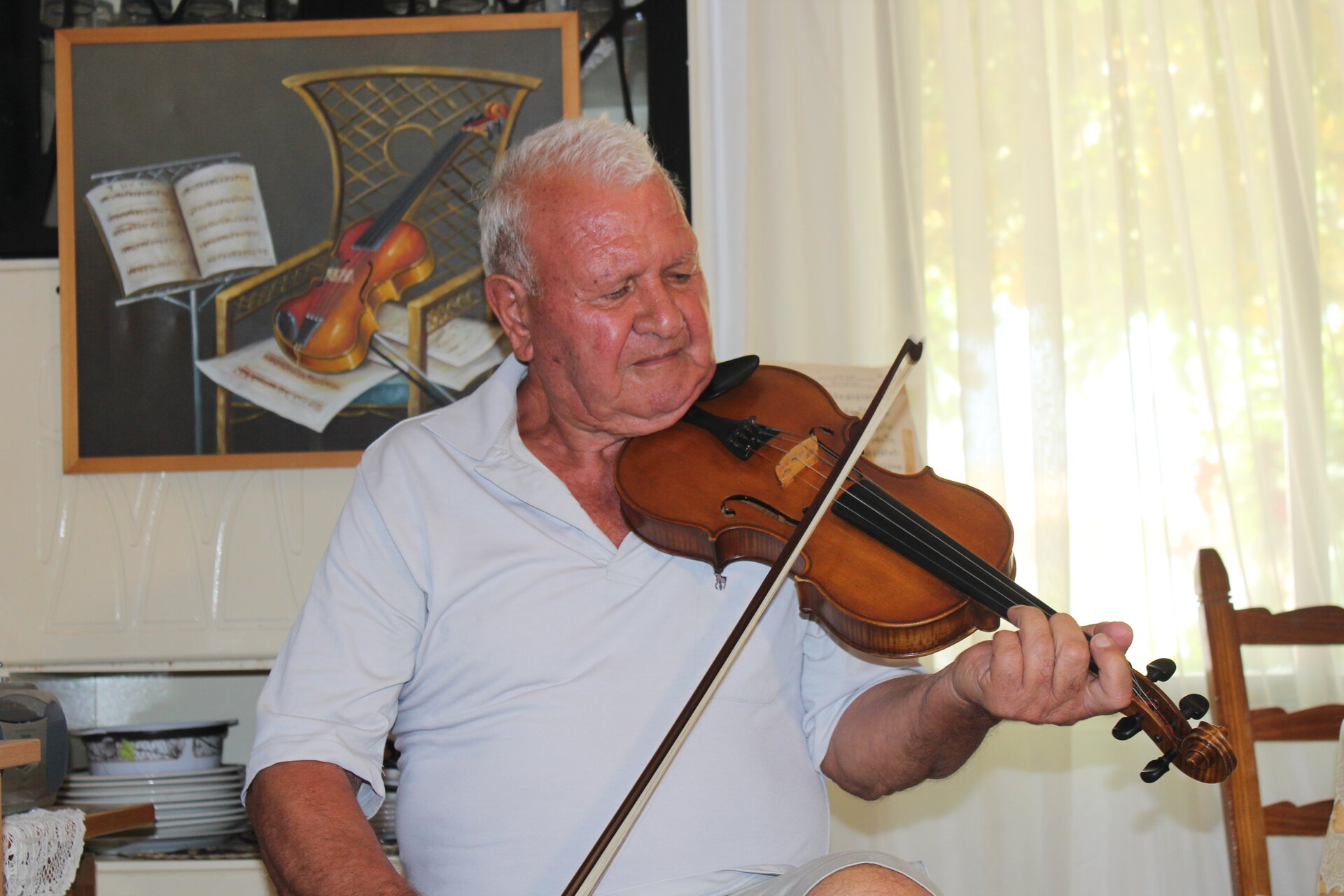
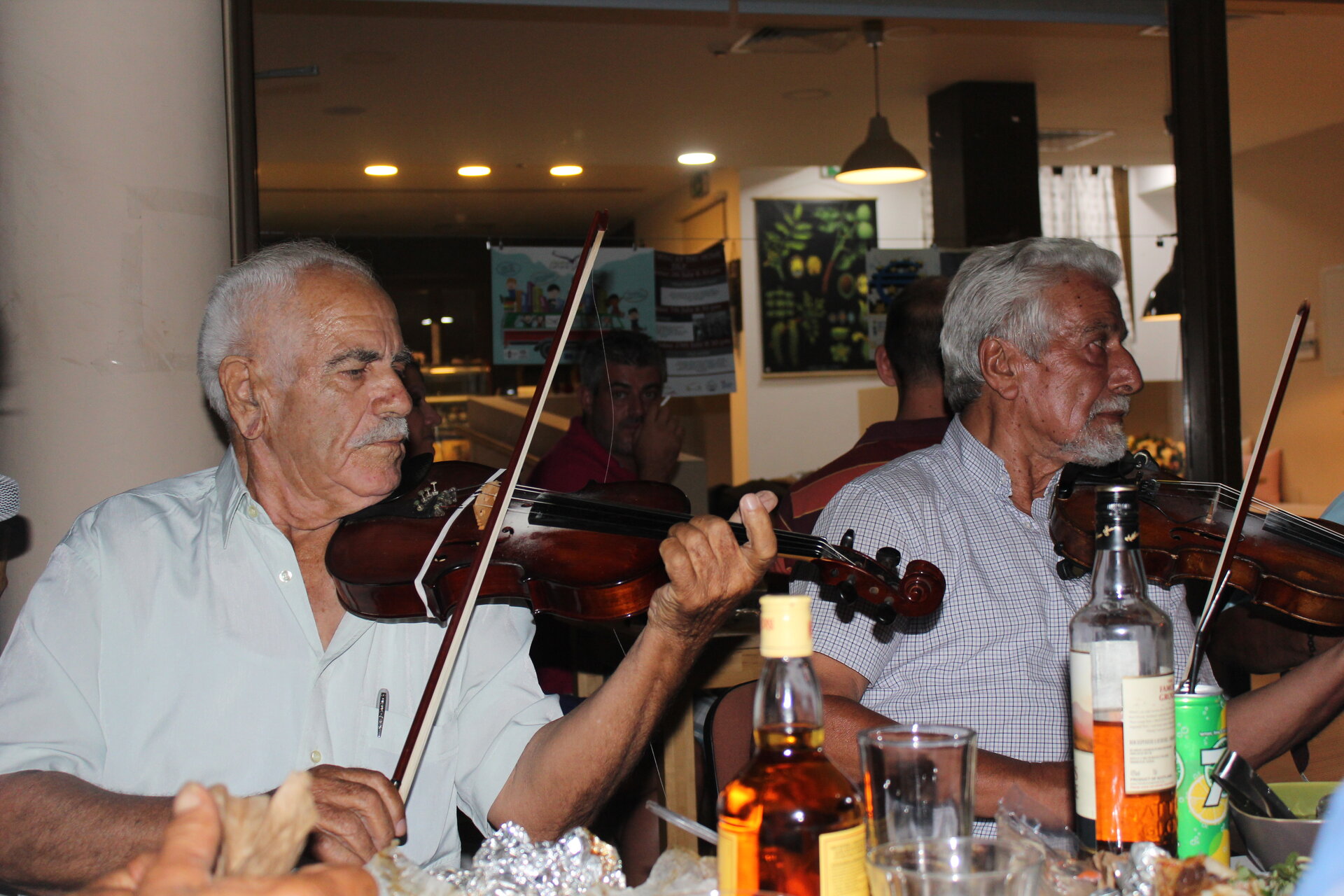
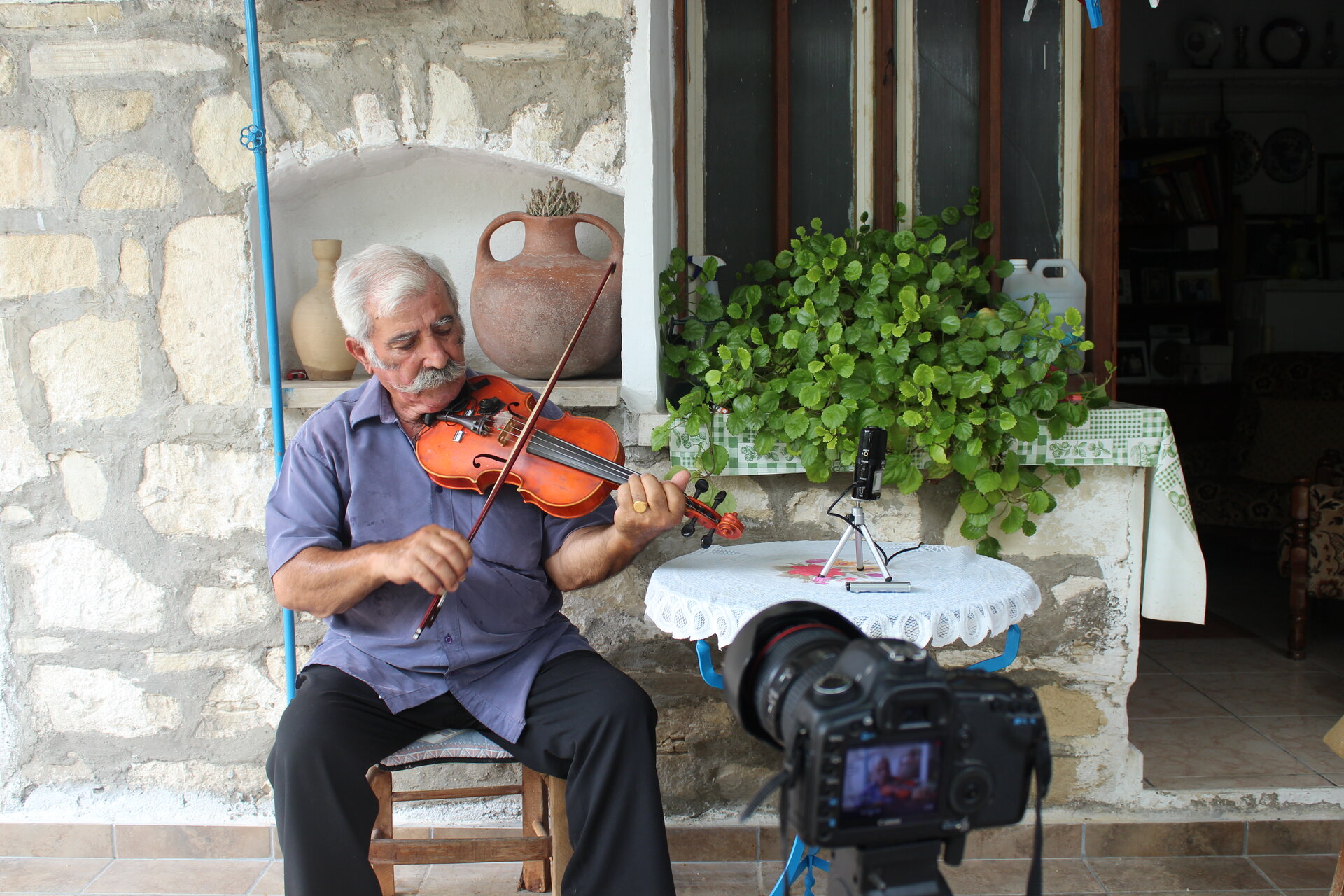
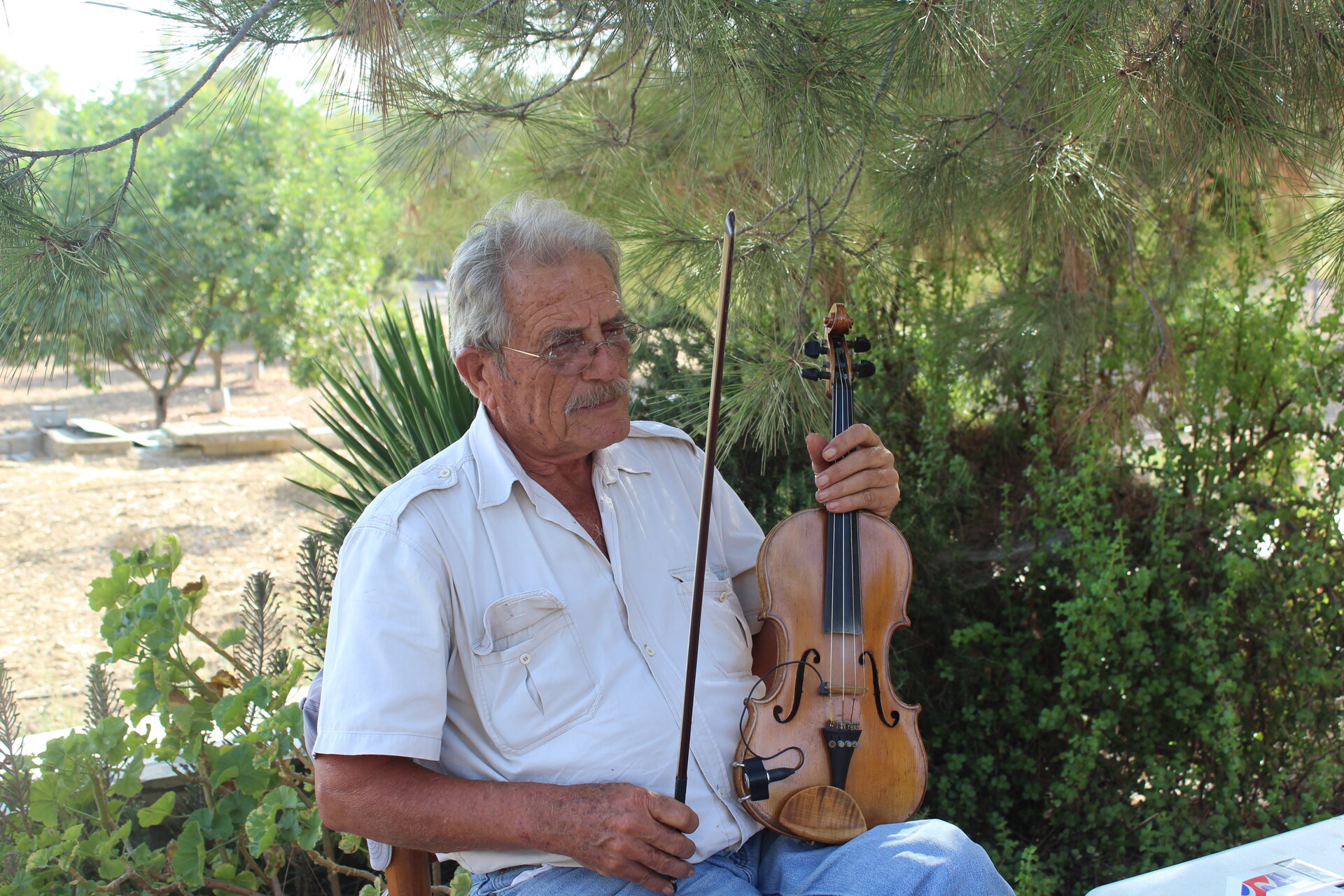
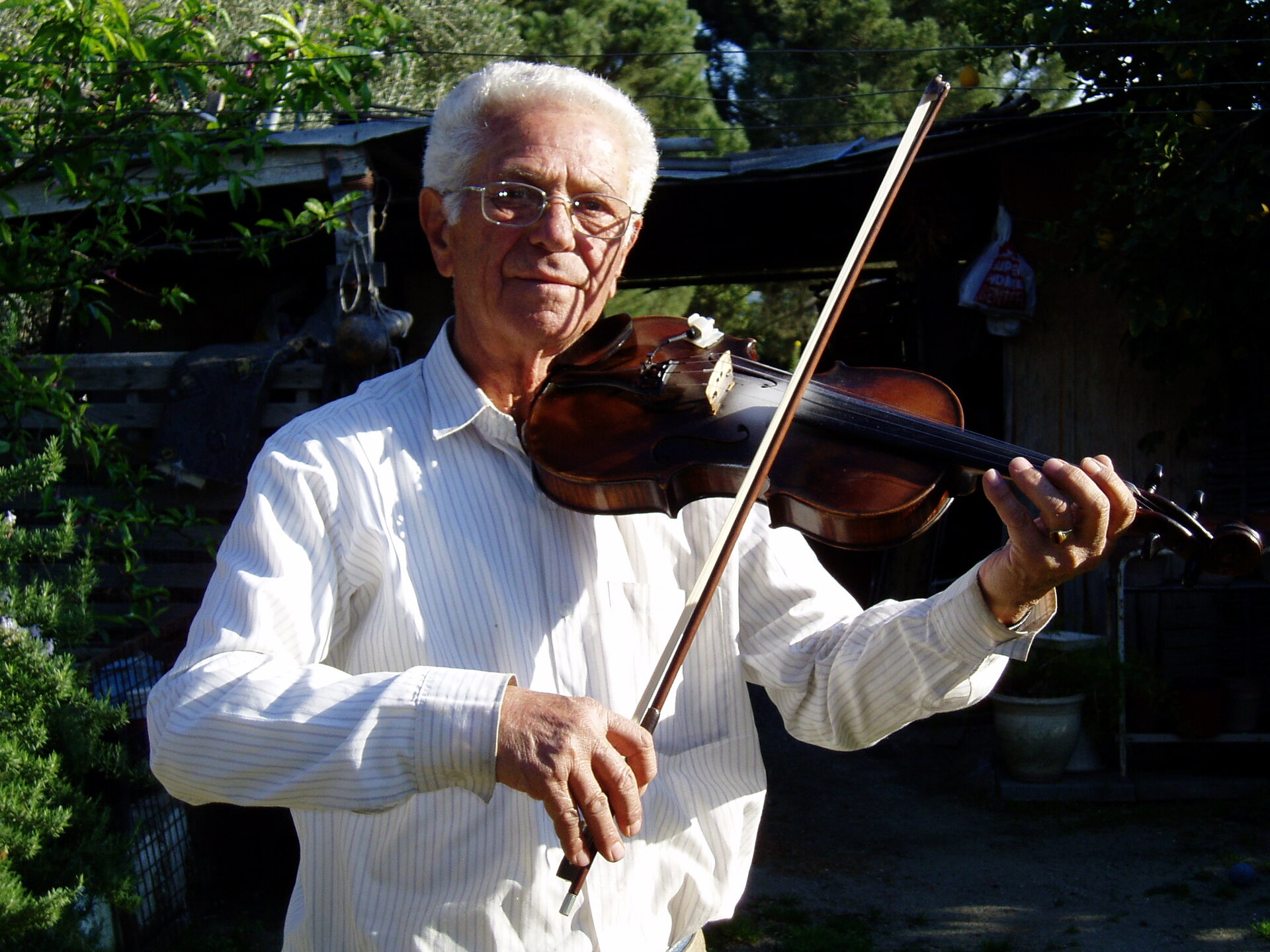
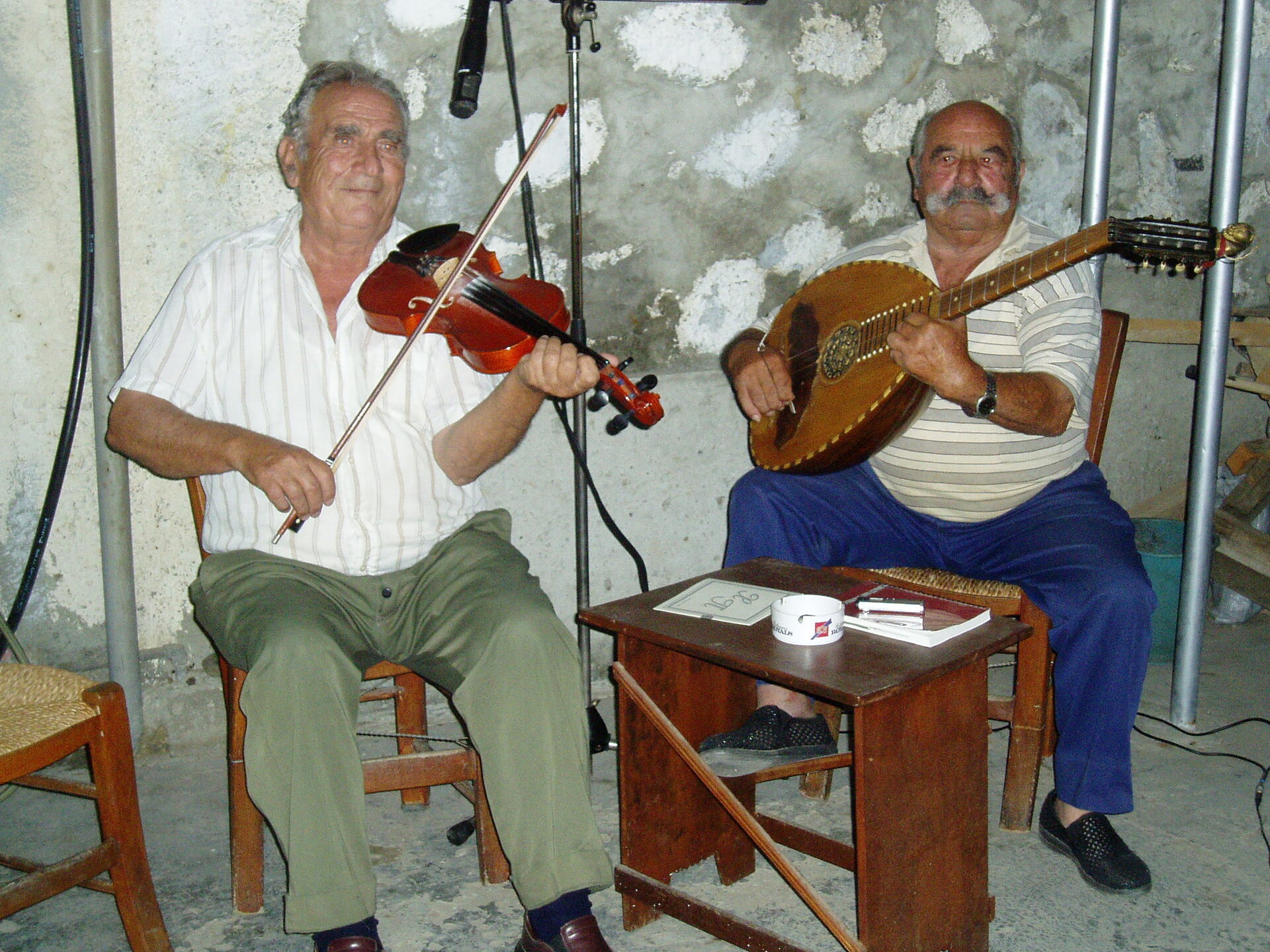
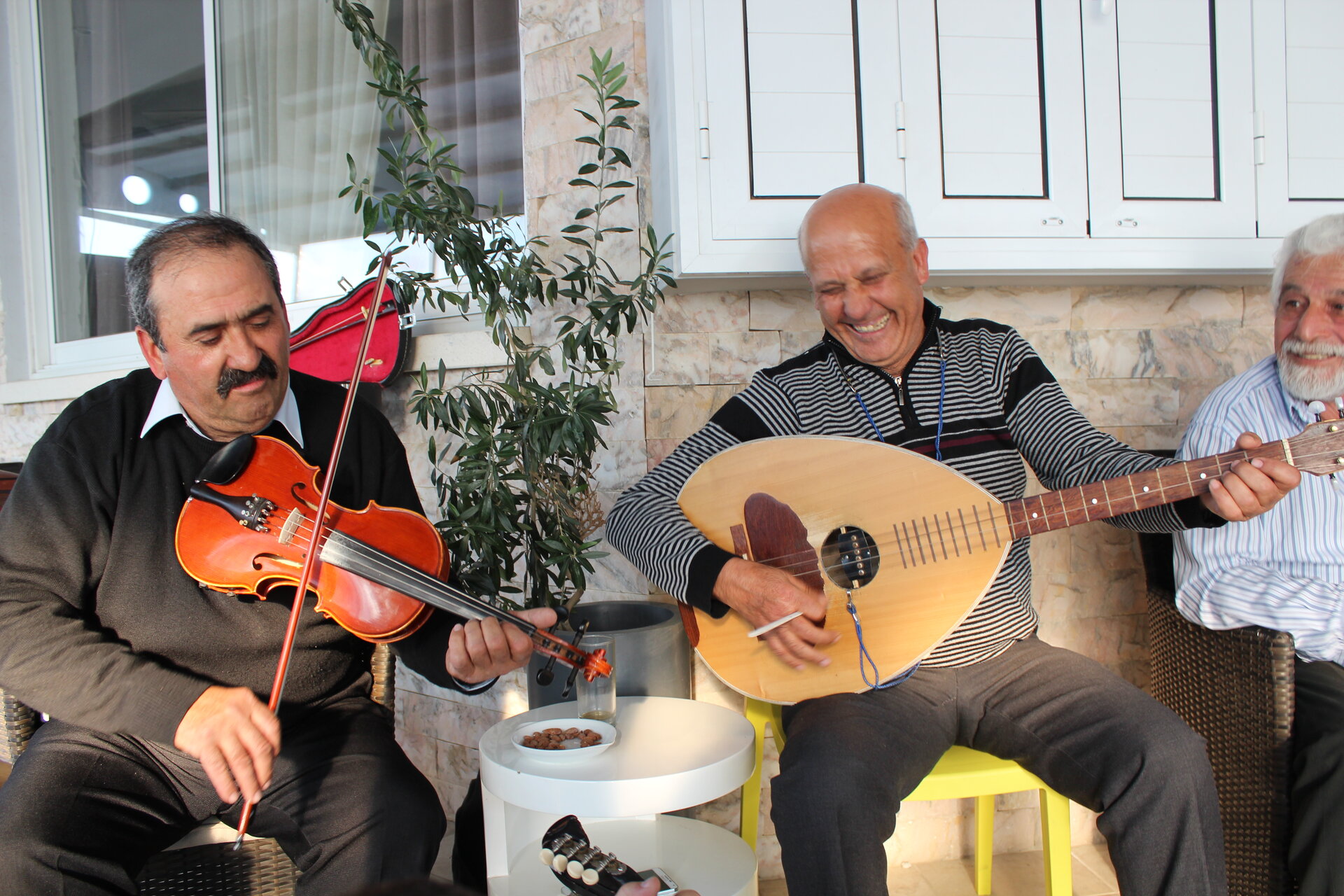
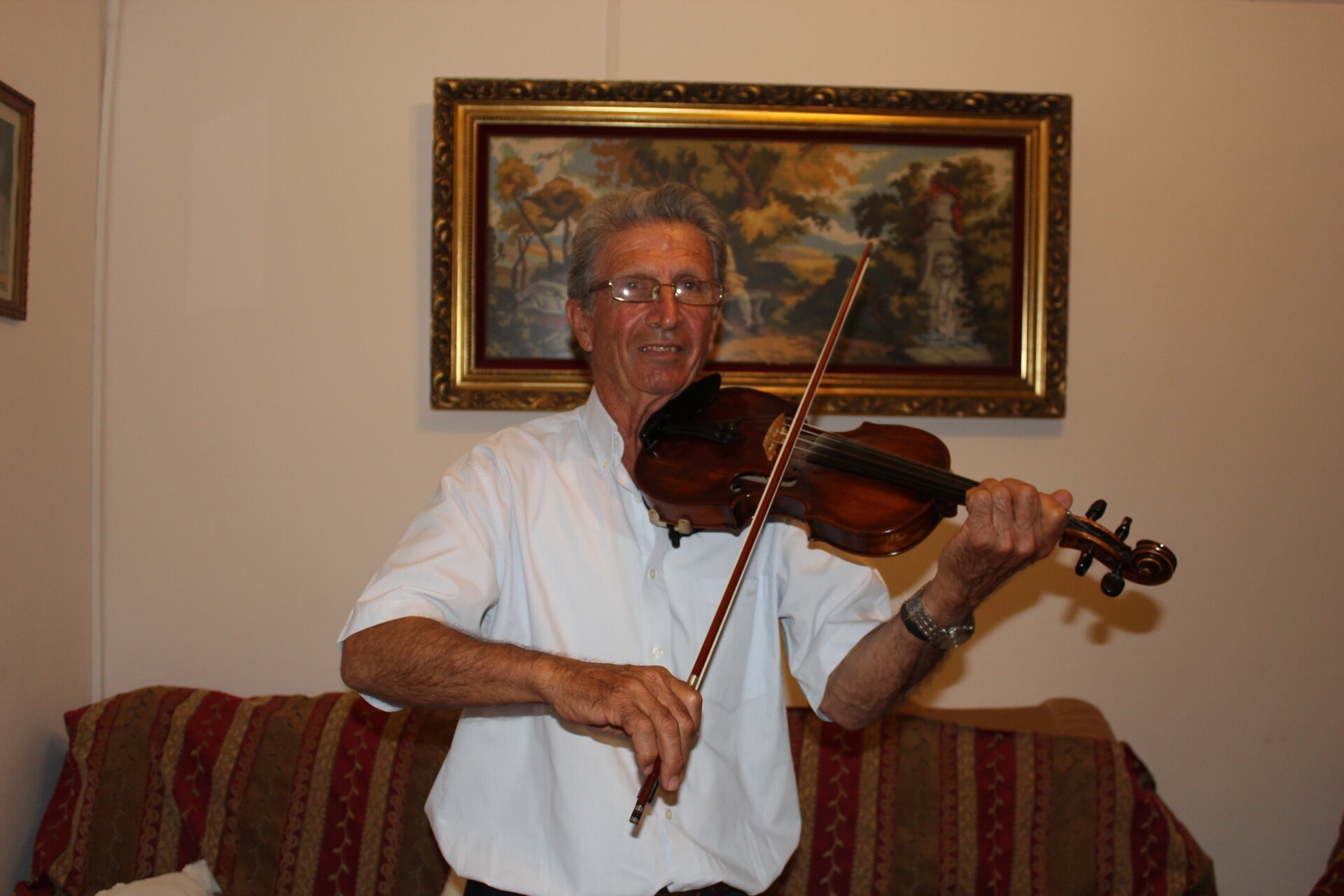
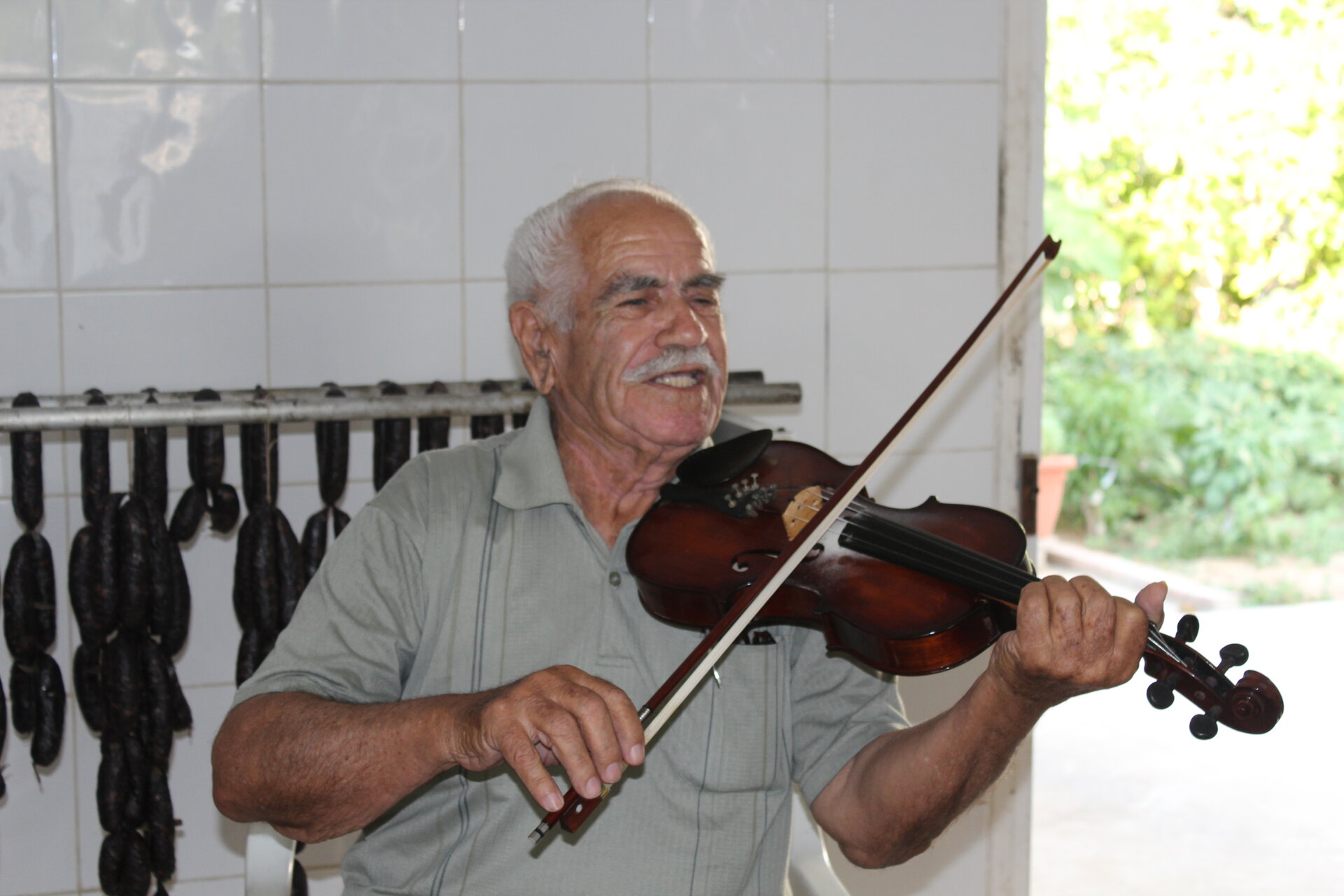
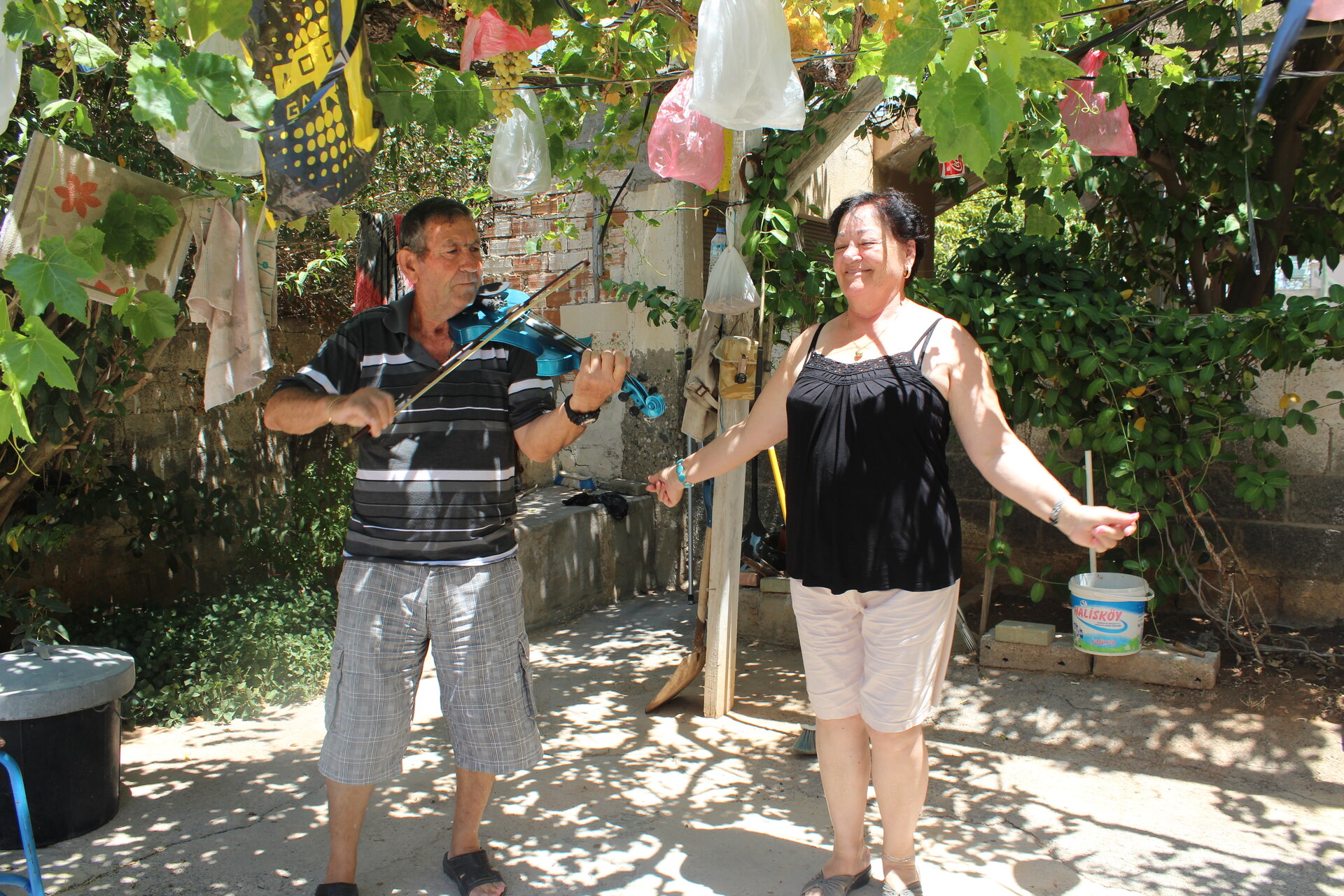
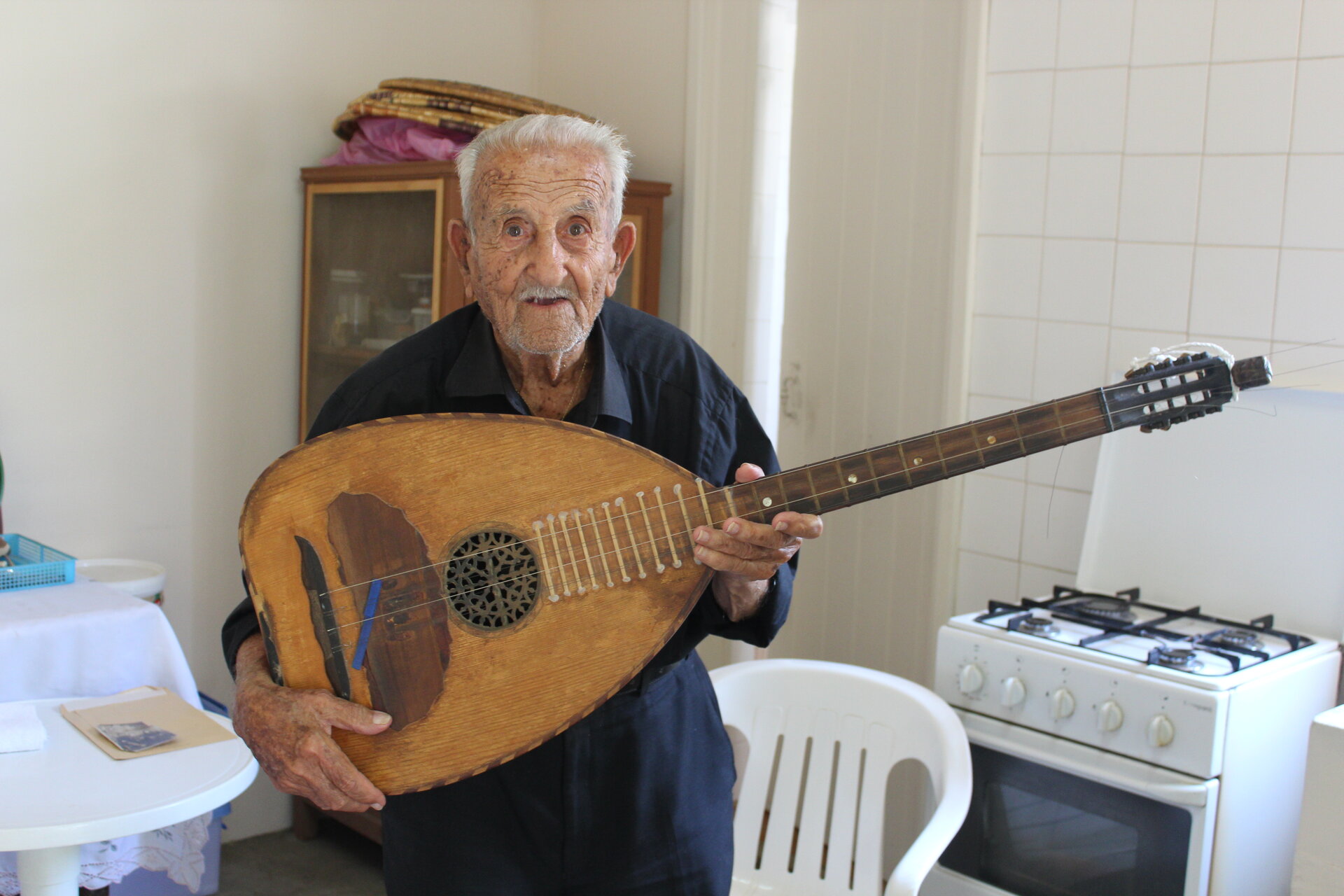
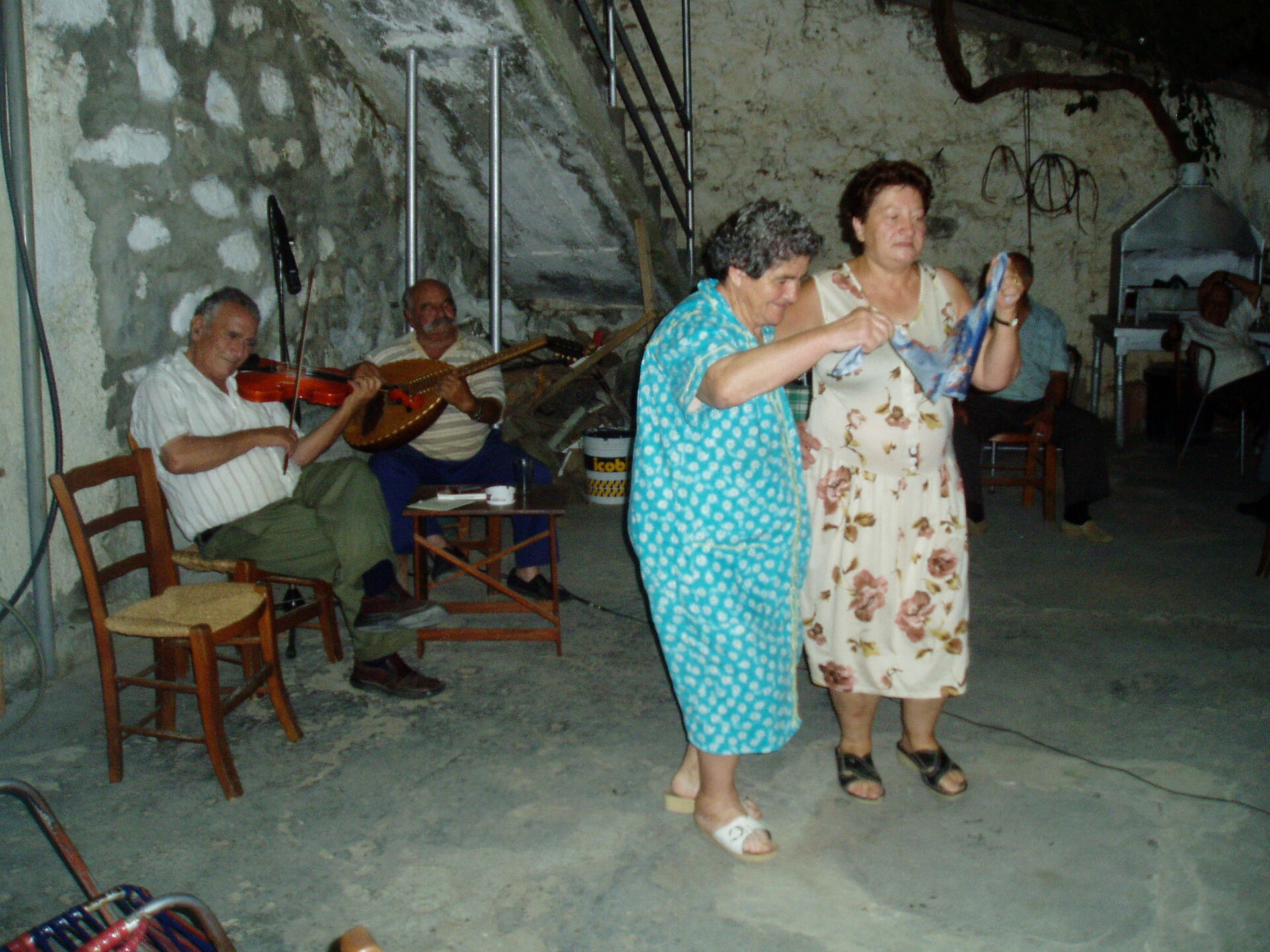
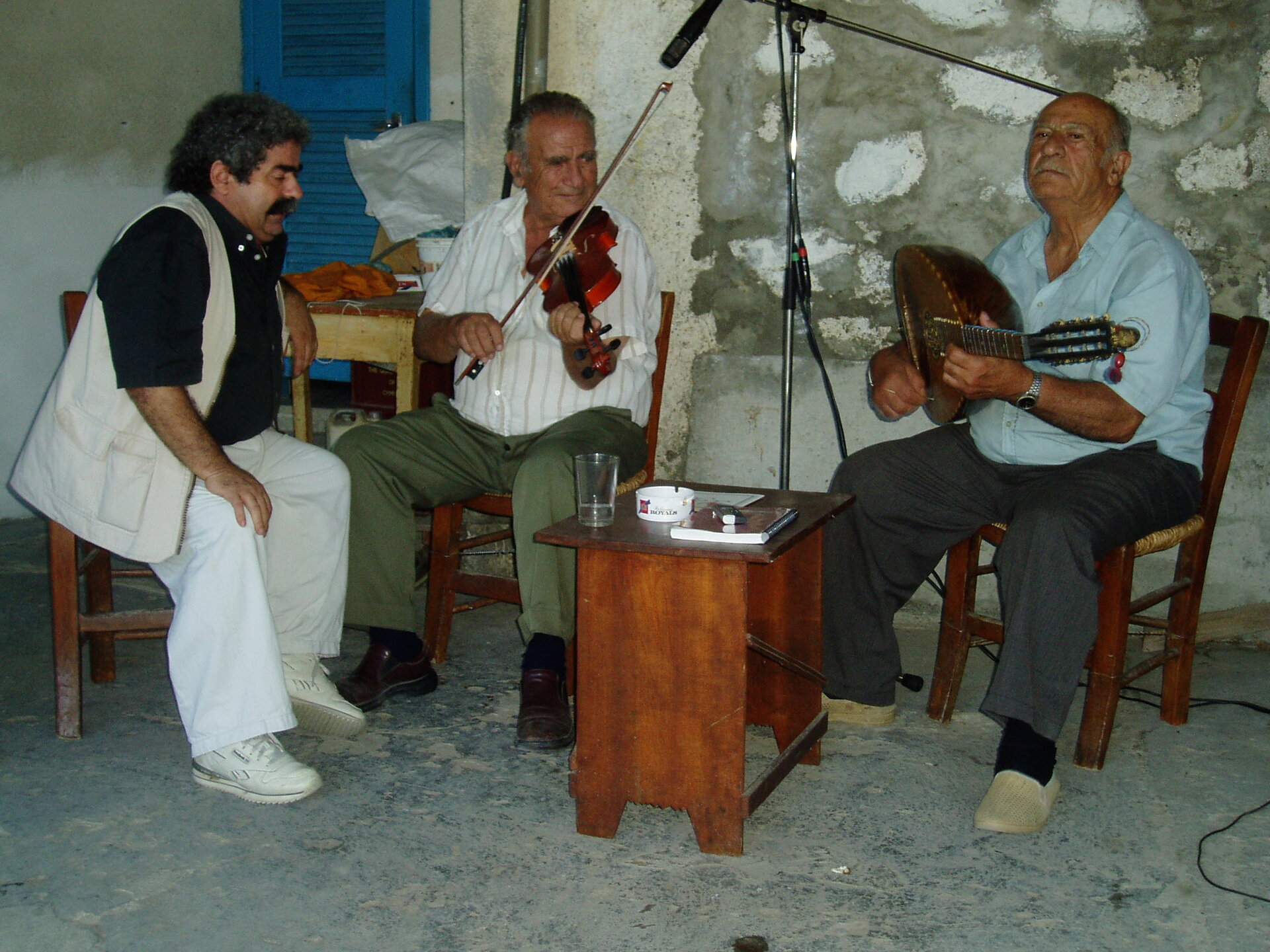
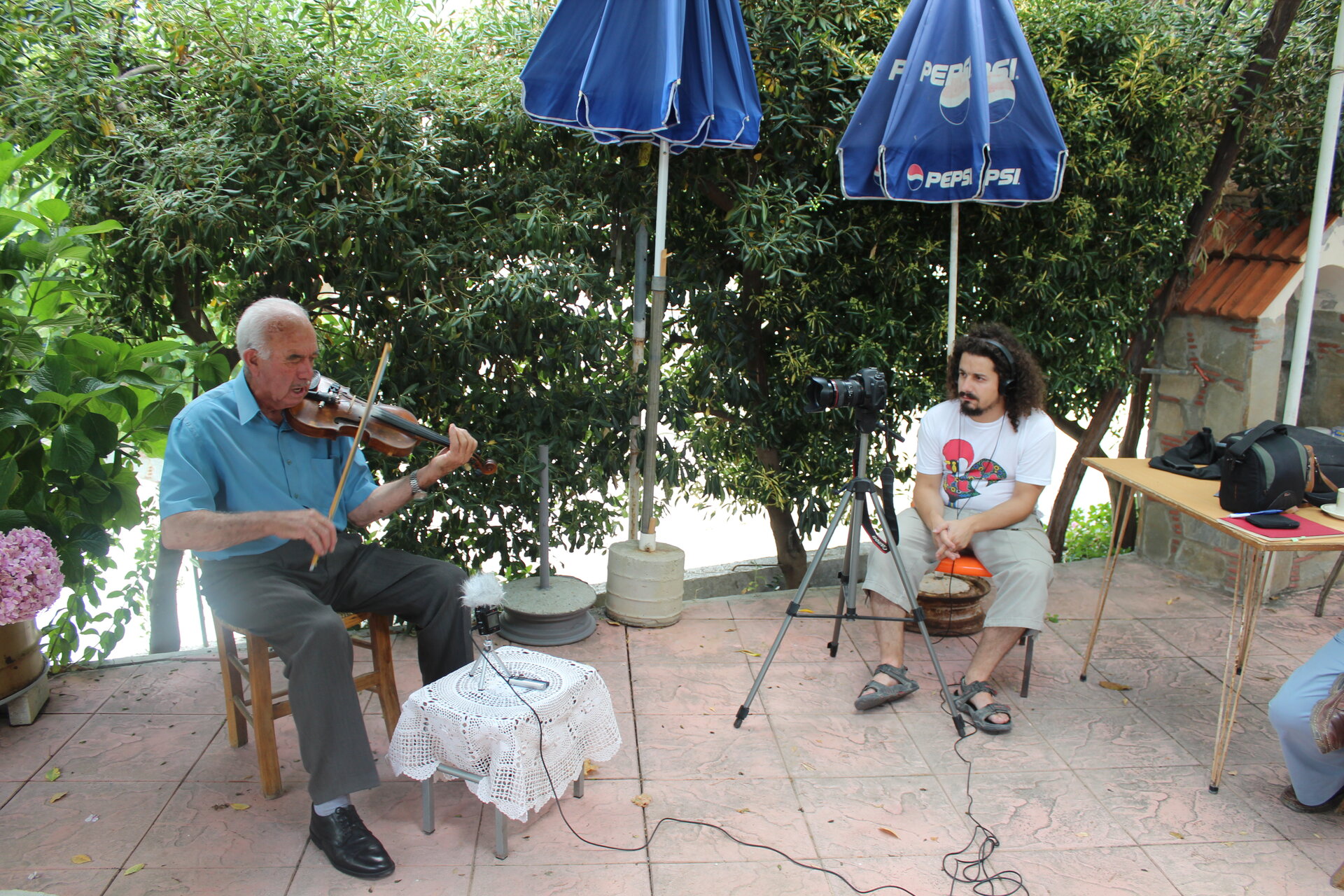
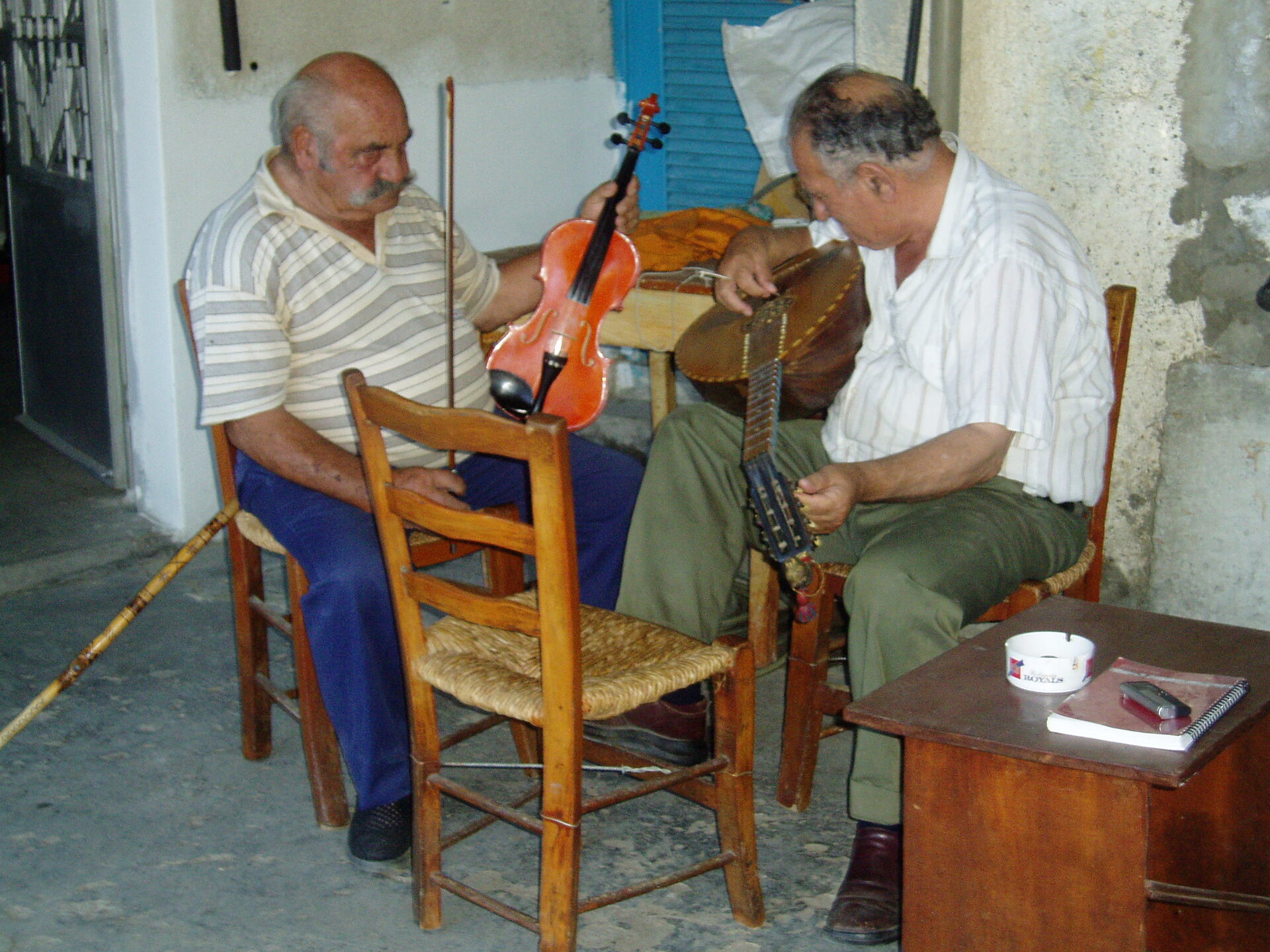
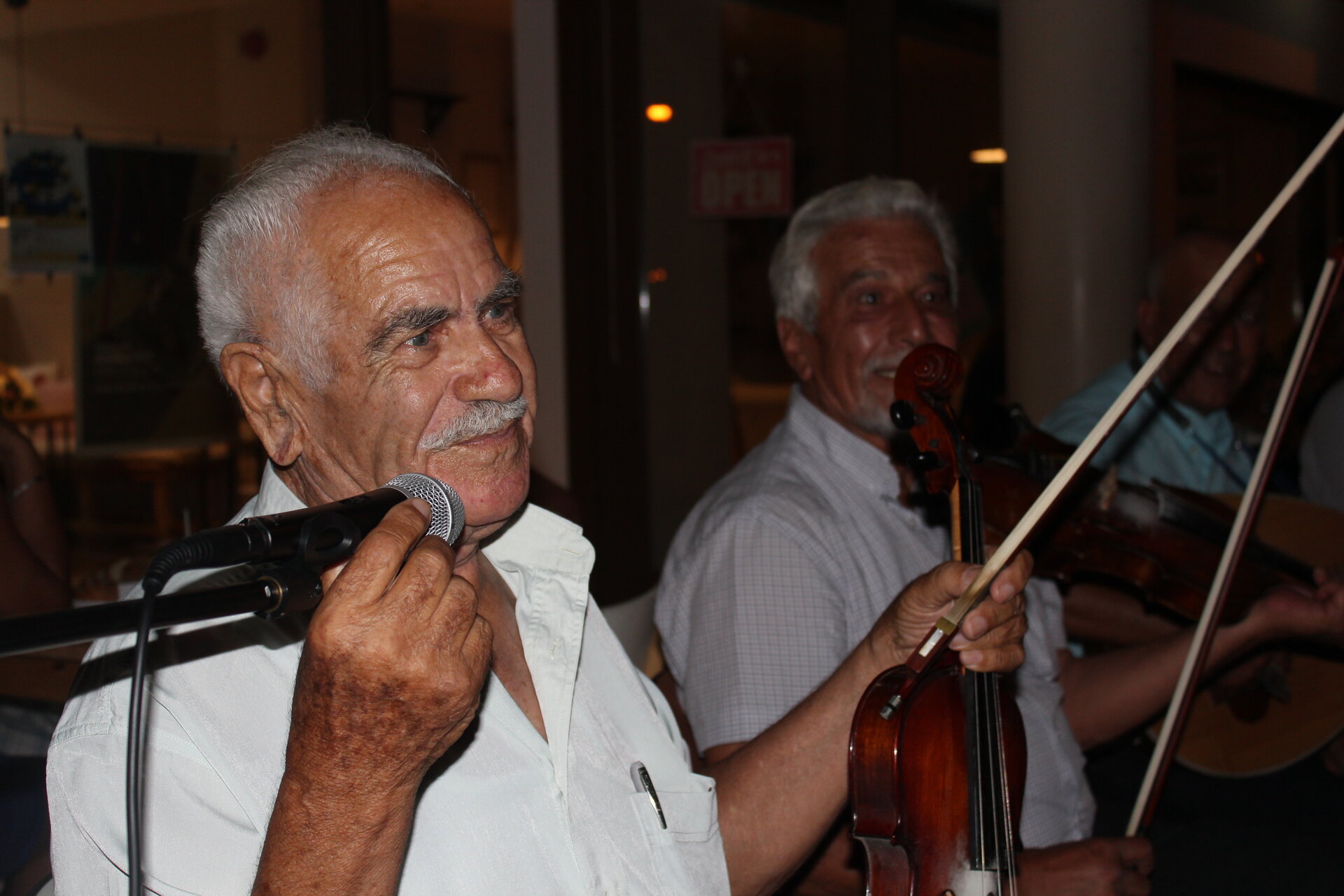
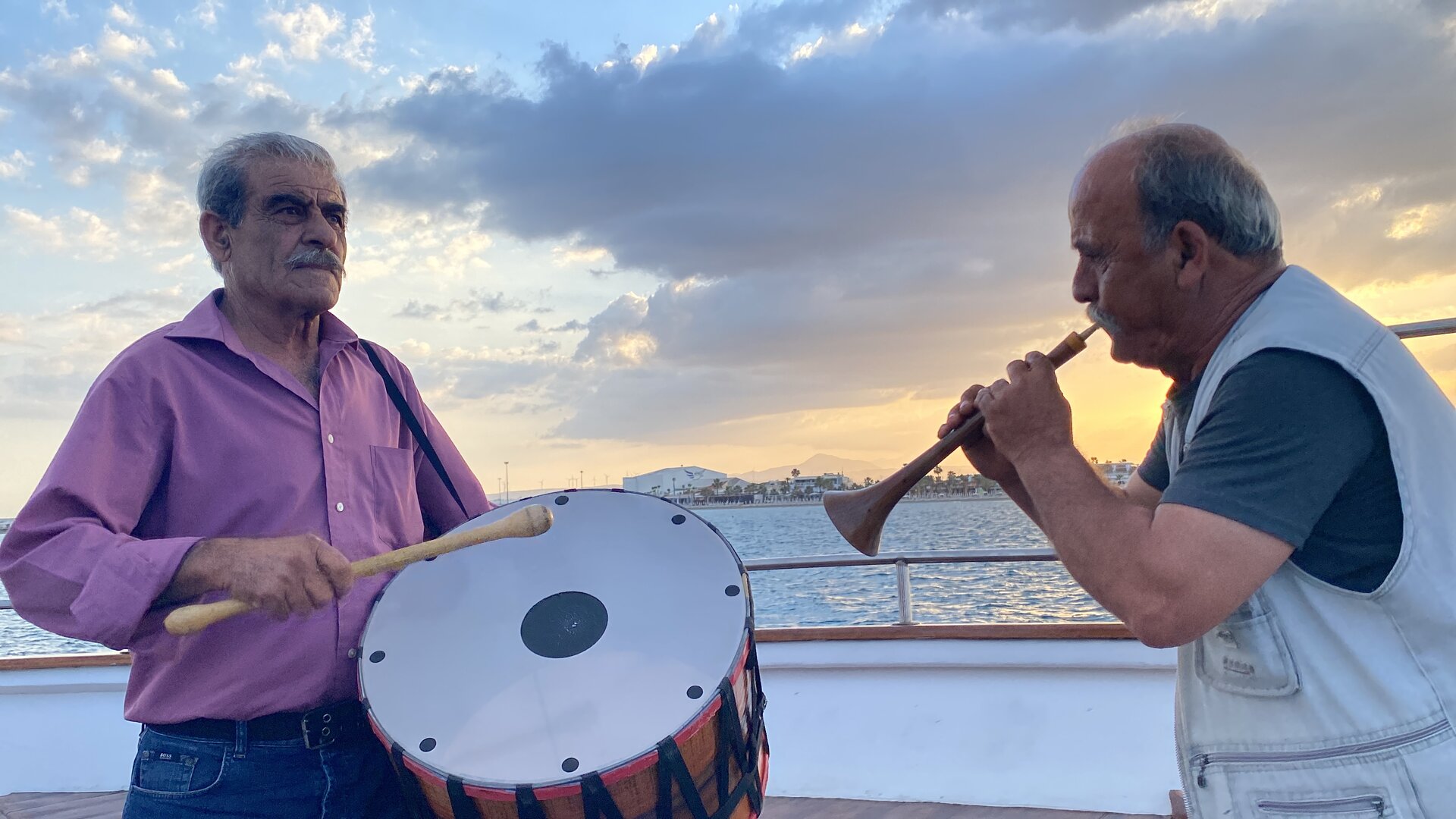
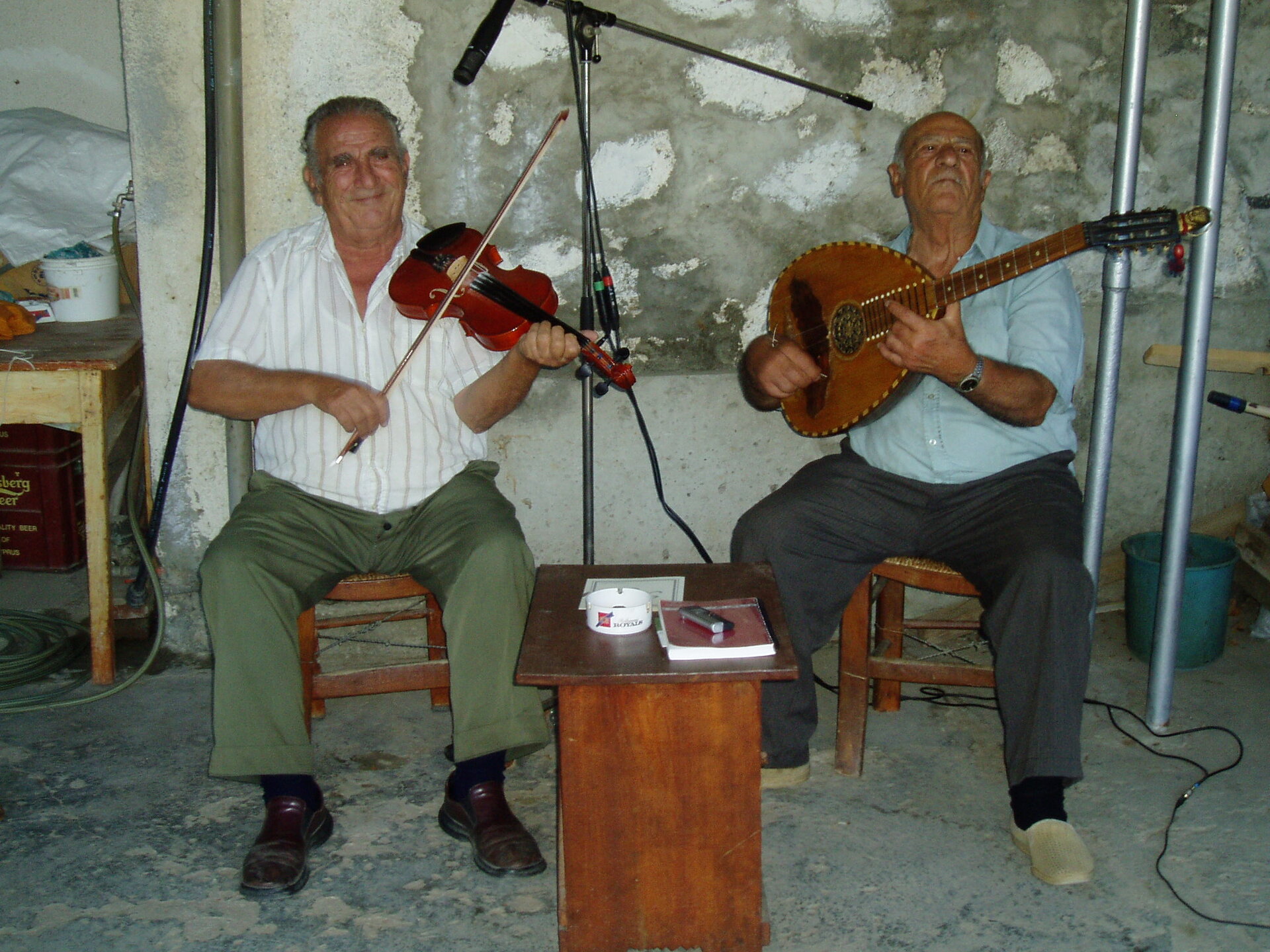
The Cypriot Fiddler is a long-term ethnographic research project dedicated to documenting the lives, memories and musical traditions of some of the last surviving professional folk musicians in Cyprus. Initiated and led by ethnomusicologist and life-writing scholar Dr Nicoletta Demetriou, the project brings together ethnomusicology, oral history, cultural history and visual anthropology to safeguard an important aspect of the island's intangible cultural heritage. During the first half of the twentieth century, traditional musicians played an essential role in Cypriot social life, performing at weddings, religious festivals and community celebrations. Their professional world was shared, in different ways, by Greek Cypriot and Turkish Cypriot communities before the intercommunal conflict, displacement and division of the island during the 1960s and 1970s. By the beginning of the twenty-first century, this professional tradition had largely disappeared, making the documentation of surviving musicians' experiences increasingly urgent. Demetriou began interviewing elderly musicians during doctoral fieldwork in 2005–2006. The research subsequently developed into a dedicated project based at the Oxford Centre for Life Writing, Wolfson College, between 2012 and 2019. The officially nominated project ran from October 2012 to November 2022, drawing on more than fifteen years of fieldwork, participant observation and sustained ethnographic interviews. The project's defining principle is to place the musicians' own voices at the centre of the historical record. Rather than presenting their experiences primarily through academic interpretation, it allows them to narrate their lives in their own words. This approach preserves not only memories of musical performance and professional life, but also forms of oral storytelling, regional dialects, personal idiolects and specialised musical vocabulary that are rarely documented in writing. The research produced three complementary outputs: a documentary film, a book and an open-access website. Published in Greek in 2022, the book combines explanatory chapters written in standard modern Greek with the musicians' life stories in Cypriot Greek. The documentary follows a similarly restrained approach, allowing personal testimonies to unfold without continuous interpretative narration. Digital materials and recorded testimonies are accessible through The Cypriot Fiddler website, with long-term preservation supported by the Cyprus Music Archive. The project also contributes to intercultural understanding. Between 2015 and 2017, public events in Nicosia's buffer zone brought together musicians and audiences from both sides of the island's divide through lectures, live performances and shared cultural activities. Further presentations in villages and festivals across Cyprus connected academic research with younger generations and local communities. Completed with exceptionally modest resources, the project received €10,600 in documented funding from research grants, public cultural support and crowdfunding, supplemented by extensive voluntary work. Its participatory methodology provides a transferable model for documenting endangered oral traditions elsewhere in Europe. Recognised with both an Award and a Grand Prix at the European Heritage Awards / Europa Nostra Awards 2026 in the Research category, The Cypriot Fiddler demonstrates how community-centred scholarship can preserve vulnerable cultural knowledge, strengthen intercommunal understanding and ensure that the experiences of traditional musicians remain accessible to future generations.


