











Rochdale Town Hall
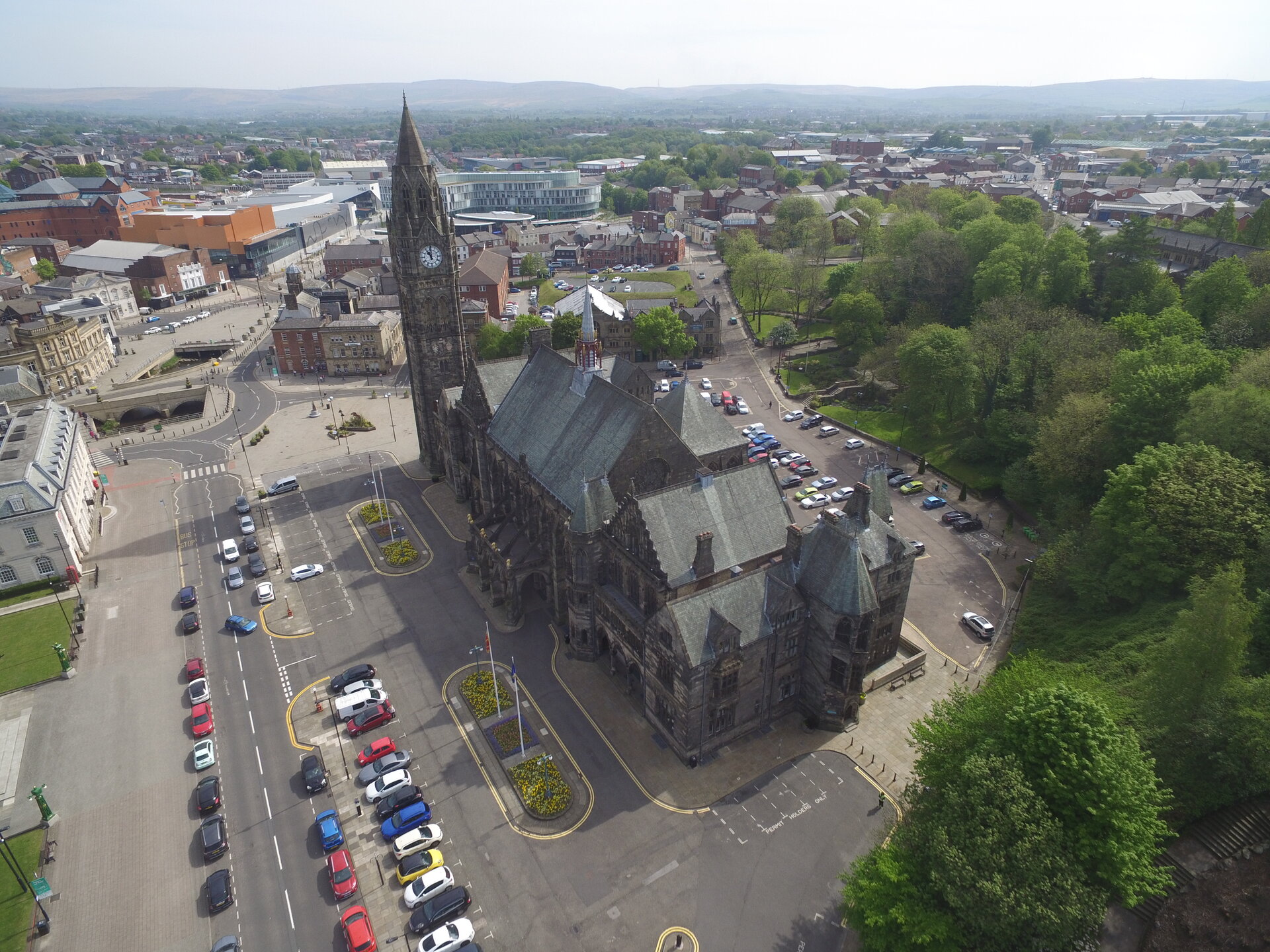
Rochdale Town Hall, located in Greater Manchester, is one of Britain's finest examples of Victorian Gothic architecture. Designed by William Henry Crossland and opened in 1871, the Grade I-listed building combines English, French and Flemish architectural influences with ...
Read more
Project details
Description:
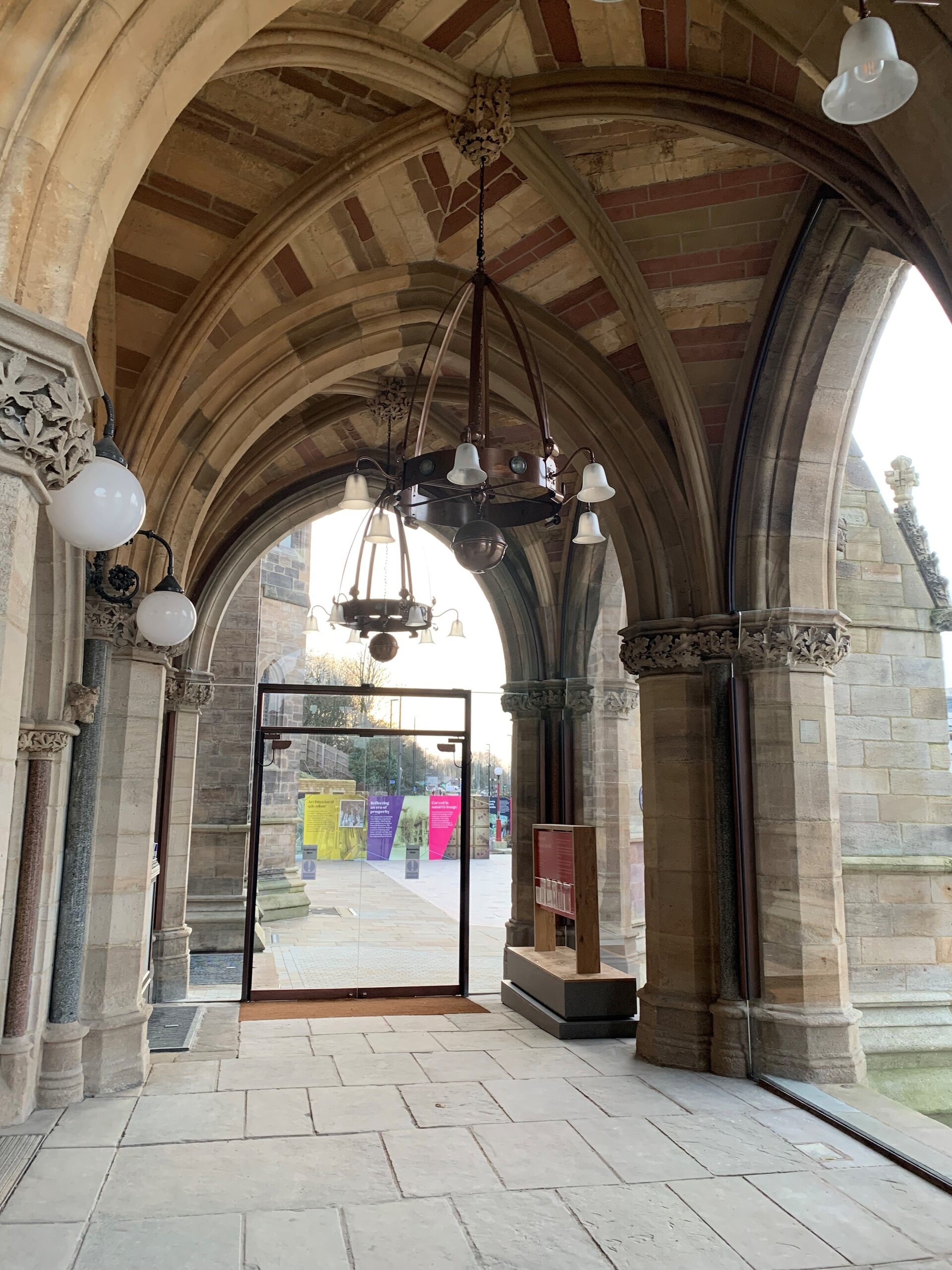
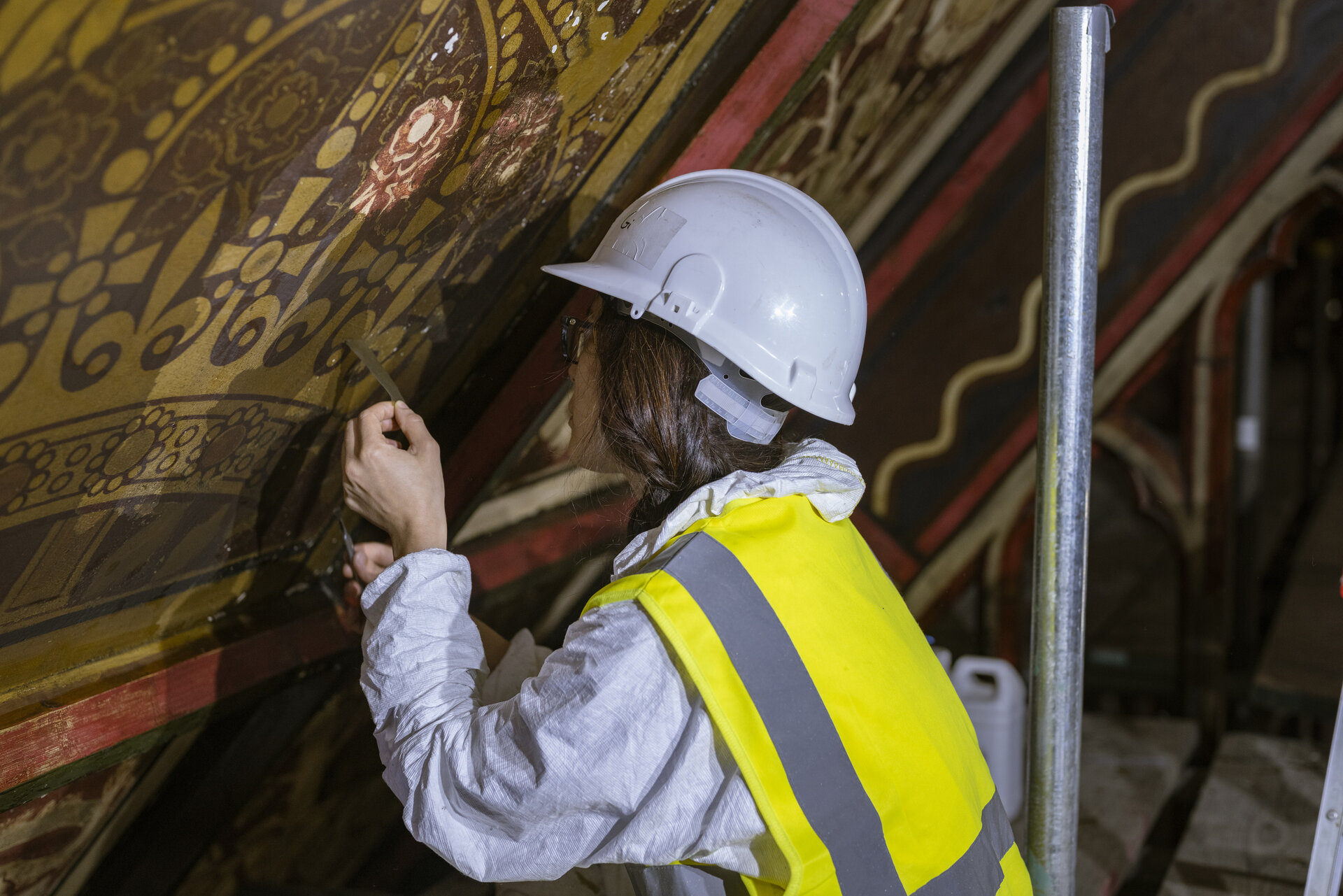
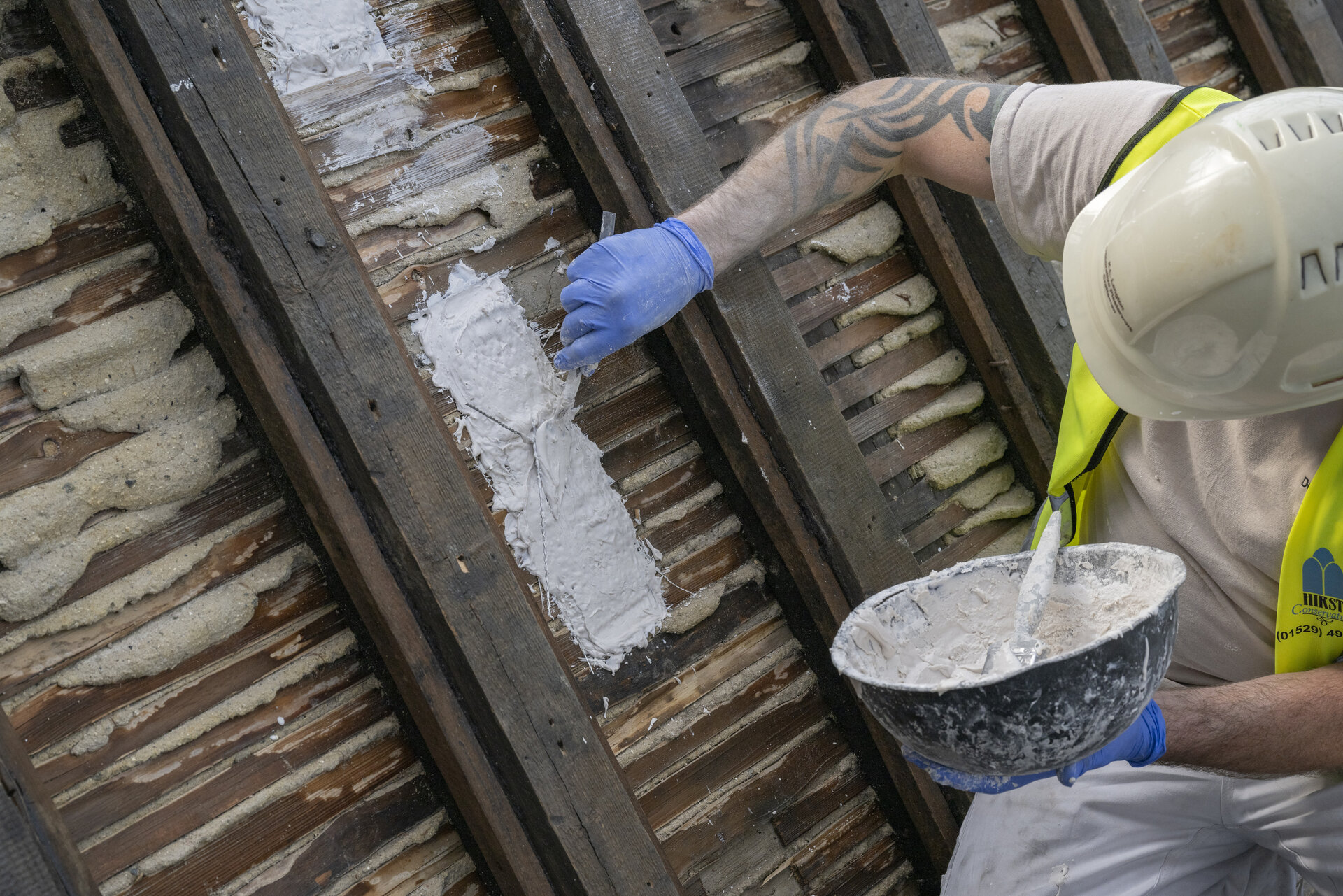
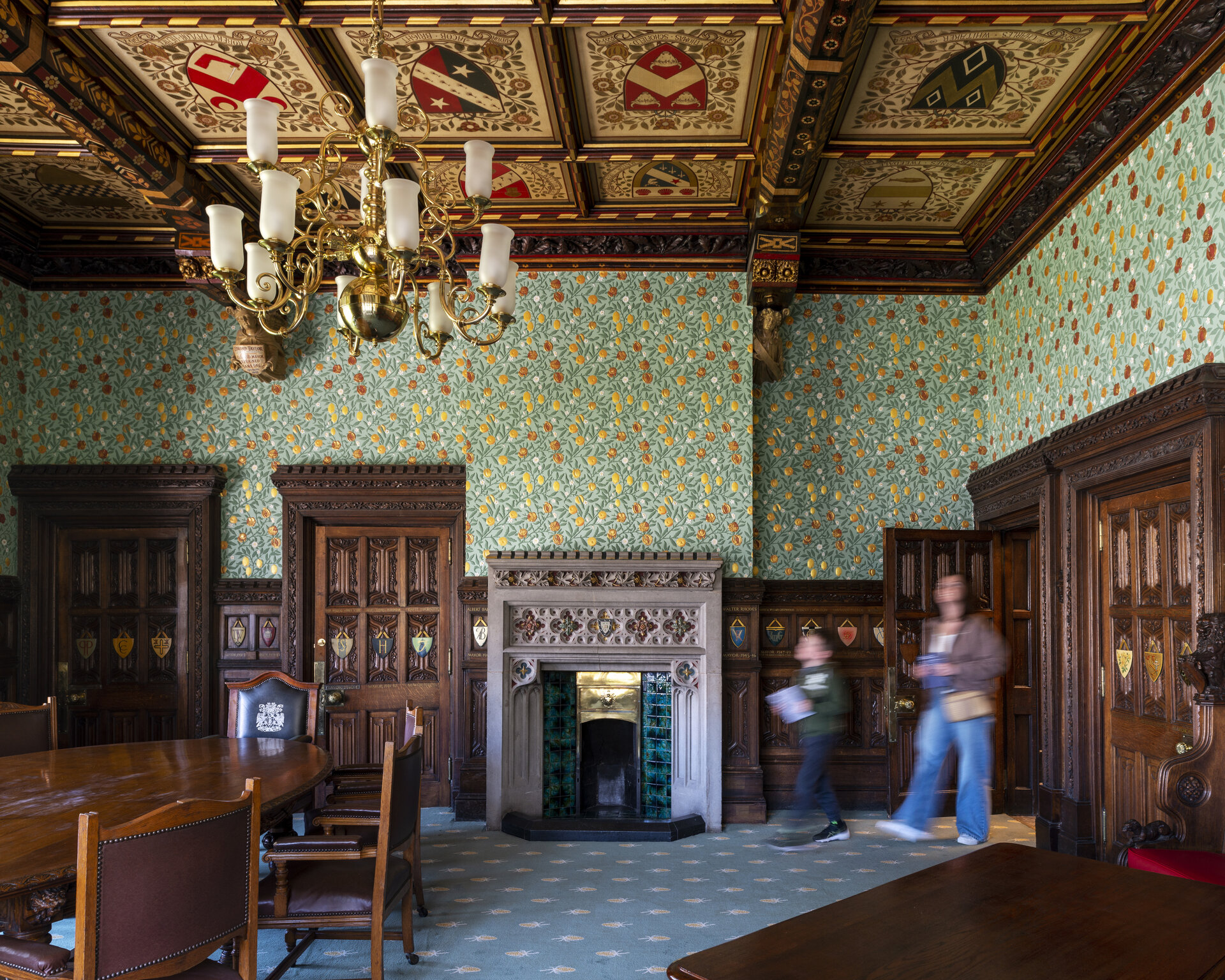
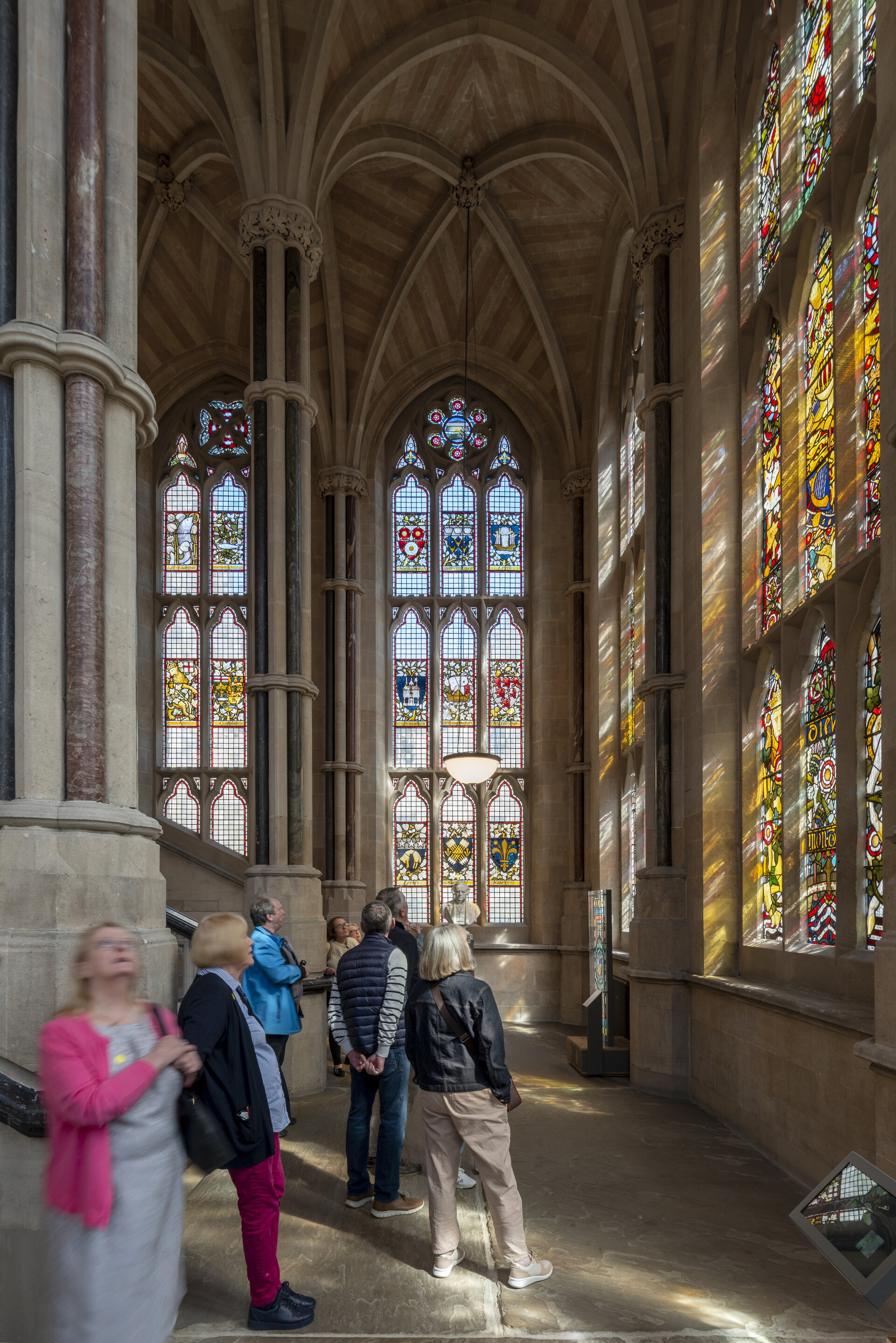
Rochdale Town Hall, located in Greater Manchester, is one of Britain's finest examples of Victorian Gothic architecture. Designed by William Henry Crossland and opened in 1871, the Grade I-listed building combines English, French and Flemish architectural influences with exceptionally rich decorative interiors. Following a fire in 1883, its original tower was replaced by a design by Alfred Waterhouse. For more than 150 years, the Town Hall has played a central role in Rochdale's civic and democratic life. By the early twenty-first century, decades of underinvestment, inadequate maintenance and inappropriate alterations had left the building in serious decline. Leaking roofs threatened its historic interiors, outdated services restricted use, and poor accessibility prevented many people from fully experiencing the building. The Town Hall closed for conservation works in 2020. The comprehensive restoration and adaptive reuse programme, undertaken between 2021 and 2024, received a European Heritage Award / Europa Nostra Award in 2026 in the Conservation and Adaptive Reuse category. Commissioned by Rochdale Borough Council and led by conservation architects Donald Insall Associates, the project sought to preserve the building's exceptional craftsmanship while re-establishing it as an inclusive centre for civic, cultural and community life. Conservation works included extensive masonry repairs, re-roofing, stained-glass restoration and the careful treatment of the Great Hall, Council Chamber and Mayor's Parlour. In the Great Hall, 330 decorative ceiling panels required specialist stabilisation. An innovative method combining colloidal silica consolidation with discreet suspended supports secured the fragile plasterwork. Seven layers of discoloured varnish were painstakingly removed to reveal the original painted colours and decorative schemes. Elsewhere, the removal of intrusive twentieth-century partitions transformed the Bright Hall, revealing its original double-height volume, carved angels and a previously concealed window overlooking the Great Hall. The timber roof flèche was repaired using a combination of in-situ conservation and workshop treatment. Improved accessibility was fundamental to the project. A new glazed lift and timber staircase were sensitively integrated within Alfred Waterhouse's clock tower, while external terracing created step-free access around the building. The former Porte Cochère was glazed to create a welcoming entrance. New galleries, interpretation facilities and flexible community spaces opened previously inaccessible areas to the public. Environmental improvements included roof insulation, air-source heat pumps, upgraded heating controls and natural ventilation. Together, the heat pumps and insulation are estimated to reduce annual carbon emissions by approximately 190 tonnes. Digital laser scanning provided accurate records to support conservation and future maintenance. The project also transformed the surrounding car park into a pedestrian civic square, incorporating a stone paving design known as The Rochdale Carpet, inspired by the town's textile heritage. Community participation was central throughout. The programme created 1,194 volunteering, training and employment opportunities, alongside apprenticeships, public construction tours and educational activities. A dedicated heritage skills studio now employs three permanent conservators, supporting ongoing maintenance and the transmission of specialist knowledge. Funded principally by Rochdale Borough Council, with support from the National Lottery Heritage Fund, Salix and the Towns Fund, the project demonstrates how careful conservation, contemporary accessibility and public participation can transform a historic municipal building into a catalyst for urban regeneration, strengthening civic pride and shared ownership of cultural heritage.
Similar projects


17th century

1843–1859; Great Clock operational from 1859

15th century

18th century

15th century

18th-19th century


1805-1820
12th century


19th century