





Elizabeth Tower – Big Ben
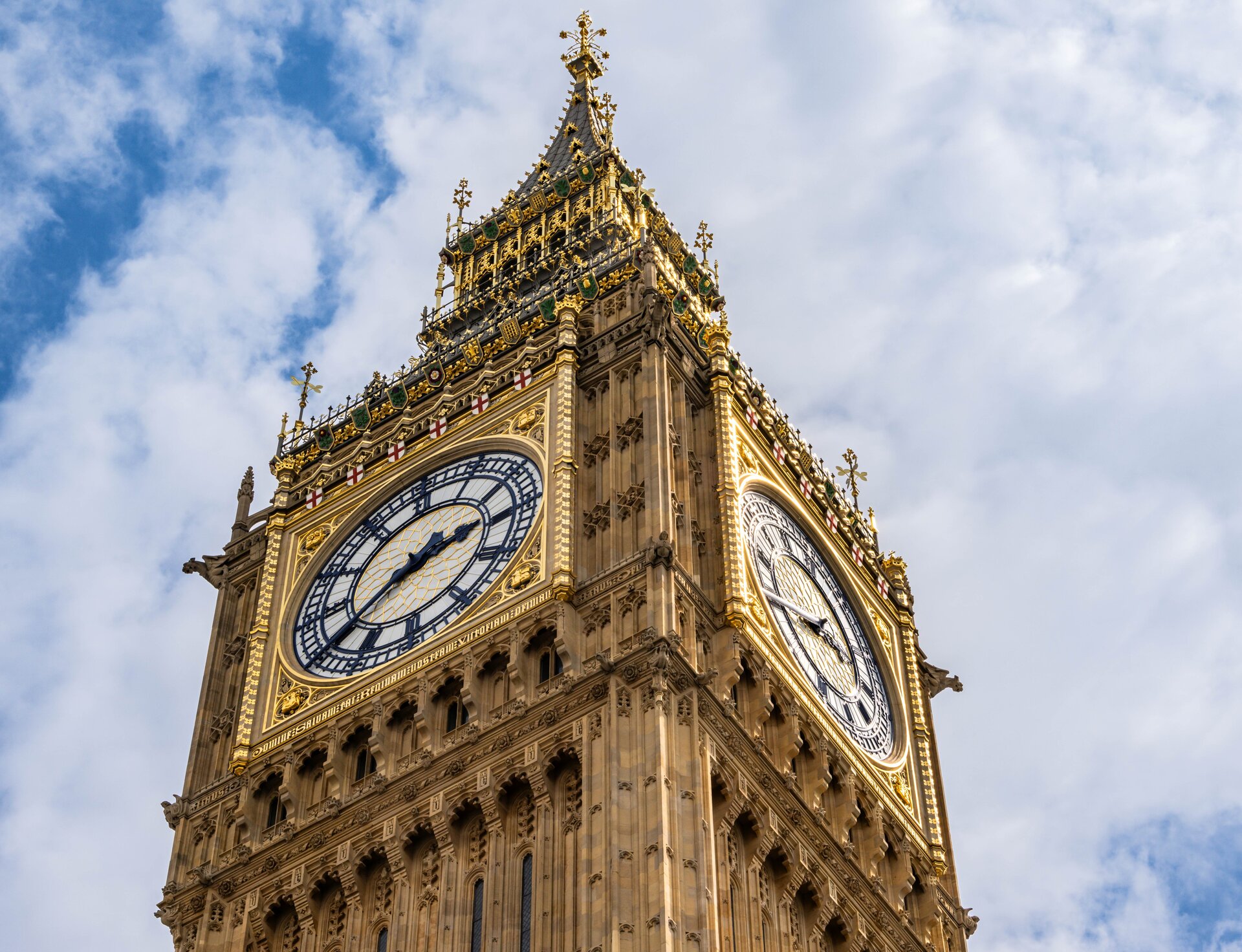
Elizabeth Tower, widely known as Big Ben, stands at the northern end of the Palace of Westminster in London. Completed in 1859 as part of the rebuilding of Parliament following the devastating fire of 1834, the tower was designed by Sir Charles Barry with Augustus Welby Northmore ...
Read more
Project details
Description:
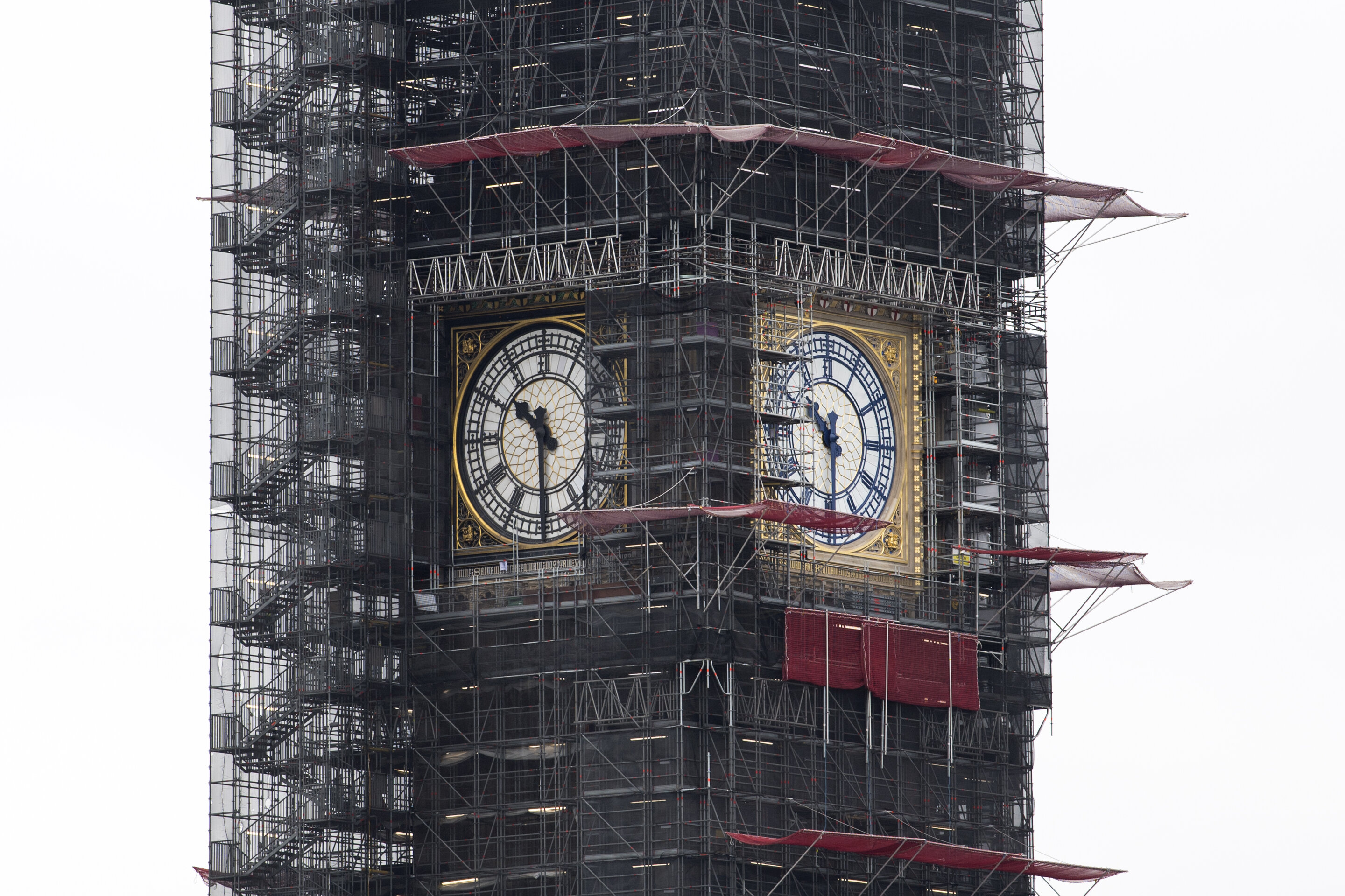
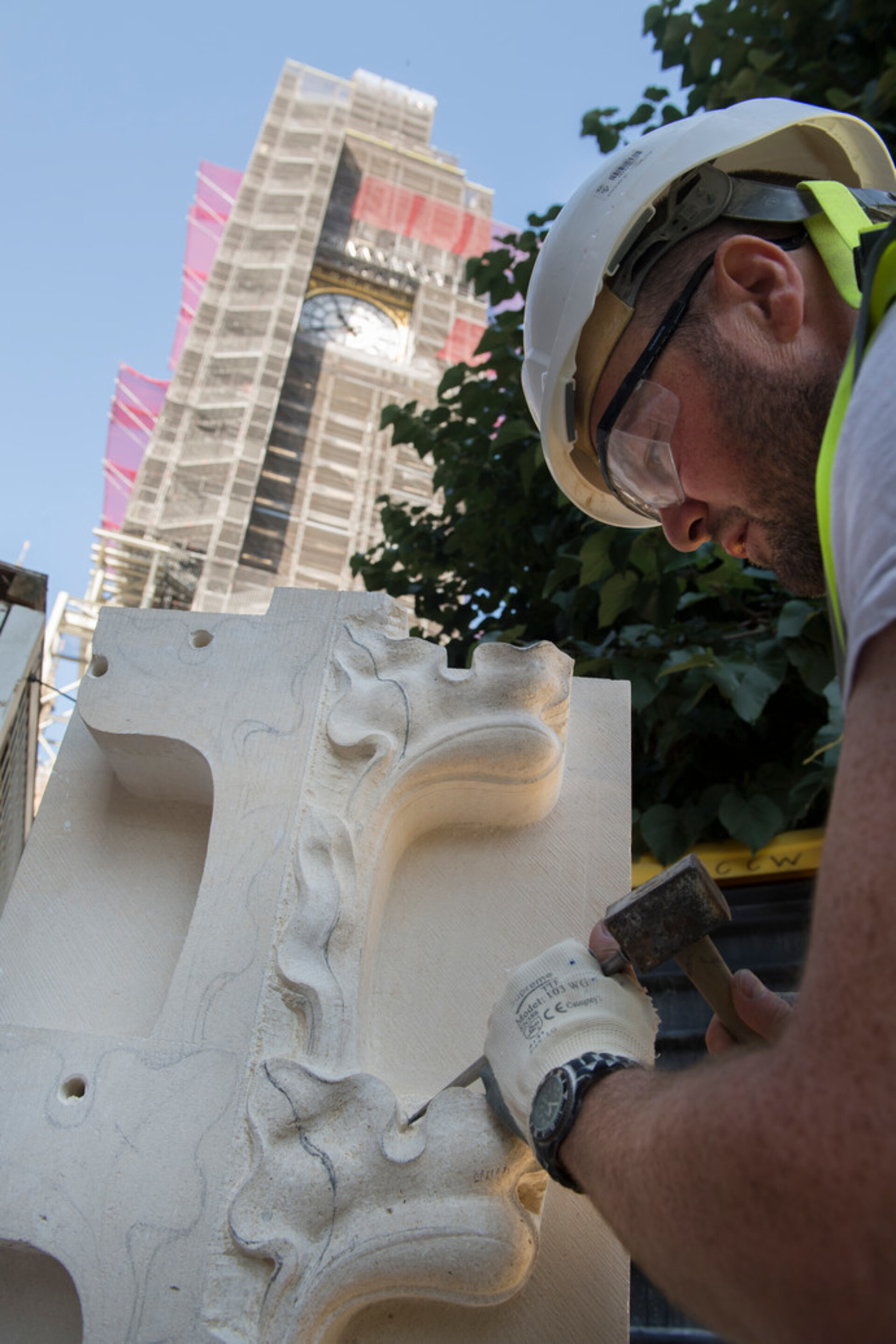
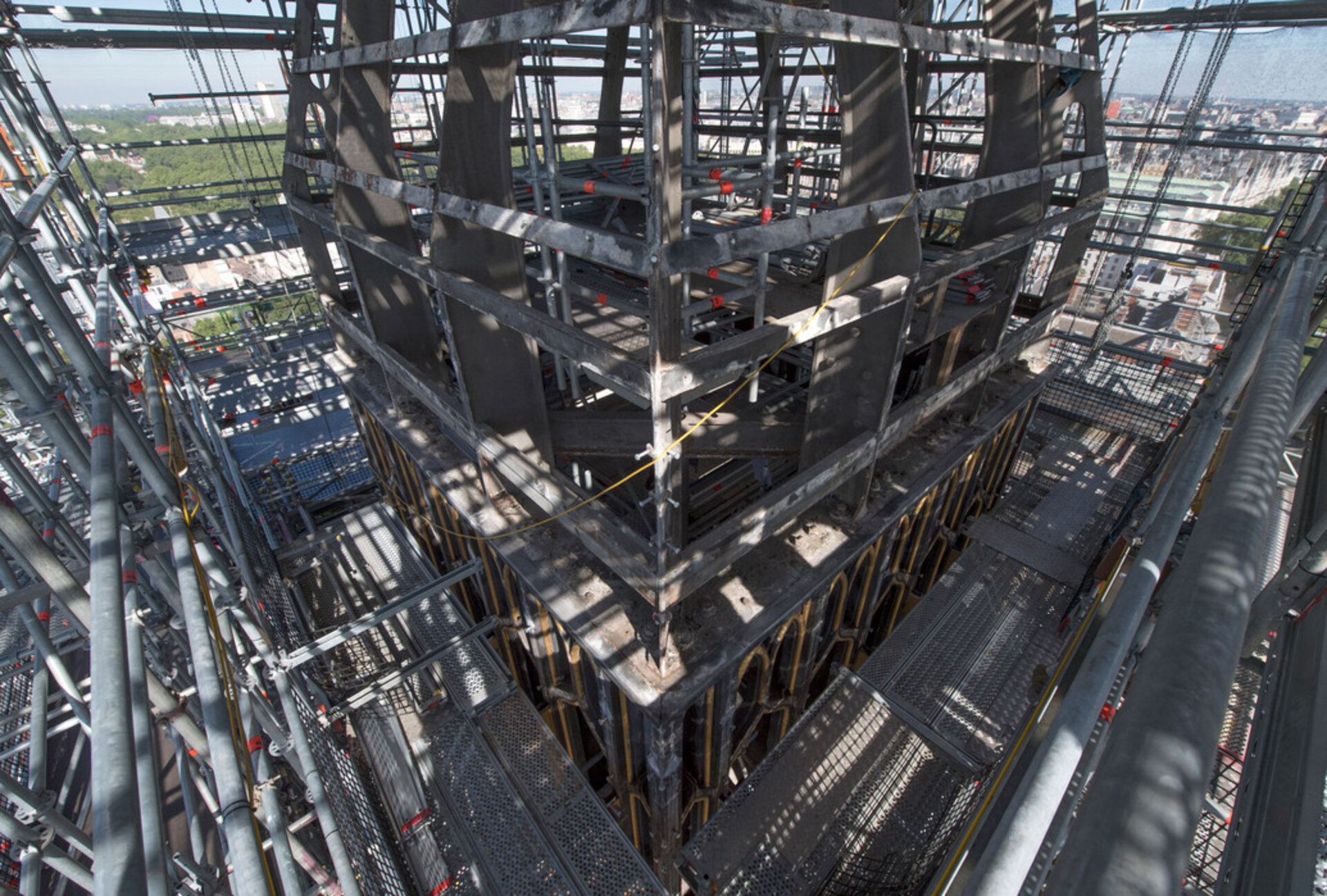
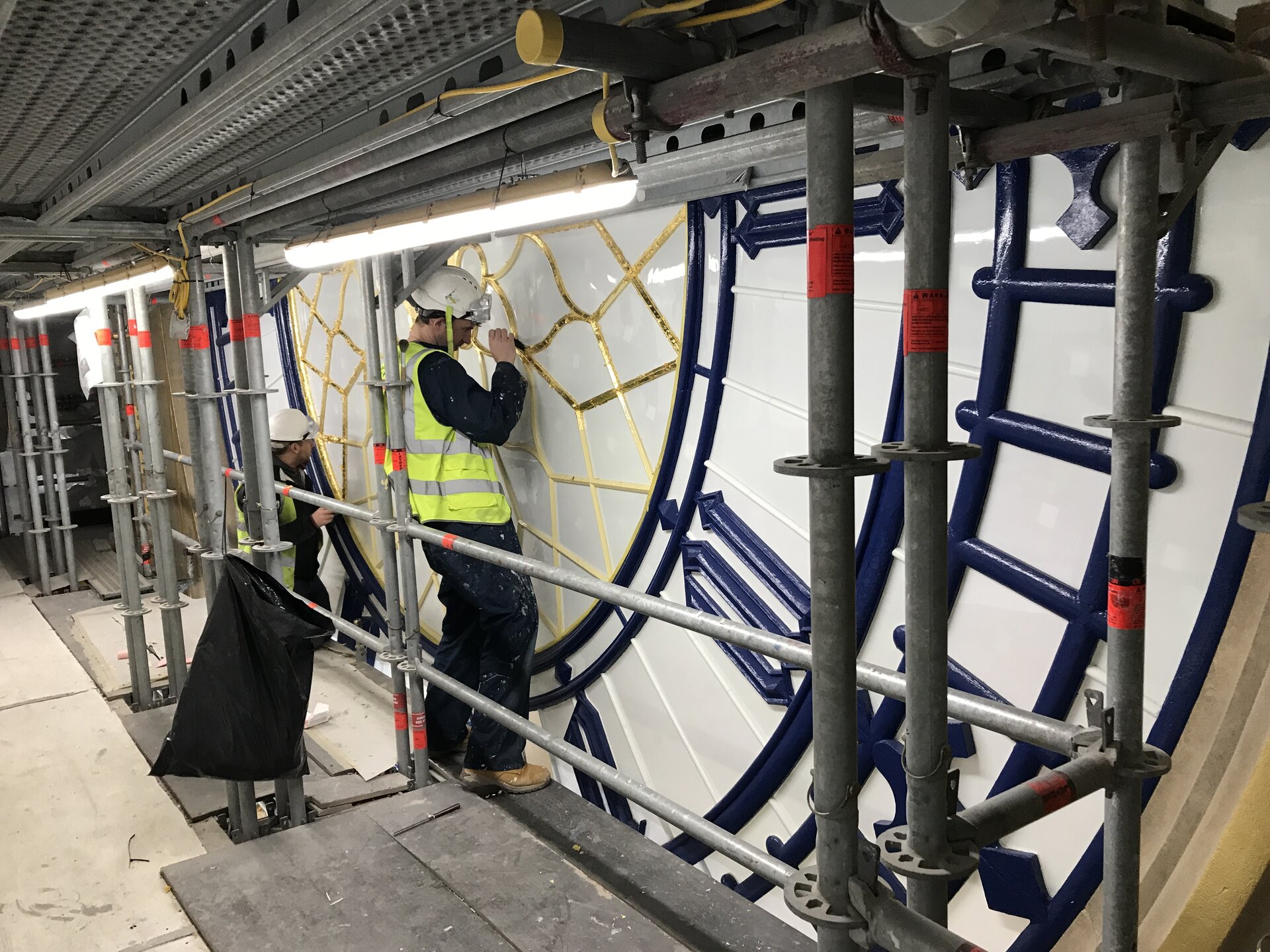
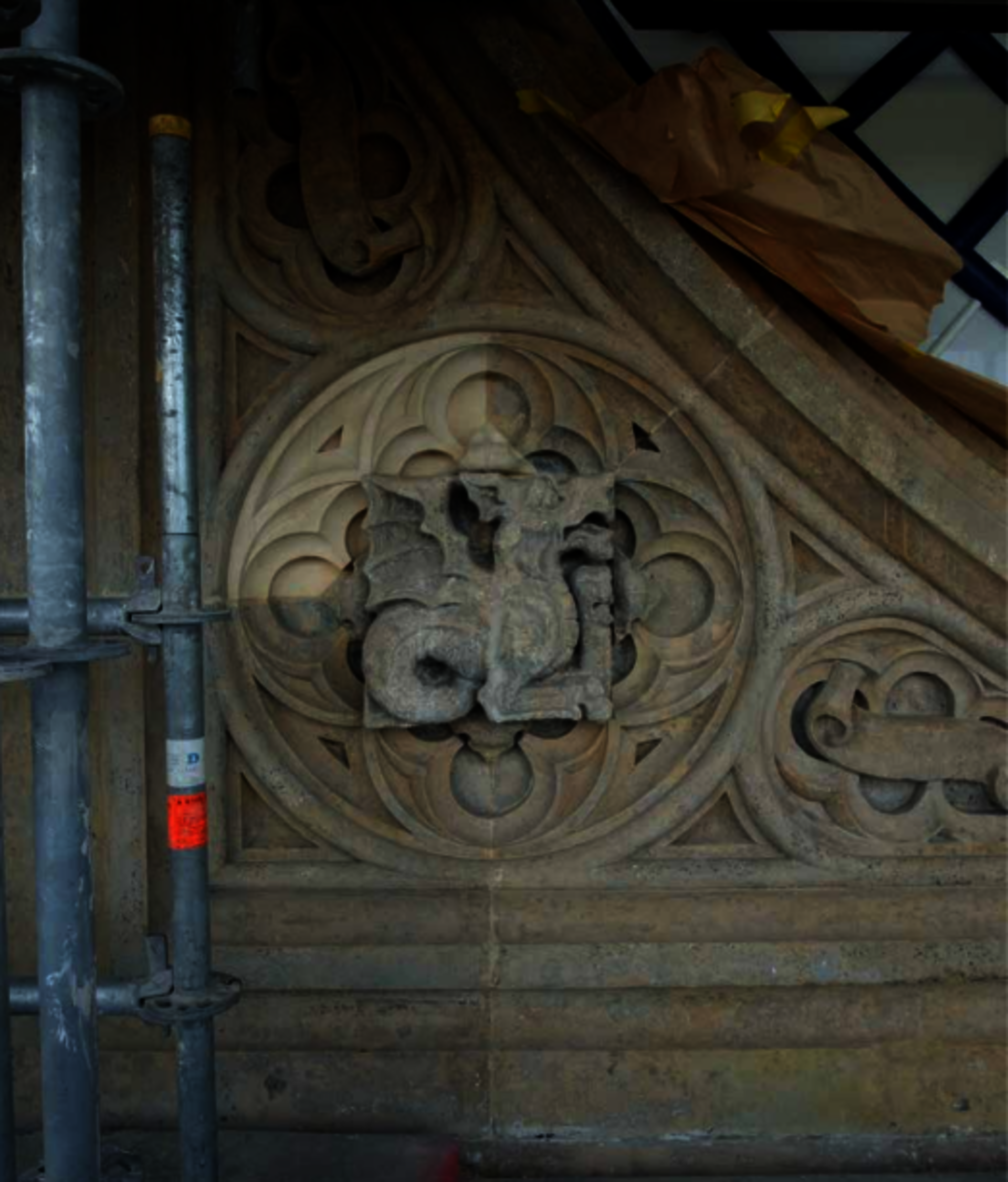
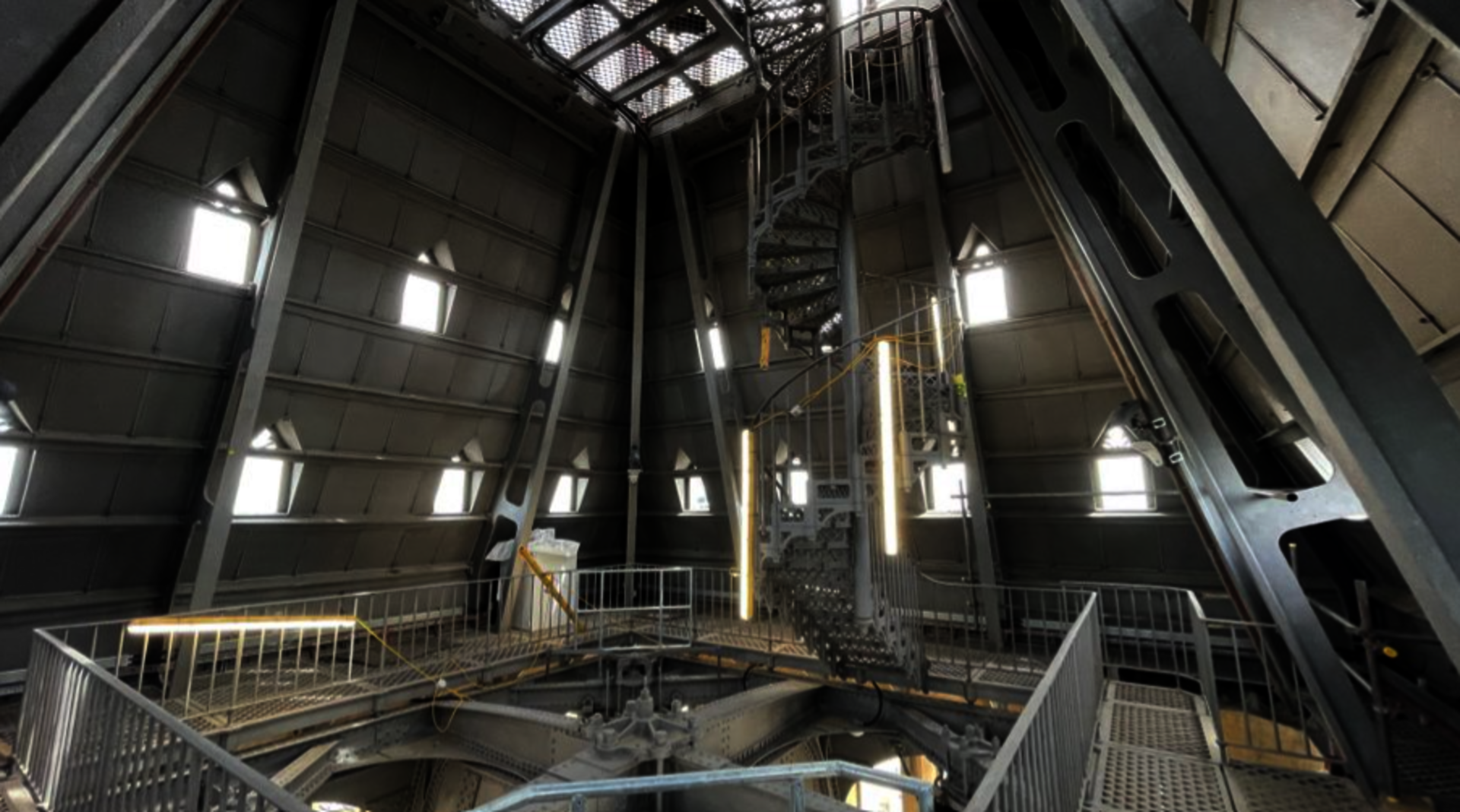
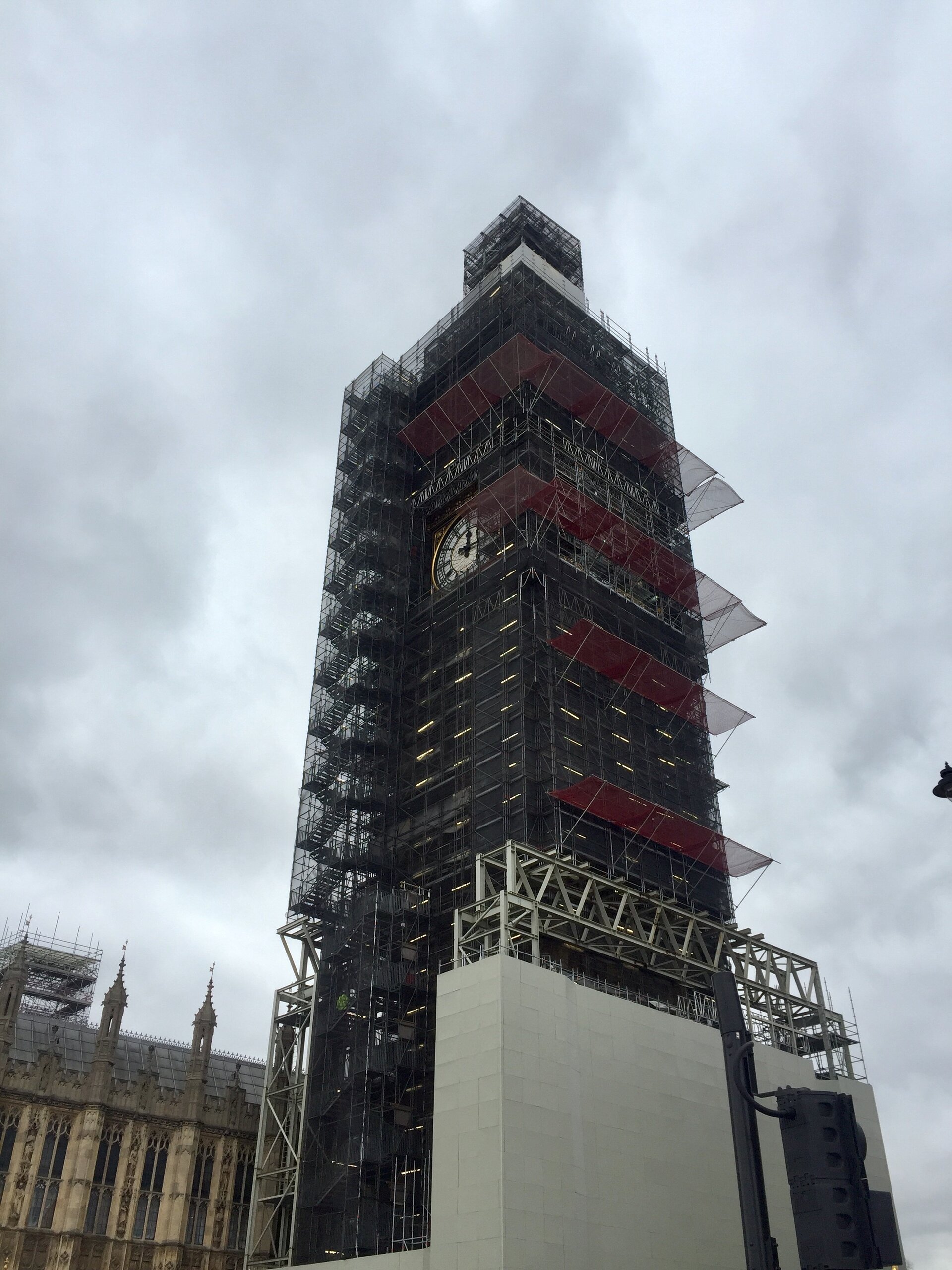
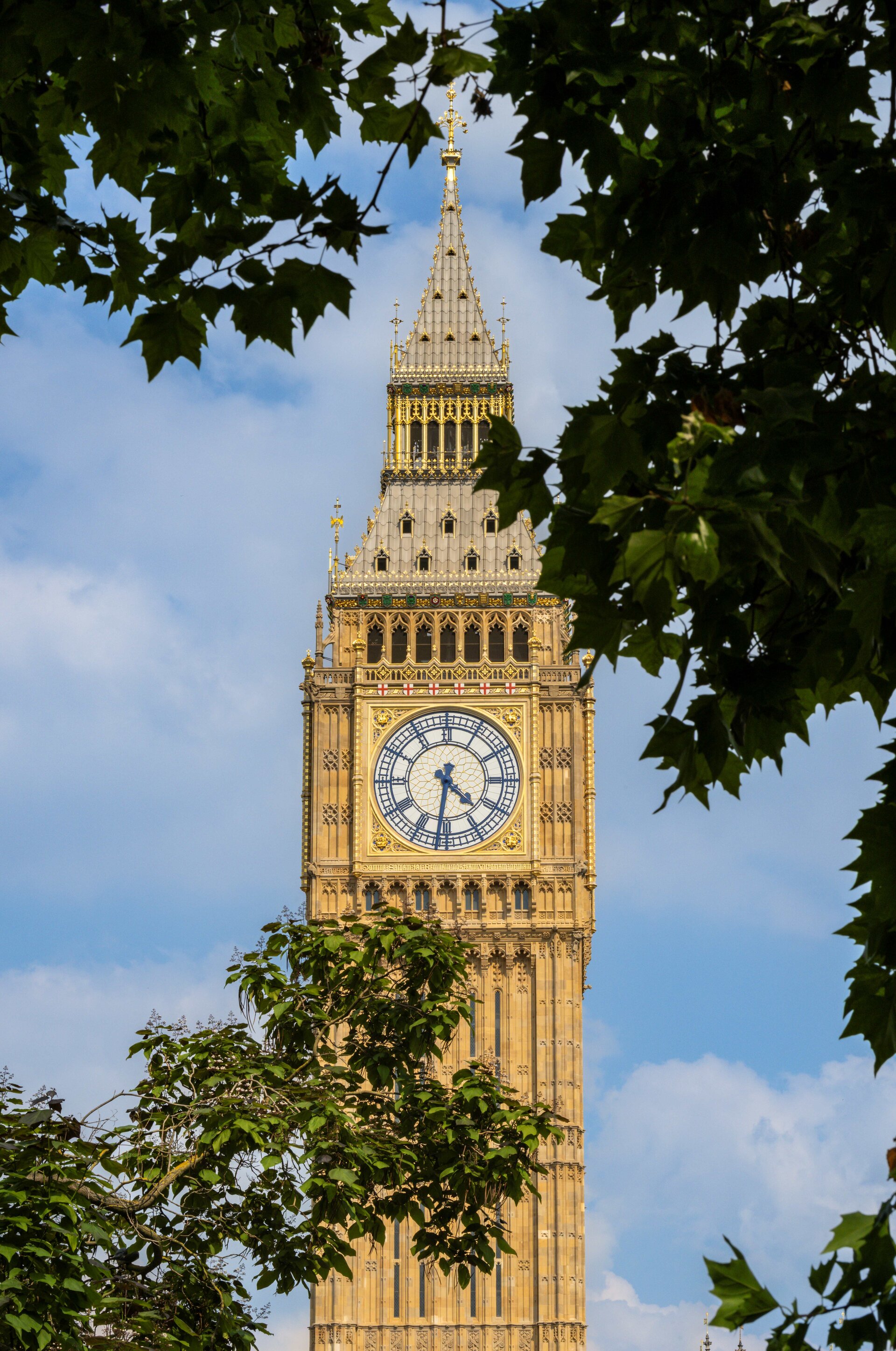
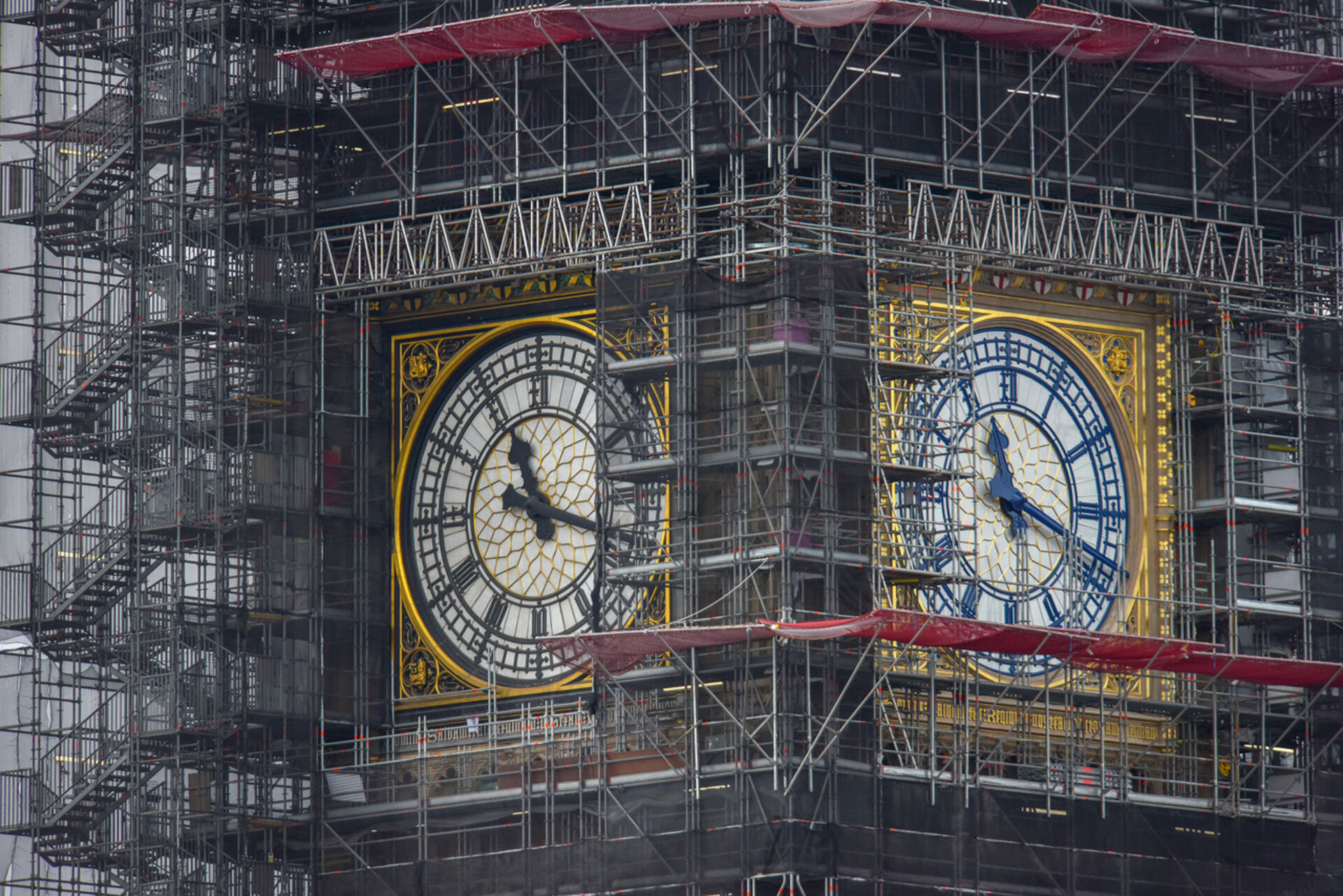
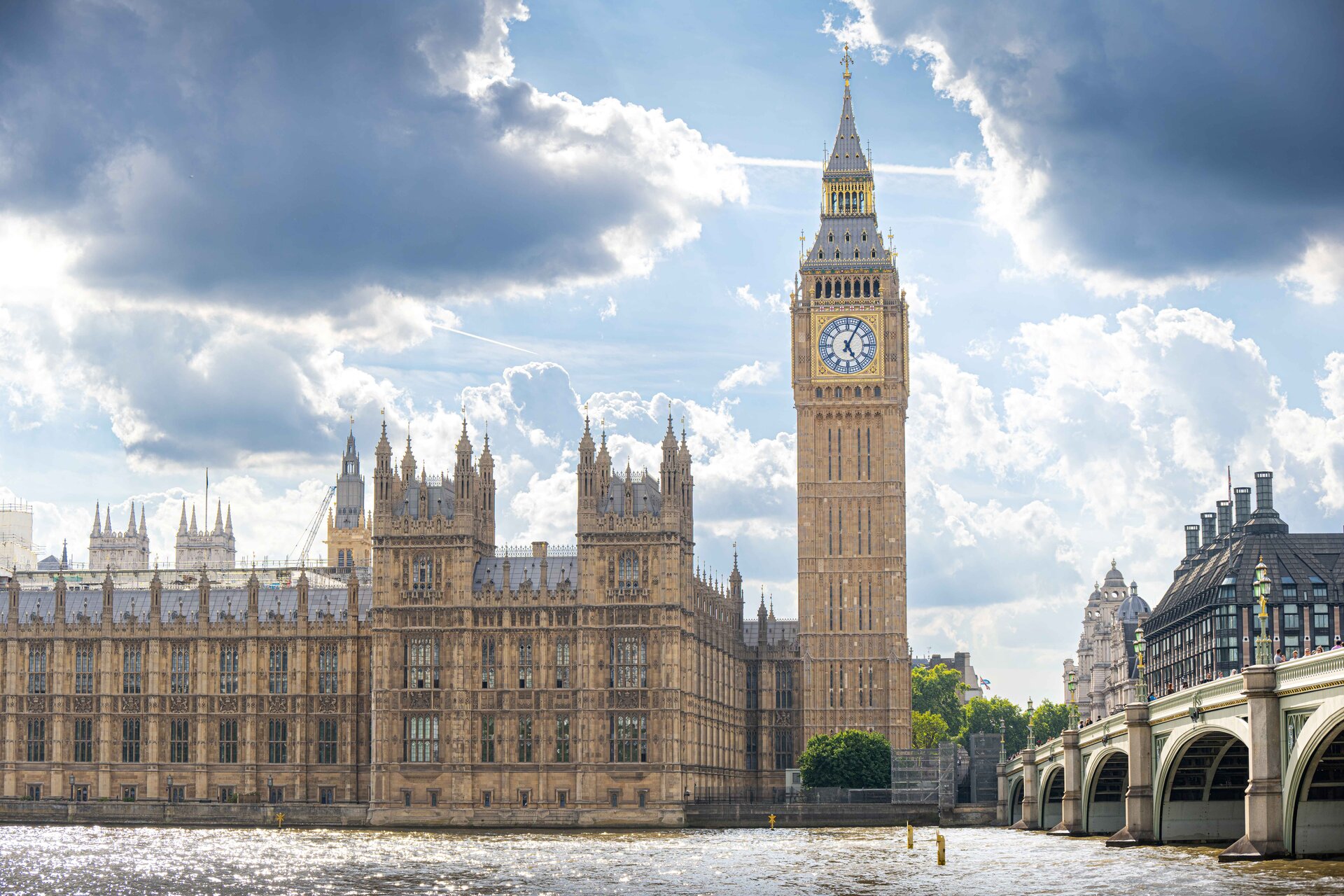
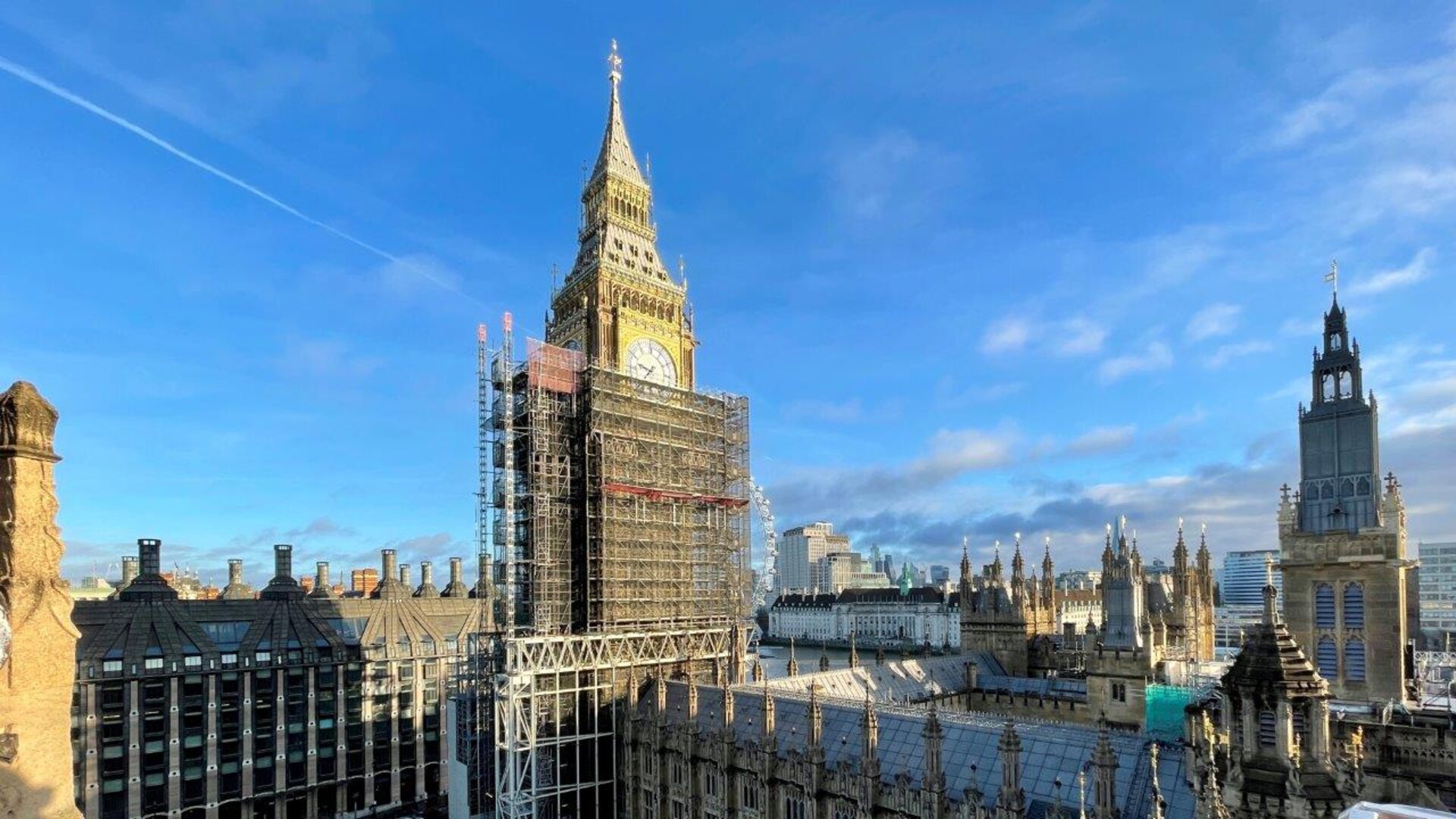
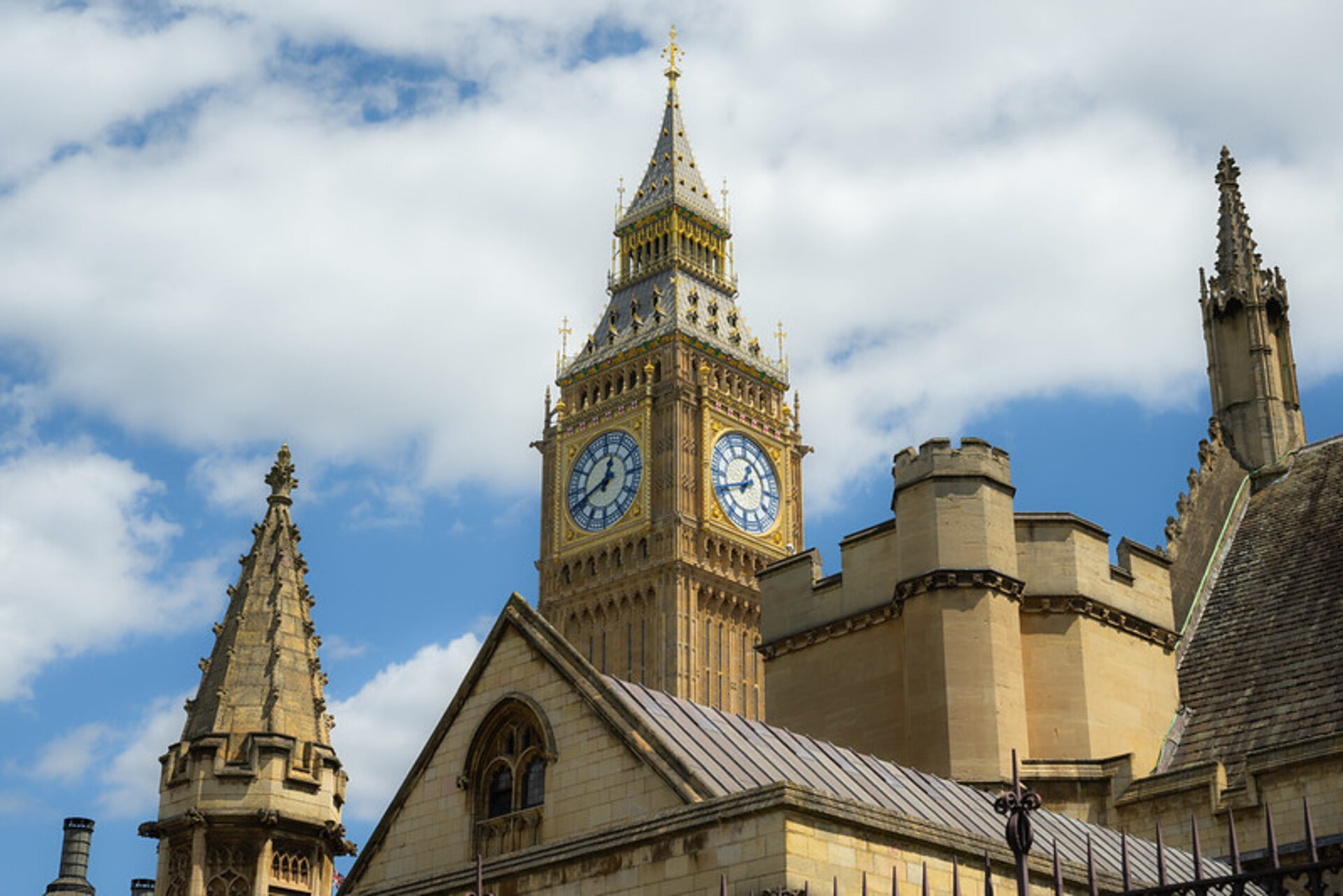
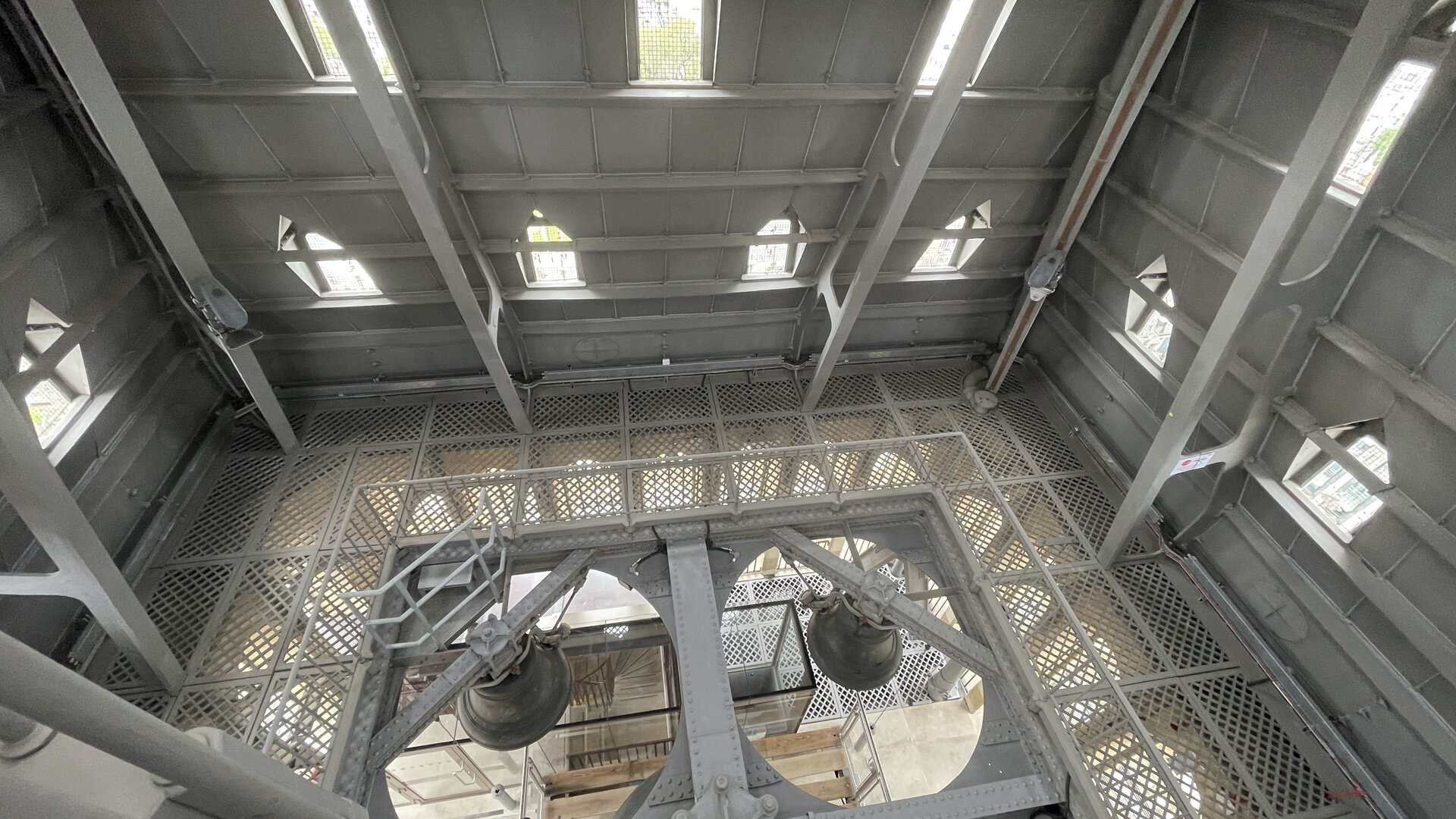
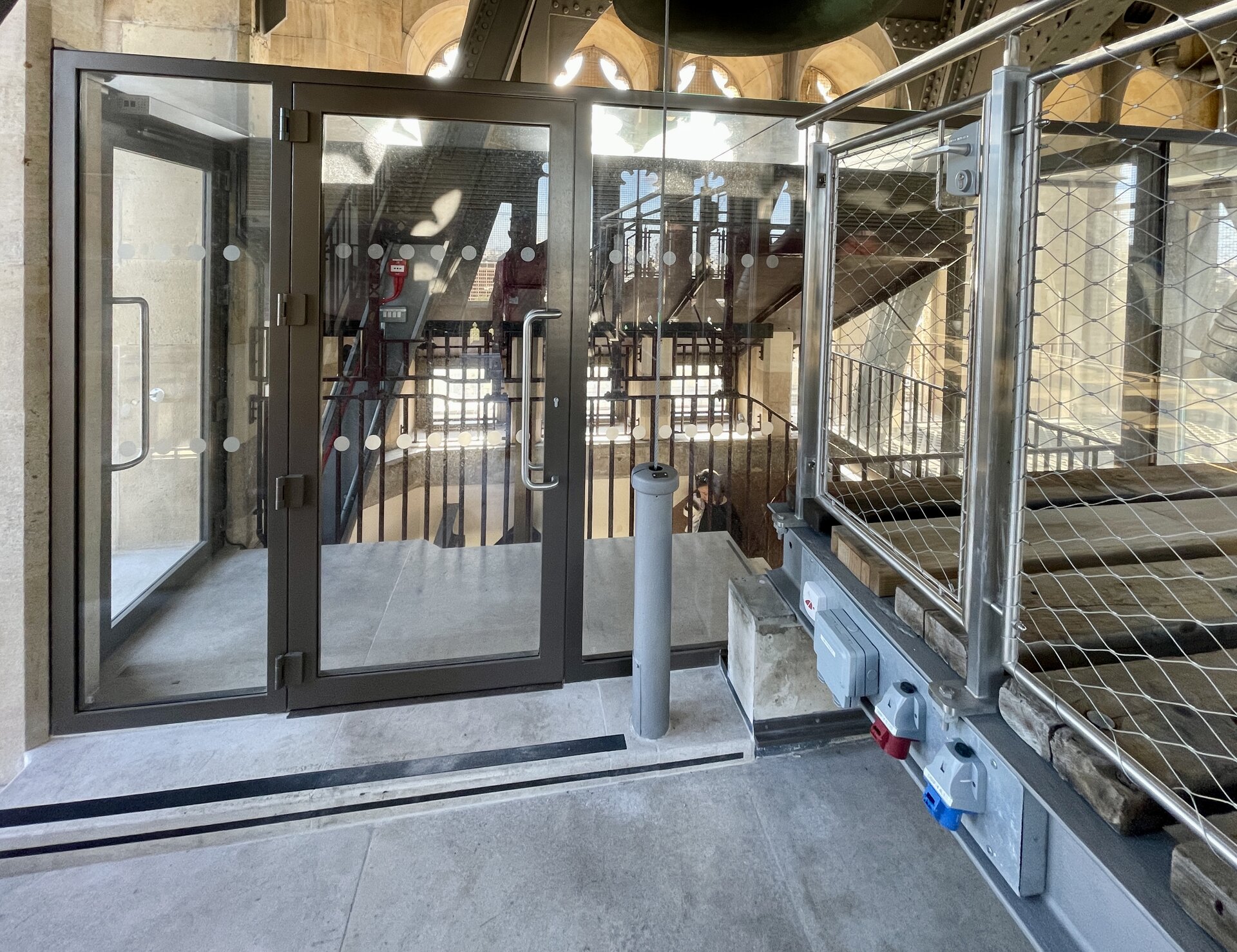
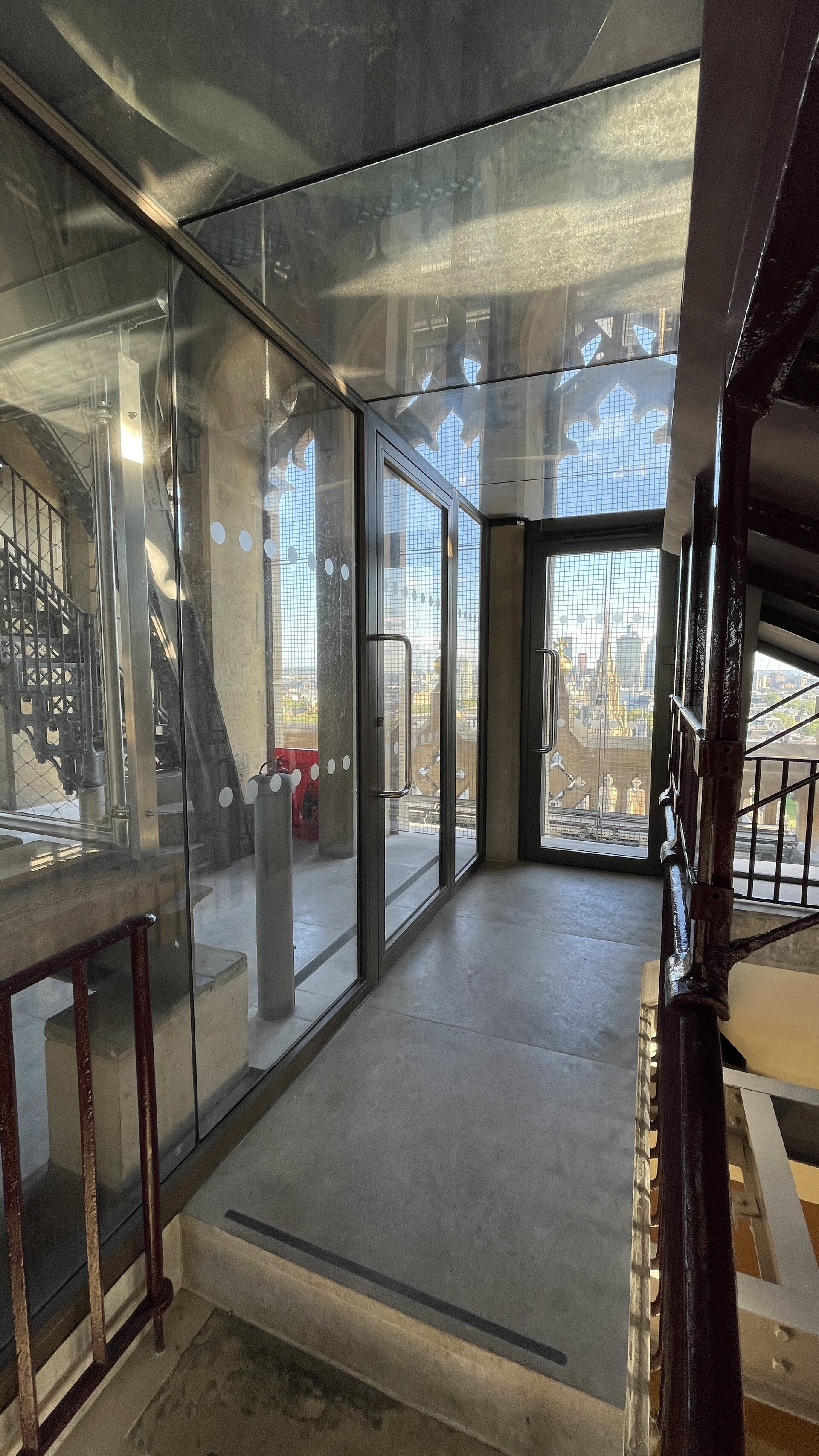
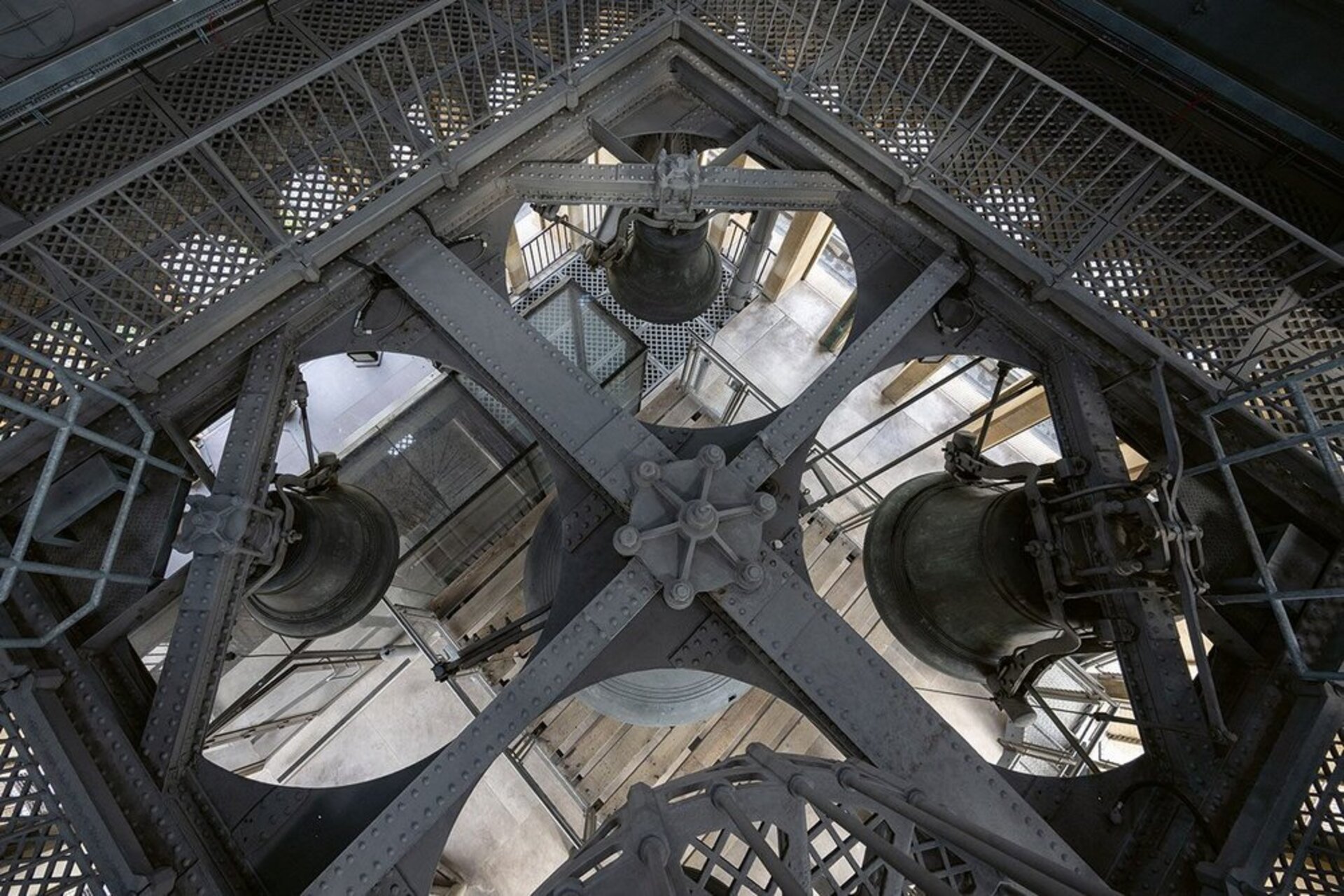
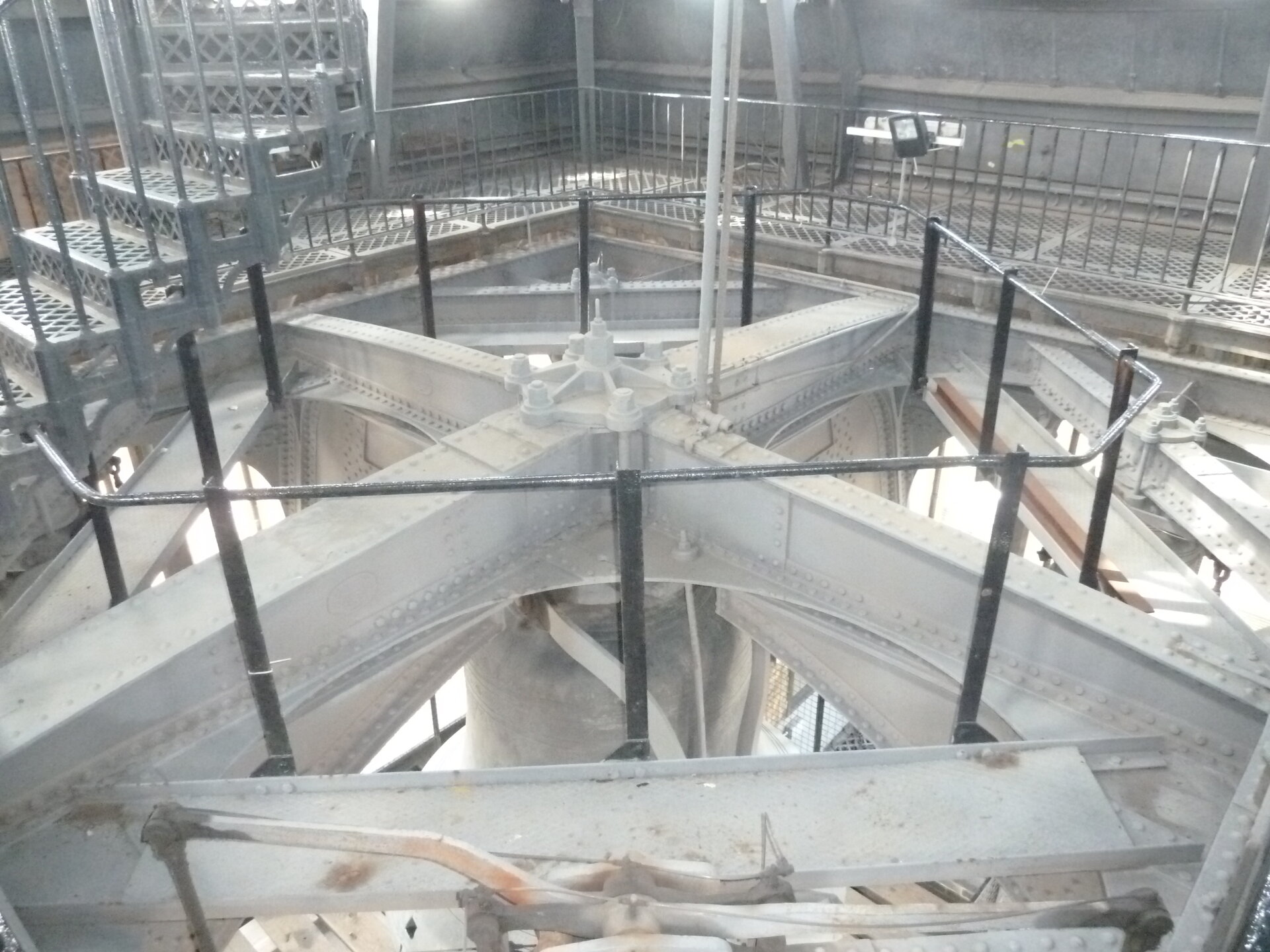
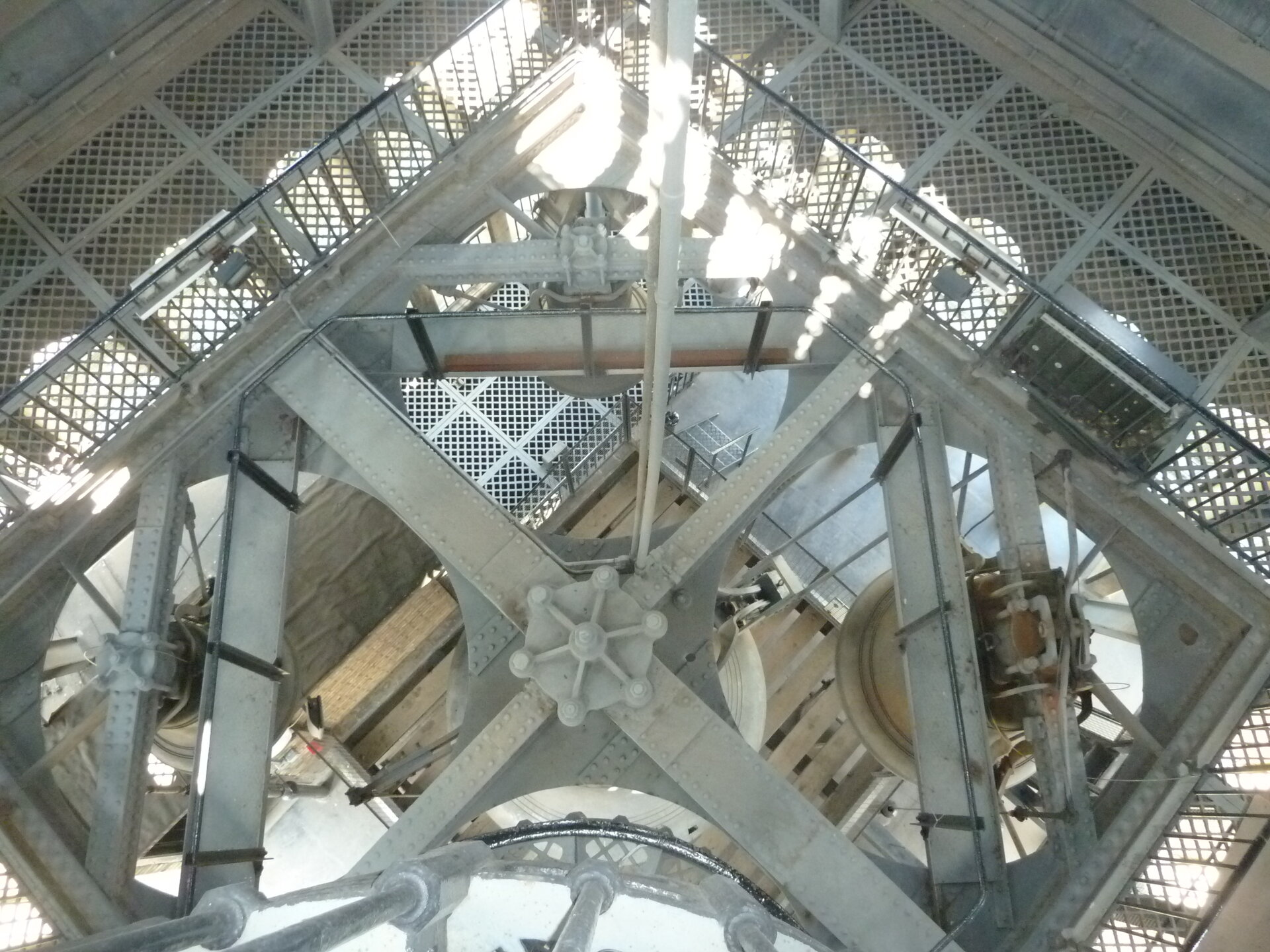
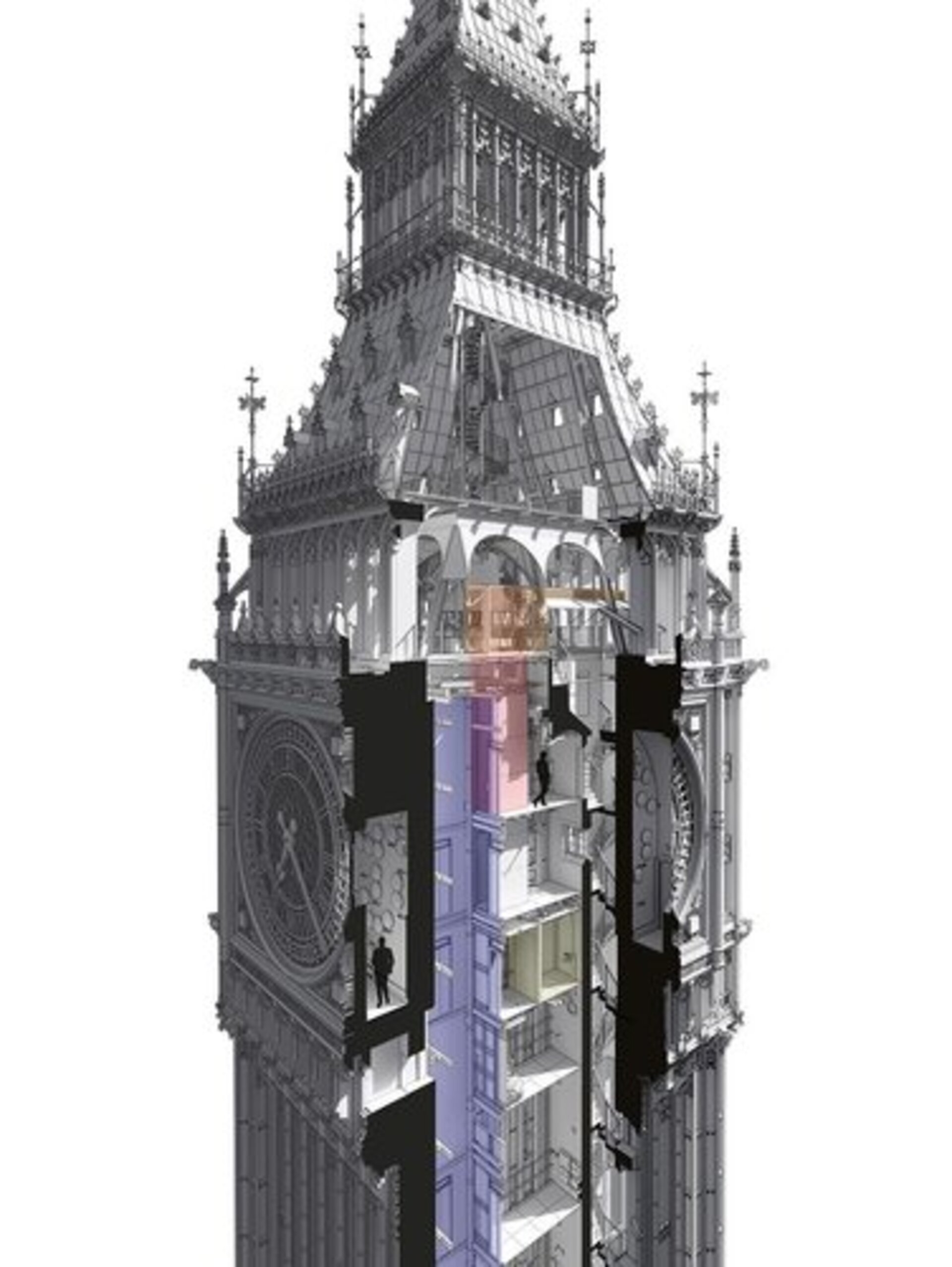
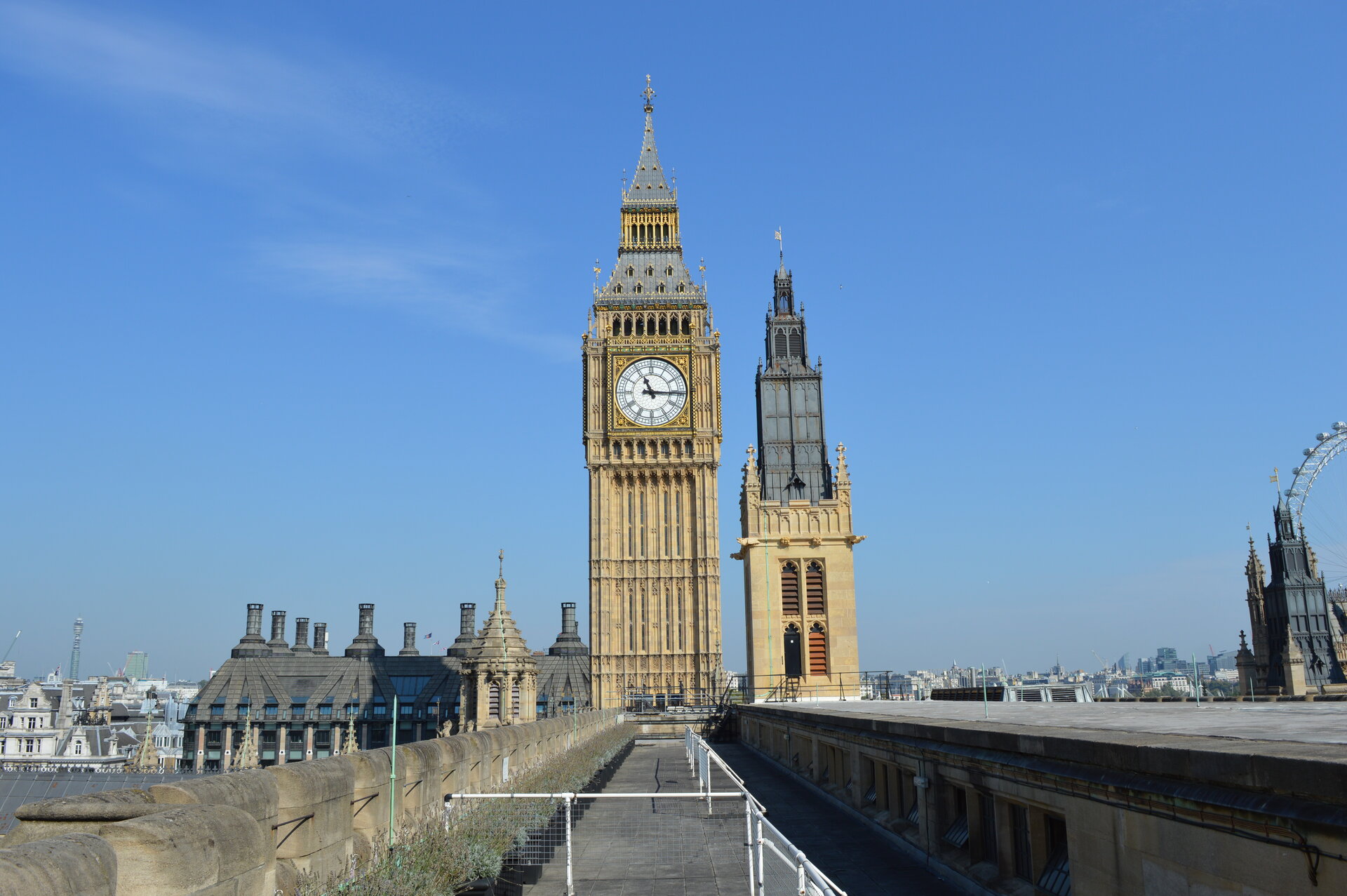
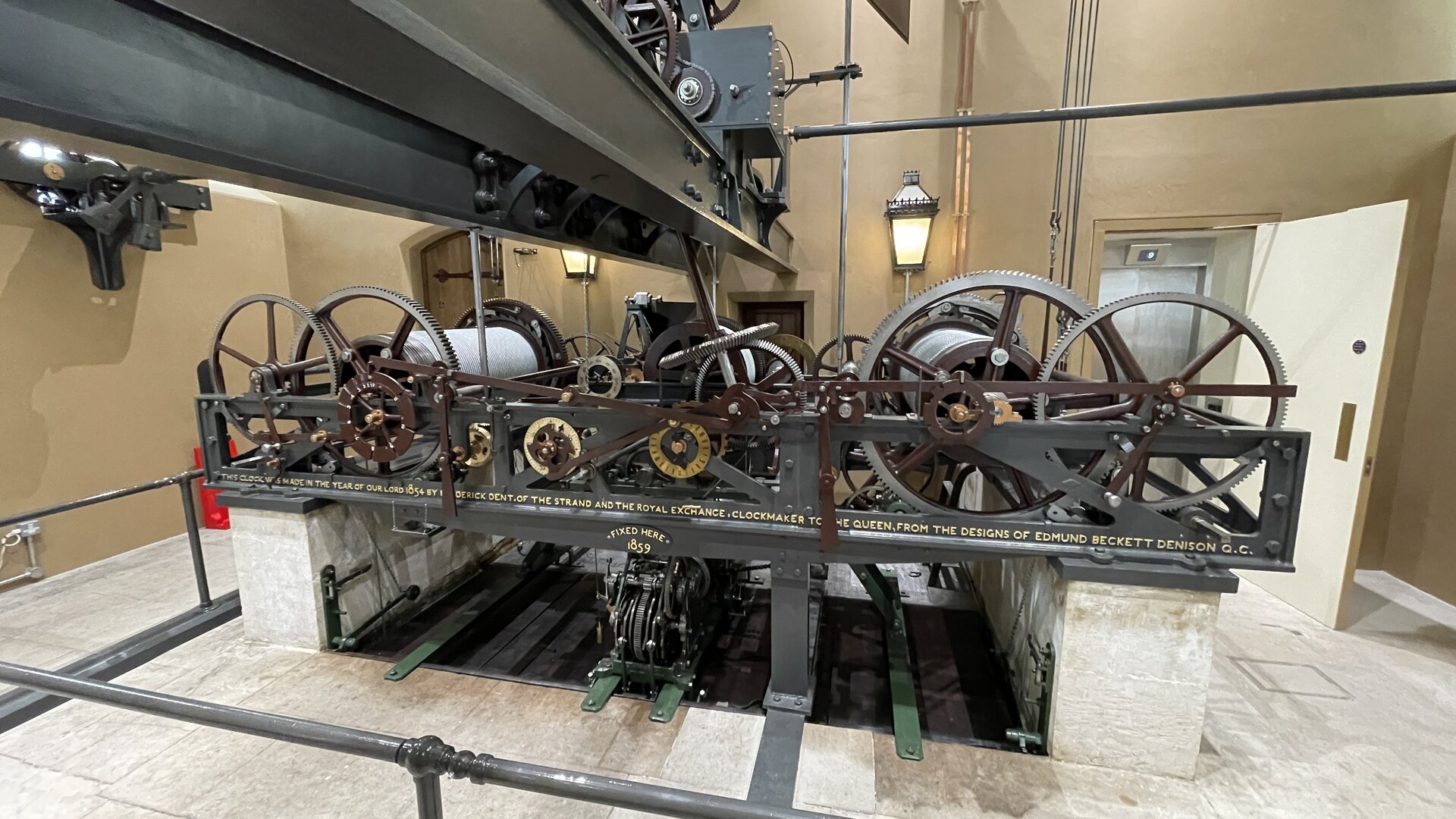
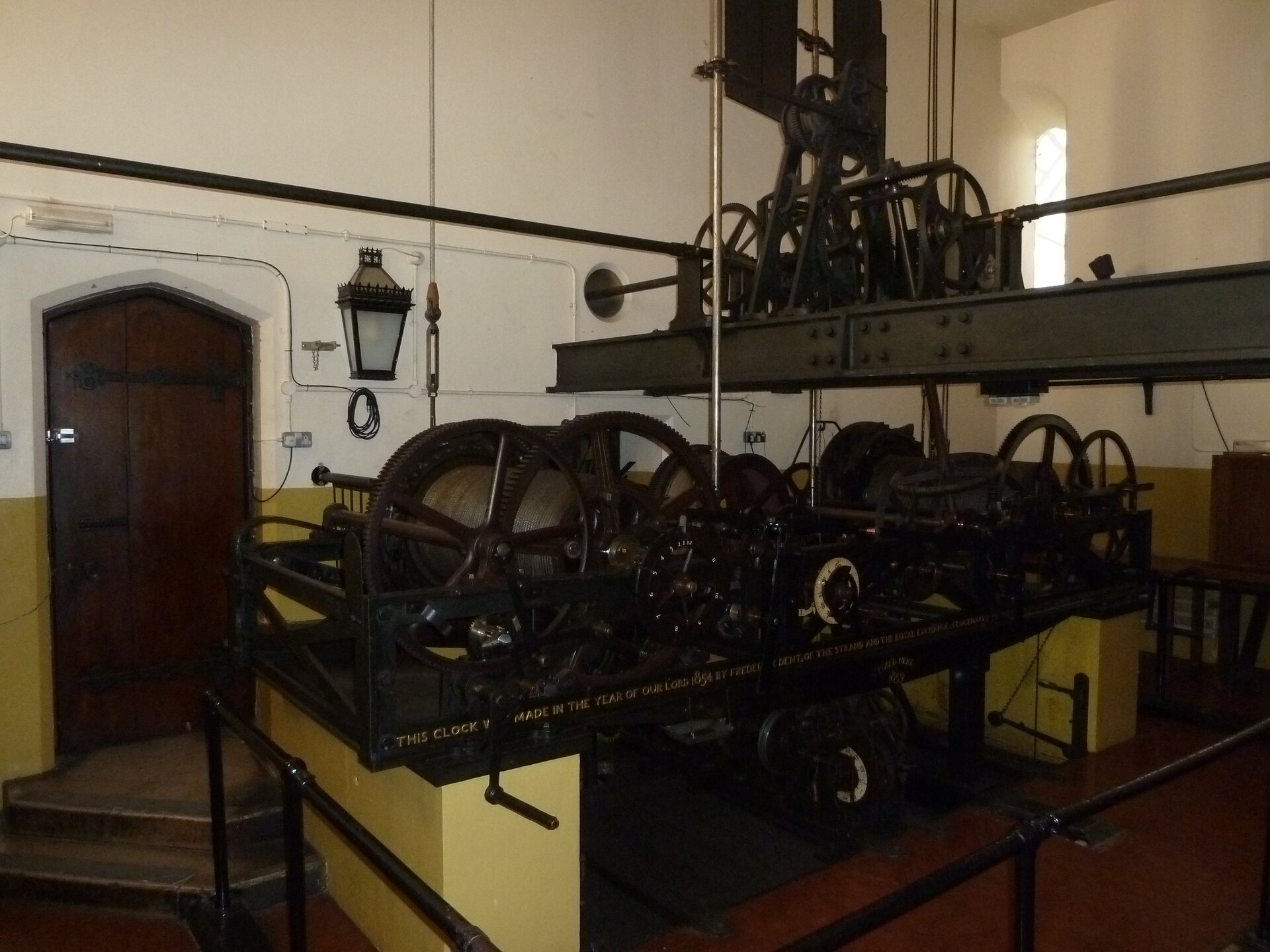
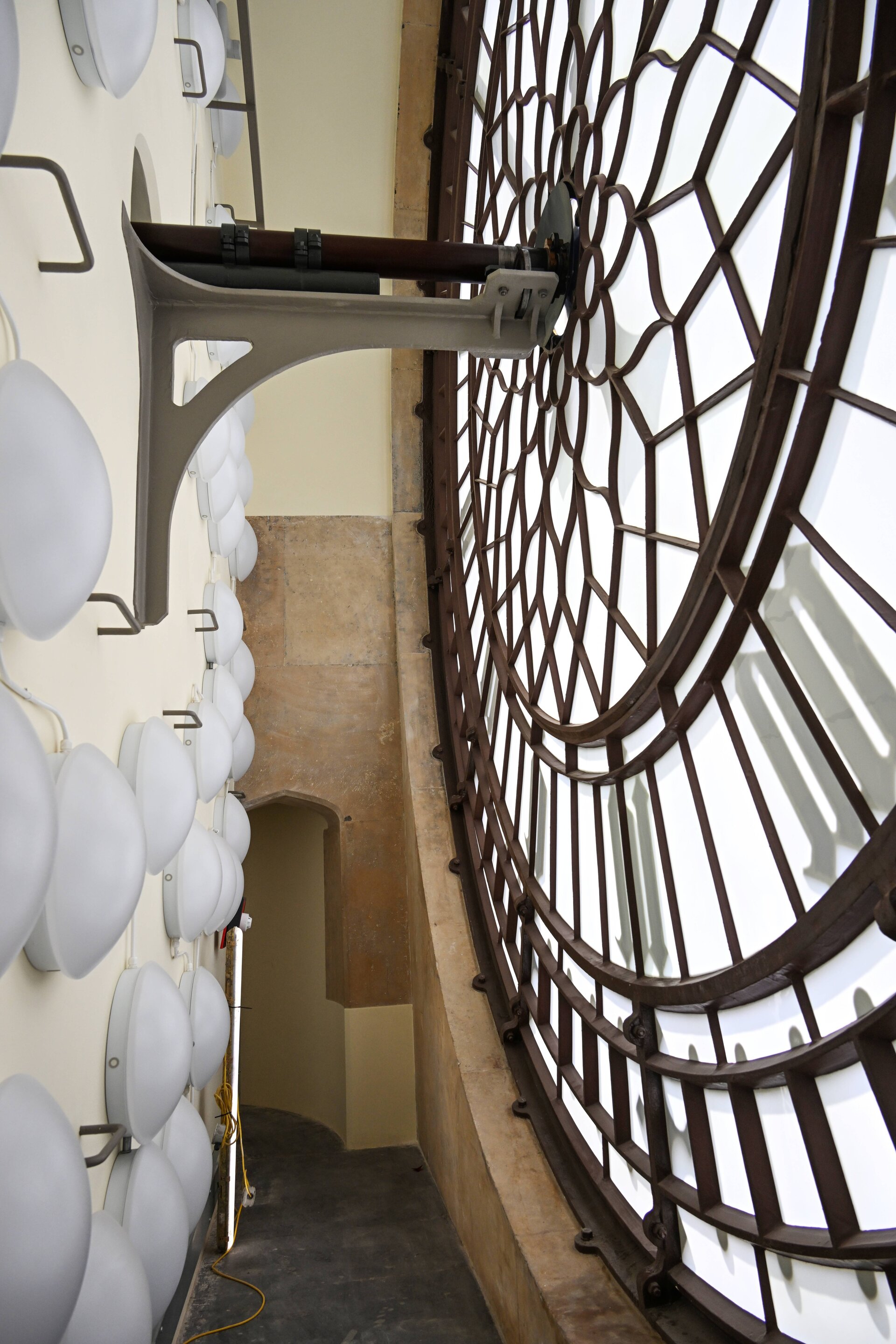
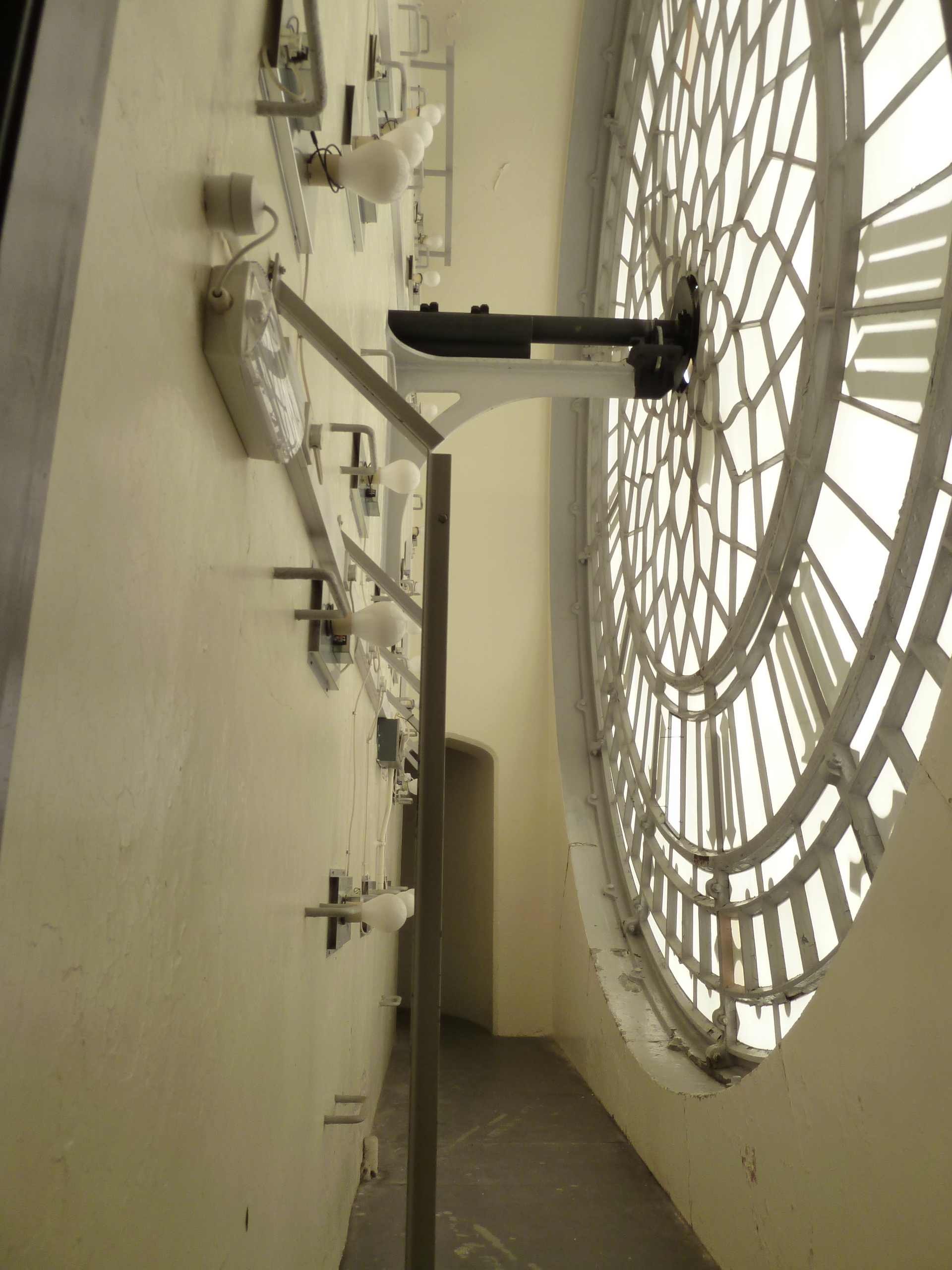
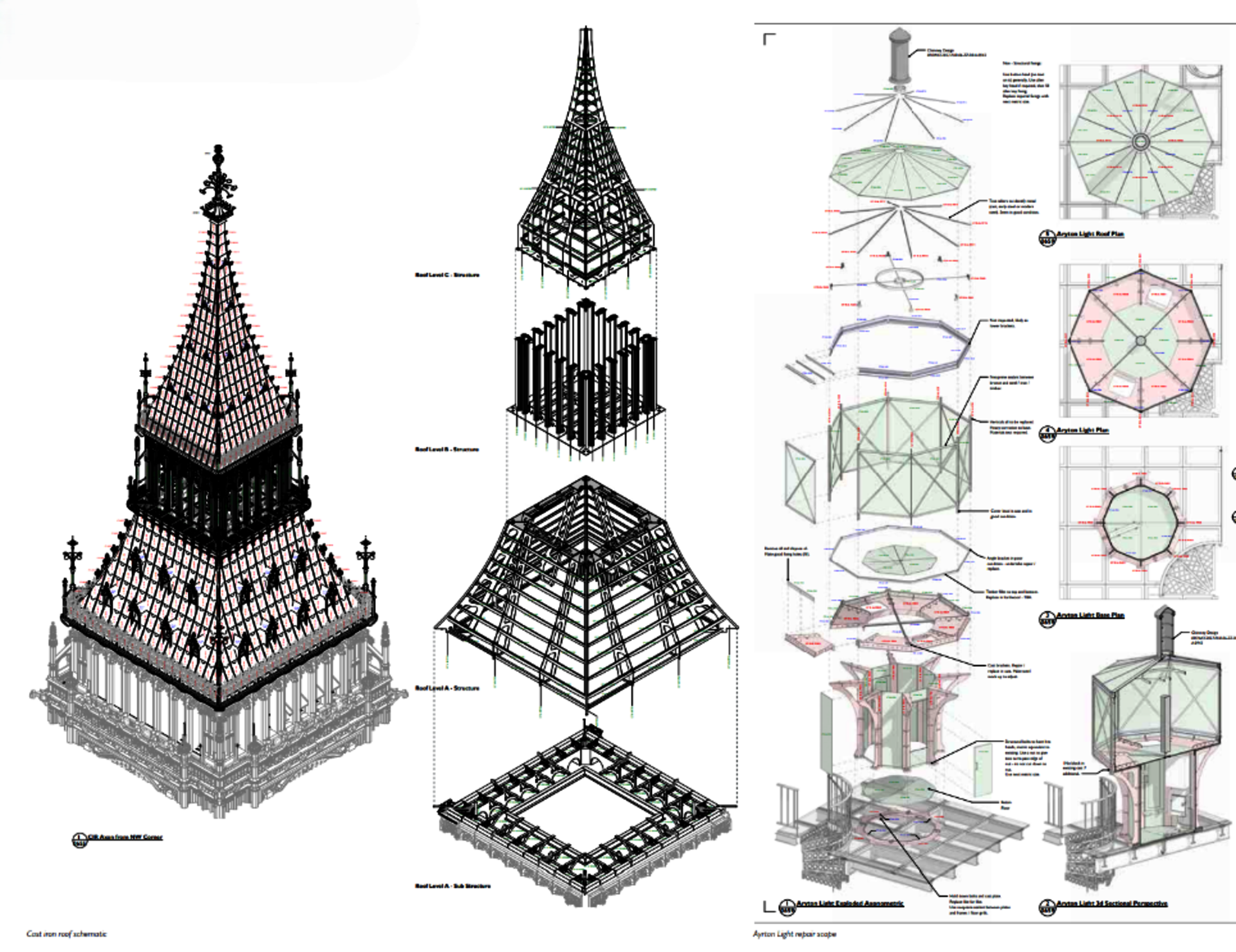
Elizabeth Tower, widely known as Big Ben, stands at the northern end of the Palace of Westminster in London. Completed in 1859 as part of the rebuilding of Parliament following the devastating fire of 1834, the tower was designed by Sir Charles Barry with Augustus Welby Northmore Pugin in the Gothic Revival style. Housing the Great Clock and Great Bell, it has become one of the most recognisable symbols of London and British parliamentary democracy. The Grade I-listed tower forms part of the UNESCO World Heritage Site comprising the Palace of Westminster, Westminster Abbey and Saint Margaret’s Church. The conservation of Elizabeth Tower received a European Heritage Award / Europa Nostra Award in 2026 in the Conservation and Adaptive Reuse category. Undertaken between 2017 and 2022, the programme was the most extensive restoration in the monument's history, combining traditional craftsmanship with advanced conservation technology and carefully integrated modern facilities. Previous repair programmes had taken place at intervals of approximately 25–30 years. By the early twenty-first century, water ingress, condensation, corrosion and deterioration of the stonework threatened the building's long-term condition. Earlier interventions using non-breathable materials had exacerbated moisture problems, while the clock mechanism, cast-iron roof and building services required comprehensive attention. The restoration aimed to extend the interval before the next major conservation programme to approximately 50 years. Led by UK Parliament, with Purcell serving as conservation architect and Andrew Dobson as project architect, the intervention began with the construction of a specially designed 100-metre self-supporting scaffold. This provided access to the 96-metre tower without attaching the structure to its historic masonry. Extensive stone repairs employed Cadeby Magnesian limestone, selected for its close compatibility with the original Anston stone. Specialist stonemasons recreated decorative carvings using traditional techniques. The cast-iron roof was dismantled into individually recorded components for repair and reinstallation, retaining more than 80% of the original ironwork. The clock dials were conserved, repaired and reglazed with mouth-blown pot opal glass. Historical paint analysis enabled the reinstatement of the original Prussian Blue and gold colour scheme. The Great Clock's mechanisms, hands, weights and pulleys were dismantled, cleaned and refurbished, including the rebuilding of its automatic winding system. Inside the tower, inappropriate finishes were replaced with breathable lime-based materials, while improved waterproofing, conservation heating and ventilation addressed longstanding moisture problems. Modern interventions were introduced with particular sensitivity. Two lifts, including one installed within a former ventilation shaft, improved access for visitors, staff and maintenance. A glazed enclosure in the belfry restored visual connections to the Great Bell, while LED lighting and upgraded building services improved energy efficiency. The project also marked UK Parliament's first use of Building Information Modelling at BIM Level 2. Detailed digital records document individual stones, iron components and conservation interventions, supporting long-term maintenance and informing future work across the parliamentary estate. Hundreds of specialist craftspeople contributed skills in stonemasonry, ironwork, gilding, glassmaking and horology. Their work helped sustain traditional conservation expertise while creating opportunities for professional training. Enhanced visitor facilities, improved ticketing and virtual tours have widened public engagement with the tower and its history. Elizabeth Tower's restoration demonstrates how a globally significant historic monument can retain its original function while benefiting from contemporary engineering, rigorous documentation and preventive conservation. By combining respect for historic fabric with innovation and long-term stewardship, the project offers a benchmark for the sustainable conservation of Europe's architectural heritage.
Similar projects

1906

18th century

20th century

19th century

14th-18th century

19th century


13th-18th century

15th-19th century

20th century


19th century