


Salinas de La Concepción
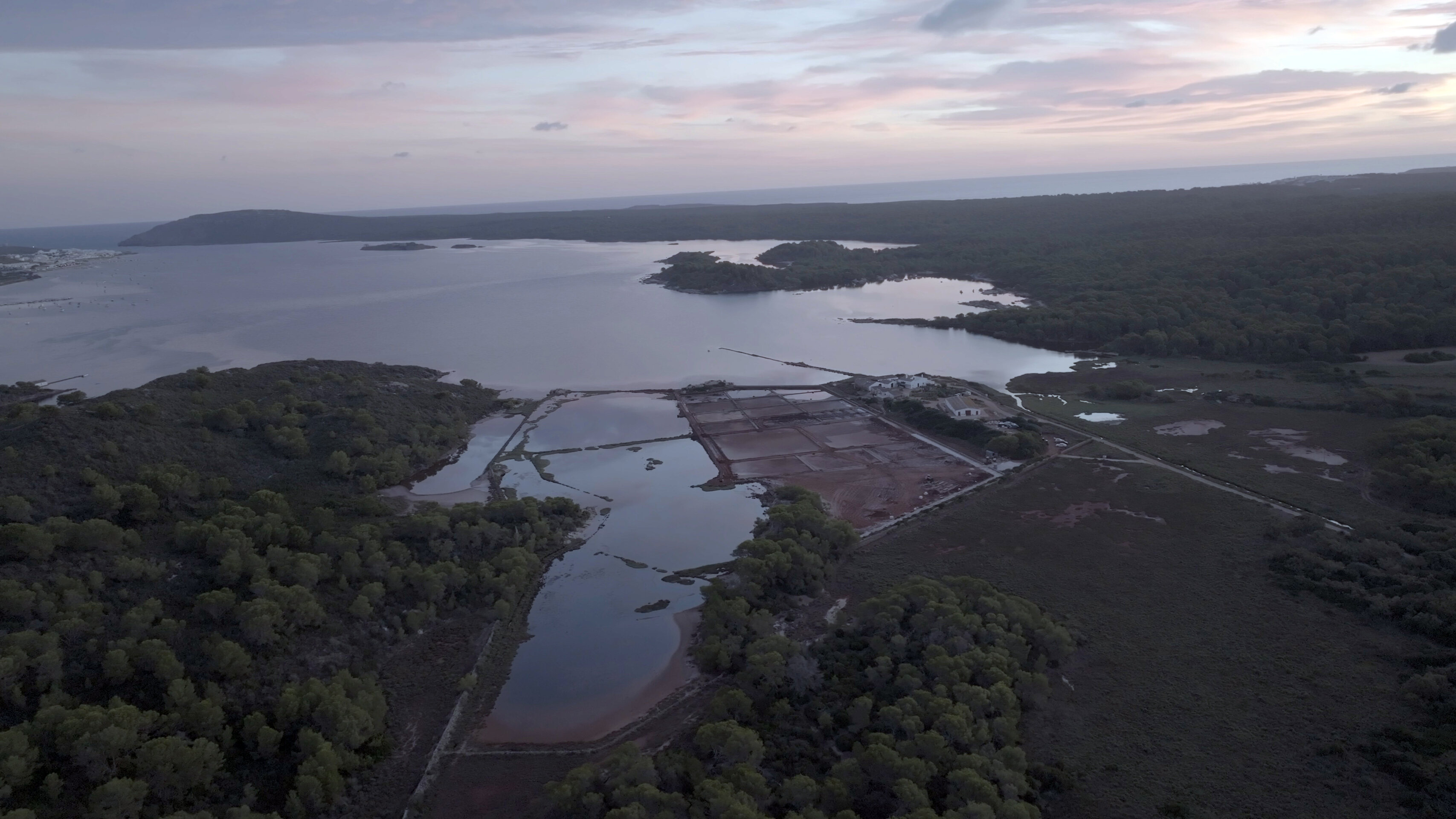
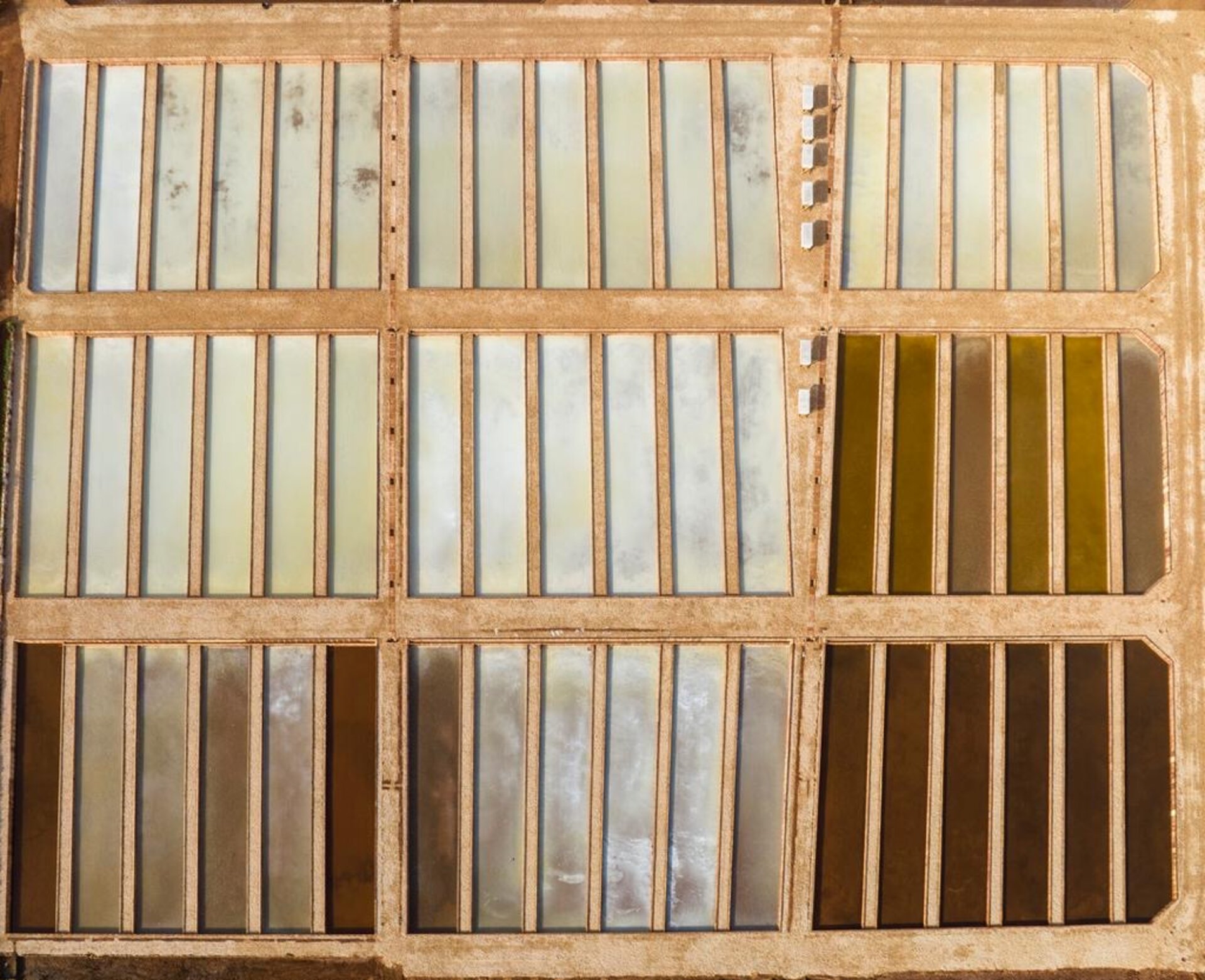
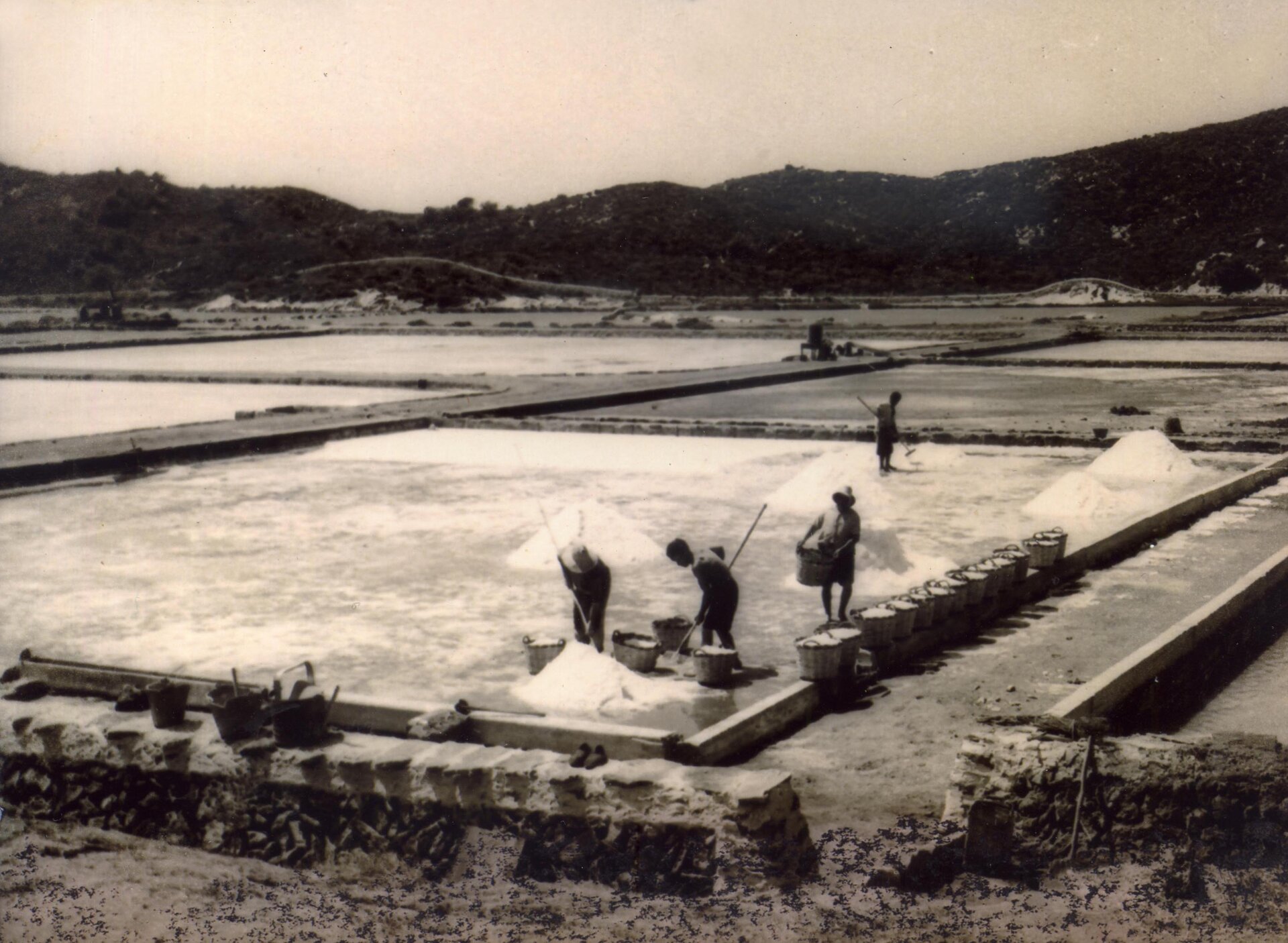
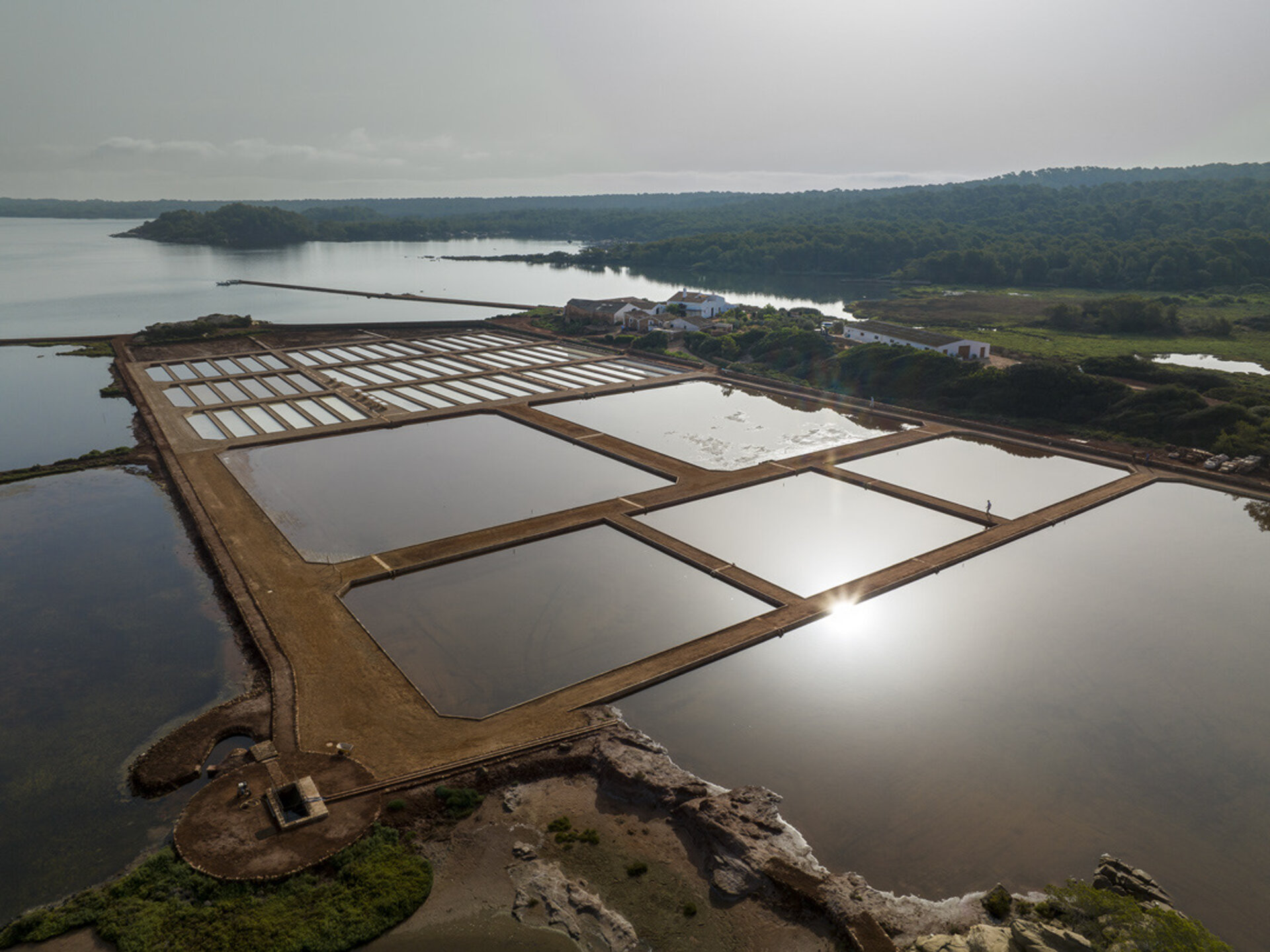
The Salinas de La Concepción are historic coastal saltworks situated near Fornells on the northern coast of Menorca, in Spain's Balearic Islands. Established in 1853, with the first salt harvest recorded in 1854, the site represents a distinctive example of nineteenth-century ...
Read more
Project details
Description:
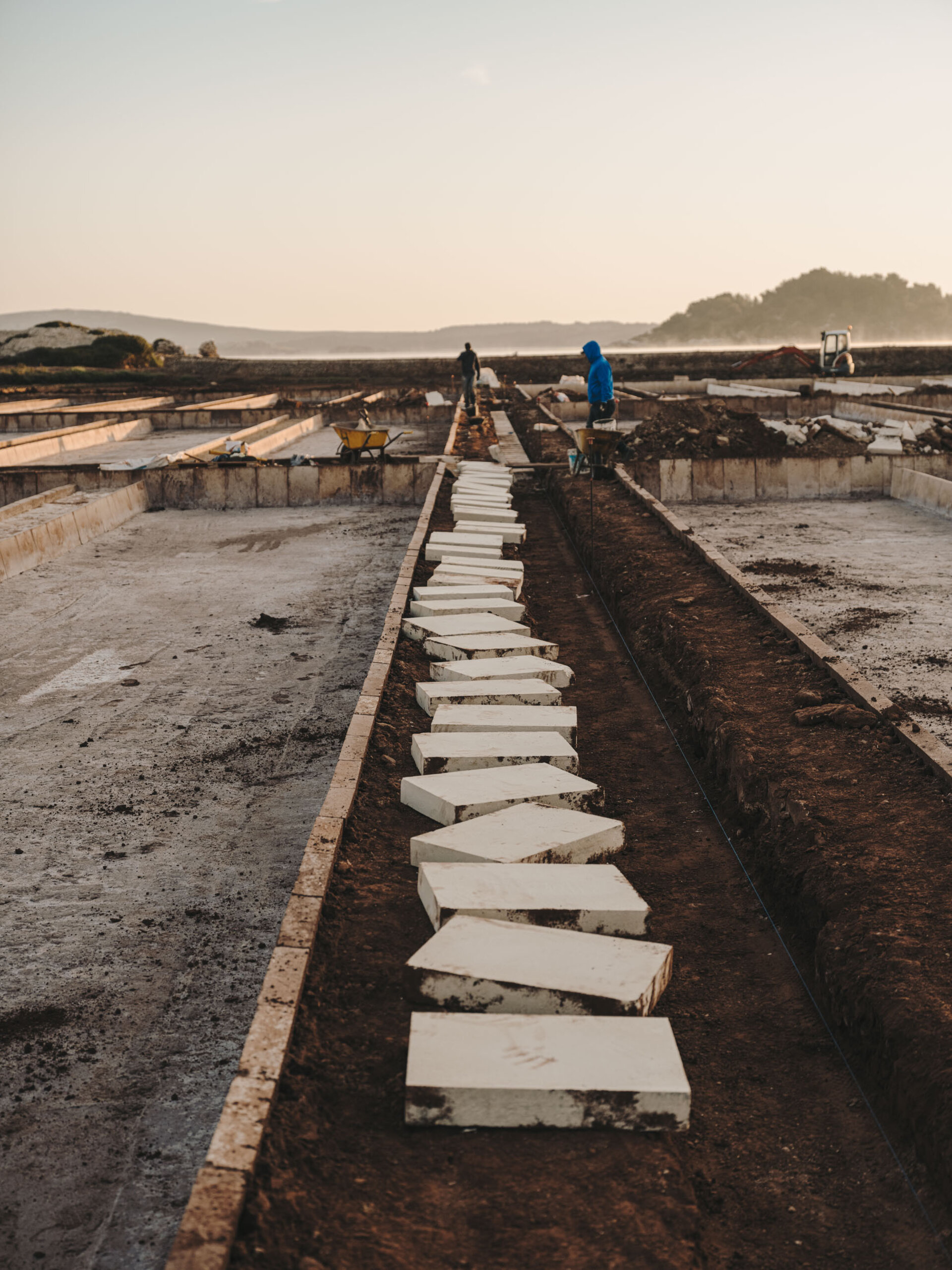
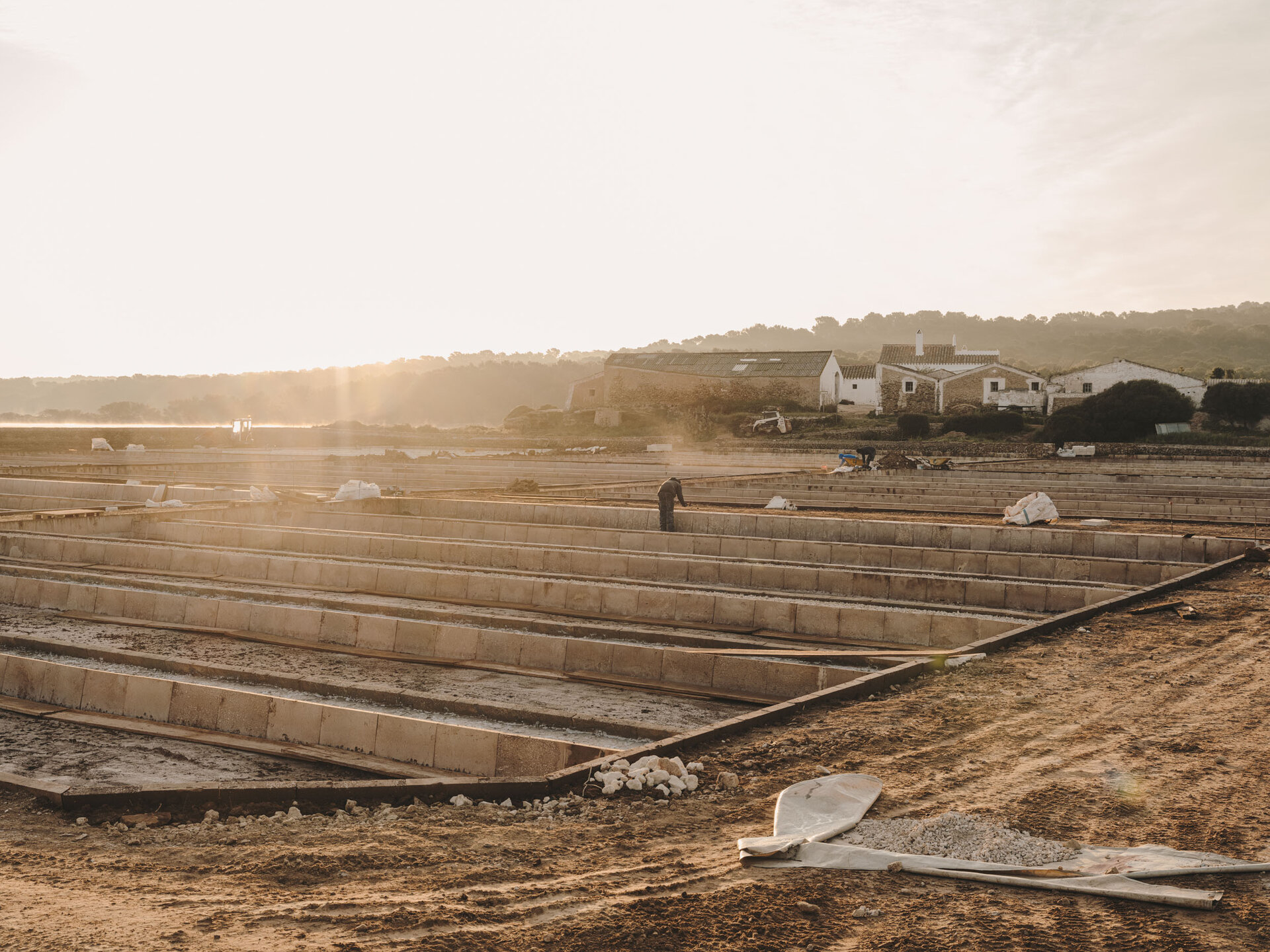
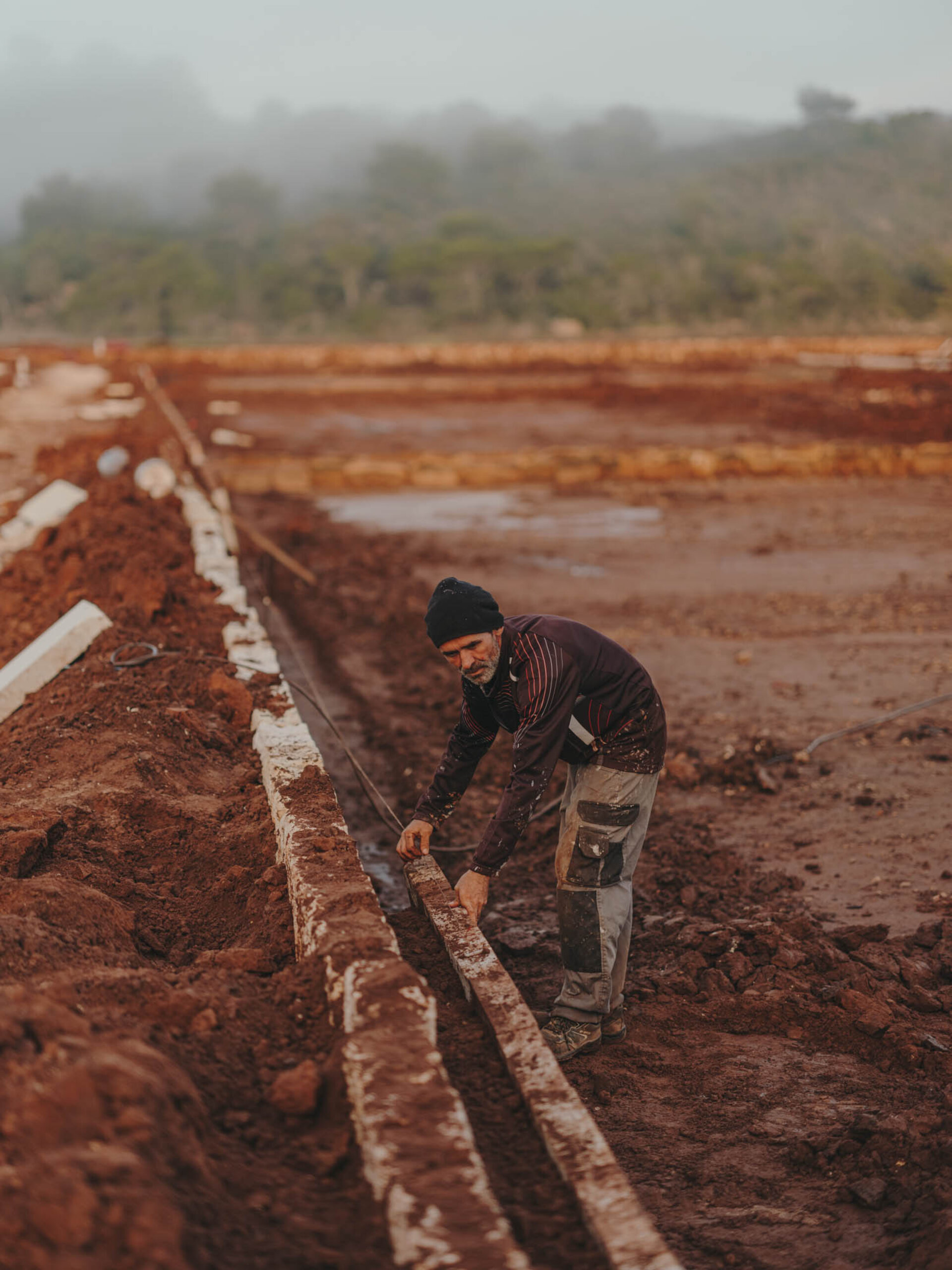
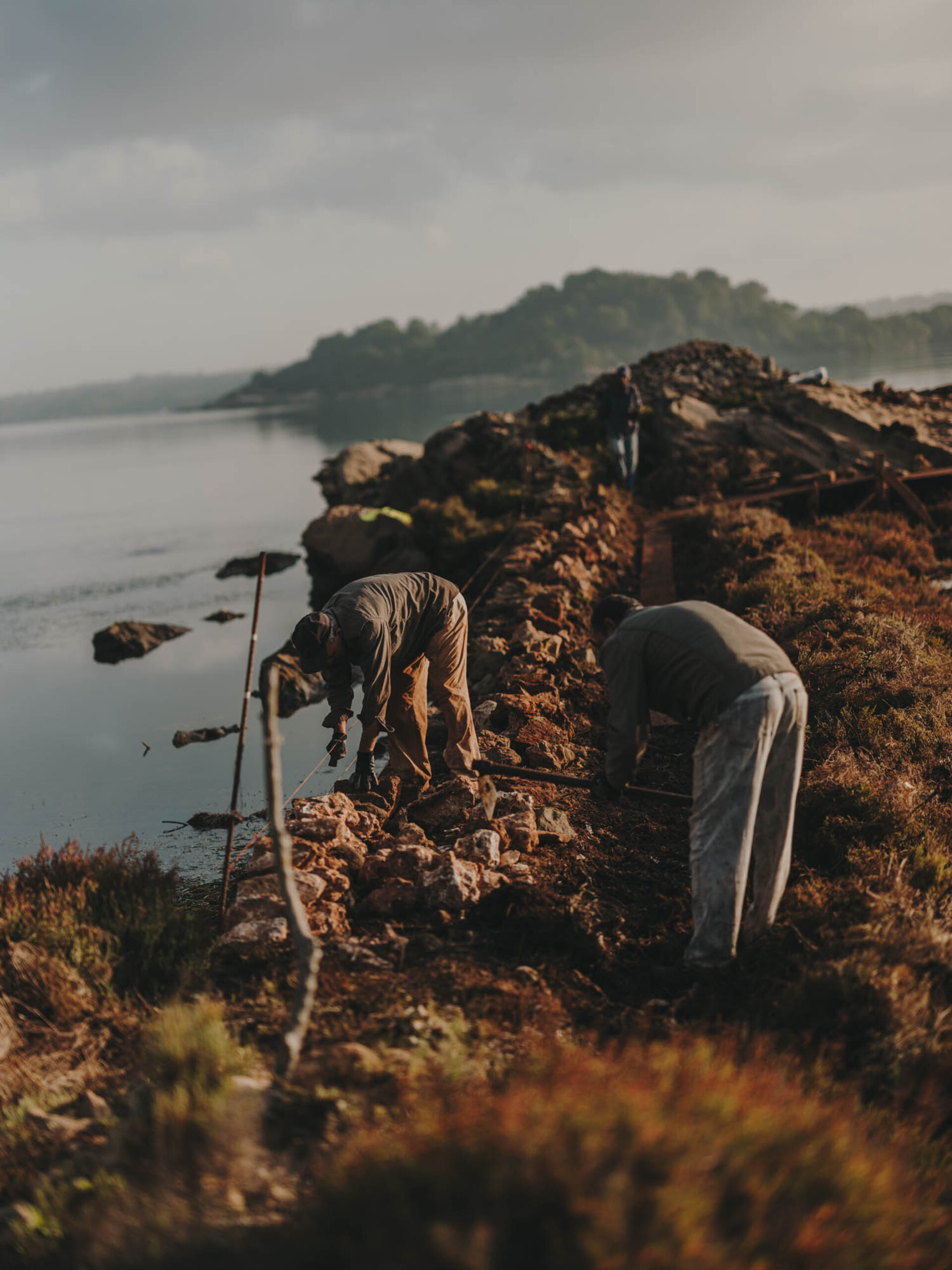
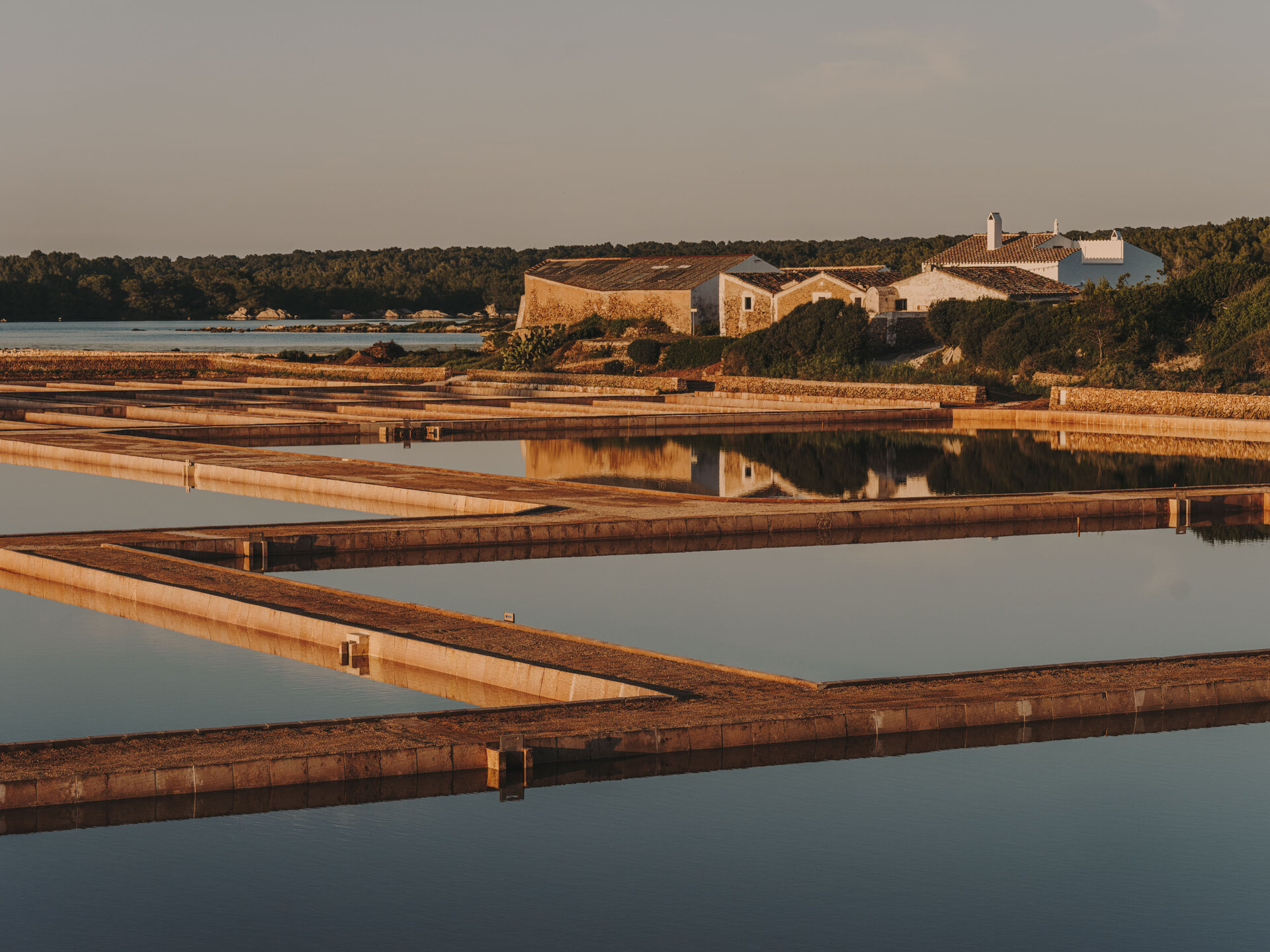
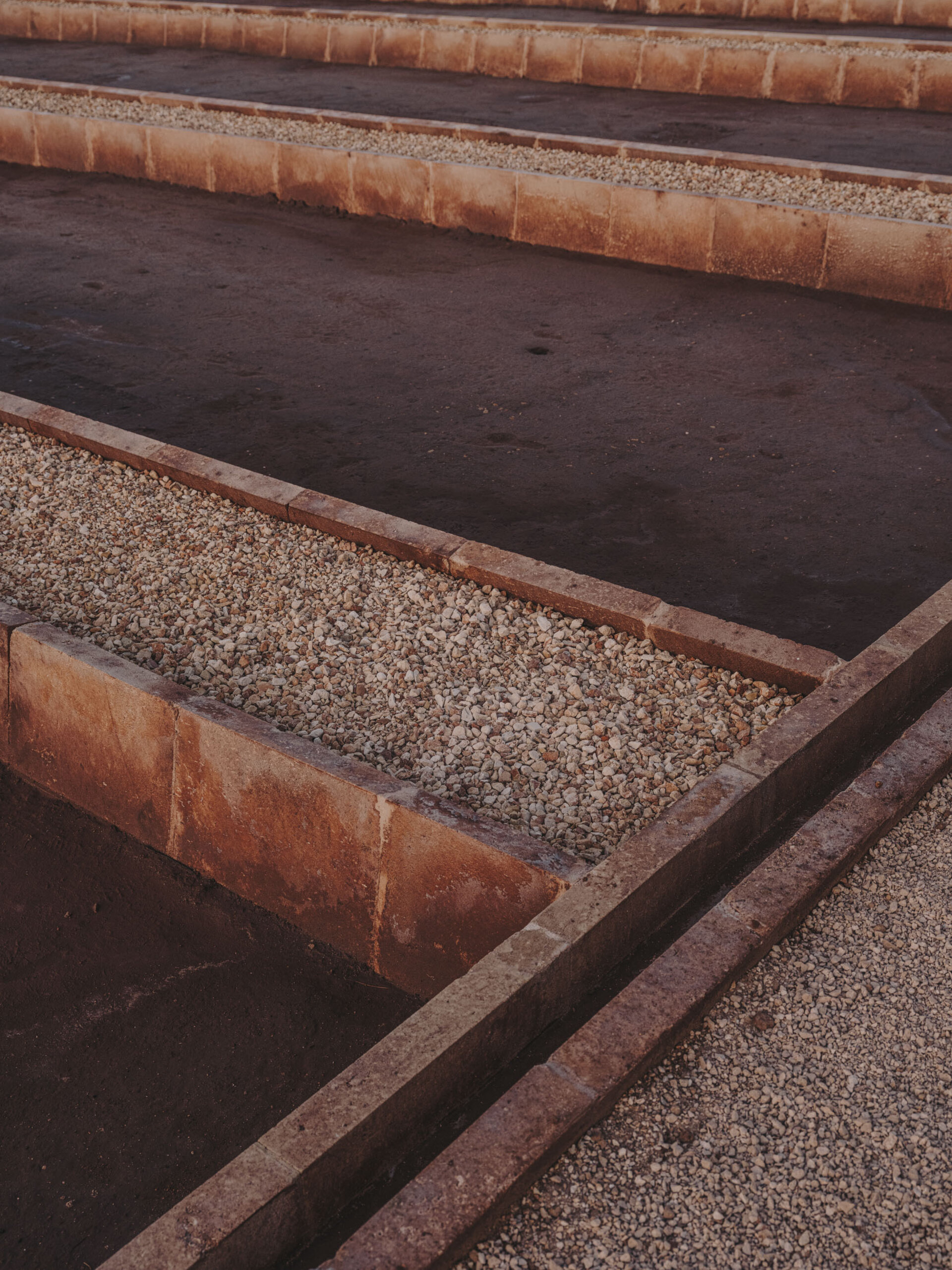
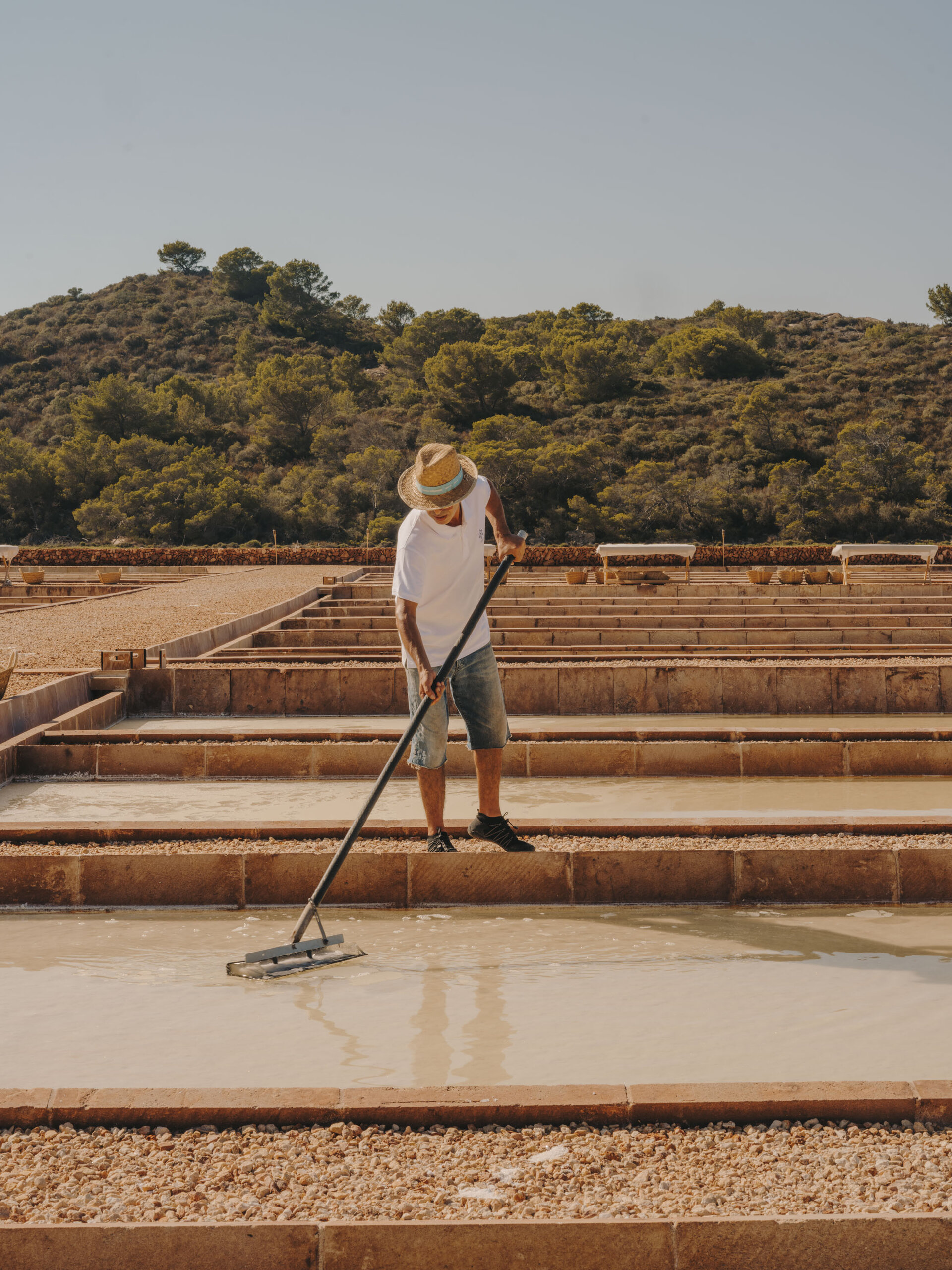
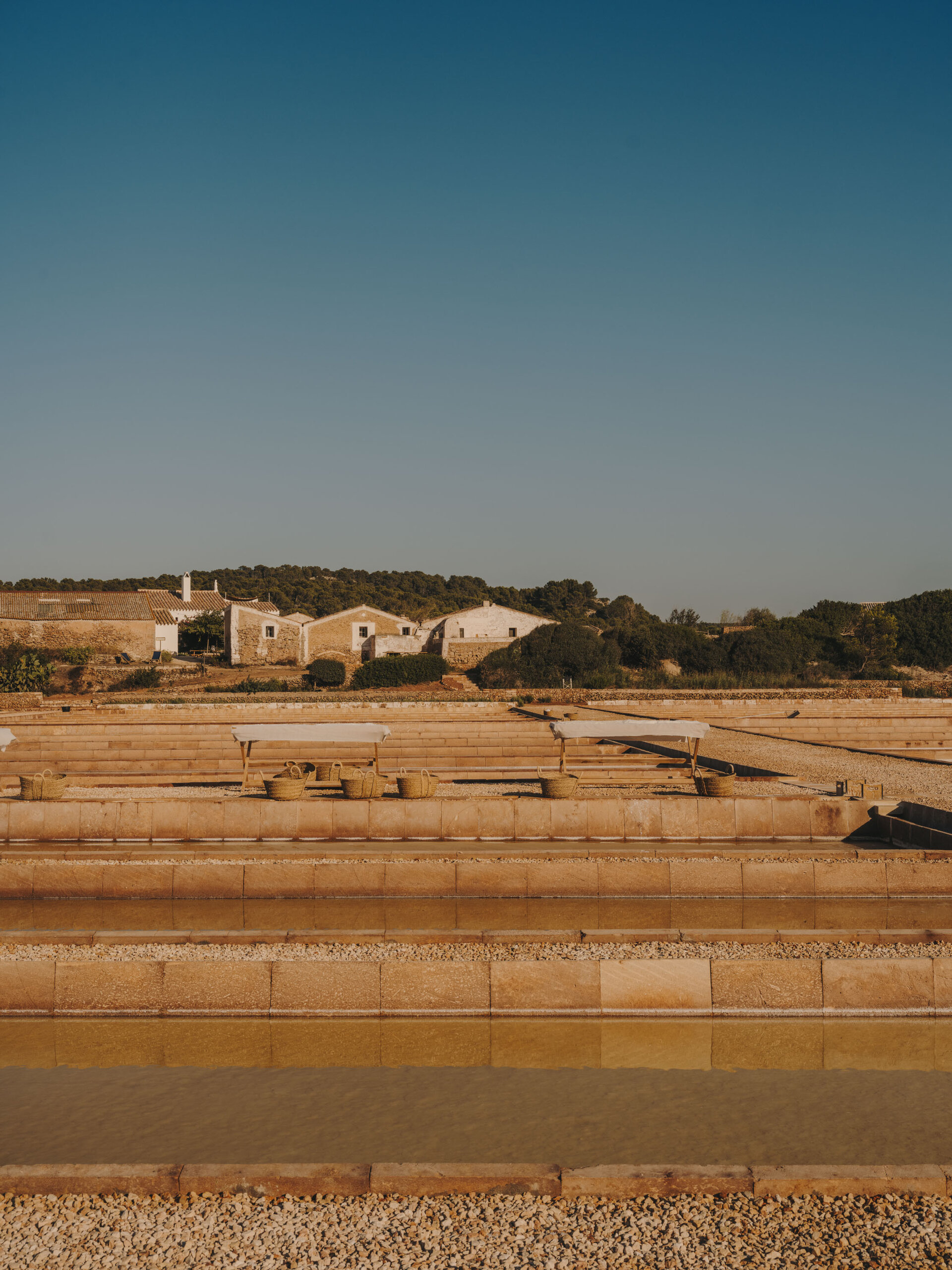
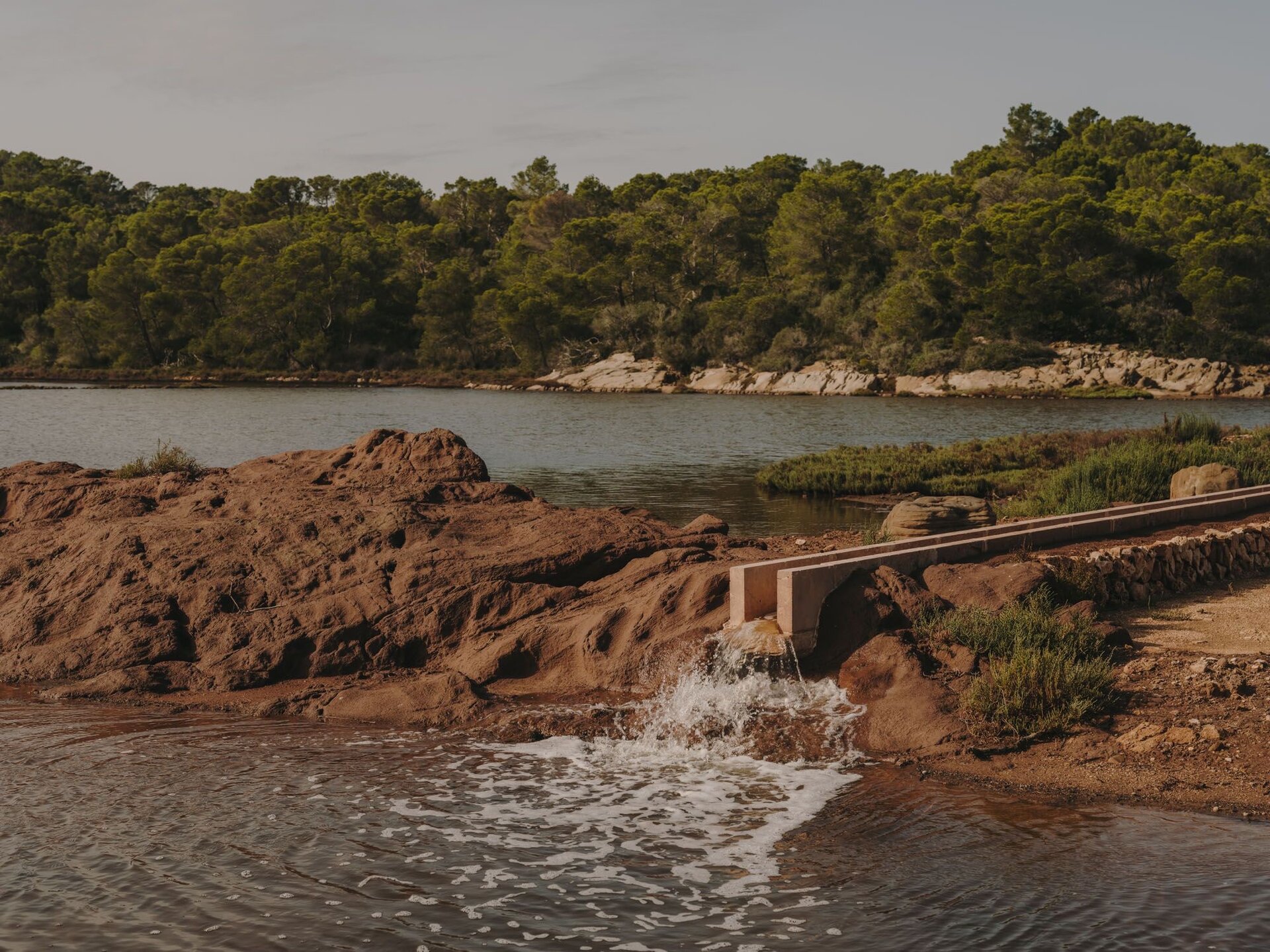
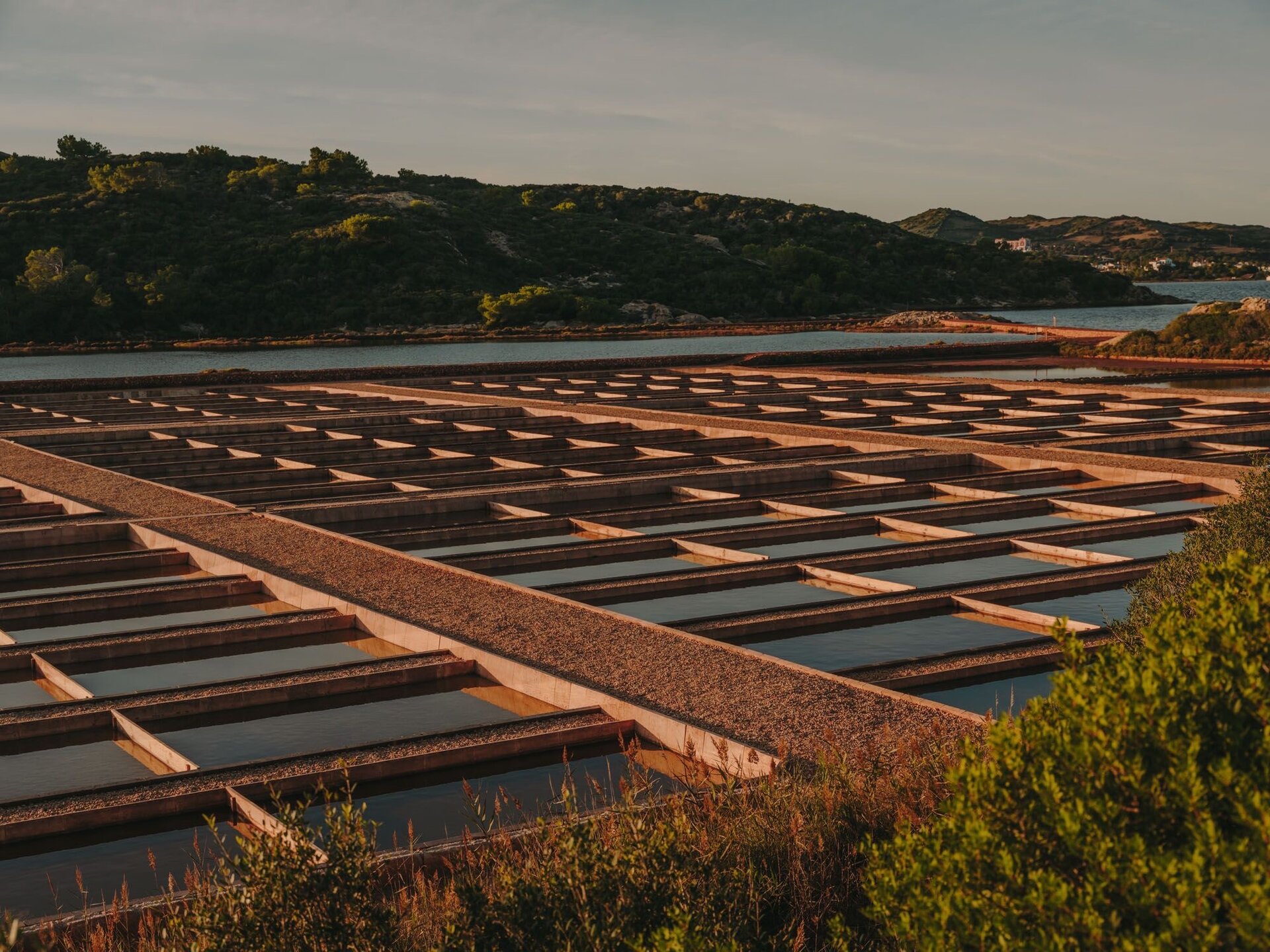
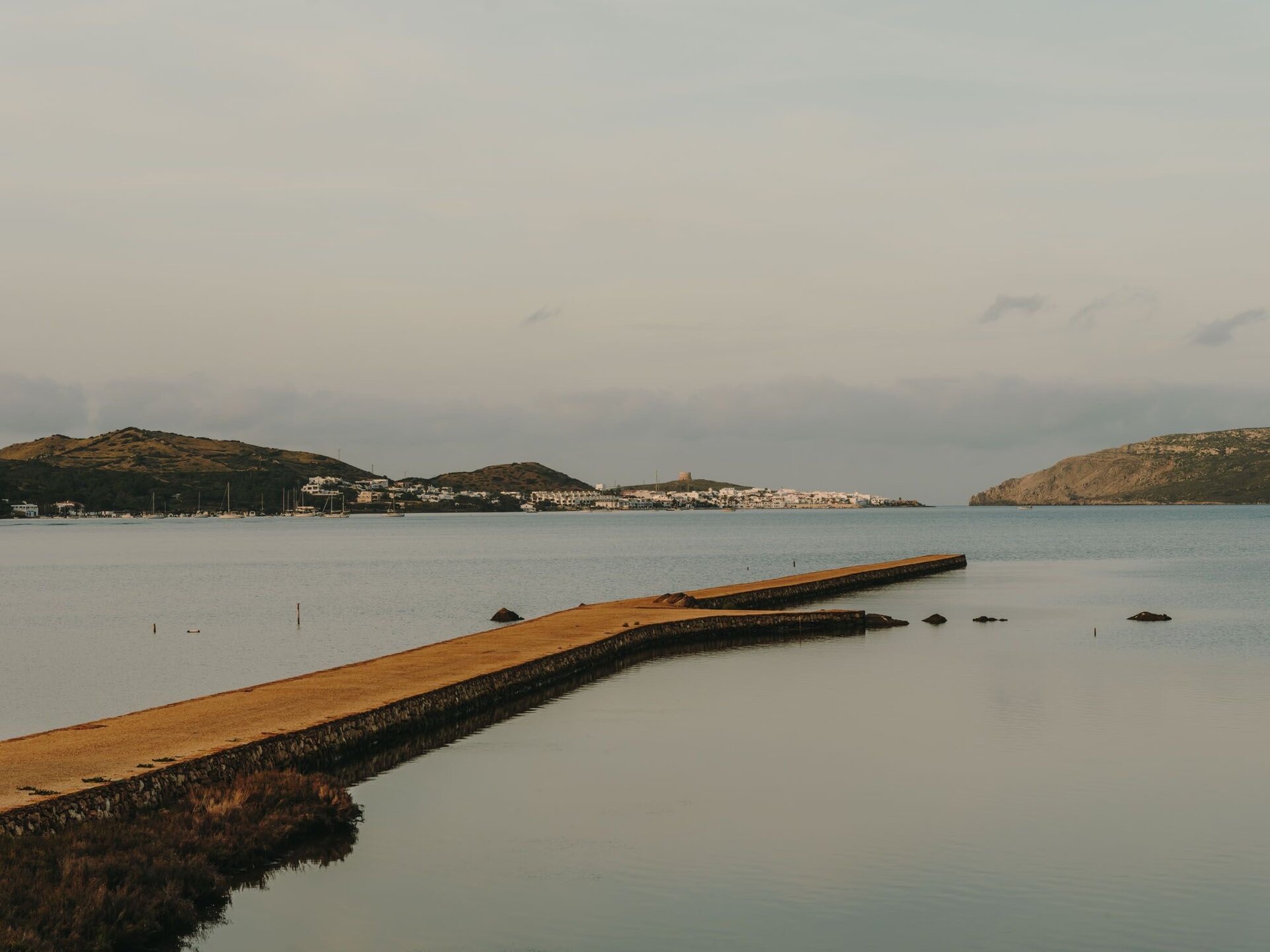
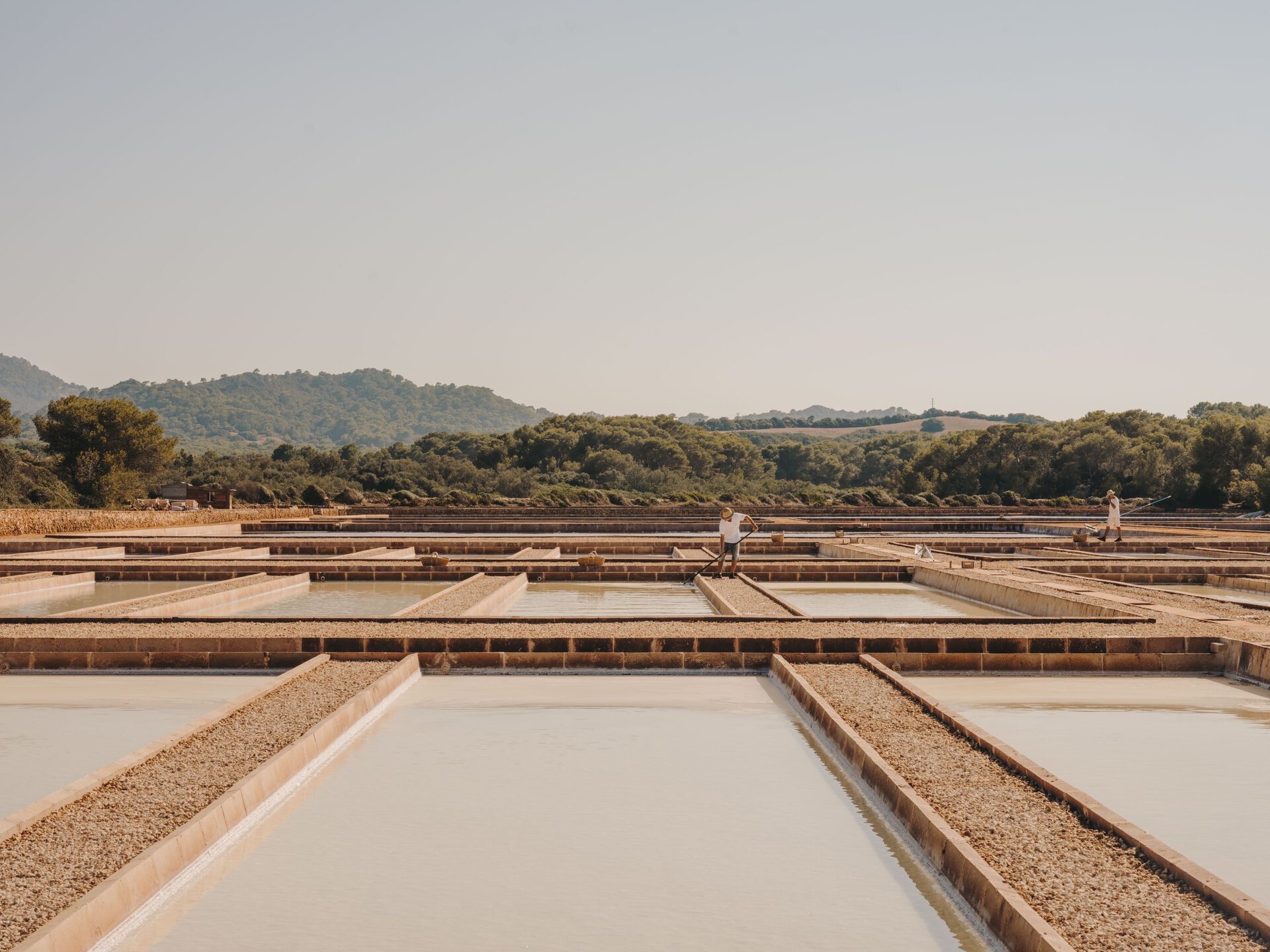
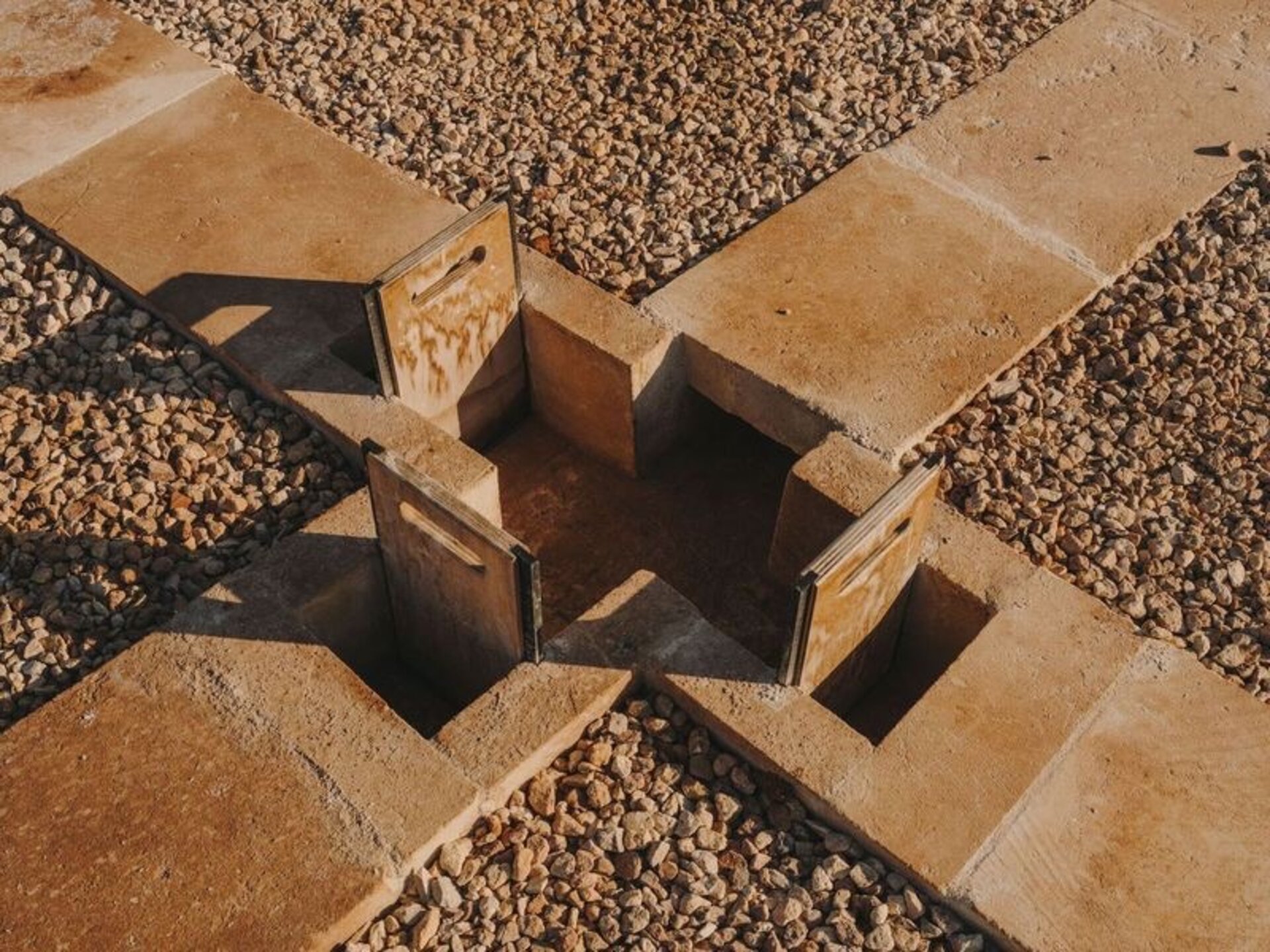
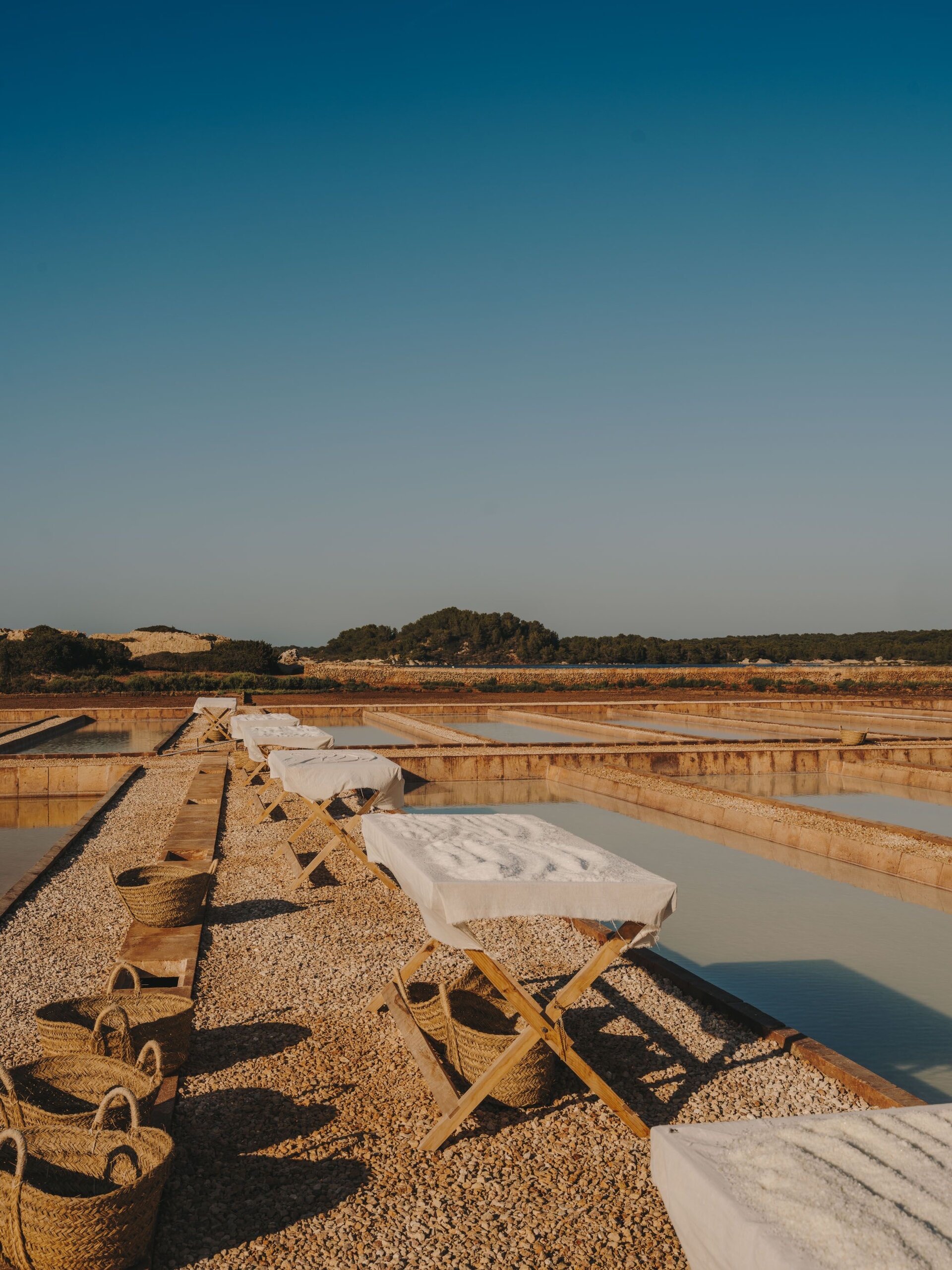
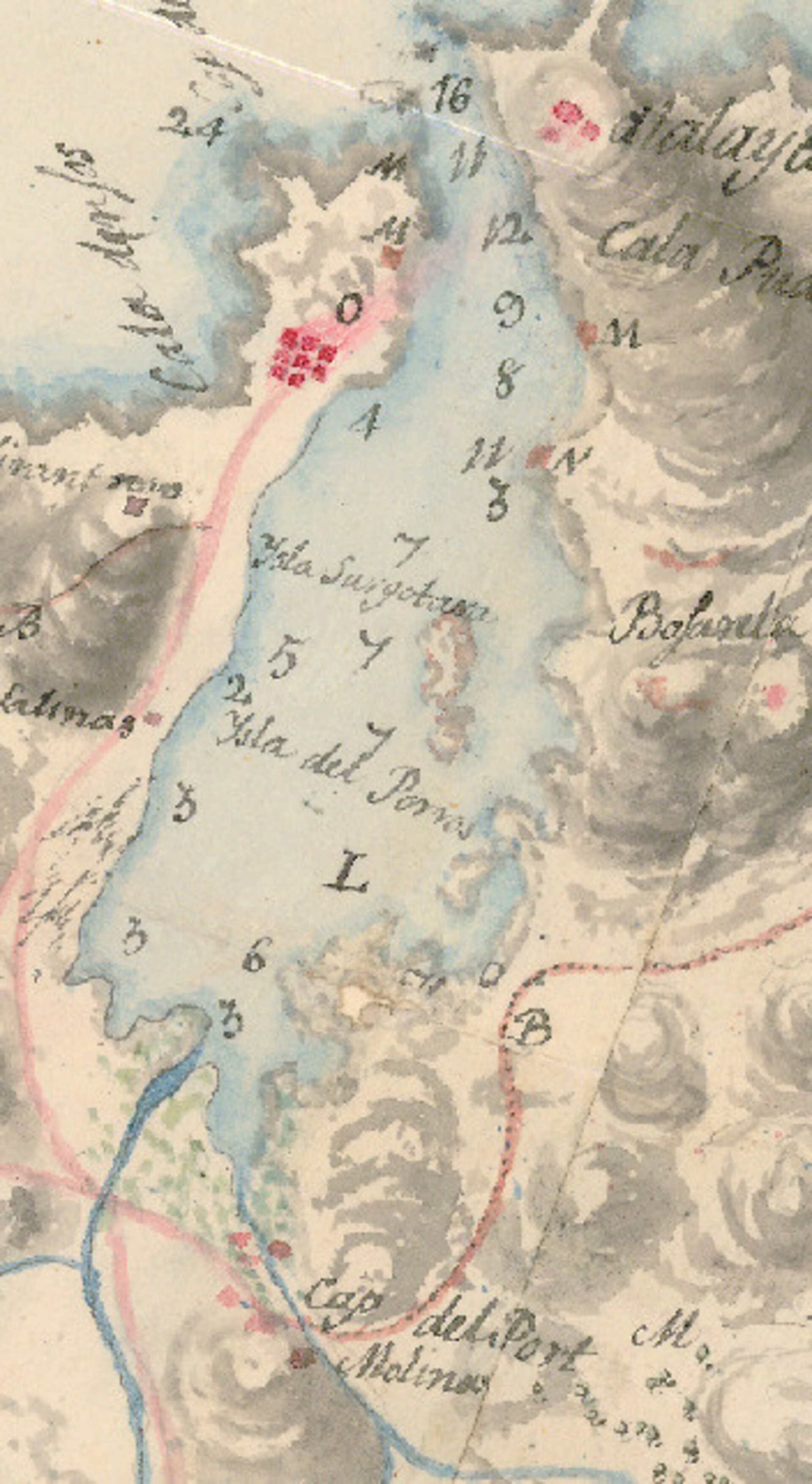
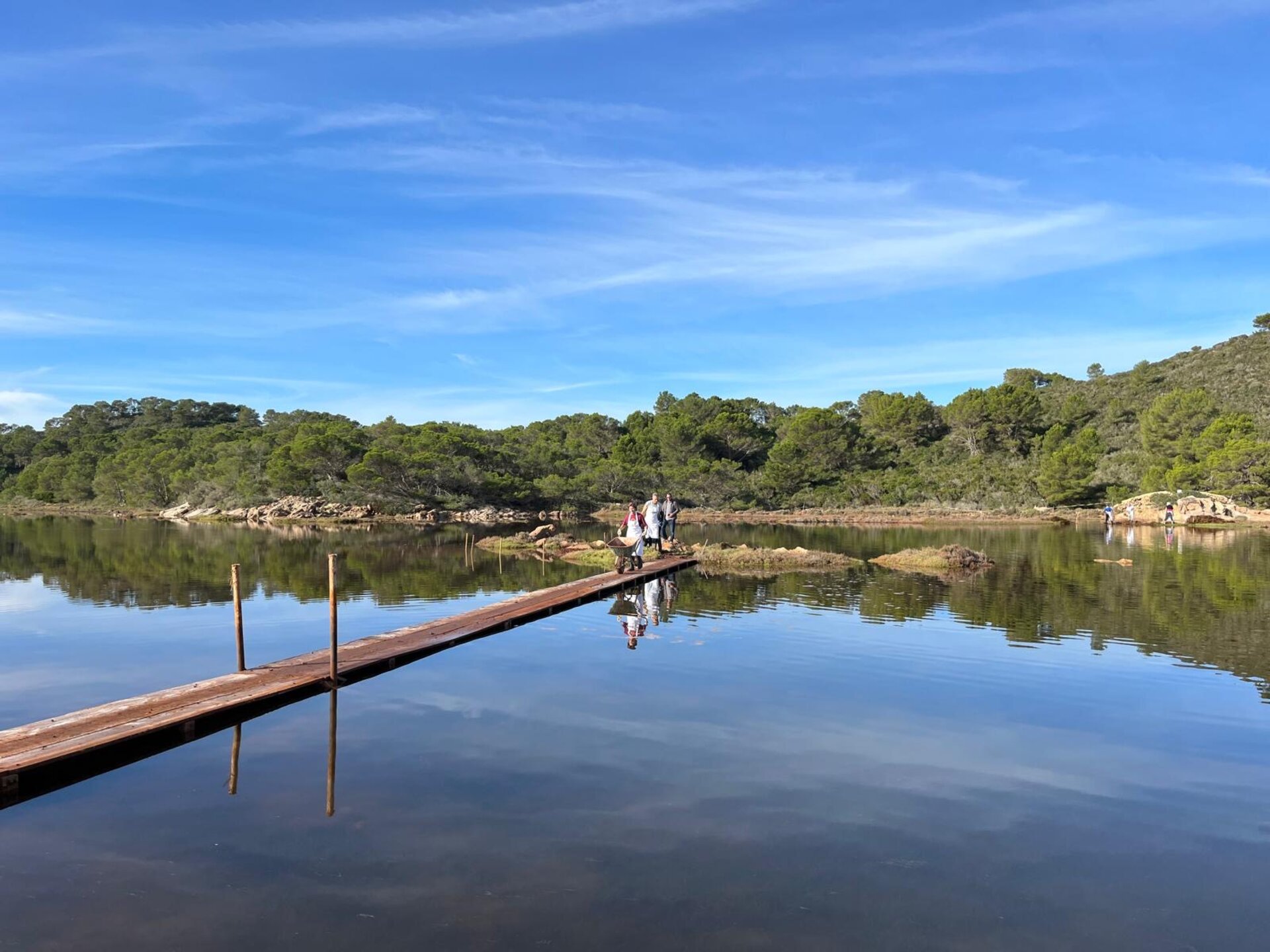
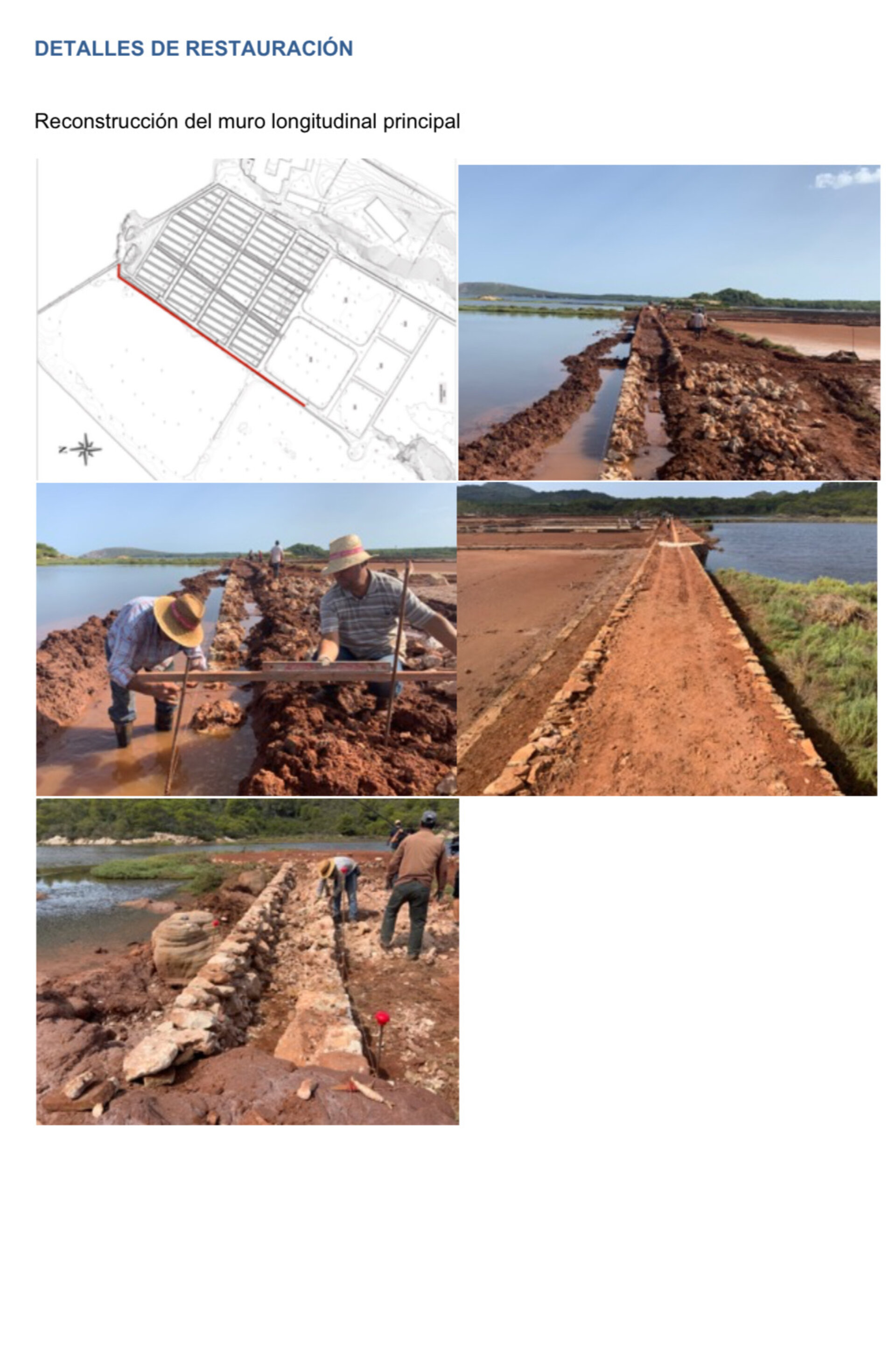
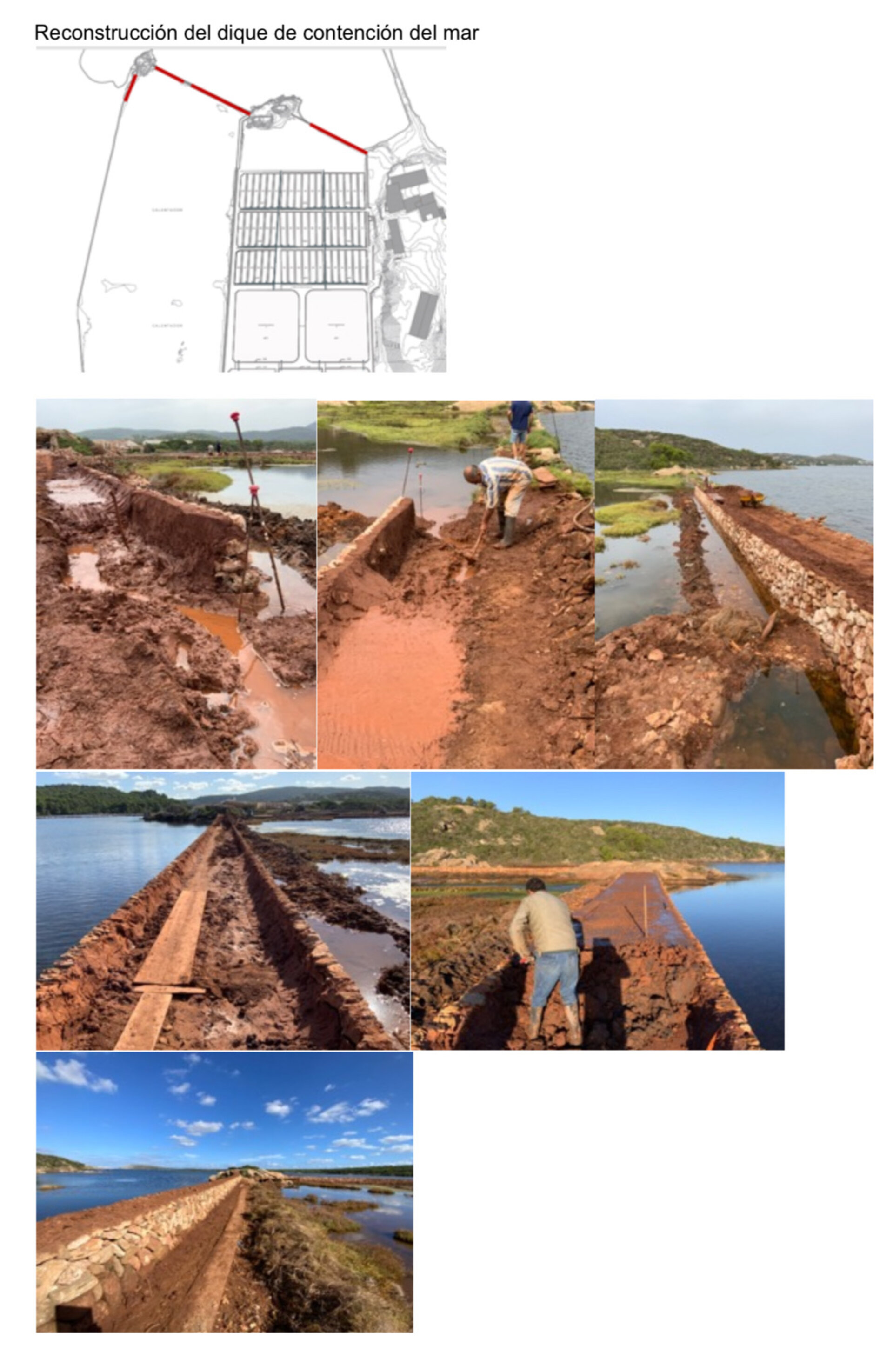
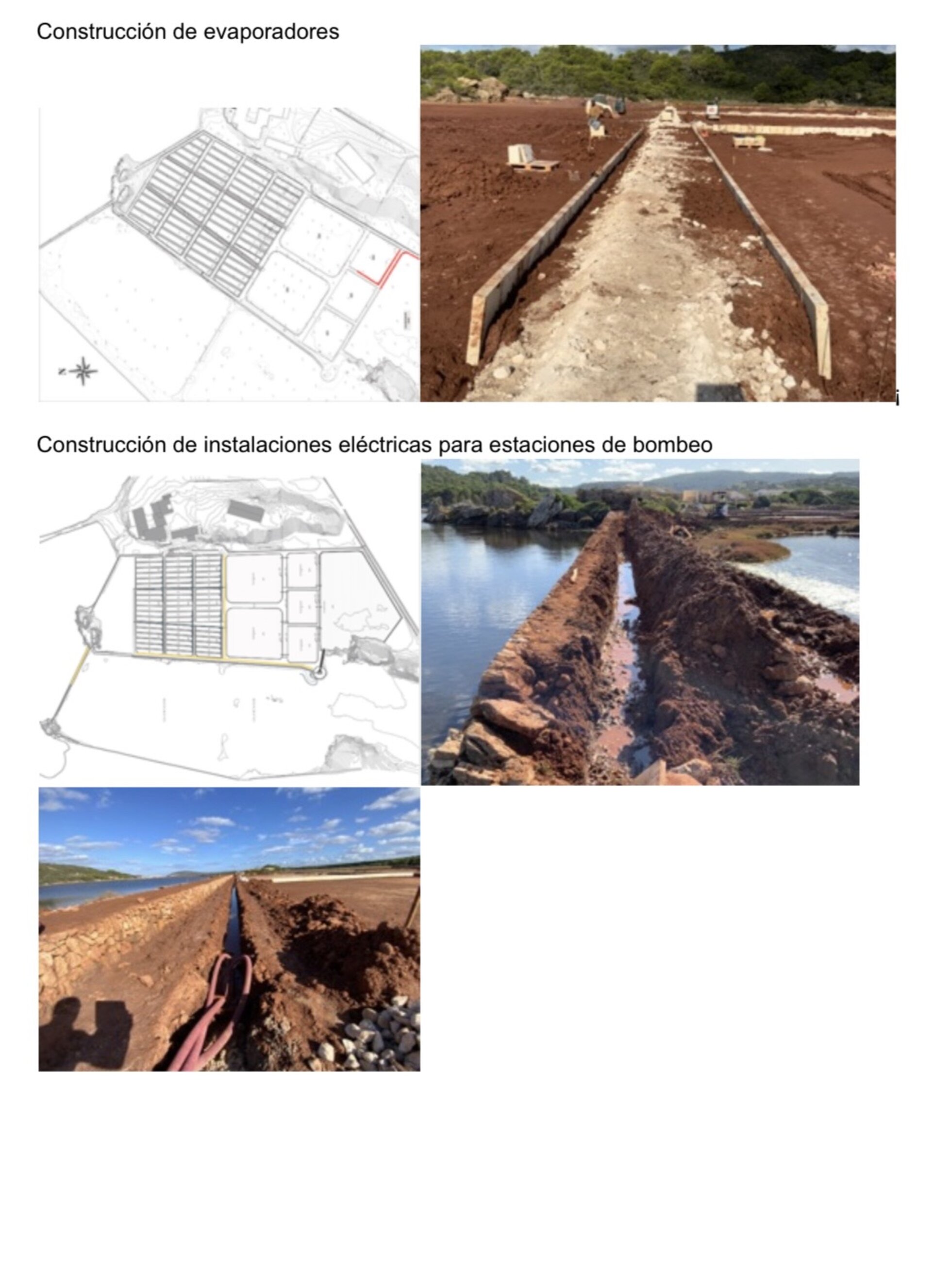
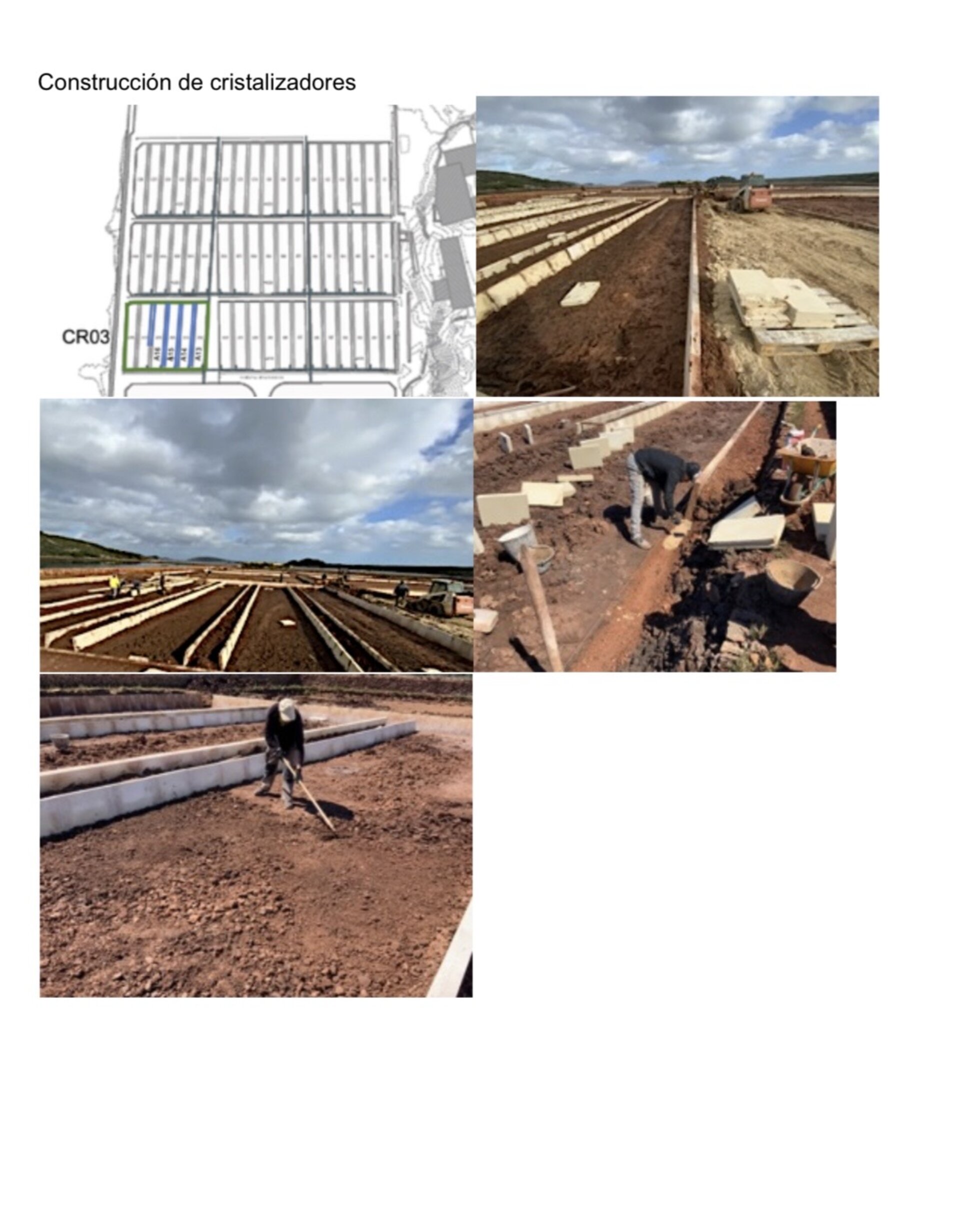
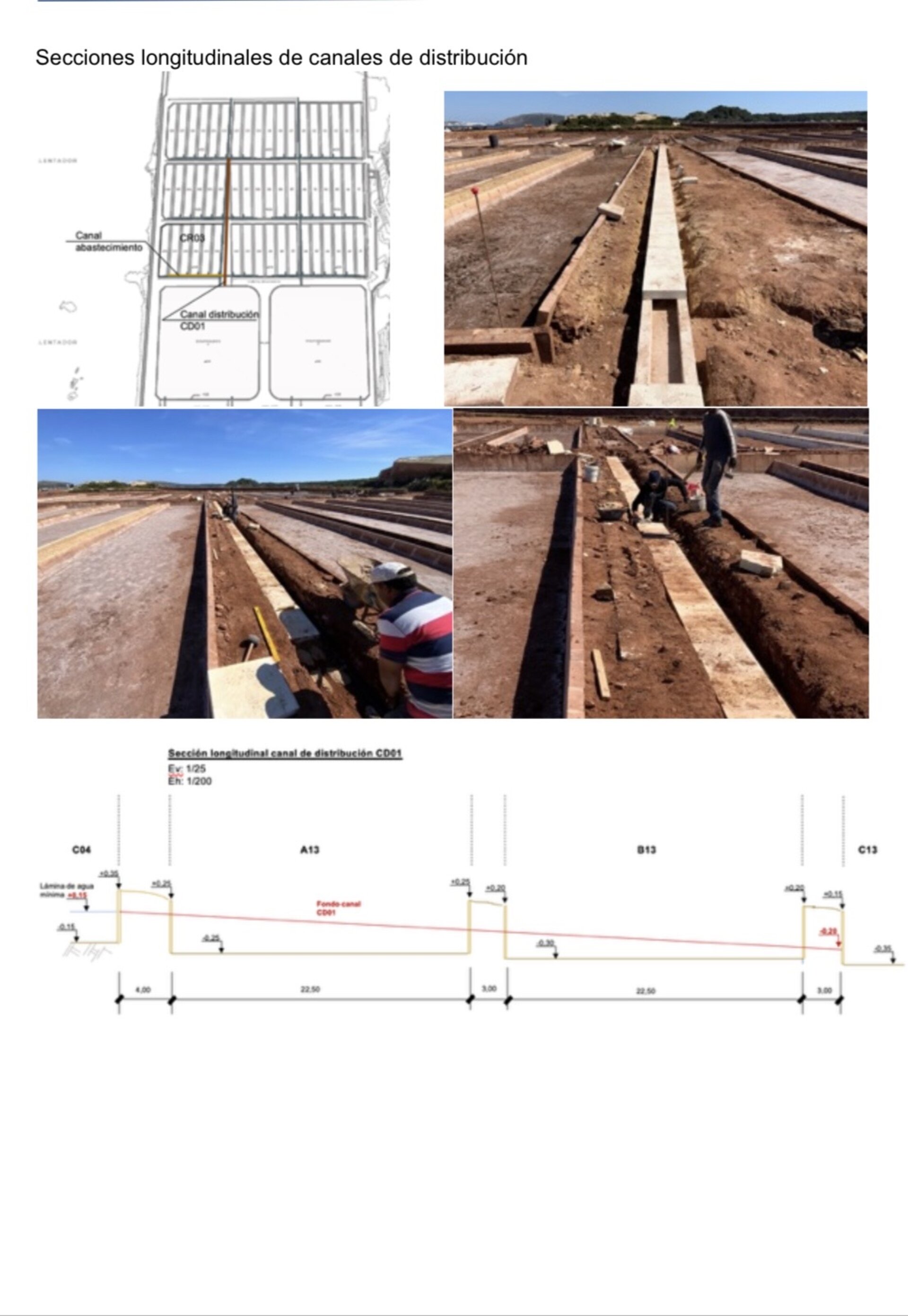
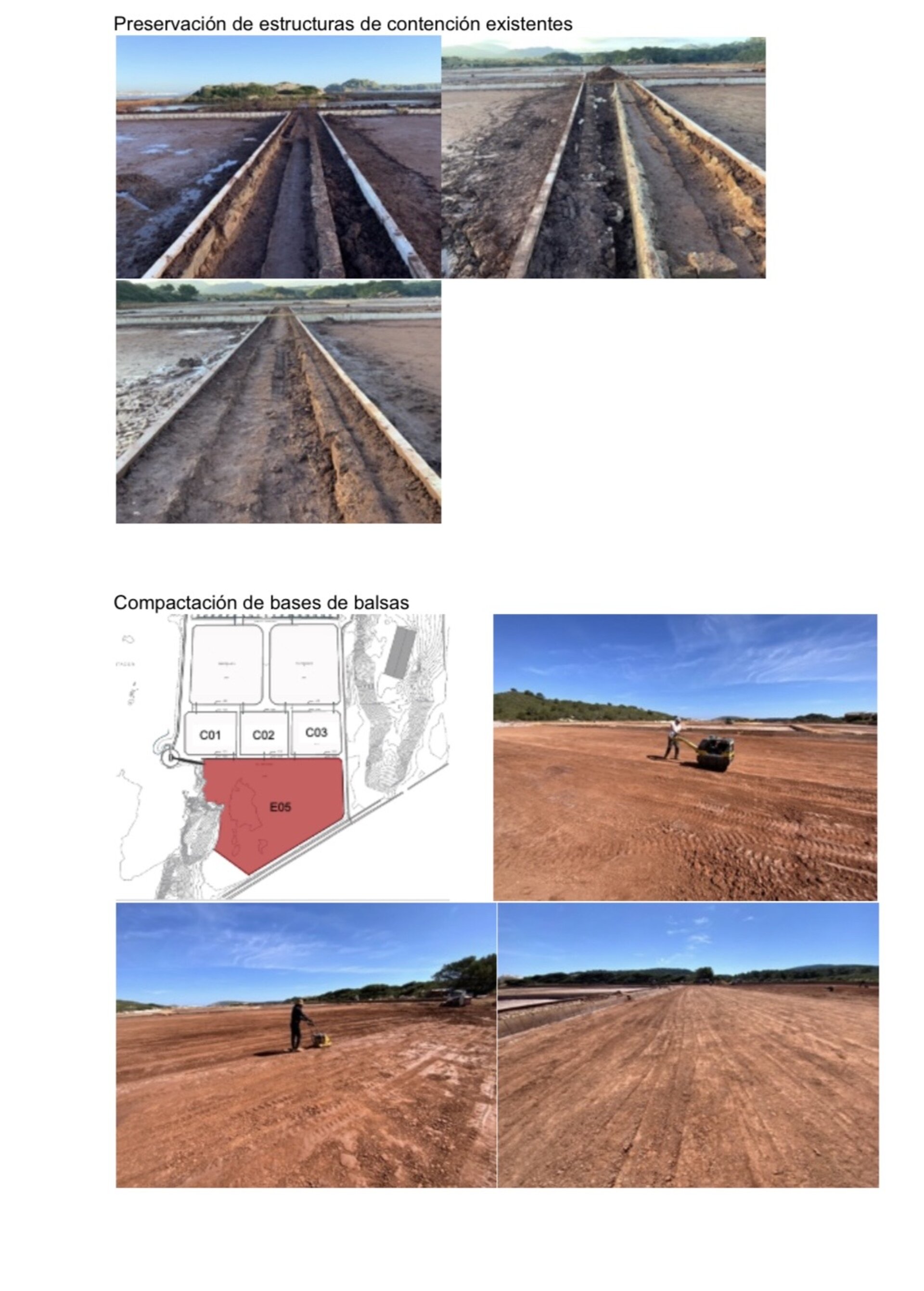
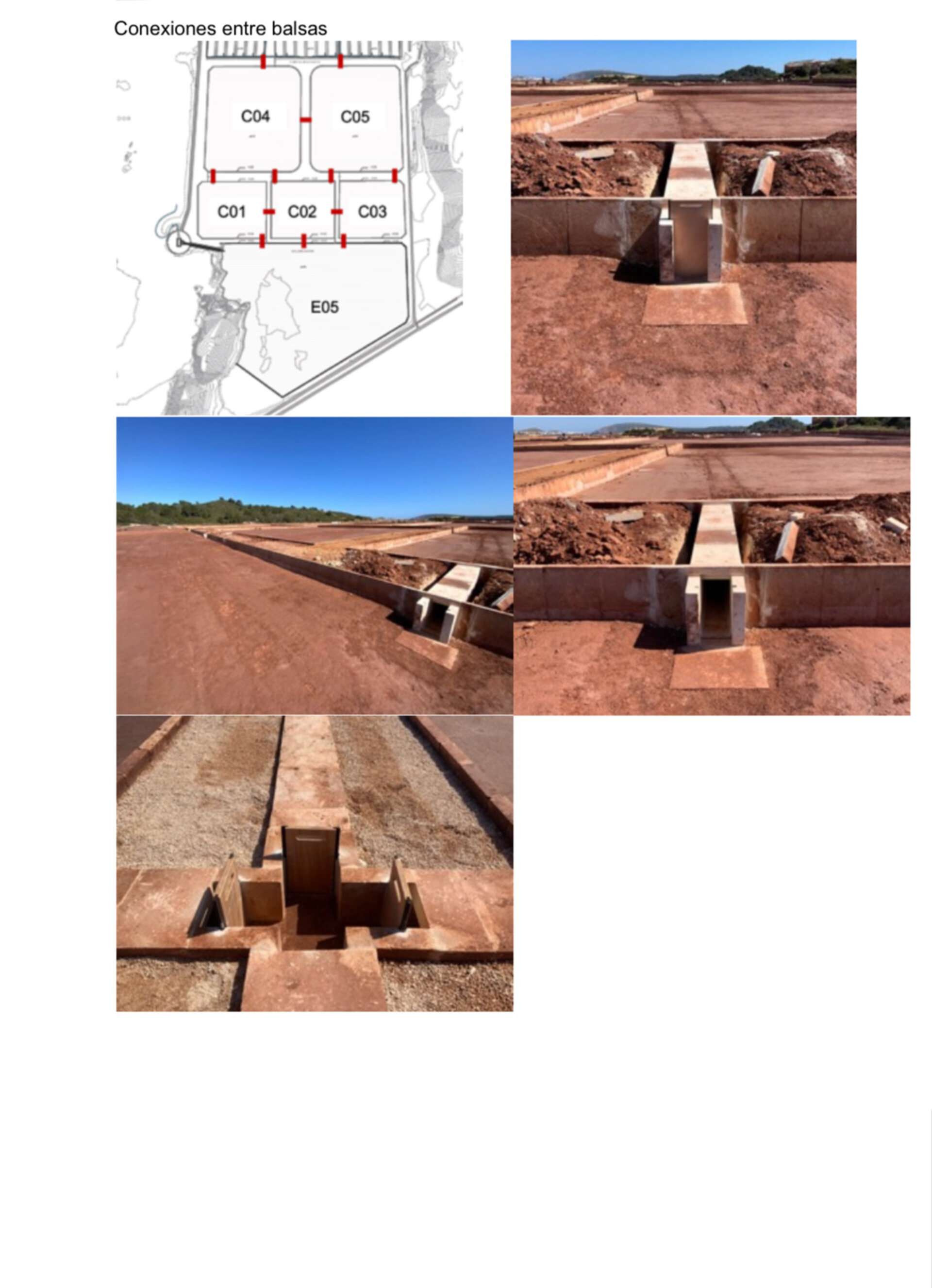
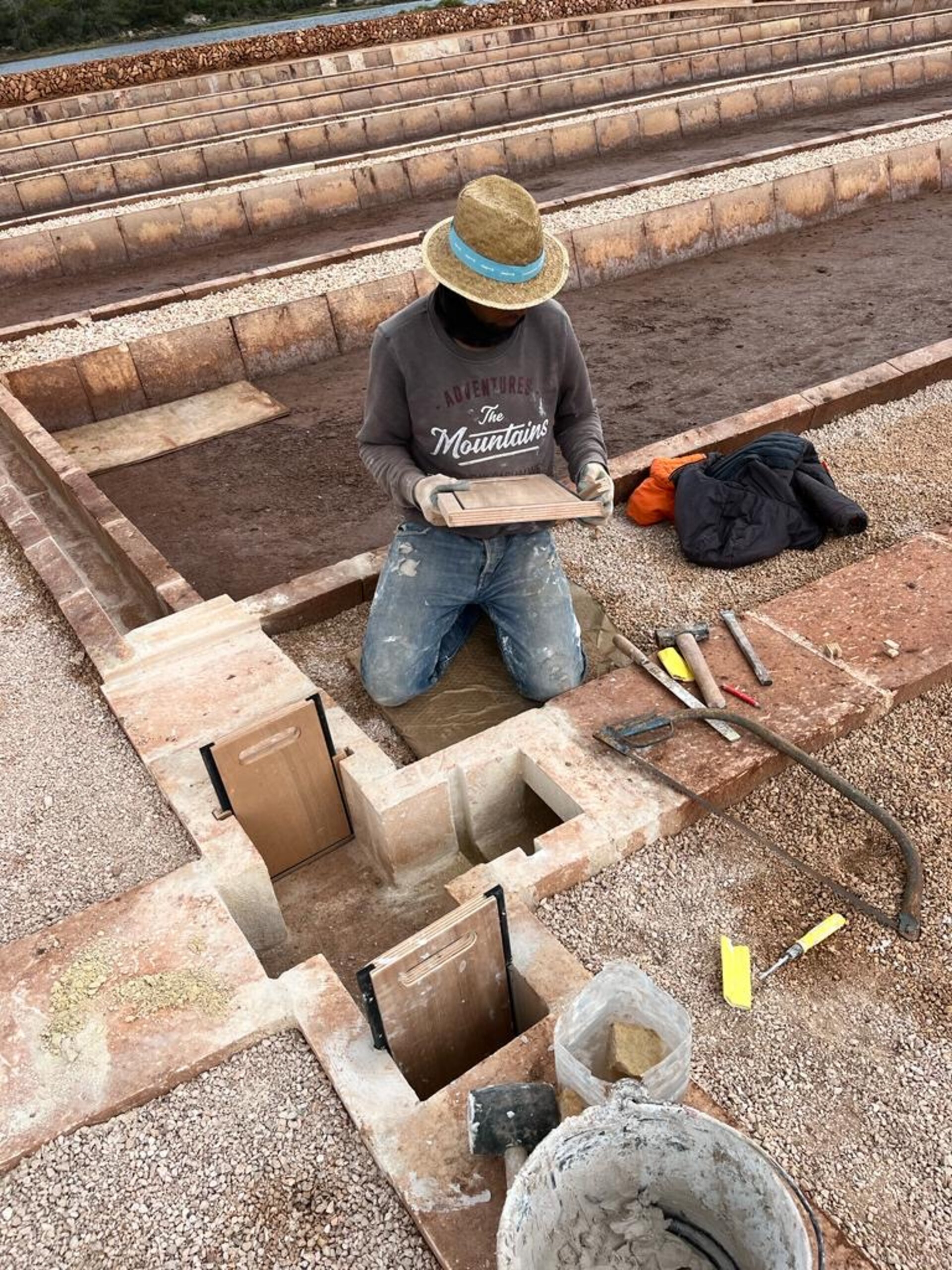
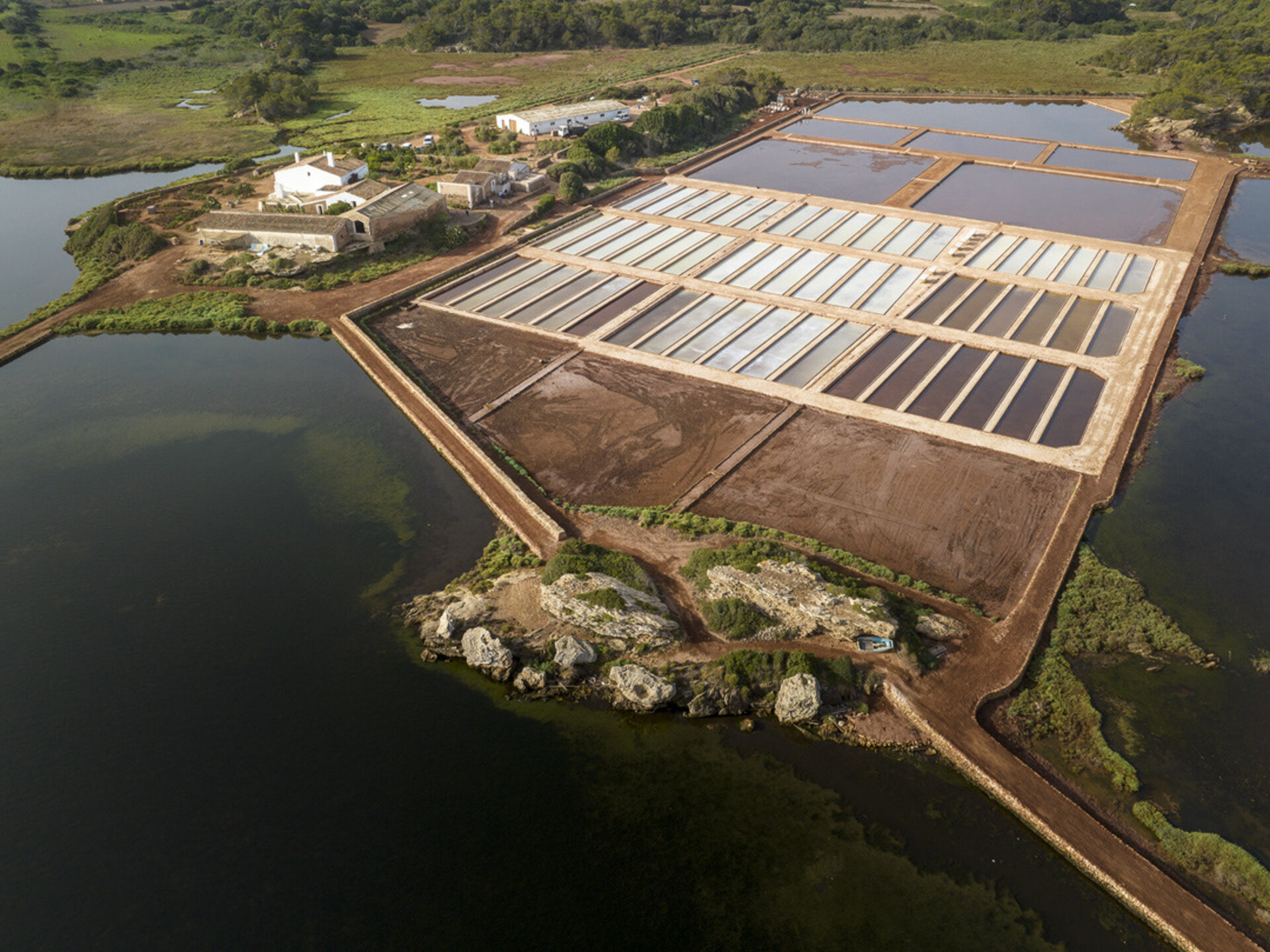
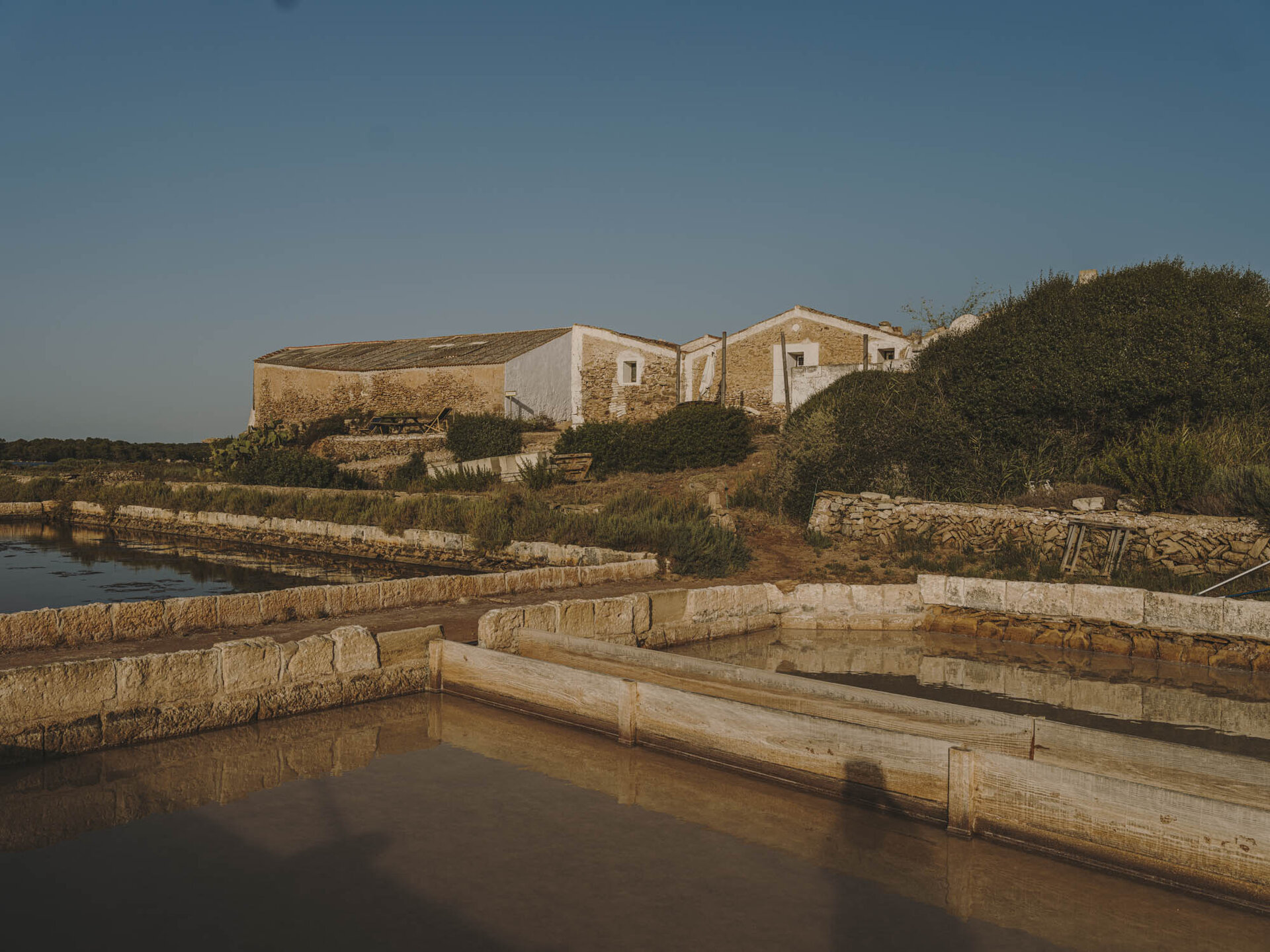
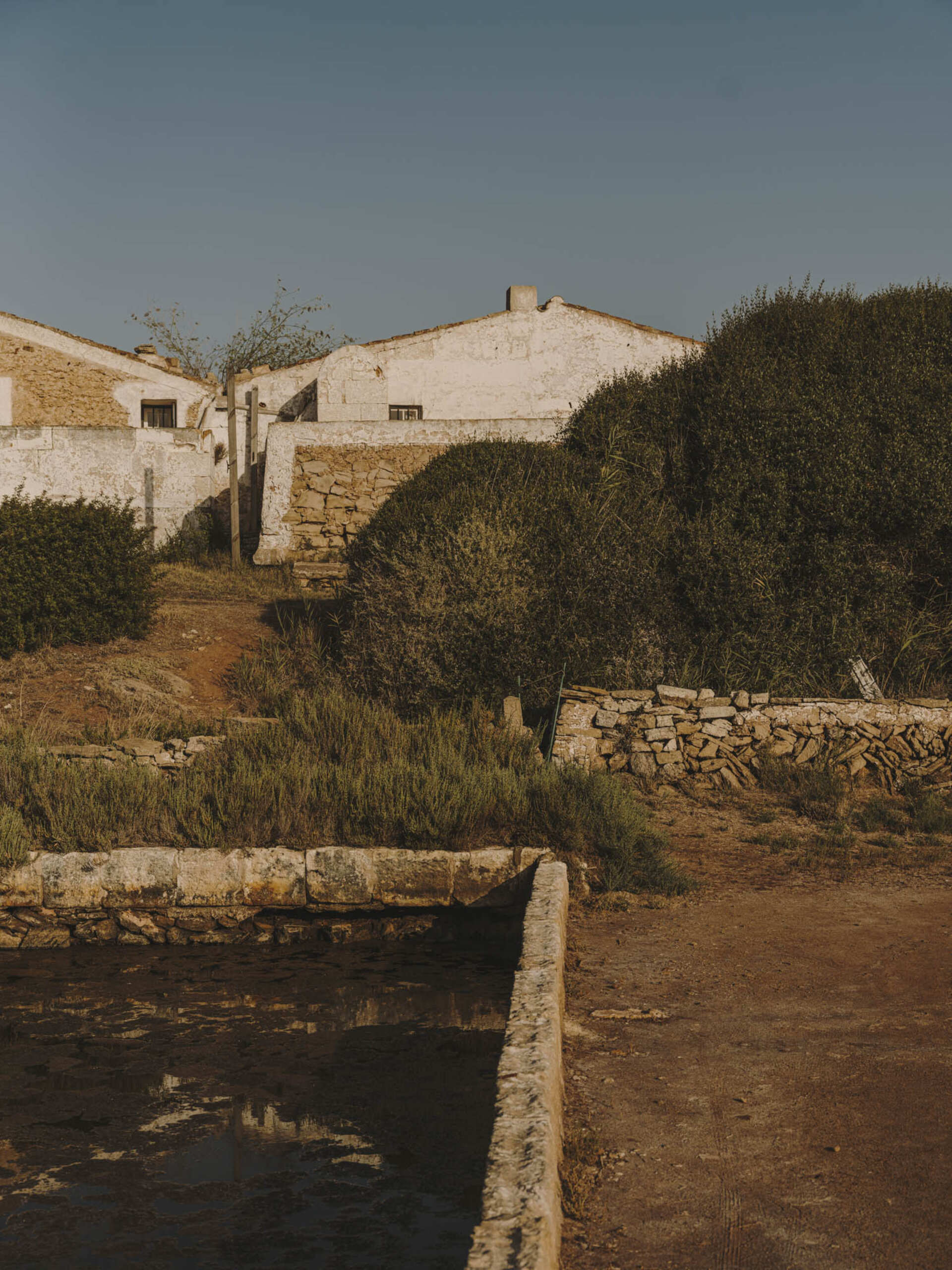
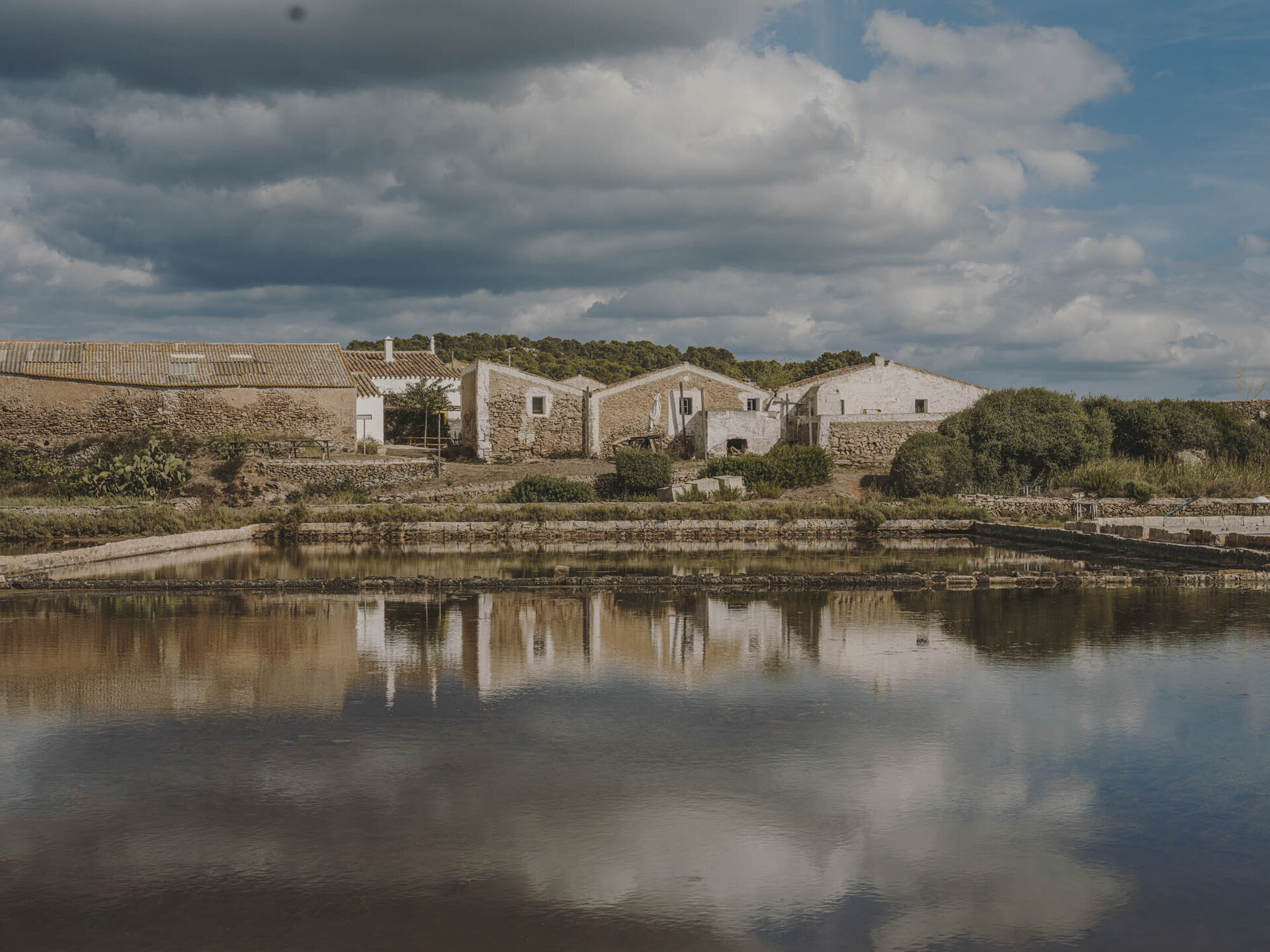
The Salinas de La Concepción are historic coastal saltworks situated near Fornells on the northern coast of Menorca, in Spain's Balearic Islands. Established in 1853, with the first salt harvest recorded in 1854, the site represents a distinctive example of nineteenth-century industrial and agricultural heritage. Its rehabilitation received a European Heritage Award / Europa Nostra Award in 2026 in the Conservation and Adaptive Reuse category, recognising the successful revival of a traditional productive landscape through artisanal craftsmanship, ecological restoration and community engagement. For generations, the salt pans contributed to Menorca's economy and culinary traditions, supplying salt for food preservation and local trade. Production declined during the twentieth century and largely ceased by the 1990s. Following decades of inadequate maintenance, the historic basins, water channels, retaining walls and coastal defences had deteriorated severely. Erosion, vegetation growth and structural collapse threatened both the surviving physical fabric and the specialist knowledge required to operate the saltworks. The privately financed rehabilitation was undertaken by Salinas de La Concepción SL under a public concession granted by the Balearic authorities. The principal construction programme ran from May 2022 to July 2023, with Laura Ruiz Mercadal serving as managing director and Guillermo Casas directing the technical restoration alongside architects Dani Gutierrez and Verena Best-Mast. The project sought to restore the original salt-making system while establishing a sustainable economic and environmental future for the site. Covering approximately 5.7 hectares, the intervention reconstructed more than four kilometres of internal and perimeter walls using over 10,000 locally quarried marès limestone blocks. The work relied on traditional dry-stone construction, compacted clay and extensive manual labour rather than cement-based reconstruction. Fifty-four crystallisation basins, together with evaporation and settling ponds, were re-established according to historic layouts and the technical requirements of salt production. The 250-metre seawall was rebuilt and raised to improve protection against storms and rising sea levels. A historic jetty was reconstructed using stone and clay, while wooden sluice gates and carefully graded channels restored the controlled movement of seawater through the basins. Local craftspeople contributed their knowledge of stone construction, and workers received specialist training in the levelling, compacting and maintenance of clay surfaces. Artisanal salt production resumed in 2023. The restored saltworks now produce approximately 12 tonnes of fleur de sel and 60–70 tonnes of sea salt annually, relying on natural evaporation and manual harvesting. The operation has created local employment and reintroduced a traditional craft that had nearly disappeared from Menorca. Environmental conservation forms an integral part of the project. Bird nesting islands were restored in cooperation with GOB Menorca, and microplastic filters were incorporated into the water intake system. Following severe flooding during the 2024 DANA storm, additional improvements strengthened drainage and the resilience of the clay embankments. The site forms part of the UNESCO-designated Menorca Biosphere Reserve and received the Menorca Reserva de Biosfera label in 2025. Public engagement has helped reconnect the saltworks with the island's communities. Guided tours, educational visits, school partnerships and a visitor centre explain the historical and ecological importance of salt production. Collaboration with elderly-care institutions and an organisation employing people with disabilities extends the project's social benefits. A 35-minute documentary records the restoration process and helps preserve the knowledge gained. By combining historic construction techniques, sustainable production, ecological stewardship and long-term maintenance, the Salinas de La Concepción demonstrate how an abandoned industrial landscape can become productive cultural heritage once again. The project offers an important model for the recovery of traditional Mediterranean saltworks and their associated crafts across Europe.
Similar projects

Middle Ages

19th century

End of the 18th century

1890

14th century


18th century

Between 1889 and 1897

19th century

16th century

16th century

1501