


Puerta de Alcalá
The Puerta de Alcalá is one of Madrid's most recognisable architectural monuments and an outstanding example of Spanish Neoclassical architecture. Commissioned by King Charles III and designed by the Italian architect Francesco Sabatini, the monumental gateway was constructed ...
Read more
Project details
Description:
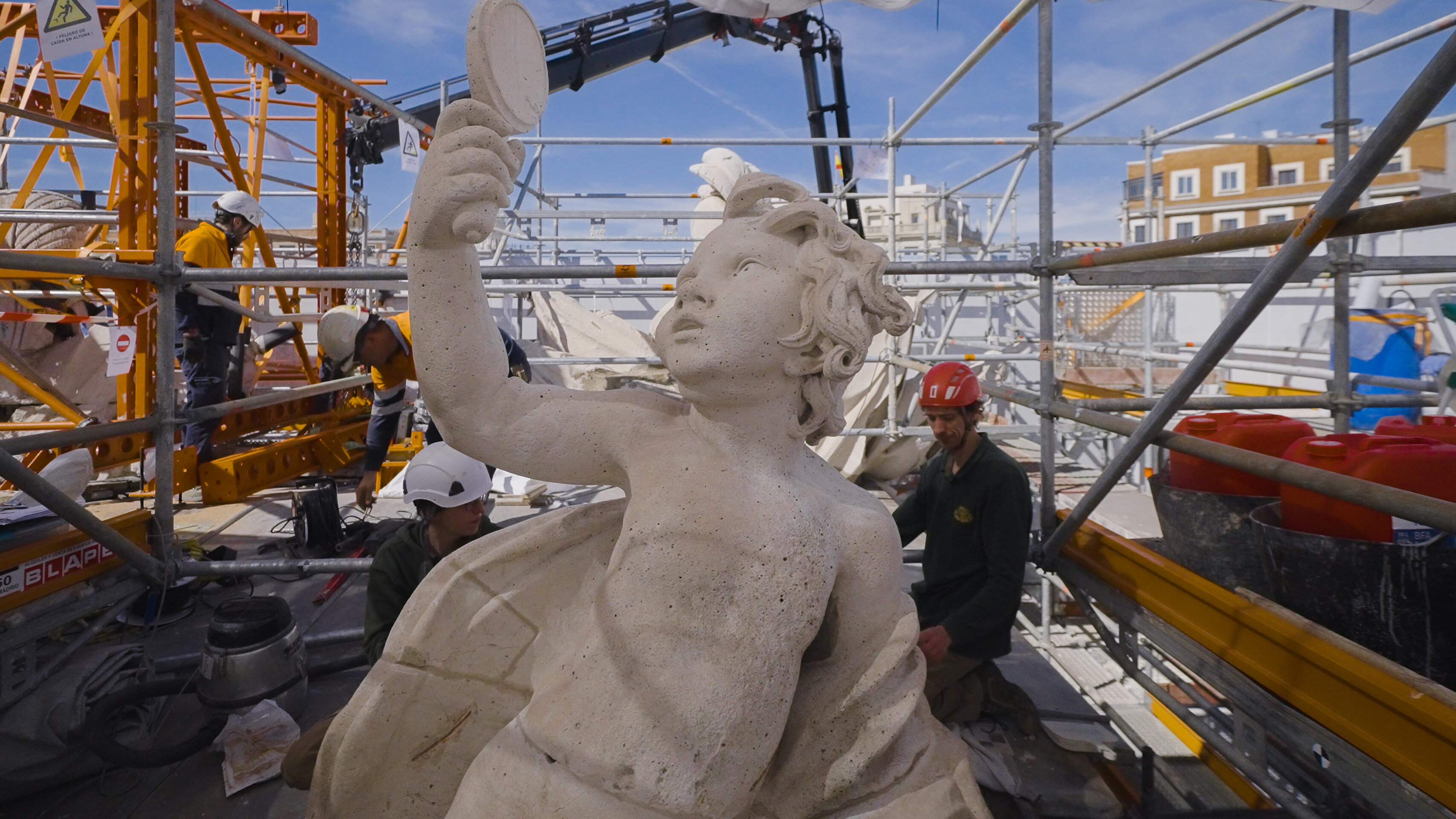
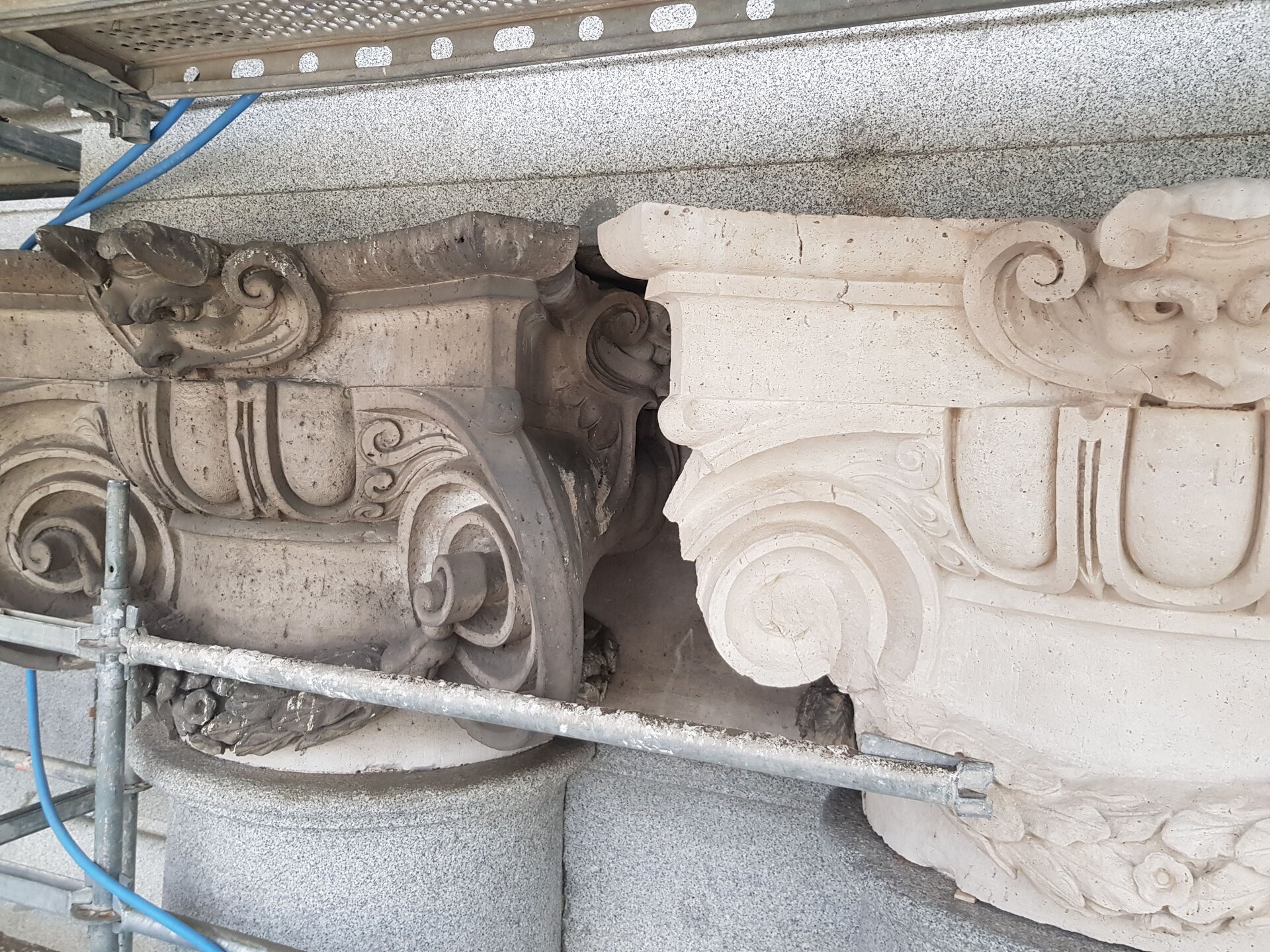
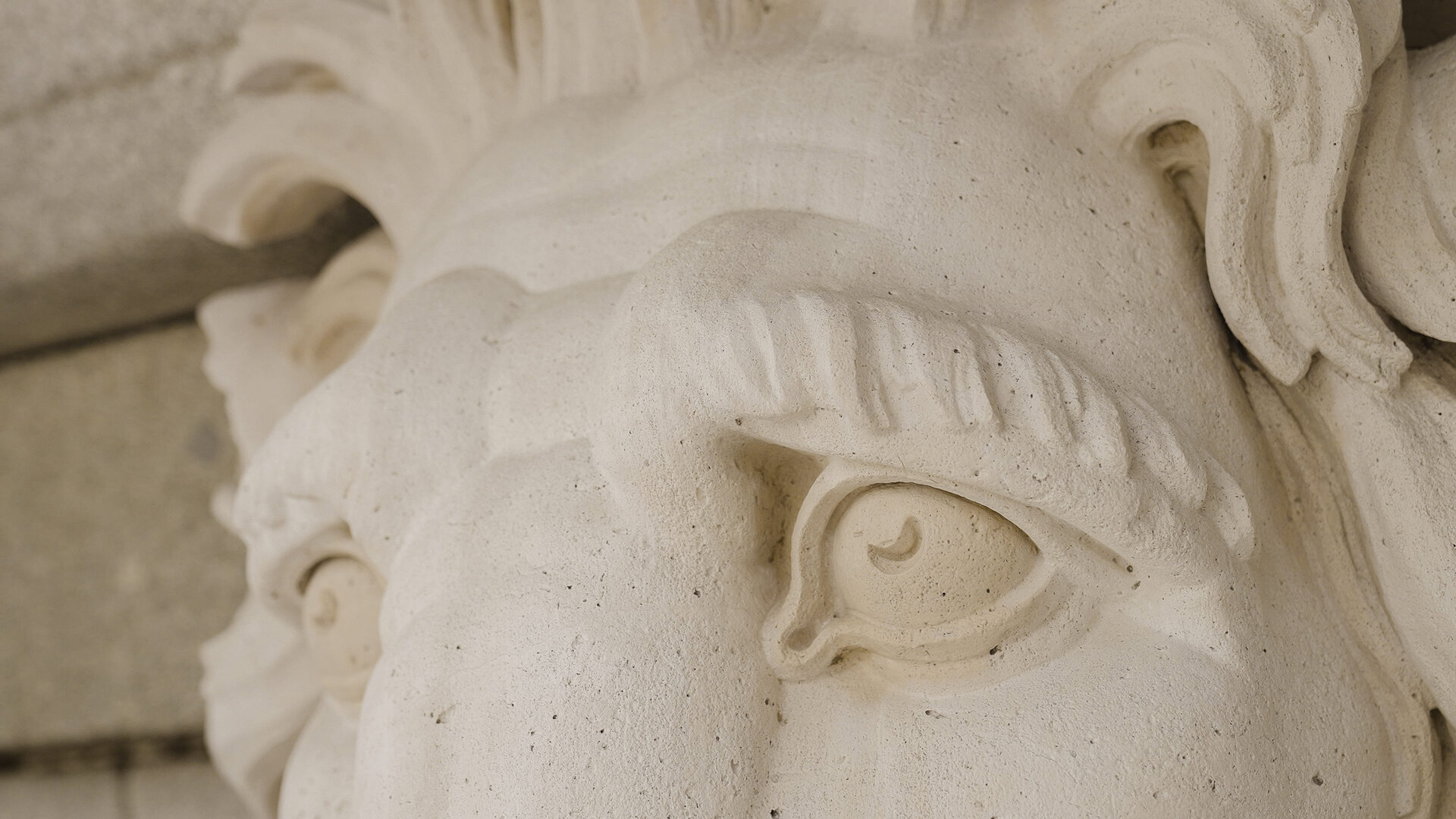
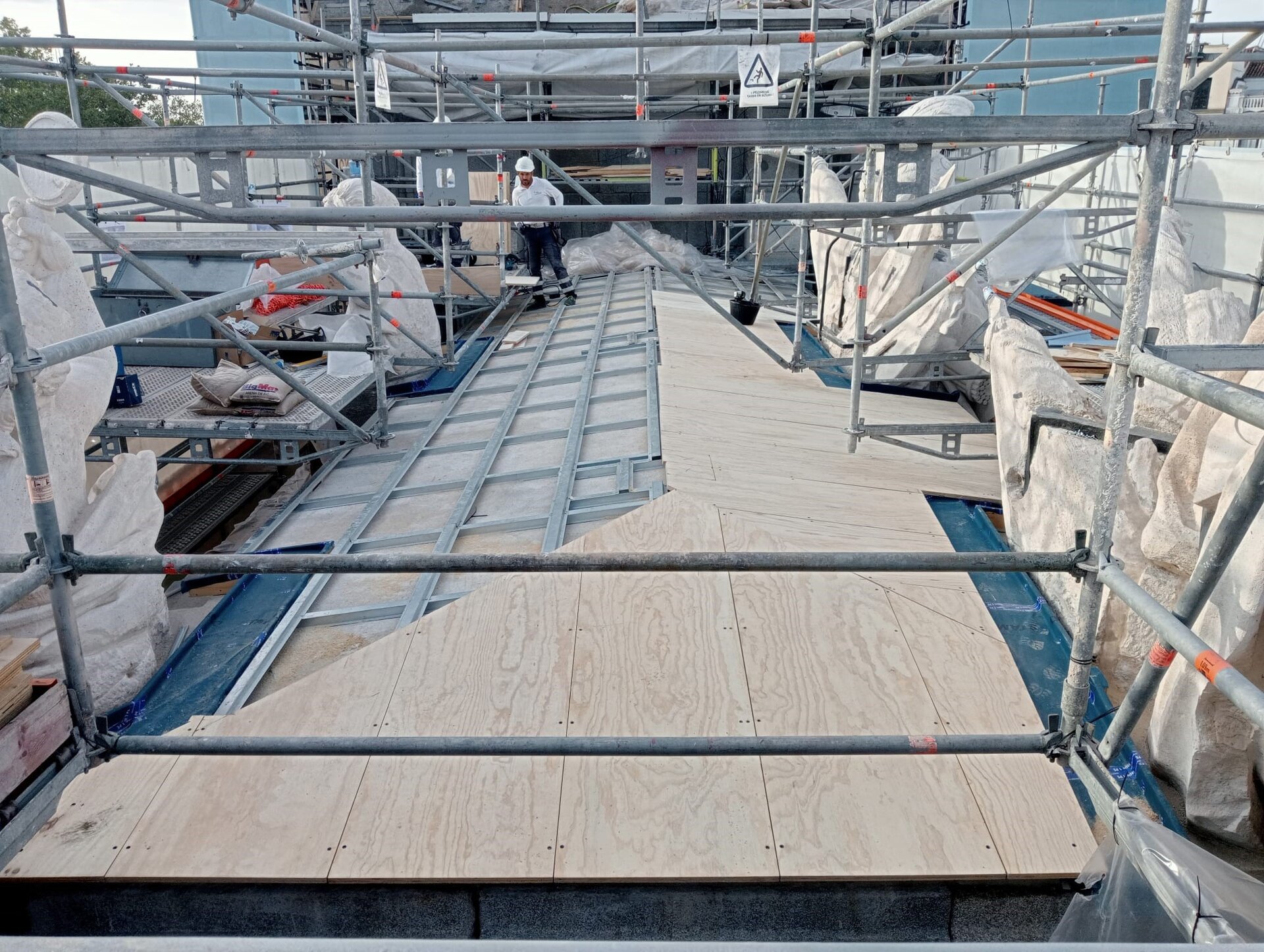
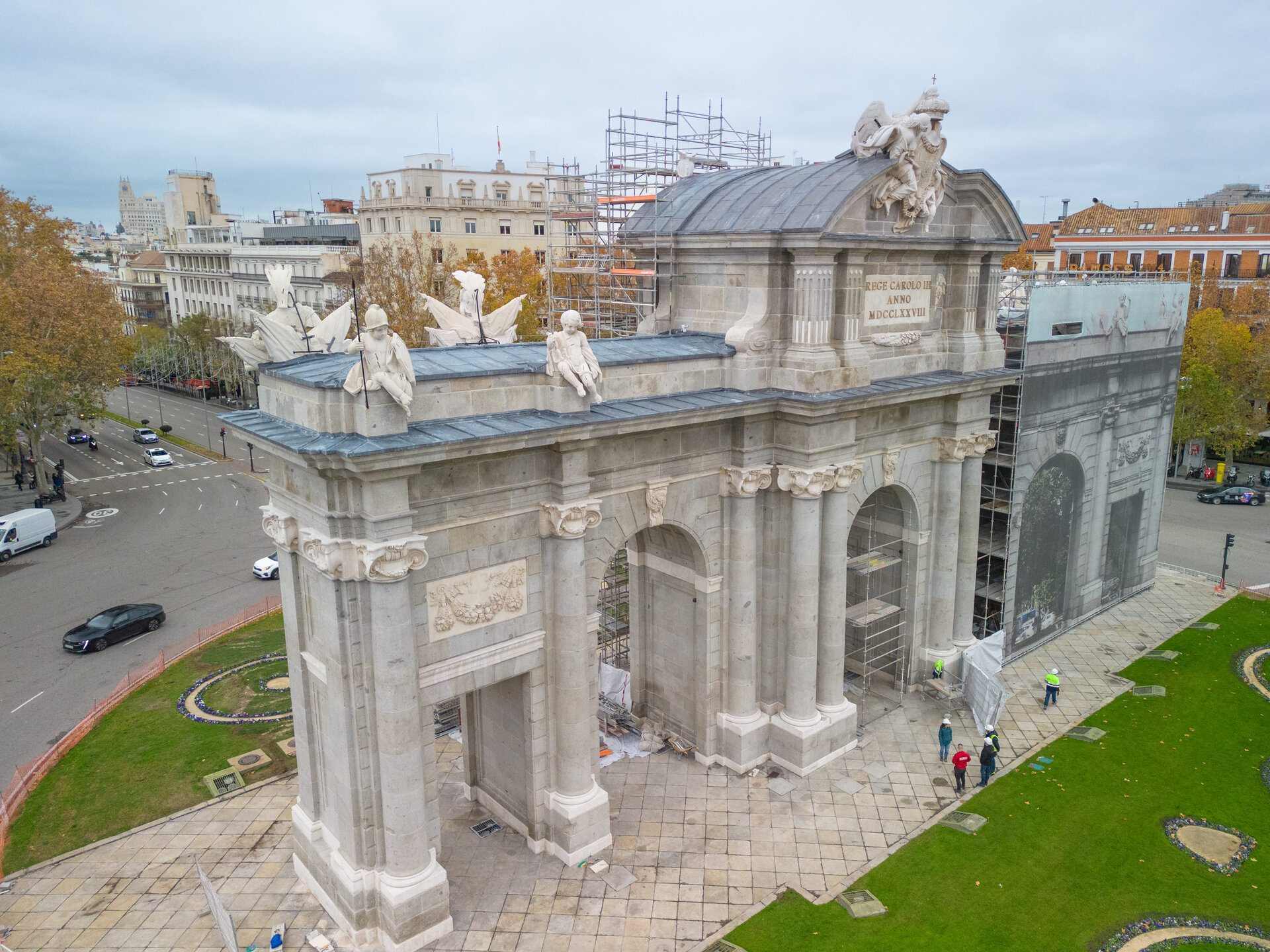
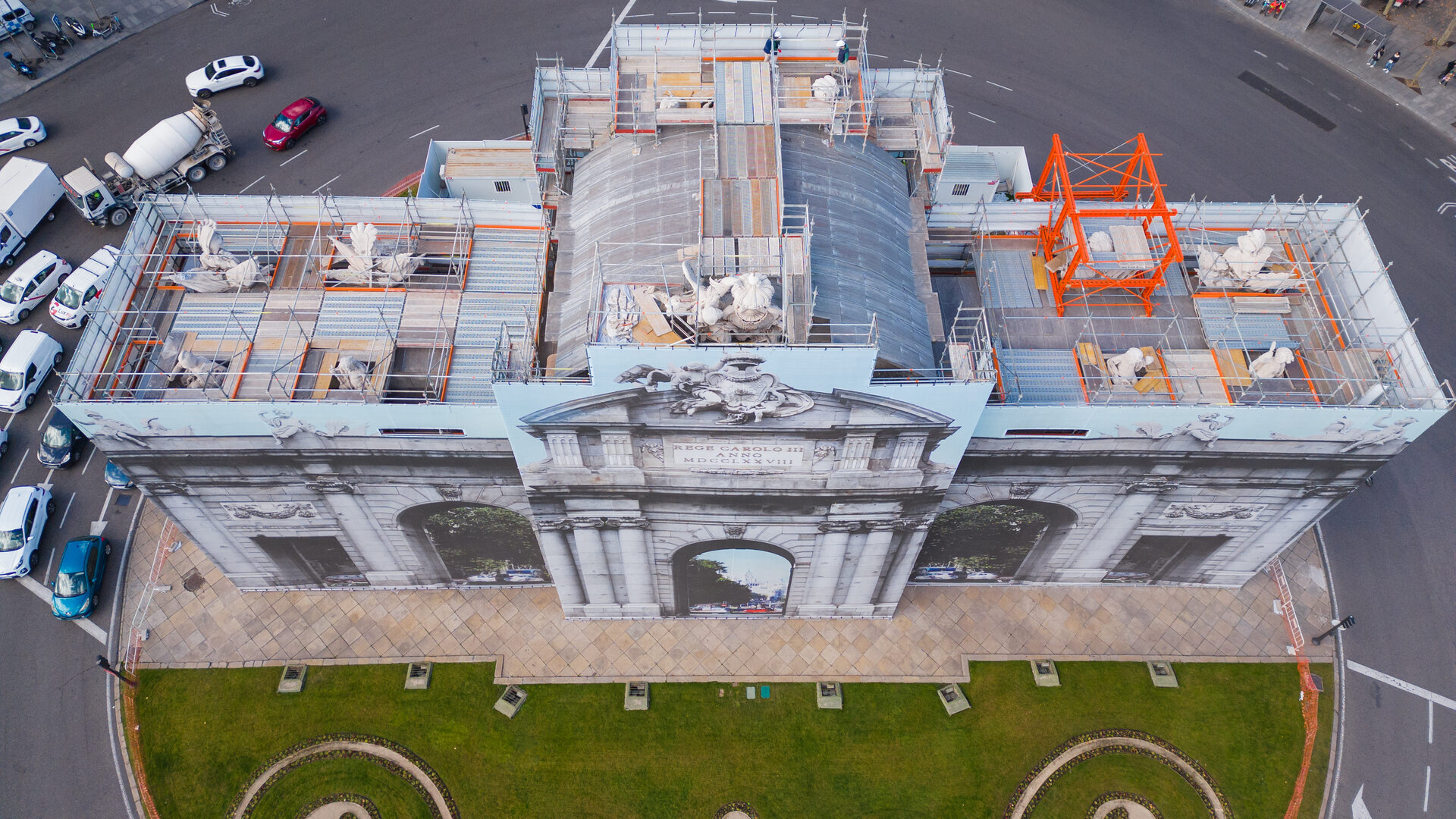
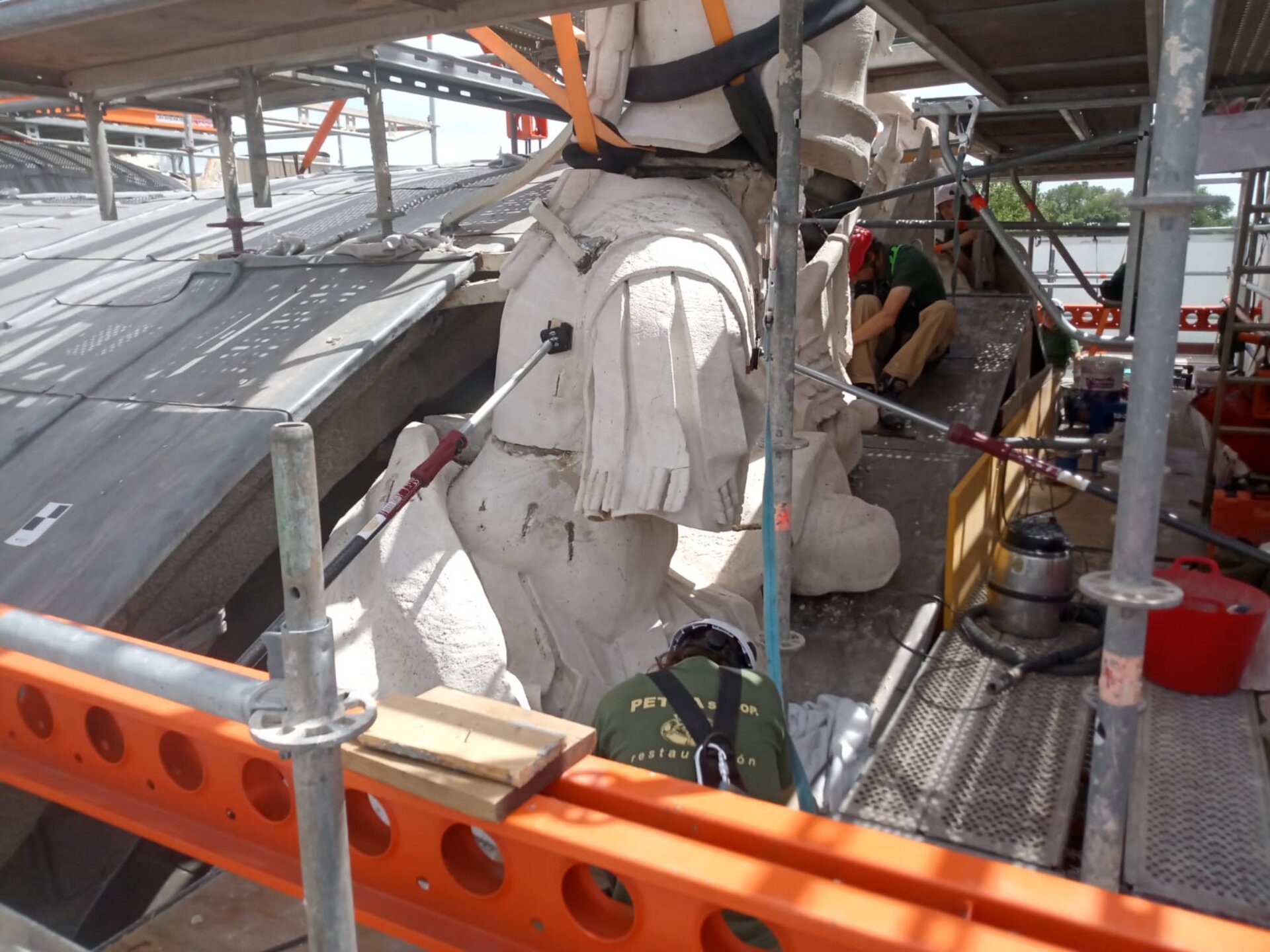
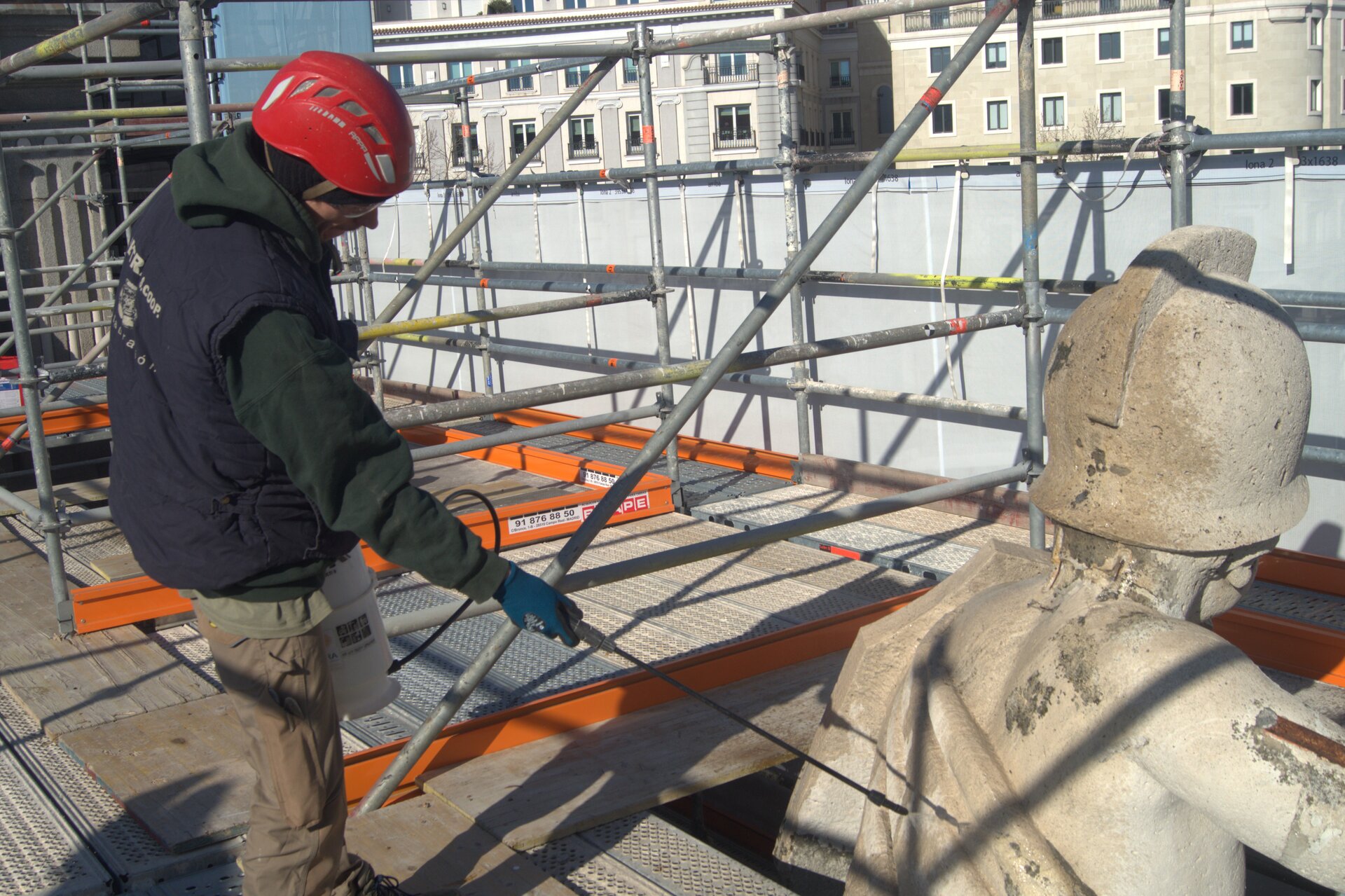
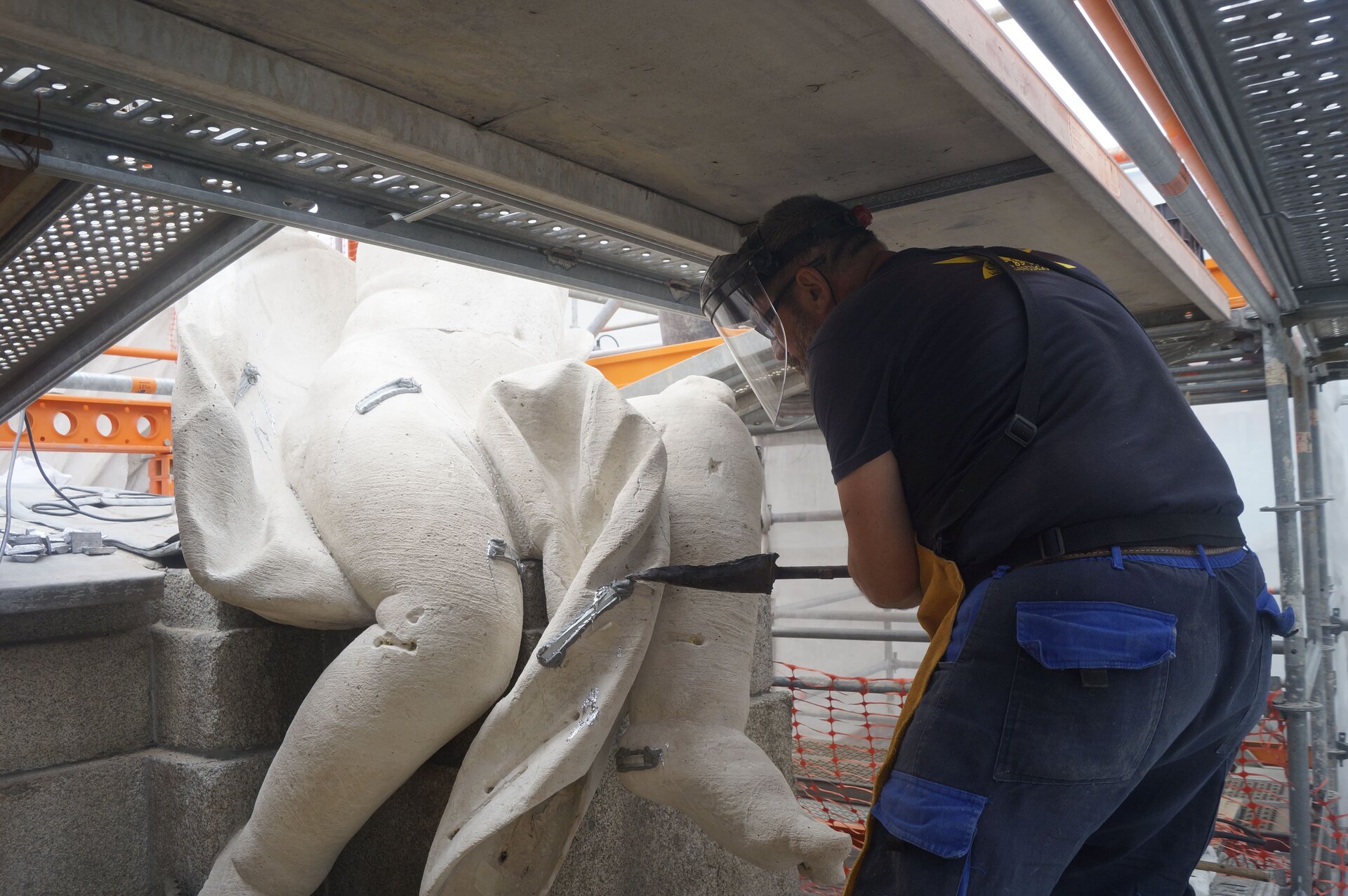
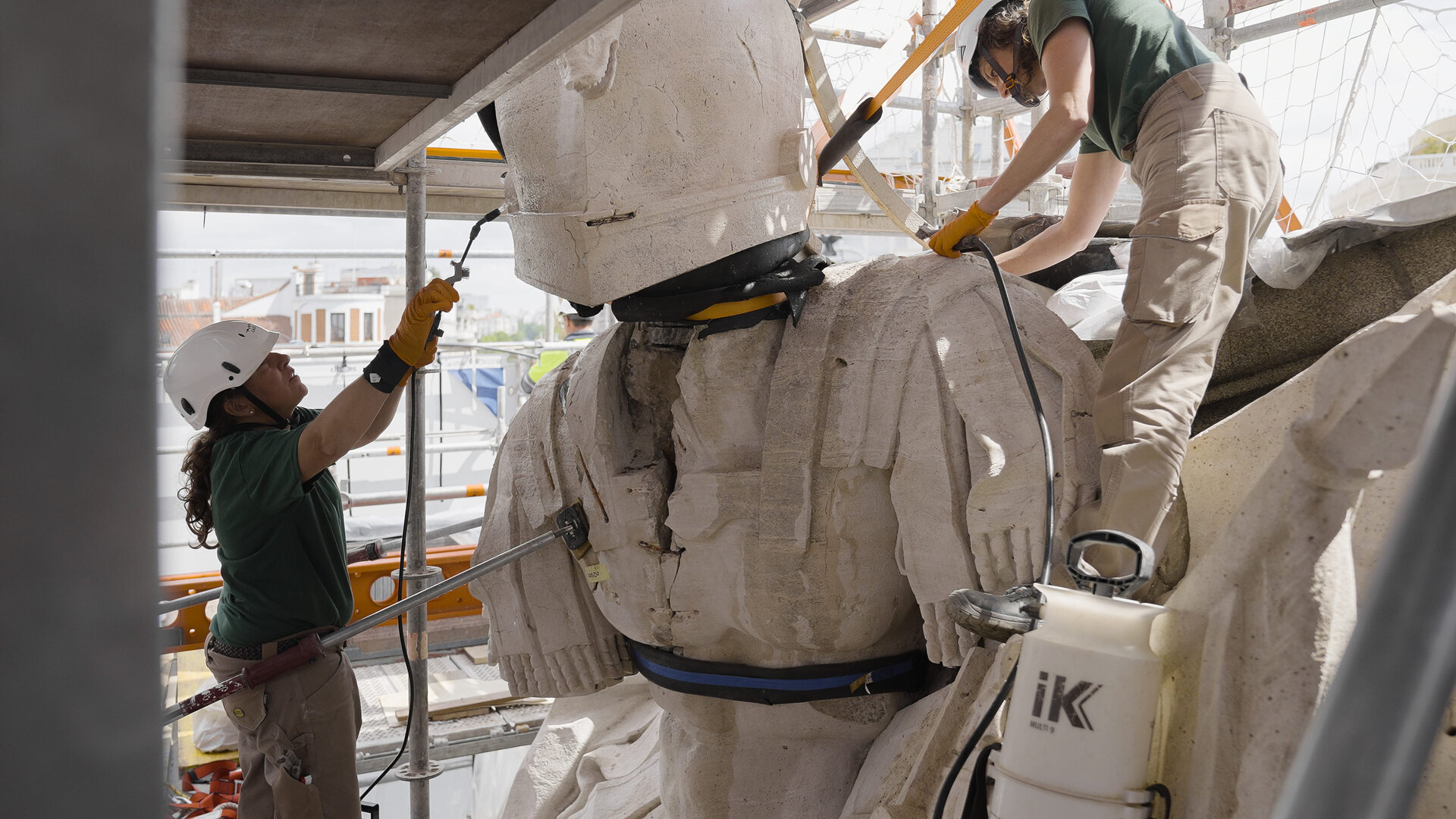
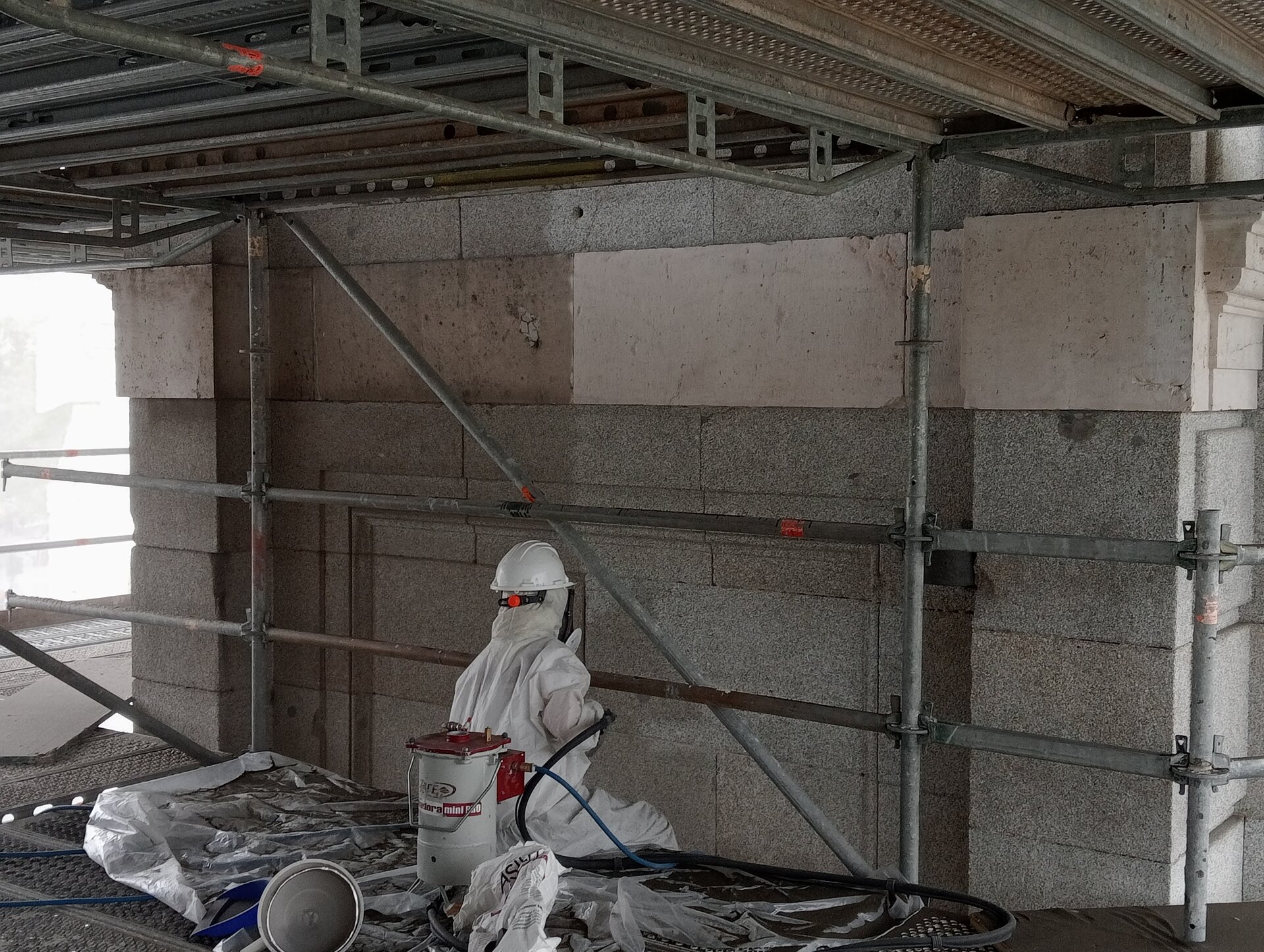
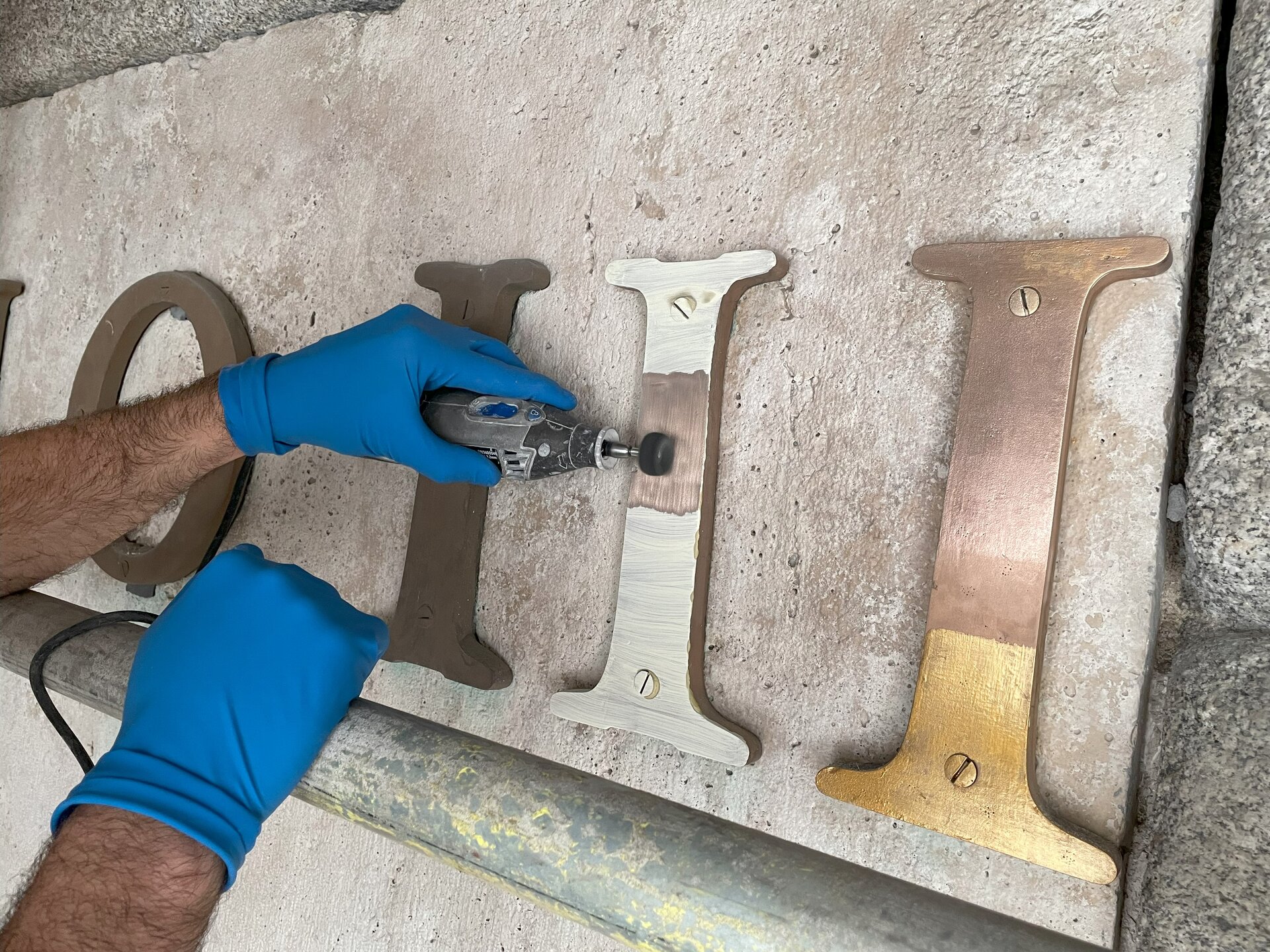
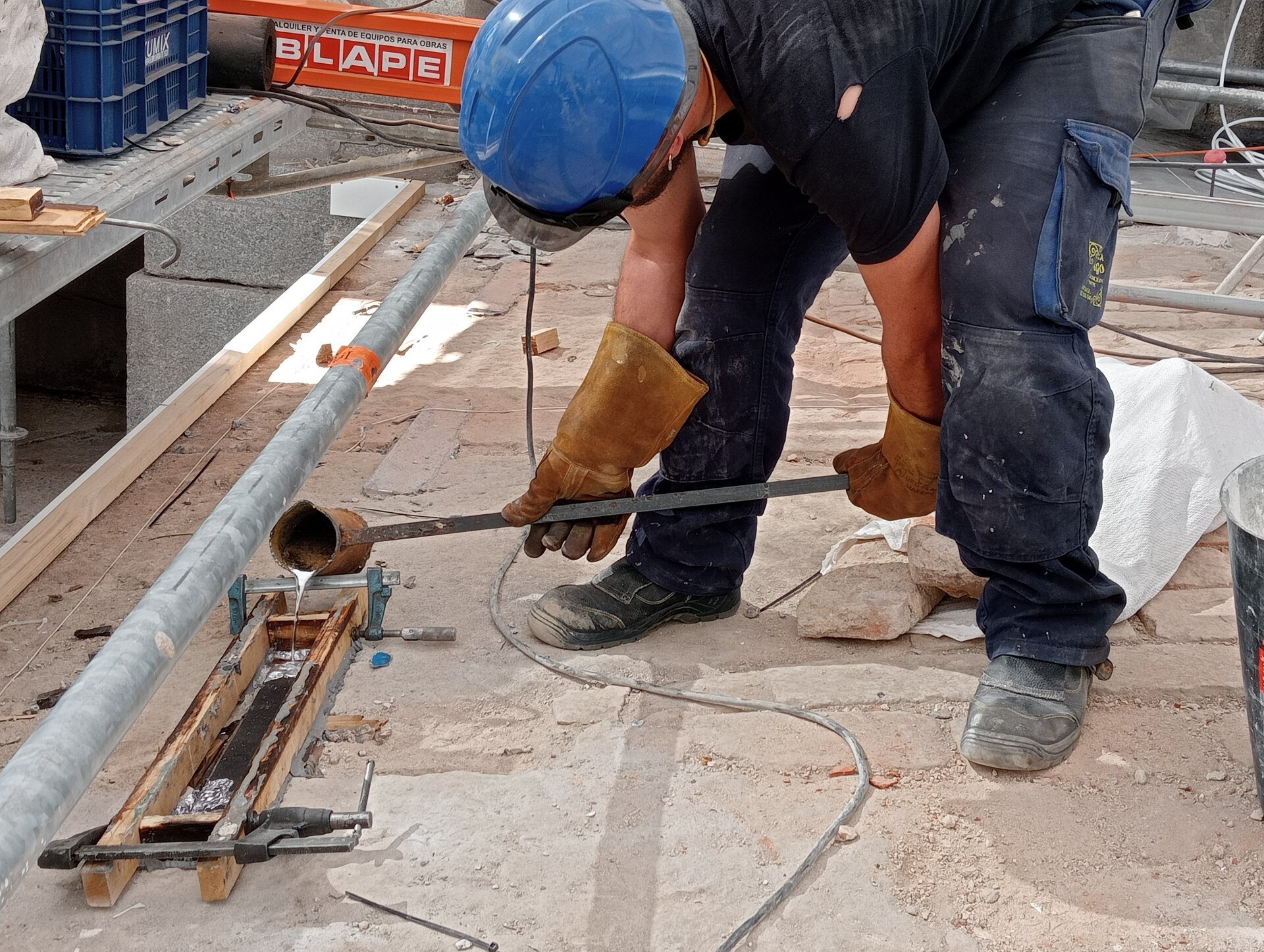
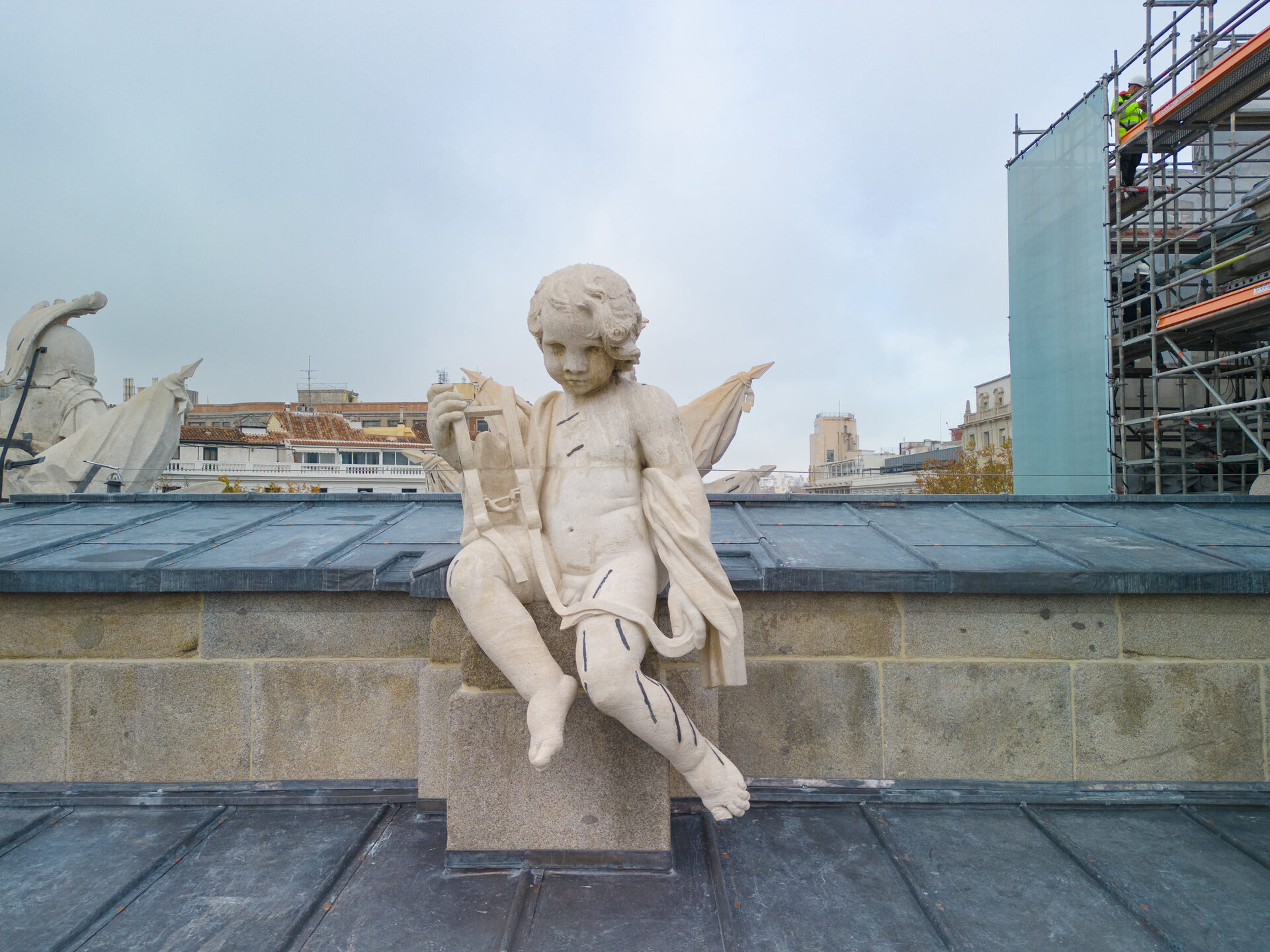
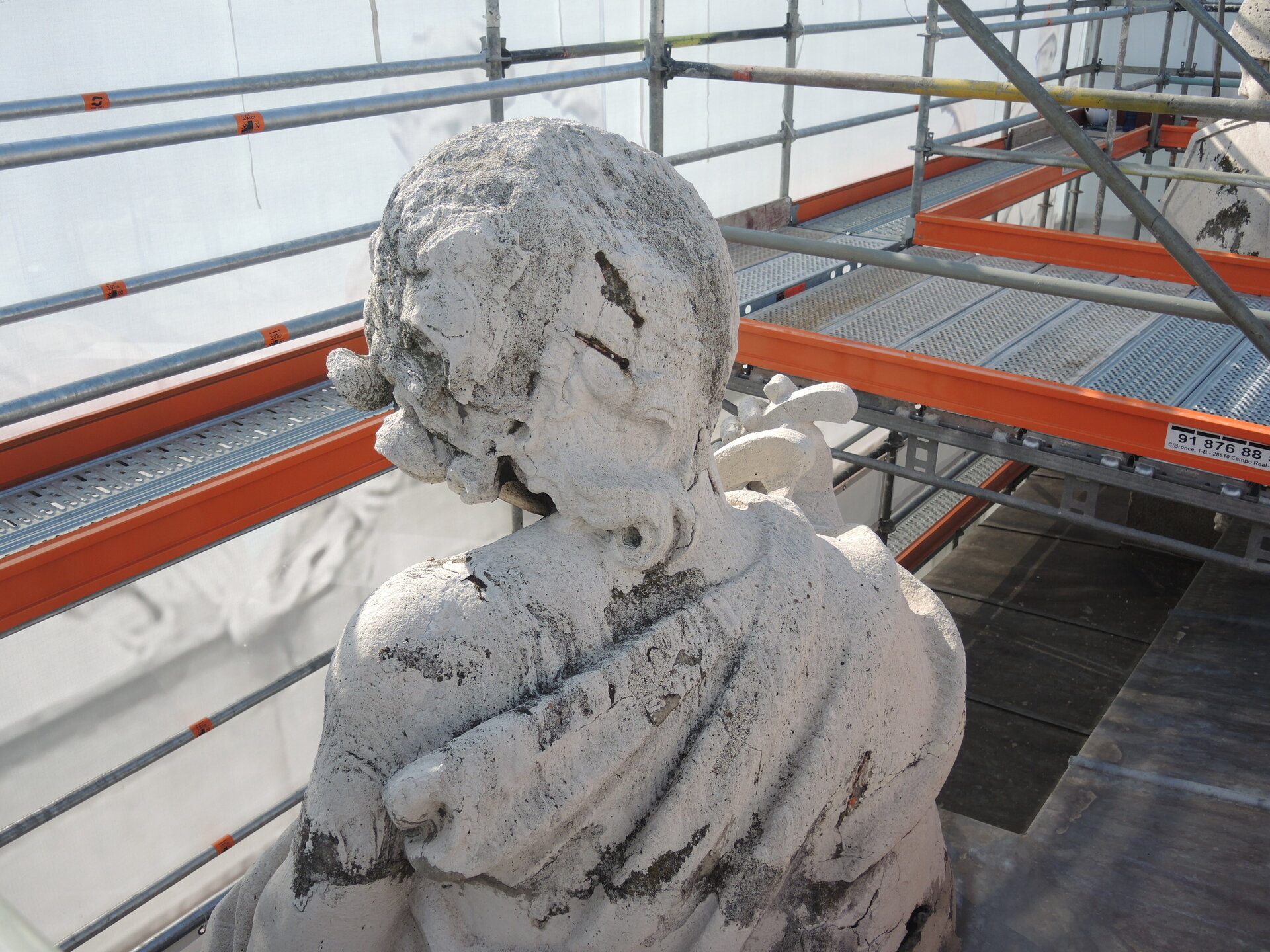
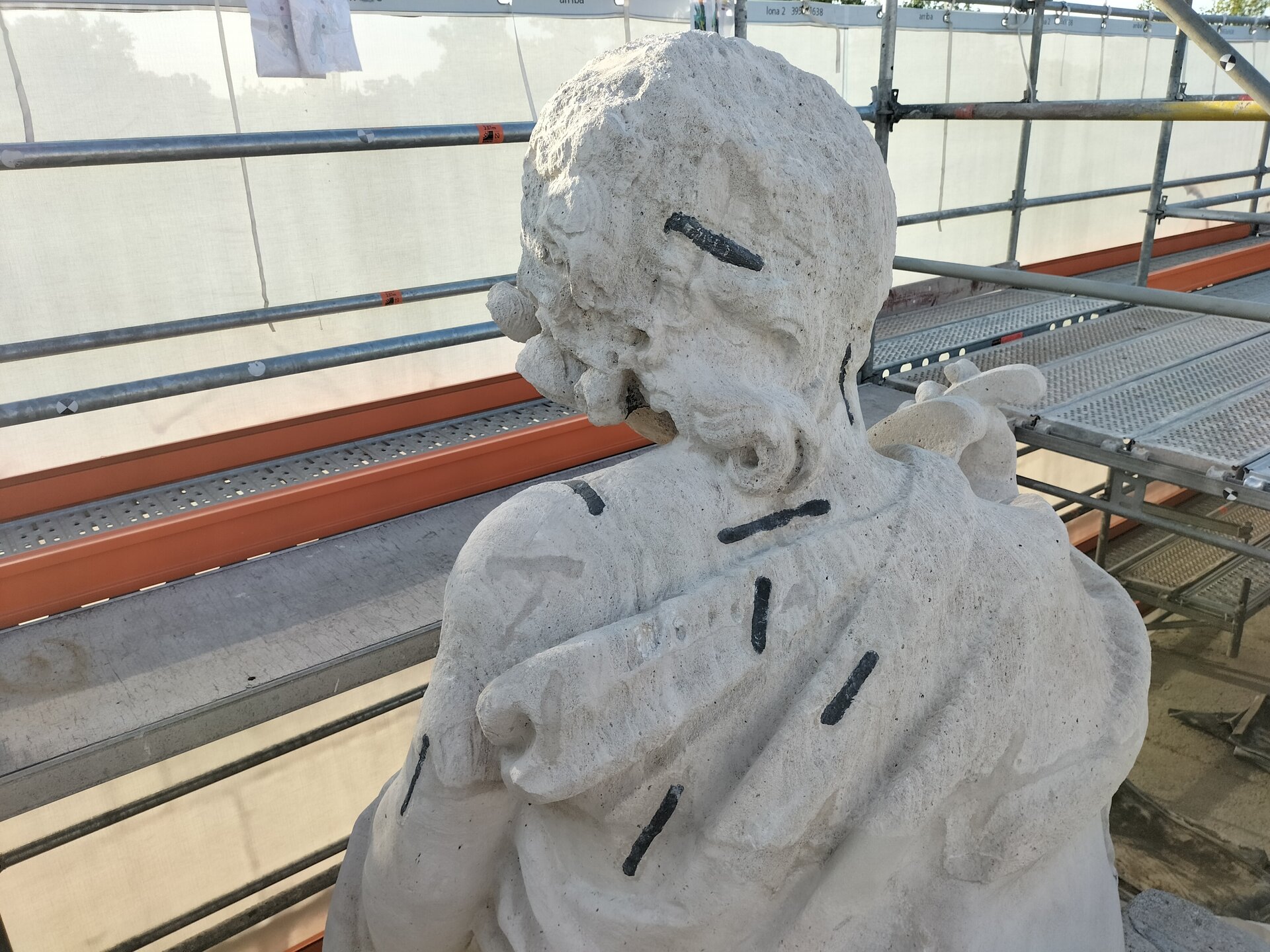
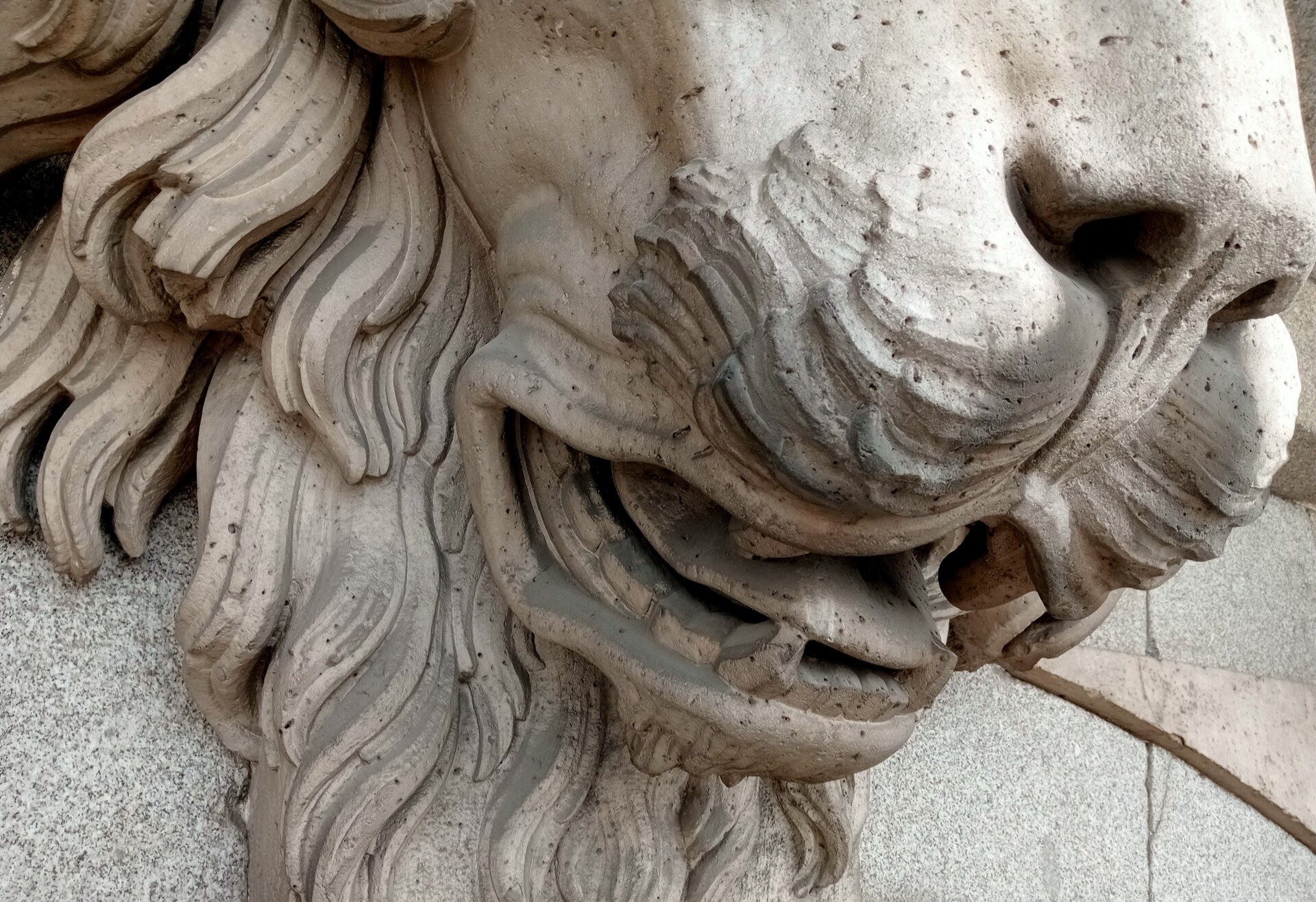
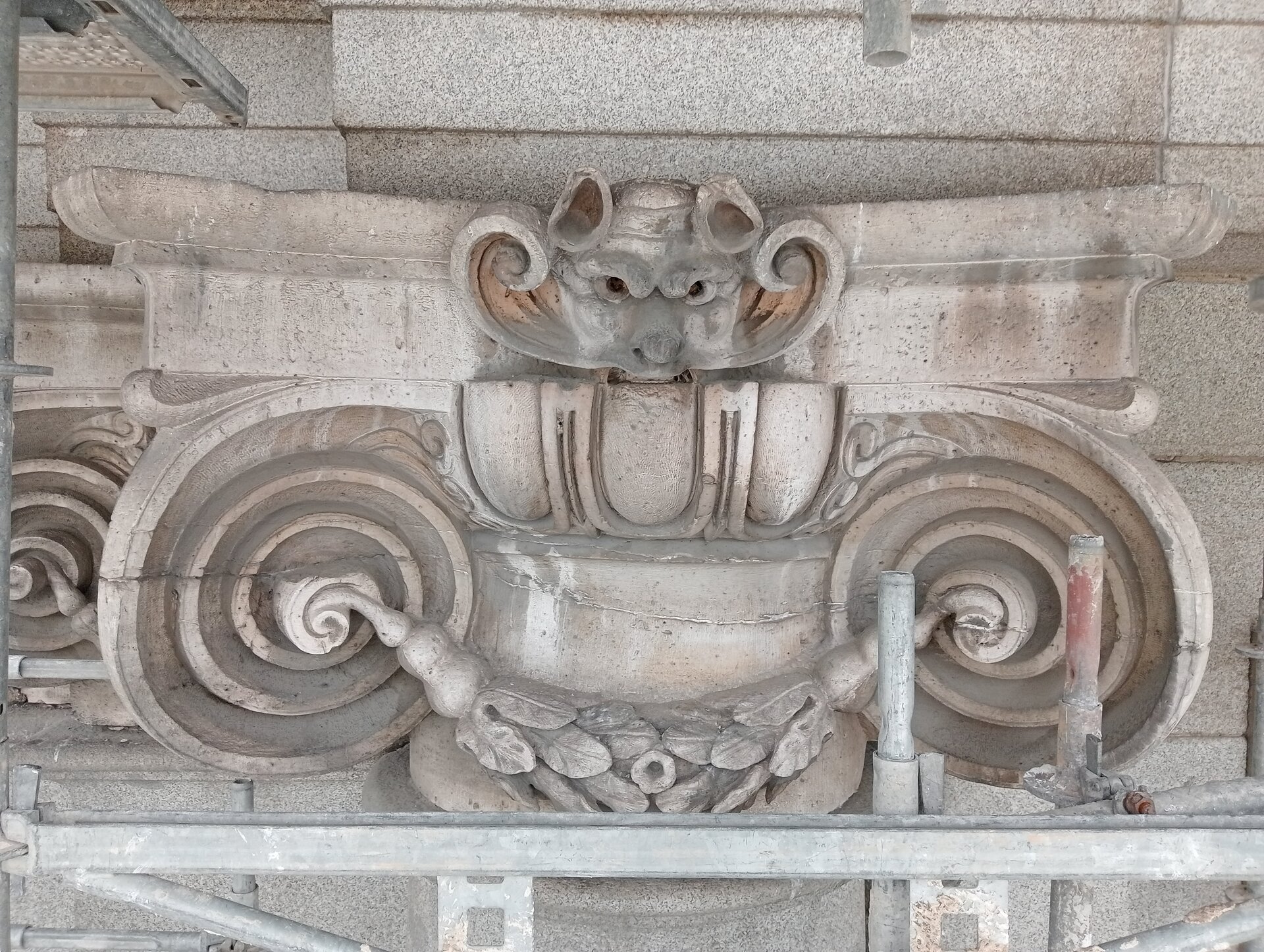
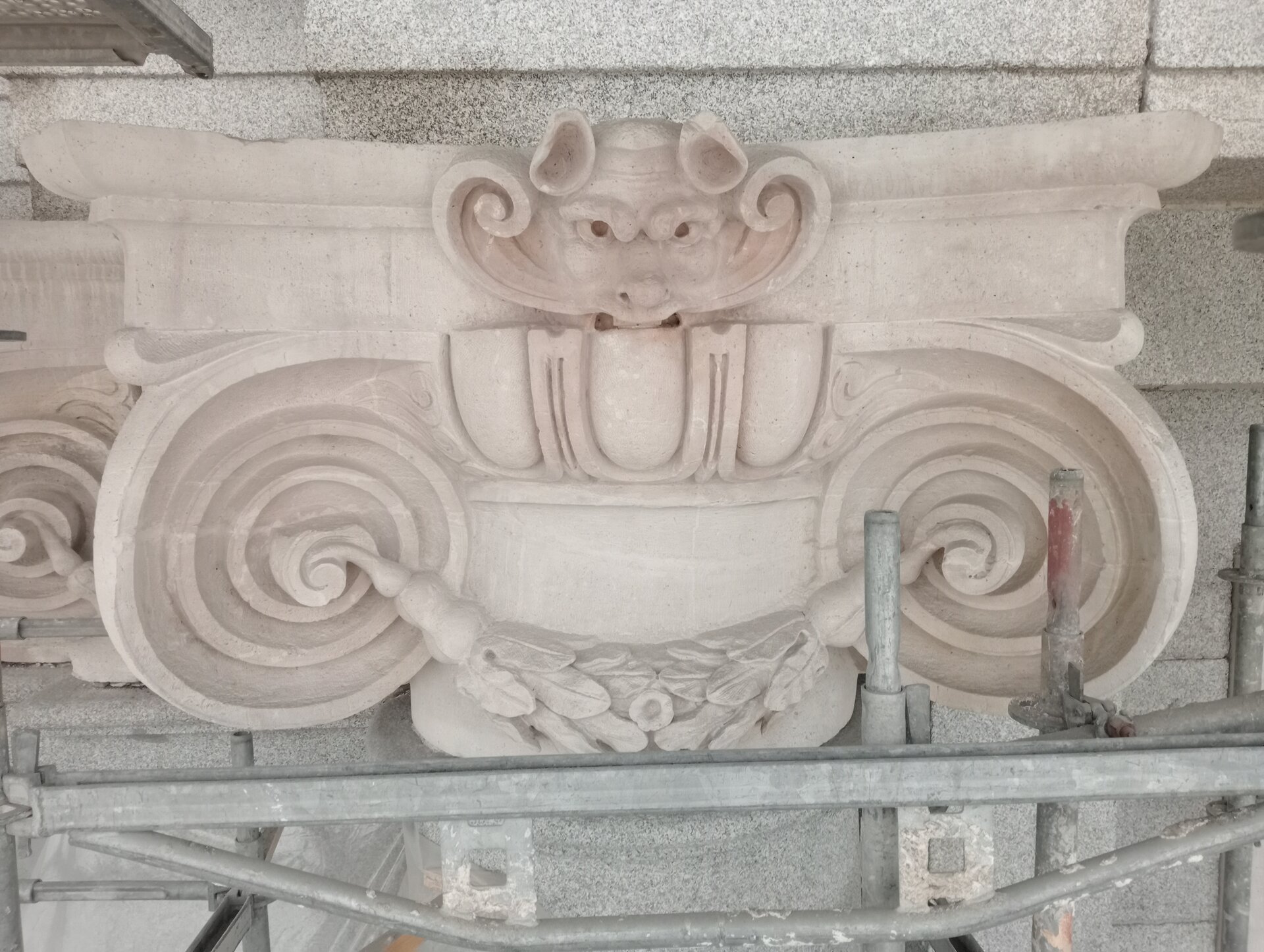
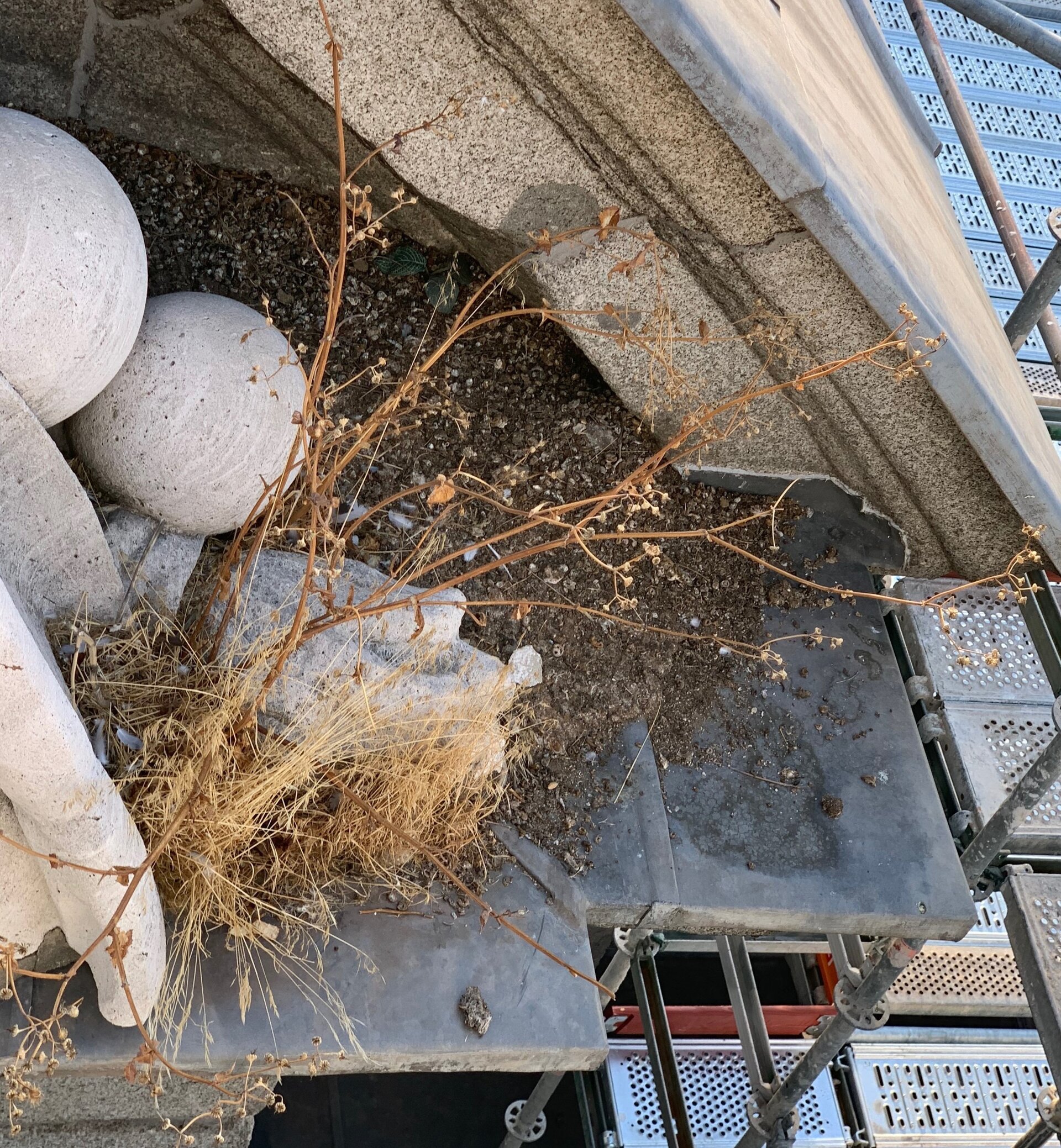
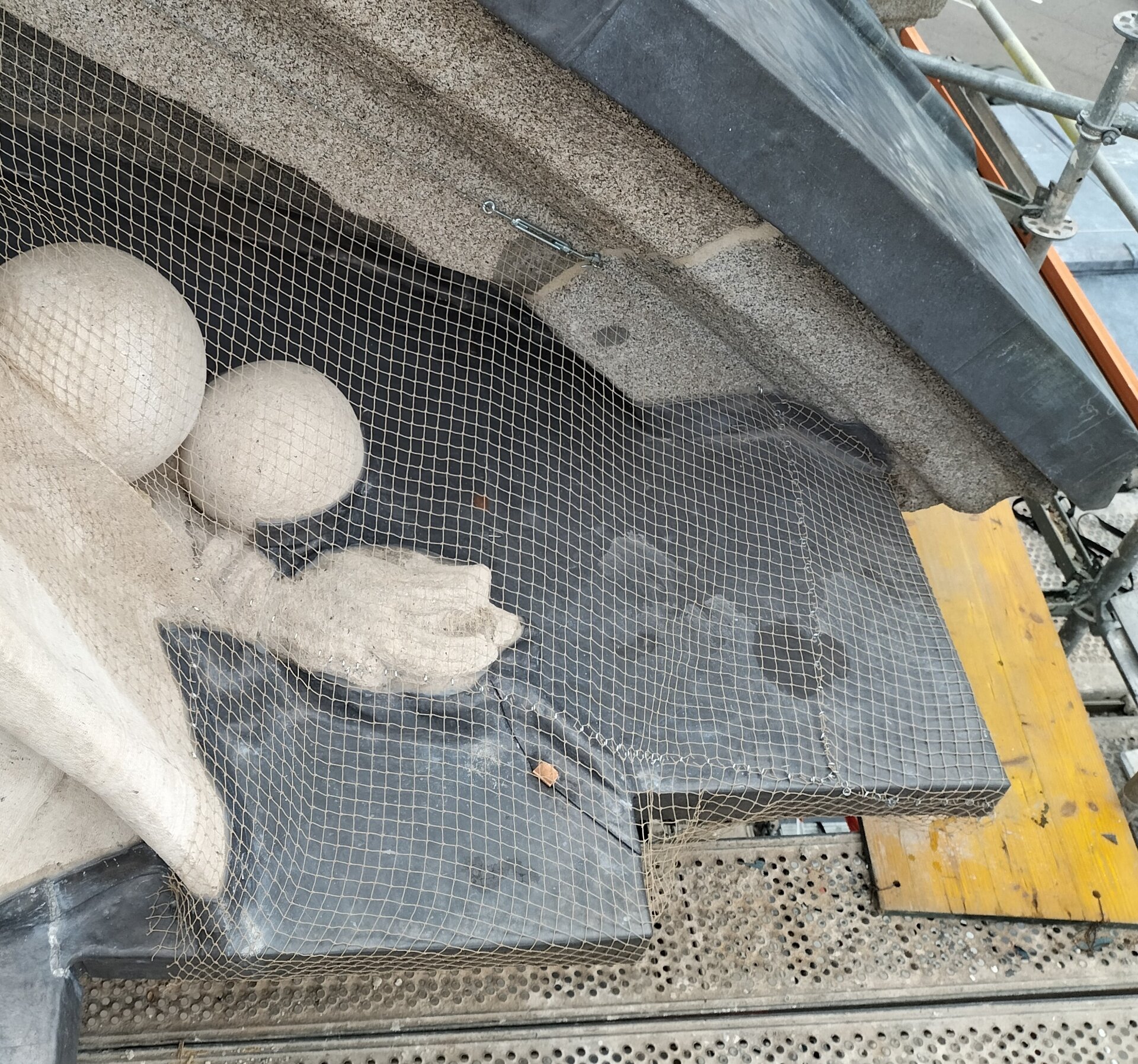
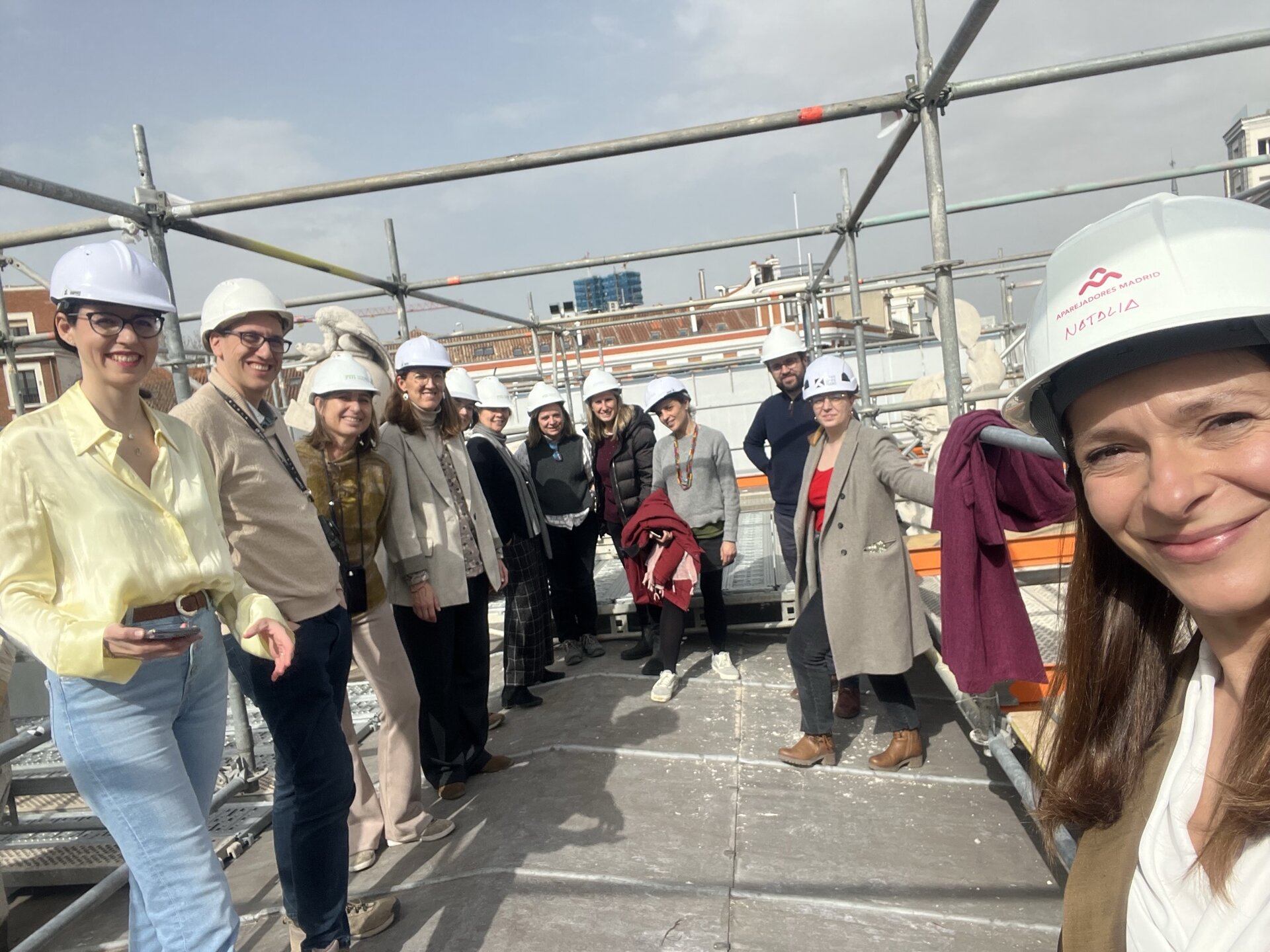
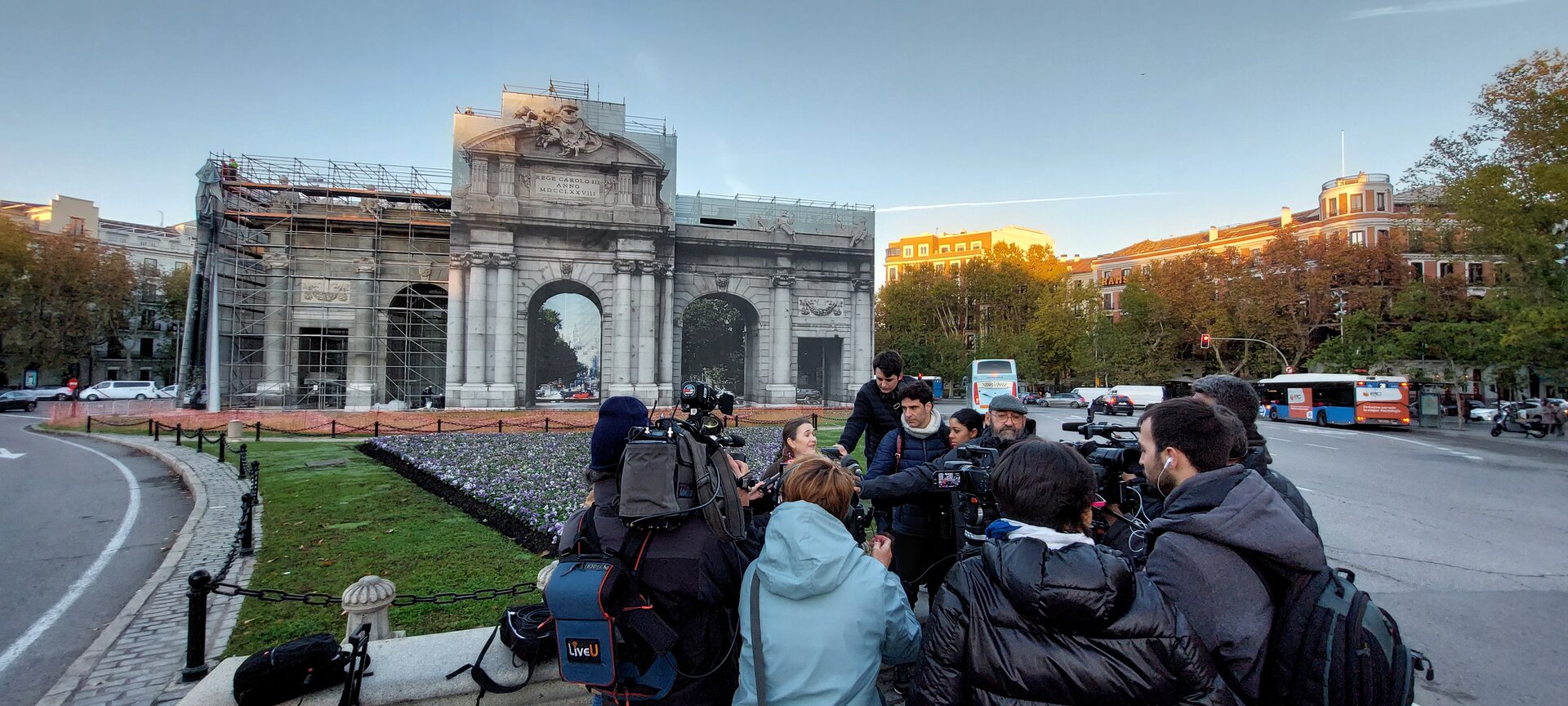
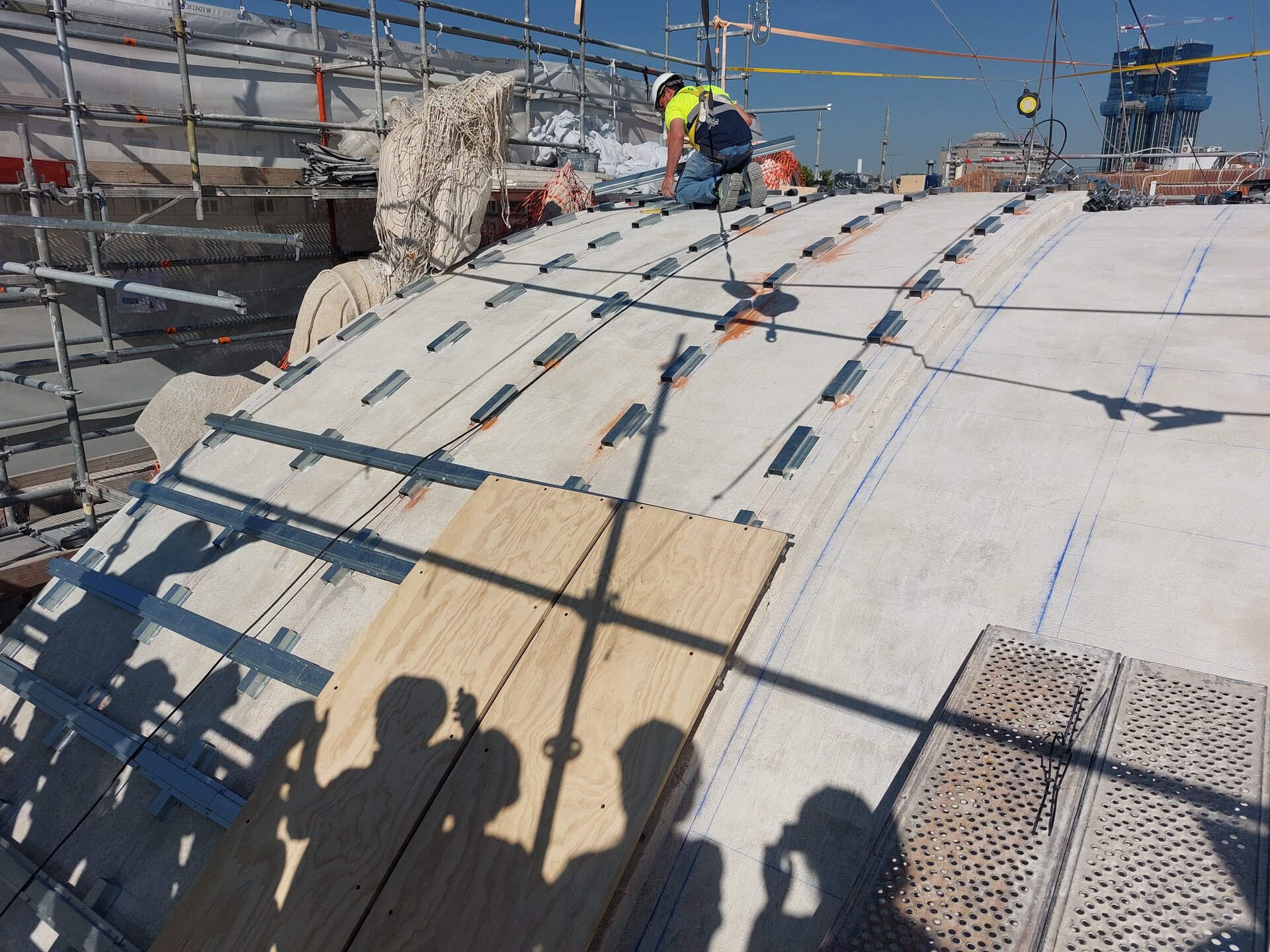
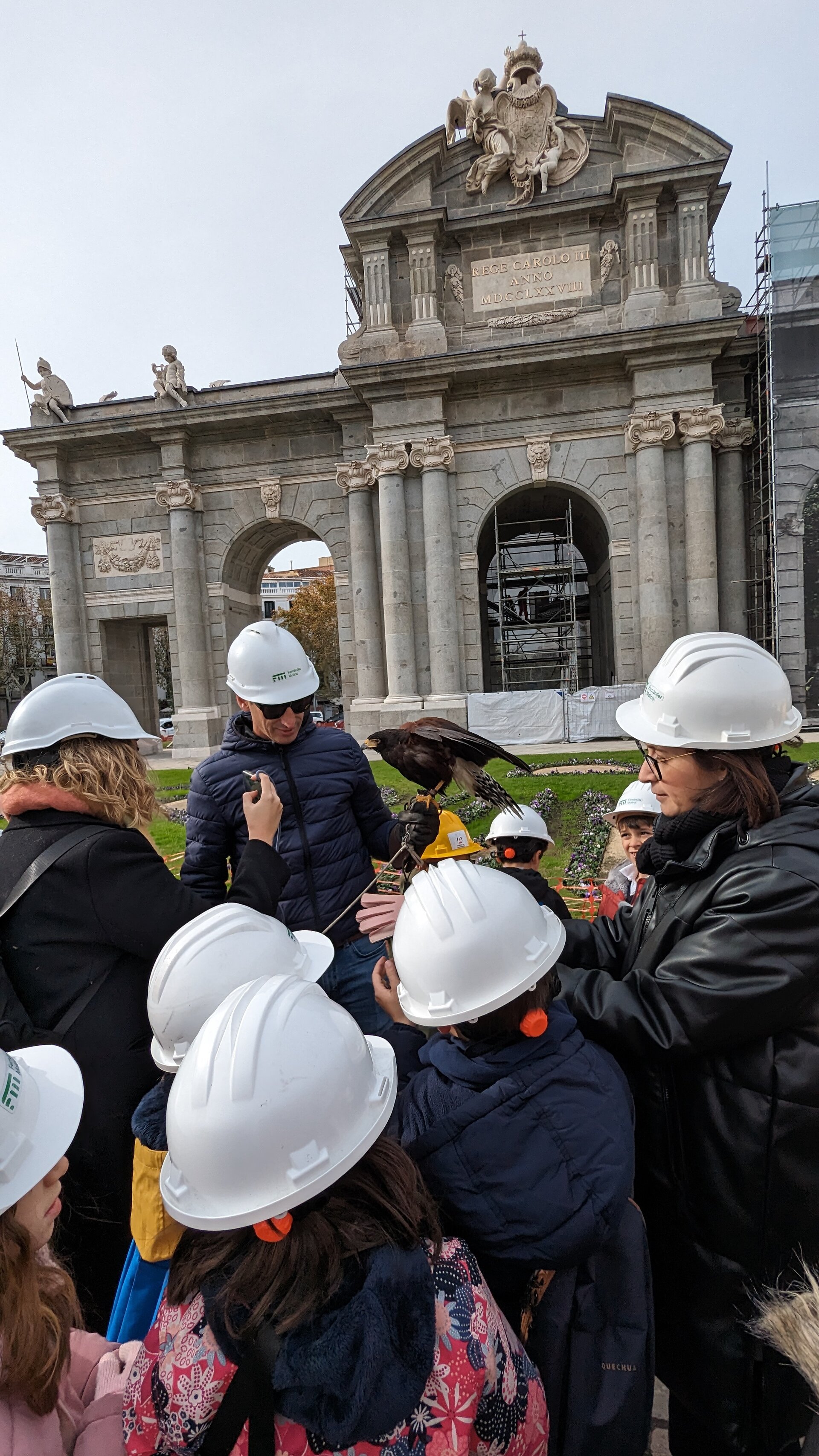
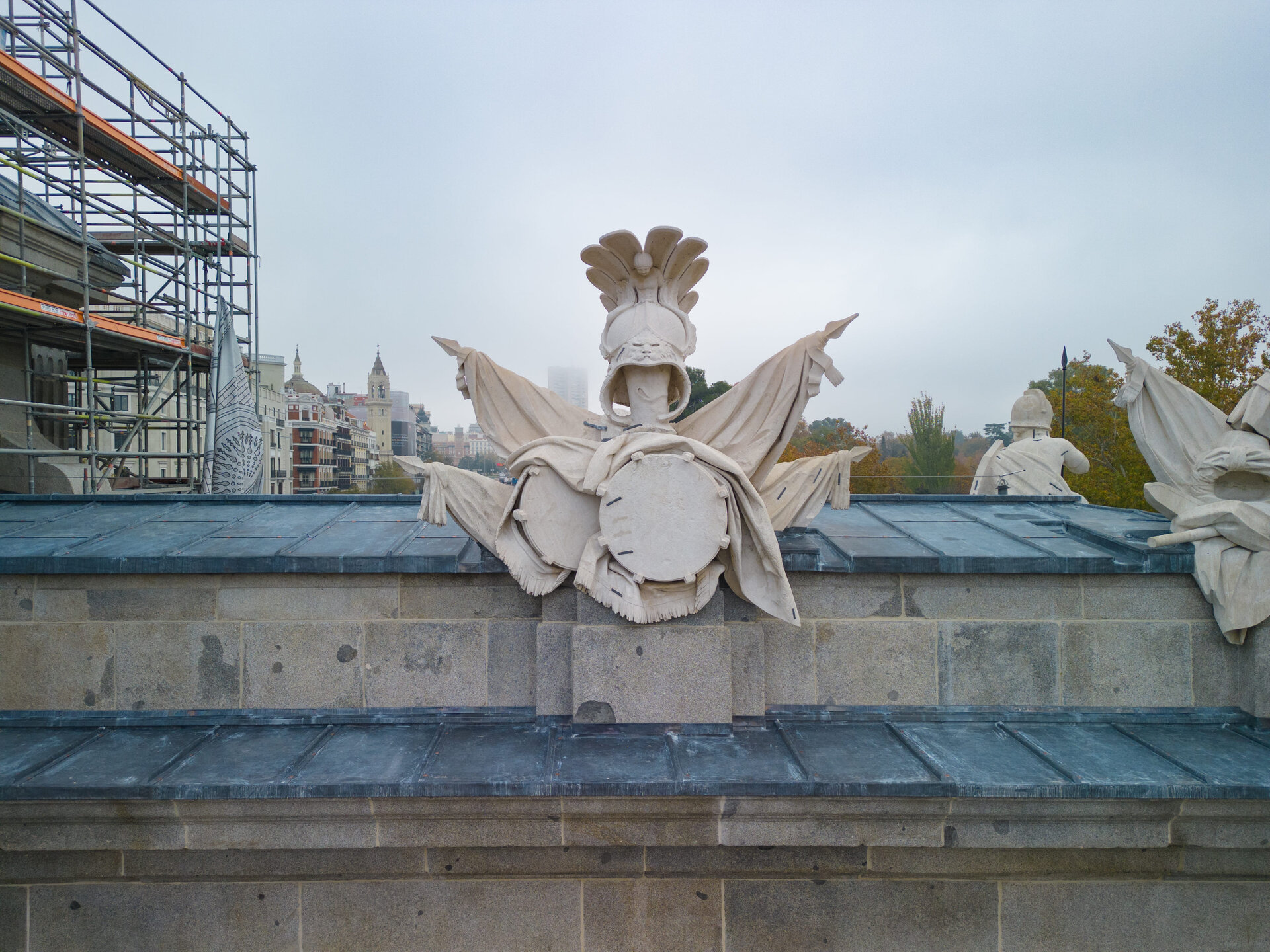
The Puerta de Alcalá is one of Madrid's most recognisable architectural monuments and an outstanding example of Spanish Neoclassical architecture. Commissioned by King Charles III and designed by the Italian architect Francesco Sabatini, the monumental gateway was constructed between 1769 and 1779. Situated in the Plaza de la Independencia, it has become a defining symbol of Madrid's urban identity. Since 2021, it has formed part of the UNESCO World Heritage property “Paseo del Prado and Buen Retiro, a landscape of Arts and Sciences”. In 2022, Madrid City Council initiated a comprehensive programme of research and conservation to address serious deterioration affecting the monument's stone surfaces, sculptural groups, internal metal structures and protective roofing. The project combined historical investigation, scientific diagnostics and traditional craftsmanship, establishing a detailed understanding of the monument's original construction and subsequent alterations. Preliminary investigations included three-dimensional laser scanning, structural modelling, ultrasonic testing, laboratory analysis of historic materials and detailed documentation of the monument's condition. These studies revealed structural vulnerabilities and moisture-related deterioration while also providing new insights into the technical sophistication of the eighteenth-century construction. The main conservation works were carried out in 2023 under the supervision of the municipal heritage authorities, with specialist advice from the Spanish Cultural Heritage Institute. More than one hundred professionals contributed to the project, including architects, conservators, engineers, geologists, archaeologists, stonemasons, blacksmiths and sculptors. Granite and limestone surfaces were carefully cleaned, consolidated and repaired. Historic sculptural elements were stabilised, with damaged metal fixings replaced by compatible wrought-iron or brass components where necessary. Sound original elements were retained, while missing stone details were reconstructed using appropriate natural stone and traditional carving methods. Lime-based mortars and historically compatible techniques were employed to preserve the monument's material authenticity. The intervention also addressed water infiltration, deterioration of the lead roof covering and structural problems affecting the large sculptural ensembles. Specially designed scaffolding and temporary support structures enabled the conservation team to work safely on the monument's most vulnerable elements. Public participation was a defining feature of the project. Through the “Open for Restoration” initiative, more than 12,000 people joined guided visits to the scaffolding, gaining an unusual opportunity to observe the monument and the conservation process at close range. Digital communication, on-site interpretation and the campaign “Conserving the Landscape. Enjoying the Light” strengthened public awareness of Madrid's architectural heritage. The restoration also produced the first comprehensive digital record of the monument's interior and structural systems. A preventive conservation programme was established, incorporating environmental monitoring of vibration, humidity and structural behaviour. Ecological measures included the use of trained birds of prey to discourage pigeons without installing intrusive deterrent devices. The restoration was fully financed by Madrid City Council. The principal works were completed in December 2023, following an investment of approximately EUR 3.1 million. The project provides a long-term foundation for research, maintenance and public interpretation of this important urban landmark. In 2025, the Puerta de Alcalá restoration received a European Heritage Award / Europa Nostra Award in the Conservation and Adaptive Reuse category, as well as the Public Choice Award. The project demonstrates how scientific research, traditional craftsmanship, preventive conservation and meaningful public engagement can be combined to safeguard a major European monument for future generations.
Similar projects

19th century

17th century

17th century

16th century
16th century

19th century

End of the 18th century
13th century

1st century

18th century

17th century

14th century