

Tower Roof of the Church of St. Mauritius
The restoration of the tower roof of the Church of St. Mauritius in Spitz an der Donau safeguarded one of Austria's most remarkable surviving examples of late medieval architectural craftsmanship. Situated above the Danube within the UNESCO World Heritage Cultural Landscape of ...
Read more
Project details
| Title: | Tower Roof of the Church of St. Mauritius |
|---|---|
| Entr. year: | 2025 |
| Country: | Austria |
| Town: | Spitz an der Donau |
| Category type: | architectural heritage, building conservation, conservation |
| Notes: | European Heritage Awards / Europa Nostra Awards 2025 — Conservation and Adaptive Reuse. Award winner |
| Building type/ Project type: | religious building |
| Former use: | Parish church |
| Actual use: | Parish church |
| Built: | 14th century (church); c. 1505 (polychrome tower roof) |
| Architect / Proj.leader: | conservation coordinated by the Austrian Federal Monuments Authority , Dr. Gerold Eßer |
| The Jury's citation: | This project exemplifies a successful combination of professional expertise and local engagement. The restoration was carried out to a high technical standard while actively involving the local community, resulting in a process that was both inclusive and conservation-driven. The restoration of the roof tiles was based on meticulous research and documentation, treating them as an artistic component of a building. |
| Web, Links: | www.bda.gv.at/themen/ich-bin-denkmal/2024-11-05-wh-115-noe-spitz-pfarrkirche-st-mauritius.html |
Description:
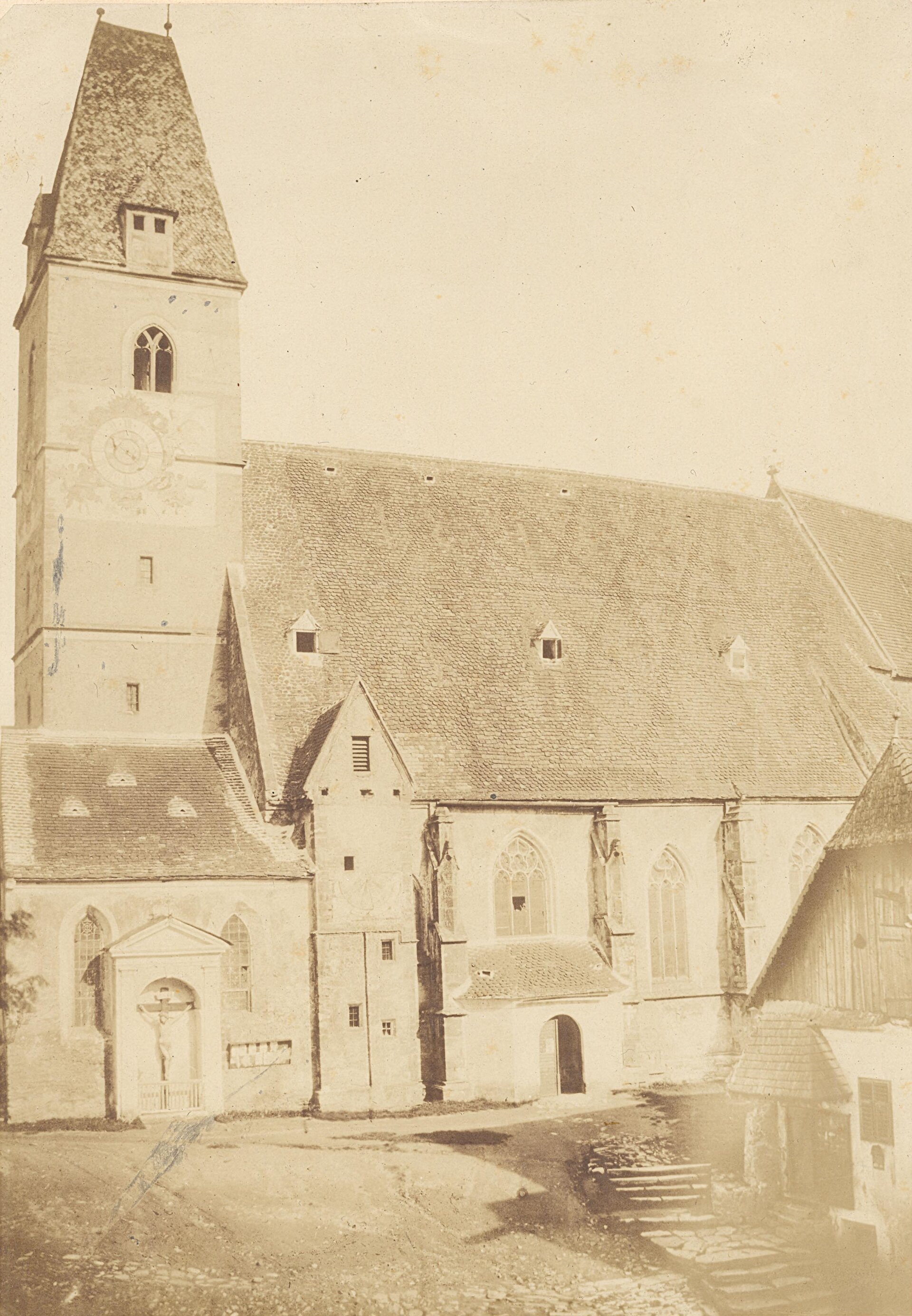
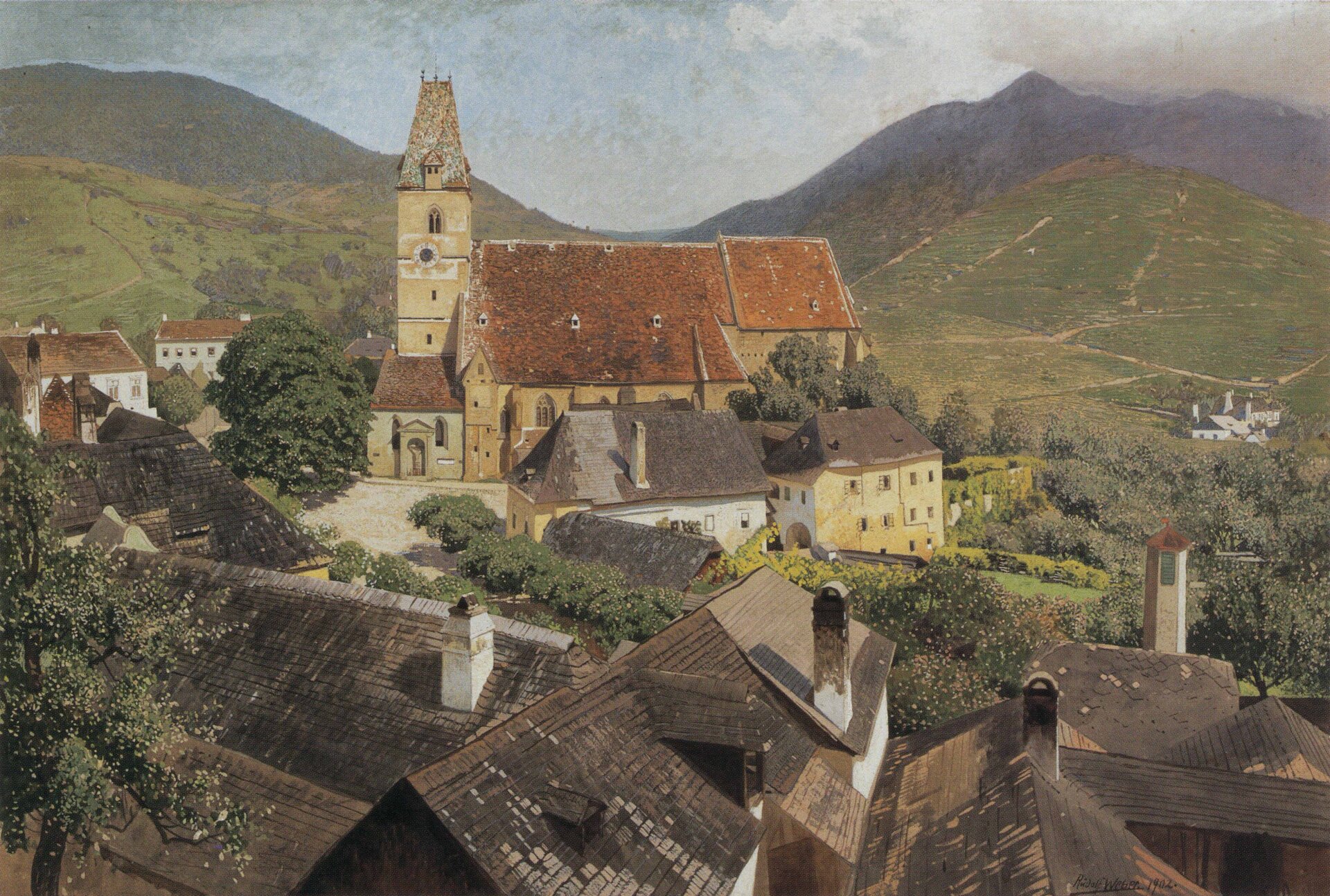
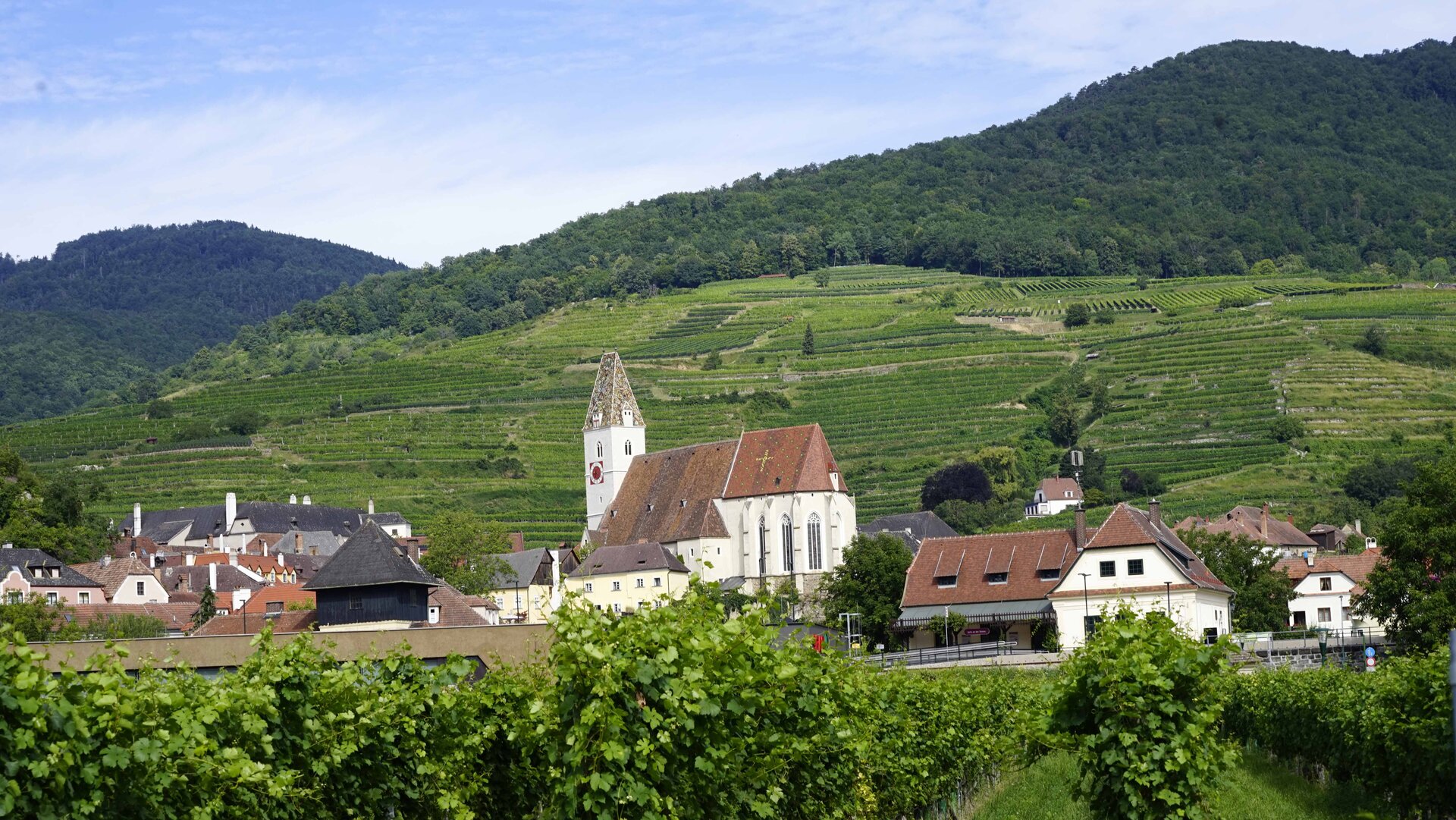
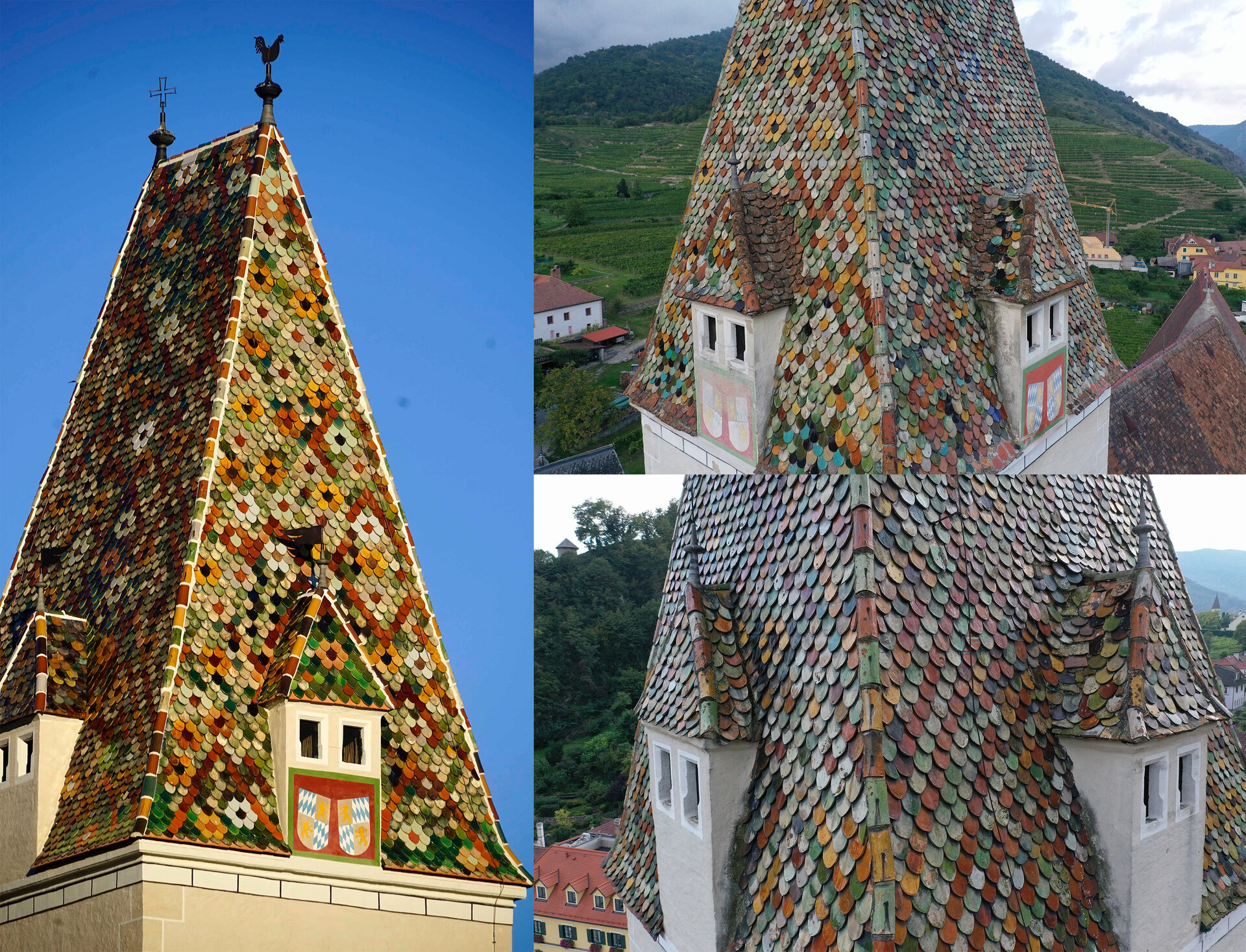
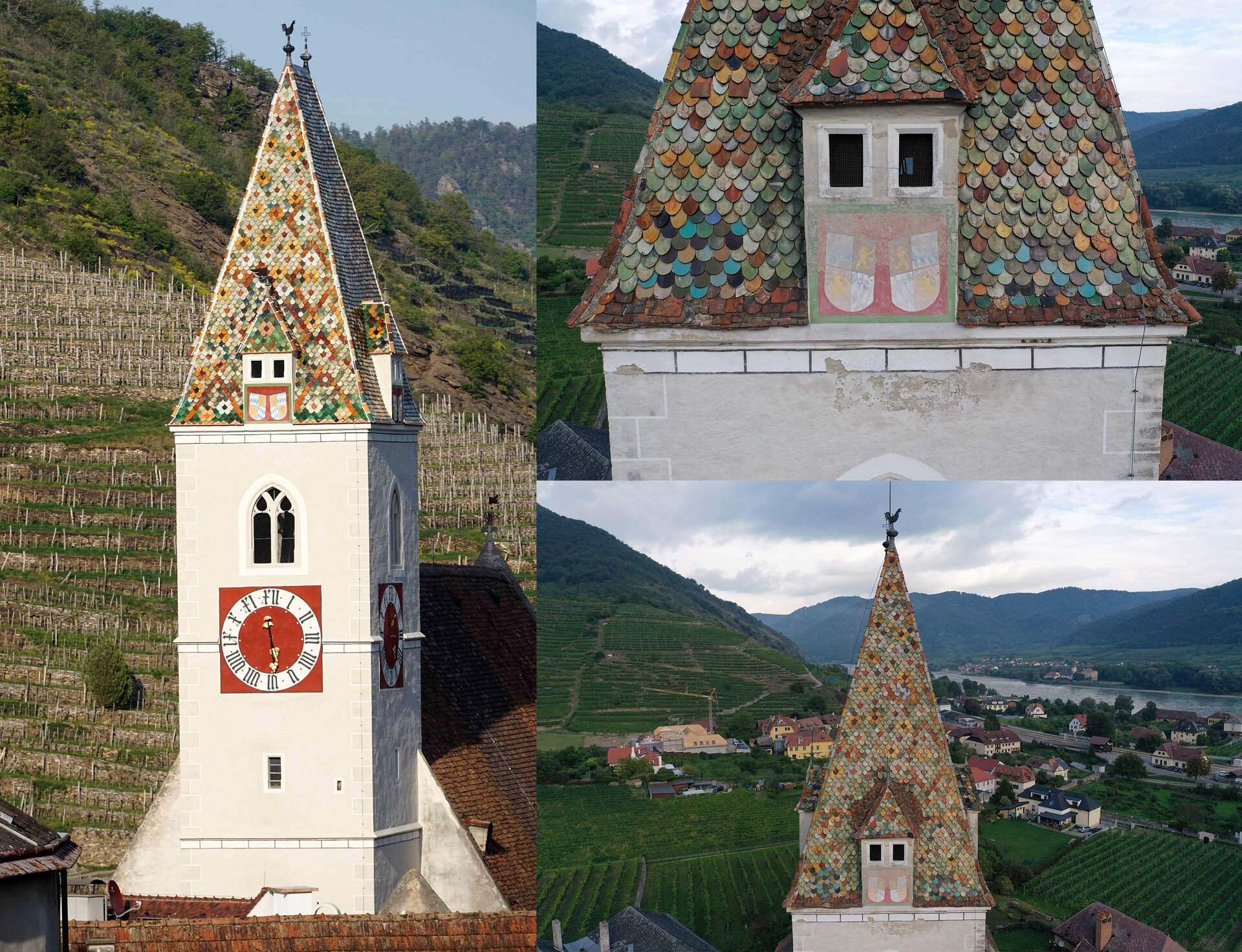
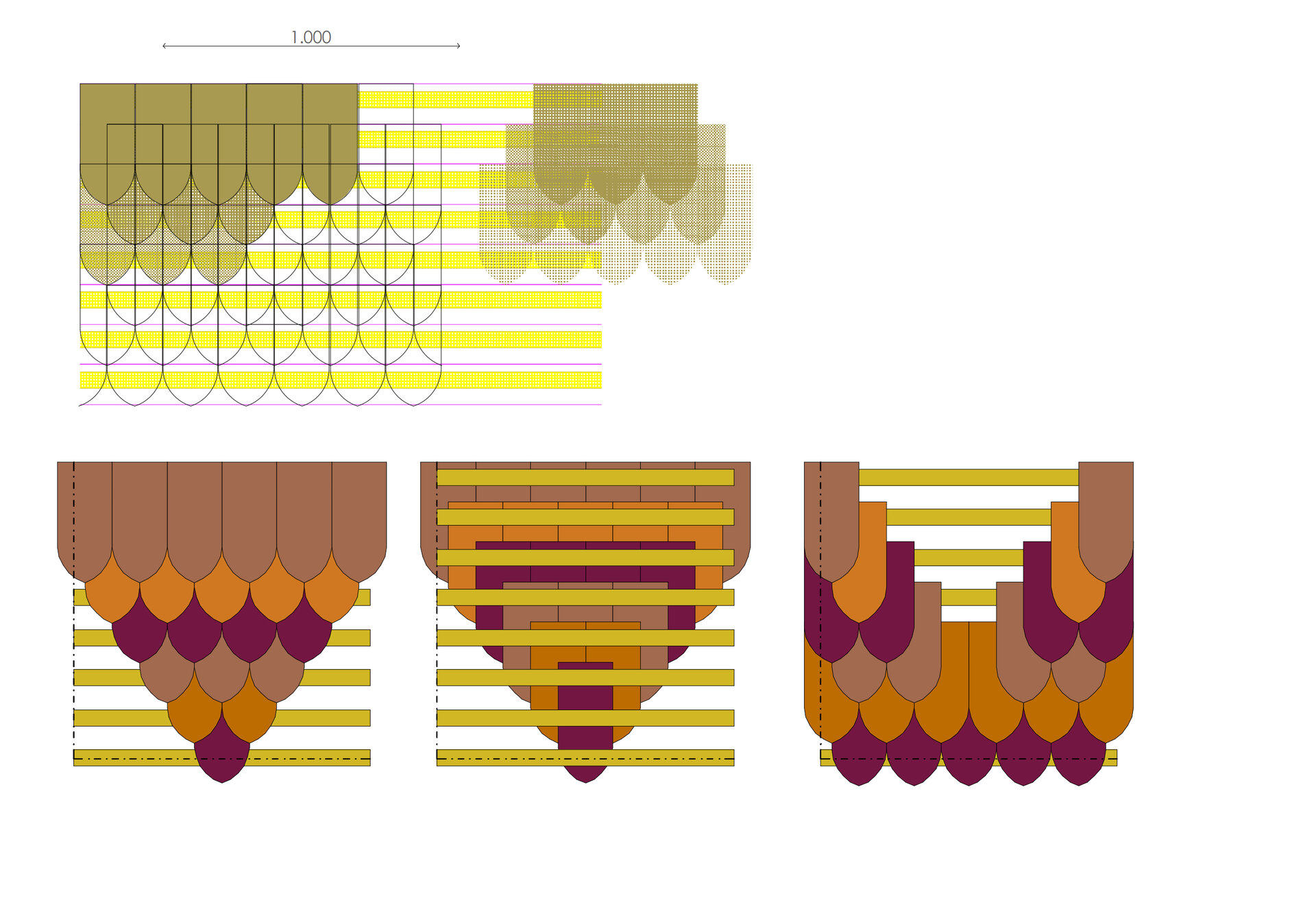
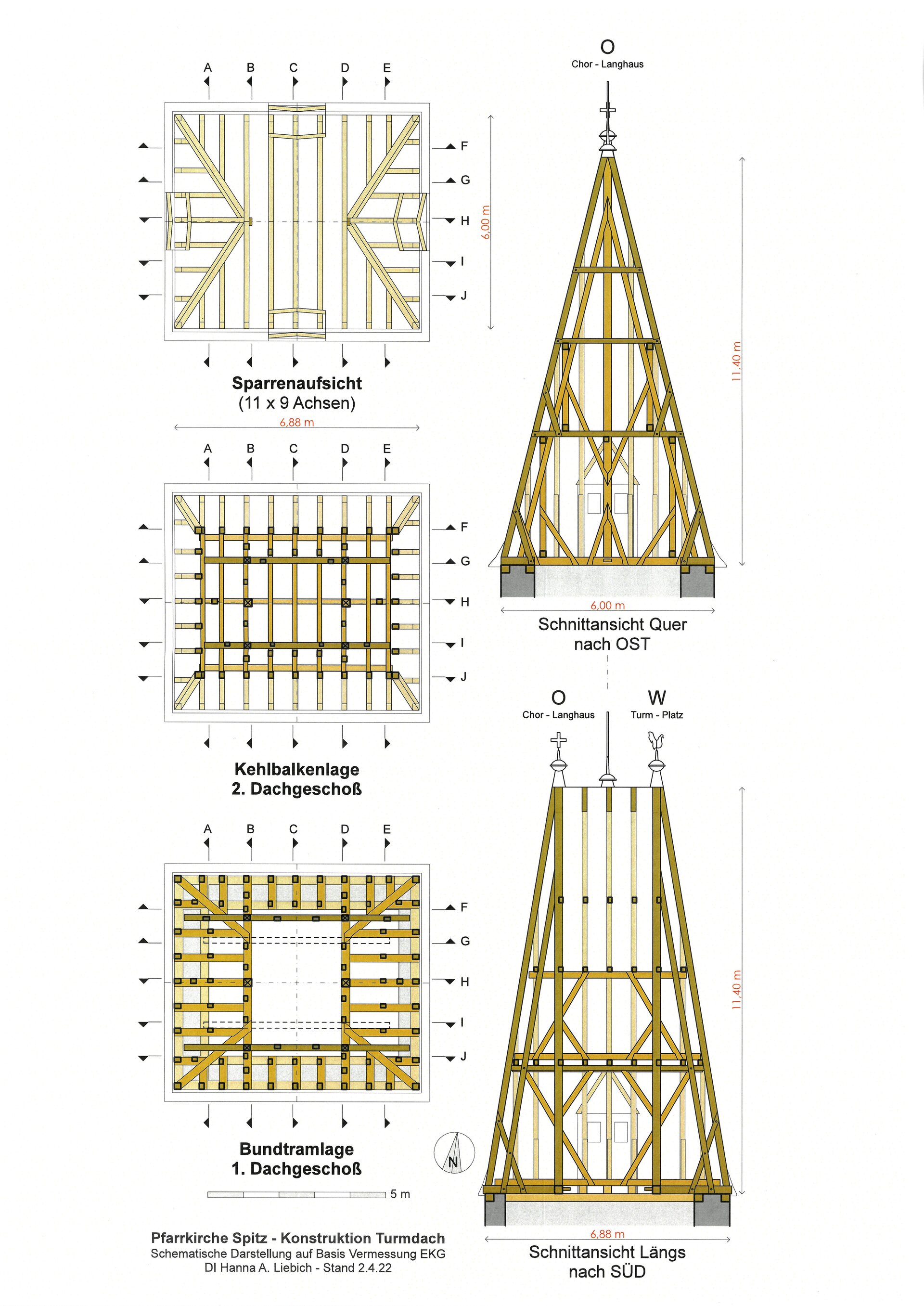
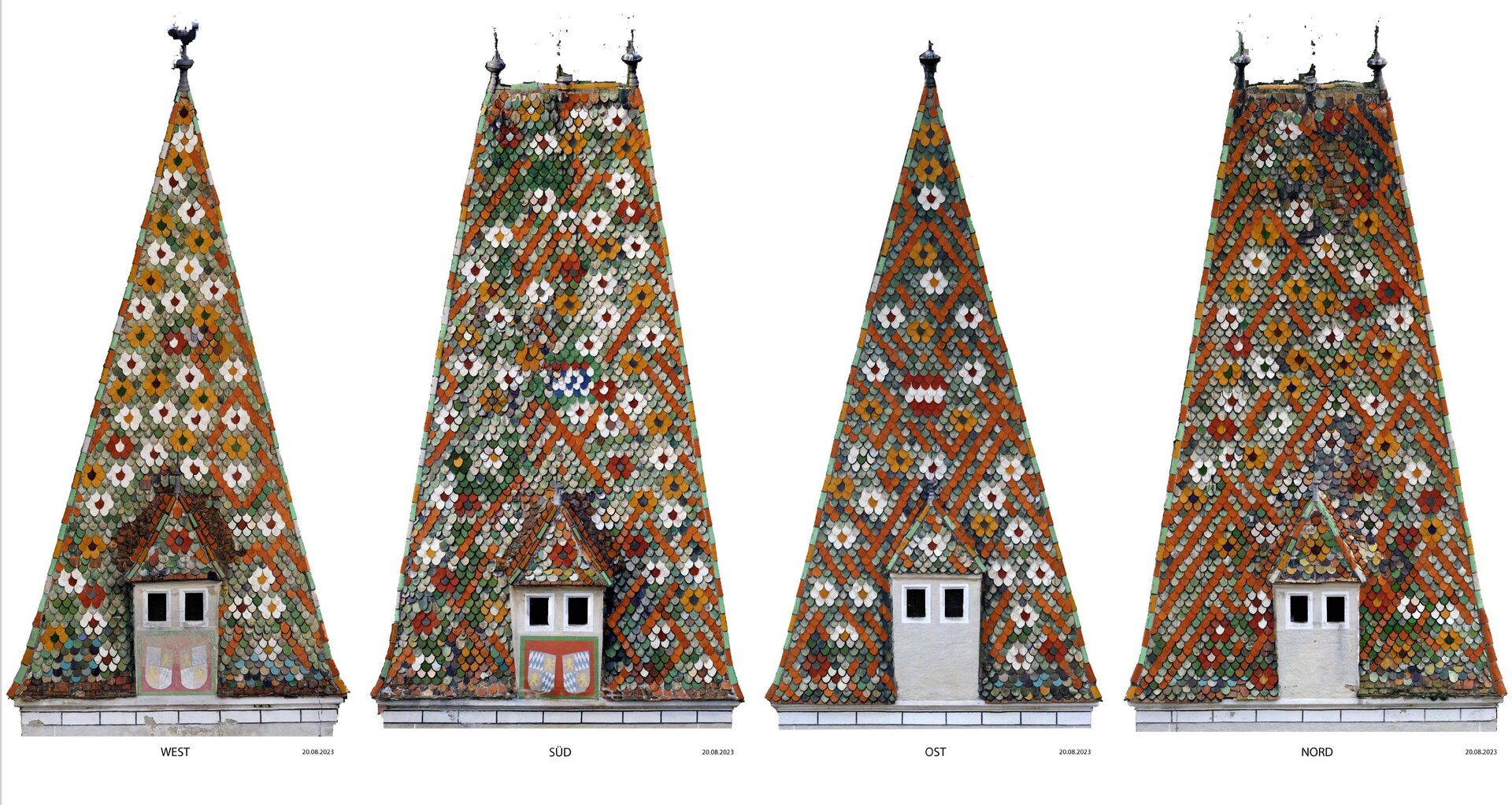
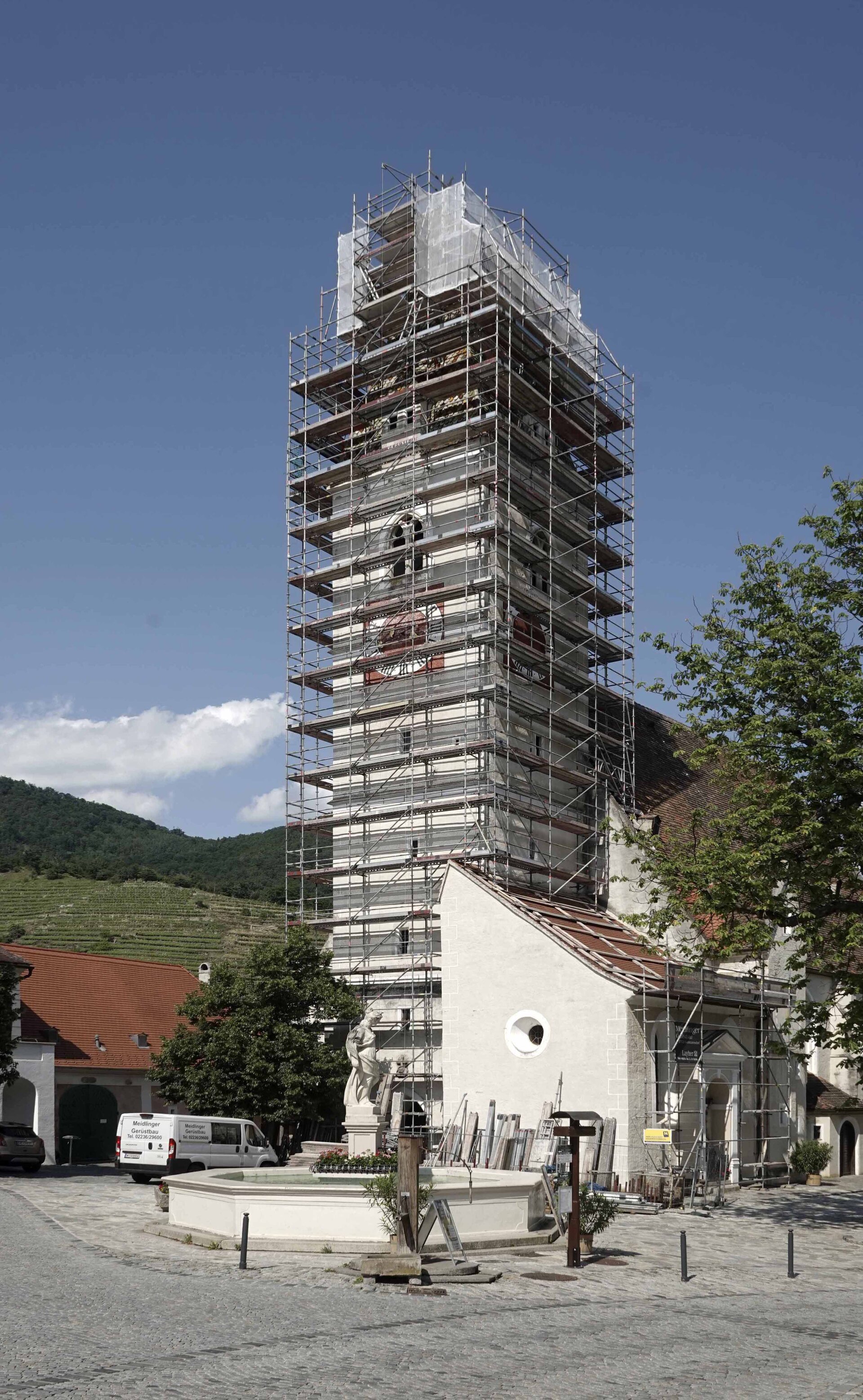
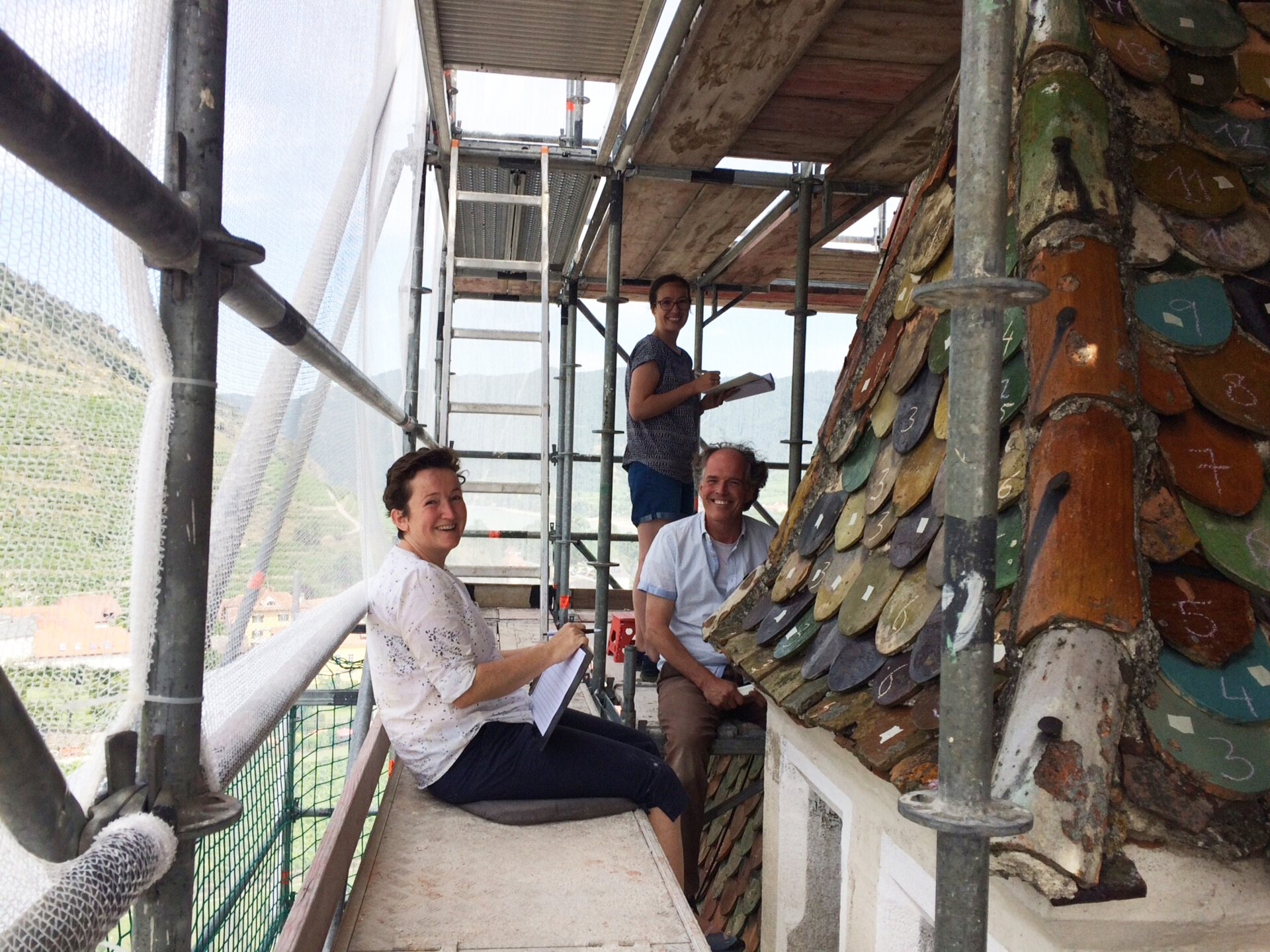
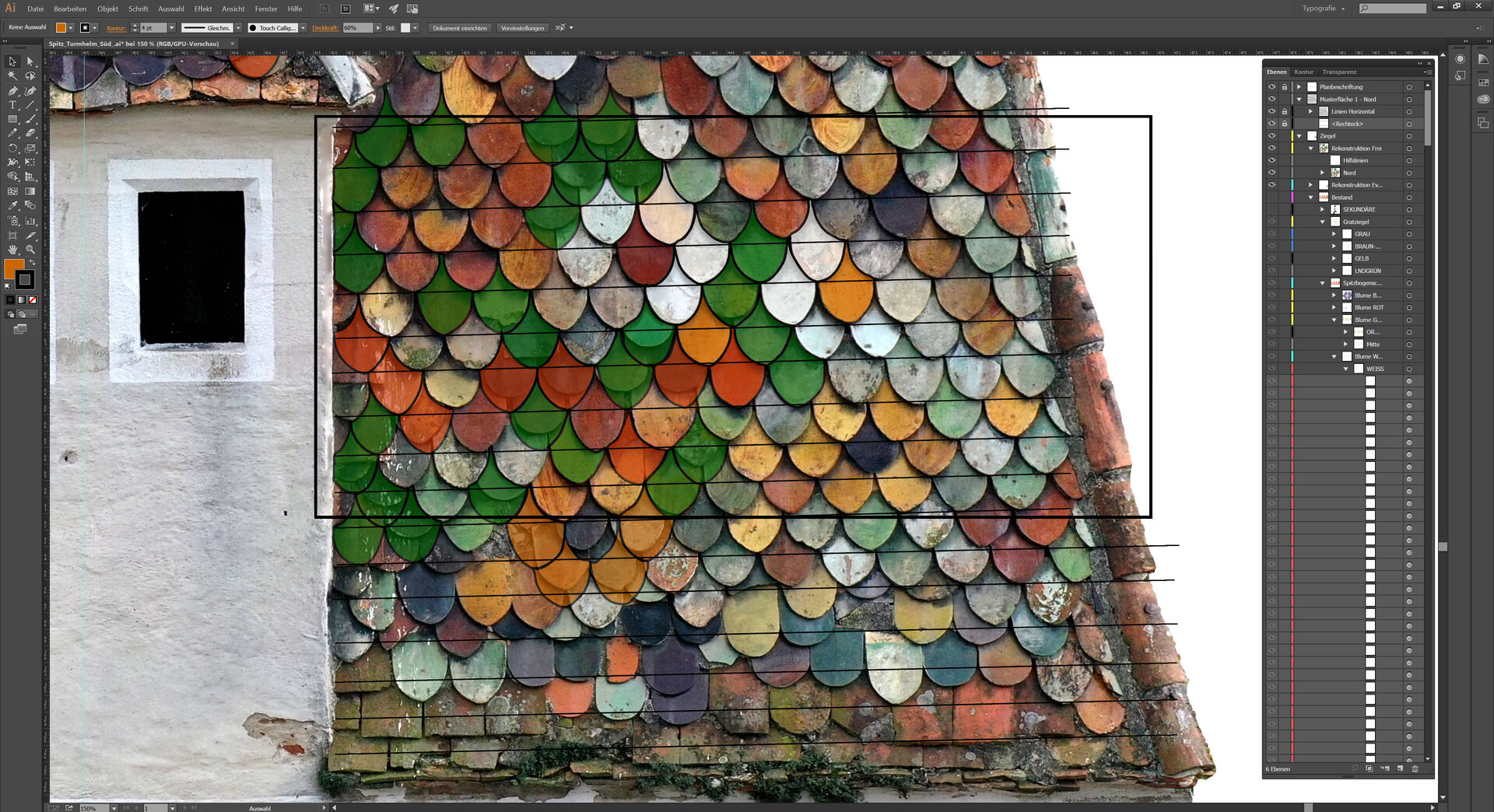
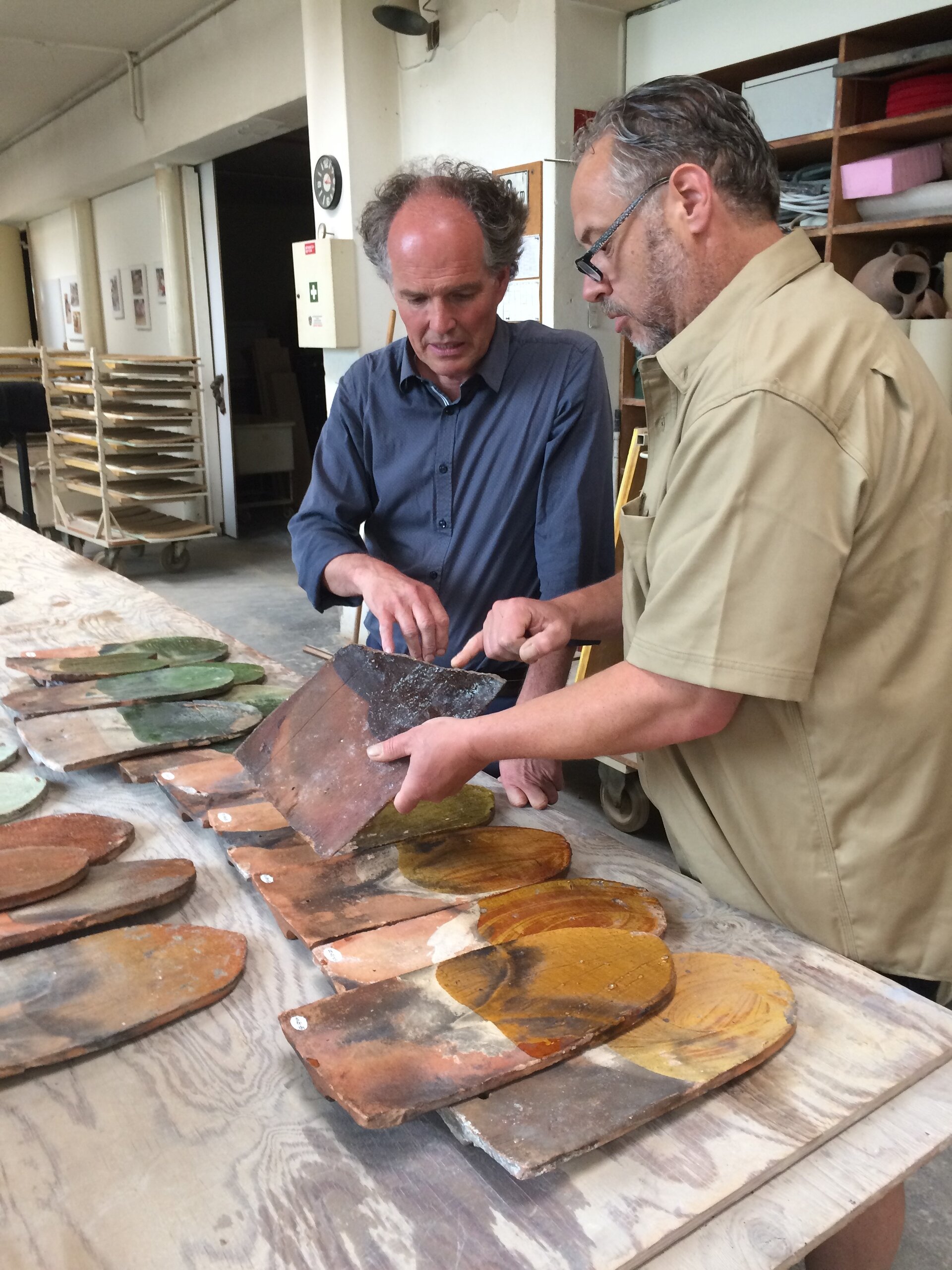
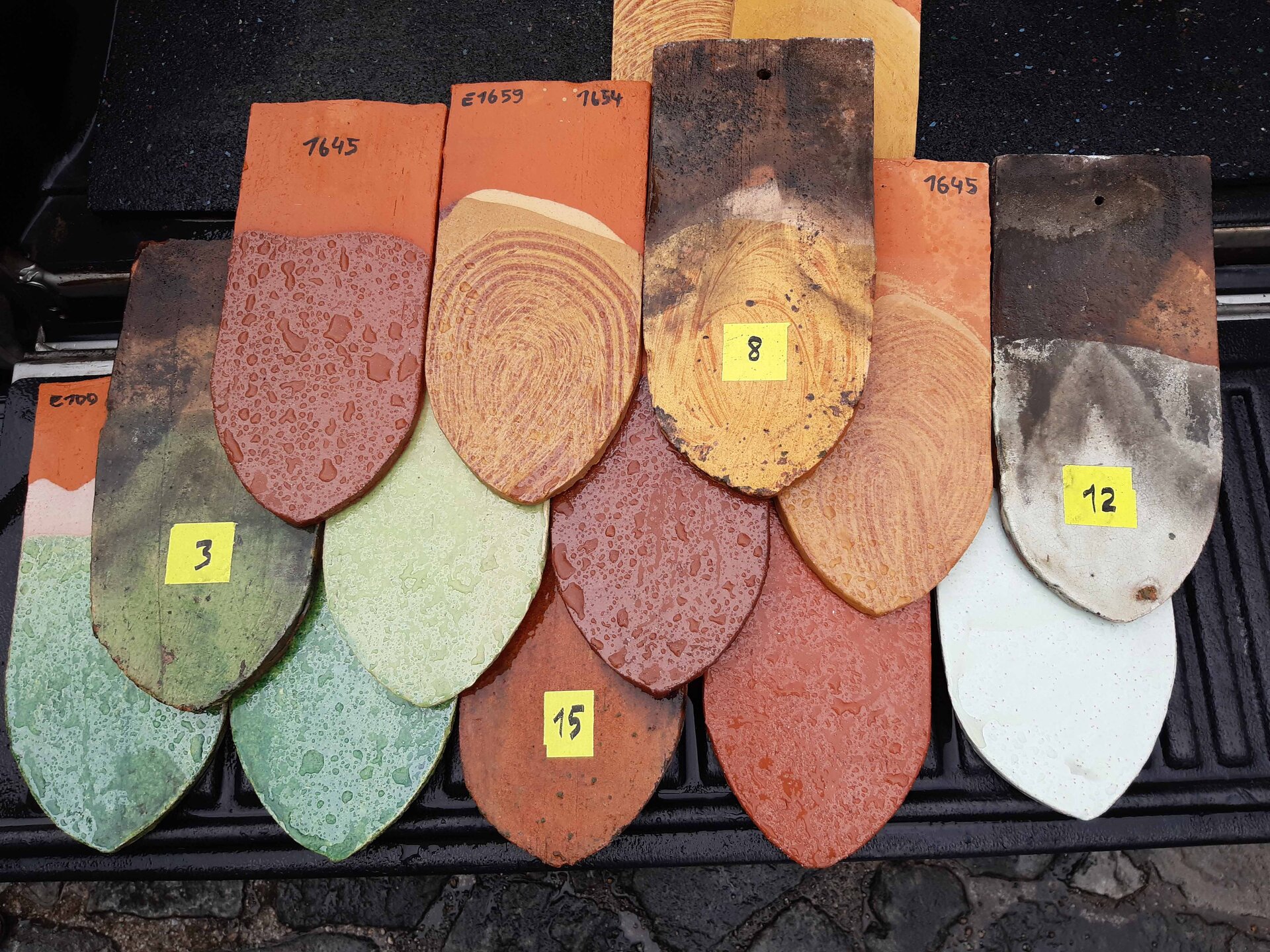
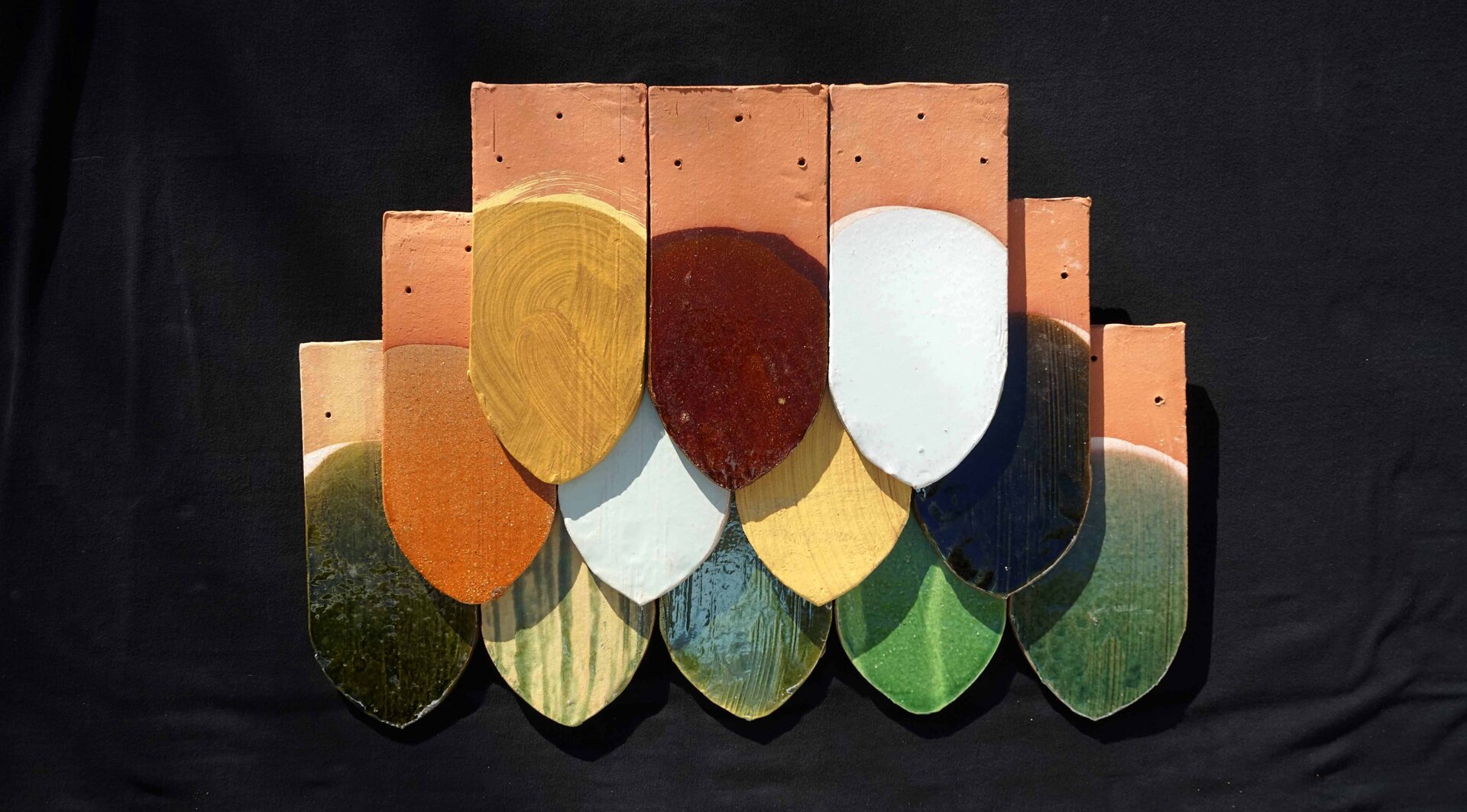
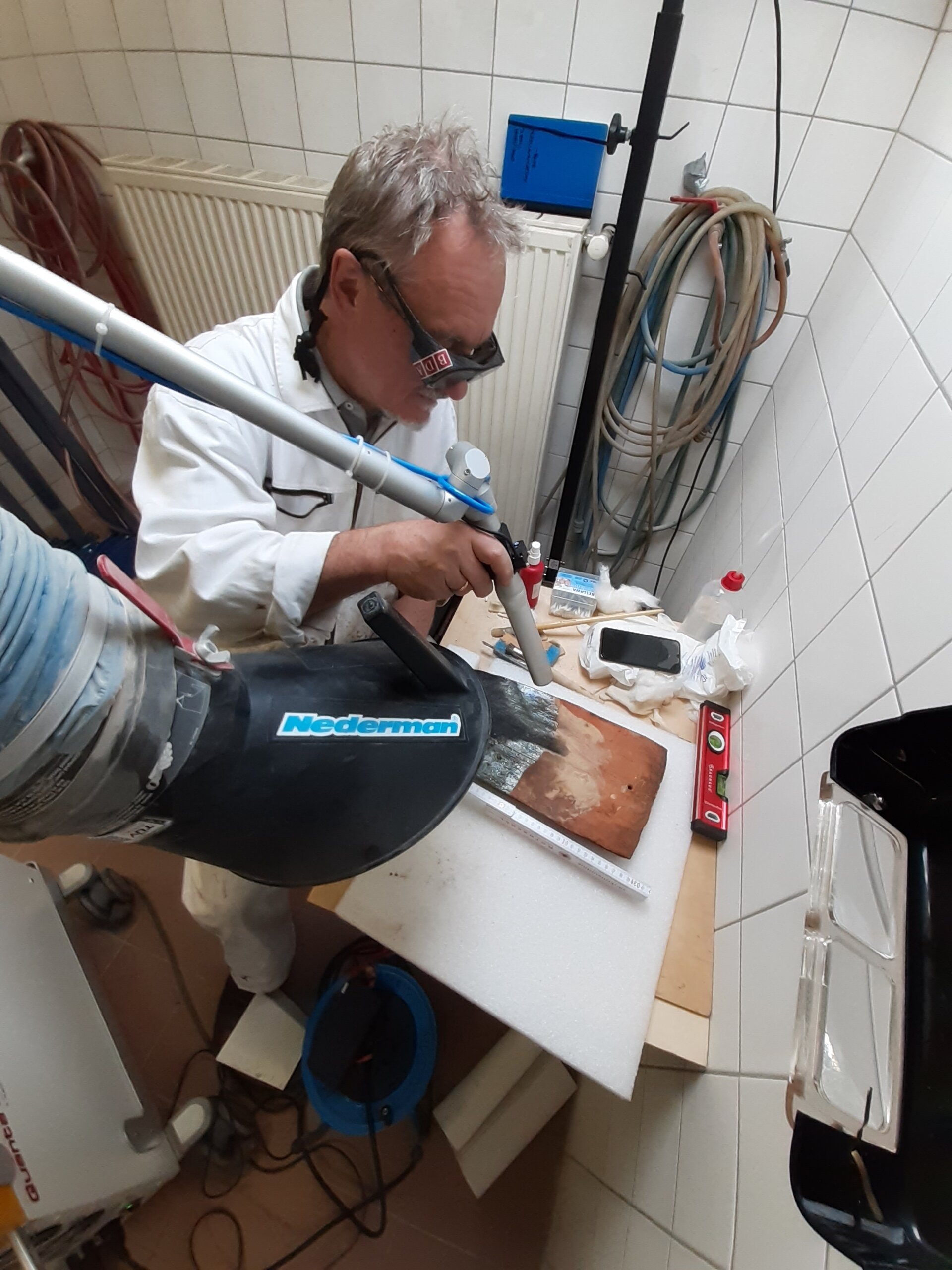
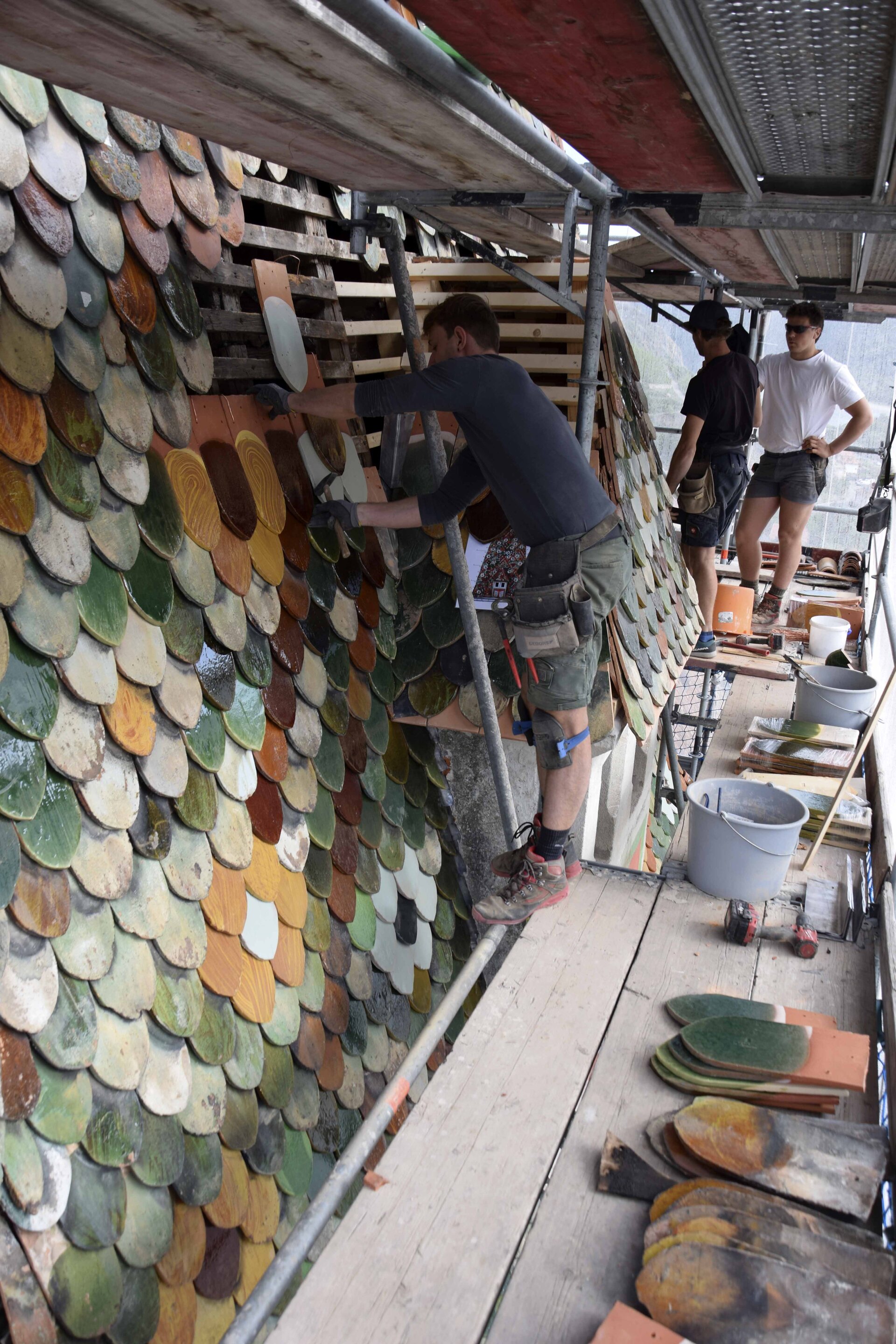
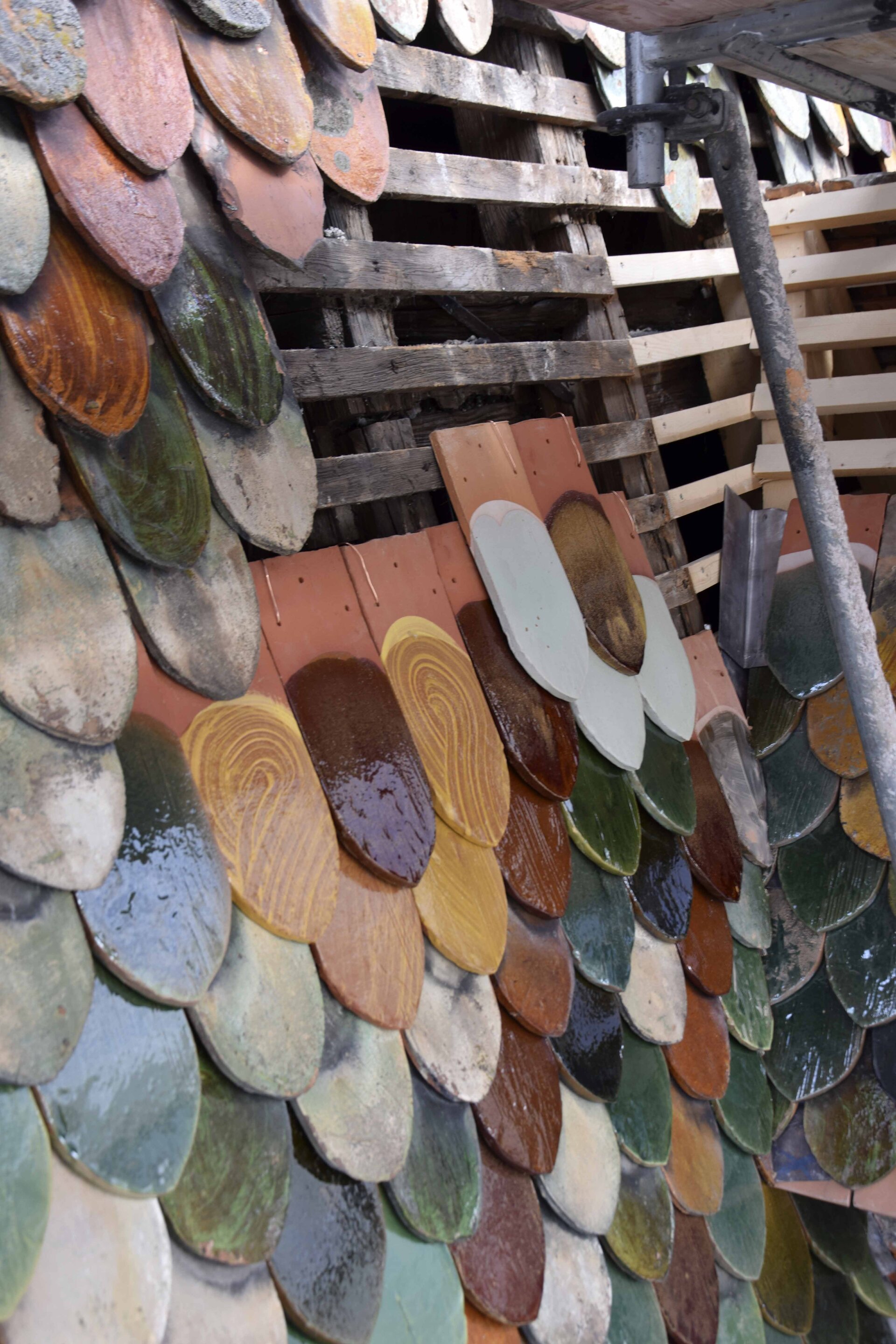
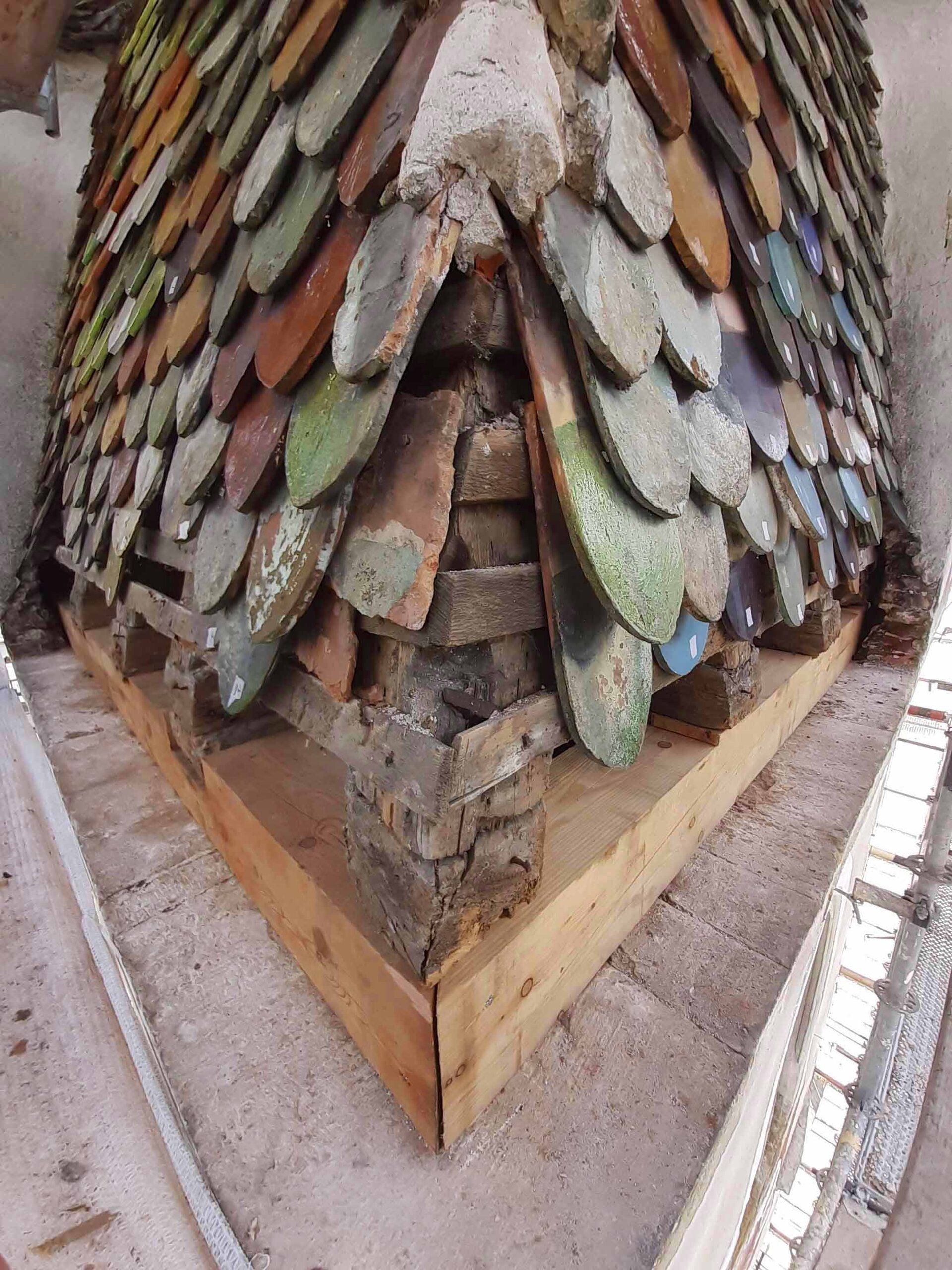
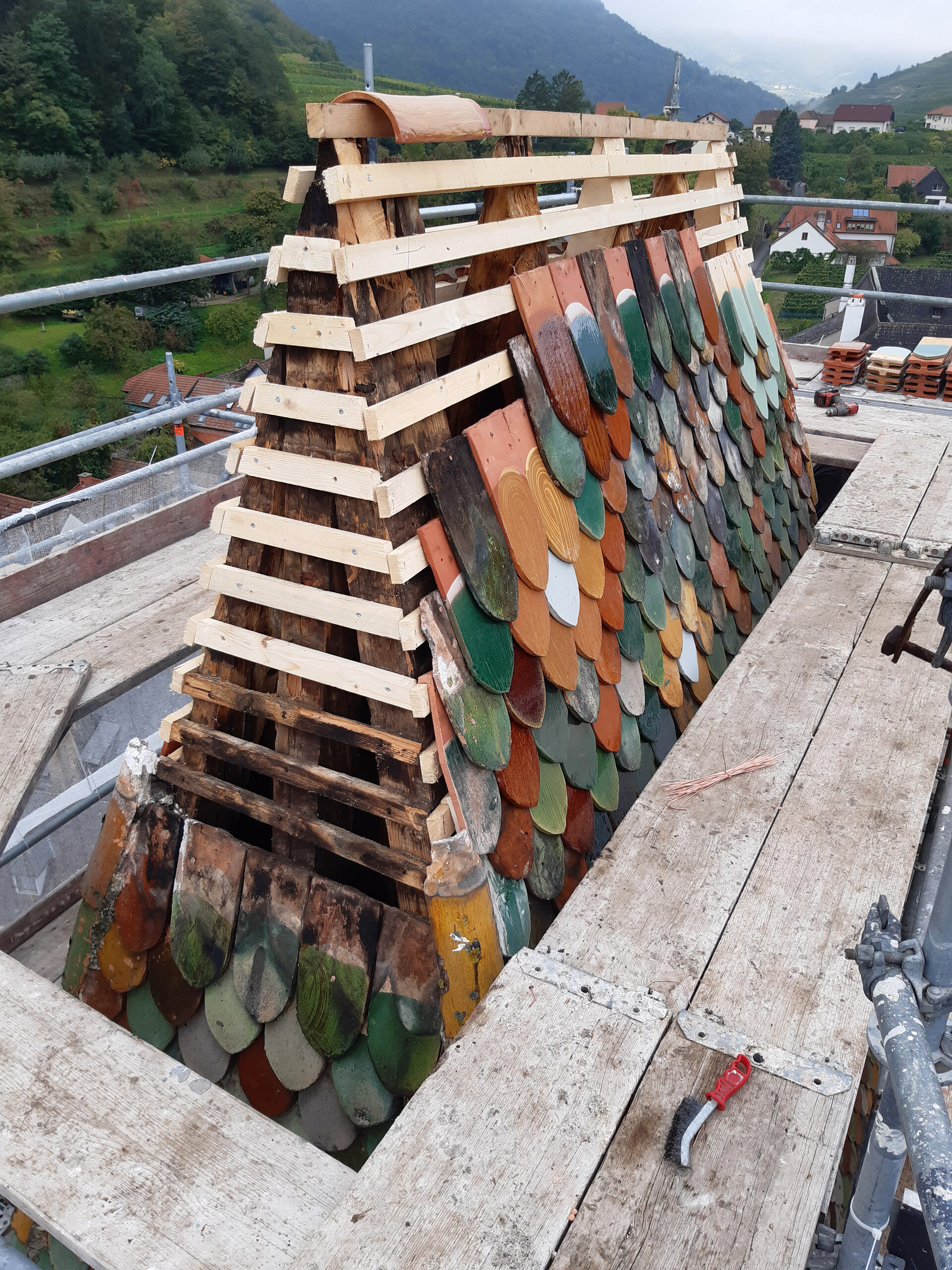
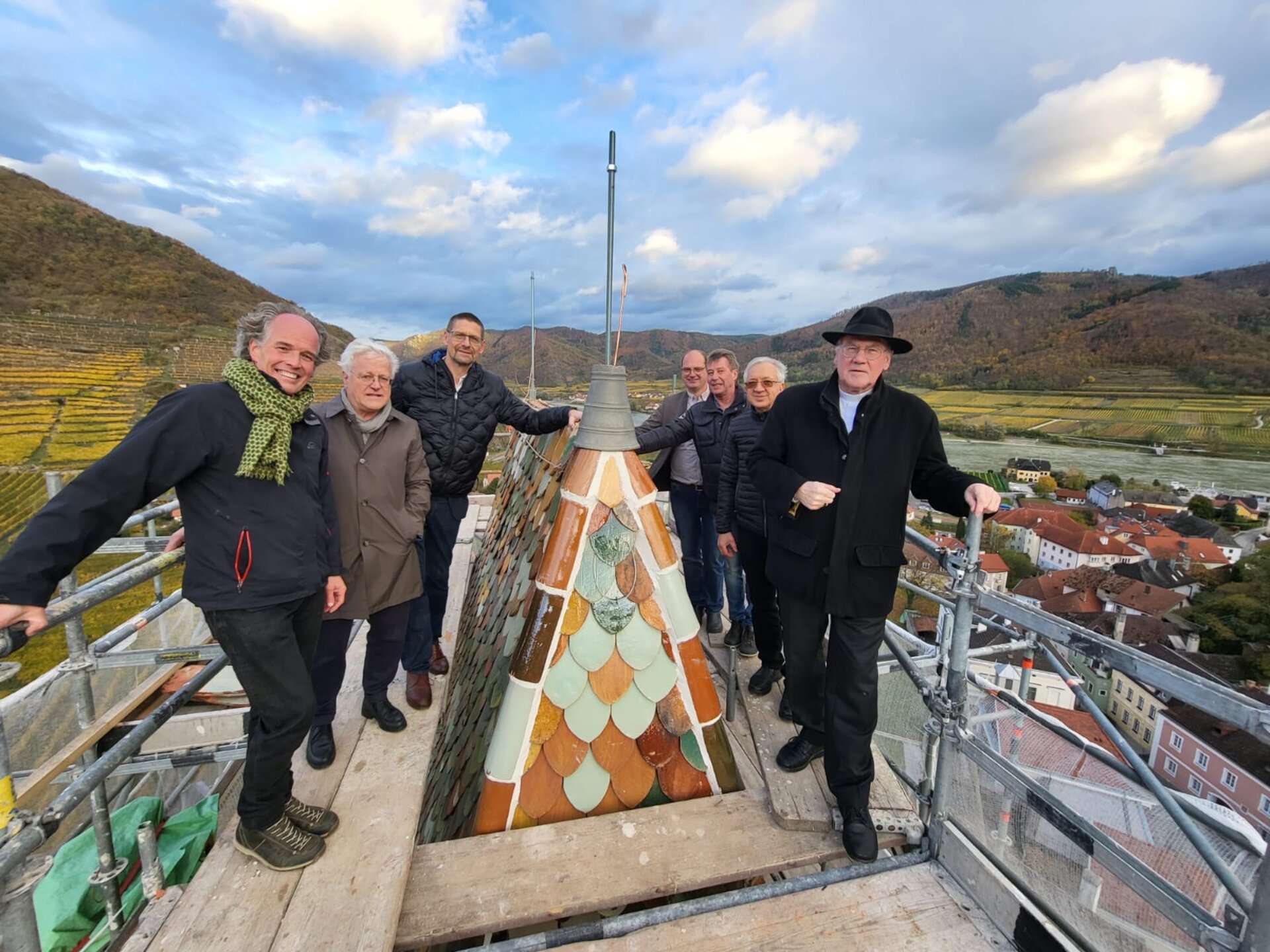
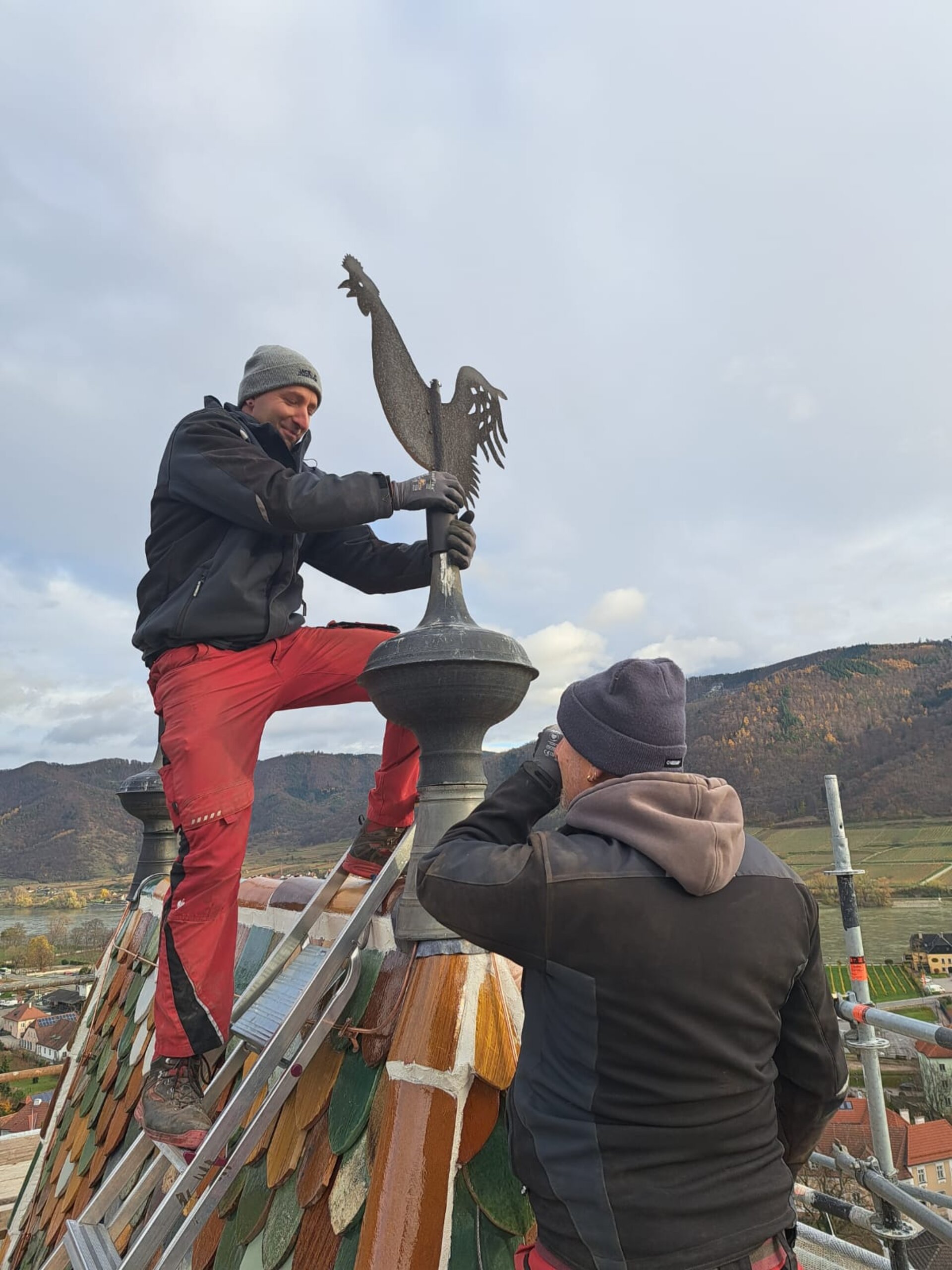
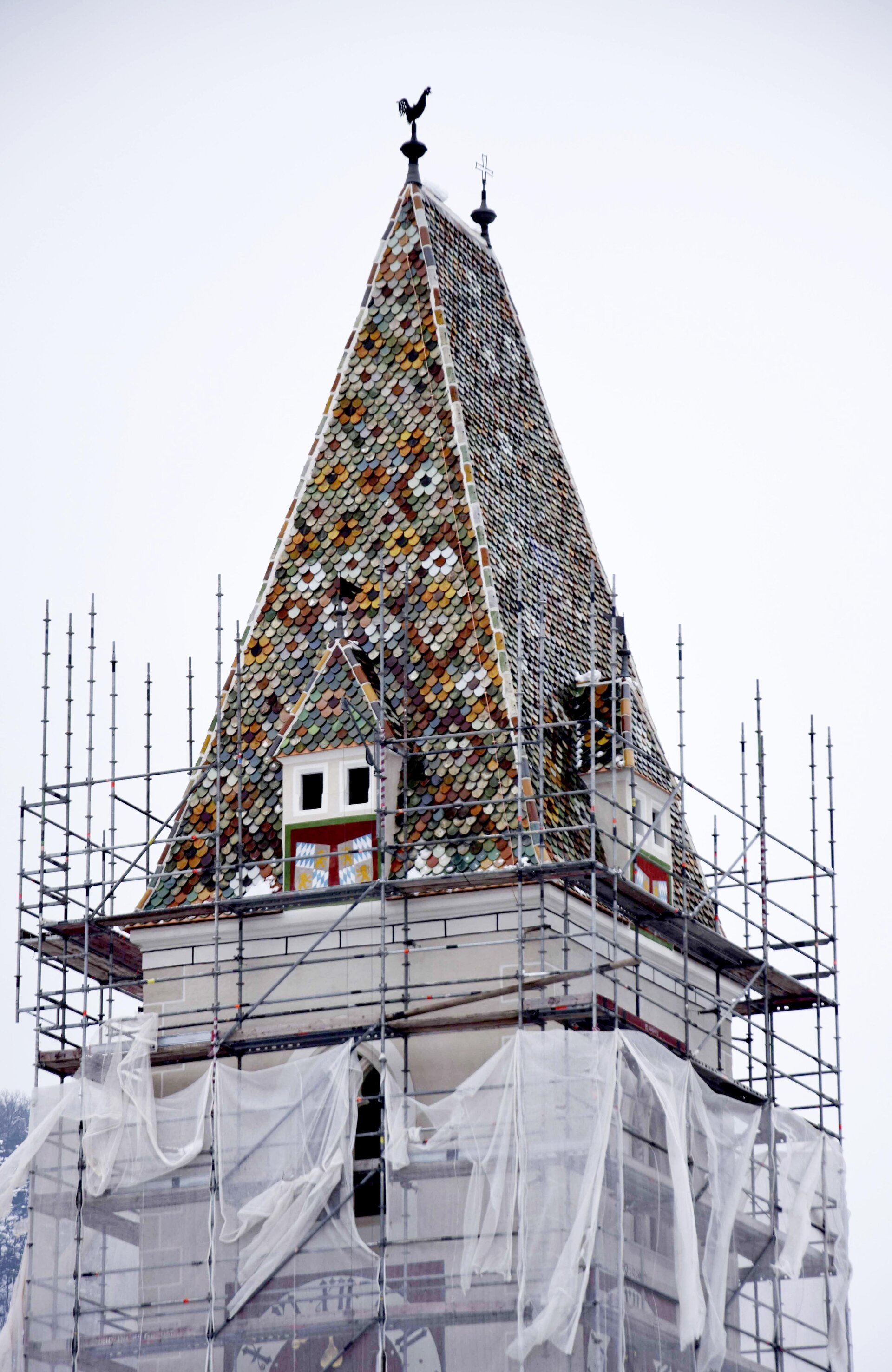
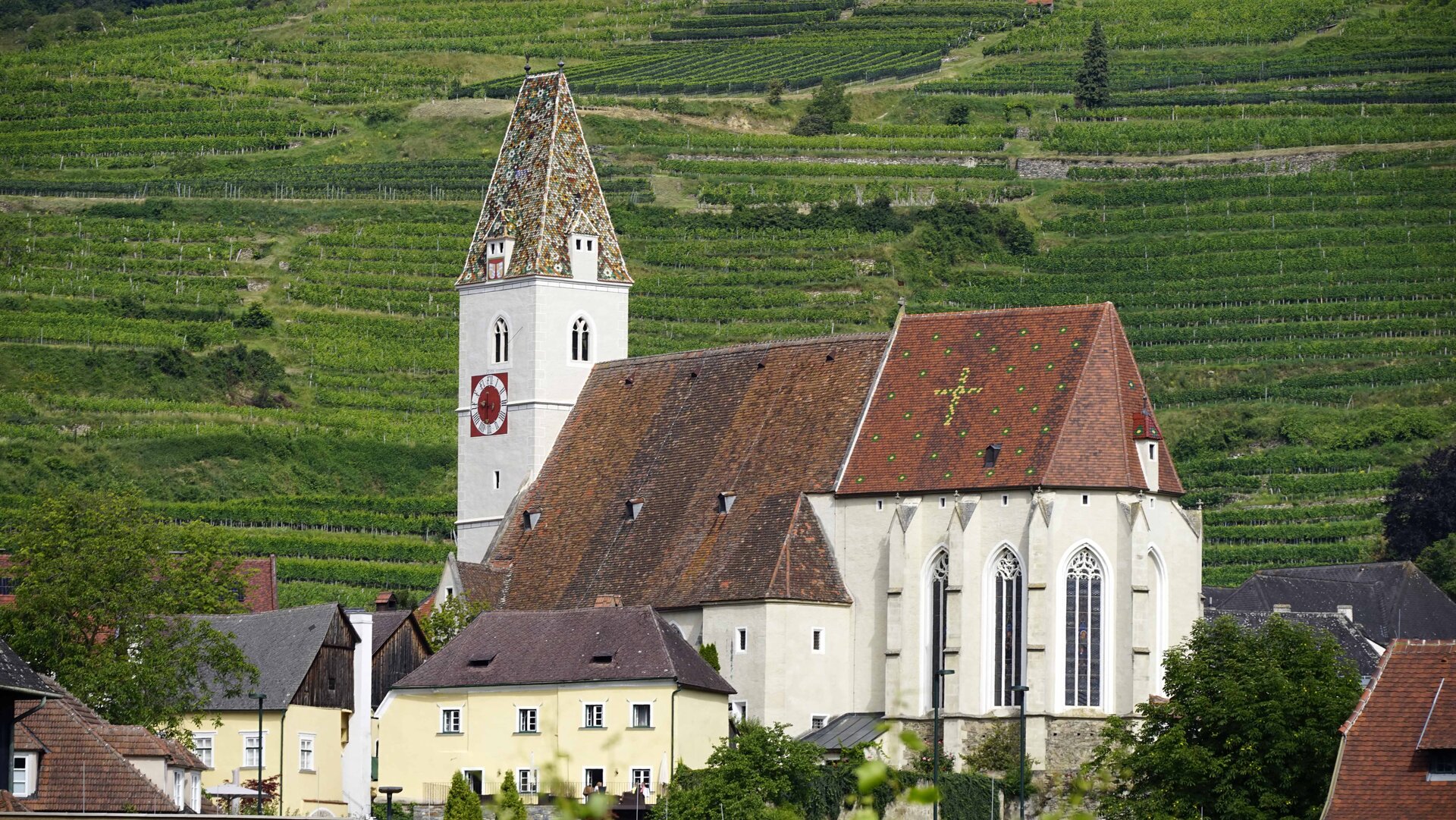
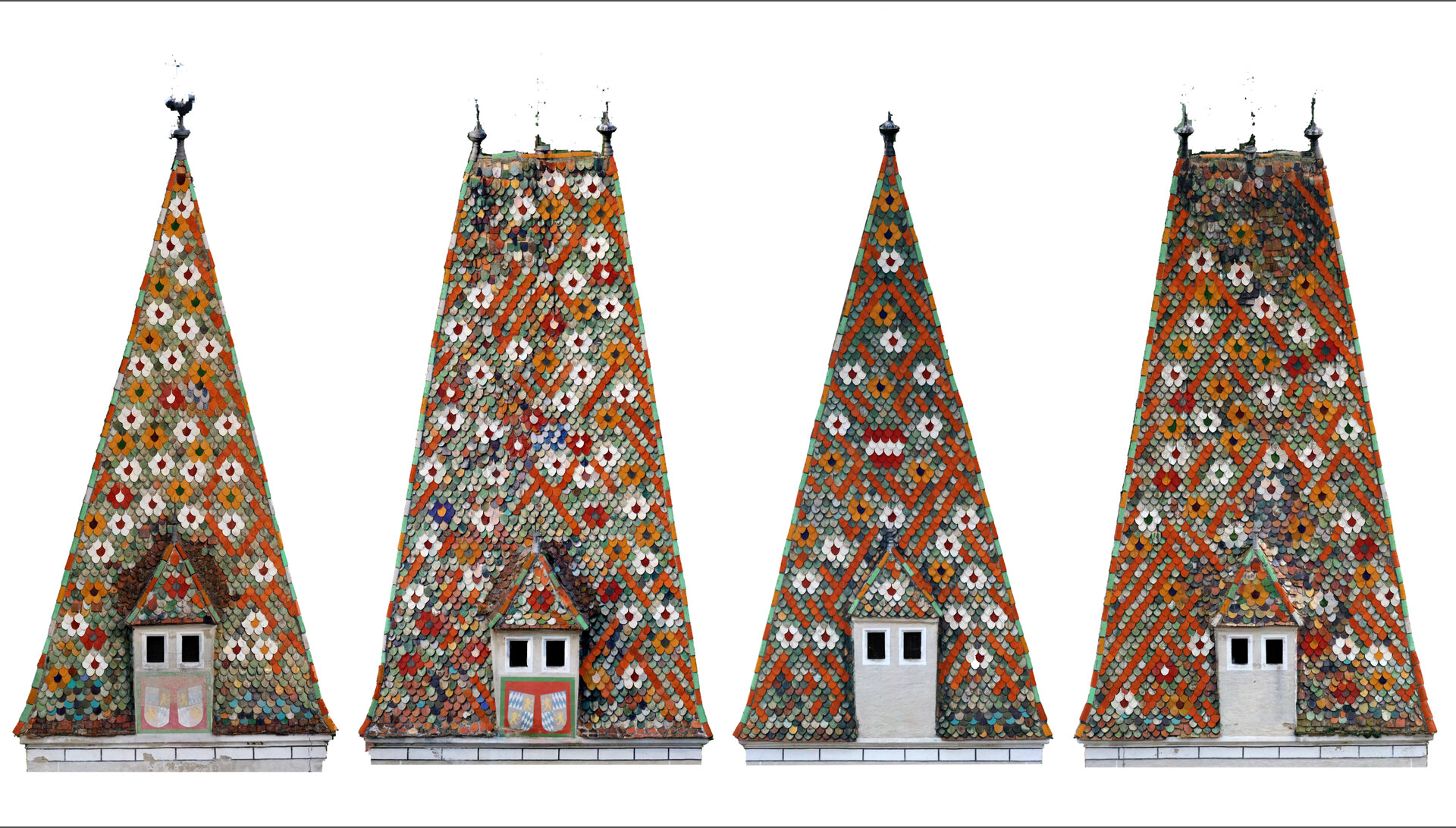
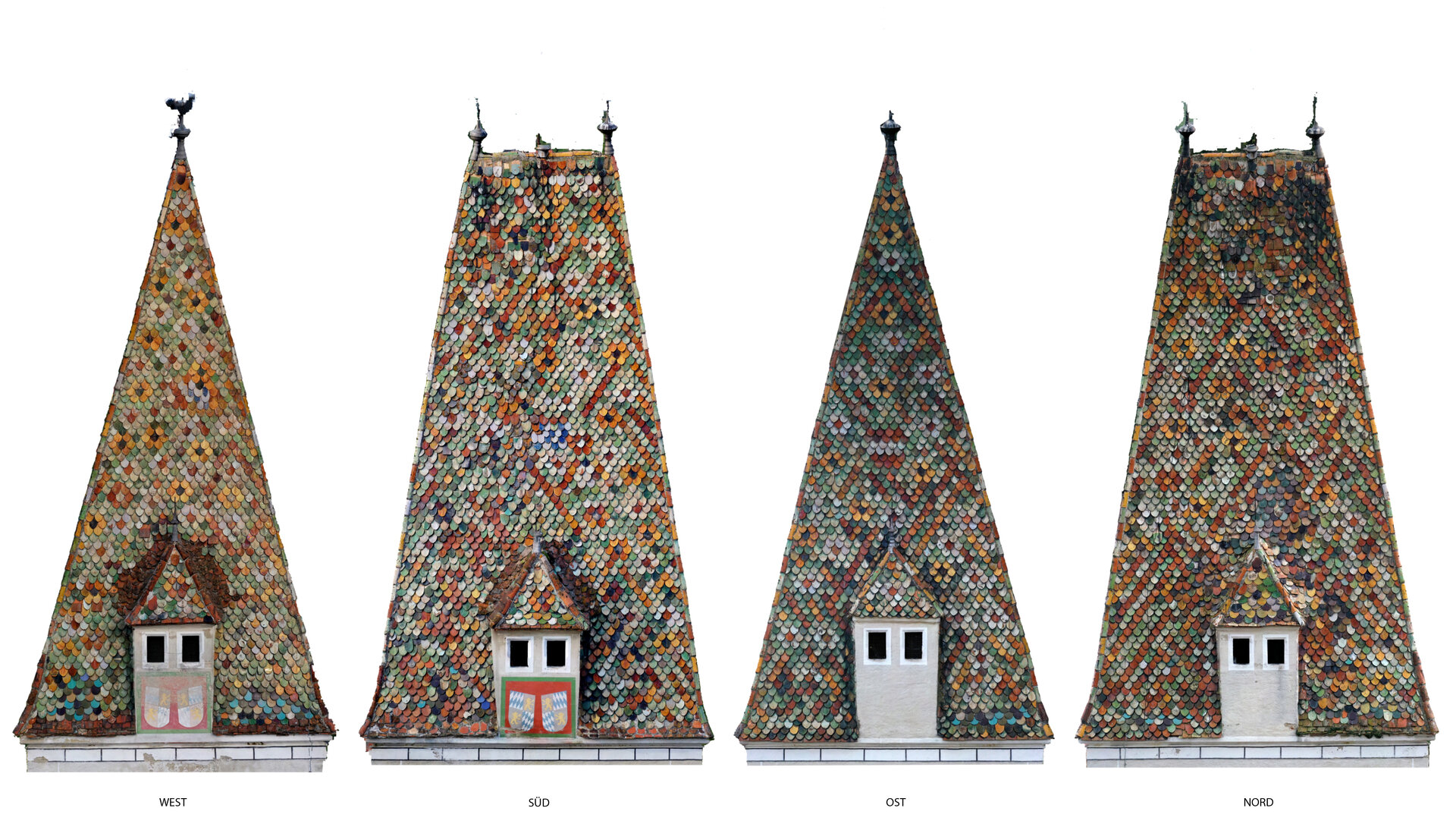
The restoration of the tower roof of the Church of St. Mauritius in Spitz an der Donau safeguarded one of Austria's most remarkable surviving examples of late medieval architectural craftsmanship. Situated above the Danube within the UNESCO World Heritage Cultural Landscape of Wachau, the medieval parish church is an important religious, architectural and cultural landmark. Its distinctive tower roof, decorated with vibrant polychrome glazed tiles, forms a prominent feature of the historic landscape. The church originated in the fourteenth century, while scientific investigations established that its elaborate tower roof dates to around 1505. Previously believed to have been constructed in the nineteenth century, the roof was identified as Austria's only fully preserved example of this particular late medieval roofing tradition. Its decorative programme includes a floral meadow motif symbolising the Kingdom of Heaven and the imperial coat of arms of Emperor Maximilian I, reflecting the artistic and cultural significance of the building. Following severe storm damage in 2020, a comprehensive conservation programme was developed under the leadership of Gerold Eßer of the Austrian Federal Monuments Authority (Bundesdenkmalamt). The formal restoration project ran from January 2022 to August 2023, building upon earlier investigations and preparatory work. The interdisciplinary conservation process combined traditional craftsmanship with advanced scientific research. Detailed surveys, photogrammetry, dendrochronology, building archaeology, mineralogical analysis and archival investigations were undertaken to establish the roof's construction history, condition and original appearance. A comprehensive tile catalogue documented the location and condition of approximately 8,000 individual roof tiles, providing an essential reference for conservation work and future maintenance. The restoration followed the principle of minimal intervention, retaining approximately 80% of the original historic roof tiles. Surviving tiles were carefully cleaned, consolidated and retouched, while around 2,000 replacement tiles were manufactured by specialist craftspeople using traditional techniques to reproduce the historic forms, colours and glazes. The timber roof structure and battens were stabilised, and discreet modern ventilation details were introduced to improve durability without compromising the roof's historic appearance. The project was supported by the Austrian Federal Monuments Authority, national and regional public institutions, the Diocese of St. Pölten, the Parish of Spitz, the Market Town of Spitz, local associations and private donors. Its total reported cost was EUR 440,000. Local volunteers contributed to tile cleaning, fundraising, public events and educational activities, including a community brick-donation campaign. Public tours, lectures, symposiums and educational outreach helped reconnect residents and visitors with the church's history. The restoration strengthened local identity, supported traditional craft knowledge and contributed to the cultural significance of the Wachau World Heritage landscape. Recognised with a European Heritage Award / Europa Nostra Award in 2025 in the Conservation and Adaptive Reuse category, the project demonstrates how rigorous scientific research, skilled craftsmanship and community participation can successfully preserve an exceptional example of Europe's architectural heritage.
Similar projects

14th century (church); c. 1505 (polychrome tower roof)

19th century


17th century

16th-17th century

1910
14th century

1927-1928

1925-1960

20th century

19th century