





Bánffy Castle
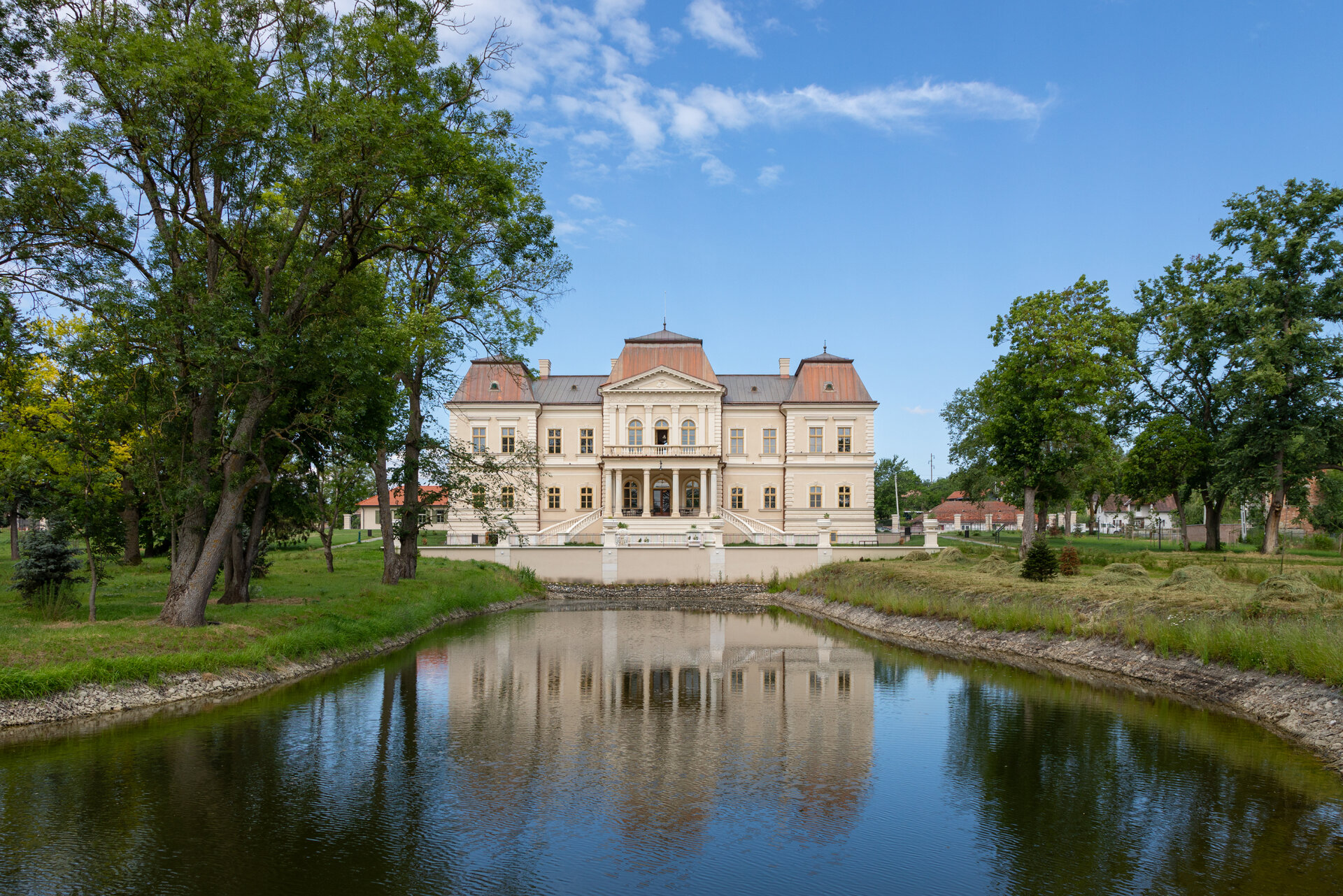
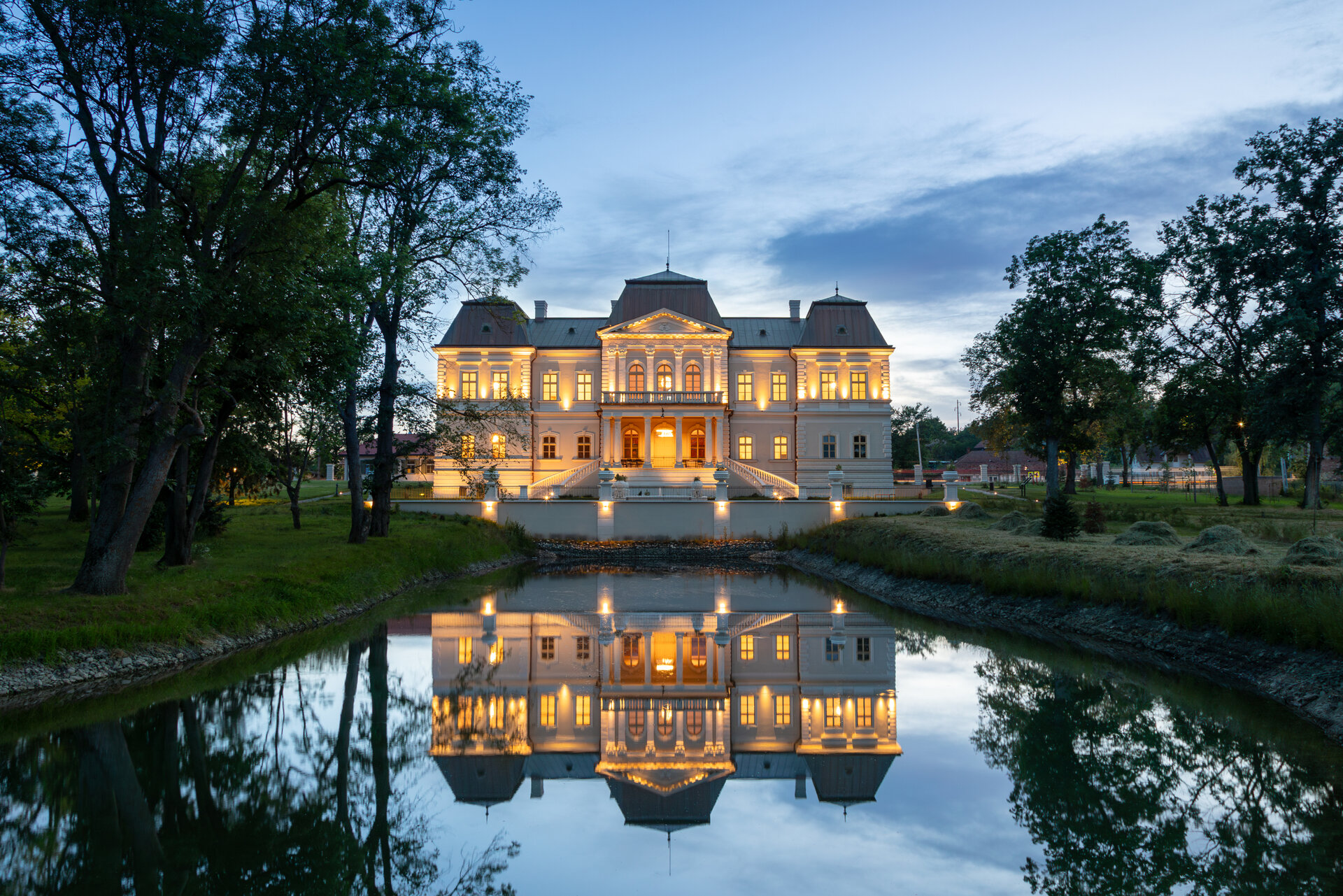
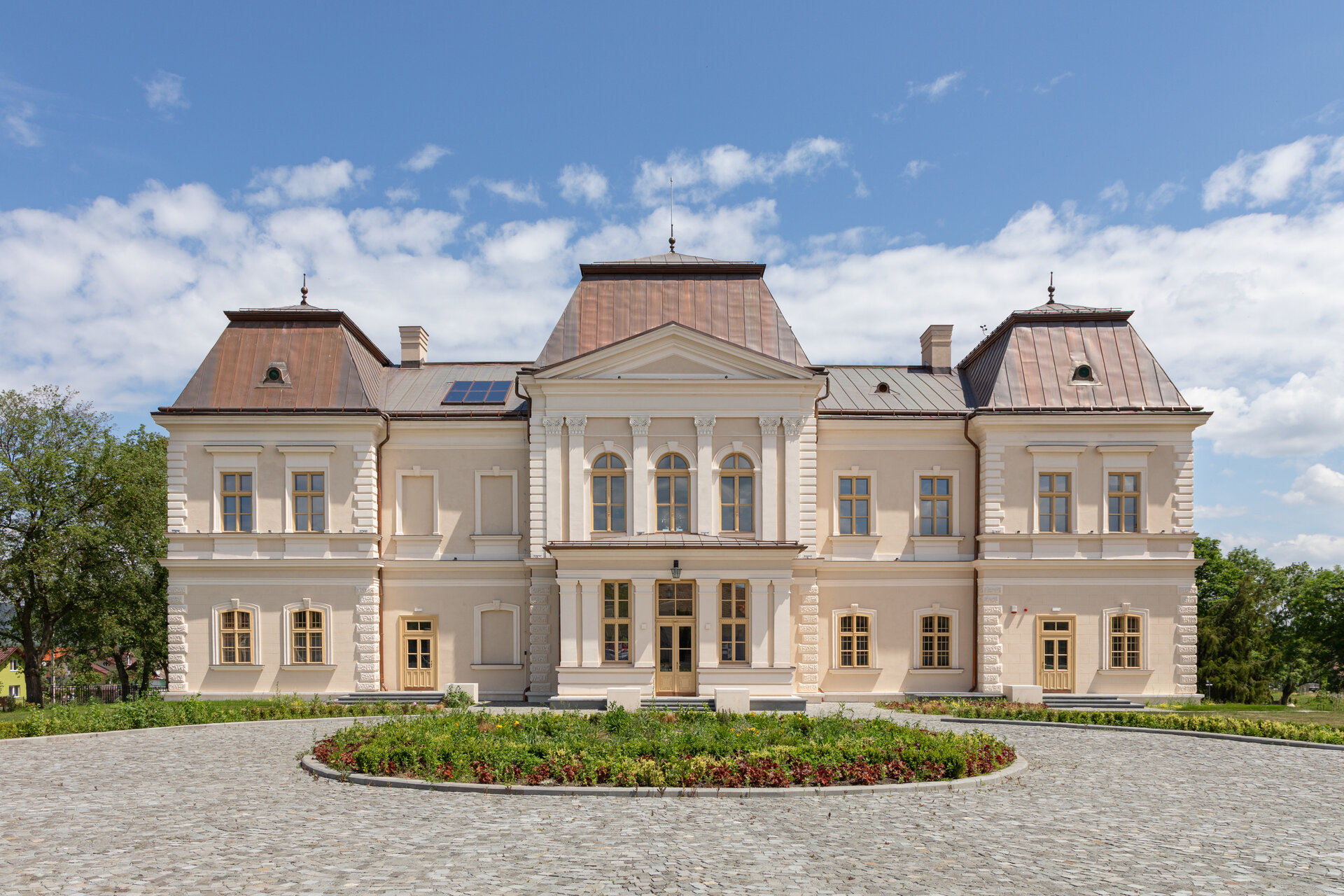
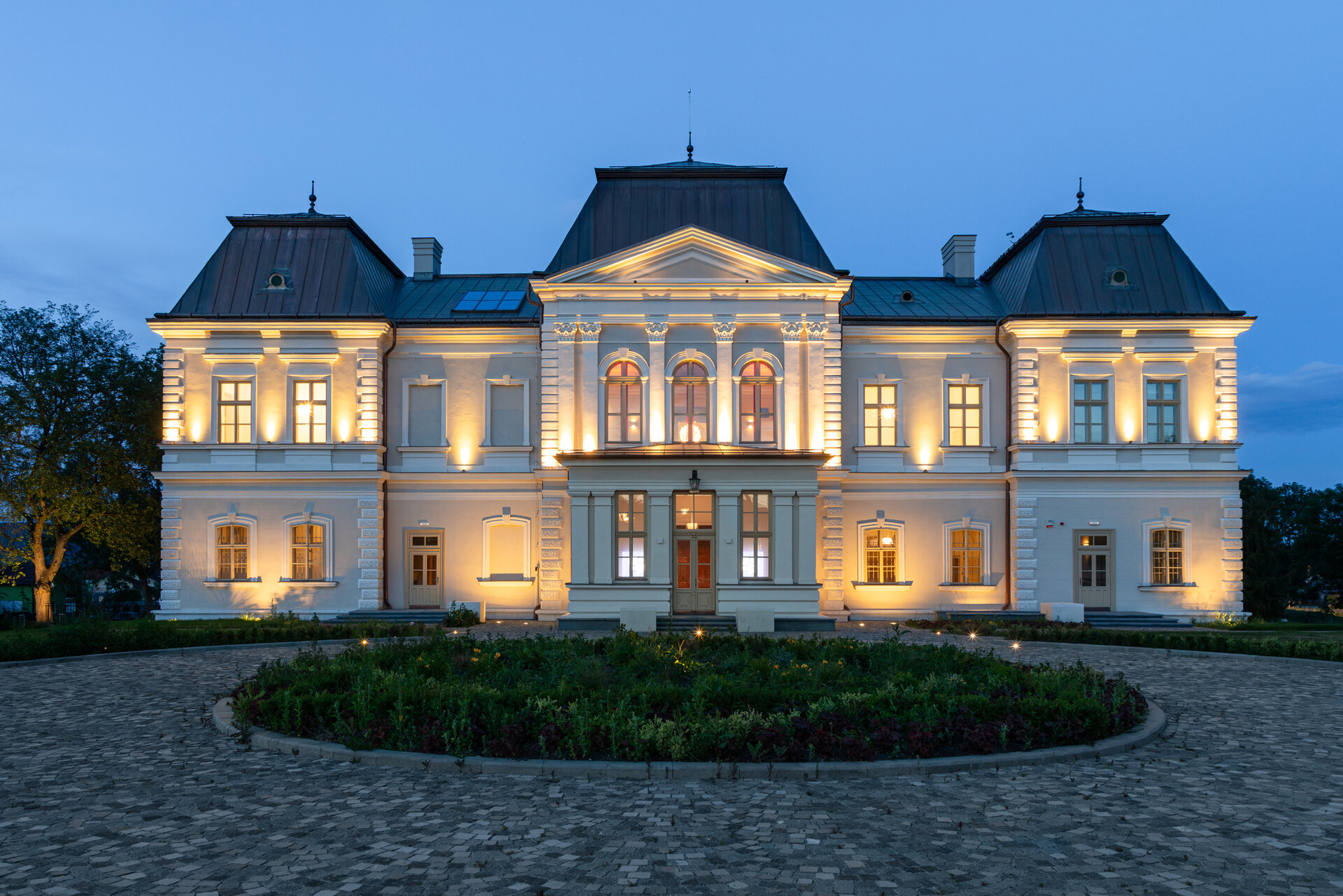
Bánffy Castle in Răscruci, Cluj County, Romania, is a distinguished example of nineteenth-century aristocratic architecture in Transylvania. The estate forms part of a historic rural landscape and is particularly associated with Baron Ádám Bánffy, who transformed the residence ...
Read more
Project details
Description:
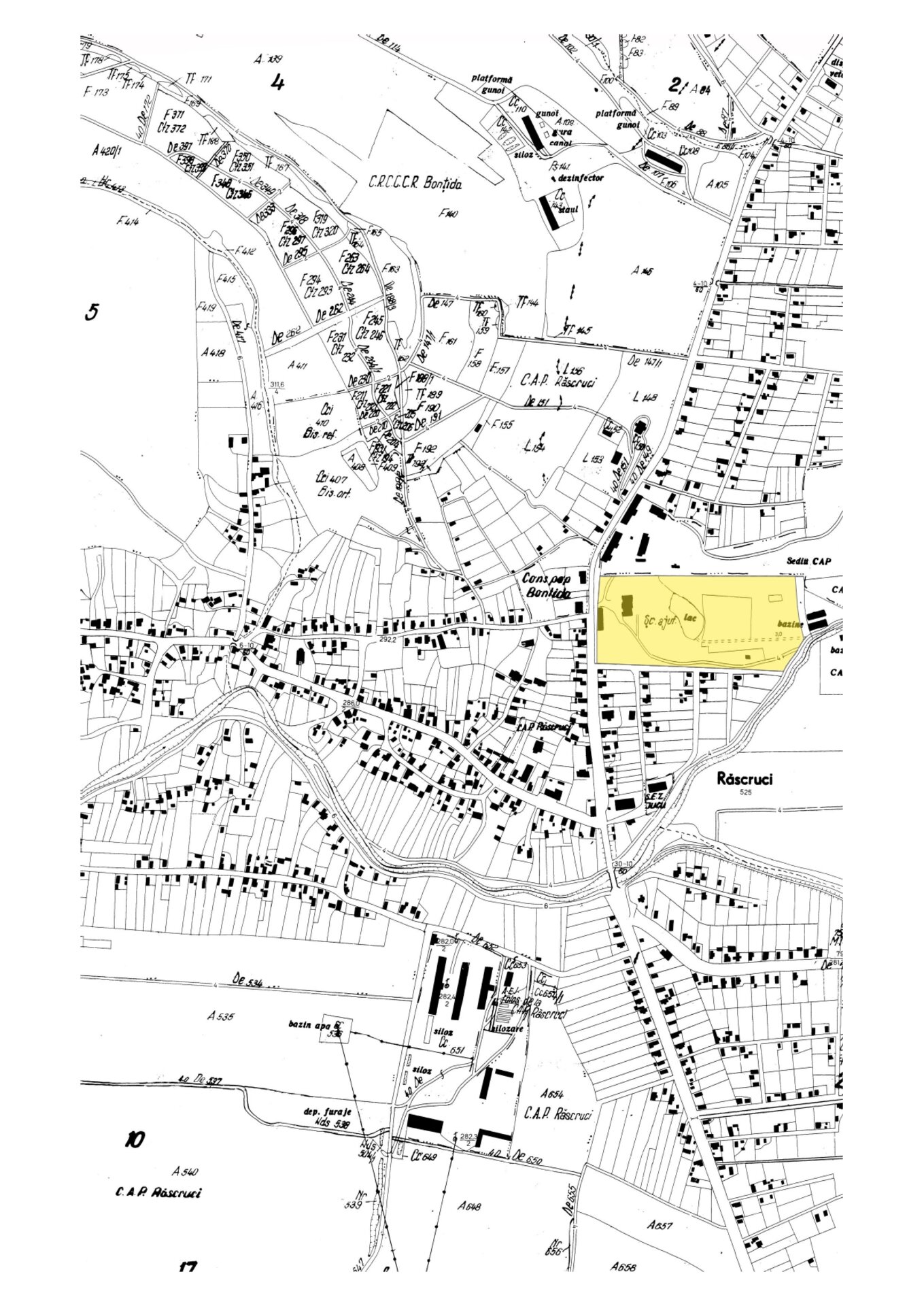
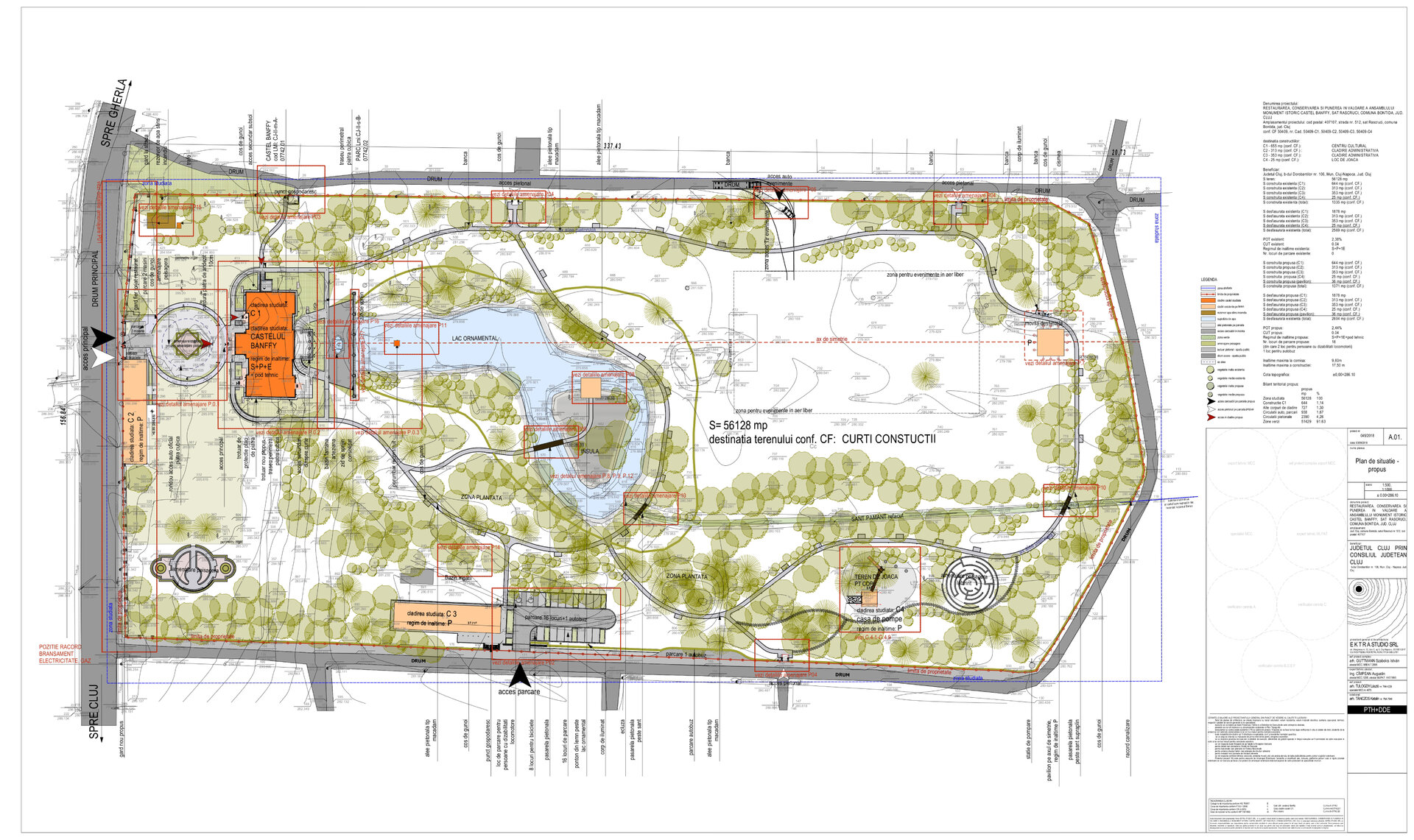
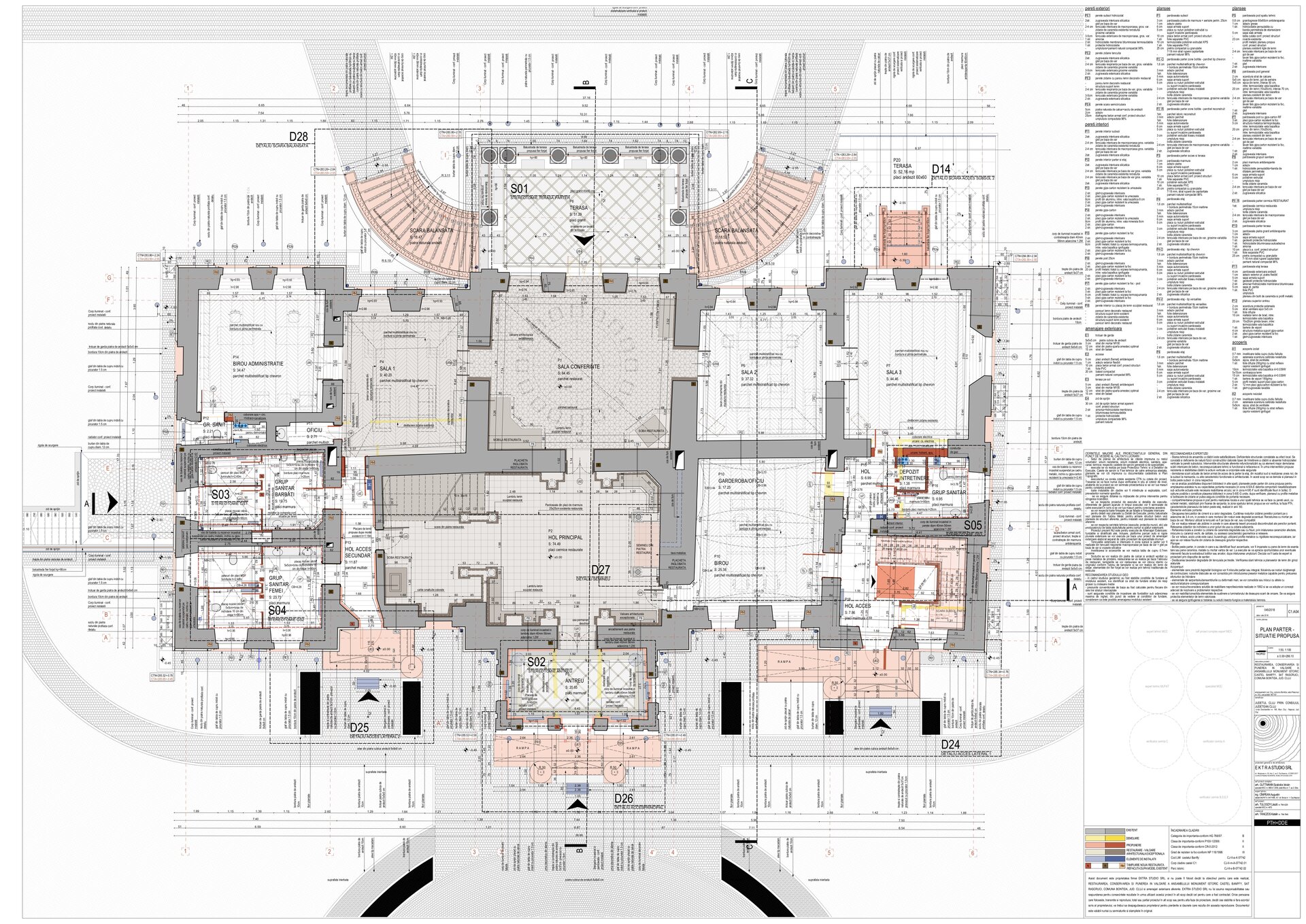
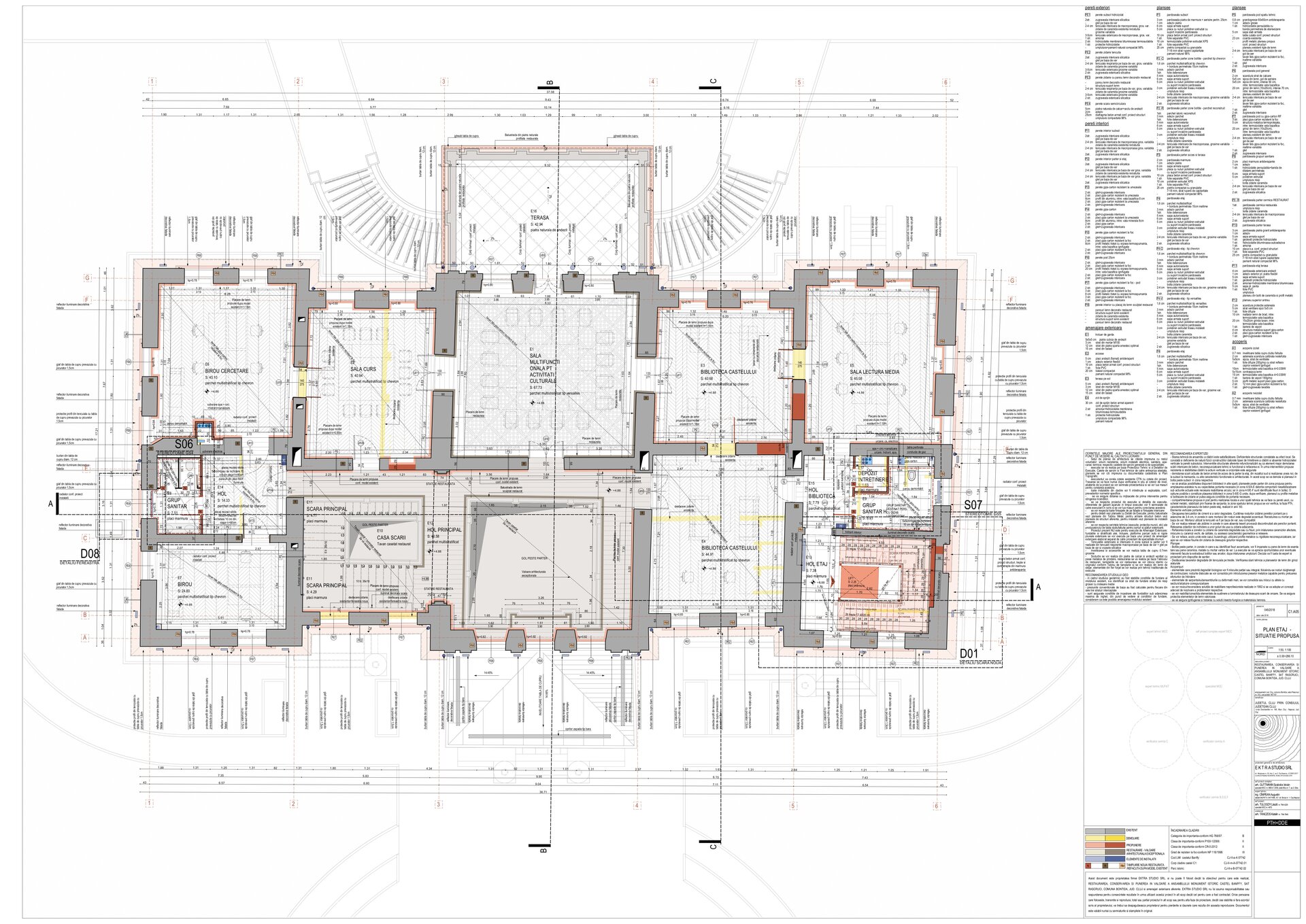
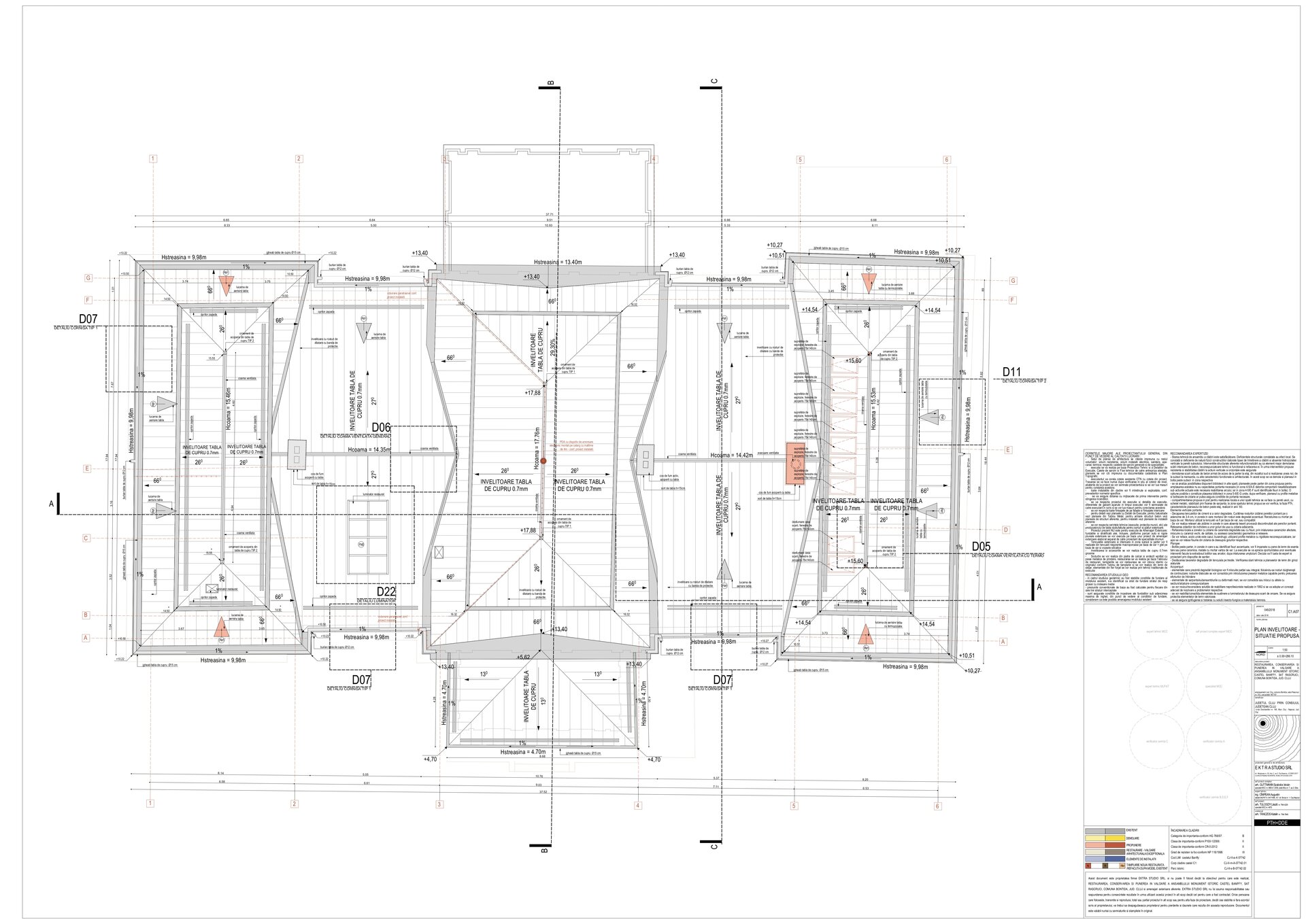
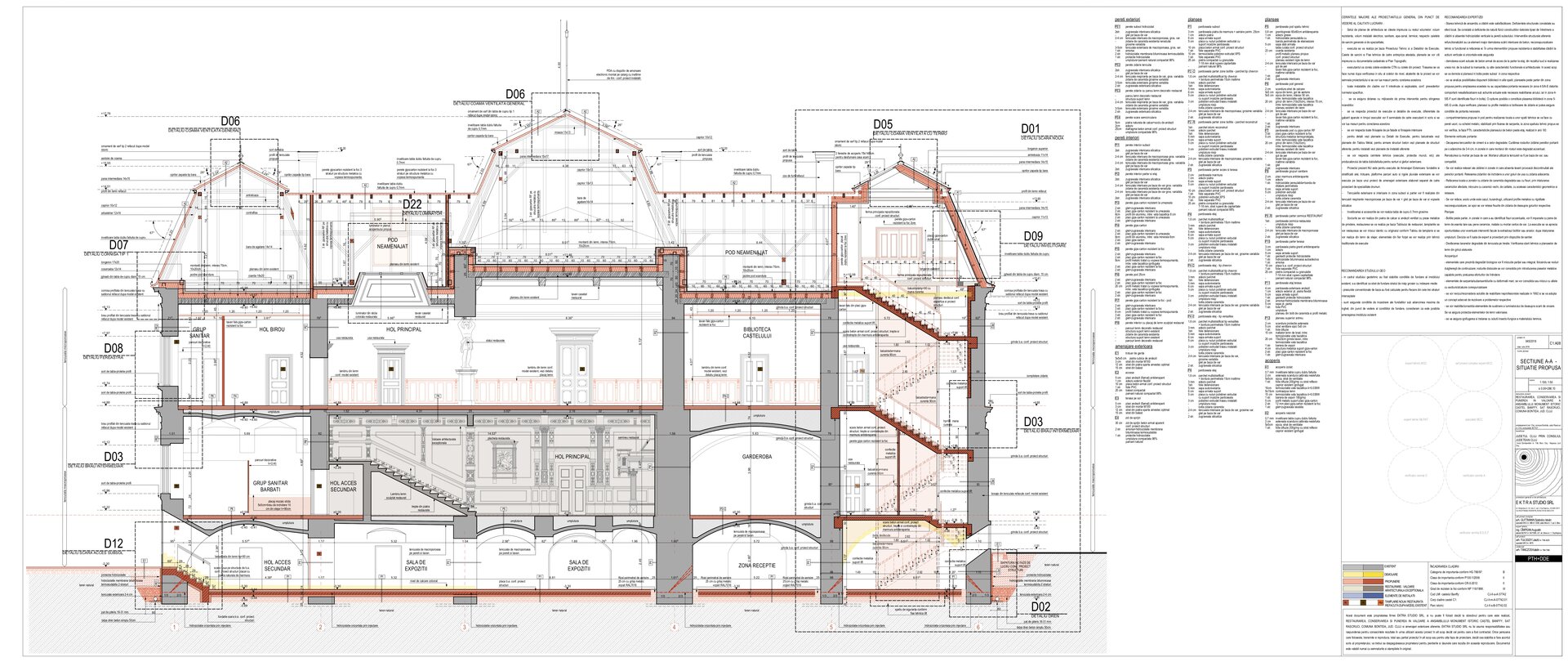
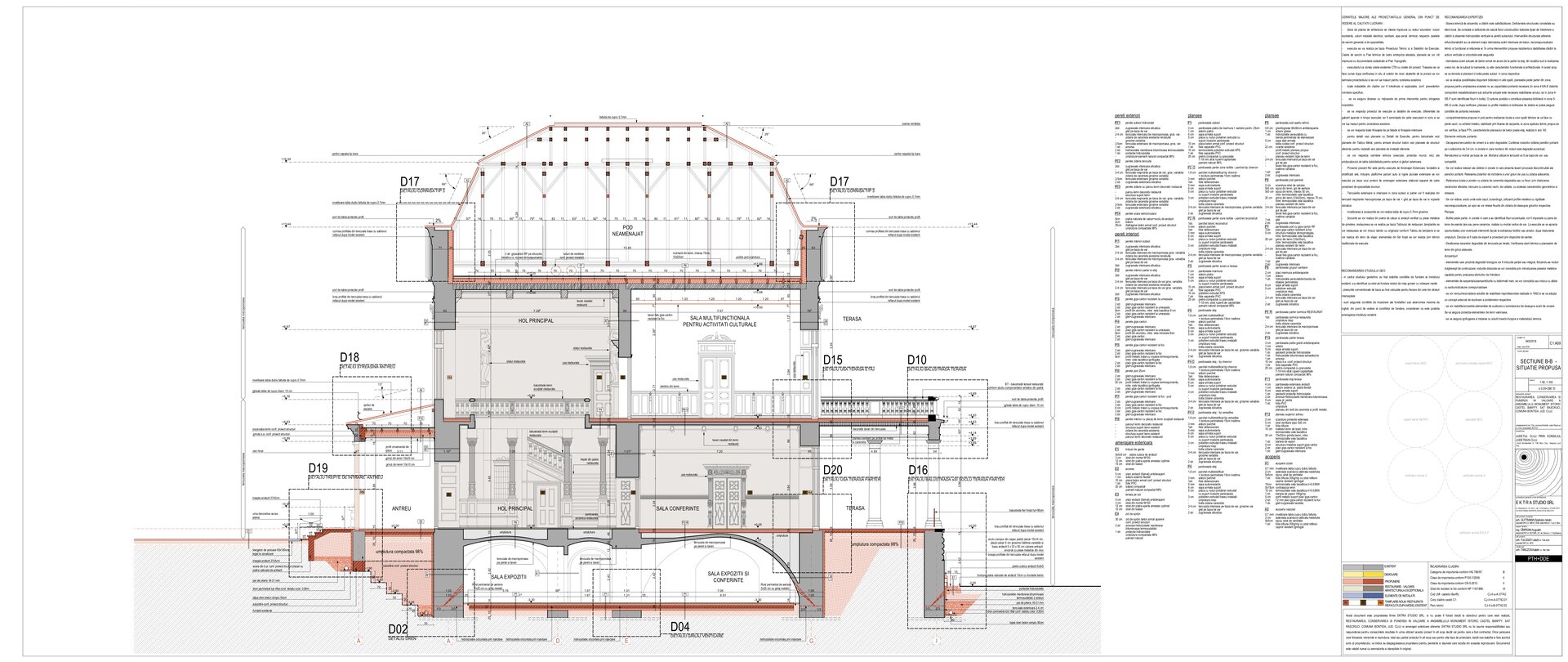
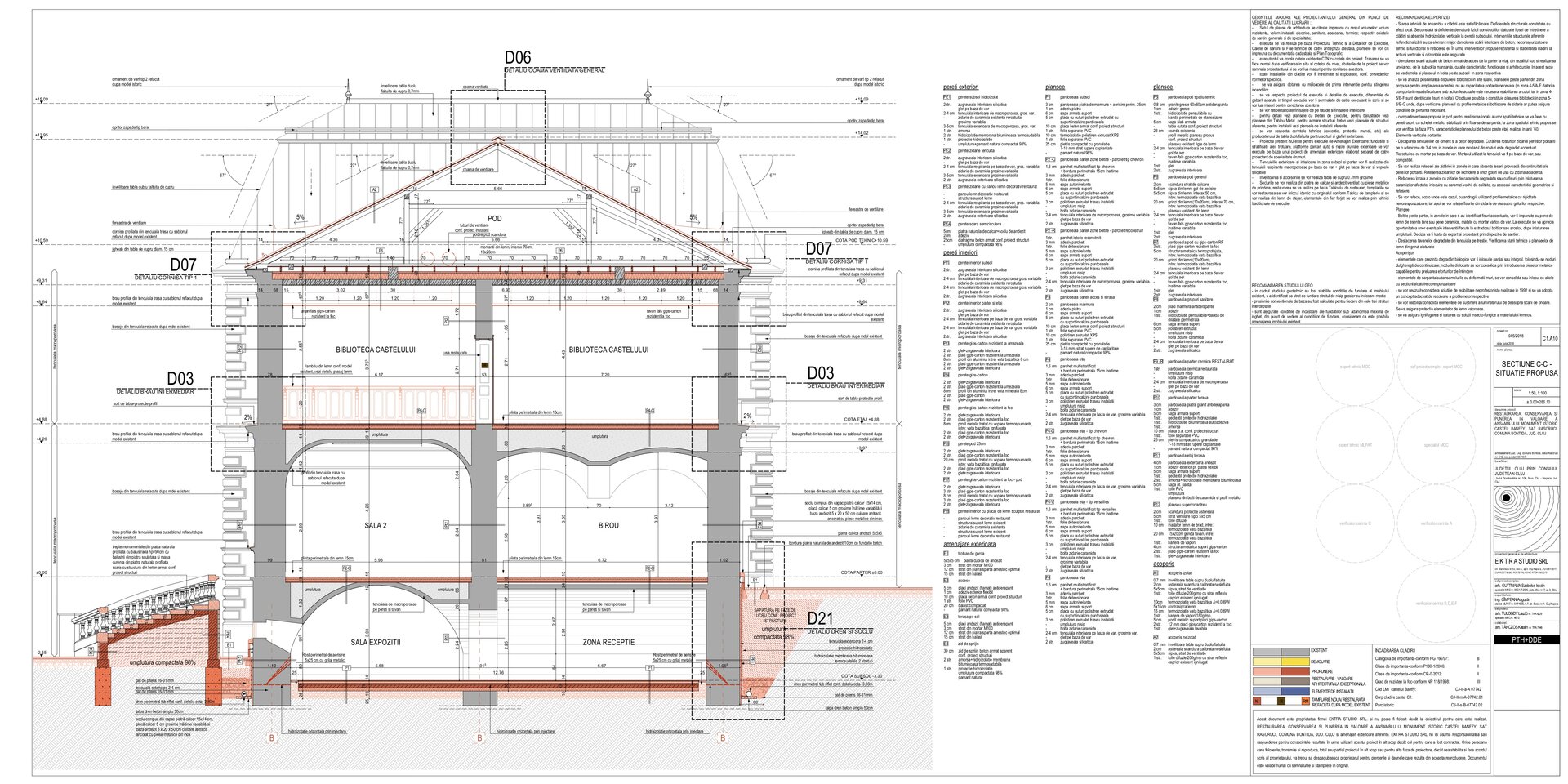
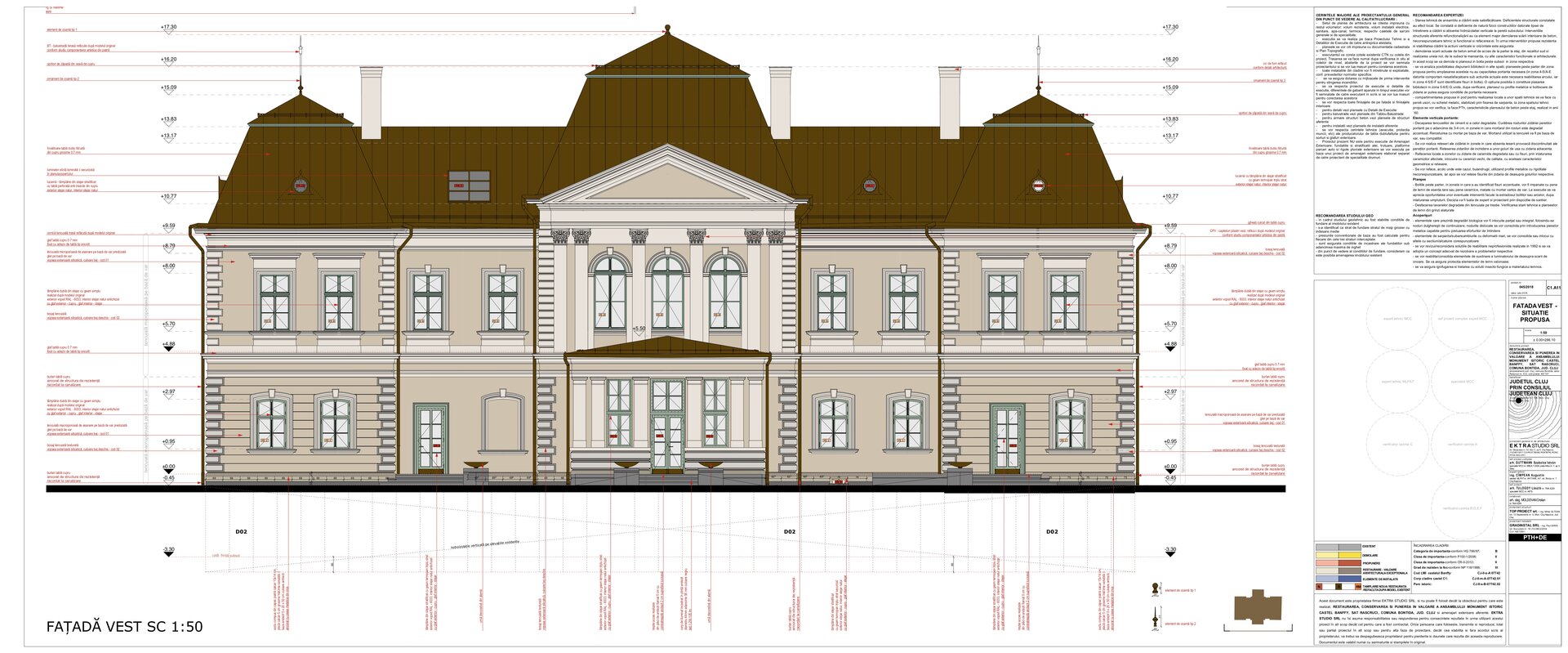
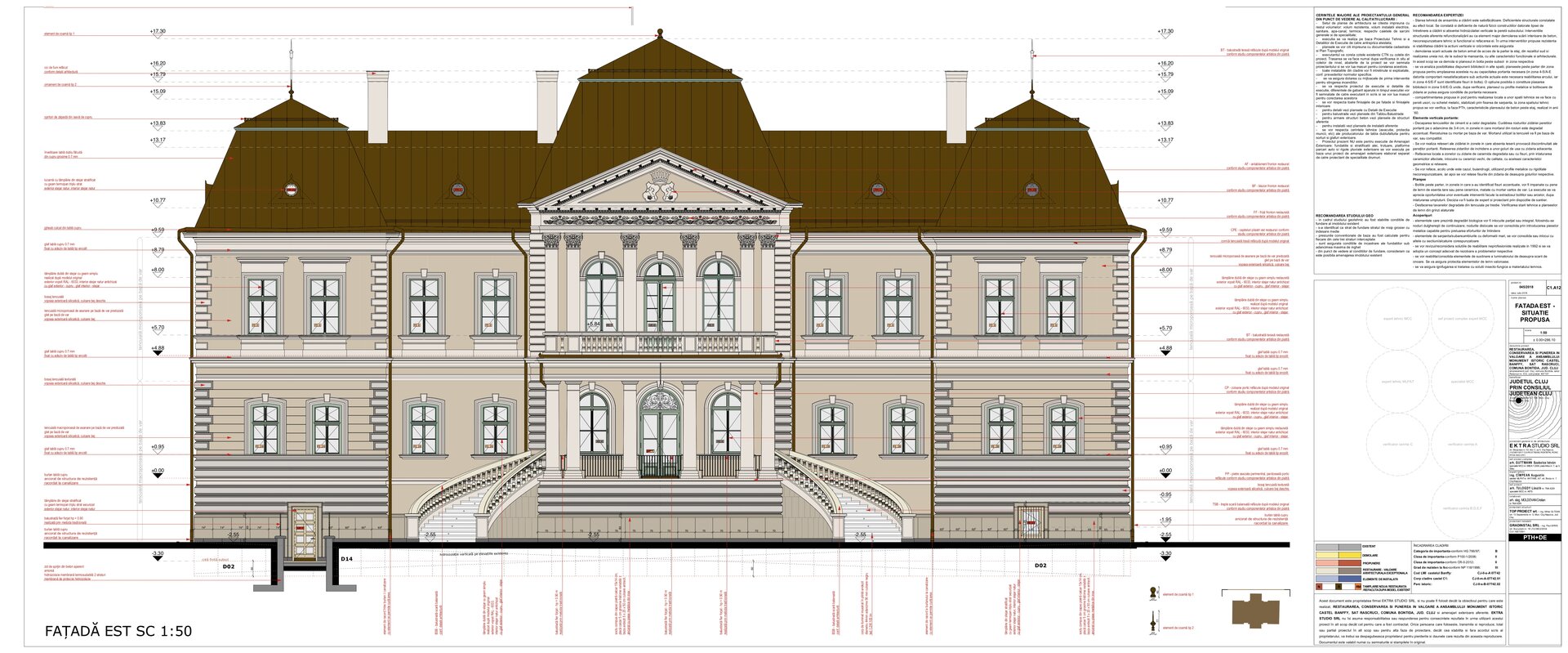
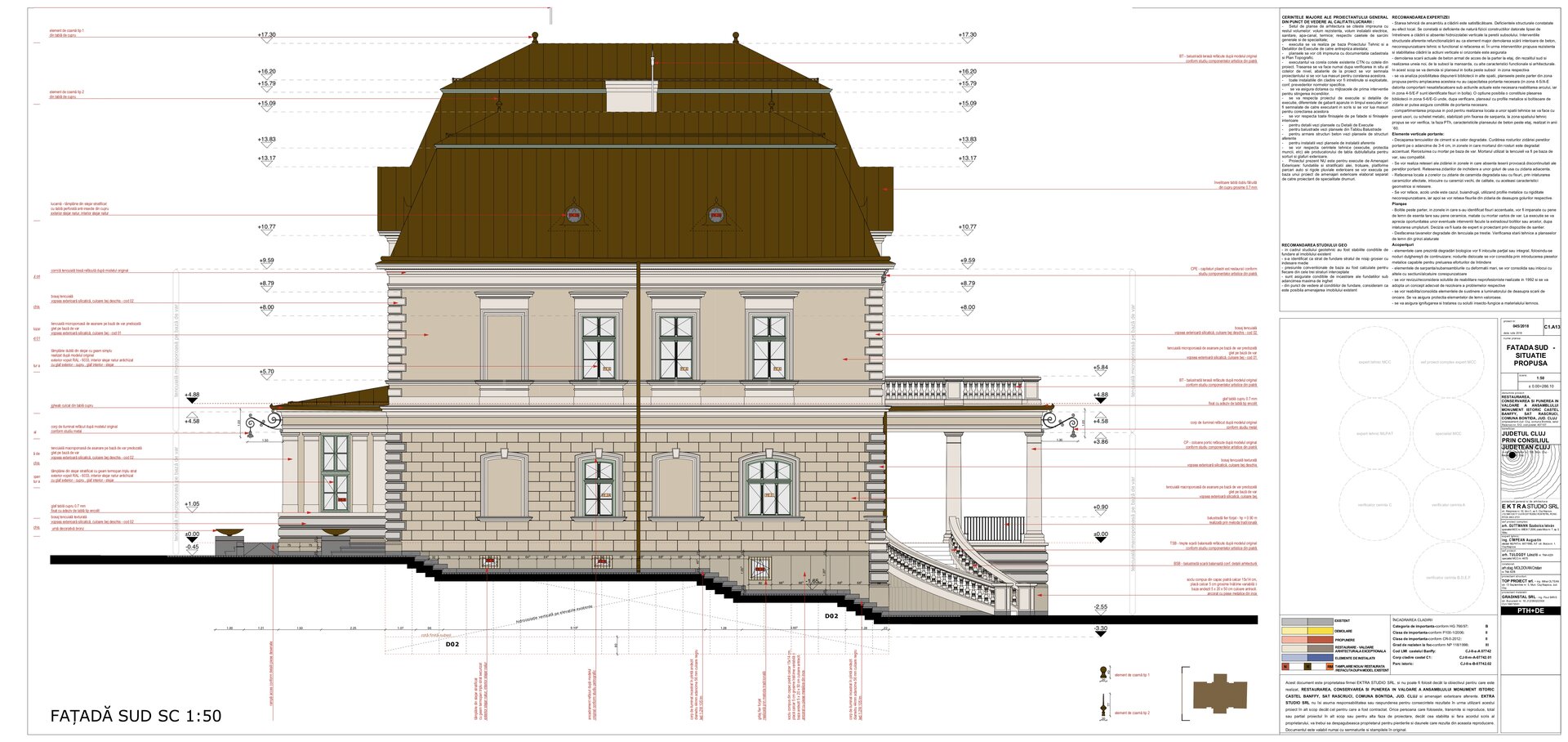
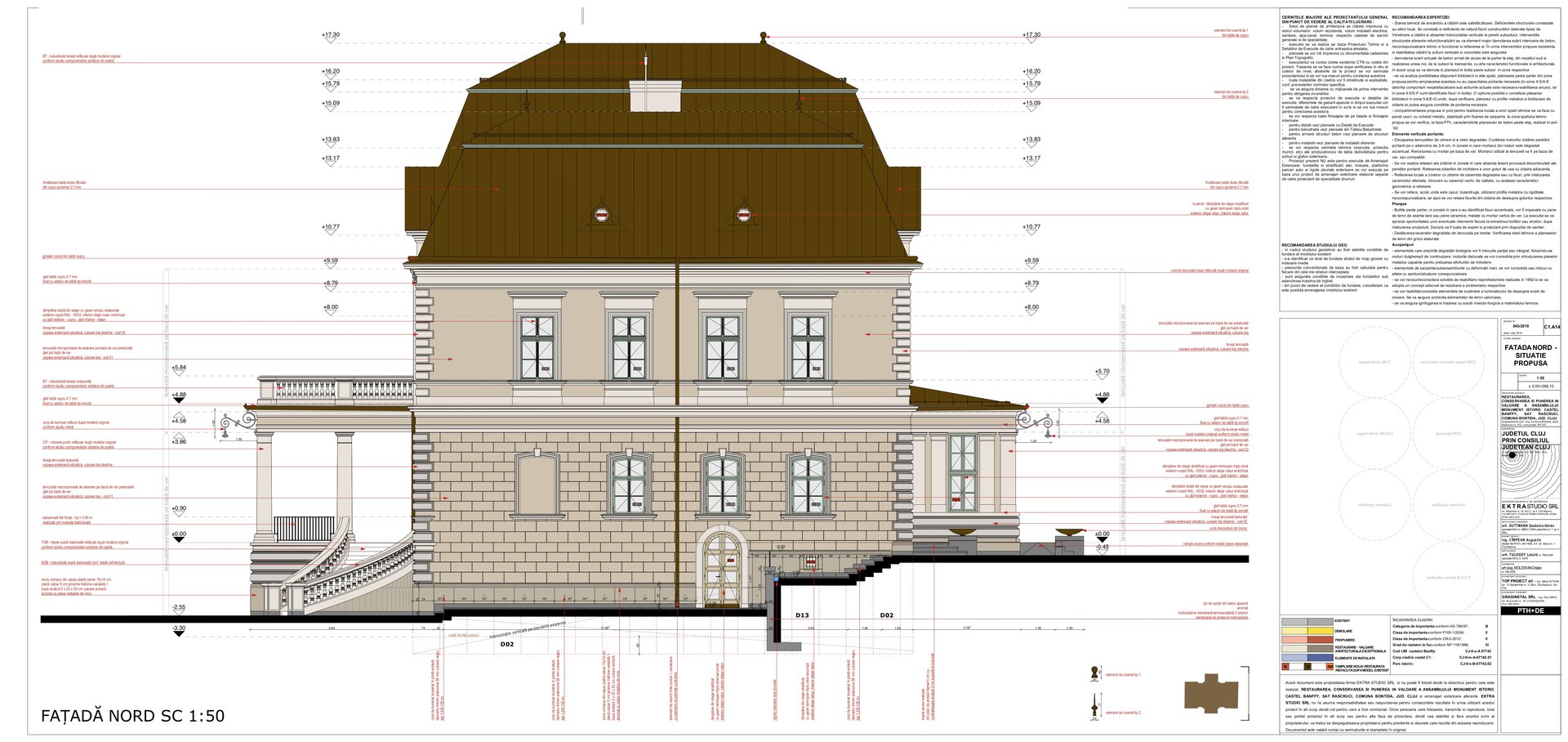
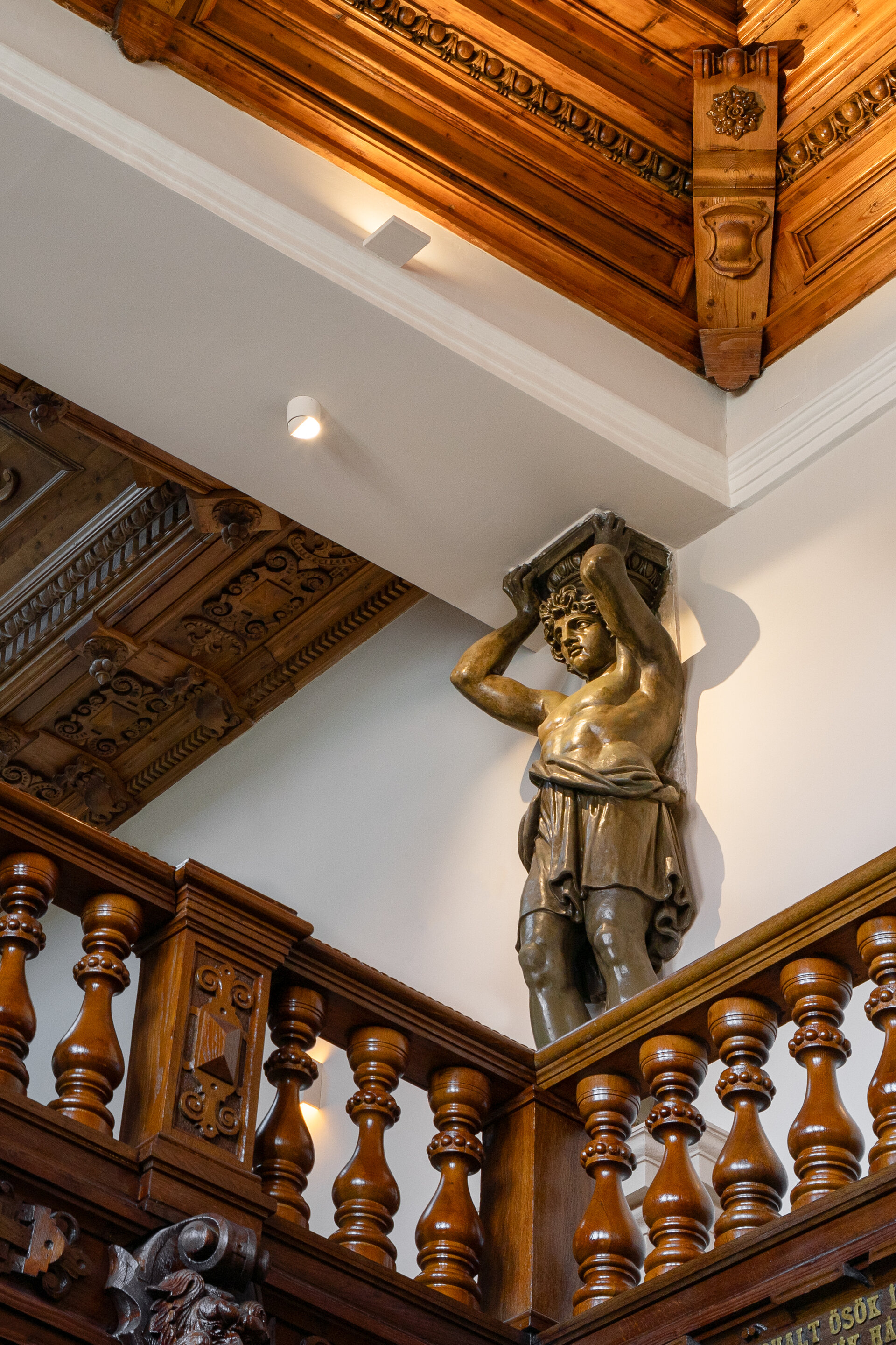
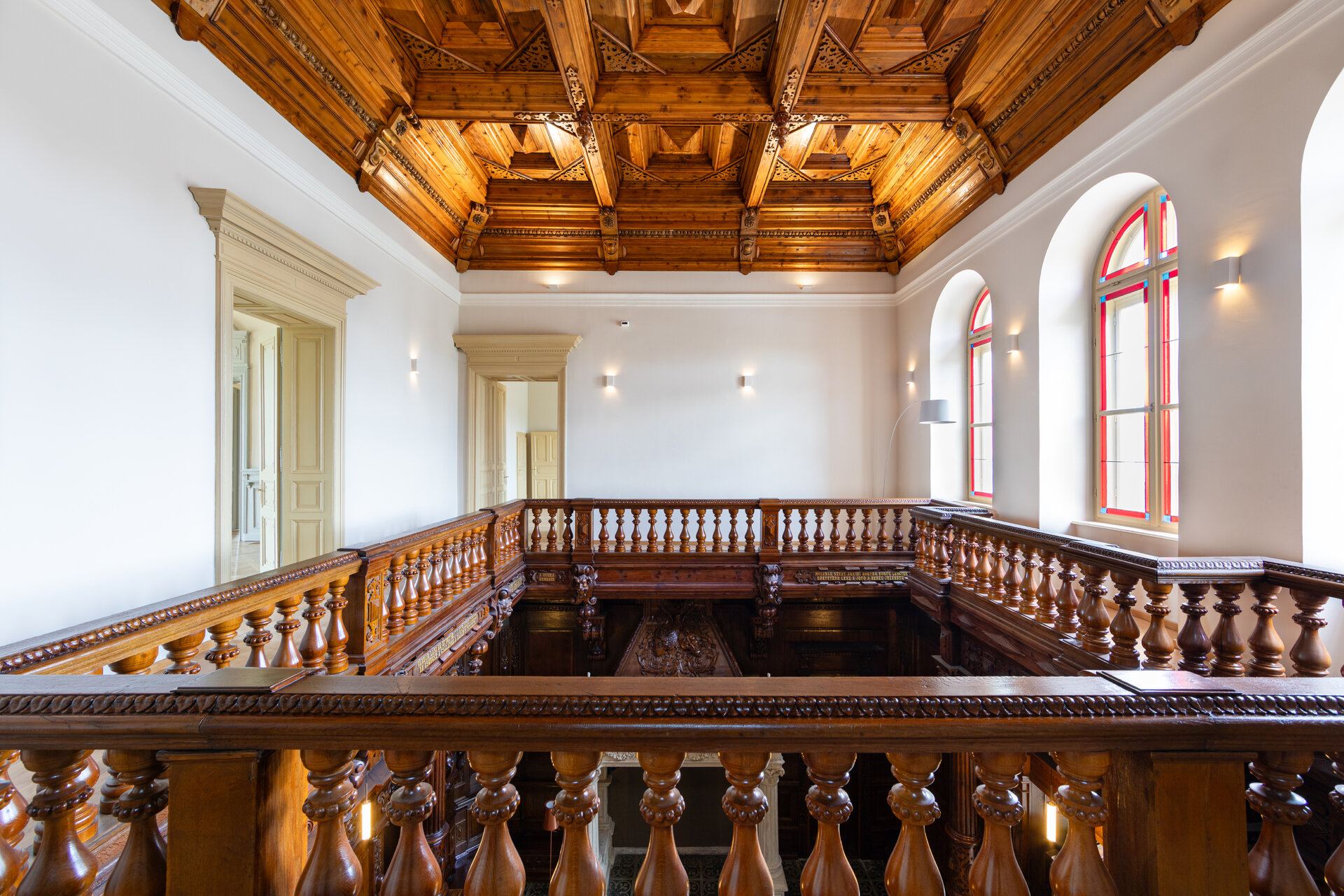
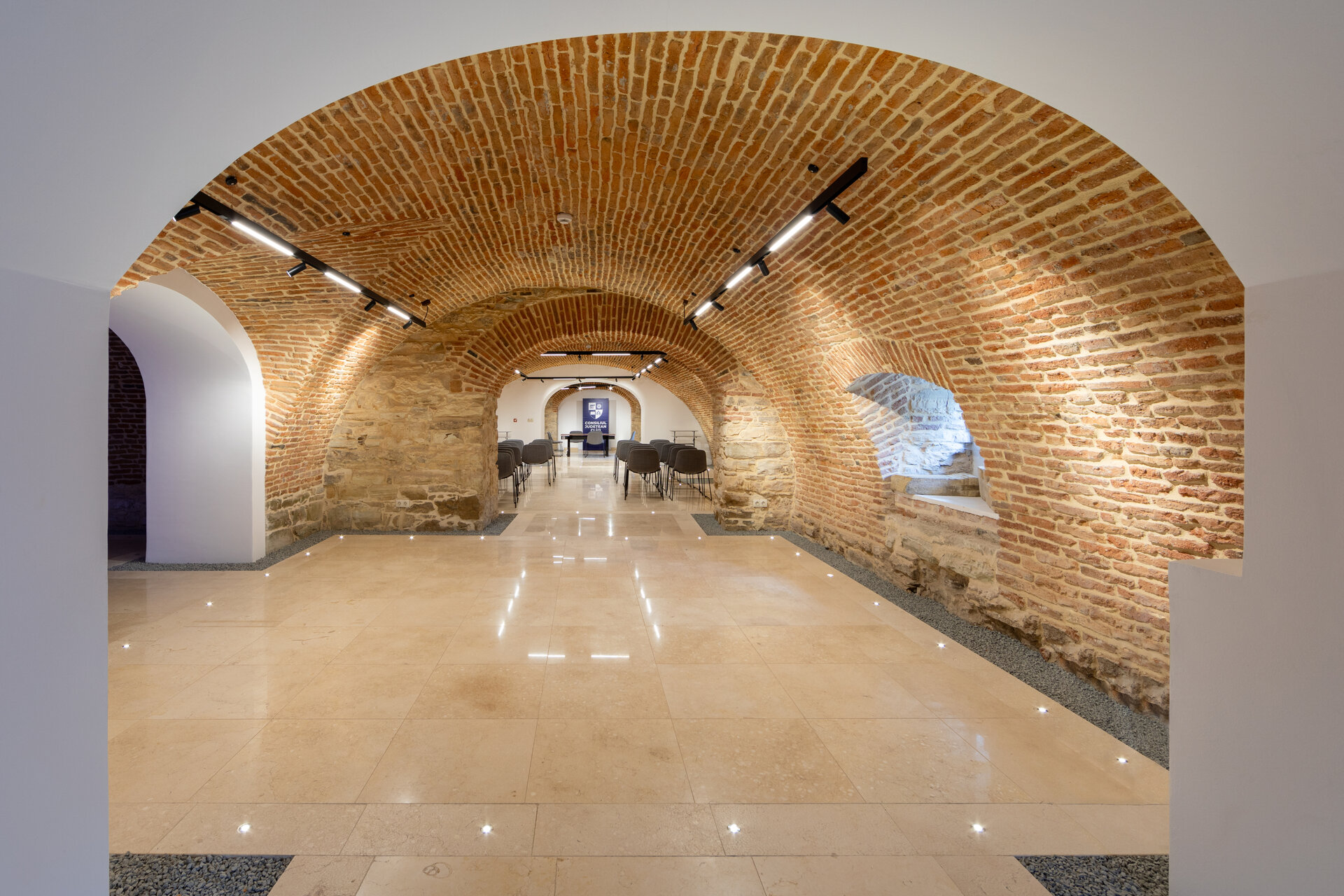
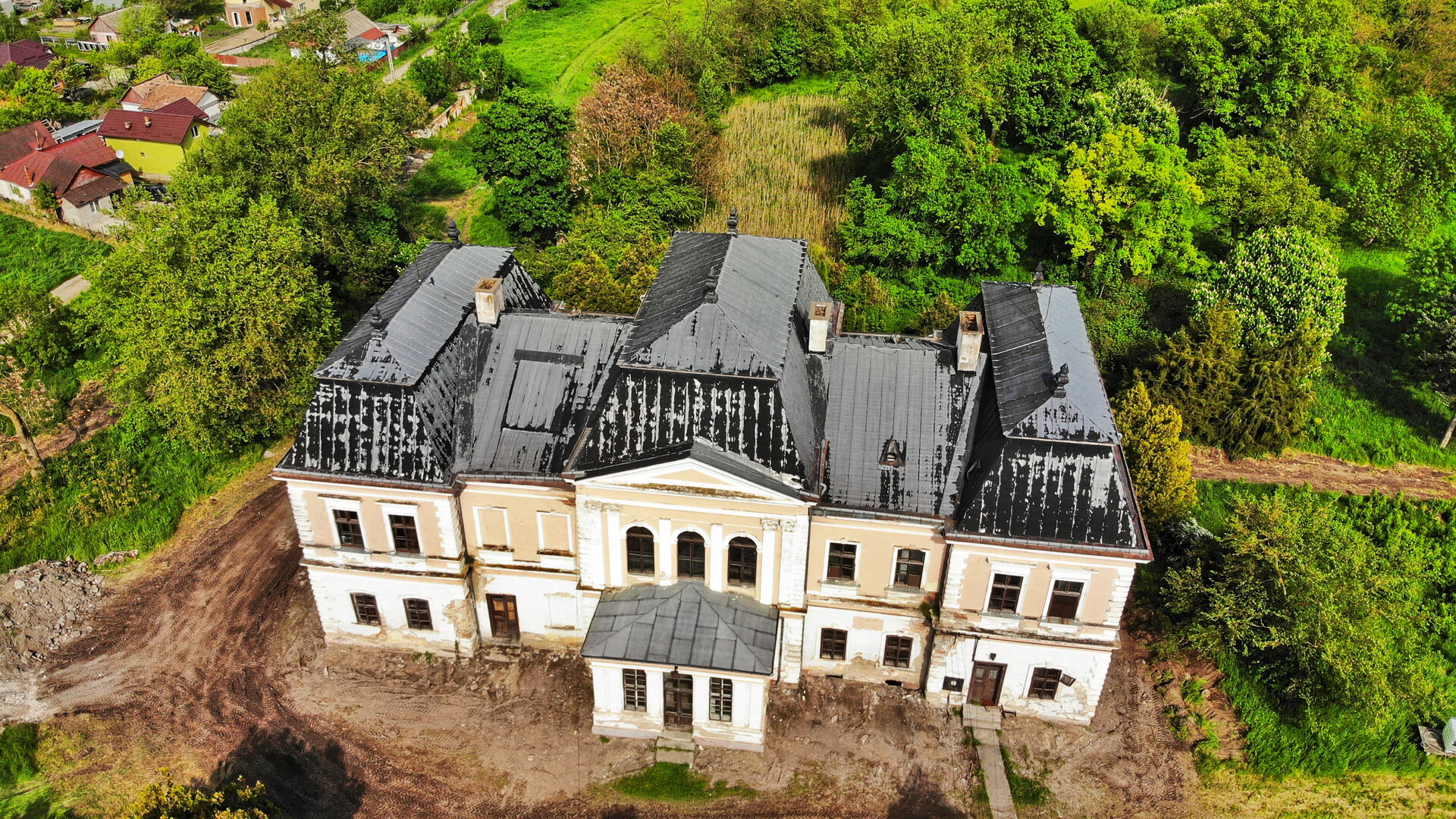
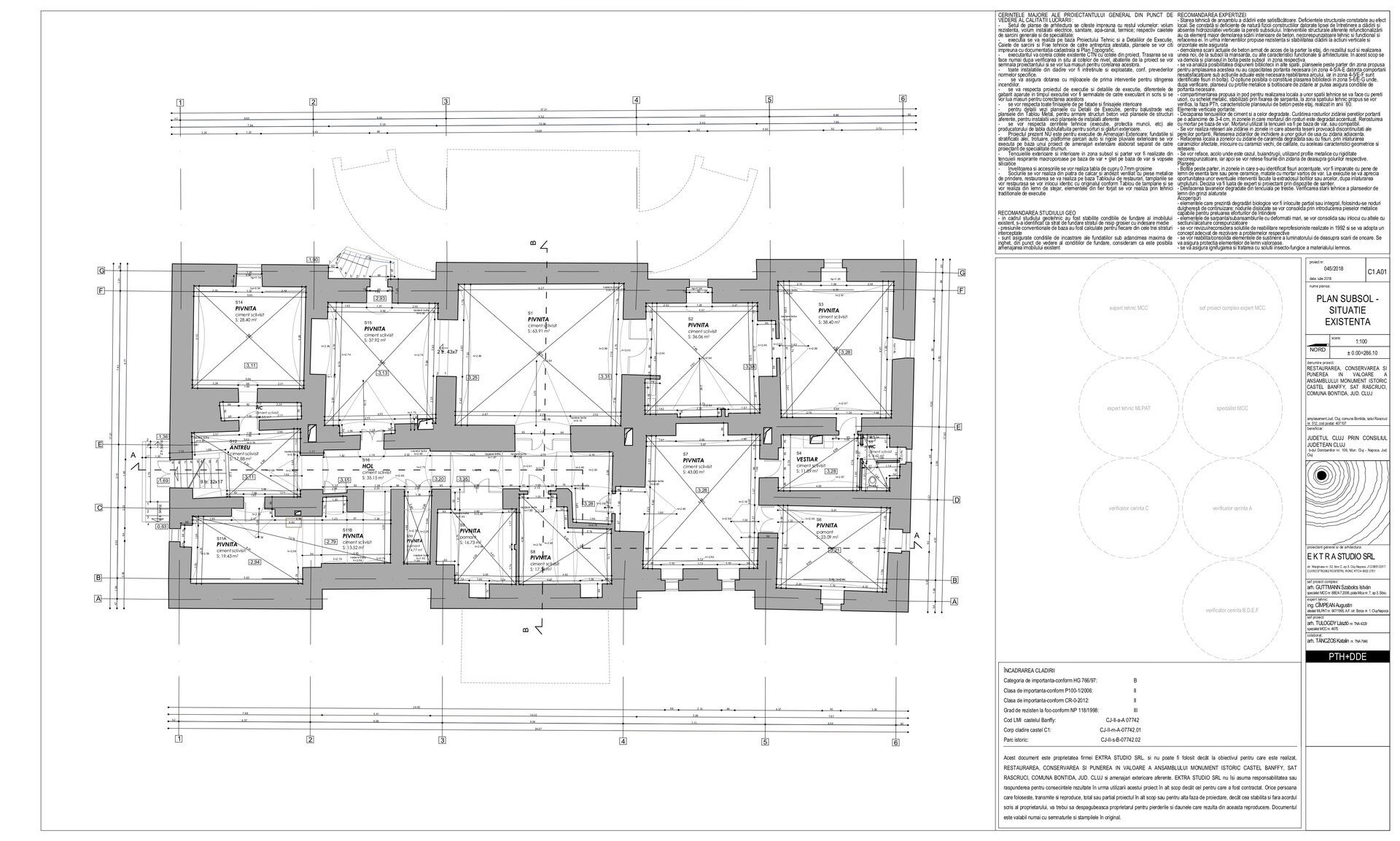
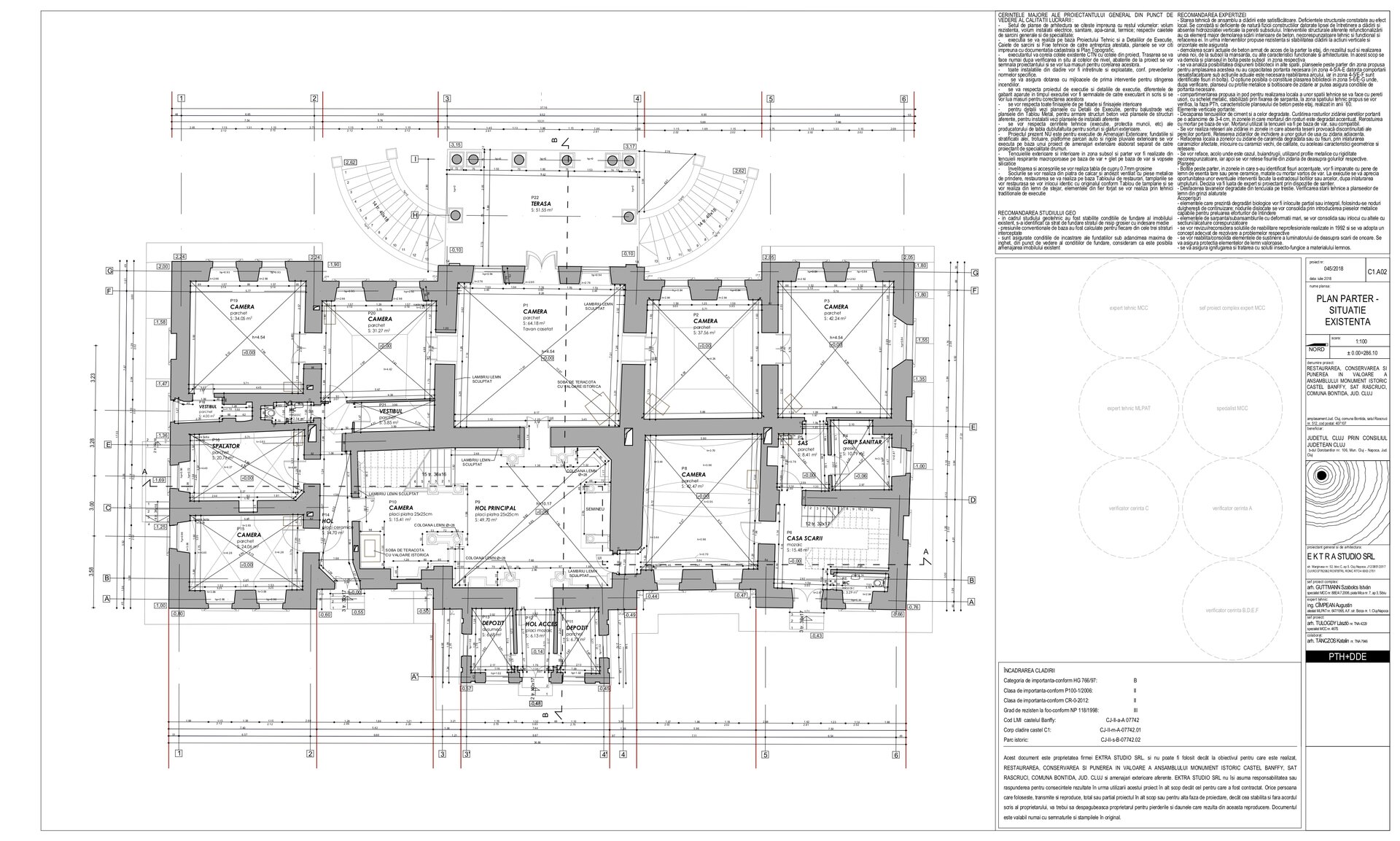
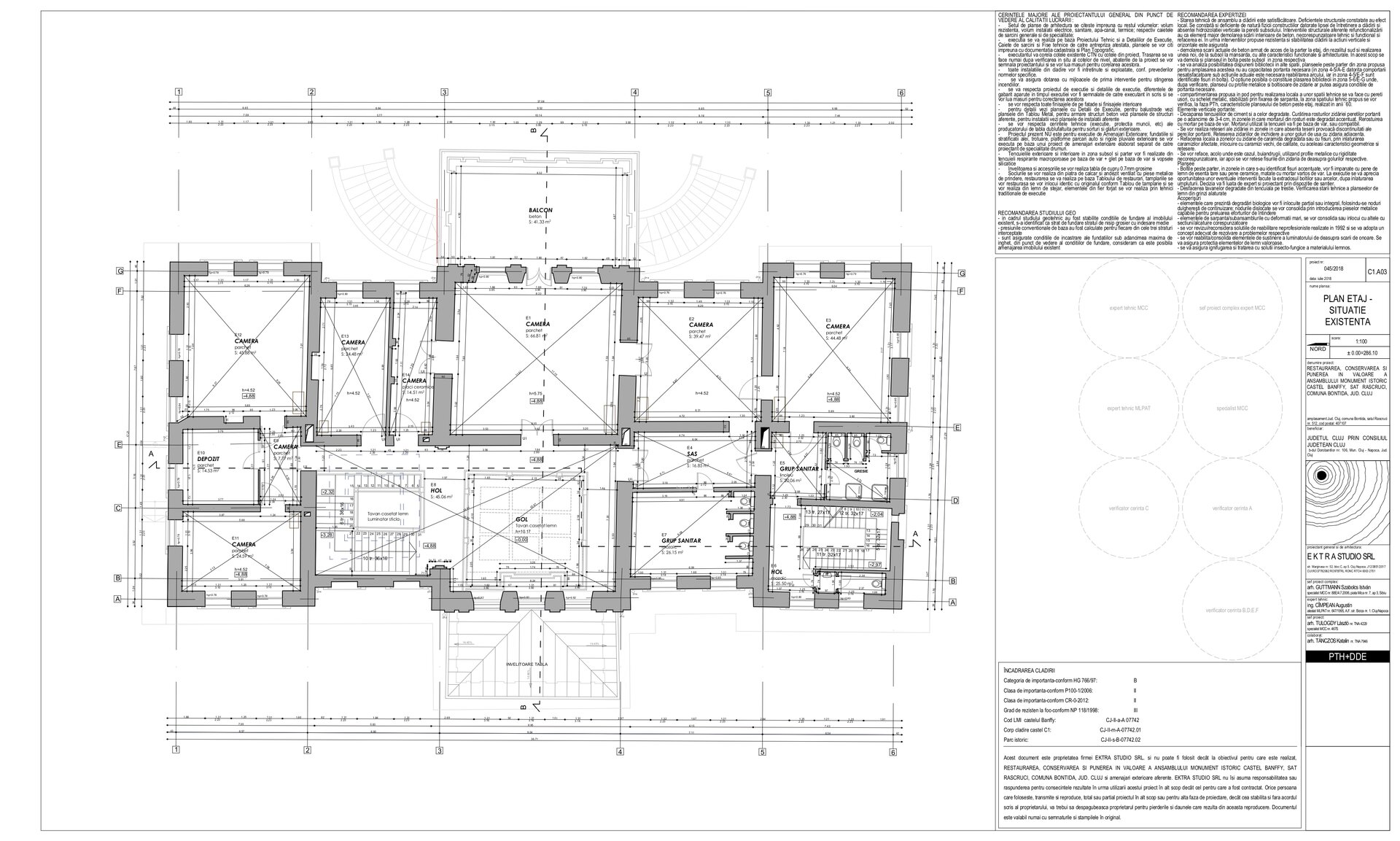
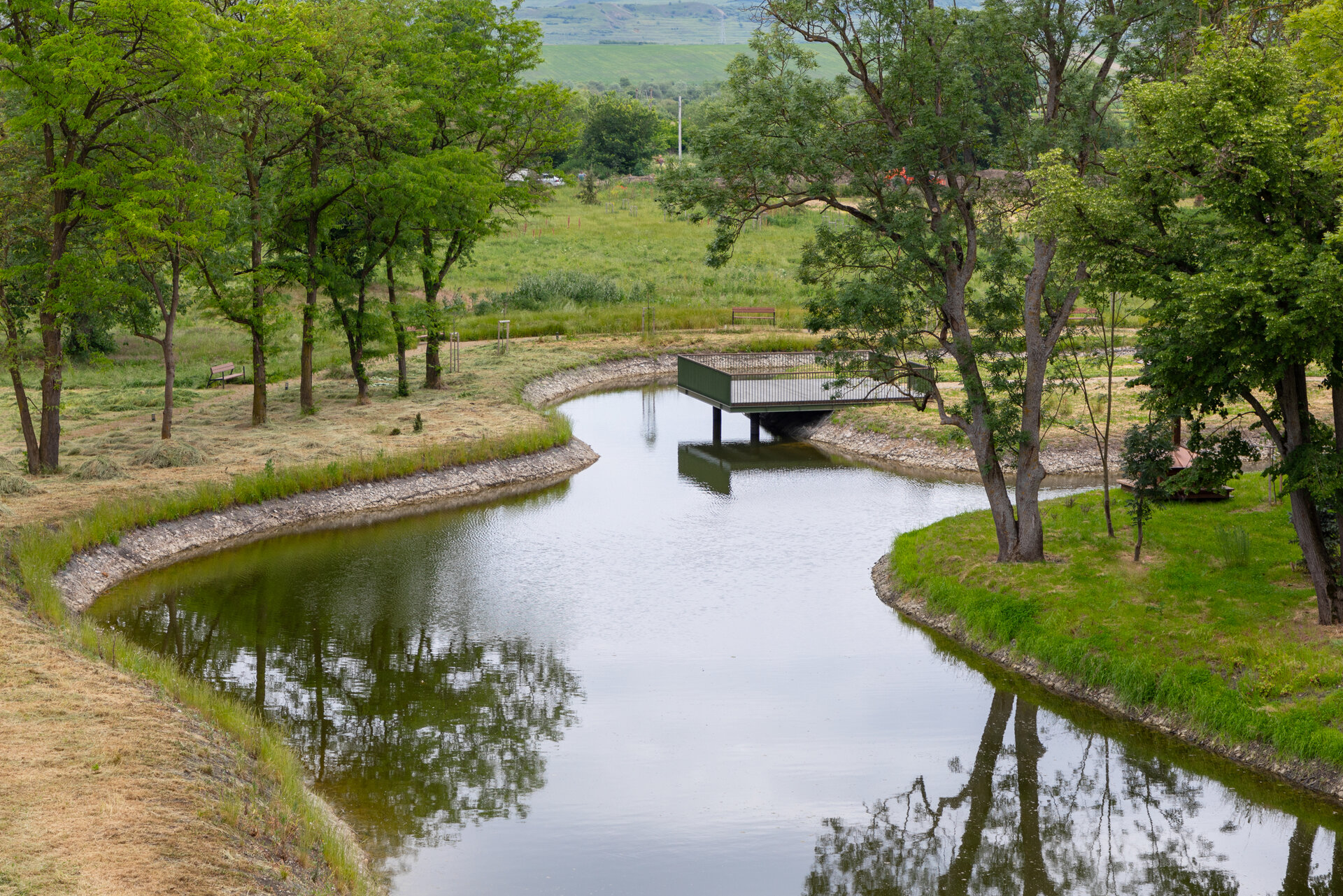
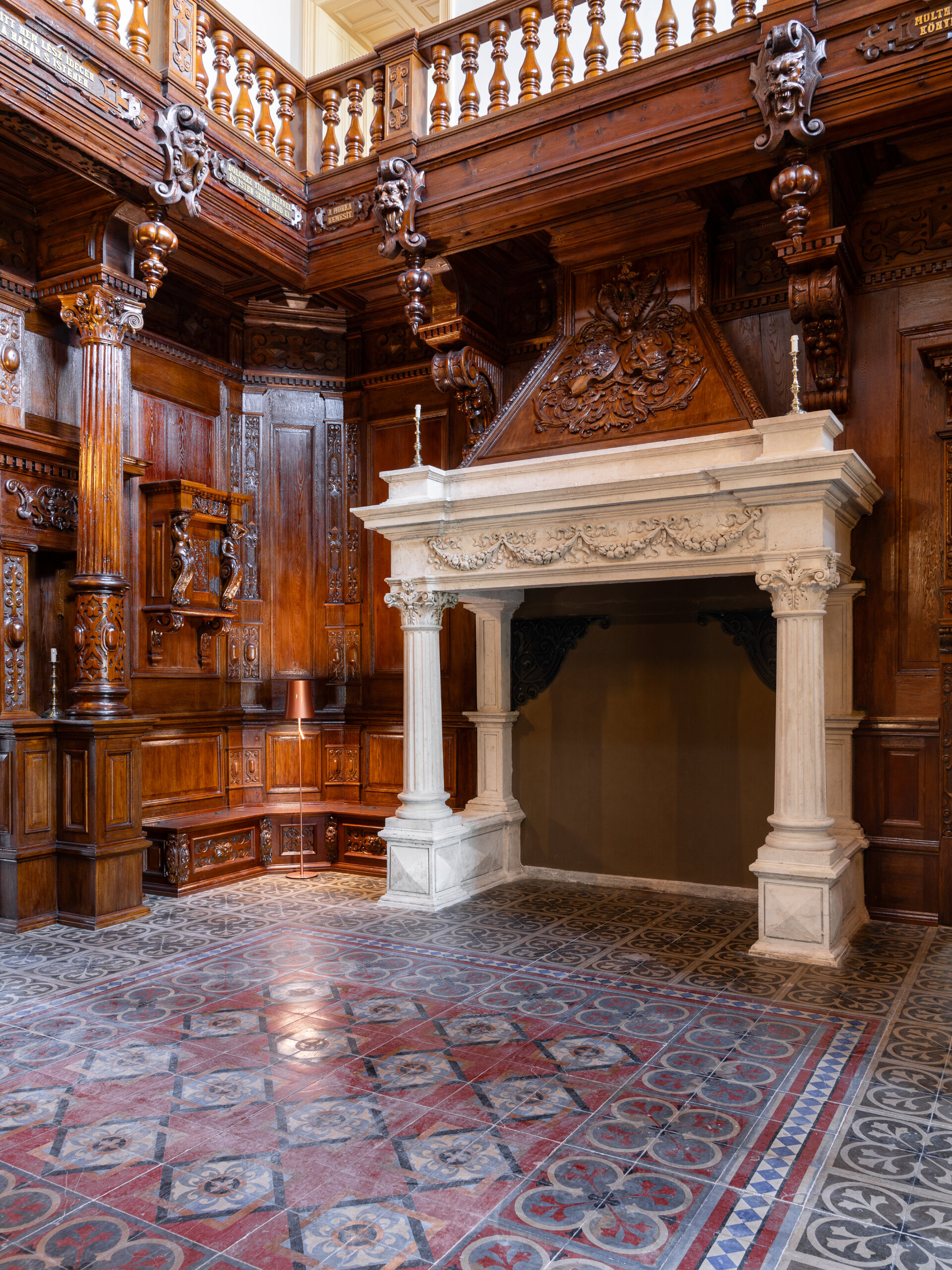
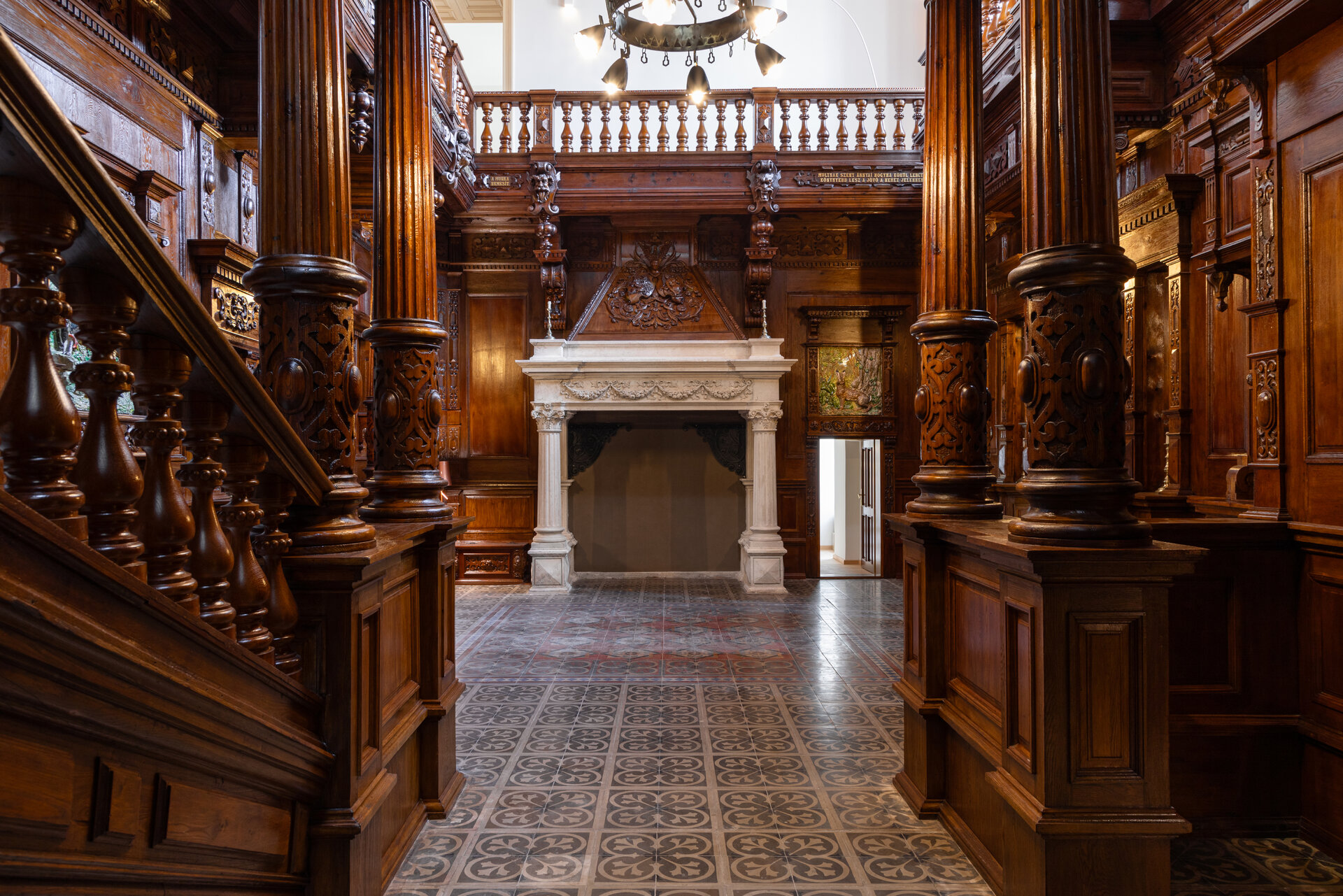
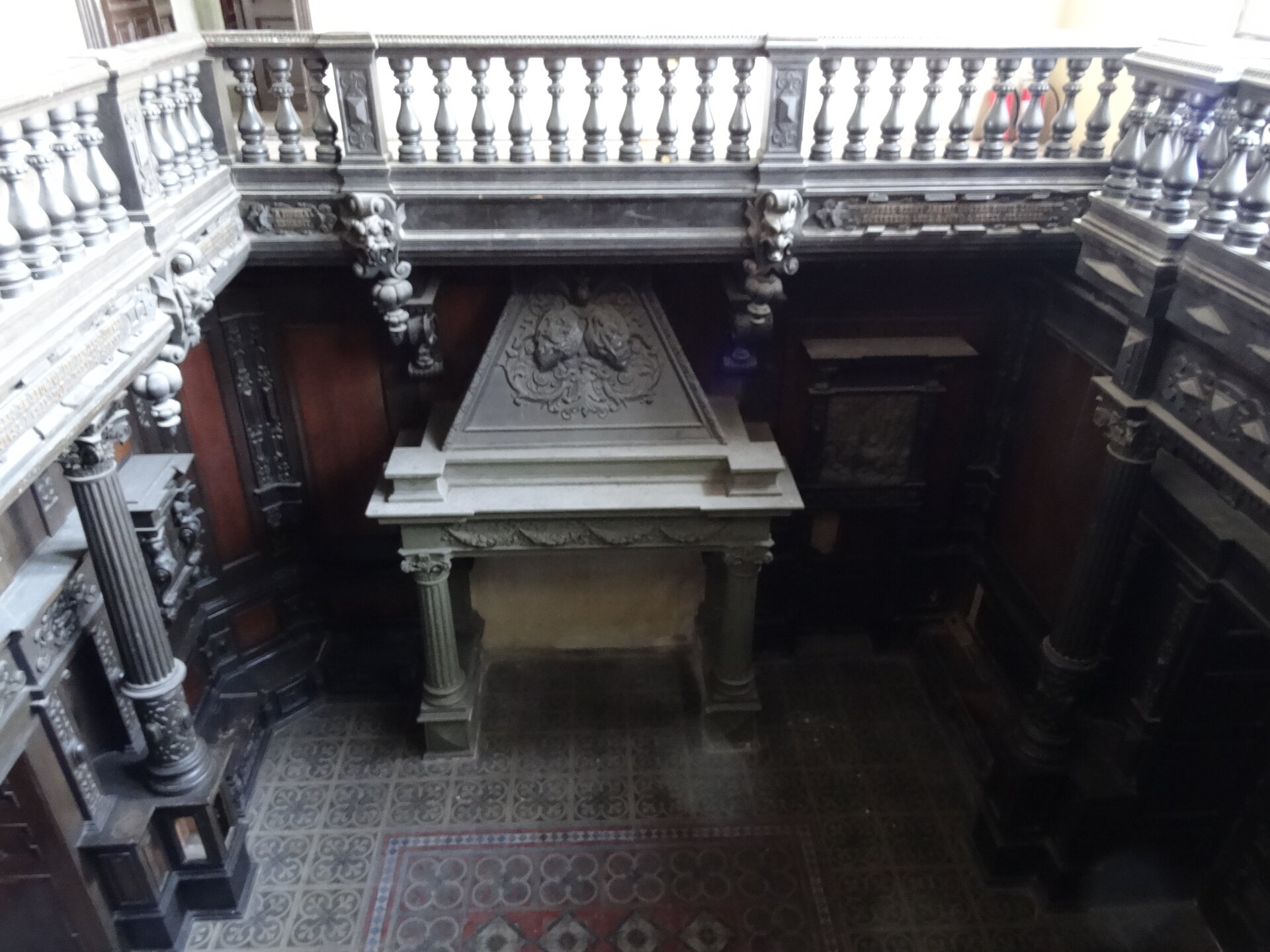
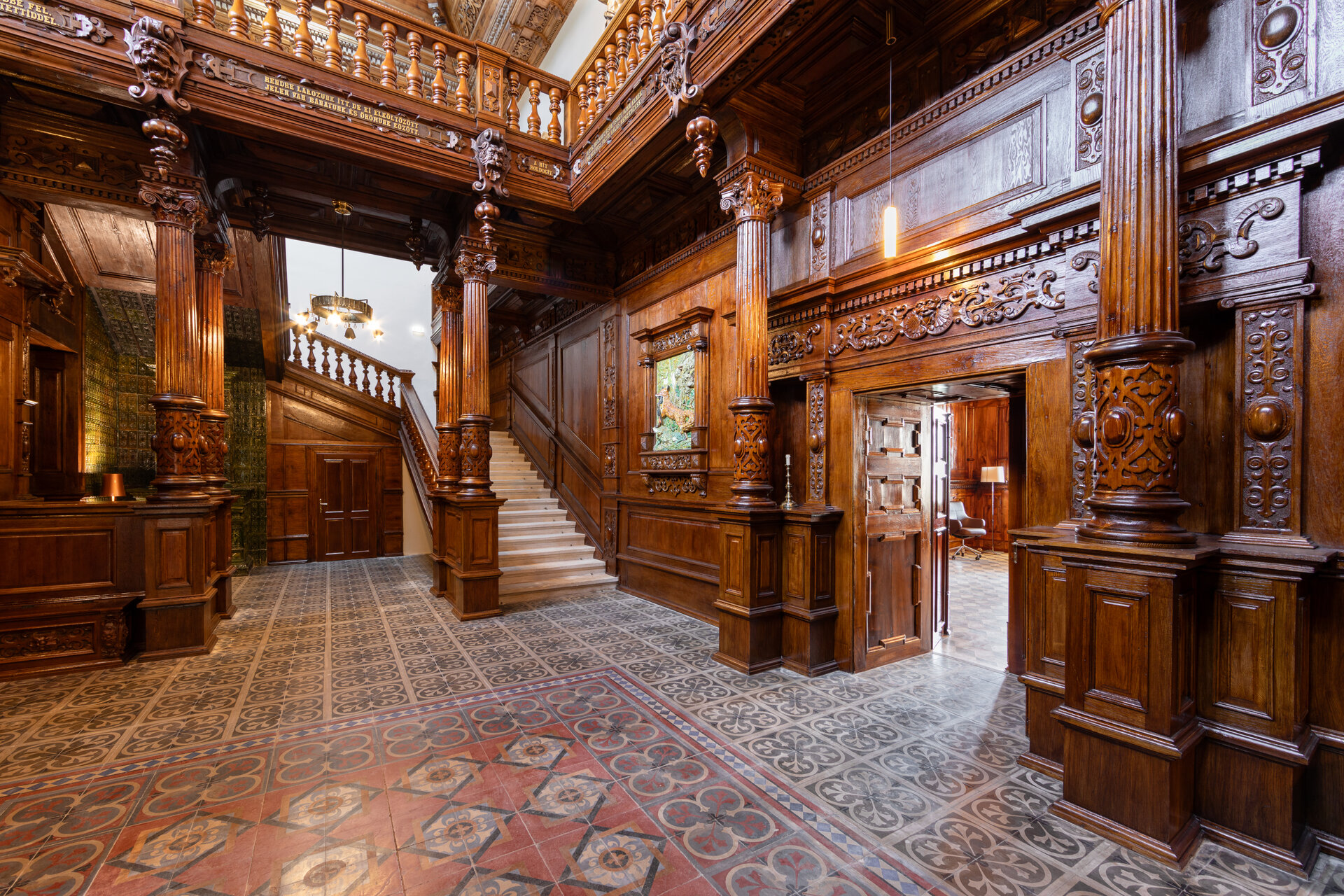
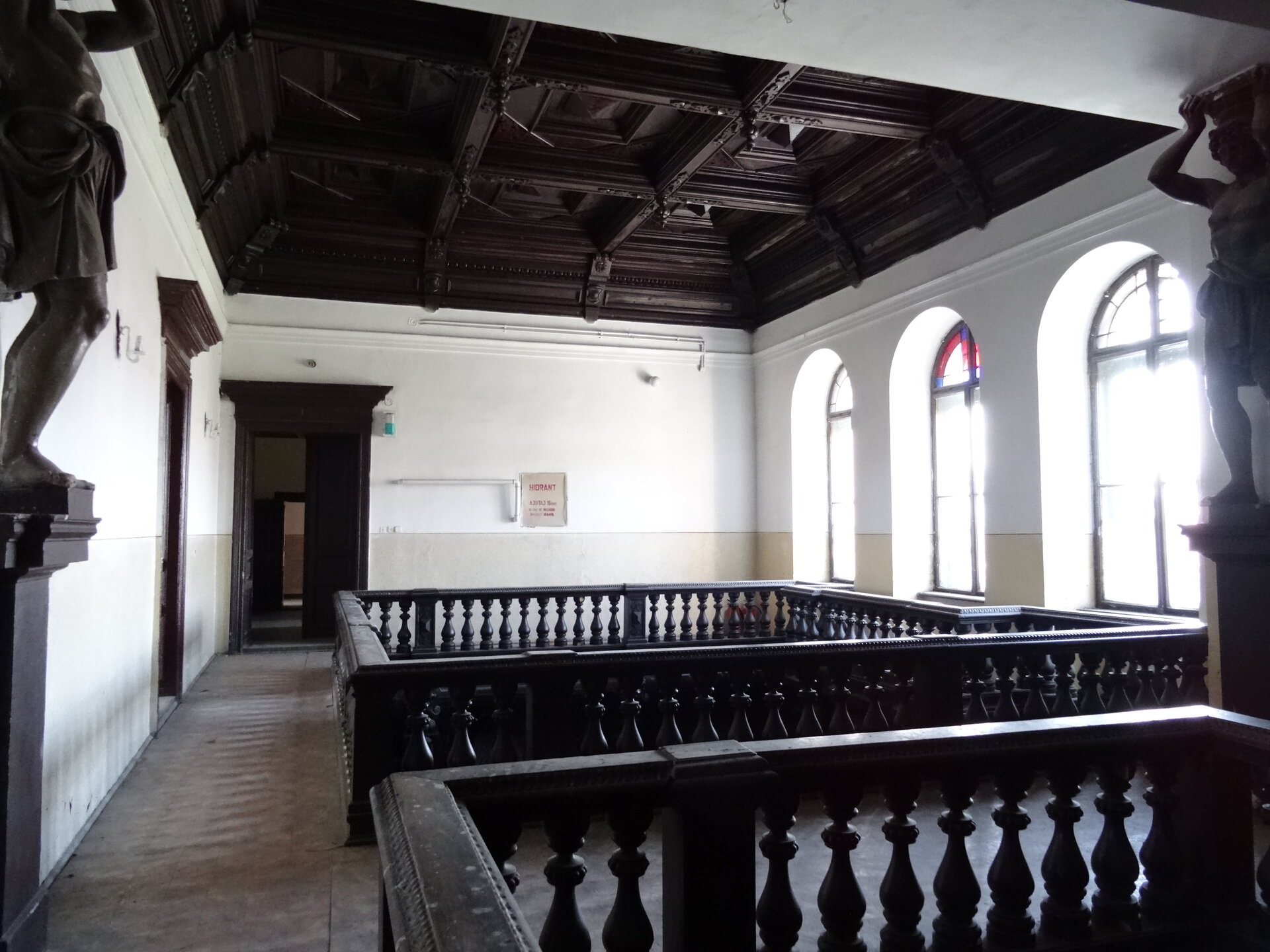
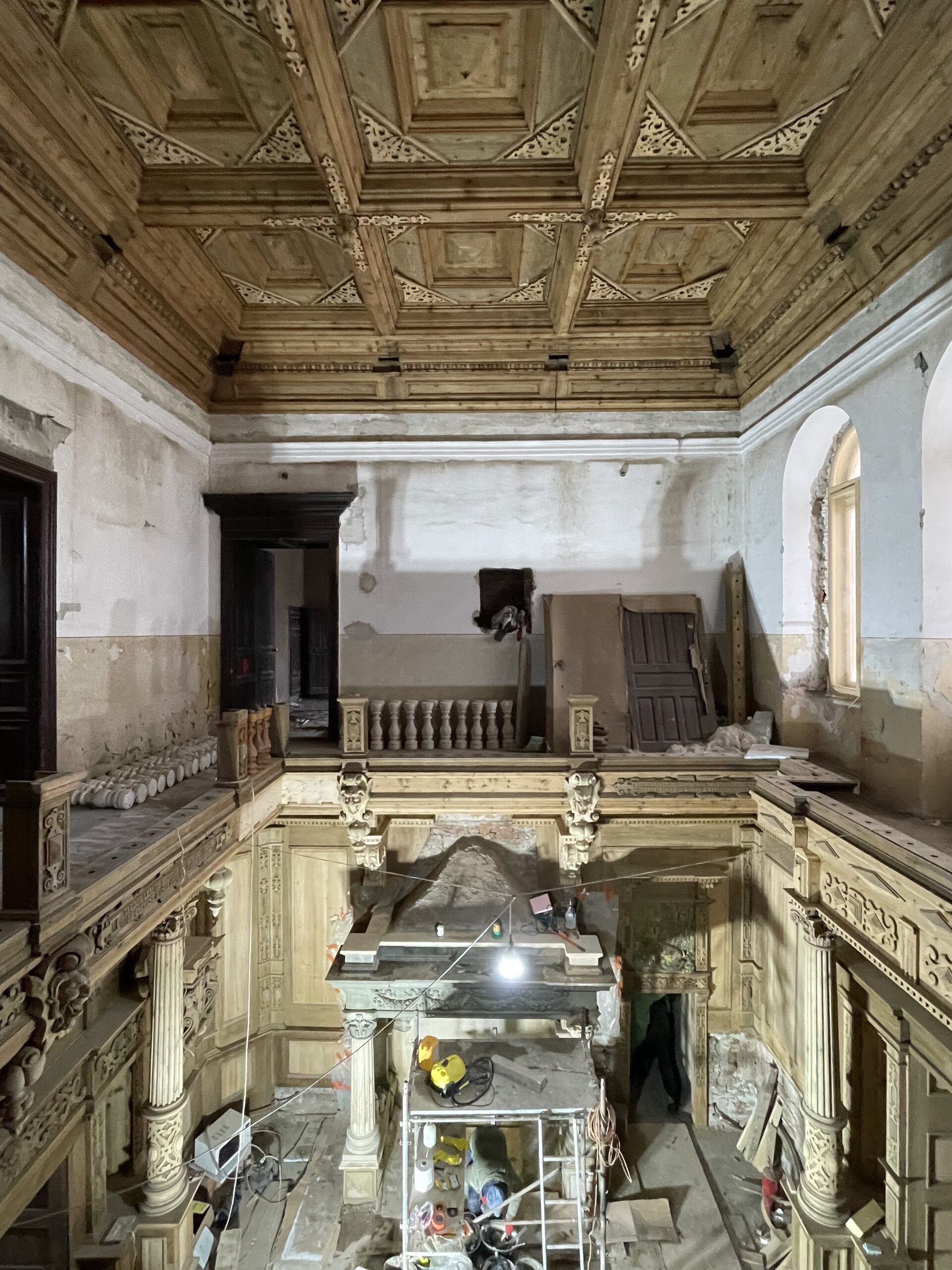
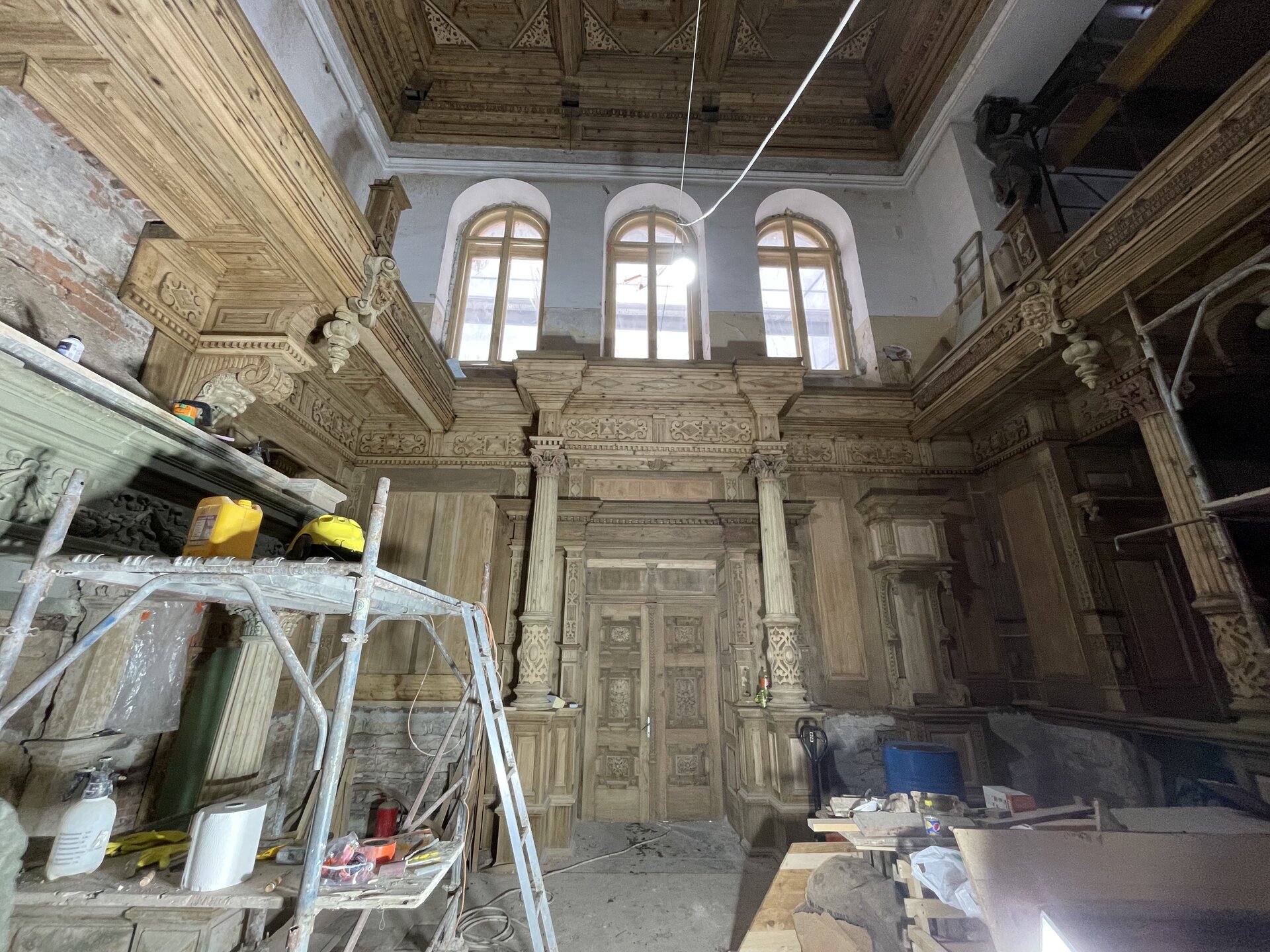
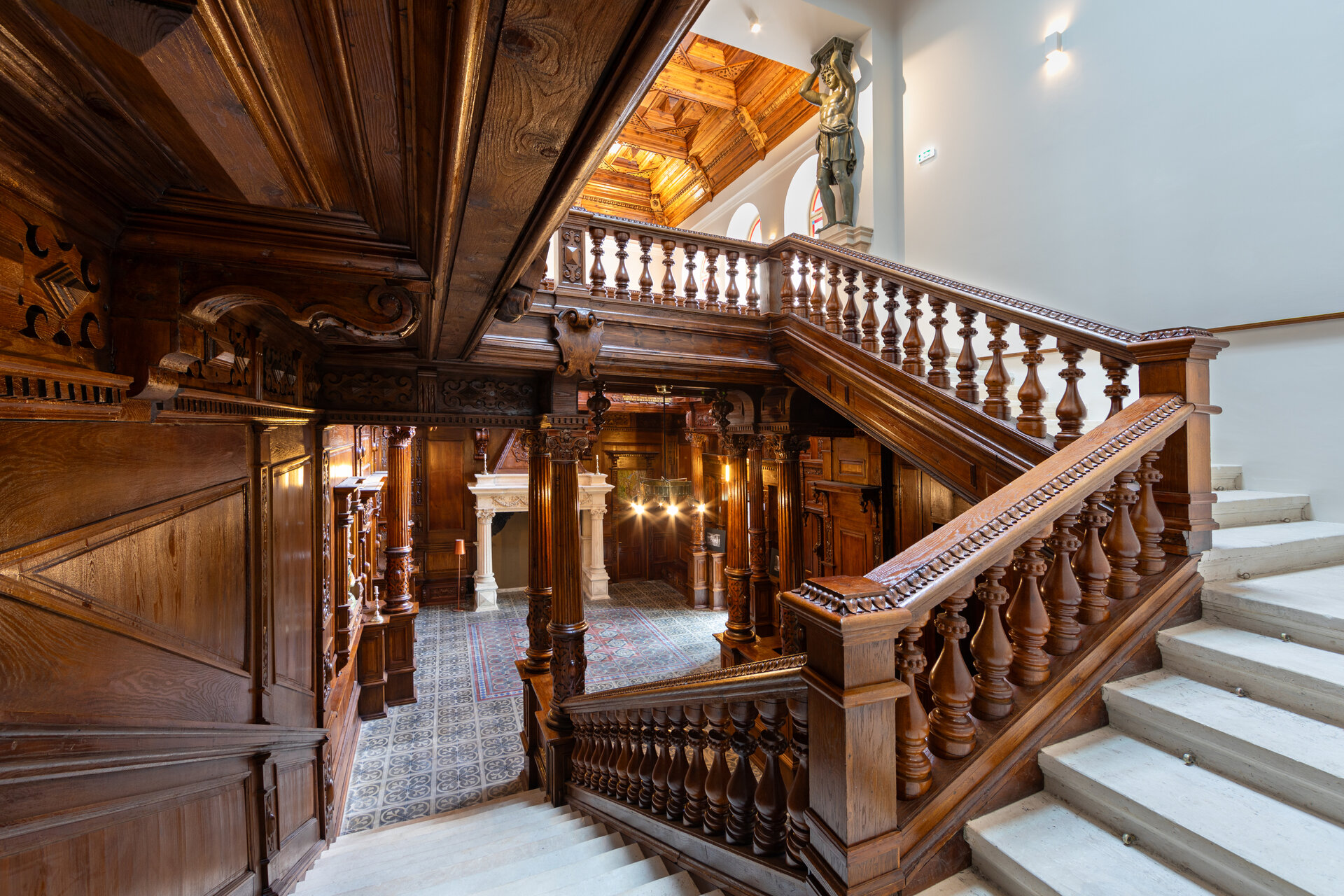
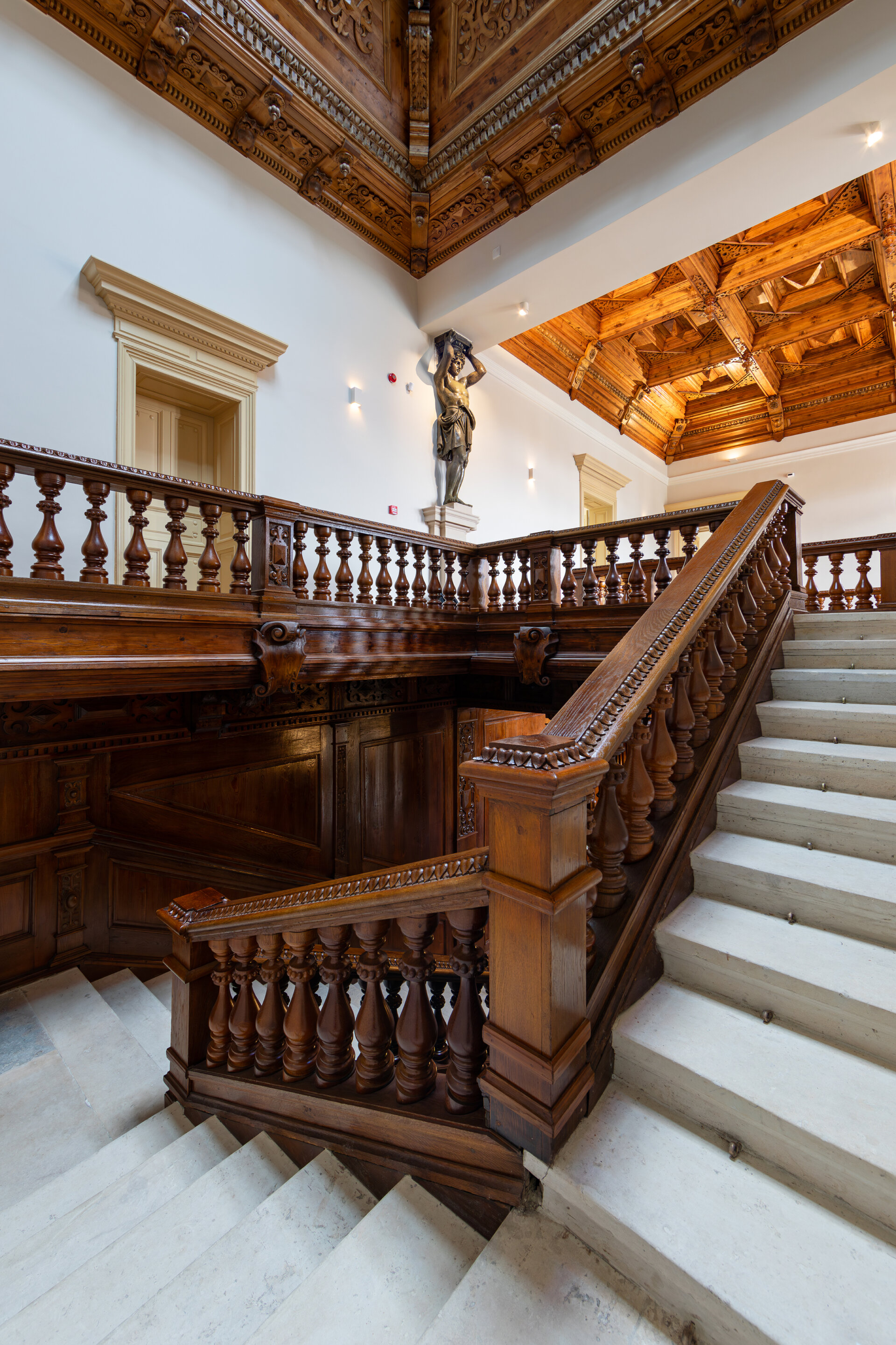
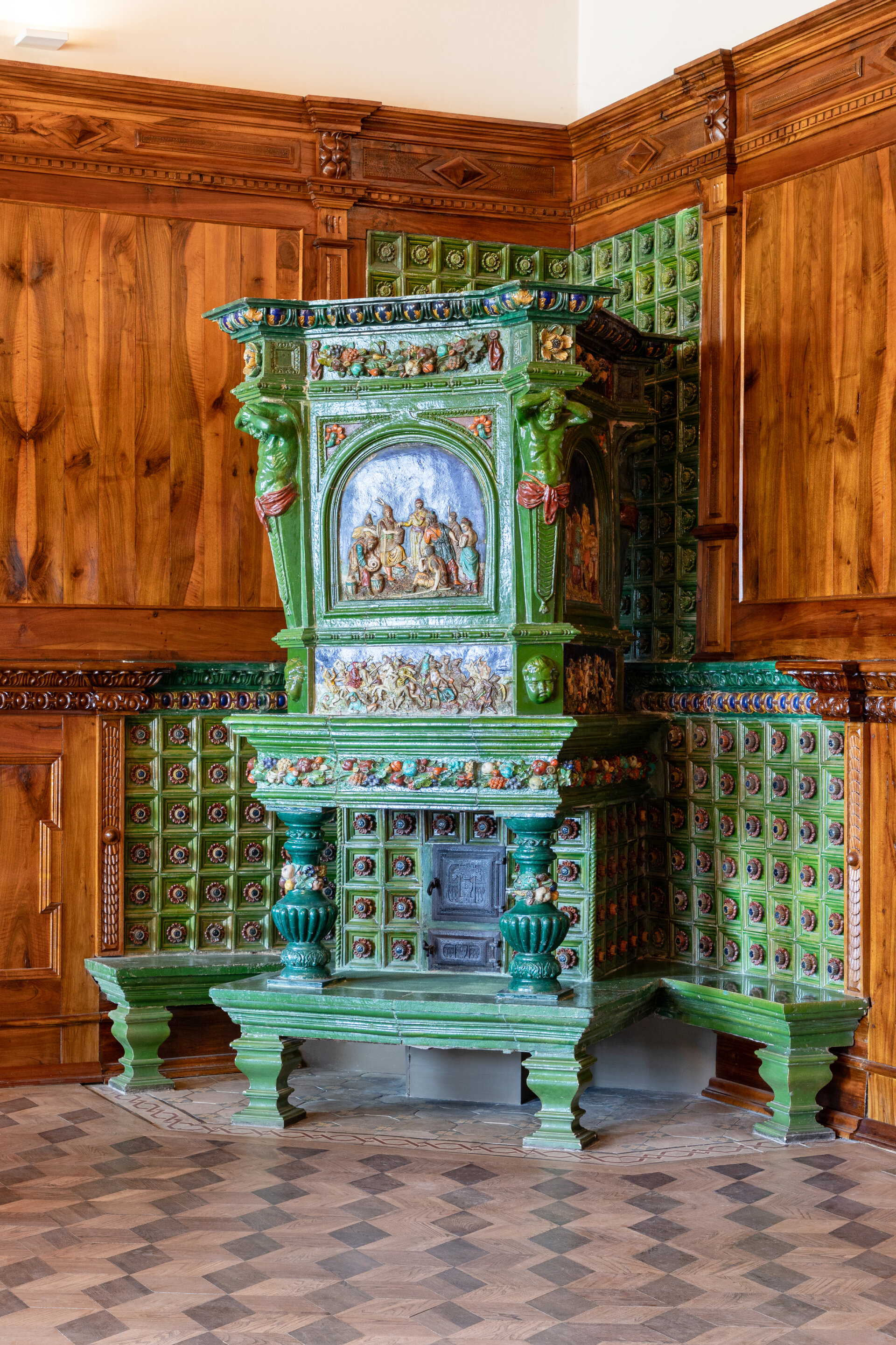
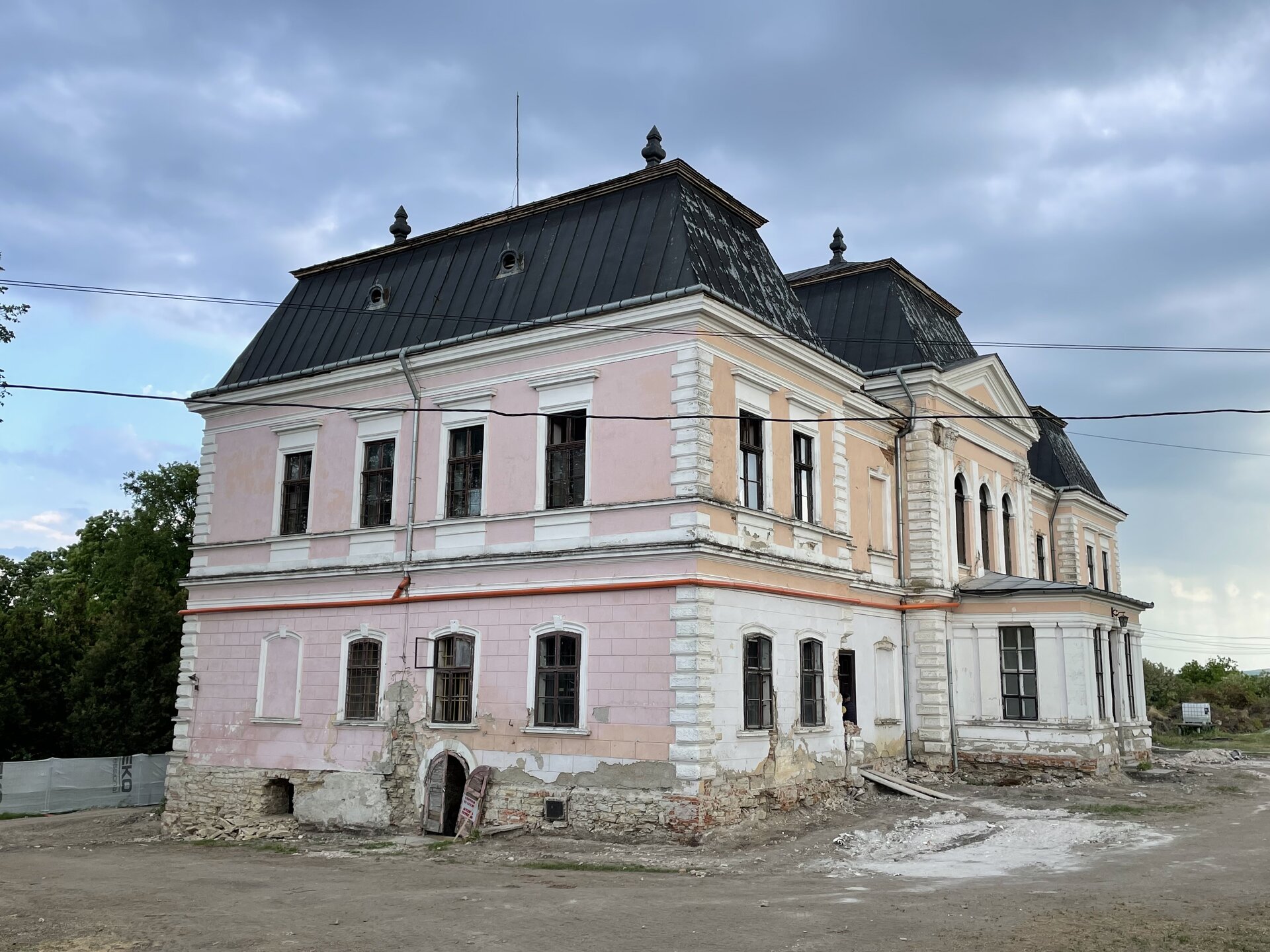
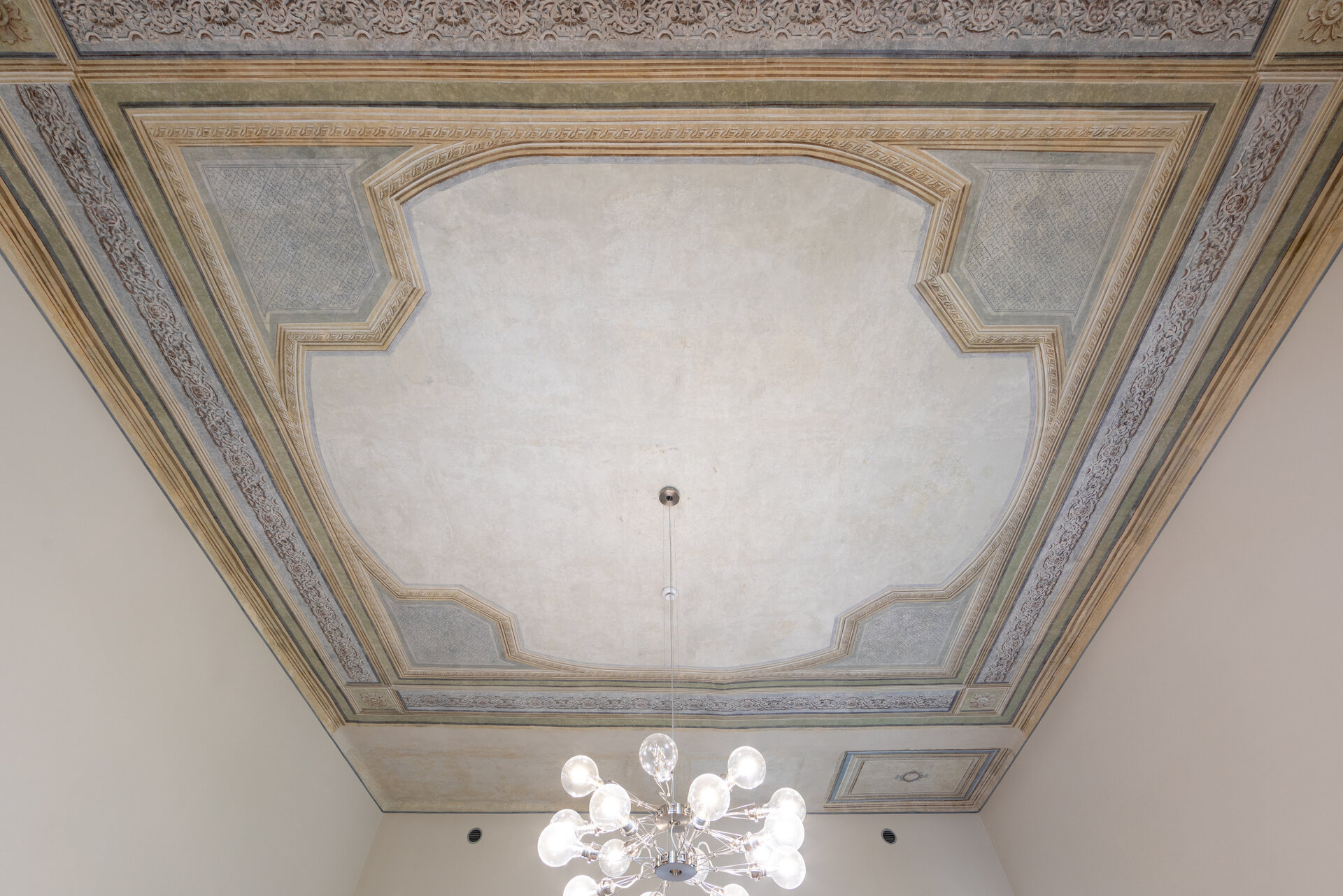
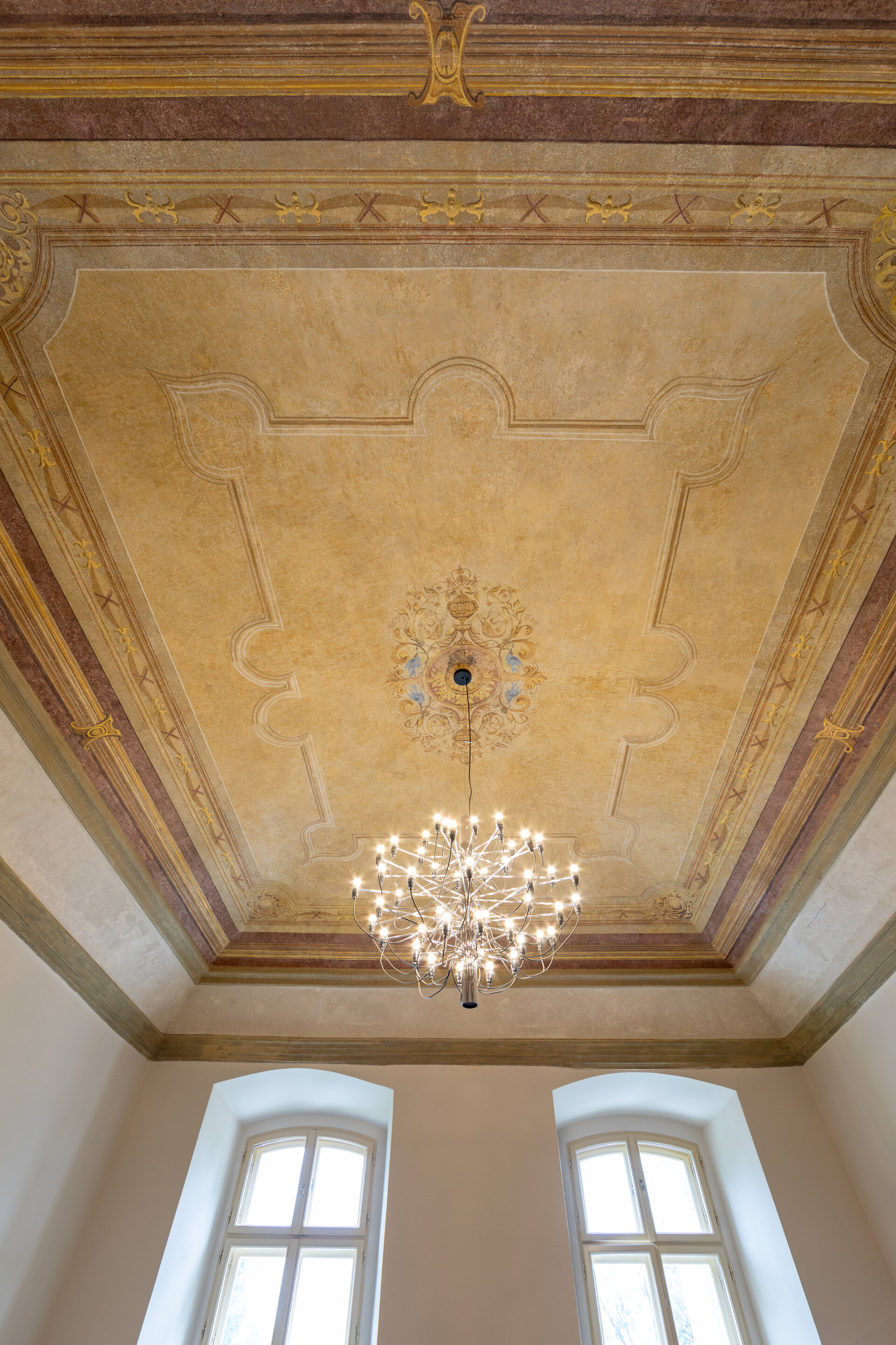
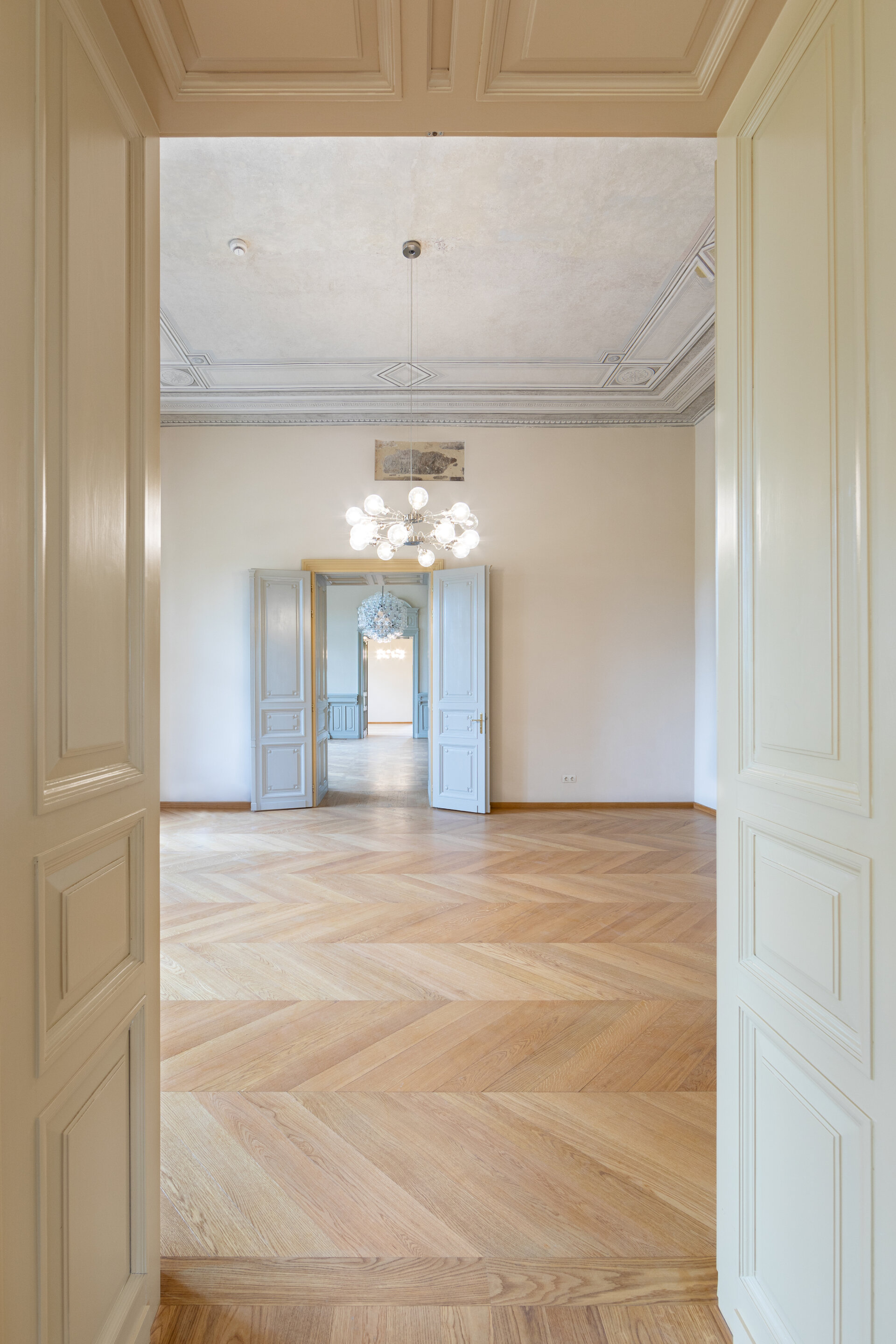
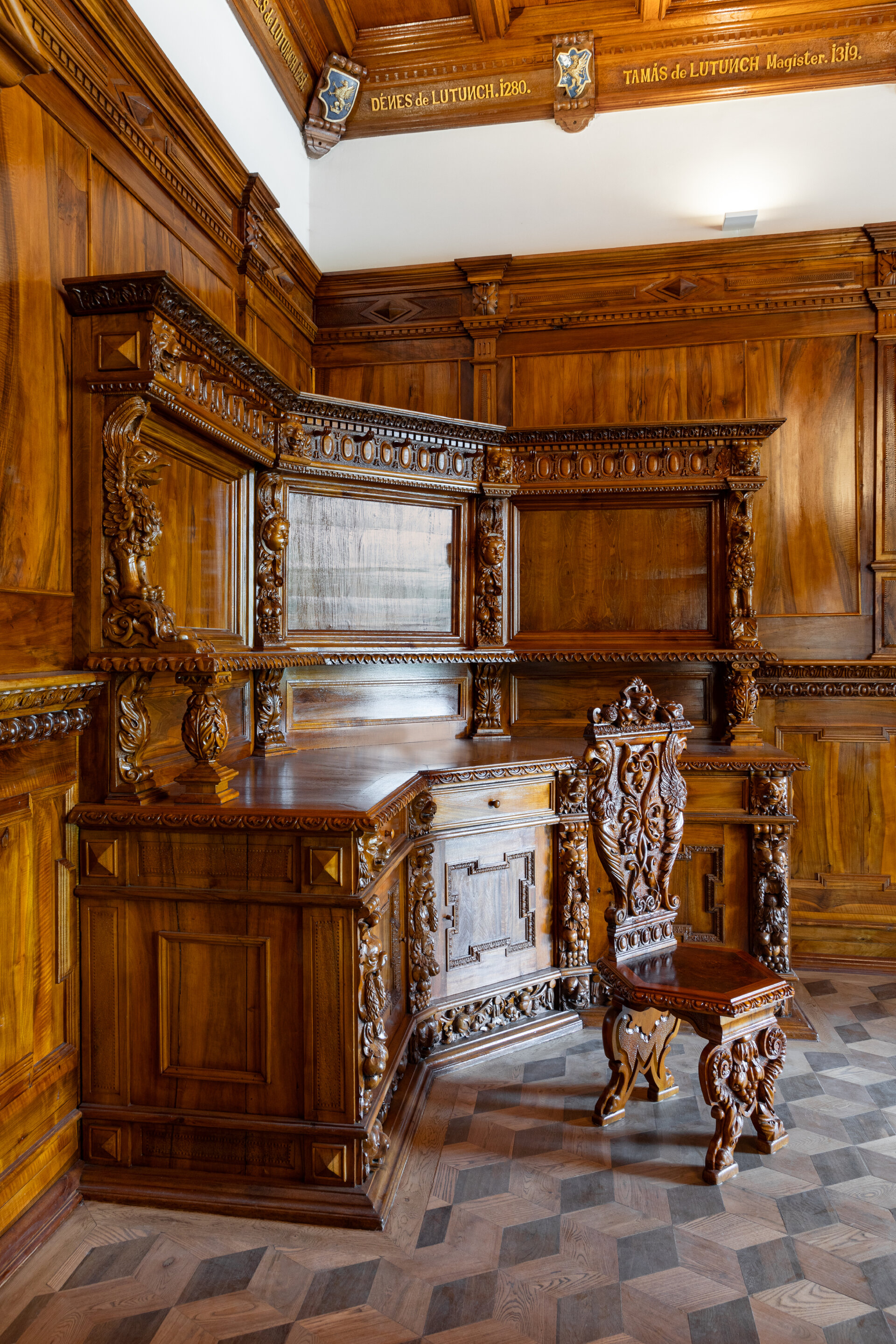
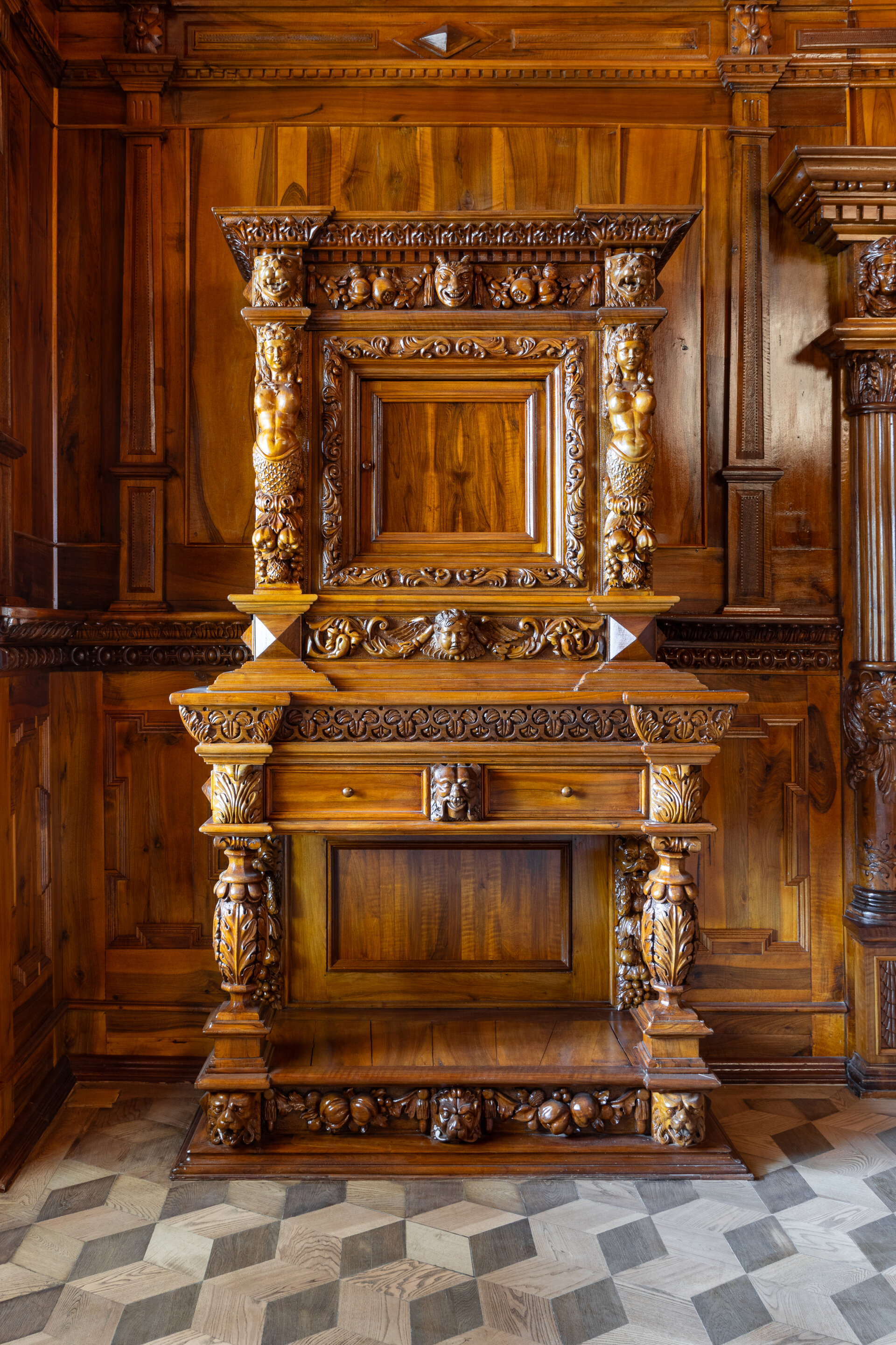
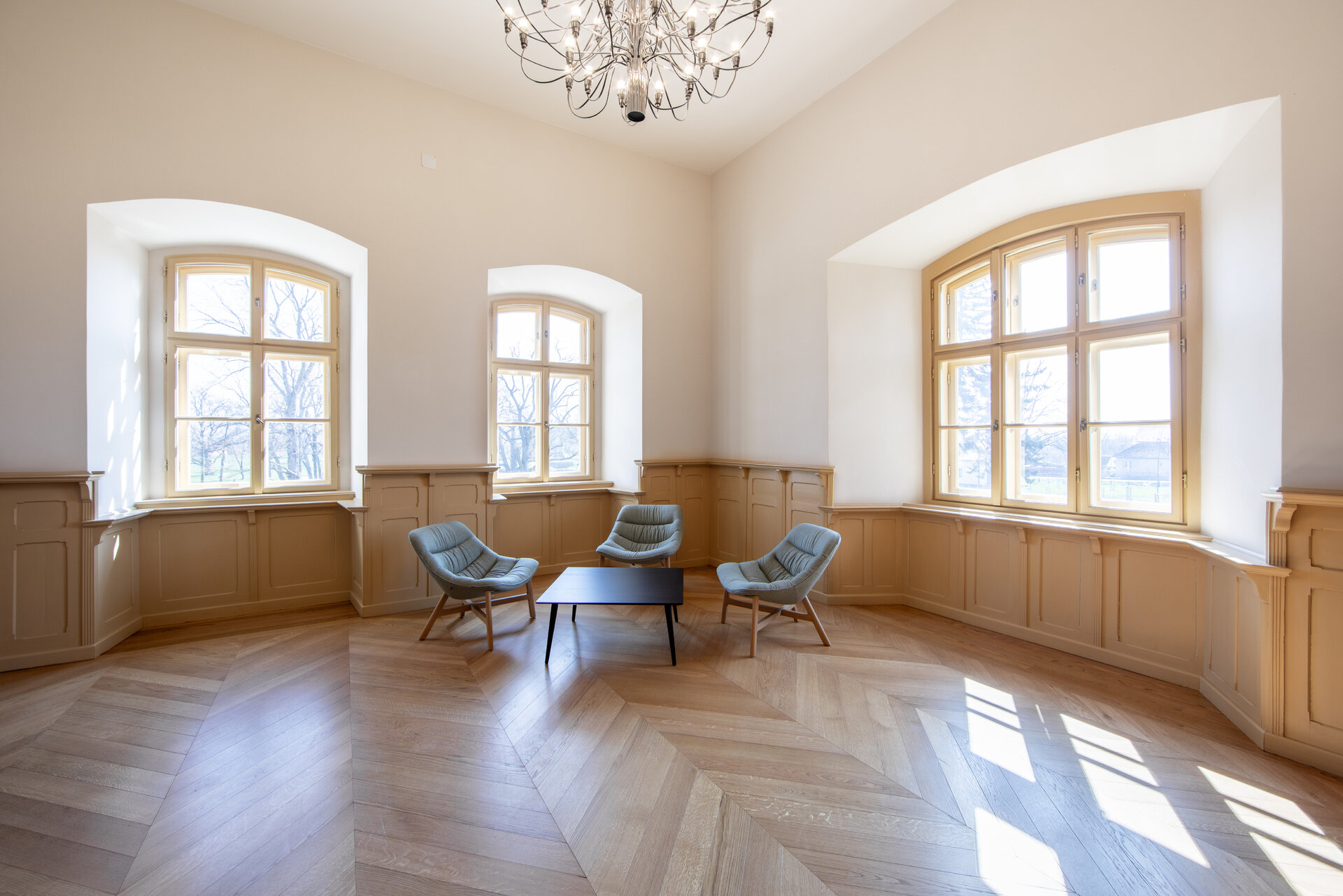
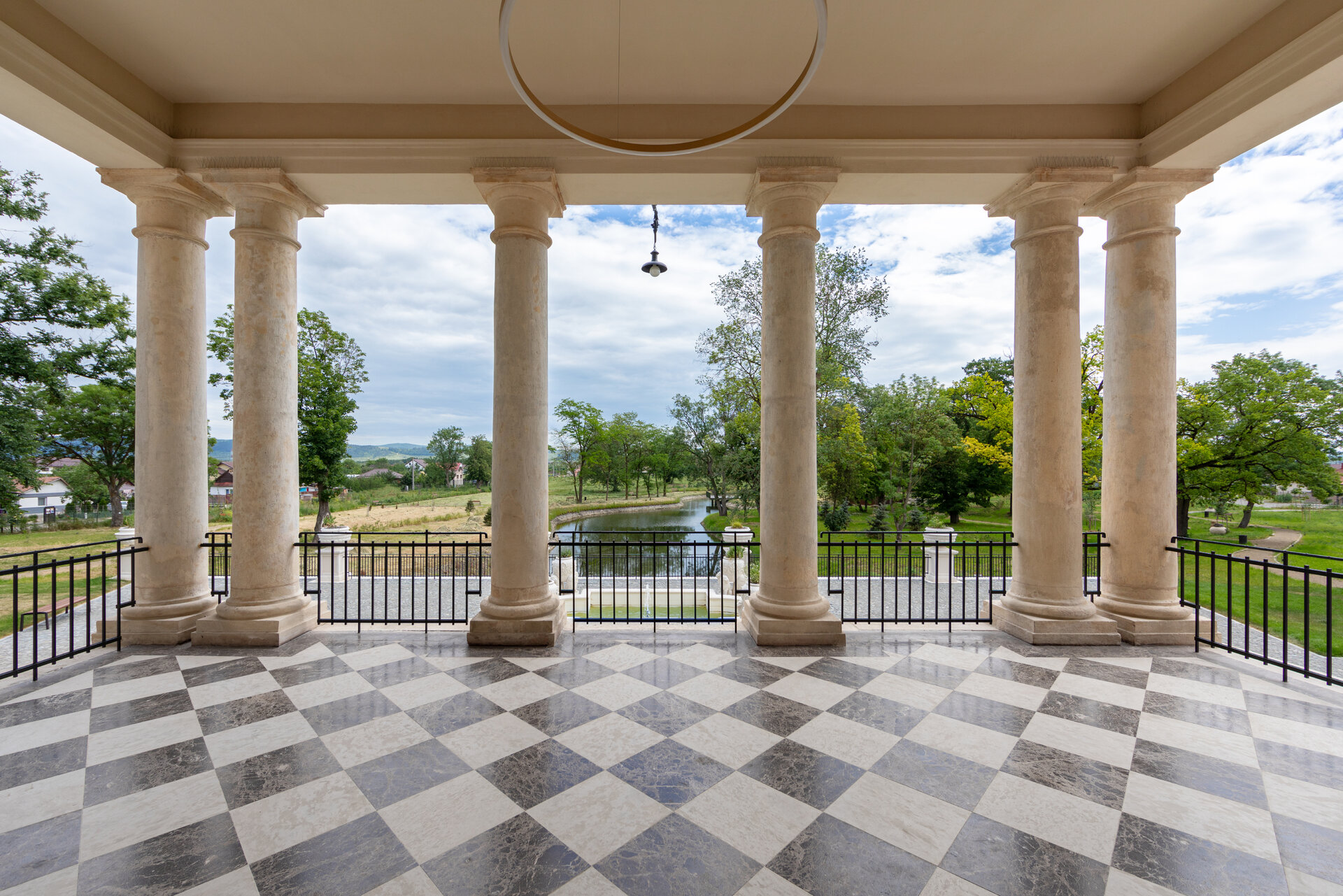
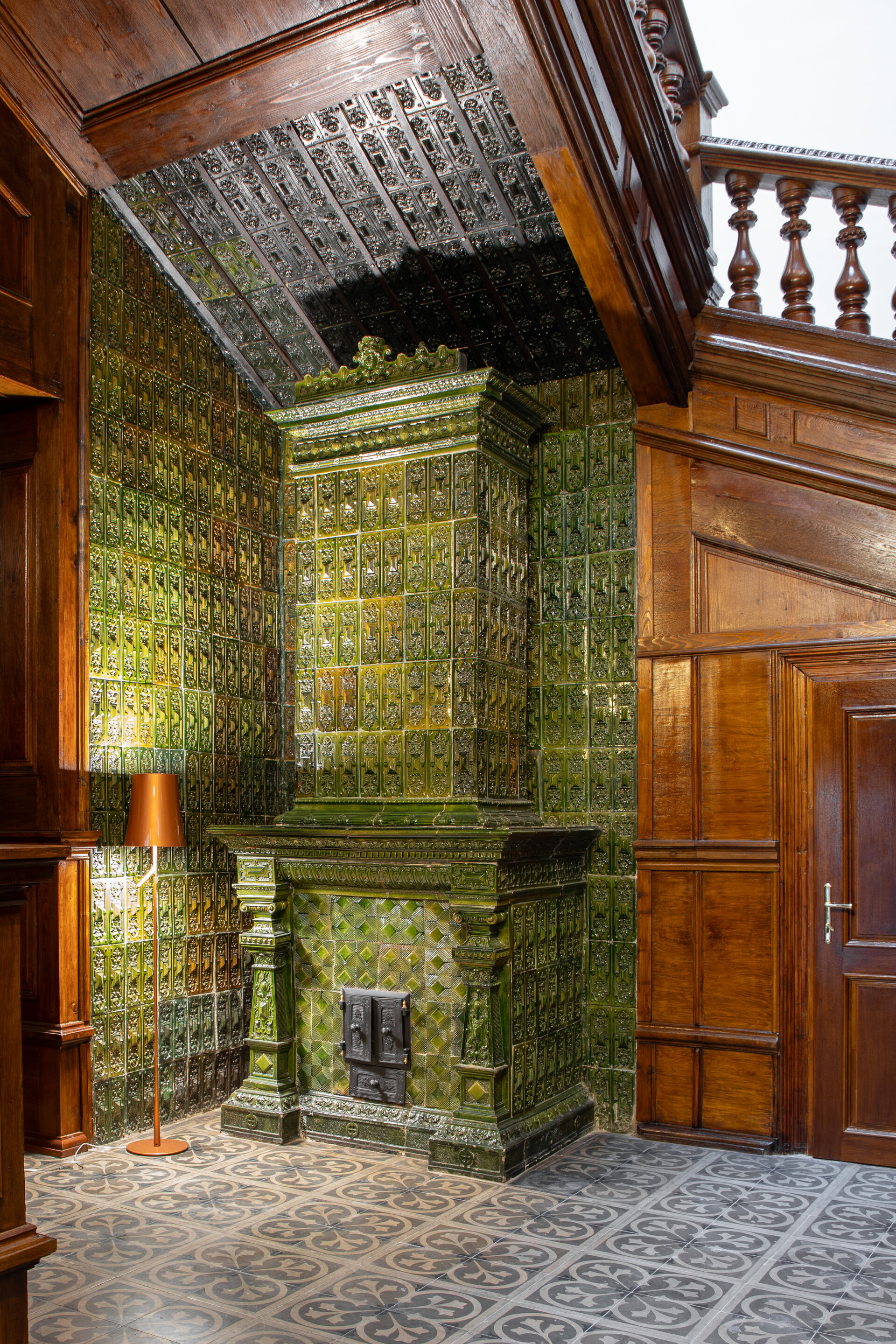
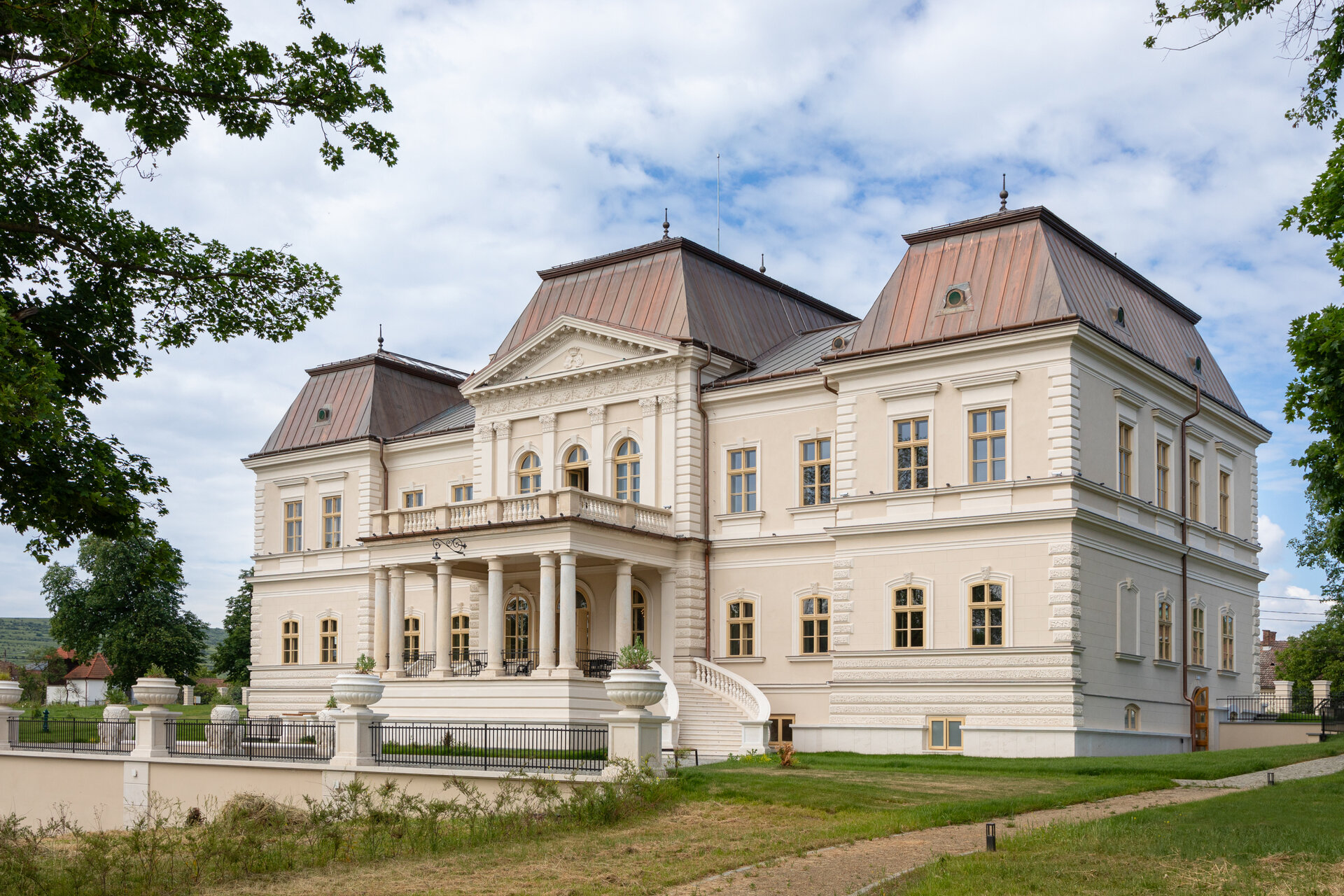
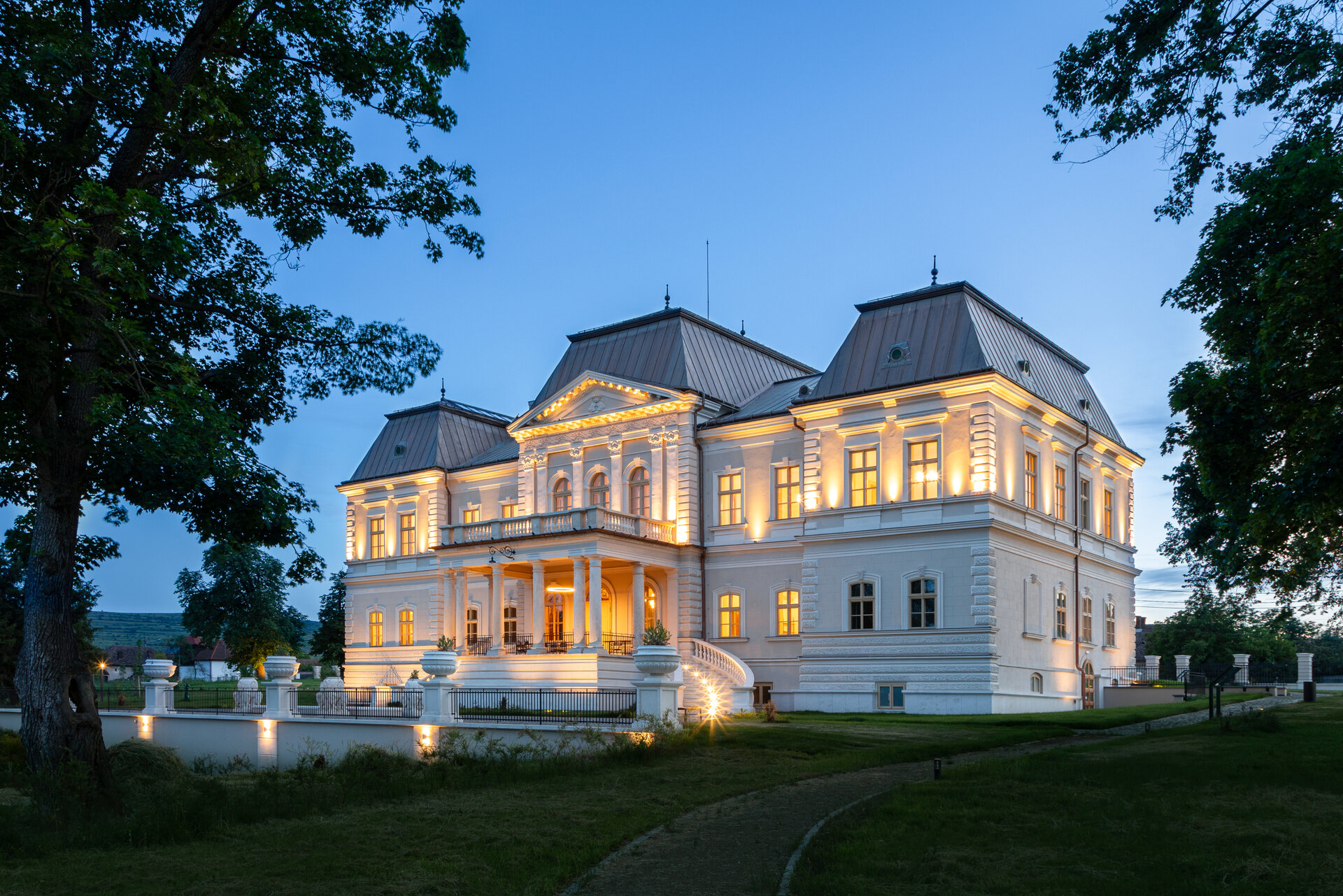
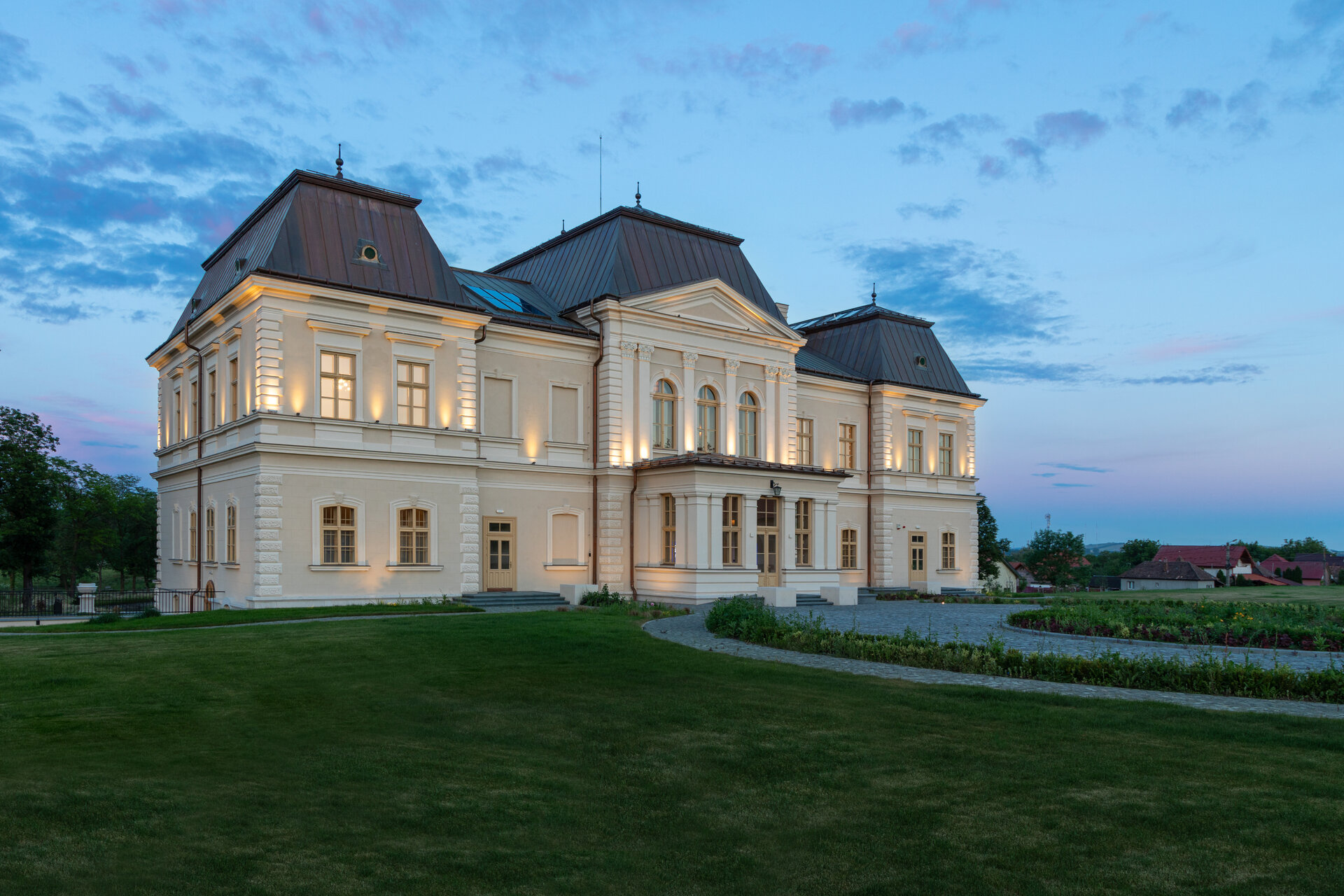
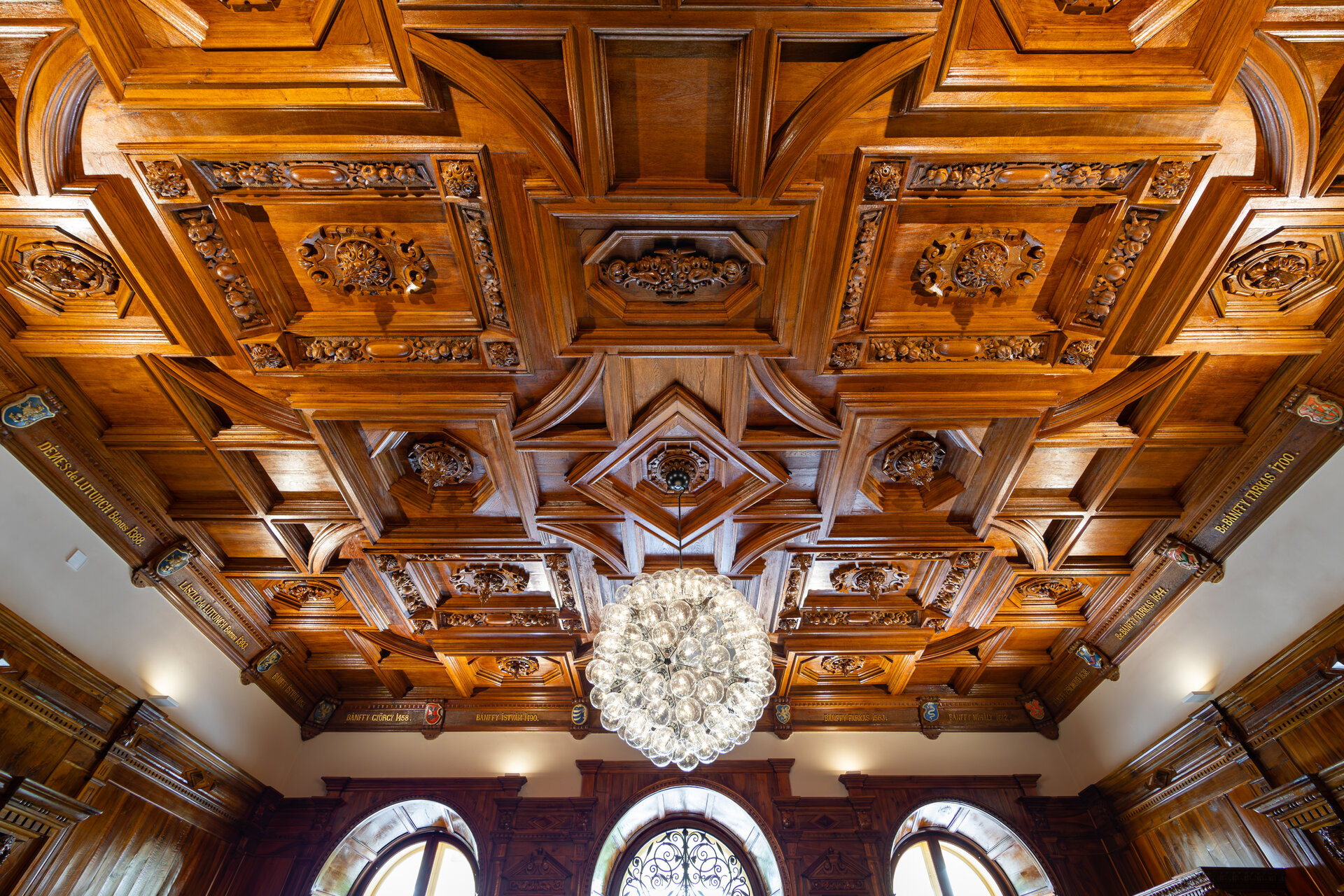
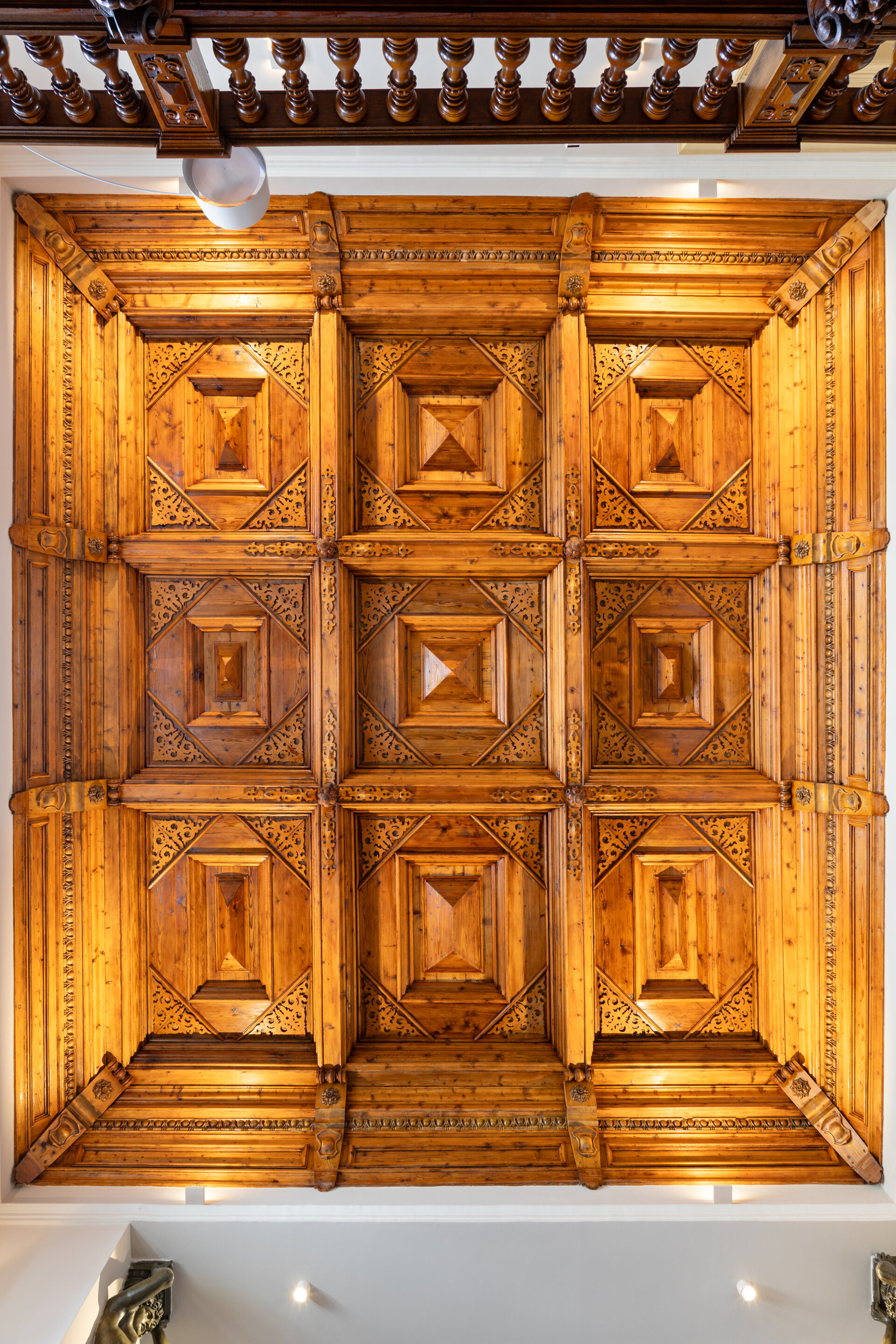
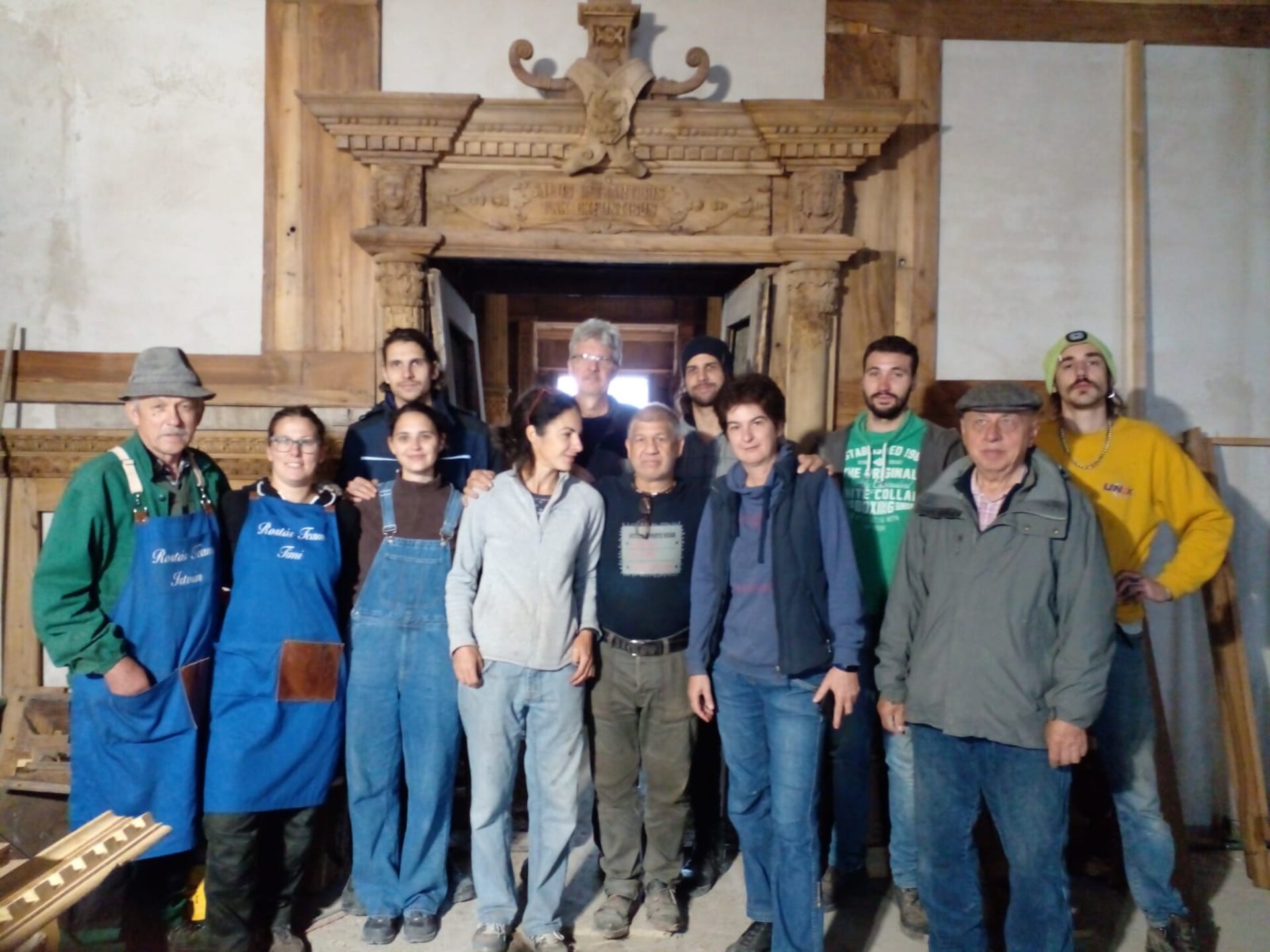
Bánffy Castle in Răscruci, Cluj County, Romania, is a distinguished example of nineteenth-century aristocratic architecture in Transylvania. The estate forms part of a historic rural landscape and is particularly associated with Baron Ádám Bánffy, who transformed the residence between approximately 1875 and 1885. Its richly decorated interiors, historic park and surviving architectural details express the artistic ambitions and cultural life of the Transylvanian nobility. Following nationalisation in 1948, the castle underwent significant changes of use. From 1967 until the early 2000s, it accommodated a school, while substantial conservation work was largely absent after the 1960s. When the building closed in 2005, the lack of regular heating and maintenance accelerated deterioration, particularly affecting its elaborate timber interiors and decorative finishes. A comprehensive restoration and adaptive reuse programme was subsequently undertaken by Cluj County Council, with European Regional Development Fund support through Romania's Regional Operational Programme 2014–2020. The project combined architectural conservation, landscape rehabilitation and the transformation of the estate into a cultural centre serving local communities and visitors. The wider administrative programme ran from October 2017 to December 2023, with the principal restoration works completed in 2023. The conservation strategy was informed by extensive preliminary investigation, including historical and archival research, architectural surveys, studies of façade finishes and historic paint layers, archaeological investigations, biological assessments and surveys of the park's trees and landscape features. László-György Tulogdy of Ektra Studio led the architectural restoration, working with an interdisciplinary team of conservation specialists, engineers, craftspeople and landscape professionals. Particular attention was devoted to retaining the castle's original spatial organisation and exceptional decorative interiors. Historic timber panelling, intricately carved ceilings, doors, windows, fireplaces, terracotta stoves, stained glass and sculptural features were carefully conserved. Traditional materials and techniques were prioritised, including lime-based mortars and plasters in place of incompatible cement-based products. Investigations also revealed previously concealed decorative ceilings and Baroque stone frames, which were conserved in situ. The restoration extended beyond the building to the surrounding historic park. The lake, canal, water basin, ornamental features and landscape composition were rehabilitated using archival imagery and site analysis. Historic urns were conserved or reconstructed, while the distinctive Japanese-inspired dovecote was reinstated, recovering the relationship between the residence and its designed landscape. The renewed estate has been adapted for cultural, educational and community activities. Exhibition spaces, a library and media area, multifunctional rooms and facilities for events provide opportunities for public engagement. Accessibility improvements include adapted parking and lift access, while a publicly available three-dimensional digital model supports the documentation and interpretation of the historic building. The project also demonstrates the contribution of heritage conservation to rural development. By reopening a previously neglected aristocratic estate, it has created a cultural destination capable of attracting visitors, supporting local activities and strengthening awareness of Transylvania's architectural heritage. Public access, educational programming and ongoing management arrangements help ensure that the castle remains an active part of contemporary community life. In 2026, Bánffy Castle received a European Heritage Award / Europa Nostra Award in the Conservation and Adaptive Reuse category, together with the Public Choice Award. The recognition celebrated the project's integrated treatment of architecture, decorative interiors and landscape, as well as its contribution to local participation and long-term stewardship. The restoration of Bánffy Castle illustrates how careful research, traditional craftsmanship, public investment and adaptive reuse can recover the cultural significance of a historic estate while securing meaningful new functions for future generations.
Similar projects

1937-1938

13th-14th century
1349

1875–1885

17th century

18th-19th century

17th century
14th century

1757 - 1784

1930

10th-11th century

15th century