

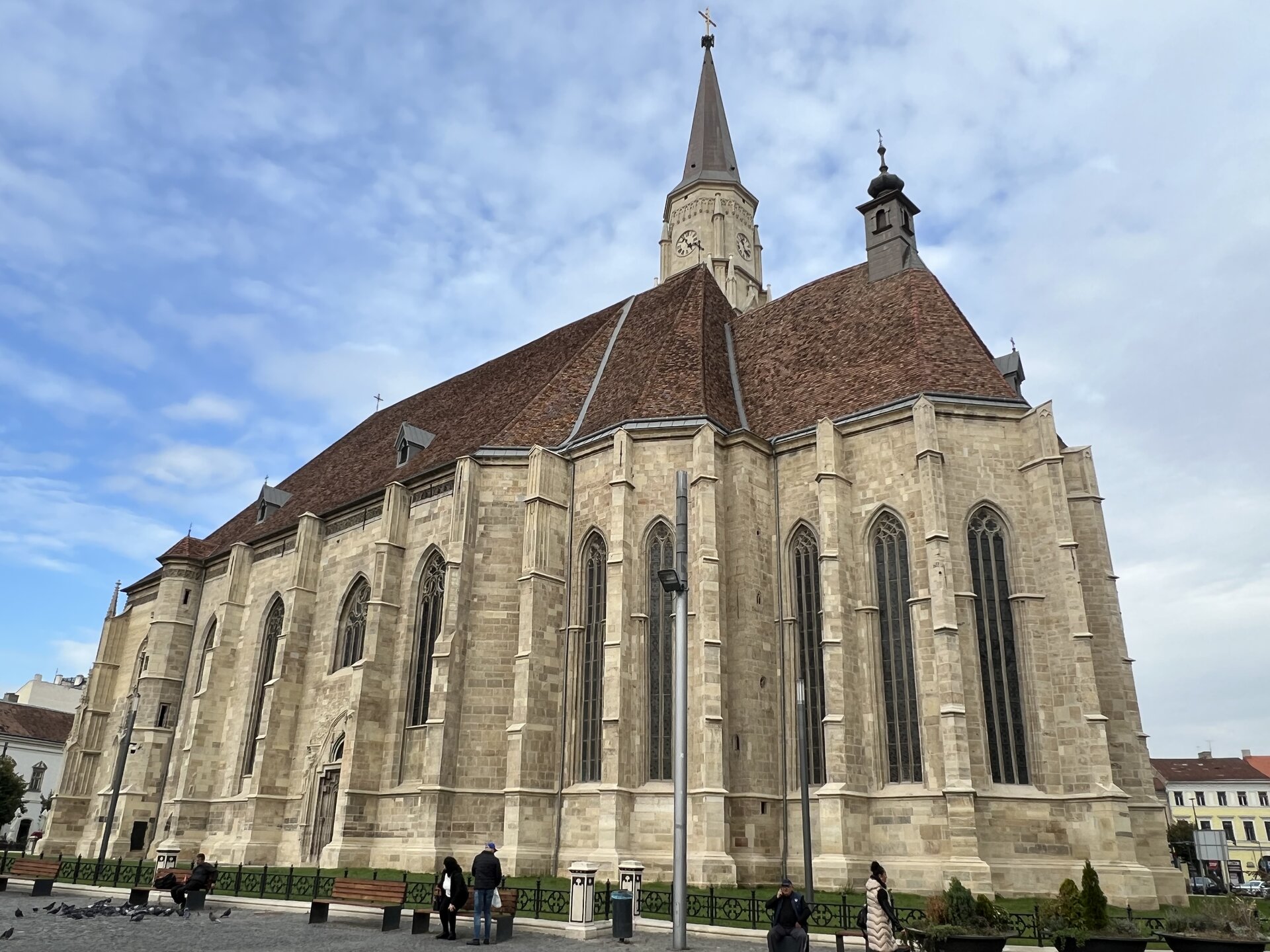
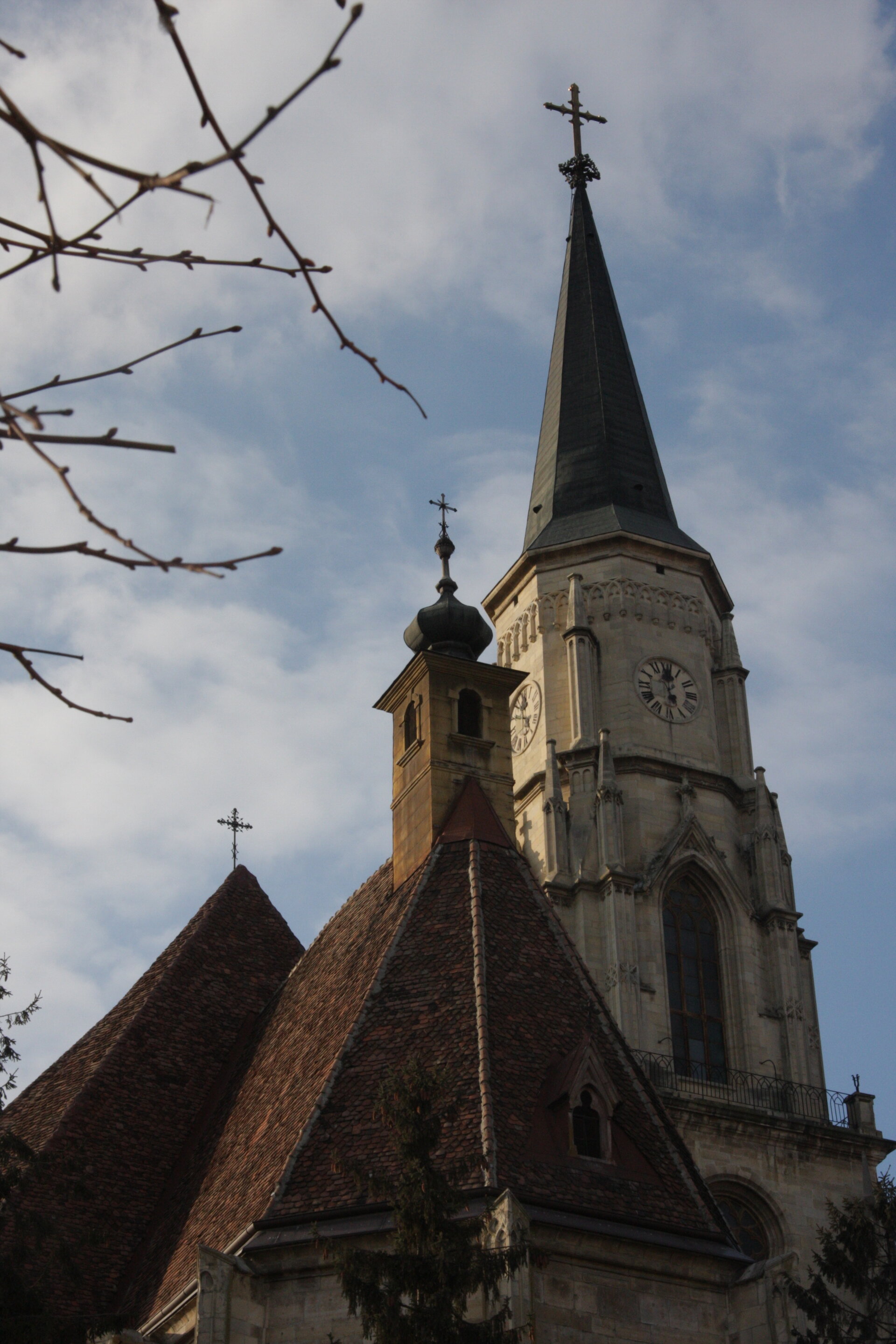
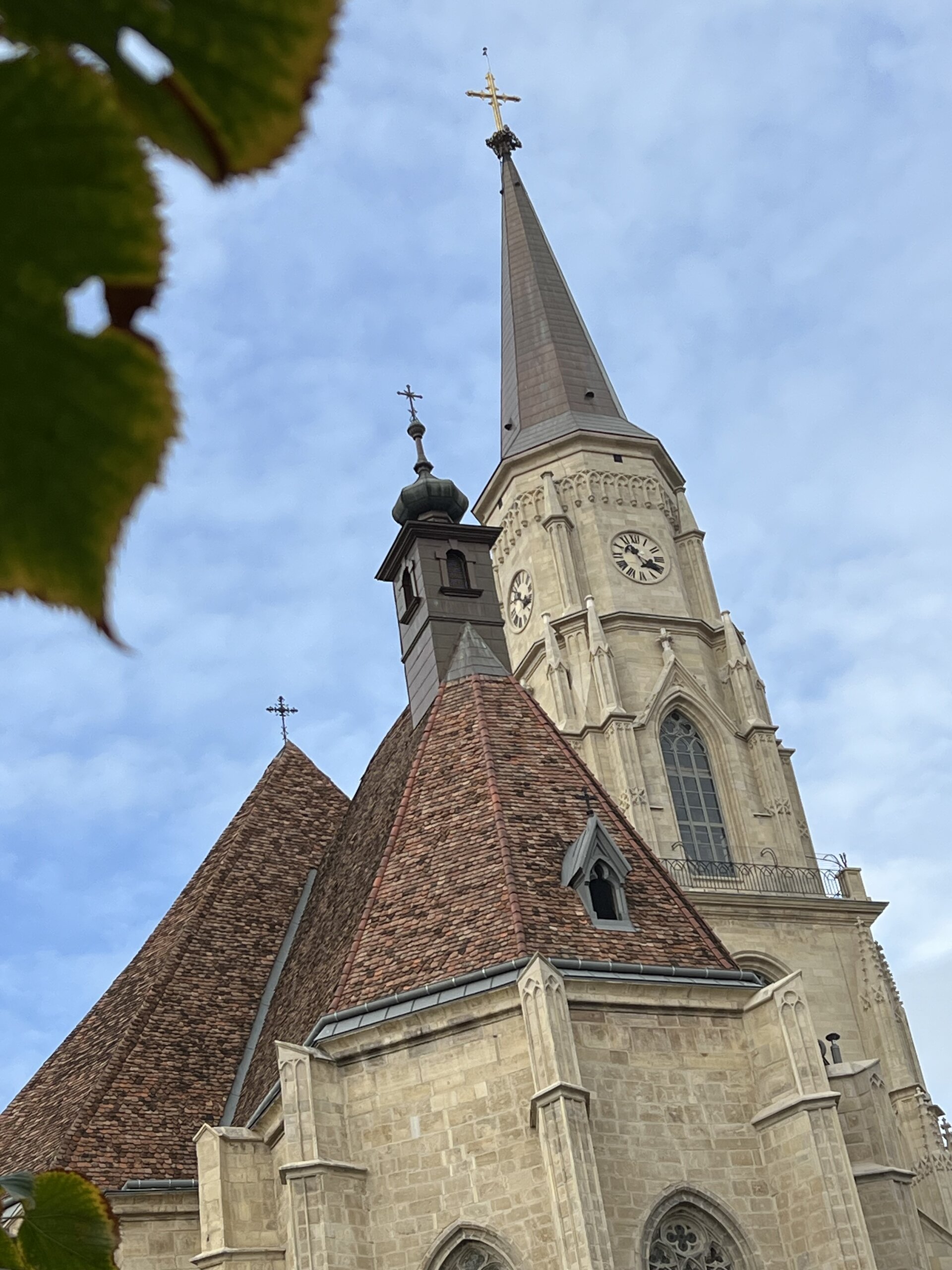
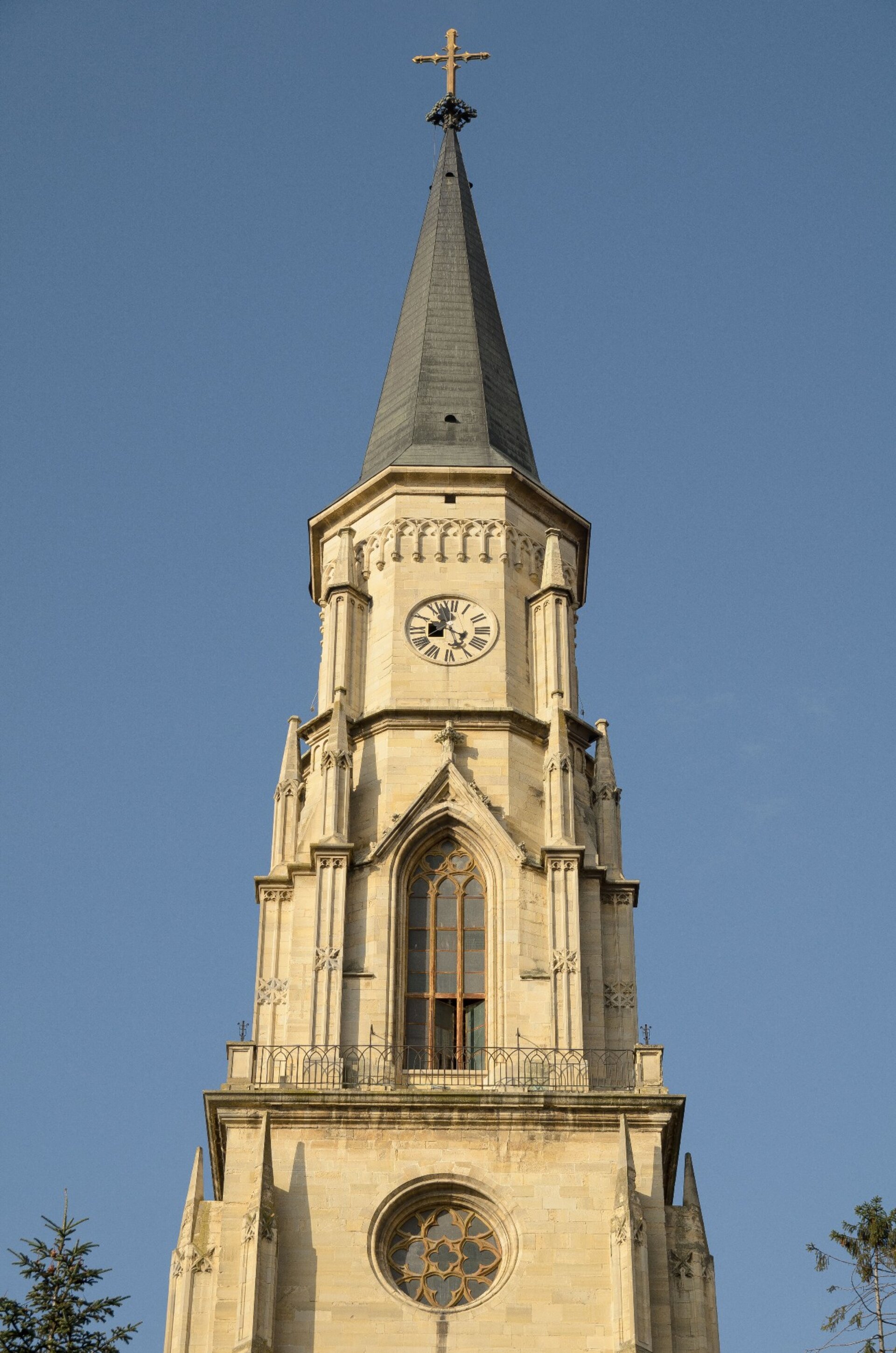
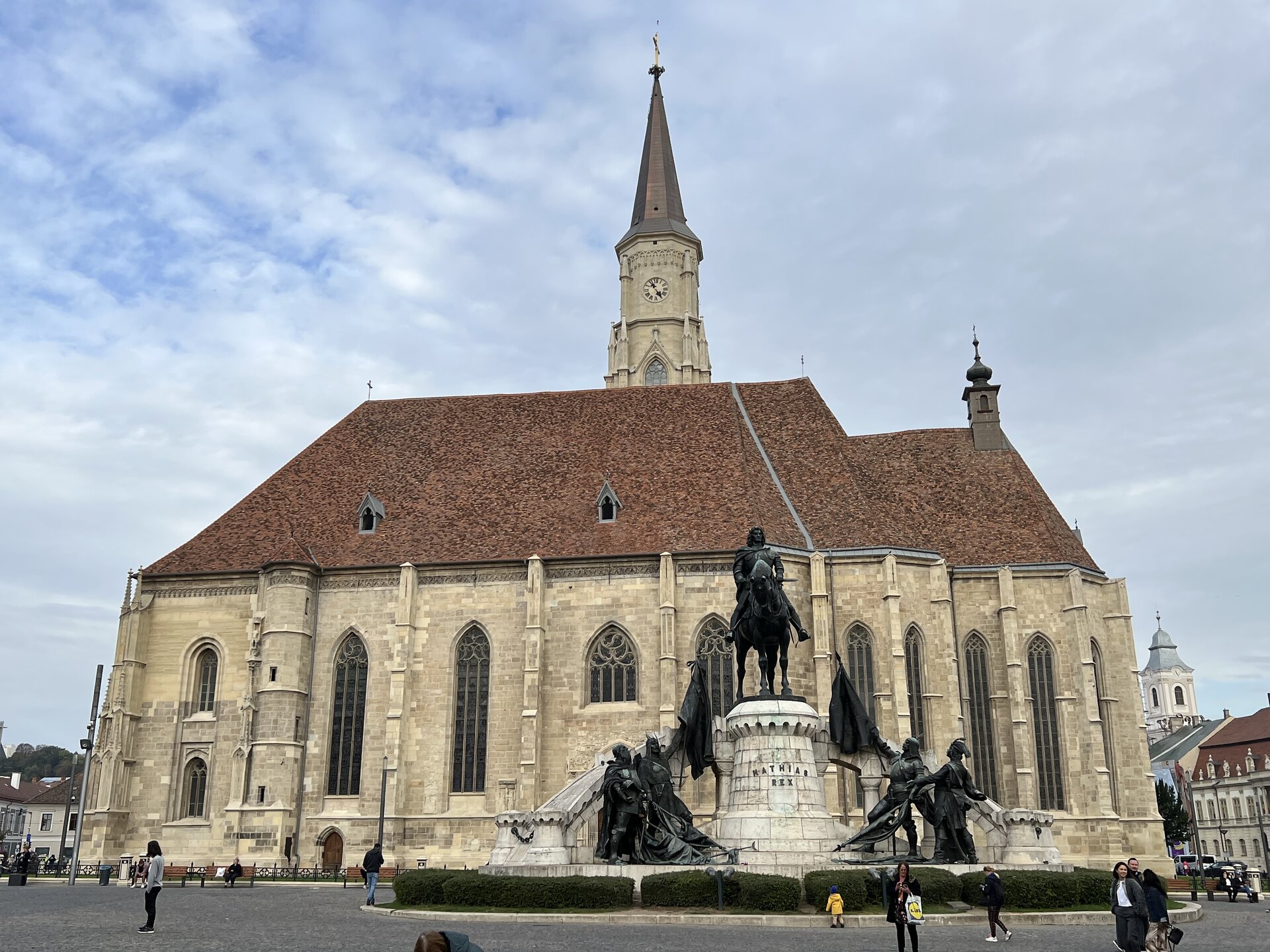
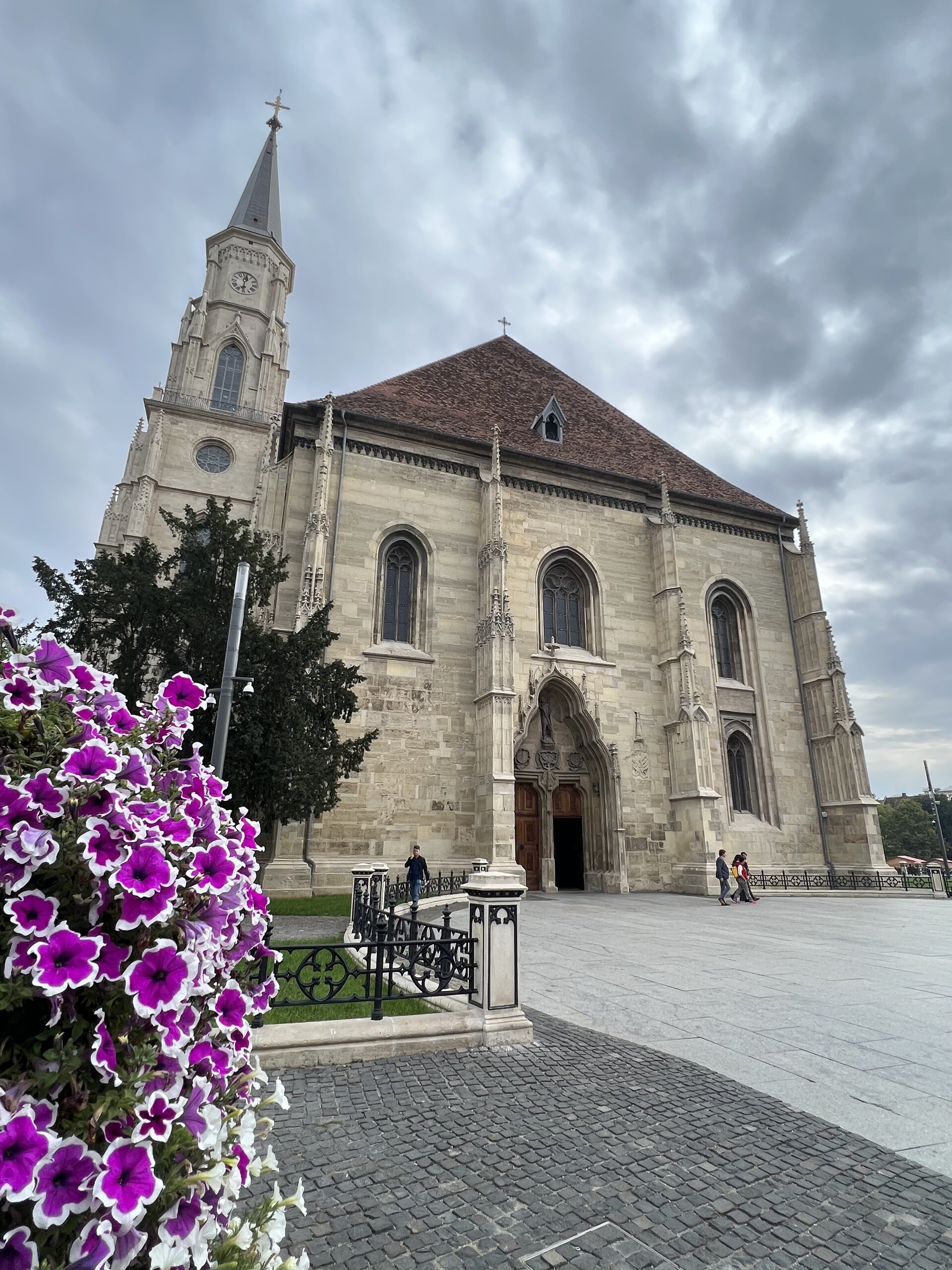
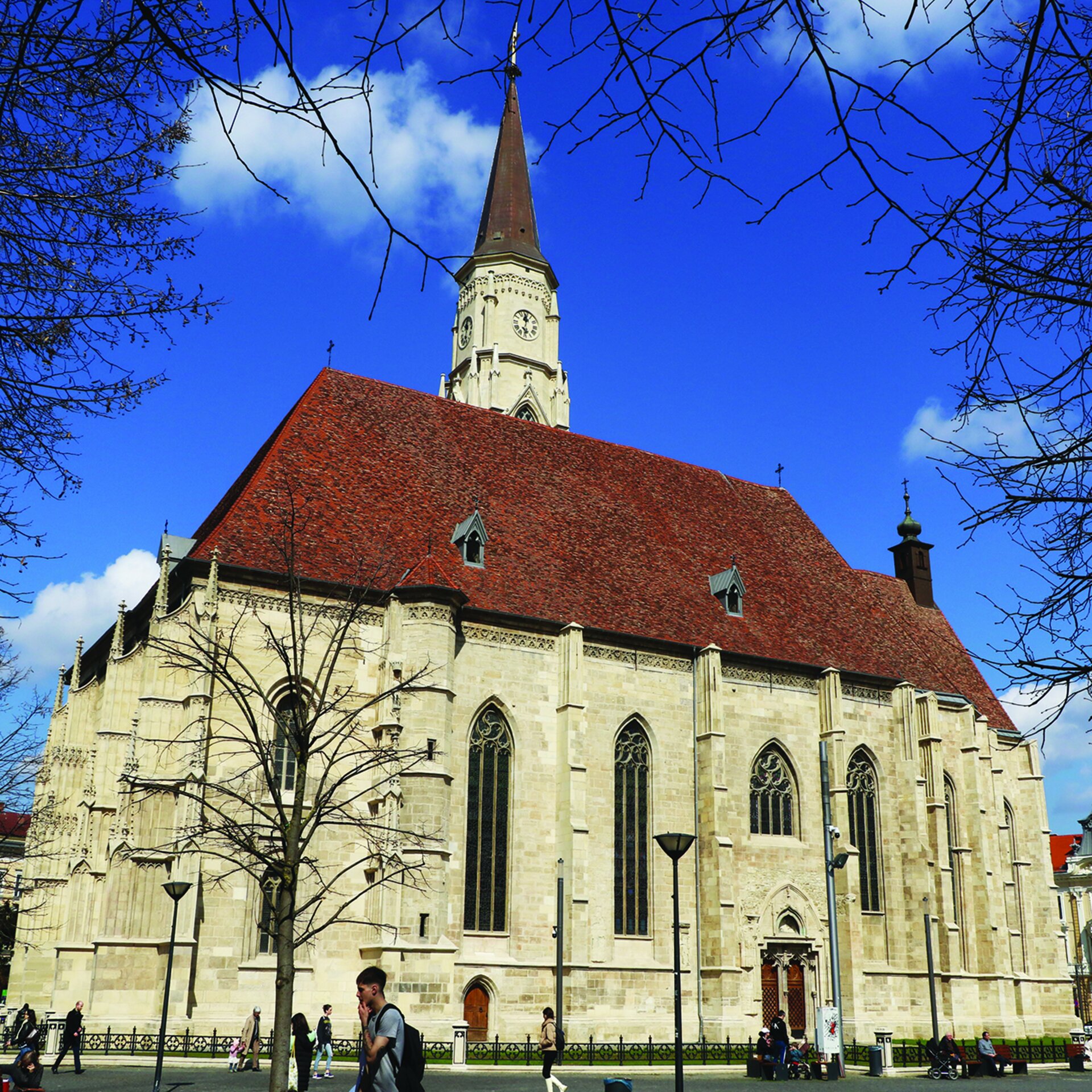
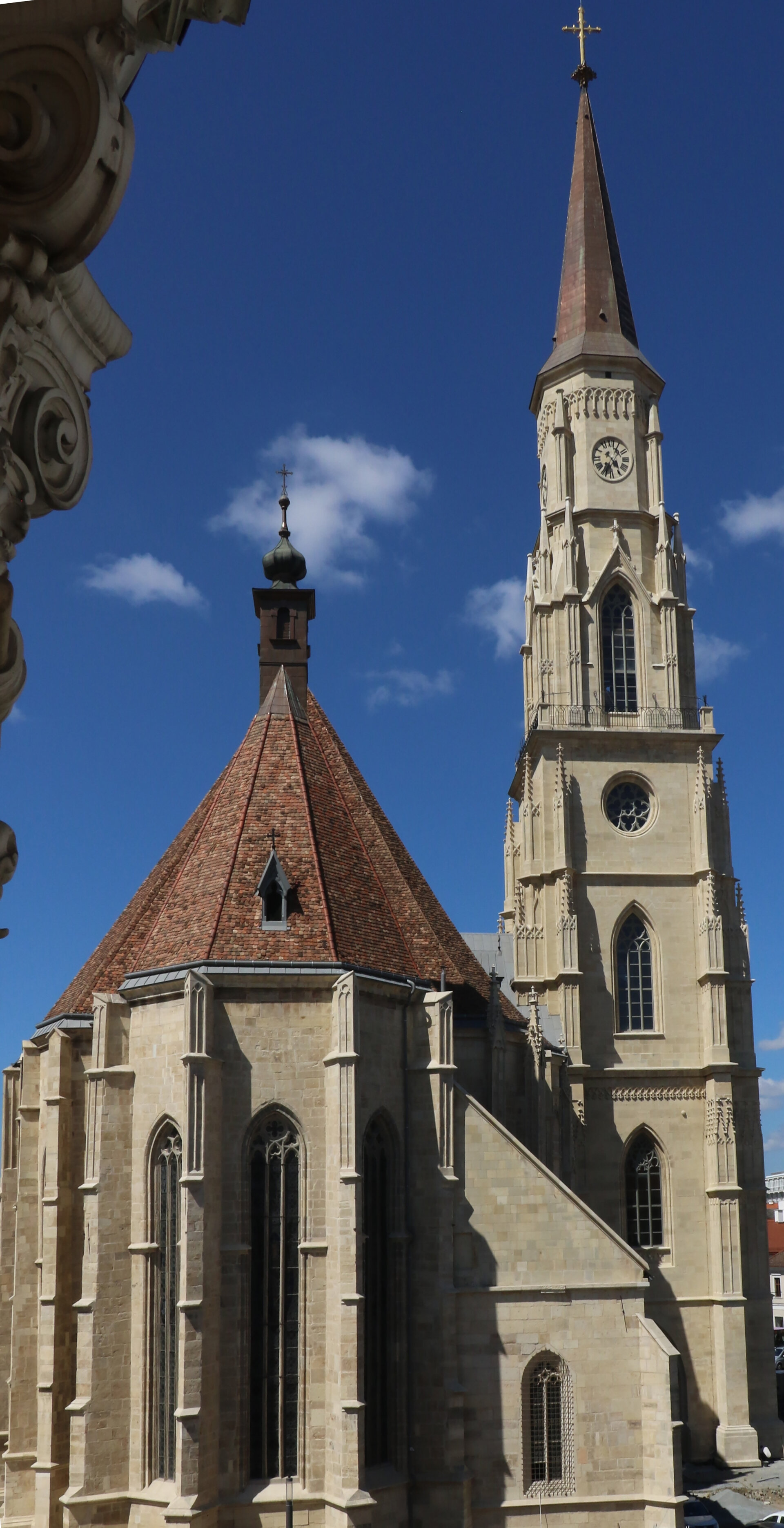


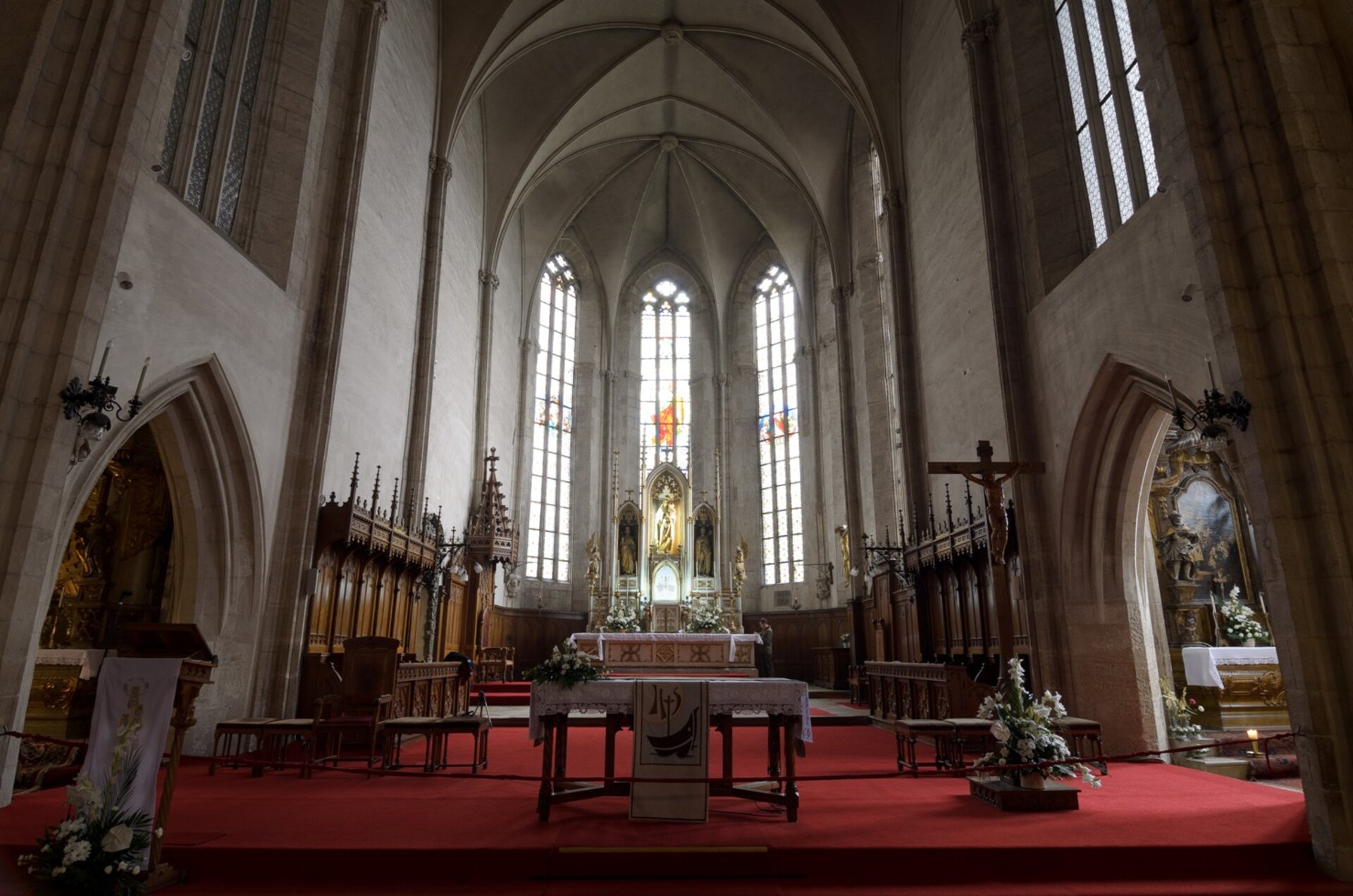

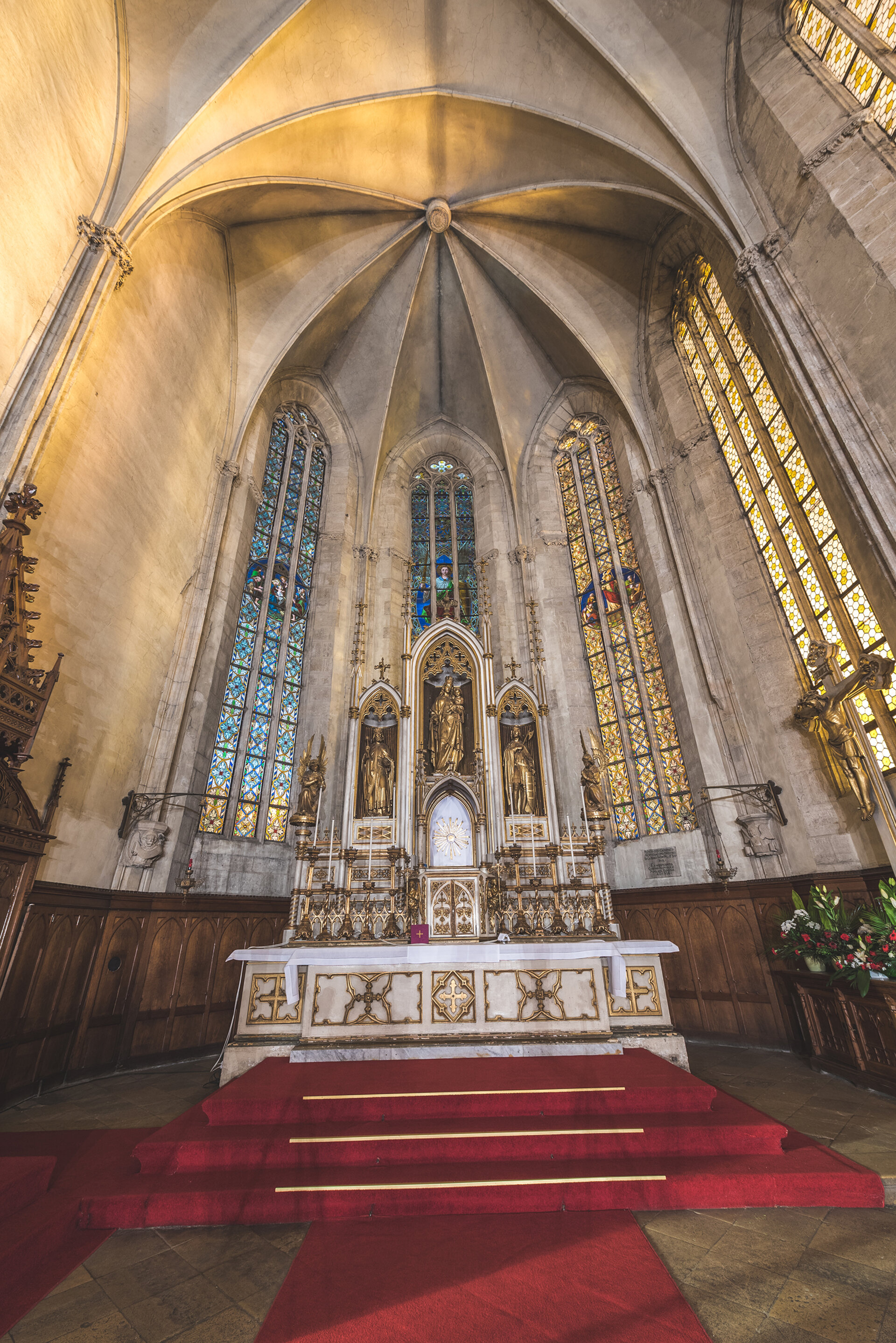
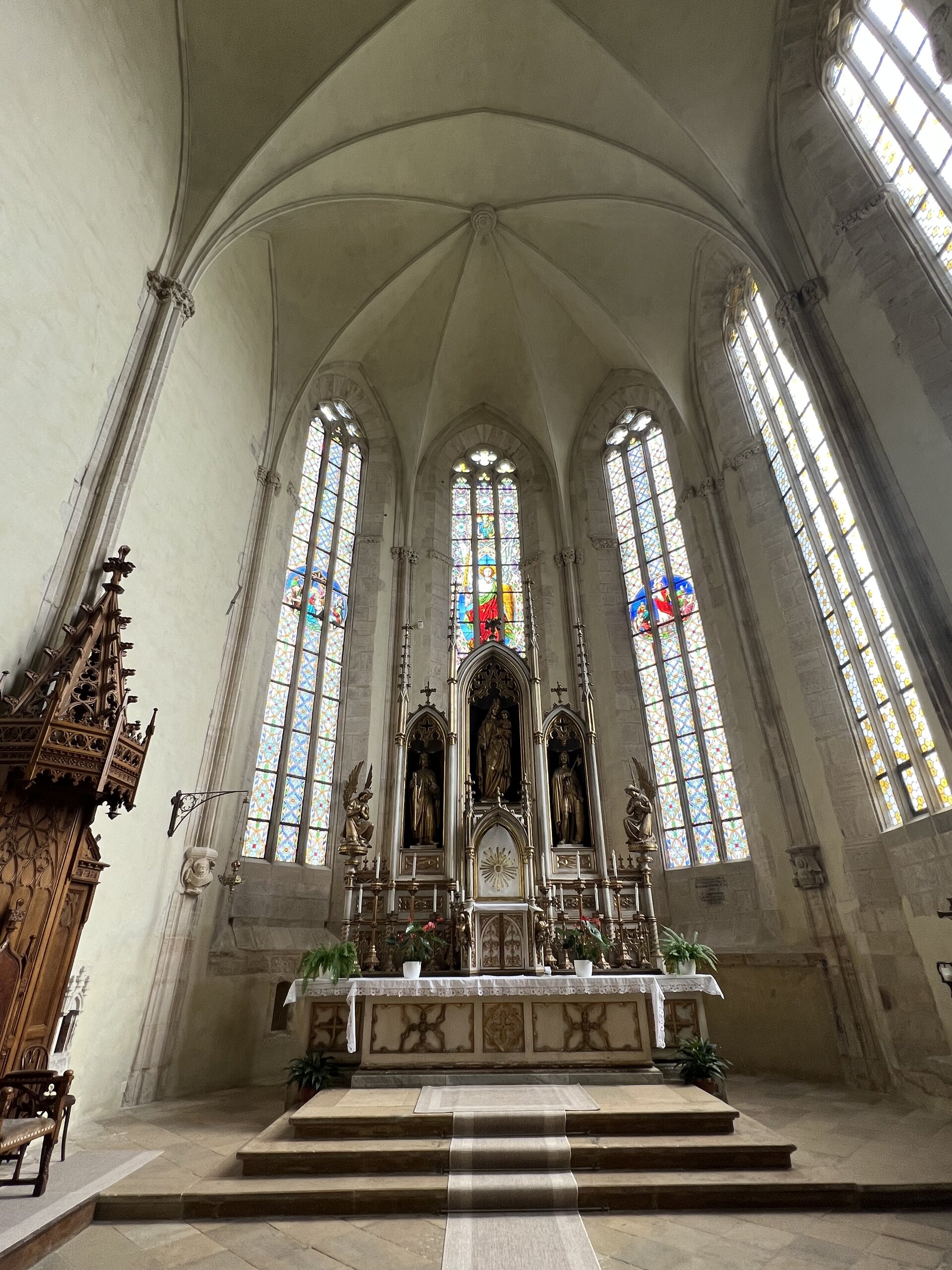
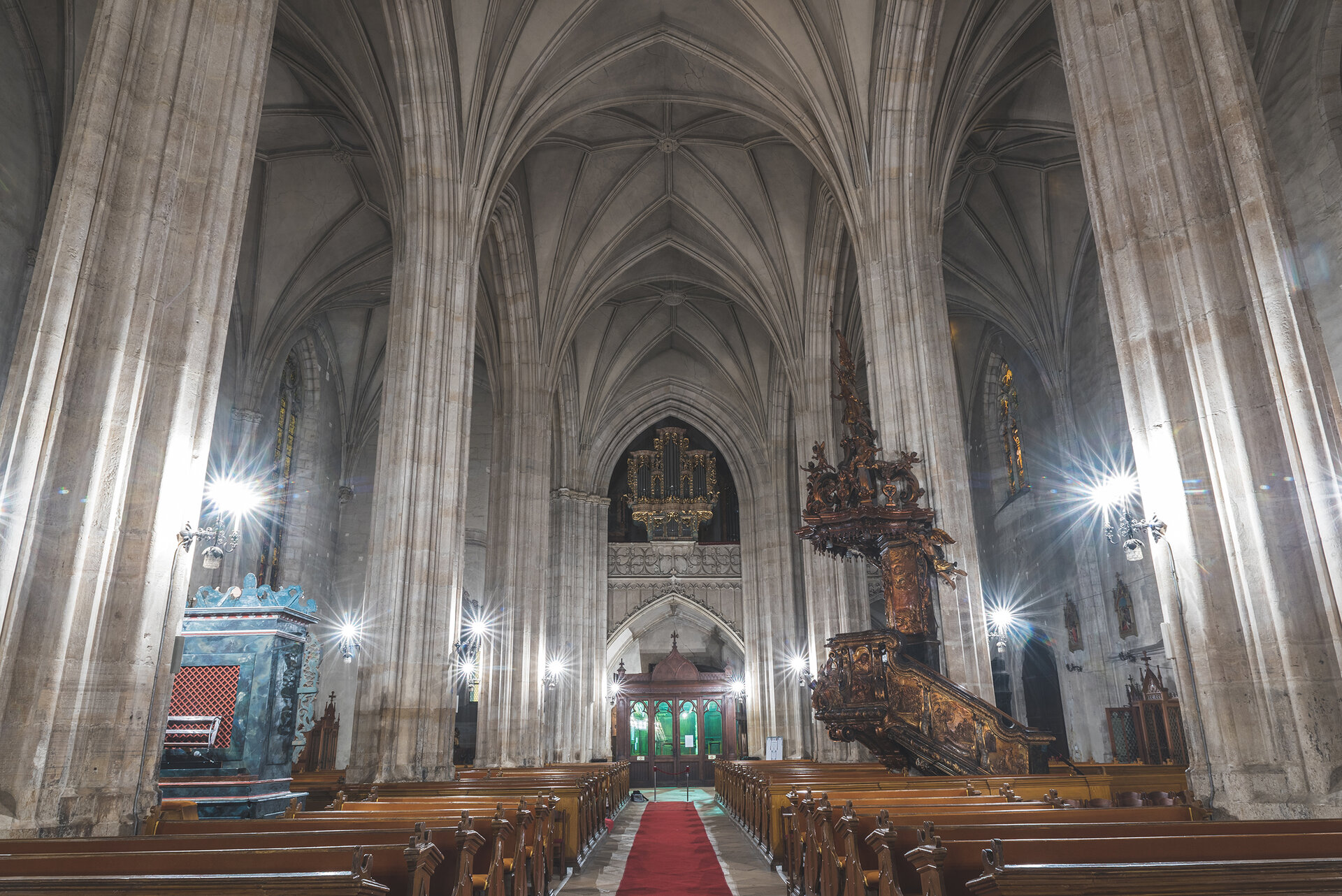
St. Michael Roman Catholic Church from Cluj-Napoca
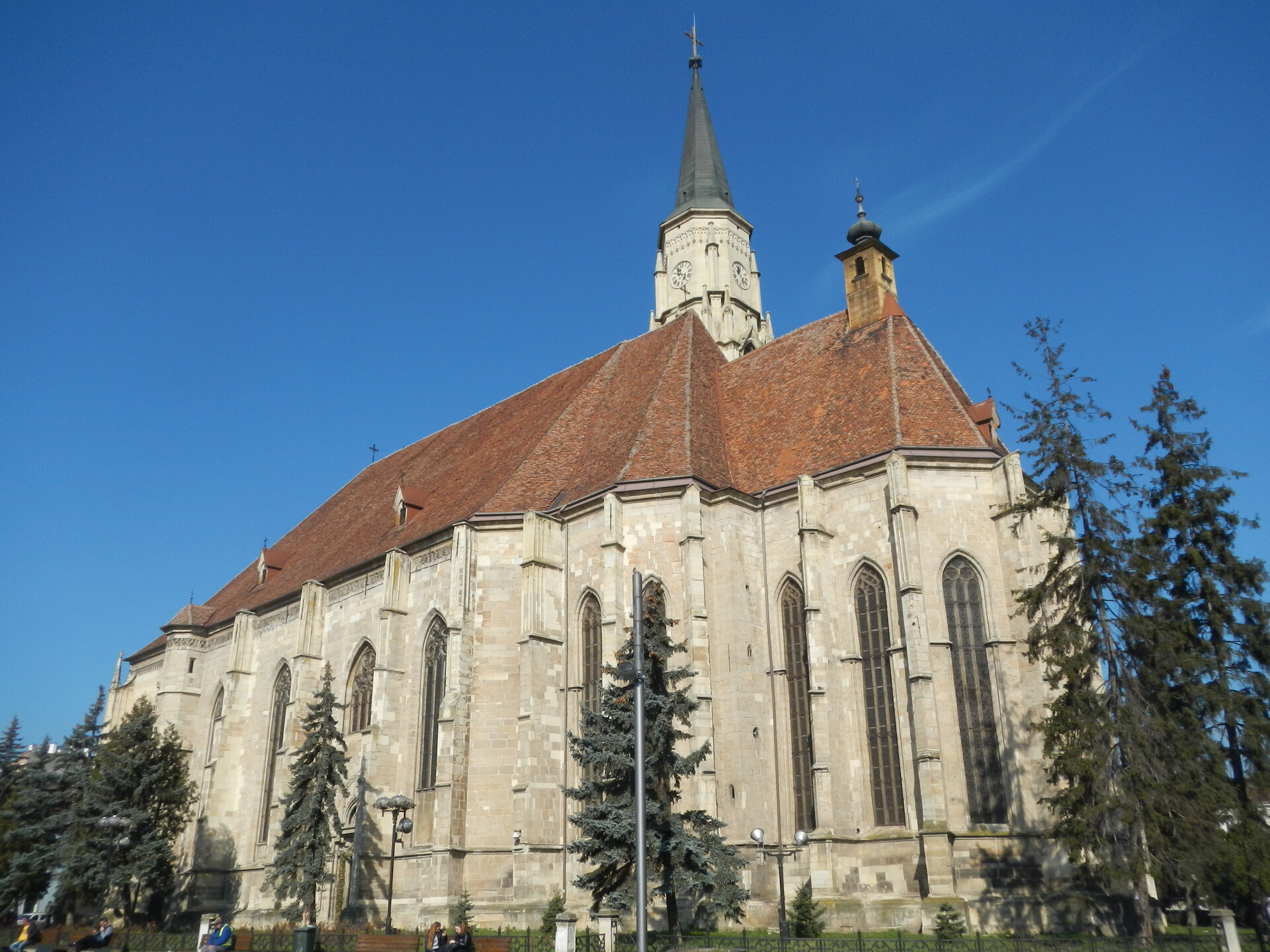
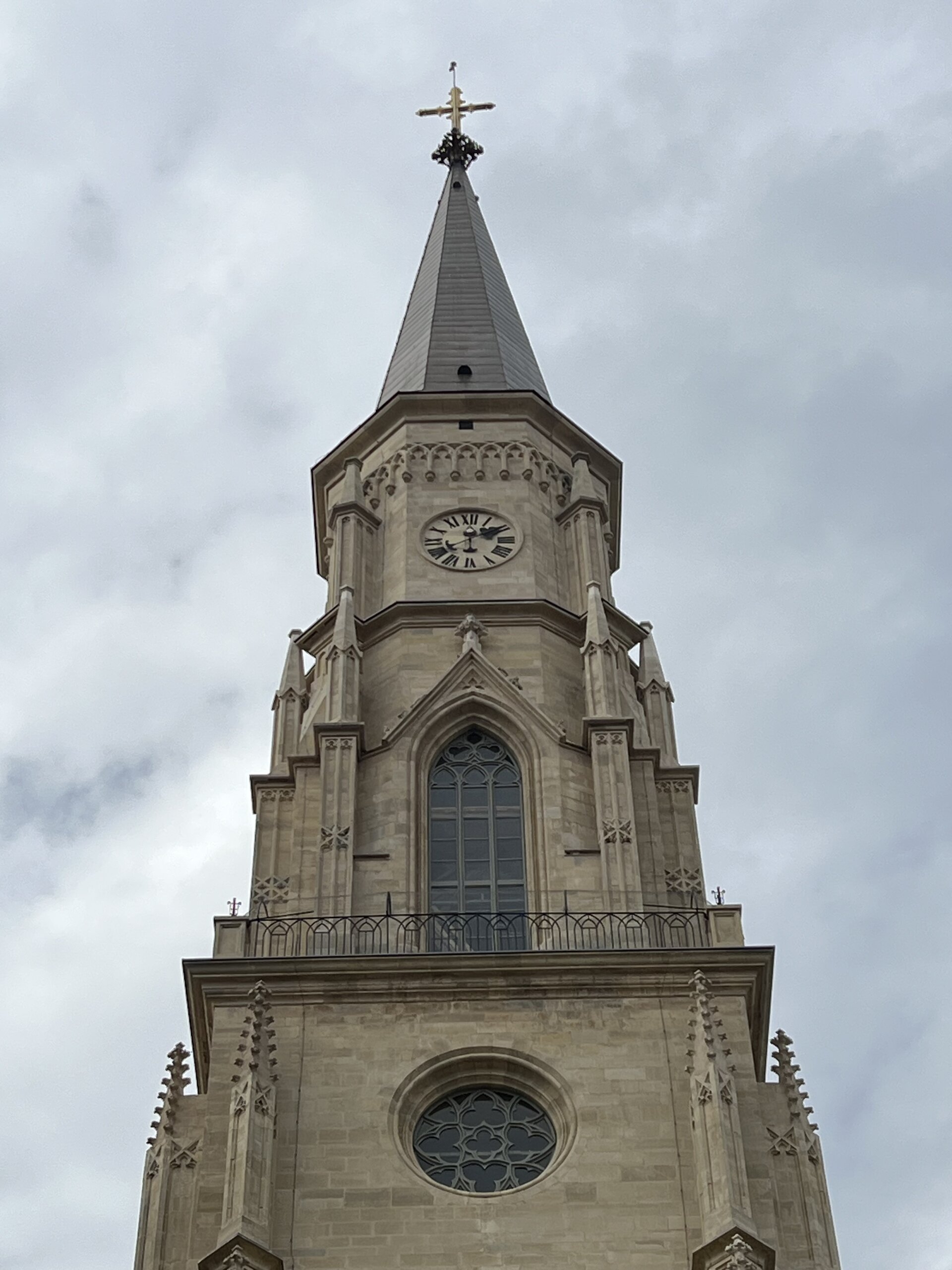
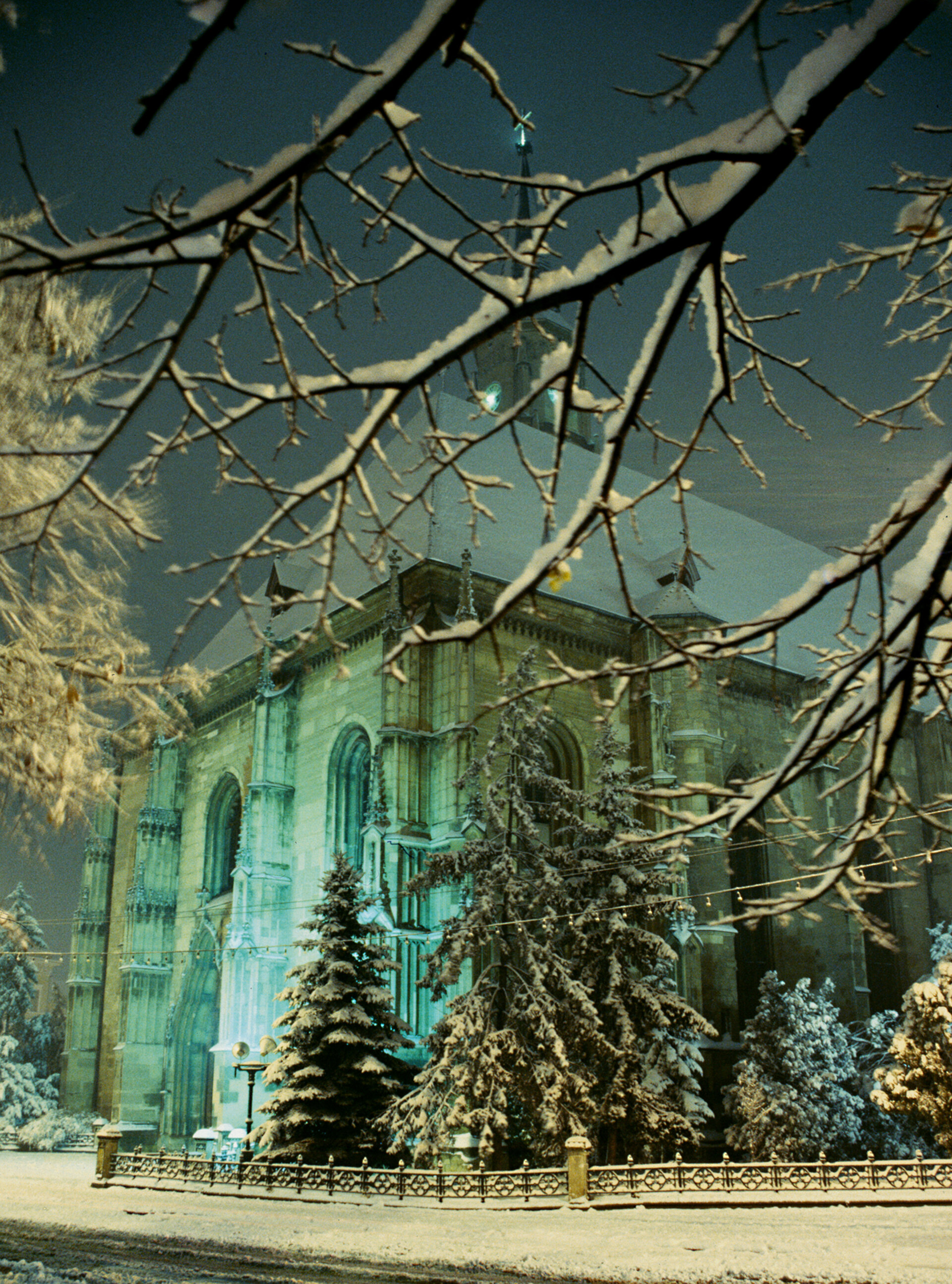
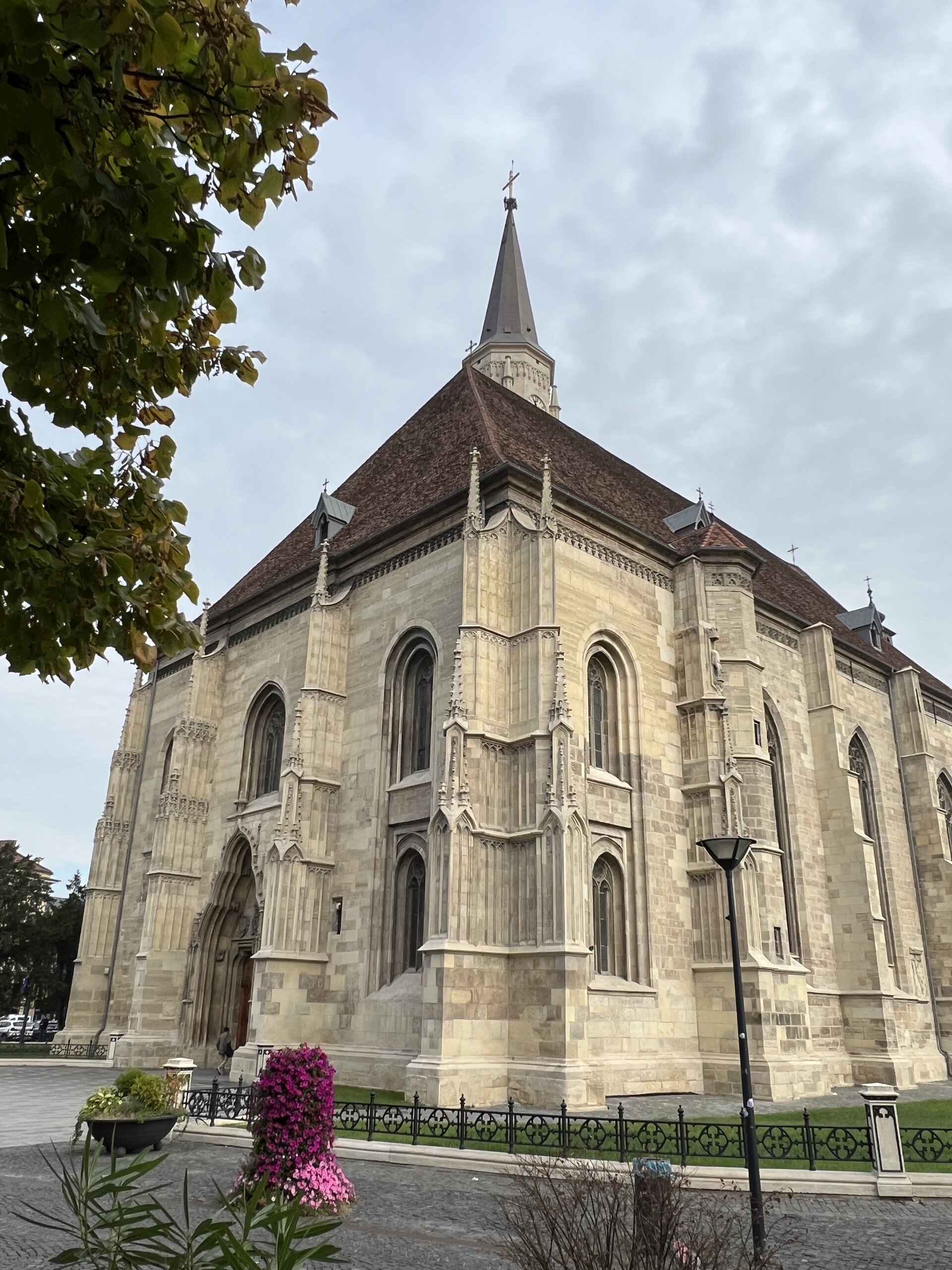
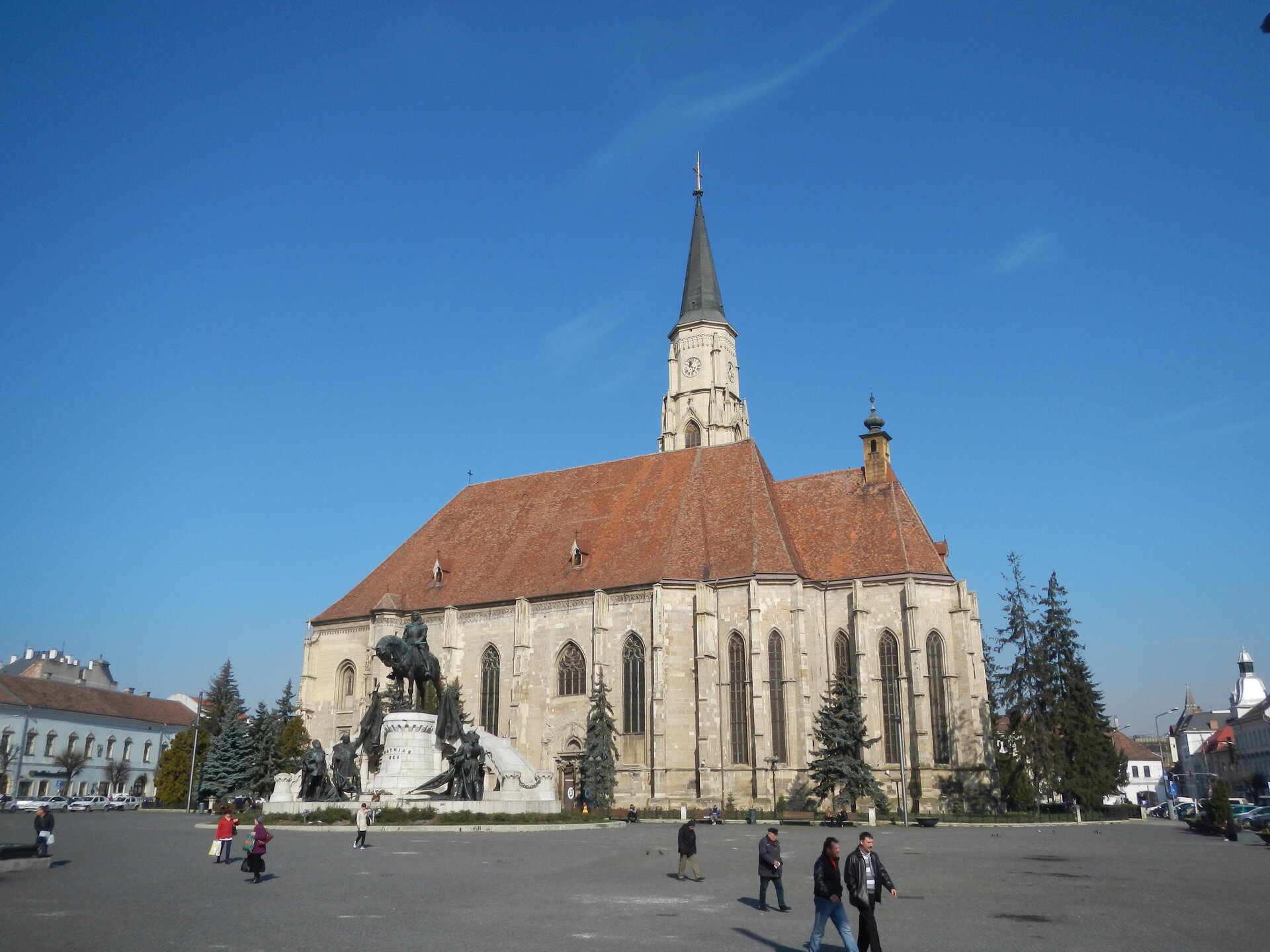
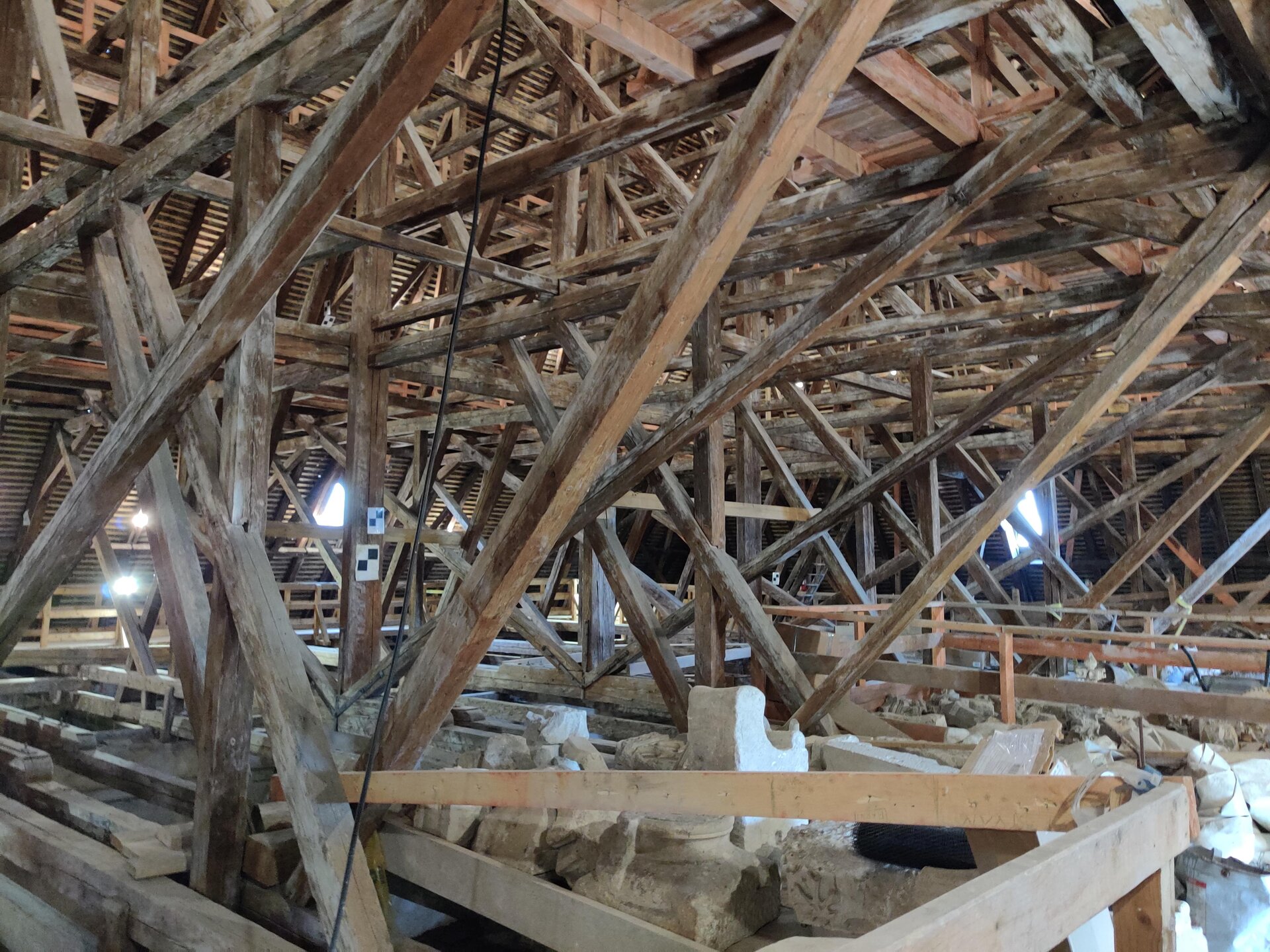
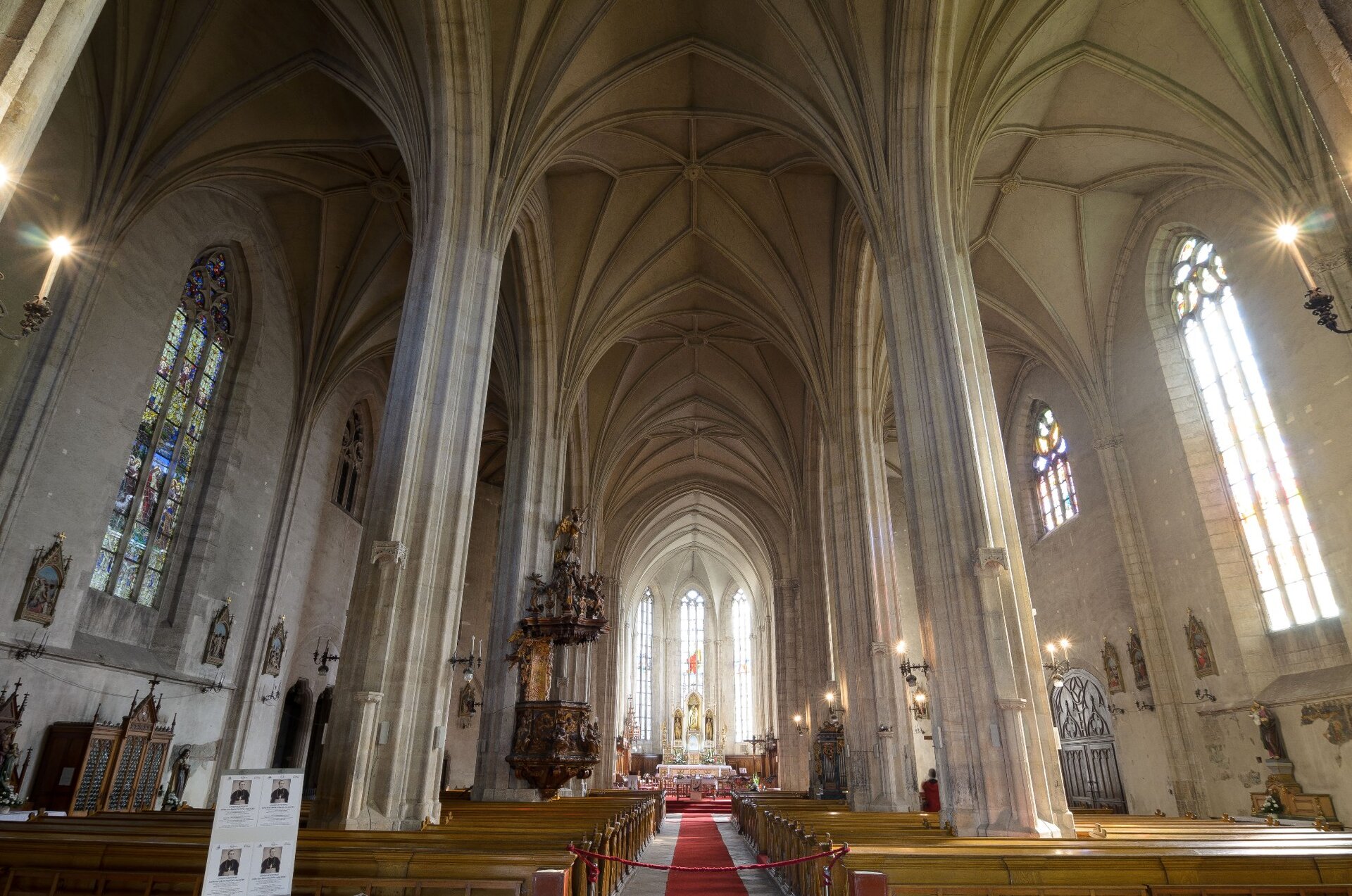
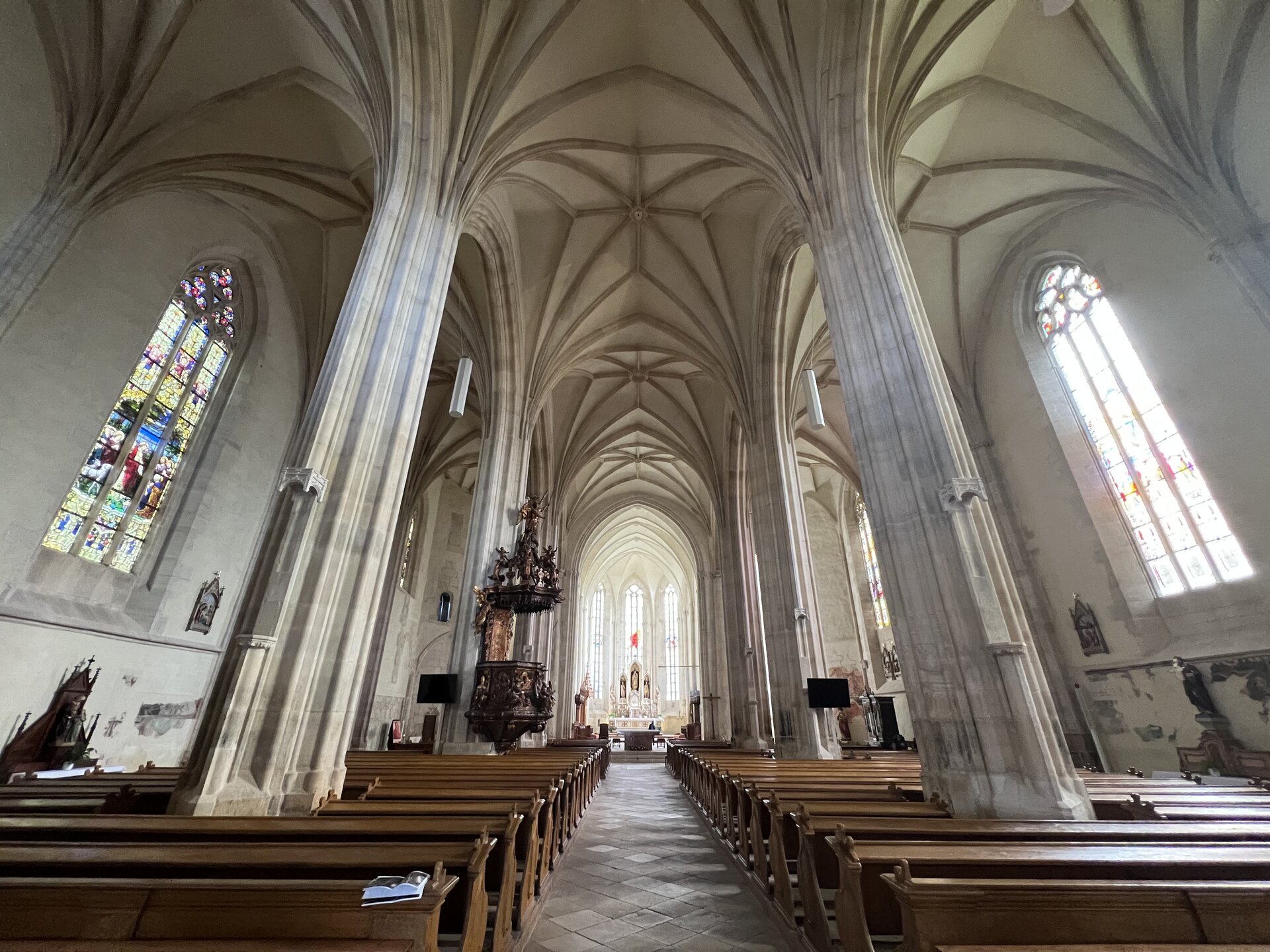
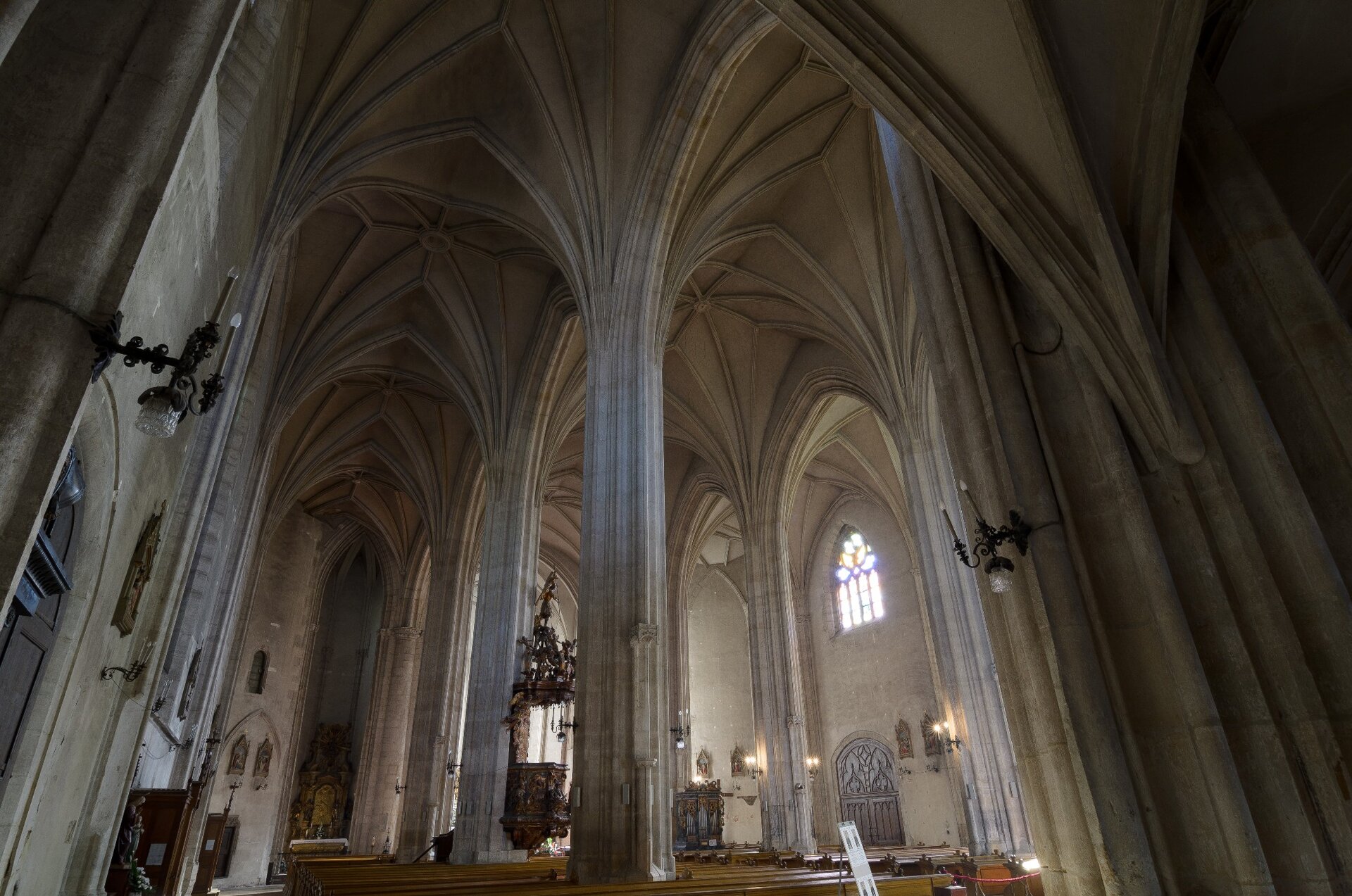
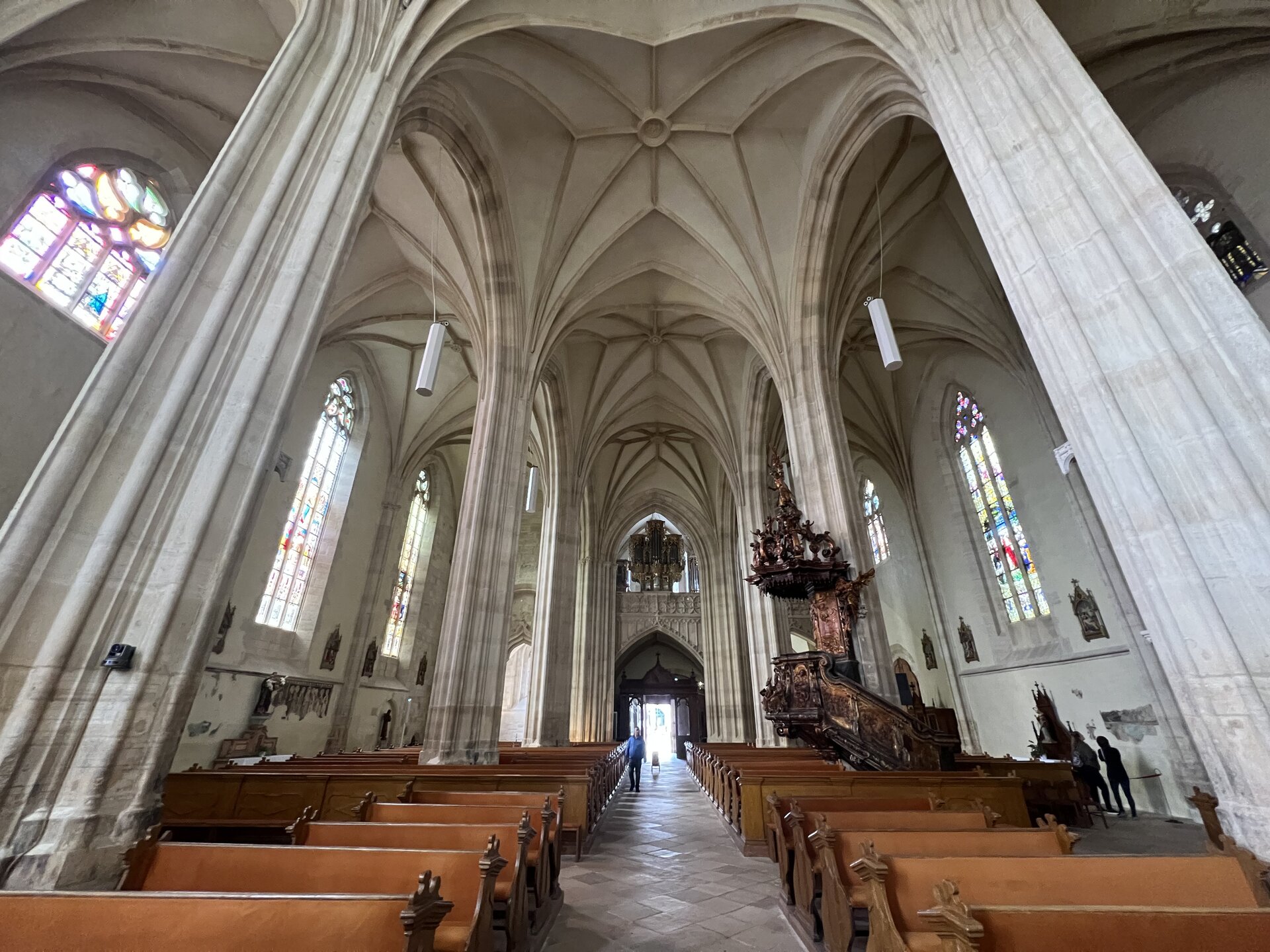
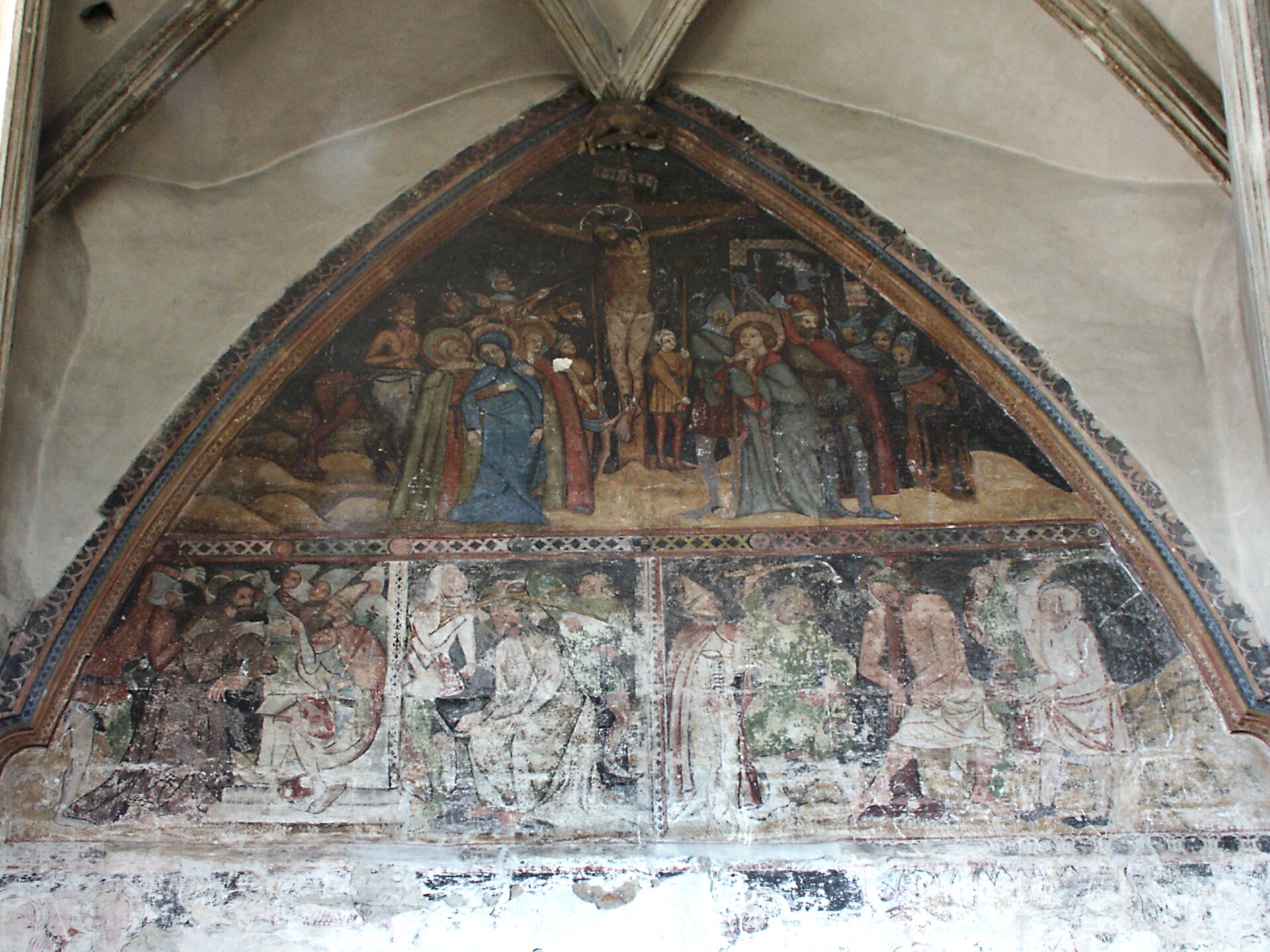
The restoration of St. Michael Roman Catholic Church in Cluj-Napoca revitalised one of the most important Gothic monuments in Transylvania. The project included structural reinforcement, façade restoration, conservation of vaults and mural paintings, roof rehabilitation, ...
Read more
Project details
Description:
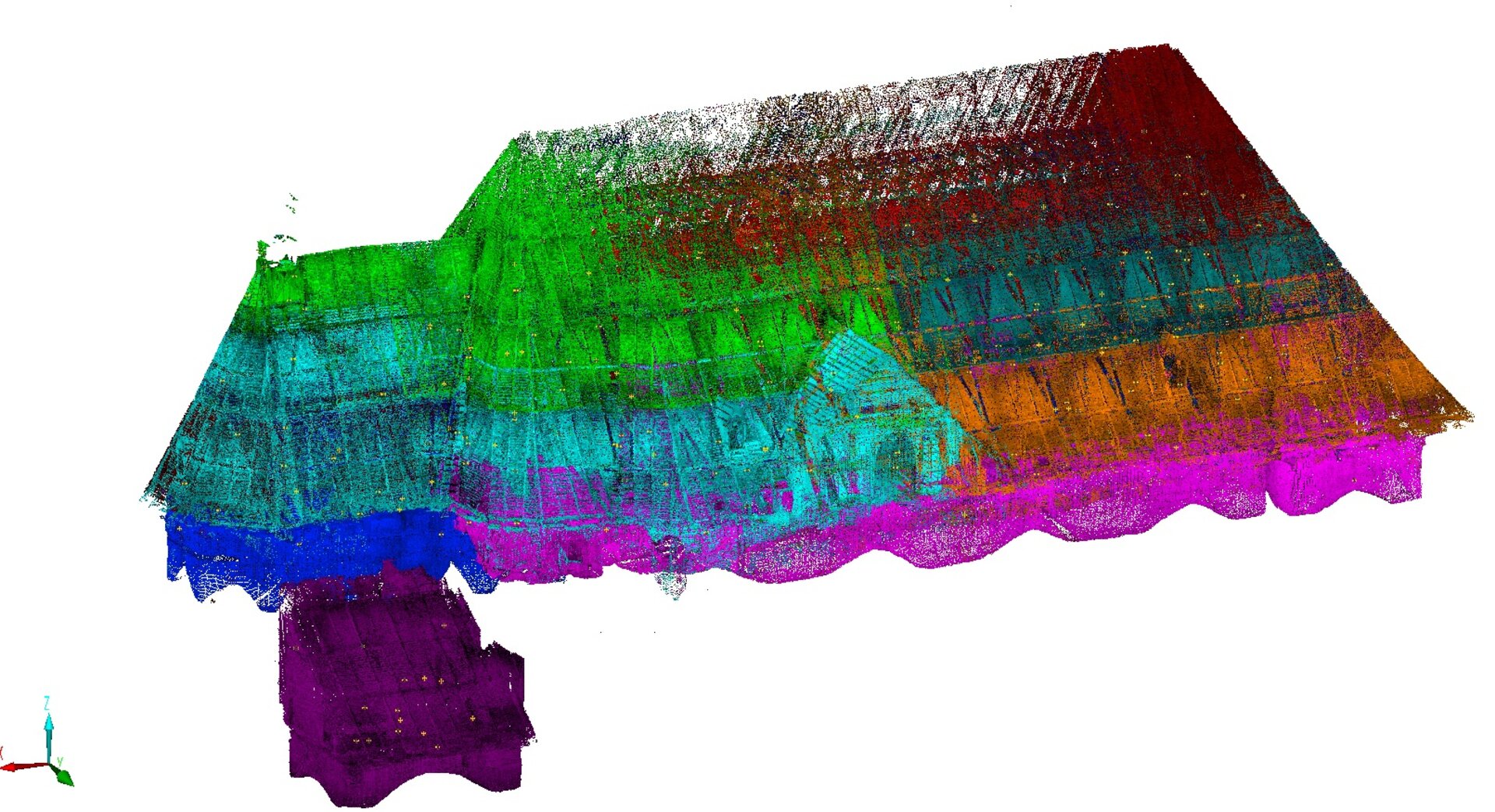
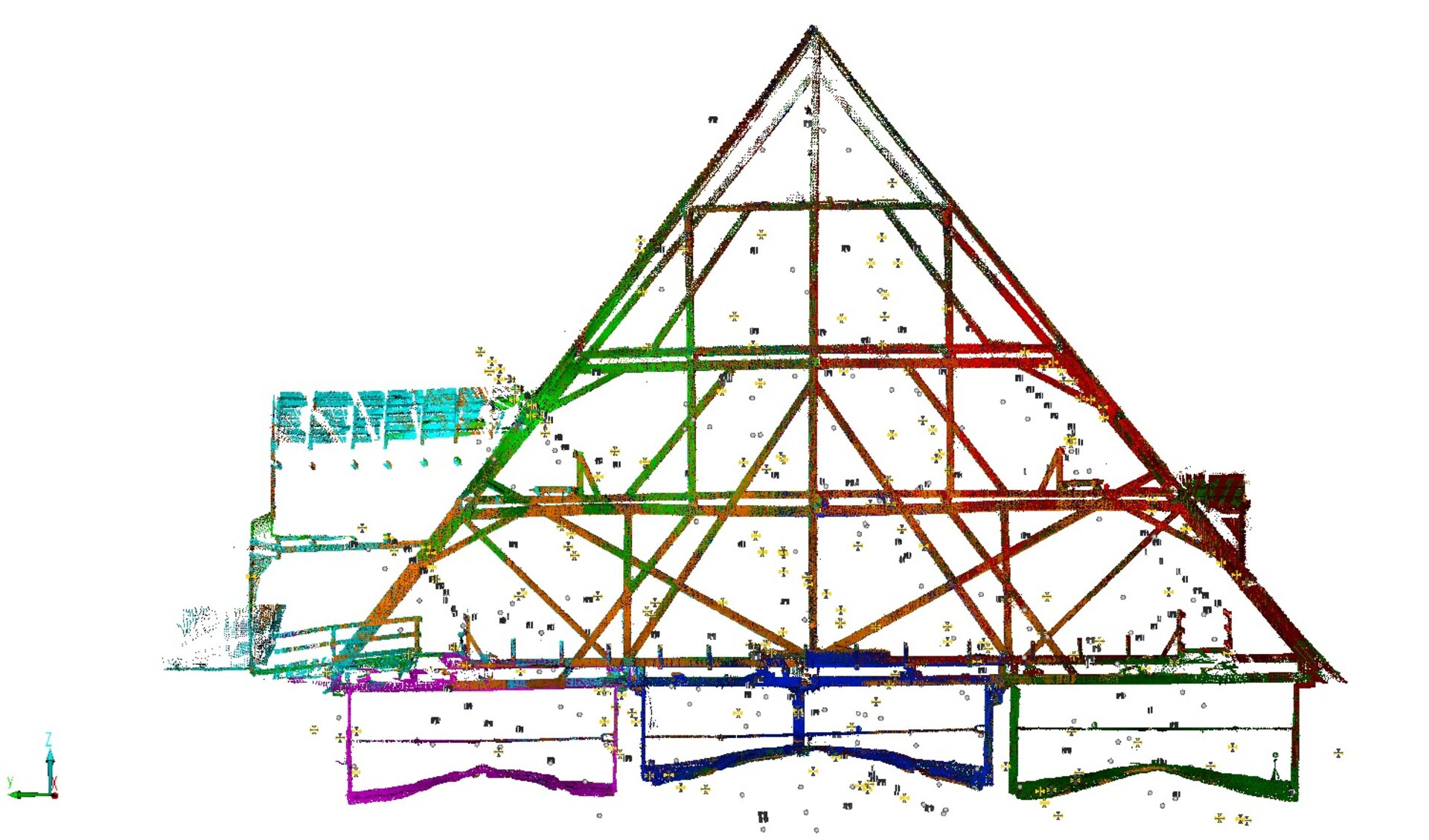
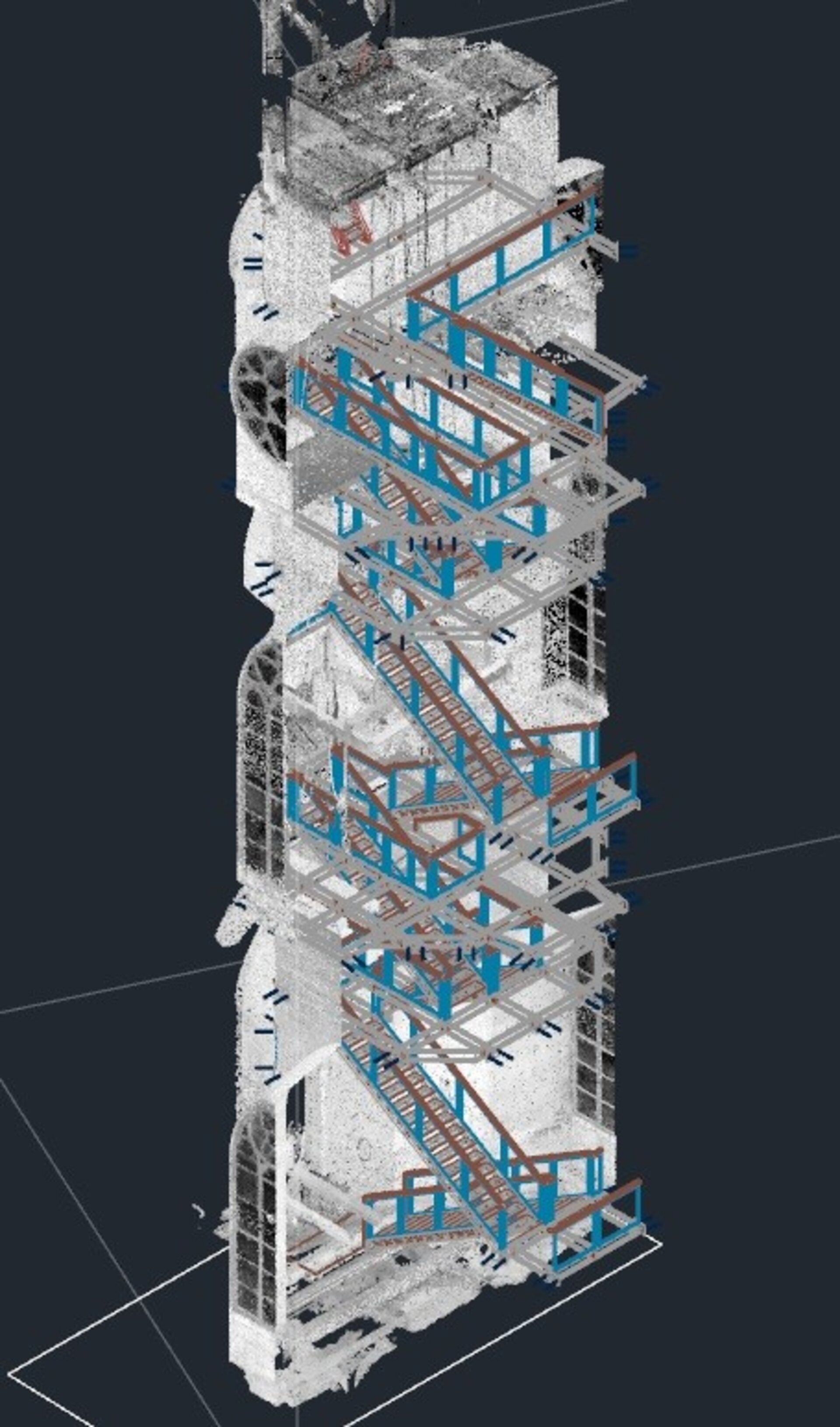
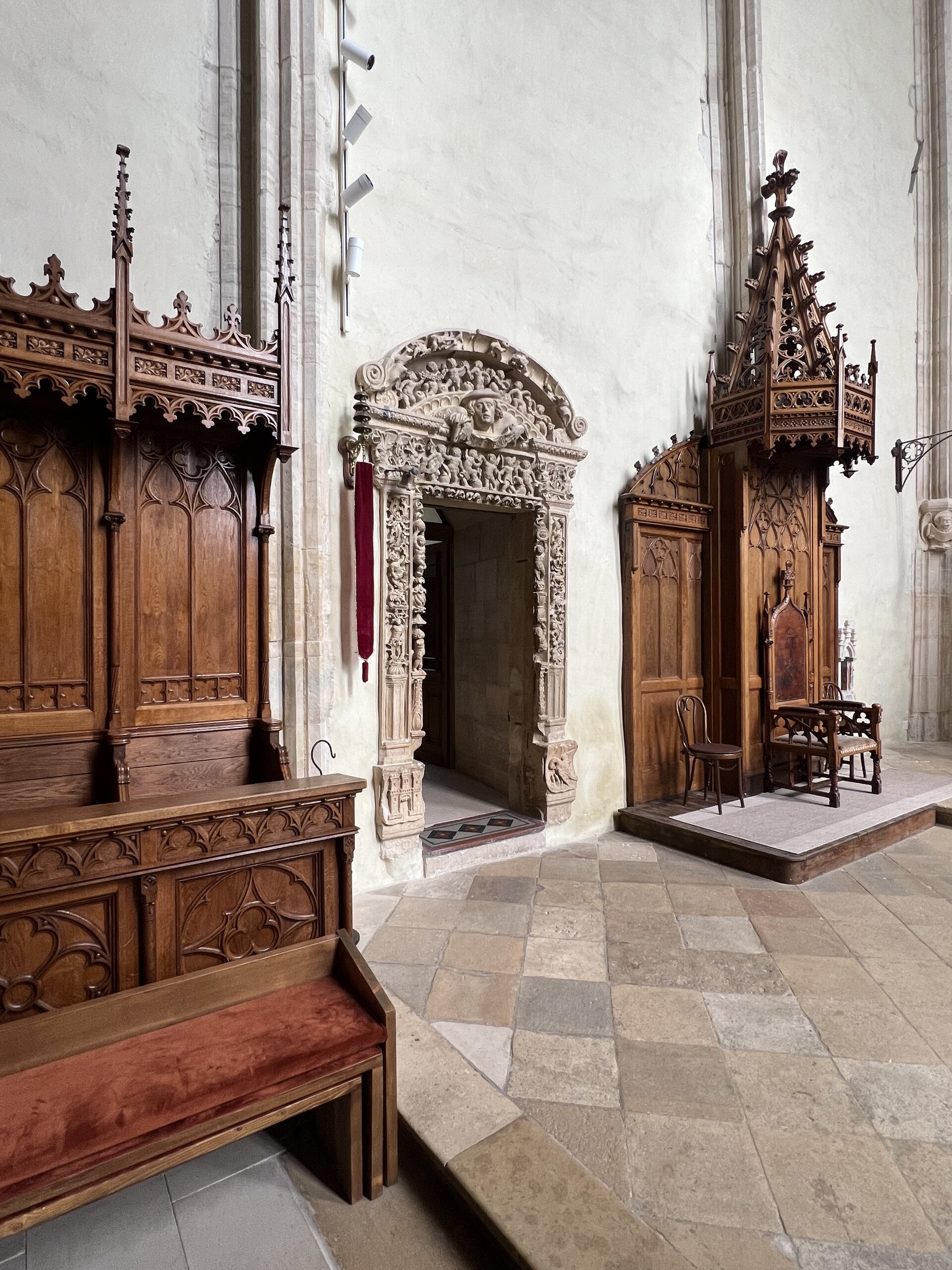
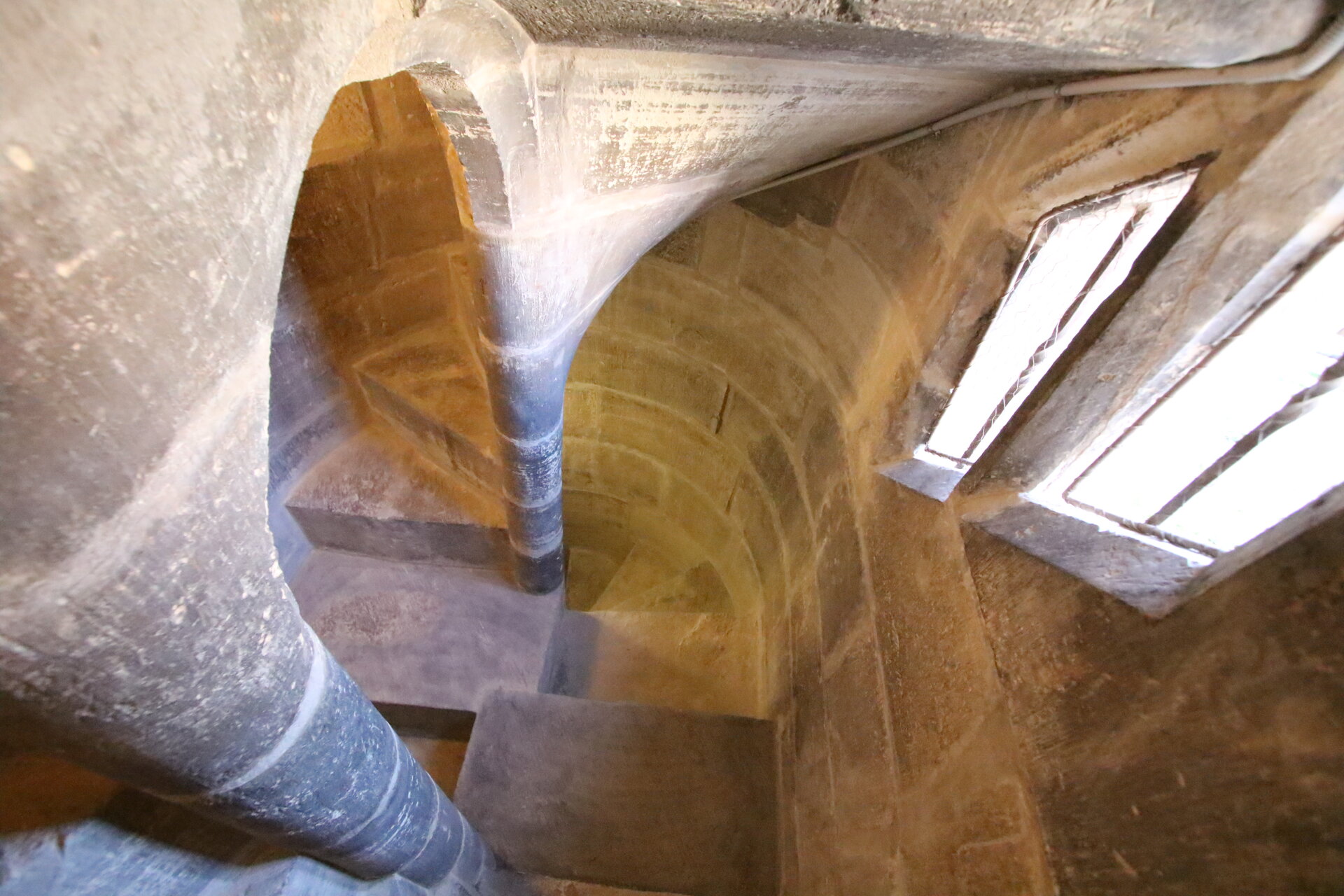
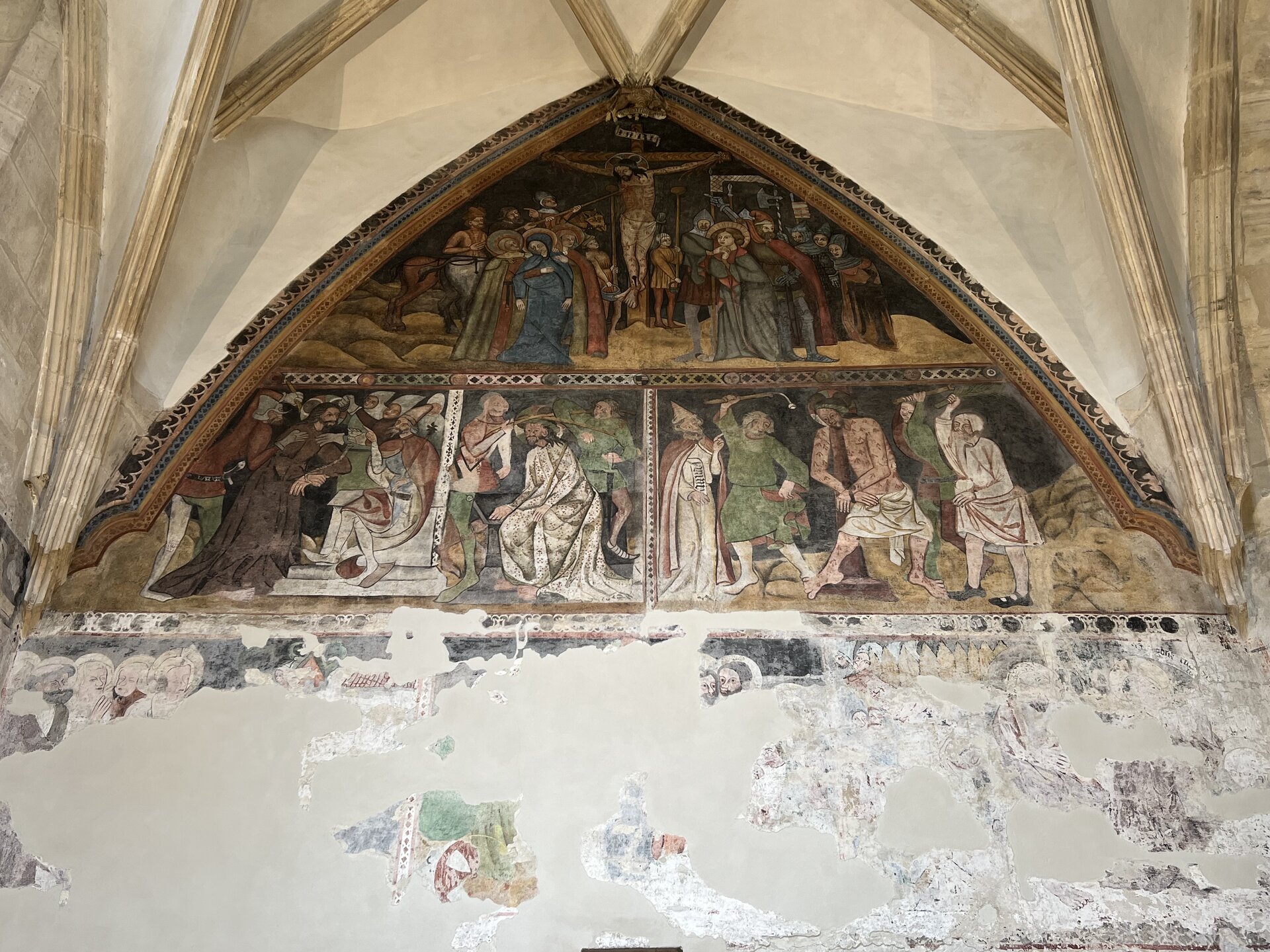
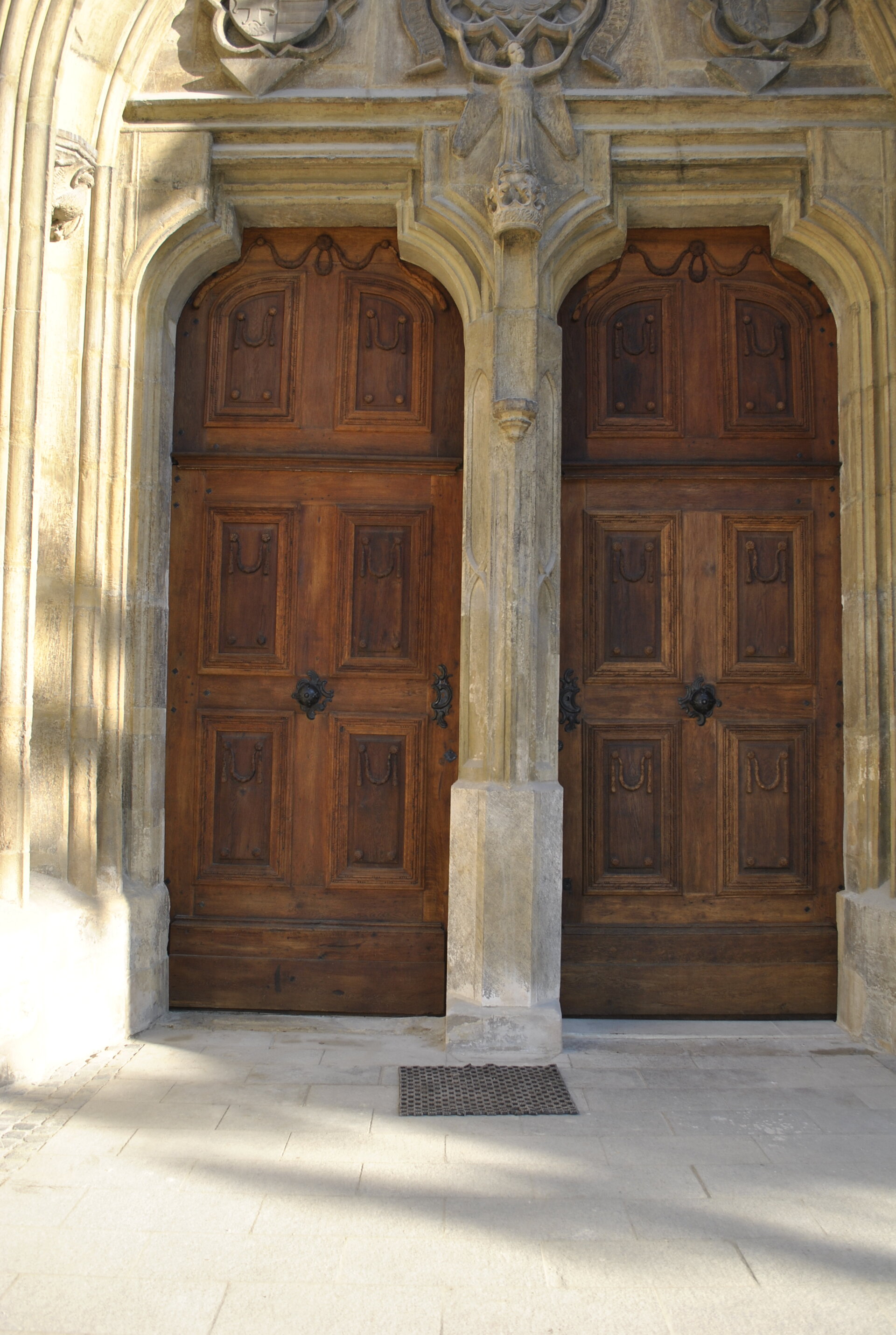
The restoration of St. Michael Roman Catholic Church in Cluj-Napoca revitalised one of the most important Gothic monuments in Transylvania. The project included structural reinforcement, façade restoration, conservation of vaults and mural paintings, roof rehabilitation, installation modernisation, and adaptive reuse interventions that opened the Neo-Gothic tower to the public as an exhibition and viewing space. Innovative structural solutions, including steel truss reinforcements and stainless steel elements, improved earthquake resistance while preserving the church’s historical integrity. Archaeological research and architectural studies conducted during the project uncovered important medieval architectural fragments and artworks. The restoration combined traditional craftsmanship with contemporary conservation technologies and re-established the church as a major cultural, educational and tourism landmark in Cluj-Napoca.
Similar projects

1757 - 1784
14th century
1349

13th-14th century

1930

17th century

1937-1938

15th century

18th-19th century

10th-11th century

17th century