









Snow Wells in Sierra Espuña
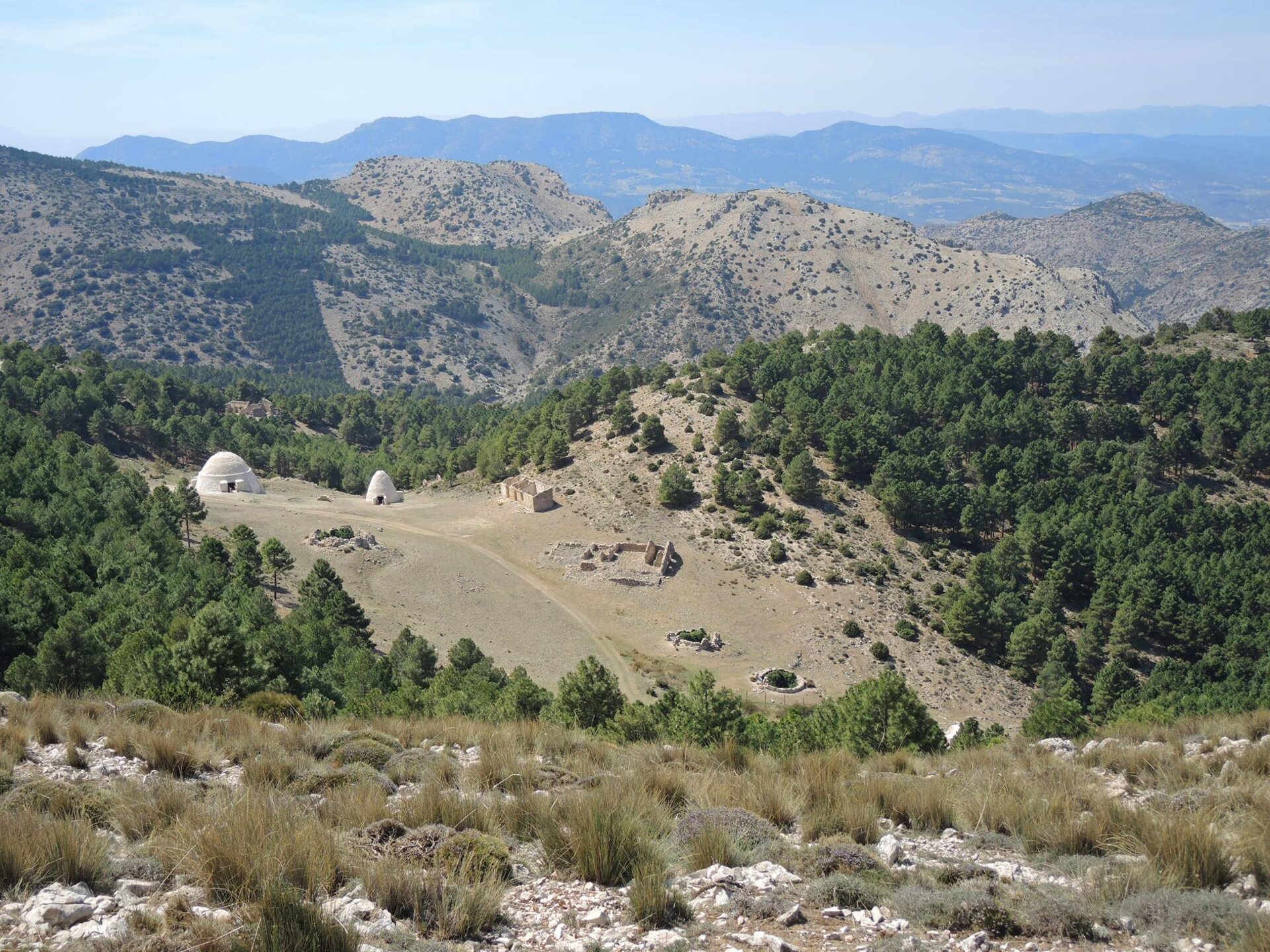
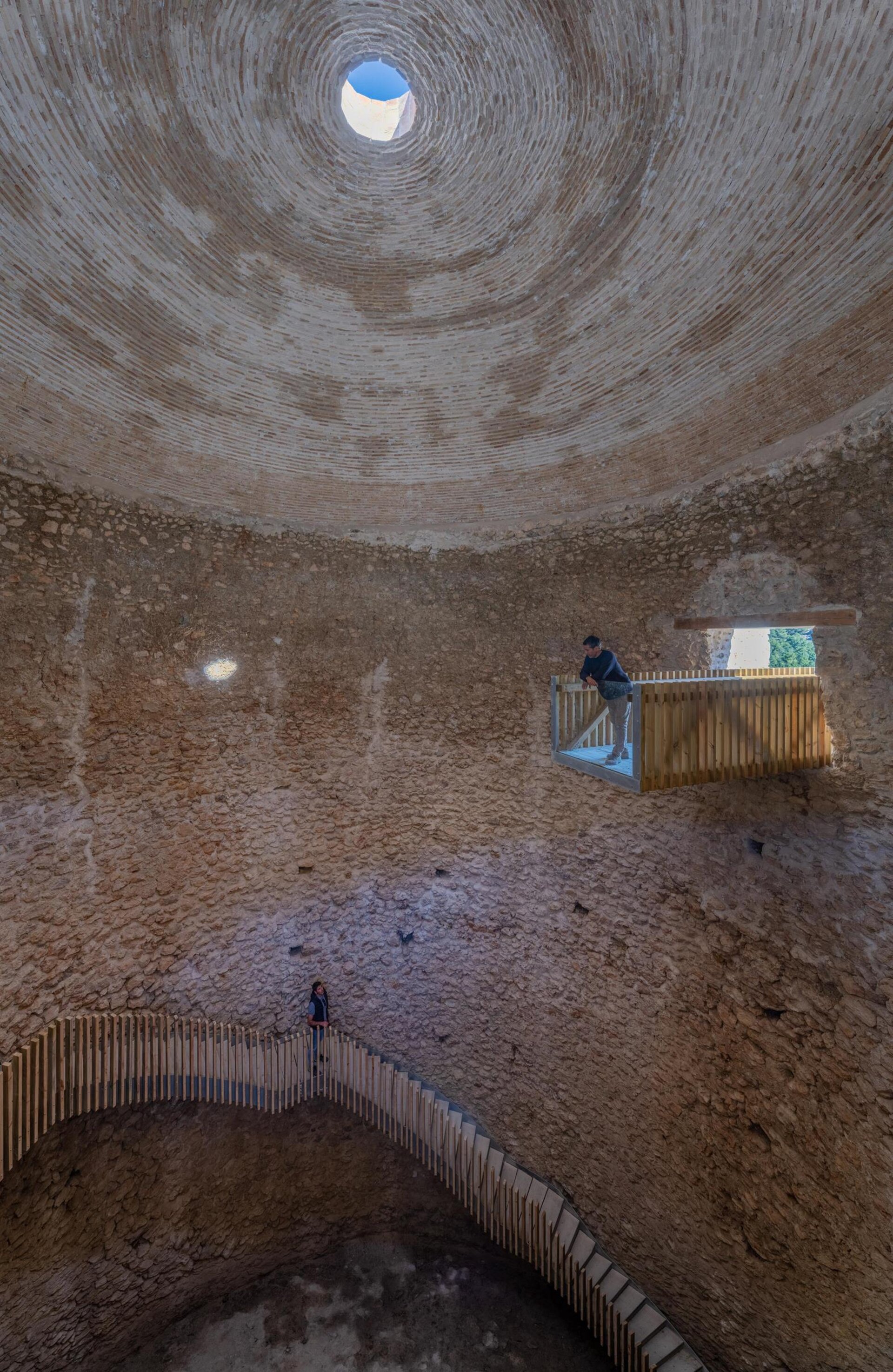
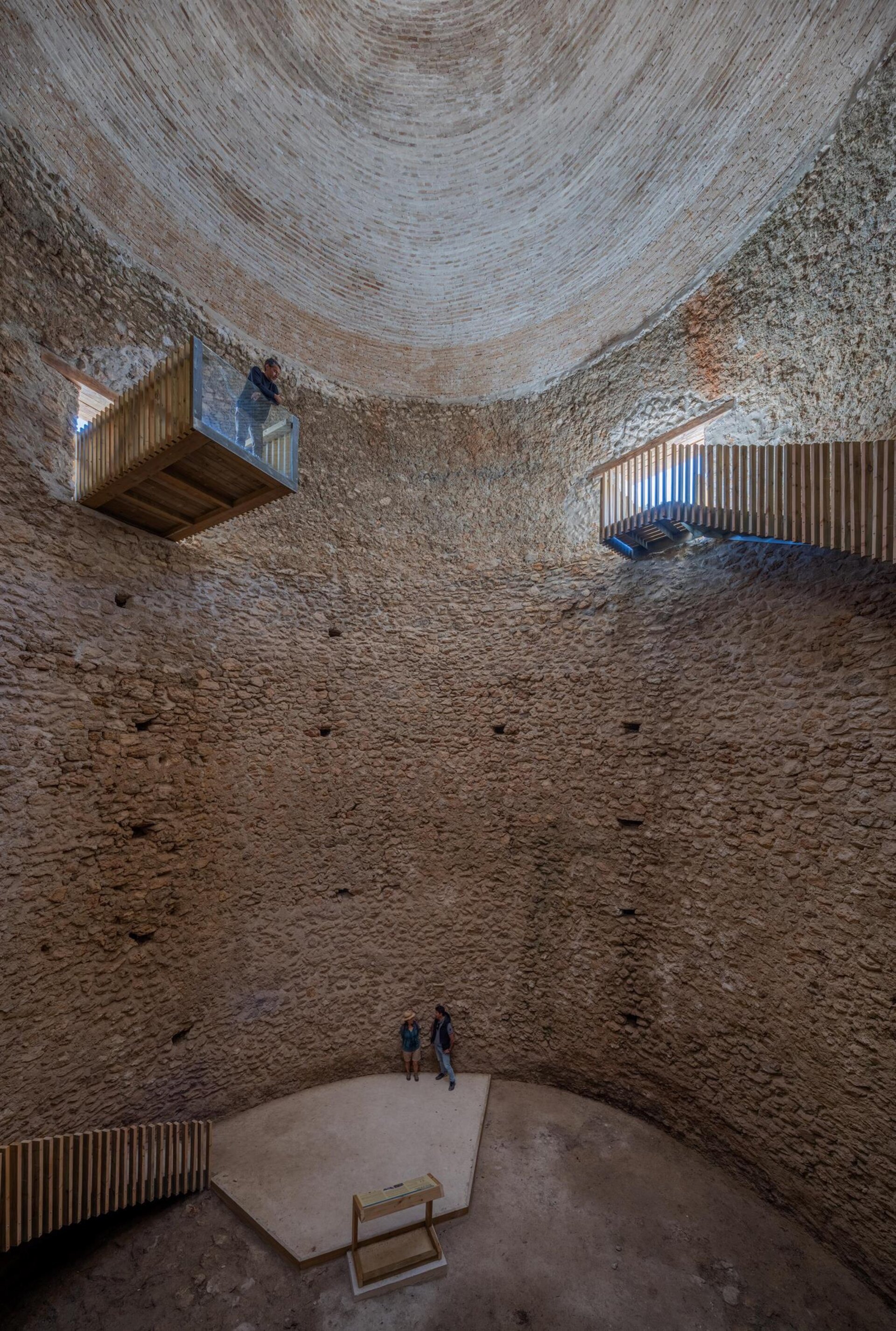
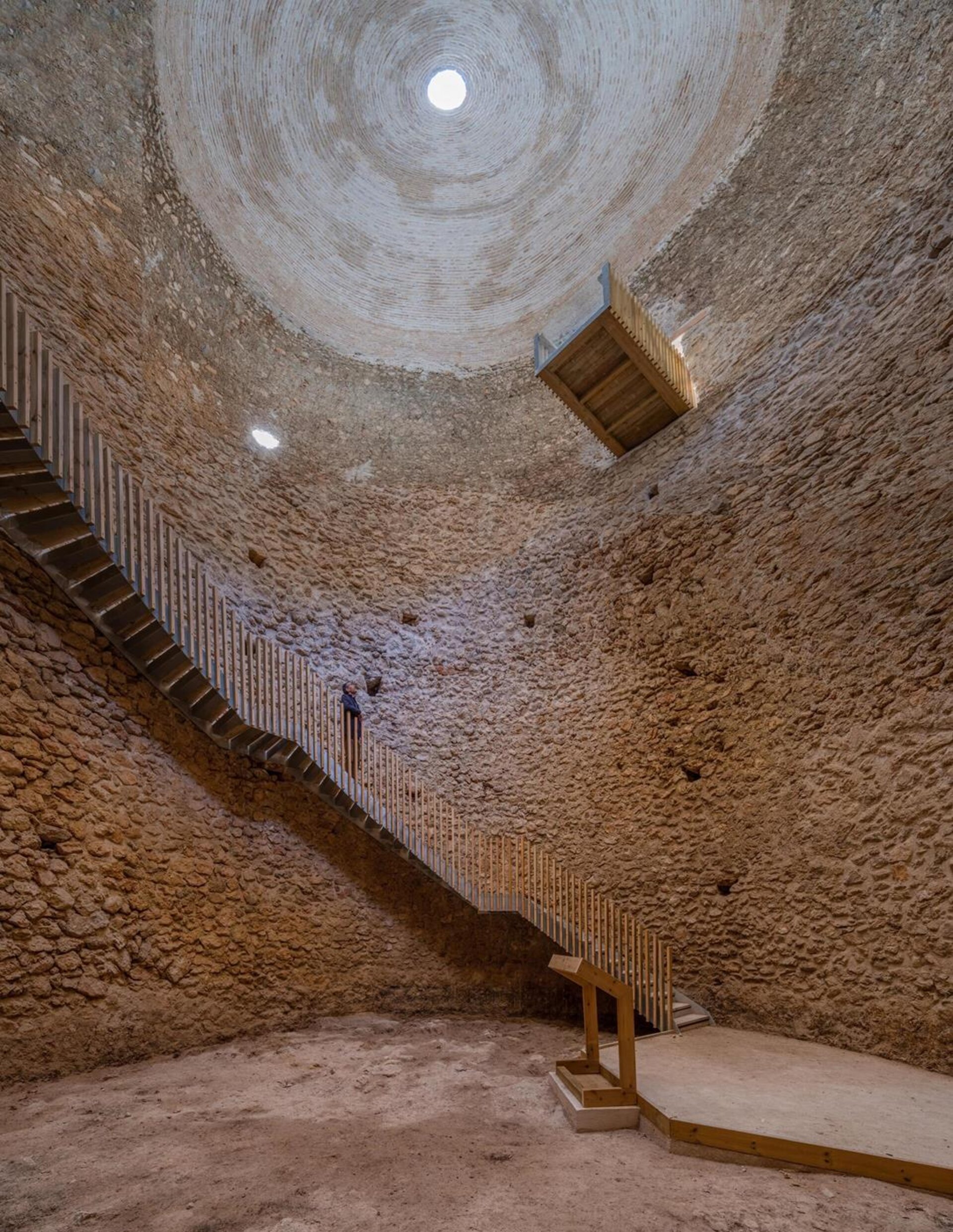
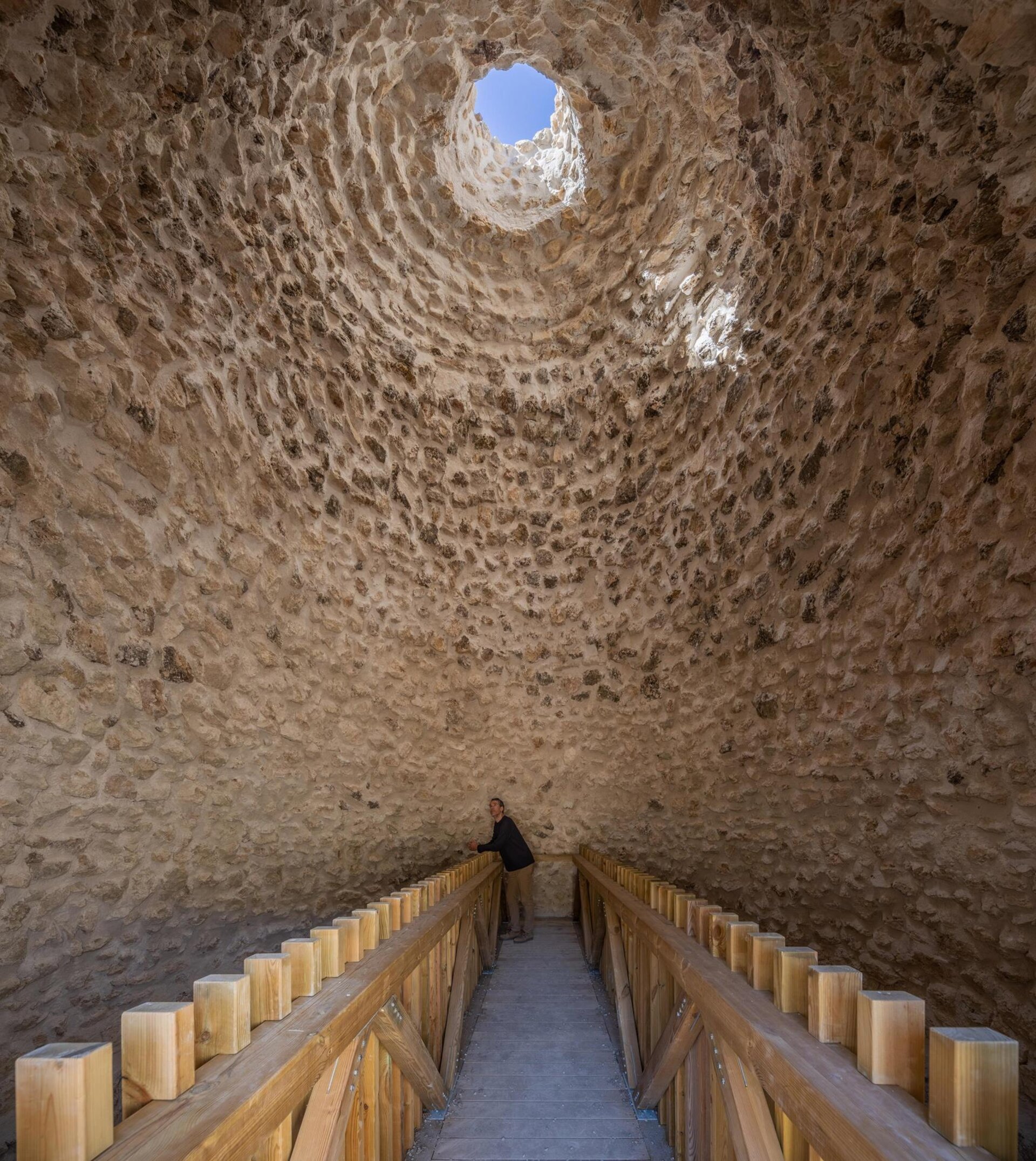
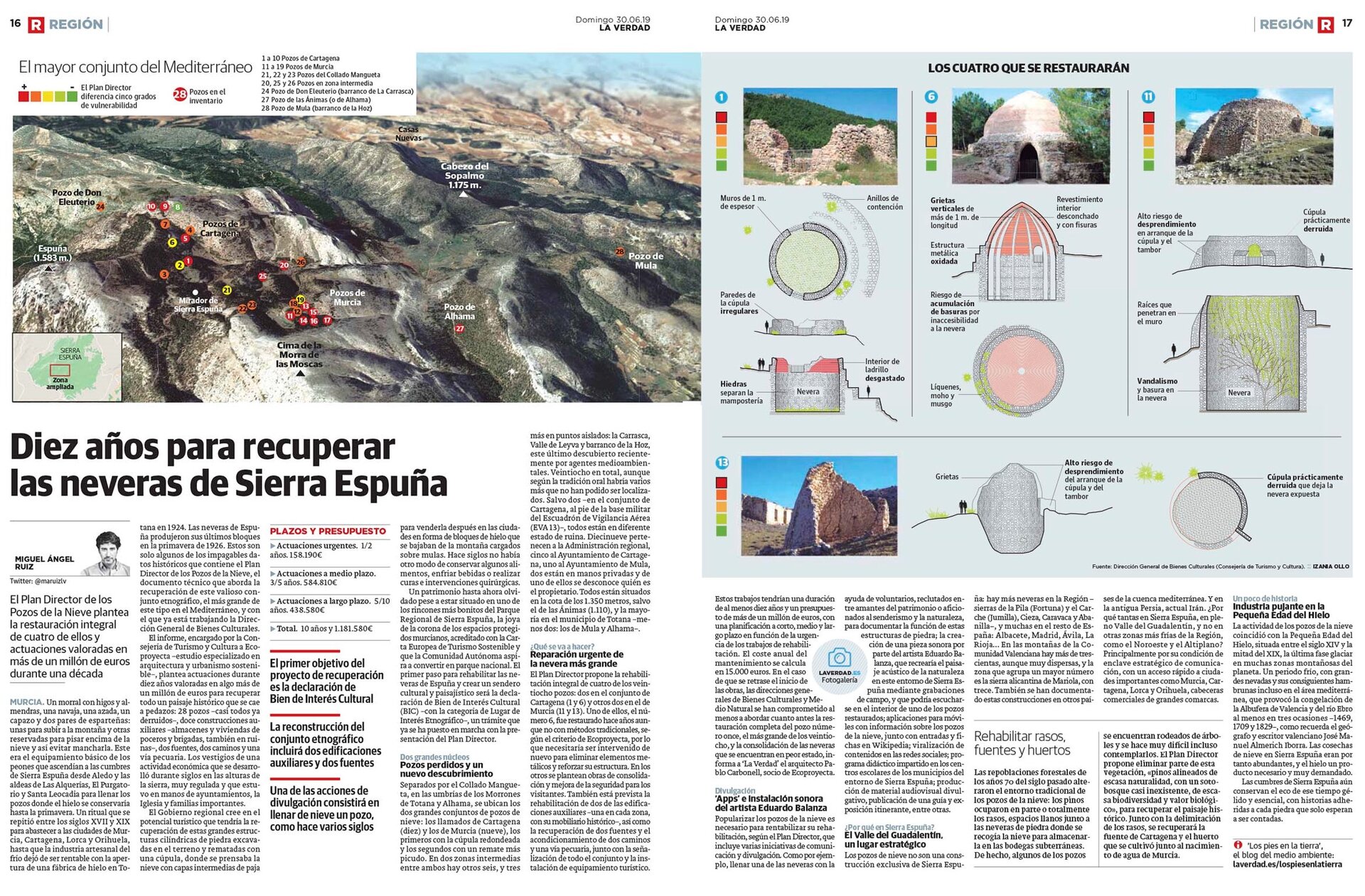
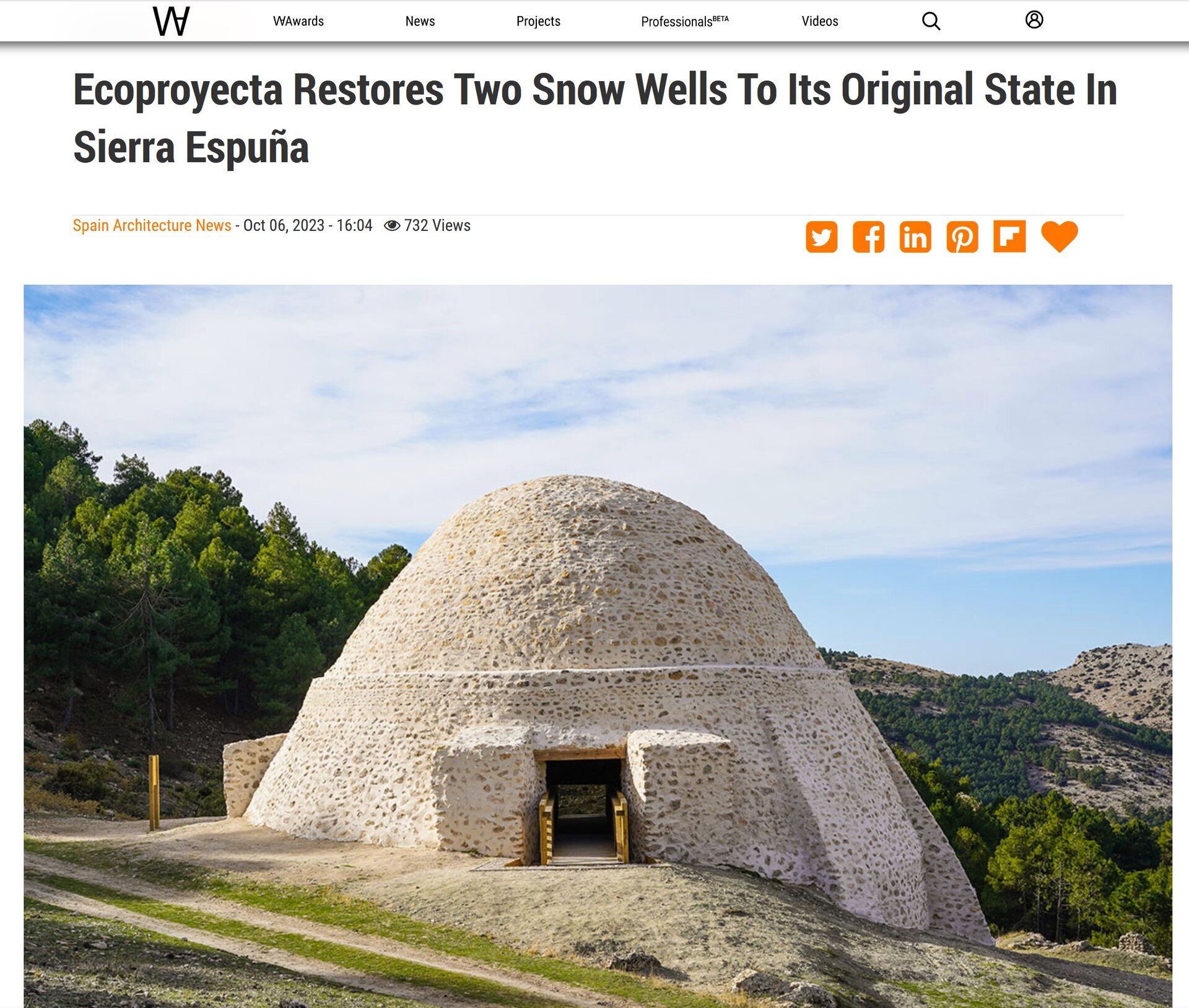
The restoration of the Snow Wells in Sierra Espuña revitalised one of Spain’s most significant vernacular industrial landscapes related to historic ice production. Originating in the 16th century, these snow wells functioned as seasonal ice factories storing winter snow for ...
Read more
Project details
| Title: | Snow Wells in Sierra Espuña |
|---|---|
| Entr. year: | 2024 |
| Country: | Spain |
| Town: | Totana, Murcia |
| Category type: | preservation of various buildings and urban design, conservation, cultural landscape |
| Notes: | Award Winner 2024. |
| Building type/ Project type: | industrial heritage, Agricultural building/structure, cultural/natural heritage |
| Former use: | Snow and ice storage wells used for seasonal ice production and distribution. |
| Actual use: | Cultural landscape, heritage tourism and educational site. |
| Built: | 16th century |
| Architect / Proj.leader: | Pablo Carbonell / Ecoproyecta , Andres Muñoz |
| The Jury's citation: | The restoration of the Snow Wells in Sierra Espuña demonstrates an exemplary approach to conserving vernacular heritage and cultural landscapes through rigorous scientific research, traditional craftsmanship and sensitive contemporary interventions. The project highlights the historical importance of snow wells while also addressing climate change and sustainable heritage management. |
Description:
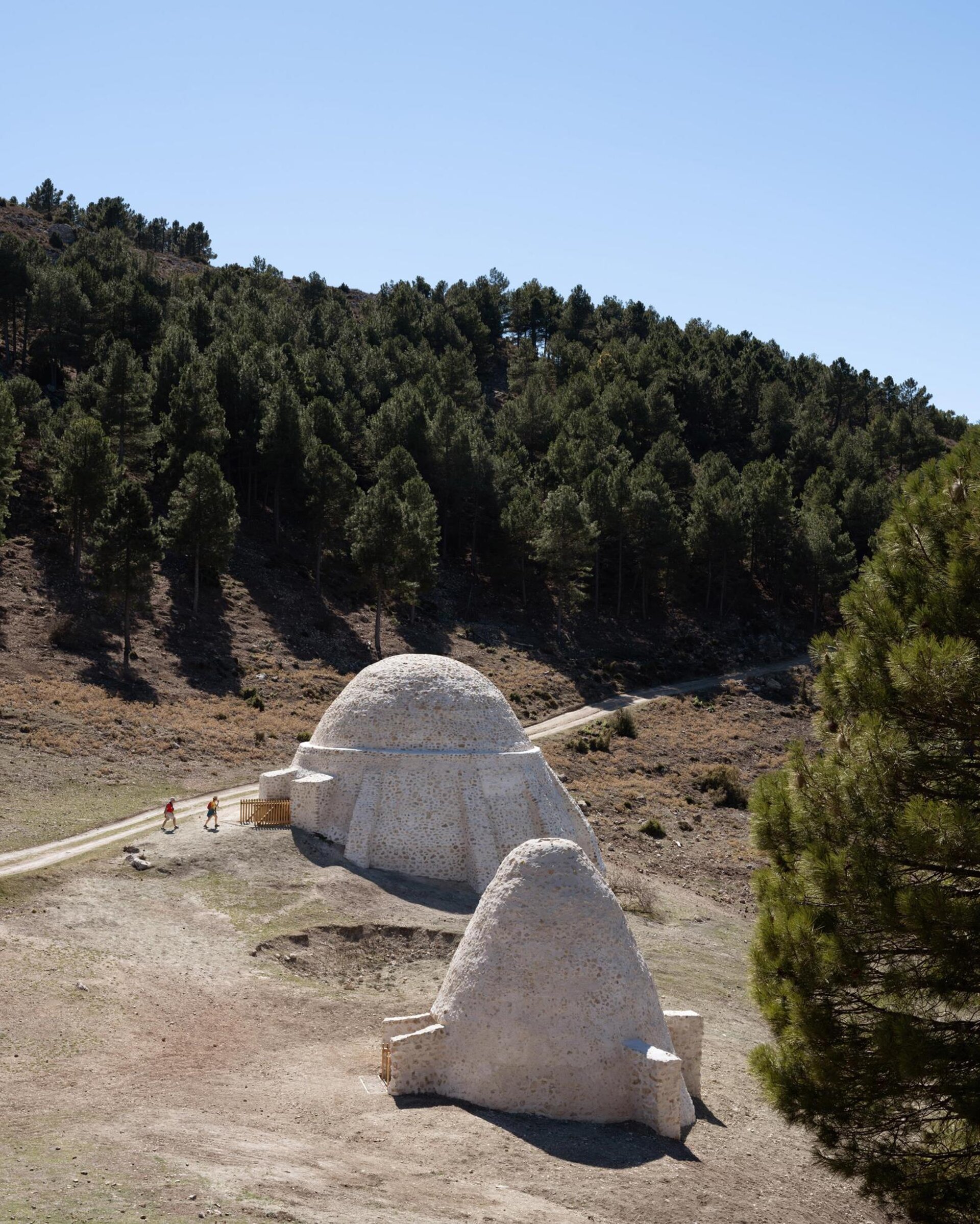
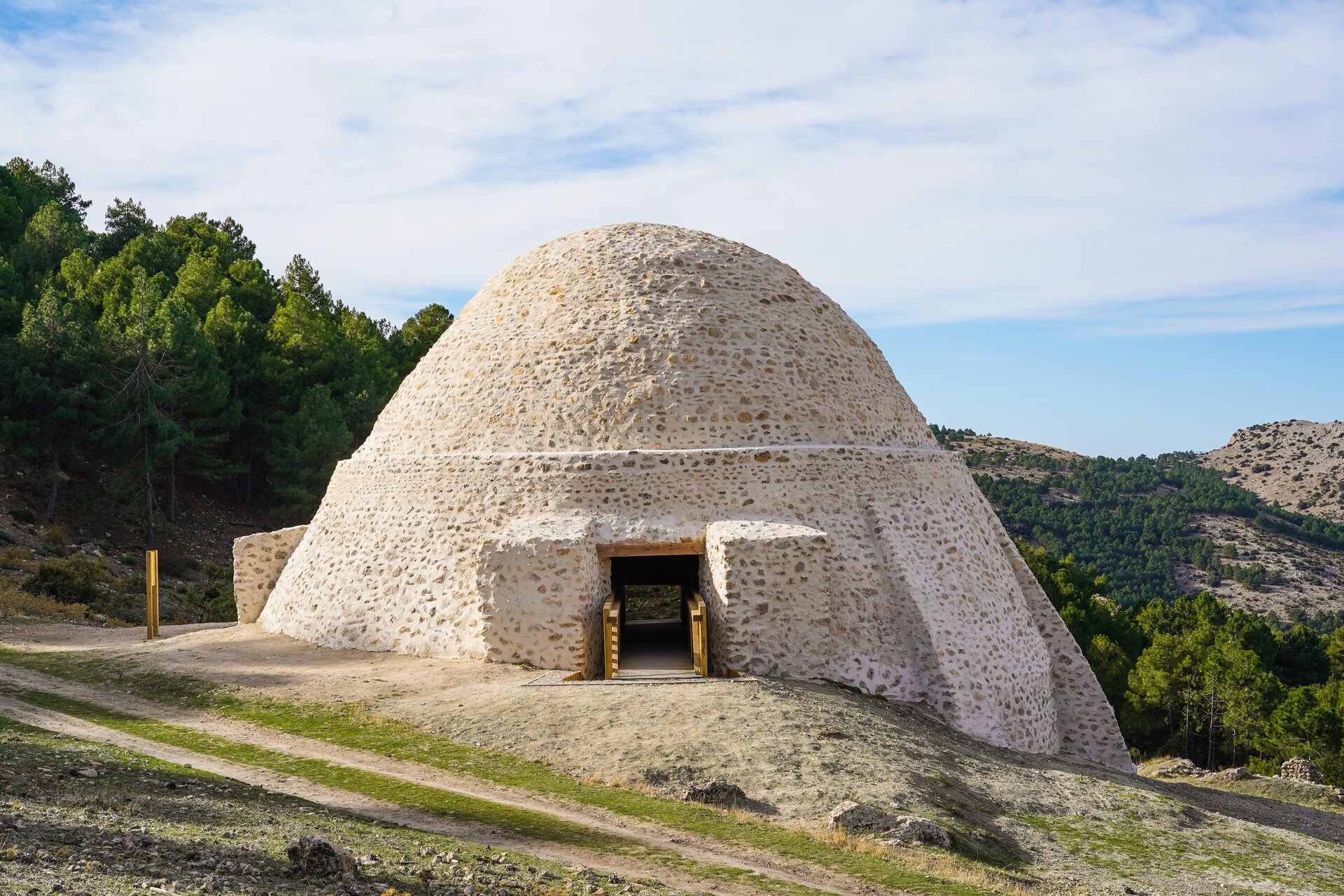
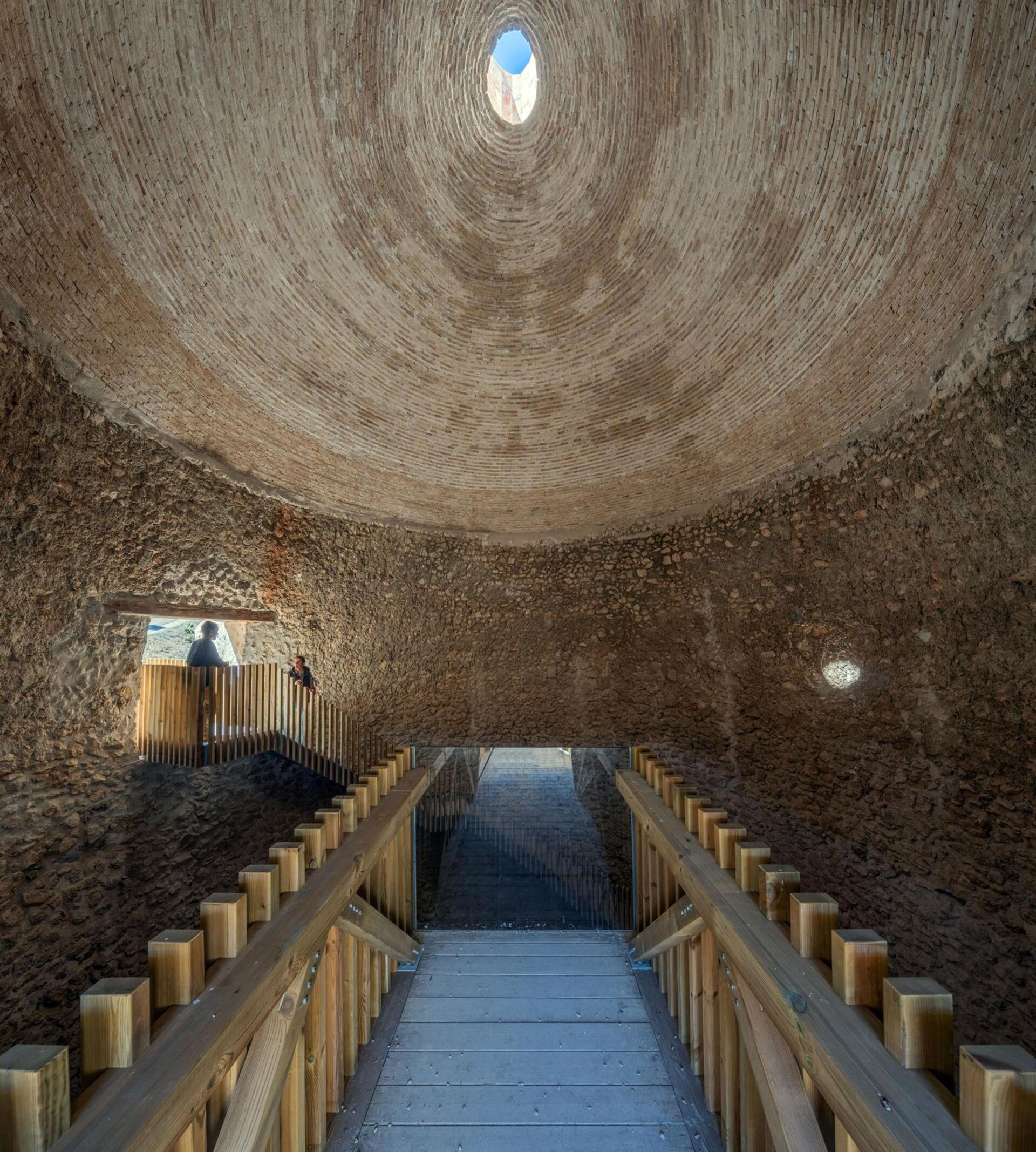
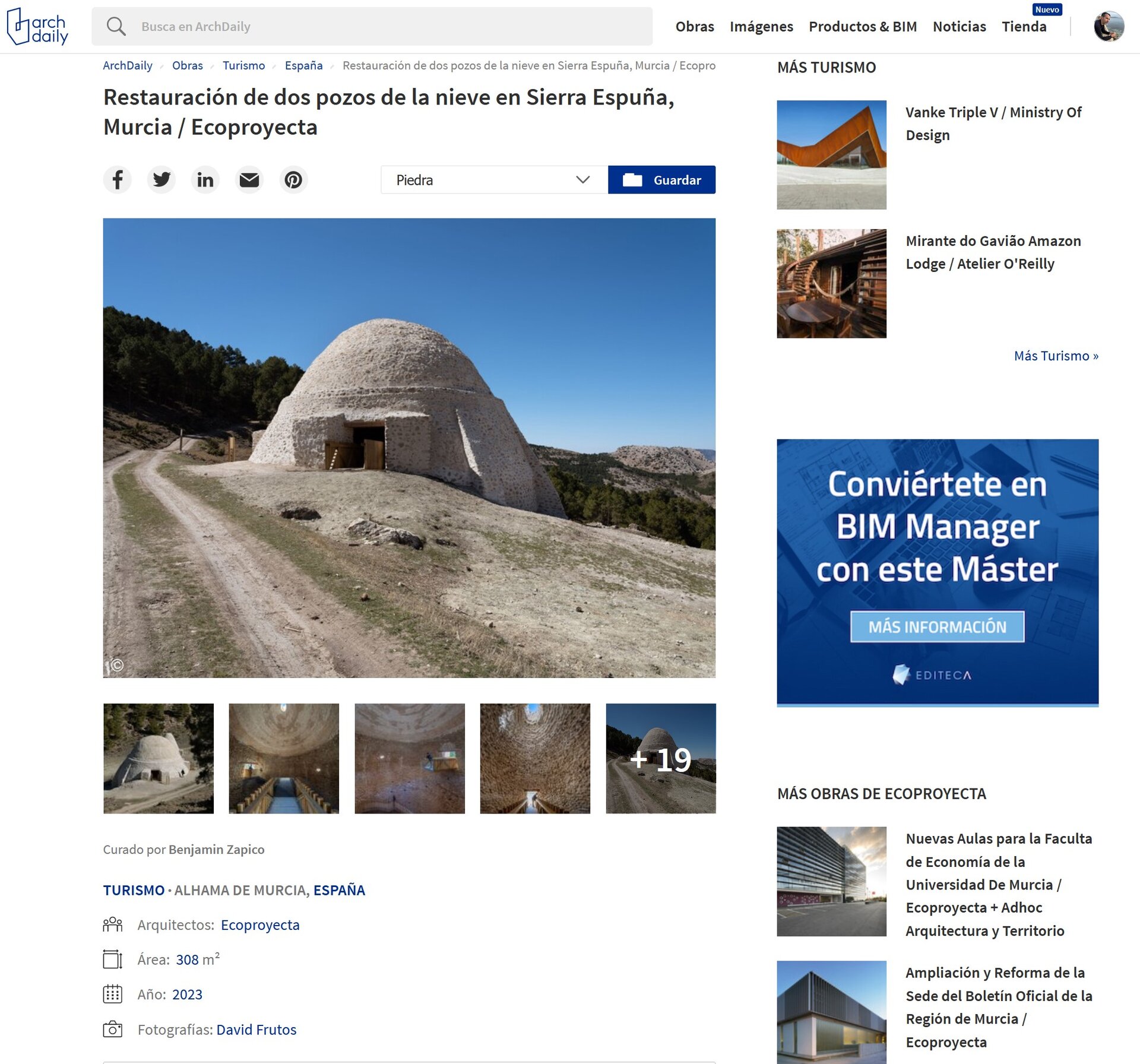
The restoration of the Snow Wells in Sierra Espuña revitalised one of Spain’s most significant vernacular industrial landscapes related to historic ice production. Originating in the 16th century, these snow wells functioned as seasonal ice factories storing winter snow for summer use. The project emerged from the 2019 Master Plan for the Snow Wells of Sierra Espuña, which documented and assessed the condition of the entire ensemble and its surrounding cultural landscape. Restoration focused on Wells 11 and 13, selected for their historical significance, structural condition and accessibility. Traditional construction techniques and materials, including local stone masonry, handmade brick and lime mortar, were used to reconstruct the collapsed domes and stabilise the structures. New wooden walkways, observation platforms and staircases were introduced as clearly contemporary additions to improve visitor access without compromising authenticity. The project also addressed environmental restoration, public interpretation, sustainable tourism and the preservation of vernacular craftsmanship, establishing the site as a model for integrated cultural landscape conservation.
Similar projects

16th century

13th and 16th century

1st century

12th century

16th century

12th century

19th century


11th century

20th century

20th century

3th century