








Shrewsbury Flaxmill Maltings
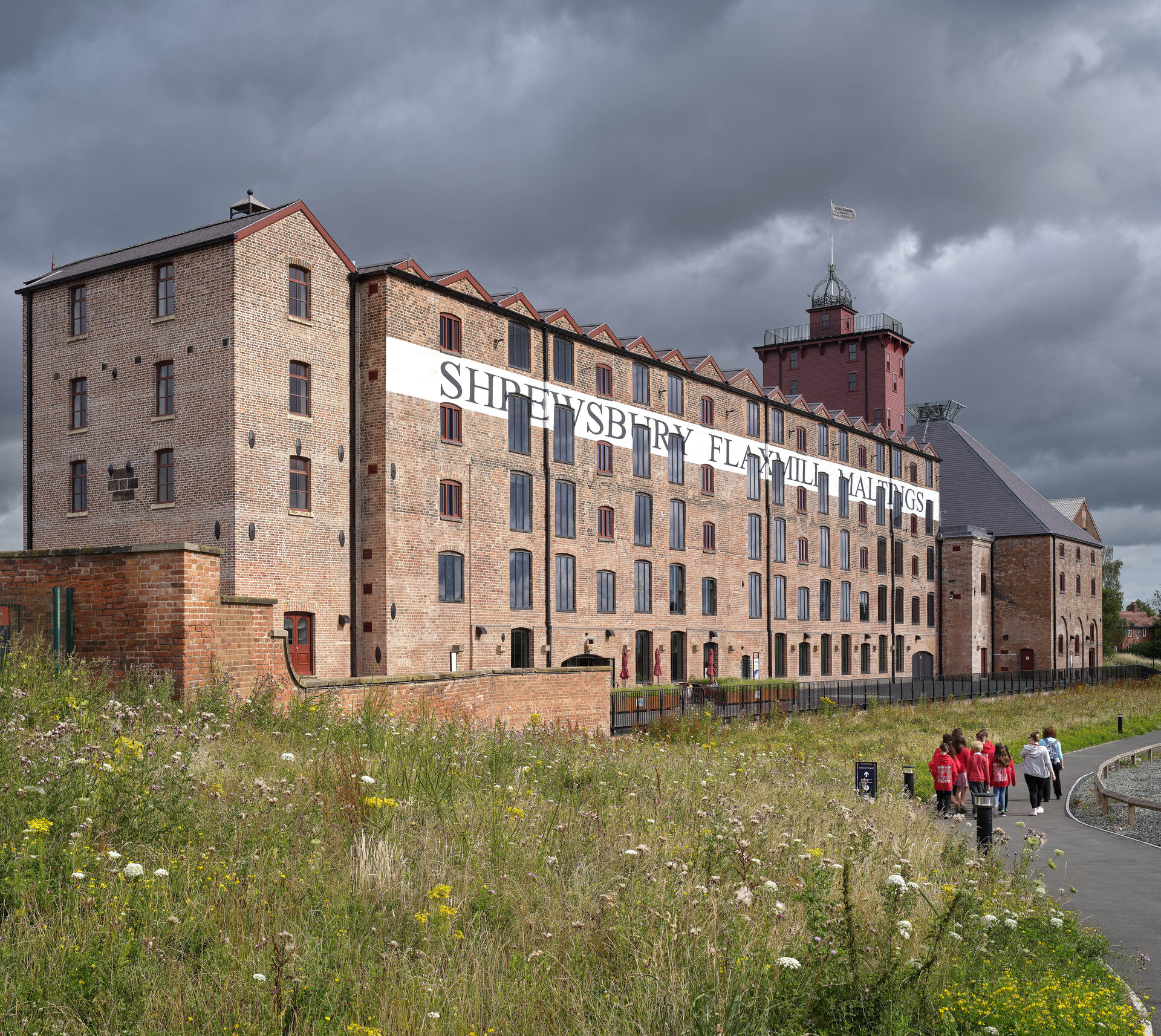
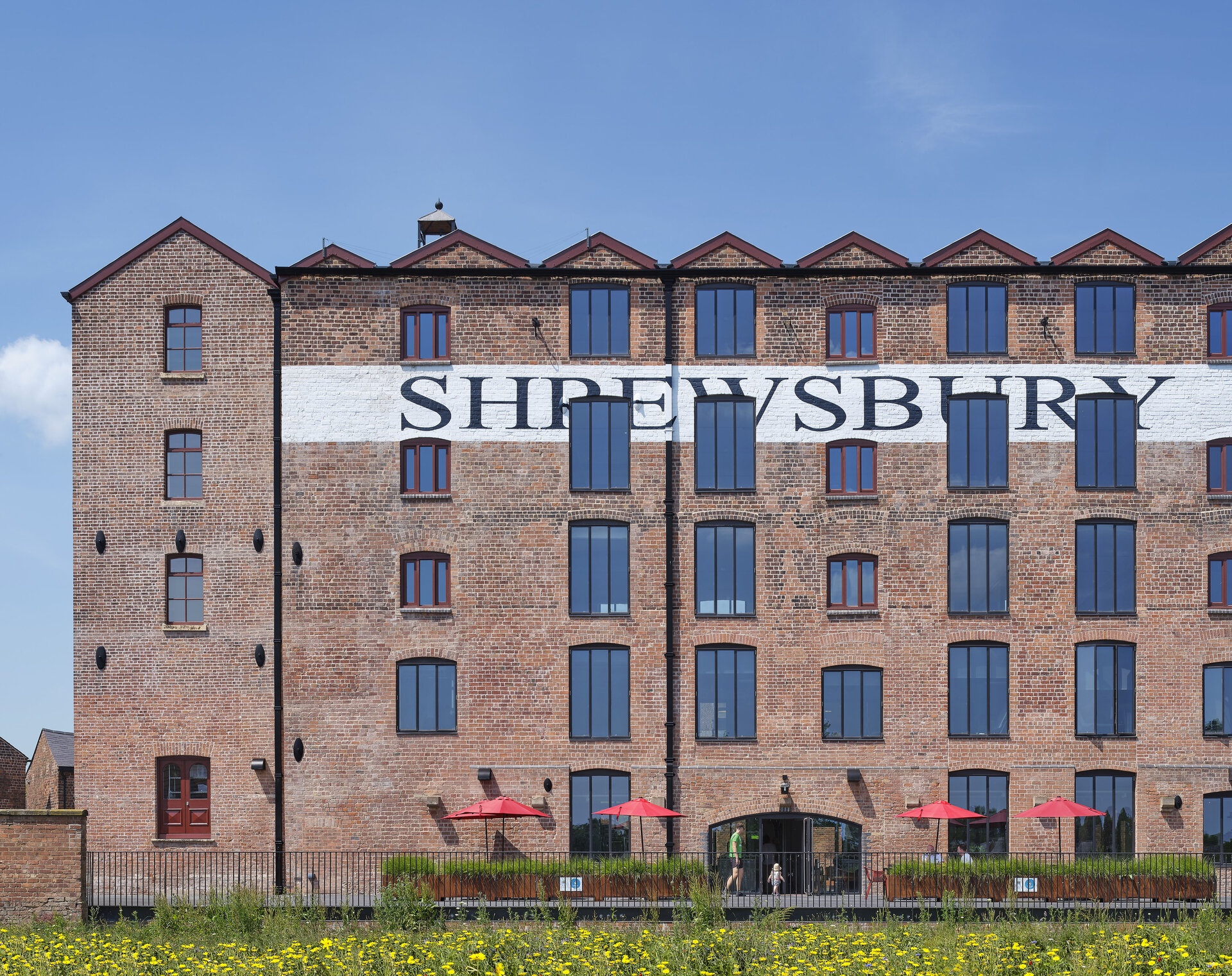
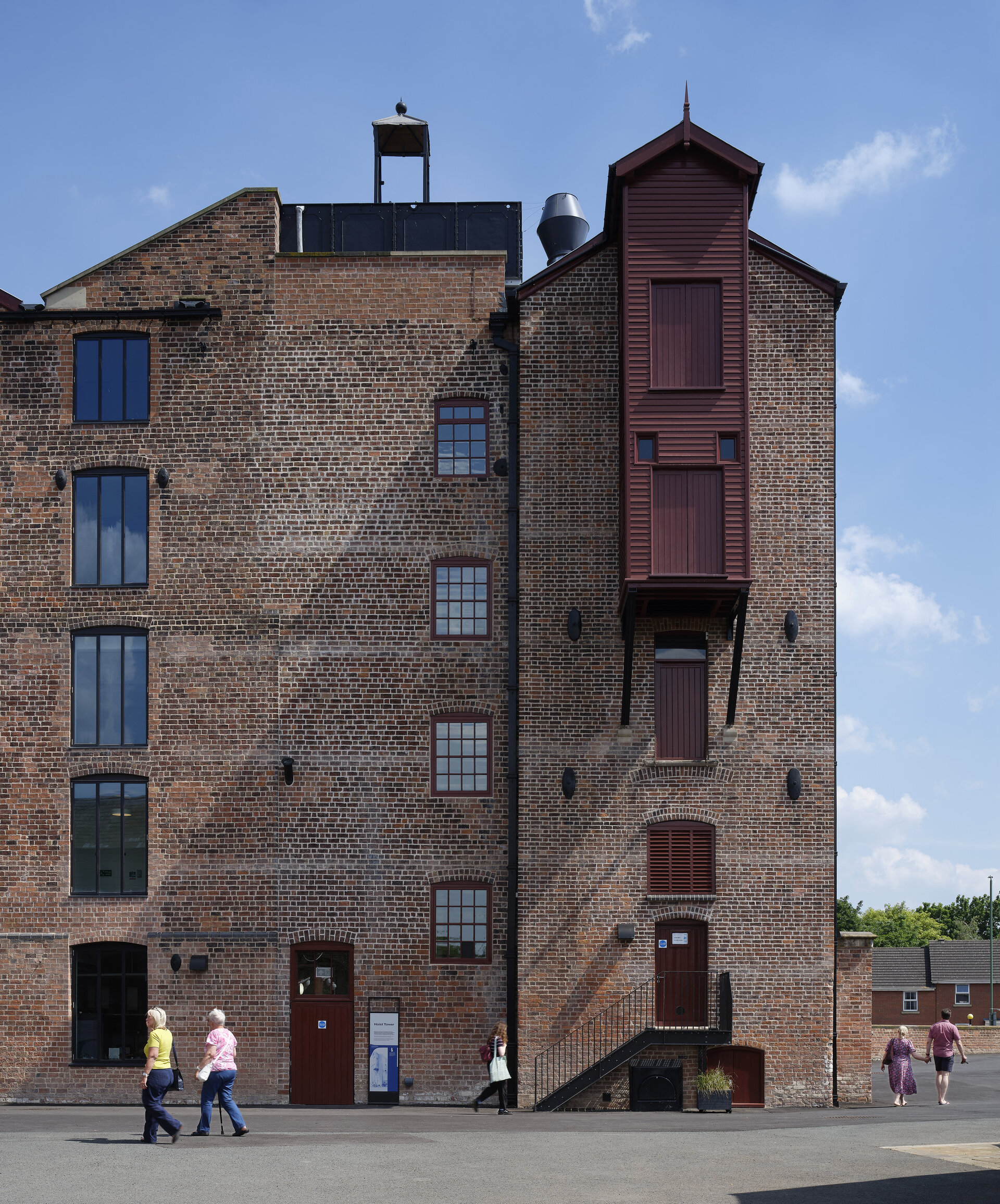
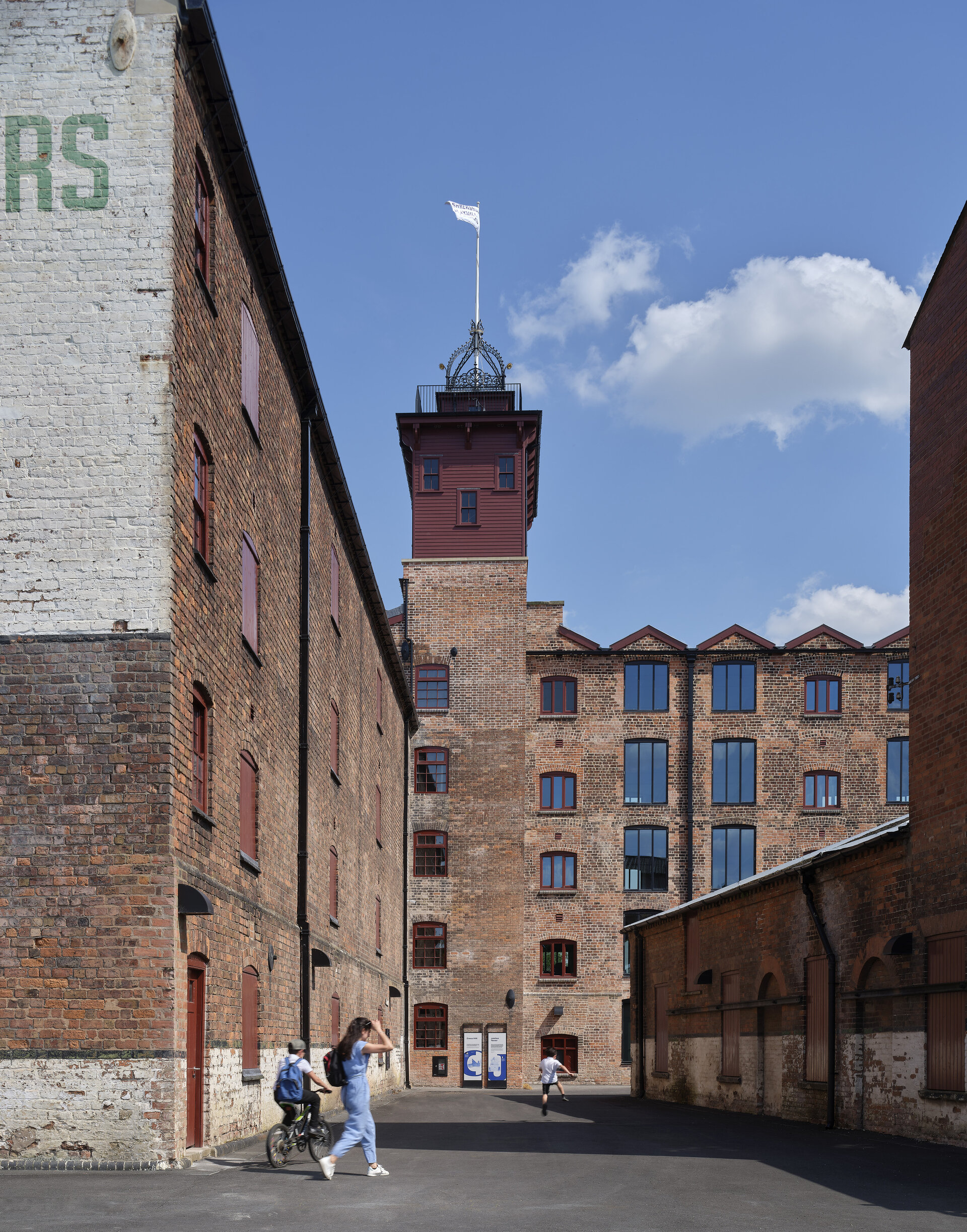
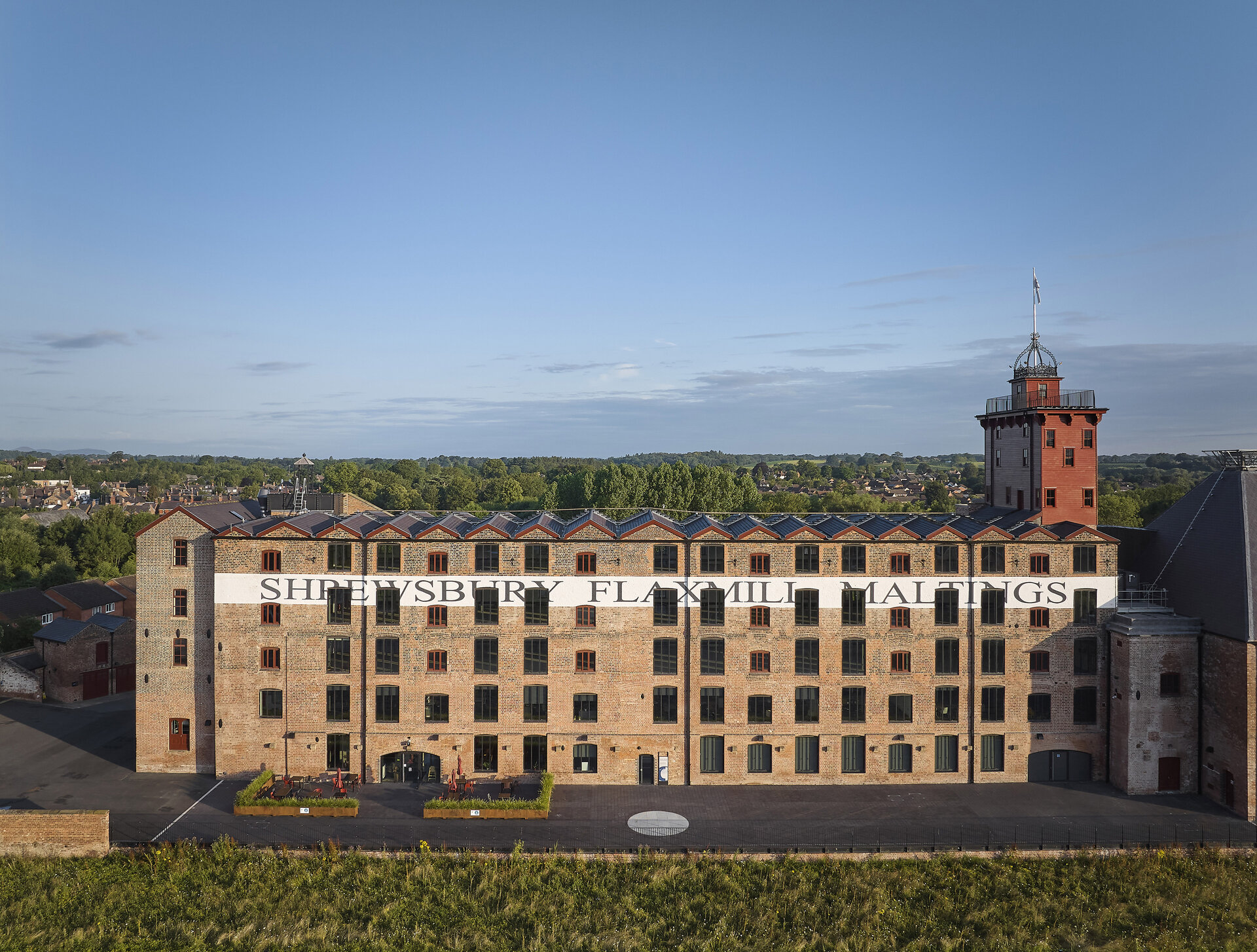
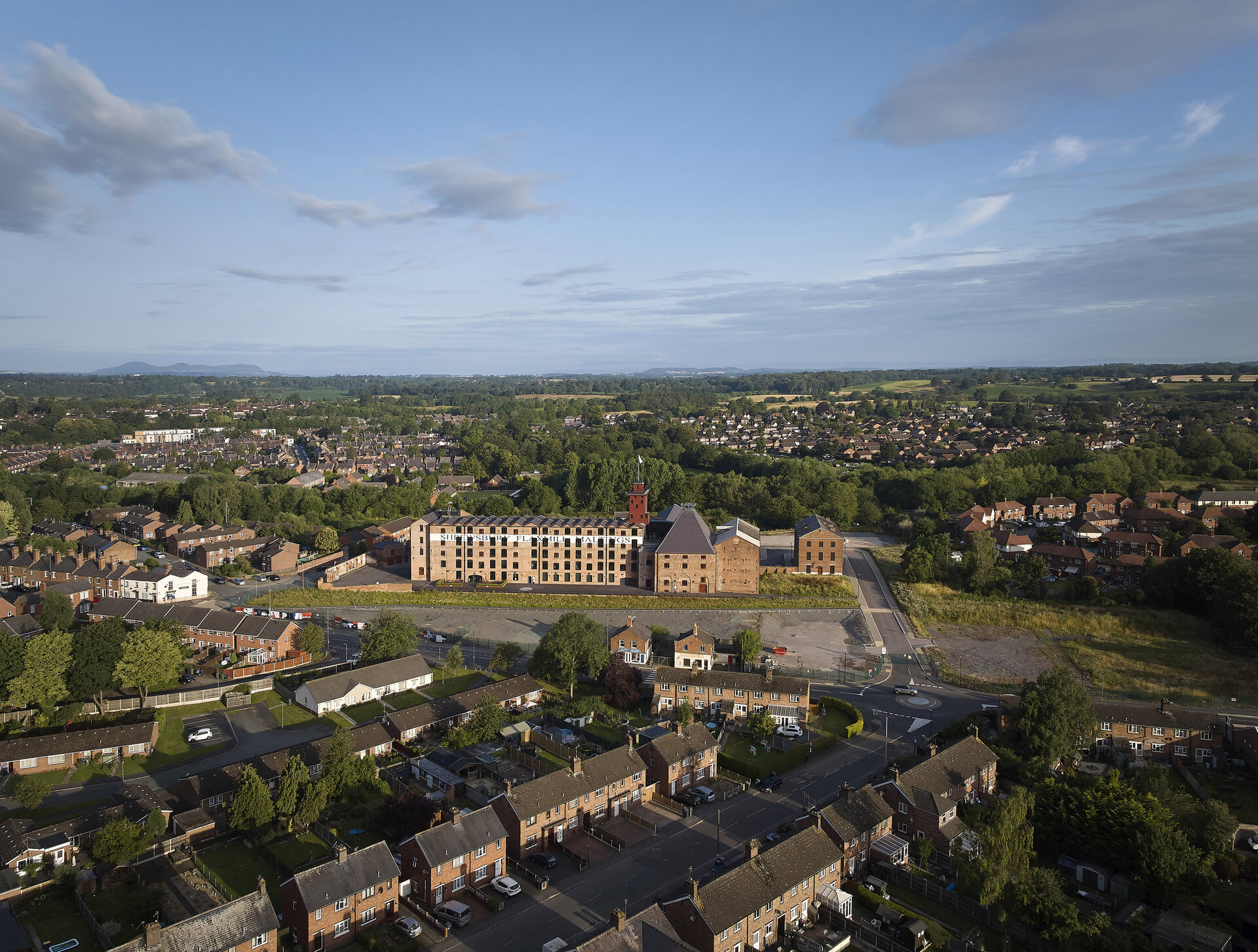
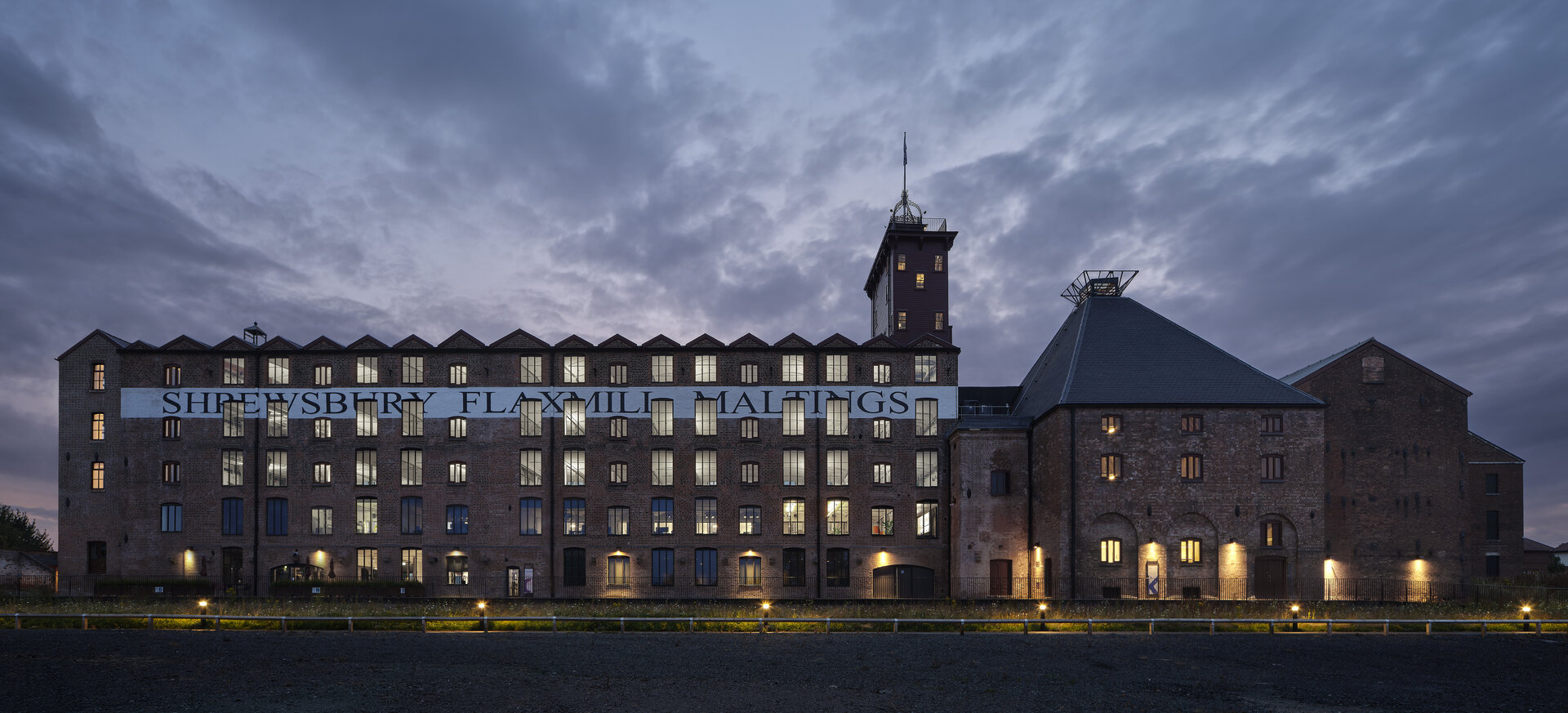
Shrewsbury Flaxmill Maltings is one of the most significant industrial heritage regeneration projects in the United Kingdom. Originally constructed in 1797 as the world’s first iron-framed building, the former flax mill is widely regarded as the “grandparent of skyscrapers” due ...
Read more
Project details
| Title: | Shrewsbury Flaxmill Maltings |
|---|---|
| Entr. year: | 2024 |
| Country: | United Kingdom |
| Town: | Shrewsbury |
| Category type: | conservation |
| Building type/ Project type: | industrial heritage |
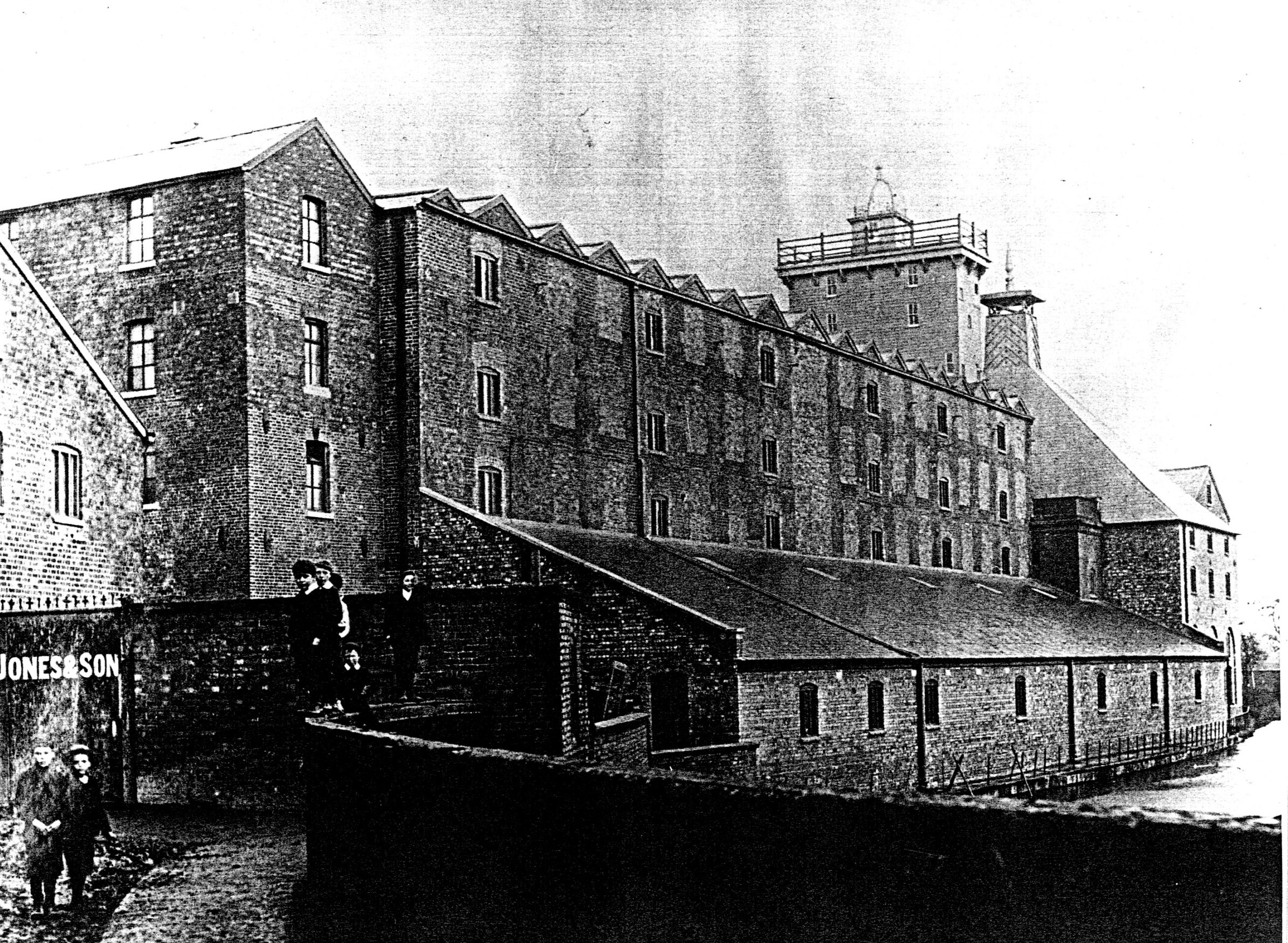
| Former use: | Steam-powered flax mill, later converted into maltings and military barracks. |
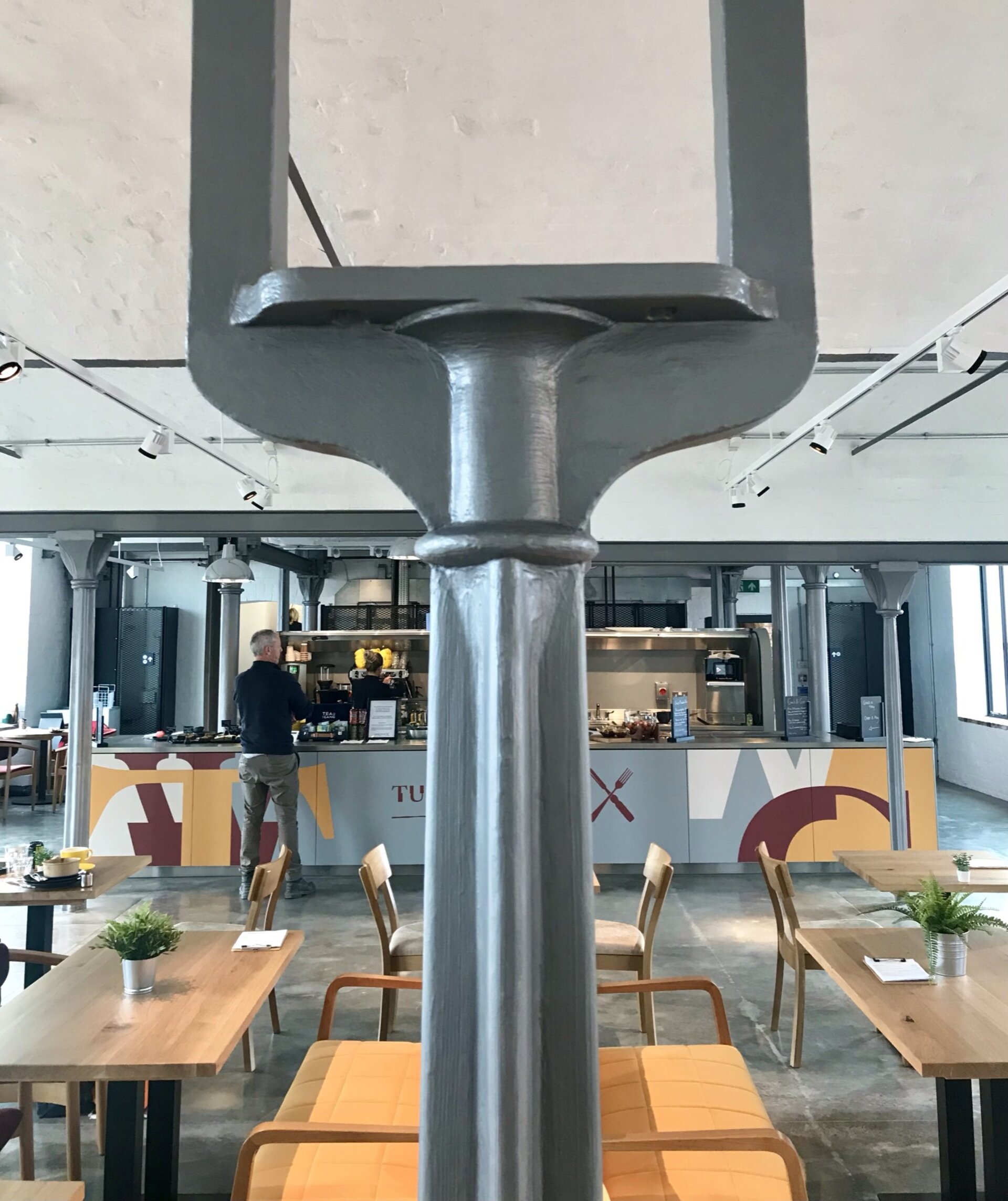
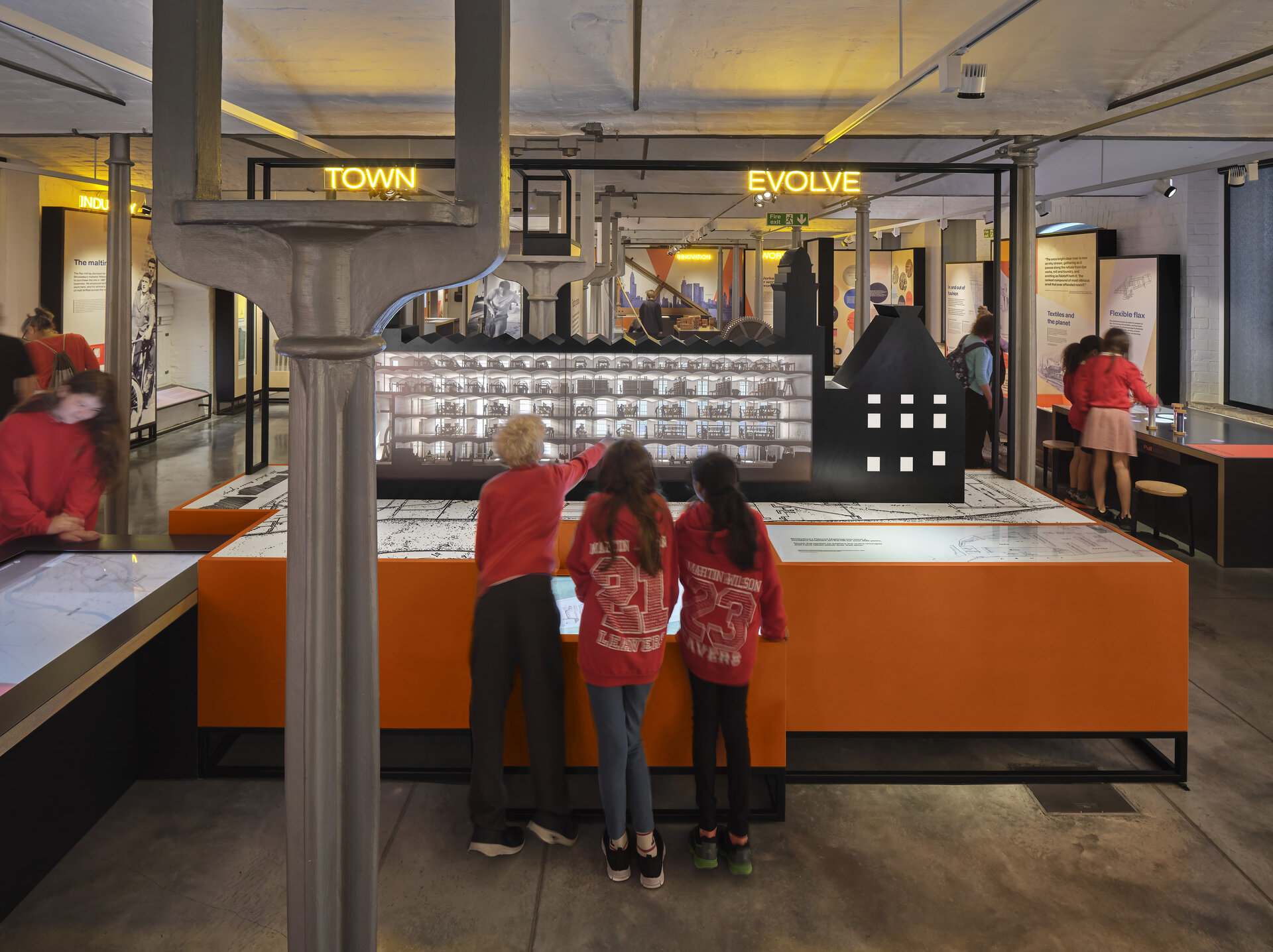
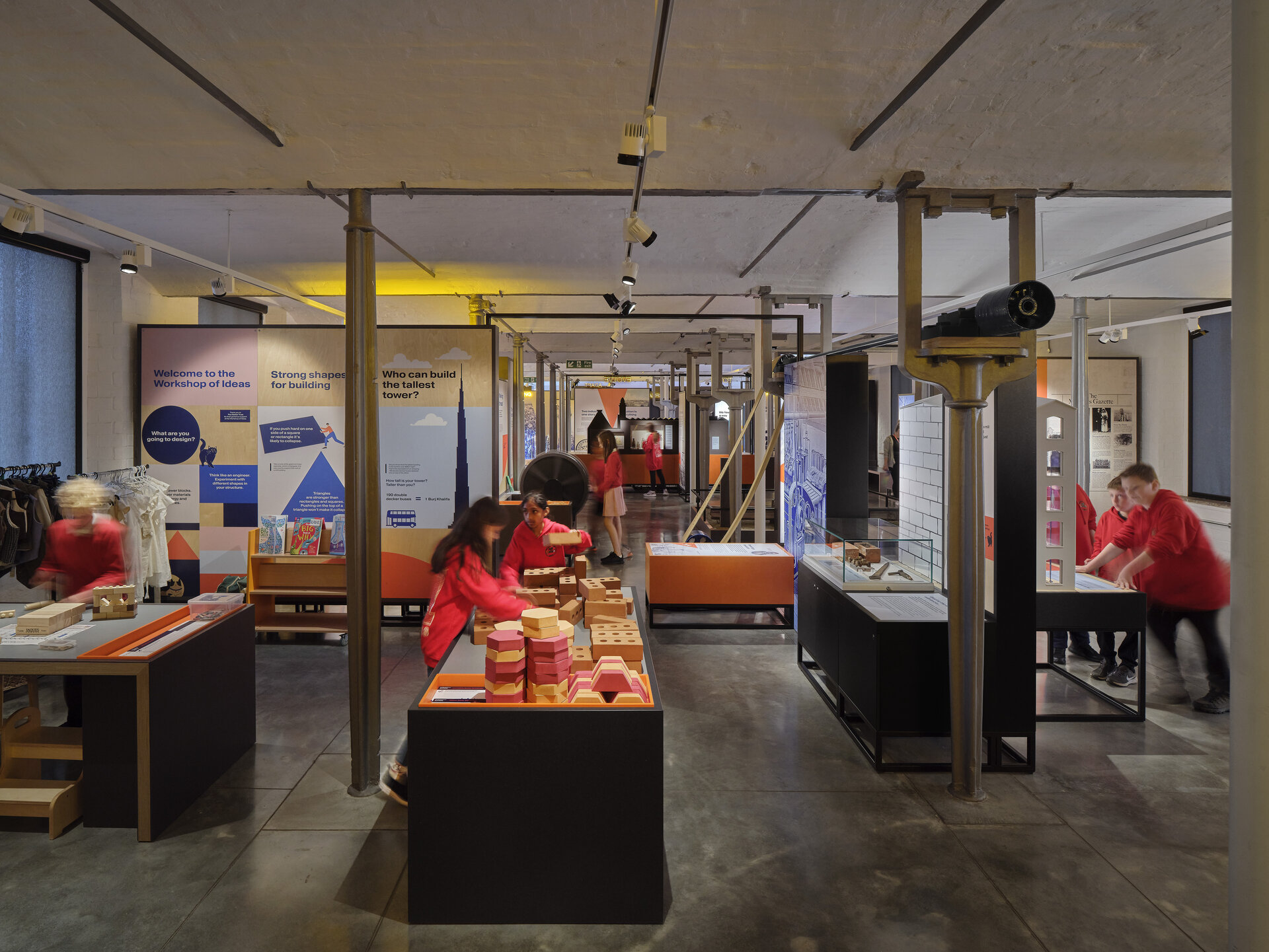
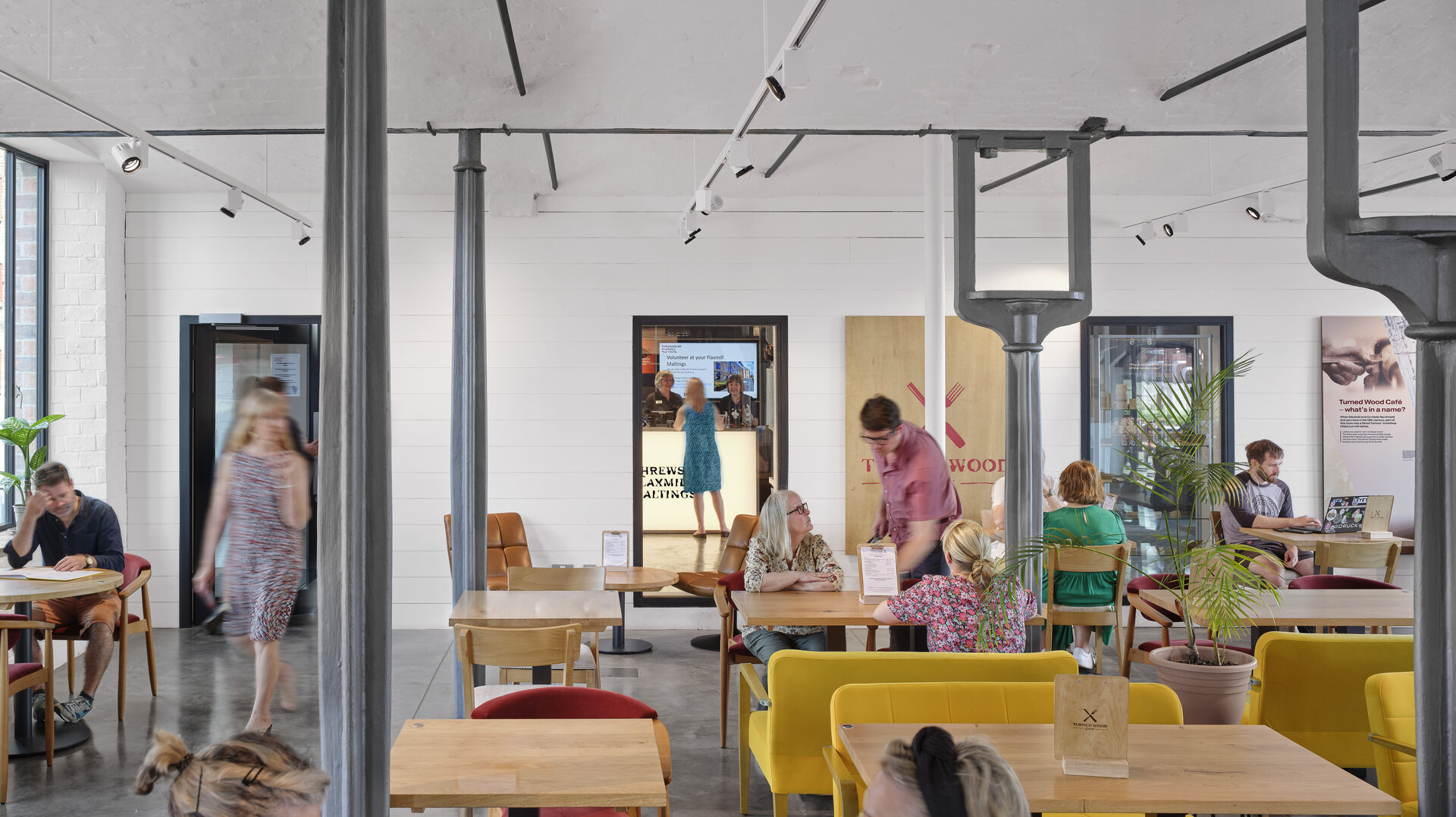
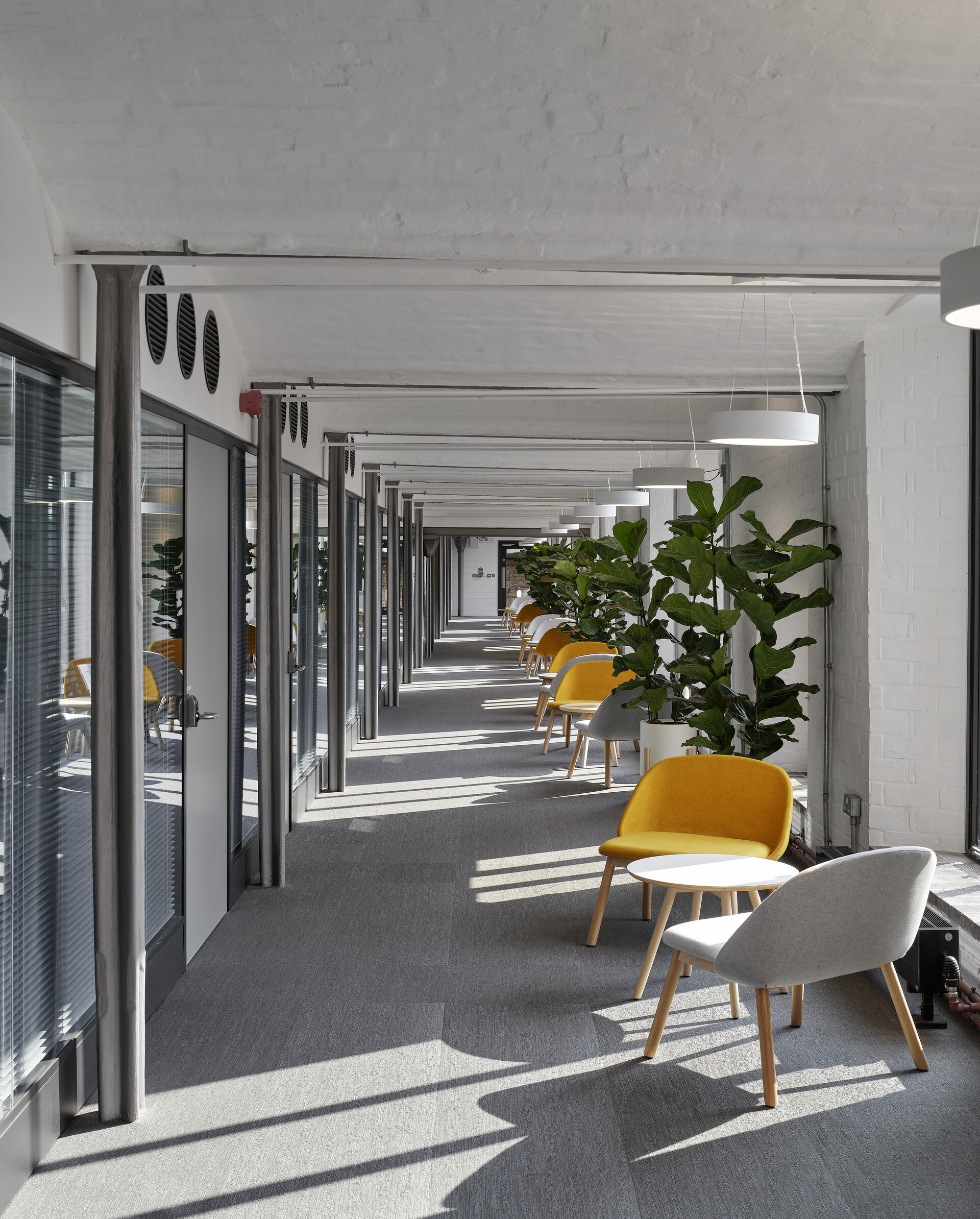
| Actual use: | Adaptable workspace, leisure destination, social enterprise hub, exhibition and visitor centre. Project Duration |
| Built: | 1797 |
| Architect / Proj.leader: | Feilden Clegg Bradley Studios |
| The Jury's citation: | The restoration of Shrewsbury Flaxmill Maltings serves as a pioneering example of industrial heritage conservation and adaptive reuse. Through innovative engineering, sustainable regeneration strategies and strong community engagement, the project successfully transformed a globally significant industrial monument into a vibrant social and economic catalyst for the region. |
Description:
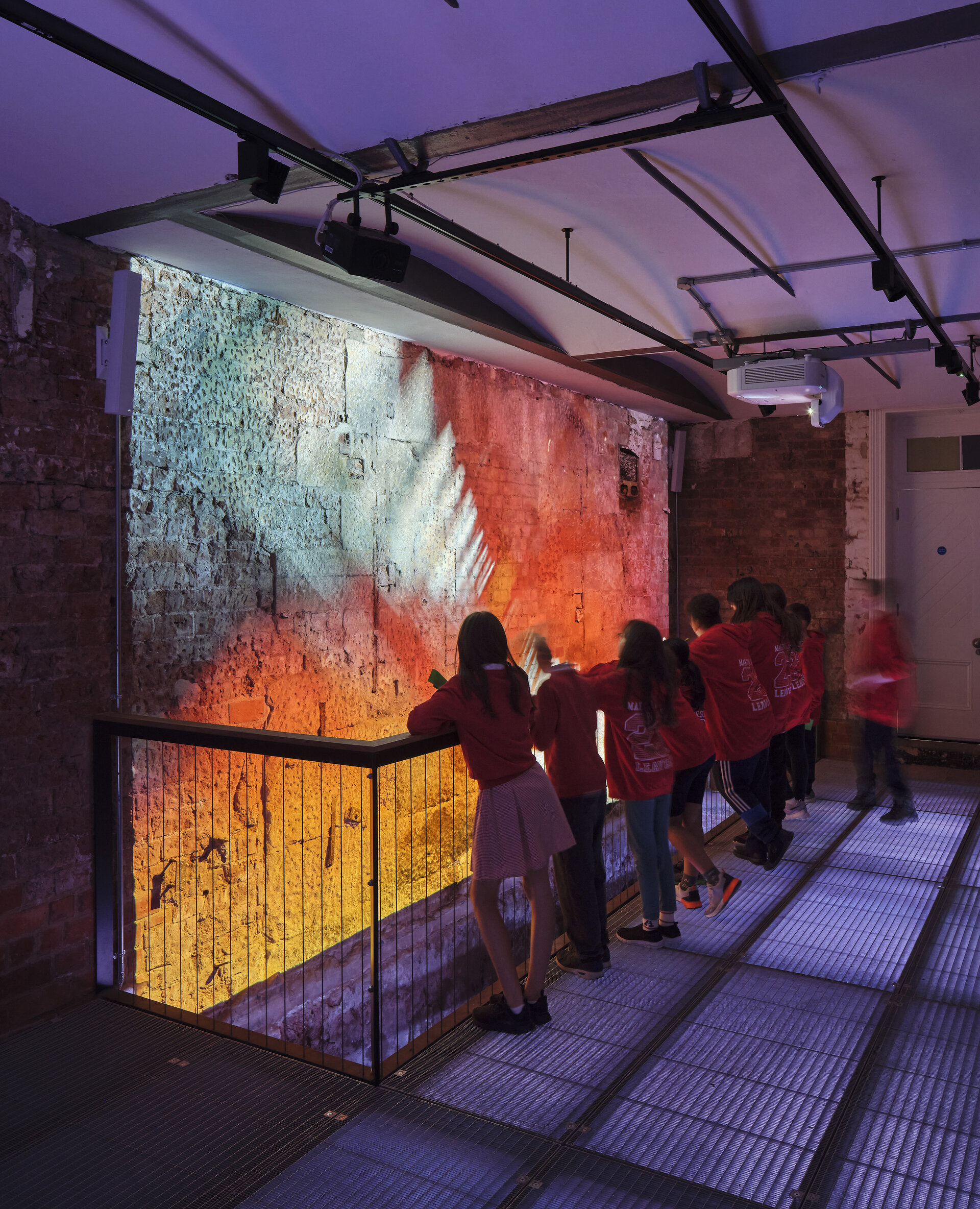
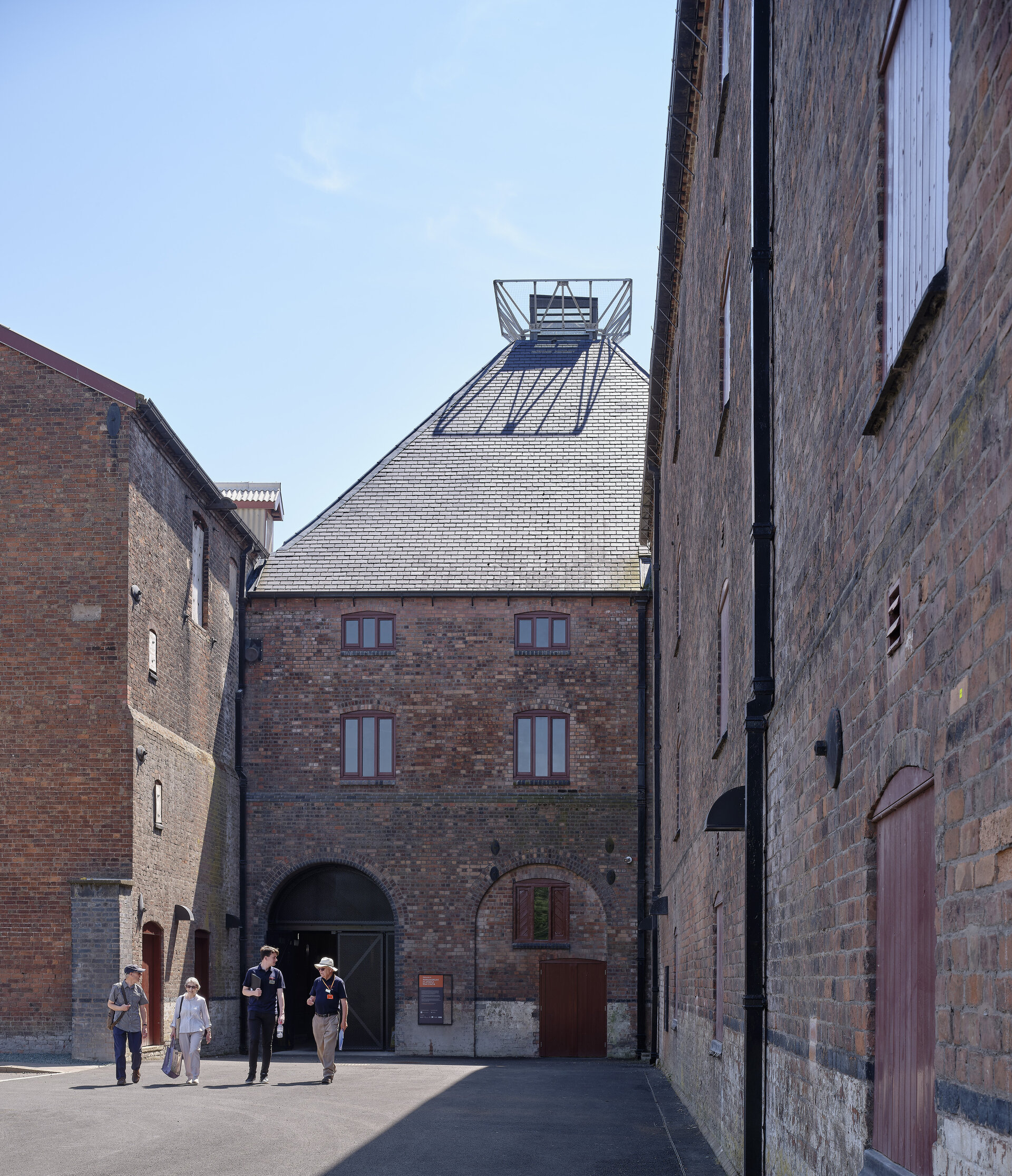
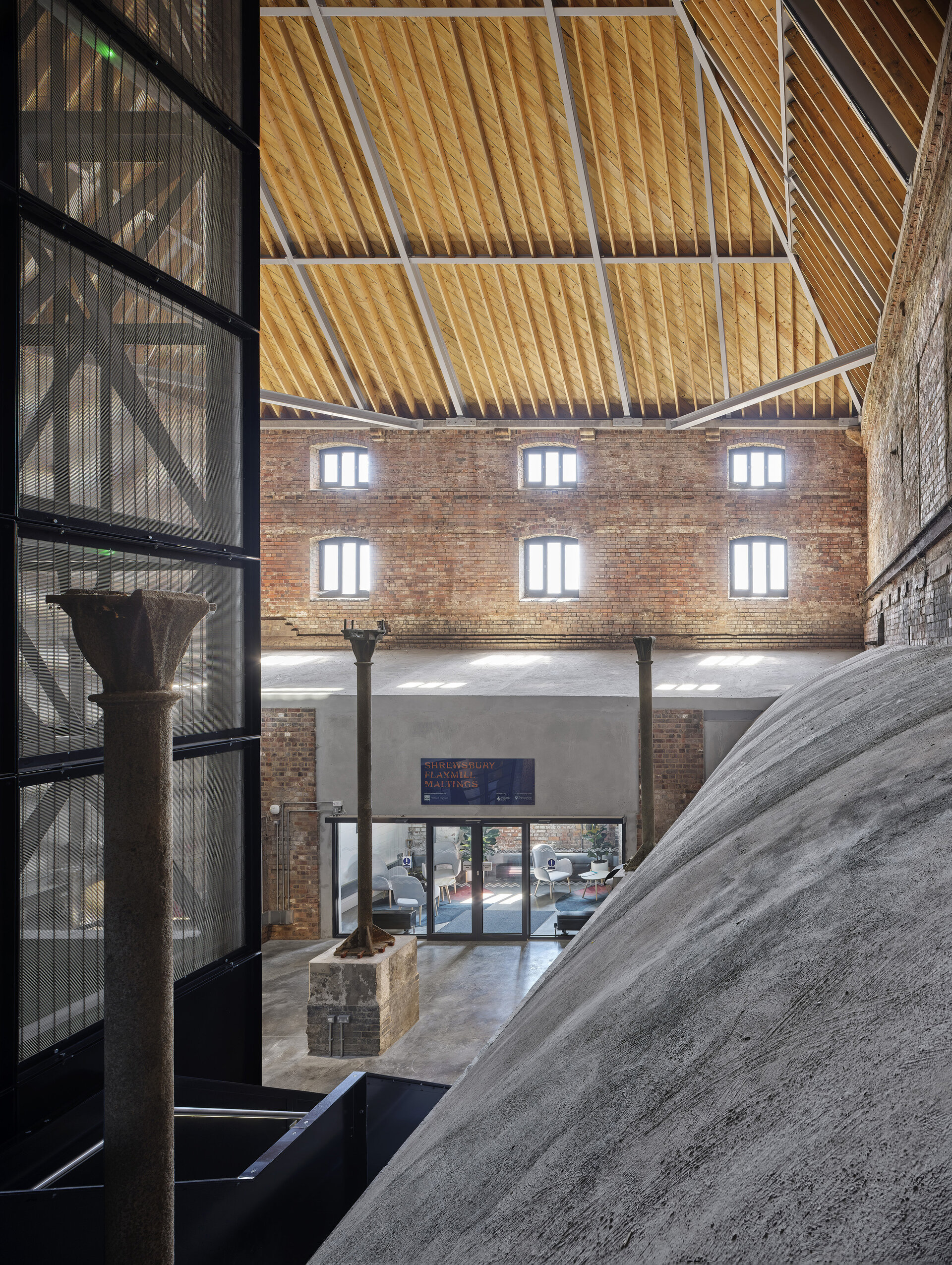
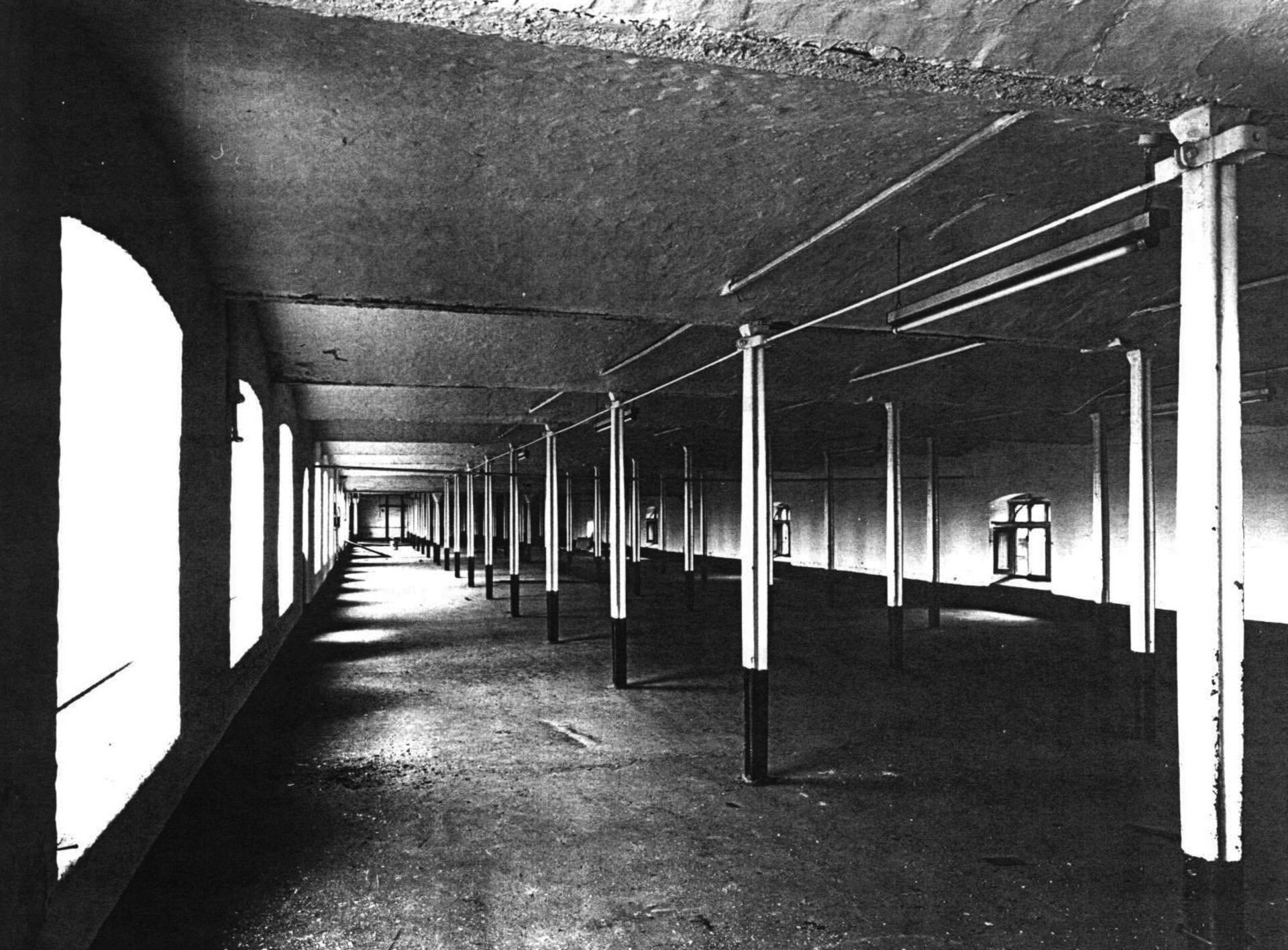
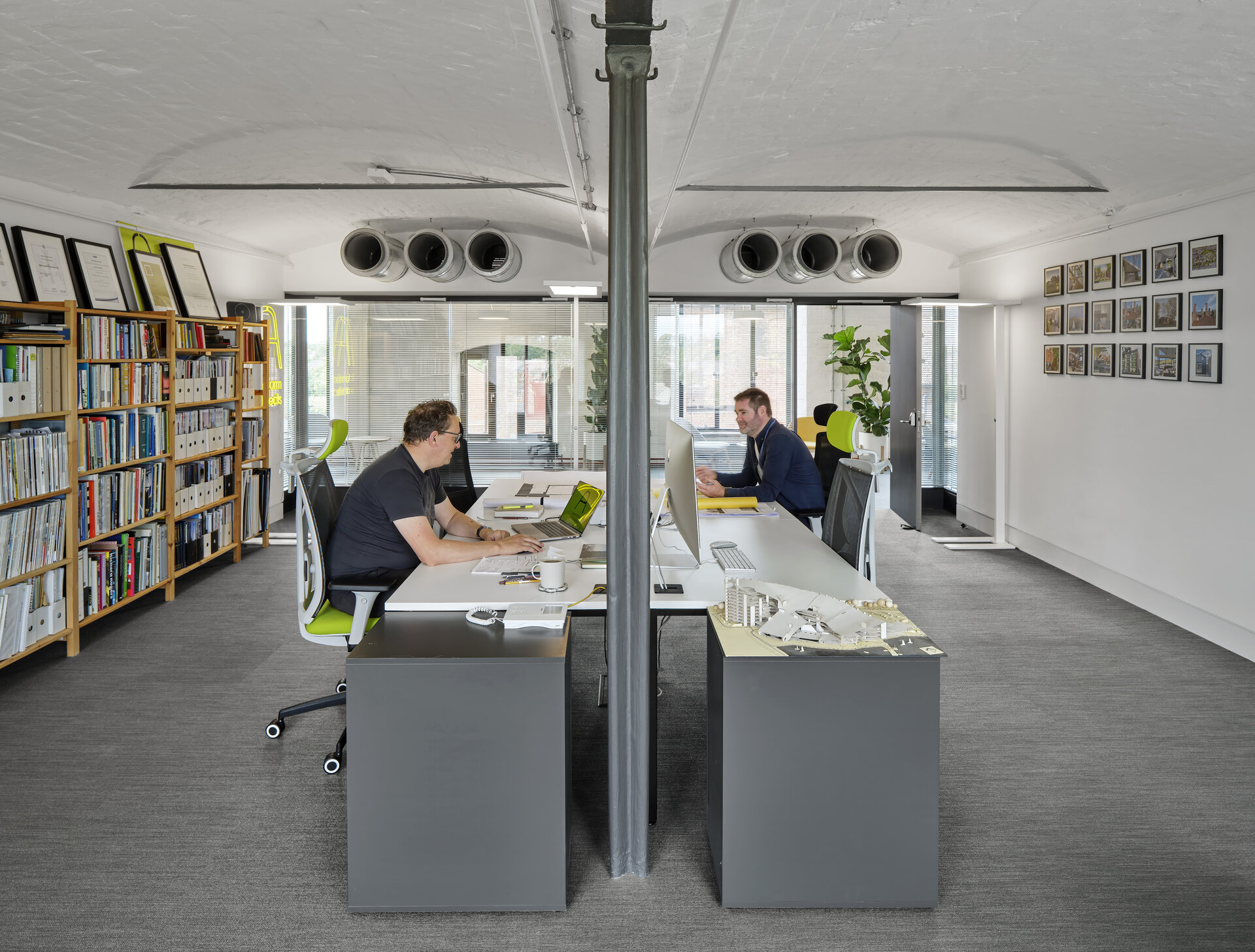
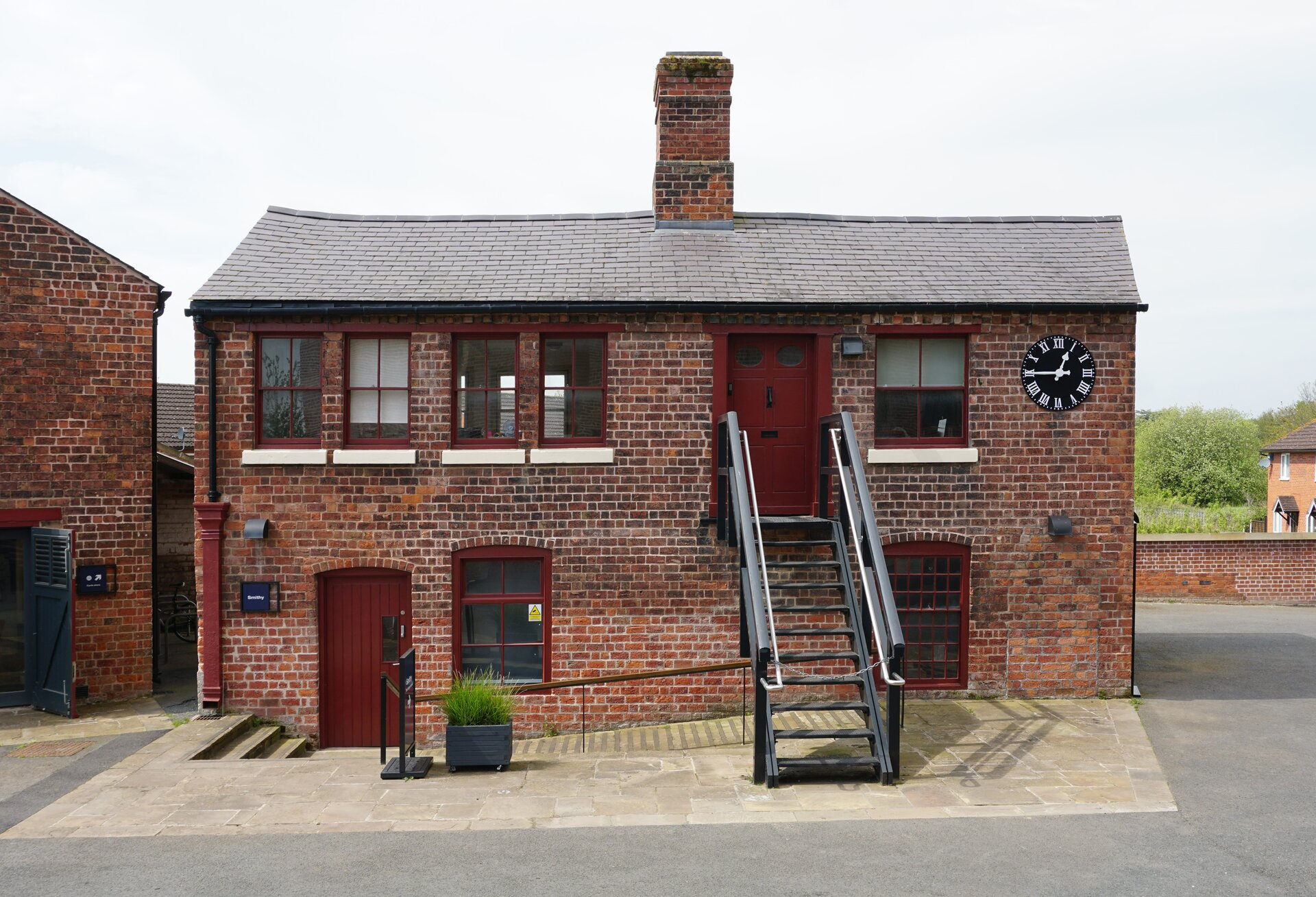
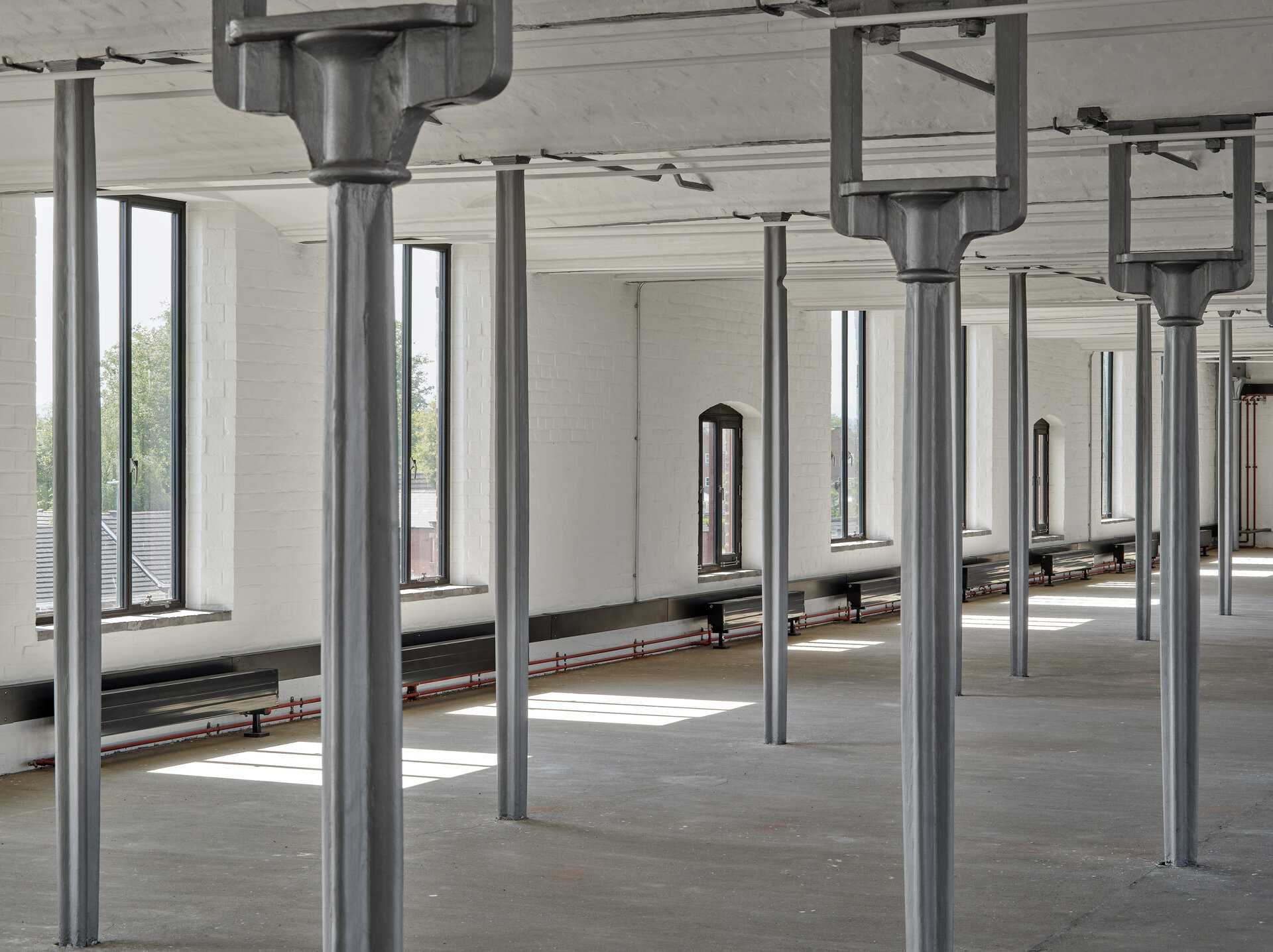
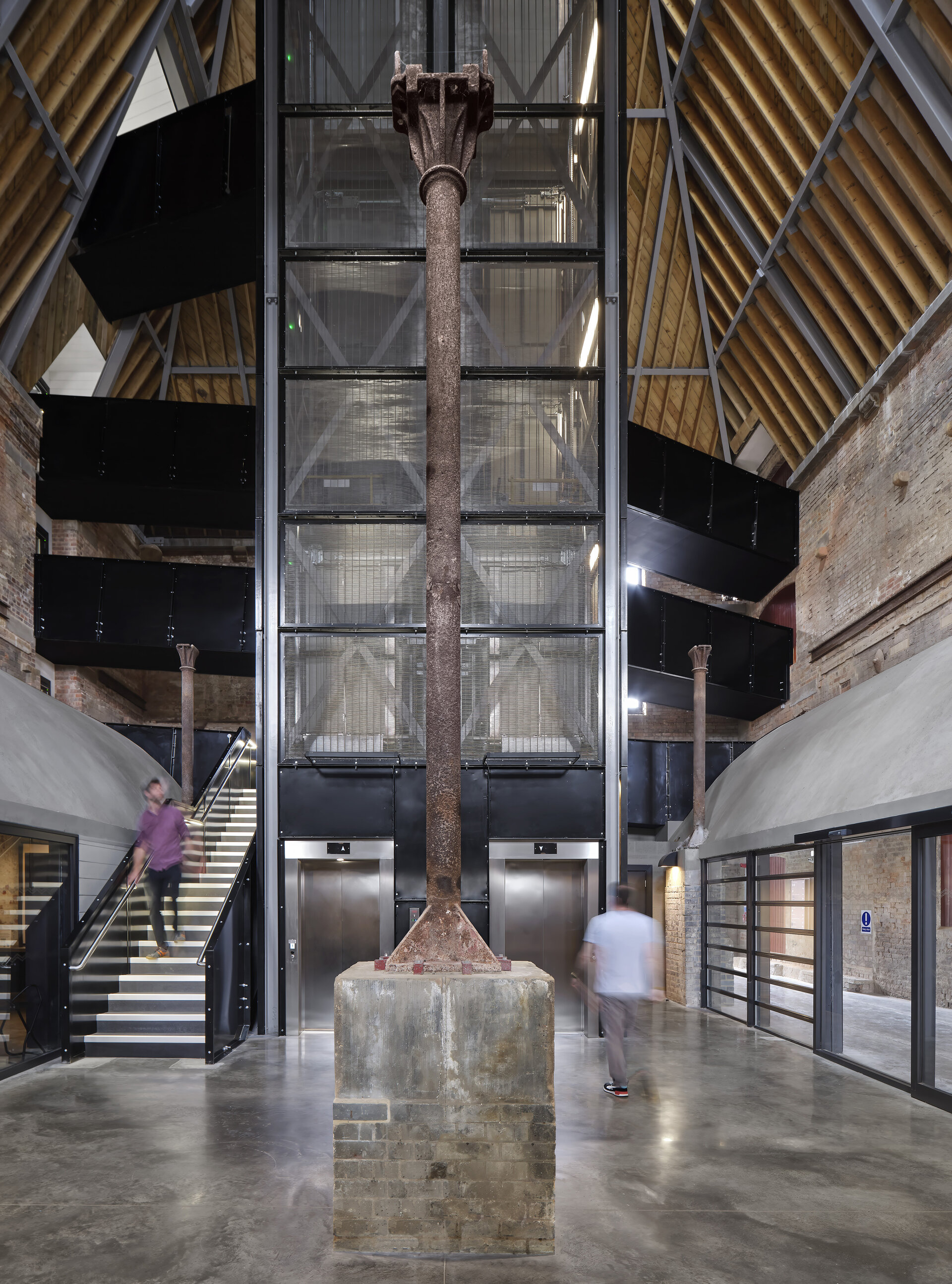
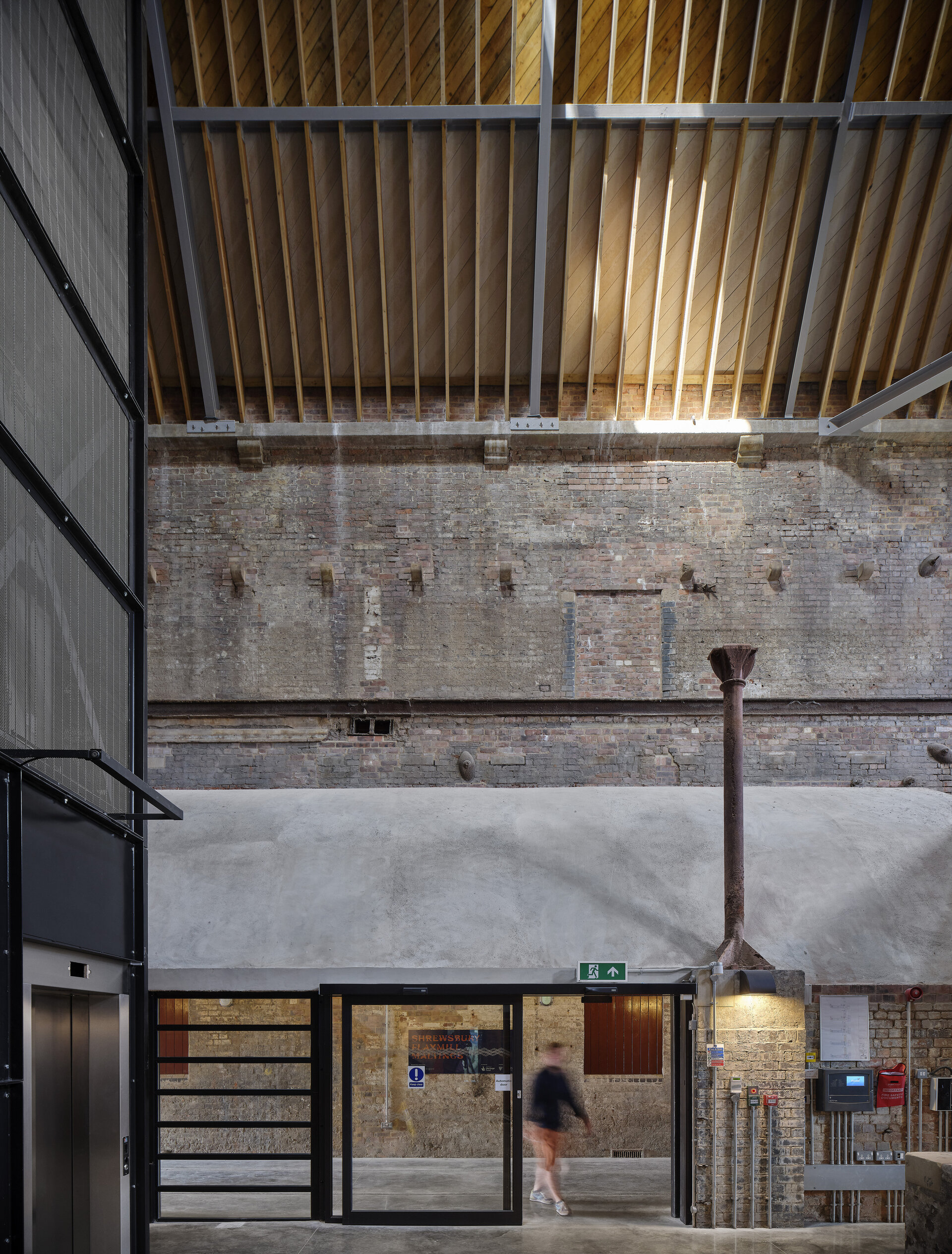
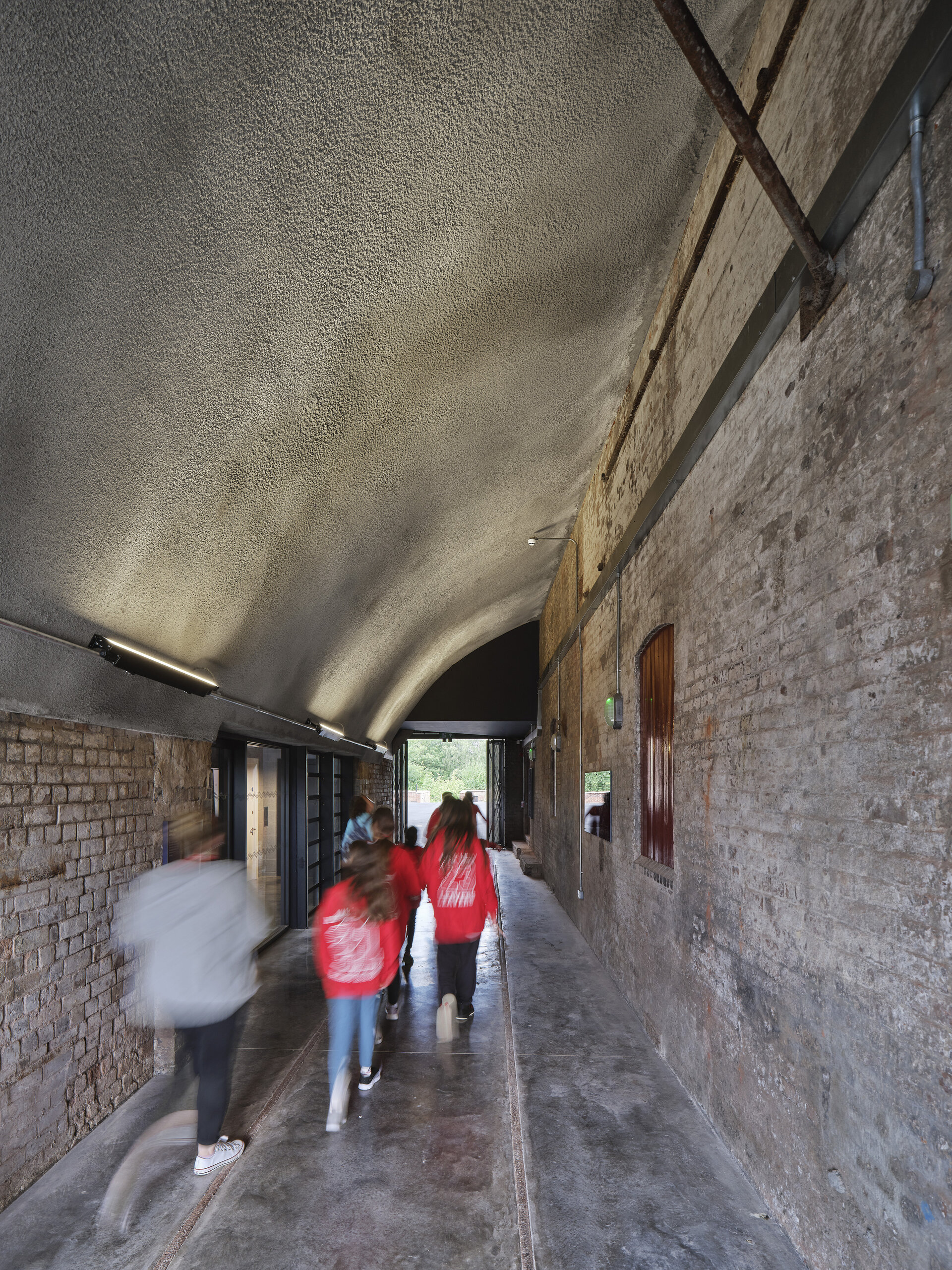
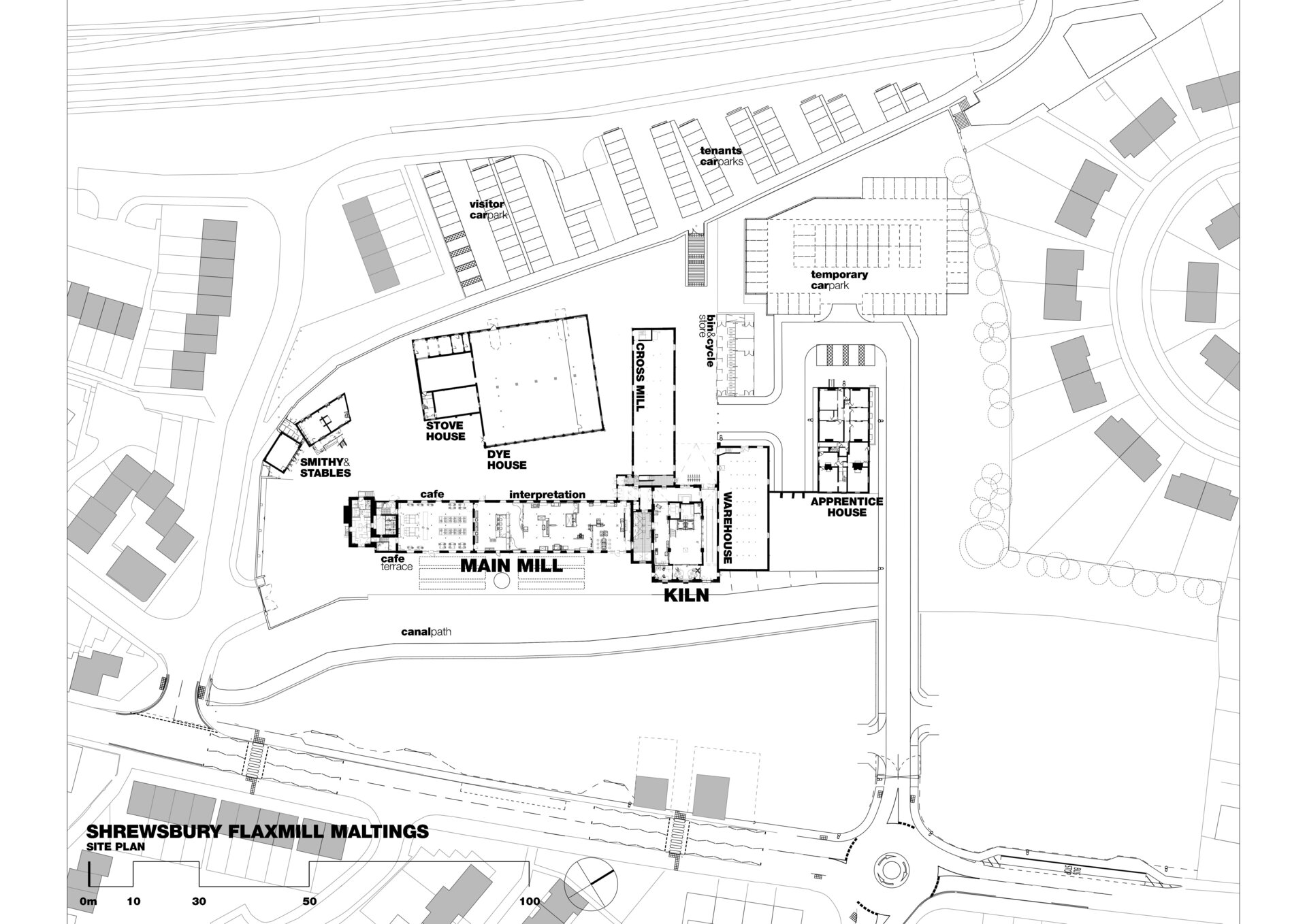
Shrewsbury Flaxmill Maltings is one of the most significant industrial heritage regeneration projects in the United Kingdom. Originally constructed in 1797 as the world’s first iron-framed building, the former flax mill is widely regarded as the “grandparent of skyscrapers” due to its pioneering structural system that later influenced modern high-rise construction. After decades of industrial use, conversion into maltings, wartime military occupation and eventual abandonment, the site fell into severe disrepair and was placed on the Heritage at Risk Register. Historic England initiated a major conservation and adaptive reuse programme aimed at securing a sustainable future for the complex while preserving its exceptional industrial significance. The restoration combined structural innovation, traditional craftsmanship and sustainable retrofit strategies, including the reuse of original materials, bespoke hand-made bricks, lime mortars, breathable insulation systems and ground source heat pumps. The regenerated site now functions as a mixed-use cultural and commercial hub with exhibition spaces, offices, visitor facilities, café areas and community spaces. The project also generated extensive public engagement, heritage skills training and local employment opportunities, becoming a flagship example of heritage-led regeneration and adaptive reuse for industrial heritage sites across Europe.
Similar projects

1817 - 1850


16th century

16th-18th century

19th century

18th century

18th century

12th century
18th century

18th century

18th century

18th-19th century