












Schulenburg MSaxon Church in Alma Viiansion
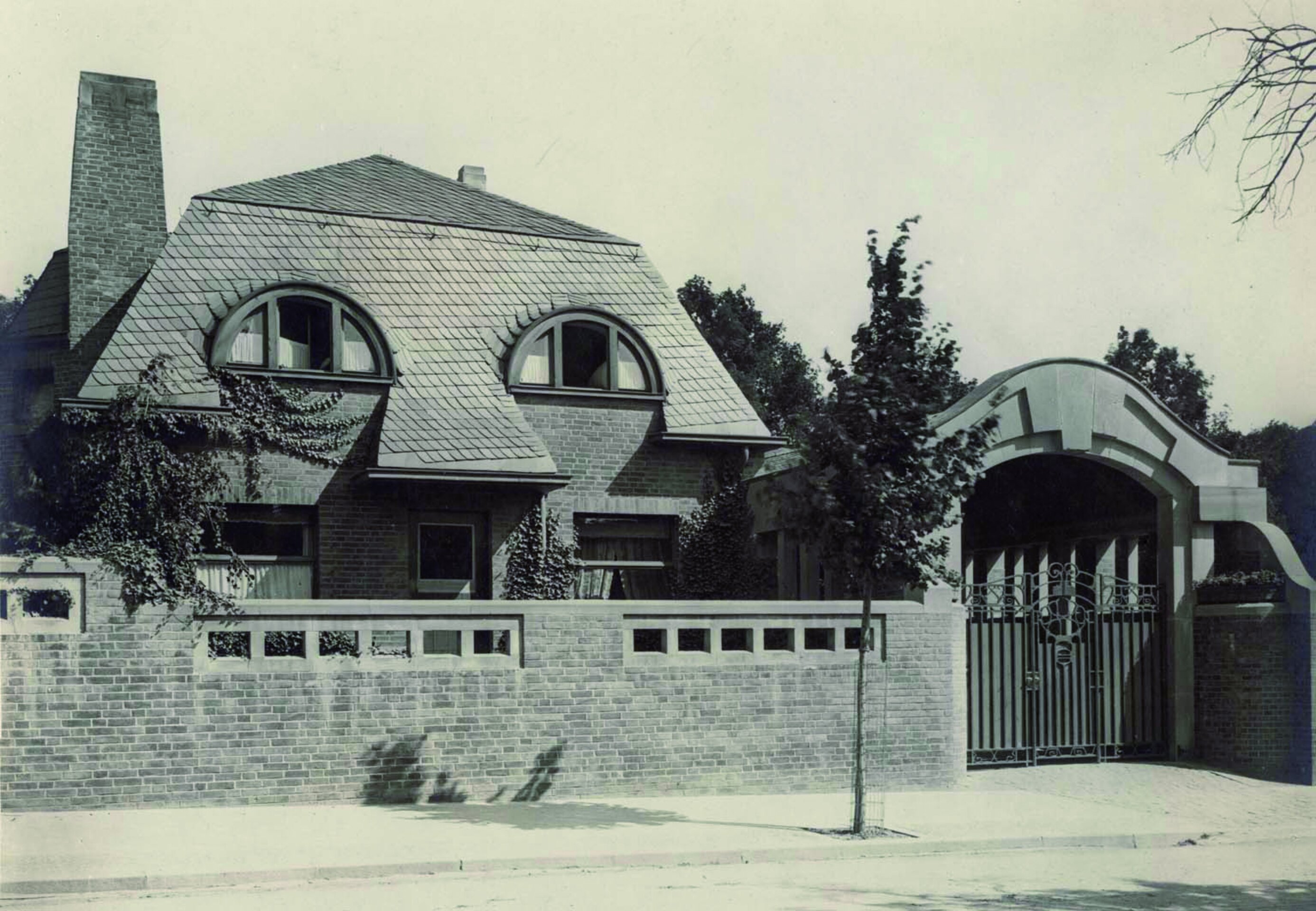
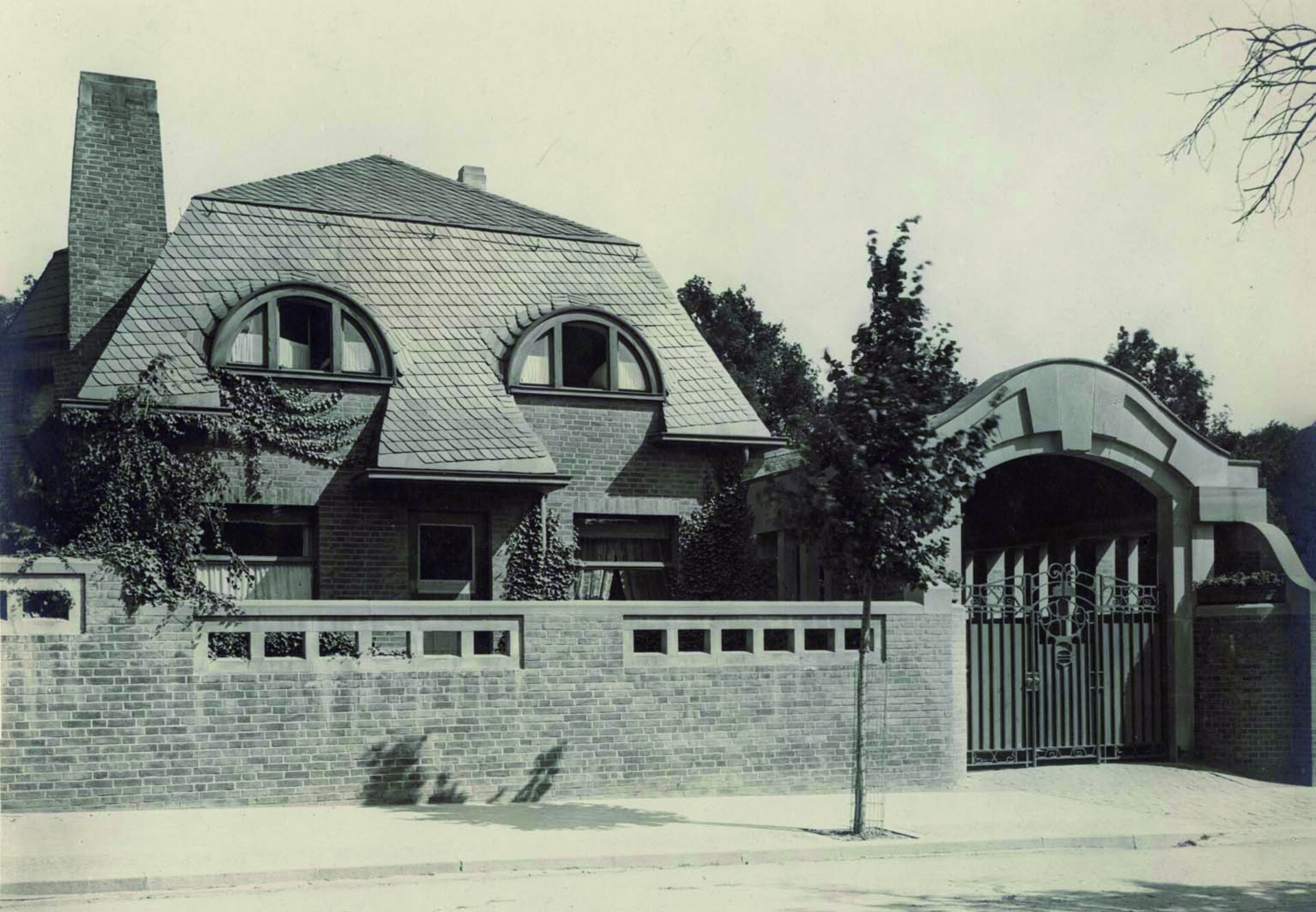
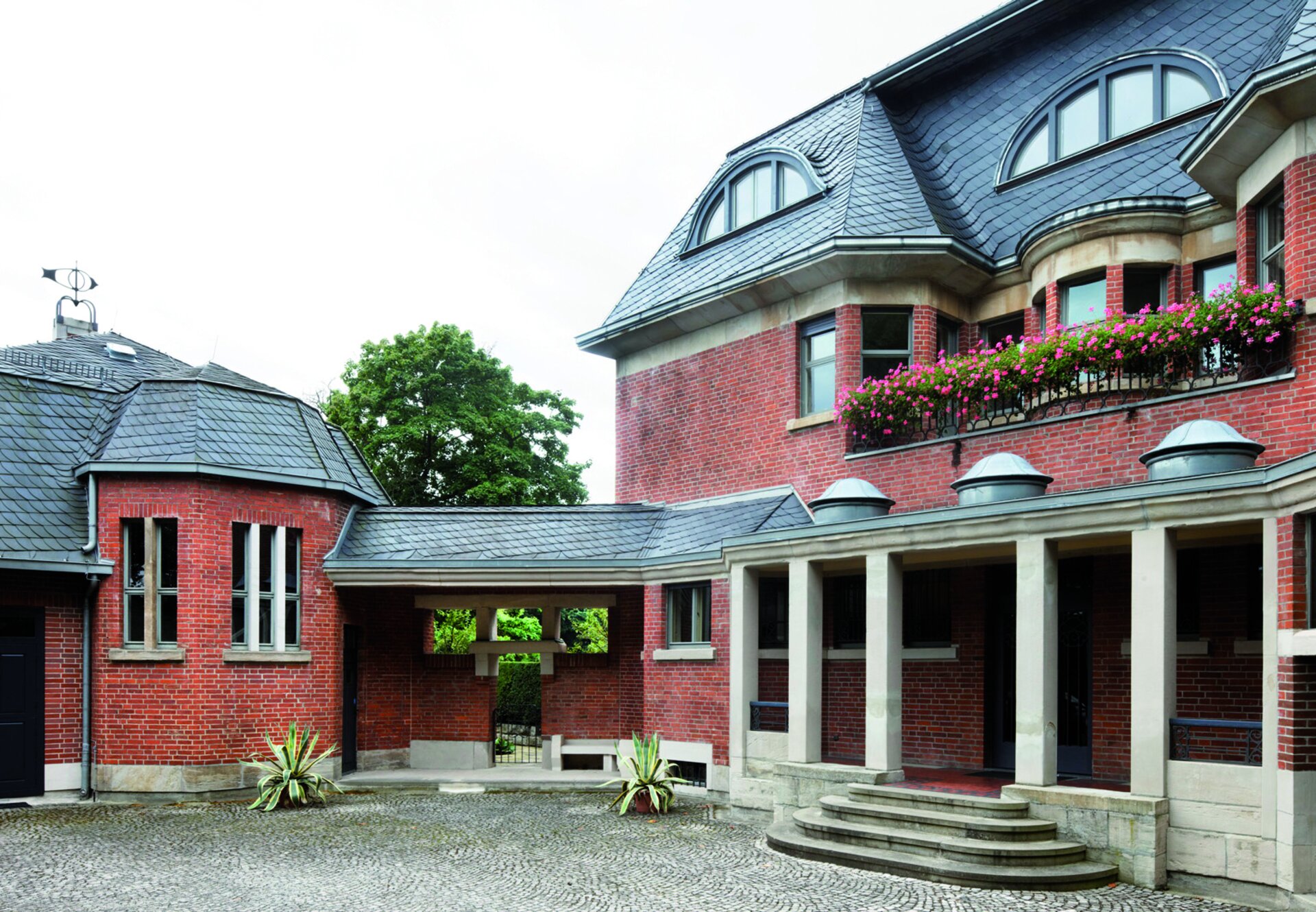
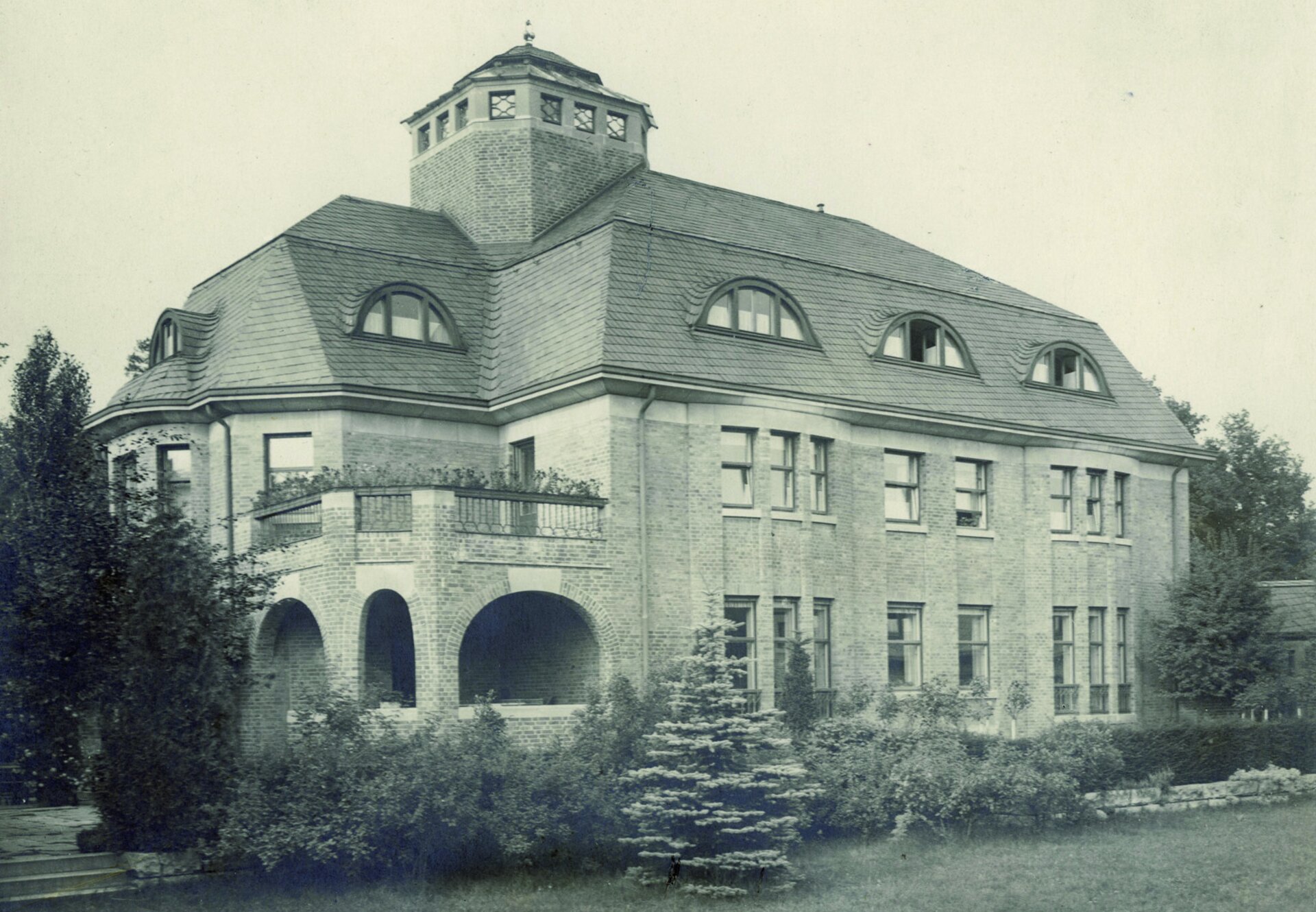
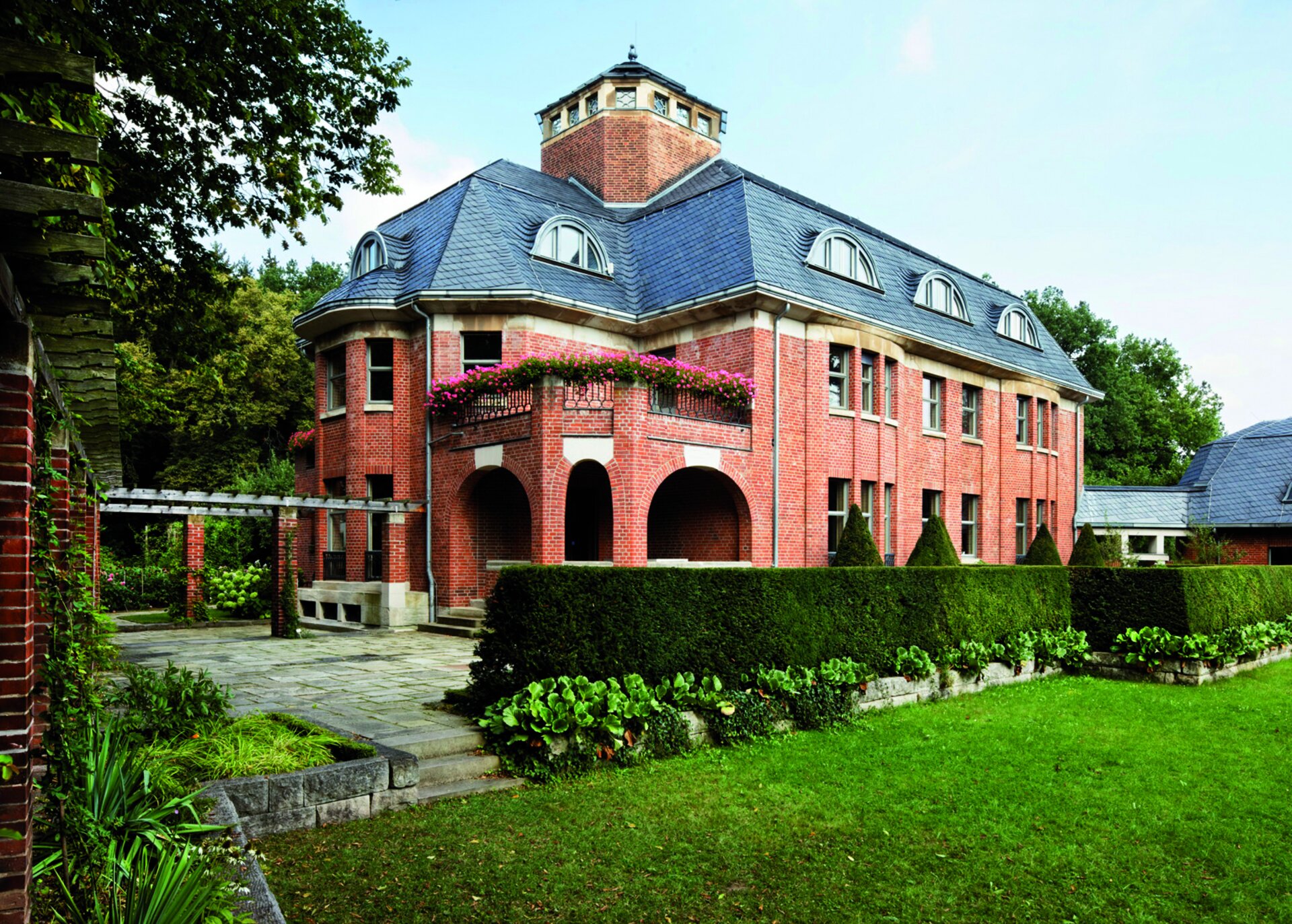
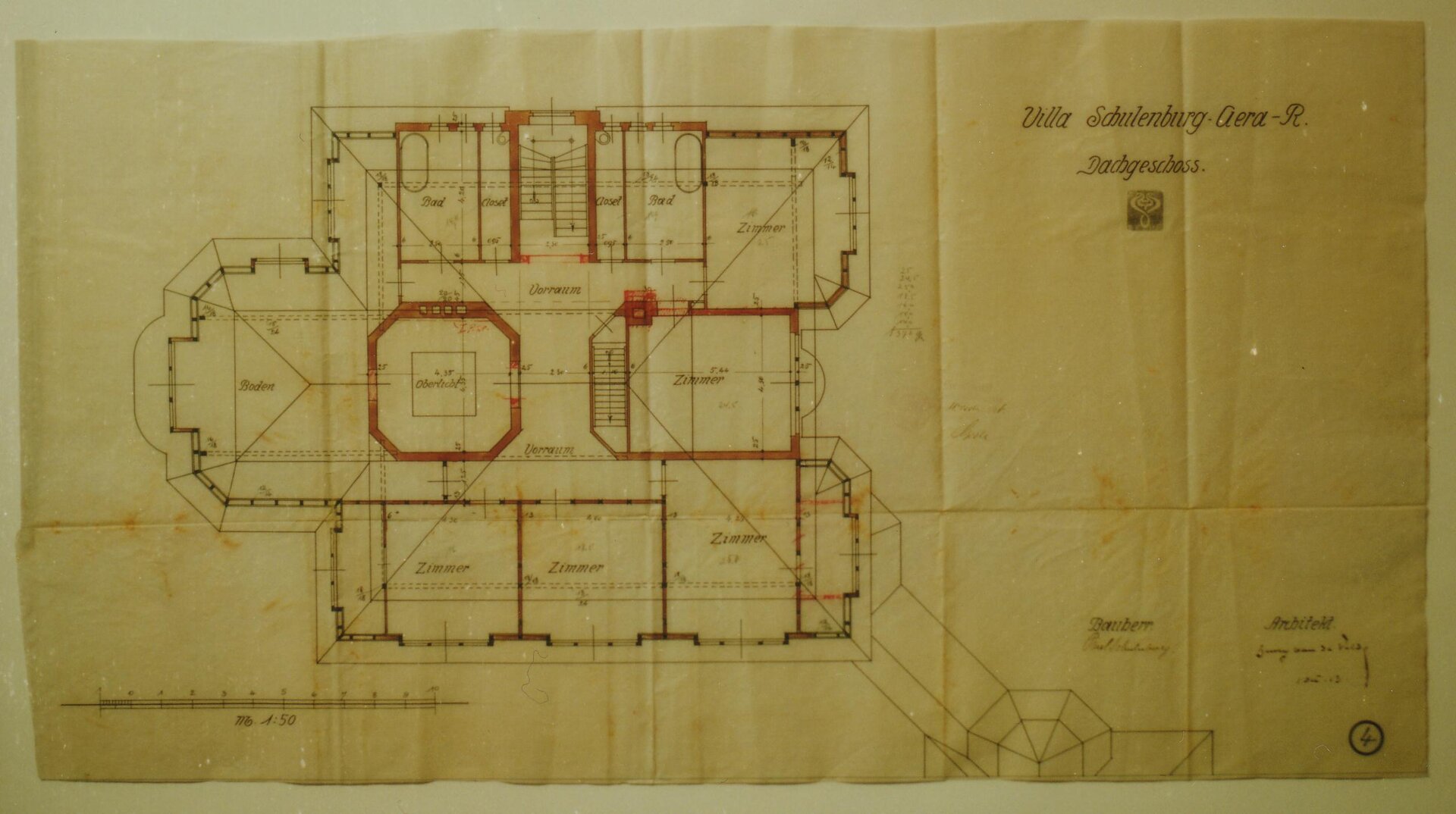
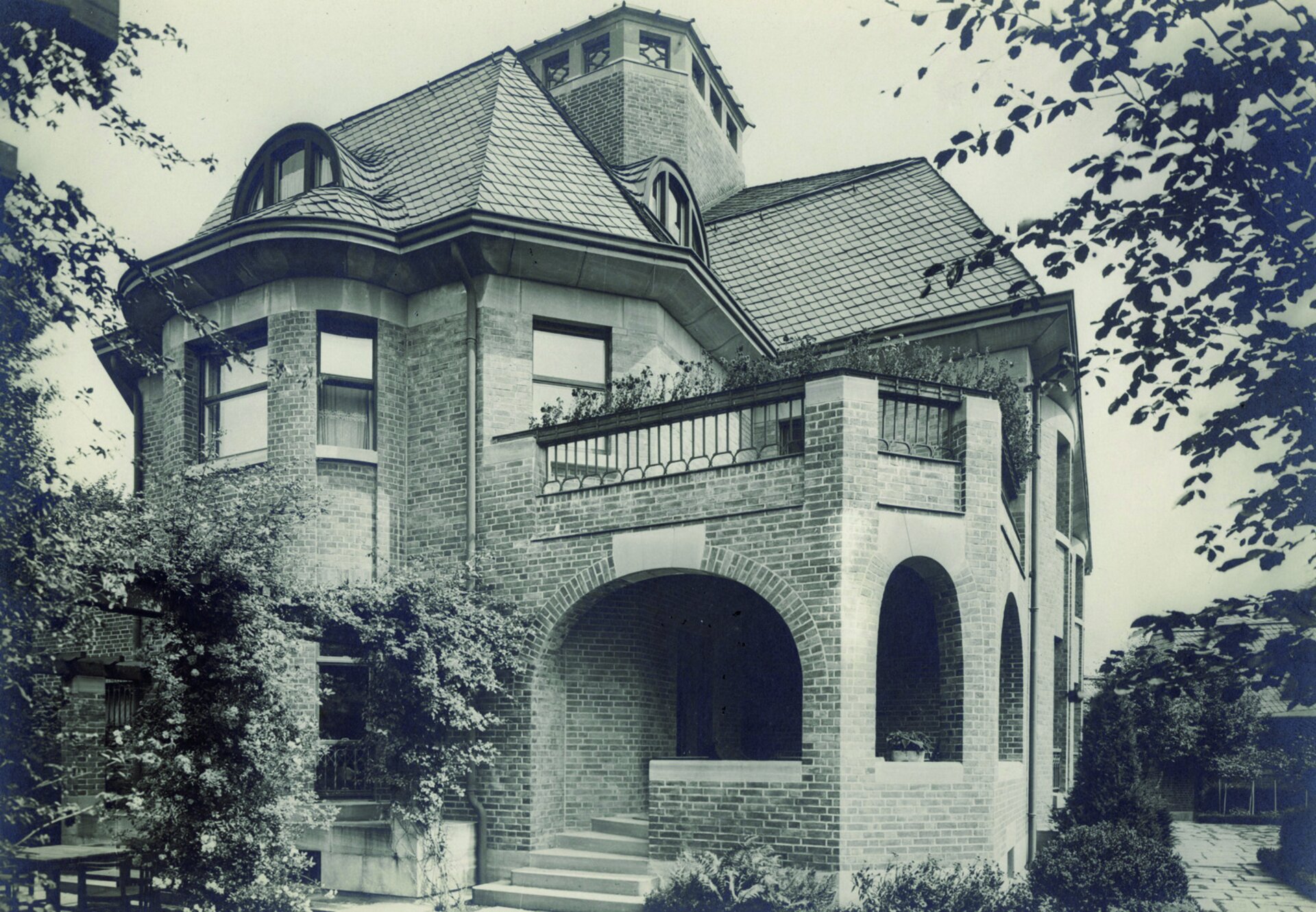
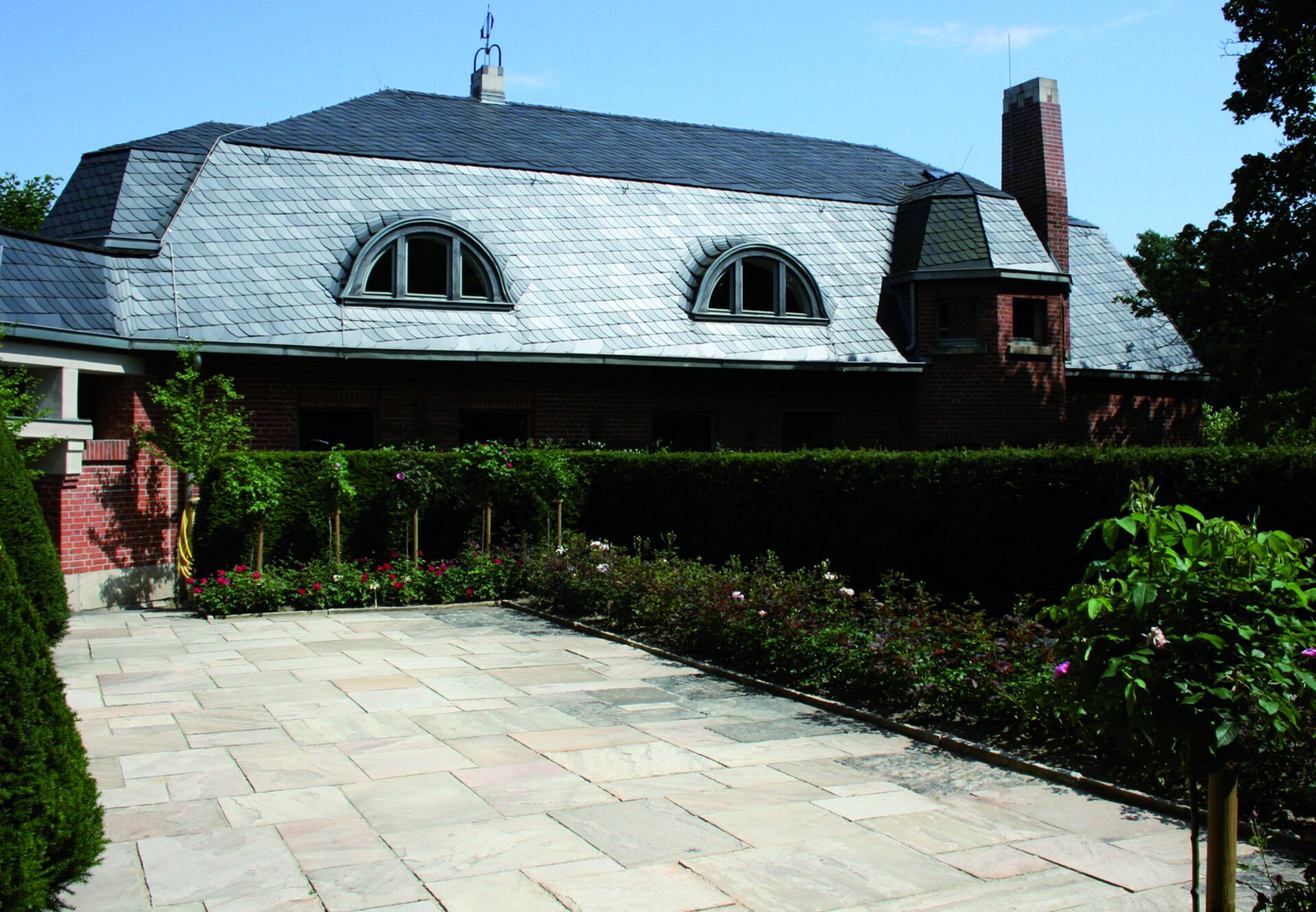
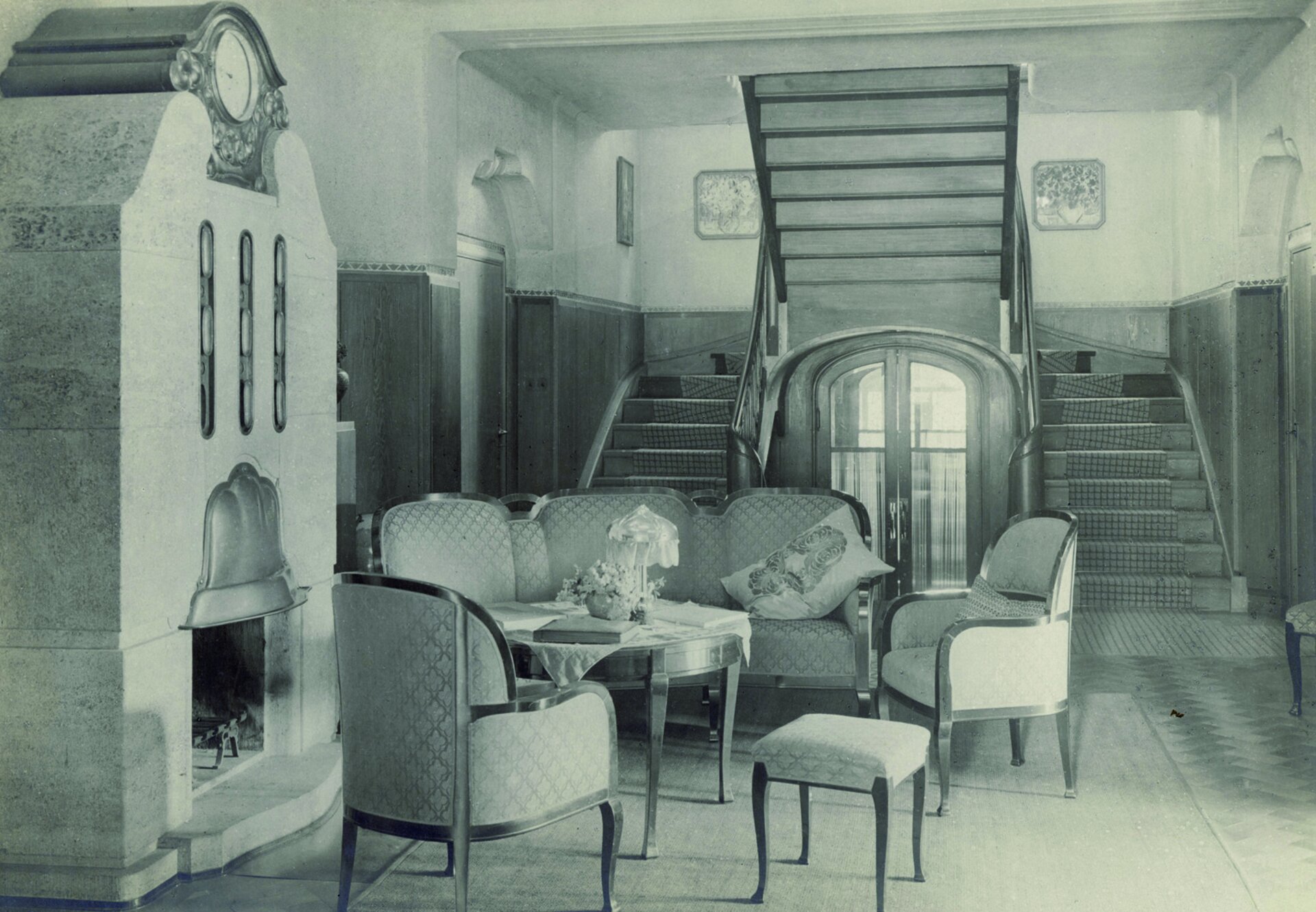
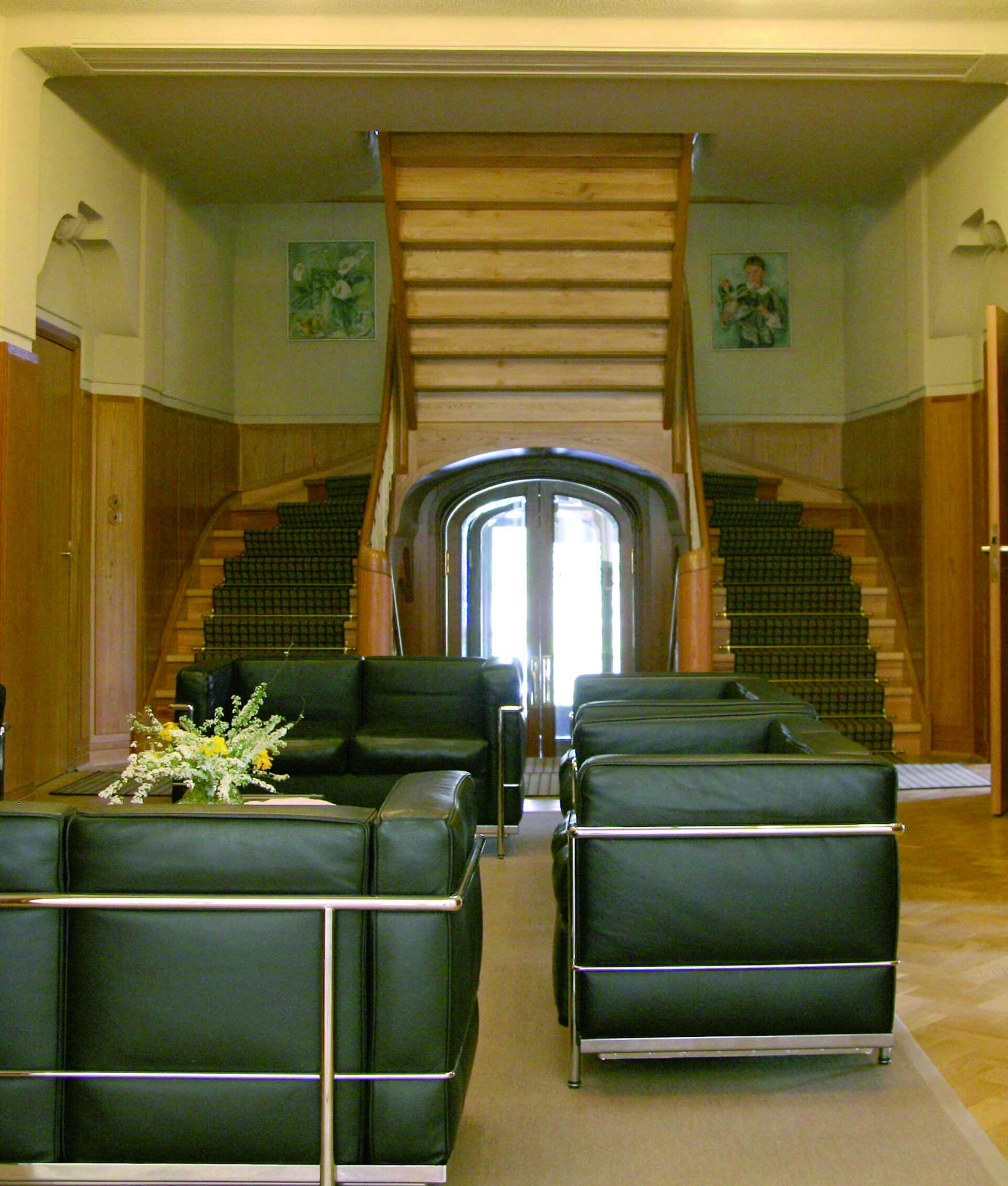
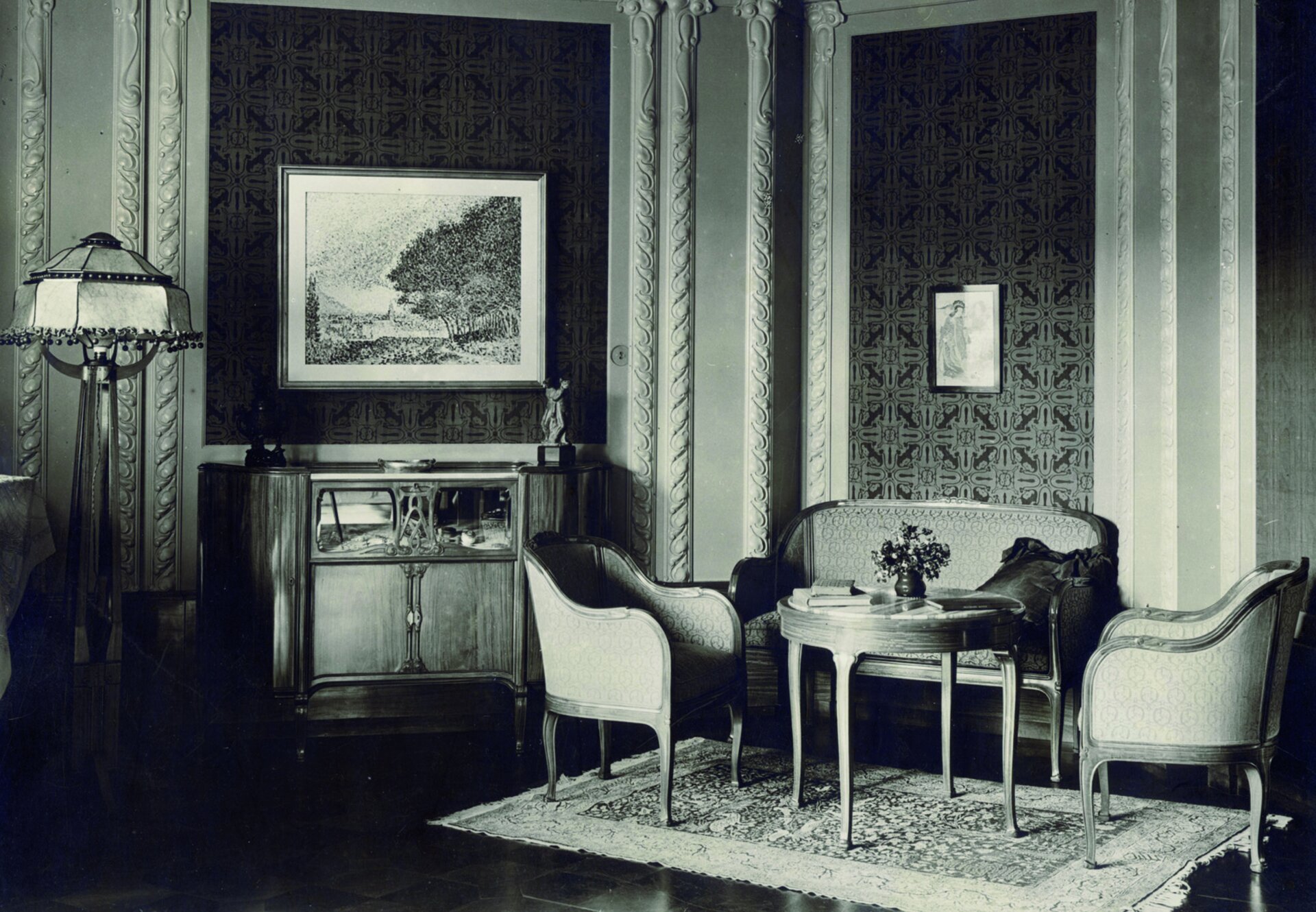
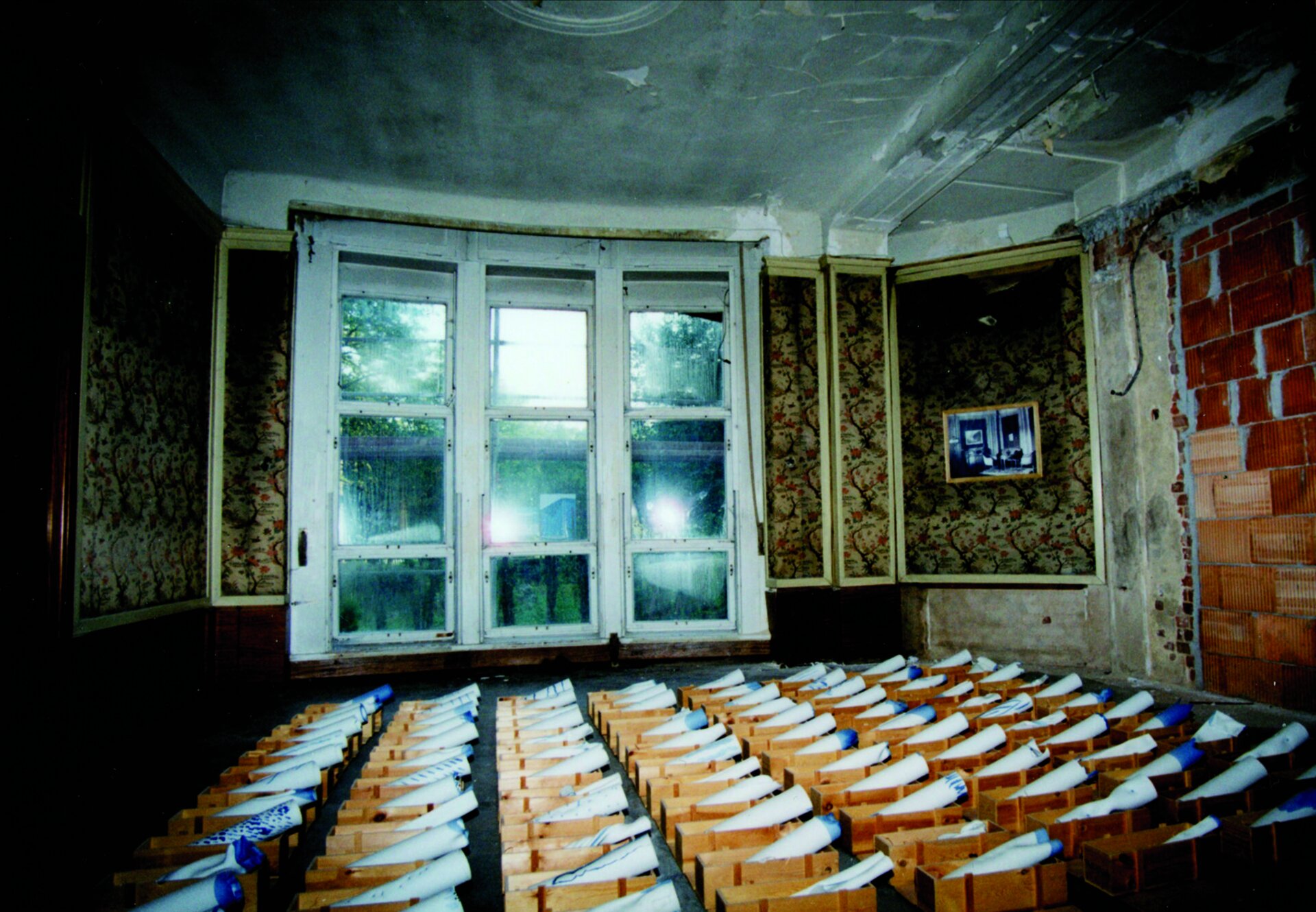
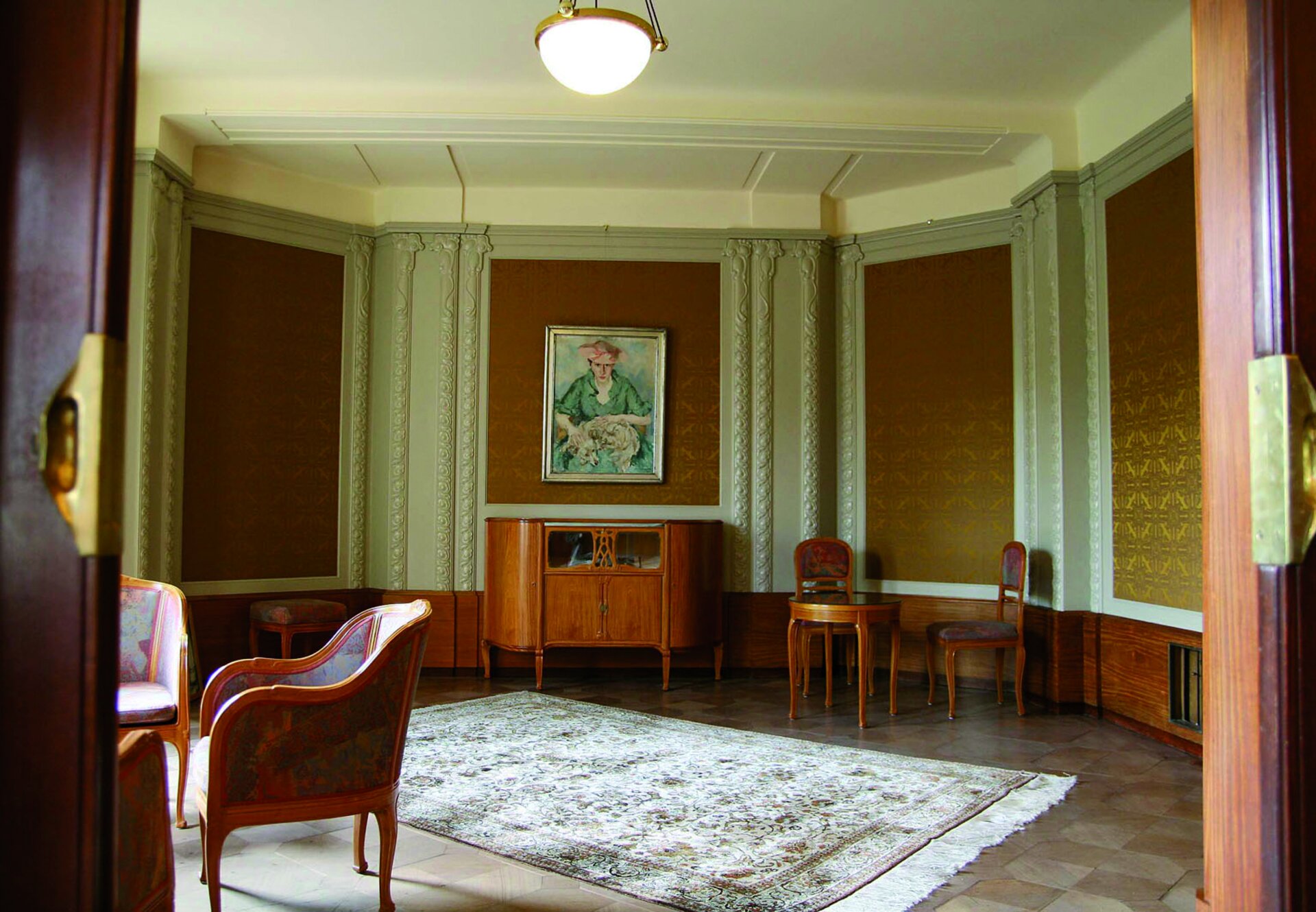
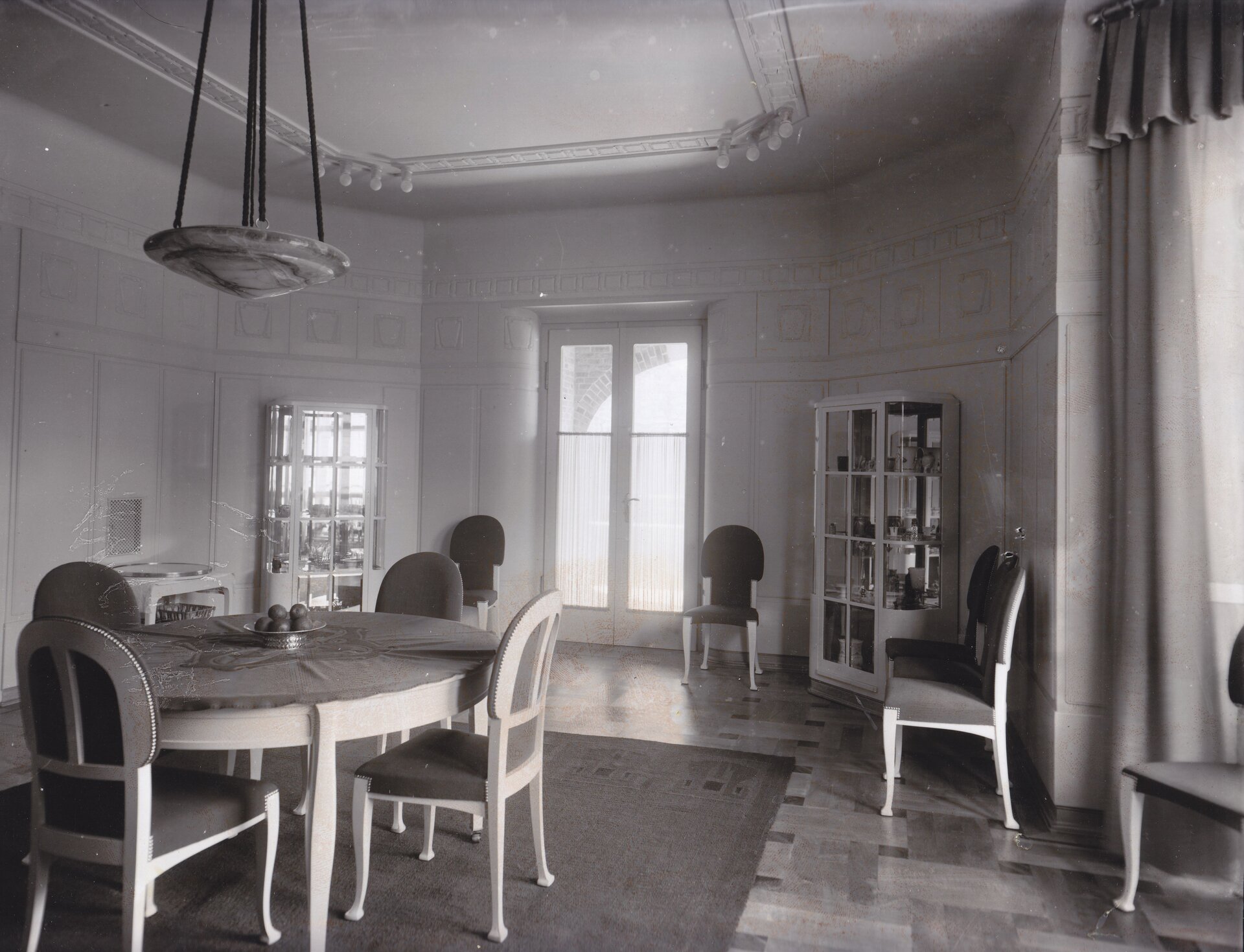
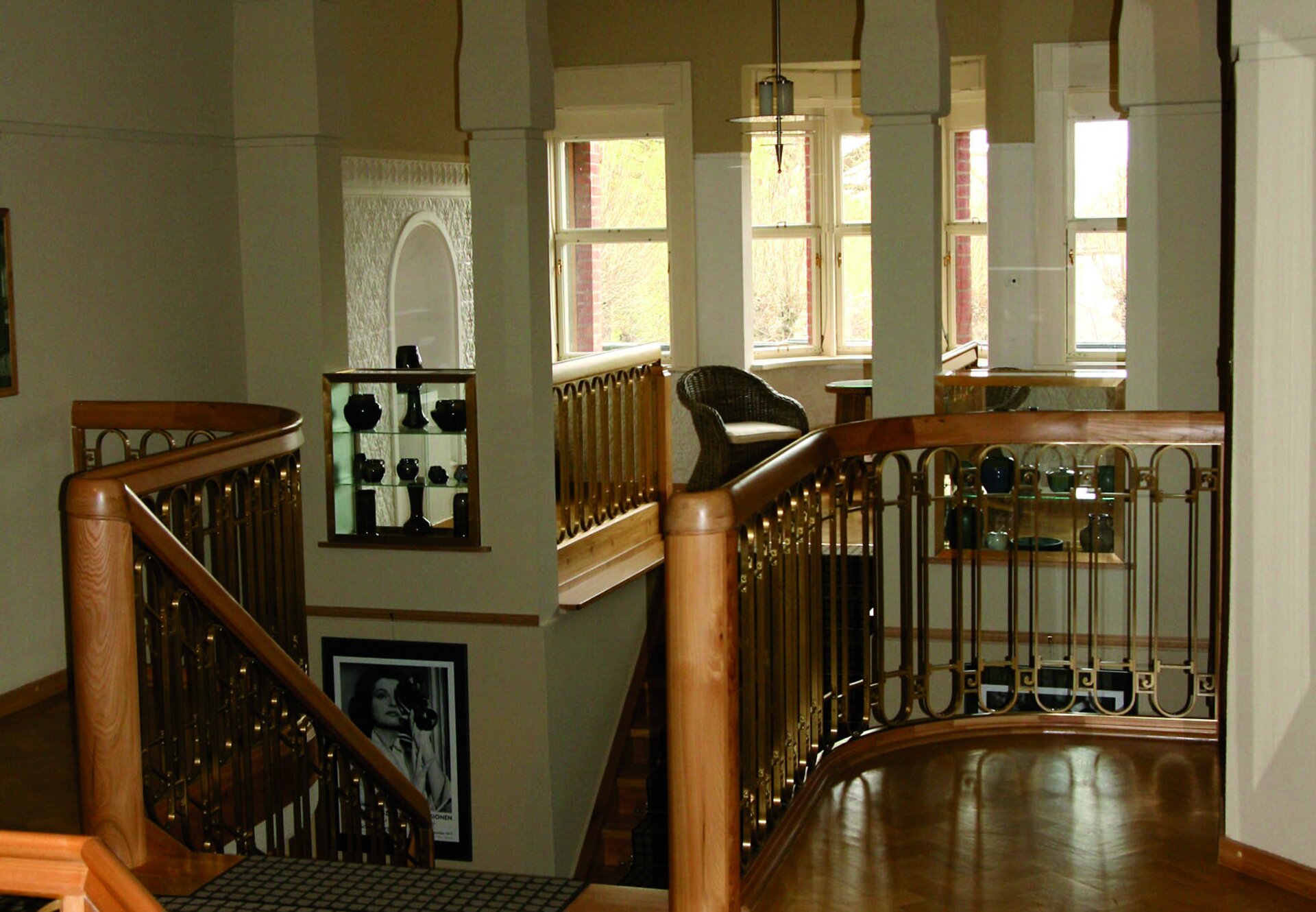
The Schulenburg Mansion in Gera, designed by Henry van de Velde in 1913–1914 for textile manufacturer Paul Schulenburg, represents one of the architect’s most complete Gesamtkunstwerk concepts, integrating architecture, interiors, furnishings and landscape design. After decades ...
Read more
Project details
Description:
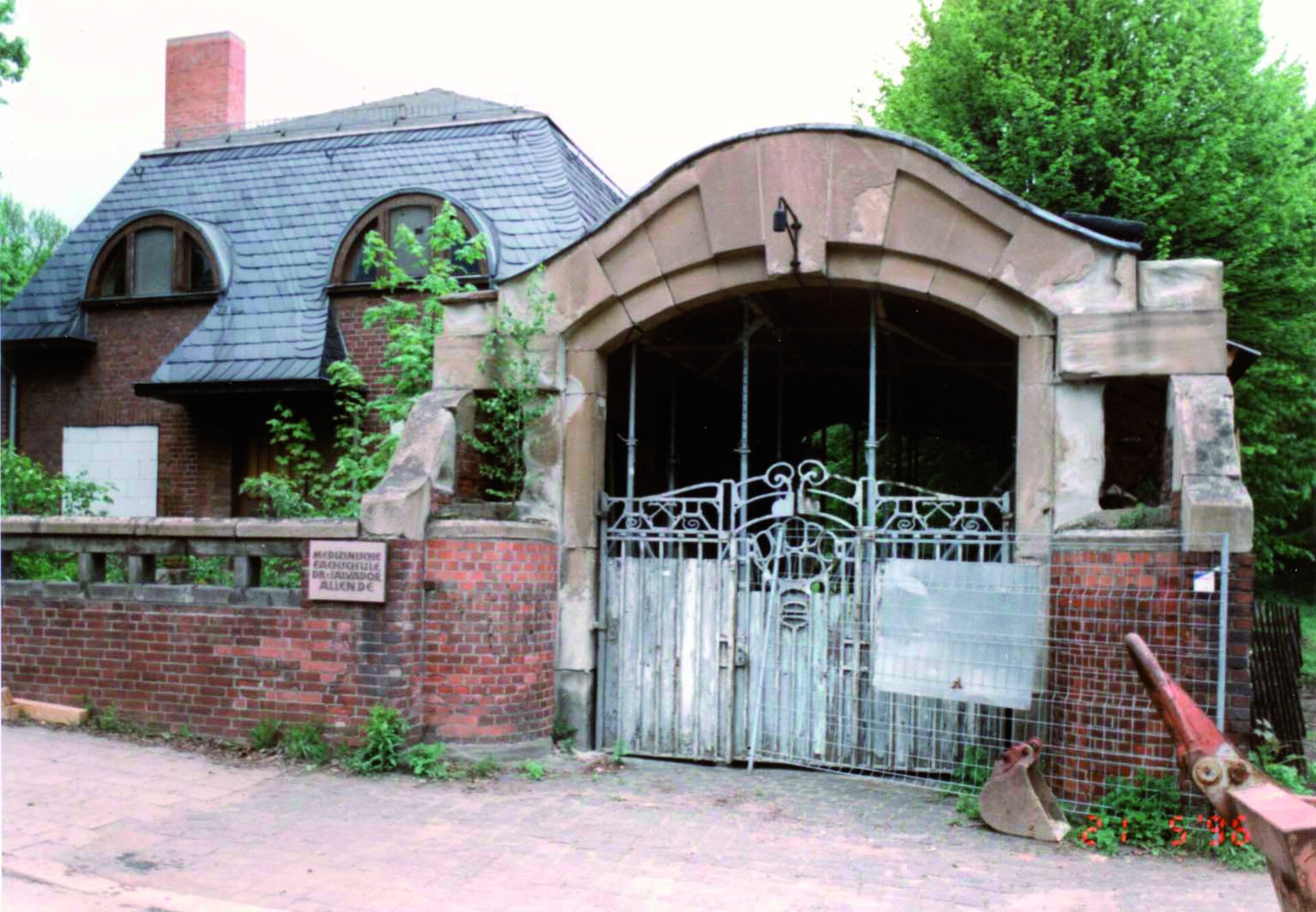
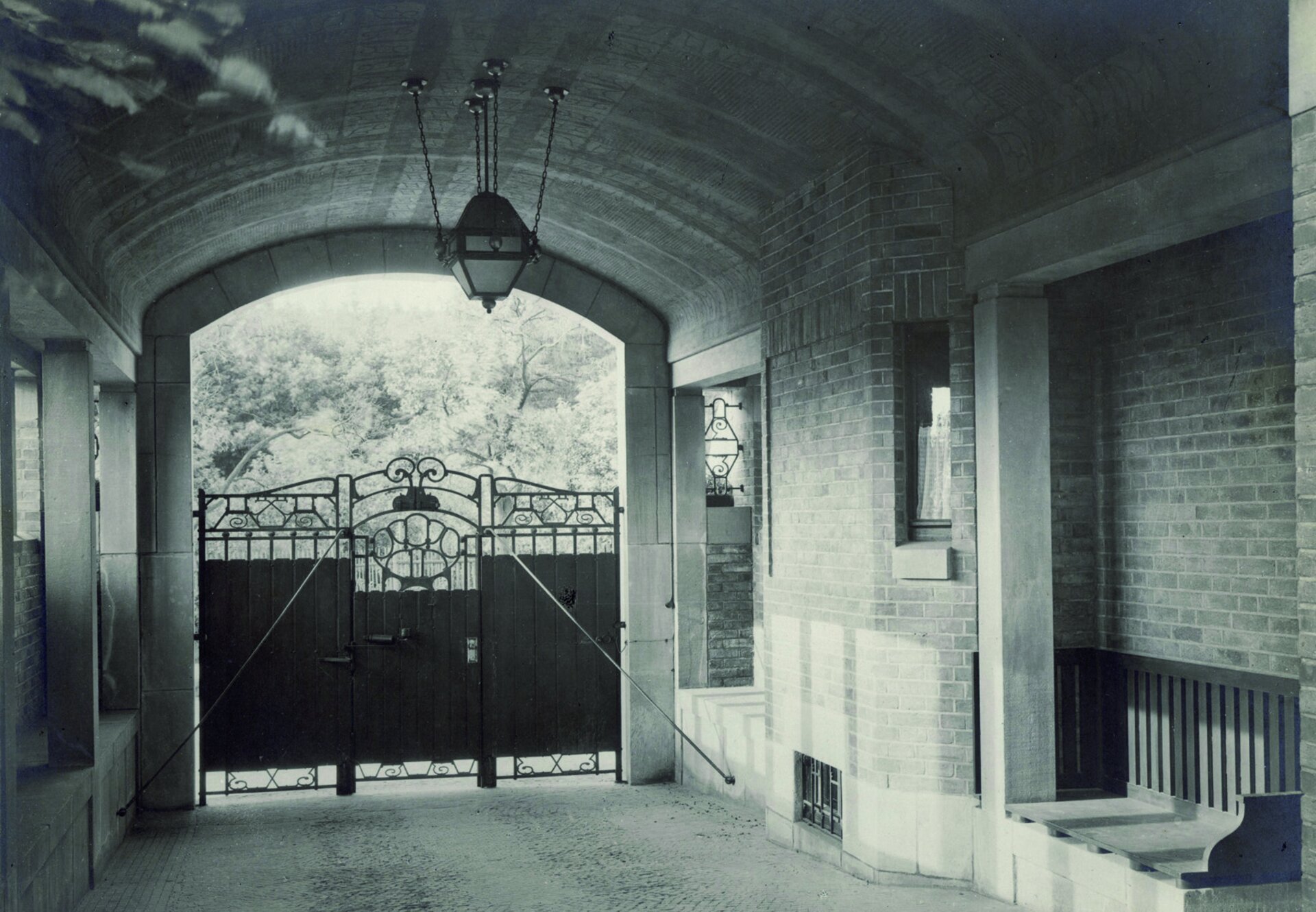
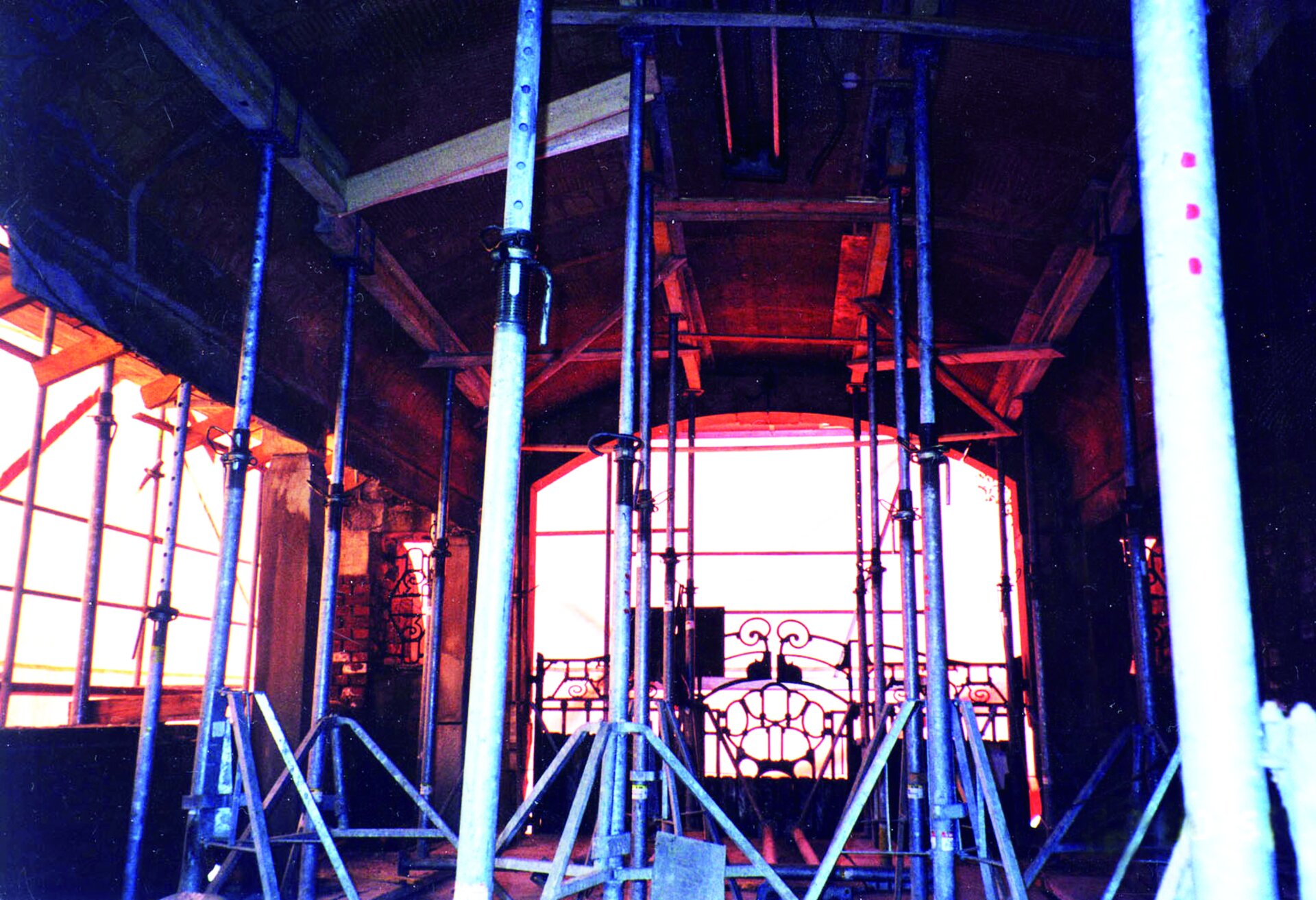
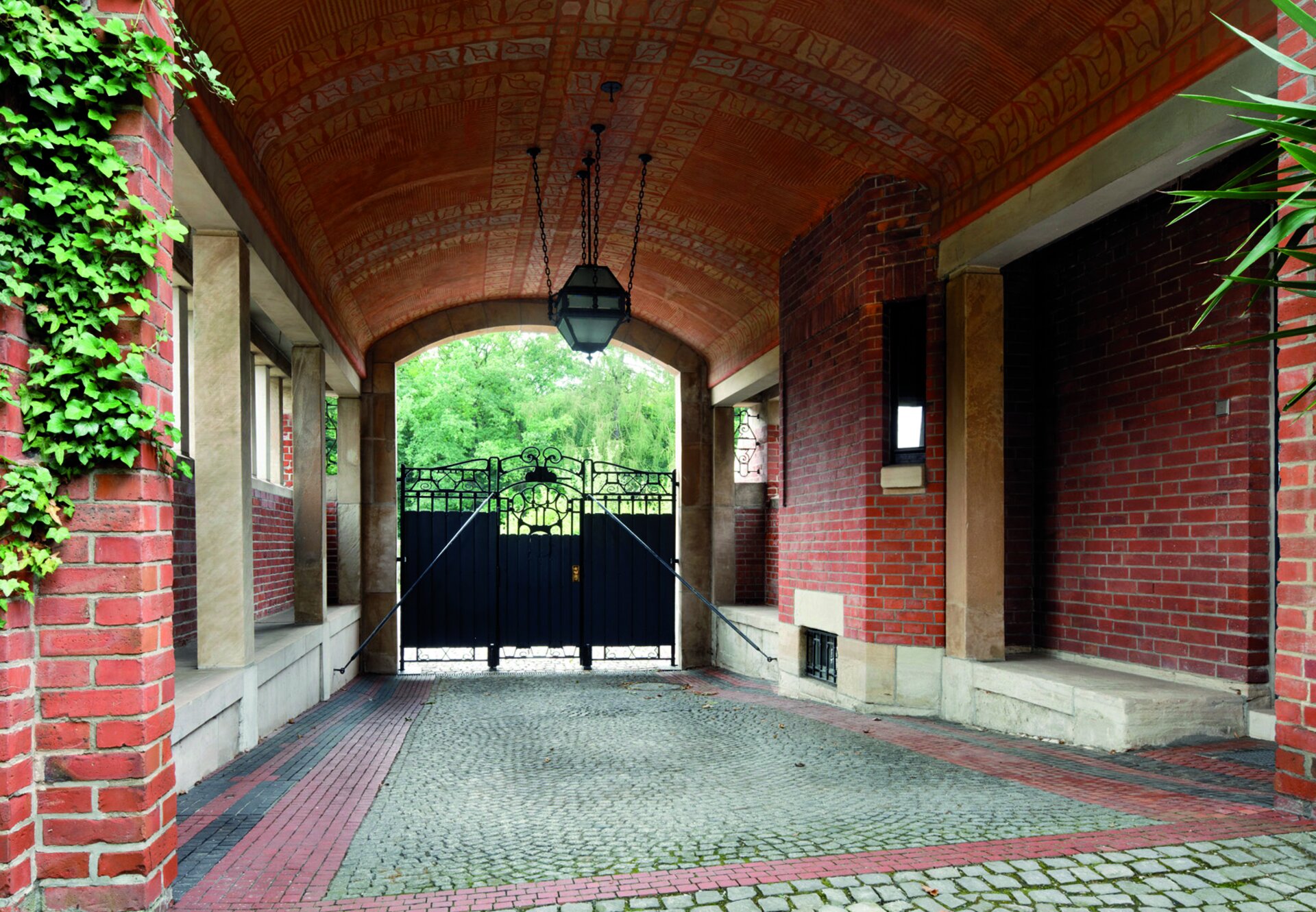
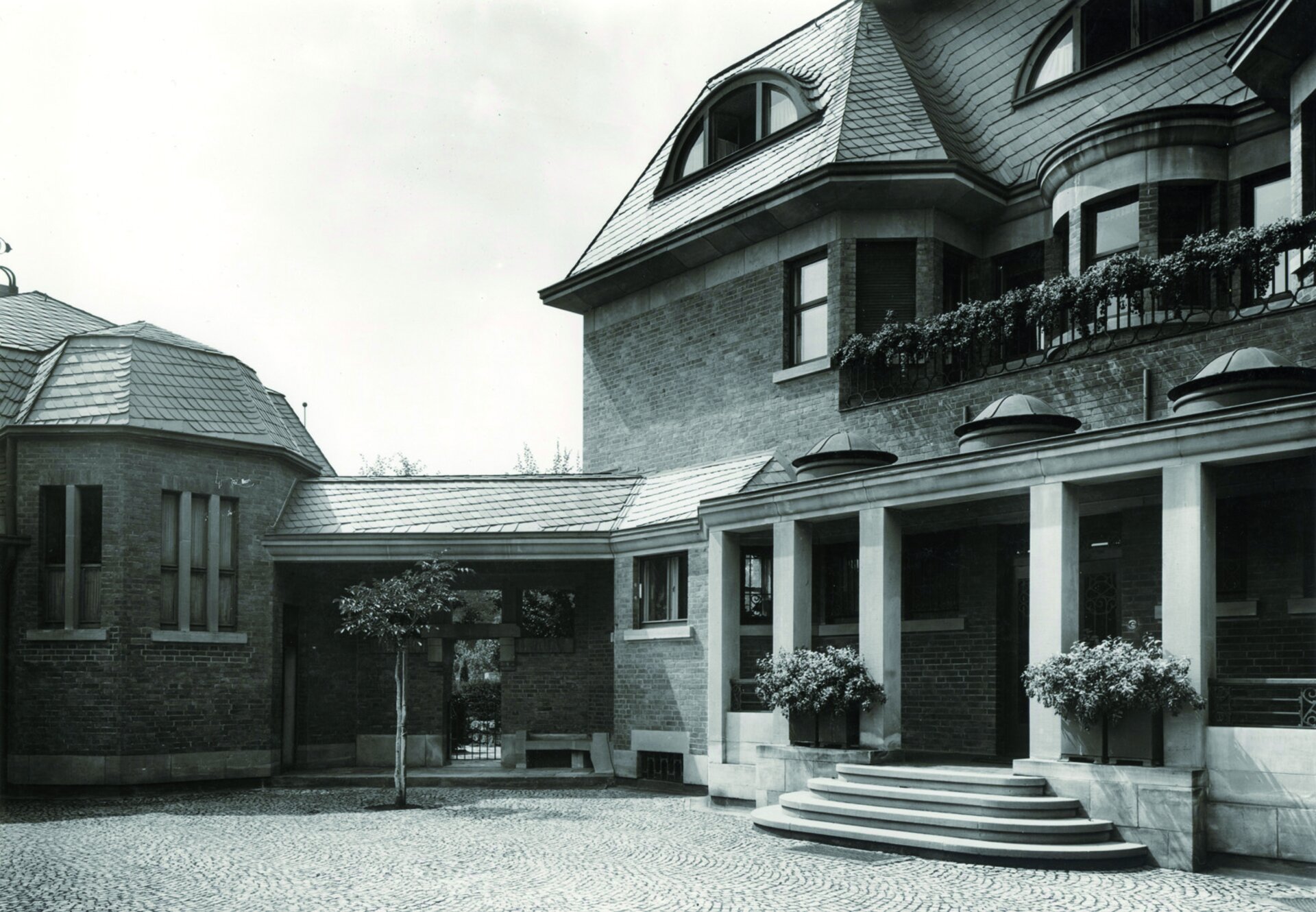
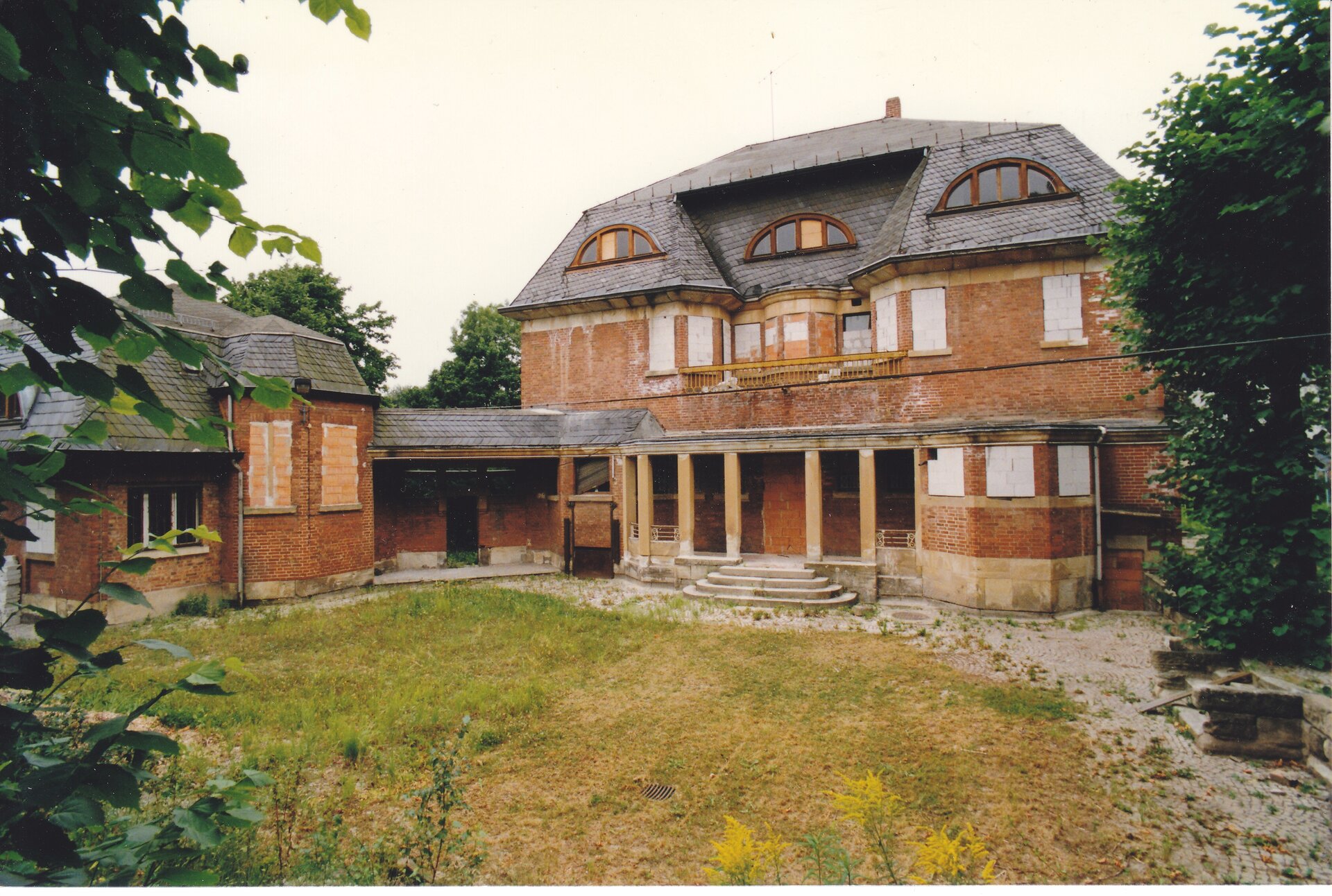
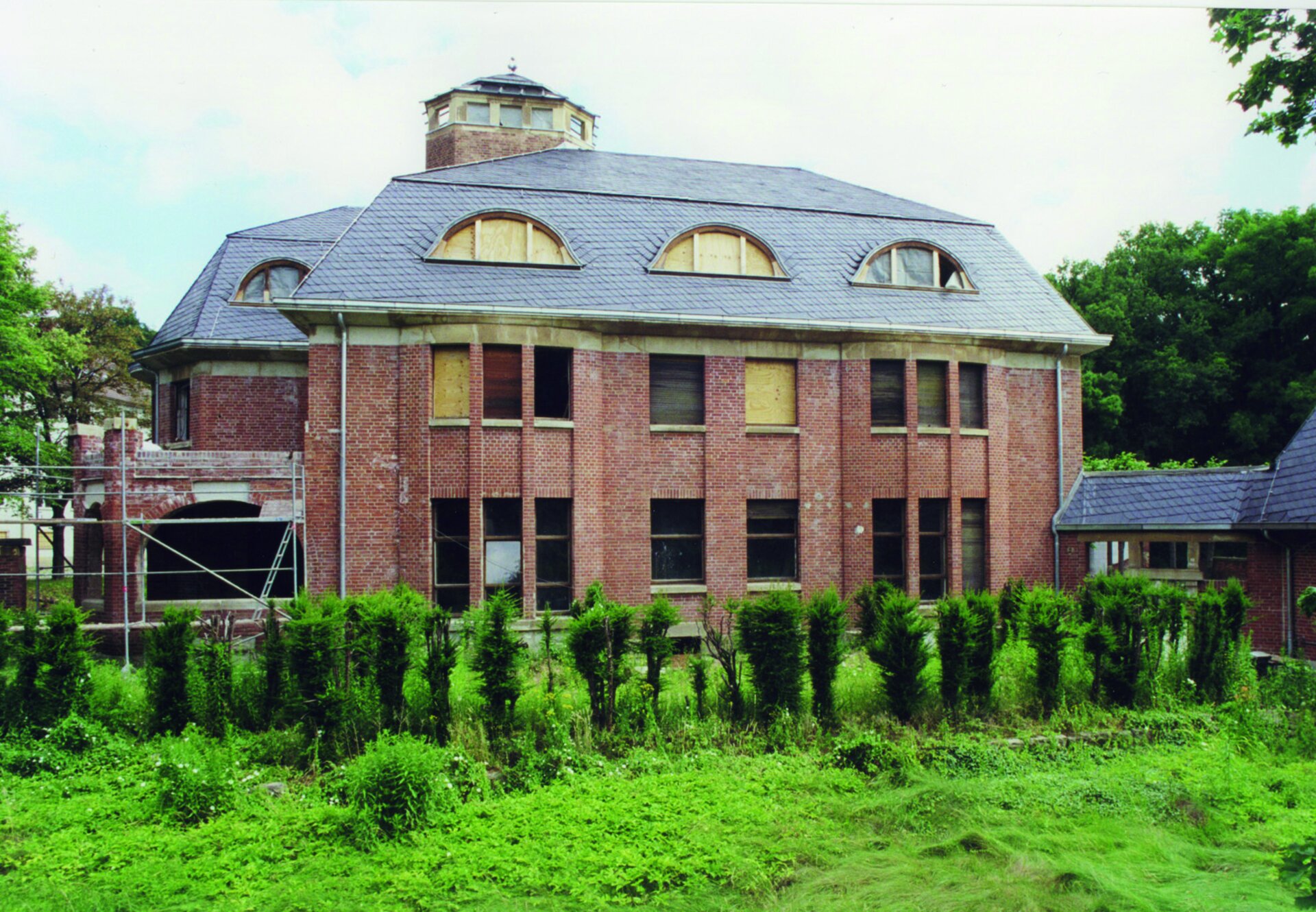
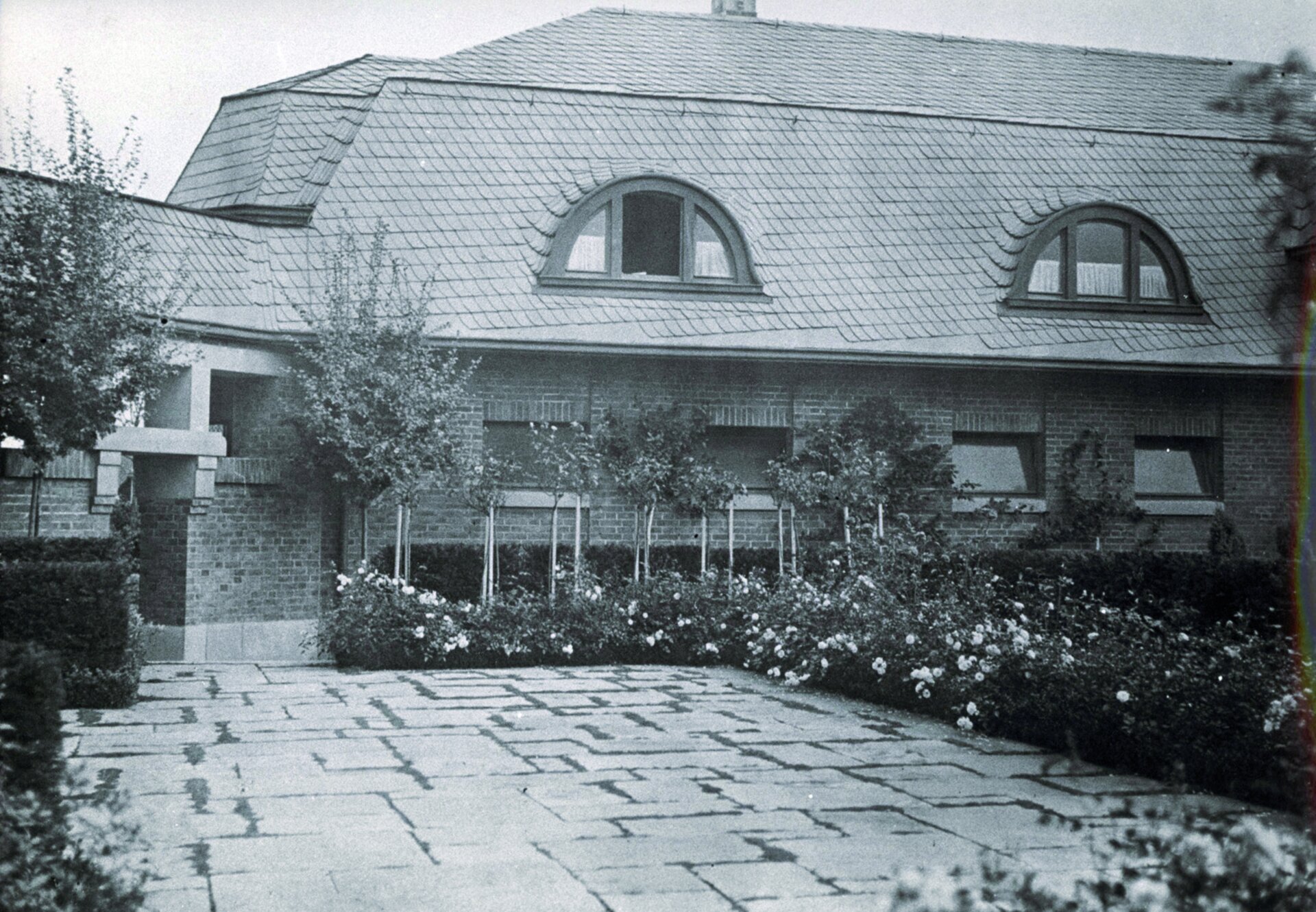
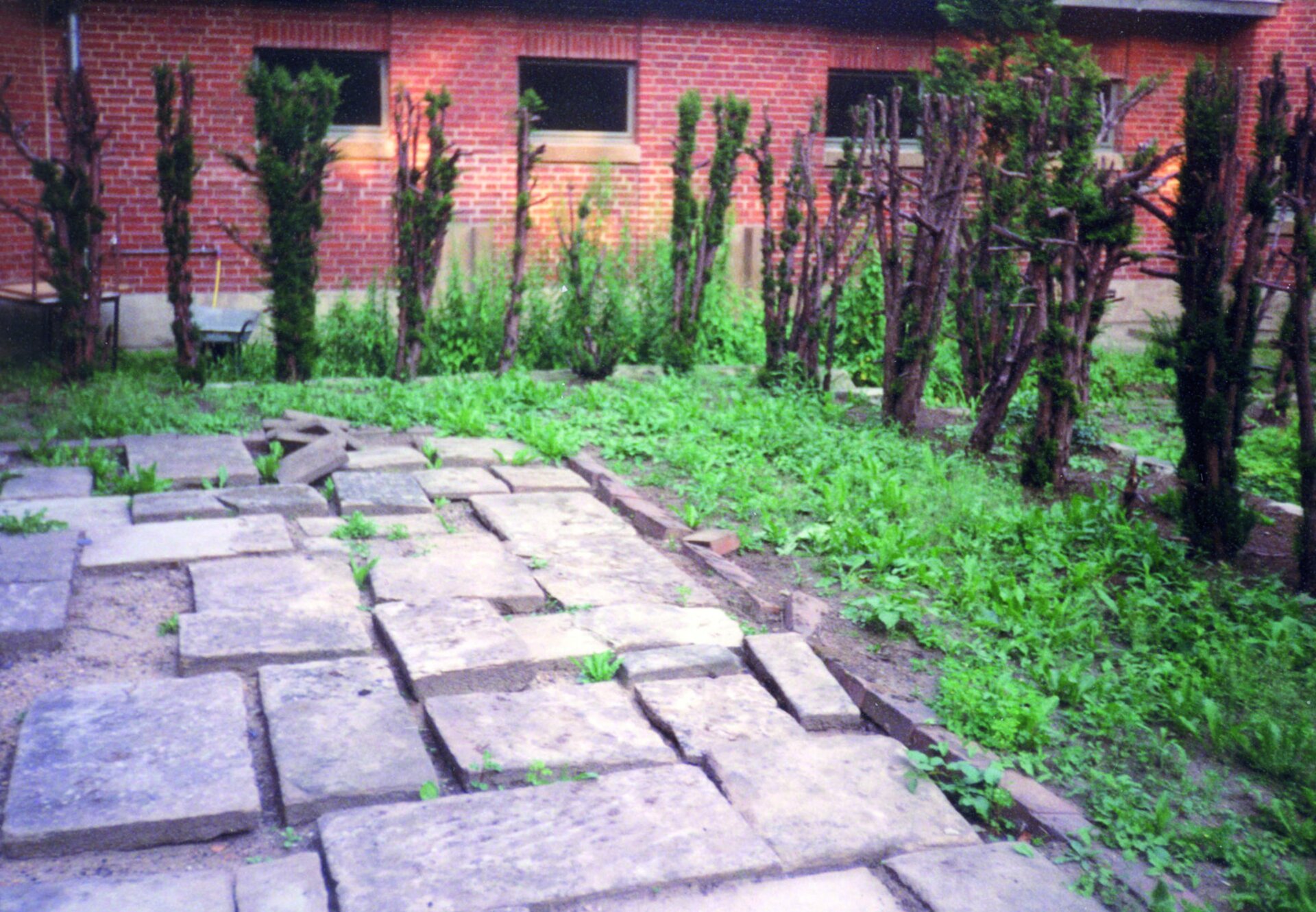
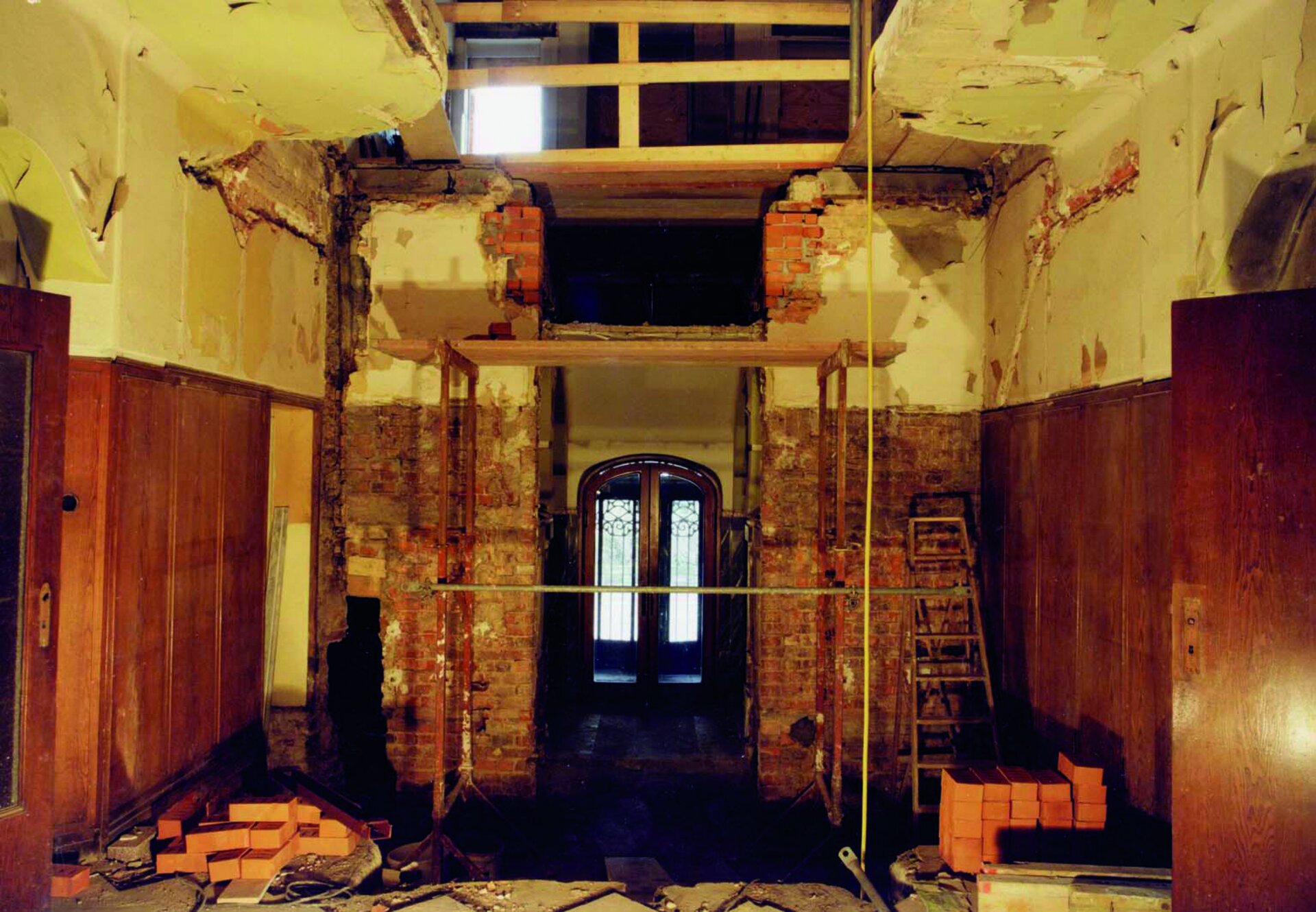
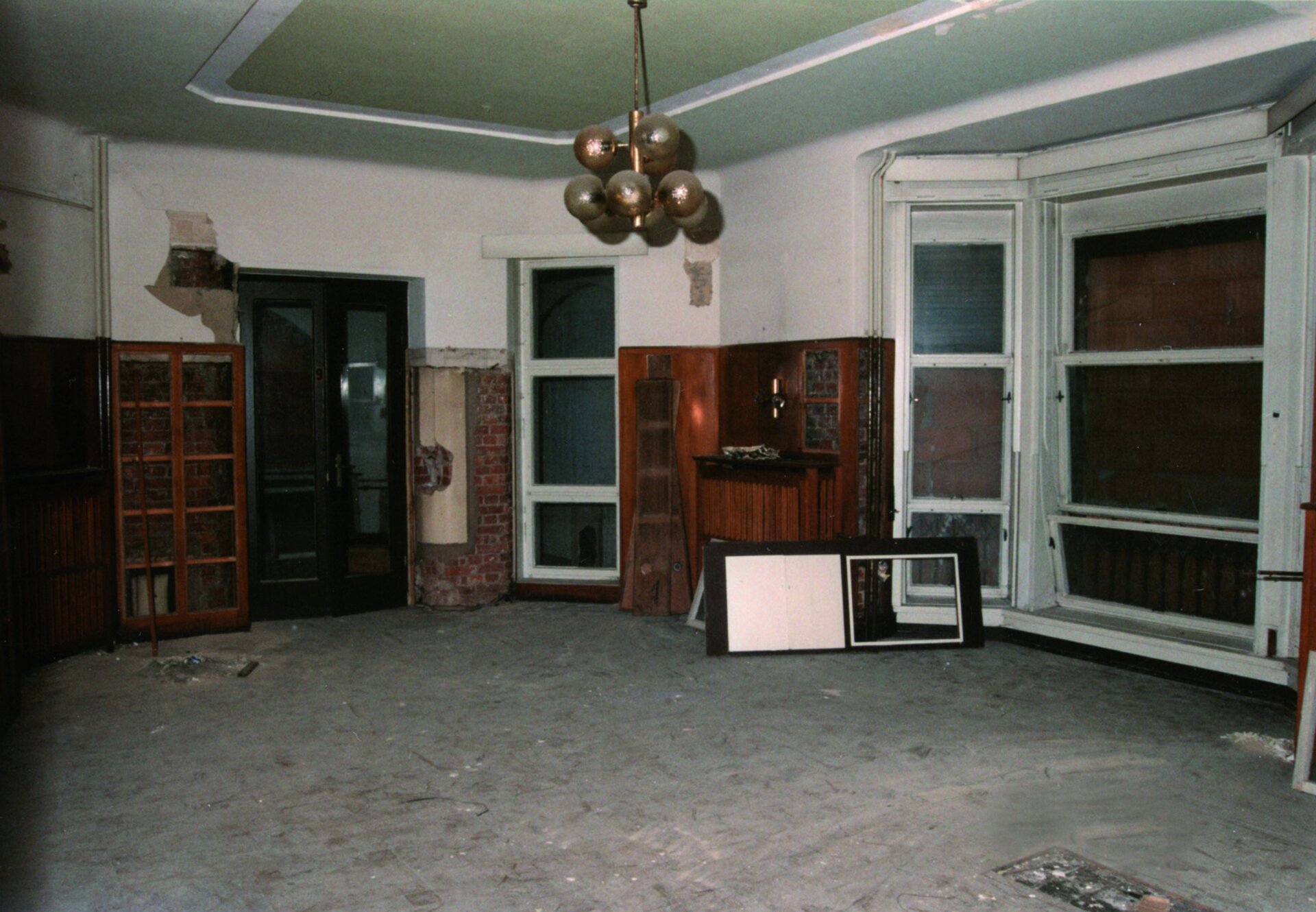
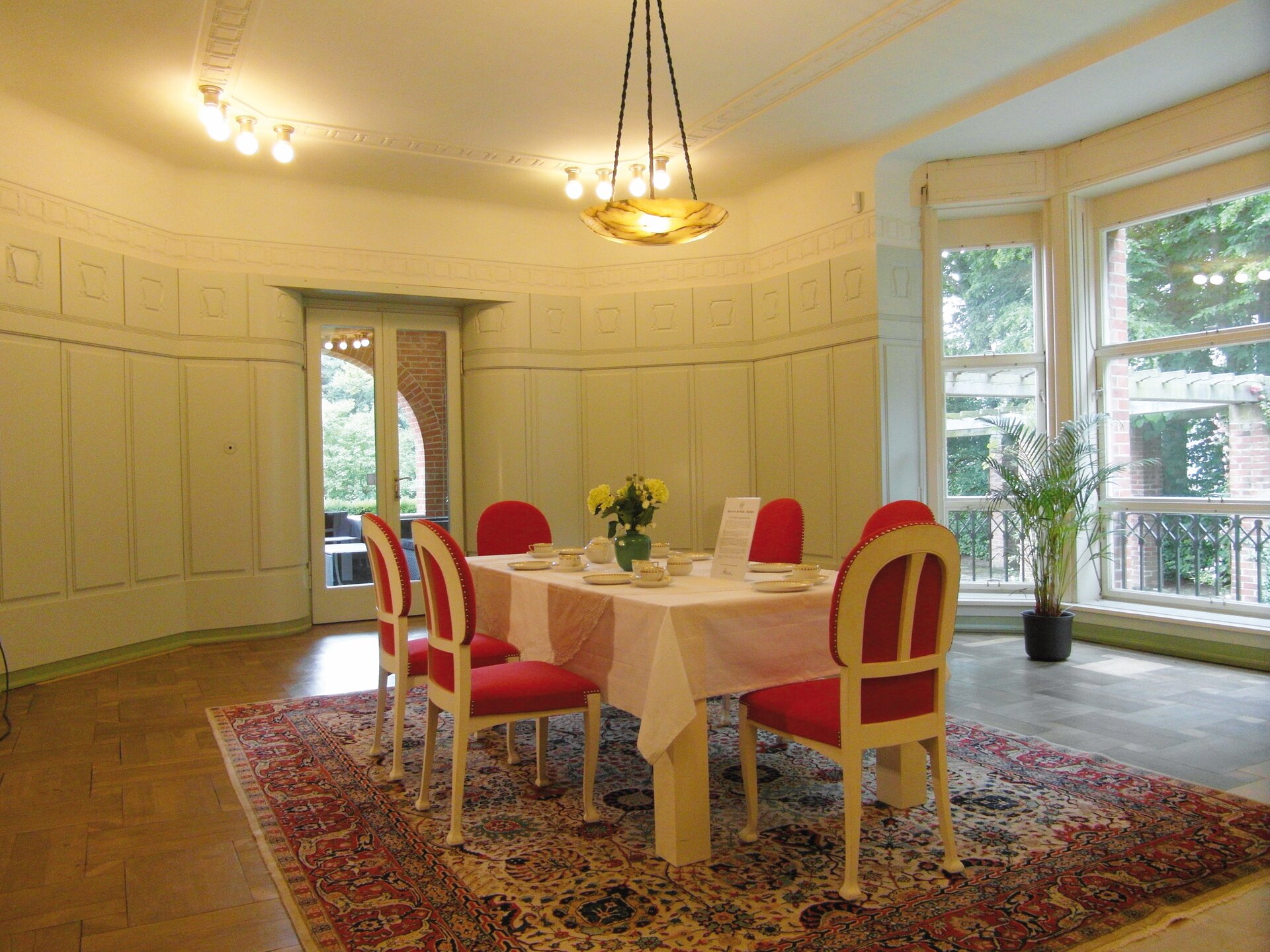
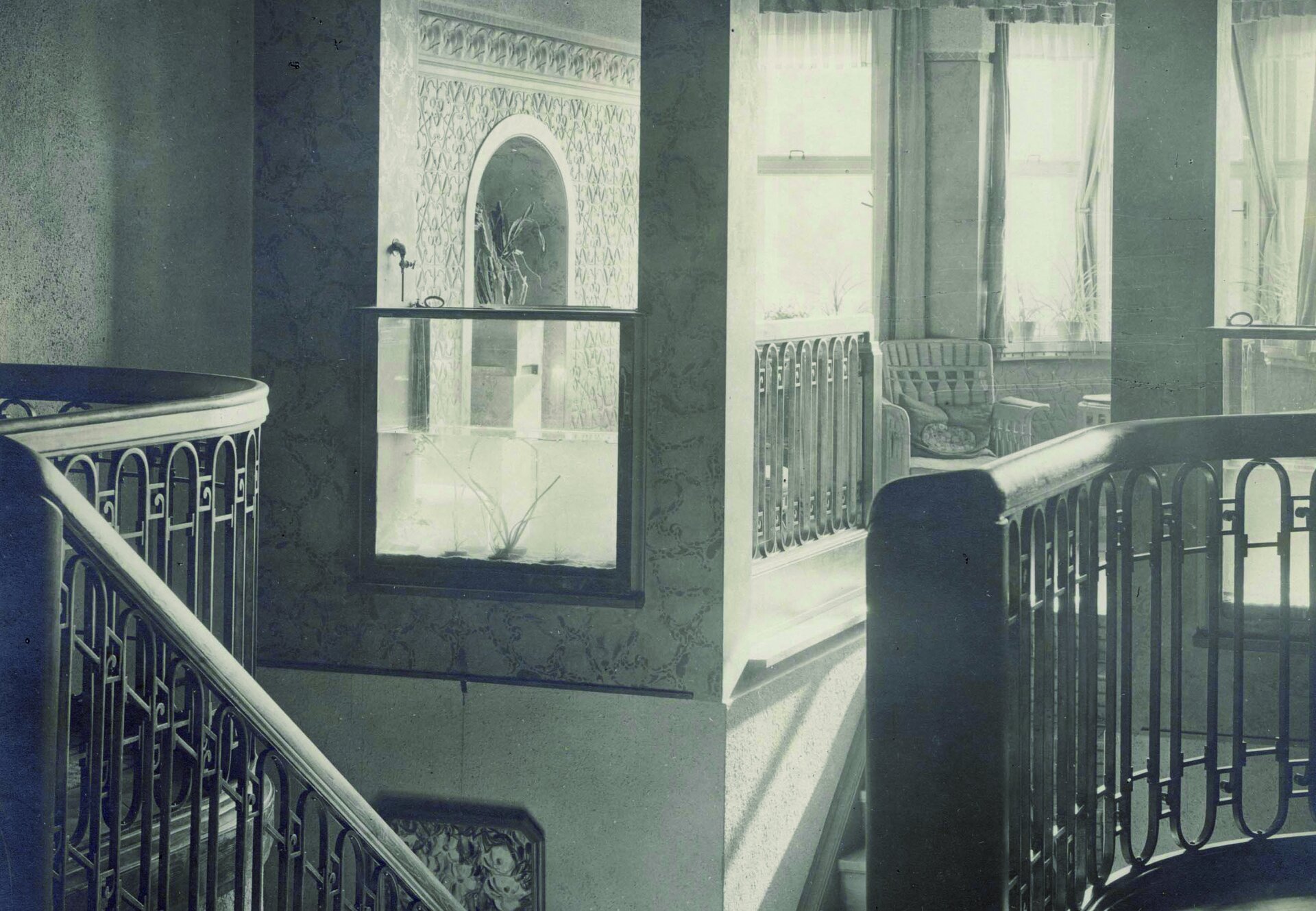
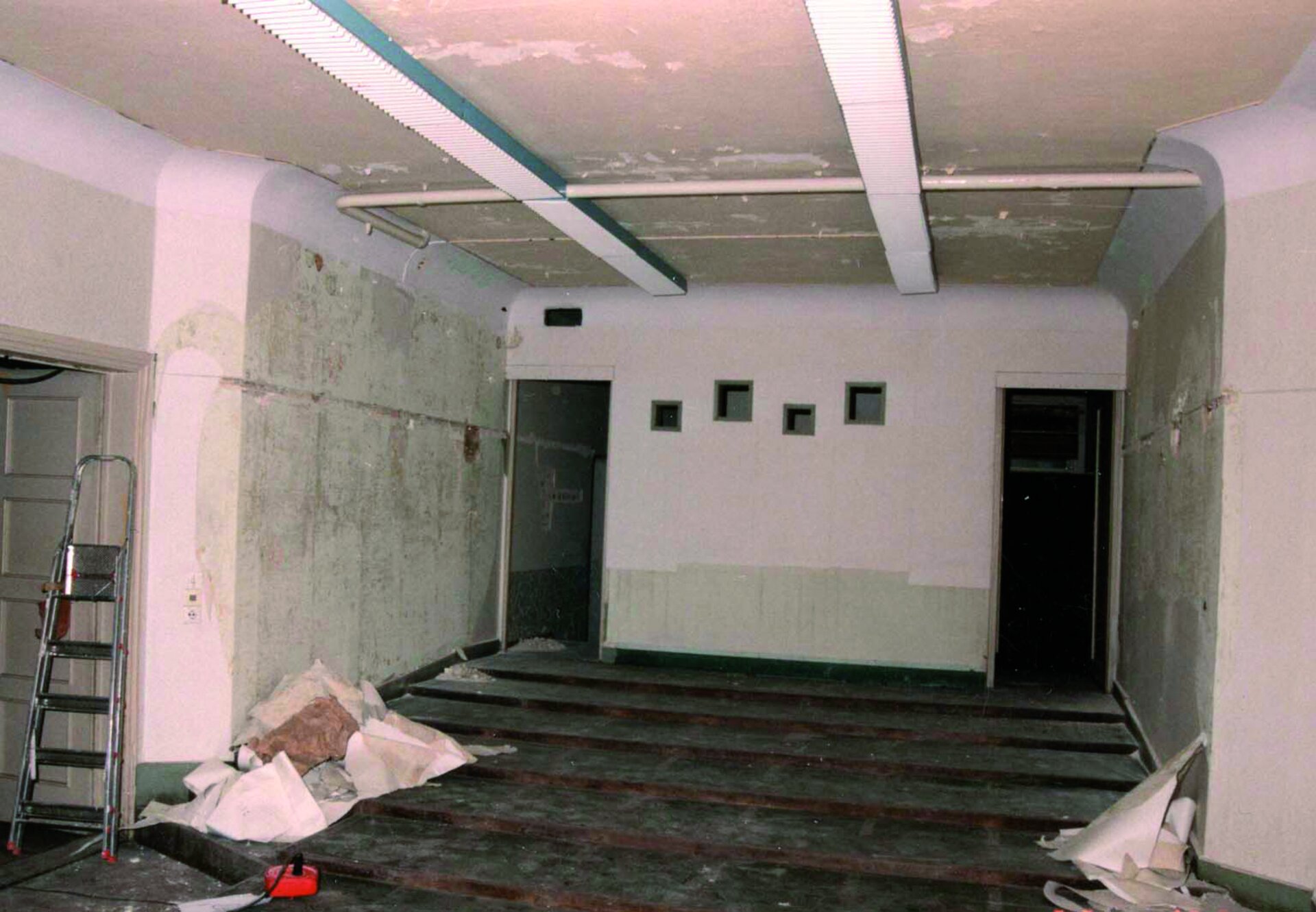
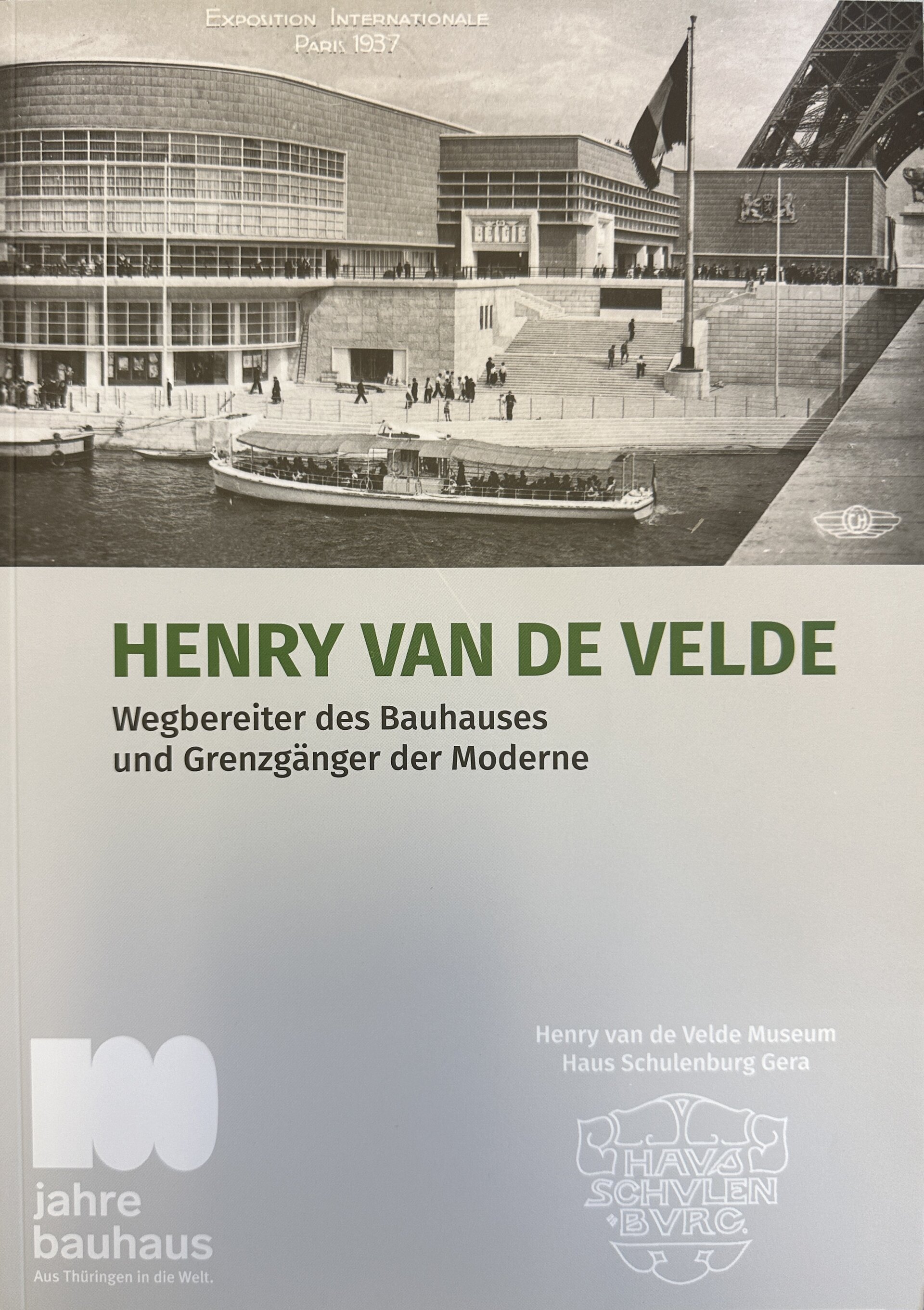
The Schulenburg Mansion in Gera, designed by Henry van de Velde in 1913–1914 for textile manufacturer Paul Schulenburg, represents one of the architect’s most complete Gesamtkunstwerk concepts, integrating architecture, interiors, furnishings and landscape design. After decades of altered use, vacancy and serious deterioration, the privately initiated restoration began in 1997 with the aim of returning the house, outbuildings, pavilions and park to their original state. The project combined extensive historical research, architectural surveys and traditional craftsmanship, including the reconstruction of wall coverings, parquet floors, metalwork, furniture and garden structures. Today the restored house functions as the Henry van de Velde Museum, hosting exhibitions, cultural events, seminars and educational activities while preserving the coherence of van de Velde’s original artistic vision.
Similar projects

Middle Ages

17th century

19th century

1927-1929
15th century

16th century

1939 - 1942

20th century

1929 - 1930

9 AD

11th century

19th century