

Ignacy Historic Mine
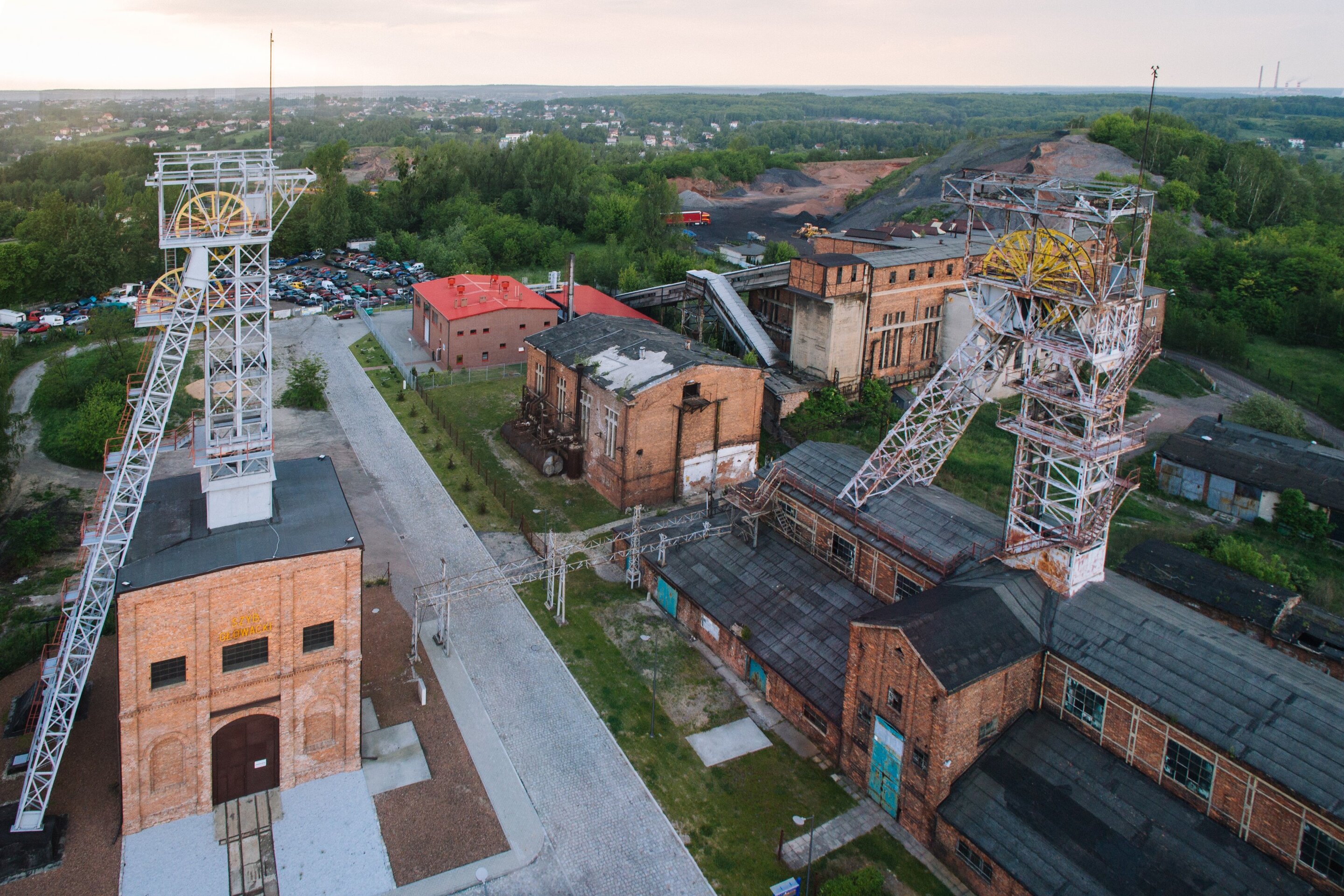
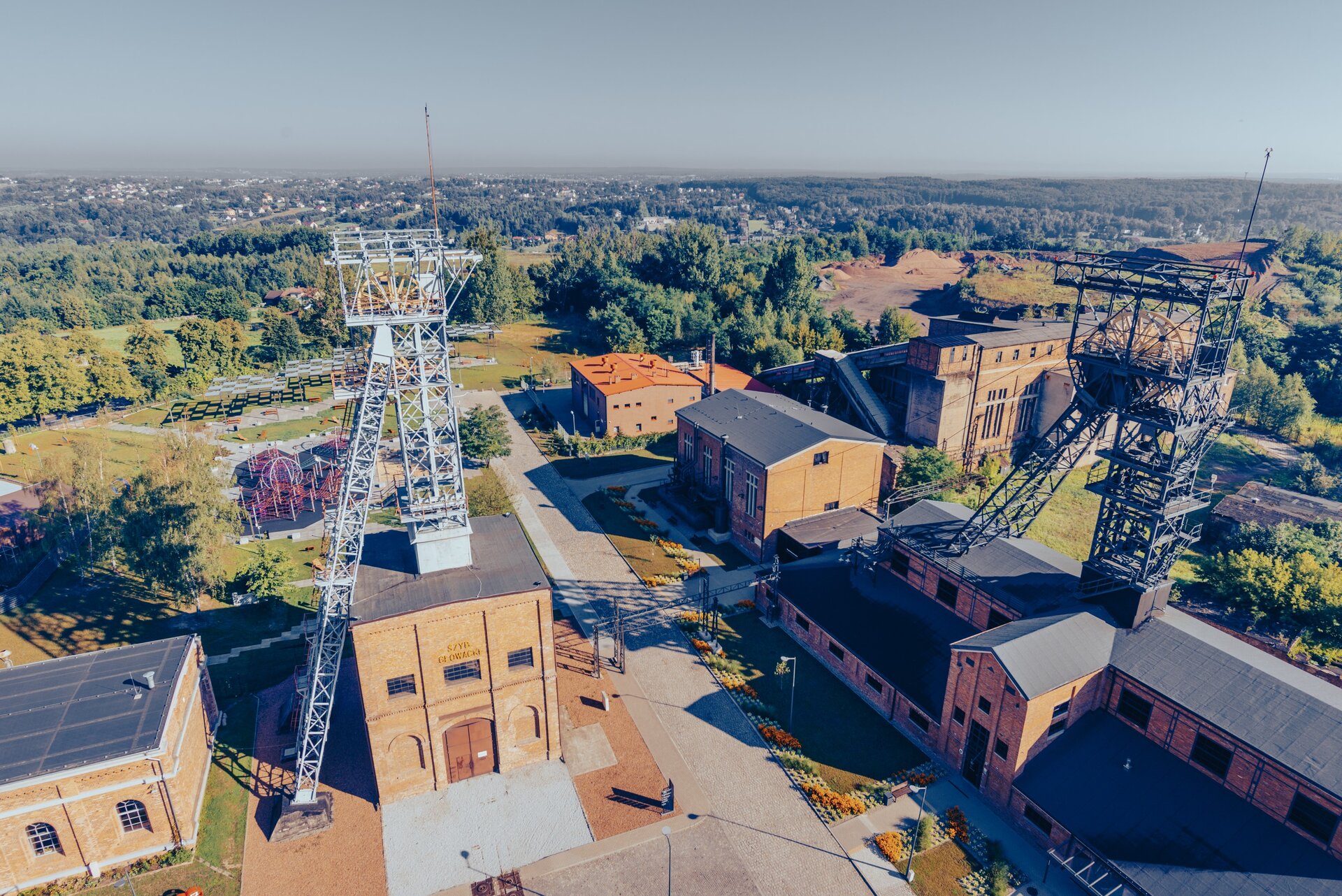
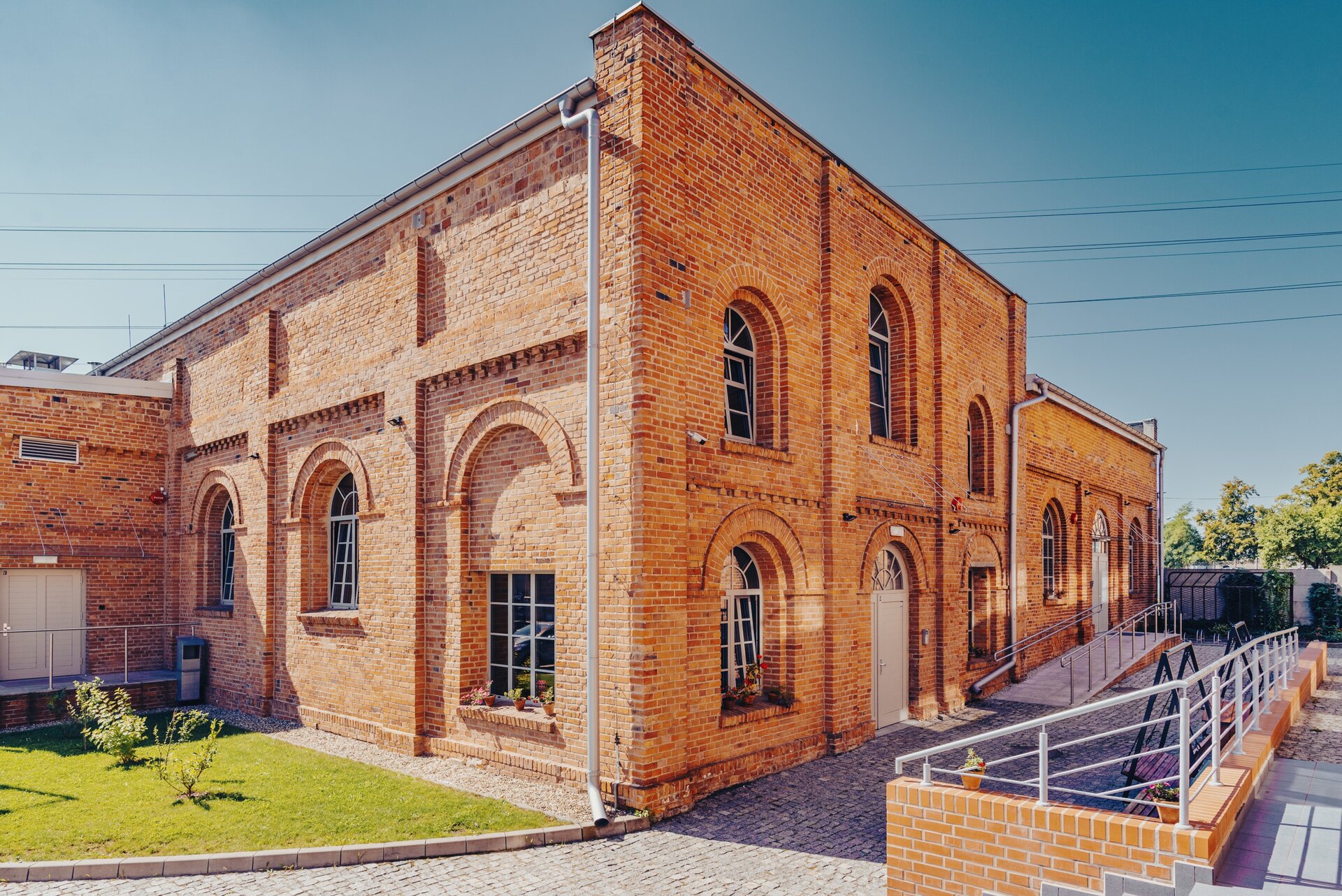
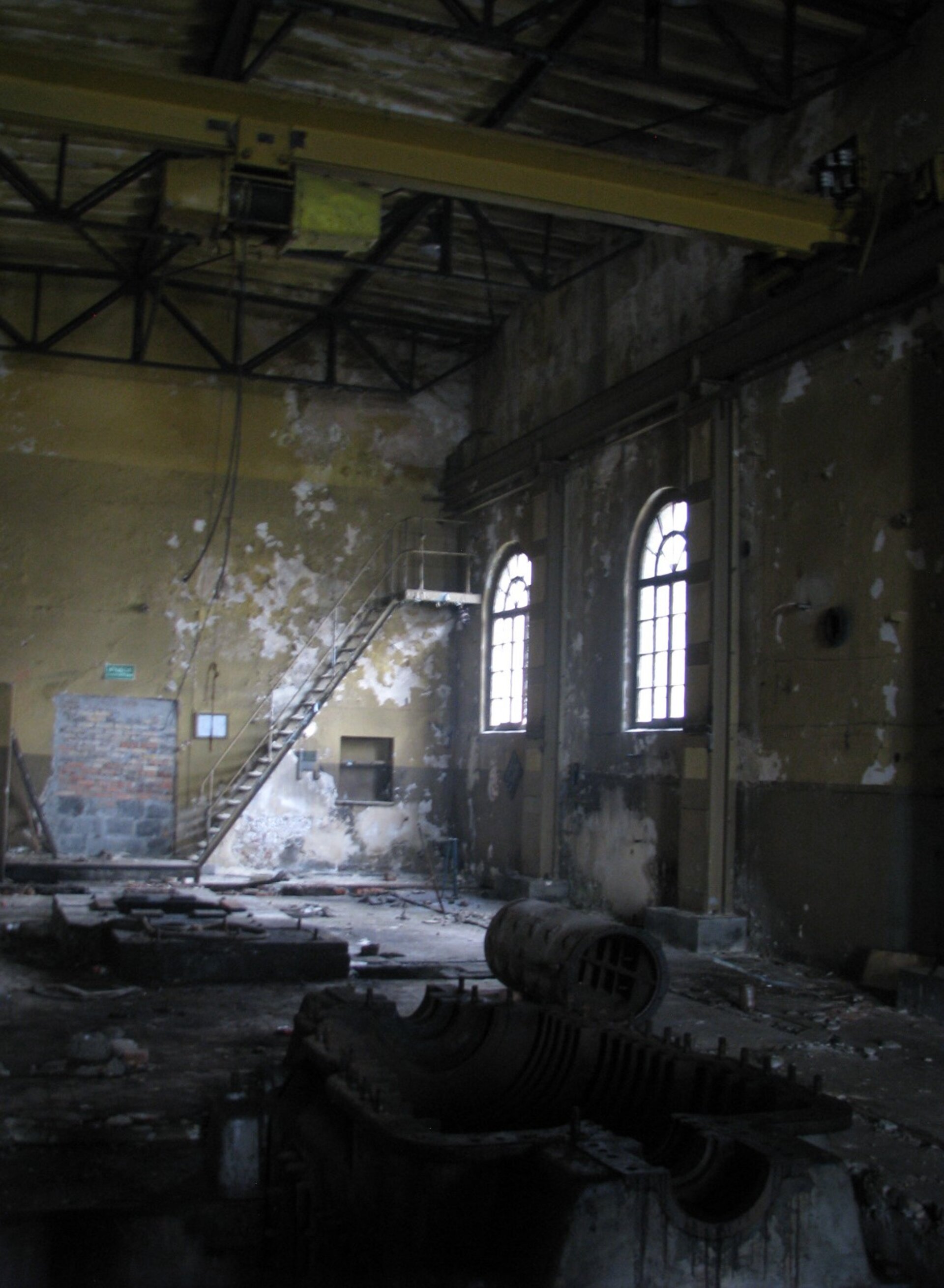
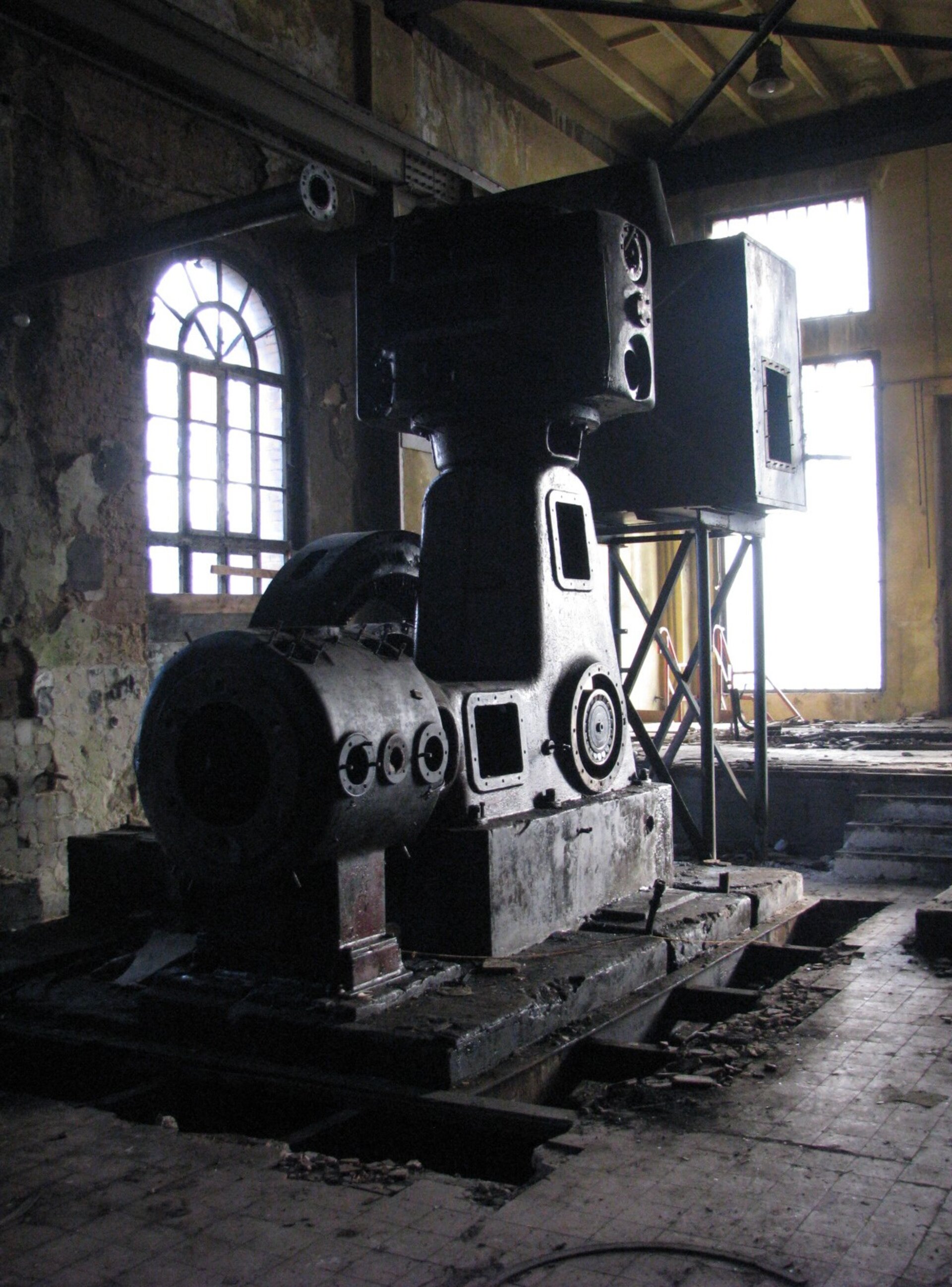
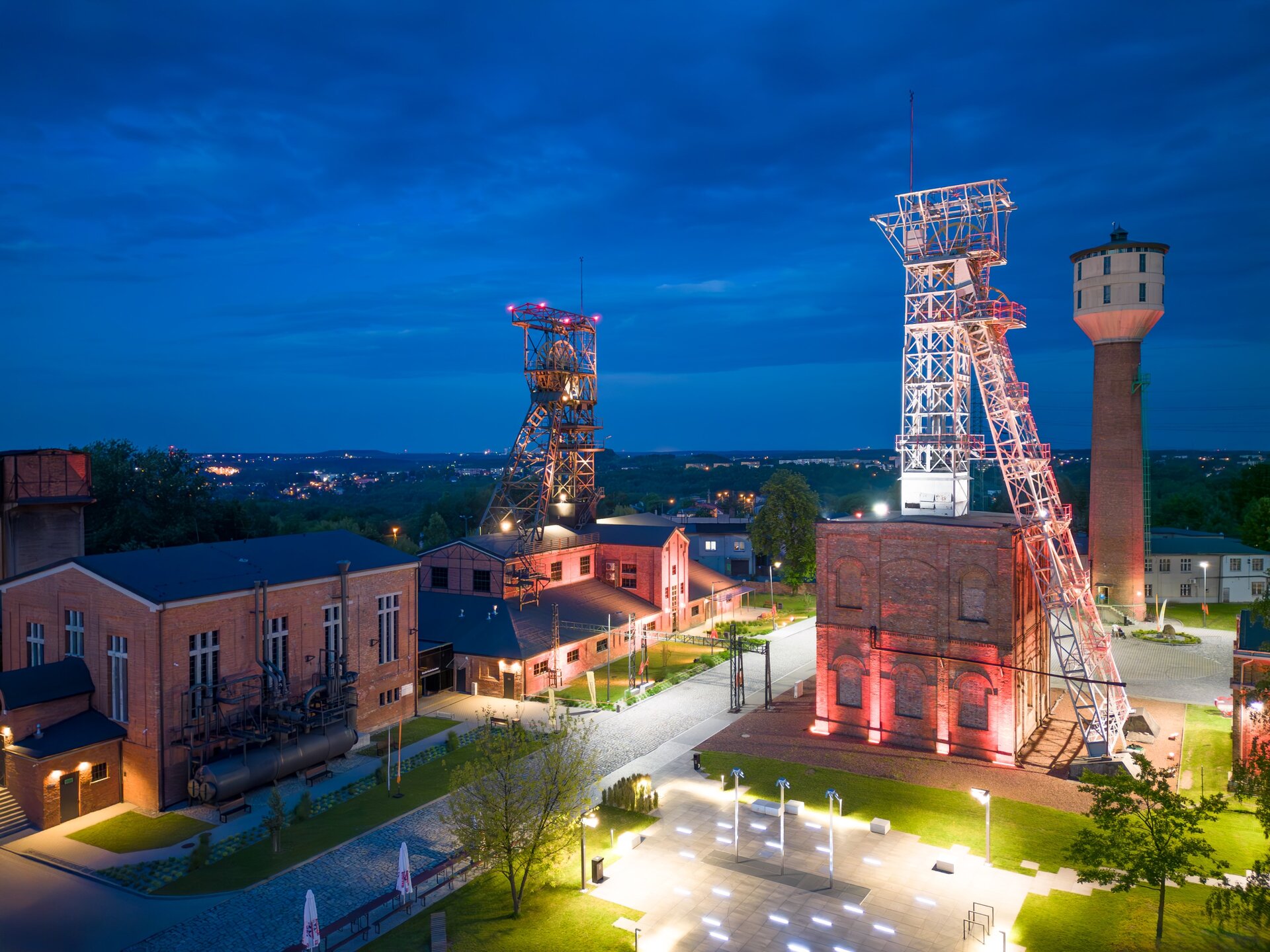
The Ignacy Historic Mine in Rybnik is one of the oldest coal mining sites in Poland, founded in 1792 and continuously active for more than two centuries. After closure and severe deterioration, a long-term restoration programme preserved the most valuable surviving parts of the ...
Read more
Project details
Description:
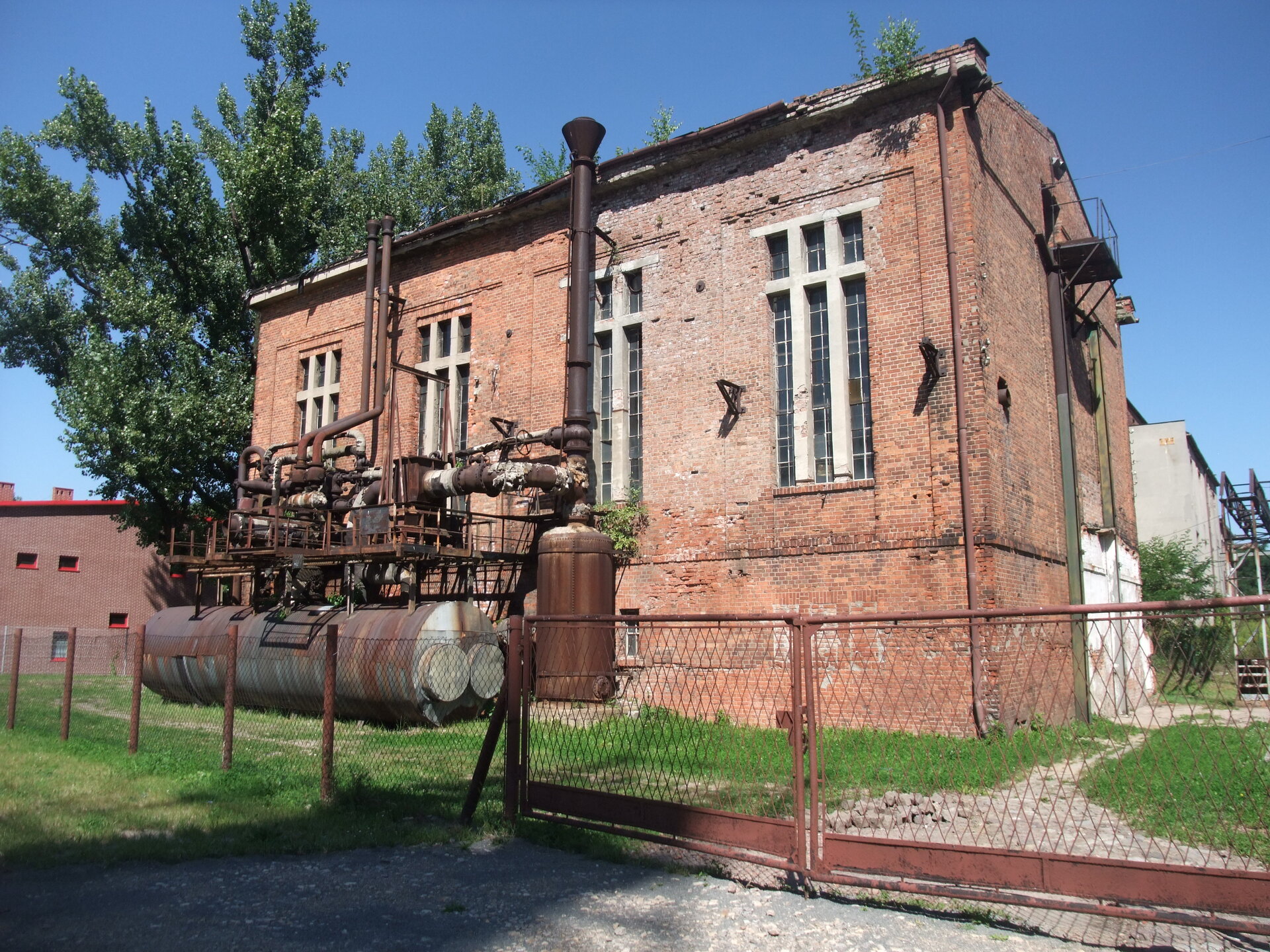
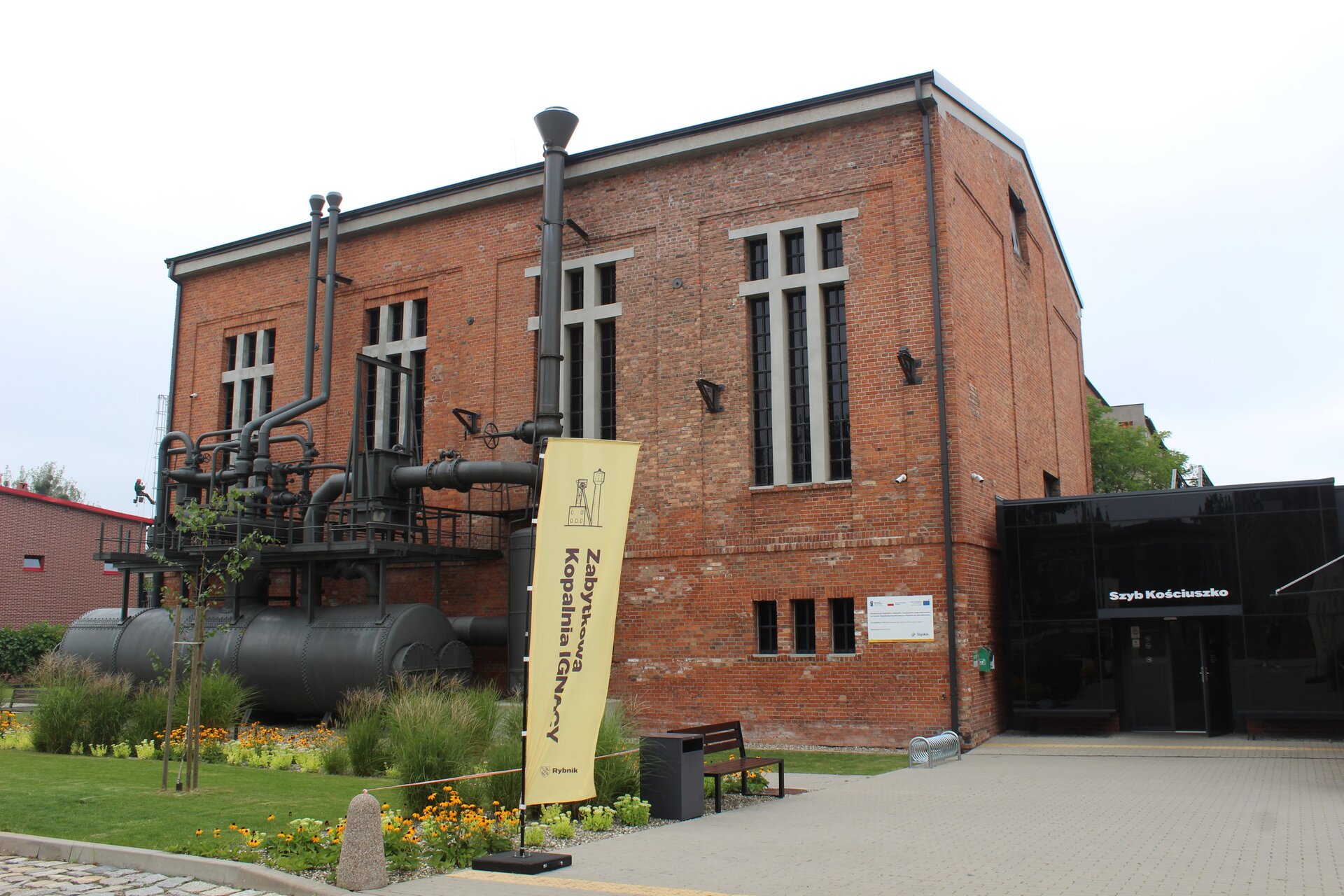
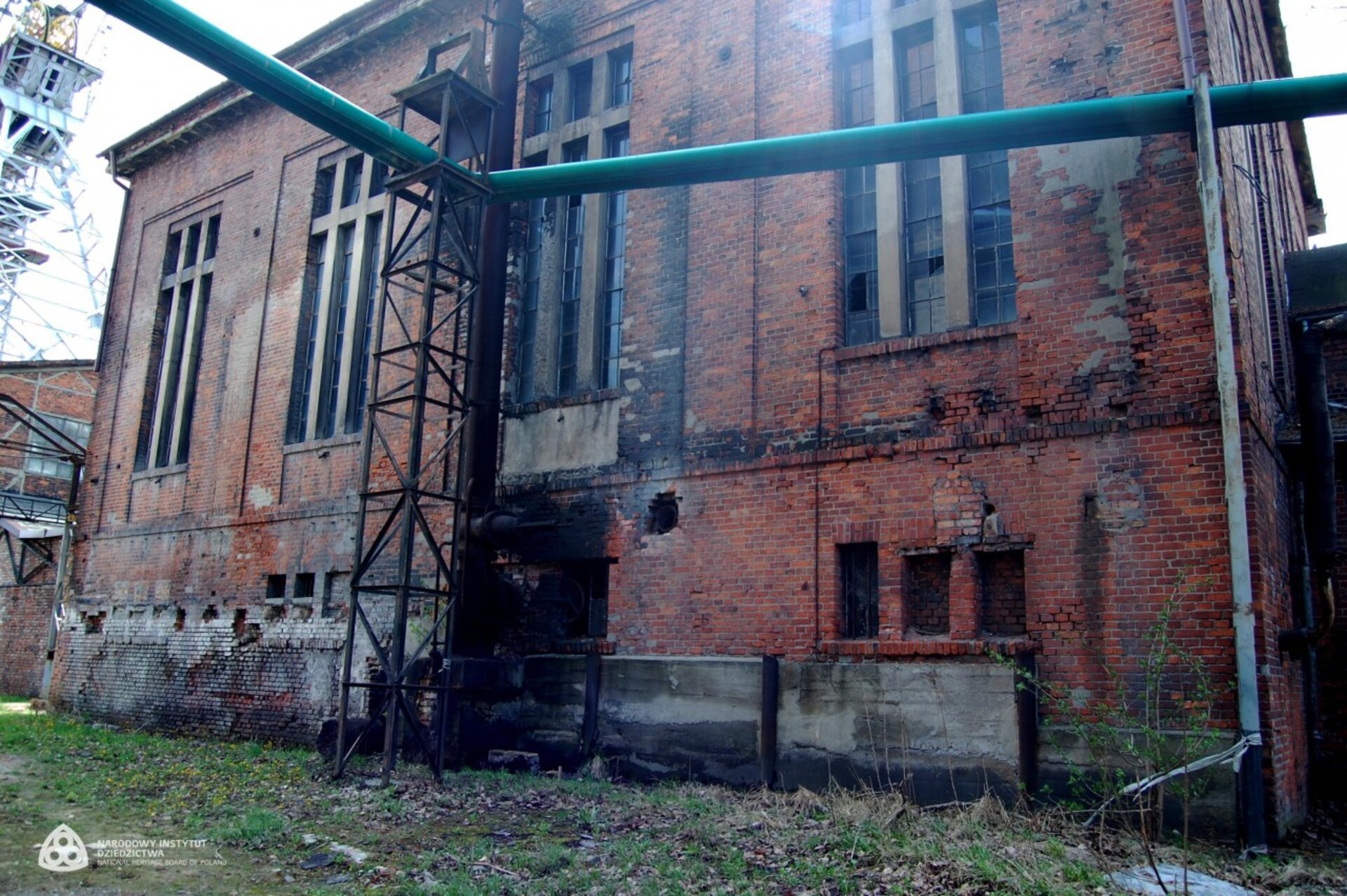
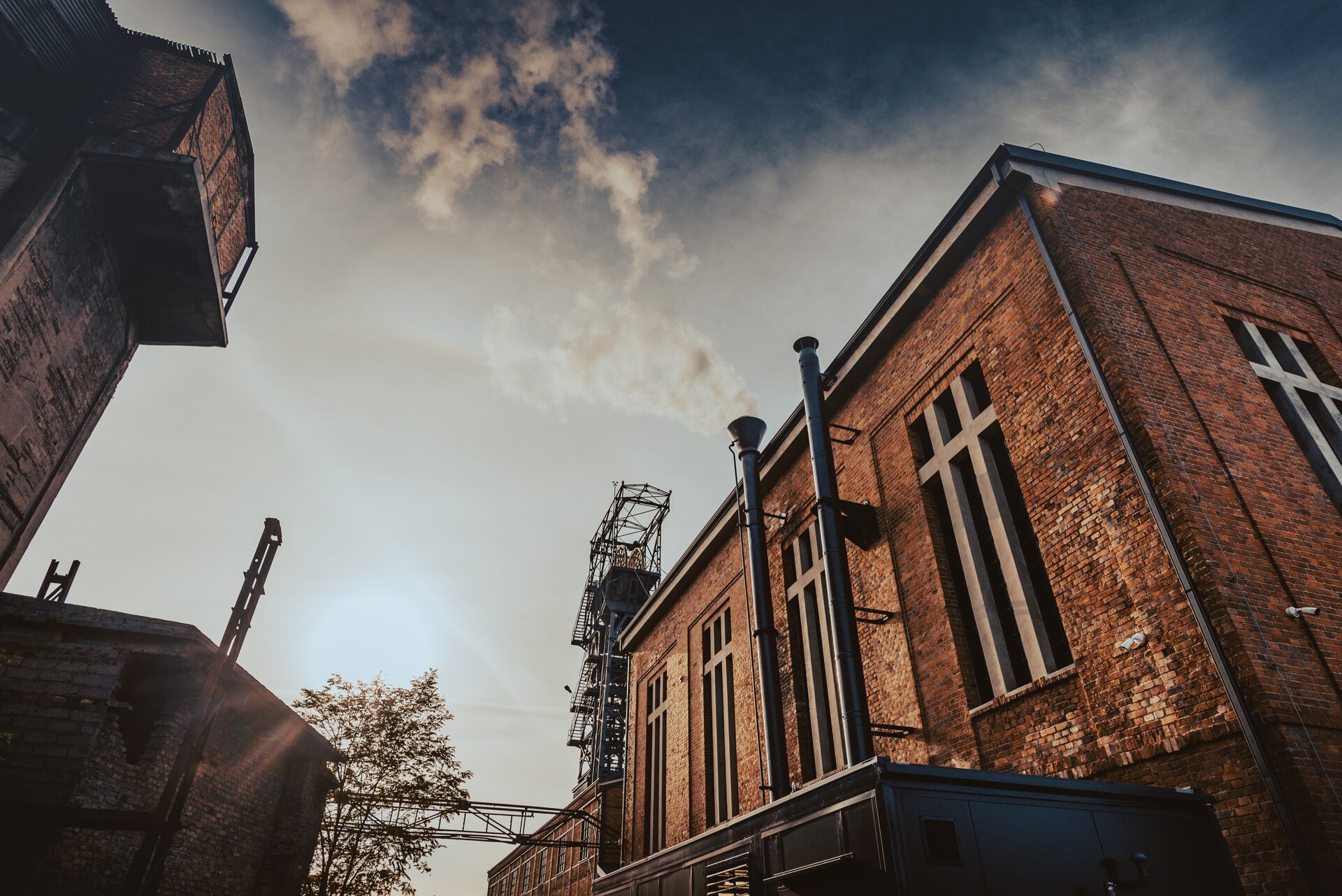
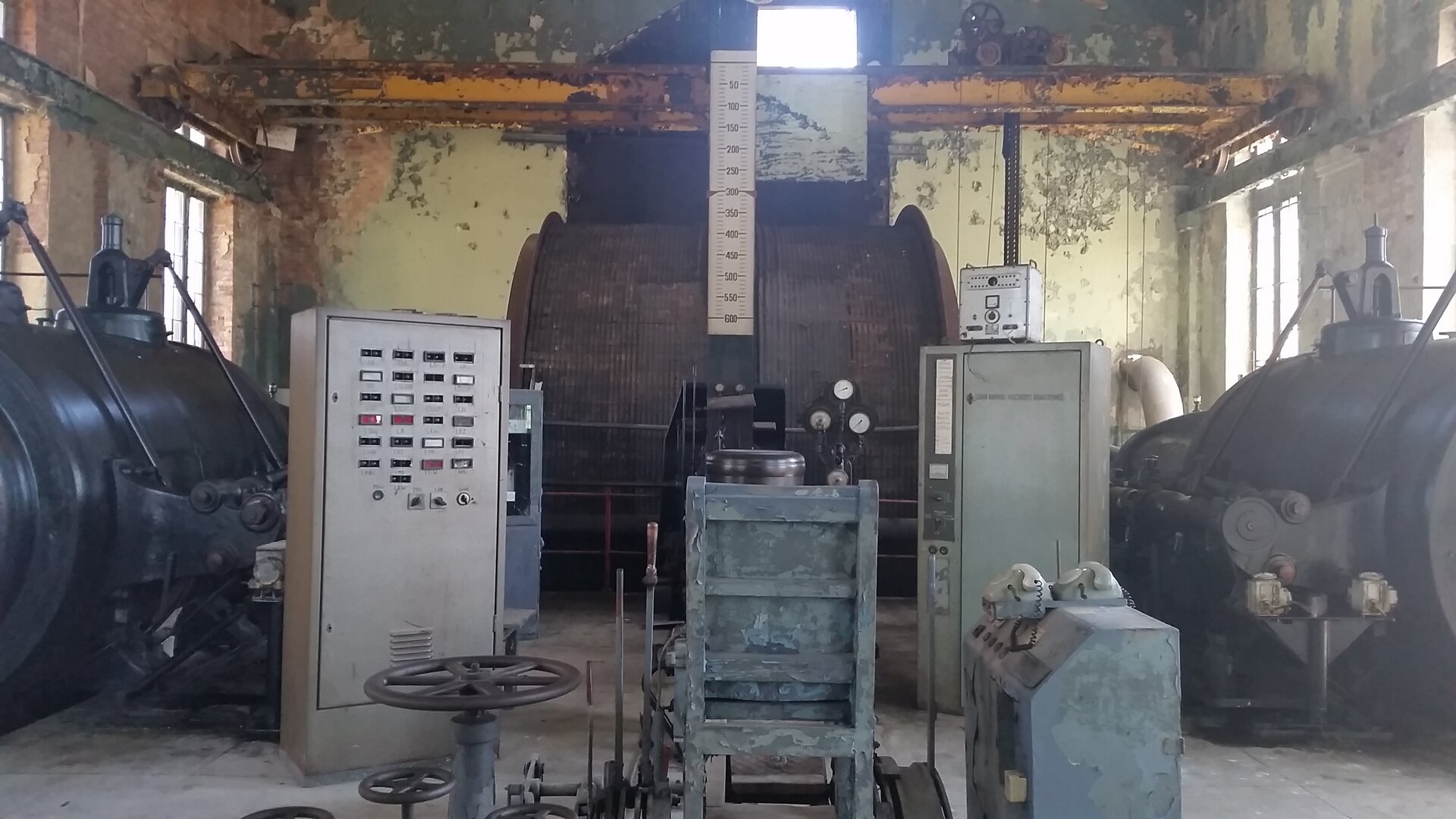
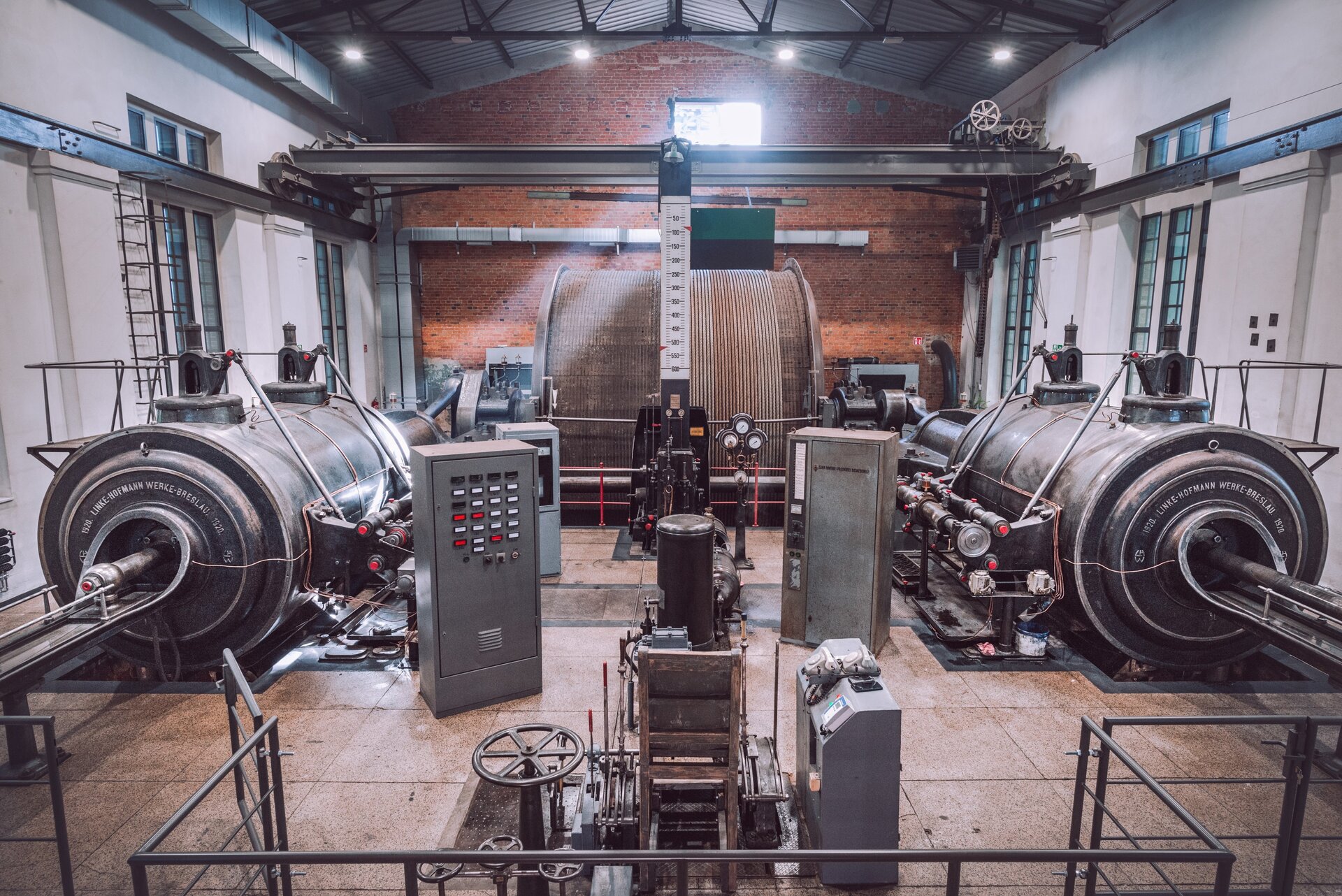
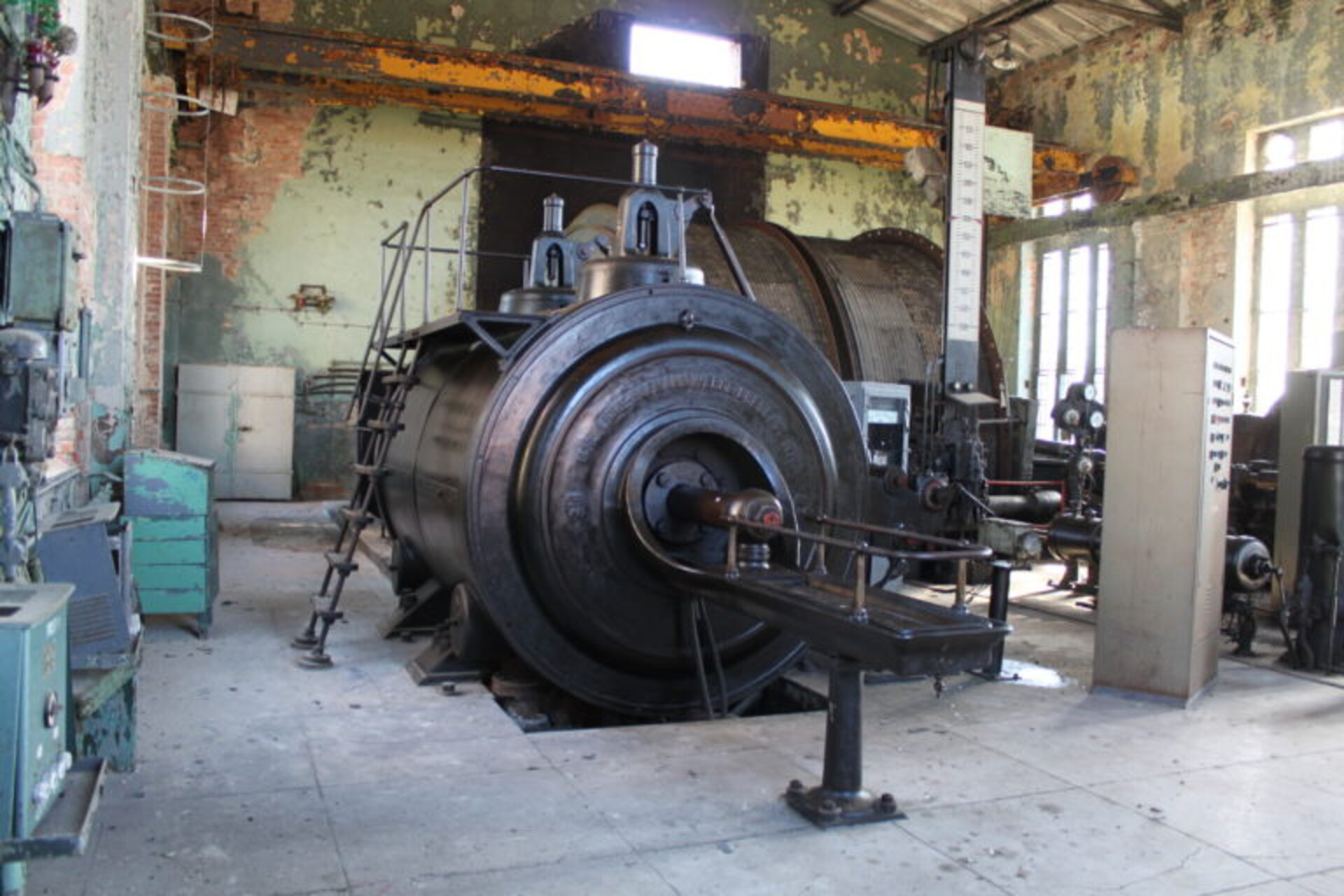
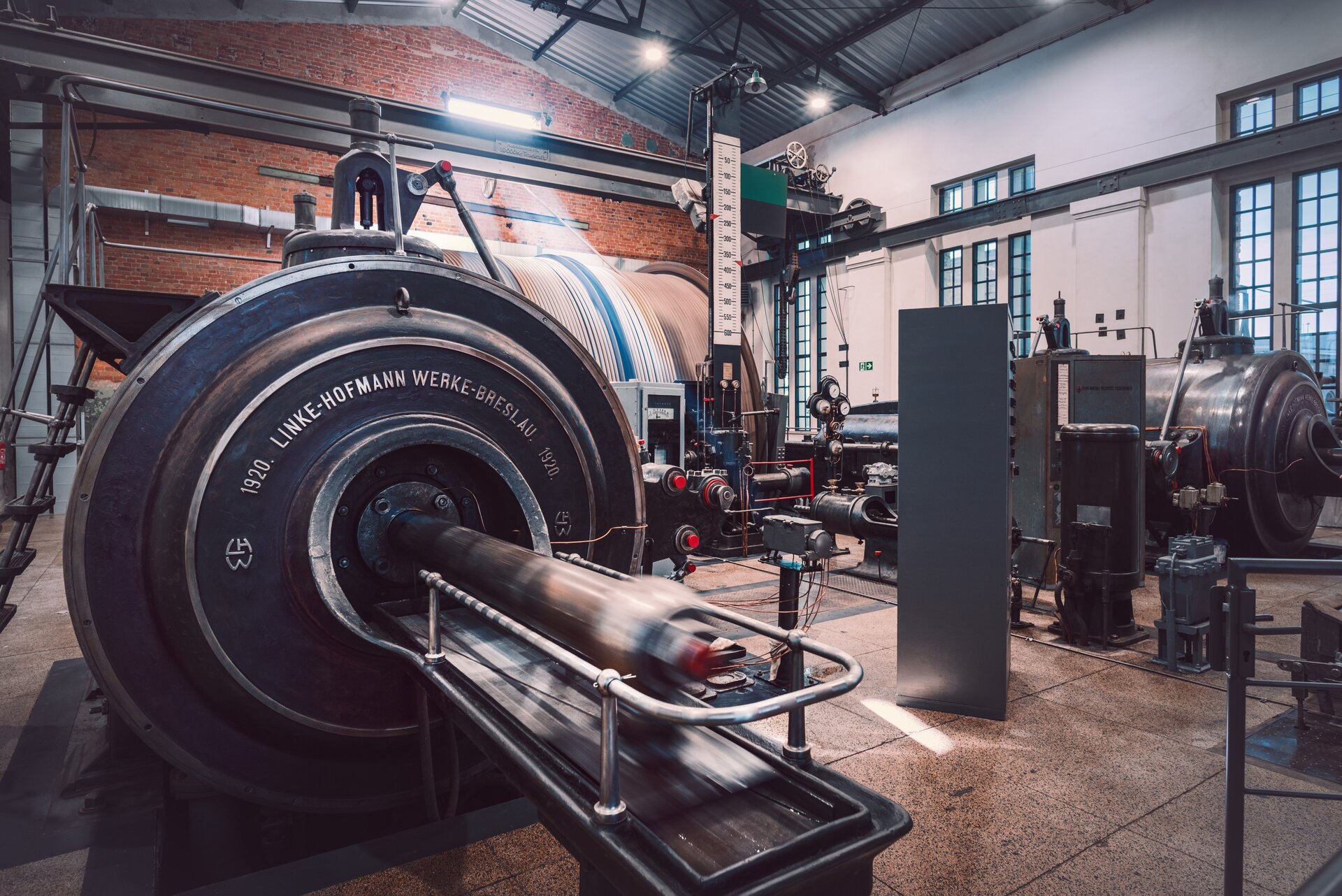
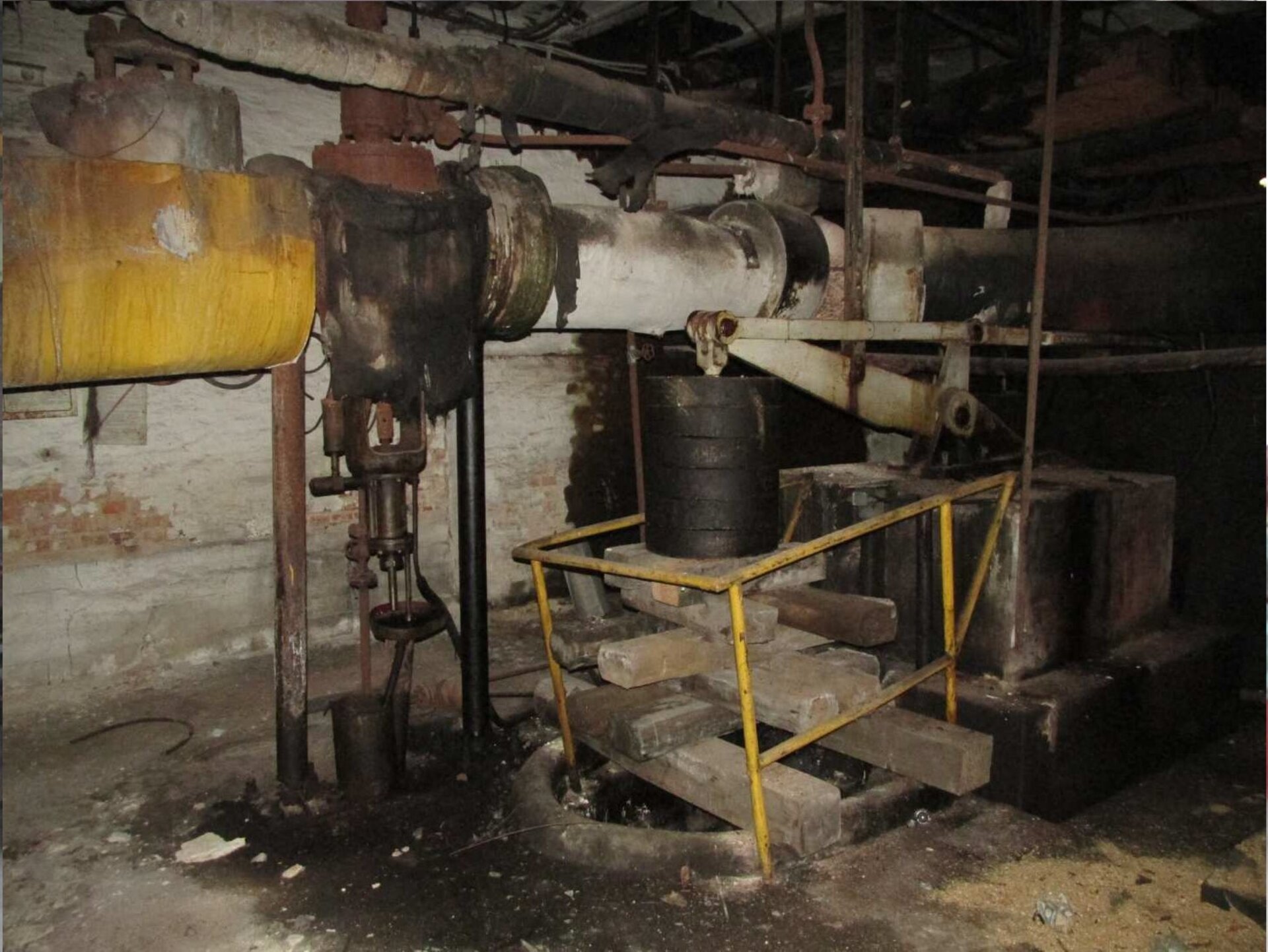
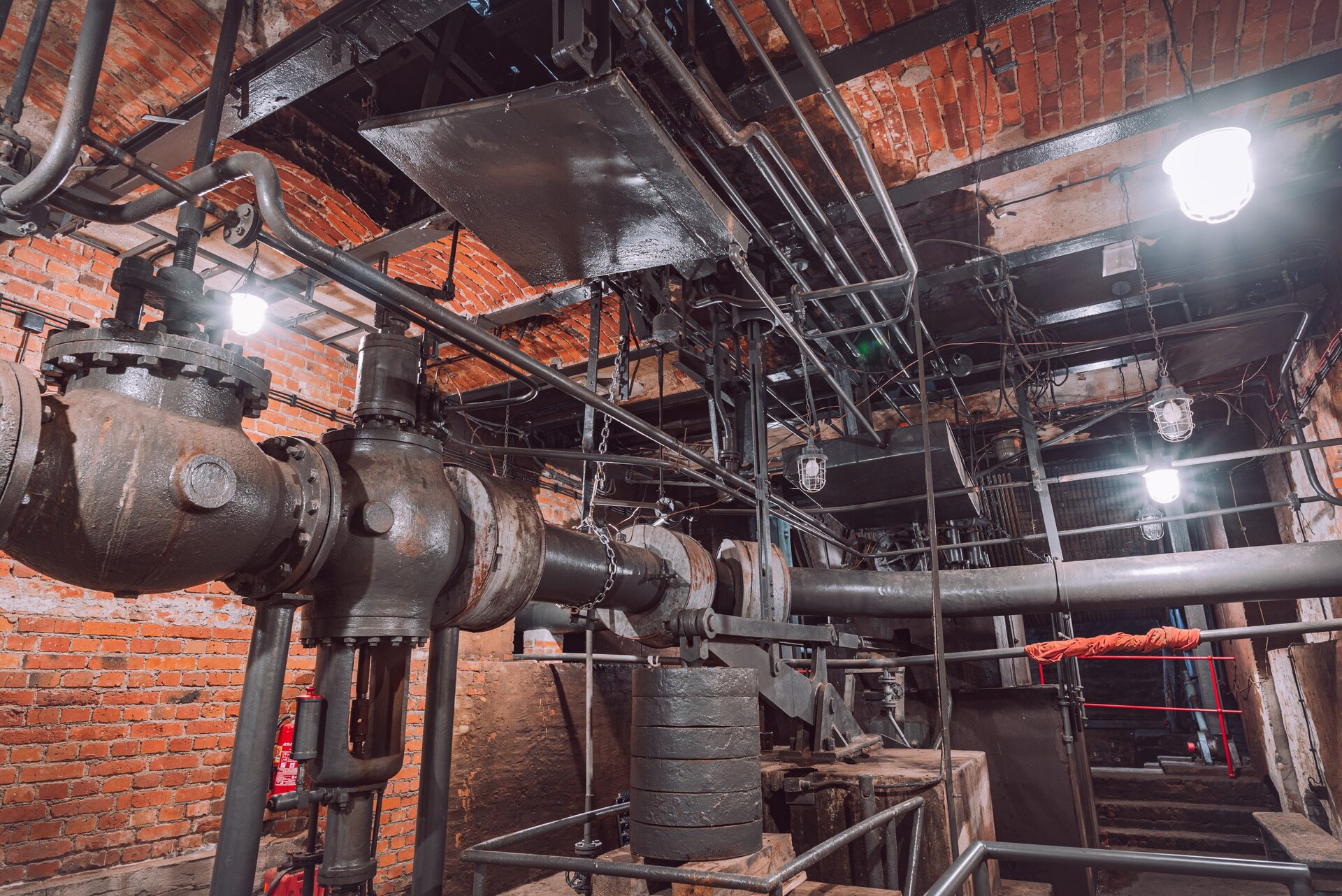
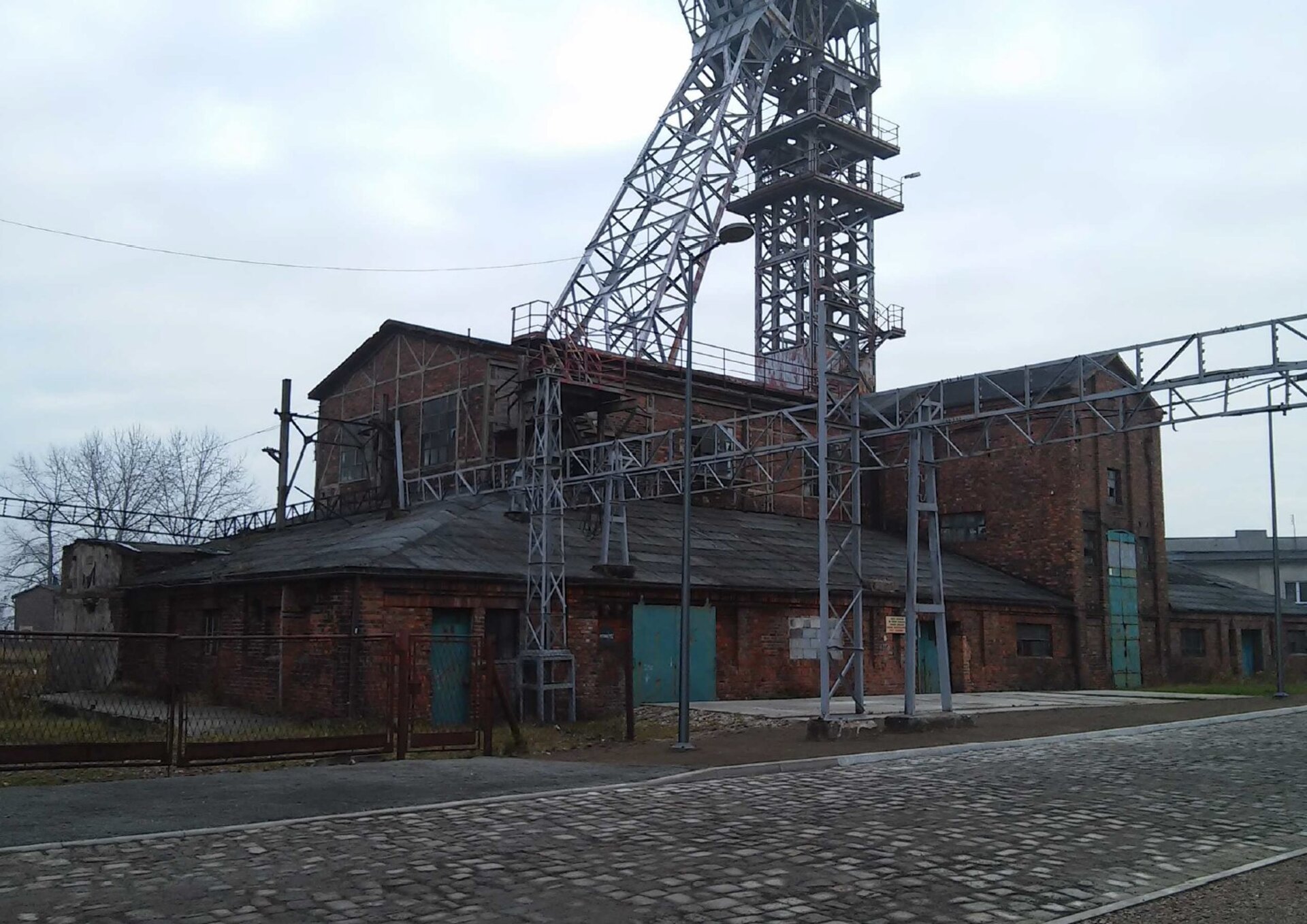
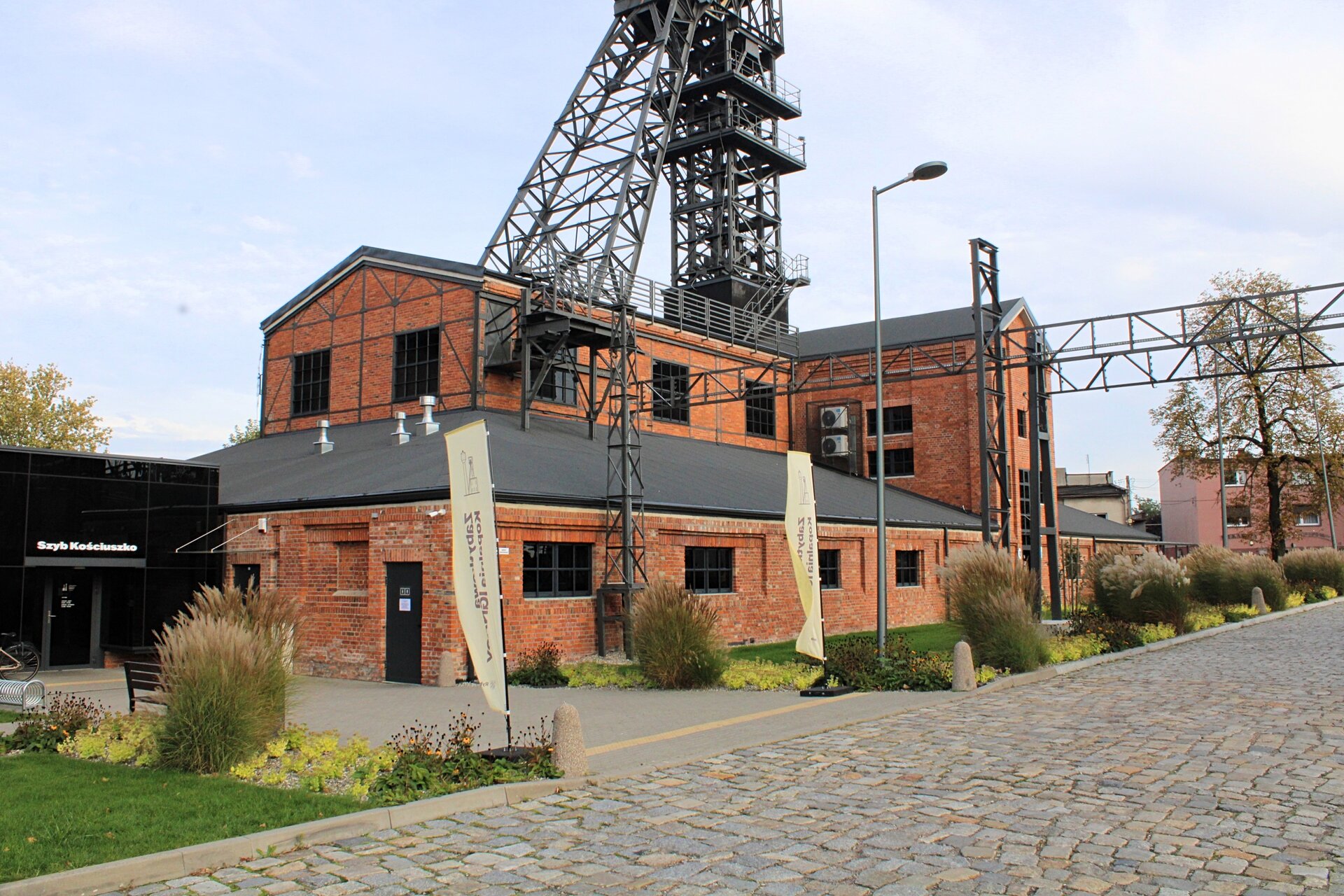
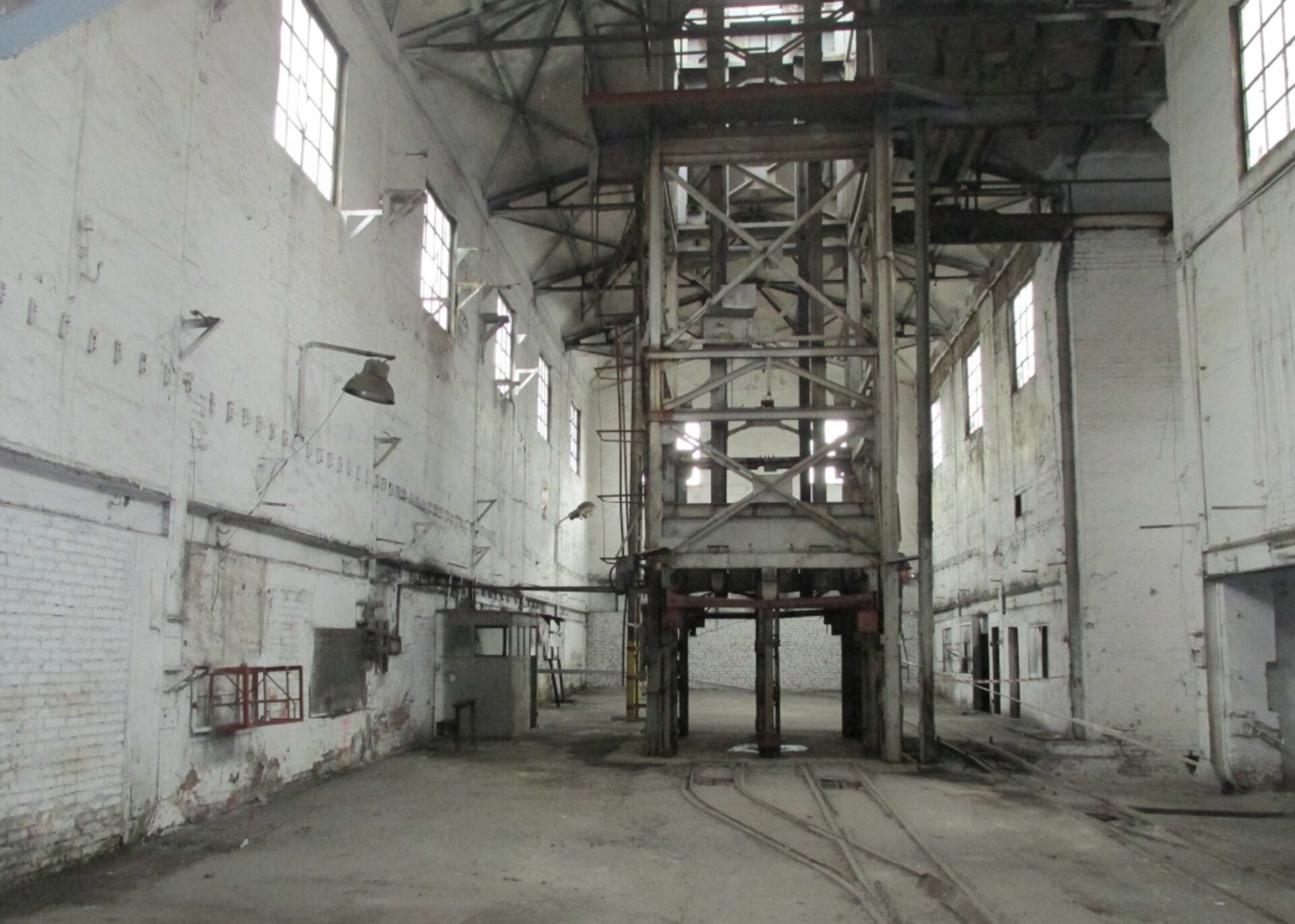
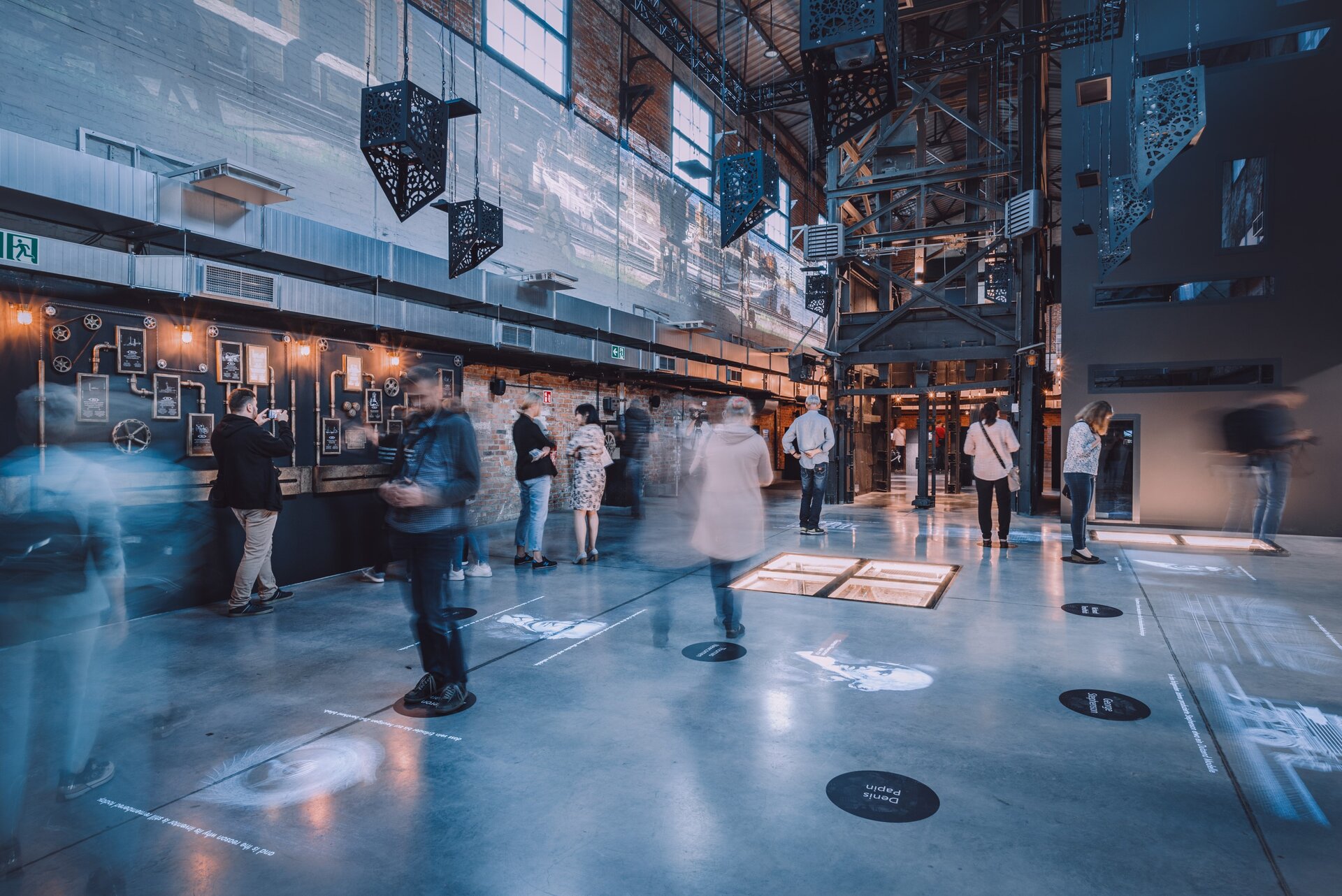
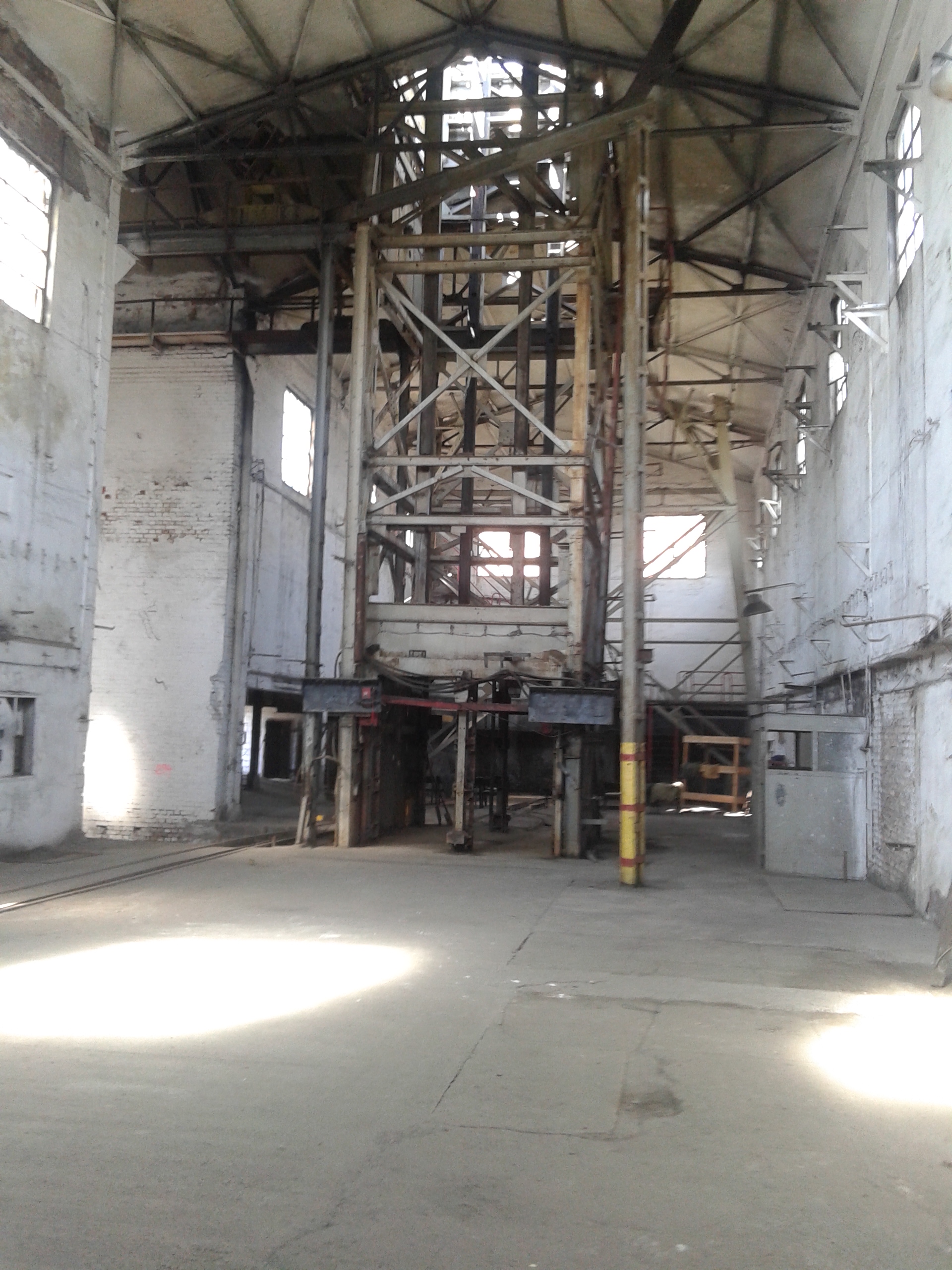
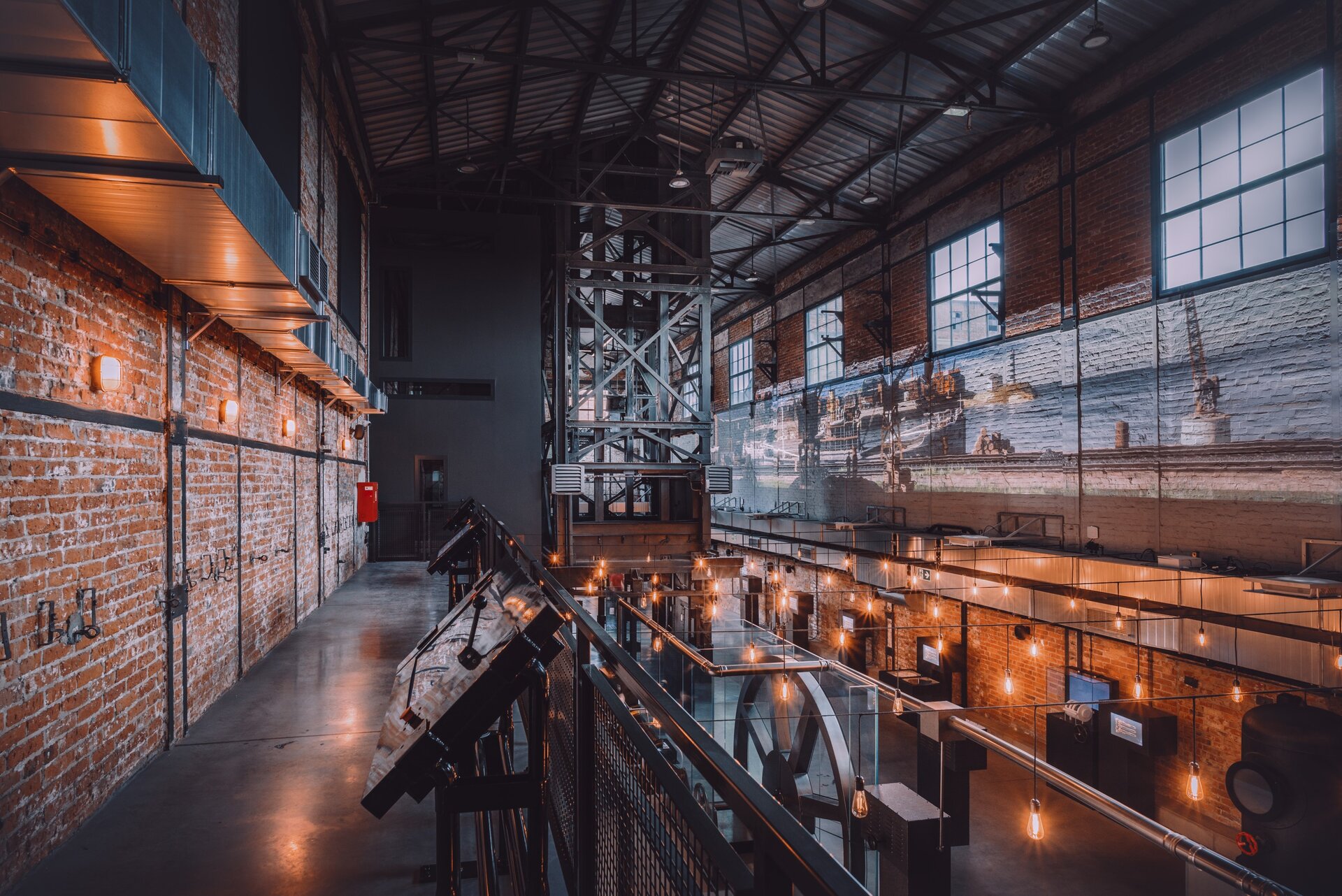
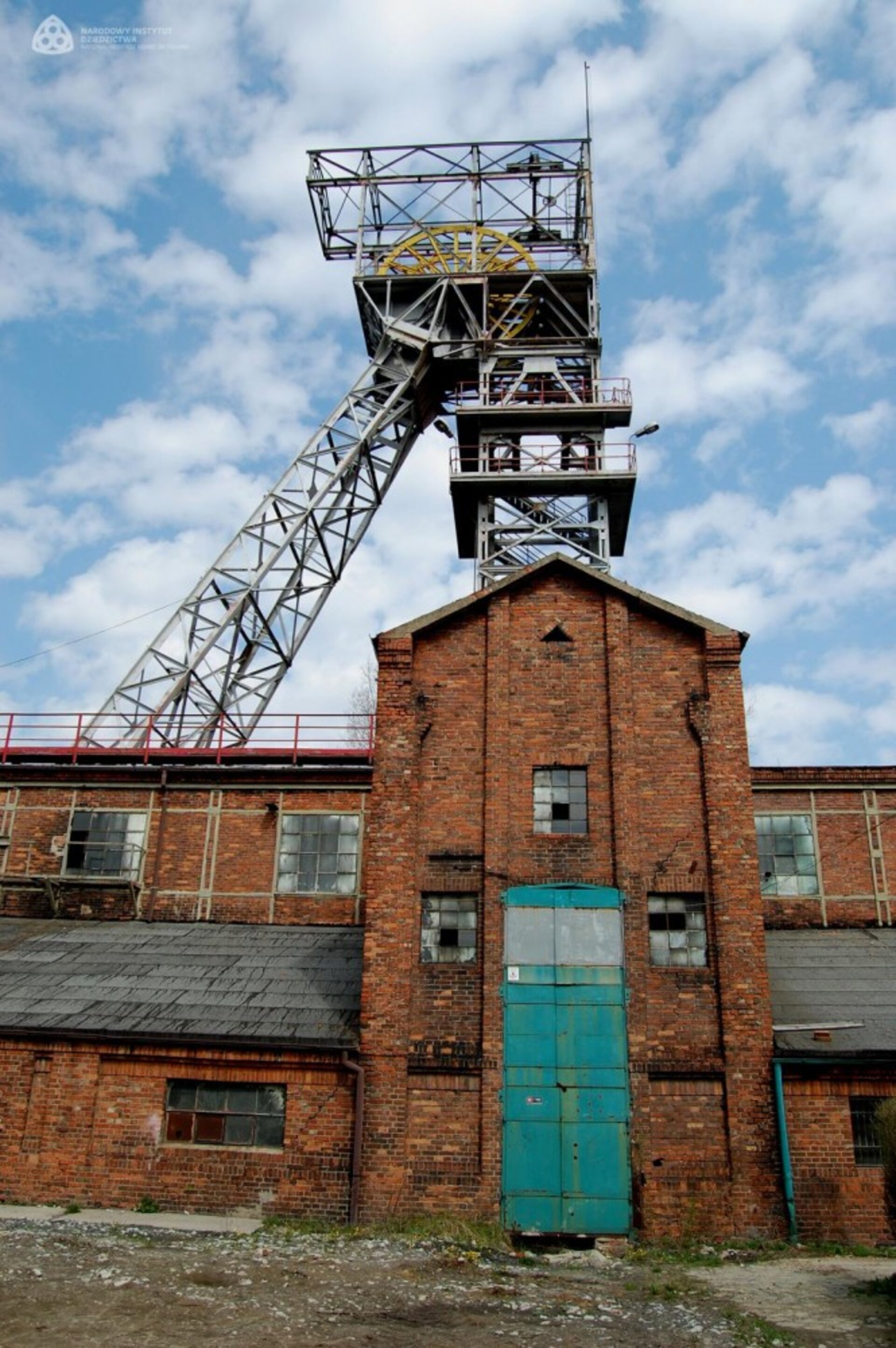
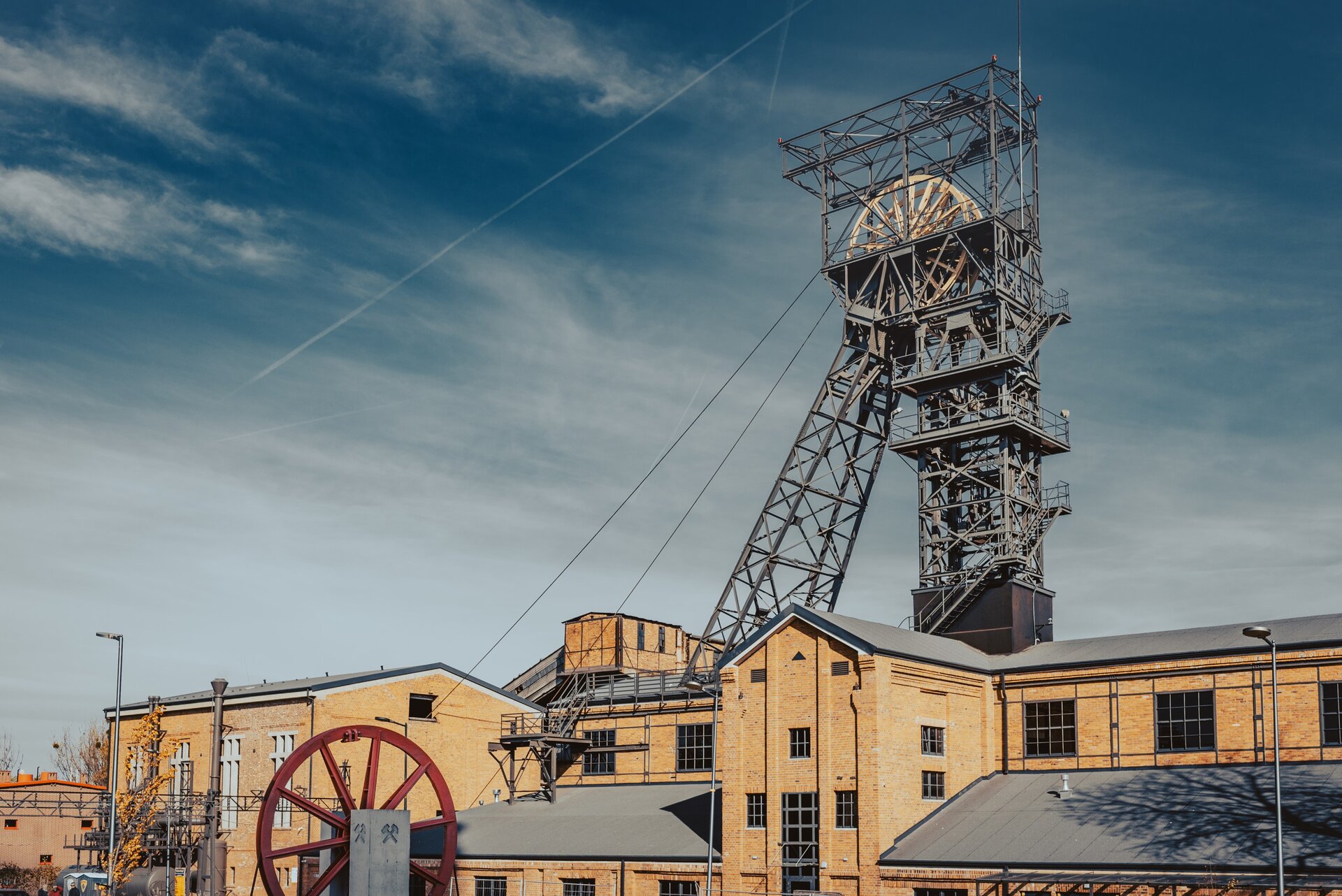
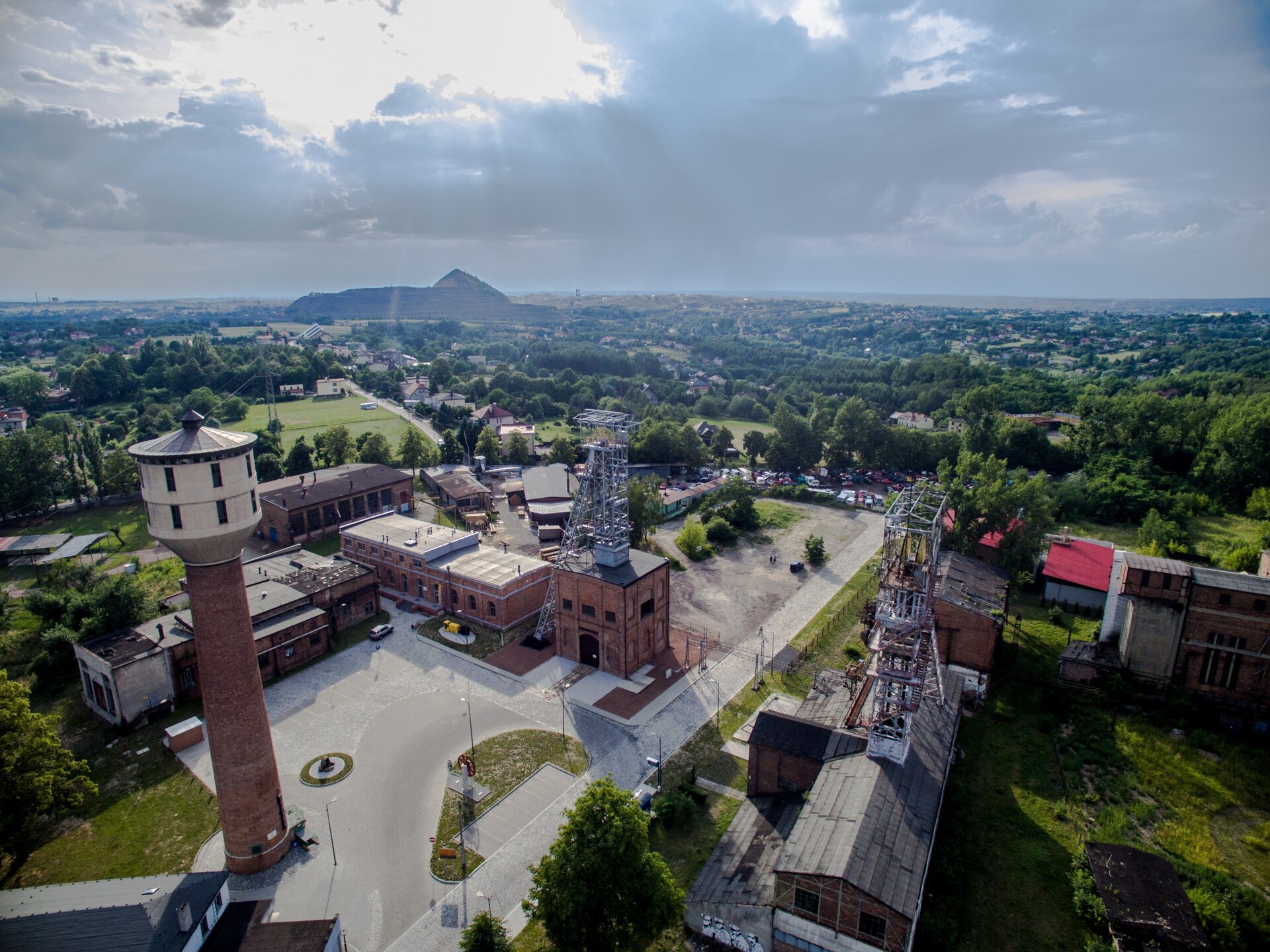
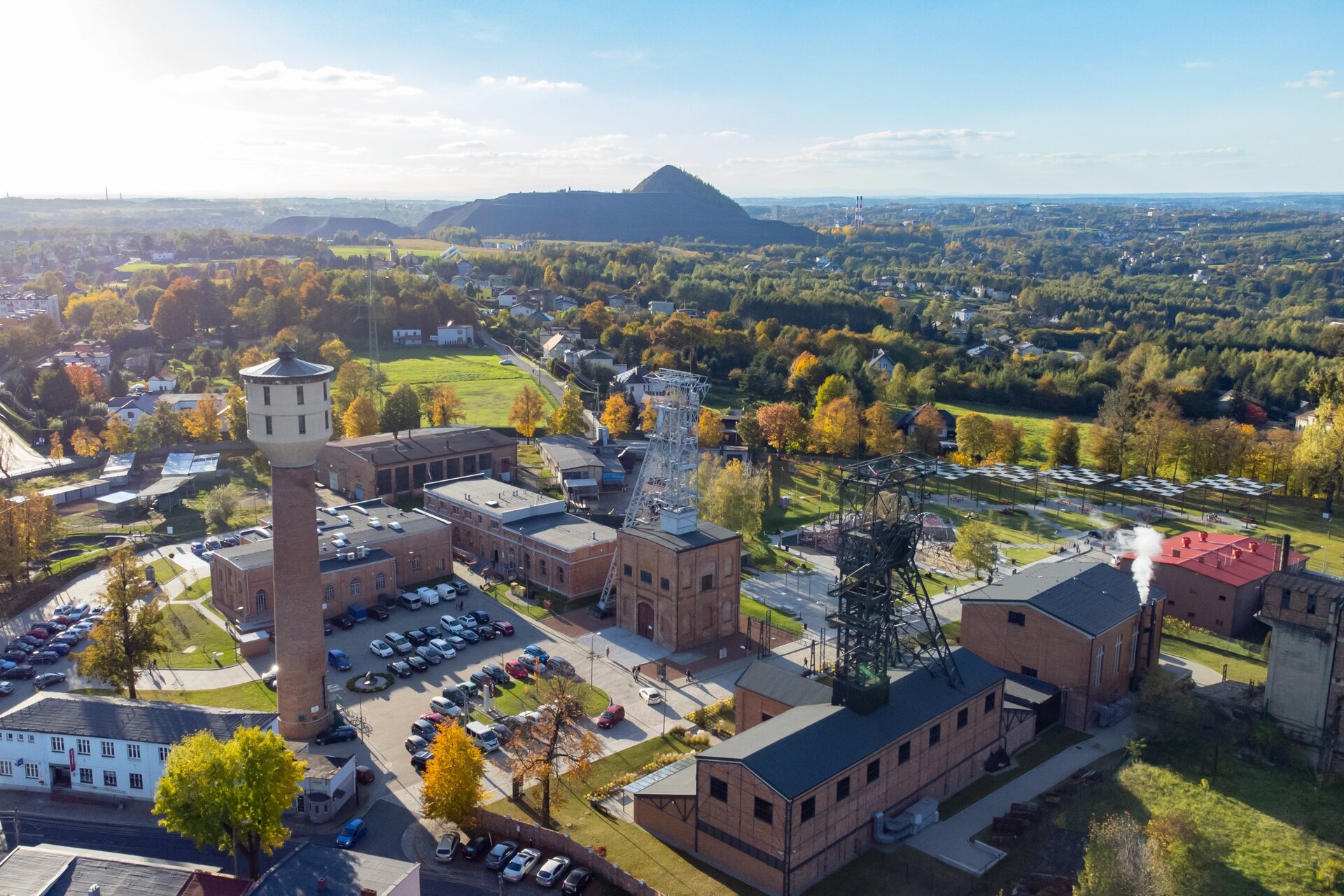
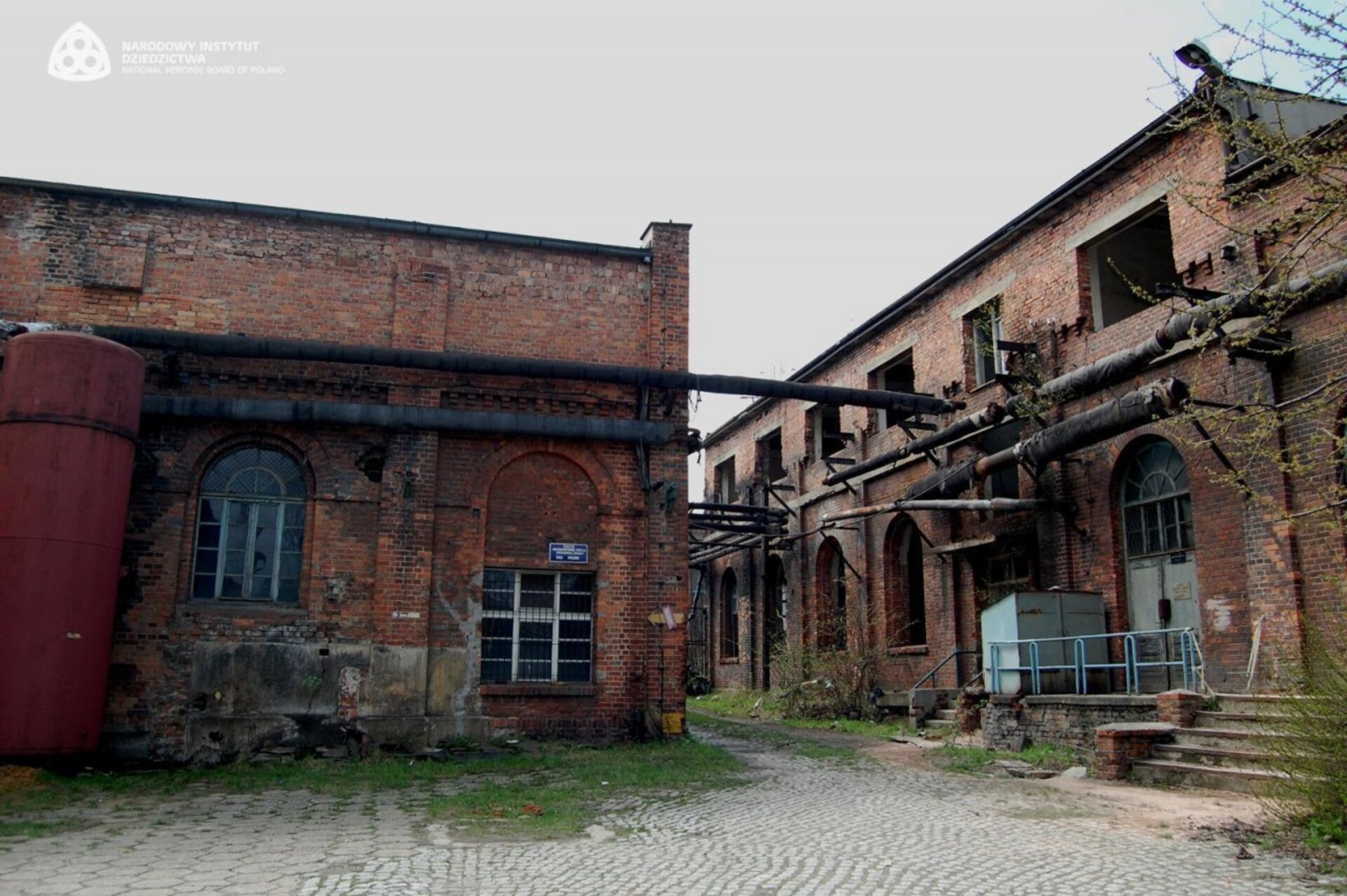
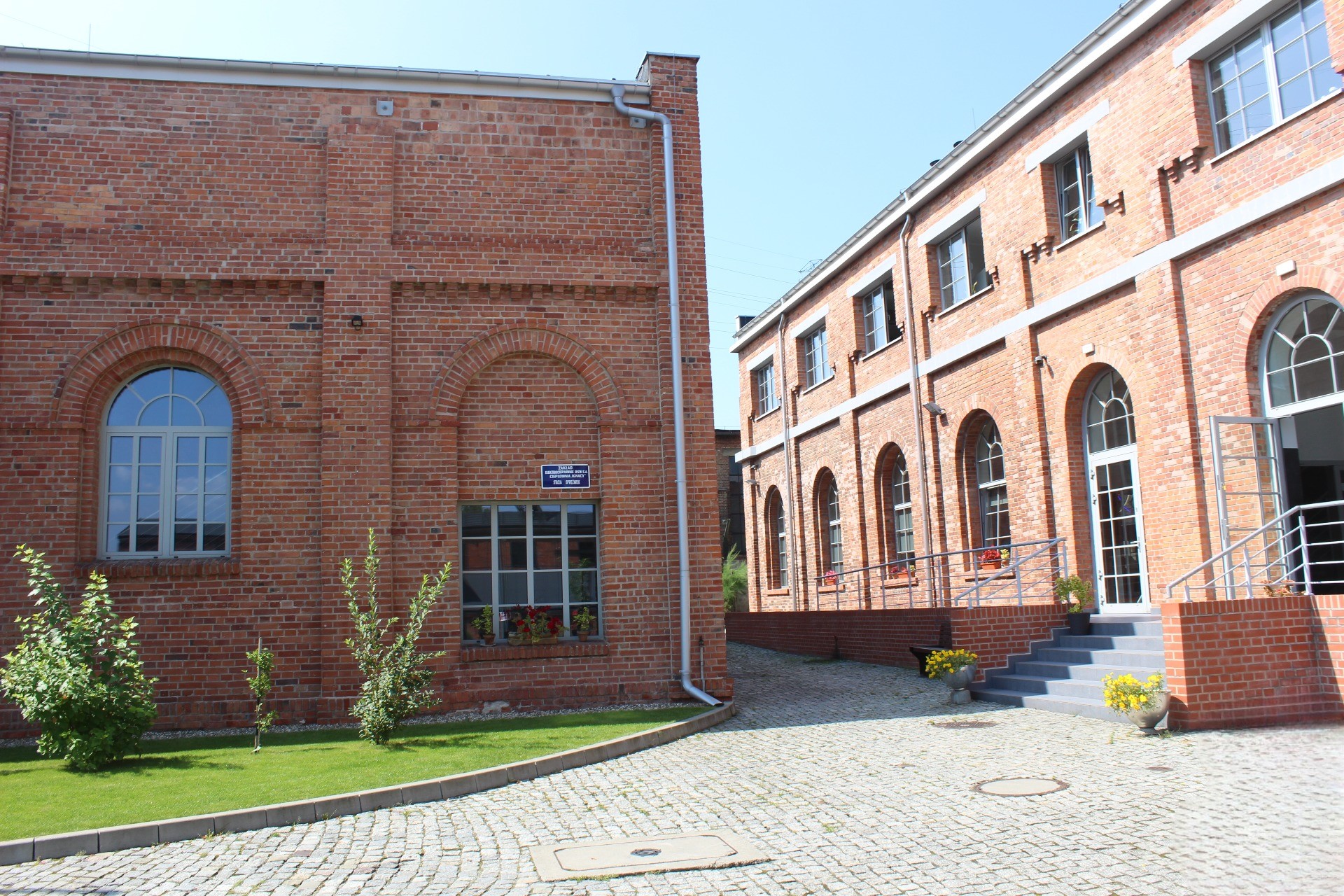
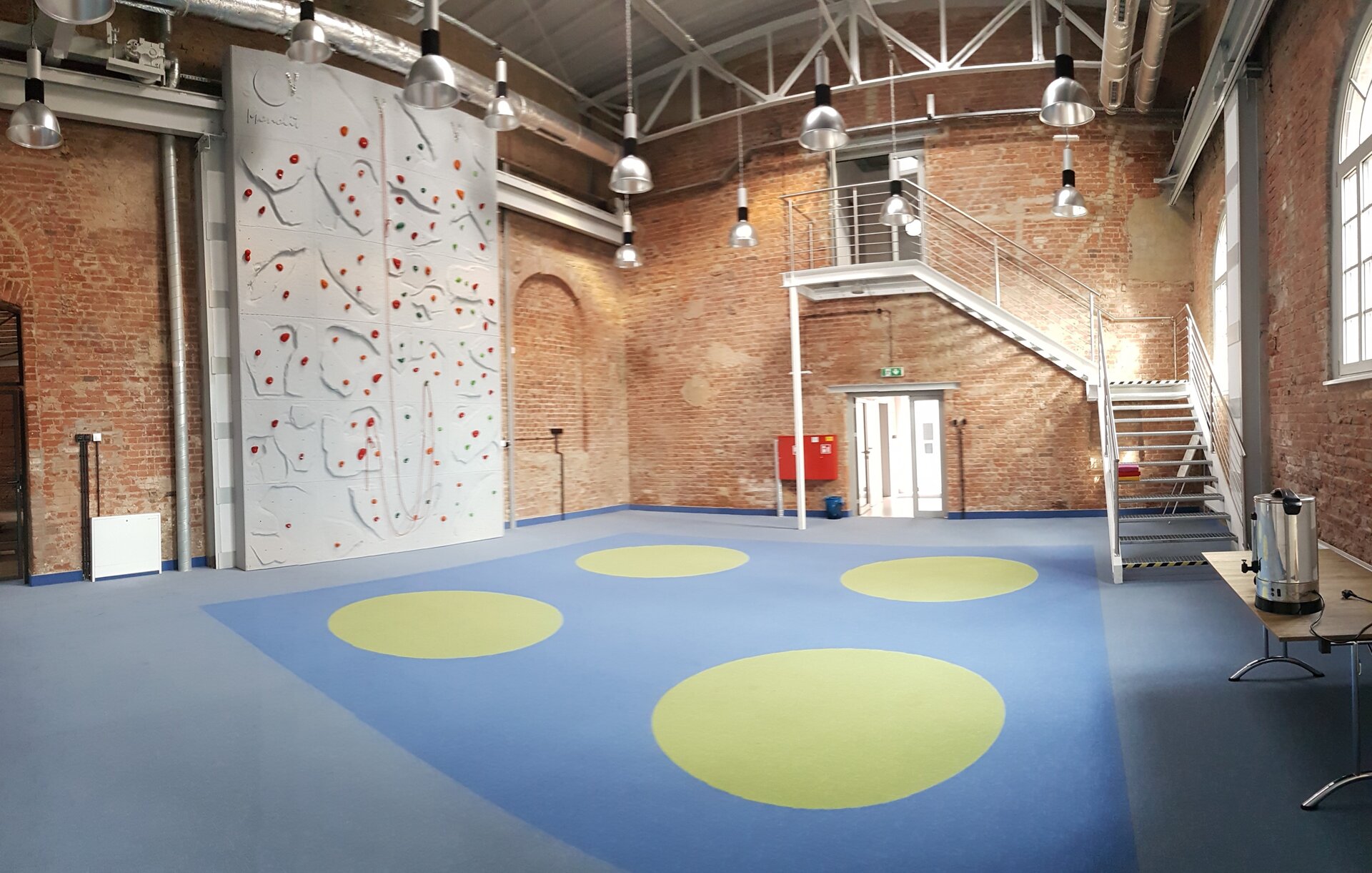
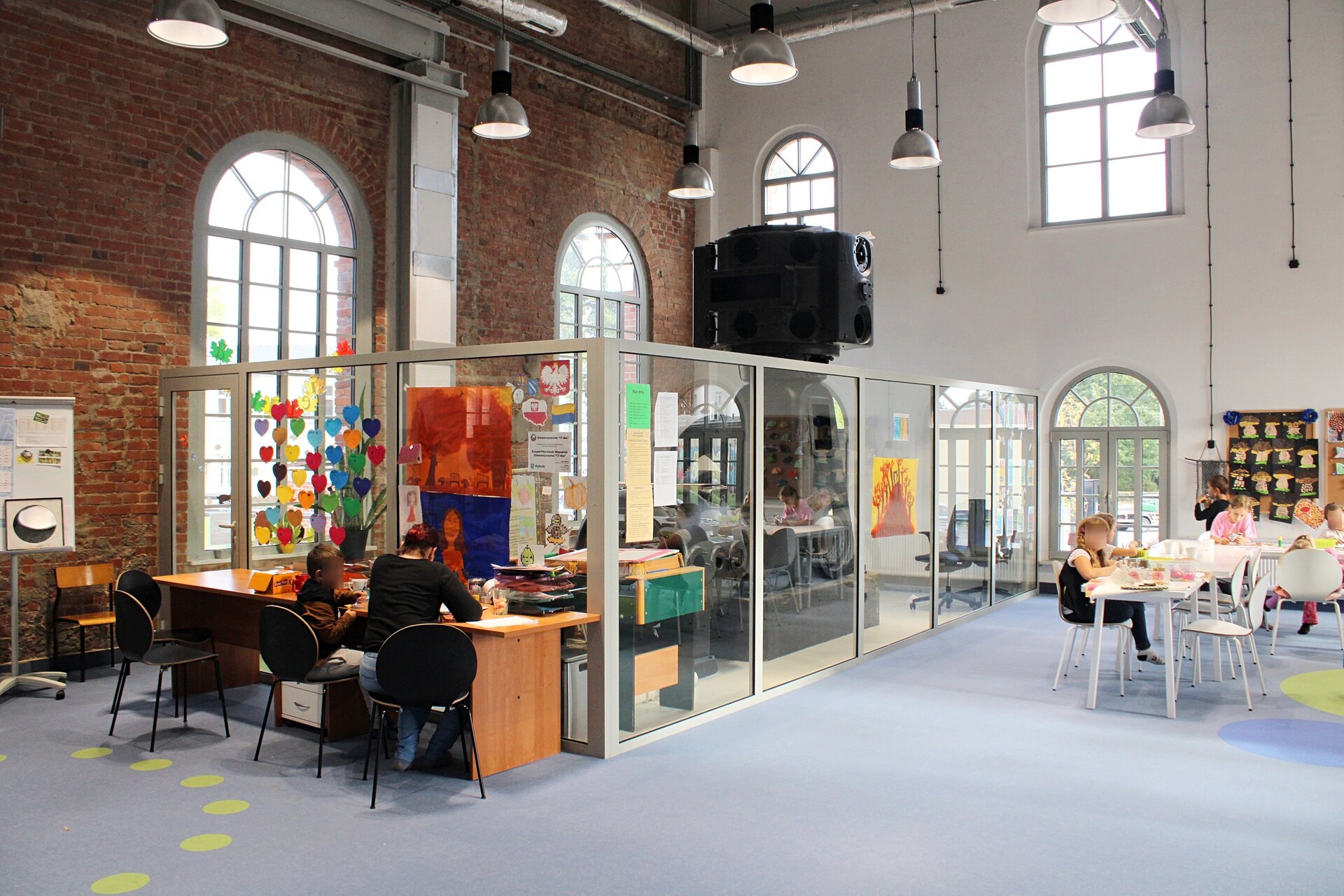
The Ignacy Historic Mine in Rybnik is one of the oldest coal mining sites in Poland, founded in 1792 and continuously active for more than two centuries. After closure and severe deterioration, a long-term restoration programme preserved the most valuable surviving parts of the complex, including historic shaft buildings, steel headframes, industrial interiors and steam-powered hoisting machinery. The adaptive reuse project transformed the former mine into a cultural, educational and recreational centre while retaining its industrial authenticity. A fully functioning restored steam engine now forms the centrepiece of the permanent exhibition “Age of Steam”, linking the site to the broader European history of industrialisation and technological innovation.
Similar projects

1792

19th century

16th-18th century

19th century

18th century


18th century

16th-17th century

19th century

17th century

18th century

19th century